Skip to content
Artwork for बालमोदिनी
Kids & FamilyStories for KidsReligion & SpiritualityHinduism

बालमोदिनी

सम्भाषणसन्देशः

सम्भाषणसन्देशः इति संस्कृतमासिकपत्रिका (https://sambhashanasandesha.in) । एतस्यां पत्रिकायां प्रकाशिताः लेखाः, कथाः, बालकथाः, वार्ताः इत्यादिकं सर्वम् अपि सरलसंस्कृतेन एव प्रकाश्यते । तत्रत्याः “बालमोदिनी”नामिकाः बालकथाः अत्र प्रसार्यन्ते । अतः अस्याः शृङ्खलायाः नाम अपि “बालमोदिनी” एव । लघु गात्रं, सरला भाषा च कथानां विशेषः । प्रत्येकं कथा काञ्चित् नीतिं बोधयति । बालकथाः आबालवृद्धं सर्वेषां प्रियाः । संस्कृतेन ताः श्रोतुम् उपलब्धाः भवन्तु इति एषः प्रयत्नः श्रोतृभ्यः अवश्यं रोचेत इति विश्वासः । संस्कृतक्षेत्रे संस्कृतेन पॉड्कास्ट् क्रियमाणाः एताः प्रप्रथमाः कथाः इति सगौरवम् उद्घोष्यते ।

Sambhashana Sandesha is a Sanskrit monthly magazine (https://sambhashanasandesha.in). The articles, stories, children's stories, news, and other content published in this magazine are all presented in simple Sanskrit. Among these, the children's stories titled “Balamodini” are featured. The series is named “Balamodini” as well. The hallmark of these stories is their short length and simple language. Each story imparts a specific moral lesson. Children’s stories are cherished by everyone, young and old alike. It is believed that listeners will appreciate this effort to make these stories available in Sanskrit. These are the first stories to be podcasted in the Sanskrit language within this field.

Play
  • 127 episodes
  • daily
  • Avg 3 min
  • Sanskrit
Counted on this page — what you have heard stays on this device, so it is not something the list can be paged by.
  • #717
    October 19 · 2 min

    वास्तविकी भक्तिः

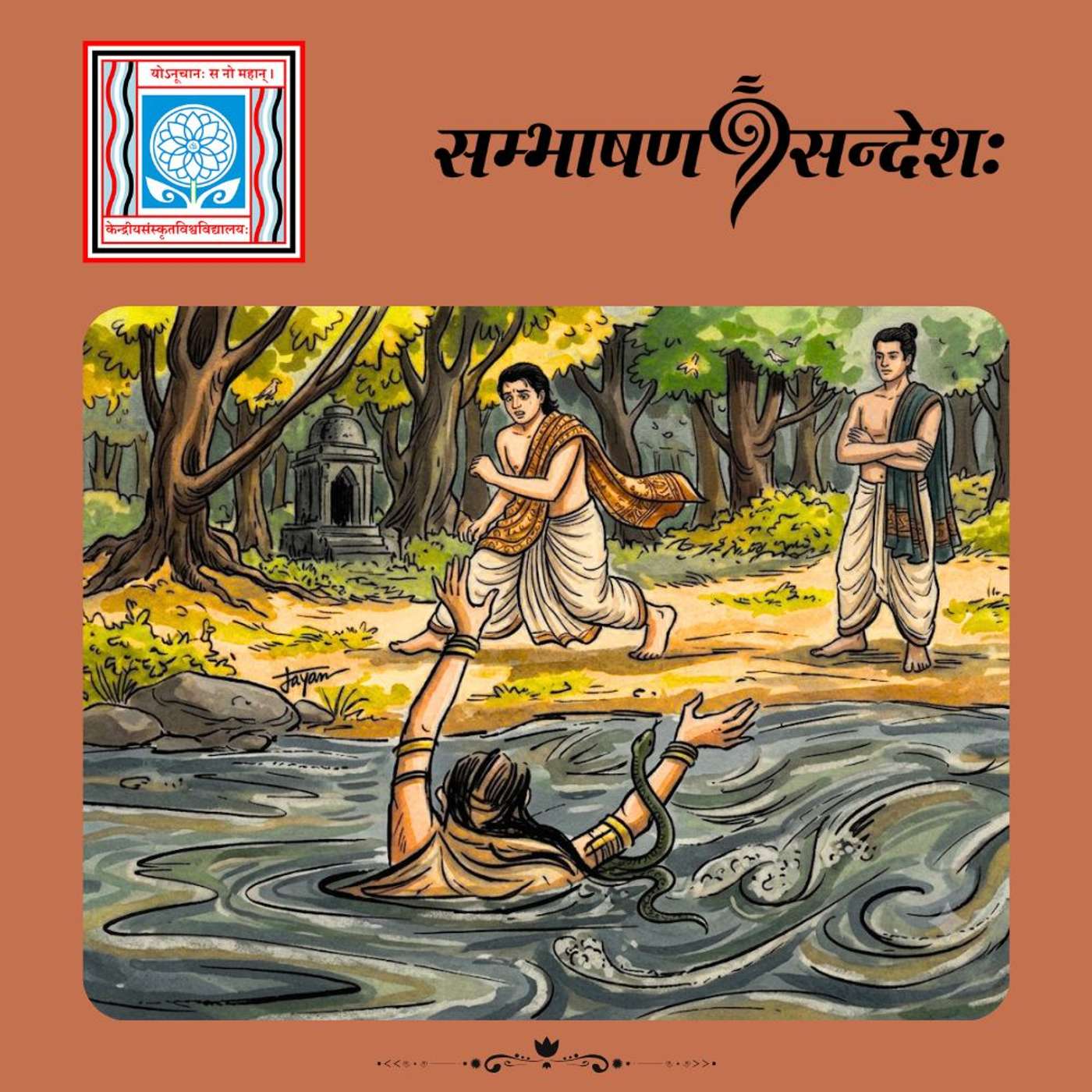
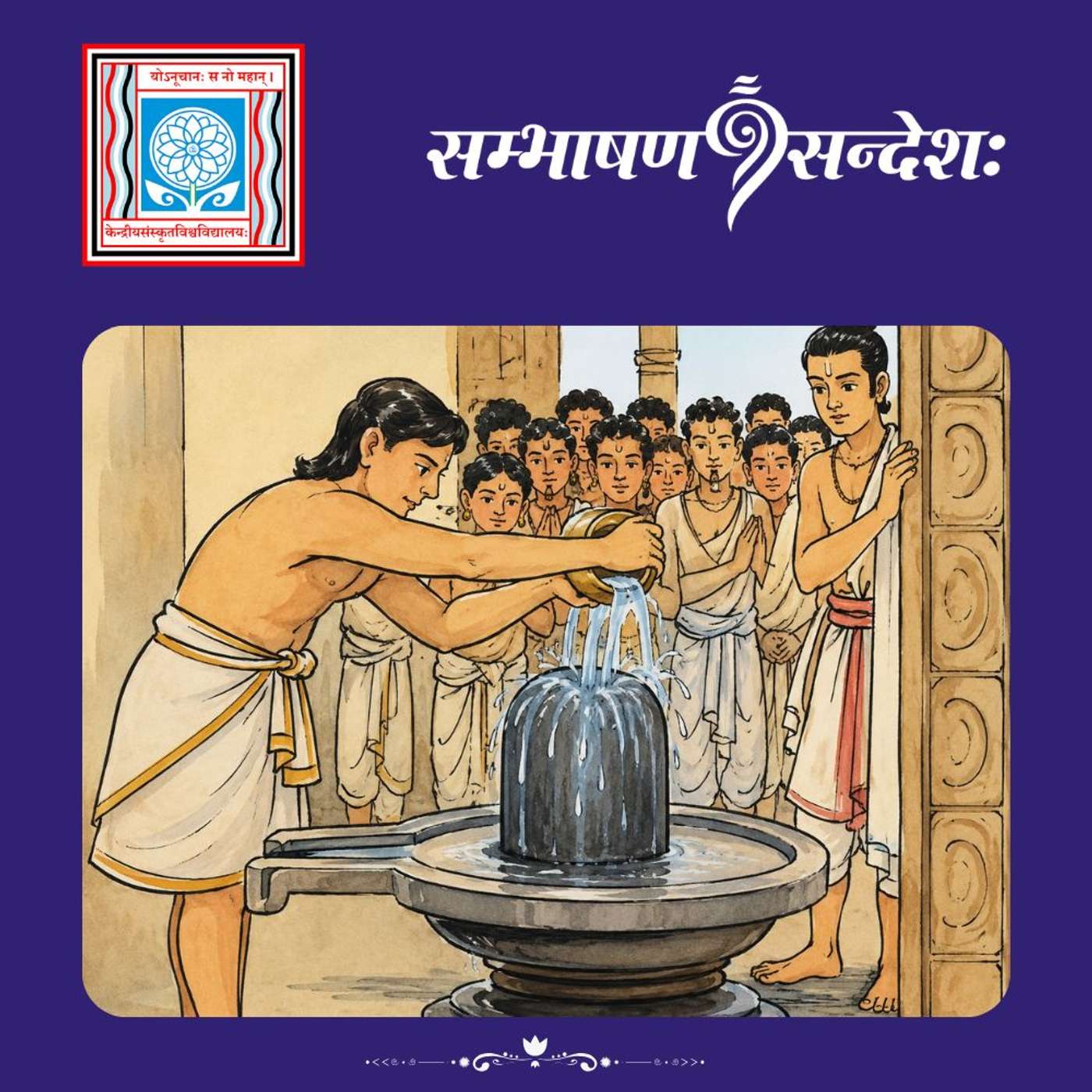
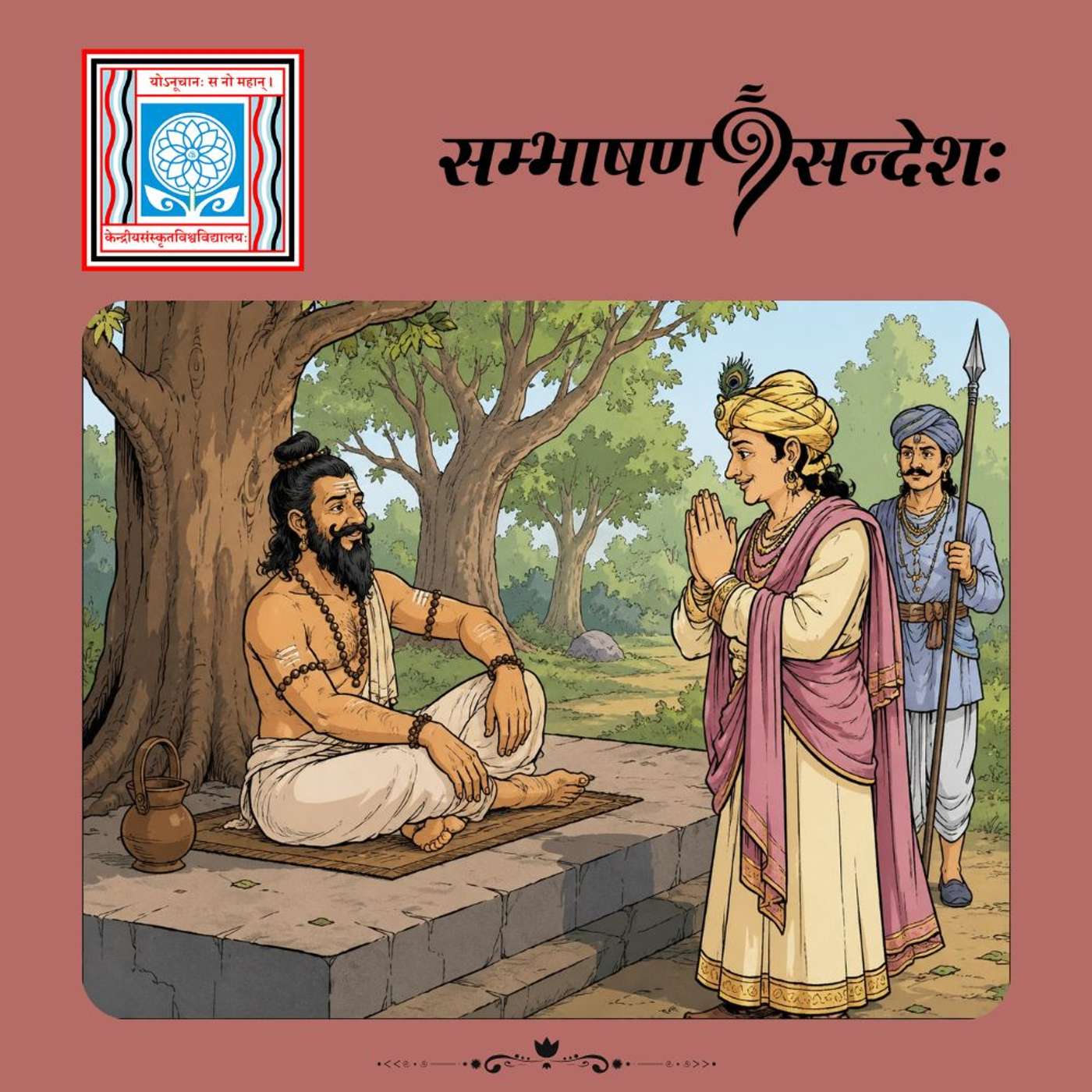
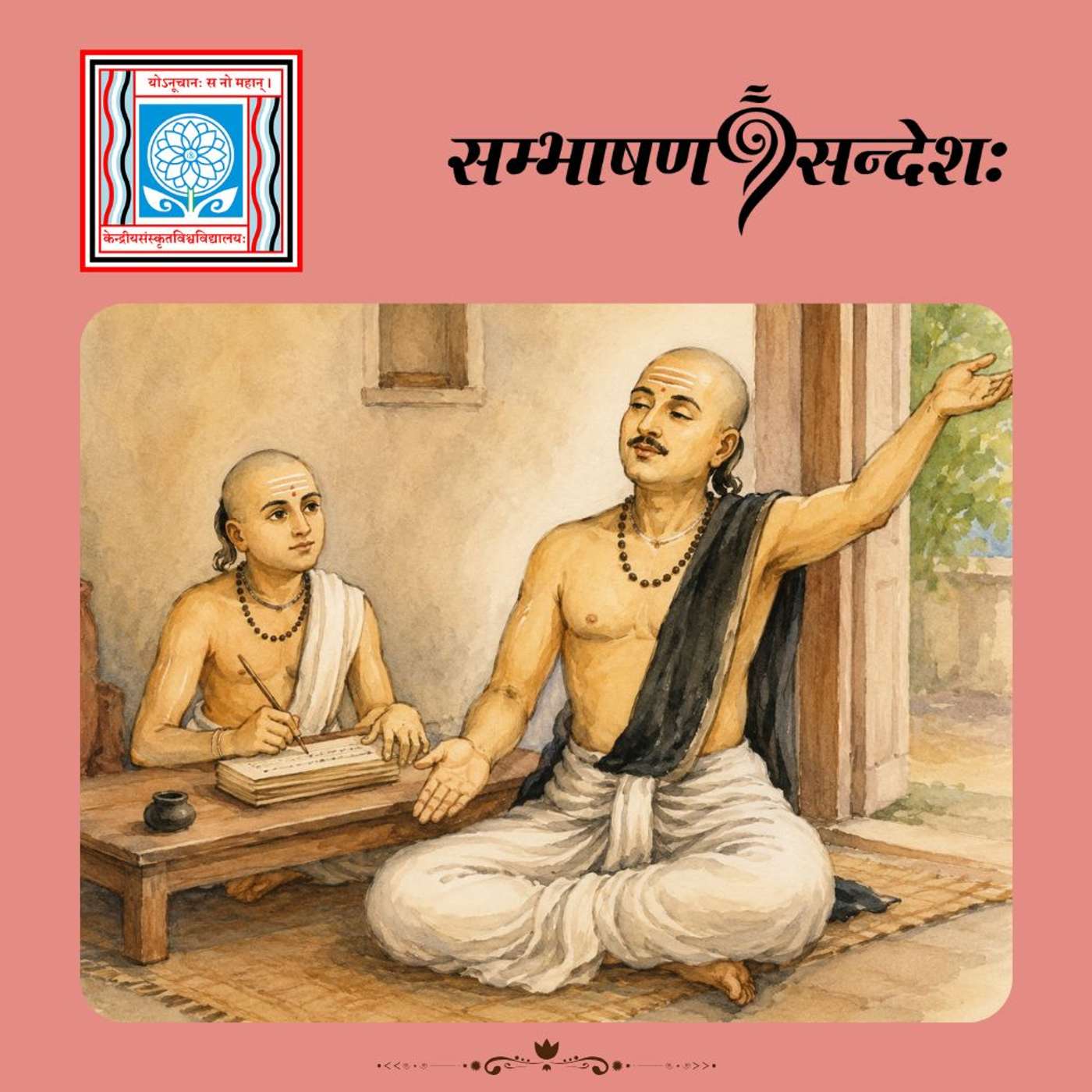
    संस्कृतभाषायाः सुप्रसिद्धः शास्त्रज्ञः, कविः अप्पय्यदीक्षितः महान् शिवभक्तः आसीत् । कदाचित् स्वस्य शिवभक्तिं परीक्षितुम् इष्टवान् । लोके प्रसिद्धम् अस्ति यत् मनुष्यः उन्मत्तावस्थायां किमपि निगूहितं न शक्नोति । सः वैद्यविद्याम् अपि जानाति स्म अतः सः द्विविधं रसायनं सज्जीकृतवान् । 'कतिचनघण्टानन्तरं द्वितीयं रसायनंं यच्छन्तु येन अहं पुनरपि स्वस्थः भविष्यामि' इति शिष्यान् अवदत् सः । उन्मत्तावस्थायाम् आगतानां वचनानां क्रमशः योजनेन भगवतः शिवस्य प्रशंसापरकाः पञ्चदश श्लोकाः निर्मिताः अभवन् । तेषां श्लोकानां समूहः एव अग्रे उन्मत्तपञ्चदशी अथवा आत्मार्पणस्तुतिः इति नाम्ना प्रसिद्धः अभवत् । (“केन्द्रीयसंस्कृतविश्वविद्यालयस्य अष्टादशीयोजनान्तर्गततया एतासां कथानां ध्वनिप्रक्षेपणं क्रियते”) Appayya Dikshita, the renowned Sanskrit scholar and poet, was a great devotee of Lord Shiva. Once, he wished to test the depth of his own devotion. Knowing that a person reveals their true feelings in a state of madness, he prepared two medicines. Before taking the first, he instructed his disciples to give him the second after a few hours to restore his normal state. During his delirium, he spontaneously uttered verses praising Lord Shiva. These were later compiled into fifteen beautiful hymns, now famous as *Unmatta Panchadashi* or *Atmarpana Stuti*.
  • #716
    October 18 · 2 min

    गयः

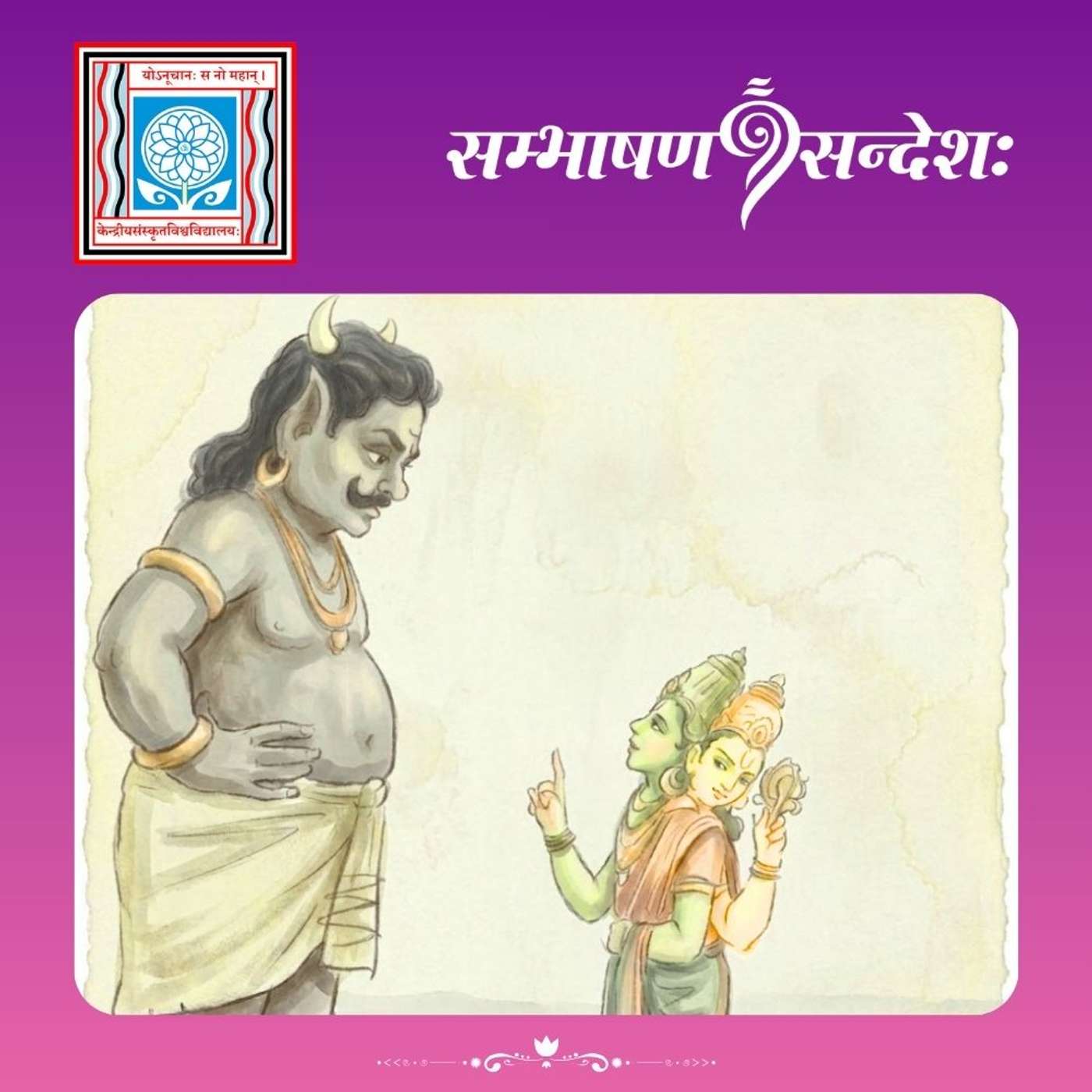
    भारतीयेषु 'गया' क्षेत्रं पुण्यक्षेत्रम् इति भावना अस्ति । अत्र च जनाः स्वपितृकार्यं कृत्वा कृतकृत्याः भवन्ति । किं भवन्तः जानन्ति तत् क्षेत्रं 'गयः' इति राक्षसस्य नाम्ना एव विख्यातं जातम् इति । सः दुष्टः राक्षसः सुराणां नराणां च कण्टकप्रायः आसीत् । तर्हि तस्य हननं कथं जातम् ? ‘गया' इति क्षेत्रस्य नामकरणं कथं जातम् ? इति जिज्ञासायाम् इमां स्वारस्यकारीं कथां श्रुण्वन्तु । (“केन्द्रीयसंस्कृतविश्वविद्यालयस्य अष्टादशीयोजनान्तर्गततया एतासां कथानां ध्वनिप्रक्षेपणं क्रियते”) Gaya is regarded as one of India's holiest pilgrimage sites, where people perform rites for their ancestors. But did you know that the place is named after a demon called Gaya? He was a powerful demon who troubled both gods and humans. How was he defeated, and how did this sacred place come to bear his name? Listen to this fascinating story to find out.

  • #715
    October 17 · 5 min

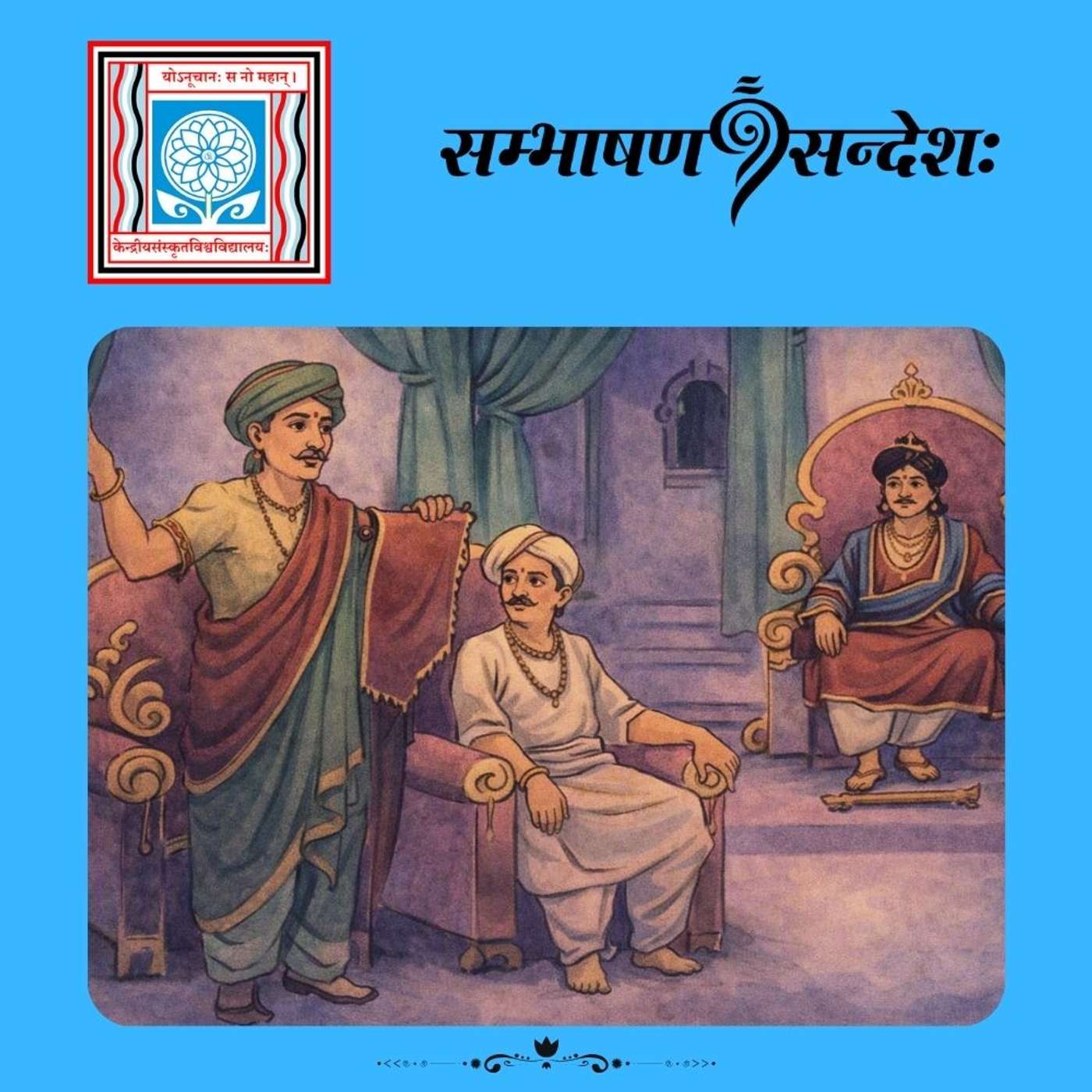
    विद्या विनयेन शोभते

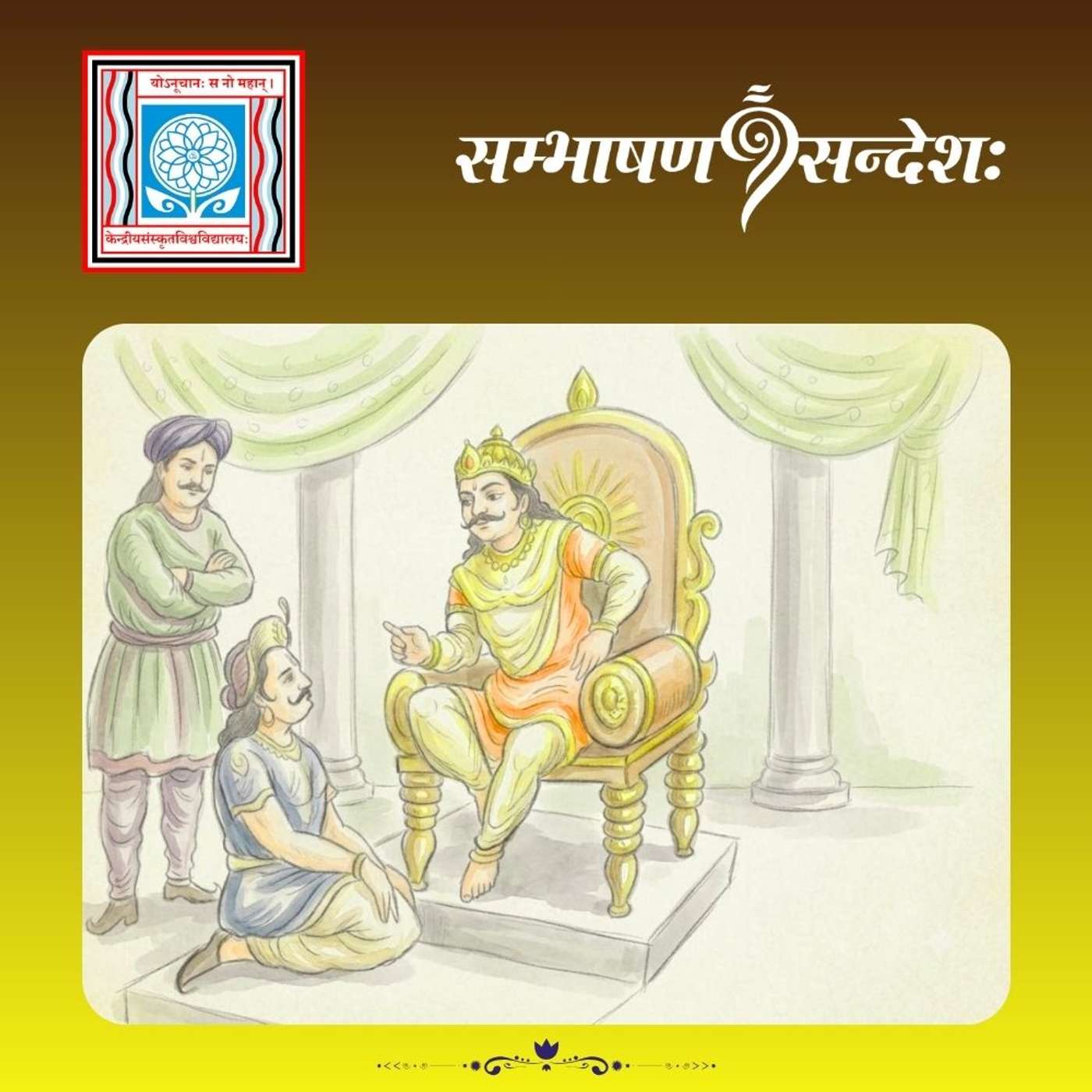
    श्रोणिकनामकः राजा मगधदेशस्य राजगृहनामके नगरे शासनं करोति स्म । तस्य मन्त्री अभयकुलः अत्यतं चतुरः आसीत् । तस्य राजोद्याने कश्चित् सदाफलः महान् आम्रवृक्षः आसीत् । उद्यानात् अनतिदूरे कश्चन चाण्डालः वसति स्म । तस्य गर्भवती पत्नी कदाचित् आम्रफलखादनेच्छां प्रकटितवती । सः अवनामिका उन्नामिका इति विद्याद्वयं जानाति स्म । सः एते विद्ये उपयुज्य राजोद्यानात् आम्रफलानि चोरितवान् । यदा सः चौर्यार्थं गृहीतः जातः तदा मन्त्री उपायेन तस्य विमोचनं कारयति । (“केन्द्रीयसंस्कृतविश्वविद्यालयस्य अष्टादशीयोजनान्तर्गततया एतासां कथानां ध्वनिप्रक्षेपणं क्रियते”) King Shronika ruled from Rajagriha in the kingdom of Magadha. His wise minister, Abhayakula, served him faithfully. Near the royal garden stood a famous mango tree that bore fruit all year round. A poor outcaste's pregnant wife once longed to eat those mangoes. Using two special skills he possessed, the man secretly stole the fruits from the royal garden. When he was caught, the clever minister found a way to save him.

  • #714
    October 16 · 2 min

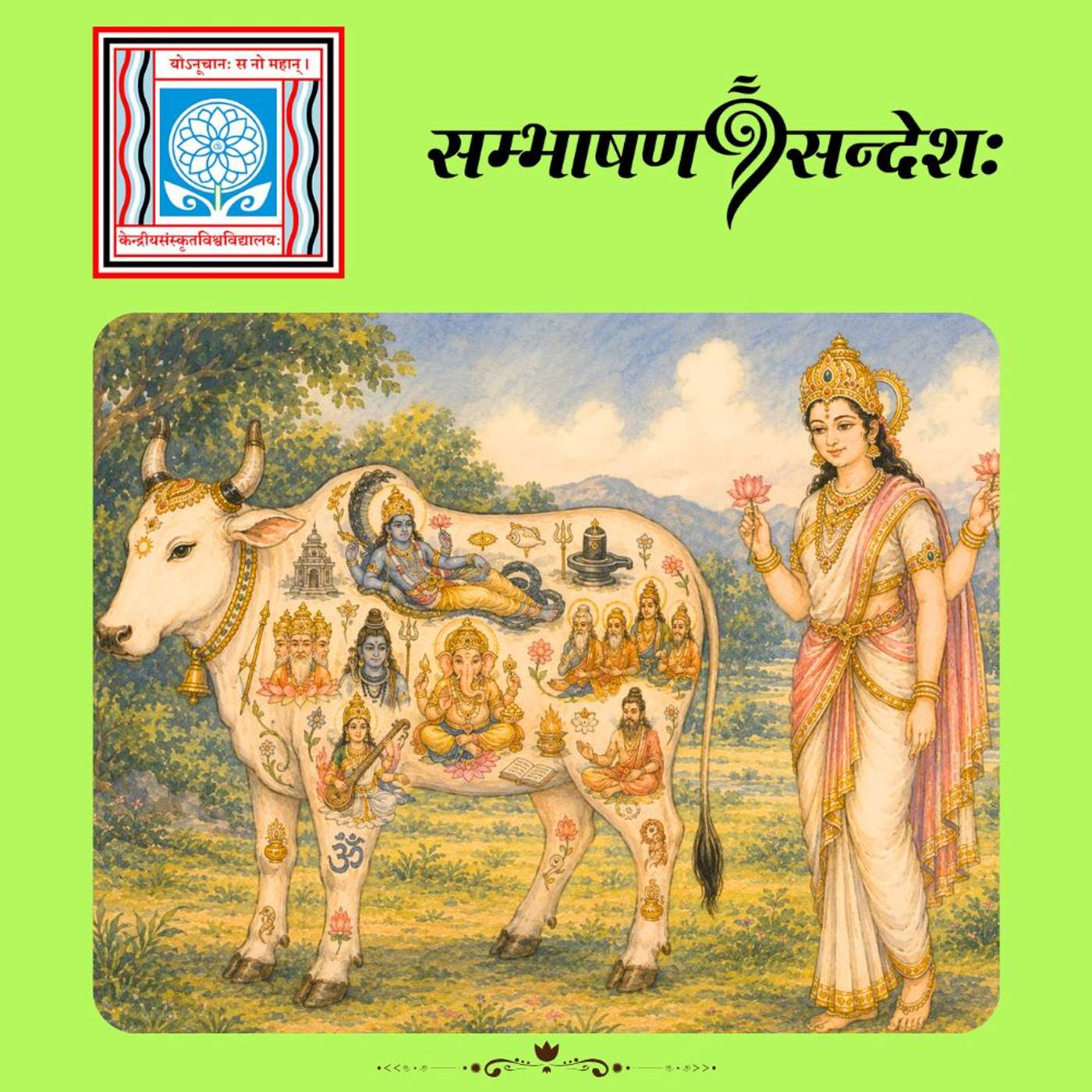
    गोमातुः औदार्यम्

    प्रलयकाले सर्वेषामपि चराचरजन्तूनां किमपि आश्रयस्थानम् अपेक्षितं भवति । अतः ते गोमातरं शरणम् अगछन् । भगवतः नारायणस्य पत्नी लक्ष्मीः अन्यं शरणं न गच्छामि इति नितरां गर्विता आसीत् । अन्ते सा कुतूहलेन द्रष्टुं गोलोकम् अगच्छत् । गोमाता निश्चिन्ततया स्थिता आसीत् । साक्षात् भगवान् विष्णुः अपि गोमातुः अङ्गम् आश्रित्य स्थितवान् आसीत् । तत् दृष्टवत्याः लक्ष्म्याः गर्वः अपगतः । सा अपि गोमातरं सम्प्रार्थ्य तस्याः शरीरम् आश्रितवती । (“केन्द्रीयसंस्कृतविश्वविद्यालयस्य अष्टादशीयोजनान्तर्गततया एतासां कथानां ध्वनिप्रक्षेपणं क्रियते”) At the time of the great dissolution, all living beings sought a safe refuge, and they turned to the sacred cow. Goddess Lakshmi, proud that she needed no shelter, later visited Goloka out of curiosity. There she saw that even Lord Vishnu had taken refuge in the divine cow. Realizing her pride, Lakshmi humbly prayed to the cow and sought shelter in her as well.

  • #713
    October 15 · 4 min

    अतिलोभात् विनश्यति

    पुरातनकाले सञ्जीवनामकः महाराजः पुत्रकामनया बहुकालपर्यन्तं ब्राह्मणान् सेवितवान् । सन्तुष्टाः ब्राह्मणाः नारदमहर्षिं राज्ञे पुत्रदानार्थं प्रार्थितवन्तः । नारदमहर्षिः तत् अङ्गीकृत्य राजानम् अपृच्छत् 'भवान् कीदृशं पुत्रम् इच्छति?' इति । राजा अतिलोभात् 'तादृशं पुत्रं यच्छतु यस्य विष्ठा, मूत्रं, ष्ठीवनं, कफः सर्वमपि सुवर्णमयं स्यात्' इति । तथैव पुत्रः जातः । अल्पेनैव कालेन राज्ञः भाण्डागारं सुसंवृद्धम् । किन्तु कदाचित् चोराः तं राजकुमारम् अपहृत्य नीतवन्तः । ते यद्यपि बहुसुवर्णं प्राप्तवन्तः तथापि अन्ते तं राजभयात् मारितवन्तः । अतः वदन्ति 'अतिलोभात् विनश्यति' इति । (“केन्द्रीयसंस्कृतविश्वविद्यालयस्य अष्टादशीयोजनान्तर्गततया एतासां कथानां ध्वनिप्रक्षेपणं क्रियते”) Long ago, King Sanjiva served many sages for years, praying for a son. Pleased with him, they requested Sage Narada to grant the king's wish. When Narada asked what kind of son he desired, the king, driven by greed, wished for a son whose every bodily waste would turn into gold. His wish was fulfilled, and soon the royal treasury overflowed with wealth. But one day, thieves kidnapped the prince. Though they gained much gold, they eventually killed him out of fear of being caught. Thus, the story teaches the timeless lesson: excessive greed leads to destruction.

  • #712
    October 14 · 5 min

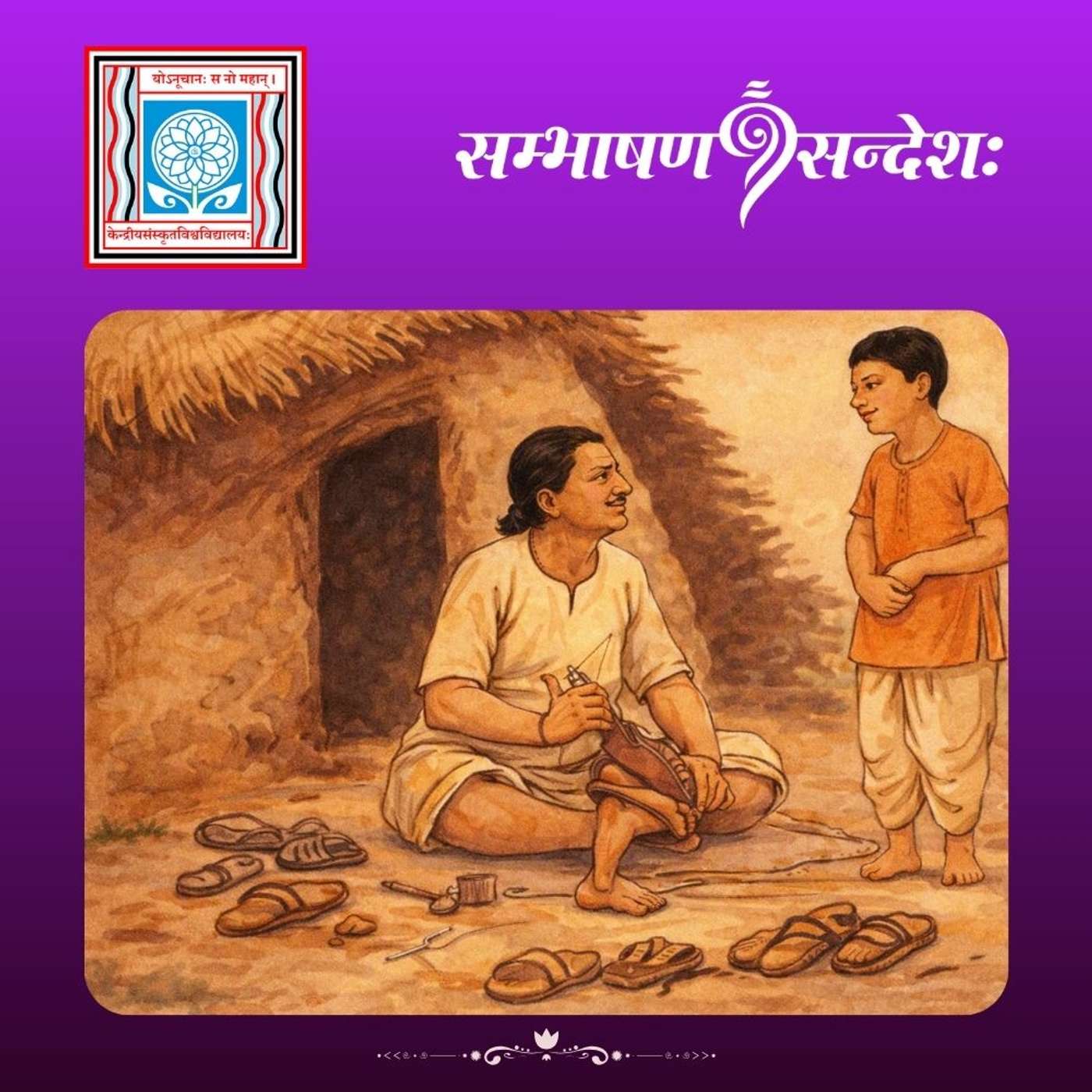
    आत्मानन्दः

    रोहिदासनामा कश्चन चर्मकारः पादरक्षाणां निर्माणं कृत्वा ताः विक्रीय जीवनं करोति स्म । महान् हरिभक्तः सः पादरक्षानिर्माणसमयेऽपि हरिनाम जपित्वा सर्वदा आनन्देन तिष्ठति स्म । तस्य शिष्यः चिन्तयति स्म यत् 'एतेन ज्ञानिना एतादृशं क्षुद्रं कार्यं न करणीयम्' इति । अतः सः गुरोः दारिद्र्यं दूरीकर्तुम् कञ्चन निकषं ददाति यस्य स्पर्शेन अयोमयानि वस्तूनि सुवर्णमयानि भवति । किन्तु रोहिदासः तस्य उपयोगं न करोति । तस्य कारणम् अपि उत्तमतया विवृणोति शिष्याय । (“केन्द्रीयसंस्कृतविश्वविद्यालयस्य अष्टादशीयोजनान्तर्गततया एतासां कथानां ध्वनिप्रक्षेपणं क्रियते”) Rohidas was a humble cobbler who earned his living by making and selling footwear. A devoted devotee of Lord Hari, he joyfully chanted God's name even while working. His disciple felt that such a wise saint should not live in poverty, so he offered him a magical touchstone that could turn iron into gold. But Rohidas refused to use it and beautifully explained to his disciple why true wealth lies in contentment and devotion.

  • #711
    October 13 · 3 min

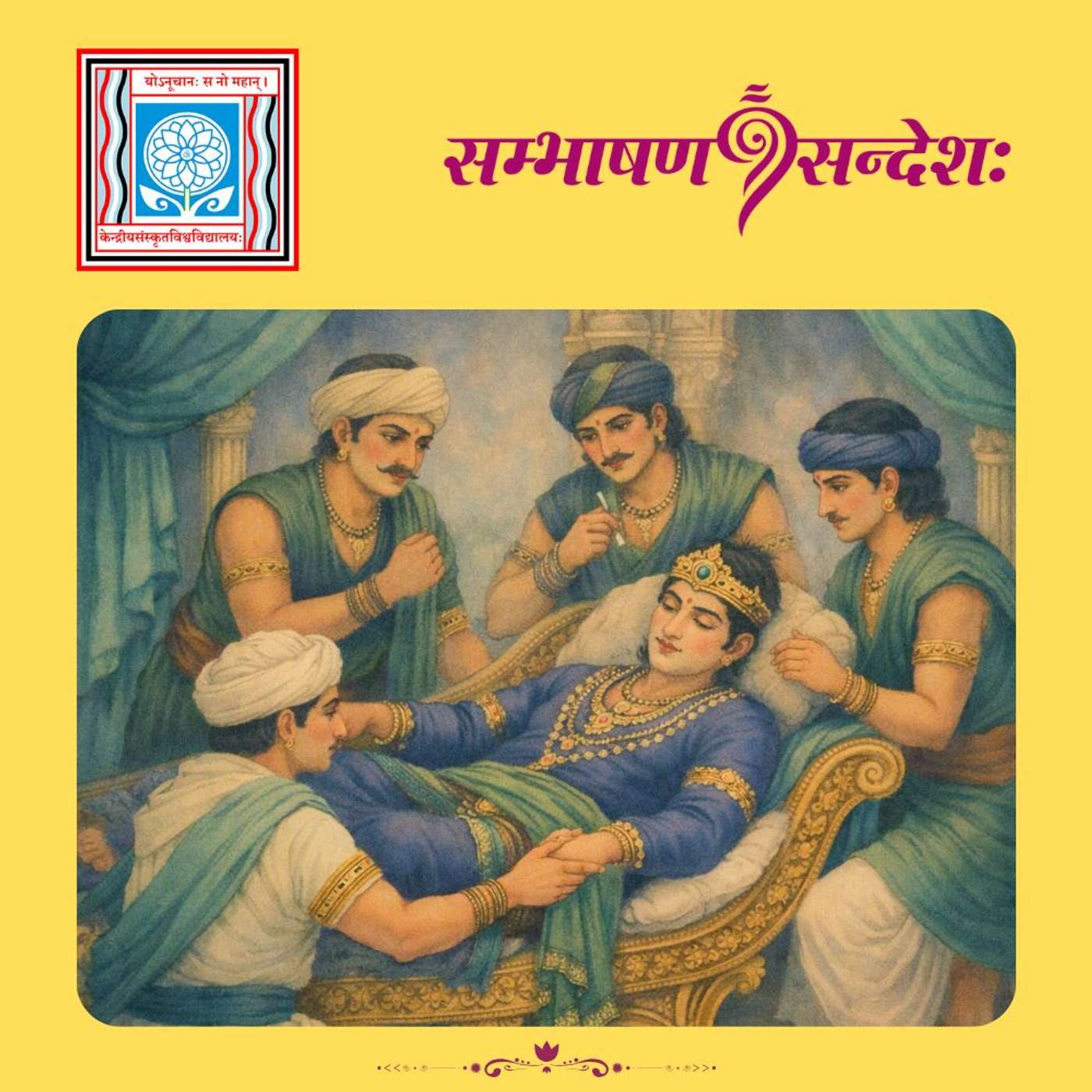
    परिणामे भयङ्करः

    कश्चन कलारसिकः काव्यप्रियः च महाराजः आसीत् । कदाचित् मगधदेशात् काव्यं श्रावयितुम् अस्य महाराजस्य आस्थानम् आगतवान् । यद्यपि सः उत्तमः कविः तथापि तस्य एकः दुरभ्यासः आसीत् यत् सः काव्यश्रावणसमये पुनःपुनः करतलयोः कण्डूयनं करोति स्म । तदपि सः तावद्वारं करोति स्म यत् काव्यश्रोतारः तेन जुगुप्साम् अनुभवेयुः । महाराजः तस्य काव्यं श्रुत्वा तं दुरभ्यासं दूरीकर्तुम् उपायमेकं करोति । (“केन्द्रीयसंस्कृतविश्वविद्यालयस्य अष्टादशीयोजनान्तर्गततया एतासां कथानां ध्वनिप्रक्षेपणं क्रियते”) A king who deeply loved poetry and the arts once invited a poet from Magadha to recite his verses. Though the poet was highly talented, he had an unpleasant habit of constantly scratching his palms while reciting, making the audience uncomfortable. After appreciating his poetry, the king devised a clever way to help the poet overcome this bad habit.

  • #710
    October 12 · 2 min

    केतक्याः पतनम्

    केतकी कदाचित् ब्रह्मणा सह मिलित्वा शिवस्य अन्वेषणविषये असत्यवचनं कथयति । कुपितः शिवः तां शप्तवान् यत् 'इतः परं मम पूजायां तव उपयोगः न भविष्यति' इति । अतः एव तदाप्रभृति शिवस्य पूजार्थं केतकी न उपयुज्यते । (“केन्द्रीयसंस्कृतविश्वविद्यालयस्य अष्टादशीयोजनान्तर्गततया एतासां कथानां ध्वनिप्रक्षेपणं क्रियते”) Once, the Ketaki flower falsely supported Brahma during the search for Lord Shiva's true form. Angered by this, Lord Shiva cursed the flower, declaring that it would never again be used in His worship. That is why the Ketaki flower is traditionally not offered to Lord Shiva.

  • #709
    October 11 · 5 min

    संयमात् एव शान्तिः

    कदाचित् वारणास्याम् आयोजितायां सभायां नानाविधाः चर्चाः शास्त्रार्थसंवादाश्च प्राचलन् 'शान्तिः कस्मात् प्राप्यते' इत्यस्मिन् विषये । सप्त दिनानि यावत् सभा प्रवृत्ता । अन्ते राजपुरोहितः सर्वेषां मतानि परिशील्य 'ज्ञानेन एव शान्तिः प्राप्यते' इति निर्णयम् असूचयत् । सर्वेऽपि सभासदः सम्मतिं सूचितवन्तः । किन्तु कश्चन युवकः उत्थाय अवदत् यत् 'शान्तिः संयमेनैव प्राप्यते' इति । सः एव युवकः आसीत् उद्दालकः। सः निर्दशनेन अपि तस्य वादं प्रतिपादयति । (“केन्द्रीयसंस्कृतविश्वविद्यालयस्य अष्टादशीयोजनान्तर्गततया एतासां कथानां ध्वनिप्रक्षेपणं क्रियते”) Once, a seven-day debate was held in Varanasi on the question, "How can true peace be attained?" After hearing many opinions, the royal priest concluded that peace comes through knowledge, and everyone agreed. But a young man named Uddalaka stood up and argued that true peace comes only through self-control. He then proved his point with a practical demonstration.

  • #708
    October 10 · 2 min

    अक्षुण्णः अधिकारः

    महाराष्ट्रे गाडगेमहाराजनामा कश्चन महापुरुषः अनेकलक्षरूप्यकाणि अन्येभ्यः दानरूपेण स्वीकृत्य तानि दरिद्राणां कल्याणाय व्ययीकरोति स्म । जीर्णानि वस्त्राणि, एकं कम्बलम्, एकं मृत्तिकापात्रं च एतावदेव तस्य धनम् आसीत् । एकस्यापि रूप्यकस्य दुर्विनियोगः तेन न कृतः । कदाचित् सः यदा अस्वस्थः जातः तदा डा.अम्बेडकरः तं द्रष्टुम् आगतः । स्वस्य निमित्तं किमपि न स्वीकरोति इत्यतः कम्बलद्व्यम् आनीय गाडगेमहाराजाय दत्तवान् । किन्तु तदपि चोखमेळाधर्मशालायै समर्पयितुम् ऐच्छत् गाडगेमहाराजः । (“केन्द्रीयसंस्कृतविश्वविद्यालयस्य अष्टादशीयोजनान्तर्गततया एतासां कथानां ध्वनिप्रक्षेपणं क्रियते”) Gadge Maharaj of Maharashtra was a great saint who accepted donations only to use them for the welfare of the poor. He owned almost nothing—just old clothes, a blanket, and a clay pot—and never misused even a single rupee. Once, when he fell ill, Dr. B. R. Ambedkar visited him and gifted him two blankets, knowing he would accept nothing for himself. Yet, Gadge Maharaj wished to donate even those blankets to the Chokhamela Dharmashala.

  • #707
    October 9 · 4 min

    गोसेवा

    अनादिकालात् अपि भारते गौः पूज्यते स्म । तस्य सेवा रक्षणं च आद्यं कर्तव्यम् इति जनाः मन्यन्ते स्म । अत्रापि प्रजारक्षकः परमोदारः च महाराजः विक्रमादित्यः काञ्चन गावं रक्षति । कदाचित् सः एकाकी अश्वारोही सन् सन्ध्याकाले यदा अरण्यमार्गे गच्छन् आसीत् तदा दूरात् कस्याश्चित् गोः आक्रन्दनं श्रुतवान् । वर्षाकालः इत्यतः कस्मिंश्चित् गर्ते काचन गोः पतिता आसीत् । सिंहः अपि तत्र आयाति । सः स्वप्राणान् पणीकृत्य प्रातःकालपर्यन्तं गोरक्षणे एव मग्नः जातः । (“केन्द्रीयसंस्कृतविश्वविद्यालयस्य अष्टादशीयोजनान्तर्गततया एतासां कथानां ध्वनिप्रक्षेपणं क्रियते”) From ancient times, the cow has been revered in India, and protecting it has been considered a sacred duty. This story tells how the noble King Vikramaditya risked his own life to save a cow. One evening, while riding alone through a forest, he heard the desperate cries of a cow trapped in a deep pit. As a lion approached, the king stood guard through the entire night, protecting the helpless animal until dawn.

  • #706
    October 8 · 8 min

    अतिथिसत्कारस्य फलम्

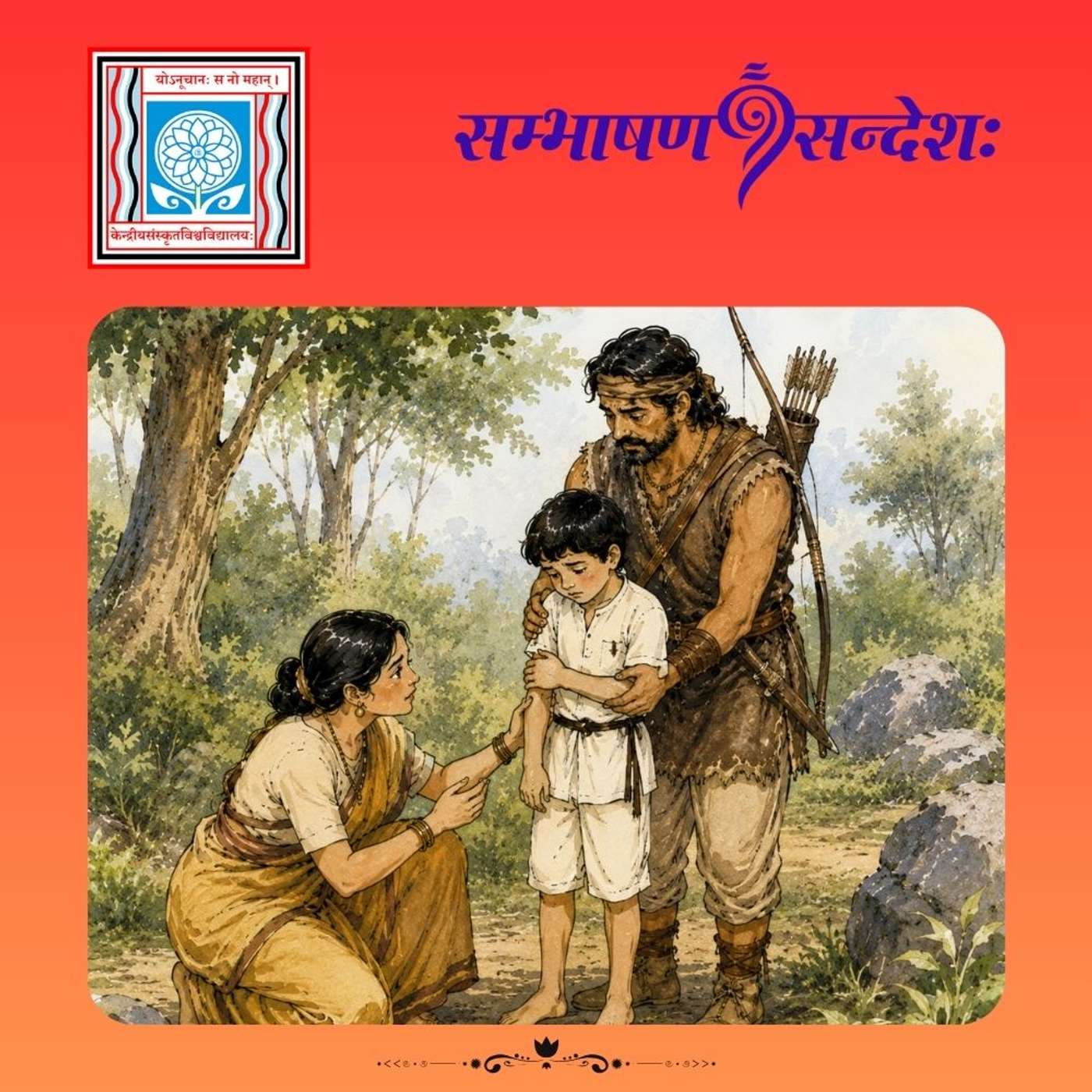
    भारतीयसंस्कृतौ अतिथिसत्कारस्य विशिष्टं महत्त्वम् अस्ति । 'अतिथिदेवो भव' इति वचनम् अस्मान् शिक्षयति यत् अतिथिः देवता इव पूजनीयः । अतिथिसत्कारेण उत्तमं फलम् अपि लभ्यते । तत् फलं कीदृशं भवति इत्यस्य उत्तमम् उदाहरणं भवितुम् अर्हति इयं कथा । कथायाम् अस्यां कश्चन किरातः कस्यचित् बालकस्य अतिथिसत्कारकरणेन अग्रिमजन्मनि राजकुमाररूपेण जन्म प्राप्नोति । (“केन्द्रीयसंस्कृतविश्वविद्यालयस्य अष्टादशीयोजनान्तर्गततया एतासां कथानां ध्वनिप्रक्षेपणं क्रियते”) In Indian culture, hospitality holds a special place. The saying "Atithi Devo Bhava" teaches us to treat a guest like God. Serving guests with respect brings great rewards. This story beautifully illustrates that truth—a hunter who warmly welcomed a young guest was rewarded by being reborn as a prince in his next life.

  • #705
    October 7 · 3 min

    यथा त्वं तथा अहम्

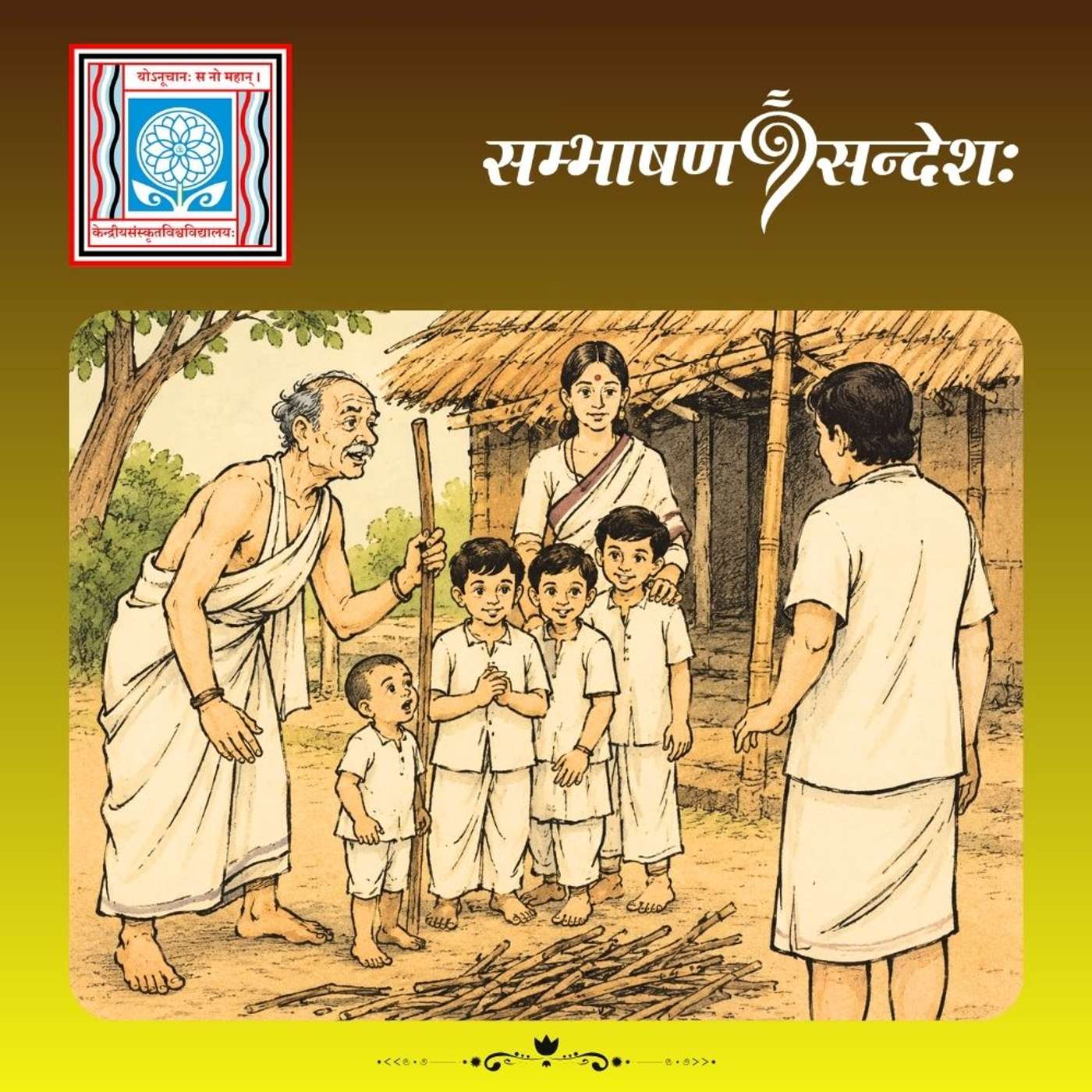
    रत्नपुरनामके ग्रामे काचन वृद्धा वसति स्म । सा अतीव चतुरा बुद्धिमती च । तस्याः चत्वारः पुत्राः एका पुत्री च । पुत्री ज्येष्ठा, पुत्राः कनिष्ठाः च । पुत्र्याः विवाहः जातः । तस्याः पतिः स्वभावेन विनोदशीलः । सर्वदा श्वशुरालयगमनसमये सः शिशुभ्यः मिष्टान्नं नयति स्म किन्तु कदाचित् सः इक्षून् नीतवान् । कुतूहलेन यदा वृद्धा जामातरम् अपृच्छत् तदा तस्य वाक्चातुर्यं दृष्ट्वा सर्वे परिवारजनाः तूष्णीम् अभवन् । तदनन्तरं वृद्धा अपि स्वस्य चातुर्यं दर्शयति । (“केन्द्रीयसंस्कृतविश्वविद्यालयस्य अष्टादशीयोजनान्तर्गततया एतासां कथानां ध्वनिप्रक्षेपणं क्रियते”) An elderly woman lived in the village of Ratnapura with her four sons and a married daughter. Her son-in-law was cheerful and witty. Whenever he visited, he brought sweets for the children, but one day he brought sugarcane instead. Curious, the old woman questioned him. His clever reply left the entire family speechless. The old woman then displayed her own wit, making for an entertaining exchange.

  • #704
    October 6 · 3 min

    कः मूर्खः ?

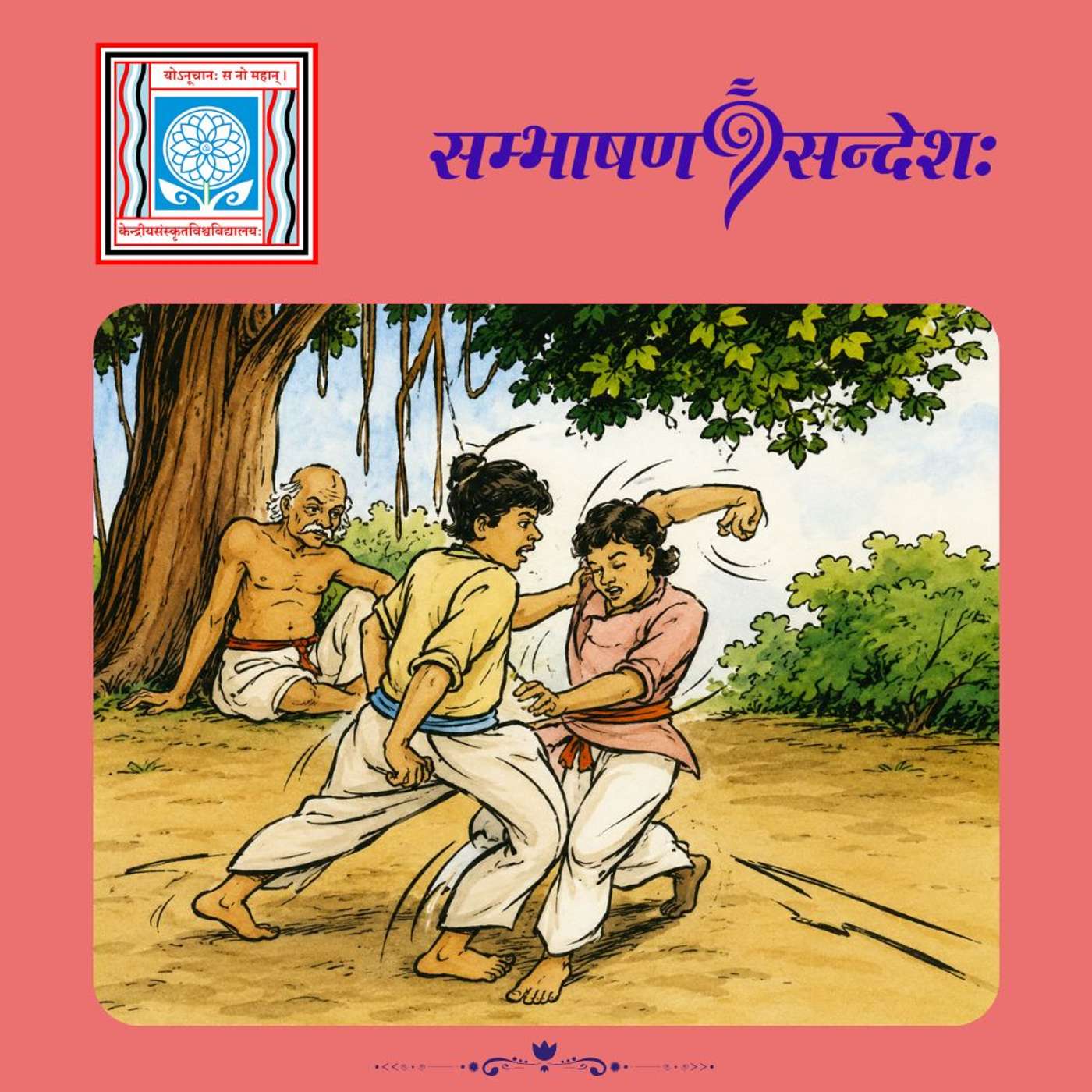
    कश्चन वृद्धः नगरात् ग्रामं प्रति आगच्छन् आसीत् । सः सर्वदा चलन् एव गच्छति स्म । नगरात् ग्रामः दूरे आसीत् । यद्यपि वृद्धः मन्दमेव चलितवान् तथापि सः शीघ्रमेव श्रान्तः अभवत् । किञ्चित् दूरगमनानन्तरं सः परस्परं कलहमग्नौ द्वौ युवकौ दृष्टवान् । कलहस्य कारणम् आसीत् तयोः मध्ये कः बुद्धिमान् ? कः बलवान् ? इति । तत् श्रुत्वा सः वृद्धः तौ सान्त्वयन् अहं निर्णयं करोमि इत्युक्त्वा कञ्चित् उपायं करोति । (“केन्द्रीयसंस्कृतविश्वविद्यालयस्य अष्टादशीयोजनान्तर्गततया एतासां कथानां ध्वनिप्रक्षेपणं क्रियते”) An old man was walking from the city to his village. Though he walked steadily, the long journey soon made him tired. On the way, he came across two young men arguing over who was stronger and wiser. Hearing their dispute, the old man offered to settle it and came up with a clever plan.

  • #703
    October 5 · 5 min

    आदर्शसहोद्योगिनः अन्वेषणम्

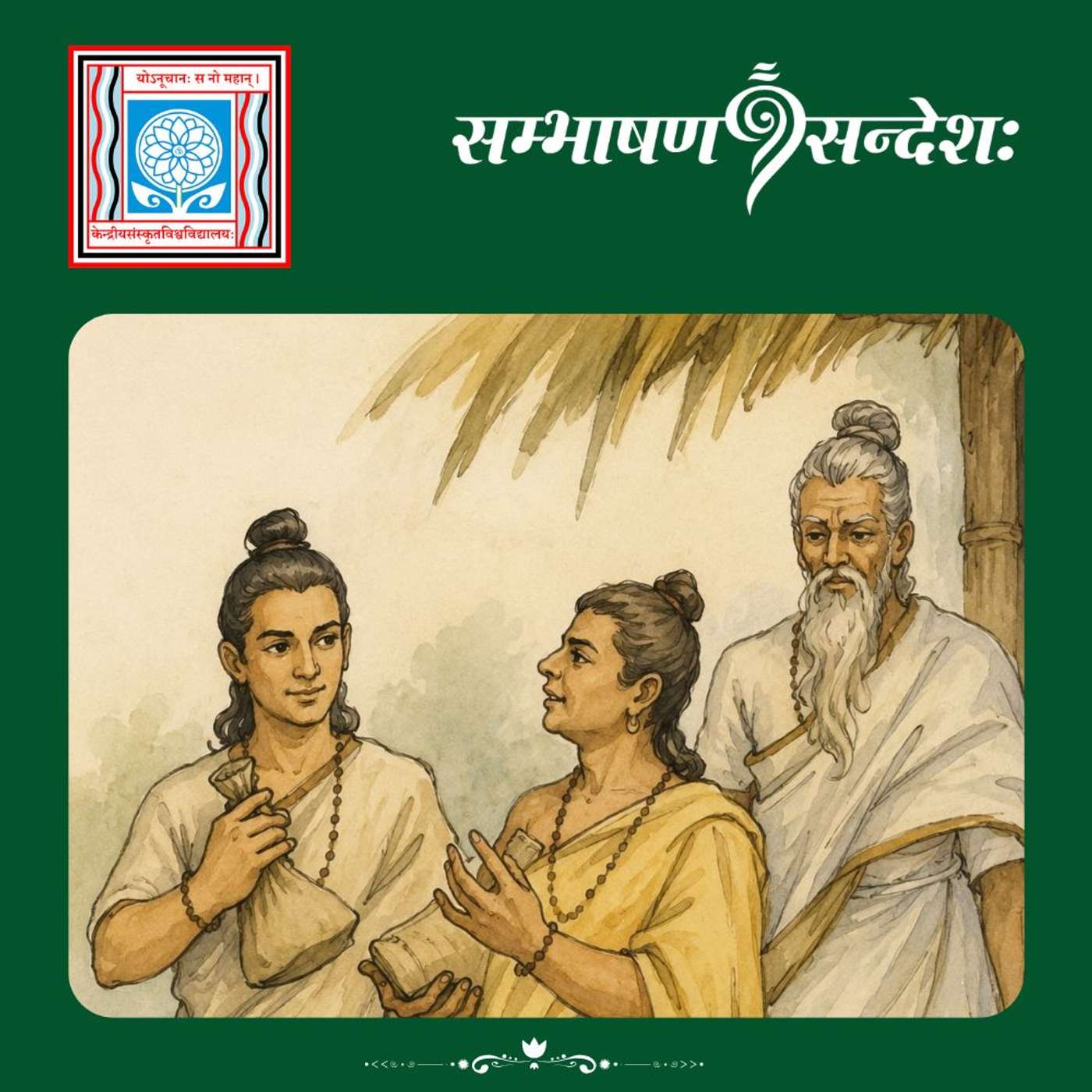
    प्राचीनभारते नागार्जुननामकः कश्चन प्रसिद्धः आयुर्वेदशिक्षकः आसीत् । सः रसायनशास्त्रेऽपि निपुणः आसीत् । वार्धक्यकारणात् सः पूर्ववत् कार्यं कर्तुं न शक्नोति स्म । अतः सः एकस्य समर्थस्य साहाय्यकस्य नियोजनं चिन्तितवान् । यद्यपि तस्य शताधिकाः छात्राः आसन् तथापि मौखिक-व्यावहारिकयोः परीक्षयोः अनन्तरं वेणुगुप्तः शीलादित्यः चेति द्वौ एव सफलतां प्राप्तवन्तौ । तयोः अपि परिक्षायां शिलादित्यः एव जयं प्राप्नोति । (“केन्द्रीयसंस्कृतविश्वविद्यालयस्य अष्टादशीयोजनान्तर्गततया एतासां कथानां ध्वनिप्रक्षेपणं क्रियते”) In ancient India, Nagarjuna was a renowned teacher of Ayurveda and an expert in alchemy. As old age made it difficult for him to continue his work, he decided to appoint a capable assistant. Out of more than a hundred students, only Venugupta and Shiladitya passed both the oral and practical tests. In the final test, Shiladitya emerged as the winner.

  • #702
    October 4 · 3 min

    मुकुटधारी तु मोक्तुकामोSस्ति

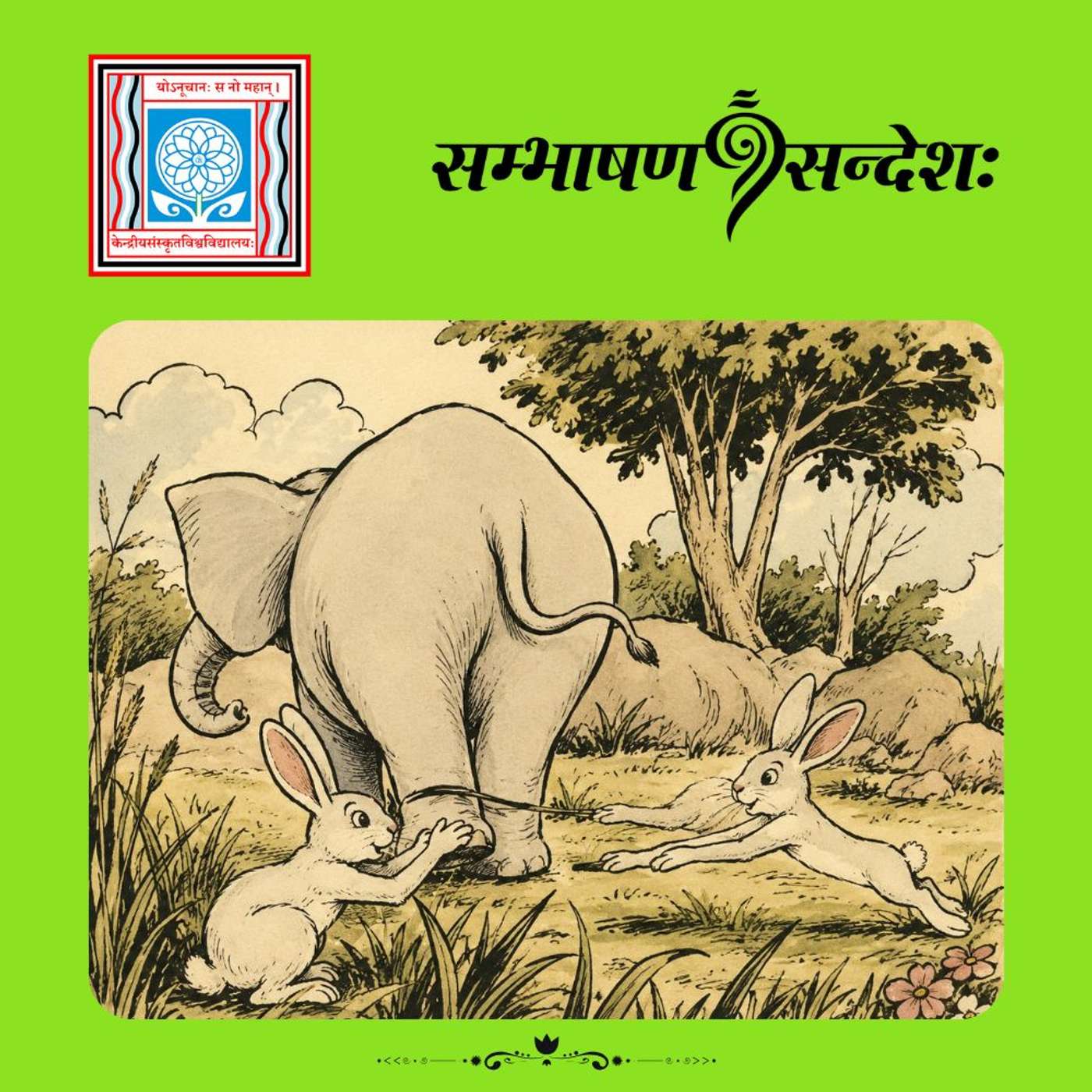
    कस्मिंश्चित् वने कश्चन शशः परिवारेण सह निवसति स्म । यद्यपि शशः तस्य पत्नी च बहिः गमनसमये 'बहिः नः गन्तव्यम्' इति स्व-अपत्यानि सूचयतः तथापि शिशवः वारं वारं बहिः गत्वा क्रीडन्ति स्म । कदाचित् कश्चन दयालुः गजः क्रीडतः शशकान् दृष्ट्वा चिन्ताक्रान्तः भूत्वा 'भवतां मातापितरौ कुत्र?’ इति पृच्छति पितृभ्यां सूचनार्थम् । किन्तु प्रत्यागतौ मातापितरौ प्रवृत्तं सर्वं विदित्वा 'सः दुष्टगजः स्यात्' इति मत्वा कुपितौ जातौ । तं दण्डयितुम् अपि उद्युक्तौ । (“केन्द्रीयसंस्कृतविश्वविद्यालयस्य अष्टादशीयोजनान्तर्गततया एतासां कथानां ध्वनिप्रक्षेपणं क्रियते”) A rabbit lived in a forest with his family. Although he and his wife repeatedly told their young ones not to wander outside, the little rabbits often went out to play. One day, a kind elephant saw them alone and asked where their parents were so he could inform them. But when the parents returned and heard what had happened, they misunderstood the elephant's intentions, assumed he was dangerous, and even decided to punish him.

  • #701
    October 3 · 2 min

    सः पापीयान्

    केचन जनाः दुःखदघटनाः शीघ्रमेव विस्मरन्ति । अन्ये तु ताः घटनाः चिरकालं यावत् स्वमनसि वहन्ति । ते क्रोधं द्वेषम् अपमानं दुःखं च न त्यजन्ति । तर्हि पापी कः ? यः दुःखं ददाति सः अथवा यः तदेव दुःखं चिरकालं यावत् स्वमनसि धारयति सः ? बौद्धभिक्षुद्वयस्य एषा कथा अस्य प्रश्नस्य उत्तरं ददाति। (“केन्द्रीयसंस्कृतविश्वविद्यालयस्य अष्टादशीयोजनान्तर्गततया एतासां कथानां ध्वनिप्रक्षेपणं क्रियते”) Some people quickly forget painful experiences, while others carry them in their hearts for years, holding on to anger, hatred, and hurt. So who is truly at fault—the one who causes the pain, or the one who keeps carrying it? This story of two Buddhist monks offers a thought-provoking answer.

  • #700
    October 2 · 5 min

    यात्राफलम्

    आनन्दपुरे रामः भीमः च द्वौ स्नेहितौ आस्ताम् । द्वौ अपि परिश्रमेण कृषिं कुरुतः । कदाचित् काशीयात्रां कर्तुं तौ द्वौ निश्चितवन्तौ । रामः गृहजनानां बन्धूनां च साहाय्येन धनसङ्ग्रहणं कृतवान् । भीमस्य तु धनस्य चिन्ता नासीत् । तयोः यात्रा कथं प्रचलति, किं किं जायते, यात्रा सफला भवति वा न वा इत्येव अस्याः कथायाः कथावस्तु वर्तते । (“केन्द्रीयसंस्कृतविश्वविद्यालयस्य अष्टादशीयोजनान्तर्गततया एतासां कथानां ध्वनिप्रक्षेपणं क्रियते”) Rama and Bhima were two close friends who earned their living through farming. One day, they decided to go on a pilgrimage to Kashi. Rama collected money for the journey with the help of his family and relatives, while Bhima did not worry about money at all. This story tells how their journey unfolded, the challenges they faced, and whether their pilgrimage was successful.

  • #699
    October 1 · 3 min

    रजकोषः प्रजोपयोगाय

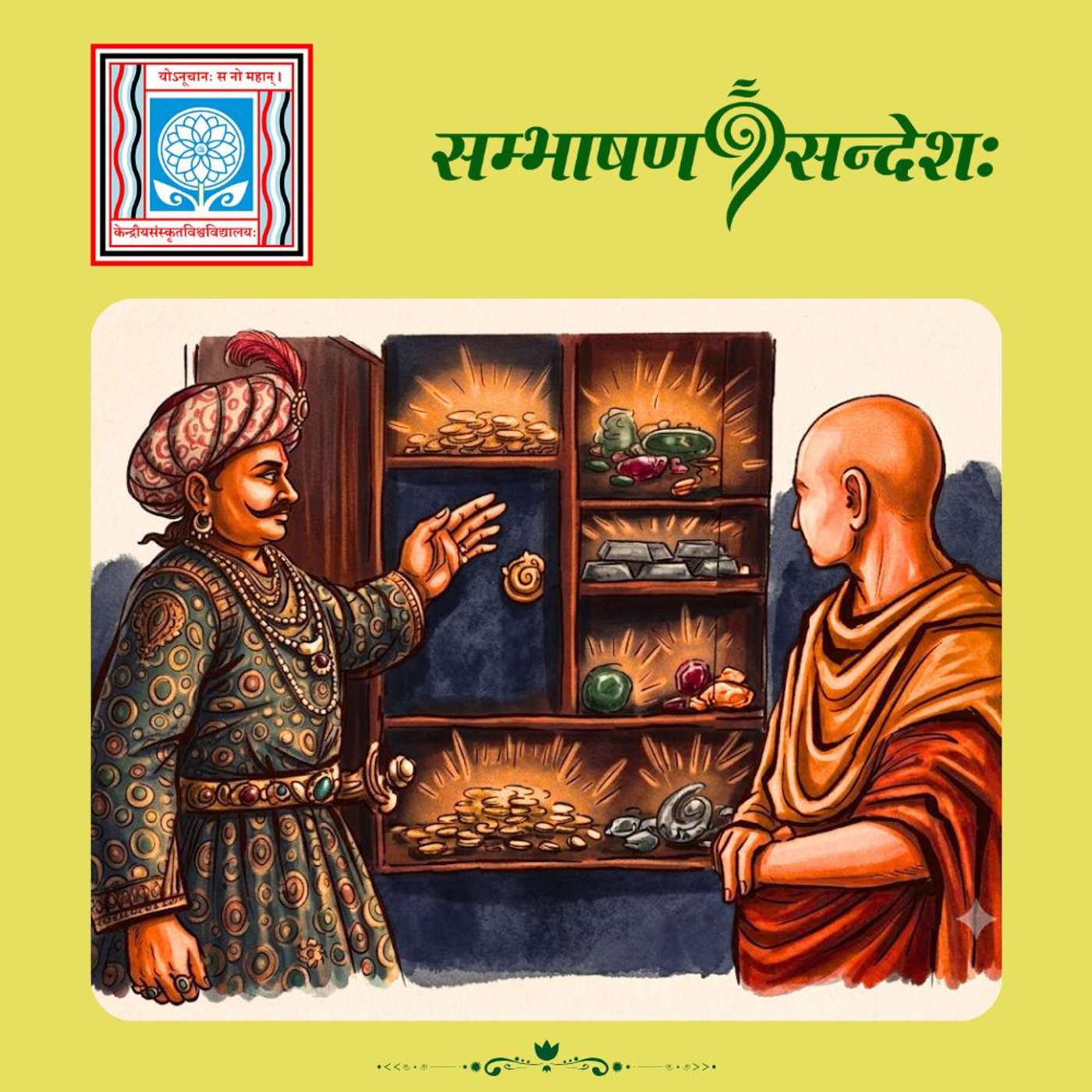
    कदाचित् काशीक्षेत्रम् आगतवतः स्वामिनः सच्चिदानन्दस्य प्रवचनं योगानन्दमहाराजस्य आश्रमे जातम् । काशीनरेशः नटवरसिंहः सामान्यवेषं धृत्वा आश्रमं गतवान् । प्रवचनान्तरं महाराजः स्वपरिचयम् उक्त्वा स्वामिनं राजभवनं नीतवान् । सत्कारानन्तरं स्ववैभवं दर्शयितुम् अभिलषितवान् । यदा सः कोषागारं दर्शितवान् तदा 'अनेन कोषागारेण किं प्रयोजनम्?' इति अपृच्छत् स्वामी । 'यत् सम्पादितं तत् प्रजानां प्रयोजनाय भवेत् । विद्यालयानाम् आरम्भं करोतु' इति अवदत् स्वामी । महाराजः रत्नभाण्डागारं विक्रीय विश्वविद्यालयं संस्थापितवान् । अनेकाः पाठशालाः अपि उद्घाटिताः तेन । (“केन्द्रीयसंस्कृतविश्वविद्यालयस्य अष्टादशीयोजनान्तर्गततया एतासां कथानां ध्वनिप्रक्षेपणं क्रियते”) Once, Swami Satchidananda gave a discourse in Kashi, where King Natwar Singh attended in disguise. Impressed, the king invited the Swami to his palace and proudly showed him the royal treasury. The Swami advised him to use the wealth for the welfare of the people by building schools. Inspired, the king sold his treasures, founded a university, and opened many schools.

  • #698
    September 30 · 3 min

    कस्य कृते कस्य त्याग‌?

    कस्यचन वीतरागस्य सर्वसङ्गपरित्यागिनः साधोः दर्शनार्थं कश्चन महाराजः गतवान् । स्वसमीपम् अगतवन्तं महाराजं दृष्ट्वा साधुः आश्चर्यान्वितः जातः । 'भवान् त्यागी अस्ति । समाजे त्यागिनः पुरुषाः एव सर्वाधिकम् आदरणीयाः भवन्ति' इति महाराजः अवदत् । किन्तु साधुः अवदत् 'भवान् एव महात्यागी' इति । तदनन्तरं या चर्चा प्राचलत् तया चर्चया महाराजस्य ज्ञानोदयः जातः । (“केन्द्रीयसंस्कृतविश्वविद्यालयस्य अष्टादशीयोजनान्तर्गततया एतासां कथानां ध्वनिप्रक्षेपणं क्रियते”) A king once visited a saint who had renounced all worldly attachments. Seeing the king, the saint was surprised. The king praised him, saying, "You are a true renunciant. Such people are the most respected in society." But the saint replied, "No, Your Majesty, you are the greater renunciant." The conversation that followed opened the king's eyes and gave him a new understanding of true renunciation.

Showing 41–60 of 127 episodes