Skip to content
Artwork for बालमोदिनी
Kids & FamilyStories for KidsReligion & SpiritualityHinduism

बालमोदिनी

सम्भाषणसन्देशः

सम्भाषणसन्देशः इति संस्कृतमासिकपत्रिका (https://sambhashanasandesha.in) । एतस्यां पत्रिकायां प्रकाशिताः लेखाः, कथाः, बालकथाः, वार्ताः इत्यादिकं सर्वम् अपि सरलसंस्कृतेन एव प्रकाश्यते । तत्रत्याः “बालमोदिनी”नामिकाः बालकथाः अत्र प्रसार्यन्ते । अतः अस्याः शृङ्खलायाः नाम अपि “बालमोदिनी” एव । लघु गात्रं, सरला भाषा च कथानां विशेषः । प्रत्येकं कथा काञ्चित् नीतिं बोधयति । बालकथाः आबालवृद्धं सर्वेषां प्रियाः । संस्कृतेन ताः श्रोतुम् उपलब्धाः भवन्तु इति एषः प्रयत्नः श्रोतृभ्यः अवश्यं रोचेत इति विश्वासः । संस्कृतक्षेत्रे संस्कृतेन पॉड्कास्ट् क्रियमाणाः एताः प्रप्रथमाः कथाः इति सगौरवम् उद्घोष्यते ।

Sambhashana Sandesha is a Sanskrit monthly magazine (https://sambhashanasandesha.in). The articles, stories, children's stories, news, and other content published in this magazine are all presented in simple Sanskrit. Among these, the children's stories titled “Balamodini” are featured. The series is named “Balamodini” as well. The hallmark of these stories is their short length and simple language. Each story imparts a specific moral lesson. Children’s stories are cherished by everyone, young and old alike. It is believed that listeners will appreciate this effort to make these stories available in Sanskrit. These are the first stories to be podcasted in the Sanskrit language within this field.

Play
  • 37 episodes
  • daily
  • Avg 3 min
  • Sanskrit
Counted on this page — what you have heard stays on this device, so it is not something the list can be paged by.
  • #647
    August 10 · 3 min

    स्थिरं मनः

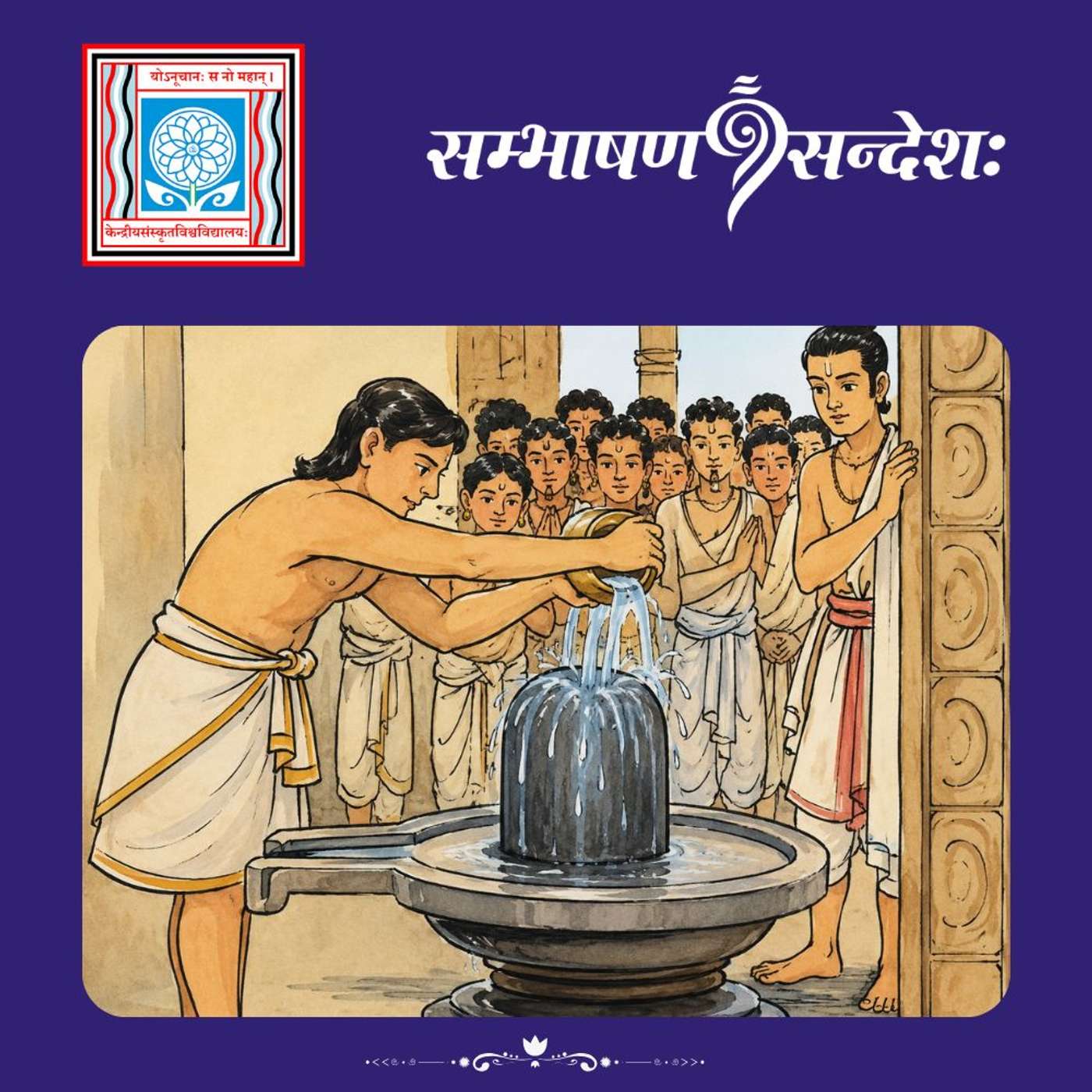
    सर्वधर्मसम्मेलने भागवहनस्य अनन्तरम् अमेरिकादेशस्य विविधभागेषु विवेकानन्दस्य भाषणस्य आयोजनमपि प्रवृत्तम् । तस्य उपदेशवचनानि श्रोतुं जना: महता प्रमाणेन आयान्ति स्म । भौतिकवादिनां तेषां मनसि विवेकानन्दस्य विषये सन्देह: अपि आसीत् । अत: ते अनेकविधान् प्रश्नान् पृच्छन्ति स्म । अथ कदाचित् तै: निर्णीतं यत् विवेकानन्दस्य परीक्षा करणीया इति । (“केन्द्रीयसंस्कृतविश्वविद्यालयस्य अष्टादशीयोजनान्तर्गततया एतासां कथानां ध्वनिप्रक्षेपणं क्रियते”) After the World’s Parliament of Religions speech, Swami Vivekananda’s lectures were organized across different parts of America. Crowds gathered in large numbers to hear his teachings. Yet, materialists harbored doubts about him and asked many questions. Eventually, they decided that Vivekananda should be tested.

  • #646
    August 9 · 3 min

    मधुप्रियः महर्षिः

    आसीत् नैमिषारण्ये कश्चन युवा ऋषिः यस्य न आसीत् किमपि नाम । माधुर्यप्रदानं तस्य ऋषेः स्वभावः । सः अनामिकः ऋषिः कदाचित् दीर्घकालं तपस्याम् अकरोत् । यदा मधुमक्षिकाभिः ऋषेः समाधिभङ्गः जातः तदा श्रीविष्णुः हसन् अवदत् 'ध्यानं कर्तुम् एकस्मिन् स्थाने एव स्थिरतया उपवेष्टव्यम् इति नास्ति । सञ्चरन् अपि मम ध्यानं कर्तुं शक्नोषि' इति । तस्मात् दिनात् आरभ्य सः सदा सञ्चरन् ध्यानम् अकरोत् । माधुर्यात् अन्यत् किमपि अजानन् सः ऋषिः 'मधुप्रियः' इत्येव नाम्ना ख्यातः अभवत् । (“केन्द्रीयसंस्कृतविश्वविद्यालयस्य अष्टादशीयोजनान्तर्गततया एतासां कथानां ध्वनिप्रक्षेपणं क्रियते”) In the Naimisha forest lived a young sage who had no name. Sweetness was his nature. This nameless sage once performed long austerities. When bees disturbed his meditation, Lord Vishnu smiled and said, “Meditation does not require sitting still in one place. Even while moving, you can meditate on me.” From that day onward, the sage always meditated while wandering. Knowing nothing beyond sweetness, he became renowned as Madhupriya (“the one beloved of sweetness”).

  • #645
    August 8 · 3 min

    सर्वाधिकं मधुरं किम्?

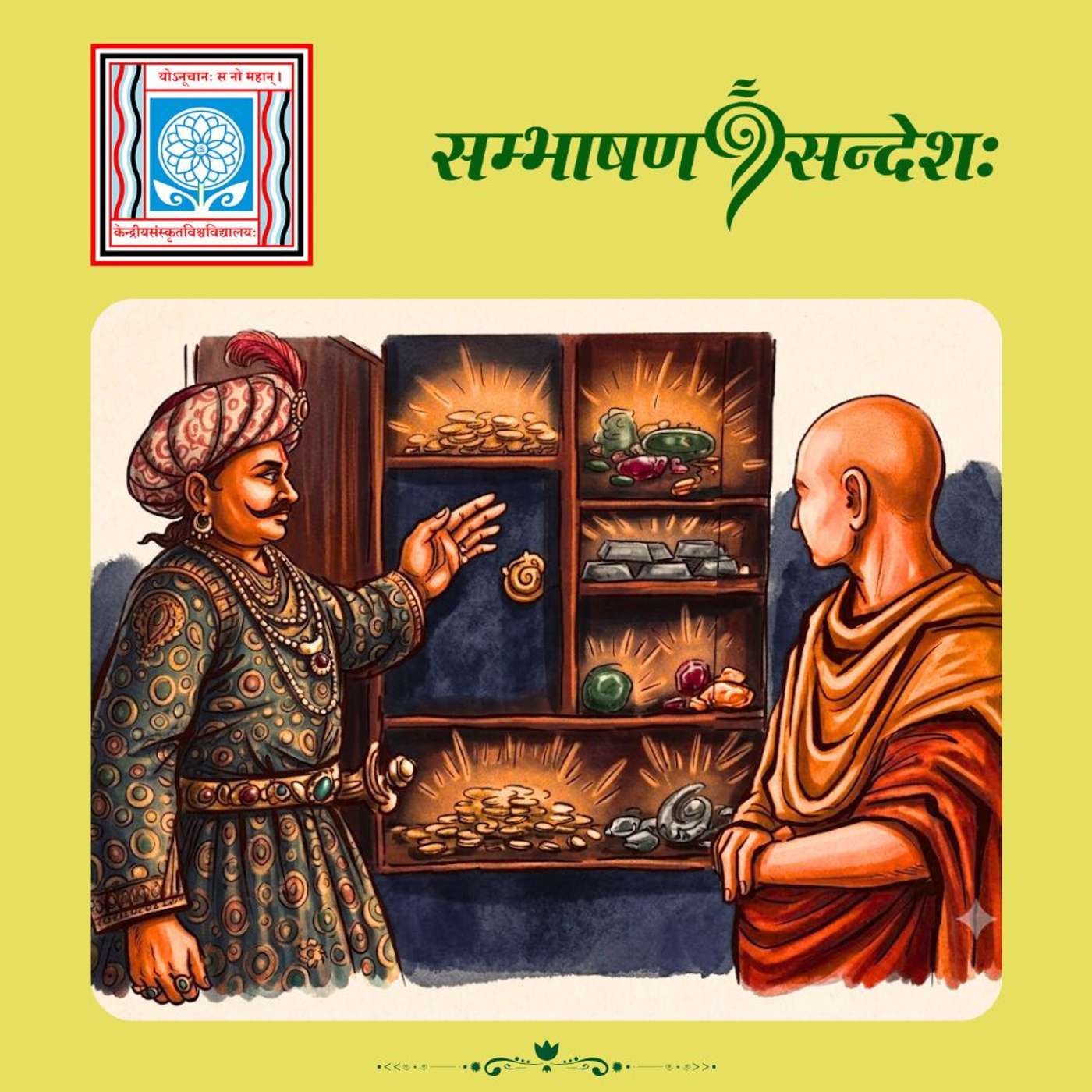
    कदाचित् अकबरः अपृच्छत् 'सर्वाधिकं प्रियं वस्तु किम्’ इति । बीरबलः अवदत् 'मधुरवचनानि एव सर्वाधिकप्रियाणि भवन्ति' इति । अकबरः एतत् न अङ्गीकरोति यतः विशाले जगति मनोहराणि अनेकानि वस्तूनि सन्ति चेदपि मधुरवचनानि एव सर्वाधिकप्रियाणि कथं भवेत् इति । ततः बिरबलः स्वस्य कथनं सप्रमाणं निरूपयति । (“केन्द्रीयसंस्कृतविश्वविद्यालयस्य अष्टादशीयोजनान्तर्गततया एतासां कथानां ध्वनिप्रक्षेपणं क्रियते”) Perhaps Akbar once asked, ‘What is the most beloved thing?’ Birbal replied, ‘Sweet words are the most beloved of all.’ Akbar did not accept this, saying that in such a vast world there are countless delightful things, so how could sweet words alone be the most beloved? Then Birbal proved his statement with evidence.

  • #644
    August 7 · 3 min

    कस्य महत्त्वं कस्मात् ?

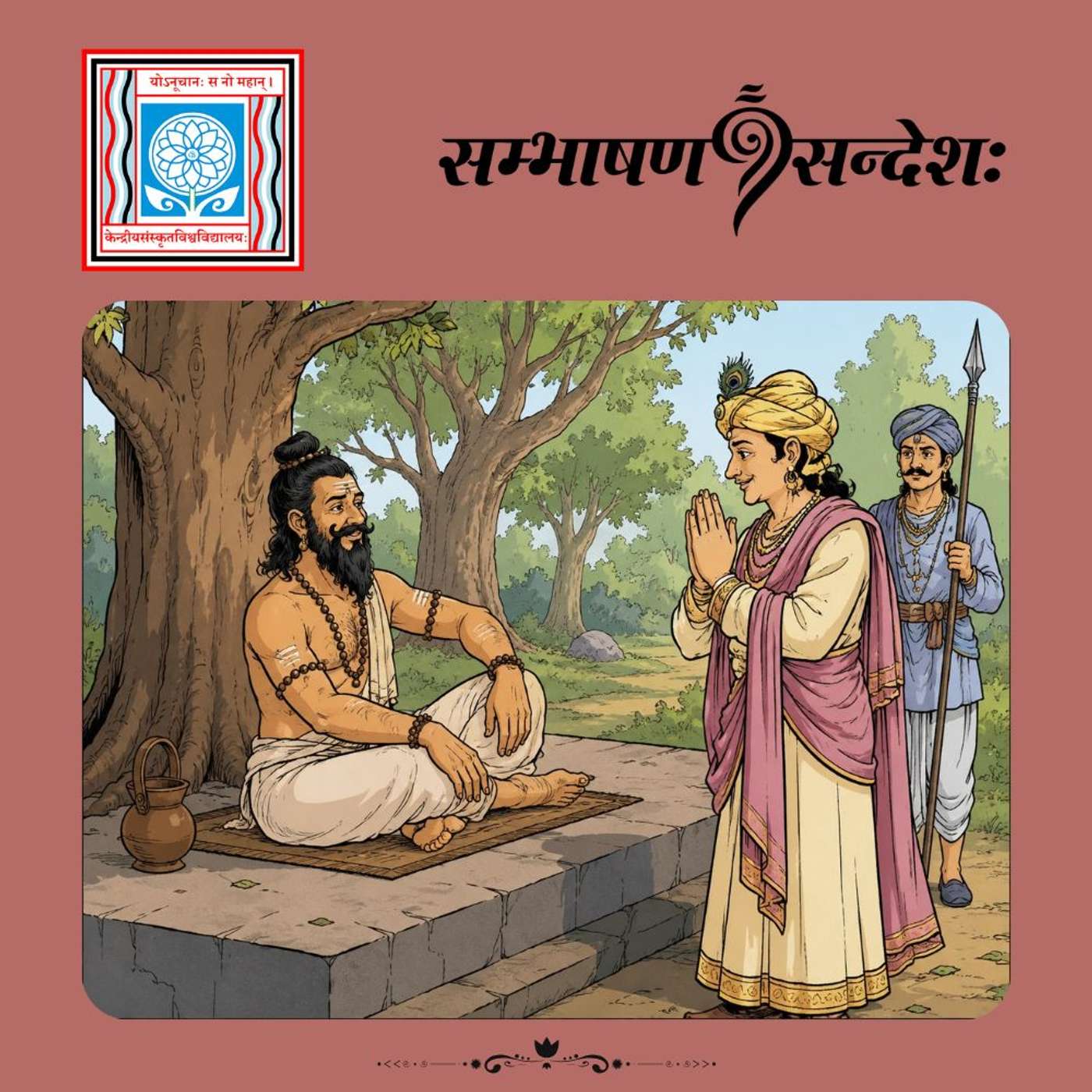
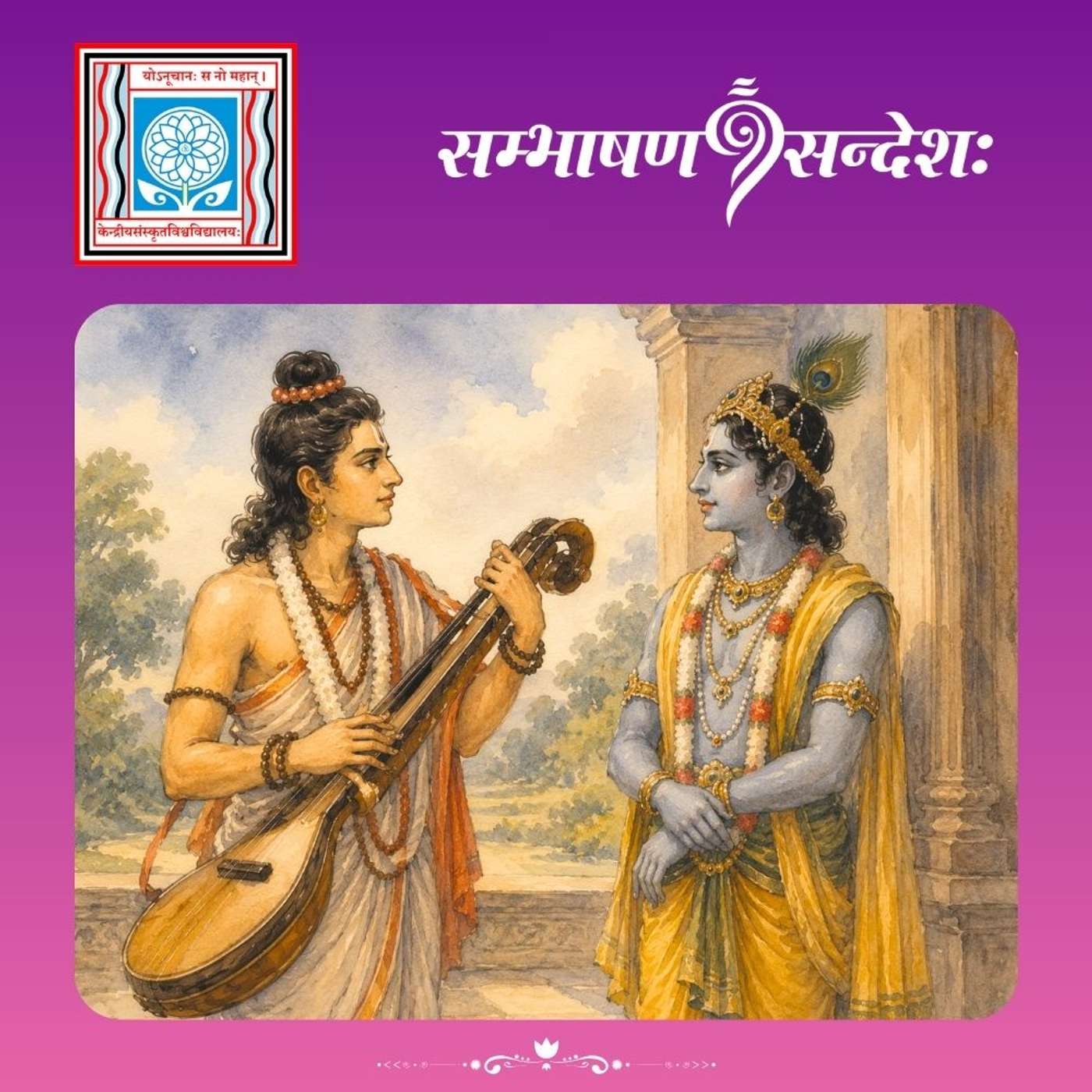
    अहमदशाहः जन्मना मुसलमानमतीयः । परन्तु महान् कृष्णभक्तः आसीत् । तस्य भक्त्या सन्तुष्टः कृष्णः तदा तदा दर्शनदानेन तम् अनुगृह्णाति स्म । कदाचित् अहमदशाहः उन्नताकारं शिरस्त्रं धृतवान् आसीत् । तदवसरे तस्य पुरतः कृष्णः‌ प्रत्यक्षीभूय सविनोदम् अपृच्छत् 'किम् एतत् शिरस्त्रं मह्यं विक्रेतुम् अर्हेत् भवान् ?’ इति । श्रीकृष्णस्य वचनं‌ श्रुत्वा अहमदशाहे अपि प्रीत्युद्रेकः जातः । ततः जातं तयोः सम्भाषणम् एव एतस्याः कथायाः वस्तु । (“केन्द्रीयसंस्कृतविश्वविद्यालयस्य अष्टादशीयोजनान्तर्गततया एतासां कथानां ध्वनिप्रक्षेपणं क्रियते”) Ahmed Shah, though born a Muslim, was a great devotee of Krishna. Pleased with his devotion, Krishna often appeared before him. Once, when Ahmed Shah was wearing a tall turban, Krishna playfully asked: “Will you sell me this turban?” Hearing these words, Ahmed Shah was filled with joy. The conversation that followed between them is the essence of this story.

  • #643
    August 6 · 3 min

    विदेही कः ?

    जनकमहाराजः 'विदेही' नाम्ना अपि निर्दिश्यते स्म । 'देहधारी अपि भवान् 'विदेही' इति किमर्थं निर्दिश्यते?’ इति कश्चन मन्त्री जनकमहाराजम् अपृच्छत् । तदा राजा केषाञ्चित् दिनानाम् अनन्तरम् उत्तरं वदिष्यामि इति अवदत् । केषाञ्चित् दिनानाम् अनन्तरम् एकेन निर्दर्शनेन 'देहविषये यस्य ममकारः सर्वथा न भवेत् सः उच्यते 'विदेही' इति सिद्धान्तयति । (“केन्द्रीयसंस्कृतविश्वविद्यालयस्य अष्टादशीयोजनान्तर्गततया एतासां कथानां ध्वनिप्रक्षेपणं क्रियते”) King Janaka was also called “Videha.” One day, a minister asked him: “Though you have a body, why are you called ‘Videha’?” Janaka replied that he would answer after some days. Later, by an illustration, he explained: “One who has no sense of possessiveness regarding the body is called ‘Videha.’”

  • #642
    August 5 · 3 min

    असहायाः न पीडनीयाः

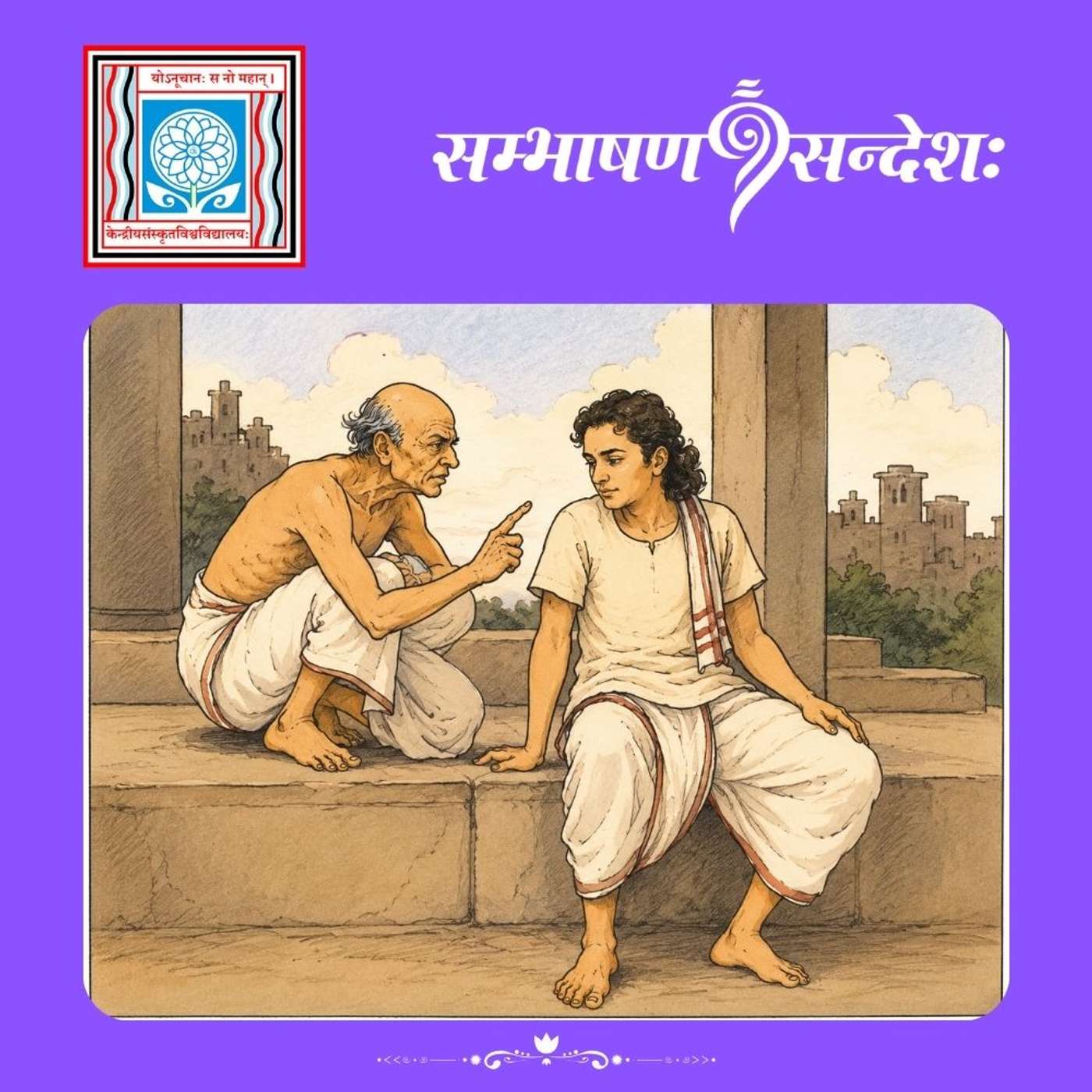
    गुर्जरदेशस्य राजा कुमारपालः कदाचित् वेषान्तरं धृत्वा सञ्चरन् स्मशानभूमिसमीपे कस्याश्चित् रोदनं श्रुतवान् । तस्य कारणम् आसीत् यत् अपुत्रायाः तस्याः महिलायाः पतिः यः वाणिज्यार्थं देशान्तरं गतः आसीत् सः तत्रैव मृतः आसीत् । 'रुदतीवित्त'नाम्ना निर्दिश्यमाना अपुत्रायाः सम्पत्तिः राजाधीना भवेत् इति नियमः आसीत् । अतः सा महिला गृहे रोदनं न अकरोत् । धनाशया अनुचिताः नियमाः न पालनीयाः इति मत्वा सः राजा तं नियमं निषेधितवान् । (“केन्द्रीयसंस्कृतविश्वविद्यालयस्य अष्टादशीयोजनान्तर्गततया एतासां कथानां ध्वनिप्रक्षेपणं क्रियते”) King Kumarapala of Gujarat once roamed in disguise. Near a cremation ground, he heard a woman weeping. Her husband, a merchant, had died abroad, leaving her childless. According to the law called “Rudativitta,” the property of a childless widow belonged to the king. Hence, she did not cry at home, fearing loss of wealth. Realizing that such laws driven by greed were unjust, Kumarapala abolished the rule.

  • #641
    August 4 · 2 min

    गुणग्राहिता

    कदाचित् देवलोके गुणानां विषये चर्चा प्रवृत्ता । 'गुणाः भवेयुः किन्तु गुणग्राहिता तु दुर्लभा' इति कश्चन देवः वदति । तदा अपरः देवः वदति 'मानवानां मध्ये अपि गुणग्राहिणः भवन्ति । एकं तु अहं जानामि' इति । तस्य मानवस्य परीक्षां कर्तुं तौ देवौ वेषान्तरं धृत्वा भूलोकं प्रति आगतौ । परीक्षायाम् उत्तीर्णः जातः सः मानवः । ततः देवौ स्वीयं रूपं‌ धृत्वा तं मानवम् आशिषा अनुगृह्य ततः अदृश्यतां गतवन्तौ । (“केन्द्रीयसंस्कृतविश्वविद्यालयस्य अष्टादशीयोजनान्तर्गततया एतासां कथानां ध्वनिप्रक्षेपणं क्रियते”) Once, in heaven, the gods were discussing virtues. One said: “Virtues may exist, but those who truly appreciate them are rare.” Another replied: “Even among humans there are such people—I know one.” To test him, the two gods disguised themselves and came to earth. The man passed their test. Then the gods revealed their true form, blessed him, and disappeared.

  • #640
    August 3 · 3 min

    विनयः विधेयता च

    चक्रवर्तिनः मनोः शतरूपायाः च पुत्री देवहूतिः अनुपमसुन्दरी, सौम्यस्वभावा, सकलविद्यापारङ्गता च आसीत् । नारदमहर्षिस्वारा ज्ञातं यत् तस्याः योग्यः वरः कर्दममहर्षिः अस्ति इति । नारदस्य कथनं पुरस्कृत्य मनुः शतरूपा च पुत्र्या देवहूत्या सह कर्दममहर्षेः आश्रमं गतवन्तौ । यद्यपि देवहूत्याः रूपज्ञानादयः सर्वत्र ख्याताः तथापि तस्याः स्वभावः कीदृशः अस्ति इति महर्षिणा लघु परीक्षा कृता । तस्याः स्वभावोत्कृष्टतां दृष्ट्वा महर्षिः सन्तुष्टः जातः । अचिरात् एव देवहूतिकर्दमयोः विवाहः यथाविधि सम्पन्नः । (“केन्द्रीयसंस्कृतविश्वविद्यालयस्य अष्टादशीयोजनान्तर्गततया एतासां कथानां ध्वनिप्रक्षेपणं क्रियते”) Devahuti, daughter of Manu and Shatarupa, was an incomparable beauty, gentle in nature, and skilled in all arts. Sage Narada knew that Kardama Muni was the right match for her. Following Narada’s advice, Manu and Shatarupa visited Kardama’s hermitage with Devahuti. Though her beauty and learning were well known, Kardama tested her character. Seeing her noble nature, he was pleased, and soon Devahuti and Kardama were married according to proper rites.

  • #639
    August 2 · 3 min

    देशीयम् एव उपयोक्तव्यम्

    कश्चन विदेशीयः वणिक् बहुविधानि काचनिर्मितानि वस्तूनि राज्ञः रणजितसिंहस्य आस्थानं प्रति आनयति । राजा केनचित् निर्दर्शनेन दर्शयति यत् विदेशीयेन आनीतानि वस्तूनि चित्तकर्षकानि सन्ति चेदपि वास्तवमूल्यरहितानि । अस्माकं देशे निर्मितानि पात्रादीनि वस्तूनि बहूपयोगीनि, नाशानन्तरमपि मूल्यवन्ति । शाश्वतमौल्ययुक्तानि स्वदेशीयानि वस्तूनि एव वयं क्रेतुम् इच्छामः, न तु मोहकमात्राणि विदेशीयवस्तूनि इति । (“केन्द्रीयसंस्कृतविश्वविद्यालयस्य अष्टादशीयोजनान्तर्गततया एतासां कथानां ध्वनिप्रक्षेपणं क्रियते”) A foreign merchant once brought many crafted goods to the court of King Ranjit Singh. The king pointed out that although the foreign items looked attractive, they lacked real value. He explained that utensils and objects made in our own country are more useful and remain valuable even after wear. Therefore, we should buy native goods of lasting worth, not merely charming foreign ones.

  • #638
    August 1 · 2 min

    सम्राट् कीदृशः स्यात् ?

    कदाचित् कश्चन सम्राट् रथे उपविश्य राजमार्गेण गच्छन् आसीत् । तस्मिन् मार्गे गच्छन्तं कञ्चन सामान्यवेषधारिणं विरागिणम् अपसर्तुं कश्चन भटः प्रयासम् अकरोत् । किन्तु सः विरागी परिवृत्य सम्राजं सकृत् दृष्ट्वा मन्दहासं प्रकटय्य शान्तभावेन यथापूर्वम् अग्रे अगच्छत् । यदा रथः विरागिणः समीपम् आगच्छत् तदा क्रुद्धः सम्राट् अगर्जत् । तदनन्तरं तयोः मध्ये यत् सम्भाषणं प्रचलितं तेन स्वस्य दोषम् अवगत्य सम्राट् रथात् अवतीर्य तं विरागिणम् उपसर्प्य पादौ प्रणम्य क्षमां याचितवान् । (“केन्द्रीयसंस्कृतविश्वविद्यालयस्य अष्टादशीयोजनान्तर्गततया एतासां कथानां ध्वनिप्रक्षेपणं क्रियते”) Once, an emperor was riding in his chariot along the royal road. A guard tried to push aside a wandering ascetic in simple dress. The ascetic turned, looked at the emperor once, smiled gently, and calmly continued walking. When the chariot came near, the emperor grew angry and shouted. In the conversation that followed, the emperor realized his own fault. He stepped down from the chariot, approached the ascetic, bowed at his feet, and asked forgiveness.

  • #637
    July 31 · 3 min

    तृतीयं 'नेत्रम्'

    मानवानां तृतीयं नेत्रं किम् इति भवद्भिः ज्ञायते वा ? कदाचित् कस्यचन साधोः भगवतः च सम्भाषणसमये भगवान् विवृणोति मानवानां तृतीयस्य नेत्रस्य विषये 'तत् तृतीयं नेत्रम् अस्ति मानवानाम् अन्तः । 'विवेकः' इति तस्य नाम । तस्य अस्तित्वं मानवाः जानन्ति अपि । किन्तु दौर्भाग्य नाम ते तस्य उपयोगं विरलतया एव कुर्वन्ति' इति । (“केन्द्रीयसंस्कृतविश्वविद्यालयस्य अष्टादशीयोजनान्तर्गततया एतासां कथानां ध्वनिप्रक्षेपणं क्रियते”) Do you know that humans have a third eye? Once, during a saint’s conversation with God, the Lord explained: “The third eye of humans lies within. It is called ‘viveka’. People know it exists, but unfortunately they rarely use it.”

  • #636
    July 30 · 2 min

    यत् ज्ञानम् अन्यान् पराजेतुम्

    पूर्वं वामनपण्डितः नामा कश्चन महान् गर्वितः पण्डितः विविधान् ग्रामान् गत्वा पण्डितान् पराजित्य सः स्वस्य जयं प्रख्यापयति स्म । गच्छता कालेन भगद्गीतार्थं विवृण्वन् सः एकां विस्तृतां व्याख्यां लिखितवान् । सा एव व्याख्या 'भगवद्दीपिका' नाम । किन्तु तस्य गर्वस्य अपगमने काचित् स्वासरस्यकारी घटना प्रवृत्ता । (“केन्द्रीयसंस्कृतविश्वविद्यालयस्य अष्टादशीयोजनान्तर्गततया एतासां कथानां ध्वनिप्रक्षेपणं क्रियते”) Vamana Pandit was once a very proud scholar, traveling from village to village defeating other scholars and proclaiming his victories. An incident occurred that humbled him and removed his pride. Over time, he wrote an extensive commentary on the Bhagavad Gita called Bhagavad-Dipika.

  • #635
    July 29 · 3 min

    जननी जन्मभूमिश्च....

    सिराजुद्दौलः बङ्गालस्य राजा । कदाचित् आङ्ग्लेयैः सह यदा युद्धं प्रवर्तमानम् आसीत् तदा सिराजुद्दौलस्य सेनापतिः शत्रुपक्षम् आश्रितवान् । सिराजुद्दौलः महान्तम् आघातं प्राप्य चिन्ताक्रान्तः जातः । एतत् लक्षितवती माता यदा कारणम् अपृच्छत् तदा 'अस्मदीयाः जनाः एव विश्वासघातं कृतवन्तः । देशद्रोहम् आचरितवन्तः । स्वस्य सैन्यम् अल्पम् । शत्रुबलम् अपारम्' इति अवदत् सिराजुद्दौलः । तदा मात्रा प्रेरणदायकानि उपदेशवचनानि उक्तानि । (“केन्द्रीयसंस्कृतविश्वविद्यालयस्य अष्टादशीयोजनान्तर्गततया एतासां कथानां ध्वनिप्रक्षेपणं क्रियते”) Siraj-ud-Daulah was the king of Bengal. During a war with the British, his commander betrayed him and joined the enemy. Shocked and worried, Siraj-ud-Daulah told his mother: “Our own people have committed treachery and betrayed the nation. My army is small, the enemy’s force is vast.” Hearing this, his mother gave him words of inspiration and guidance.

  • #634
    July 28 · 3 min

    प्रशंसायाः प्राप्त्यर्थम्

    कश्चन मूर्तिकारः स्वपुत्रम् उत्तममूर्तिनिर्मातारं करोति । किन्तु पिता तेन पुत्रेण निर्मितासु कमपि दोषं पश्यति स्म । पितुः प्रशंसा कथमपि प्राप्तव्या एव इति सः विशेषप्रयासं करोति स्म । कदाचित् अग्रे पुत्रेण ज्ञातं यत् पित्रा किमर्थं तथा कृतम् इति । गर्वः उन्नतेः बाधकः भवति । सः सफलद्वाराणि पिदधाति । अतः एव पित्रा पुत्रेण निर्मितानां मूर्तीनां प्रशंसा न कृता । (“केन्द्रीयसंस्कृतविश्वविद्यालयस्य अष्टादशीयोजनान्तर्गततया एतासां कथानां ध्वनिप्रक्षेपणं क्रियते”) A sculptor trained his son to become a fine artist. Yet the father always found some fault in the statues his son made. The son worked harder, hoping to win his father’s praise. Later he realized why his father acted so: pride is an obstacle to progress, it closes the doors to success. That is why his father never praised his work.

  • #633
    July 27 · 3 min

    सा अवध्या वन्द्या च

    प्रसिद्धः कथाकारः प्रेमचन्दः गोरक्षपुरे यदा अध्यापनरतः आसीत् तदानीन्तनी घटना एषा । प्रेमचन्दवर्येण काचन गौः पालिता आसीत् । कदाचित् चरणाय प्रेषिता सा गौः जनपदाधिकारिणः गृहपरिसरं प्राविशत् । तद् दृष्ट्वा सः अधिकारी तस्याः गोः मारणाय भुषुण्डिकाम् आनीतवान् । तावता तत्र प्रेमचन्दः आगत्य तस्य मूकजीविनः प्राणं रक्षति । गोमातुः विषये प्रेमचन्दस्य श्रद्धाम् अतिशयप्रीतिं च दृष्ट्वा जनपदाधिकारी महत् आश्चर्यं प्राप्नोत् । (“केन्द्रीयसंस्कृतविश्वविद्यालयस्य अष्टादशीयोजनान्तर्गततया एतासां कथानां ध्वनिप्रक्षेपणं क्रियते”) This incident took place when the famous writer Premchand was teaching in Gorakhpur. He kept a cow. One day, when sent out to graze, the cow entered the compound of a local officer. Seeing this, the officer brought a gun to kill her. Just then Premchand arrived and saved the life of the mute creature. Witnessing Premchand’s deep reverence and affection for the cow, the officer was greatly astonished.

  • #632
    July 26 · 2 min

    पापभीतेः मुक्तिः

    रावणस्य दिवङ्गतेः अनन्तरं लङ्कायाः उत्तराधिकारितां स्वीकर्तुं रामः विभीषणं बोधयति । रामस्य अनुरोधात् विभीषणः पट्टाभिषेकम् अङ्गीकृतवान् । यदा सर्वे पट्टाभिषेकविधयः सम्पन्नाः अभवन् तदा विभीषणः अग्रजस्य रावणस्य अन्याय्यमार्गेण अर्जितस्य सम्पत्तेः उत्तराधिकारी सन् पापभीतिम् अनुभवामि इति रामम् अवदत् । तदा रामः विभीषणं पापभीतेः मुक्तिमार्गम् अबोधयत् । (“केन्द्रीयसंस्कृतविश्वविद्यालयस्य अष्टादशीयोजनान्तर्गततया एतासां कथानां ध्वनिप्रक्षेपणं क्रियते”) After Ravana’s death, Rama asked Vibhishana to accept the throne of Lanka. Vibhishana agreed and was crowned king. When all the coronation rituals were completed, he told Rama: “I feel guilty inheriting the wealth that my elder brother Ravana gained through unjust means.” Rama then explained to Vibhishana the way to be free from the fear of sin.

  • #631
    July 25 · 7 min

    चतुरः टोडरमलः

    राजा टोडरमलः सम्राजः अकबरस्य आस्थानस्य मन्त्रिषु अन्यतमः । वित्तवाणिज्यादिविभागान् प्राधान्येन सः निर्वहति स्म । 'नरनौल'नामके नगरे तस्य सुहृद् कश्चन श्रेष्ठी आसीत् यस्य गृहं सः सर्वदा गच्छति स्म । कदाचित् श्रेष्ठी दिवं गतः । तस्य सम्पत्तिः दायादैः वञ्चनया वशीकृता । अतः श्रेष्ठीपत्नी दारिद्र्यदशाम् आपन्ना । पूर्वं तस्य पुत्रस्य निमित्तं वधूः निश्चिता आसीत् । इदानीं वधूपक्षीयाः चिन्ताग्रस्ताः अभवन् । यदा ते कुटिलोपायपुरस्सरं विवाहसम्बन्धं छेतुम् इष्टवन्तः तदा टोडरमलः उपायेन विवाहं कारितवान् । (“केन्द्रीयसंस्कृतविश्वविद्यालयस्य अष्टादशीयोजनान्तर्गततया एतासां कथानां ध्वनिप्रक्षेपणं क्रियते”) Todarmal, Akbar’s finance minister, had a merchant friend in Narnaul. After the merchant’s death, his property was seized by relatives, leaving the widow poor. Her son’s marriage, once arranged, was now in doubt as the bride’s family tried to break the alliance. Todarmal cleverly ensured the marriage took place.

Showing 21–37 of 37 episodes