Skip to content
Artwork for बालमोदिनी
Kids & FamilyStories for KidsReligion & SpiritualityHinduism

बालमोदिनी

सम्भाषणसन्देशः

सम्भाषणसन्देशः इति संस्कृतमासिकपत्रिका (https://sambhashanasandesha.in) । एतस्यां पत्रिकायां प्रकाशिताः लेखाः, कथाः, बालकथाः, वार्ताः इत्यादिकं सर्वम् अपि सरलसंस्कृतेन एव प्रकाश्यते । तत्रत्याः “बालमोदिनी”नामिकाः बालकथाः अत्र प्रसार्यन्ते । अतः अस्याः शृङ्खलायाः नाम अपि “बालमोदिनी” एव । लघु गात्रं, सरला भाषा च कथानां विशेषः । प्रत्येकं कथा काञ्चित् नीतिं बोधयति । बालकथाः आबालवृद्धं सर्वेषां प्रियाः । संस्कृतेन ताः श्रोतुम् उपलब्धाः भवन्तु इति एषः प्रयत्नः श्रोतृभ्यः अवश्यं रोचेत इति विश्वासः । संस्कृतक्षेत्रे संस्कृतेन पॉड्कास्ट् क्रियमाणाः एताः प्रप्रथमाः कथाः इति सगौरवम् उद्घोष्यते ।

Sambhashana Sandesha is a Sanskrit monthly magazine (https://sambhashanasandesha.in). The articles, stories, children's stories, news, and other content published in this magazine are all presented in simple Sanskrit. Among these, the children's stories titled “Balamodini” are featured. The series is named “Balamodini” as well. The hallmark of these stories is their short length and simple language. Each story imparts a specific moral lesson. Children’s stories are cherished by everyone, young and old alike. It is believed that listeners will appreciate this effort to make these stories available in Sanskrit. These are the first stories to be podcasted in the Sanskrit language within this field.

Play
  • 36 episodes
  • daily
  • Avg 3 min
  • Sanskrit
Counted on this page — what you have heard stays on this device, so it is not something the list can be paged by.
  • #666
    Today · 4 min

    वन्यपशवः भ्रातरः इव

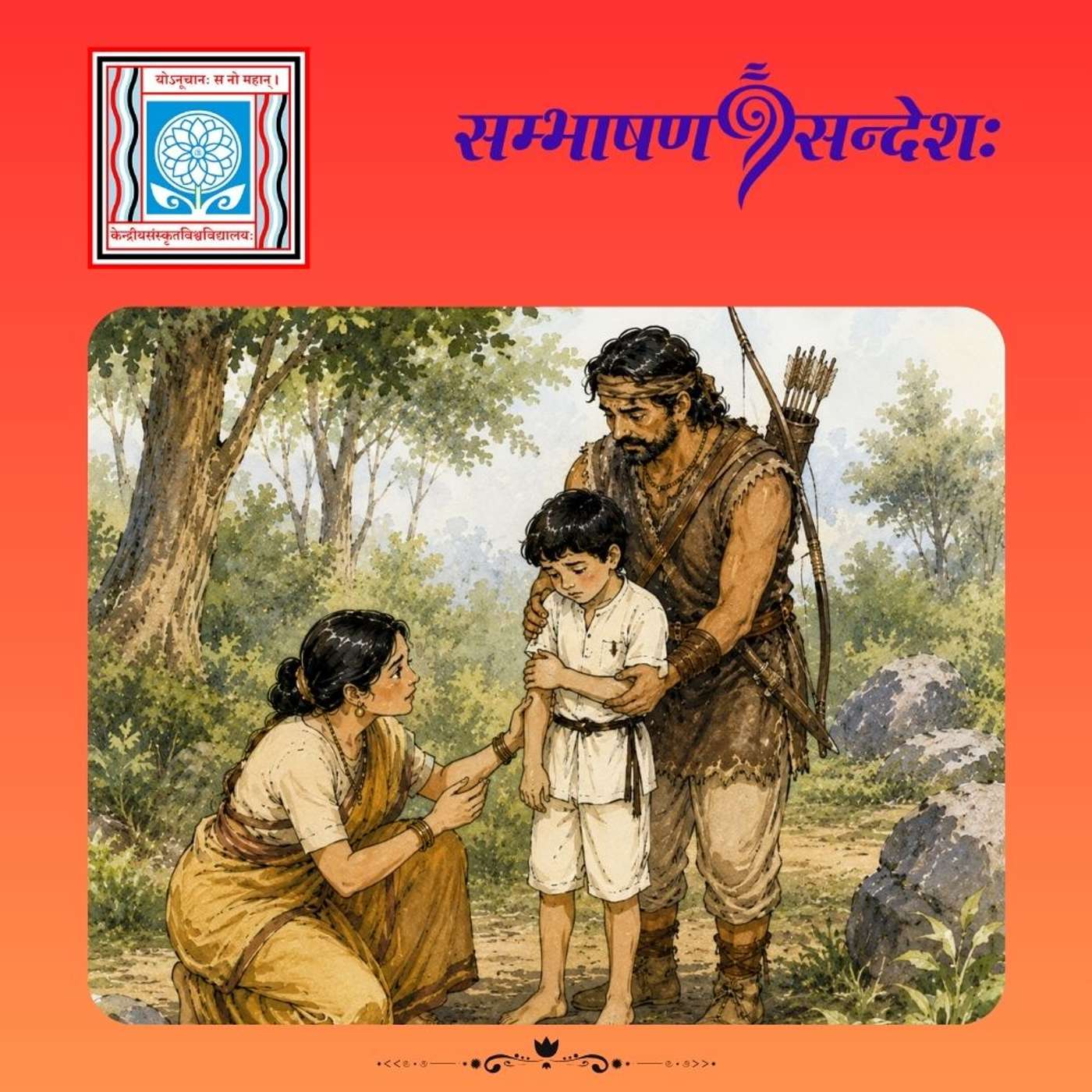
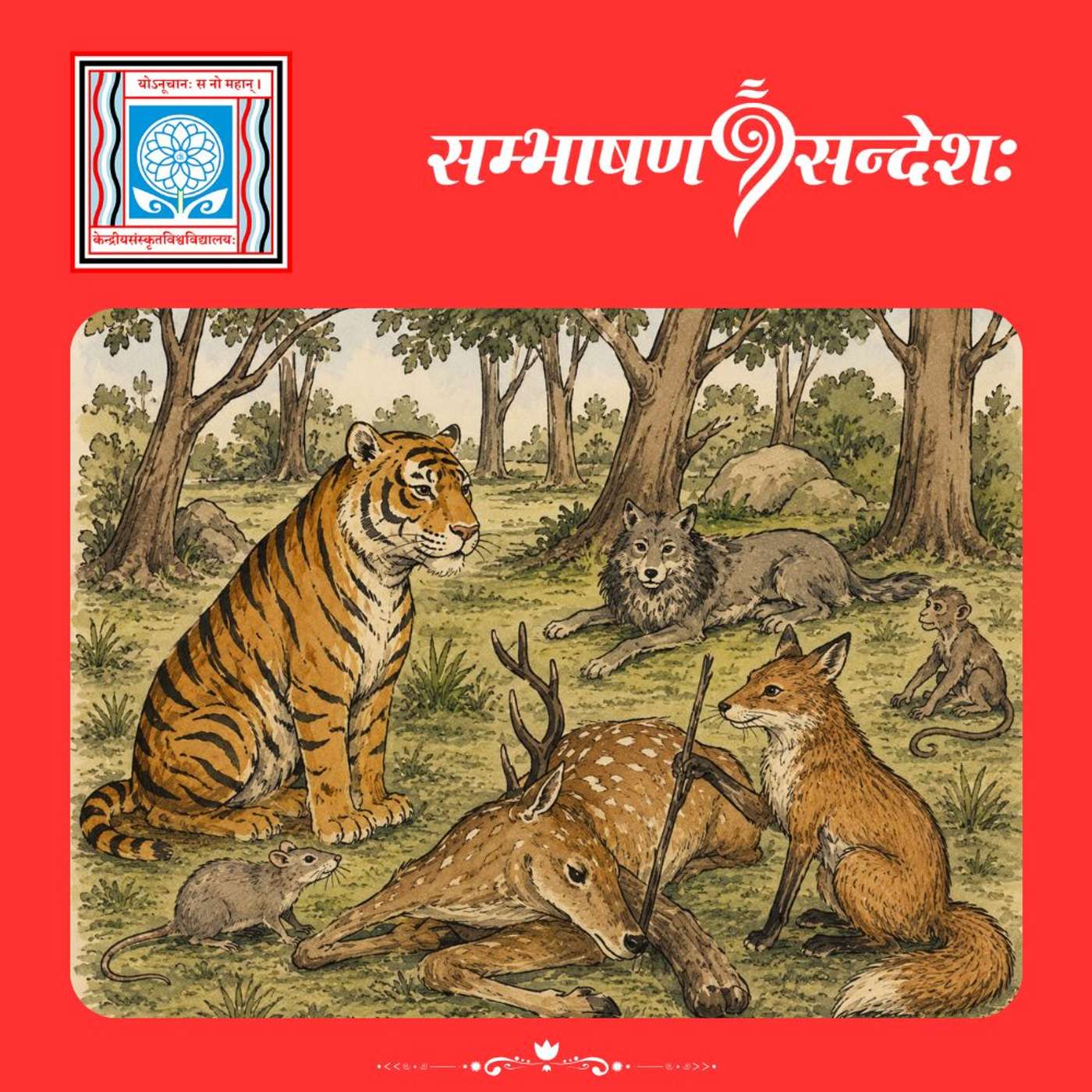
    अरुणाचलप्रदेशे रूपग्रामे उभौ सहोदरौ निवसतः स्म । तयोः ज्येष्ठः बौद्धसंन्यासी, कनीयान् च व्याधवृत्तिम् आश्रित्य गृहपोषणं करोति स्म । बौद्धसंन्यासिने मांससेवनं न रोचते स्म अतः कदाचित् सः मांसभक्षणं परित्यक्तवान् । सः व्याधवृत्तिं त्यक्तुम् अनुजम् प्रेरयति । अनुजः कथं तां वृत्तिं त्यज्यति इति कथायाः वस्तु वर्तते । (“केन्द्रीयसंस्कृतविश्वविद्यालयस्य अष्टादशीयोजनान्तर्गततया एतासां कथानां ध्वनिप्रक्षेपणं क्रियते”) In a village called Rupa in Arunachal Pradesh, two brothers lived together. The elder brother was a Buddhist monk, while the younger one supported the family by hunting. The monk did not like eating meat and had given it up. He encouraged his younger brother to give up hunting as well. This story tells how the younger brother eventually gave up his occupation of hunting.

  • #665
    Yesterday · 2 min

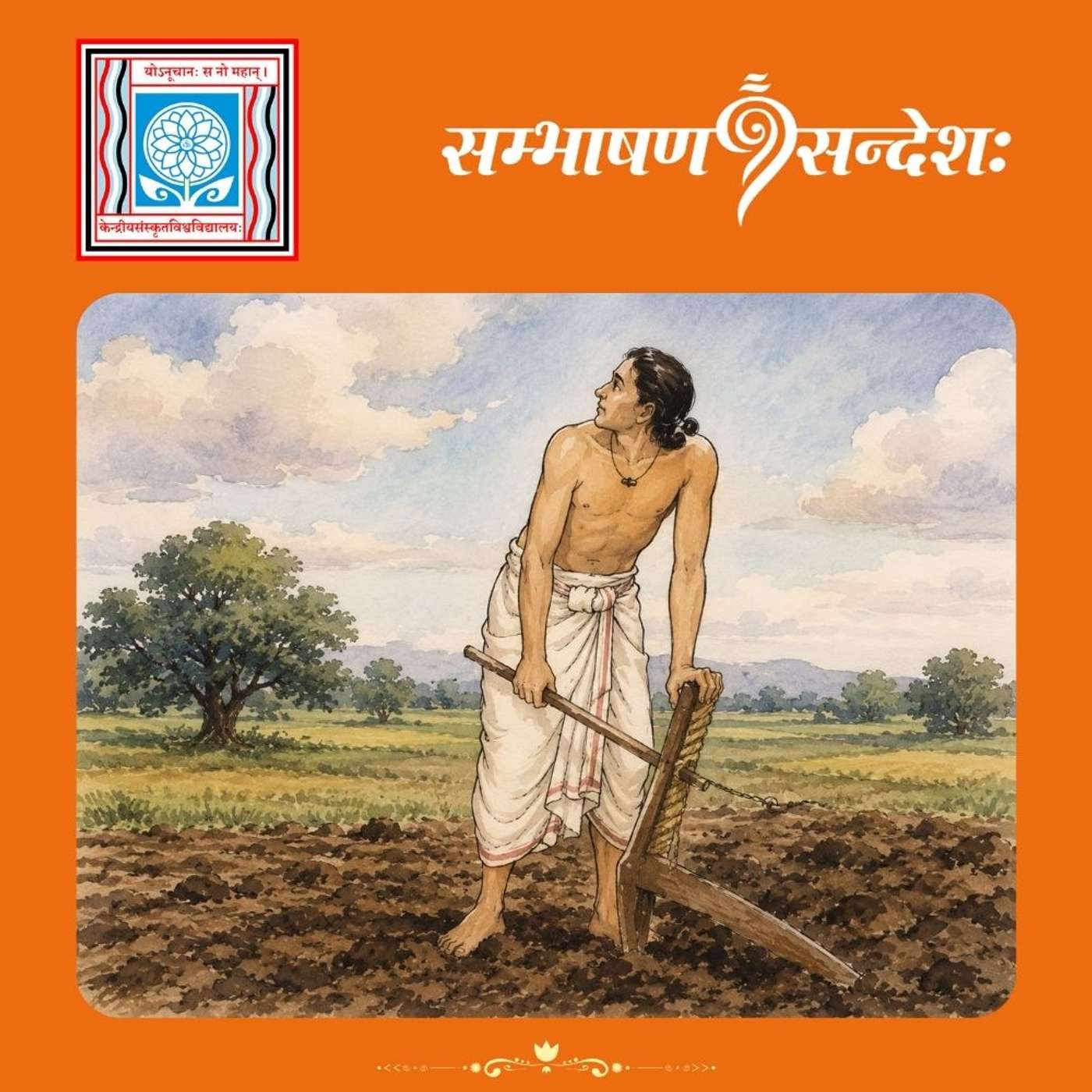
    कार्याणि तु यथाकालम्.....

    कृषौ यथाकालं कार्याणि करणीयानि । अन्यथा कृषिः विनश्यति । यथाकालम् अकृतं कार्यं फलं न दादाति । कस्मिंश्चित् राज्ये यद्यपि विशालं कृषिक्षेत्रम् आसीत् तथापि तत् शुष्कम् । कश्चन कृषिकः भूमिगुणम् अधीत्य कृषिम् आरब्धवान् । अन्यान् अपि प्रेरितवान् । तस्मात् पञ्चवर्षाभ्यन्तरे राज्यस्थानि सर्वाणि कृषिक्षेत्राणि धान्यसम्पन्नानि जातानि । (“केन्द्रीयसंस्कृतविश्वविद्यालयस्य अष्टादशीयोजनान्तर्गततया एतासां कथानां ध्वनिप्रक्षेपणं क्रियते”) Farm work must be done at the proper time; otherwise, farming suffers. Work that is not done on time does not give good results. In a certain kingdom, there was a large farming area, but it was dry and unproductive. A farmer studied the nature of the soil and began farming properly. He also encouraged others to do the same. As a result, within five years, all the farmlands in the kingdom became rich in crops and grain.

  • #664
    Thursday · 5 min

    मृतोSपि जीवति

    कथायाम् अस्यां देवराजरामदेवयोः स्वभावः विवृतः अस्ति । यः समाजहितं चिन्तयति सः मृतोऽपि जीवति । अतः रामदेवः तु विंशतेः वर्षेभ्यः पूर्वमेव दिवं गतः चेदपि जनाः तं प्रतिदिनं स्मरन्ति । यः स्वार्थमात्रं चिन्तयति सः तु जीवन् अपि मृतः एव । अतः देवराजे जीवति सति अपि कोऽपि तस्मिन् आदरवान् न । (“केन्द्रीयसंस्कृतविश्वविद्यालयस्य अष्टादशीयोजनान्तर्गततया एतासां कथानां ध्वनिप्रक्षेपणं क्रियते”) This story describes the nature of Devaraja and Ramadeva. A person who thinks about the welfare of society lives on even after death. Therefore, although Ramadeva died more than twenty years ago, people still remember him every day. But a person who thinks only about himself is as good as dead even while living. So, even though Devaraja was alive, no one respected him.

  • #663
    Wednesday · 3 min

    नूनता कच्छपबककथा

    काचित् पुत्री शयनसमये जनकम् एकां कथां श्रावयितुम् अवदत् । तदा पिता कच्छपबककथां वक्तुम् आरभते । तदा पुत्री तम् अवरुणद्धि । यतः तत्र कच्छपस्य मरणं भवति इति कारणतः । किन्तु पिता वदति यत् नूतनां कच्छपबककथां वदामि इति । कथायां तस्यां कच्छपस्य हानिः न भवति इति श्रुत्वा आनन्दिता पुत्री निद्रां कृतवती । (“केन्द्रीयसंस्कृतविश्वविद्यालयस्य अष्टादशीयोजनान्तर्गततया एतासां कथानां ध्वनिप्रक्षेपणं क्रियते”) One night, a daughter asked her father to tell her a story before going to sleep. The father began to tell the story of the tortoise and the cranes. The daughter stopped him because, in that story, the tortoise dies. The father then said that he would tell a new version of the story. When the daughter heard that the tortoise would not be harmed in this version, she became happy and went to sleep.

  • #662
    Tuesday · 3 min

    ह्यस्तनरोटिकाः

    कस्मिंश्चित् कुटुम्बे पुत्रः माता पिता चेति त्रयः‌ सदस्याः आसन् । पुत्रः‌ रामः यद्यपि अध्ययने निपुणः तथापि कदापि किमपि कार्यं‌ न करोति स्म । विवाहोत्तरमपि सः तथैव आसीत् । तस्य पत्नी उमा बुद्धिमती व्यवहारकुशला च आसीत् । अल्पे एव काले पिता दिवं गतः । तथापि रामः कार्ये धनसम्पादने वा प्रवृत्तः न जातः । माता स्नुषा च मिलित्वा कमपि उपायं कृत्वा रामस्य कर्तव्यं किम् इति ज्ञापयतः । ततः सः परिश्रमपूर्वकं धनसम्पादने उद्युक्तः जातः । (“केन्द्रीयसंस्कृतविश्वविद्यालयस्य अष्टादशीयोजनान्तर्गततया एतासां कथानां ध्वनिप्रक्षेपणं क्रियते”) In a family, there were three members: a son, his mother, and his father. The son, Rama, was good at studies but never did any work. Even after marriage, he remained the same. His wife, Uma, was intelligent and practical. After some time, Rama’s father passed away, but Rama still did not try to work or earn money. Then his mother and wife together found a way to make him understand his responsibilities. After that, Rama began to work hard and started earning money.

  • #661
    Monday · 4 min

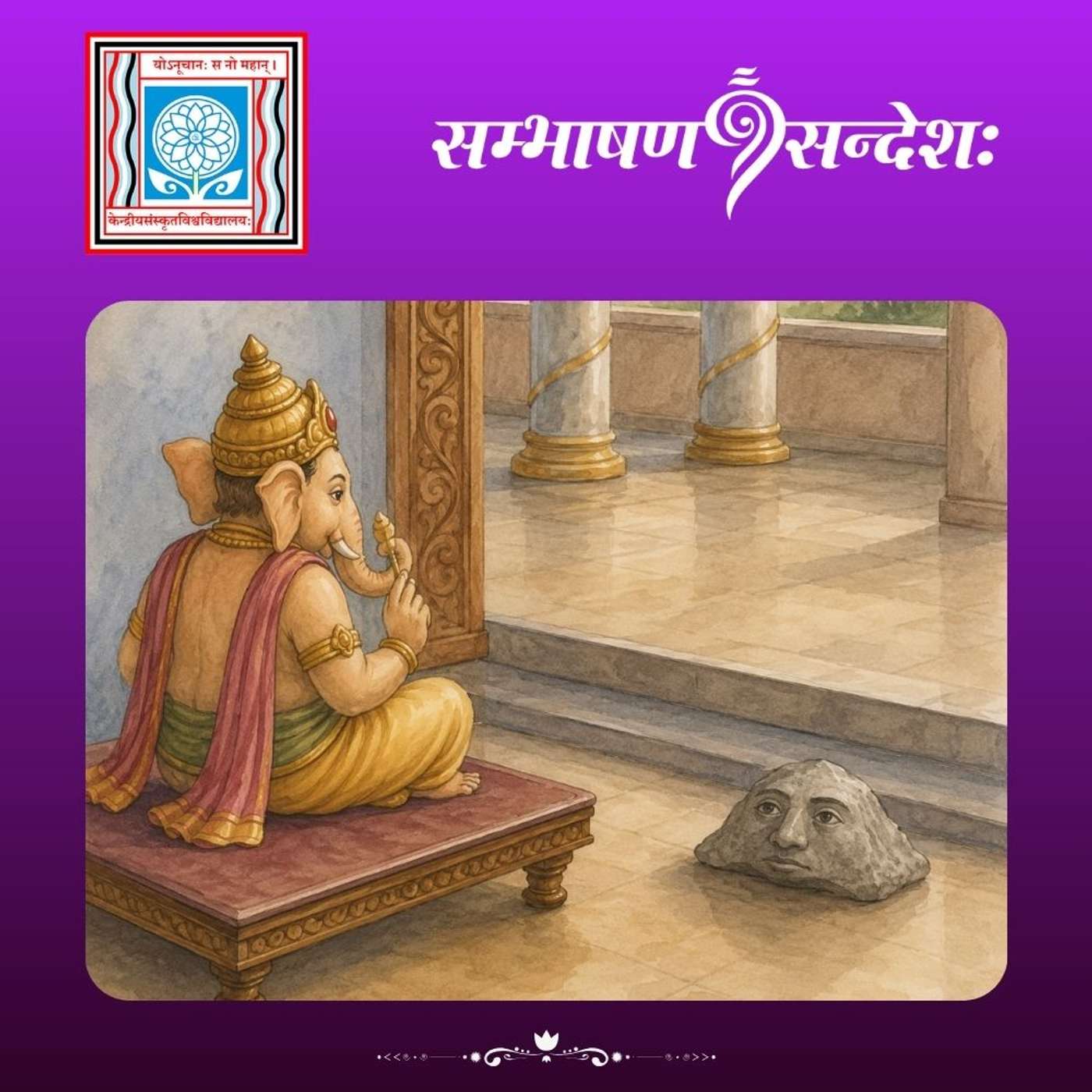
    भगवतः अस्तित्वम्

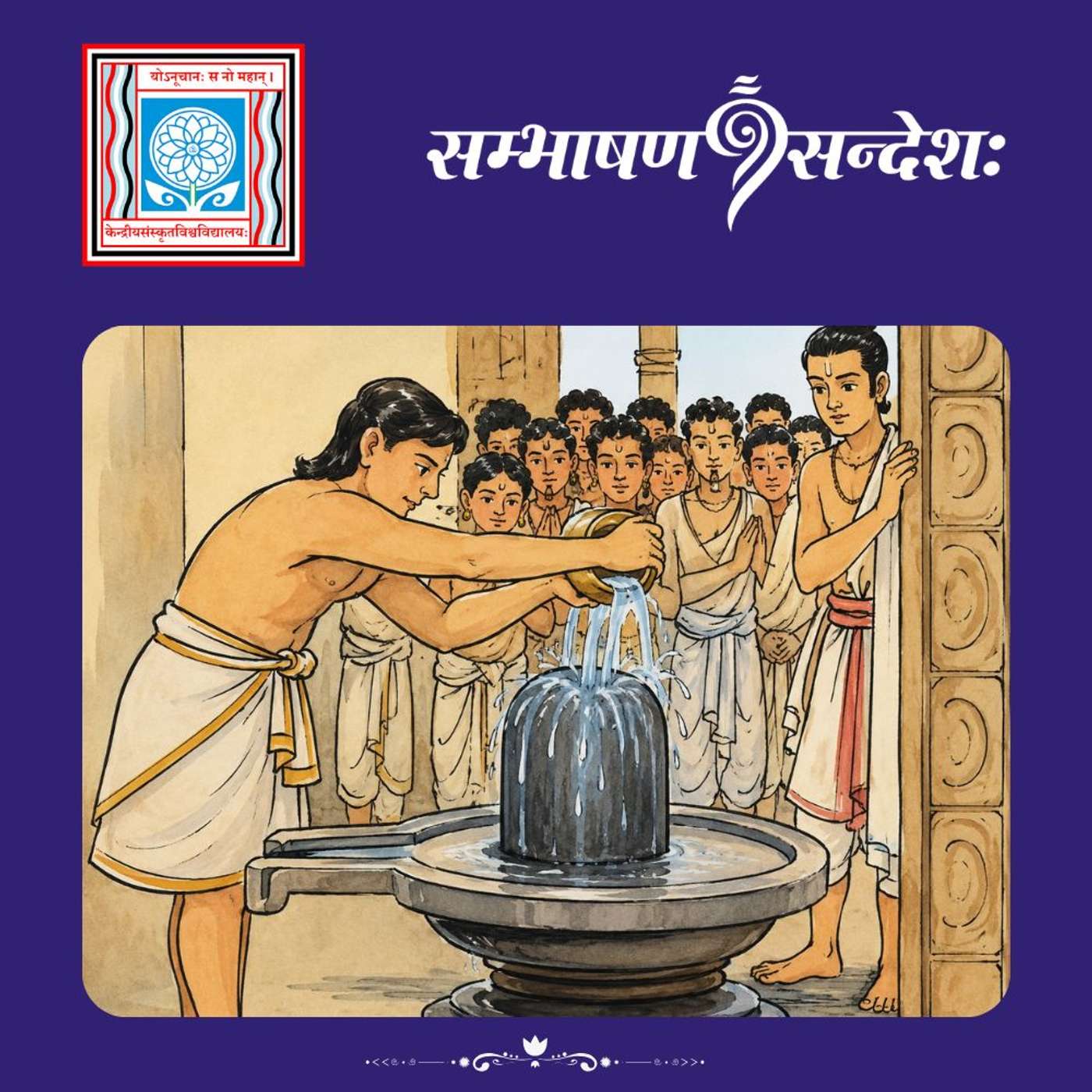
    देवः देवालये शिलारूपेण मूर्तिरूपेण वा न भवति । सः जनानां हृदये भवति । दीनानां रुग्णानां दरिद्राणां च प्रतिफलनिरपेक्षया सेवा करणीया । तस्मात् देवः सन्तुष्टः भवति । भगवदनुग्रहः अपि प्राप्यते । इयं कथा एतस्य उत्तमम् उदाहरणं भवितुमर्हति । (“केन्द्रीयसंस्कृतविश्वविद्यालयस्य अष्टादशीयोजनान्तर्गततया एतासां कथानां ध्वनिप्रक्षेपणं क्रियते”) God does not exist only in temples or in stone idols. He lives in the hearts of people. We should serve the poor, the sick, and the needy without expecting anything in return. This pleases God and brings His blessings. This story is a good example of that teaching.

  • #660
    Sunday · 2 min

    अहं न अधिकारी ....

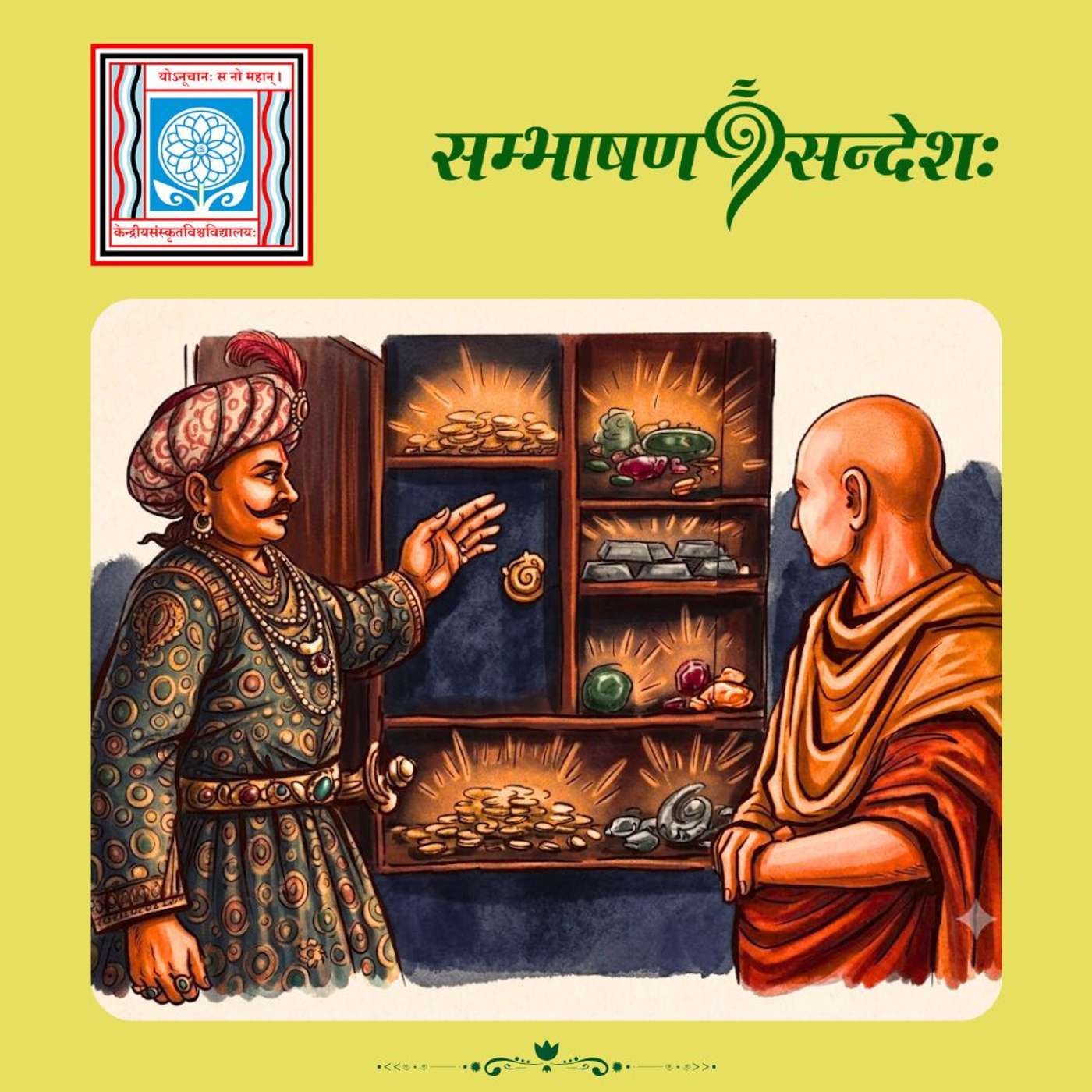
    पिपासया बाधितः कश्चन यात्रिक: कञ्चन कूपम् अपश्यत् । स: कृषकस्य समीपं गत्वा रज्जुं घटं च अयाचत । कृषक: राज्ज्वादिकम् आनीय कूपात् जलम् उद्धृत्य यात्रिकम् अपाययत् । कूपस्य जलम् अमृतोपमयम् आसीत् इति यात्रिक: अवदत् । किन्तु स: कृषक: तावत् पर्यन्तं जलस्य उपयोगं न कृतवान् आसीत् यत: तेन कूपखननार्थम् ऋणं स्वीकृतम् आसीत् । ऋणप्रत्यर्पणपर्यन्तं कूपजलस्य उपयोगे स: अनधिकारी इति मन्यते स्म । (“केन्द्रीयसंस्कृतविश्वविद्यालयस्य अष्टादशीयोजनान्तर्गततया एतासां कथानां ध्वनिप्रक्षेपणं क्रियते”) A thirsty traveller saw a well and went to a farmer asking for a rope and a bucket. The farmer drew water from the well and gave it to him. The traveller said that the water tasted like nectar. However, the farmer had never used the water himself because he had taken a loan to dig the well. He believed that until the loan was repaid, he had no right to use the well’s water.

  • #659
    August 22 · 2 min

    मानवायुषः इतिवृत्तम्

    यदा भगवान् ब्रह्मा जगत् असृजत् तदा सर्वान् आहूय पञ्चविंशतिवर्षात्मकम् आयुः किं पर्याप्तम् ? इति अपृच्छत् । तदा मानवः तावत् न पर्याप्तम् इति अवदत् । तदा गर्दभः कुक्कुरः उलूकः च स्वस्य स्वस्य वयसः पञ्चविंशतिं वर्षाणि मनुष्यस्य कृते दातुम् अर्हति भवान् इति भगवन्तम् अवदन् । अधुना मानवेन शतायुष्कत्वं प्राप्तम् । अतः एव मनुष्यः आदौ पञ्चविंशतिं वर्षाणि मनुष्यः इव जीवनं, पुनः पञ्चविंशतिं वर्षाणि गर्दभः इव सर्वकार्याणां वहनं, अग्रे पञ्चविंशतिं वर्षाणि कुक्कुरवत् गृहरक्षणं, अग्रिमेषु पञ्चविंश्त्यां वर्षेषु उलूकः इव अवसरं निरीक्षमाणः जीवत्यागं करोति । (“केन्द्रीयसंस्कृतविश्वविद्यालयस्य अष्टादशीयोजनान्तर्गततया एतासां कथानां ध्वनिप्रक्षेपणं क्रियते”) When Brahma created the world, he gave every being a lifespan of twenty-five years. The human felt it was too short. So, the donkey, the dog, and the owl each gave twenty-five years of their lives to the human. Thus, humans received a lifespan of one hundred years. It is said that people live the first twenty-five years as humans, the next twenty-five like donkeys carrying burdens, the following twenty-five like dogs guarding the home, and the last twenty-five like owls waiting for the end of life.

  • #658
    August 21 · 5 min

    सङ्गः ईश्वरस्य मानवस्य च

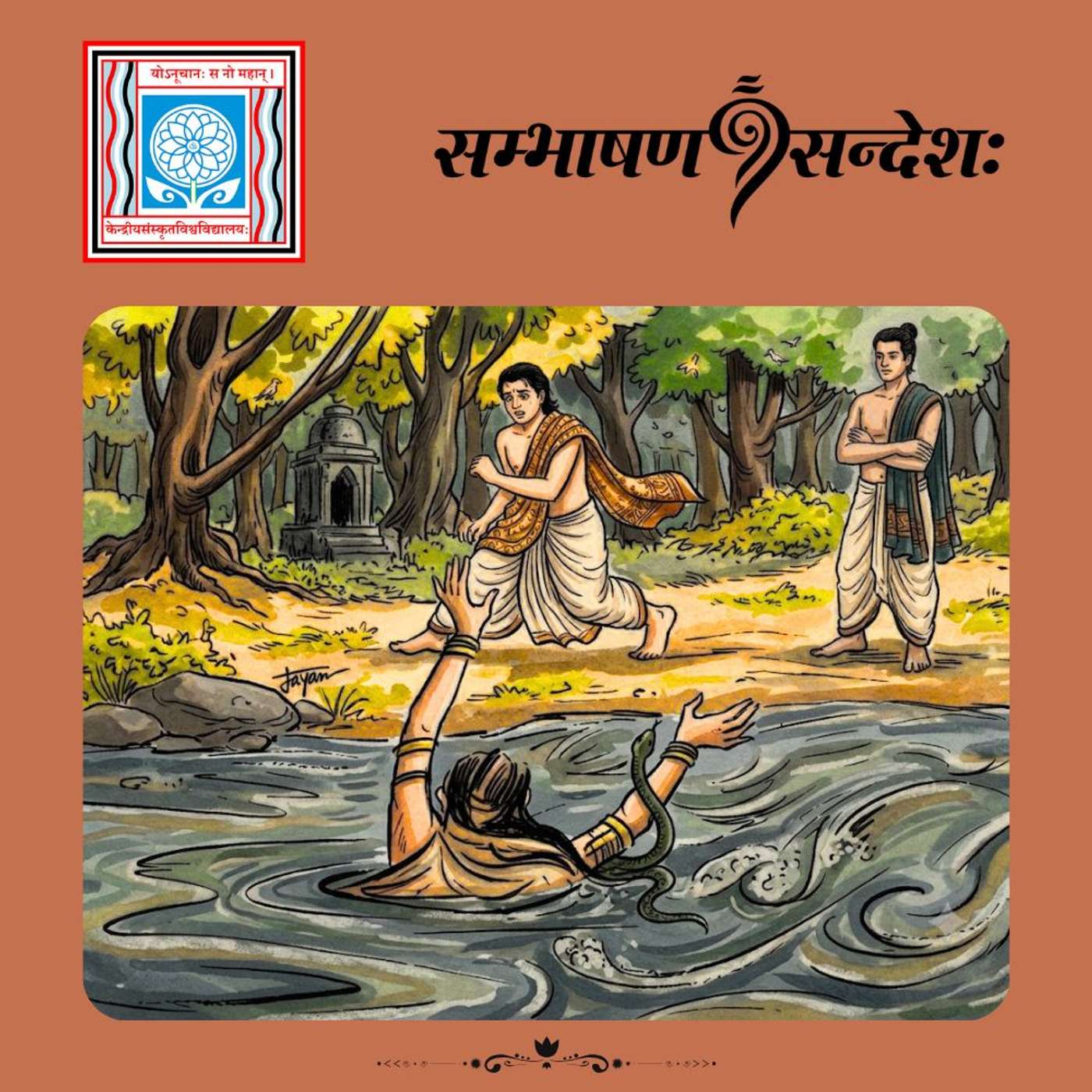
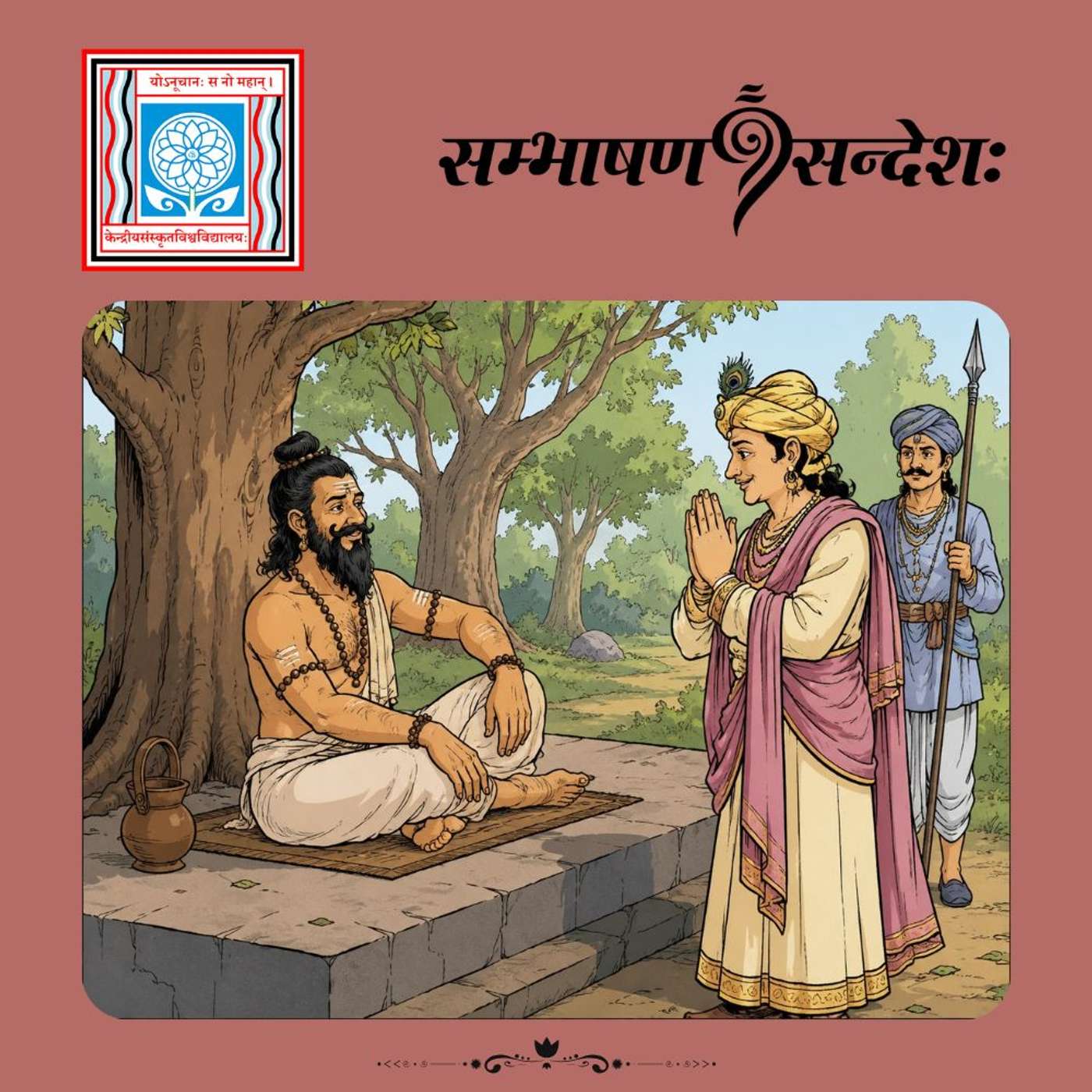
    सूफीमतस्य साधुषु अन्यतमः खय्यामः शिष्येण केनचित् सह परिभ्रमति स्म । ग्रामात् ग्रामं गच्छाद्भ्यां मार्गस्य निबिडम् अरण्यमेकं क्रमणीयम् अभवत् । तदा विलक्षणं घटनाद्वयं समभवत् । यदा शिष्यः गुरोः विलक्षणस्य व्यवहारस्य कारणम् अपृच्छत् तदा खय्यामः ईश्वरस्य मानवस्य च सङ्गः कारणम् इति विवृत्य ईश्वरे दृढा श्रद्धा स्थापनीया, भगवान् पदे पदे अस्मान् परीक्षते.... इत्यादीनि हितवचनानि अवदत् । (“केन्द्रीयसंस्कृतविश्वविद्यालयस्य अष्टादशीयोजनान्तर्गततया एतासां कथानां ध्वनिप्रक्षेपणं क्रियते”) Khayyam, one of the Sufi saints, was travelling with one of his disciples. As they went from one village to another, they had to pass through a dense forest. During the journey, two unusual incidents took place. When the disciple asked the reason for his teacher’s strange behaviour, Khayyam explained that it was due to the relationship between God and human beings. He advised the disciple to have strong faith in God and said that God tests us at every step of life. He also shared many other wise teachings.

  • #657
    August 20 · 3 min

    साधोः सम्पत्तिः

    सुवर्धनामकः कश्चन नृपः प्रजानां समस्यानां परिहारं यथाशीघ्रं करोति स्म | कदाचित् कस्यचन साधोः स्थालिकां पीठम् उपाधानं भिक्षापात्रं ढप्पली (एकं वाद्यं) च चोरिताः जाताः | राजा अनुक्षणं भटान् अन्वेषणाय प्रेषितवान् | केषाञ्चन दिनानाम् अनन्तरं कञ्चित् जनं निगृह्य नृपस्य अभिमुखम् आनयन् भटाः | किन्तु तेन चोरेण केवला स्थालिका एव चोरिता आसीत् | तदा साधुः अवदत् सः स्थालिका एव उपाधानत्वे, रोटिकानिर्माणसमये पीठत्वे, वाद्यत्वे, भिक्षापात्रत्वे च उपयुज्यते इति | (“केन्द्रीयसंस्कृतविश्वविद्यालयस्य अष्टादशीयोजनान्तर्गततया एतासां कथानां ध्वनिप्रक्षेपणं क्रियते”) There was a king named Suvardhana who solved the problems of his people very quickly. One day, a sage complained that his cooking pot, seat, pillow, begging bowl, and a drum had been stolen. The king immediately sent his soldiers to search for the thief. After a few days, the soldiers caught a man and brought him before the king. However, the thief had stolen only a single pot. The sage then explained that he used the same pot as a pillow while sleeping, as a seat, for making bread, as a musical instrument, and also as a begging bowl.

  • #656
    August 19 · 2 min

    हृदये सुगन्धः

    कस्यचन अधिकारिणः मुहुः स्थानान्तरस्य आदेशः आगतः | अन्यत् नगरं प्रति गमनावसरे भवन्ति कार्याणि बहूनि | कार्यालयस्य कोऽपि कर्मचारी तस्य साहाय्यार्थं न आगतः | रेल्वेस्थानकं प्रति सर्वाणि वस्तूनि तेन स्वयं नीतानि | आप्रच्छानार्थम् अपि कोऽपि कार्यालयीयः जनः न आगतः इति विषादेन मनसि एव अहसत् सः अधिकारी | तावता कश्चन सेवकः पुष्पमालाहस्तः सन् वेगेन स्थानकम् आगच्छत् | अधिकारिणः प्रीतिः उपकारः च न विस्मृतः तेन सेवकेन | अधिकारिणः हृदयं सुगन्धपूर्णं जातम् | (“केन्द्रीयसंस्कृतविश्वविद्यालयस्य अष्टादशीयोजनान्तर्गततया एतासां कथानां ध्वनिप्रक्षेपणं क्रियते”) An officer was transferred to another city. There was a lot of work to do before leaving, but no one from his office came to help him. He carried all his things to the railway station by himself. He felt sad because no colleague had come to say goodbye. Just then, a servant came running to the station with a flower garland. The servant had not forgotten the officer’s kindness and help. This made the officer very happy.

  • #655
    August 18 · 3 min

    भोजने रुचिः त्यज्यताम्

    कश्चन महर्षेः पुत्रः उलूकः मन्दमतिः | यद्यपि सः गुरुकुले वसति स्म, तथापि गुरुणा बोधितं किमपि न अवगच्छति स्म | कदाचित् गुरुः अवदत् 'पठने रुचिः नास्ति चेत् गुरुकुलं परित्यज्य गच्छ' इति | विषादेन सः पर्वतशिखरं गत्वा तपः आचरितवान् | वृद्धवेषधारी ईश्वरः आगत्य किञ्चन तत्वं बोधितवान् | तदनन्तरमेव सः अध्ययनं समाप्य ज्ञानी जातः | महर्षिः अपि | तस्य एव नाम कणादः इति यः वैशेषिकदर्शनस्य प्रवर्तकः सन् परमाणुतत्त्वस्य उपस्थापकः जातः | (“केन्द्रीयसंस्कृतविश्वविद्यालयस्य अष्टादशीयोजनान्तर्गततया एतासां कथानां ध्वनिप्रक्षेपणं क्रियते”) Uluka was the son of a sage, but he was not very clever. Even though he studied in a gurukula, he could not understand what his teacher taught. One day, the teacher told him to leave if he was not interested in learning. Feeling very sad, Uluka went to a mountain and prayed deeply. God came in the form of an old man and taught him an important lesson. After that, Uluka studied well, became a wise man, and later became a great sage. He was known as Kanada, who started the Vaisheshika school of philosophy and taught about atoms.

  • #654
    August 17 · 3 min

    न अहं भुजङ्गः

    बाणभट्टः प्रसिद्धः कविः । चित्रभानुराजदेव्योः पुत्रः सः । चतुर्दशे वयसि पितृवियोगे सति दुःखं विस्मर्तुं देशाटनम् आरब्धवान् । तारुण्ये सः ग्रामम् आगत्य स्वस्य प्रवासानुभवान् जनान् आख्यानरूपेण श्रावयति स्म । ततः सम्राजः श्रीहर्षस्य आस्थानकवित्वं प्राप्तवान् सः अचिरात् एव राज्ञः प्रियः अभवत् । एतेन बाणभट्टेन एव 'हर्षचरितं' 'कादम्बरी' इत्येतौ ग्रन्थौ रचितौ । (“केन्द्रीयसंस्कृतविश्वविद्यालयस्य अष्टादशीयोजनान्तर्गततया एतासां कथानां ध्वनिप्रक्षेपणं क्रियते”) Banabhatta was a famous poet. He was the son of Chitrabhanu and Rajadevi. When he was fourteen years old, he lost his father. To overcome his sorrow, he began travelling to different places. In his youth, he returned to his village and used to narrate his travel experiences to people in the form of stories. Later, he became the court poet of Emperor Harsha. Within a short time, he became very dear to the king. Banabhatta wrote the famous works Harshacharita and Kadambari.

  • #653
    August 16 · 3 min

    कलियुगभीमः राममूर्तिः

    कञ्चन मल्लं जनाः 'कलियुगभीमः' इति निर्दिश्यन्ते स्म | तस्य मल्लस्य नाम कोडिराममूर्तिनायुडु इति | हठयोगस्य अभ्यासं बाल्यात् एव कृत्वा सततेन परिश्रमेण सः भीमबलं सम्पादितवान् आसीत् | बलप्रदर्शनेन यावत् धनं प्राप्यते स्म तत्सर्वं राममूर्तिः दरिद्रेभ्यः ददाति स्म | बहुत्र तेन व्यायामशालाः आरब्धाः | तस्य जीवने घटिता काश्चन घटनाः अस्यां कथायाम् उल्लिखिताः सन्ति | (“केन्द्रीयसंस्कृतविश्वविद्यालयस्य अष्टादशीयोजनान्तर्गततया एतासां कथानां ध्वनिप्रक्षेपणं क्रियते”) People used to call a wrestler "Kaliyuga Bhima" (the Bhima of the present age). His name was Kodiramamurthy Naidu. From childhood, he practised Hatha Yoga, and through continuous hard work he gained extraordinary strength like Bhima. Whatever money he earned by displaying his strength, Ramamurthy used to give to the poor. He also started many gymnasiums (exercise centres) in different places. Some incidents from his life are described in this story.

  • #652
    August 15 · 2 min

    कुलगौरवरक्षणम्

    दुर्गादासराथोड: कश्चन अप्रतिमवीर: । कथञ्चित् दुर्गादास: मारणीय: इति मोगलाजना: चिन्तयन्त: आसन् । कदाचित् दुर्गादास: पुण्यक्षेत्रस्य दर्शनसमये एकस्यां रात्रौ कस्यचित् मराठदलपते: गृहे वासम् अकारोत् । स: दुर्गादासं मारयित्वा राज्ञा प्रभूतं धनं स्वीकरिष्यामि इति मत्वा खड्गं स्वीकृत्य दुर्गादासं मारयितुम् उद्युक्तः अभवत् । अग्रे किं जातम् इति स्वारस्यकारीं कथां श्रुत्वा जानीमः । (“केन्द्रीयसंस्कृतविश्वविद्यालयस्य अष्टादशीयोजनान्तर्गततया एतासां कथानां ध्वनिप्रक्षेपणं क्रियते”) Durgadas Rathod was an unparalleled warrior. The Mughals plotted to kill him. Once, while visiting a sacred place, Durgadas stayed overnight at the house of a Maratha leader. Tempted by the thought of killing Durgadas and gaining great wealth from the king, the host took up his sword, ready to strike. What happened next is a gripping tale that reveals how family honor was preserved.

  • #651
    August 14 · 5 min

    किं नु कारणम् ?

    भगवान् बुद्ध: श्रावस्त्यां धर्मोपदेशं करोति स्म । एकाग्रचित्ता: सर्वे जना: सकलम् अन्यद् विस्मृत्य भगवत: वचनं श्रुण्वन्ति स्म । तदवसरे बुद्धेन ज्ञातं यत् कश्चन श्रोता अन्यमनस्क: जात: अस्ति इति । तस्य कारणं पृष्ट्वा समाधानं यच्छति । (“केन्द्रीयसंस्कृतविश्वविद्यालयस्य अष्टादशीयोजनान्तर्गततया एतासां कथानां ध्वनिप्रक्षेपणं क्रियते”) In Śrāvastī, Lord Buddha was delivering a discourse. All the listeners, deeply focused, forgot everything else as they absorbed his words. At that moment, Buddha noticed that one listener had become distracted. He asked the reason, and upon hearing it, gave a fitting solution.

  • #650
    August 13 · 3 min

    दुराशाग्रस्तता

    मानवेषु आशा भवेत् नाम किन्तु दुराशा कदापि न भवेत् । कदाचित् दुराशाकारणत: यद्यद् लब्धं तत् सर्वं विलुप्तं भवितुम् अर्हति । इयमेव गति: कश्चन निर्धनस्य जाता अस्यां कथायाम् । (“केन्द्रीयसंस्कृतविश्वविद्यालयस्य अष्टादशीयोजनान्तर्गततया एतासां कथानां ध्वनिप्रक्षेपणं क्रियते”) Among humans, hope is natural, but false or excessive desire should never arise. Often, because of such misguided desire, whatever has been gained may be lost entirely. This was the fate of a poor man in the story.

  • #649
    August 12 · 2 min

    दुश्चरितात् निवृत्तिः

    कश्चन चोर: । धनापहरणं लुण्ठनं मारणं च तस्य प्रवृत्ति: । एतादृशं जीवनं निन्द्यम् इत्यपि जानाति स्म । जीवने उन्नति: साधनीया इति इच्छया स: महात्मनाम् उपदेशं श्रोतुम् अपि गच्छति । कदाचित् गुरुनानकवर्यस्य उपदेशं श्रोतुं गतवान् । तेन दत्तेन मार्गोपायेन स: चोर: दुश्चरितात् निवृत्तिं प्राप्तवान् । (“केन्द्रीयसंस्कृतविश्वविद्यालयस्य अष्टादशीयोजनान्तर्गततया एतासां कथानां ध्वनिप्रक्षेपणं क्रियते”) There was once a thief whose habits were stealing, looting, and violence. Though he knew such a life was shameful, he longed for upliftment. With this desire, he went to hear the teachings of great souls. One day, he listened to Guru Nanak’s discourse. Following the path shown by him, the thief renounced his misdeeds and found freedom from wrongdoing.

  • #648
    August 11 · 2 min

    पुरुषार्थे स्यात् विश्वासः

    शकटाल: कश्चन भाग्यवादी । पुरुषप्रयत्नात् अपि भाग्यस्य एव श्रेष्ठता अधिका इत्यत्र तस्य विश्वास: । सर्वस्यापि दैवमेव कारणम् इति वदति स्म । किन्तु केचन तादीयम् एतं विश्वासं खण्डयन्ति स्म । कदाचित् स: महावीरं मुनिं दृष्ट्वा तस्य विश्वास: अनुचित: किम् ? इति अपृच्छत् । तत: प्रचिलितेन प्रश्नोत्तरेण शकटालेन ज्ञातं यत् दैवे विश्वास: भवतु किन्तु पुरुषप्रयत्न: कदापि न परित्यक्तव्य: इति । (“केन्द्रीयसंस्कृतविश्वविद्यालयस्य अष्टादशीयोजनान्तर्गततया एतासां कथानां ध्वनिप्रक्षेपणं क्रियते”) Shakaṭāla was a firm believer in fate. He held that destiny was superior to human effort and claimed that everything was caused by divine will. Yet some challenged this belief. Once, upon meeting Mahavira, he asked whether his conviction was justified. Through a thoughtful exchange, Shakaṭāla came to realize that while faith in destiny may remain, human effort must never be abandoned.

  • #647
    August 10 · 3 min

    स्थिरं मनः

    सर्वधर्मसम्मेलने भागवहनस्य अनन्तरम् अमेरिकादेशस्य विविधभागेषु विवेकानन्दस्य भाषणस्य आयोजनमपि प्रवृत्तम् । तस्य उपदेशवचनानि श्रोतुं जना: महता प्रमाणेन आयान्ति स्म । भौतिकवादिनां तेषां मनसि विवेकानन्दस्य विषये सन्देह: अपि आसीत् । अत: ते अनेकविधान् प्रश्नान् पृच्छन्ति स्म । अथ कदाचित् तै: निर्णीतं यत् विवेकानन्दस्य परीक्षा करणीया इति । (“केन्द्रीयसंस्कृतविश्वविद्यालयस्य अष्टादशीयोजनान्तर्गततया एतासां कथानां ध्वनिप्रक्षेपणं क्रियते”) After the World’s Parliament of Religions speech, Swami Vivekananda’s lectures were organized across different parts of America. Crowds gathered in large numbers to hear his teachings. Yet, materialists harbored doubts about him and asked many questions. Eventually, they decided that Vivekananda should be tested.

Showing 1–20 of 36 episodes