Skip to content
Artwork for बालमोदिनी
Kids & FamilyStories for KidsReligion & SpiritualityHinduism

बालमोदिनी

सम्भाषणसन्देशः

सम्भाषणसन्देशः इति संस्कृतमासिकपत्रिका (https://sambhashanasandesha.in) । एतस्यां पत्रिकायां प्रकाशिताः लेखाः, कथाः, बालकथाः, वार्ताः इत्यादिकं सर्वम् अपि सरलसंस्कृतेन एव प्रकाश्यते । तत्रत्याः “बालमोदिनी”नामिकाः बालकथाः अत्र प्रसार्यन्ते । अतः अस्याः शृङ्खलायाः नाम अपि “बालमोदिनी” एव । लघु गात्रं, सरला भाषा च कथानां विशेषः । प्रत्येकं कथा काञ्चित् नीतिं बोधयति । बालकथाः आबालवृद्धं सर्वेषां प्रियाः । संस्कृतेन ताः श्रोतुम् उपलब्धाः भवन्तु इति एषः प्रयत्नः श्रोतृभ्यः अवश्यं रोचेत इति विश्वासः । संस्कृतक्षेत्रे संस्कृतेन पॉड्कास्ट् क्रियमाणाः एताः प्रप्रथमाः कथाः इति सगौरवम् उद्घोष्यते ।

Sambhashana Sandesha is a Sanskrit monthly magazine (https://sambhashanasandesha.in). The articles, stories, children's stories, news, and other content published in this magazine are all presented in simple Sanskrit. Among these, the children's stories titled “Balamodini” are featured. The series is named “Balamodini” as well. The hallmark of these stories is their short length and simple language. Each story imparts a specific moral lesson. Children’s stories are cherished by everyone, young and old alike. It is believed that listeners will appreciate this effort to make these stories available in Sanskrit. These are the first stories to be podcasted in the Sanskrit language within this field.

Play
  • 46 episodes
  • daily
  • Avg 3 min
  • Sanskrit
Counted on this page — what you have heard stays on this device, so it is not something the list can be paged by.
  • #676
    Today · 3 min

    लक्ष्यपथे बधिरता

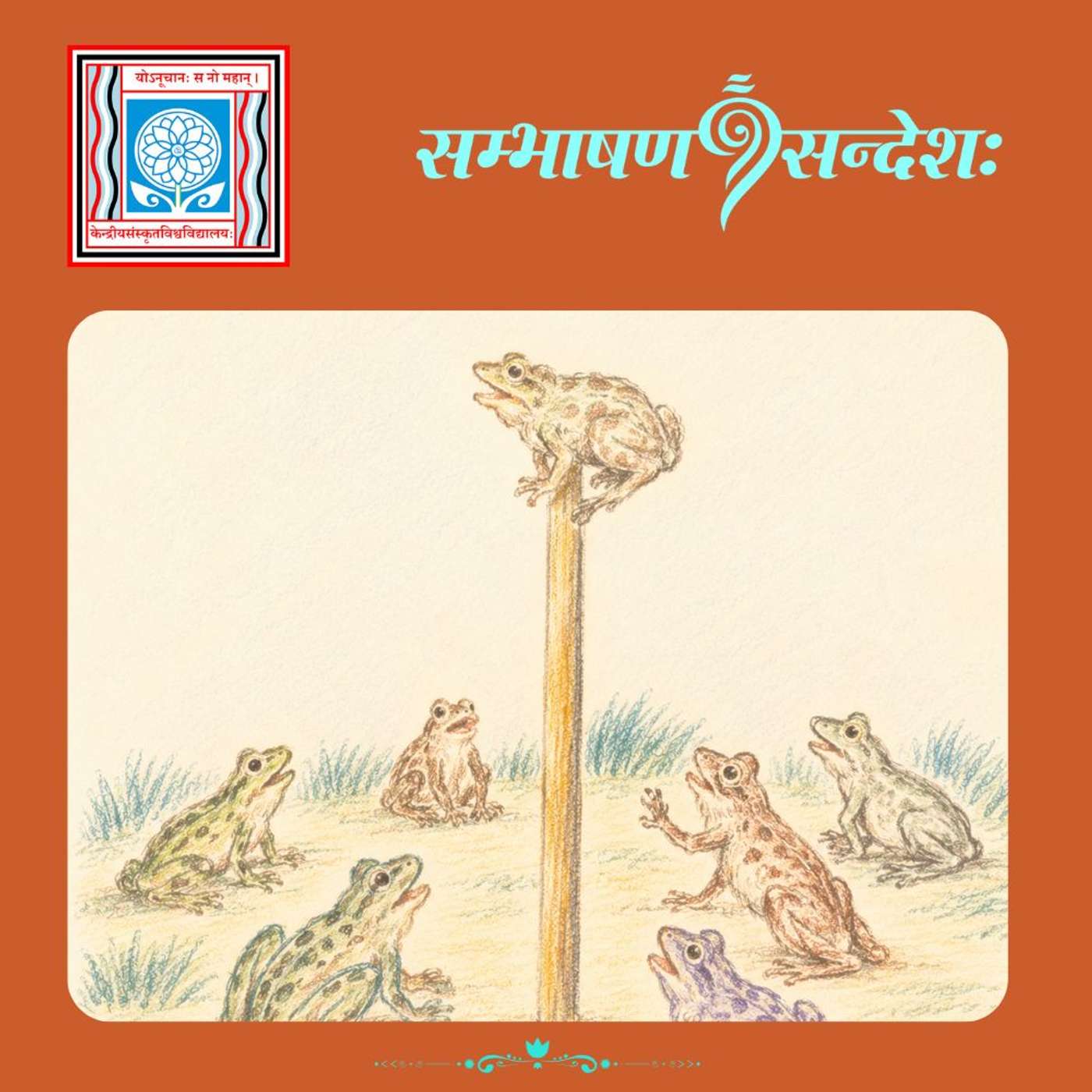
    कदाचित् मण्डूककुलेन स्पर्धा आयोजिता । समुच्चस्य स्तम्भस्य शिखरं यः आदौ प्राप्नुयात् सः विजयी भवेत् इति निर्णीतम् । बहवः मण्डूकाः अल्पस्य भागस्य आरोहणमात्रेण एव पतिताः अभवन् । किन्तु कश्चन लघुकायः मण्डूकः मन्दं मन्दं स्तम्भस्य आरोहणम् आरब्धवान् । अन्ये मण्डूकानां मुखात् नैराशपूर्णानि वचनानि निर्गतानि । तथापि सः निरन्तरम् अग्रे अगच्छत् लक्ष्यं च प्राप्तवान् । अन्ते ज्ञातं यत् सः मण्डूकः बधिरः इति । लक्ष्यैकदृष्टिः निरन्तरप्रयत्नः च तस्य साफल्यस्य कारणं जातम् । लक्ष्यपथे अस्माभिः अपि नैराश्यपूर्णानां वचनानां विषये बधिरता अवलम्बनीया । (“केन्द्रीयसंस्कृतविश्वविद्यालयस्य अष्टादशीयोजनान्तर्गततया एतासां कथानां ध्वनिप्रक्षेपणं क्रियते”) Once, a frog competition was held. The frog that first reached the top of a tall pillar would be the winner. Many frogs fell after climbing only a short distance. A small frog slowly continued climbing while the others discouraged him with negative comments. Yet he kept moving forward and finally reached the top. In the end, it was discovered that the frog was deaf. His success came from his focus on the goal and his constant effort. The story teaches us to ignore discouraging words and stay focused on our goals.
  • #675
    Yesterday · 6 min

    नन्दिनः प्रमादः

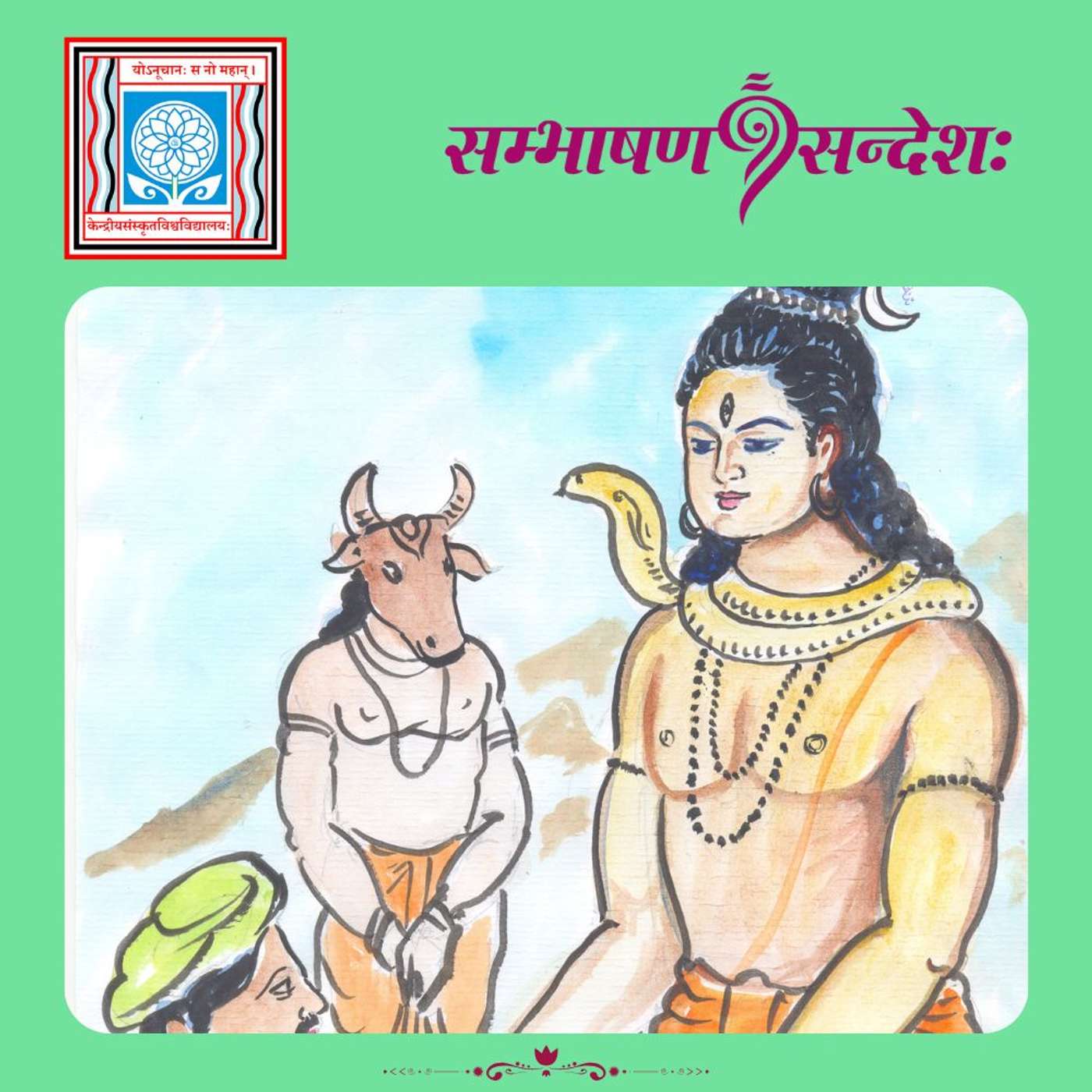
    इयं तु चिरपरिचिता एव कथा । शिवेन नन्दी उक्तः आसीत् यत् मानवैः कृषिकार्यं करणीयं, द्विवारं स्नानं कर्तव्यम्, एकवारं भोक्तव्यम् इति । किन्तु नन्दिना प्रमादः आचरितः । सः आगत्य मानवान् विपरीतम् अवदत् 'भवद्भिः कृषिकार्यं कृत्वा दिने द्विवारं भोक्तव्यम्, एकवारं स्नानं कर्तव्यम्' इति । प्रतिदिनं द्विवारं भोजनं कृतम् इत्यतः तैः जनितं धान्यम् अल्पेनैव कालेन समाप्तम् अभवत् । यदा शिवेन नन्दिनः प्रमादः ज्ञातः तदा सः नन्दिनं दण्डितवान् यत् तस्य कुले जाताः वृषभाः मानवानां कृषिकार्ये सहायाः भूत्वा क्षेत्राणि कर्षेयुः इति । (“केन्द्रीयसंस्कृतविश्वविद्यालयस्य अष्टादशीयोजनान्तर्गततया एतासां कथानां ध्वनिप्रक्षेपणं क्रियते”) This is a well-known story. Lord Shiva told Nandi to inform humans that they should farm, bathe twice a day, and eat once a day. But Nandi made a mistake and told them the opposite: to farm, eat twice a day, and bathe once a day. Because people ate more, their grain was quickly used up. When Shiva learned of Nandi’s mistake, he punished him by declaring that bulls born in Nandi’s lineage would help humans by ploughing their fields.

  • #674
    Sunday · 3 min

    शिलाखण्डायते स्पर्शमणिः अपि

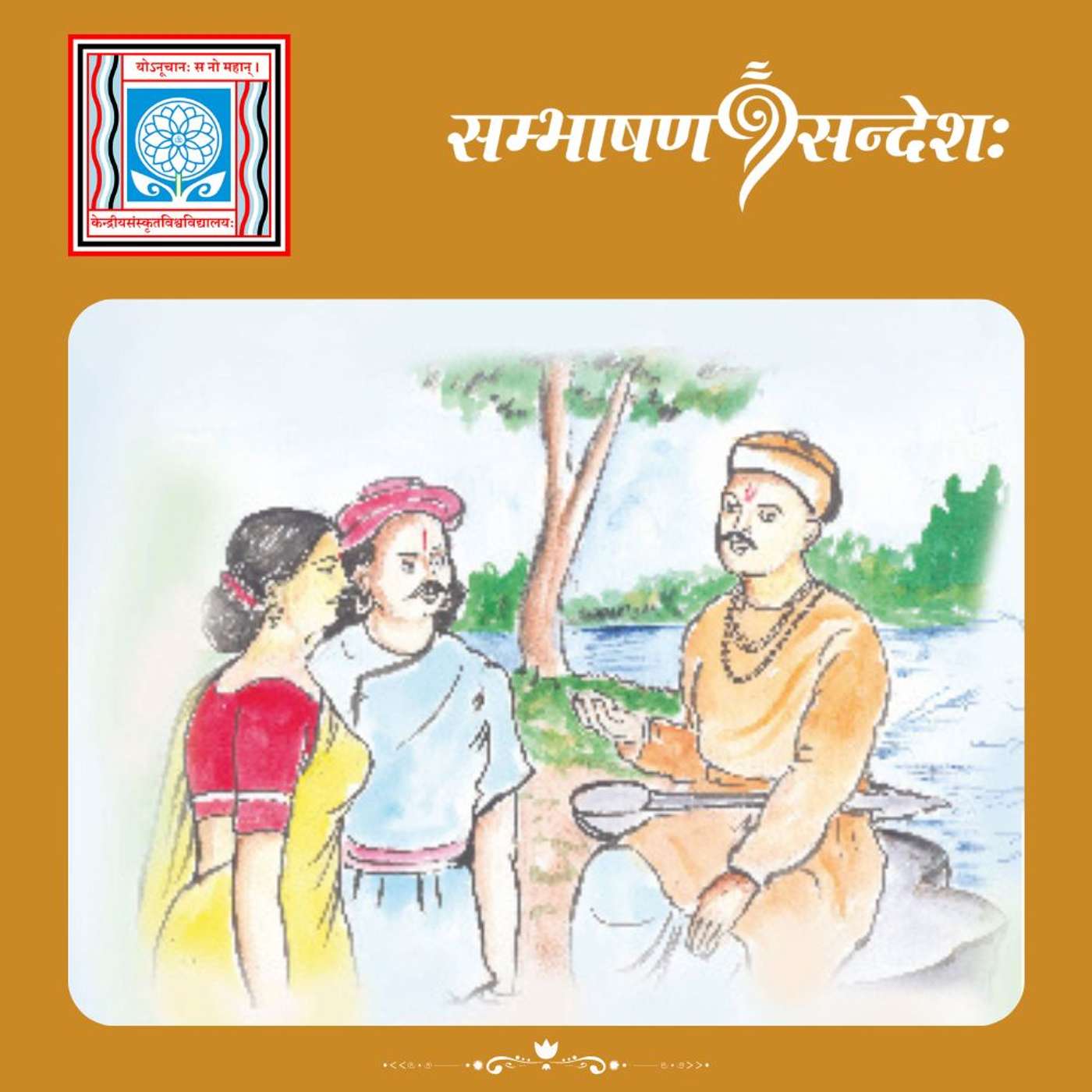
    कदाचित् परशुरामभागवता स्पर्शमणिः लब्धः । गृहम् आगत्य पत्न्यै अयच्छत् । सख्याः नामदेवस्य पत्न्याः गृहे महती निर्धनता अस्ति इति कारणतः सा सख्यै 'अपेक्षितप्रमाणेन सुवर्णं प्राप्य मणिं प्रत्यर्प्यताम्' इत्युक्त्वा मणिम् अयच्छत् । सखी मणेः साहाय्येन सुवर्णं प्राप्य तं विक्रीय तण्डुलादिकम् आनीय पाकं सज्जीकृतवती । प्रवृत्तं सर्वं ज्ञात्वा नामदेवः दुराशामूलं मणिं नद्यां क्षिप्तवान् । तत् ज्ञात्वा यदा भगवान् मणिं प्रत्यर्पयितुम् अवदत् तदा नामदेवः नदीजले हस्तं प्रसार्य कञ्चित् शिलाखण्डम् उपरि आनीतवान् । शिलाखण्डस्य स्पर्शनेन तीरे पतितः अयोदण्डः सुवर्णखण्डः जातः । (“केन्द्रीयसंस्कृतविश्वविद्यालयस्य अष्टादशीयोजनान्तर्गततया एतासां कथानां ध्वनिप्रक्षेपणं क्रियते”) Parashurama received a philosopher’s stone and gave it to his wife, who lent it to Namdev’s poor wife. She used it to obtain gold and buy food. When Namdev learned of this, he threw the stone into the river, considering it a source of greed. Later, when he was asked to return the stone, he simply picked up an ordinary stone from the river. When it touched an iron rod lying on the bank, the rod turned into gold, showing Namdev’s spiritual power.

  • #673
    Saturday · 2 min

    असदृशं देशप्रेम

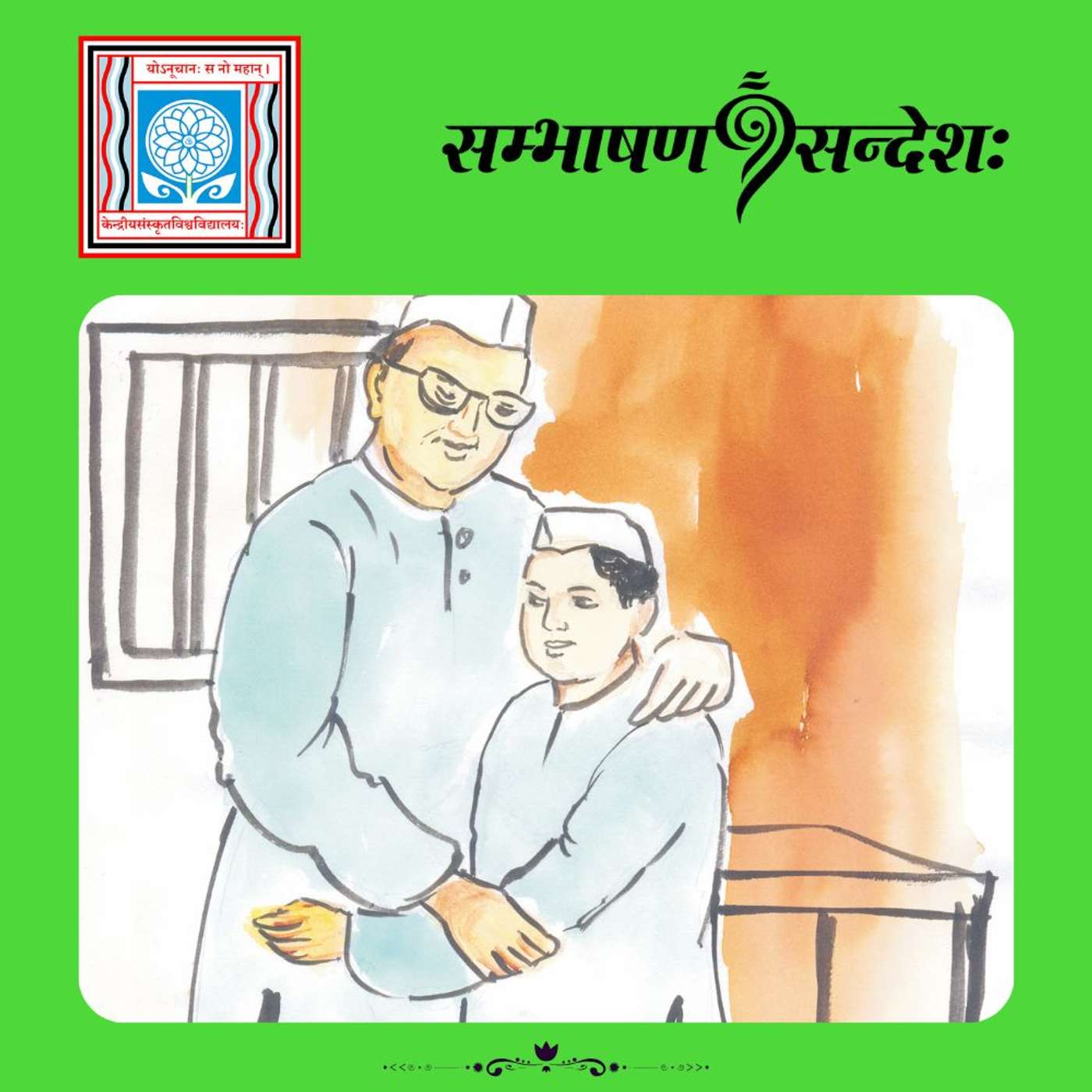
    वयं सर्वे महापुरुषं सुभाषचन्द्रं जानीमः एव । लघुनि एव वयसि देशप्रेम्णा, धर्मप्रेम्णा च सम्पन्नः आसीत् सः । आङ्ग्लमाध्यमशालायां पठन् अपि सः सूट् बूट् इत्यादिकं परित्यज्य भारतीयां वेष्टीं, युतकं, शिरस्त्रं च धर्तुम् आरब्धवान् । अपि च सः सर्वान् सहपाठिनः प्रेरयित्वा भारतीयेषु विद्यालयेषु प्रवेशितवान्, स्वयं च प्रविष्टवान् । (“केन्द्रीयसंस्कृतविश्वविद्यालयस्य अष्टादशीयोजनान्तर्गततया एतासां कथानां ध्वनिप्रक्षेपणं क्रियते”) We all know the great leader Subhas Chandra Bose. Even at a young age, he was filled with love for his country and his religion. Although he studied in an English-medium school, he gave up wearing Western clothes such as suits and boots and started wearing traditional Indian dress. He also inspired his classmates to leave their schools and join Indian-run schools, and he did the same himself.

  • #672
    Friday · 5 min

    स्पर्शमणितः अपि श्रेष्ठम्

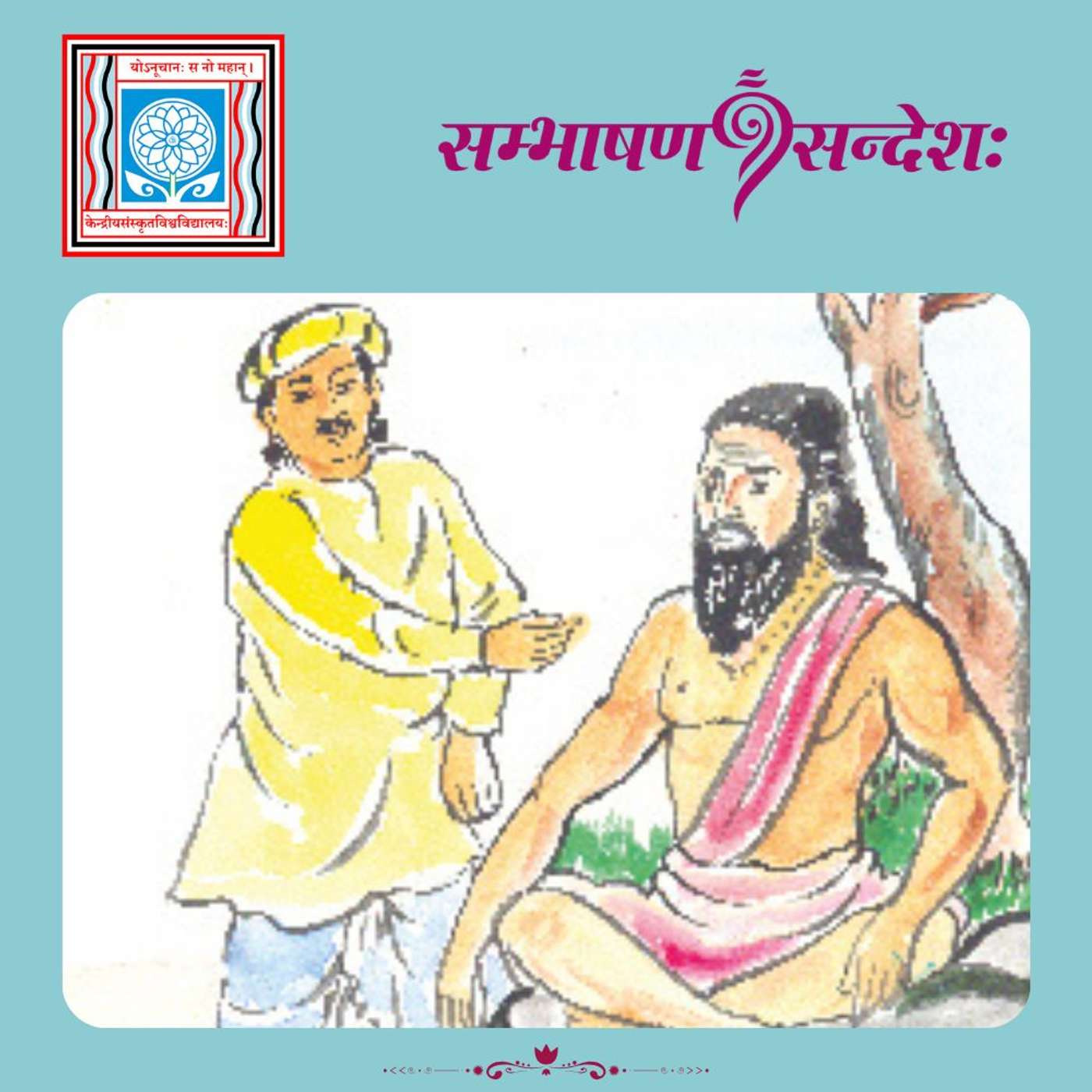
    कश्चन स्वाभिमानी शास्त्रज्ञः च ब्राह्मणः गर्वं प्रदर्शयतः धनिकान् दृष्ट्वा 'मया अपि प्रभूतं सुवर्णं सम्पादनीयम्' इति विचिन्त्य द्वादशवर्षाणि कठोरं तपः आचरितवान् शिवं तोषययितुम् । शिवः सन्तुष्टः भूत्वा तस्य स्वप्ने प्रत्यक्षीभूय 'वरः याच्यताम्' इति अवदत् । 'स्पर्शमणिं प्राप्तुम् इच्छामि' इति अवदत् ब्राह्मणः । क्षणं विचिन्त्य शिवः 'तस्य प्राप्त्यर्थं वृन्दावने यमुनातीरे वसन्तं सनातनगोस्वामिमुनिम् उपसर्प्य पृच्छतु । सः दास्यति' इति अवदत् । तत्र गत्वा ब्राह्मणेन स्पर्शमणितः अपि श्रेष्ठं वस्तु अस्ति इति ज्ञातम् । (“केन्द्रीयसंस्कृतविश्वविद्यालयस्य अष्टादशीयोजनान्तर्गततया एतासां कथानां ध्वनिप्रक्षेपणं क्रियते”) A proud and learned Brahmin wanted to become wealthy after seeing rich people showing off their riches. To please Lord Shiva, he performed severe penance for twelve years. Pleased with him, Shiva appeared in his dream and asked him to choose a boon. The Brahmin asked for the philosopher’s stone (a magical stone that turns iron into gold). Shiva told him to meet the sage Sanatana Goswami, who lived on the banks of the Yamuna in Vrindavan. When the Brahmin met the sage, he learned that there was something far more valuable than the philosopher’s stone.

  • #671
    Thursday · 3 min

    विचित्रा अपेक्षा

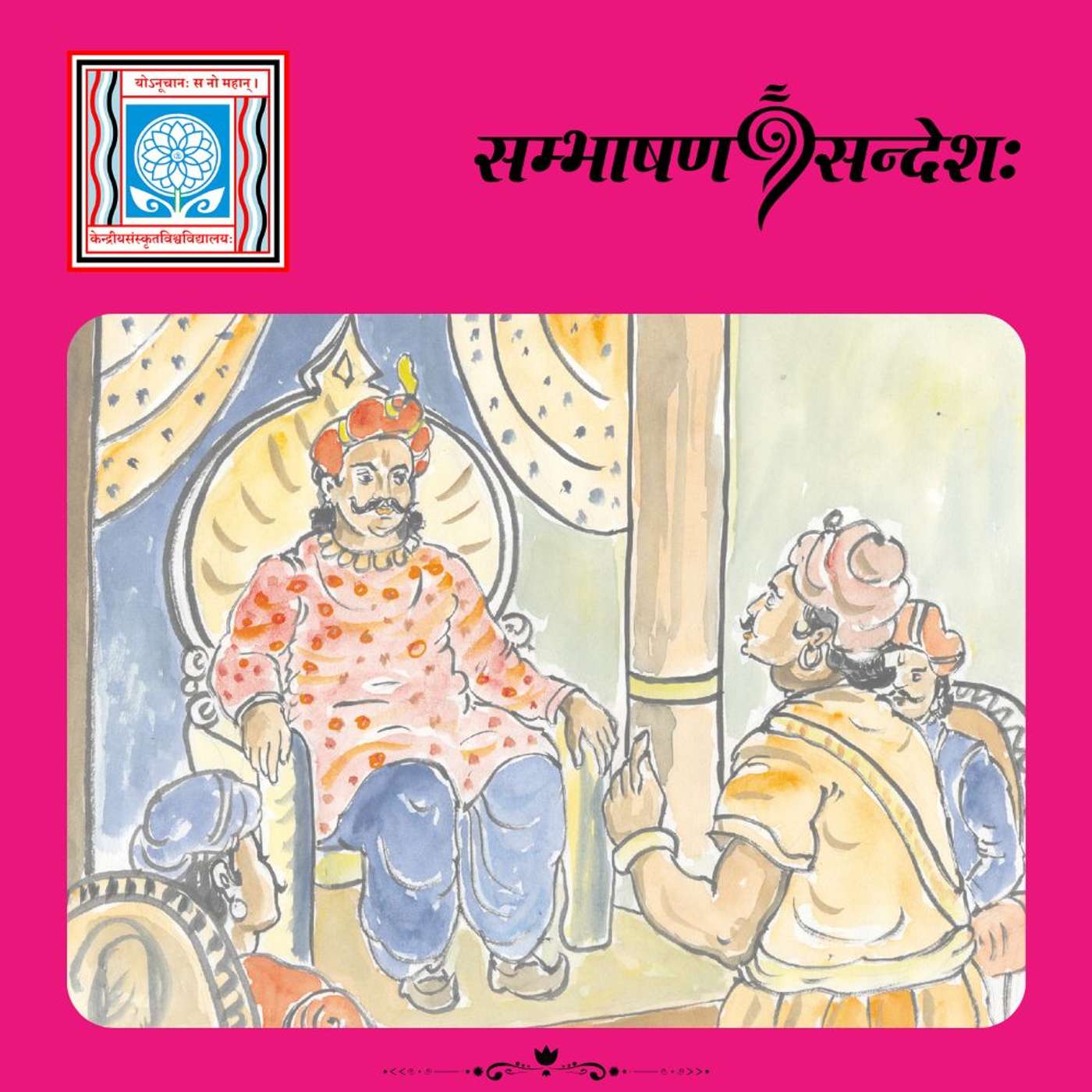
    वीरपुरस्य राजा जयसिंहः शान्तिप्रियः प्रजावत्सलः च आसीत् । तस्य देशः सम्पत्समृद्धः आसीत् । प्रतिवेशी राजा विजयसिंहः युद्धप्रियः । तस्य सैन्यं महत् आसीत् । कदाचित् विजयसिंहः स्वस्य सामन्तत्वम् अङ्गीकर्तुं जयसिंहाय वार्तां प्रेषयति । जयसिंहः चिन्ताक्रान्तः जातः । किन्तु तस्य मन्त्री सुबुद्धिः तं सान्त्वयन् 'अहम् उपायेन कार्यं साधयिष्यामि' इति उक्त्वा विजयसिंहस्य आस्थानं प्रति गच्छति । तत्र उपायेन विजयसिंहं पराजयते । विजयसिंहः अपि युद्धविचारं परित्यजति । (“केन्द्रीयसंस्कृतविश्वविद्यालयस्य अष्टादशीयोजनान्तर्गततया एतासां कथानां ध्वनिप्रक्षेपणं क्रियते”) King Jayasimha of Virapura was peace-loving and cared deeply for his people. His kingdom was prosperous. The neighboring king, Vijayasimha, loved war and had a large army. One day, he demanded that Jayasimha accept his rule. Jayasimha became worried, but his wise minister, Subuddhi, assured him that he would solve the problem. He went to Vijayasimha's court and cleverly defeated him through strategy. As a result, Vijayasimha gave up his plans for war.

  • #670
    Wednesday · 2 min

    धीरा बाला

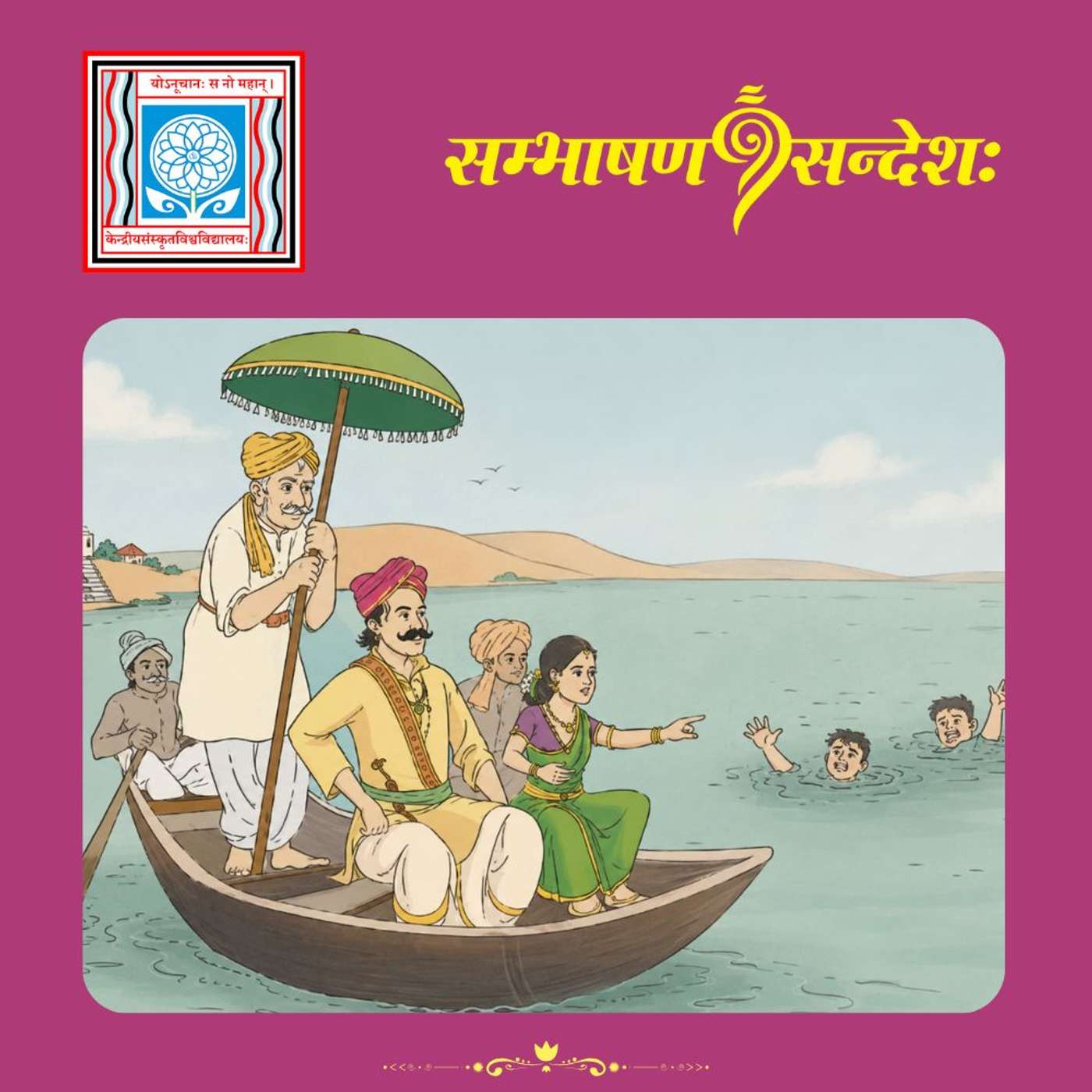
    काचित् पञ्चदशवर्षीया धीरा बालिका पित्रा सह नौकायाम् उपविश्य रथोत्सवार्थं गच्छति स्म । नद्याः‌ अपरस्मात् भागात् कौचित् भीत्या त्वरया च जले तरन्तौ आगच्छन्तौ दृष्टौ । तयोः भयहेतुः आसीत् - कश्चन अनुधावन् मकरः । सा धीरा बालिका नौकातः जले कूर्दित्वा तौ नौकां‌ प्रति आनीतवती । बाल्यावस्थायामेव एतादृशं‌ साहसं प्रदर्शितवती सा एव झान्सीराज्ञी लक्ष्मीबाई । तस्याः‌ बालायाः पिता एव भारतस्य प्रातःस्मरणीयेषु देशभक्तेषु अन्यतमः मोरोपन्तः । (“केन्द्रीयसंस्कृतविश्वविद्यालयस्य अष्टादशीयोजनान्तर्गततया एतासां कथानां ध्वनिप्रक्षेपणं क्रियते”) A brave fifteen-year-old girl was travelling by boat with her father to attend a chariot festival. She saw two people swimming in fear, chased by a crocodile. Without hesitation, she jumped into the river and brought them safely to the boat. That courageous girl was none other than Rani Lakshmibai of Jhansi. Her father was Moropant Tambe, one of India's respected patriots.

  • #669
    September 1 · 4 min

    कुशला पत्नी

    कश्चन गृहस्थः प्रतिदिनं भोजनसमये स्वस्य पात्रस्य पार्श्वे एकां सूचीम्, एकं जलपात्रं च स्थापयति स्म । तस्य कारणं किम् इति तस्य गृहस्थस्य गुणवती कार्यकुशला च पत्नी सुशीला न जानाति स्म । एवमेव वर्षाणि अतीतानि । अथ कदाचित् मरणावस्थां प्राप्तवतीं सुशीलां कापि अपेक्षा अस्ति चेत् वदतु इति पतिः अवदत् । तदा सा सूच्याः जलपात्रस्य च विषयम् अपृच्छत् । तदा पतिः अवदत् 'भवती परिवेषणसमये यदि अन्नपुलकान् पातयेत् तर्हि तेषाम् उन्नयनाय क्षालनाय च तौ पार्श्वे स्थापयामि स्म । किन्तु जागरूकतया भवती परिवेषयति स्म सदापि' इति । (“केन्द्रीयसंस्कृतविश्वविद्यालयस्य अष्टादशीयोजनान्तर्गततया एतासां कथानां ध्वनिप्रक्षेपणं क्रियते”) A man always kept a needle and a bowl of water beside his plate during meals. His wife, Sushila, never knew why. When she was nearing the end of her life, she asked him about it. He explained that they were meant to pick up and clean any grains of food that might fall while she served. However, because she always served so carefully, he never had to use them.

  • #668
    August 31 · 2 min

    तृष्णासर्पस्य दंशनम्

    कौशम्ब्याः राजपुरोहितस्य पुत्रः अभिरूपकपिलः अध्ययानाय आचार्यस्य इन्द्रदत्तस्य समीपं गतः । तस्य गृहे काचित् सेविका अभिरूपस्य सेवाम् अकरोत् येन सः सन्तुष्टः जातः । कदाचित् सा सेविका उत्तमानि वस्त्राणि आभरणानि च अयाचत । किन्तु अभिरूपः अकिञ्चनः आसीत् । सा एकम् उपायम् अवदत् 'प्रातःकाले यः प्रथमम् अभिवादनं करोति तस्मै द्विमाषमितं सुवर्णं ददाति राजा' इति । किं अभिरूपः तस्याः सेविकायाः कथनानुसारं करोति ? राज्ञः प्रासादं गत्वा सुवर्णं प्राप्स्यति उत न इति सम्पूर्णां कथां श्रुत्वा जानन्तु । (“केन्द्रीयसंस्कृतविश्वविद्यालयस्य अष्टादशीयोजनान्तर्गततया एतासां कथानां ध्वनिप्रक्षेपणं क्रियते”) Abhirupa Kapila, the son of the royal priest of Kaushambi, went to study under the teacher Indradatta. In his teacher’s house, a maidservant looked after him well, and he was pleased with her service. One day, she asked him for fine clothes and ornaments. But Abhirupa was poor and had no money. The maid then told him of a way to earn some gold: the king gave two gold coins to the person who greeted him first in the morning. Whether Abhirupa followed her advice, went to the king’s palace, and received the gold is revealed in the rest of the story.

  • #667
    August 30 · 3 min

    क्व गतं धनम्?

    कश्चन सुहृदयः दयालुः च राजा दरिद्राः अपि धनवन्तः स्युः इति विचिन्त्य धनिकेभ्यः धनं स्वीकृत्य दरिद्रेभ्यः दत्तवान् । किन्तु देशस्य दुस्स्थितिः अनुवर्तमाना एव अस्ति इति राजा अवगतवान् । राज्ञः चिन्ता आसीत् 'दरिद्रेभ्यः दत्तं धनं क्व गतम्?' इति । तदा मन्त्री तस्य कारणम् अवदत् । अपि च अग्रे किं किं करणीयम् इत्यपि अवदत् । तस्मात् अल्पे एव काले तदीयं राज्यं निर्धनतारहितं जातम् । (“केन्द्रीयसंस्कृतविश्वविद्यालयस्य अष्टादशीयोजनान्तर्गततया एतासां कथानां ध्वनिप्रक्षेपणं क्रियते”) A kind and compassionate king wanted even the poor people in his kingdom to become wealthy. So, he collected money from the rich and gave it to the poor. However, he noticed that the condition of the country had not improved. The king wondered where the money given to the poor had gone. The minister explained the reason and also suggested what should be done next. Following this advice, the kingdom soon became free from poverty.

  • #666
    August 29 · 4 min

    वन्यपशवः भ्रातरः इव

    अरुणाचलप्रदेशे रूपग्रामे उभौ सहोदरौ निवसतः स्म । तयोः ज्येष्ठः बौद्धसंन्यासी, कनीयान् च व्याधवृत्तिम् आश्रित्य गृहपोषणं करोति स्म । बौद्धसंन्यासिने मांससेवनं न रोचते स्म अतः कदाचित् सः मांसभक्षणं परित्यक्तवान् । सः व्याधवृत्तिं त्यक्तुम् अनुजम् प्रेरयति । अनुजः कथं तां वृत्तिं त्यज्यति इति कथायाः वस्तु वर्तते । (“केन्द्रीयसंस्कृतविश्वविद्यालयस्य अष्टादशीयोजनान्तर्गततया एतासां कथानां ध्वनिप्रक्षेपणं क्रियते”) In a village called Rupa in Arunachal Pradesh, two brothers lived together. The elder brother was a Buddhist monk, while the younger one supported the family by hunting. The monk did not like eating meat and had given it up. He encouraged his younger brother to give up hunting as well. This story tells how the younger brother eventually gave up his occupation of hunting.

  • #665
    August 28 · 2 min

    कार्याणि तु यथाकालम्.....

    कृषौ यथाकालं कार्याणि करणीयानि । अन्यथा कृषिः विनश्यति । यथाकालम् अकृतं कार्यं फलं न दादाति । कस्मिंश्चित् राज्ये यद्यपि विशालं कृषिक्षेत्रम् आसीत् तथापि तत् शुष्कम् । कश्चन कृषिकः भूमिगुणम् अधीत्य कृषिम् आरब्धवान् । अन्यान् अपि प्रेरितवान् । तस्मात् पञ्चवर्षाभ्यन्तरे राज्यस्थानि सर्वाणि कृषिक्षेत्राणि धान्यसम्पन्नानि जातानि । (“केन्द्रीयसंस्कृतविश्वविद्यालयस्य अष्टादशीयोजनान्तर्गततया एतासां कथानां ध्वनिप्रक्षेपणं क्रियते”) Farm work must be done at the proper time; otherwise, farming suffers. Work that is not done on time does not give good results. In a certain kingdom, there was a large farming area, but it was dry and unproductive. A farmer studied the nature of the soil and began farming properly. He also encouraged others to do the same. As a result, within five years, all the farmlands in the kingdom became rich in crops and grain.

  • #664
    August 27 · 5 min

    मृतोSपि जीवति

    कथायाम् अस्यां देवराजरामदेवयोः स्वभावः विवृतः अस्ति । यः समाजहितं चिन्तयति सः मृतोऽपि जीवति । अतः रामदेवः तु विंशतेः वर्षेभ्यः पूर्वमेव दिवं गतः चेदपि जनाः तं प्रतिदिनं स्मरन्ति । यः स्वार्थमात्रं चिन्तयति सः तु जीवन् अपि मृतः एव । अतः देवराजे जीवति सति अपि कोऽपि तस्मिन् आदरवान् न । (“केन्द्रीयसंस्कृतविश्वविद्यालयस्य अष्टादशीयोजनान्तर्गततया एतासां कथानां ध्वनिप्रक्षेपणं क्रियते”) This story describes the nature of Devaraja and Ramadeva. A person who thinks about the welfare of society lives on even after death. Therefore, although Ramadeva died more than twenty years ago, people still remember him every day. But a person who thinks only about himself is as good as dead even while living. So, even though Devaraja was alive, no one respected him.

  • #663
    August 26 · 3 min

    नूनता कच्छपबककथा

    काचित् पुत्री शयनसमये जनकम् एकां कथां श्रावयितुम् अवदत् । तदा पिता कच्छपबककथां वक्तुम् आरभते । तदा पुत्री तम् अवरुणद्धि । यतः तत्र कच्छपस्य मरणं भवति इति कारणतः । किन्तु पिता वदति यत् नूतनां कच्छपबककथां वदामि इति । कथायां तस्यां कच्छपस्य हानिः न भवति इति श्रुत्वा आनन्दिता पुत्री निद्रां कृतवती । (“केन्द्रीयसंस्कृतविश्वविद्यालयस्य अष्टादशीयोजनान्तर्गततया एतासां कथानां ध्वनिप्रक्षेपणं क्रियते”) One night, a daughter asked her father to tell her a story before going to sleep. The father began to tell the story of the tortoise and the cranes. The daughter stopped him because, in that story, the tortoise dies. The father then said that he would tell a new version of the story. When the daughter heard that the tortoise would not be harmed in this version, she became happy and went to sleep.

  • #662
    August 25 · 3 min

    ह्यस्तनरोटिकाः

    कस्मिंश्चित् कुटुम्बे पुत्रः माता पिता चेति त्रयः‌ सदस्याः आसन् । पुत्रः‌ रामः यद्यपि अध्ययने निपुणः तथापि कदापि किमपि कार्यं‌ न करोति स्म । विवाहोत्तरमपि सः तथैव आसीत् । तस्य पत्नी उमा बुद्धिमती व्यवहारकुशला च आसीत् । अल्पे एव काले पिता दिवं गतः । तथापि रामः कार्ये धनसम्पादने वा प्रवृत्तः न जातः । माता स्नुषा च मिलित्वा कमपि उपायं कृत्वा रामस्य कर्तव्यं किम् इति ज्ञापयतः । ततः सः परिश्रमपूर्वकं धनसम्पादने उद्युक्तः जातः । (“केन्द्रीयसंस्कृतविश्वविद्यालयस्य अष्टादशीयोजनान्तर्गततया एतासां कथानां ध्वनिप्रक्षेपणं क्रियते”) In a family, there were three members: a son, his mother, and his father. The son, Rama, was good at studies but never did any work. Even after marriage, he remained the same. His wife, Uma, was intelligent and practical. After some time, Rama’s father passed away, but Rama still did not try to work or earn money. Then his mother and wife together found a way to make him understand his responsibilities. After that, Rama began to work hard and started earning money.

  • #661
    August 24 · 4 min

    भगवतः अस्तित्वम्

    देवः देवालये शिलारूपेण मूर्तिरूपेण वा न भवति । सः जनानां हृदये भवति । दीनानां रुग्णानां दरिद्राणां च प्रतिफलनिरपेक्षया सेवा करणीया । तस्मात् देवः सन्तुष्टः भवति । भगवदनुग्रहः अपि प्राप्यते । इयं कथा एतस्य उत्तमम् उदाहरणं भवितुमर्हति । (“केन्द्रीयसंस्कृतविश्वविद्यालयस्य अष्टादशीयोजनान्तर्गततया एतासां कथानां ध्वनिप्रक्षेपणं क्रियते”) God does not exist only in temples or in stone idols. He lives in the hearts of people. We should serve the poor, the sick, and the needy without expecting anything in return. This pleases God and brings His blessings. This story is a good example of that teaching.

  • #660
    August 23 · 2 min

    अहं न अधिकारी ....

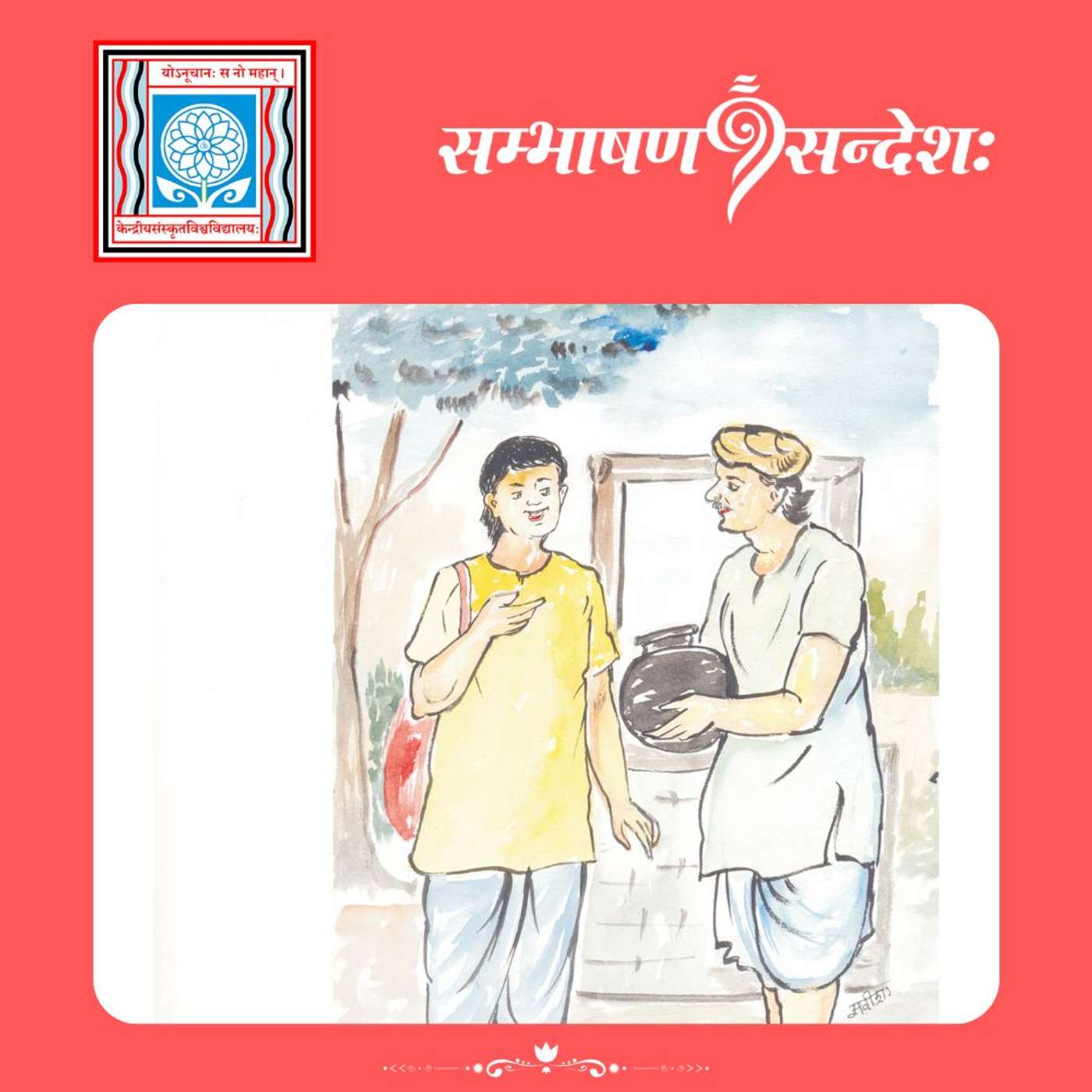
    पिपासया बाधितः कश्चन यात्रिक: कञ्चन कूपम् अपश्यत् । स: कृषकस्य समीपं गत्वा रज्जुं घटं च अयाचत । कृषक: राज्ज्वादिकम् आनीय कूपात् जलम् उद्धृत्य यात्रिकम् अपाययत् । कूपस्य जलम् अमृतोपमयम् आसीत् इति यात्रिक: अवदत् । किन्तु स: कृषक: तावत् पर्यन्तं जलस्य उपयोगं न कृतवान् आसीत् यत: तेन कूपखननार्थम् ऋणं स्वीकृतम् आसीत् । ऋणप्रत्यर्पणपर्यन्तं कूपजलस्य उपयोगे स: अनधिकारी इति मन्यते स्म । (“केन्द्रीयसंस्कृतविश्वविद्यालयस्य अष्टादशीयोजनान्तर्गततया एतासां कथानां ध्वनिप्रक्षेपणं क्रियते”) A thirsty traveller saw a well and went to a farmer asking for a rope and a bucket. The farmer drew water from the well and gave it to him. The traveller said that the water tasted like nectar. However, the farmer had never used the water himself because he had taken a loan to dig the well. He believed that until the loan was repaid, he had no right to use the well’s water.

  • #659
    August 22 · 2 min

    मानवायुषः इतिवृत्तम्

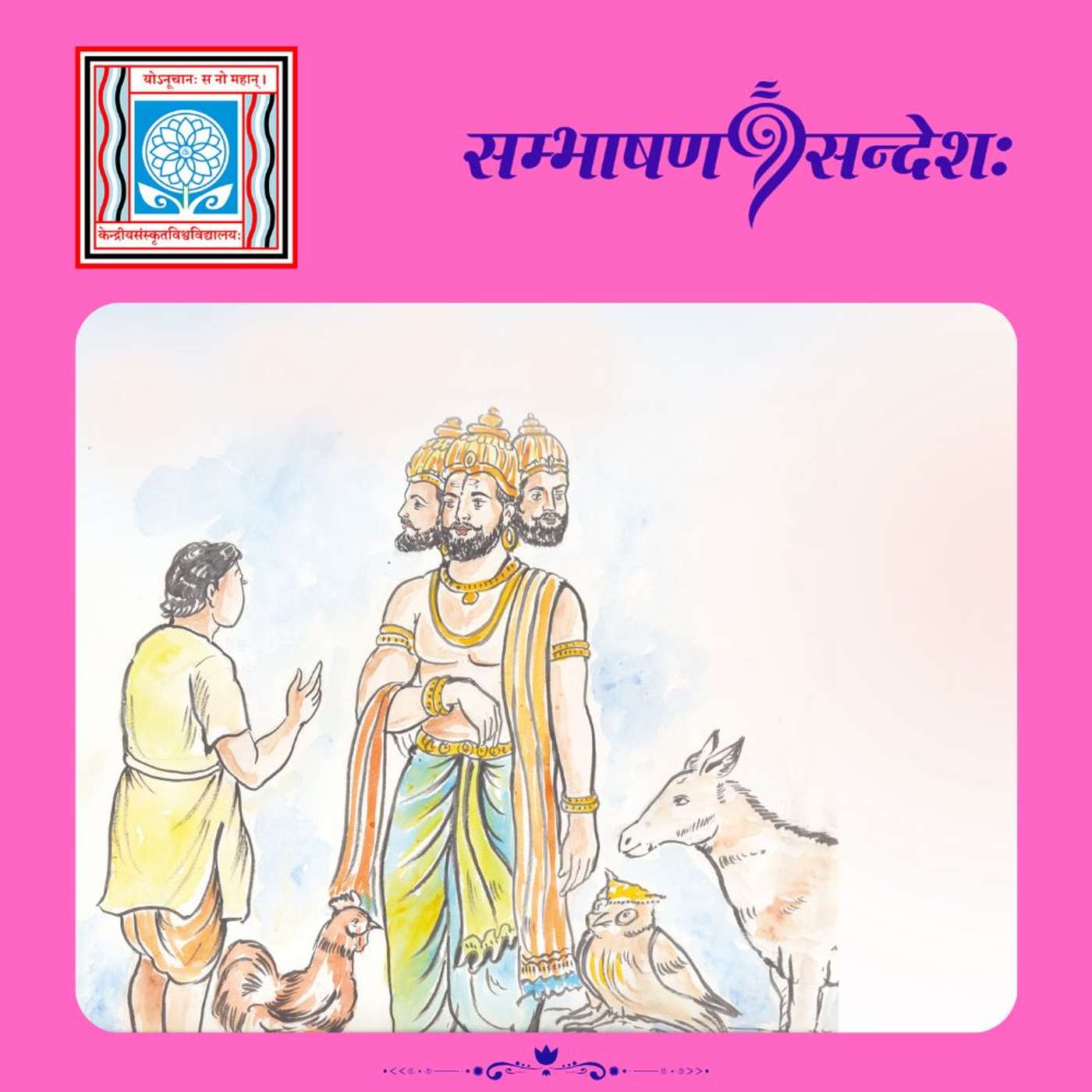
    यदा भगवान् ब्रह्मा जगत् असृजत् तदा सर्वान् आहूय पञ्चविंशतिवर्षात्मकम् आयुः किं पर्याप्तम् ? इति अपृच्छत् । तदा मानवः तावत् न पर्याप्तम् इति अवदत् । तदा गर्दभः कुक्कुरः उलूकः च स्वस्य स्वस्य वयसः पञ्चविंशतिं वर्षाणि मनुष्यस्य कृते दातुम् अर्हति भवान् इति भगवन्तम् अवदन् । अधुना मानवेन शतायुष्कत्वं प्राप्तम् । अतः एव मनुष्यः आदौ पञ्चविंशतिं वर्षाणि मनुष्यः इव जीवनं, पुनः पञ्चविंशतिं वर्षाणि गर्दभः इव सर्वकार्याणां वहनं, अग्रे पञ्चविंशतिं वर्षाणि कुक्कुरवत् गृहरक्षणं, अग्रिमेषु पञ्चविंश्त्यां वर्षेषु उलूकः इव अवसरं निरीक्षमाणः जीवत्यागं करोति । (“केन्द्रीयसंस्कृतविश्वविद्यालयस्य अष्टादशीयोजनान्तर्गततया एतासां कथानां ध्वनिप्रक्षेपणं क्रियते”) When Brahma created the world, he gave every being a lifespan of twenty-five years. The human felt it was too short. So, the donkey, the dog, and the owl each gave twenty-five years of their lives to the human. Thus, humans received a lifespan of one hundred years. It is said that people live the first twenty-five years as humans, the next twenty-five like donkeys carrying burdens, the following twenty-five like dogs guarding the home, and the last twenty-five like owls waiting for the end of life.

  • #658
    August 21 · 5 min

    सङ्गः ईश्वरस्य मानवस्य च

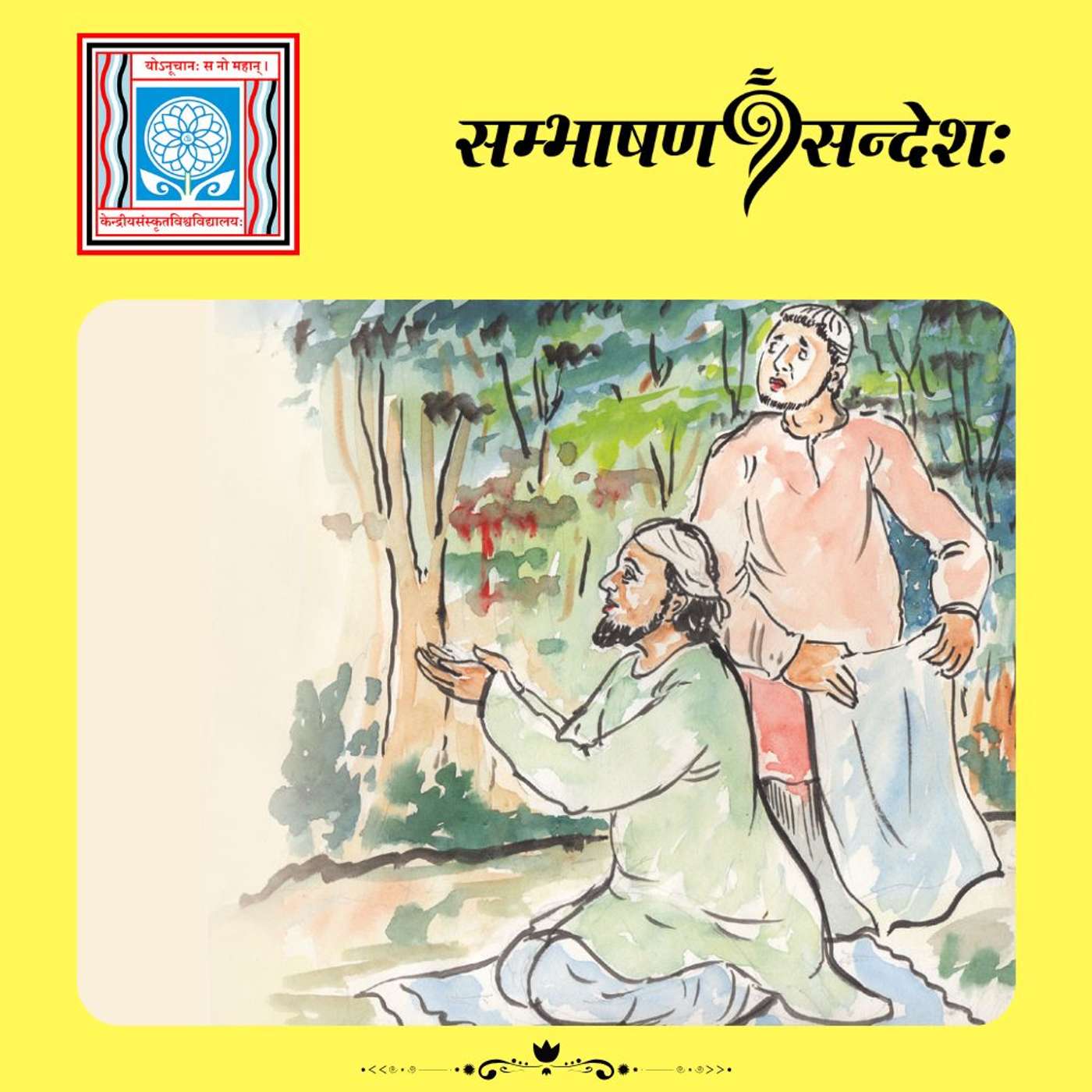
    सूफीमतस्य साधुषु अन्यतमः खय्यामः शिष्येण केनचित् सह परिभ्रमति स्म । ग्रामात् ग्रामं गच्छाद्भ्यां मार्गस्य निबिडम् अरण्यमेकं क्रमणीयम् अभवत् । तदा विलक्षणं घटनाद्वयं समभवत् । यदा शिष्यः गुरोः विलक्षणस्य व्यवहारस्य कारणम् अपृच्छत् तदा खय्यामः ईश्वरस्य मानवस्य च सङ्गः कारणम् इति विवृत्य ईश्वरे दृढा श्रद्धा स्थापनीया, भगवान् पदे पदे अस्मान् परीक्षते.... इत्यादीनि हितवचनानि अवदत् । (“केन्द्रीयसंस्कृतविश्वविद्यालयस्य अष्टादशीयोजनान्तर्गततया एतासां कथानां ध्वनिप्रक्षेपणं क्रियते”) Khayyam, one of the Sufi saints, was travelling with one of his disciples. As they went from one village to another, they had to pass through a dense forest. During the journey, two unusual incidents took place. When the disciple asked the reason for his teacher’s strange behaviour, Khayyam explained that it was due to the relationship between God and human beings. He advised the disciple to have strong faith in God and said that God tests us at every step of life. He also shared many other wise teachings.

  • #657
    August 20 · 3 min

    साधोः सम्पत्तिः

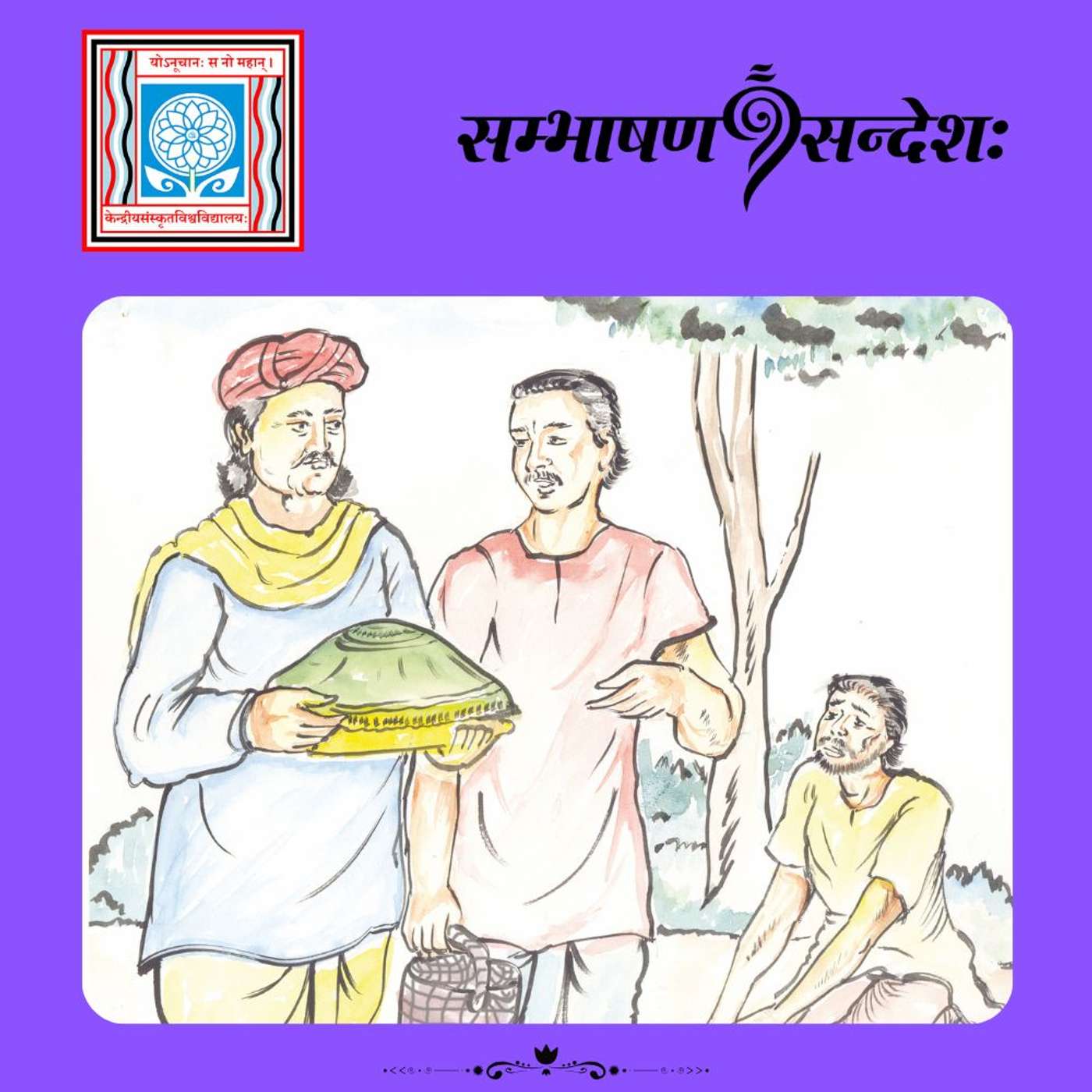
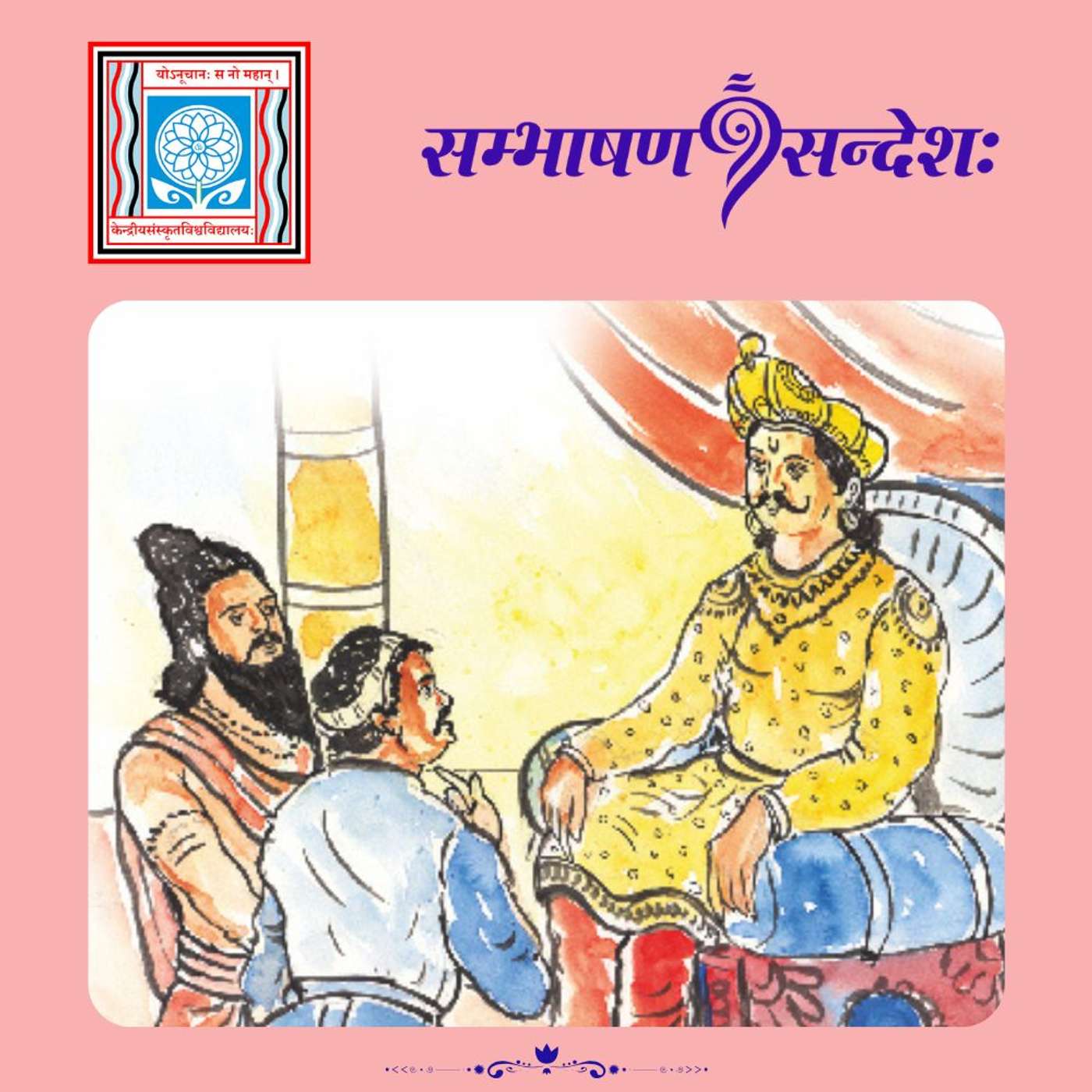
    सुवर्धनामकः कश्चन नृपः प्रजानां समस्यानां परिहारं यथाशीघ्रं करोति स्म | कदाचित् कस्यचन साधोः स्थालिकां पीठम् उपाधानं भिक्षापात्रं ढप्पली (एकं वाद्यं) च चोरिताः जाताः | राजा अनुक्षणं भटान् अन्वेषणाय प्रेषितवान् | केषाञ्चन दिनानाम् अनन्तरं कञ्चित् जनं निगृह्य नृपस्य अभिमुखम् आनयन् भटाः | किन्तु तेन चोरेण केवला स्थालिका एव चोरिता आसीत् | तदा साधुः अवदत् सः स्थालिका एव उपाधानत्वे, रोटिकानिर्माणसमये पीठत्वे, वाद्यत्वे, भिक्षापात्रत्वे च उपयुज्यते इति | (“केन्द्रीयसंस्कृतविश्वविद्यालयस्य अष्टादशीयोजनान्तर्गततया एतासां कथानां ध्वनिप्रक्षेपणं क्रियते”) There was a king named Suvardhana who solved the problems of his people very quickly. One day, a sage complained that his cooking pot, seat, pillow, begging bowl, and a drum had been stolen. The king immediately sent his soldiers to search for the thief. After a few days, the soldiers caught a man and brought him before the king. However, the thief had stolen only a single pot. The sage then explained that he used the same pot as a pillow while sleeping, as a seat, for making bread, as a musical instrument, and also as a begging bowl.

Showing 1–20 of 46 episodes