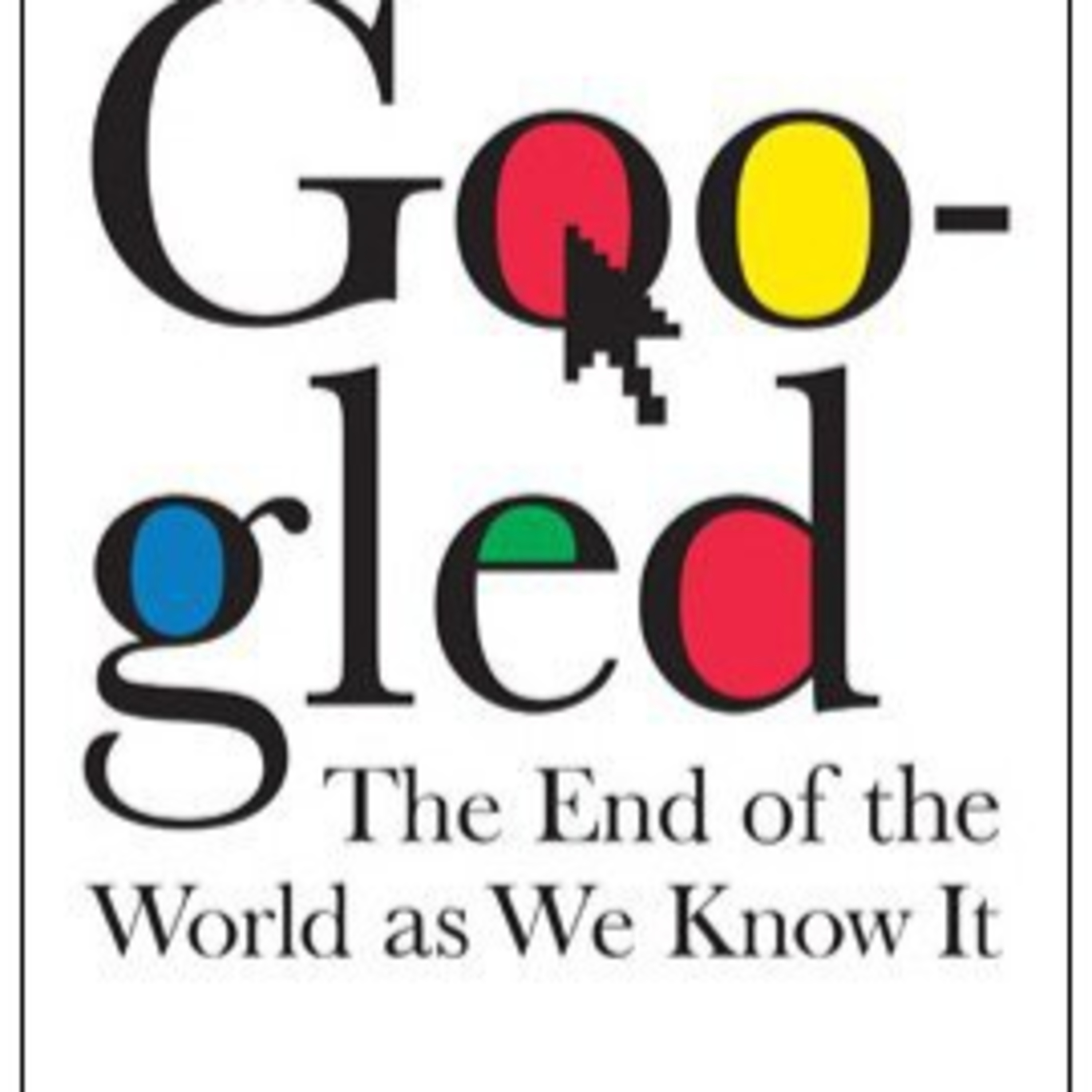
Googled: The End of the World as We Know It — How Data Rewired Media
What happens when an industry built on relationships and uncertain measurement collides with a system designed to quantify attention? Welcome to Crisis in Perception, where we examine the systems shaping our world. In Googled: The End of the World as We Know It, Ken Auletta chronicles the rise of Google and the profound disruption it brought to advertising, journalism, publishing, television, and the wider media economy. This investigation looks beyond the story of a successful technology company. Google introduced an architecture in which search behavior, advertising performance, and audience response could increasingly be measured and automated. Traditional media organizations that once controlled distribution and sold access to audiences found themselves competing with a platform that could connect advertisers directly to users while learning from every interaction. The episode examines automated advertising markets, data-driven feedback loops, the economics of free information, the weakening of traditional media revenue structures, and the growing importance of platforms that control discovery and traffic. It also explores the tension between increased efficiency and accessibility on one side and concentrated gatekeeping power, privacy, institutional sustainability, and public trust on the other. 📺 Watch on YouTube: https://youtu.be/T8NNUs80WkE ❤️ Support / Episode Post on Patreon: https://www.patreon.com/CrisisinPerception/posts/googled-end-of-170274675?utm_medium=clipboard_copy&utm_source=copyLink&utm_campaign=postshare_creator&utm_content=join_link If these ideas resonate, consider reading the work yourself or borrowing it from your local library. Supporting authors and libraries helps keep critical inquiry accessible. If you value systems-level analysis like this, please follow, rate, and share the project. This content was created using AI-assisted tools for research synthesis, structuring, and narration support. All analysis, framing, and editorial decisions are guided by human judgment as part of the Crisis in Perception project.