
Skip to content
Artwork for Crisis in Perception

Crisis in Perception

Crisis in Perception

Crisis in Perception is a long-form educational podcast examining how we misunderstand the world around us. Using books as entry points, each episode explores history, psychology, economics, science, and power structures to reveal how systems actually work—and why our perceptions so often fail. Clear, evidence-based, and non-tribal.

Crisis in Perception uses AI-assisted tools for narration and synthesis in service of long-form educational analysis.

Play
  • 133 episodes
  • Avg 42 min
  • English
Counted on this page — what you have heard stays on this device, so it is not something the list can be paged by.
  • September 16 · 53 min

    Abe: Abraham Lincoln in His Times — How Culture Shaped Lincoln

    What if Abraham Lincoln’s political power came not from rising above his culture, but from understanding it deeply enough to reshape it? Welcome to Crisis in Perception, where we examine the systems shaping our world. Using Abe: Abraham Lincoln in His Times by David S. Reynolds as our lens, this Deep Dive explores Lincoln as both a product and an interpreter of nineteenth-century American culture. Reynolds places him inside the frontier religion, literature, humor, popular entertainment, reform movements, racial conflicts, and sectional identities that helped shape his political development. At a systems level, the investigation follows a feedback loop between culture and leadership. Lincoln absorbed the language and assumptions surrounding him, translated competing perspectives, and used familiar cultural materials to communicate across a fractured political environment. Reynolds’s tightrope metaphor captures the structural tension between responsiveness and direction: how does a leader remain politically viable while attempting to move public sentiment? The episode examines cultural formation, political identity, sectional conflict, slavery, public opinion, persuasion, institutional constraints, and the tension between moderation and structural change. 📺 Watch on YouTube: https://youtu.be/XEeCZZ6vRxI ❤️ Support / Episode Post on Patreon: https://www.patreon.com/CrisisinPerception/posts/abe-abraham-in-169723300?utm_medium=clipboard_copy&utm_source=copyLink&utm_campaign=postshare_creator&utm_content=join_link If these ideas resonate, consider reading the work yourself or borrowing it from your local library. Supporting authors and libraries helps keep critical inquiry accessible. If you value systems-level analysis like this, please follow, rate, and share the project. This content was created using AI-assisted tools for research synthesis, structuring, and narration support. All analysis, framing, and editorial decisions are guided by human judgment as part of the Crisis in Perception project.
  • September 16 · 42 min

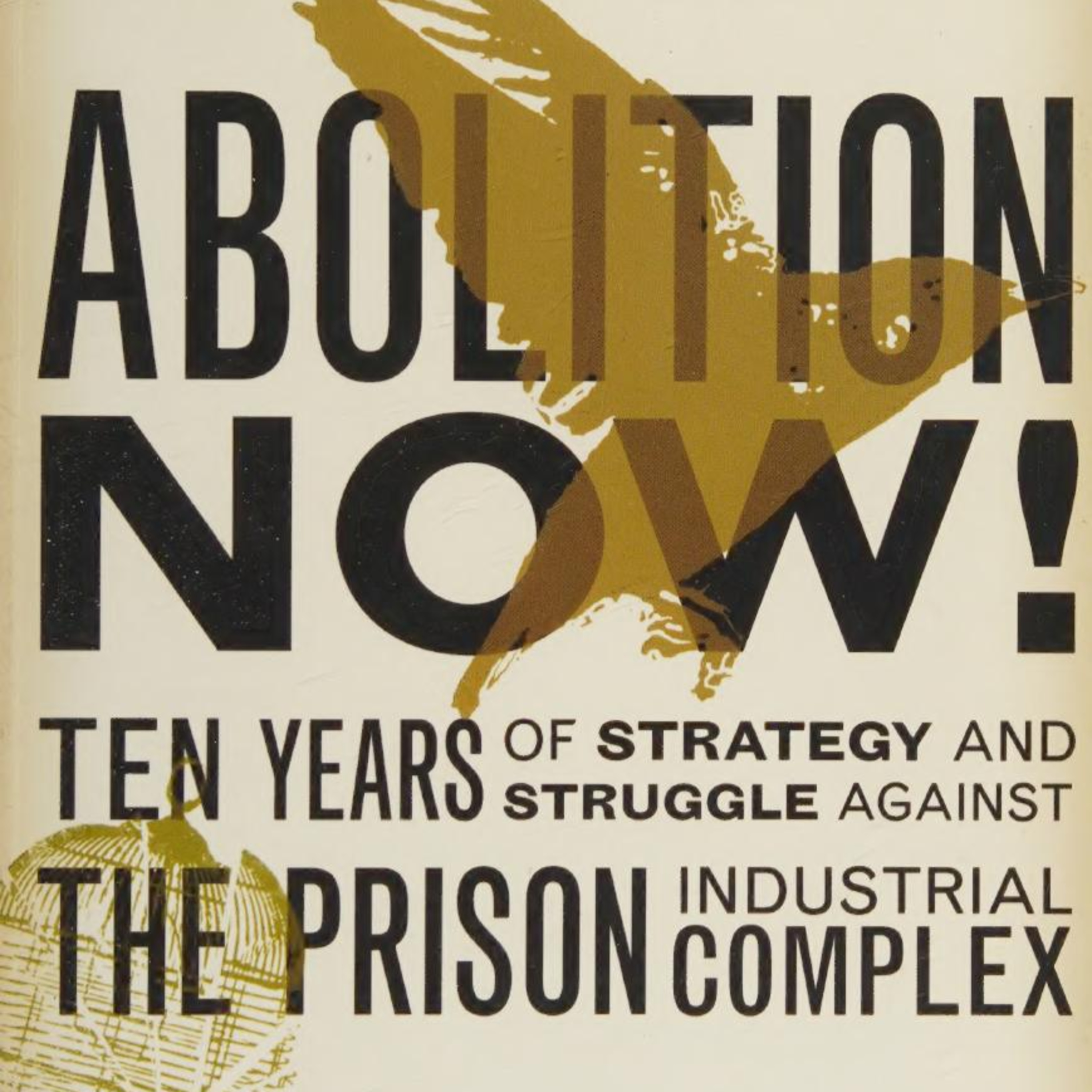
    Abolition Now!: Ten Years of Strategy and Struggle Against the Prison Industrial Complex

    What has to be built before a society can become less dependent on punishment? Welcome to Crisis in Perception, where we examine the systems shaping our world. Using Abolition Now!: Ten Years of Strategy and Struggle Against the Prison Industrial Complex by The CR10 Publications Collective as our lens, this episode examines the abolitionist framework developed through Critical Resistance’s first decade of organizing. The collection presents abolition not simply as eliminating prisons, but as a continuing process of dismantling carceral structures, understanding how those structures change and adapt, and building other institutions capable of addressing safety, accountability, healing, and social harm. The investigation focuses on institutional dependency: how policing, surveillance, criminalization, imprisonment, social policy, and community institutions interact in ways that can reinforce established responses. It also examines one of the collection’s hardest internal tensions—whether reducing reliance on coercive institutions is possible without first developing credible alternatives for responding to serious interpersonal violence. Central themes include abolition and reform, institutional lock-in, policy feedback, gender violence, survivor safety, community accountability, reentry, healing, and the challenge of replacing entrenched systems rather than merely removing them. 📺 Watch on YouTube: https://youtu.be/fibc9P1McNA ❤️ Support / Episode Post on Patreon: https://www.patreon.com/CrisisinPerception/posts/abolition-now-of-169686217?utm_medium=clipboard_copy&utm_source=copyLink&utm_campaign=postshare_creator&utm_content=join_link If these ideas resonate, consider reading the work yourself or borrowing it from your local library. Supporting authors and libraries helps keep critical inquiry accessible. If you value systems-level analysis like this, please follow, rate, and share the project. This content was created using AI-assisted tools for research synthesis, structuring, and narration support. All analysis, framing, and editorial decisions are guided by human judgment as part of the Crisis in Perception project.
  • September 16 · 40 min

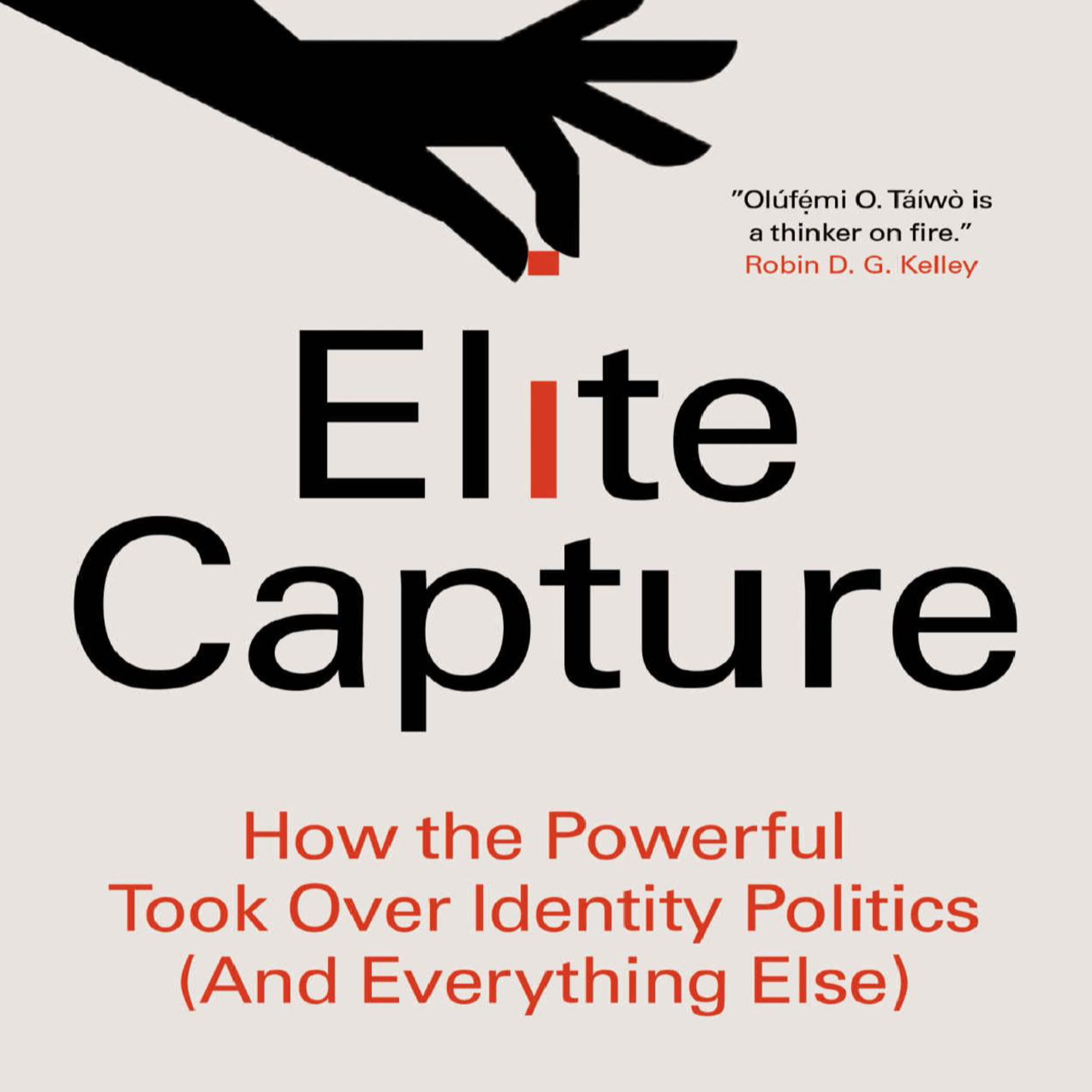
    Elite Capture: How the Powerful Took Over Identity Politics (And Everything Else) — Captured Power

    What if a movement can become more representative while the deeper distribution of power barely changes? Welcome to Crisis in Perception, where we examine the systems shaping our world. Using Elite Capture: How the Powerful Took Over Identity Politics (And Everything Else) by Olúfẹ́mi O. Táíwò as our lens, this investigation examines how political movements and institutions can be redirected by people who already possess disproportionate access to resources, attention, and decision-making power. Táíwò describes elite capture not simply as corruption or conspiracy, but as a recurring pattern produced by unequal social structures. His argument distinguishes the coalitional identity politics associated with the Combahee River Collective from practices in which symbolic recognition, representation, or interpersonal deference can become substitutes for structural change. The deeper investigation follows institutional selection, cumulative advantage, incentive structures, information control, representation versus redistribution, and Táíwò's distinction between regulating interactions inside inherited institutions and building new structures capable of changing material outcomes. 📺 Watch on YouTube: https://youtu.be/WEVqCiu7sAU ❤️ Support / Episode Post on Patreon: https://www.patreon.com/CrisisinPerception/posts/elite-capture-169685540?utm_medium=clipboard_copy&utm_source=copyLink&utm_campaign=postshare_creator&utm_content=join_link If these ideas resonate, consider reading the work yourself or borrowing it from your local library. Supporting authors and libraries helps keep critical inquiry accessible. If you value systems-level analysis like this, please follow, rate, and share the project. This content was created using AI-assisted tools for research synthesis, structuring, and narration support. All analysis, framing, and editorial decisions are guided by human judgment as part of the Crisis in Perception project.
  • September 15 · 44 min

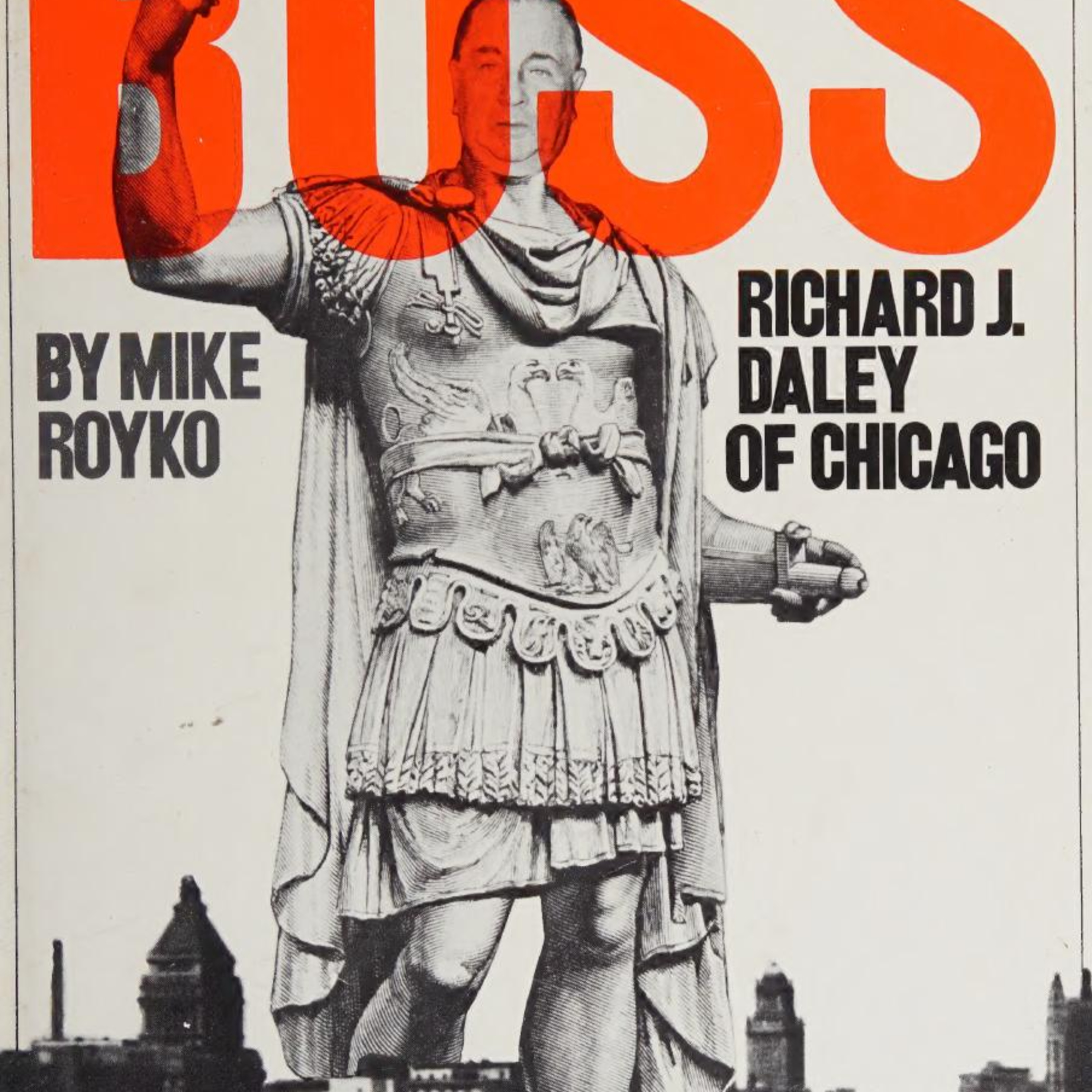
    Boss: Richard J. Daley of Chicago — How Political Machines Turn Service Into Power

    How does political power become durable enough to survive criticism, social change, and even the people who originally built it? Welcome to Crisis in Perception, where we examine the systems shaping our world. Using Boss: Richard J. Daley of Chicago by Mike Royko as our lens, this episode investigates the political Machine that helped Richard J. Daley dominate Chicago while overseeing one of the most consequential periods of physical development in the city’s history. Royko’s portrait complicates the simple distinction between competent government and machine politics. Daley could point to expressways, O’Hare Airport, public works, downtown development, and a transformed skyline. Yet political authority was also reinforced through patronage jobs, precinct organizations, ward loyalty, contracts, personal favors, and institutional control. The larger pattern emerges when these elements are viewed as a feedback loop. Government resources strengthened political loyalty. Loyalty generated votes. Electoral success preserved control over government resources. Urban renewal, housing segregation, policing, civil-rights conflict, and relationships with developers reveal how differently the benefits and costs of that system could be distributed. The episode examines patronage, reciprocal obligation, centralized authority, political dependency, urban development, racial inequality, institutional persistence, and the tension between governmental effectiveness and democratic independence. 📺 Watch on YouTube: https://youtu.be/yN_hDrXxmt4 ❤️ Support / Episode Post on Patreon: https://www.patreon.com/CrisisinPerception/posts/boss-richard-j-169638171?utm_medium=clipboard_copy&utm_source=copyLink&utm_campaign=postshare_creator&utm_content=join_link If these ideas resonate, consider reading the work yourself or borrowing it from your local library. Supporting authors and libraries helps keep critical inquiry accessible. If you value systems-level analysis like this, please follow, rate, and share the project. This content was created using AI-assisted tools for research synthesis, structuring, and narration support. All analysis, framing, and editorial decisions are guided by human judgment as part of the Crisis in Perception project.
  • September 15 · 28 min

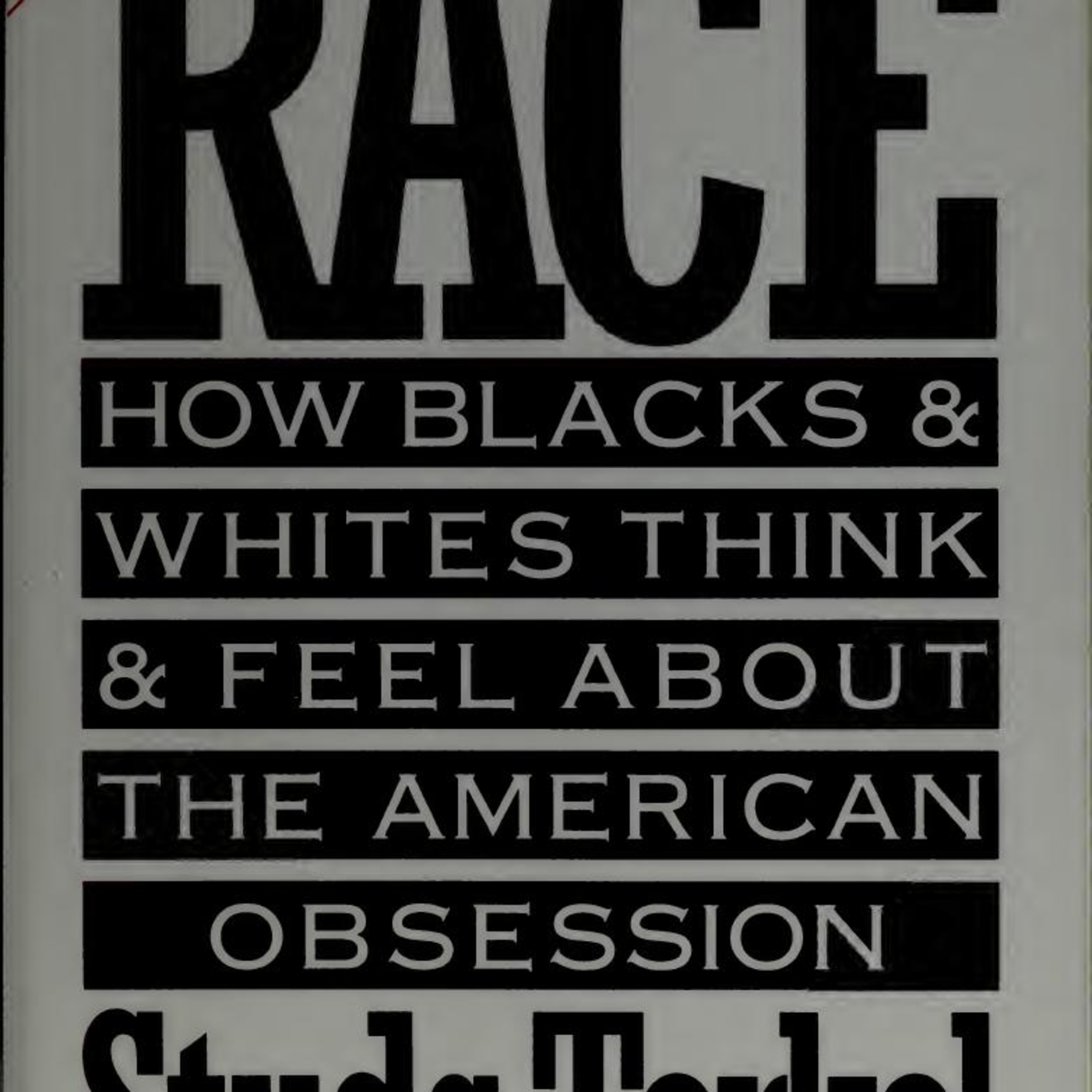
    Race: How Blacks and Whites Think and Feel About the American Obsession — The Feedback Loop of Bias

    Racism is often treated as something people consciously believe. Studs Terkel's interviews reveal a more difficult possibility: racial assumptions can continue shaping perception even when people consciously reject prejudice. Welcome to Crisis in Perception, where we examine the systems shaping our world. Using Race: How Blacks and Whites Think and Feel About the American Obsession by Studs Terkel as our lens, this investigation explores an extraordinary collection of voices reflecting on race, work, neighborhoods, education, policing, friendship, economic insecurity, affirmative action, and historical memory. Rather than reducing these voices to a single position, the episode examines the system emerging between them. Inherited expectations can shape attention; selective experiences can appear to confirm stereotypes; segregation limits corrective contact; and institutions distribute the consequences of those perceptions unevenly. The investigation also examines how such systems can change. Terkel's account of C. P. Ellis and Ann Atwater shows how sustained cooperation and recognition of shared interests can place inherited categories in direct conflict with experience. Central systems include stereotype reinforcement, social separation, historical memory, institutional inequality, selective attention, group pressure, economic scarcity, and belief revision. 📺 Watch on YouTube: https://youtu.be/qfz1eZ1NAz8 ❤️ Support / Episode Post on Patreon: https://www.patreon.com/CrisisinPerception/posts/race-how-blacks-169637545?utm_medium=clipboard_copy&utm_source=copyLink&utm_campaign=postshare_creator&utm_content=join_link If these ideas resonate, consider reading the work yourself or borrowing it from your local library. Supporting authors and libraries helps keep critical inquiry accessible. If you value systems-level analysis like this, please follow, rate, and share the project. This content was created using AI-assisted tools for research synthesis, structuring, and narration support. All analysis, framing, and editorial decisions are guided by human judgment as part of the Crisis in Perception project.

  • September 15 · 45 min

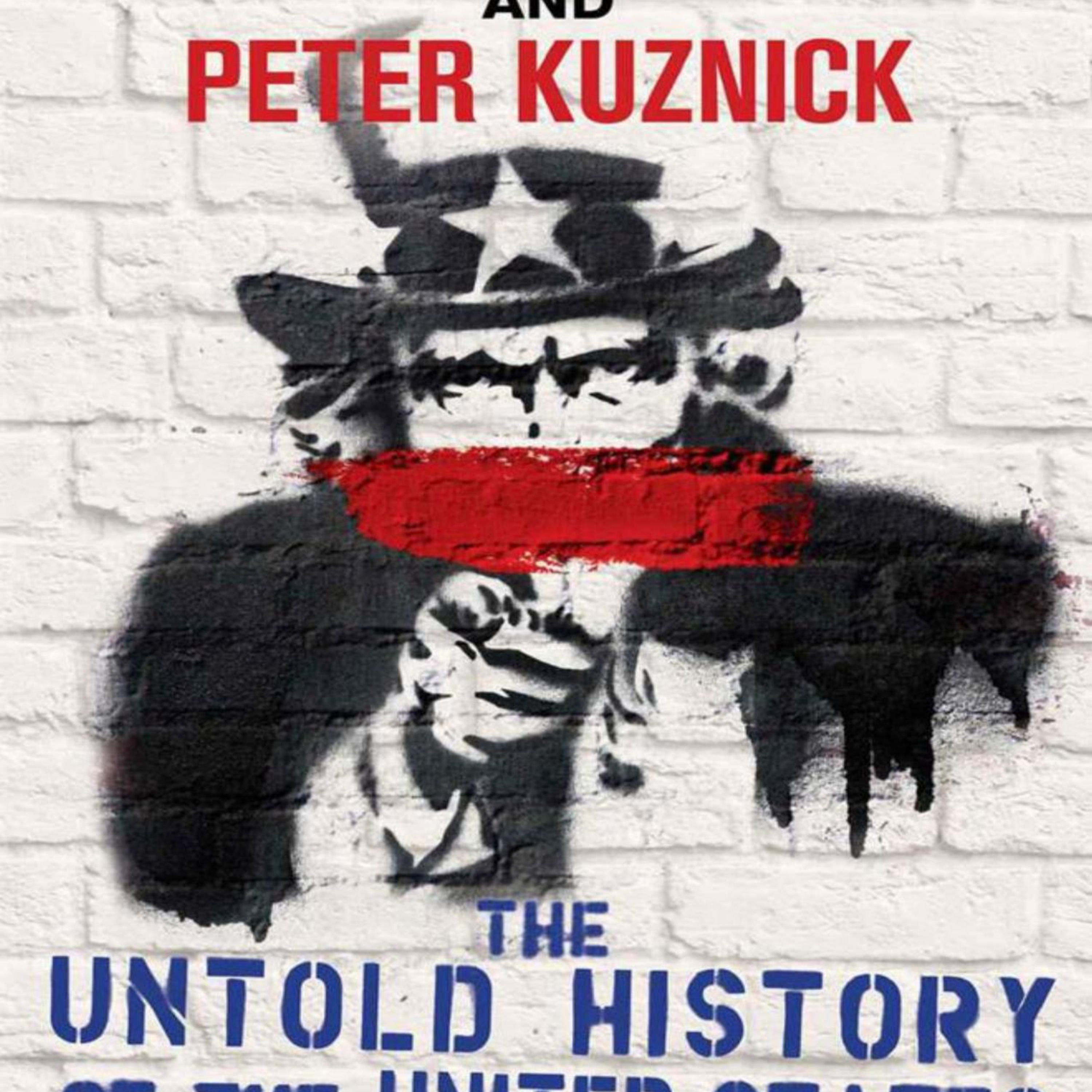
    The Untold History of the United States — How American Power Became a System

    What if American foreign policy is shaped not only by presidents and crises, but by institutions inherited from earlier generations? Welcome to Crisis in Perception, where we examine the systems shaping our world. Using The Untold History of the United States by Oliver Stone and Peter Kuznick as our lens, this Deep Dive investigates the historical development and persistence of American global power. Stone and Kuznick deliberately focus on parts of U.S. history they believe conventional narratives often minimize: imperial expansion, economic interests, military intervention, nuclear strategy, covert power, repression of dissent, and the growth of the national security state. Their work is presented as a corrective rather than a complete account of American history. The larger systems question is one of path dependence. Wars and crises can produce military capabilities, bureaucracies, alliances, doctrines, economic constituencies, and political narratives that remain after the original circumstances disappear. Those inherited structures can then influence what later administrations consider possible, necessary, or politically realistic. This investigation traces the relationship between historical memory, exceptionalism, military power, institutional incentives, the military-industrial complex, and the national security state while distinguishing the authors' interpretation from the broader systems analysis it makes possible. 📺 Watch on YouTube: https://youtu.be/EVknc-3mZWE ❤️ Support / Episode Post on Patreon: https://www.patreon.com/CrisisinPerception/posts/untold-history-169636868?utm_medium=clipboard_copy&utm_source=copyLink&utm_campaign=postshare_creator&utm_content=join_link If these ideas resonate, consider reading the work yourself or borrowing it from your local library. Supporting authors and libraries helps keep critical inquiry accessible. If you value systems-level analysis like this, please follow, rate, and share the project. This content was created using AI-assisted tools for research synthesis, structuring, and narration support. All analysis, framing, and editorial decisions are guided by human judgment as part of the Crisis in Perception project.
  • September 15 · 28 min

    Working — Why Some Jobs Give Dignity and Others Take It Away

    What if the deepest problem with work is not how hard we labor, but whether we can still see ourselves in what we do? Welcome to Crisis in Perception, where we examine the systems shaping our world. Using Working by Studs Terkel as our lens, this episode investigates work as more than an economic transaction. Through the voices of ordinary workers, Terkel reveals how employment can distribute dignity, recognition, autonomy, identity, and meaning—or gradually strip them away. The investigation traces the systems beneath those experiences: specialization, bureaucracy, organizational hierarchy, surveillance, economic dependence, craftsmanship, and automation. The central tension is between efficiency and human meaning. A system may become increasingly productive while making individual contribution harder to see. By contrasting workers who can recognize the lasting results of their effort with those performing repetitive or fragmented tasks, Working raises a deeper question: what conditions allow labor to become something more than survival? Central systems include autonomy, recognition, specialization, organizational control, automation, and the relationship between work and personal identity. 📺 Watch on YouTube: https://youtu.be/5GMi0-SQXvc ❤️ Support / Episode Post on Patreon: https://www.patreon.com/CrisisinPerception/posts/working-why-some-169574957?utm_medium=clipboard_copy&utm_source=copyLink&utm_campaign=postshare_creator&utm_content=join_link If these ideas resonate, consider reading the work yourself or borrowing it from your local library. Supporting authors and libraries helps keep critical inquiry accessible. If you value systems-level analysis like this, please follow, rate, and share the project. This content was created using AI-assisted tools for research synthesis, structuring, and narration support. All analysis, framing, and editorial decisions are guided by human judgment as part of the Crisis in Perception project.
  • September 15 · 34 min

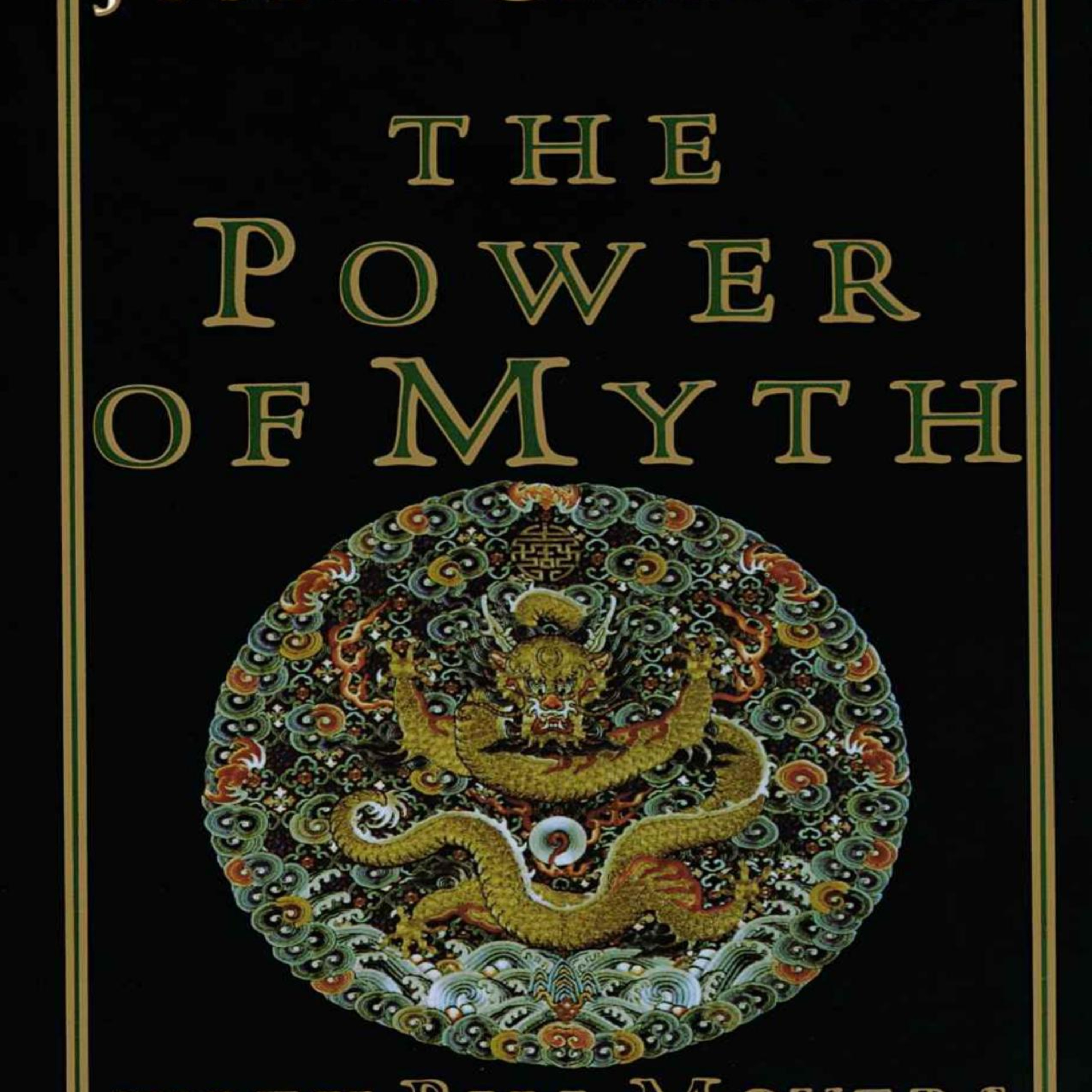
    The Power of Myth — How Stories Become Social Infrastructure

    What happens when a society outgrows the stories that once helped people understand who they are—but has not yet developed new ones? Welcome to Crisis in Perception, where we examine the systems shaping our world. Using The Power of Myth by Joseph Campbell with Bill Moyers as our lens, this investigation explores mythology as more than ancient storytelling. Campbell presents myths as symbolic structures that connect inner experience, ritual, social order, nature, and the recurring transitions of human life. The episode examines Campbell’s four functions of myth, his distinction between metaphor and literal fact, and his comparison of religious traditions to different kinds of cultural “software.” It also asks what happens when inherited stories stop adapting to changing social conditions. At a systems level, mythology can produce both cohesion and exclusion. Shared symbols help communities establish identity, obligation, and meaning, but those same symbolic boundaries can divide insiders from outsiders. Campbell ultimately pushes the discussion toward the possibility of a planetary mythology capable of expanding belonging beyond tribe, nation, or religion. Central themes include symbolic framing, ritual reinforcement, cultural transmission, social identity, metaphor, adaptation, and the relationship between human culture and the living planet. 📺 Watch on YouTube: https://youtu.be/Xzkma229BRY ❤️ Support / Episode Post on Patreon: https://www.patreon.com/CrisisinPerception/posts/power-of-myth-169571722?utm_medium=clipboard_copy&utm_source=copyLink&utm_campaign=postshare_creator&utm_content=join_link If these ideas resonate, consider reading the work yourself or borrowing it from your local library. Supporting authors and libraries helps keep critical inquiry accessible. If you value systems-level analysis like this, please follow, rate, and share the project. This content was created using AI-assisted tools for research synthesis, structuring, and narration support. All analysis, framing, and editorial decisions are guided by human judgment as part of the Crisis in Perception project.
  • September 15 · 41 min

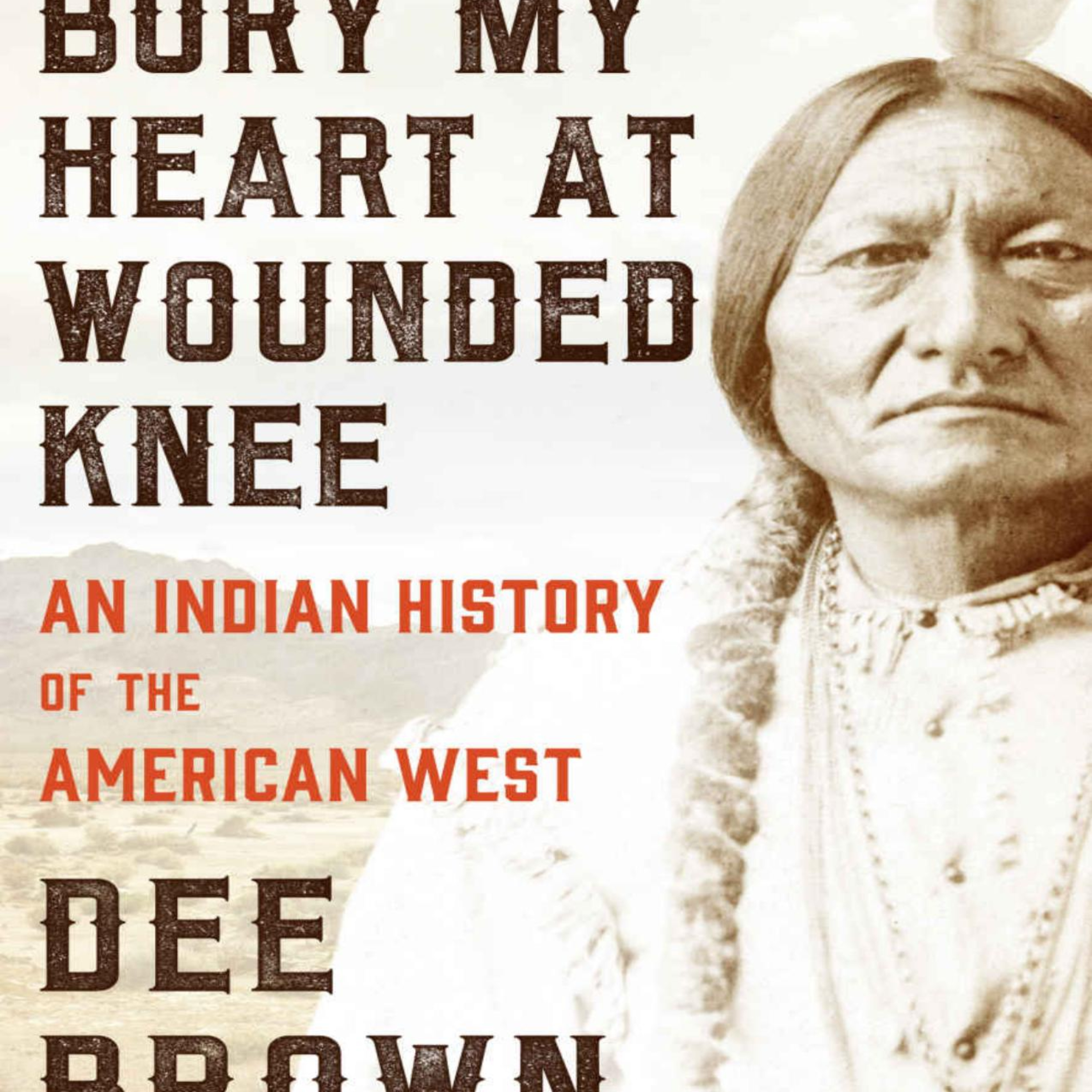
    Bury My Heart at Wounded Knee: An Indian History of the American West — When the Frontier Closed In

    The American West is often remembered as a frontier being opened. Dee Brown asks us to turn around and examine what that same expansion looked like to the peoples already living there. Welcome to Crisis in Perception, where we examine the systems shaping our world. Bury My Heart at Wounded Knee: An Indian History of the American West reconstructs the conquest of the nineteenth-century West through Native testimony, treaty councils, eyewitness accounts, and government records. Brown shifts the historical viewpoint away from the familiar mythology of settlement and toward the experiences of Native nations confronting shrinking territory, broken agreements, forced removal, resource destruction, military coercion, and reservation confinement. This Deep Dive examines the larger system connecting those events. Treaties established boundaries, but expanding settlement, mineral discoveries, transportation networks, political pressure, and economic incentives repeatedly made those boundaries vulnerable. Resistance could then be defined as hostility, coercion could be justified as security, and territorial loss became the new baseline from which expansion continued. The central systems include asymmetric bargaining power, institutional incentives, path dependence, resource pressure, treaty enforcement, military power, and reinforcing cycles of encroachment and resistance. 📺 Watch on YouTube: https://youtu.be/xV05OIyb_gg ❤️ Support / Episode Post on Patreon: https://www.patreon.com/CrisisinPerception/posts/bury-my-heart-at-169570564?utm_medium=clipboard_copy&utm_source=copyLink&utm_campaign=postshare_creator&utm_content=join_link If these ideas resonate, consider reading the work yourself or borrowing it from your local library. Supporting authors and libraries helps keep critical inquiry accessible. If you value systems-level analysis like this, please follow, rate, and share the project. This content was created using AI-assisted tools for research synthesis, structuring, and narration support. All analysis, framing, and editorial decisions are guided by human judgment as part of the Crisis in Perception project.
  • September 15 · 24 min

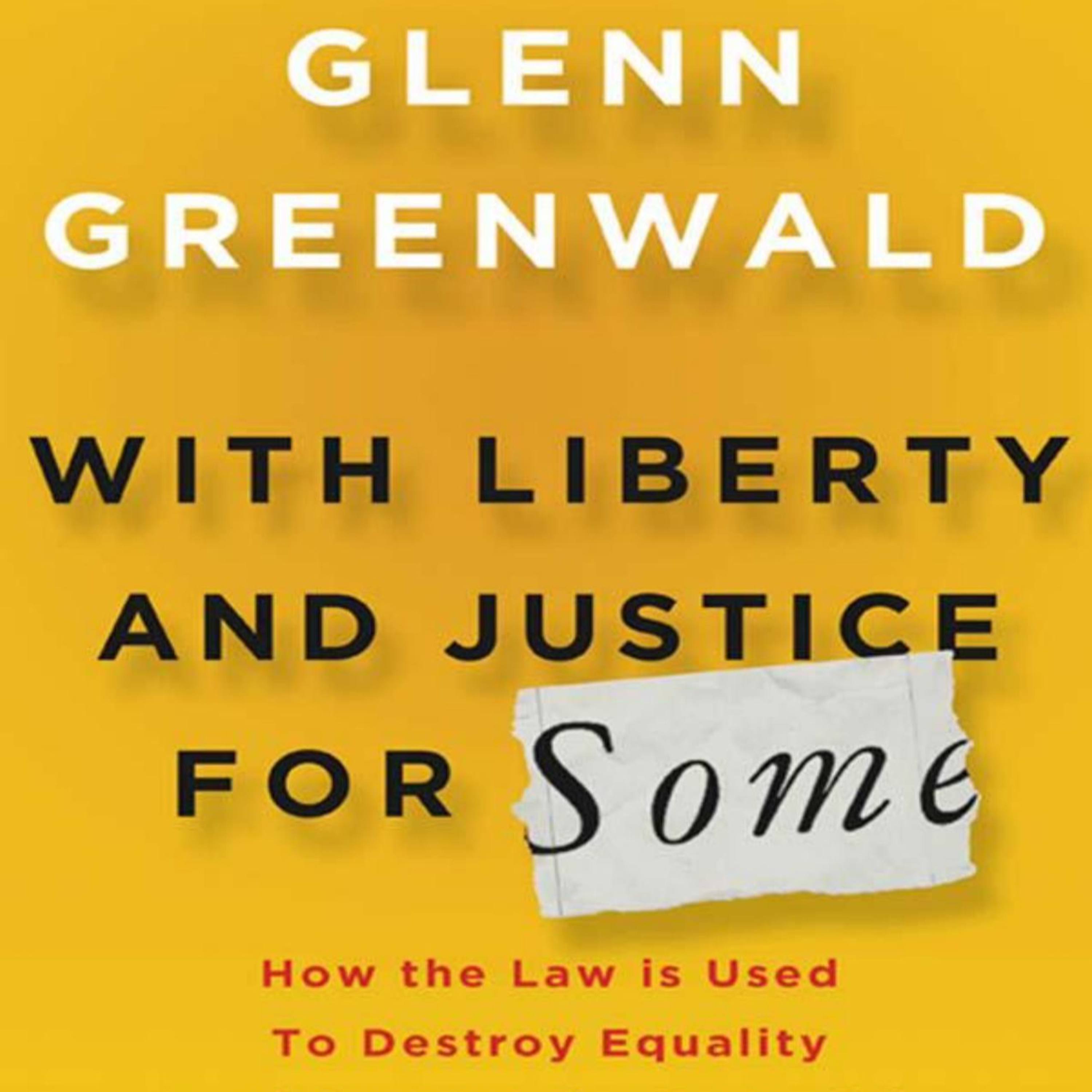
    With Liberty and Justice for Some: How the Law Is Used to Destroy Equality and Protect the Powerful

    What happens when the law remains the same on paper, but accountability changes according to who has power? Welcome to Crisis in Perception, where we examine the systems shaping our world. Using With Liberty and Justice for Some: How the Law Is Used to Destroy Equality and Protect the Powerful by Glenn Greenwald as our lens, this episode investigates his argument that the American justice system has developed a profound divide between formal legal equality and actual enforcement. Greenwald traces a pattern running through presidential pardons, political scandals, warrantless surveillance, corporate immunity, Wall Street, and the criminal justice system. His central contention is that the problem extends beyond wealthy defendants having superior representation: political and financial elites can sometimes avoid meaningful legal accountability altogether. At a systems level, the investigation focuses on selective enforcement, institutional discretion, regulatory capture, political incentives, path dependence, and the feedback loop through which power can help secure immunity while immunity helps preserve power. 📺 Watch on YouTube: https://youtu.be/P1nYCSAYchk ❤️ Support / Episode Post on Patreon: https://www.patreon.com/CrisisinPerception/posts/with-liberty-and-169569628?utm_medium=clipboard_copy&utm_source=copyLink&utm_campaign=postshare_creator&utm_content=join_link If these ideas resonate, consider reading the work yourself or borrowing it from your local library. Supporting authors and libraries helps keep critical inquiry accessible. If you value systems-level analysis like this, please follow, rate, and share the project. This content was created using AI-assisted tools for research synthesis, structuring, and narration support. All analysis, framing, and editorial decisions are guided by human judgment as part of the Crisis in Perception project.
  • September 14 · 36 min

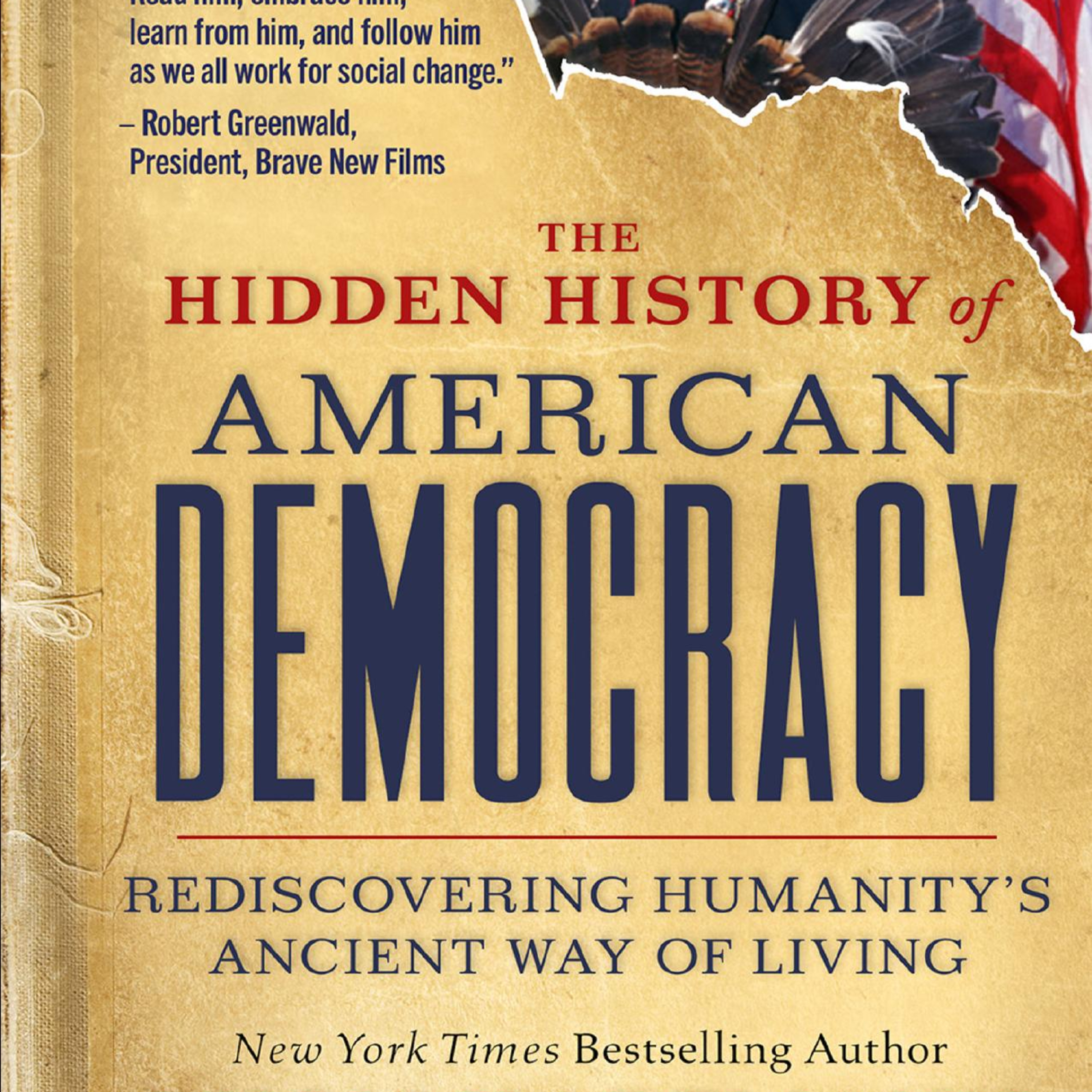
    The Hidden History of American Democracy — Who Invented Democracy?

    Where do democratic ideas actually come from—and what disappears when history reduces their origins to a single intellectual tradition? Welcome to Crisis in Perception, where we examine the systems shaping our world. Using The Hidden History of American Democracy: Rediscovering Humanity’s Ancient Way of Living by Thom Hartmann as our lens, this Deep Dive investigates the cultural and intellectual pathways through which ideas about liberty, consent, equality, and self-government developed and circulated. Hartmann challenges the familiar account that emphasizes Greece, Rome, and the European Enlightenment by bringing Indigenous political traditions into the picture. He examines encounters involving Haudenosaunee/Iroquois, Wendat, and Cherokee societies, along with figures such as Kandiaronk, Benjamin Franklin, and Thomas Jefferson. The investigation does not treat the U.S. Constitution as a direct copy of any Indigenous political system. Instead, it asks how political knowledge travels between societies and how later historical narratives determine which influences remain visible. From that question emerges a larger systems problem: how political power becomes distributed, concentrated, legitimized, and remembered. Central systems and tensions include cultural transmission, consent versus coercion, distributed versus concentrated power, historical memory, institutional design, and the feedback loops connecting political participation with democratic accountability. 📺 Watch on YouTube: https://youtu.be/5elqqF5ugk4 ❤️ Support / Episode Post on Patreon: https://www.patreon.com/CrisisinPerception/posts/hidden-history-169532232?utm_medium=clipboard_copy&utm_source=copyLink&utm_campaign=postshare_creator&utm_content=join_link If these ideas resonate, consider reading the work yourself or borrowing it from your local library. Supporting authors and libraries helps keep critical inquiry accessible. If you value systems-level analysis like this, please follow, rate, and share the project. This content was created using AI-assisted tools for research synthesis, structuring, and narration support. All analysis, framing, and editorial decisions are guided by human judgment as part of the Crisis in Perception project.
  • September 14 · 57 min

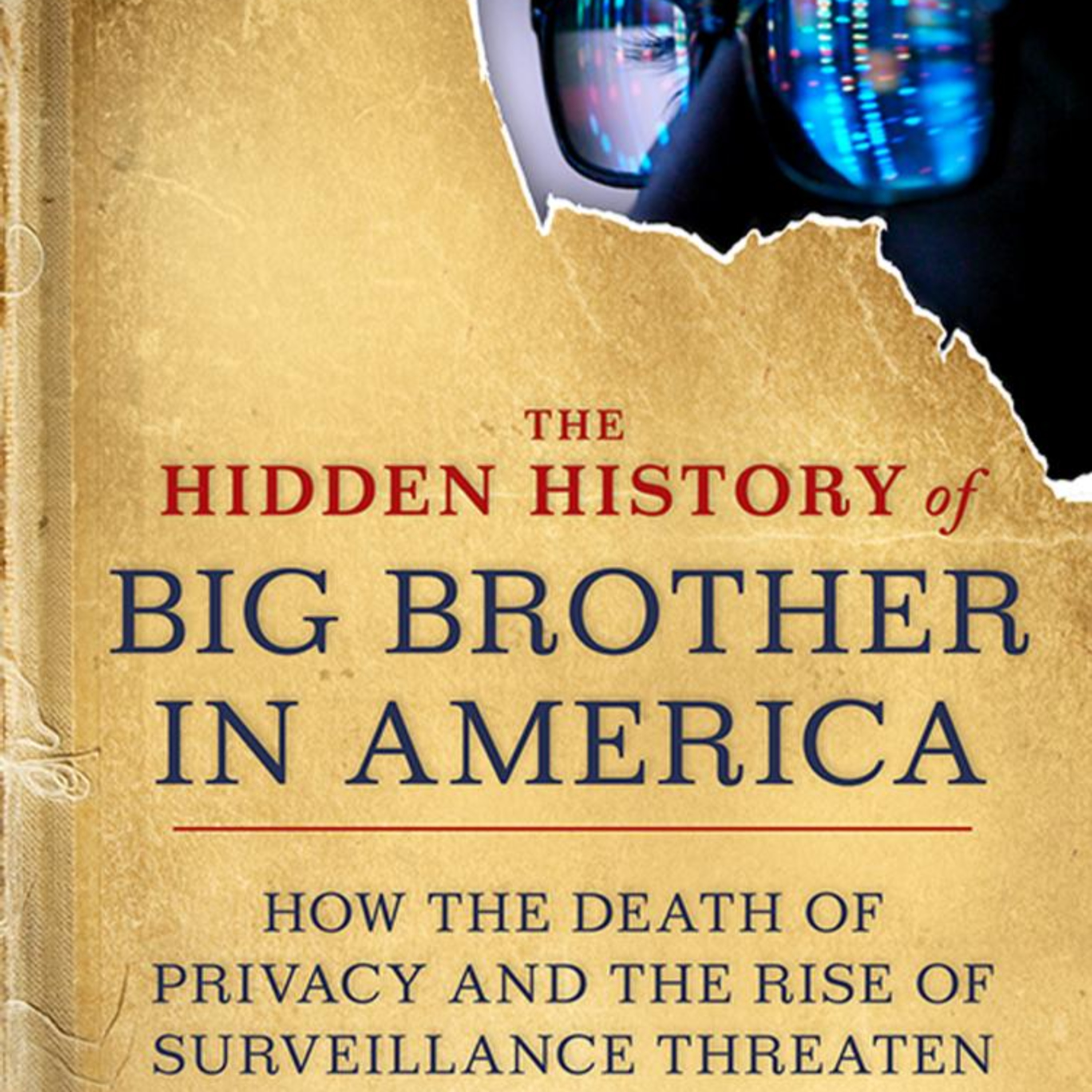
    The Hidden History of Big Brother in America — How Surveillance Becomes Power

    What happens when the institutions watching us become increasingly powerful while the systems doing the watching remain largely invisible? Welcome to Crisis in Perception, where we examine the systems shaping our world. Using The Hidden History of Big Brother in America: How the Death of Privacy and the Rise of Surveillance Threaten Us and Our Democracy by Thom Hartmann as our lens, this Deep Dive investigates privacy as more than a personal preference. Hartmann argues that privacy helps preserve autonomy, dissent, political participation, and the ability to act without constantly anticipating how powerful institutions may judge or manipulate us. The investigation traces a recurring mechanism across different forms of social control: information creates leverage. From religious enforcement and slavery-era restrictions to J. Edgar Hoover, government surveillance, data brokers, facial recognition, algorithmic scoring, and surveillance capitalism, the technologies change while the underlying relationship between observation and power persists. Hartmann’s discussion of the panopticon and “social cooling” reveals another layer. Surveillance does not need to produce direct punishment to influence behavior. When people know—or merely suspect—that their actions are being recorded, scored, or permanently stored, they may become more cautious, more conformist, and less willing to take social or political risks. At a systems level, the central tension is between convenience, security, and commercial efficiency on one side, and privacy, autonomy, transparency, and democratic accountability on the other. 📺 Watch on YouTube: https://youtu.be/k7WuY32rriI ❤️ Support / Episode Post on Patreon: https://www.patreon.com/CrisisinPerception/posts/hidden-history-169530010?utm_medium=clipboard_copy&utm_source=copyLink&utm_campaign=postshare_creator&utm_content=join_link If these ideas resonate, consider reading the work yourself or borrowing it from your local library. Supporting authors and libraries helps keep critical inquiry accessible. If you value systems-level analysis like this, please follow, rate, and share the project. This content was created using AI-assisted tools for research synthesis, structuring, and narration support. All analysis, framing, and editorial decisions are guided by human judgment as part of the Crisis in Perception project.

  • September 14 · 48 min

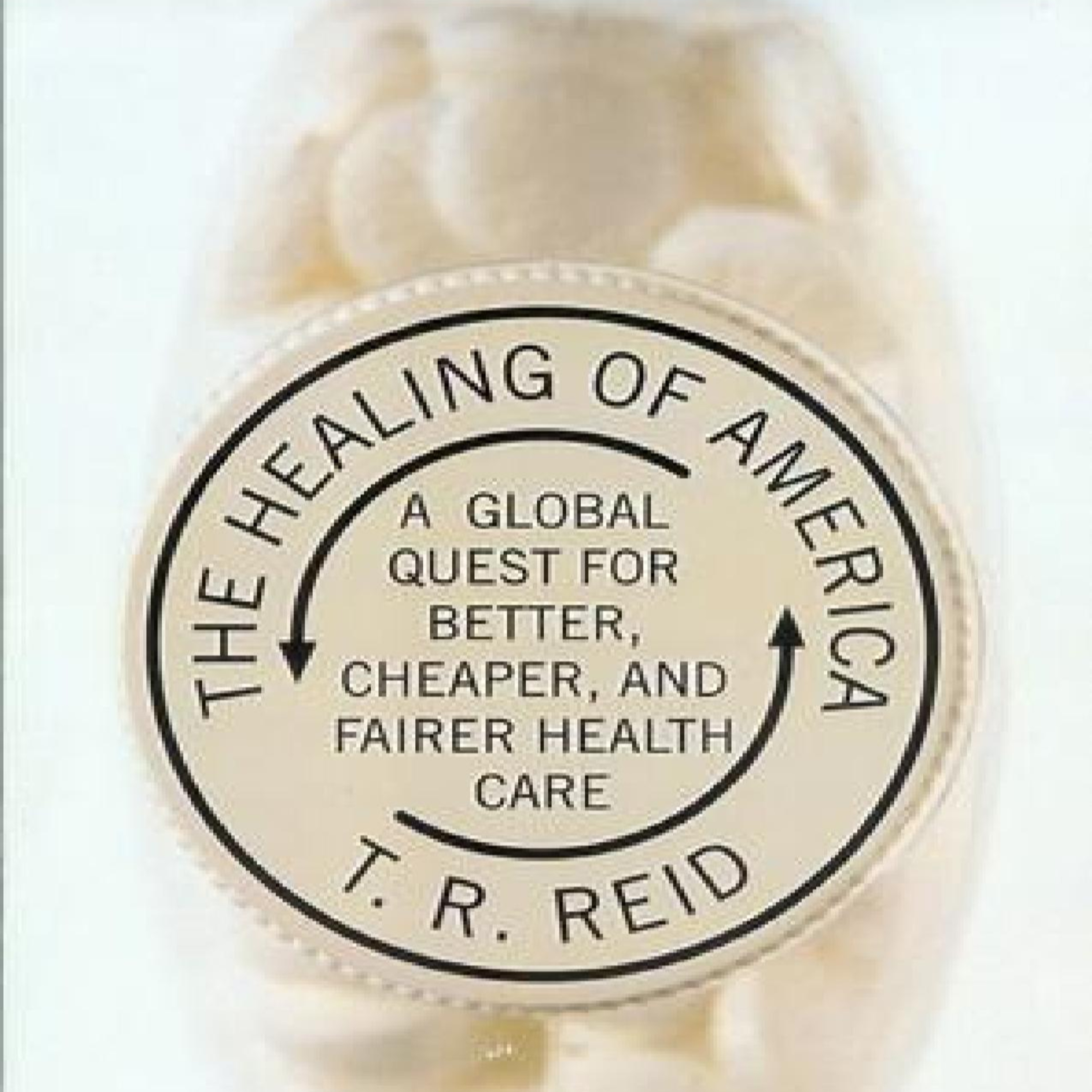
    The Healing of America: A Global Quest for Better, Cheaper, and Fairer Health Care — Who Gets Care?

    What if the defining question in health care is not whether government or markets should run the system, but who the system is obligated to include? Welcome to Crisis in Perception, where we examine the systems shaping our world. Using The Healing of America: A Global Quest for Better, Cheaper, and Fairer Health Care by T. R. Reid as our lens, this investigation compares the institutional structures wealthy democracies use to finance and distribute medical care. Reid’s global investigation examines systems built around private insurance, government insurance, taxation, private doctors, public hospitals, nonprofit sickness funds, regulated prices, and mandatory participation. France, Germany, Japan, Britain, and Canada use different combinations, but Reid identifies a common principle beneath those differences: medical coverage is extended across the population rather than divided according to insurance status or ability to pay. The United States already contains elements of nearly every major health-care model. The deeper problem Reid identifies is fragmentation. Different populations encounter different payers, eligibility rules, prices, incentives, and levels of financial protection. This Deep Dive traces how those rules shape access, administrative complexity, risk pooling, cost control, patient choice, and rationing—and why the debate over “socialized medicine” can obscure the more fundamental institutional question. Central systems and tensions include universal coverage, public versus private financing, nonprofit versus for-profit insurance, fragmented administration, price regulation, individual choice, collective risk, and health care as a social guarantee versus a market commodity. 📺 Watch on YouTube: https://youtu.be/ZTVHsLG1iDw ❤️ Support / Episode Post on Patreon: https://www.patreon.com/CrisisinPerception/posts/healing-of-quest-169527956?utm_medium=clipboard_copy&utm_source=copyLink&utm_campaign=postshare_creator&utm_content=join_link If these ideas resonate, consider reading the work yourself or borrowing it from your local library. Supporting authors and libraries helps keep critical inquiry accessible. If you value systems-level analysis like this, please follow, rate, and share the project. This content was created using AI-assisted tools for research synthesis, structuring, and narration support. All analysis, framing, and editorial decisions are guided by human judgment as part of the Crisis in Perception project.

Showing 121–133 of 133 episodes