Skip to content
Artwork for Crisis in Perception

Crisis in Perception

Crisis in Perception

Crisis in Perception is a long-form educational podcast examining how we misunderstand the world around us. Using books as entry points, each episode explores history, psychology, economics, science, and power structures to reveal how systems actually work—and why our perceptions so often fail. Clear, evidence-based, and non-tribal.

Crisis in Perception uses AI-assisted tools for narration and synthesis in service of long-form educational analysis.

Play
  • 270 episodes
  • Avg 44 min
  • English
Counted on this page — what you have heard stays on this device, so it is not something the list can be paged by.
  • Sunday · 44 min

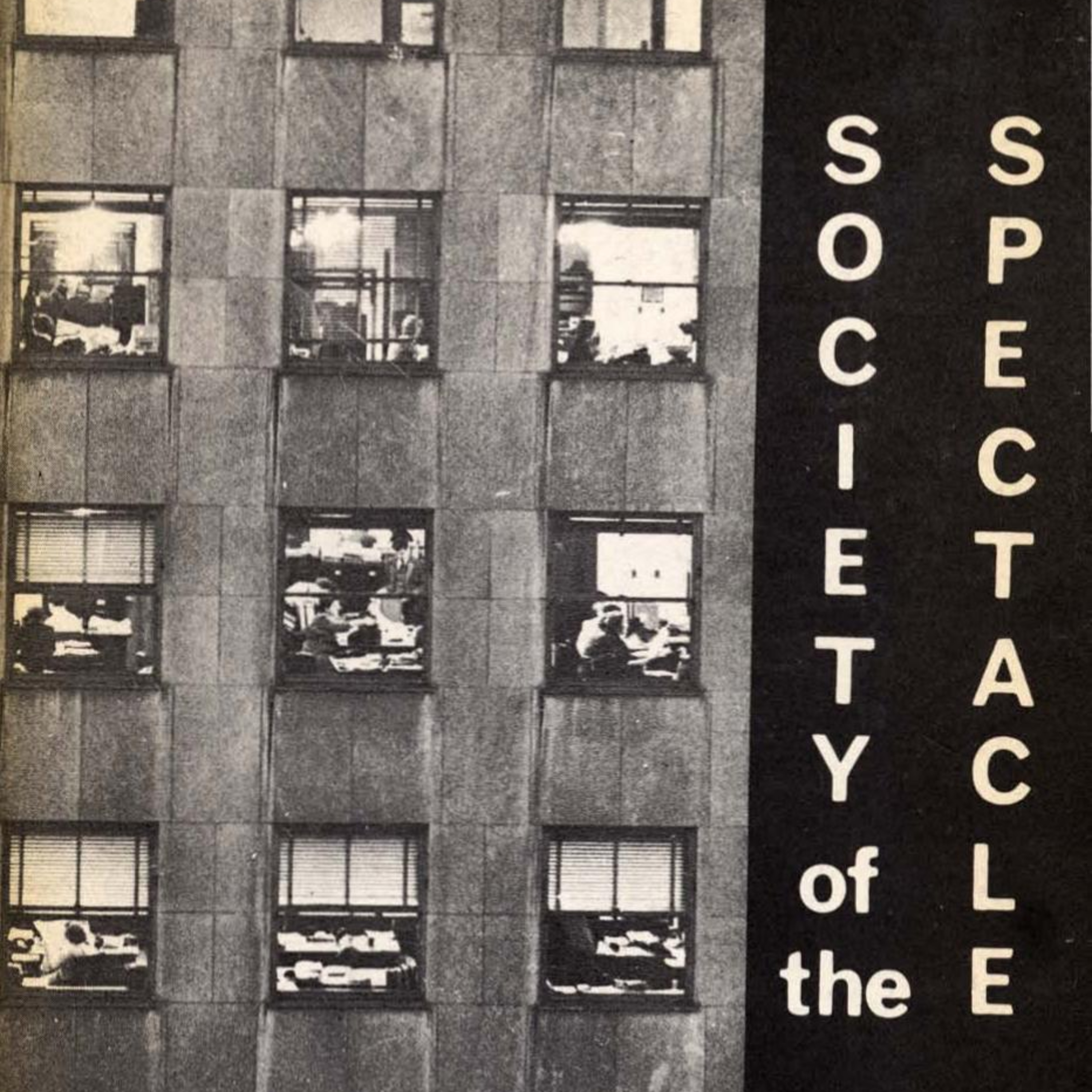
    Society of the Spectacle — When Life Becomes Representation

    What if the spectacle is not simply what we watch, but a social system that turns lived experience itself into something to be watched? This episode presents AI-narrated educational analysis based on published sources. The voices are synthetic and do not represent real conversations, interviews with the authors, or human experts. AI-assisted tools support research synthesis, production, and narration. Source selection, editorial framing, and final editorial decisions are guided by human judgment as part of the Crisis in Perception project. Welcome to Crisis in Perception, where we examine the systems shaping our world. Using Society of the Spectacle by Guy Debord as our lens, this investigation examines Debord’s argument that the spectacle is not merely mass media or an abundance of images. It is a social condition in which relationships between people are increasingly mediated through commodities, representations, and institutions that confront them as external forces. At the center of the discussion is separation: separation from what we produce, from one another, from historical agency, and eventually from our own lived experience. Consumption promises connection and fulfillment while repeatedly reproducing the conditions that make those promises necessary. The episode also follows Debord beyond advertising and entertainment into spectacular time, urban organization, culture, political representation, and his critique of bureaucratic socialism. His proposed alternative—workers directly exercising collective power through self-managed councils—is presented as Debord’s own political conclusion rather than as a prescription of Crisis in Perception. Central systems and tensions include commodity production, alienation, manufactured needs, representation versus participation, social isolation, historical consciousness, and centralized versus direct agency. 📺 Watch on YouTube: https://youtu.be/J-0uh2ZQPYI ❤️ Support / Episode Post on Patreon: https://www.patreon.com/CrisisinPerception/posts/society-of-when-176098299?utm_medium=clipboard_copy&utm_source=copyLink&utm_campaign=postshare_creator&utm_content=join_link If these ideas resonate, consider reading the work yourself or borrowing it from your local library. Supporting authors and libraries helps keep critical inquiry accessible. If you value systems-level analysis like this, please follow, rate, and share the project.
  • Sunday · 44 min

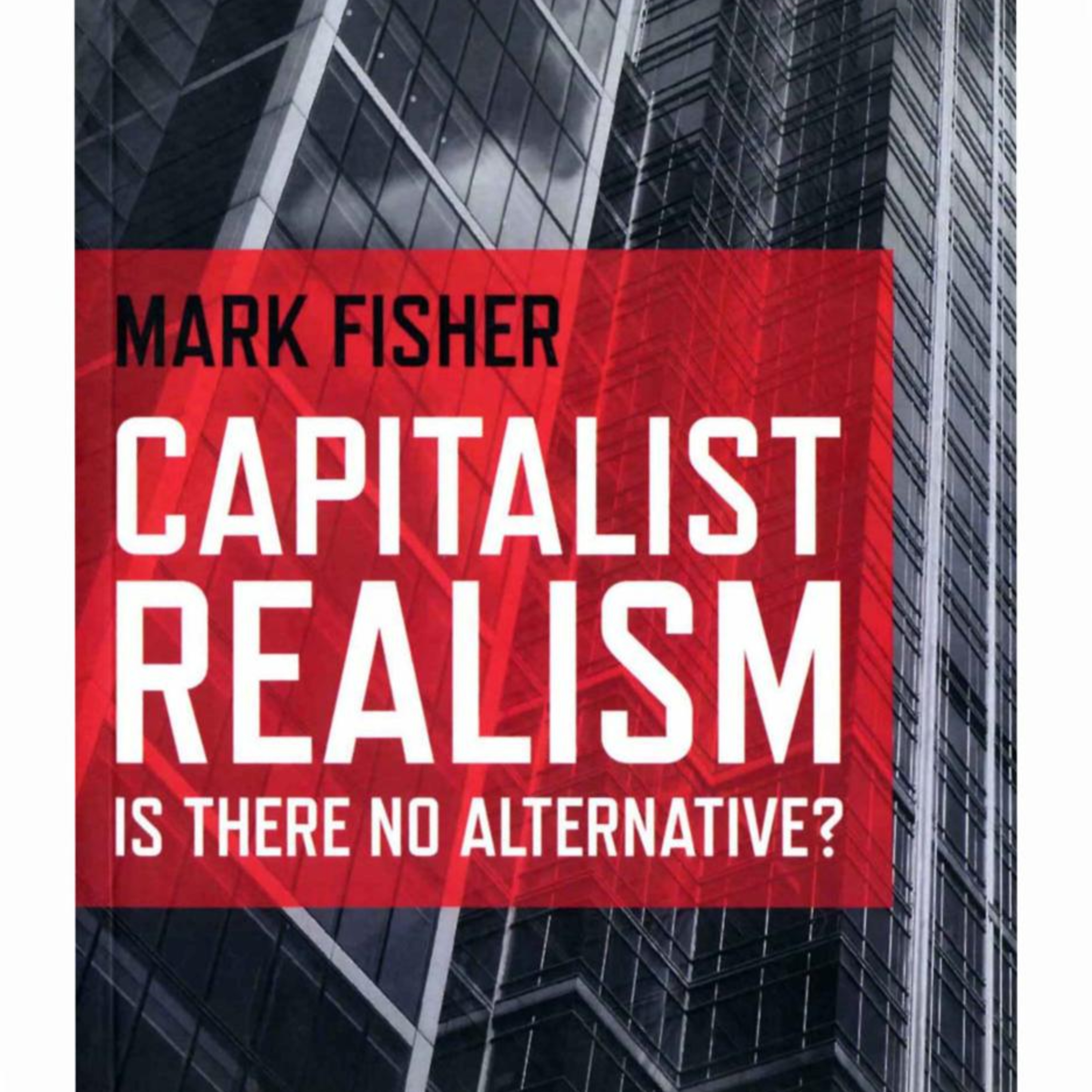
    Capitalist Realism: Is There No Alternative? — When Efficiency Becomes Control

    What happens when the economic system we take for granted begins shaping not only our institutions, but our sense of what is possible? This episode presents AI-narrated educational analysis based on published sources. The voices are synthetic and do not represent real conversations, interviews with the authors, or human experts. AI-assisted tools support research synthesis, production, and narration. Source selection, editorial framing, and final editorial decisions are guided by human judgment as part of the Crisis in Perception project. Welcome to Crisis in Perception, where we examine the systems shaping our world. In Capitalist Realism: Is There No Alternative?, Mark Fisher argues that capitalism has become so deeply embedded in contemporary culture that alternatives appear increasingly unrealistic or unimaginable. Using Fisher's work as our lens, this Deep Dive examines how economic assumptions shape public institutions, working conditions, psychological distress, and the boundaries of political possibility. A central contradiction emerges in Fisher's examination of bureaucracy. The promise of market efficiency frequently accompanies expanding performance targets, inspections, managerial oversight, and administrative reporting. Institutions become increasingly concerned with demonstrating success, sometimes at the expense of delivering meaningful results. Fisher connects these institutional arrangements to insecure employment, perpetual adaptation, and the privatization of stress. His concept of reflexive impotence describes a condition in which people recognize systemic problems yet believe they lack the power to change them. The investigation also considers the 2008 financial crisis, when government intervention challenged free-market assumptions while preserving the financial institutions at the center of the crisis. Throughout the discussion, Fisher's arguments are considered as a critical interpretation of political and economic structures rather than as a complete explanation for every institutional or psychological problem. The central question remains: When a system defines what society considers realistic, how can we distinguish genuine limits from historically constructed assumptions? Central themes include institutional incentives, audit culture, bureaucratic self-surveillance, economic insecurity, psychological distress, and the relationship between political imagination and collective agency. 📺 Watch on YouTube: https://youtu.be/EvmvDZSUh6c ❤️ Support / Episode Post on Patreon: https://www.patreon.com/CrisisinPerception/posts/capitalist-is-no-176094780?utm_medium=clipboard_copy&utm_source=copyLink&utm_campaign=postshare_creator&utm_content=join_link If these ideas resonate, consider reading the work yourself or borrowing it from your local library. Supporting authors and libraries helps keep critical inquiry accessible. If you value systems-level analysis like this, please follow, rate, and share the project.
  • Sunday · 50 min

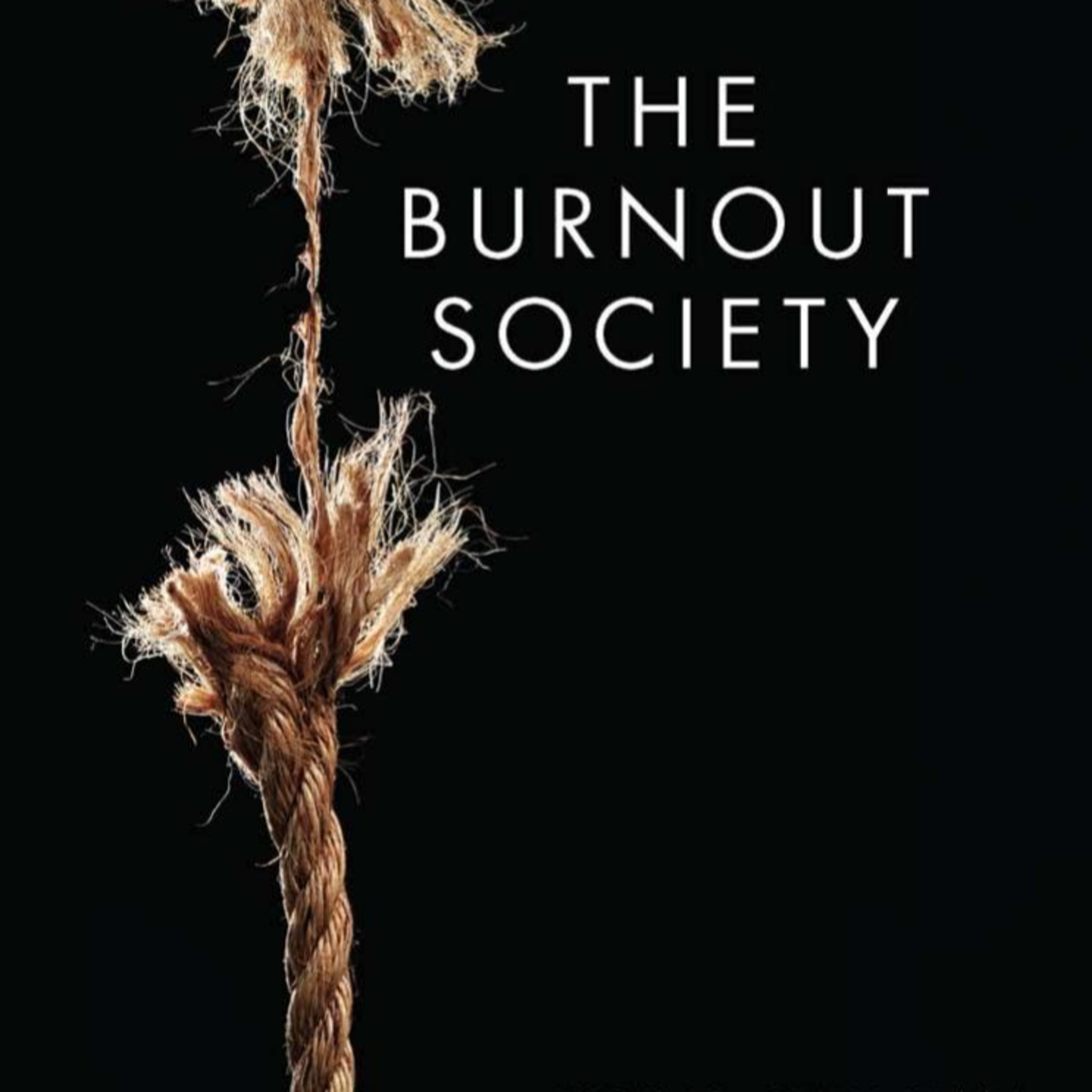
    The Burnout Society — When Freedom Becomes Self-Exploitation

    What if the freedom to achieve more has become an obligation from which we can no longer escape? This episode presents AI-narrated educational analysis based on published sources. The voices are synthetic and do not represent real conversations, interviews with the authors, or human experts. AI-assisted tools support research synthesis, production, and narration. Source selection, editorial framing, and final editorial decisions are guided by human judgment as part of the Crisis in Perception project. Welcome to Crisis in Perception, where we examine the systems shaping our world. In The Burnout Society, philosopher Byung-Chul Han investigates a transformation in modern civilization: the movement from a disciplinary society governed by external authority toward an achievement society in which individuals willingly pursue relentless productivity. This Deep Dive explores Han's central paradox. When the individual becomes both manager and worker, the distinction between freedom and compulsion begins to disappear. The pressure to perform is no longer imposed exclusively from outside; it becomes part of how people understand themselves, their ambitions, and their personal worth. Han connects this transformation to burnout, depression, and an expanding culture of self-optimization. His argument raises important philosophical questions about the social conditions of exhaustion without establishing that these pressures are the sole medical causes of mental health disorders. The investigation also examines the changing structure of attention. Multitasking, constant stimulation, and relentless activity can crowd out the contemplative experiences that make deeper thinking and creativity possible. Drawing on Nietzsche, Hannah Arendt, and Peter Handke, we explore Han's distinction between exhaustion that isolates individuals and forms of rest that restore their relationship with the world. At the center is a larger systems question: Can a society organized around unlimited achievement preserve the freedom not to participate in its endless demands? The discussion connects economic incentives, psychological self-regulation, fragmented attention, and the loss of meaningful boundaries. The goal is to understand why greater opportunities for action do not necessarily produce greater autonomy. 📺 Watch on YouTube: https://youtu.be/f32DeoDxSBA ❤️ Support / Episode Post on Patreon: https://www.patreon.com/CrisisinPerception/posts/burnout-society-176093149?utm_medium=clipboard_copy&utm_source=copyLink&utm_campaign=postshare_creator&utm_content=join_link If these ideas resonate, consider reading the work yourself or borrowing it from your local library. Supporting authors and libraries helps keep critical inquiry accessible. If you value systems-level analysis like this, please follow, rate, and share the project.
  • Sunday · 42 min

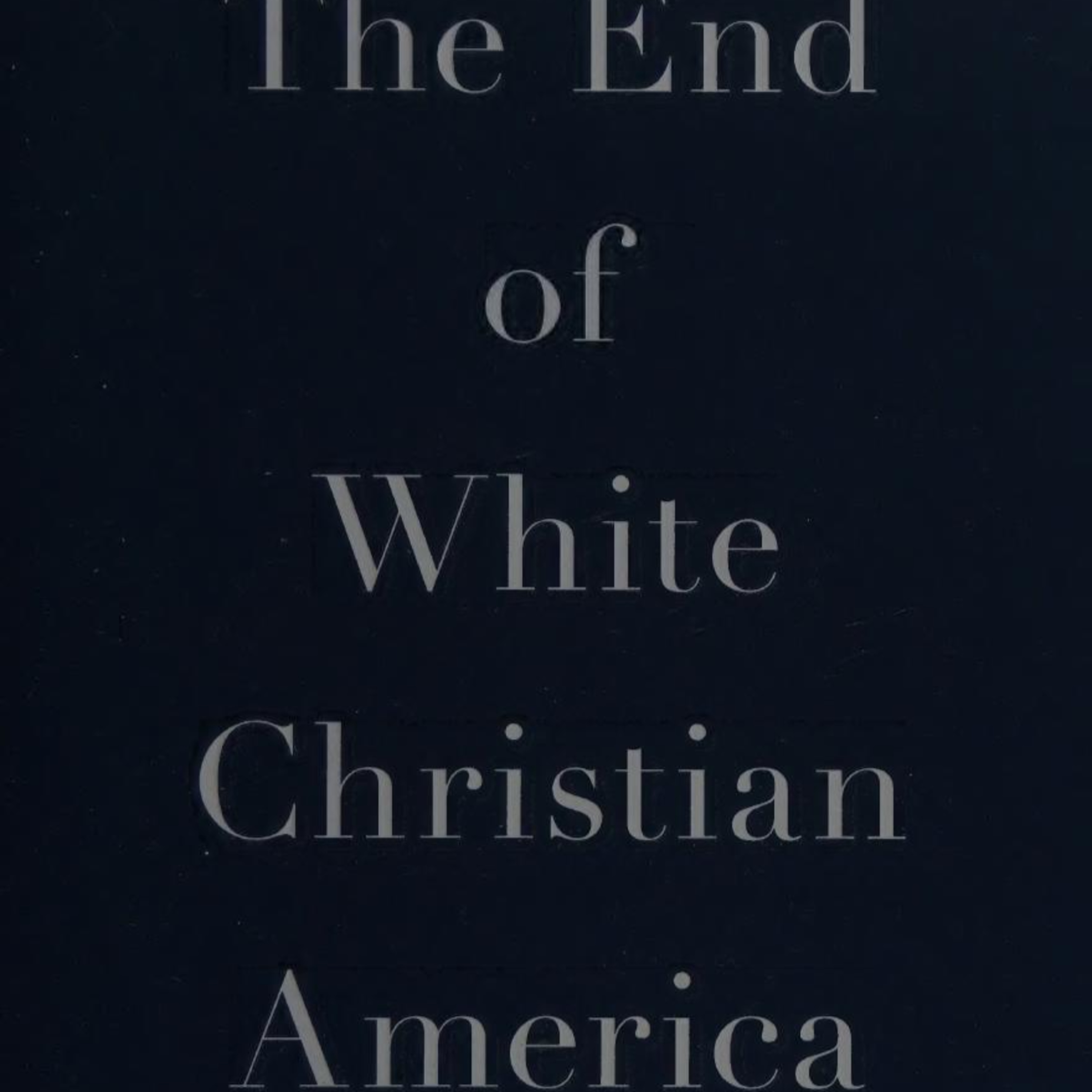
    The End of White Christian America — When Cultural Dominance Fades

    What happens when a religious community that once helped define a nation's identity finds itself navigating a society that no longer shares its assumptions? This episode presents AI-narrated educational analysis based on published sources. The voices are synthetic and do not represent real conversations, interviews with the authors, or human experts. AI-assisted tools support research synthesis, production, and narration. Source selection, editorial framing, and final editorial decisions are guided by human judgment as part of the Crisis in Perception project. Welcome to Crisis in Perception, where we examine the systems shaping our world. In The End of White Christian America, Robert P. Jones examines the declining demographic and cultural dominance of white Protestant Christianity and the consequences for American identity, politics, and social life. Drawing on religious history, demographic surveys, and institutional transformations, Jones traces how the predominantly white mainline and evangelical Protestant communities that once occupied America's cultural center have confronted a changing society. The book investigates two interconnected developments: the decline of white Protestant religious affiliation and the erosion of the assumption that Protestant Christian values naturally represent American values. These transformations have produced different responses. Some institutions have adapted to greater religious and cultural pluralism. Others have mobilized politically around traditional values and narratives of cultural loss. Jones explores these developments through the Christian Right, racial divisions, debates over same-sex marriage, and the political appeal of nostalgia. His use of a grief framework offers another perspective on how communities confront the disappearance of familiar social arrangements. Throughout this investigation, we distinguish religious belief from institutional authority, demographic change from political power, and actual restrictions on religious freedom from the loss of customary cultural influence. The book was published in 2016; its historical findings and political observations should be understood in that context. The larger systems question is one that reaches well beyond religion: How do individuals and institutions adapt when a worldview that once seemed universal becomes one perspective among many? 📺 Watch on YouTube: https://youtu.be/_Iv7Z5IUKxM ❤️ Support / Episode Post on Patreon: https://www.patreon.com/CrisisinPerception/posts/end-of-white-176005373?utm_medium=clipboard_copy&utm_source=copyLink&utm_campaign=postshare_creator&utm_content=join_link If these ideas resonate, consider reading the work yourself or borrowing it from your local library. Supporting authors and libraries helps keep critical inquiry accessible. If you value systems-level analysis like this, please follow, rate, and share the project.
  • Saturday · 58 min

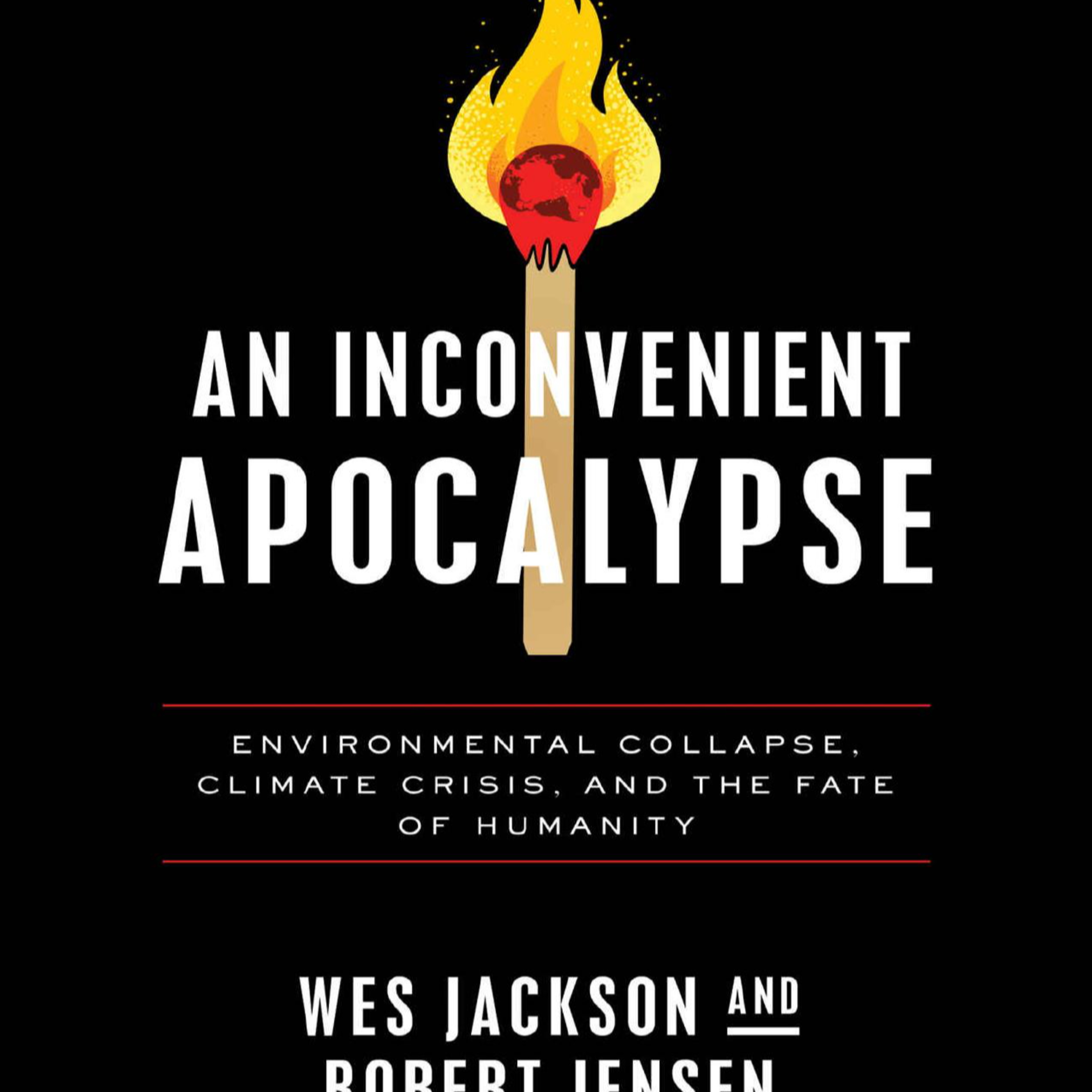
    An Inconvenient Apocalypse — Can Growth Outrun Ecological Limits?

    What happens when civilization's greatest strength—its ability to capture and use energy—also becomes a source of ecological instability? Can a society built around perpetual expansion learn to live within limits? This episode presents AI-narrated educational analysis based on published sources. The voices are synthetic and do not represent real conversations, interviews with the authors, or human experts. AI-assisted tools support research synthesis, production, and narration. Source selection, editorial framing, and final editorial decisions are guided by human judgment as part of the Crisis in Perception project. Welcome to Crisis in Perception, where we examine the systems shaping our world. In An Inconvenient Apocalypse: Environmental Collapse, Climate Crisis, and the Fate of Humanity, Wes Jackson and Robert Jensen examine the ecological consequences of humanity's long pursuit of energy-rich carbon. Their central argument challenges a familiar explanation of environmental destruction. Although industrial capitalism has dramatically accelerated resource extraction and ecological degradation, the underlying problem extends beyond any single economic system. Human societies have pursued increasingly intensive forms of energy use for thousands of years, from agriculture and forest exploitation to fossil-fueled industrialization. This Deep Dive examines how energy abundance enables growth, how growth creates new dependencies, and why technological advances may postpone certain constraints while generating additional ecological and social consequences. The discussion investigates the authors' four hard questions—Size, Scale, Scope, and Speed—and their critique of technological fundamentalism, the belief that technological innovation will continually rescue human civilization from the consequences of its own expansion. Jackson and Jensen ultimately connect the crisis of material consumption to a crisis of meaning. Their proposed response involves questioning the Consumer identity, rebuilding cooperative communities, recognizing ecological limits, and practicing what they call ecospheric grace. Their predictions about future collapse and sustainable population levels remain matters for critical evaluation. The broader investigation concerns the relationship between human ingenuity, ecological dependence, and the limits of our ability to control complex systems. At its center is a difficult question: How might humanity create a more just and meaningful future without depending on endless material expansion? 📺 Watch on YouTube: https://youtu.be/0EhkR5hl520 ❤️ Support / Episode Post on Patreon: https://www.patreon.com/CrisisinPerception/posts/inconvenient-can-176004498?utm_medium=clipboard_copy&utm_source=copyLink&utm_campaign=postshare_creator&utm_content=join_link If these ideas resonate, consider reading the work yourself or borrowing it from your local library. Supporting authors and libraries helps keep critical inquiry accessible. If you value systems-level analysis like this, please follow, rate, and share the project.
  • Saturday · 1 hr 2 min

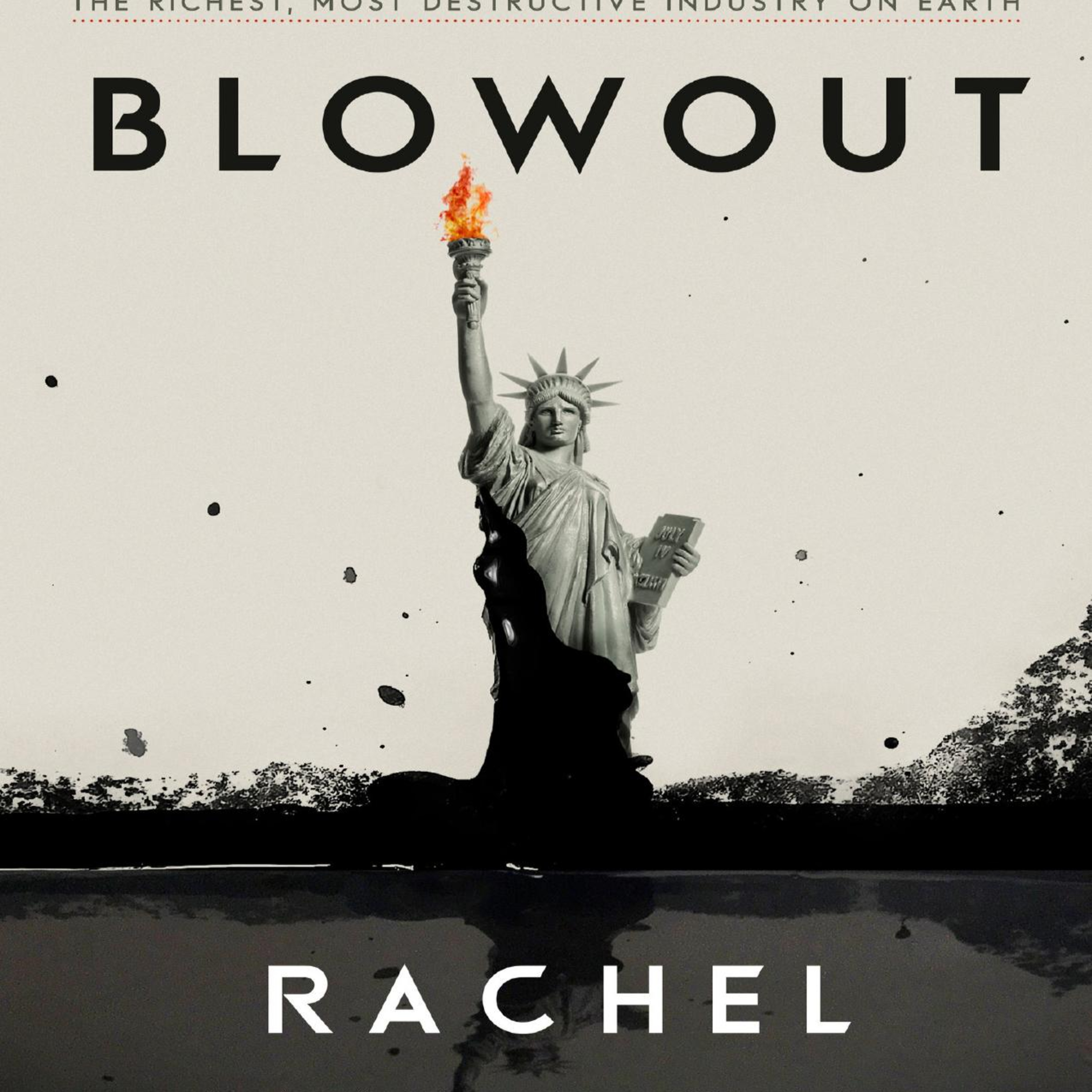
    Blowout: Corrupted Democracy, Rogue State Russia, and the Richest, Most Destructive Industry on Earth — Oil, Power, and the Resource Curse

    Why does enormous natural-resource wealth sometimes undermine the very institutions that should protect a nation's prosperity? This episode presents AI-narrated educational analysis based on published sources. The voices are synthetic and do not represent real conversations, interviews with the authors, or human experts. AI-assisted tools support research synthesis, production, and narration. Source selection, editorial framing, and final editorial decisions are guided by human judgment as part of the Crisis in Perception project. Welcome to Crisis in Perception, where we examine the systems shaping our world. In Blowout: Corrupted Democracy, Rogue State Russia, and the Richest, Most Destructive Industry on Earth, journalist and author Rachel Maddow examines the global consequences of an industry whose tremendous economic importance has enabled extraordinary concentrations of wealth and political influence. This Deep Dive uses Maddow's investigation to explore the resource curse: the paradox in which valuable natural resources can reinforce corruption, authoritarian governance, and economic dependence rather than producing broad public prosperity. The story connects seemingly unrelated developments across the world. In the United States, the rise of Standard Oil established patterns of corporate concentration and political influence that shaped the modern petroleum industry. Oklahoma's shale boom reveals how economic growth can coexist with environmental costs, political dependence, and weakened public oversight. In Equatorial Guinea, enormous petroleum revenues illustrate the gap between national wealth and public well-being. In Russia, Vladimir Putin's consolidation of energy-sector power demonstrates how control over natural resources can reinforce political loyalty and influence international relationships. Maddow also examines how Russia's dependence on oil and gas intersects with geopolitical sanctions, Western financial institutions, and information warfare surrounding the 2016 U.S. presidential election. Across these cases, a recurring pattern emerges: concentrated wealth creates political influence, political influence protects economic interests, and institutional dependence makes the resulting arrangements difficult to challenge. Yet the resource curse is not inevitable. Different institutional arrangements produce different outcomes. The deeper investigation concerns how transparency, regulatory independence, and democratic accountability can influence the relationship between economic power and public institutions. Using a 2019 investigation as its historical foundation, this episode explores a question that extends far beyond fossil fuels: What happens when the institutions responsible for regulating an industry become dependent on its continued prosperity? Central themes include the resource curse, economic concentration, regulatory capture, political patronage, international energy dependence, environmental externalities, and democratic accountability. 📺 Watch on YouTube: https://youtu.be/VIAuKsBFlAY ❤️ Support / Episode Post on Patreon: https://www.patreon.com/CrisisinPerception/posts/blowout-rogue-on-176002245?utm_medium=clipboard_copy&utm_source=copyLink&utm_campaign=postshare_creator&utm_content=join_link If these ideas resonate, consider reading the work yourself or borrowing it from your local library. Supporting authors and libraries helps keep critical inquiry accessible. If you value systems-level analysis like this, please follow, rate, and share the project.
  • Saturday · 38 min

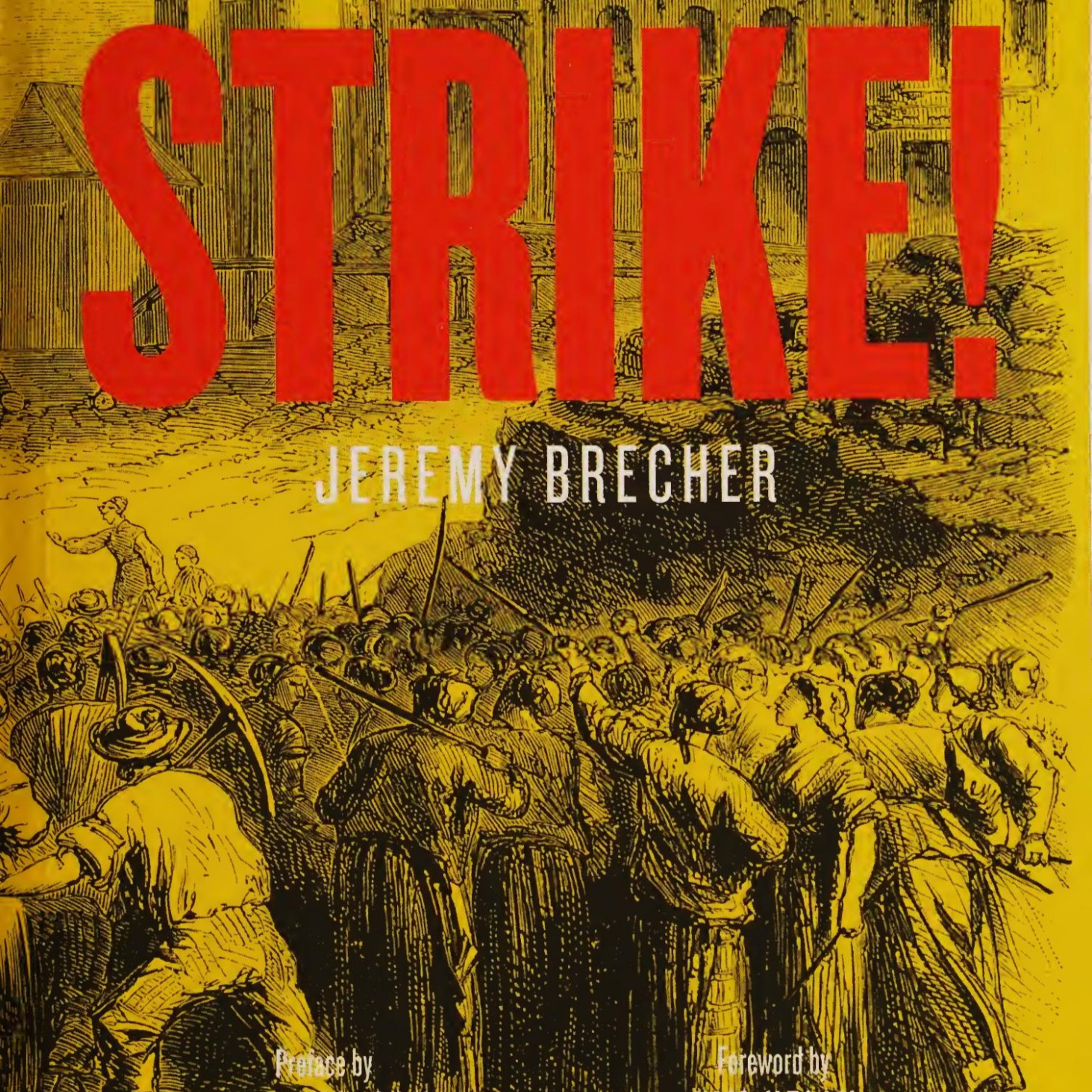
    Strike! — How Workers Turn Cooperation into Power

    What happens when ordinary people discover that the institutions governing their lives depend on their cooperation? This episode presents AI-narrated educational analysis based on published sources. The voices are synthetic and do not represent real conversations, interviews with the authors, or human experts. AI-assisted tools support research synthesis, production, and narration. Source selection, editorial framing, and final editorial decisions are guided by human judgment as part of the Crisis in Perception project. Welcome to Crisis in Perception, where we examine the systems shaping our world. In Strike!, historian Jeremy Brecher traces a frequently overlooked dimension of American history: the recurring mass movements through which working people have challenged economic authority, organized beyond established institutions, and discovered the power of collective action. Using the revised and expanded 50th Anniversary Edition as our lens, this Deep Dive investigates the relationship between economic dependency, institutional power, and grassroots resistance. From the Great Railroad Strike of 1877 and the sit-down strikes of the 1930s to modern teacher walkouts and broader movements for social change, Brecher reveals how ordinary workers have repeatedly challenged established power structures. The analysis examines the mechanisms that make collective action possible: shared grievances, solidarity, self-organization, strategic disruption, and expanding community participation. It also explores the tensions that constrain these movements. Union leadership and rank-and-file workers do not always pursue identical strategies. Institutional reforms can stabilize relationships while narrowing opportunities for independent action. And even powerful uprisings can struggle to translate temporary leverage into lasting institutional change. Brecher's concept of common preservation extends these questions beyond wages and working conditions toward shared social and ecological responsibilities. At the center is a deeper question: If economic and political institutions depend on collective human cooperation, how much power do ordinary people actually possess—and what prevents them from exercising it? The investigation offers a transferable way to understand power, institutional dependency, and the difference between formal authority and collective influence. 📺 Watch on YouTube: https://youtu.be/l0XIzlsuptA ❤️ Support / Episode Post on Patreon: https://www.patreon.com/CrisisinPerception/posts/strike-how-turn-175961391?utm_medium=clipboard_copy&utm_source=copyLink&utm_campaign=postshare_creator&utm_content=join_link If these ideas resonate, consider reading the work yourself or borrowing it from your local library. Supporting authors and libraries helps keep critical inquiry accessible. If you value systems-level analysis like this, please follow, rate, and share the project.
  • Friday · 53 min

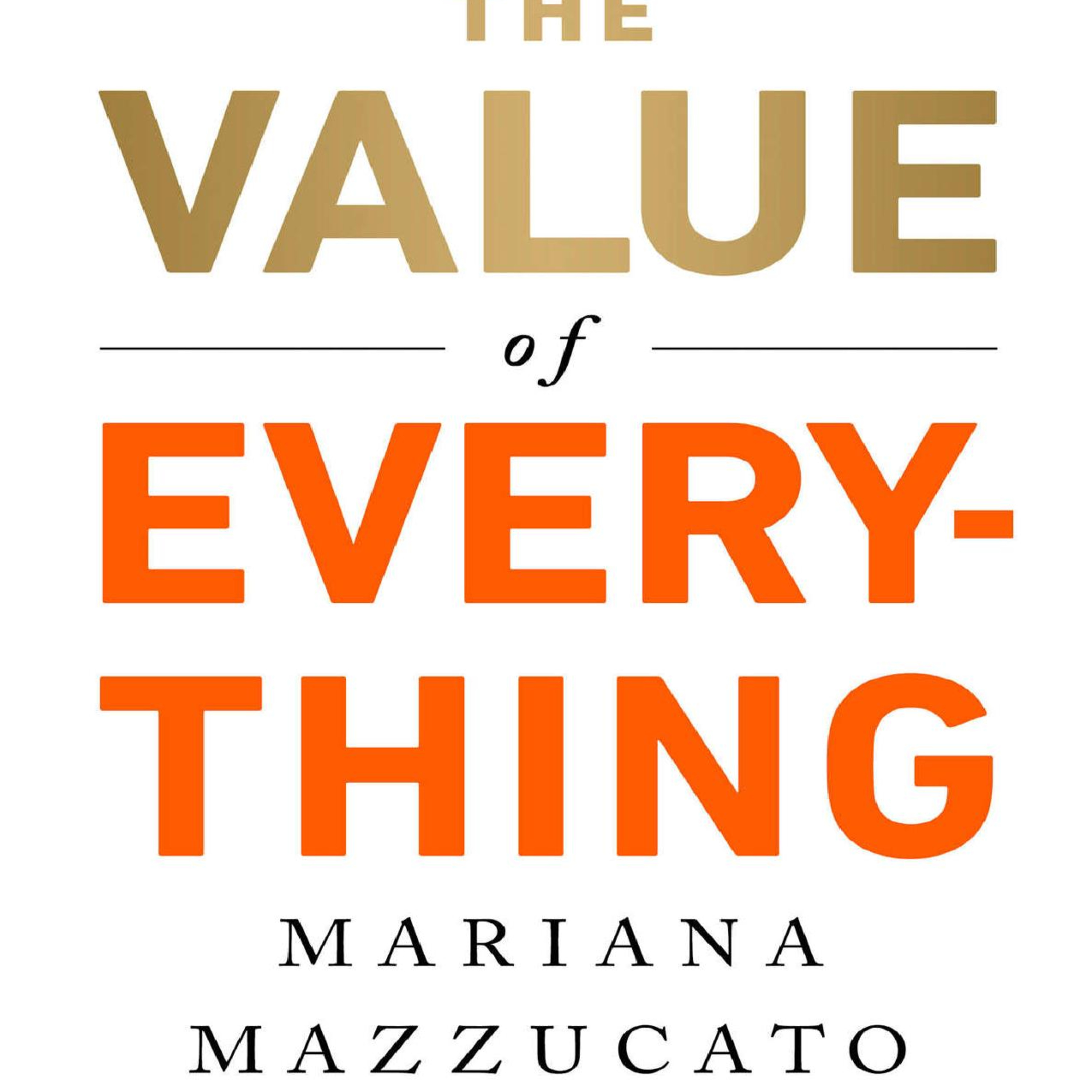
    The Value of Everything: Making and Taking in the Global Economy — Who Really Creates Wealth?

    An economy can generate enormous financial rewards without necessarily expanding its productive capacity. How do we distinguish creating wealth from capturing wealth that already exists? This episode presents AI-narrated educational analysis based on published sources. The voices are synthetic and do not represent real conversations, interviews with the authors, or human experts. AI-assisted tools support research synthesis, production, and narration. Source selection, editorial framing, and final editorial decisions are guided by human judgment as part of the Crisis in Perception project. Welcome to Crisis in Perception, where we examine the systems shaping our world. In The Value of Everything: Making and Taking in the Global Economy, economist Mariana Mazzucato examines how societies define economic productivity, how those definitions have changed throughout history, and why the distinction between value creation and value extraction matters. This Deep Dive investigates the hidden relationship between economic theory, market prices, institutional power, and the distribution of financial rewards. At the center is the production boundary: the conceptual distinction between activities regarded as creating value and those considered to be extracting or redistributing it. Mazzucato traces how shifts in economic thinking have transformed what governments measure, what financial institutions reward, and how societies understand productivity. Through financialization, shareholder-value incentives, technological innovation, and publicly supported research, we explore how value may be generated collectively while its financial rewards are captured unevenly. The investigation also examines the limits of GDP as a measure of economic success, the tension between long-term productive investment and short-term financial returns, and the often-overlooked role of public institutions in shaping markets and innovation. The larger question extends beyond economics: When our measurements influence our behavior, how can we distinguish genuine progress from activities that merely appear successful according to the measures we have chosen? This episode offers a transferable thinking tool: trace the full system of contributions, risks, incentives, and rewards before deciding who creates value. 📺 Watch on YouTube: https://youtu.be/8iSKJkLzdR8 ❤️ Support / Episode Post on Patreon: https://www.patreon.com/CrisisinPerception/posts/value-of-making-175868496?utm_medium=clipboard_copy&utm_source=copyLink&utm_campaign=postshare_creator&utm_content=join_link If these ideas resonate, consider reading the work yourself or borrowing it from your local library. Supporting authors and libraries helps keep critical inquiry accessible. If you value systems-level analysis like this, please follow, rate, and share the project.

  • Friday · 54 min

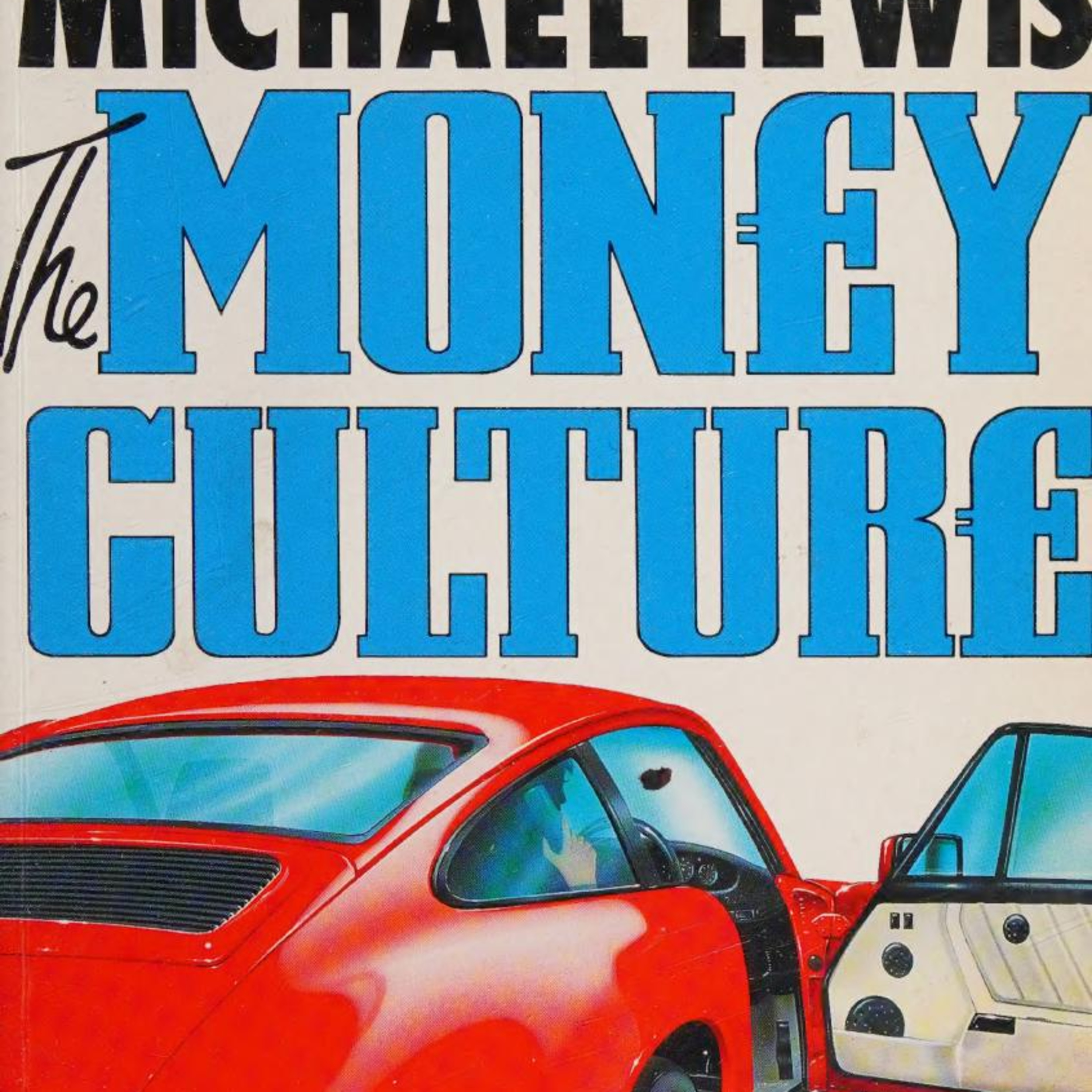
    The Money Culture — How Wall Street Redefined Success

    What if the financial revolution of the 1980s changed more than markets? What if it changed how society understood success itself? This episode presents AI-narrated educational analysis based on published sources. The voices are synthetic and do not represent real conversations, interviews with the authors, or human experts. AI-assisted tools support research synthesis, production, and narration. Source selection, editorial framing, and final editorial decisions are guided by human judgment as part of the Crisis in Perception project. Welcome to Crisis in Perception, where we examine the systems shaping our world. In The Money Culture, journalist and former Salomon Brothers bond salesman Michael Lewis examines the personalities, ambitions, and financial institutions that defined Wall Street during the 1980s. Through firsthand observations, investigative reporting, and satire, Lewis portrays a financial world where money became a competitive scoreboard, professional status was measured through enormous rewards, and financial success increasingly shaped personal identity. This Deep Dive moves beyond the familiar story of individual greed to investigate the structures that made this culture possible. We examine how changes in financial regulation, technology, debt, and institutional competition helped transform the financial industry. We explore leveraged buyouts, junk bonds, aggressive salesmanship, and the institutional incentives that rewarded financial risk-taking and spectacular deals. The investigation also follows the international expansion of financial culture into Europe, Australia, and Japan, examining how American financial practices interacted with different national institutions and traditions. At its center is a question about incentives and collective behavior: When organizations reward financial performance above other measures of value, how do those rewards reshape the people, institutions, and societies that pursue them? Lewis's historical accounts offer an opportunity to investigate a much broader pattern: the difference between what a system rewards and what that system ultimately contributes. 📺 Watch on YouTube: https://youtu.be/a9vA_7CF244 ❤️ Support / Episode Post on Patreon: https://www.patreon.com/CrisisinPerception/posts/money-culture-175867782?utm_medium=clipboard_copy&utm_source=copyLink&utm_campaign=postshare_creator&utm_content=join_link If these ideas resonate, consider reading the work yourself or borrowing it from your local library. Supporting authors and libraries helps keep critical inquiry accessible. If you value systems-level analysis like this, please follow, rate, and share the project.
  • Friday · 56 min

    The Sane Society — Can a Society Be Sick While Everyone Seems Normal?

    Can a society produce widespread alienation while convincing its members that their lives are perfectly normal? This episode presents AI-narrated educational analysis based on published sources. The voices are synthetic and do not represent real conversations, interviews with the authors, or human experts. AI-assisted tools support research synthesis, production, and narration. Source selection, editorial framing, and final editorial decisions are guided by human judgment as part of the Crisis in Perception project. Welcome to Crisis in Perception, where we examine the systems shaping our world. In The Sane Society, originally published in 1955, psychologist and social philosopher Erich Fromm examines the relationship between mental health and the institutions organizing modern life. Fromm challenges the assumption that psychological wellbeing can be defined by an individual's adjustment to society. His concept of the pathology of normalcy raises a more fundamental question: what happens when the social environment itself frustrates essential human needs? This Deep Dive investigates how economic structures, cultural expectations, and impersonal authority influence human identity and behavior. Through his concept of social character, Fromm explores how people internalize society's demands, learning to experience conformity as independence and consumption as fulfillment. His analysis of industrial capitalism reveals a deeper tension between material prosperity and psychological alienation. Work may provide income without meaning. Consumer choice may expand while genuine participation remains limited. Institutions may operate efficiently without cultivating creativity, solidarity, or independent judgment. Fromm's proposed alternative combines economic security, workplace co-management, democratic participation, and cultural transformation. His argument is not simply about replacing one economic system with another, but about reorganizing social life around human development. We also consider the historical context and limitations of his claims, distinguishing Fromm's humanistic ideals from the empirical evidence required to evaluate them. Ultimately, the investigation asks whether a society should be judged by how effectively its members adapt—or by how fully they are able to develop their human capacities. Central themes: Alienation, social character, conformity, consumerism, anonymous authority, humanistic psychology, and meaningful participation. 📺 Watch on YouTube: https://youtu.be/G6Q7K5KcGt4 ❤️ Support / Episode Post on Patreon: https://www.patreon.com/CrisisinPerception/posts/sane-society-can-175866589?utm_medium=clipboard_copy&utm_source=copyLink&utm_campaign=postshare_creator&utm_content=join_link If these ideas resonate, consider reading the work yourself or borrowing it from your local library. Supporting authors and libraries helps keep critical inquiry accessible. If you value systems-level analysis like this, please follow, rate, and share the project.
  • Thursday · 53 min

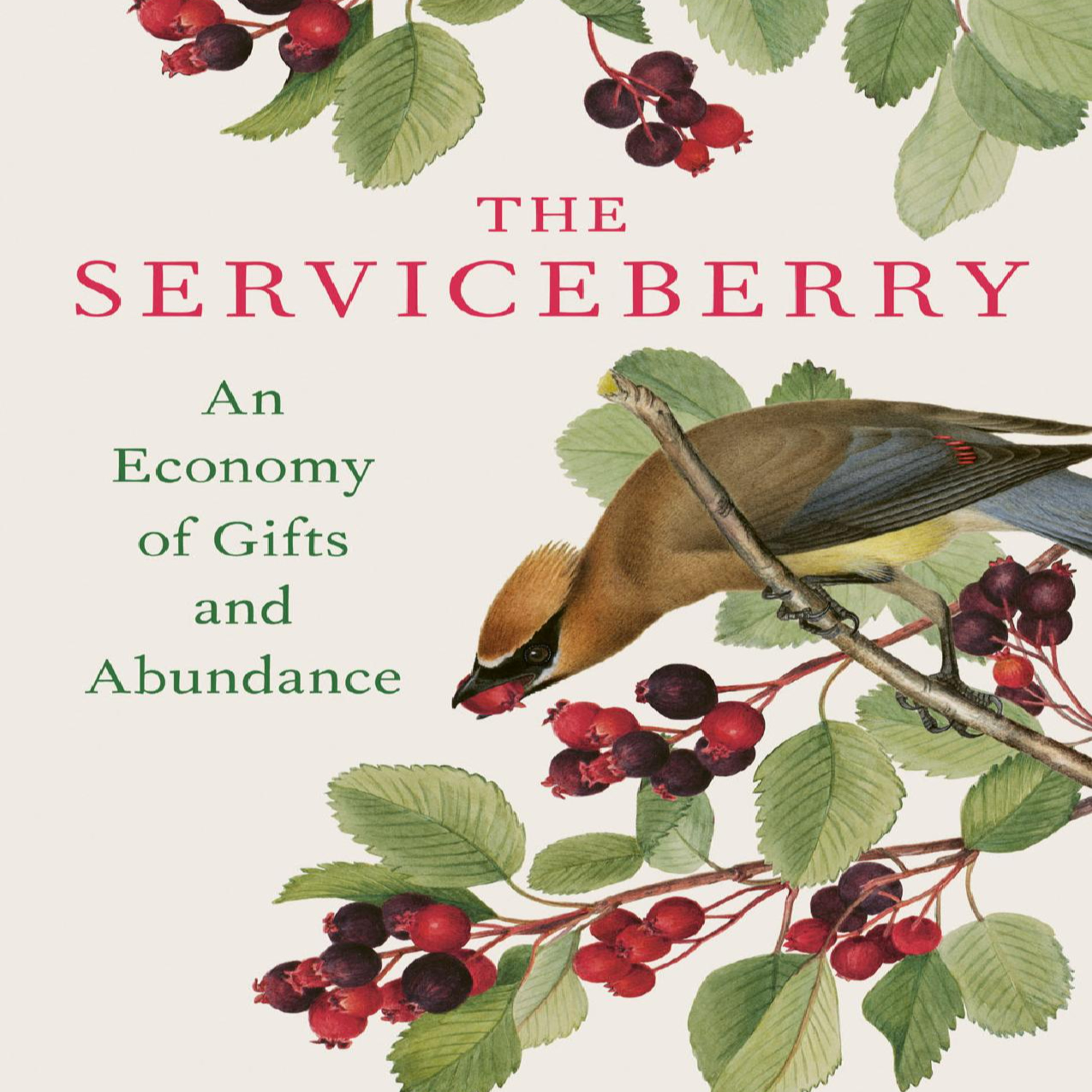
    The Serviceberry: An Economy of Gifts and Abundance — What Makes a Community Wealthy?

    What if the security we seek through accumulation could also be created through sharing? This episode presents AI-narrated educational analysis based on published sources. The voices are synthetic and do not represent real conversations, interviews with the authors, or human experts. AI-assisted tools support research synthesis, production, and narration. Source selection, editorial framing, and final editorial decisions are guided by human judgment as part of the Crisis in Perception project. Welcome to Crisis in Perception, where we examine the systems shaping our world. In The Serviceberry: An Economy of Gifts and Abundance, Robin Wall Kimmerer draws upon plant ecology and Indigenous knowledge to explore an alternative understanding of economic life: one rooted in reciprocity, gratitude, and the circulation of gifts. A serviceberry tree provides nourishment to birds, which disperse its seeds. Pollinators, soil organisms, sunlight, and water contribute to a larger network of ecological relationships. Kimmerer uses these connections to challenge economic assumptions that prioritize individual accumulation over collective well-being. This investigation examines how gift economies operate, why shared resources require reciprocal obligations, and how market incentives shape our understanding of scarcity and value. From the Honorable Harvest to Elinor Ostrom's research on the commons, we investigate the conditions that make cooperation sustainable. We also consider the limitations of ecological analogies. Nature experiences genuine scarcity and competition, and human communities require institutions capable of protecting trust and managing shared resources. The central question is whether prosperity can be measured not only through ownership and production, but also through the relationships that sustain people and ecosystems. Central themes: Ecological mutualism, gift economies, economic incentives, Indigenous stewardship, the commons, and collective resilience. 📺 Watch on YouTube: https://youtu.be/2hKOj9dvYYI ❤️ Support / Episode Post on Patreon: https://www.patreon.com/CrisisinPerception/posts/serviceberry-of-175737330?utm_medium=clipboard_copy&utm_source=copyLink&utm_campaign=postshare_creator&utm_content=join_link If these ideas resonate, consider reading the work yourself or borrowing it from your local library. Supporting authors and libraries helps keep critical inquiry accessible. If you value systems-level analysis like this, please follow, rate, and share the project.
  • Thursday · 51 min

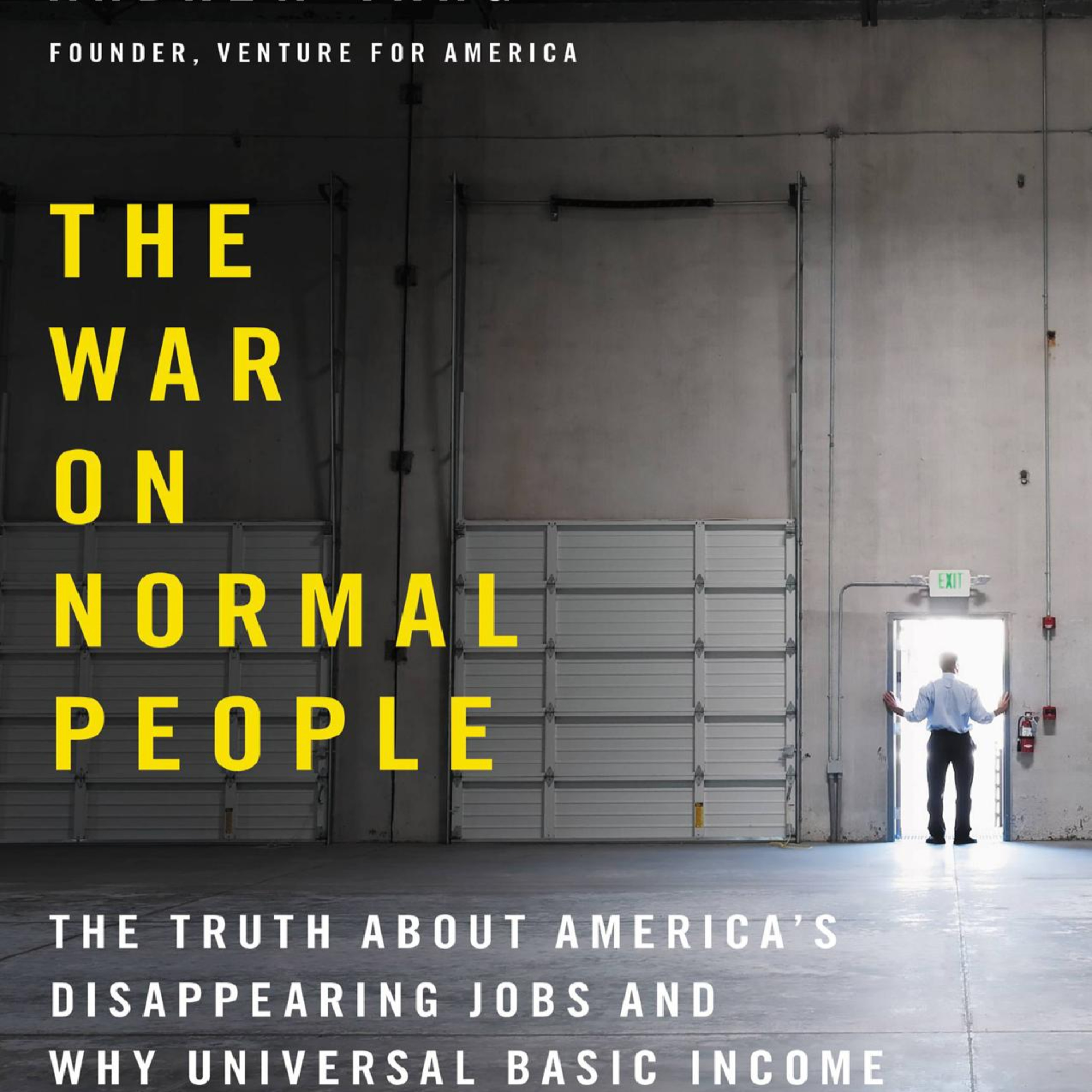
    The War on Normal People — When Automation Outpaces Economic Security

    What happens when technological progress makes human labor less necessary, but economic survival still depends on having a job? This episode presents AI-narrated educational analysis based on published sources. The voices are synthetic and do not represent real conversations, interviews with the authors, or human experts. AI-assisted tools support research synthesis, production, and narration. Source selection, editorial framing, and final editorial decisions are guided by human judgment as part of the Crisis in Perception project. Welcome to Crisis in Perception, where we examine the systems shaping our world. In The War on Normal People: The Truth About America's Disappearing Jobs and Why Universal Basic Income Is Our Future, Andrew Yang investigates the structural consequences of automation, artificial intelligence, and economic inequality. Drawing on the employment patterns and economic conditions of the 2010s, Yang argues that technological progress is transforming how wealth is produced without ensuring that its benefits reach the workers and communities most exposed to disruption. This Deep Dive examines how disappearing employment opportunities can trigger broader cycles of financial insecurity, declining local commerce, geographic inequality, and weakened social institutions. It also explores the limits of retraining and the tension between the economic value assigned to labor and the human value of meaningful work. At the center of Yang's proposed response is the Freedom Dividend: a universal basic income intended to provide greater financial stability during technological change. We examine the proposal alongside questions about taxation, existing welfare programs, and its capacity to address the deeper social consequences of displacement. The investigation ultimately turns toward Yang's vision of Human Capitalism—an economic system evaluated not solely by growth and profitability, but by its contribution to human well-being, community vitality, and opportunity. The larger question remains: If technology allows society to produce more with fewer workers, how should the rewards of that progress be distributed? 📺 Watch on YouTube: https://youtu.be/A4LfE3bvnn0 ❤️ Support / Episode Post on Patreon: https://www.patreon.com/CrisisinPerception/posts/war-on-normal-175773932?utm_medium=clipboard_copy&utm_source=copyLink&utm_campaign=postshare_creator&utm_content=join_link If these ideas resonate, consider reading the work yourself or borrowing it from your local library. Supporting authors and libraries helps keep critical inquiry accessible. If you value systems-level analysis like this, please follow, rate, and share the project.
  • Wednesday · 43 min

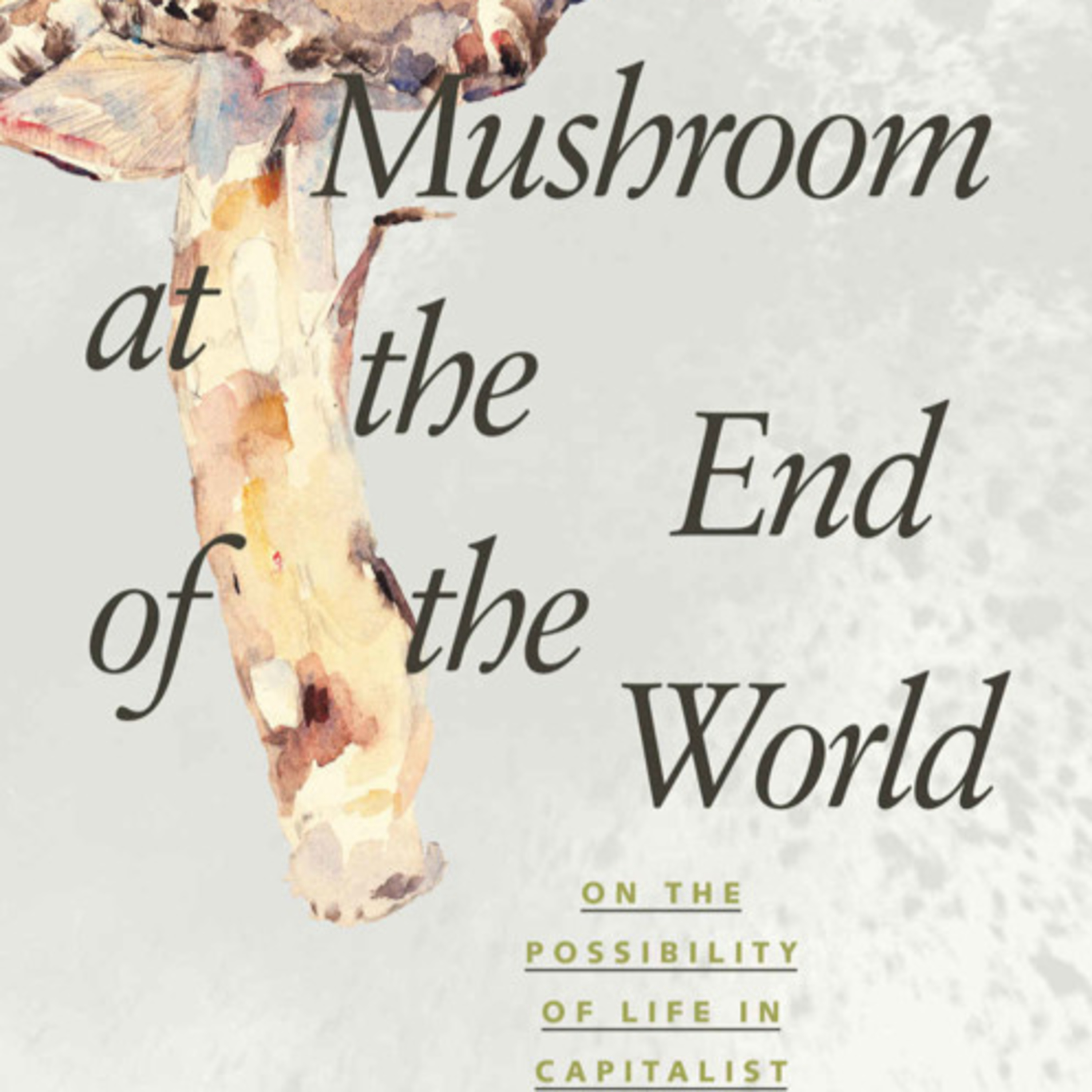
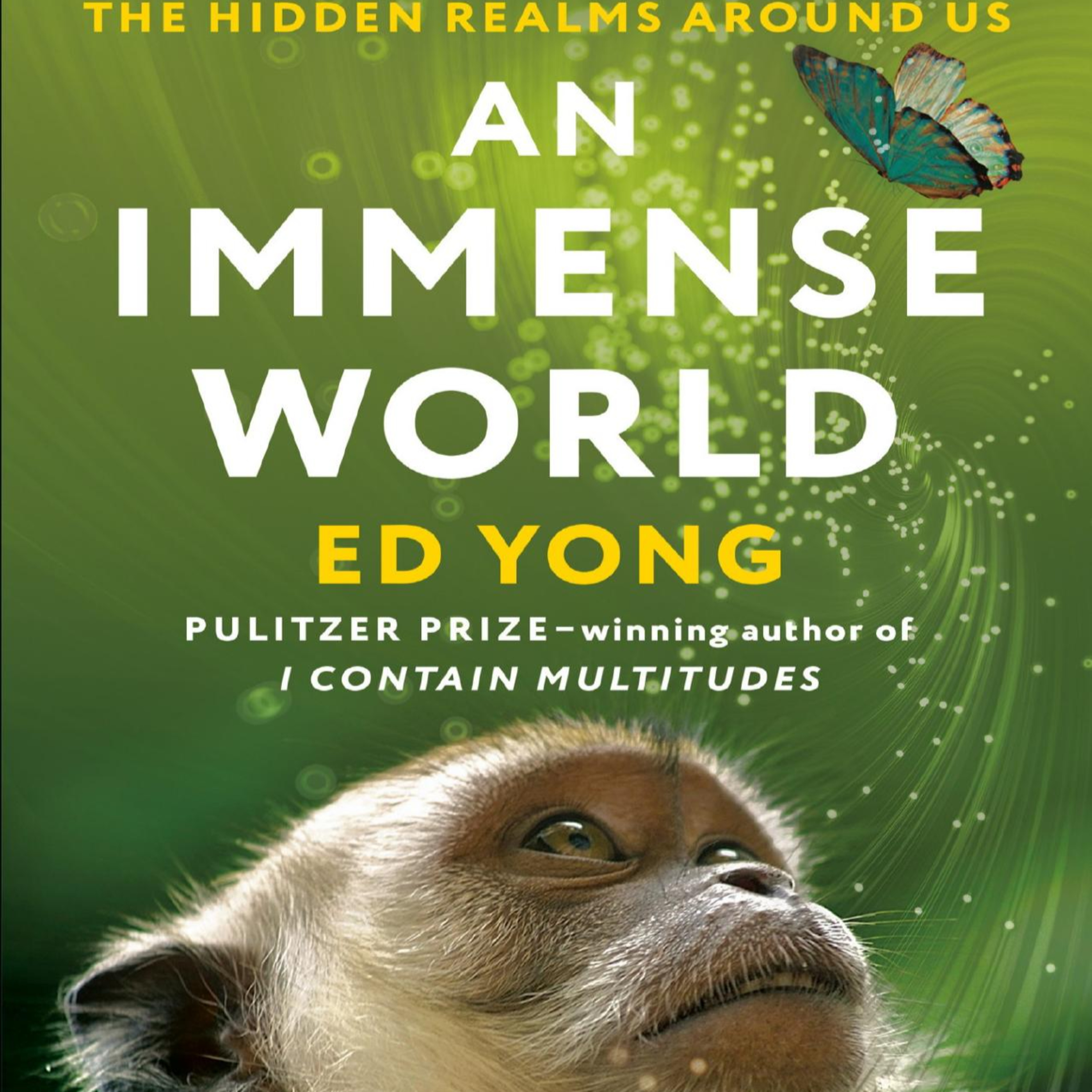
    The Mushroom at the End of the World: On the Possibility of Life in Capitalist Ruins — Hidden Value

    Can life flourish in landscapes damaged by industrial progress? And what happens when the unpredictable relationships sustaining that life become sources of economic wealth? This episode presents AI-narrated educational analysis based on published sources. The voices are synthetic and do not represent real conversations, interviews with the authors, or human experts. AI-assisted tools support research synthesis, production, and narration. Source selection, editorial framing, and final editorial decisions are guided by human judgment as part of the Crisis in Perception project. Welcome to Crisis in Perception, where we examine the systems shaping our world. In The Mushroom at the End of the World: On the Possibility of Life in Capitalist Ruins, anthropologist Anna Lowenhaupt Tsing follows matsutake mushrooms from the forests of the Pacific Northwest through international commodity chains to Japan. Her investigation reveals a world shaped by industrial forestry, ecological disturbance, war, migration, and economic precarity. In landscapes transformed by logging and fire suppression, mushrooms flourish through intricate relationships with pine trees. Meanwhile, Southeast Asian refugees and other independent foragers pursue livelihoods and forms of freedom outside conventional wage employment. These seemingly disconnected worlds become linked through global commerce. Mushrooms collected in the forest are transformed into marketable commodities and eventually into valuable Japanese gifts. Tsing describes this process through salvage accumulation, revealing how capitalism can concentrate wealth by capturing value produced through ecological and social relationships it does not directly control. The investigation examines the tensions between independence and insecurity, economic growth and ecological complexity, and industrial standardization and unpredictable collaboration. Rather than presenting environmental destruction as an opportunity or imagining a simple return to nature, Tsing invites us to practice the arts of noticing: recognizing the complex assemblages through which human and nonhuman life continues under precarious conditions. The larger question is how much of what we call economic progress depends on relationships that remain invisible within our conventional measurements of value. 📺 Watch on YouTube: https://youtu.be/S4zzHl62ut0 ❤️ Support / Episode Post on Patreon: https://www.patreon.com/CrisisinPerception/posts/mushroom-at-end-175732260?utm_medium=clipboard_copy&utm_source=copyLink&utm_campaign=postshare_creator&utm_content=join_link If these ideas resonate, consider reading the work yourself or borrowing it from your local library. Supporting authors and libraries helps keep critical inquiry accessible. If you value systems-level analysis like this, please follow, rate, and share the project.
  • Wednesday · 1 hr 10 min

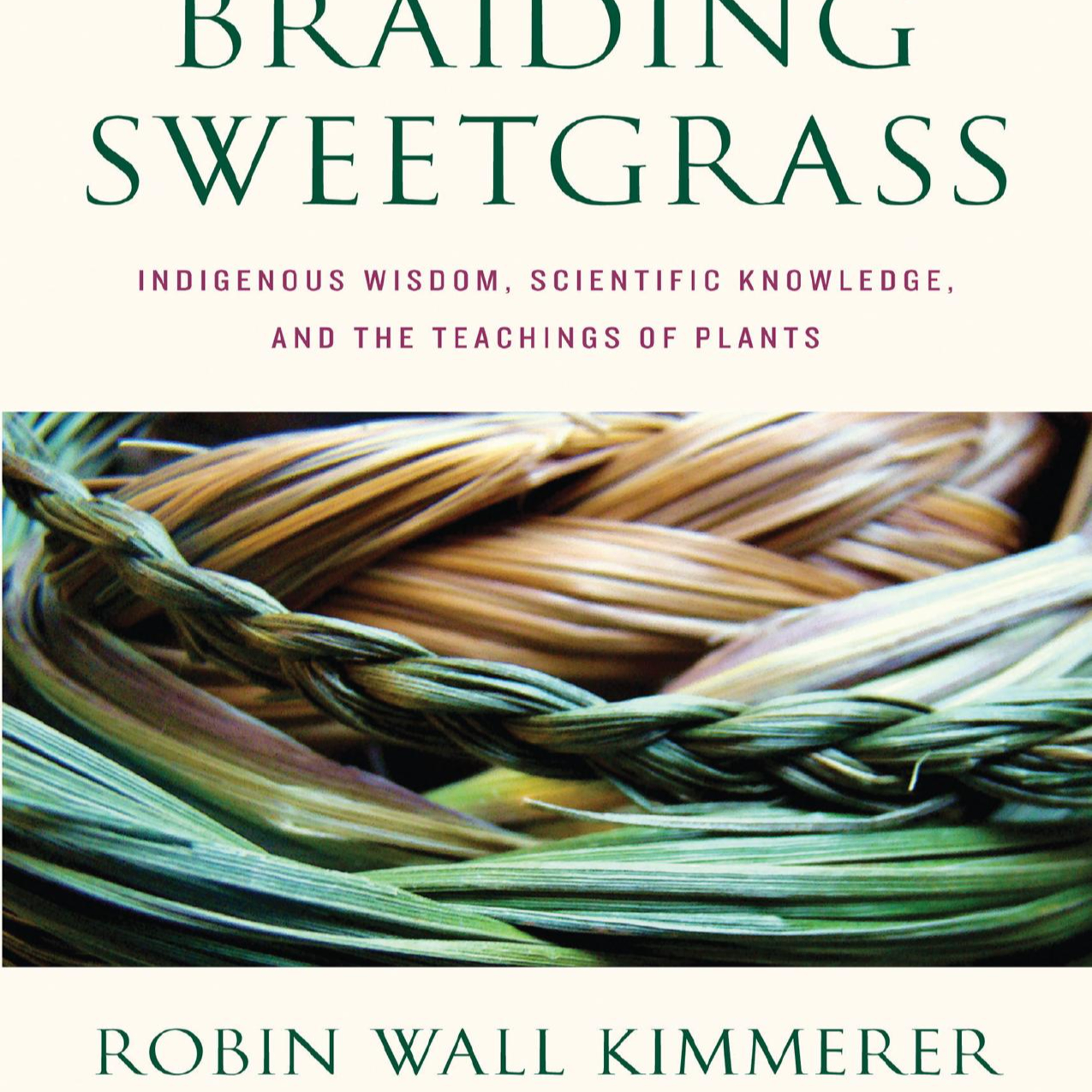
    An Immense World: How Animal Senses Reveal the Hidden Realms Around Us — Beyond Human Perception

    What if the reality humans experience is only a narrow window into a much larger sensory world—and our activities are disrupting the worlds that other species inhabit? This episode presents AI-narrated educational analysis based on published sources. The voices are synthetic and do not represent real conversations, interviews with the authors, or human experts. AI-assisted tools support research synthesis, production, and narration. Source selection, editorial framing, and final editorial decisions are guided by human judgment as part of the Crisis in Perception project. Welcome to Crisis in Perception, where we examine the systems shaping our world. Using An Immense World: How Animal Senses Reveal the Hidden Realms Around Us by Ed Yong as our foundation, this investigation explores how evolution has produced an extraordinary diversity of sensory systems and how those systems shape the realities experienced by different species. Through the concept of Umwelt, we examine why animals occupying the same physical environment can inhabit profoundly different perceptual worlds. Dogs experience landscapes through complex chemical signals. Bats map their surroundings through echoes. Birds detect environmental information beyond our sensory abilities, while insects navigate patterns of light and vibration that humans may never notice. Rather than ranking these abilities according to human standards, Yong reveals how each sensory system reflects a distinctive evolutionary relationship between an organism and its surroundings. The investigation also considers the growing consequences of sensory pollution. Artificial lighting, transportation noise, and altered environmental signals can interfere with communication, migration, feeding, and reproduction. These disturbances reveal a deeper ecological vulnerability: humans may damage relationships in nature that remain invisible within our own perceptual world. The central question becomes whether environmental conservation can succeed without accounting for the sensory conditions upon which other species depend. Central themes include sensory evolution, perceptual limitations, ecological interdependence, sensory pollution, and the unintended consequences of human technology. 📺 Watch on YouTube: https://youtu.be/dV4IIlnQmMo ❤️ Support / Episode Post on Patreon: https://www.patreon.com/CrisisinPerception/posts/immense-world-us-175731214?utm_medium=clipboard_copy&utm_source=copyLink&utm_campaign=postshare_creator&utm_content=join_link If these ideas resonate, consider reading the work yourself or borrowing it from your local library. Supporting authors and libraries helps keep critical inquiry accessible. If you value systems-level analysis like this, please follow, rate, and share the project.
  • Wednesday · 42 min

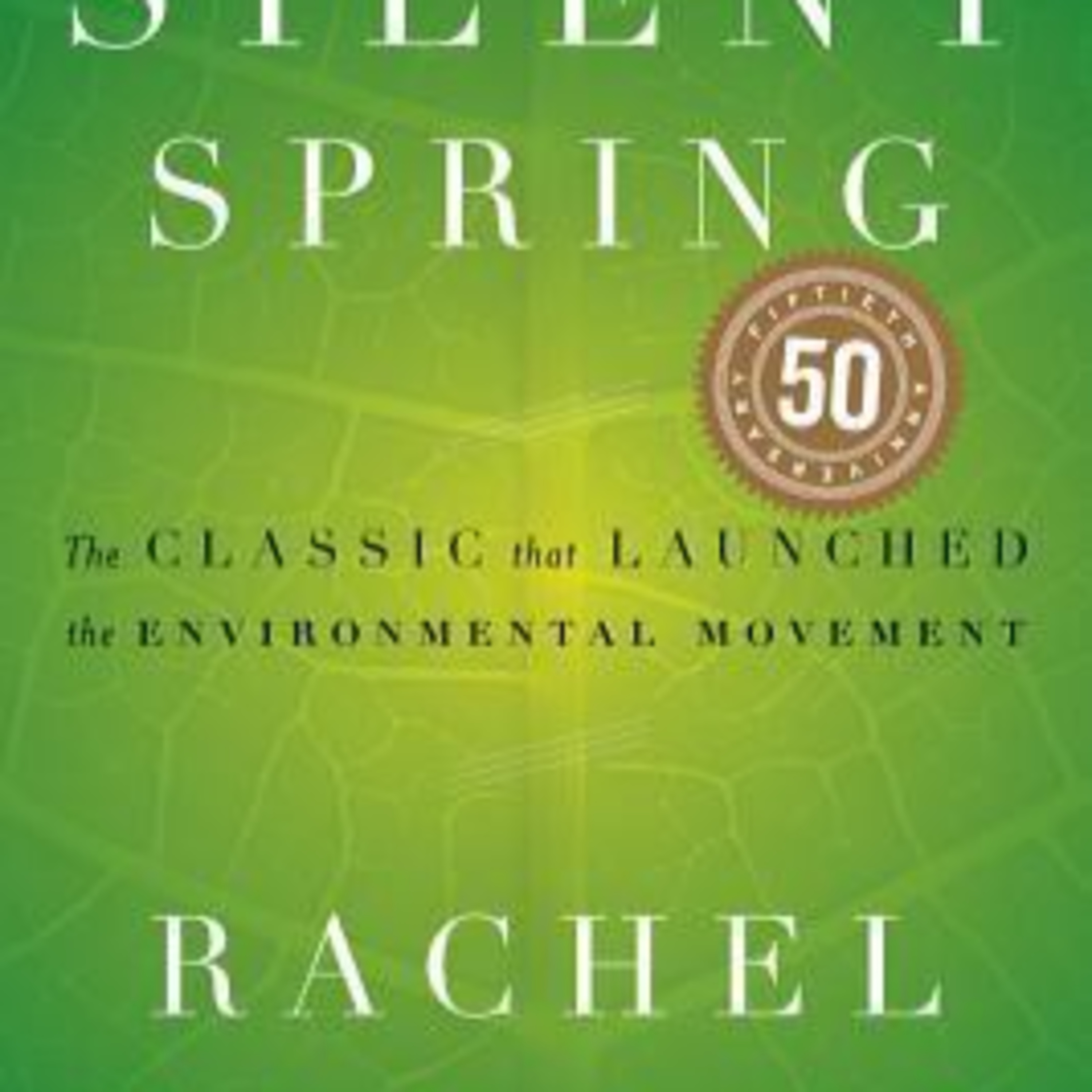
    Braiding Sweetgrass: Indigenous Wisdom, Scientific Knowledge, and the Teachings of Plants — Reciprocity and the Living World

    What if the environmental crisis is also a crisis of relationship—shaped by whether the living world is treated as a warehouse of resources or a community of gifts? This episode presents AI-narrated educational analysis based on published sources. The voices are synthetic and do not represent real conversations, interviews with the authors, or human experts. AI-assisted tools support research synthesis, production, and narration. Source selection, editorial framing, and final editorial decisions are guided by human judgment as part of the Crisis in Perception project. Welcome to Crisis in Perception, where we examine the systems shaping our world. Braiding Sweetgrass: Indigenous Wisdom, Scientific Knowledge, and the Teachings of Plants by Robin Wall Kimmerer brings Indigenous knowledge, ecological science, personal experience, and story together to examine humanity’s relationship with the living world. Kimmerer develops a model of reciprocity in which receiving from the earth creates responsibilities in return. Through the Honorable Harvest, gift economies, sweetgrass, strawberries, ceremony, and the language of animacy, she contrasts relationships built around continued mutual flourishing with systems that reduce land and living beings to commodities. The sweetgrass research provides an especially revealing case: carefully harvested plots regenerated strongly while untouched plots declined. Rather than proving that harvesting is universally beneficial, the findings complicate the assumption that human participation and ecological health must always be opposites. The larger investigation asks what becomes visible when consumption is understood as a relationship rather than a one-way transaction. Central systems and tensions include reciprocity, gift and commodity exchange, ecological feedback, the Honorable Harvest, extraction, cultural narratives, and the responsibilities created by dependence on living systems. 📺 Watch on YouTube: https://youtu.be/_hCOGF_IlrU ❤️ Support / Episode Post on Patreon: https://www.patreon.com/CrisisinPerception/posts/braiding-wisdom-175673282?utm_medium=clipboard_copy&utm_source=copyLink&utm_campaign=postshare_creator&utm_content=join_link If these ideas resonate, consider reading the work yourself or borrowing it from your local library. Supporting authors and libraries helps keep critical inquiry accessible. If you value systems-level analysis like this, please follow, rate, and share the project.

  • Wednesday · 1 hr 12 min

    Silent Spring — When Pest Control Undermines Nature's Defenses

    Can humanity control nature without understanding the interconnected systems that sustain it? This episode presents AI-narrated educational analysis based on published sources. The voices are synthetic and do not represent real conversations, interviews with the authors, or human experts. AI-assisted tools support research synthesis, production, and narration. Source selection, editorial framing, and final editorial decisions are guided by human judgment as part of the Crisis in Perception project. Welcome to Crisis in Perception, where we examine the systems shaping our world. In Silent Spring, biologist and science writer Rachel Carson investigates the ecological and potential human health consequences of widespread synthetic pesticide use. Published in 1962, her work challenged the assumption that chemical interventions could be evaluated solely by their ability to eliminate unwanted insects. This Deep Dive follows the hidden connections between pesticide application, contaminated food chains, disrupted wildlife populations, and the loss of natural pest controls. Carson's account of California's Clear Lake demonstrates how DDD, introduced in extremely dilute concentrations, accumulated through aquatic organisms and reached harmful levels in fish-eating birds. Elsewhere, broad-spectrum pesticide applications eliminated beneficial predators, allowing previously controlled pests to return in greater numbers. These outcomes reveal a deeper structural problem: attempts to control isolated parts of nature can undermine the relationships that maintain ecological stability. The investigation also examines the institutional forces shaping pesticide use, including commercial incentives, government programs, scientific specialization, and the difficulty of assessing environmental risks whose effects emerge over long periods. Carson did not argue that all chemical pest control should cease. Instead, she challenged indiscriminate spraying and advocated biological controls, selective intervention, and a deeper understanding of ecological relationships. The central systems explored include biological accumulation, pesticide resistance, ecological feedback loops, institutional incentives, scientific uncertainty, and unintended consequences. Ultimately, Silent Spring asks a question extending well beyond environmental science: What happens when technological power advances faster than our understanding of the systems we are changing? 📺 Watch on YouTube: https://youtu.be/0GHsx6_pX_U ❤️ Support / Episode Post on Patreon: https://www.patreon.com/CrisisinPerception/posts/silent-spring-175672955?utm_medium=clipboard_copy&utm_source=copyLink&utm_campaign=postshare_creator&utm_content=join_link If these ideas resonate, consider reading the work yourself or borrowing it from your local library. Supporting authors and libraries helps keep critical inquiry accessible. If you value systems-level analysis like this, please follow, rate, and share the project.
  • Wednesday · 48 min

    The Immortal Life of Henrietta Lacks — Who Controls Human Cells?

    What happens when a woman's biological cells become essential to modern medicine, but the institutions using them have little obligation to involve her or her family? This episode presents AI-narrated educational analysis based on published sources. The voices are synthetic and do not represent real conversations, interviews with the authors, or human experts. AI-assisted tools support research synthesis, production, and narration. Source selection, editorial framing, and final editorial decisions are guided by human judgment as part of the Crisis in Perception project. Welcome to Crisis in Perception, where we examine the systems shaping our world. In this Deep Dive, we use The Immortal Life of Henrietta Lacks by Rebecca Skloot to investigate the intersection of biomedical discovery, institutional authority, informed consent, and human dignity. In 1951, tissue removed from Henrietta Lacks during cervical cancer treatment became HeLa, the first widely used immortal human cell line. These cells helped make possible major advances in scientific research, including polio vaccine testing, cancer biology, and genetics. But the extraordinary achievements of HeLa research unfolded alongside a very different experience for Henrietta's descendants. Through the story of Deborah Lacks and her family's search for answers, Skloot documents the consequences of medical secrecy, racial inequality, restricted access to information, and the commercialization of human biological materials. The investigation also examines the experiences of Henrietta's daughter Elsie at Crownsville State Hospital, revealing a broader historical context in which vulnerable patients were often subjected to institutional practices that denied them meaningful autonomy. Rather than reducing the history to heroes and villains, this episode considers the structures that allowed scientific institutions to obtain, distribute, and derive value from human tissue while the people connected to that tissue often lacked comparable knowledge or influence. At the center are several enduring tensions: scientific accessibility versus individual control, medical expertise versus patient autonomy, and collective benefits versus unequal burdens. The larger question is how society can preserve the extraordinary possibilities of medical research without overlooking the people whose bodies and lives contribute to its achievements. 📺 Watch on YouTube: https://youtu.be/_WkJJ2xjC-Y ❤️ Support / Episode Post on Patreon: https://www.patreon.com/CrisisinPerception/posts/immortal-life-of-175671571?utm_medium=clipboard_copy&utm_source=copyLink&utm_campaign=postshare_creator&utm_content=join_link If these ideas resonate, consider reading the work yourself or borrowing it from your local library. Supporting authors and libraries helps keep critical inquiry accessible. If you value systems-level analysis like this, please follow, rate, and share the project.
  • November 17 · 52 min

    The Extended Mind: The Power of Thinking Outside the Brain — Why Brains Need the World

    What if intelligence isn't simply something we possess, but something we construct through our interactions with the world? This episode presents AI-narrated educational analysis based on published sources. The voices are synthetic and do not represent real conversations, interviews with the authors, or human experts. AI-assisted tools support research synthesis, production, and narration. Source selection, editorial framing, and final editorial decisions are guided by human judgment as part of the Crisis in Perception project. Welcome to Crisis in Perception, where we examine the systems shaping our world. Using The Extended Mind: The Power of Thinking Outside the Brain by Annie Murphy Paul as our lens, this Deep Dive examines the limitations of the traditional brainbound understanding of intelligence. Paul brings together research from embodied cognition, situated cognition, and distributed cognition to demonstrate how thinking can be enhanced by deliberately engaging resources beyond the brain. Our bodies contribute through movement, gesture, and internal sensations. Our surroundings influence attention, memory, and creativity, while diagrams and other physical representations help make difficult ideas easier to manipulate. And our relationships expand what we know through shared expertise, peer learning, and collective problem-solving. The central investigation explores how these resources interact with our limited internal cognitive capacities—and why their contribution is frequently overlooked. The implications reach beyond individual productivity. Schools, workplaces, and other institutions often assume that intellectual performance reflects the abilities of isolated individuals. Yet access to supportive physical environments, knowledgeable collaborators, and opportunities for movement is unequally distributed. If external resources help determine how effectively we think, our conventional understanding of intelligence, achievement, and educational opportunity may be incomplete. This episode explores cognitive scaffolding, feedback between thought and action, working-memory constraints, collective intelligence, and the relationship between individual ability and environmental opportunity. Ultimately, the question is not merely how to make our brains work harder, but how to create conditions in which human thinking can flourish. 📺 Watch on YouTube: https://youtu.be/imv_bmfOKaE ❤️ Support / Episode Post on Patreon: https://www.patreon.com/CrisisinPerception/posts/extended-mind-of-175633453?utm_medium=clipboard_copy&utm_source=copyLink&utm_campaign=postshare_creator&utm_content=join_link If these ideas resonate, consider reading the work yourself or borrowing it from your local library. Supporting authors and libraries helps keep critical inquiry accessible. If you value systems-level analysis like this, please follow, rate, and share the project.
  • November 17 · 1 hr 2 min

    How Infrastructure Works: Inside the Systems That Shape Our World — The Hidden Cost of Independence

    We rarely notice the infrastructure that makes our lives possible—until the electricity fails, the water stops flowing, or the networks connecting us break down. This episode presents AI-narrated educational analysis based on published sources. The voices are synthetic and do not represent real conversations, interviews with the authors, or human experts. AI-assisted tools support research synthesis, production, and narration. Source selection, editorial framing, and final editorial decisions are guided by human judgment as part of the Crisis in Perception project. Welcome to Crisis in Perception, where we examine the systems shaping our world. Using How Infrastructure Works: Inside the Systems That Shape Our World by Deb Chachra, this Deep Dive investigates the vast technological and social networks that extend human capabilities while binding our individual lives to collective systems of cooperation, resources, and care. Electric grids, transportation networks, municipal water supplies, and global communications make modern independence possible. But none operates in isolation. Behind every functioning network are shared standards, energy flows, institutional decisions, specialized workers, and continuous maintenance. Chachra examines how these systems simultaneously create opportunity and reproduce inequality. Infrastructure can serve the public good while transferring environmental costs to communities with less power. Aging networks suffer from deferred investment, while climate instability threatens the reliability of systems designed around historical environmental conditions. The investigation also explores the "ultrastructure" of laws, institutions, and economic arrangements governing infrastructure, and why transitioning toward more sustainable networks involves social choices as well as engineering challenges. Central to the episode is Chachra's concept of infrastructural citizenship: understanding infrastructure as a shared responsibility extending across communities, political boundaries, and generations. The deeper question is not simply how our infrastructure works, but how we collectively decide what it should make possible—and for whom. This investigation connects energy and technological systems with public goods, institutional incentives, environmental justice, resilience, and the ethics of collective care. 📺 Watch on YouTube: https://youtu.be/ZOnqTWs08mA ❤️ Support / Episode Post on Patreon: https://www.patreon.com/CrisisinPerception/posts/how-works-inside-175631703?utm_medium=clipboard_copy&utm_source=copyLink&utm_campaign=postshare_creator&utm_content=join_link If these ideas resonate, consider reading the work yourself or borrowing it from your local library. Supporting authors and libraries helps keep critical inquiry accessible. If you value systems-level analysis like this, please follow, rate, and share the project.

  • November 17 · 35 min

    Out of the Wreckage: A New Politics for an Age of Crisis — Can Belonging Rebuild Democracy?

    What happens to democracy when people retain the right to vote but lose the sense that they can meaningfully influence the systems governing their lives? This episode presents AI-narrated educational analysis based on published sources. The voices are synthetic and do not represent real conversations, interviews with the authors, or human experts. AI-assisted tools support research synthesis, production, and narration. Source selection, editorial framing, and final editorial decisions are guided by human judgment as part of the Crisis in Perception project. Welcome to Crisis in Perception, where we examine the systems shaping our world. In Out of the Wreckage: A New Politics for an Age of Crisis, George Monbiot investigates the relationship between neoliberal ideology, economic power, social alienation, and the erosion of democratic participation. Monbiot argues that the dominant political narrative of competition and individual self-interest has become so deeply embedded in modern institutions that many people regard it as a natural description of human behavior rather than a particular ideological framework. The consequences extend beyond economics. As social connections weaken, trust in institutions deteriorates, and citizens increasingly experience political decisions as something imposed upon them rather than shaped through their participation. This investigation traces the reinforcing relationships between market-oriented institutions, concentrated economic influence, public distrust, and political disengagement. Monbiot proposes a different approach: the Politics of Belonging, in which community networks, shared resources, participatory budgeting, and grassroots organizing help people recover a sense of collective agency. Drawing on historical developments and examples of community participation, we examine the opportunities and limitations of this approach. Can stronger social networks translate into meaningful democratic power? And how can participatory systems avoid reproducing the inequalities they seek to overcome? The central tension is between democracy understood as individual choice and democracy understood as an ongoing collective practice. 📺 Watch on YouTube: https://youtu.be/fJ7A60jiAvg ❤️ Support / Episode Post on Patreon: https://www.patreon.com/CrisisinPerception/posts/out-of-wreckage-175571212?utm_medium=clipboard_copy&utm_source=copyLink&utm_campaign=postshare_creator&utm_content=join_link If these ideas resonate, consider reading the work yourself or borrowing it from your local library. Supporting authors and libraries helps keep critical inquiry accessible. If you value systems-level analysis like this, please follow, rate, and share the project.

Showing 1–20 of 270 episodes