Strike! — How Workers Turn Cooperation into Power
transcript
show notes
What happens when ordinary people discover that the institutions governing their lives depend on their cooperation?
This episode presents AI-narrated educational analysis based on published sources. The voices are synthetic and do not represent real conversations, interviews with the authors, or human experts.
AI-assisted tools support research synthesis, production, and narration. Source selection, editorial framing, and final editorial decisions are guided by human judgment as part of the Crisis in Perception project.
Welcome to Crisis in Perception, where we examine the systems shaping our world.
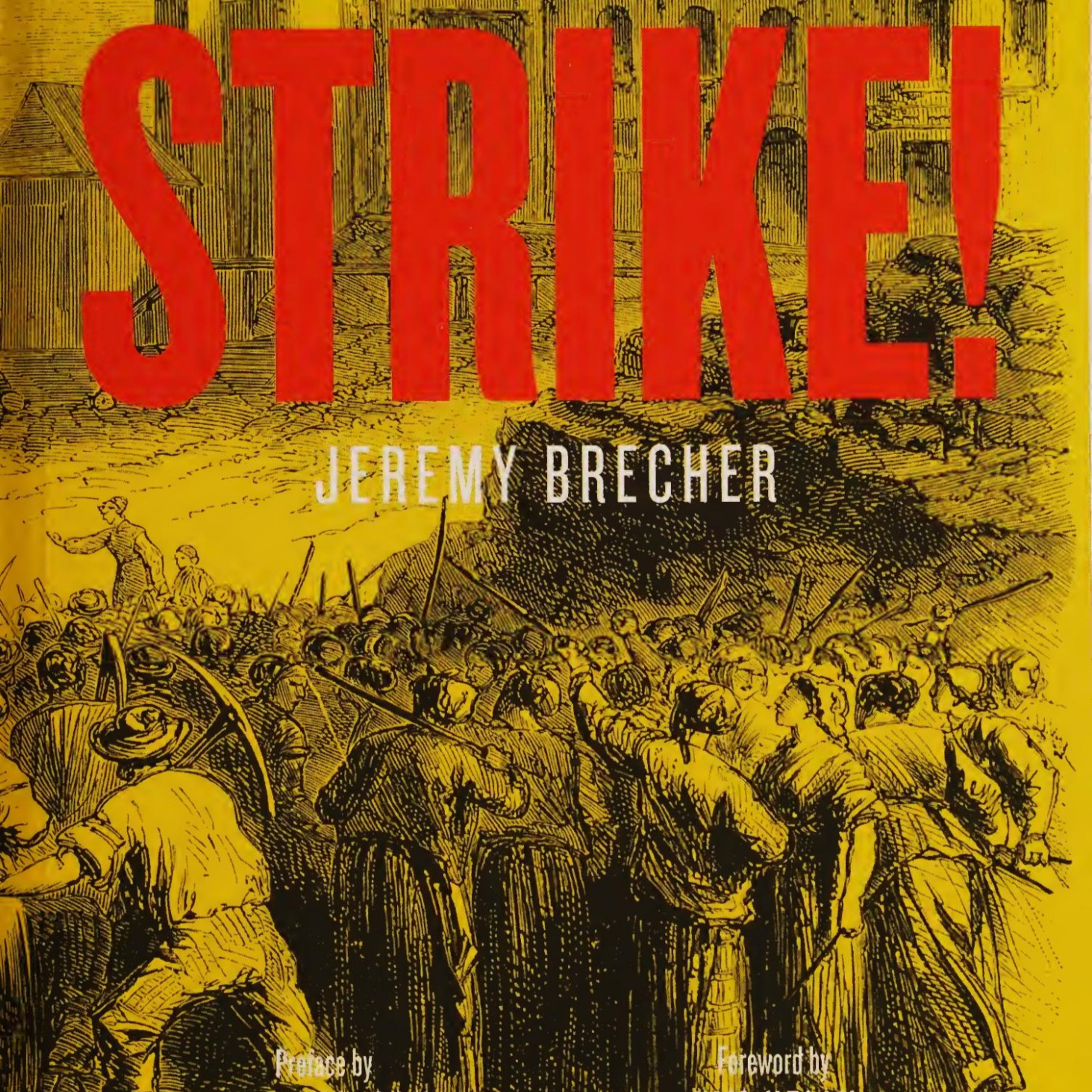
In Strike!, historian Jeremy Brecher traces a frequently overlooked dimension of American history: the recurring mass movements through which working people have challenged economic authority, organized beyond established institutions, and discovered the power of collective action.
Using the revised and expanded 50th Anniversary Edition as our lens, this Deep Dive investigates the relationship between economic dependency, institutional power, and grassroots resistance.
From the Great Railroad Strike of 1877 and the sit-down strikes of the 1930s to modern teacher walkouts and broader movements for social change, Brecher reveals how ordinary workers have repeatedly challenged established power structures.
The analysis examines the mechanisms that make collective action possible: shared grievances, solidarity, self-organization, strategic disruption, and expanding community participation.
It also explores the tensions that constrain these movements. Union leadership and rank-and-file workers do not always pursue identical strategies. Institutional reforms can stabilize relationships while narrowing opportunities for independent action. And even powerful uprisings can struggle to translate temporary leverage into lasting institutional change.
Brecher's concept of common preservation extends these questions beyond wages and working conditions toward shared social and ecological responsibilities.
At the center is a deeper question: If economic and political institutions depend on collective human cooperation, how much power do ordinary people actually possess—and what prevents them from exercising it?
The investigation offers a transferable way to understand power, institutional dependency, and the difference between formal authority and collective influence.
📺 Watch on YouTube:
https://youtu.be/l0XIzlsuptA
❤️ Support / Episode Post on Patreon:
https://www.patreon.com/CrisisinPerception/posts/strike-how-turn-175961391?utm_medium=clipboard_copy&utm_source=copyLink&utm_campaign=postshare_creator&utm_content=join_link
If these ideas resonate, consider reading the work yourself or borrowing it from your local library. Supporting authors and libraries helps keep critical inquiry accessible.
If you value systems-level analysis like this, please follow, rate, and share the project.