Skip to content
Artwork for Crisis in Perception

Crisis in Perception

Crisis in Perception

Crisis in Perception is a long-form educational podcast examining how we misunderstand the world around us. Using books as entry points, each episode explores history, psychology, economics, science, and power structures to reveal how systems actually work—and why our perceptions so often fail. Clear, evidence-based, and non-tribal.

Crisis in Perception uses AI-assisted tools for narration and synthesis in service of long-form educational analysis.

Play
  • 174 episodes
  • Avg 43 min
  • English
Counted on this page — what you have heard stays on this device, so it is not something the list can be paged by.
  • Monday · 35 min

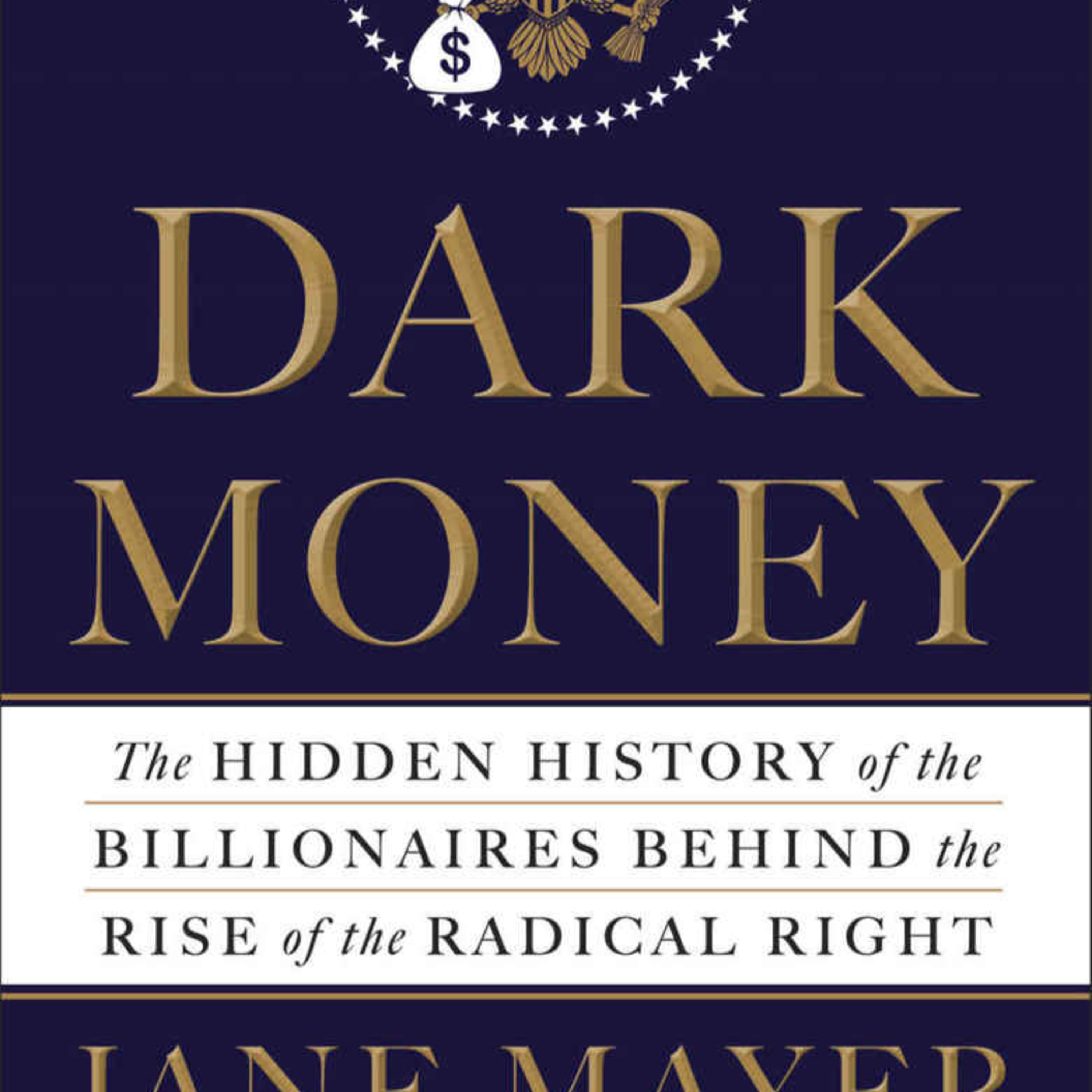
    Dark Money: The Hidden History of the Billionaires Behind the Rise of the Radical Right — Jane Mayer

    What happens when the financial resources available to a small group of donors allow them to build political influence that extends beyond elections? This episode presents AI-narrated educational analysis based on published sources. The voices are synthetic and do not represent real conversations, interviews with the authors, or human experts. AI-assisted tools support research synthesis, production, and narration. Source selection, editorial framing, and final editorial decisions are guided by human judgment as part of the Crisis in Perception project. Welcome to Crisis in Perception, where we examine the systems shaping our world. In Dark Money: The Hidden History of the Billionaires Behind the Rise of the Radical Right, investigative journalist Jane Mayer documents the development of a wealthy conservative donor network that invested heavily in reshaping American political institutions and public policy. Using Mayer's investigation as its foundation, this Deep Dive explores how private foundations, think tanks, advocacy organizations, and campaign-finance structures can transform concentrated economic resources into sustained political influence. Beginning with the political organizing of wealthy conservative families in the twentieth century and extending through the Obama presidency, the episode traces how political influence can accumulate through long-term institutional investment rather than electoral spending alone. The investigation examines donor secrecy, tax incentives, competing economic interests, and the feedback loop connecting private wealth to public policy. It also considers the distinction between legitimate political participation and the transparency necessary for meaningful democratic accountability. When voters see the public arguments but cannot easily trace the financial networks supporting them, important parts of the political process remain difficult to evaluate. The larger question is how a democratic society can maintain informed public deliberation when political influence and access to institutional resources are distributed so unequally. 📺 Watch on YouTube: https://youtu.be/3oVAp6Mb928 ❤️ Support / Episode Post on Patreon: https://www.patreon.com/CrisisinPerception/posts/dark-money-of-of-173488864?utm_medium=clipboard_copy&utm_source=copyLink&utm_campaign=postshare_creator&utm_content=join_link If these ideas resonate, consider reading the work yourself or borrowing it from your local library. Supporting authors and libraries helps keep critical inquiry accessible. If you value systems-level analysis like this, please follow, rate, and share the project.

  • Monday · 49 min

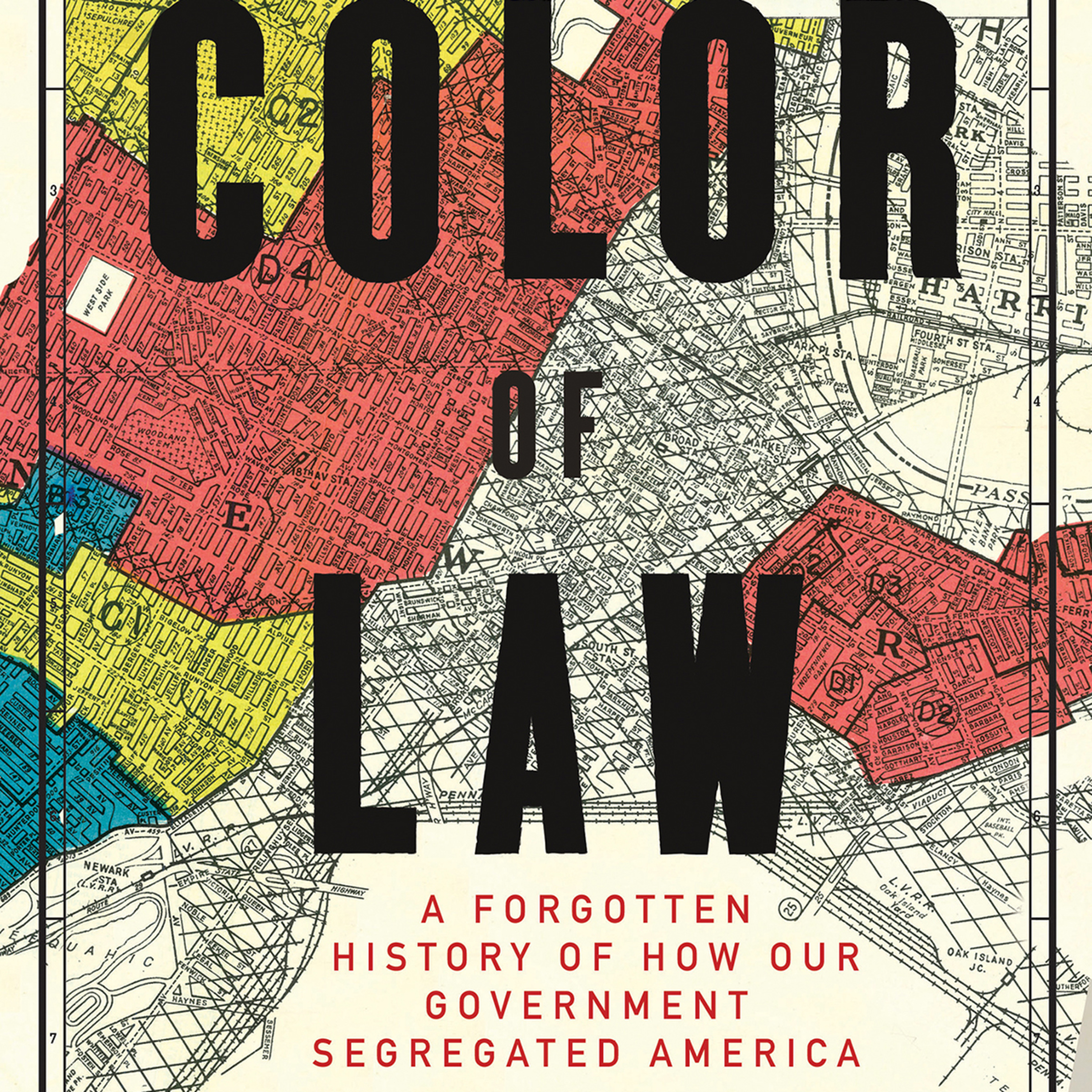
    The Color of Law: A Forgotten History of How Our Government Segregated America — Segregation by Law

    What changes when residential segregation is understood not primarily as an accident of private prejudice, but as the accumulated result of public policy? This episode presents AI-narrated educational analysis based on published sources. The voices are synthetic and do not represent real conversations, interviews with the authors, or human experts. AI-assisted tools support research synthesis, production, and narration. Source selection, editorial framing, and final editorial decisions are guided by human judgment as part of the Crisis in Perception project. Welcome to Crisis in Perception, where we examine the systems shaping our world. Using The Color of Law: A Forgotten History of How Our Government Segregated America by Richard Rothstein as our lens, this Deep Dive examines the institutional architecture behind twentieth-century residential segregation. Rothstein argues that federal, state, and local governments did more than tolerate racial separation. Public housing, zoning, FHA and VA mortgage policies, government enforcement of restrictive arrangements, regulatory decisions, labor policy, and other public actions helped create and preserve segregated metropolitan areas. The investigation follows those policies into their longer-term consequences. Government-backed homeownership enabled many white families to accumulate appreciating property and pass wealth to later generations, while African American families were systematically denied many of the same opportunities. Once those patterns became embedded in neighborhoods, schools, transportation systems, and housing markets, their origins became easier to mistake for private preference or ordinary market outcomes. At the center of the episode is a structural tension: stopping discriminatory policy is not necessarily the same thing as undoing the durable system that policy helped create. Central themes include de jure segregation, institutional power, housing policy, suburbanization, home equity, intergenerational wealth, path dependence, and the constitutional question of remedy raised by Rothstein. 📺 Watch on YouTube: https://youtu.be/PfbGgG5y18A ❤️ Support / Episode Post on Patreon: https://www.patreon.com/CrisisinPerception/posts/color-of-law-of-173484656?utm_medium=clipboard_copy&utm_source=copyLink&utm_campaign=postshare_creator&utm_content=join_link If these ideas resonate, consider reading the work yourself or borrowing it from your local library. Supporting authors and libraries helps keep critical inquiry accessible. If you value systems-level analysis like this, please follow, rate, and share the project.
  • Monday · 44 min

    The Anxious Generation — How Childhood Was Rewired

    What changed about childhood in the early 2010s—and why did adolescent anxiety, depression, and social isolation rise during the same period? This episode presents AI-narrated educational analysis based on published sources. The voices are synthetic and do not represent real conversations, interviews with the authors, or human experts. AI-assisted tools support research synthesis, production, and narration. Source selection, editorial framing, and final editorial decisions are guided by human judgment as part of the Crisis in Perception project. Welcome to Crisis in Perception, where we examine the systems shaping our world. In The Anxious Generation: How the Great Rewiring of Childhood Is Causing an Epidemic of Mental Illness, Jonathan Haidt argues that modern childhood underwent a profound transformation as smartphones, social media, and increasingly restrictive parenting practices reshaped how young people learn, socialize, and develop independence. This Deep Dive investigates the relationship between changing childhood environments and adolescent mental health. It examines Haidt's central argument that society has increasingly overprotected children from physical-world risks while leaving them vulnerable to digital environments engineered around engagement, social validation, and continuous connectivity. The investigation traces four foundational harms—social deprivation, sleep deprivation, attention fragmentation, and addiction—alongside the developmental importance of independent play and real-world social interaction. It also considers the strength and limitations of the available evidence, including the challenge of distinguishing correlation from causation. Beyond individual screen-time decisions, the episode explores the incentives and collective-action problems that make change difficult for families, schools, and communities. The larger question is how society can create environments that support healthy development without sacrificing the benefits of technological connection. 📺 Watch on YouTube: https://youtu.be/0M7VbxouAJU ❤️ Support / Episode Post on Patreon: https://www.patreon.com/CrisisinPerception/posts/anxious-how-was-173481724?utm_medium=clipboard_copy&utm_source=copyLink&utm_campaign=postshare_creator&utm_content=join_link If these ideas resonate, consider reading the work yourself or borrowing it from your local library. Supporting authors and libraries helps keep critical inquiry accessible. If you value systems-level analysis like this, please follow, rate, and share the project.
  • Monday · 50 min

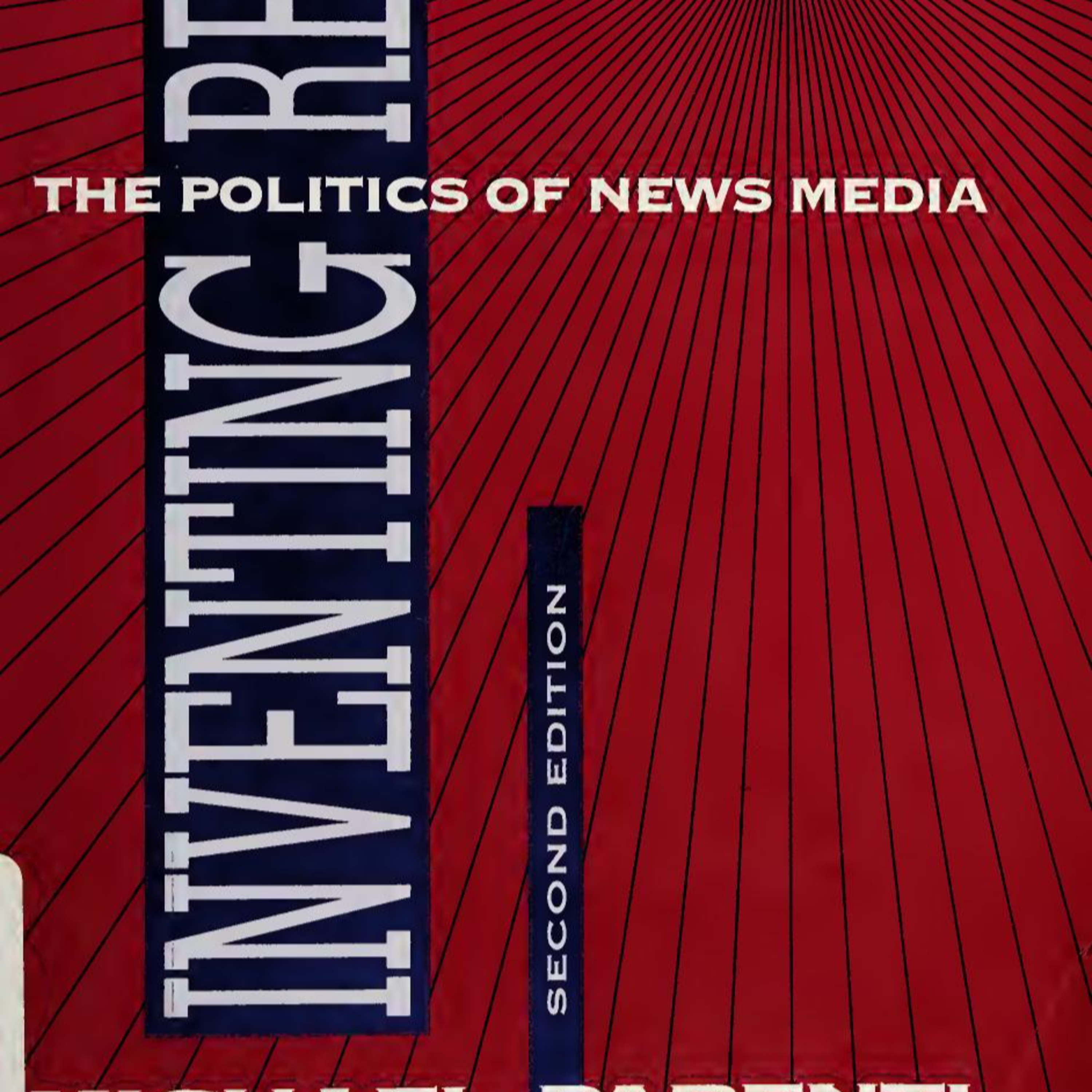
    Inventing Reality: The Politics of News Media — Who Controls What We See?

    Who decides which stories become news, whose perspectives deserve attention, and which questions remain outside public debate? The influence of journalism may lie as much in what is omitted as in what is reported. This episode presents AI-narrated educational analysis based on published sources. The voices are synthetic and do not represent real conversations, interviews with the authors, or human experts. AI-assisted tools support research synthesis, production, and narration. Source selection, editorial framing, and final editorial decisions are guided by human judgment as part of the Crisis in Perception project. Welcome to Crisis in Perception, where we examine the systems shaping our world. Using Inventing Reality: The Politics of News Media by Michael Parenti, this Deep Dive investigates the economic and institutional forces influencing how Americans understand political and social reality. Parenti argues that mainstream news organizations are not independent of the corporate and political structures they cover. Ownership concentration, advertiser dependence, editorial control, and professional incentives create recurring pressures that favor established authority and economic power. Through historical examples involving labor conflicts, corporate advertising, election coverage, and US foreign policy, the investigation examines how news organizations shape public understanding through selective attention, omission, framing, and repetition. The analysis also considers the limits of institutional control. Journalists sometimes challenge powerful interests, dissenting information occasionally reaches mainstream audiences, and public resistance can disrupt established narratives. What emerges is a deeper question about the nature of an independent press: Is freedom from direct government censorship sufficient when economic power also determines which perspectives can reach the public? The episode develops a transferable thinking tool: examine not only whether reported information is accurate, but also the institutional process that determines which information becomes visible. 📺 Watch on YouTube: [ADD DEEP DIVE LINK] ❤️ Support / Episode Post on Patreon: https://www.patreon.com/CrisisinPerception/posts/inventing-of-who-173425140?utm_medium=clipboard_copy&utm_source=copyLink&utm_campaign=postshare_creator&utm_content=join_link If these ideas resonate, consider reading the work yourself or borrowing it from your local library. Supporting authors and libraries helps keep critical inquiry accessible. If you value systems-level analysis like this, please follow, rate, and share the project.
  • Monday · 35 min

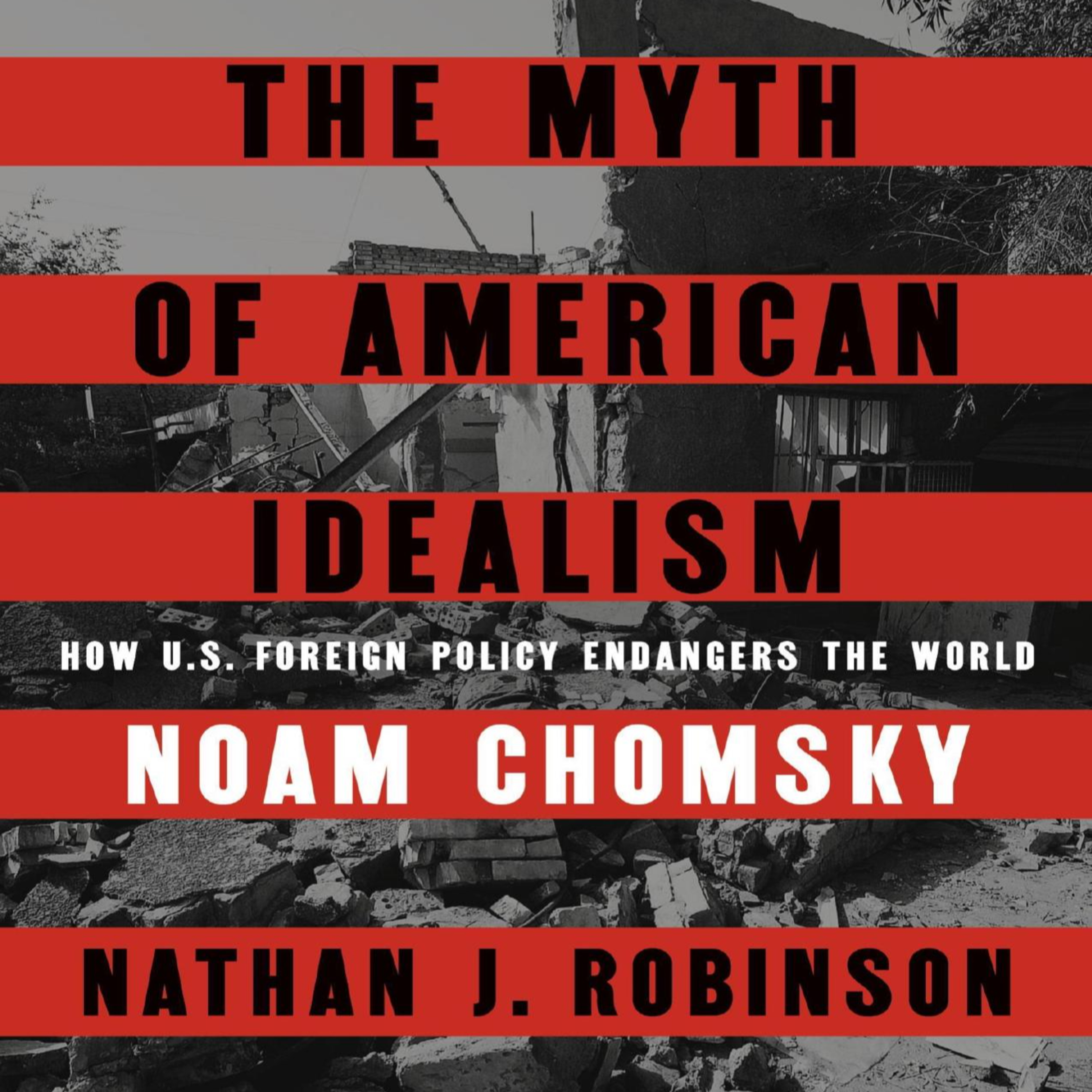
    The Myth of American Idealism: How U.S. Foreign Policy Endangers the World — When Ideals Serve Power

    What if the most reliable way to understand foreign policy is to examine what governments do rather than what they claim to believe? This episode presents AI-narrated educational analysis based on published sources. The voices are synthetic and do not represent real conversations, interviews with the authors, or human experts. AI-assisted tools support research synthesis, production, and narration. Source selection, editorial framing, and final editorial decisions are guided by human judgment as part of the Crisis in Perception project. Welcome to Crisis in Perception, where we examine the systems shaping our world. In The Myth of American Idealism: How U.S. Foreign Policy Endangers the World, Noam Chomsky and Nathan J. Robinson challenge the conventional understanding of American foreign policy as an imperfect but fundamentally humanitarian undertaking. Drawing on historical documents, diplomatic decisions, and cases of military and political intervention, the authors argue that U.S. policy has repeatedly prioritized geopolitical dominance and the interests of powerful domestic groups over democratic self-determination. This Deep Dive investigates the institutional mechanisms behind that argument. From Iran and Guatemala to Chile and Southeast Asia, it examines how independent development can become a perceived threat, how strategic priorities influence intervention, and how national narratives can obscure the consequences of state power. The investigation also explores concentrated domestic influence, international law, media framing, and the distinction between legitimate security concerns and the preservation of geopolitical advantage. At its center is a transferable question: Would we evaluate these same policies differently if another powerful nation carried them out? The goal is to understand how institutions, incentives, and competing explanations shape international conduct—and why applying consistent standards matters when evaluating claims of humanitarian purpose. 📺 Watch on YouTube: https://youtu.be/YOScZhvFjrc ❤️ Support / Episode Post on Patreon: https://www.patreon.com/CrisisinPerception/posts/myth-of-american-173423982?utm_medium=clipboard_copy&utm_source=copyLink&utm_campaign=postshare_creator&utm_content=join_link If these ideas resonate, consider reading the work yourself or borrowing it from your local library. Supporting authors and libraries helps keep critical inquiry accessible. If you value systems-level analysis like this, please follow, rate, and share the project.
  • Sunday · 50 min

    How to Lose the Information War: Russia, Fake News, and the Future of Conflict — Trust as a Weapon

    What makes a democracy vulnerable to information warfare? The answer may have less to do with sophisticated technology than with the fractures already running through society. This episode presents AI-narrated educational analysis based on published sources. The voices are synthetic and do not represent real conversations, interviews with the authors, or human experts. AI-assisted tools support research synthesis, production, and narration. Source selection, editorial framing, and final editorial decisions are guided by human judgment as part of the Crisis in Perception project. Welcome to Crisis in Perception, where we examine the systems shaping our world. Drawing on How to Lose the Information War: Russia, Fake News, and the Future of Conflict by Nina Jankowicz, this Deep Dive investigates the social and institutional conditions that allow foreign disinformation campaigns to influence democratic societies. Through case studies spanning the United States, Estonia, Georgia, Poland, the Netherlands, and the Czech Republic, Jankowicz examines how Kremlin-linked operations have exploited historical grievances, existing political polarization, and authentic local voices to amplify distrust. The investigation traces a deeper pattern: influence campaigns become particularly difficult to counter when the messages they amplify resonate with genuine frustrations. Social media accelerates their circulation, while institutional distrust and political division make simple corrections insufficient. Jankowicz challenges the reactive approach she calls "Whack-a-Troll," in which governments and technology companies focus on removing fake accounts and debunking individual narratives without repairing the vulnerabilities that make manipulation effective. This episode explores the relationship between information systems, social cohesion, platform incentives, and democratic resilience. It also considers the limits of governmental intervention and the importance of preserving legitimate disagreement while resisting coordinated manipulation. The central question extends beyond Russia: How can a society defend its information environment when its own citizens no longer share sufficient trust in the institutions that organize public life? 📺 Watch on YouTube: https://youtu.be/IhCN-bavXQo ❤️ Support / Episode Post on Patreon: https://www.patreon.com/CrisisinPerception/posts/how-to-lose-war-173304591?utm_medium=clipboard_copy&utm_source=copyLink&utm_campaign=postshare_creator&utm_content=join_link If these ideas resonate, consider reading the work yourself or borrowing it from your local library. Supporting authors and libraries helps keep critical inquiry accessible. If you value systems-level analysis like this, please follow, rate, and share the project.
  • Sunday · 46 min

    Bowling Alone: The Collapse and Revival of American Community — Why We Stopped Showing Up

    What happens when the institutions that once brought neighbors together begin to disappear—and what does their decline mean for democracy, trust, and collective action? This episode presents AI-narrated educational analysis based on published sources. The voices are synthetic and do not represent real conversations, interviews with the authors, or human experts. AI-assisted tools support research synthesis, production, and narration. Source selection, editorial framing, and final editorial decisions are guided by human judgment as part of the Crisis in Perception project. Welcome to Crisis in Perception, where we examine the systems shaping our world. In Bowling Alone: The Collapse and Revival of American Community, sociologist Robert D. Putnam investigates the erosion of social capital in the United States—the networks of trust, reciprocity, and cooperation that allow individuals and communities to work together. Drawing on extensive historical research and social data, Putnam traces declining participation in civic organizations, bowling leagues, religious communities, labor unions, and neighborhood associations. His findings reveal an important distinction between belonging to a group and actively participating in the relationships that sustain it. This Deep Dive explores the forces behind that transformation, including generational change, television, suburbanization, and changing patterns of leisure. It also investigates how professionalized organizations can expand even as grassroots participation weakens, and why bonding within familiar groups does not always produce bridging connections across social divisions. The twentieth-anniversary edition extends the investigation into the digital age, questioning whether modern communication technologies can rebuild social capital or whether new forms of connectivity sometimes reinforce existing divisions. At its center is a systems-level question: What happens when a society develops more ways to communicate but fewer opportunities to cooperate? 📺 Watch on YouTube: https://youtu.be/B6sMkOBJFrE ❤️ Support / Episode Post on Patreon: https://www.patreon.com/CrisisinPerception/posts/bowling-alone-of-173338195?utm_medium=clipboard_copy&utm_source=copyLink&utm_campaign=postshare_creator&utm_content=join_link If these ideas resonate, consider reading the work yourself or borrowing it from your local library. Supporting authors and libraries helps keep critical inquiry accessible. If you value systems-level analysis like this, please follow, rate, and share the project.
  • Saturday · 58 min

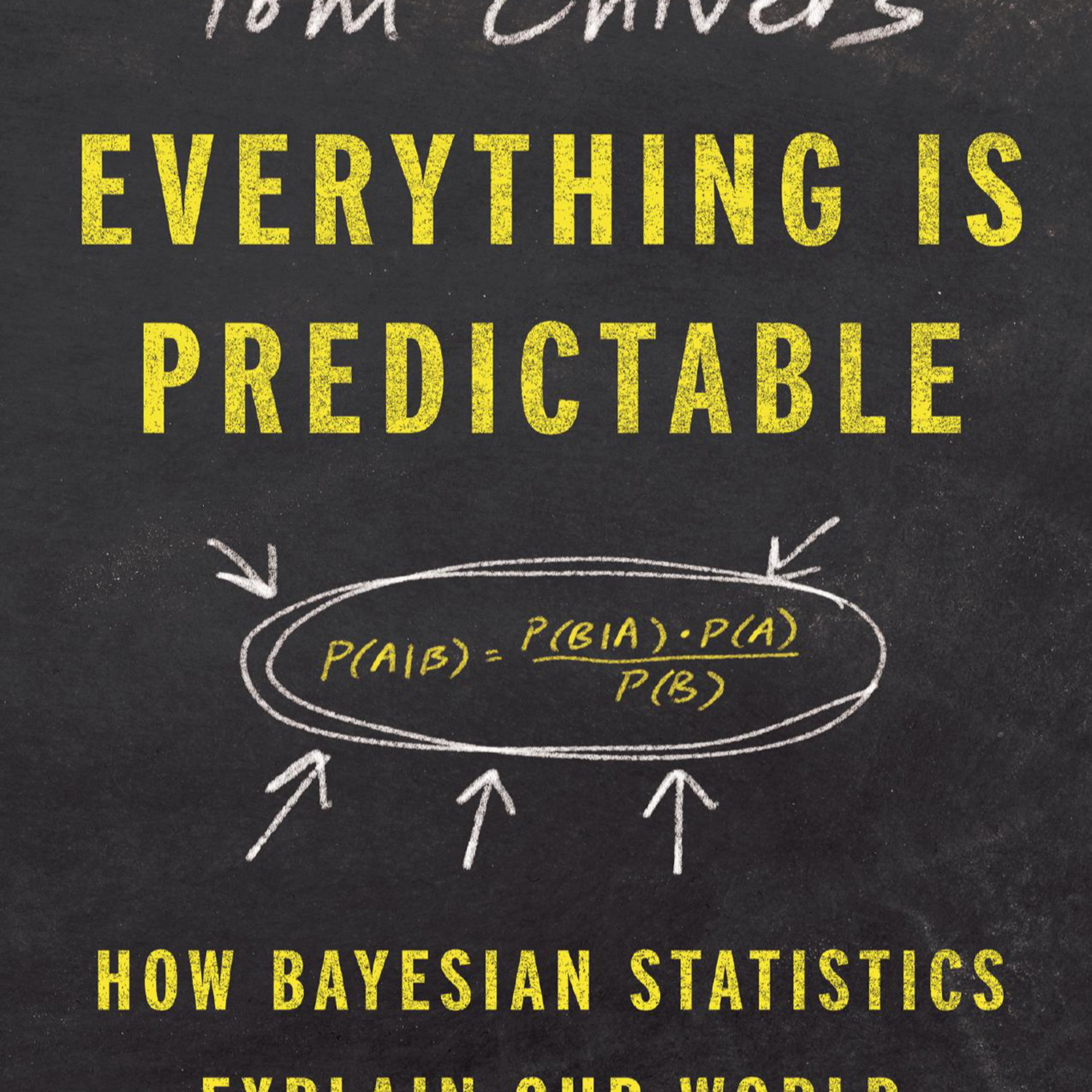
    Everything Is Predictable: How Bayesian Statistics Explain Our World — Why Evidence Can Mislead

    What if one of the greatest obstacles to understanding reality is not a lack of evidence, but misunderstanding what that evidence actually tells us? This episode presents AI-narrated educational analysis based on published sources. The voices are synthetic and do not represent real conversations, interviews with the authors, or human experts. AI-assisted tools support research synthesis, production, and narration. Source selection, editorial framing, and final editorial decisions are guided by human judgment as part of the Crisis in Perception project. Welcome to Crisis in Perception, where we examine the systems shaping our world. Drawing from Everything Is Predictable: How Bayesian Statistics Explain Our World by Tom Chivers, this investigation explores the mathematics of uncertainty and the hidden assumptions shaping how we interpret evidence. Bayes' theorem describes how probability changes when new information becomes available. Yet applying this seemingly straightforward principle reveals profound challenges in medicine, scientific research, public policy, and human cognition. Why can a positive medical test be misleading? Why doesn't statistical significance necessarily establish that a scientific hypothesis is true? And why can two people examine the same evidence and reach very different conclusions? Chivers uses Bayesian reasoning to connect these questions, revealing how prior probabilities, incomplete information, and expectations influence our understanding of the world. The investigation traces medical screening and false positives, pandemic testing controversies, competing statistical approaches, scientific uncertainty, and predictive models of the human mind. Ultimately, the challenge is not to eliminate uncertainty, but to become better at reasoning within it. 📺 Watch on YouTube: https://youtu.be/FJWqdduWvZI ❤️ Support / Episode Post on Patreon: https://www.patreon.com/CrisisinPerception/posts/everything-is-173297462?utm_medium=clipboard_copy&utm_source=copyLink&utm_campaign=postshare_creator&utm_content=join_link If these ideas resonate, consider reading the work yourself or borrowing it from your local library. Supporting authors and libraries helps keep critical inquiry accessible. If you value systems-level analysis like this, please follow, rate, and share the project.
  • Saturday · 49 min

    The Righteous Mind: Why Good People Are Divided by Politics and Religion — Morality Binds & Blinds

    Why do people become more certain of their moral beliefs even when confronted with reasonable arguments that challenge them? This episode presents AI-narrated educational analysis based on published sources. The voices are synthetic and do not represent real conversations, interviews with the authors, or human experts. AI-assisted tools support research synthesis, production, and narration. Source selection, editorial framing, and final editorial decisions are guided by human judgment as part of the Crisis in Perception project. Welcome to Crisis in Perception, where we examine the systems shaping our world. Using The Righteous Mind: Why Good People Are Divided by Politics and Religion by Jonathan Haidt, this Deep Dive investigates the psychological systems that shape moral judgment, political identity, religious belonging, and ideological conflict. Haidt argues that moral intuitions frequently precede conscious reasoning. Through his rider-and-elephant metaphor and Moral Foundations Theory, he examines how people develop different understandings of fairness, loyalty, authority, liberty, care, and sanctity. The investigation connects individual moral psychology to larger social systems. Shared moral frameworks enable cooperation and strengthen community bonds, but they can also reinforce group boundaries and make competing perspectives difficult to understand. At its center is a paradox: the same psychological capacities that help humans cooperate can also sustain division. The episode explores intuitive judgment, motivated reasoning, moral foundations, social identity, religious cooperation, institutional incentives, and the challenge of reconsidering deeply held beliefs. 📺 Watch on YouTube: https://youtu.be/NZQZ_jwcSos ❤️ Support / Episode Post on Patreon: https://www.patreon.com/CrisisinPerception/posts/righteous-mind-173219763?utm_medium=clipboard_copy&utm_source=copyLink&utm_campaign=postshare_creator&utm_content=join_link If these ideas resonate, consider reading the work yourself or borrowing it from your local library. Supporting authors and libraries helps keep critical inquiry accessible. If you value systems-level analysis like this, please follow, rate, and share the project.
  • Saturday · 49 min

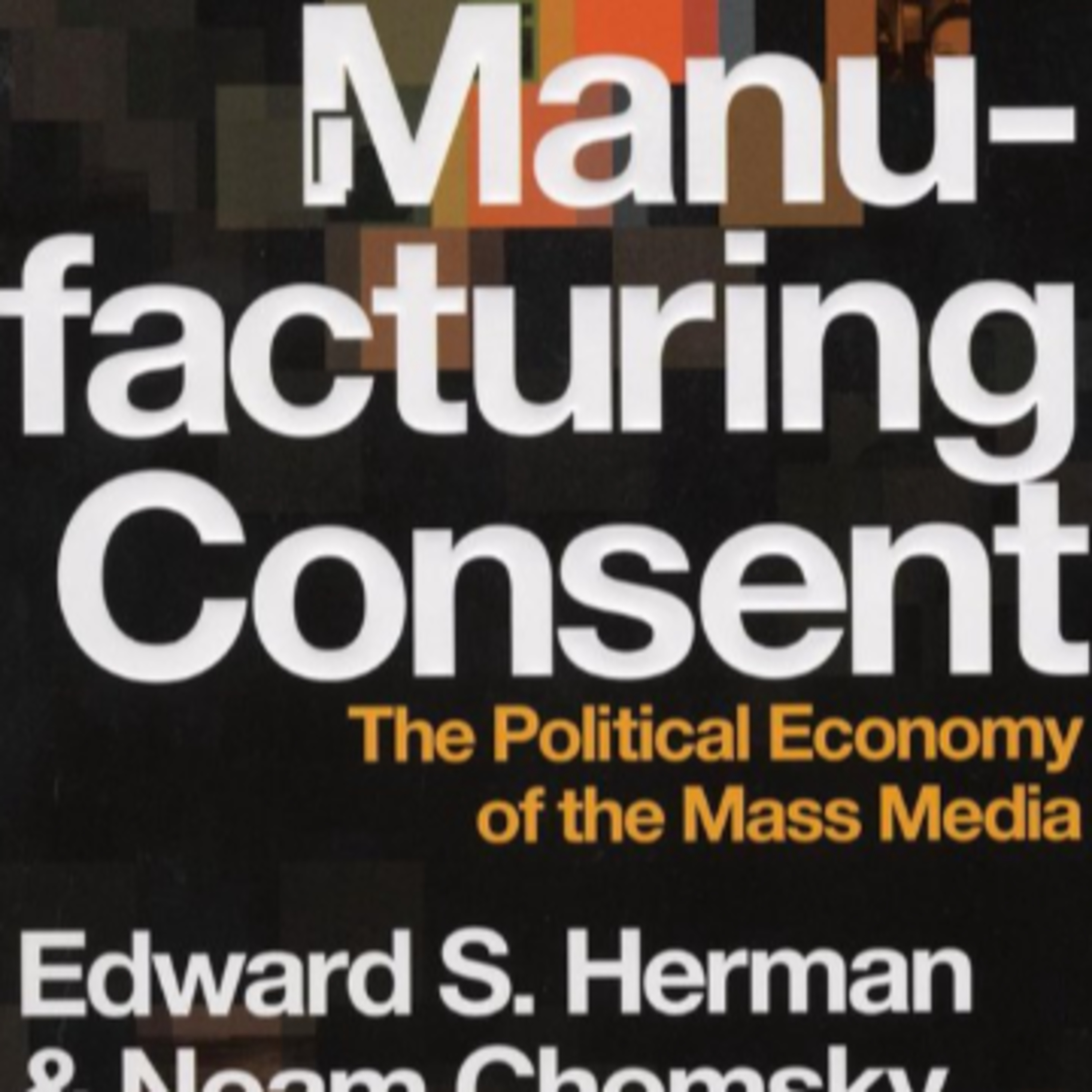
    Manufacturing Consent: The Political Economy of the Mass Media — How News Is Filtered

    What determines which events become major news stories, whose perspectives are considered credible, and which questions remain outside mainstream debate? This episode presents AI-narrated educational analysis based on published sources. The voices are synthetic and do not represent real conversations, interviews with the authors, or human experts. AI-assisted tools support research synthesis, production, and narration. Source selection, editorial framing, and final editorial decisions are guided by human judgment as part of the Crisis in Perception project. Welcome to Crisis in Perception, where we examine the systems shaping our world. Drawing on Manufacturing Consent: The Political Economy of the Mass Media by Edward S. Herman and Noam Chomsky, this Deep Dive investigates the institutional structures that influence news production and public understanding. The authors' propaganda model identifies five interacting filters—ownership, advertising, sourcing, flak, and ideology—that shape what becomes newsworthy and how information is presented. Through historical comparisons of political violence, elections, and international reporting, Herman and Chomsky argue that mainstream media frequently apply different standards to events depending on their relationship to powerful state and corporate interests. Rather than assuming that biased reporting must result from deliberate deception, this investigation examines how economic incentives, organizational routines, institutional dependence, and accepted assumptions can produce recurring patterns of selective attention. The central tension is between formal press freedom and the unequal distribution of influence over public information. Understanding that distinction offers a transferable method for examining the news: compare what receives attention, whose accounts are prioritized, what context is provided, and what remains difficult to see. 📺 Watch on YouTube: https://youtu.be/Kb8JL2bMAZc ❤️ Support / Episode Post on Patreon: https://www.patreon.com/CrisisinPerception/posts/manufacturing-of-173210587?utm_medium=clipboard_copy&utm_source=copyLink&utm_campaign=postshare_creator&utm_content=join_link If these ideas resonate, consider reading the work yourself or borrowing it from your local library. Supporting authors and libraries helps keep critical inquiry accessible. If you value systems-level analysis like this, please follow, rate, and share the project.
  • Saturday · 40 min

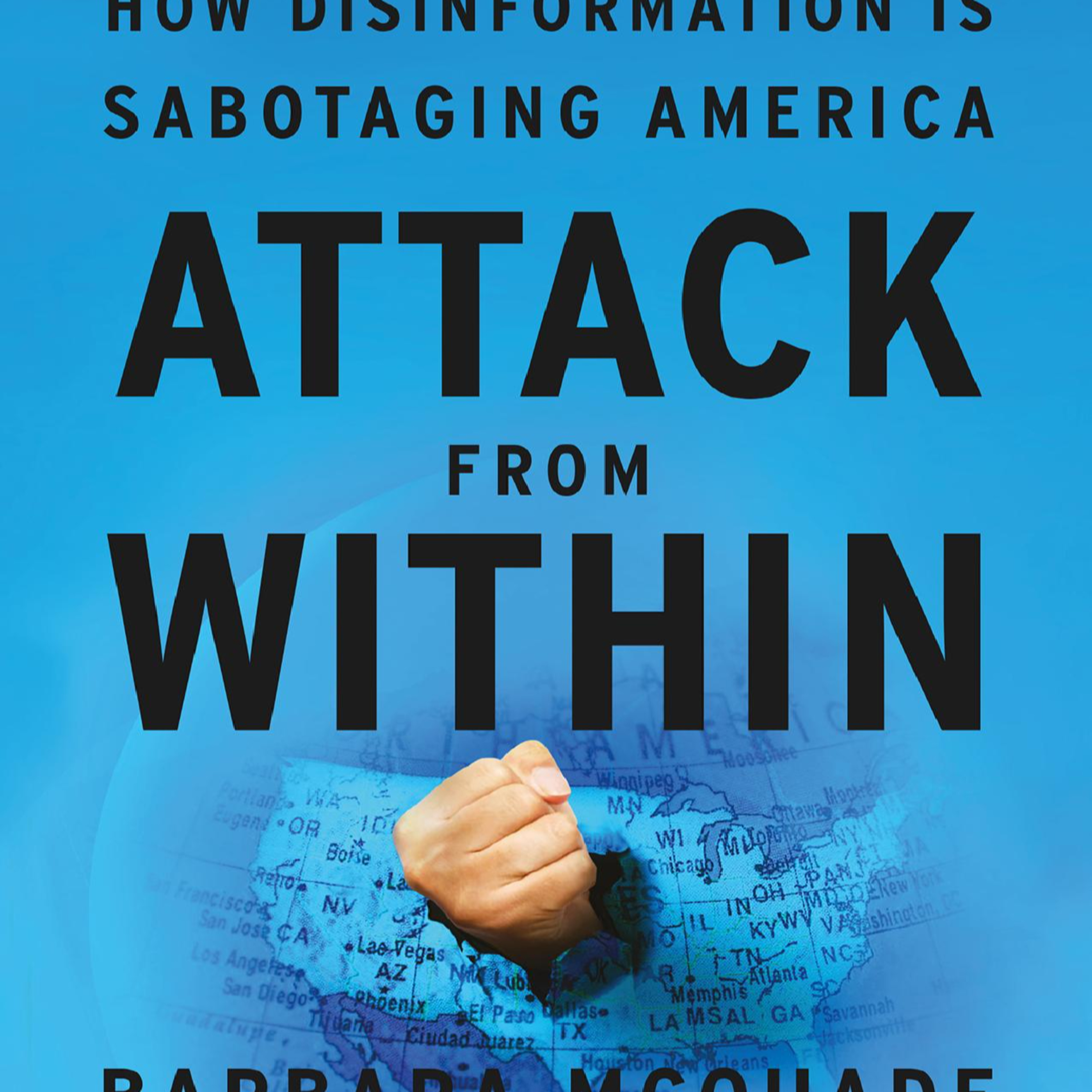
    Attack from Within: How Disinformation Is Sabotaging America — When Lies Become Political Power

    What happens to democratic self-government when public trust in elections, institutions, and independent evidence becomes a target of organized manipulation? This episode presents AI-narrated educational analysis based on published sources. The voices are synthetic and do not represent real conversations, interviews with the authors, or human experts. AI-assisted tools support research synthesis, production, and narration. Source selection, editorial framing, and final editorial decisions are guided by human judgment as part of the Crisis in Perception project. Welcome to Crisis in Perception, where we examine the systems shaping our world. In Attack from Within: How Disinformation Is Sabotaging America, former federal prosecutor Barbara McQuade investigates how deliberate falsehoods can become instruments of political power, weakening public confidence in the institutions necessary for democratic self-government. This Deep Dive explores the relationship between political incentives, media amplification, psychological vulnerability, and institutional distrust. Drawing on McQuade's discussion of the 2020 election-denial campaign, the Fox News–Dominion case, and the January 6 Capitol attack, we trace how misleading narratives can acquire legitimacy through repetition and influential messengers. At the center of the investigation is a reinforcing cycle: disinformation exploits existing divisions, repeated claims weaken public trust, and declining trust creates further opportunities for manipulation. We also examine the liar's dividend, the role of digital platforms, and McQuade's proposed approaches to strengthening democratic resilience while respecting freedom of expression. The larger question extends beyond any political party or individual leader: How can an open society preserve the shared methods of evidence evaluation necessary for meaningful disagreement, accountability, and collective decision-making? 📺 Watch on YouTube: https://youtu.be/FOWiPNkjeTQ ❤️ Support / Episode Post on Patreon: https://www.patreon.com/CrisisinPerception/posts/attack-from-how-173245855?utm_medium=clipboard_copy&utm_source=copyLink&utm_campaign=postshare_creator&utm_content=join_link If these ideas resonate, consider reading the work yourself or borrowing it from your local library. Supporting authors and libraries helps keep critical inquiry accessible. If you value systems-level analysis like this, please follow, rate, and share the project.
  • Friday · 52 min

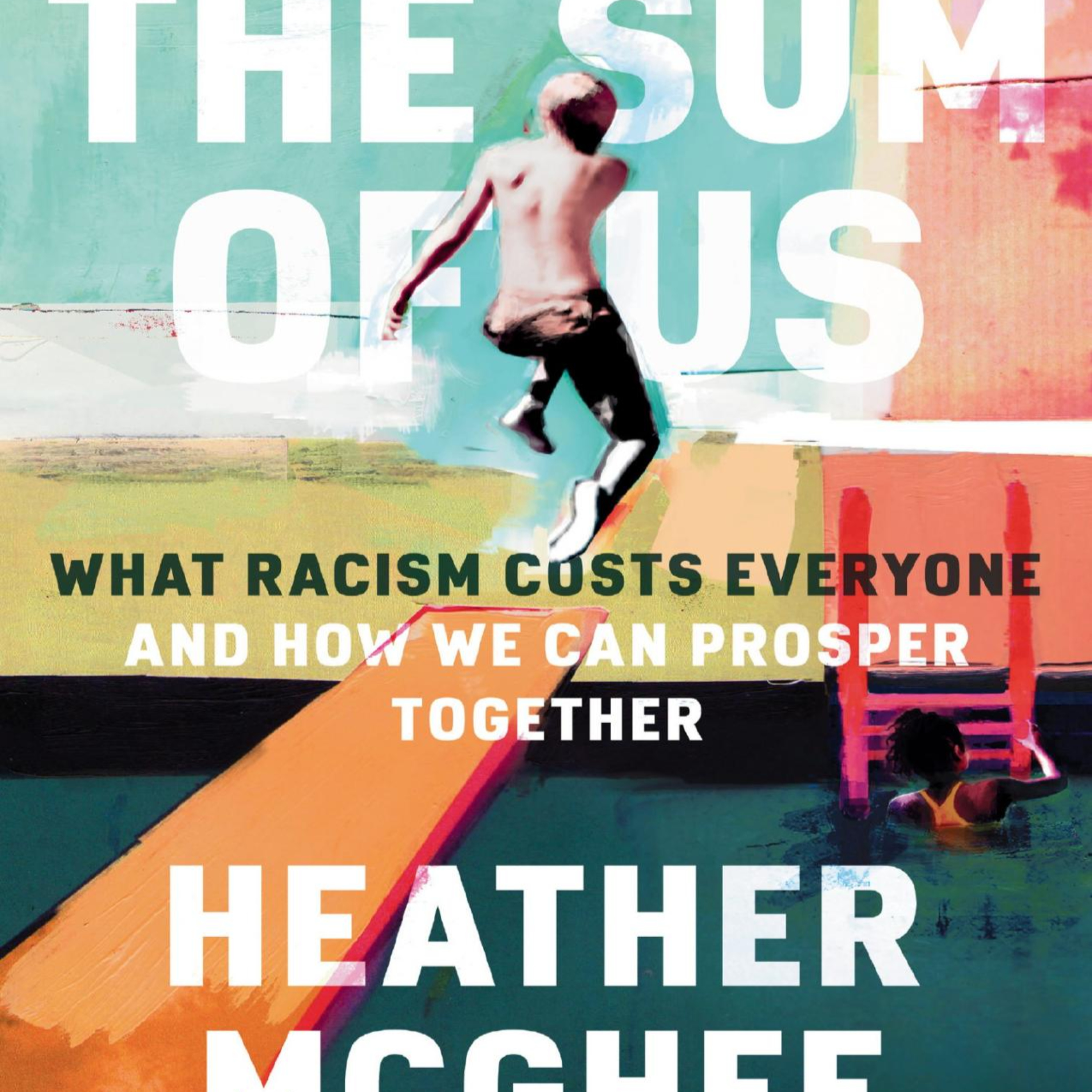
    The Sum of Us: What Racism Costs Everyone and How We Can Prosper Together — The Drained Pool

    What happens when racial division convinces people to accept less for themselves rather than share more with others? This episode presents AI-narrated educational analysis based on published sources. The voices are synthetic and do not represent real conversations, interviews with the authors, or human experts. AI-assisted tools support research synthesis, production, and narration. Source selection, editorial framing, and final editorial decisions are guided by human judgment as part of the Crisis in Perception project. Welcome to Crisis in Perception, where we examine the systems shaping our world. Using The Sum of Us: What Racism Costs Everyone and How We Can Prosper Together by Heather McGhee as our lens, this Deep Dive examines McGhee’s argument that racism can generate broad social and economic costs by reinforcing a false zero-sum model of racial progress. From public goods that disappeared rather than become integrated to workers divided against one another despite shared economic interests, McGhee traces how racial hierarchy can weaken collective action. The consequences are unequal, but they do not remain confined to racism’s primary targets. The alternative is what McGhee calls the “Solidarity Dividend”: the material and social gains that become possible when people organize across racial lines around shared interests. Central systems include racial zero-sum thinking, public investment, political division, labor power, inequality, group identity, and cross-racial collective action. 📺 Watch on YouTube: https://youtu.be/UXl6-8aOr48 ❤️ Support / Episode Post on Patreon: https://www.patreon.com/CrisisinPerception/posts/sum-of-us-what-173204856?utm_medium=clipboard_copy&utm_source=copyLink&utm_campaign=postshare_creator&utm_content=join_link If these ideas resonate, consider reading the work yourself or borrowing it from your local library. Supporting authors and libraries helps keep critical inquiry accessible. If you value systems-level analysis like this, please follow, rate, and share the project.
  • Friday · 48 min

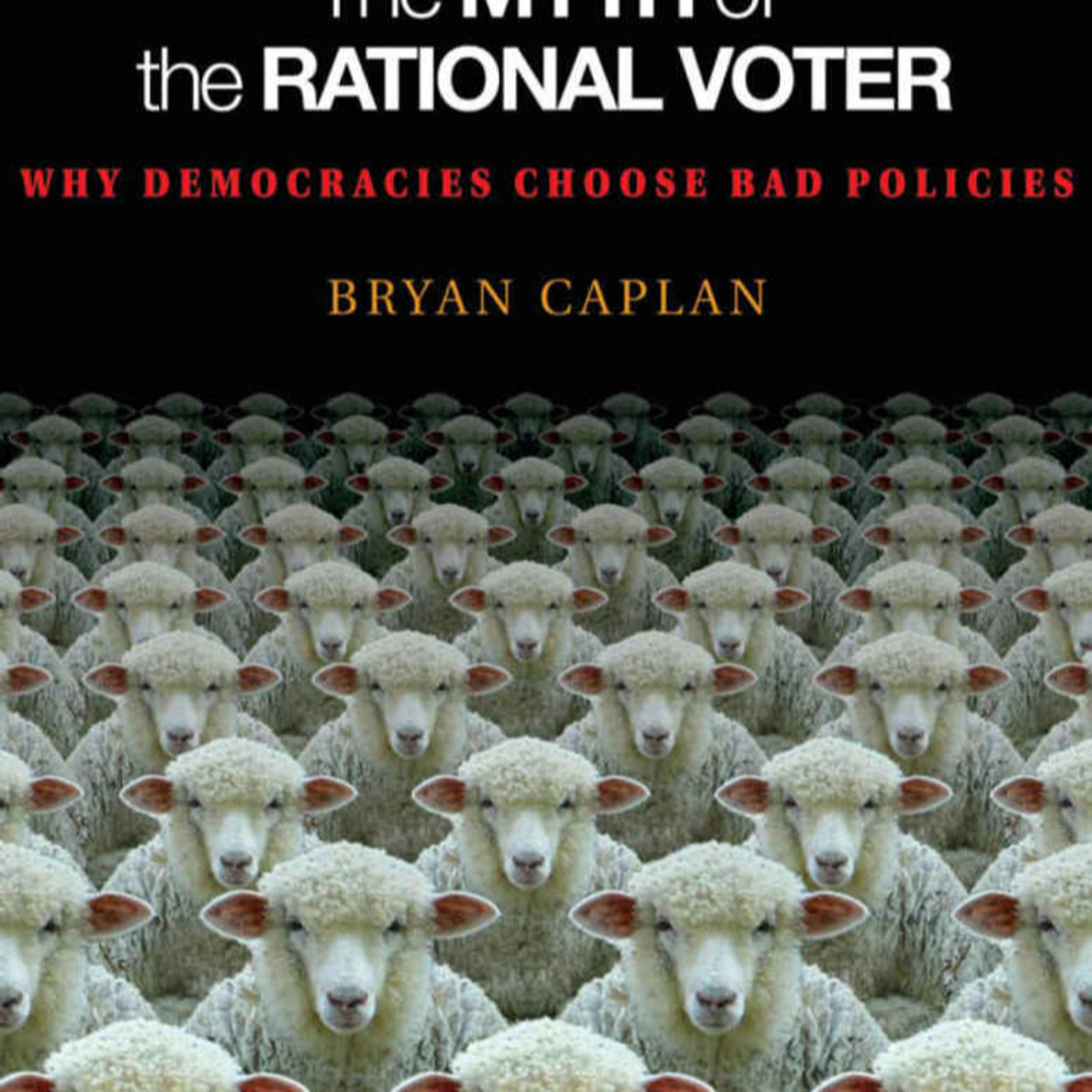
    The Myth of the Rational Voter: Why Democracies Choose Bad Policies — The Cost of Being Wrong

    What if one of democracy’s weaknesses appears not when voters are ignored, but when their mistaken beliefs are successfully translated into policy? This episode presents AI-narrated educational analysis based on published sources. The voices are synthetic and do not represent real conversations, interviews with the authors, or human experts. AI-assisted tools support research synthesis, production, and narration. Source selection, editorial framing, and final editorial decisions are guided by human judgment as part of the Crisis in Perception project. Welcome to Crisis in Perception, where we examine the systems shaping our world. Using The Myth of the Rational Voter: Why Democracies Choose Bad Policies by Bryan Caplan as our lens, this investigation examines Caplan’s argument that voter ignorance is only part of the democratic problem. His deeper claim is that political incentives can make inaccurate but emotionally satisfying beliefs unusually cheap for individuals to hold. The episode traces the distinction between rational ignorance and rational irrationality, the Miracle of Aggregation, and Caplan’s four proposed patterns of economic bias: antimarket, antiforeign, make-work, and pessimistic bias. It then follows the mechanism from individual belief to electoral competition and public policy. At the center of the investigation is a broader systems question: what happens when the private cost of being politically wrong is tiny, while the consequences of millions of similar errors are collectively shared? Central systems and tensions include voter incentives, systematic error, belief formation, electoral competition, policy feedback, institutional error correction, and the different pressures operating in markets and democratic decision-making. 📺 Watch on YouTube: https://youtu.be/KrKulbeNzas ❤️ Support / Episode Post on Patreon: https://www.patreon.com/CrisisinPerception/posts/myth-of-rational-173203554?utm_medium=clipboard_copy&utm_source=copyLink&utm_campaign=postshare_creator&utm_content=join_link If these ideas resonate, consider reading the work yourself or borrowing it from your local library. Supporting authors and libraries helps keep critical inquiry accessible. If you value systems-level analysis like this, please follow, rate, and share the project.
  • Friday · 37 min

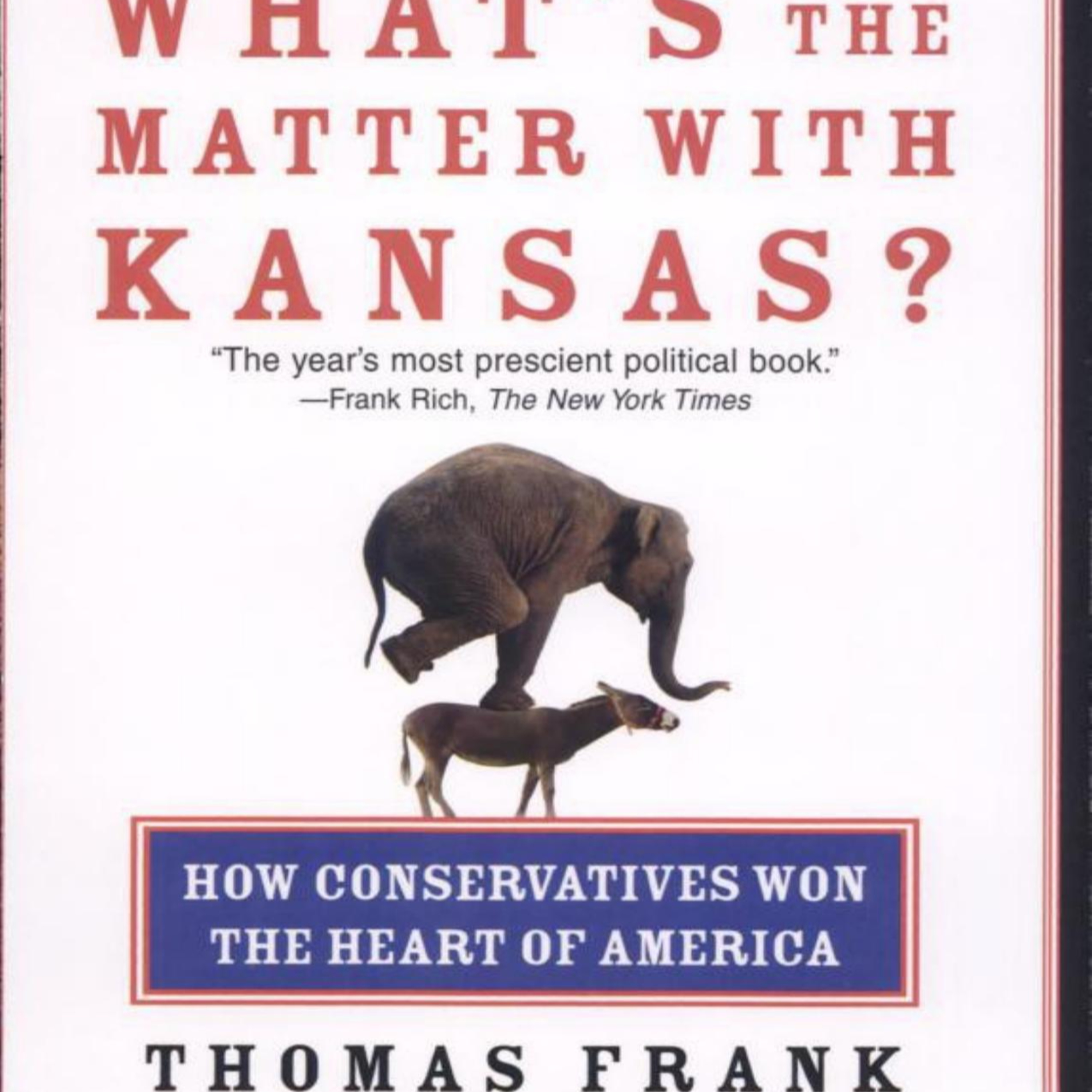
    What’s the Matter with Kansas? How Conservatives Won the Heart of America — The Backlash Paradox

    Why do political movements sometimes deliver economic policies that appear to conflict with the material interests of many of their supporters? How can cultural resentment become a durable source of institutional power? This episode presents AI-narrated educational analysis based on published sources. The voices are synthetic and do not represent real conversations, interviews with the authors, or human experts. AI-assisted tools support research synthesis, production, and narration. Source selection, editorial framing, and final editorial decisions are guided by human judgment as part of the Crisis in Perception project. Welcome to Crisis in Perception, where we examine the systems shaping our world. In What’s the Matter with Kansas? How Conservatives Won the Heart of America, Thomas Frank investigates the political transformation of Kansas and the rise of the Great Backlash—a conservative movement that mobilized voters through cultural and religious grievances while supporting a strongly pro-business economic agenda. This Deep Dive explores the institutional machinery behind that transformation. From the decline of Kansas's agrarian Populist traditions to the 1991 Summer of Mercy and the changing priorities of the Republican Party, we examine how political identity, organizational incentives, and economic policy interact. Frank also directs criticism toward Democrats for abandoning traditional class-based economic appeals, raising a broader question about the political choices available to working-class communities. At the center of this investigation is a structural tension: the grievances that mobilize voters do not always correspond to the interests that dominate policymaking after an election. By examining economic concentration, labor insecurity, religious mobilization, and political agenda-setting, the episode offers a framework for understanding how cultural and economic power can reinforce one another. 📺 Watch on YouTube: https://youtu.be/y2GS6rc4T6M ❤️ Support / Episode Post on Patreon: https://www.patreon.com/CrisisinPerception/posts/whats-matter-how-173162360?utm_medium=clipboard_copy&utm_source=copyLink&utm_campaign=postshare_creator&utm_content=join_link If these ideas resonate, consider reading the work yourself or borrowing it from your local library. Supporting authors and libraries helps keep critical inquiry accessible. If you value systems-level analysis like this, please follow, rate, and share the project.

  • Friday · 40 min

    Poverty, by America — Who Benefits from the Invisible Welfare State?

    Why is government assistance so visible when it supports the poor, yet often nearly invisible when it benefits the financially secure? This episode presents AI-narrated educational analysis based on published sources. The voices are synthetic and do not represent real conversations, interviews with the authors, or human experts. AI-assisted tools support research synthesis, production, and narration. Source selection, editorial framing, and final editorial decisions are guided by human judgment as part of the Crisis in Perception project. Welcome to Crisis in Perception, where we examine the systems shaping our world. In Poverty, by America, sociologist Matthew Desmond examines why economic deprivation persists despite the extraordinary wealth and resources available in the United States. Desmond challenges explanations that locate the causes of poverty primarily in the behavior of poor individuals. He argues that poverty must also be understood through the institutions, markets, and public policies that determine who receives economic advantages and who bears the costs. This Deep Dive investigates the invisible welfare state: the extensive public support embedded in housing subsidies, tax deductions, workplace benefits, and other arrangements that often disproportionately benefit economically secure Americans. The investigation follows a structural contradiction. Low-income households frequently encounter eligibility restrictions, administrative barriers, and public scrutiny when seeking assistance. Meanwhile, other households receive substantial public benefits through mechanisms that are rarely recognized as welfare. By comparing these arrangements, we explore how policy design influences economic inequality and how the visibility of government assistance shapes perceptions of dependency and independence. The central systems examined include public resource allocation, institutional incentives, unequal access to benefits, political feedback loops, and the relationship between economic security and opportunity. Ultimately, the investigation asks whether persistent poverty can be understood without examining the advantages built into the systems surrounding it. 📺 Watch on YouTube: https://youtu.be/ZY_ioP0VbYc ❤️ Support / Episode Post on Patreon: https://www.patreon.com/CrisisinPerception/posts/poverty-by-who-173161334?utm_medium=clipboard_copy&utm_source=copyLink&utm_campaign=postshare_creator&utm_content=join_link If these ideas resonate, consider reading the work yourself or borrowing it from your local library. Supporting authors and libraries helps keep critical inquiry accessible. If you value systems-level analysis like this, please follow, rate, and share the project.
  • Thursday · 43 min

    Nickel and Dimed: On (Not) Getting By in America — Why Working Still Leaves People Poor

    What happens when working hard is not enough to afford the basic necessities of life? This episode presents AI-narrated educational analysis based on published sources. The voices are synthetic and do not represent real conversations, interviews with the authors, or human experts. AI-assisted tools support research synthesis, production, and narration. Source selection, editorial framing, and final editorial decisions are guided by human judgment as part of the Crisis in Perception project. Welcome to Crisis in Perception, where we examine the systems shaping our world. In Nickel and Dimed: On (Not) Getting By in America, Barbara Ehrenreich investigates the realities of low-wage employment by taking jobs in restaurants, cleaning services, and retail. Her experiences expose a fundamental tension in the American economy: essential labor does not necessarily provide the income needed for a stable life. This Deep Dive explores why working poverty can persist even among people who demonstrate extraordinary effort and resilience. Wages interact with housing costs, transportation, healthcare, and workplace demands in ways that can leave workers trapped in recurring financial insecurity. The investigation examines how expensive temporary housing can prevent saving, how physically demanding employment creates additional costs, and how limited financial reserves reduce workers' ability to negotiate better conditions. Ehrenreich's experiences also invite a broader examination of welfare reform, employer incentives, and the assumptions underlying economic self-sufficiency. At the center of the discussion is a question that extends beyond any one occupation: What happens when the economic system depends on workers whose earnings cannot reliably sustain them? 📺 Watch on YouTube: https://youtu.be/o5eanp0U0BY ❤️ Support / Episode Post on Patreon: https://www.patreon.com/CrisisinPerception/posts/nickel-and-dimed-173119720?utm_medium=clipboard_copy&utm_source=copyLink&utm_campaign=postshare_creator&utm_content=join_link If these ideas resonate, consider reading the work yourself or borrowing it from your local library. Supporting authors and libraries helps keep critical inquiry accessible. If you value systems-level analysis like this, please follow, rate, and share the project.
  • Thursday · 32 min

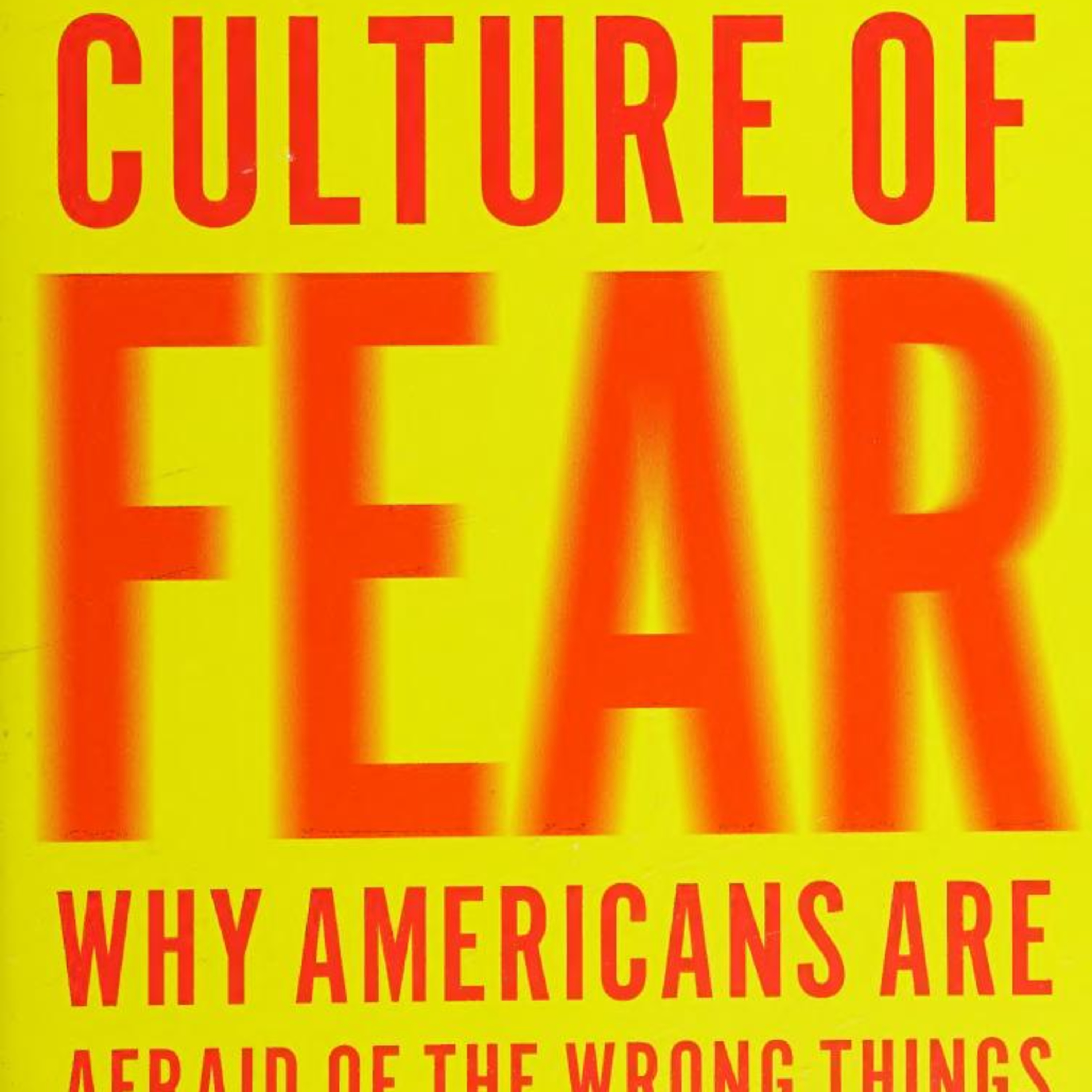
    The Culture of Fear: Why Americans Are Afraid of the Wrong Things — When Fear Distorts Risk

    Why do extraordinary dangers dominate public attention while everyday risks remain comparatively invisible? This episode presents AI-narrated educational analysis based on published sources. The voices are synthetic and do not represent real conversations, interviews with the authors, or human experts. AI-assisted tools support research synthesis, production, and narration. Source selection, editorial framing, and final editorial decisions are guided by human judgment as part of the Crisis in Perception project. Welcome to Crisis in Perception, where we examine the systems shaping our world. In The Culture of Fear: Why Americans Are Afraid of the Wrong Things, sociologist Barry Glassner examines how public anxieties can become disconnected from measurable dangers—and how institutions can benefit from that distortion. Using historical examples involving sensational crime reporting, fears about violent teenagers, child-abduction panics, and expensive public-safety policies, Glassner traces the incentives that encourage exaggerated threats to persist. This Deep Dive investigates the mechanisms linking media attention, political advantage, commercial interests, and public perception. It also examines a deeper consequence: when societies devote disproportionate resources to highly visible dangers, less dramatic but widespread harms may remain neglected. The investigation explores how isolated incidents become apparent trends, why compelling anecdotes can overshadow base rates, and how fear can influence public spending without necessarily improving safety. Ultimately, the question is not whether we should be afraid, but whether our fears are proportionate to the evidence—and what becomes possible when we learn to distinguish attention from actual risk. 📺 Watch on YouTube: https://youtu.be/APSaYvJZ8BQ ❤️ Support / Episode Post on Patreon: https://www.patreon.com/CrisisinPerception/posts/culture-of-fear-173109476?utm_medium=clipboard_copy&utm_source=copyLink&utm_campaign=postshare_creator&utm_content=join_link If these ideas resonate, consider reading the work yourself or borrowing it from your local library. Supporting authors and libraries helps keep critical inquiry accessible. If you value systems-level analysis like this, please follow, rate, and share the project.
  • Thursday · 1 hr

    What If We Get It Right? Visions of Climate Futures — Making Climate Solutions Work Together

    What if the greatest challenge in addressing climate change is not discovering new solutions, but reorganizing the systems that determine whether existing solutions can succeed? This episode presents AI-narrated educational analysis based on published sources. The voices are synthetic and do not represent real conversations, interviews with the authors, or human experts. AI-assisted tools support research synthesis, production, and narration. Source selection, editorial framing, and final editorial decisions are guided by human judgment as part of the Crisis in Perception project. Welcome to Crisis in Perception, where we examine the systems shaping our world. Drawing from What If We Get It Right? Visions of Climate Futures by Ayana Elizabeth Johnson, this Deep Dive investigates the interconnected ecological, economic, institutional, and cultural changes necessary to build a more sustainable future. Beginning with the degradation of coral reef ecosystems, the investigation explores how disrupted relationships can undermine complex systems. It then examines the parallel challenges of implementing climate solutions across agriculture, energy, infrastructure, finance, and public policy. Johnson argues that a thriving climate future remains possible, but that technological advancement alone cannot deliver it. Climate progress depends on collective imagination, community participation, institutional cooperation, and the willingness to transform deeply established practices. At the center of the investigation is the tension between what humanity knows how to accomplish and what its existing systems are organized to support. The episode also considers the role of biophilia, ecological restoration, financial incentives, institutional inertia, and the difficult tradeoffs involved in transitioning toward a regenerative economy. Rather than treating the future as predetermined, this investigation asks how interconnected solutions might strengthen one another—and what prevents that coordination from happening. 📺 Watch on YouTube: https://youtu.be/pfXWtv6Hf94 ❤️ Support / Episode Post on Patreon: https://www.patreon.com/CrisisinPerception/posts/what-if-we-get-173067205?utm_medium=clipboard_copy&utm_source=copyLink&utm_campaign=postshare_creator&utm_content=join_link If these ideas resonate, consider reading the work yourself or borrowing it from your local library. Supporting authors and libraries helps keep critical inquiry accessible. If you value systems-level analysis like this, please follow, rate, and share the project.
  • October 21 · 41 min

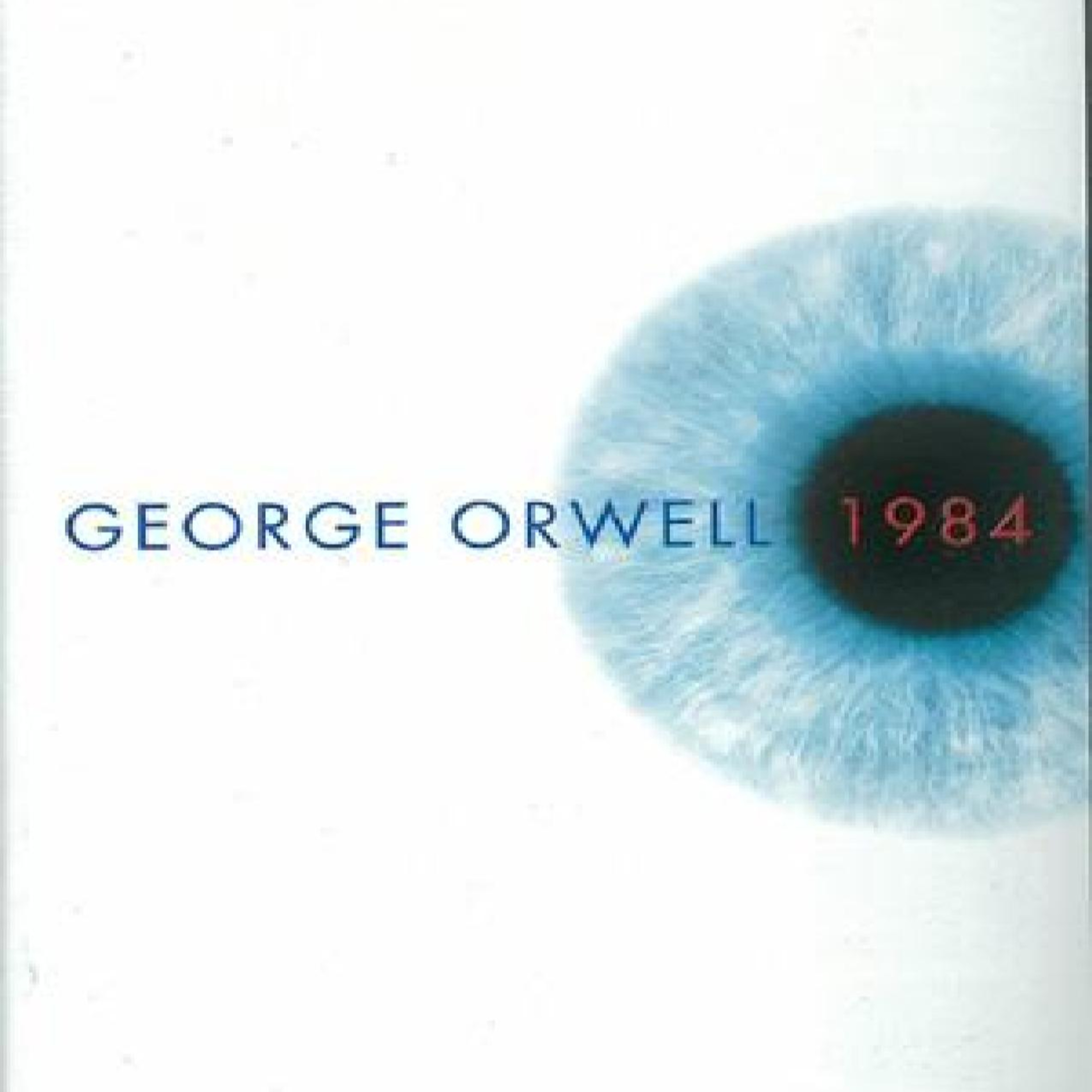
    Nineteen Eighty-Four — How Power Takes Control of Reality

    What happens when political power controls not only information, but the evidence people rely on to distinguish truth from falsehood? This episode presents AI-narrated educational analysis based on published sources. The voices are synthetic and do not represent real conversations, interviews with the authors, or human experts. AI-assisted tools support research synthesis, production, and narration. Source selection, editorial framing, and final editorial decisions are guided by human judgment as part of the Crisis in Perception project. Welcome to Crisis in Perception, where we examine the systems shaping our world. George Orwell's Nineteen Eighty-Four presents a fictional society in which the ruling Party seeks to eliminate independent judgment by controlling history, language, personal relationships, and the boundaries of acceptable thought. Through Winston Smith's experiences in Oceania, this Deep Dive investigates how seemingly separate mechanisms of authoritarian control reinforce one another. The Ministry of Truth systematically rewrites historical records, making official claims difficult to challenge. Doublethink encourages citizens to accept contradictory beliefs, while Newspeak attempts to narrow the possibilities of independent thought. Surveillance produces self-censorship, permanent war sustains political control, and the destruction of private loyalties leaves individuals increasingly isolated. As Winston's resistance encounters the Party's machinery of coercion, Orwell exposes a deeper ambition: to make political authority the ultimate arbiter of reality itself. The investigation connects institutional power, information manipulation, collective memory, and psychological conformity, asking what happens when individuals can no longer independently verify the world around them. The central question extends beyond Orwell's fictional society: What protects shared reality when powerful institutions control the information through which people understand it? 📺 Watch on YouTube: https://youtu.be/GHHrXK5u-88 ❤️ Support / Episode Post on Patreon: https://www.patreon.com/CrisisinPerception/posts/nineteen-eighty-173028573?utm_medium=clipboard_copy&utm_source=copyLink&utm_campaign=postshare_creator&utm_content=join_link This episode discusses key plot outcomes from the referenced fictional work in order to analyze its underlying social, economic, and systemic themes. If these ideas resonate, consider reading the work yourself or borrowing it from your local library. Supporting authors and libraries helps keep critical inquiry accessible. If you value systems-level analysis like this, please follow, rate, and share the project.

  • October 21 · 47 min

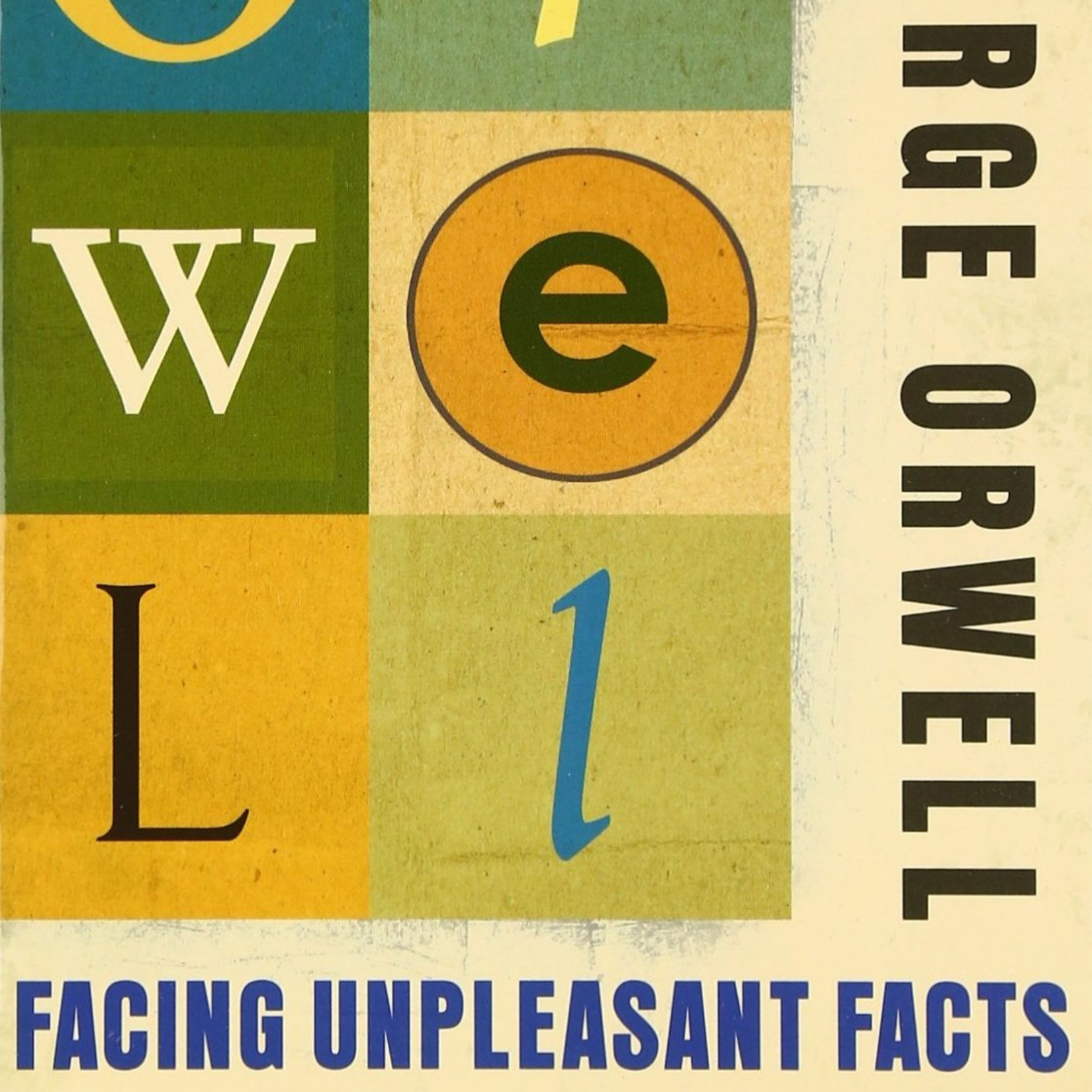
    Facing Unpleasant Facts: Narrative Essays — When Duty Overrides Judgment

    Why do people sometimes carry out actions they privately recognize as wrong? This episode presents AI-narrated educational analysis based on published sources. The voices are synthetic and do not represent real conversations, interviews with the authors, or human experts. AI-assisted tools support research synthesis, production, and narration. Source selection, editorial framing, and final editorial decisions are guided by human judgment as part of the Crisis in Perception project. Welcome to Crisis in Perception, where we examine the systems shaping our world. In Facing Unpleasant Facts: Narrative Essays, George Orwell uses personal observation and narrative to confront the realities of imperialism, poverty, institutional cruelty, and political belief. Compiled and introduced by George Packer, the collection illustrates how seemingly ordinary experiences can reveal uncomfortable truths about the structures governing society. This Deep Dive investigates the tension between personal judgment and institutional behavior. In "A Hanging," a condemned prisoner briefly becomes visible as a living individual rather than a subject of administrative procedure. In "Shooting an Elephant," Orwell describes the pressure to perform colonial authority even when doing so conflicts with his judgment. "The Spike" and "Marrakech" extend the inquiry into class hierarchy, economic deprivation, and the social invisibility of marginalized people. Across these accounts, we explore how authority, social expectations, bureaucratic routines, and inherited prejudices can reinforce patterns of behavior that individuals might otherwise question. Orwell's method also creates an important challenge for critical thinking: how can direct observation expose uncomfortable realities while remaining subject to bias, imperfect memory, and interpretation? The deeper investigation asks how institutions influence not only what people do, but what they are willing to recognize. Central themes include institutional power, conformity, class hierarchy, selective attention, moral responsibility, and the relationship between evidence and ideology. 📺 Watch on YouTube: https://youtu.be/LhpuDD2fwco ❤️ Support / Episode Post on Patreon: https://www.patreon.com/CrisisinPerception/posts/facing-facts-173026414?utm_medium=clipboard_copy&utm_source=copyLink&utm_campaign=postshare_creator&utm_content=join_link If these ideas resonate, consider reading the work yourself or borrowing it from your local library. Supporting authors and libraries helps keep critical inquiry accessible. If you value systems-level analysis like this, please follow, rate, and share the project.

Showing 1–20 of 174 episodes