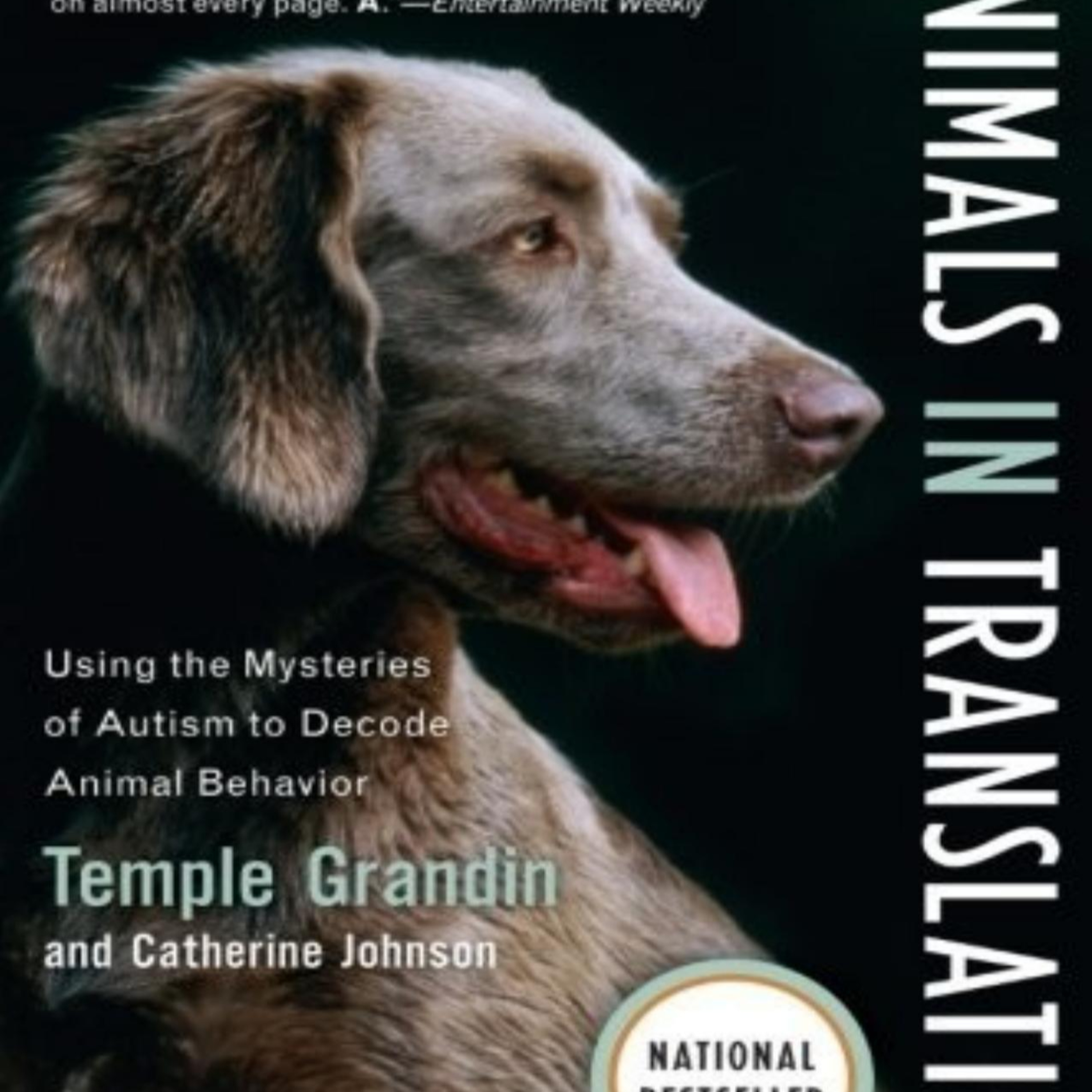
Animals in Translation: Using the Mysteries of Autism to Decode Animal Behavior — What Animals See
What if behavior that looks irrational from the outside makes perfect sense from inside another creature’s perceptual world? Welcome to Crisis in Perception, where we examine the systems shaping our world. Using Animals in Translation: Using the Mysteries of Autism to Decode Animal Behavior by Temple Grandin and Catherine Johnson as our lens, this episode investigates how human perceptual filters can obscure the sensory details shaping animal behavior. Grandin draws on decades of work with livestock, animal handling, autism, and behavioral science to show how shadows, reflections, sounds, unfamiliar objects, changes in lighting, and other seemingly minor details can radically alter an animal’s response. When humans overlook those signals, fear can be misread as stubbornness or stupidity, leading to interventions that increase stress and reinforce the original misunderstanding. The investigation also examines behaviorism, emotion, cognition, Alex the parrot, and Grandin’s argument that animals may possess specialized forms of intelligence that conventional human-centered tests fail to recognize. Central systems include sensory perception, environmental design, behavioral feedback loops, cognitive filtering, and specialized intelligence. 📺 Watch on YouTube: https://youtu.be/qR_vjRPcO4A ❤️ Support / Episode Post on Patreon: https://www.patreon.com/CrisisinPerception/posts/animals-in-using-171348584?utm_medium=clipboard_copy&utm_source=copyLink&utm_campaign=postshare_creator&utm_content=join_link If these ideas resonate, consider reading the work yourself or borrowing it from your local library. Supporting authors and libraries helps keep critical inquiry accessible. If you value systems-level analysis like this, please follow, rate, and share the project. This content was created using AI-assisted tools for research synthesis, structuring, and narration support. All analysis, framing, and editorial decisions are guided by human judgment as part of the Crisis in Perception project.