Skip to content
Artwork for Crisis in Perception

Crisis in Perception

Crisis in Perception

Crisis in Perception is a long-form educational podcast examining how we misunderstand the world around us. Using books as entry points, each episode explores history, psychology, economics, science, and power structures to reveal how systems actually work—and why our perceptions so often fail. Clear, evidence-based, and non-tribal.

Crisis in Perception uses AI-assisted tools for narration and synthesis in service of long-form educational analysis.

Play
  • 118 episodes
  • Avg 42 min
  • English
Counted on this page — what you have heard stays on this device, so it is not something the list can be paged by.
  • September 29 · 19 min

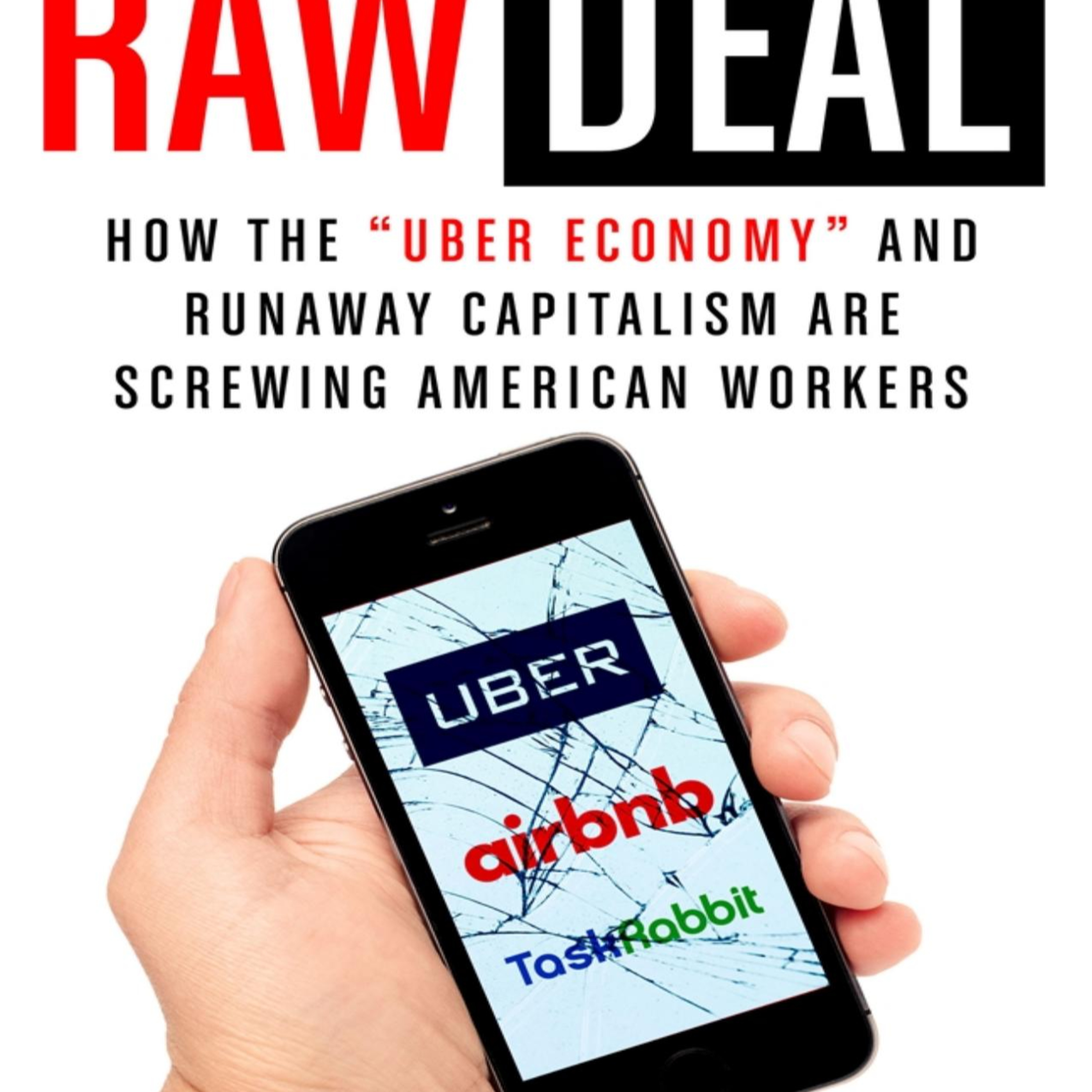
    Raw Deal: How the “Uber Economy” and Runaway Capitalism Are Screwing American Workers — Who Pays?

    What happens when technological flexibility makes work easier to buy, but harder to live on? Welcome to Crisis in Perception, where we examine the systems shaping our world. Using Raw Deal: How the “Uber Economy” and Runaway Capitalism Are Screwing American Workers by Steven Hill as our lens, this Deep Dive investigates a structural change in the relationship between workers, employers, technology, and economic risk. Hill argues that the celebrated sharing economy is part of a broader “freelance society” built around contracting, temp work, platform brokerage, outsourcing, and other forms of contingent employment. These arrangements can provide flexibility and new opportunities, while also allowing costs traditionally carried by employers—benefits, downtime, retirement, equipment, payroll obligations, and employment uncertainty—to migrate toward individual workers. The deeper investigation follows the feedback loop this can create. When one company reduces labor costs through contingent work, competitors face incentives to imitate it. Stable jobs can become less common, more workers enter fragmented labor markets, and bargaining power may weaken further. We also examine Hill’s “Economic Singularity” argument linking insecure employment, automation, stagnant purchasing power, and consumer demand, before turning to his proposal for portable “personal infrastructure”: benefits and protections that follow people across jobs rather than remaining attached to one employer. Central systems include labor-market risk transfer, competitive incentives, contingent employment, automation, portable benefits, and the tension between flexibility and security. 📺 Watch on YouTube: https://youtu.be/DasKleyLTKw ❤️ Support / Episode Post on Patreon: https://www.patreon.com/CrisisinPerception/posts/raw-deal-how-and-170874181?utm_medium=clipboard_copy&utm_source=copyLink&utm_campaign=postshare_creator&utm_content=join_link If these ideas resonate, consider reading the work yourself or borrowing it from your local library. Supporting authors and libraries helps keep critical inquiry accessible. If you value systems-level analysis like this, please follow, rate, and share the project. This content was created using AI-assisted tools for research synthesis, structuring, and narration support. All analysis, framing, and editorial decisions are guided by human judgment as part of the Crisis in Perception project.
  • September 29 · 46 min

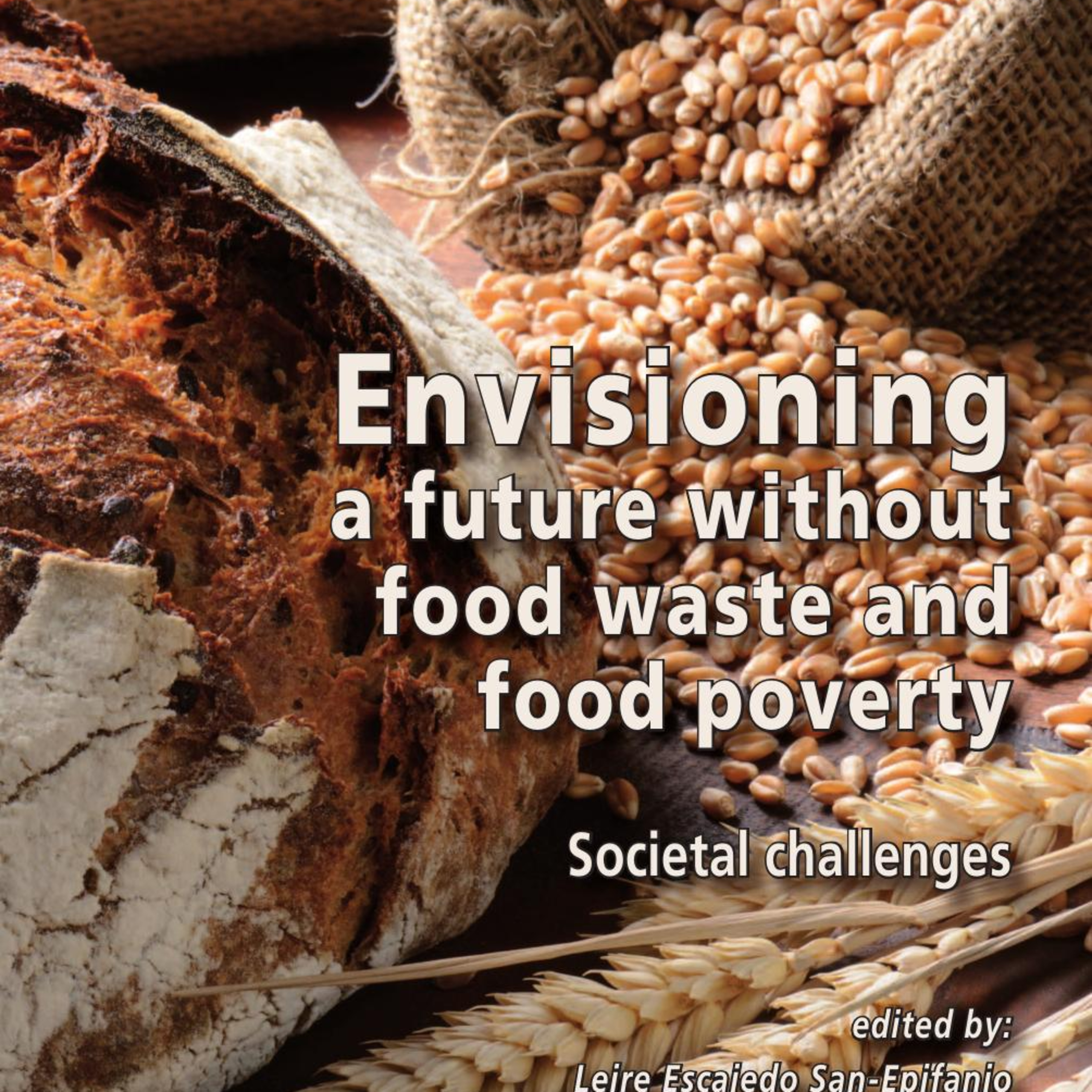
    Envisioning a future without food waste and food poverty — When Abundance Fails

    How can a food system create enormous abundance while simultaneously producing waste, hunger, and unhealthy diets? Welcome to Crisis in Perception, where we examine the systems shaping our world. Using Envisioning a future without food waste and food poverty: Societal challenges, edited by Leire Escajedo San-Epifanio and Mertxe De Renobales Scheifler, this episode investigates the systems connecting food waste, food poverty, economic access, public health, and food-system governance. The collection moves beyond the idea that hunger is simply a shortage of food. It examines how market standards, regulation, income, distribution networks, liability rules, and consumer practices influence whether food is sold, donated, discarded, or made accessible to people who need it. The investigation also explores an important tension between recovery and prevention. Food banks, social supermarkets, donation protections, and redistribution networks can put surplus food to use, but several contributors ask whether these strategies address the deeper systems that continually produce both waste and food insecurity. The episode traces food-system incentives, unequal access to nutritious diets, the relationship between food poverty and health, and the difference between managing surplus after it appears and preventing avoidable surplus in the first place. 📺 Watch on YouTube: https://youtu.be/EHAPmBXJW2E ❤️ Support / Episode Post on Patreon: https://www.patreon.com/CrisisinPerception/posts/envisioning-food-170873138?utm_medium=clipboard_copy&utm_source=copyLink&utm_campaign=postshare_creator&utm_content=join_link If these ideas resonate, consider reading the work yourself or borrowing it from your local library. Supporting authors and libraries helps keep critical inquiry accessible. If you value systems-level analysis like this, please follow, rate, and share the project. This content was created using AI-assisted tools for research synthesis, structuring, and narration support. All analysis, framing, and editorial decisions are guided by human judgment as part of the Crisis in Perception project.
  • September 29 · 48 min

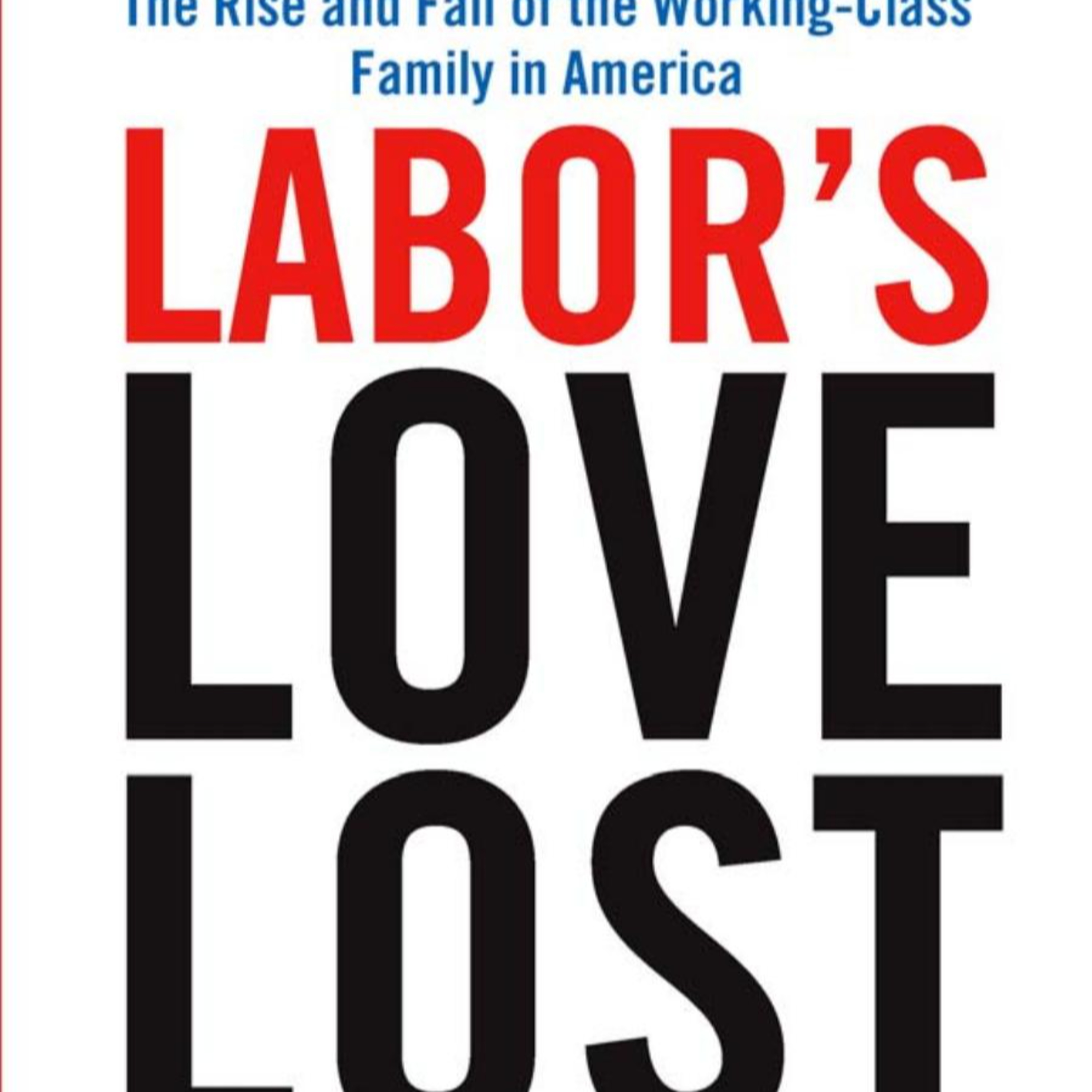
    Labor’s Love Lost: The Rise and Fall of the Working-Class Family in America — Jobs, Marriage, Class

    What happens to family stability when the economic foundation supporting a particular family model begins to disappear? Welcome to Crisis in Perception, where we examine the systems shaping our world. In Labor’s Love Lost: The Rise and Fall of the Working-Class Family in America, sociologist Andrew J. Cherlin traces the development of the American working-class family from industrialization through its postwar peak and subsequent decline. This episode examines how industrial wage labor helped organize family life around marriage, gendered divisions of labor, and the expectation of stable employment. It then follows the transformation of that system as manufacturing jobs declined, economic inequality widened, and the middle of the labor market became less secure. At the same time, cultural expectations surrounding marriage, cohabitation, childbearing, and gender were changing. Cherlin argues that neither economic restructuring nor cultural change alone can explain what followed. The crucial mechanism is their interaction. The investigation explores labor-market polarization, marriage inequality, the male-breadwinner ideal, changing working-class identity, family instability, and the institutional consequences of losing durable connections to both work and family. 📺 Watch on YouTube: https://youtu.be/8L9kMCfhWdU ❤️ Support / Episode Post on Patreon: https://www.patreon.com/CrisisinPerception/posts/labors-love-lost-170872179?utm_medium=clipboard_copy&utm_source=copyLink&utm_campaign=postshare_creator&utm_content=join_link If these ideas resonate, consider reading the work yourself or borrowing it from your local library. Supporting authors and libraries helps keep critical inquiry accessible. If you value systems-level analysis like this, please follow, rate, and share the project. This content was created using AI-assisted tools for research synthesis, structuring, and narration support. All analysis, framing, and editorial decisions are guided by human judgment as part of the Crisis in Perception project.
  • September 29 · 46 min

    Socialist Reconstruction: A Better Future for the United States — Who Controls the System?

    Who decides what an economy is ultimately organized to accomplish—and what changes when ownership itself becomes the variable under investigation? Welcome to Crisis in Perception, where we examine the systems shaping our world. Using Socialist Reconstruction: A Better Future for the United States by the Party for Socialism and Liberation as our lens, this Deep Dive examines the authors’ proposal for transferring political and economic power from private capital to the working class. The book presents inequality, ecological breakdown, debt, housing insecurity, unequal health care, policing, and militarism as interconnected consequences of a larger institutional structure. Its proposed alternative includes public ownership of major industries and banks, democratic economic planning, universal basic services, mass participation in governance, and a new constitutional framework. At a systems level, the investigation asks how ownership shapes incentives, how incentives shape institutional behavior, and whether large-scale planning can combine effective coordination with meaningful democratic accountability. Central themes include ownership and power, planning versus profit, nationalization, democratic participation, institutional incentives, universal services, constitutional design, and climate coordination. 📺 Watch on YouTube: [ADD DEEP DIVE LINK] ❤️ Support / Episode Post on Patreon: https://www.patreon.com/CrisisinPerception/posts/socialist-better-170871686?utm_medium=clipboard_copy&utm_source=copyLink&utm_campaign=postshare_creator&utm_content=join_link If these ideas resonate, consider reading the work yourself or borrowing it from your local library. Supporting authors and libraries helps keep critical inquiry accessible. If you value systems-level analysis like this, please follow, rate, and share the project. This content was created using AI-assisted tools for research synthesis, structuring, and narration support. All analysis, framing, and editorial decisions are guided by human judgment as part of the Crisis in Perception project.
  • September 29 · 39 min

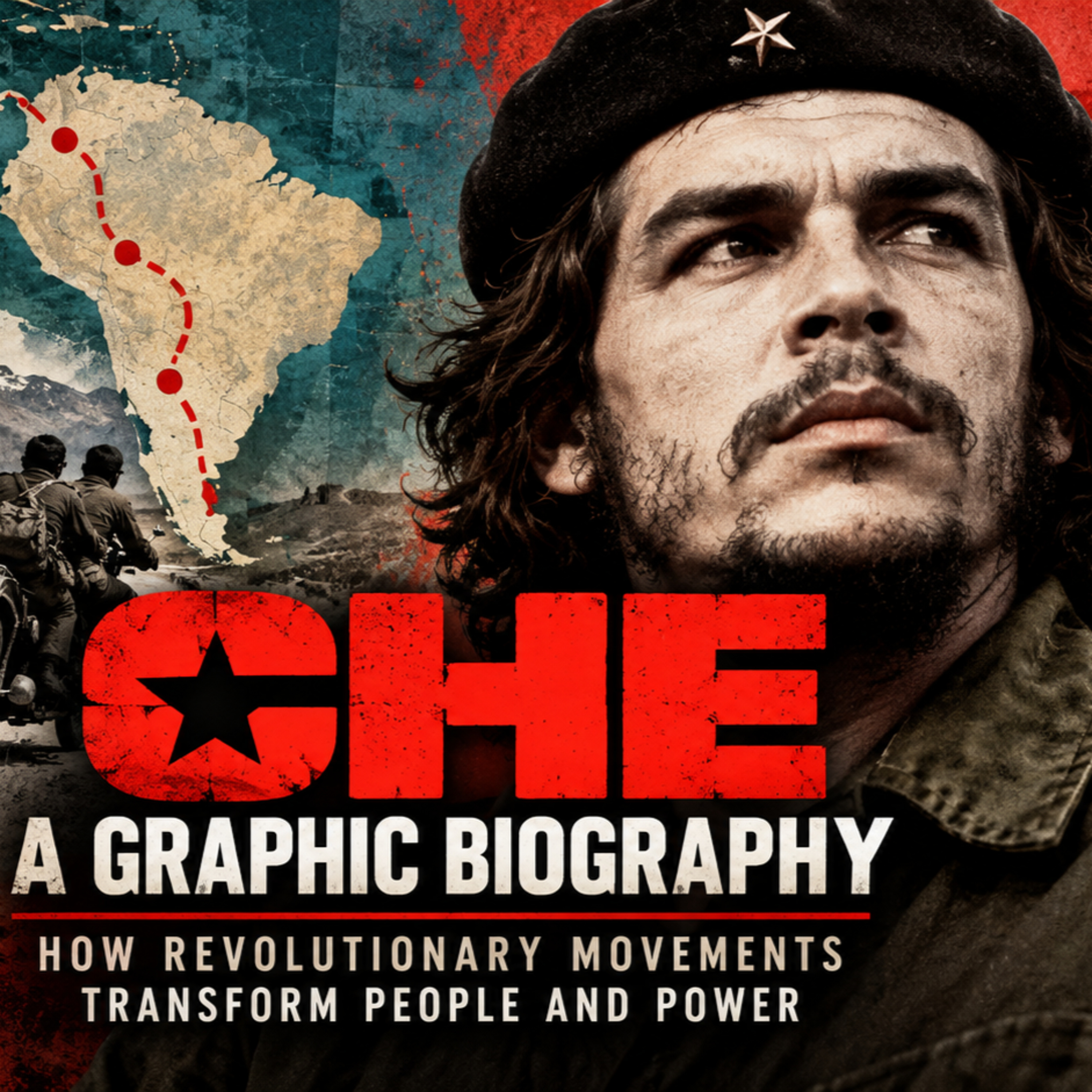
    Che: A Graphic Biography — How Revolutionary Movements Transform People and Power

    Che Guevara is often remembered as an icon. This episode asks what becomes visible when we reconstruct the systems behind the image. Welcome to Crisis in Perception, where we examine the systems shaping our world. Using Che: A Graphic Biography by Sid Jacobson and Ernie Colón as our lens, this Deep Dive follows Ernesto “Che” Guevara’s transformation from traveler and physician to revolutionary, government official, international guerrilla, and global political symbol. The investigation traces how encounters with poverty, indigenous marginalization, foreign economic power, revolutionary change, Cold War intervention, political networks, and armed conflict contributed to an increasingly radical worldview. It then examines what changed when revolutionary opposition became institutional power. Rather than reducing Guevara to hero or villain, the episode explores the mechanisms connecting grievance, ideology, identity, revolutionary action, state power, strategic failure, and political memory. His experiences in Cuba, Congo, and Bolivia expose recurring tensions between liberation and coercion, universal ideology and local conditions, revolutionary justice and due process, and anti-imperialism and geopolitical dependence. At the center is a transferable question: how do political environments transform individuals—and how do those individuals, once transformed, begin changing the systems around them? 📺 Watch on YouTube: https://youtu.be/mJv7LAtMqCc ❤️ Support / Episode Post on Patreon: https://www.patreon.com/CrisisinPerception/posts/che-graphic-how-170864132?utm_medium=clipboard_copy&utm_source=copyLink&utm_campaign=postshare_creator&utm_content=join_link If these ideas resonate, consider reading the work yourself or borrowing it from your local library. Supporting authors and libraries helps keep critical inquiry accessible. If you value systems-level analysis like this, please follow, rate, and share the project. This content was created using AI-assisted tools for research synthesis, structuring, and narration support. All analysis, framing, and editorial decisions are guided by human judgment as part of the Crisis in Perception project.
  • September 28 · 49 min

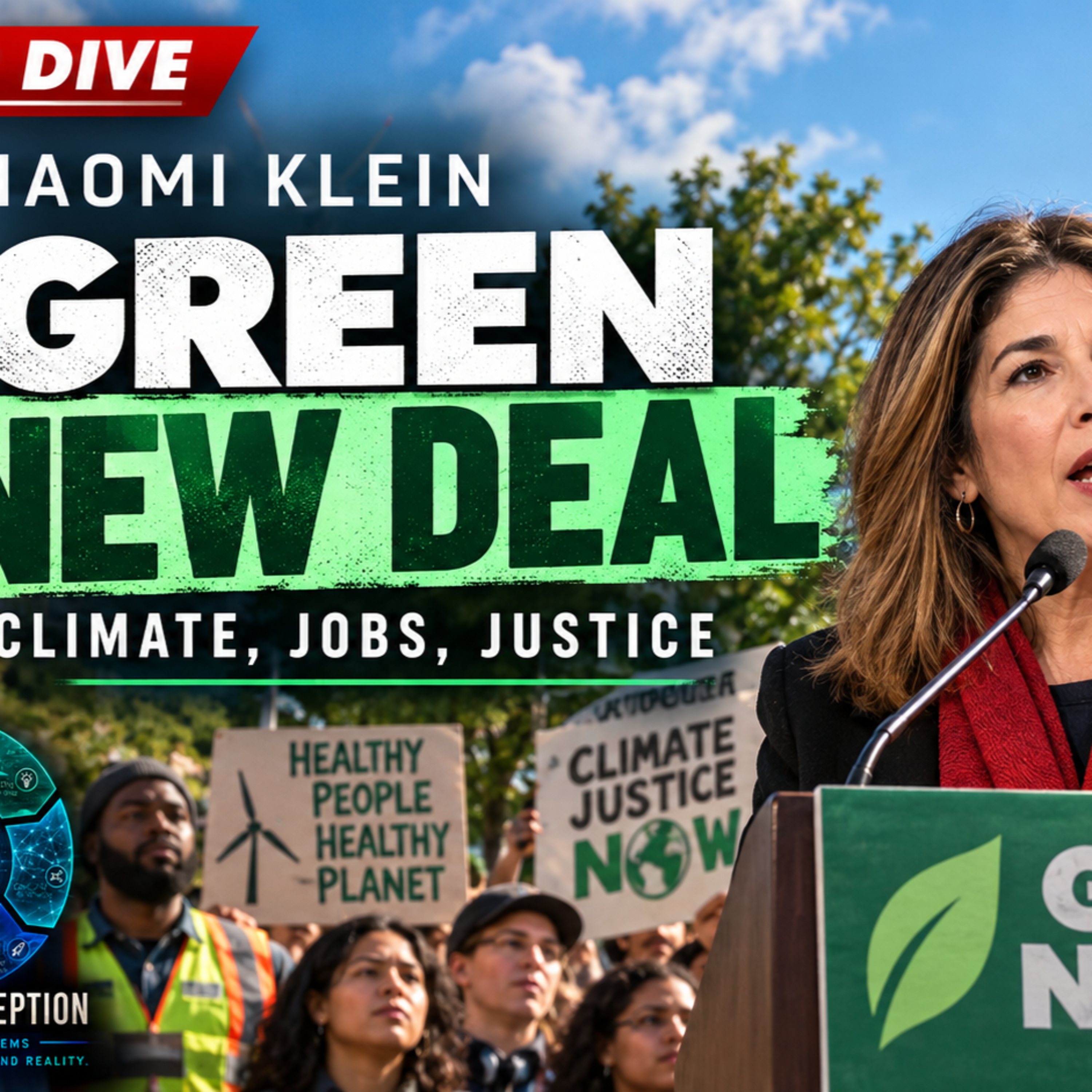
    The Battle Lines Have Been Drawn on the Green New Deal — Climate Policy as a System

    What changes when climate disruption, work, health, inequality, and political power are treated as parts of the same system? Welcome to Crisis in Perception, where we examine the systems shaping our world. Using The Battle Lines Have Been Drawn on the Green New Deal by Naomi Klein as our lens, this episode investigates Klein’s argument that the Green New Deal should be understood as an interconnected framework rather than a collection of unrelated political demands. Klein links climate policy to public infrastructure, employment security, health, inequality, labor institutions, and social movements. She also draws on the history of the original New Deal to argue that large reforms evolve through political pressure and institutional conflict rather than appearing fully formed. The investigation ultimately reaches Klein’s broader contrast between an extractive “use and discard” model and an ethic of “care and repair.” The central systems question is whether institutions designed around separate policy categories can effectively respond to crises whose causes and consequences cross those boundaries. Central themes include policy interdependence, political power, worker transition, institutional resilience, social movements, and the tension between extraction and repair. 📺 Watch on YouTube: https://youtu.be/ZsBcwxT7nWo ❤️ Support / Episode Post on Patreon: https://www.patreon.com/CrisisinPerception/posts/battle-lines-on-170826329?utm_medium=clipboard_copy&utm_source=copyLink&utm_campaign=postshare_creator&utm_content=join_link If these ideas resonate, consider reading the work yourself or borrowing it from your local library. Supporting authors and libraries helps keep critical inquiry accessible. If you value systems-level analysis like this, please follow, rate, and share the project. This content was created using AI-assisted tools for research synthesis, structuring, and narration support. All analysis, framing, and editorial decisions are guided by human judgment as part of the Crisis in Perception project.
  • September 28 · 51 min

    A People's History of American Empire: A Graphic Adaptation — How Power Expands

    What if wars, territorial expansion, labor conflict, and political repression become easier to understand when we examine the systems connecting them across time? Welcome to Crisis in Perception, where we examine the systems shaping our world. Using A People's History of American Empire: A Graphic Adaptation by Howard Zinn, Mike Konopacki, and Paul Buhle as its lens, this investigation explores the authors' interpretation of American expansion as a recurring interaction among economic interests, political institutions, military force, and public narratives. Beginning with Indigenous dispossession and Wounded Knee, the source develops what it describes as an “internal empire.” The investigation then moves through the Pullman Strike, Cuba, the Philippines, world wars, the Cold War, Vietnam, and later interventions to examine where structural continuities may exist—and where historical differences resist simple comparison. At the center of the episode are concentrated power, state coercive capacity, economic incentives, nationalism, media framing, institutional persistence, resistance, and path dependence. 📺 Watch on YouTube: https://youtu.be/Z0WKGxcWqMw ❤️ Support / Episode Post on Patreon: https://www.patreon.com/CrisisinPerception/posts/peoples-history-170823902?utm_medium=clipboard_copy&utm_source=copyLink&utm_campaign=postshare_creator&utm_content=join_link If these ideas resonate, consider reading the work yourself or borrowing it from your local library. Supporting authors and libraries helps keep critical inquiry accessible. If you value systems-level analysis like this, please follow, rate, and share the project. This content was created using AI-assisted tools for research synthesis, structuring, and narration support. All analysis, framing, and editorial decisions are guided by human judgment as part of the Crisis in Perception project.
  • September 28 · 38 min

    The Silent Takeover: Global Capitalism and the Death of Democracy — When Markets Gain Leverage

    What happens when democratic governments still possess formal authority, but increasingly compete for the investment and cooperation of economic actors they are supposed to regulate? Welcome to Crisis in Perception, where we examine the systems shaping our world. Using The Silent Takeover: Global Capitalism and the Death of Democracy by Noreena Hertz as our lens, this episode investigates her argument that globalization, deregulation, privatization, corporate mobility, and the growing economic power of multinational firms altered the bargaining relationship between governments, corporations, and citizens. Hertz does not reject capitalism or business. Instead, she questions what happens when economic competitiveness becomes such a powerful constraint that elected governments become increasingly dependent on mobile capital while citizens perceive fewer meaningful differences among conventional political choices. The investigation traces corporate mobility, tax competition, political finance, lobbying, weakened state capacity, public distrust, consumer activism, and protest. At the center is a structural tension between the economic benefits markets can generate and the democratic accountability required when private economic power affects public decisions. 📺 Watch on YouTube: https://youtu.be/bedcIqKU-FQ ❤️ Support / Episode Post on Patreon: https://www.patreon.com/CrisisinPerception/posts/silent-takeover-170771026?utm_medium=clipboard_copy&utm_source=copyLink&utm_campaign=postshare_creator&utm_content=join_link If these ideas resonate, consider reading the work yourself or borrowing it from your local library. Supporting authors and libraries helps keep critical inquiry accessible. If you value systems-level analysis like this, please follow, rate, and share the project. This content was created using AI-assisted tools for research synthesis, structuring, and narration support. All analysis, framing, and editorial decisions are guided by human judgment as part of the Crisis in Perception project.
  • September 27 · 47 min

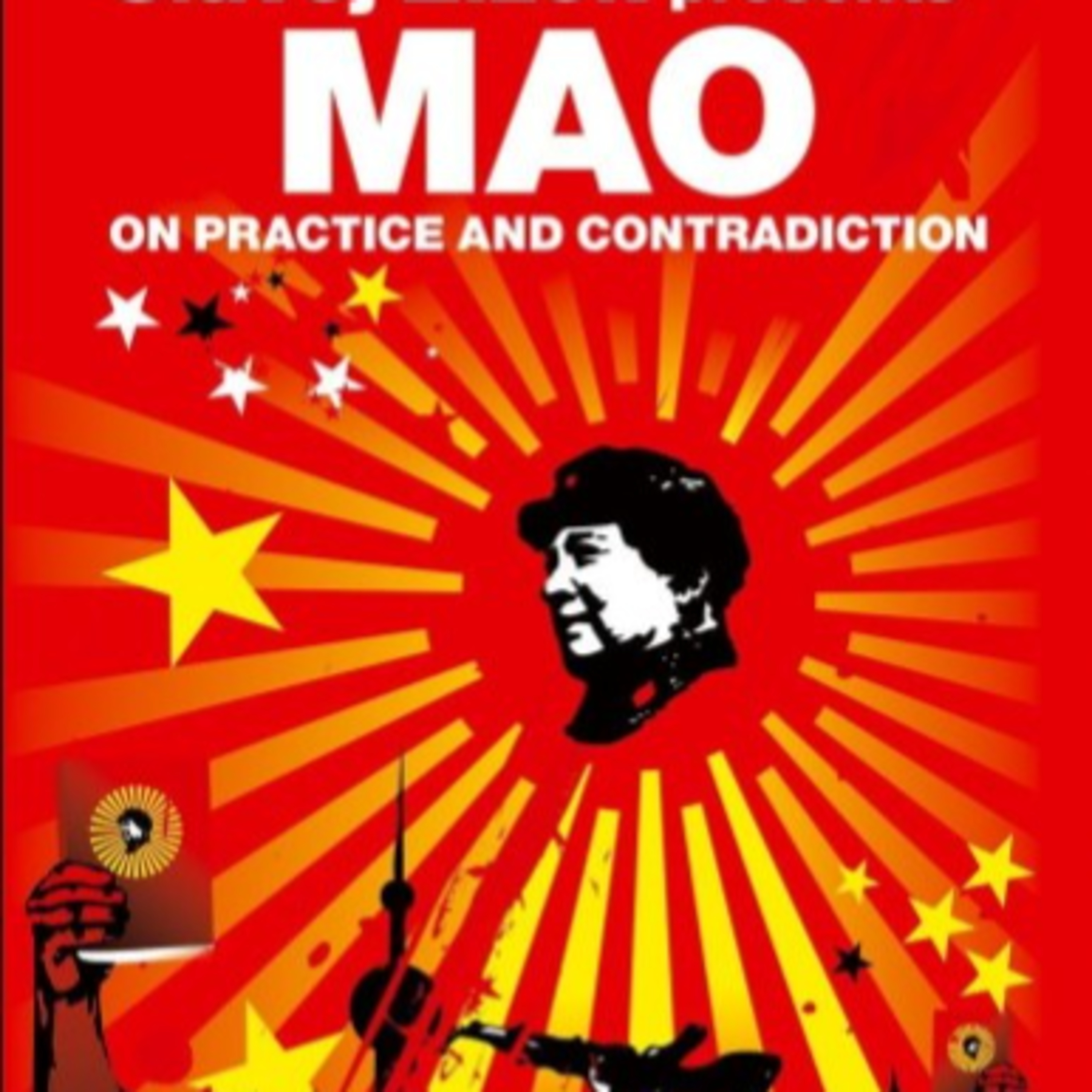
    On Practice and Contradiction — How Theory Changes Through Practice

    What happens when reality stops fitting the theory meant to explain it? Welcome to Crisis in Perception, where we examine the systems shaping our world. Using On Practice and Contradiction by Mao Zedong as our lens, this episode investigates the relationship between theory, experience, political strategy, and changing conditions. Mao argues that knowledge develops through practice rather than through doctrine alone. Experience becomes theory, theory guides further action, and the results feed back into the next revision. His theory of contradiction extends this framework by distinguishing between principal and secondary contradictions and asking which conflict becomes strategically decisive under particular conditions. The episode also separates Mao’s writings from Slavoj Žižek’s later interpretation. Žižek presents Mao’s transformation of Marxism for Chinese conditions as an example of theory changing through transplantation, while also criticizing the tendency toward endless division and permanent struggle. At the center of the investigation is a broader systems problem: adaptability can support error correction, but excessive adaptability can also make a theory difficult to falsify. Central themes include theory and practice, contradiction, political adaptation, objective and subjective conditions, feedback, and error correction. 📺 Watch on YouTube: https://youtu.be/mWr4MO2Ncx8 ❤️ Support / Episode Post on Patreon: https://www.patreon.com/CrisisinPerception/posts/on-practice-and-170731922?utm_medium=clipboard_copy&utm_source=copyLink&utm_campaign=postshare_creator&utm_content=join_link If these ideas resonate, consider reading the work yourself or borrowing it from your local library. Supporting authors and libraries helps keep critical inquiry accessible. If you value systems-level analysis like this, please follow, rate, and share the project. This content was created using AI-assisted tools for research synthesis, structuring, and narration support. All analysis, framing, and editorial decisions are guided by human judgment as part of the Crisis in Perception project.
  • September 27 · 45 min

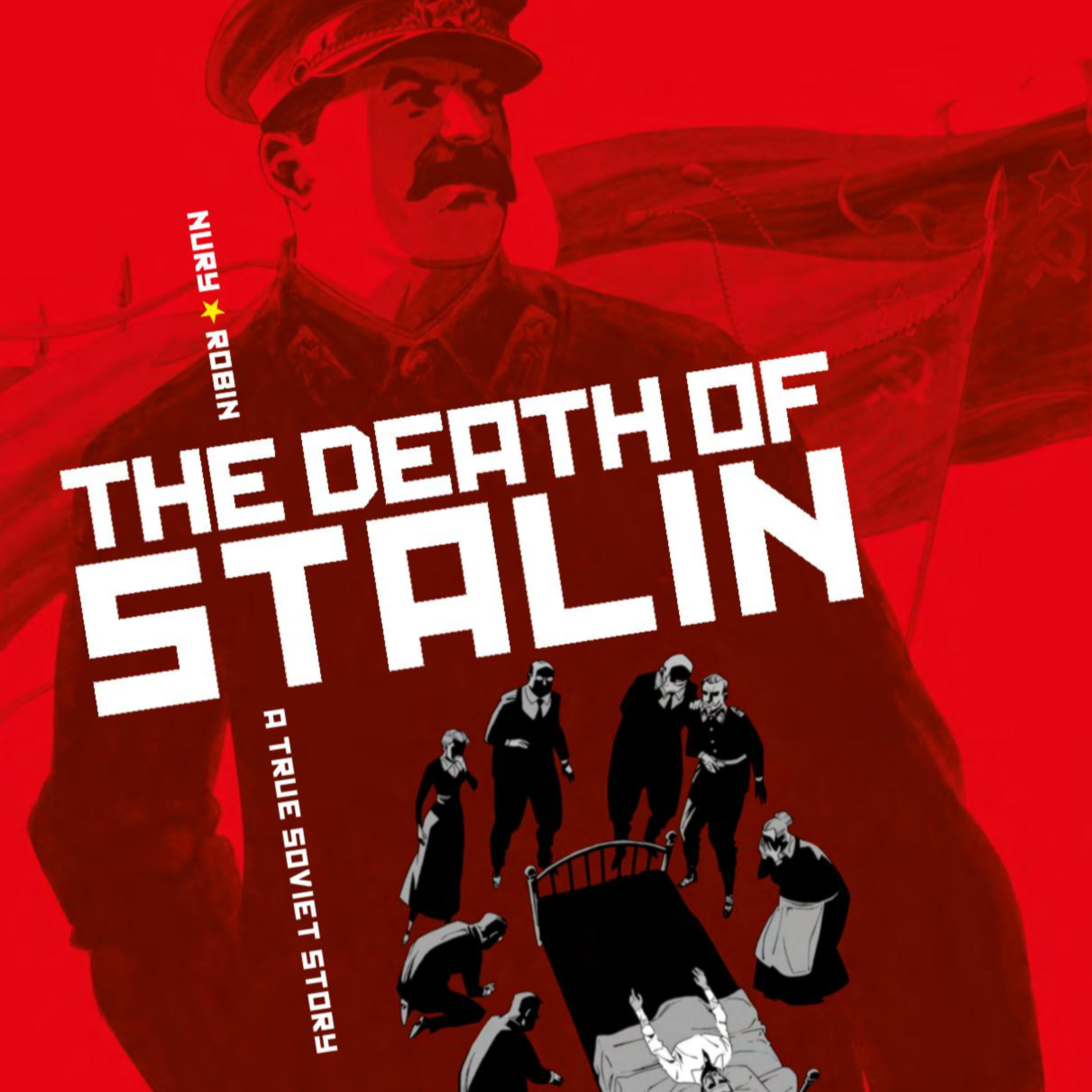
    The Death of Stalin — How Fear Makes Power Fragile

    A government can concentrate enormous power while simultaneously damaging its own ability to understand what is happening inside it. Welcome to Crisis in Perception, where we examine the systems shaping our world. Using The Death of Stalin, written by Fabien Nury and illustrated by Thierry Robin, this Deep Dive examines the institutional consequences of governing through fear. The fictionalized graphic novel uses Stalin’s final days and the struggle surrounding his death to explore how terror reshapes information, incentives, responsibility, and political behavior. From the Radio Moscow recording crisis to the difficulty of obtaining medical care after Stalin collapses, the same pattern repeatedly emerges: people become more concerned with avoiding punishment than communicating reality accurately. The succession struggle then shows how surveillance, secrecy, propaganda, political files, and mutual complicity can continue influencing behavior even when the leader at the center of the system disappears. At the center of the investigation is a reinforcing loop between fear, silence, information failure, institutional paralysis, and further coercion. 📺 Watch on YouTube: https://youtu.be/m0rd54SrUF8 ❤️ Support / Episode Post on Patreon: https://www.patreon.com/CrisisinPerception/posts/death-of-stalin-170729613?utm_medium=clipboard_copy&utm_source=copyLink&utm_campaign=postshare_creator&utm_content=join_link This episode discusses key plot outcomes from the referenced fictional work in order to analyze its underlying social, economic, and systemic themes. If these ideas resonate, consider reading the work yourself or borrowing it from your local library. Supporting authors and libraries helps keep critical inquiry accessible. If you value systems-level analysis like this, please follow, rate, and share the project. This content was created using AI-assisted tools for research synthesis, structuring, and narration support. All analysis, framing, and editorial decisions are guided by human judgment as part of the Crisis in Perception project.
  • September 27 · 39 min

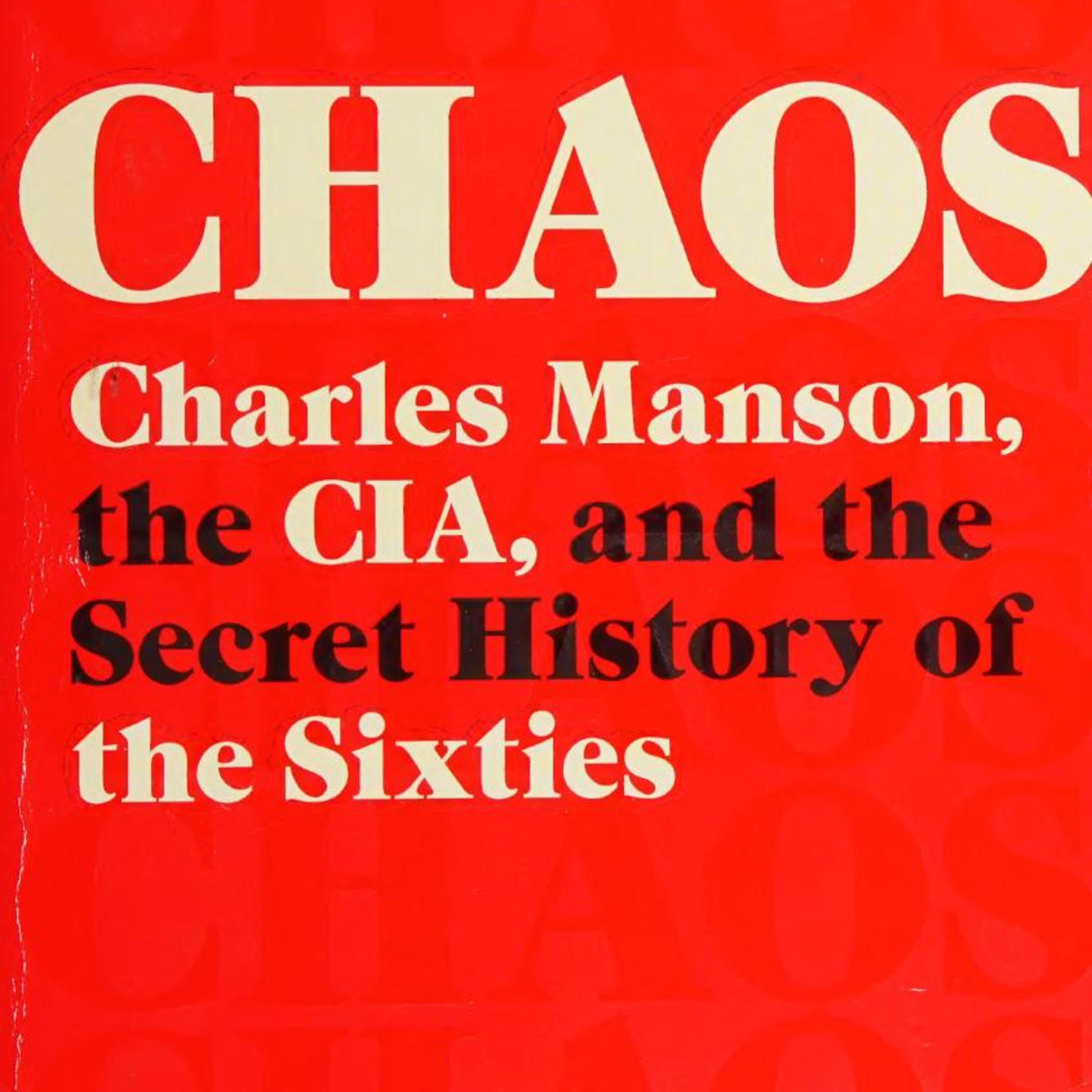
    CHAOS: Charles Manson, the CIA, and the Secret History of the Sixties — How Stories Become History

    How does an official explanation become accepted history—and what should happen when later evidence reveals that important pieces never fit cleanly? Welcome to Crisis in Perception, where we examine the systems shaping our world. Using CHAOS: Charles Manson, the CIA, and the Secret History of the Sixties by Tom O’Neill with Dan Piepenbring as our lens, this investigation examines how prosecutors, law enforcement agencies, witnesses, journalists, institutional secrecy, and cultural repetition can shape public understanding of a historical event. O’Neill’s reporting challenges elements of the familiar Helter Skelter narrative while tracing contradictions involving Terry Melcher, Vincent Bugliosi, Manson’s encounters with the justice system, and the wider Cold War environment of government surveillance and behavioral research. But uncertainty is central to the investigation. Evidence that damages an accepted explanation does not automatically establish an alternative one. The deeper system involves information asymmetry, institutional authority, narrative persistence, and the difficulty of correcting a story after it has become culturally embedded. Central themes include historical memory, prosecutorial incentives, institutional secrecy, evidence evaluation, narrative formation, and the distinction between justified skepticism and speculative certainty. 📺 Watch on YouTube: https://youtu.be/A1lgga42TmQ ❤️ Support / Episode Post on Patreon: https://www.patreon.com/CrisisinPerception/posts/chaos-charles-of-170692637?utm_medium=clipboard_copy&utm_source=copyLink&utm_campaign=postshare_creator&utm_content=join_link If these ideas resonate, consider reading the work yourself or borrowing it from your local library. Supporting authors and libraries helps keep critical inquiry accessible. If you value systems-level analysis like this, please follow, rate, and share the project. This content was created using AI-assisted tools for research synthesis, structuring, and narration support. All analysis, framing, and editorial decisions are guided by human judgment as part of the Crisis in Perception project.
  • September 27 · 49 min

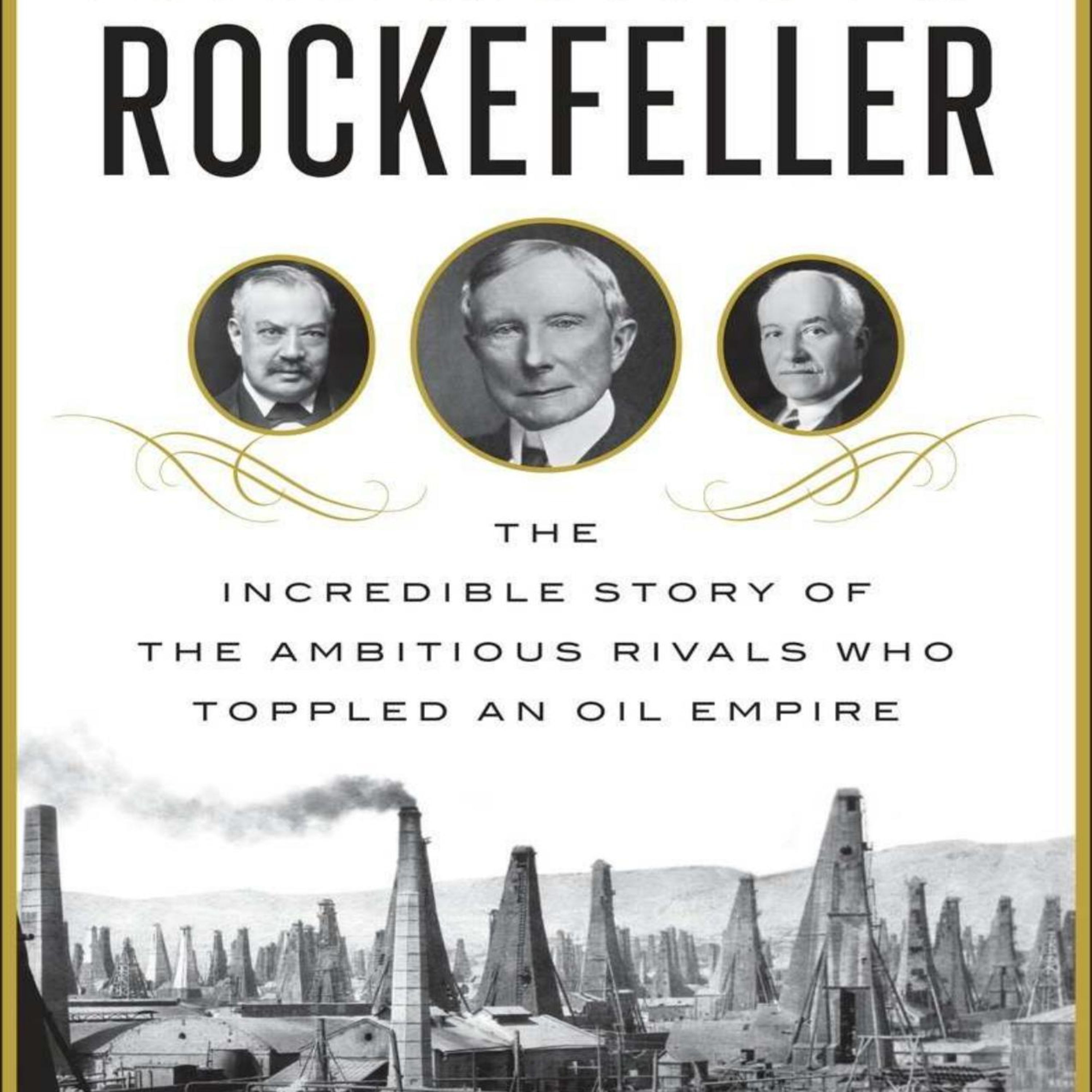
    Breaking Rockefeller: The Incredible Story of the Ambitious Rivals Who Toppled an Oil Empire

    What actually breaks a monopoly when the monopoly controls much of the system in which competitors must operate? Welcome to Crisis in Perception, where we examine the systems shaping our world. Using Breaking Rockefeller: The Incredible Story of the Ambitious Rivals Who Toppled an Oil Empire by Peter B. Doran as our lens, this episode explores the rise of Standard Oil and the rival commercial networks that eventually challenged John D. Rockefeller’s dominance. Standard’s extraordinary power emerged from the interaction of scale, refining, transportation, pipelines, distribution, capital, and pricing. Rockefeller brought discipline and efficiency to an unstable industry, but the same integrated structure also allowed Standard to make survival extraordinarily difficult for independent competitors. Doran then follows the construction of an alternative system. Marcus Samuel opened new transportation routes and connected Russian petroleum with Asian markets. Henri Deterding expanded Royal Dutch into another international oil network. Together, Royal Dutch/Shell became a competitor with sufficient scale to challenge Standard beyond any single market. The investigation examines monopoly power, vertical integration, infrastructure, economies of scale, technological disruption, antitrust enforcement, and the tension between efficiency and competition. 📺 Watch on YouTube: https://youtu.be/h63bS4qNEoQ ❤️ Support / Episode Post on Patreon: https://www.patreon.com/CrisisinPerception/posts/breaking-story-170687950?utm_medium=clipboard_copy&utm_source=copyLink&utm_campaign=postshare_creator&utm_content=join_link If these ideas resonate, consider reading the work yourself or borrowing it from your local library. Supporting authors and libraries helps keep critical inquiry accessible. If you value systems-level analysis like this, please follow, rate, and share the project. This content was created using AI-assisted tools for research synthesis, structuring, and narration support. All analysis, framing, and editorial decisions are guided by human judgment as part of the Crisis in Perception project.
  • September 26 · 54 min

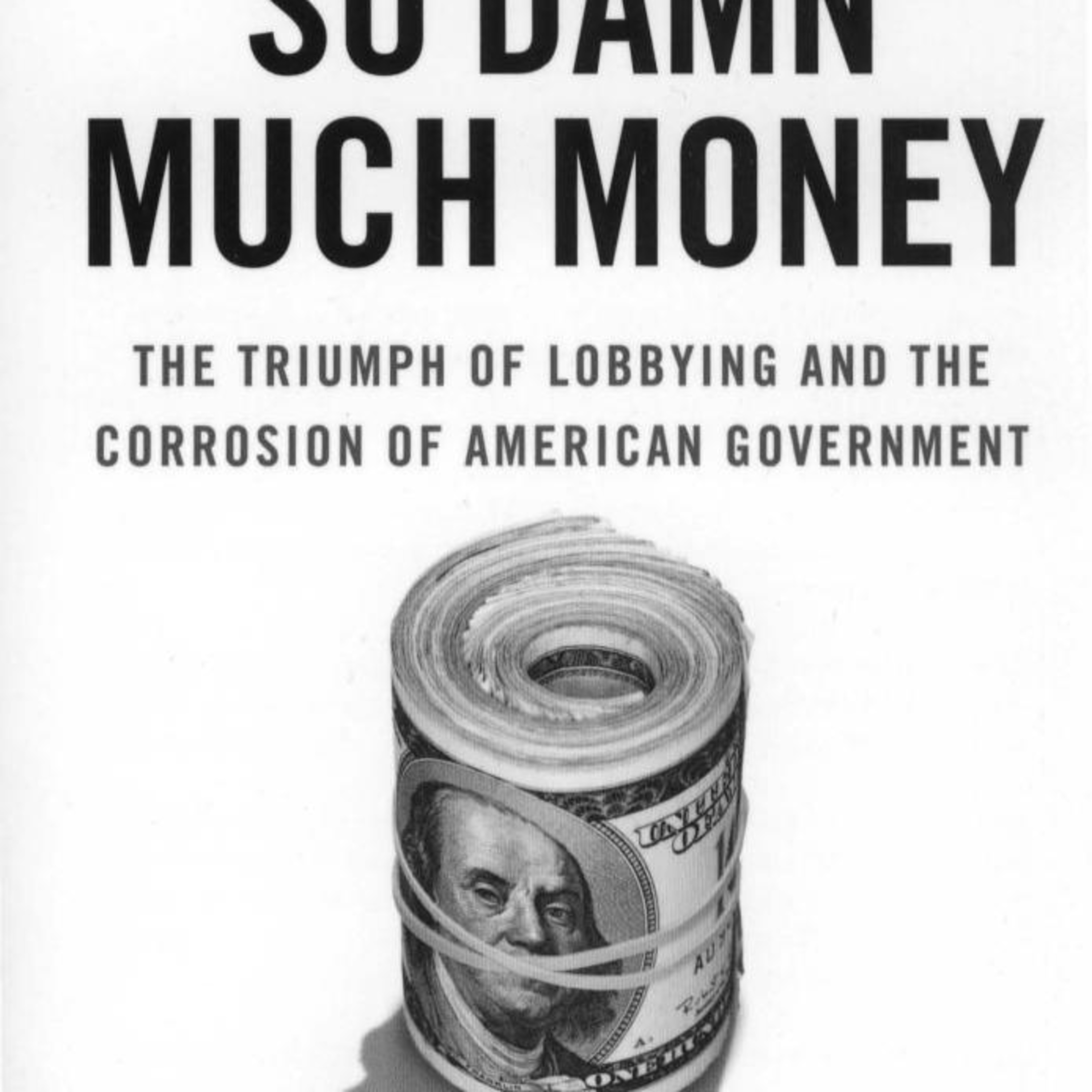
    So Damn Much Money: The Triumph of Lobbying and the Corrosion of American Government — Money & Power

    What happens when political fundraising, lobbying, access, and private career incentives begin reinforcing one another? Welcome to Crisis in Perception, where we examine the systems shaping our world. Using So Damn Much Money: The Triumph of Lobbying and the Corrosion of American Government by Robert G. Kaiser as our lens, this investigation traces the transformation of lobbying through the career of Gerald S. J. Cassidy and the political culture surrounding the Jack Abramoff scandal. Kaiser argues that spectacular scandals can obscure a more important institutional story. Lobbying became an increasingly sophisticated business built around political relationships, earmarks, campaign fundraising, specialized knowledge, and the ability to navigate government on behalf of paying clients. The deeper system is a feedback loop: campaigns require money, organized interests seek influence, access becomes economically valuable, and public-sector experience can later become highly profitable in the private influence industry. The investigation examines political incentives, campaign finance, earmarks, access, the revolving door, institutional persistence, and the difficult boundary between legitimate representation and influence that may distort political priorities. 📺 Watch on YouTube: https://youtu.be/R-djWHdwsww ❤️ Support / Episode Post on Patreon: https://www.patreon.com/CrisisinPerception/posts/so-damn-much-of-170657475?utm_medium=clipboard_copy&utm_source=copyLink&utm_campaign=postshare_creator&utm_content=join_link If these ideas resonate, consider reading the work yourself or borrowing it from your local library. Supporting authors and libraries helps keep critical inquiry accessible. If you value systems-level analysis like this, please follow, rate, and share the project. This content was created using AI-assisted tools for research synthesis, structuring, and narration support. All analysis, framing, and editorial decisions are guided by human judgment as part of the Crisis in Perception project.
  • September 26 · 36 min

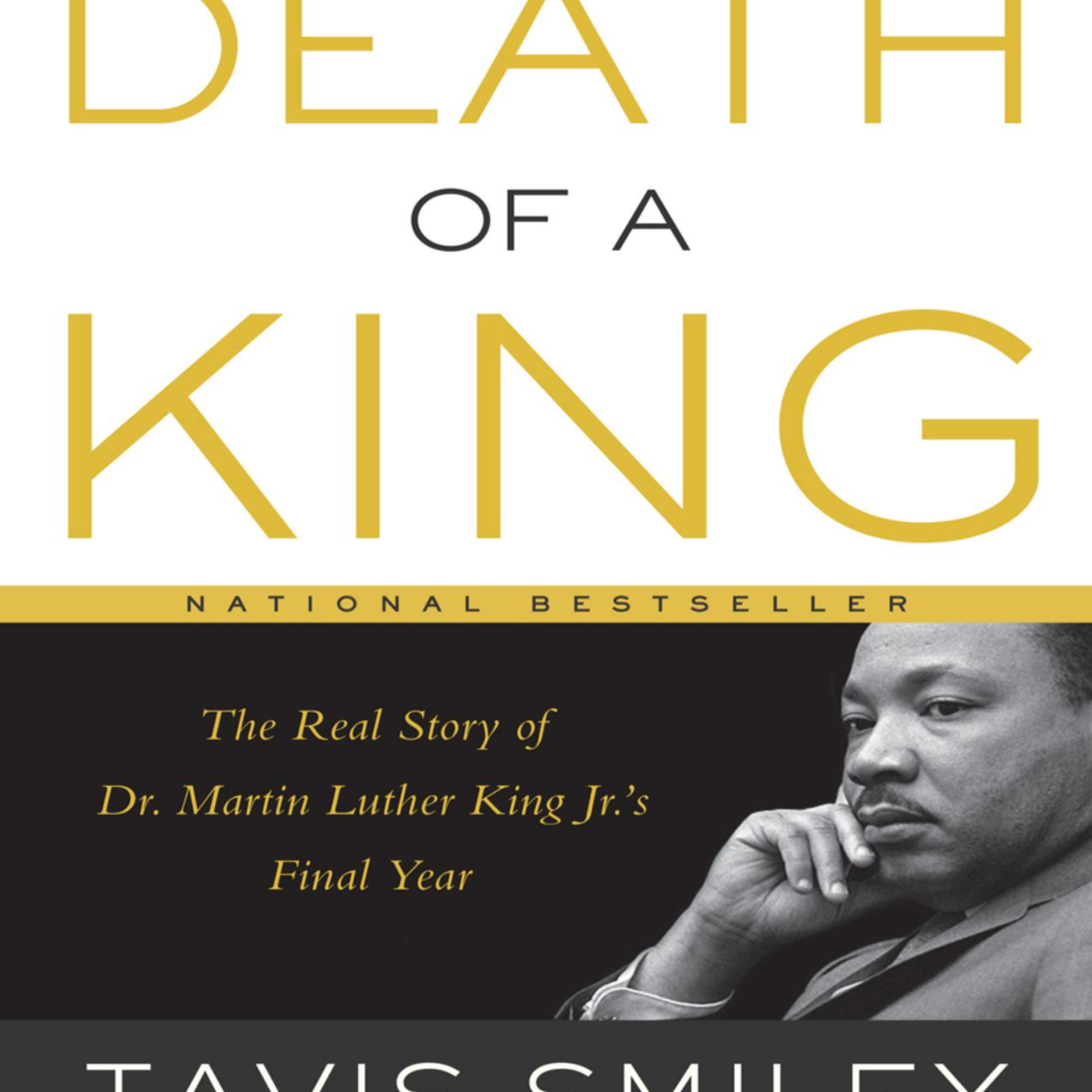
    Death of a King: The Real Story of Dr. Martin Luther King Jr.’s Final Year — The Cost of Dissent

    Martin Luther King Jr. is often remembered through the parts of his message that eventually became part of America’s national memory. His final year presents a more complicated picture. Welcome to Crisis in Perception, where we examine the systems shaping our world. Using Death of a King: The Real Story of Dr. Martin Luther King Jr.’s Final Year by Tavis Smiley with David Ritz as our lens, this episode investigates what happened when King expanded his public critique beyond civil rights to connect racism, poverty, militarism, the Vietnam War, and nonviolence. Smiley argues that King’s legacy has been sanitized and oversimplified. His account of the period following the April 1967 Riverside Church speech reveals intense disputes over whether King had crossed the boundaries of his proper role. Critics worried that linking civil rights with opposition to the Vietnam War could fracture alliances, weaken political influence, and damage the movement itself. At a systems level, the conflict raises questions about political legitimacy, movement strategy, media framing, institutional power, surveillance, and the incentives that shape acceptable dissent. The deeper tension is not simply between agreement and disagreement, but between moral consistency and the strategic costs of challenging several interconnected systems at once. The episode also asks how historical memory changes once a controversial figure becomes a national symbol—and what can disappear when conflict is replaced by commemoration. 📺 Watch on YouTube: https://youtu.be/cTZH5KvNTNM ❤️ Support / Episode Post on Patreon: https://www.patreon.com/CrisisinPerception/posts/death-of-king-of-170643092?utm_medium=clipboard_copy&utm_source=copyLink&utm_campaign=postshare_creator&utm_content=join_link If these ideas resonate, consider reading the work yourself or borrowing it from your local library. Supporting authors and libraries helps keep critical inquiry accessible. If you value systems-level analysis like this, please follow, rate, and share the project. This content was created using AI-assisted tools for research synthesis, structuring, and narration support. All analysis, framing, and editorial decisions are guided by human judgment as part of the Crisis in Perception project.

  • September 26 · 45 min

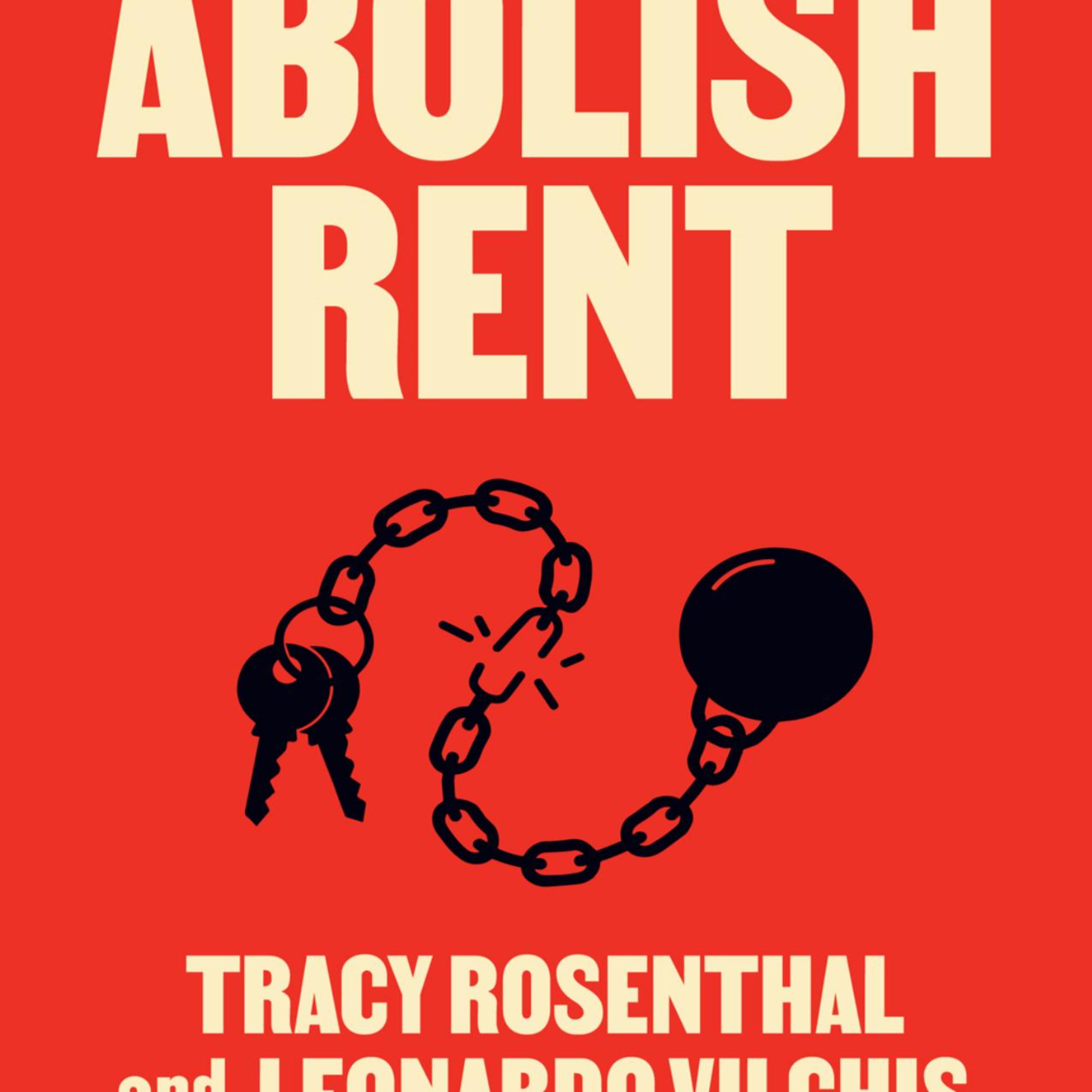
    Abolish Rent — When Housing Becomes a Power Relationship

    What looks like a housing affordability problem can also reveal a deeper question: who holds power over the places people need to live? Welcome to Crisis in Perception, where we examine the systems shaping our world. Using Abolish Rent by Tracy Rosenthal and Leonardo Vilchis as our lens, this Deep Dive investigates the authors’ argument that rent functions not simply as a market price but as a relationship of economic and institutional power. The episode traces the interaction between property ownership, rent extraction, appreciation, public investment, financialization, and eviction. It also examines the countervailing system emphasized by Rosenthal and Vilchis: tenant associations, collective bargaining, rent strikes, and other forms of coordinated action. The Boyle Heights Mariachi rent strike provides a concrete case of that reversal. Tenants who faced the problem individually had limited leverage; acting collectively changed the economic and political relationship with their landlord. At the center of the investigation is the tension between housing as a home and housing as an asset—and the larger question of whether increasing supply alone can address a system in which ownership also determines bargaining power. Central systems and tensions include rent extraction, property appreciation, housing financialization, collective bargaining, housing supply, tenant power, and the conflict between use value and investment value. 📺 Watch on YouTube: https://youtu.be/DZZgPNJwd3Q ❤️ Support / Episode Post on Patreon: https://www.patreon.com/CrisisinPerception/posts/abolish-rent-170636687?utm_medium=clipboard_copy&utm_source=copyLink&utm_campaign=postshare_creator&utm_content=join_link If these ideas resonate, consider reading the work yourself or borrowing it from your local library. Supporting authors and libraries helps keep critical inquiry accessible. If you value systems-level analysis like this, please follow, rate, and share the project. This content was created using AI-assisted tools for research synthesis, structuring, and narration support. All analysis, framing, and editorial decisions are guided by human judgment as part of the Crisis in Perception project.
  • September 25 · 36 min

    The Worm at the Core: On the Role of Death in Life — How Mortality Shapes Meaning and Belief

    What if the awareness of death influences human behavior most powerfully when we are not consciously thinking about dying? Welcome to Crisis in Perception, where we examine the systems shaping our world. Using The Worm at the Core: On the Role of Death in Life by Sheldon Solomon, Jeff Greenberg, and Tom Pyszczynski as our lens, this episode investigates Terror Management Theory and the psychological systems humans use to manage the knowledge of mortality. The authors argue that self-awareness creates a distinctive human predicament: we are biologically driven to remain alive while simultaneously understanding that death is unavoidable. Cultural worldviews provide meaning, order, and continuity, while self-esteem allows individuals to experience themselves as significant participants within those systems. The episode traces how mortality reminders can strengthen worldview defense, group identification, symbolic meaning, and the pursuit of personal significance. Experimental work described in the book suggests that these processes can affect judgment, reactions to disagreement, and anxiety without necessarily appearing as conscious fear of death. Central systems include mortality awareness, worldview defense, self-esteem, social reinforcement, identity, literal immortality, and symbolic immortality. 📺 Watch on YouTube: https://youtu.be/UMlUnX_fzY8 ❤️ Support / Episode Post on Patreon: https://www.patreon.com/CrisisinPerception/posts/worm-at-core-on-170563581?utm_medium=clipboard_copy&utm_source=copyLink&utm_campaign=postshare_creator&utm_content=join_link If these ideas resonate, consider reading the work yourself or borrowing it from your local library. Supporting authors and libraries helps keep critical inquiry accessible. If you value systems-level analysis like this, please follow, rate, and share the project. This content was created using AI-assisted tools for research synthesis, structuring, and narration support. All analysis, framing, and editorial decisions are guided by human judgment as part of the Crisis in Perception project.
  • September 25 · 39 min

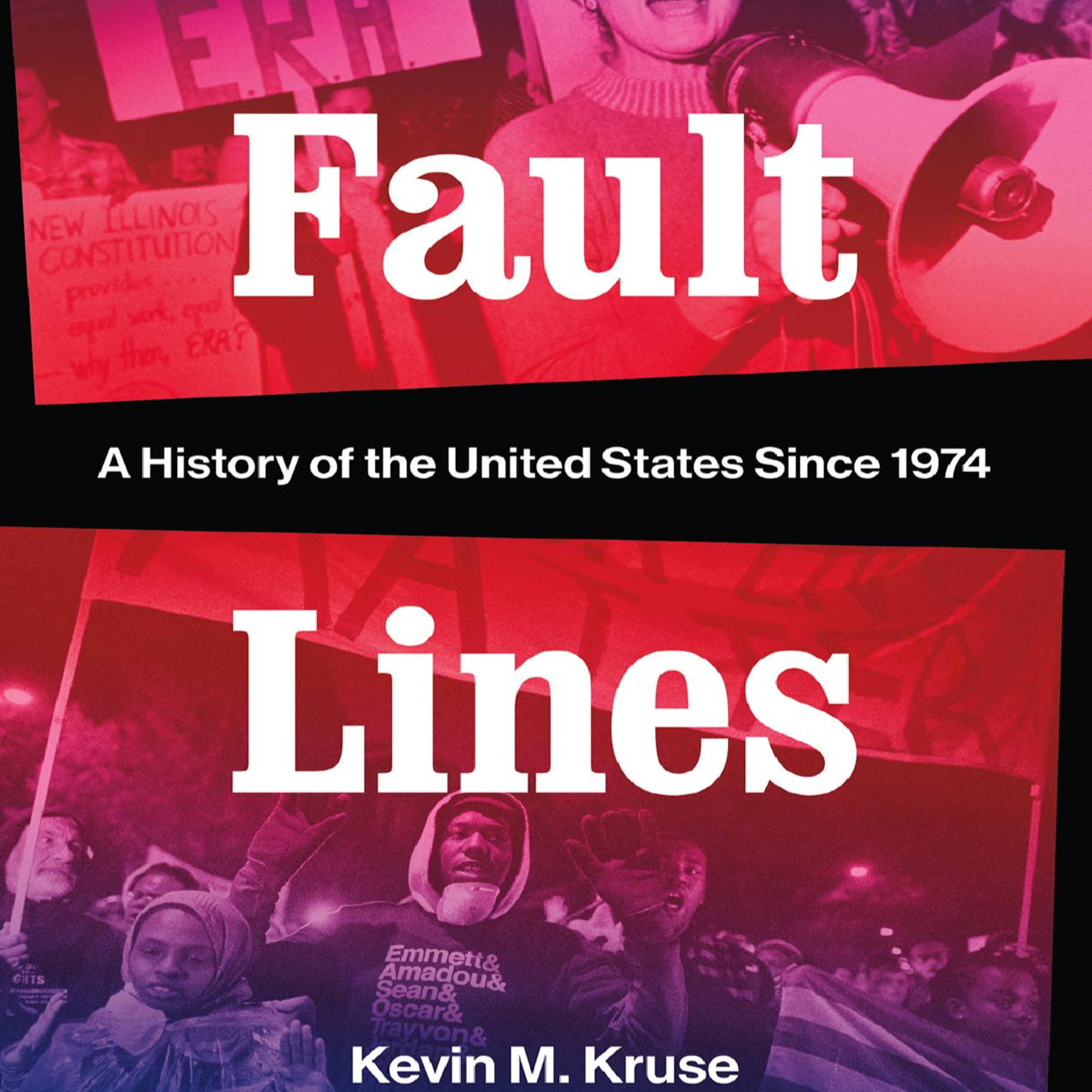
    Fault Lines: A History of the United States Since 1974 — How Division Became Structural

    What if America’s political division is less a recent rupture than the result of pressures accumulating across interconnected systems for decades? Welcome to Crisis in Perception, where we examine the systems shaping our world. Using Fault Lines: A History of the United States Since 1974 by Kevin M. Kruse and Julian E. Zelizer as our lens, this investigation traces how modern American polarization developed through interacting political, economic, racial, cultural, and media transformations. The authors begin with the crises of the 1970s, when Vietnam and Watergate weakened confidence in national institutions while economic restructuring challenged the security of the postwar middle-class order. At the same time, conflicts over race, gender, sexuality, and national identity exposed divisions that older narratives of national consensus had often concealed. The deeper system is institutionalized fragmentation. Political incentives, distrust, economic insecurity, identity conflict, and increasingly segmented media environments can reinforce one another, creating feedback loops in which division becomes both an outcome of the system and an input that helps sustain it. Central themes include institutional trust, polarization, economic insecurity, identity, media fragmentation, path dependence, and reinforcing feedback loops. 📺 Watch on YouTube: https://youtu.be/ZCADQLgO_Fo ❤️ Support / Episode Post on Patreon: https://www.patreon.com/CrisisinPerception/posts/fault-lines-of-170557123?utm_medium=clipboard_copy&utm_source=copyLink&utm_campaign=postshare_creator&utm_content=join_link If these ideas resonate, consider reading the work yourself or borrowing it from your local library. Supporting authors and libraries helps keep critical inquiry accessible. If you value systems-level analysis like this, please follow, rate, and share the project. This content was created using AI-assisted tools for research synthesis, structuring, and narration support. All analysis, framing, and editorial decisions are guided by human judgment as part of the Crisis in Perception project.
  • September 25 · 43 min

    One Nation Under God: How Corporate America Invented Christian America — When Tradition Is Made

    How does a political idea become so deeply embedded in public life that people eventually experience it as tradition? Welcome to Crisis in Perception, where we examine the systems shaping our world. Using One Nation Under God: How Corporate America Invented Christian America by historian Kevin M. Kruse, this Deep Dive investigates the systems behind the rise of modern American civil religion. Kruse traces part of that transformation to the 1930s and 1940s, when corporate leaders and conservative clergy promoted what he calls “Christian libertarianism”—a fusion of individual salvation, free enterprise, personal responsibility, and opposition to the expanding New Deal state. During the Eisenhower era, that language moved from private campaigns into national civic life. Religious rhetoric and ritual became increasingly associated with American identity, while “under God” entered the Pledge of Allegiance and “In God We Trust” became the national motto. The deeper investigation concerns institutionalization, legitimacy, repetition, path dependence, and historical memory: how ideas move from advocacy into institutions, and how institutions can make comparatively recent innovations appear timeless. 📺 Watch on YouTube: https://youtu.be/Q38bPcS30Z4 ❤️ Support / Episode Post on Patreon: https://www.patreon.com/CrisisinPerception/posts/one-nation-under-170553907?utm_medium=clipboard_copy&utm_source=copyLink&utm_campaign=postshare_creator&utm_content=join_link If these ideas resonate, consider reading the work yourself or borrowing it from your local library. Supporting authors and libraries helps keep critical inquiry accessible. If you value systems-level analysis like this, please follow, rate, and share the project. This content was created using AI-assisted tools for research synthesis, structuring, and narration support. All analysis, framing, and editorial decisions are guided by human judgment as part of the Crisis in Perception project.
  • September 25 · 43 min

    White Flight: Atlanta and the Making of Modern Conservatism — When Segregation Changed Form

    What happens when an older political arrangement becomes unsustainable but the incentives and conflicts underneath it remain? Welcome to Crisis in Perception, where we examine the systems shaping our world. Using White Flight: Atlanta and the Making of Modern Conservatism by Kevin M. Kruse as our lens, this episode investigates his argument that white flight from Atlanta was more than population movement. It also helped transform the language and institutional strategies surrounding race, public space, property, and political power. Kruse traces a shift from explicit defenses of segregation toward arguments framed around individual rights, freedom of association, private property, taxation, privatization, and local autonomy. The investigation follows those changes from neighborhood resistance and the Peyton Wall through withdrawal from public institutions and the politics of suburban secession. At the systems level, the episode examines adaptation, institutional exit, privatization, feedback loops, individual choice versus collective outcomes, and the relationship between historical origins and later political beliefs. 📺 Watch on YouTube: https://youtu.be/YrNozceSx1k ❤️ Support / Episode Post on Patreon: https://www.patreon.com/CrisisinPerception/posts/white-flight-and-170552966?utm_medium=clipboard_copy&utm_source=copyLink&utm_campaign=postshare_creator&utm_content=join_link If these ideas resonate, consider reading the work yourself or borrowing it from your local library. Supporting authors and libraries helps keep critical inquiry accessible. If you value systems-level analysis like this, please follow, rate, and share the project. This content was created using AI-assisted tools for research synthesis, structuring, and narration support. All analysis, framing, and editorial decisions are guided by human judgment as part of the Crisis in Perception project.

  • September 25 · 34 min

    Religion for Atheists: A Non-Believer’s Guide to the Uses of Religion — Ritual Without Belief

    What happens when supernatural belief disappears but the human needs religion organized remain? Welcome to Crisis in Perception, where we examine the systems shaping our world. Using Religion for Atheists: A Non-Believer’s Guide to the Uses of Religion by Alain de Botton as our lens, this episode investigates whether secular societies may have discarded useful social technologies along with religious doctrine. De Botton argues that religions developed practices for addressing persistent problems of community, suffering, moral reflection, memory, and human connection. The episode examines how rituals such as communal worship, shared meals, and scheduled reconciliation can function as behavioral scaffolding—turning abstract ideals into repeated social practices. From the Catholic Mass and the proposed Agape Restaurant to the Jewish Day of Atonement, the investigation asks what happens when responsibility for community, apology, perspective, and moral memory is transferred almost entirely to private initiative. At the center is a difficult tradeoff: structure can support human behavior, but it can also become coercive or dogmatic. Can secular society borrow useful mechanisms from religion without surrendering intellectual freedom? Central systems include ritualized behavior, institutional memory, social reinforcement, repetition, community formation, and the tension between autonomy and structure. 📺 Watch on YouTube: https://youtu.be/8lmexGJdO8I ❤️ Support / Episode Post on Patreon: https://www.patreon.com/CrisisinPerception/posts/religion-for-non-170514050?utm_medium=clipboard_copy&utm_source=copyLink&utm_campaign=postshare_creator&utm_content=join_link If these ideas resonate, consider reading the work yourself or borrowing it from your local library. Supporting authors and libraries helps keep critical inquiry accessible. If you value systems-level analysis like this, please follow, rate, and share the project. This content was created using AI-assisted tools for research synthesis, structuring, and narration support. All analysis, framing, and editorial decisions are guided by human judgment as part of the Crisis in Perception project.

Showing 61–80 of 118 episodes