On Practice and Contradiction — How Theory Changes Through Practice
transcript
show notes
What happens when reality stops fitting the theory meant to explain it?
Welcome to Crisis in Perception, where we examine the systems shaping our world.
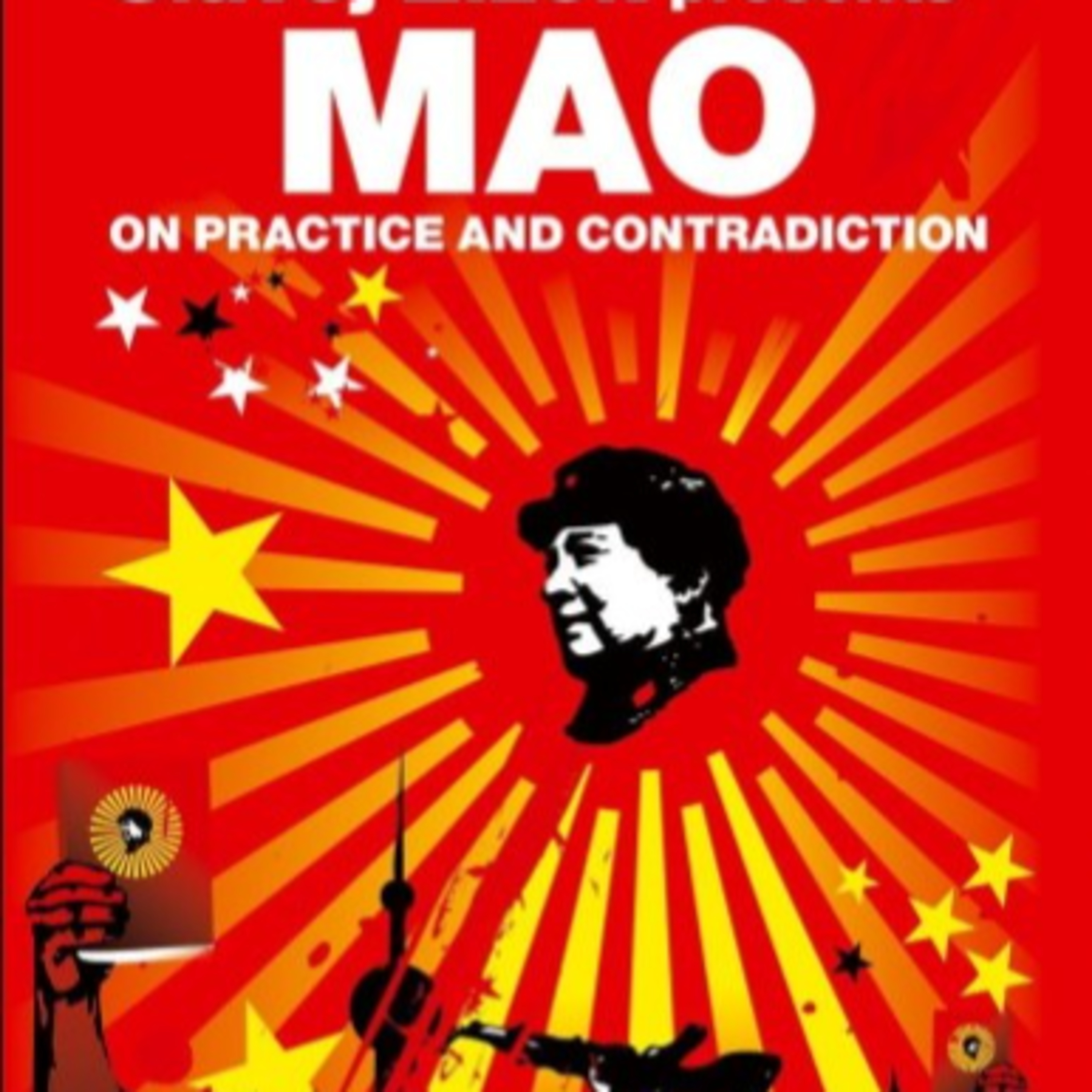
Using On Practice and Contradiction by Mao Zedong as our lens, this episode investigates the relationship between theory, experience, political strategy, and changing conditions.
Mao argues that knowledge develops through practice rather than through doctrine alone. Experience becomes theory, theory guides further action, and the results feed back into the next revision. His theory of contradiction extends this framework by distinguishing between principal and secondary contradictions and asking which conflict becomes strategically decisive under particular conditions.
The episode also separates Mao’s writings from Slavoj Žižek’s later interpretation. Žižek presents Mao’s transformation of Marxism for Chinese conditions as an example of theory changing through transplantation, while also criticizing the tendency toward endless division and permanent struggle.
At the center of the investigation is a broader systems problem: adaptability can support error correction, but excessive adaptability can also make a theory difficult to falsify.
Central themes include theory and practice, contradiction, political adaptation, objective and subjective conditions, feedback, and error correction.
📺 Watch on YouTube:
https://youtu.be/mWr4MO2Ncx8
❤️ Support / Episode Post on Patreon:
https://www.patreon.com/CrisisinPerception/posts/on-practice-and-170731922?utm_medium=clipboard_copy&utm_source=copyLink&utm_campaign=postshare_creator&utm_content=join_link
If these ideas resonate, consider reading the work yourself or borrowing it from your local library. Supporting authors and libraries helps keep critical inquiry accessible.
If you value systems-level analysis like this, please follow, rate, and share the project.
This content was created using AI-assisted tools for research synthesis, structuring, and narration support. All analysis, framing, and editorial decisions are guided by human judgment as part of the Crisis in Perception project.