Skip to content
Artwork for Crisis in Perception
Crisis in Perception · Saturday · 40 min

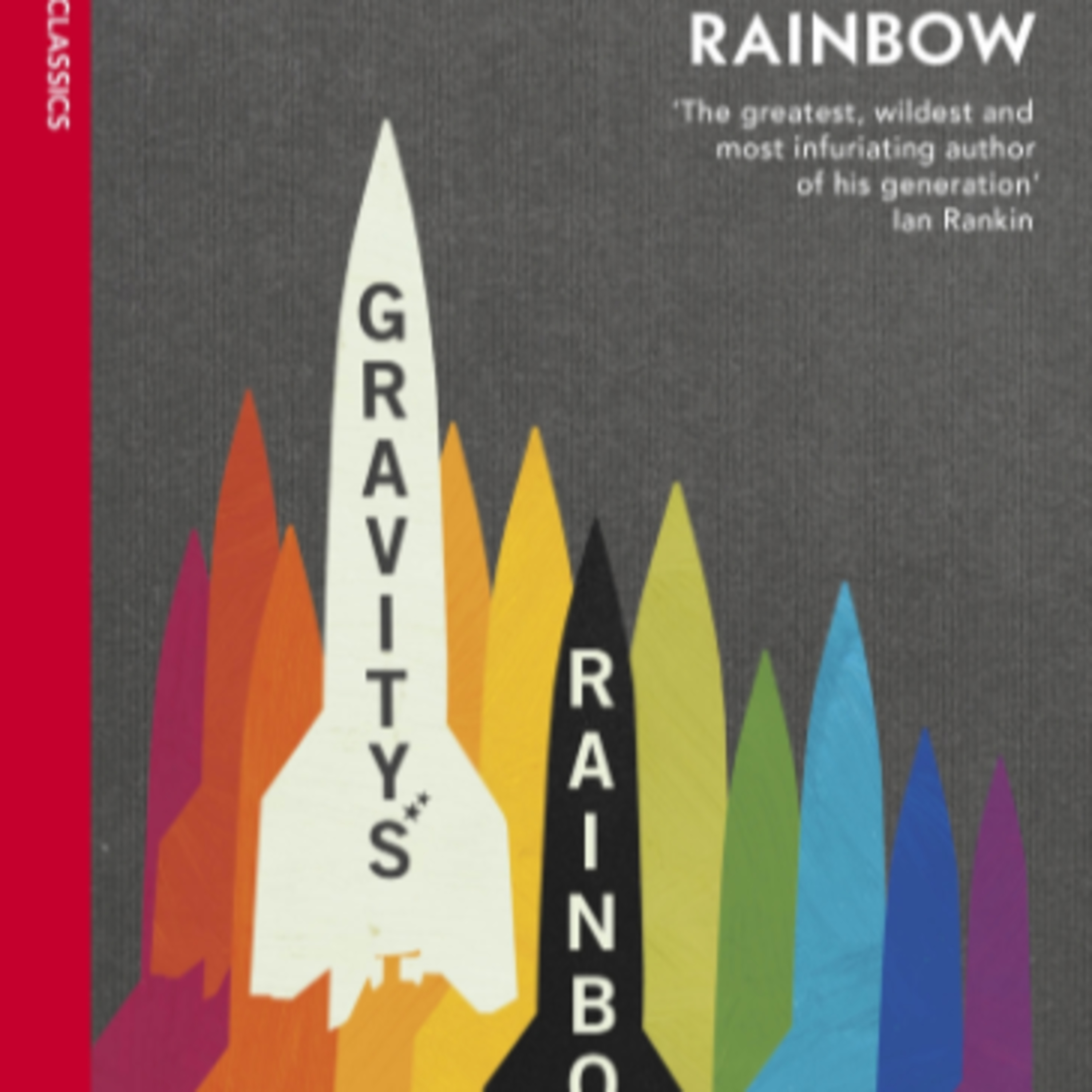
Gravity's Rainbow — When Systems Produce Patterns Without a Mastermind

What happens when patterns are unmistakable, but no single controller can be found? Welcome to Crisis in Perception, where we examine the systems shaping our world. Thomas Pynchon's Gravity's Rainbow places that problem inside the technological and bureaucratic machinery of World War II. Tyrone Slothrop's map of sexual encounters appears to anticipate the locations of V-2 rocket strikes, drawing psychologists, statisticians, intelligence organizations, and military researchers into an increasingly strange investigation. Edward Pointsman searches for conditioned cause and effect. Roger Mexico sees probabilities and independent events. Slothrop's own history leads backward toward childhood experiments conducted by Laszlo Jamf and forward toward Imipolex G, the Schwarzgerät, Rocket 00000, industrial cartels, scientific research, and military technology. The larger question is not whether every connection proves a conspiracy. It is how complex systems distribute causation across institutions, technologies, incentives, and people—and how easily legitimate systems thinking can become indistinguishable from paranoia when every coincidence begins to look intentional. Central mechanisms include distributed control, conditioning, probability, institutional interdependence, technological lock-in, and the tension between genuine structural connection and paranoid totalization. 📺 Watch on YouTube: https://youtu.be/FKkBa9HY7lA ❤️ Support / Episode Post on Patreon: https://www.patreon.com/CrisisinPerception/posts/gravitys-rainbow-171342289?utm_medium=clipboard_copy&utm_source=copyLink&utm_campaign=postshare_creator&utm_content=join_link This episode discusses key plot outcomes from the referenced fictional work in order to analyze its underlying social, economic, and systemic themes. If these ideas resonate, consider reading the work yourself or borrowing it from your local library. Supporting authors and libraries helps keep critical inquiry accessible. If you value systems-level analysis like this, please follow, rate, and share the project. This content was created using AI-assisted tools for research synthesis, structuring, and narration support. All analysis, framing, and editorial decisions are guided by human judgment as part of the Crisis in Perception project.

0:00-40:17

transcript

No transcript — this publisher did not publish one.

show notes

What happens when patterns are unmistakable, but no single controller can be found?


Welcome to Crisis in Perception, where we examine the systems shaping our world.


Thomas Pynchon's Gravity's Rainbow places that problem inside the technological and bureaucratic machinery of World War II. Tyrone Slothrop's map of sexual encounters appears to anticipate the locations of V-2 rocket strikes, drawing psychologists, statisticians, intelligence organizations, and military researchers into an increasingly strange investigation.


Edward Pointsman searches for conditioned cause and effect. Roger Mexico sees probabilities and independent events. Slothrop's own history leads backward toward childhood experiments conducted by Laszlo Jamf and forward toward Imipolex G, the Schwarzgerät, Rocket 00000, industrial cartels, scientific research, and military technology.


The larger question is not whether every connection proves a conspiracy. It is how complex systems distribute causation across institutions, technologies, incentives, and people—and how easily legitimate systems thinking can become indistinguishable from paranoia when every coincidence begins to look intentional.


Central mechanisms include distributed control, conditioning, probability, institutional interdependence, technological lock-in, and the tension between genuine structural connection and paranoid totalization.


📺 Watch on YouTube:

https://youtu.be/FKkBa9HY7lA


❤️ Support / Episode Post on Patreon:

https://www.patreon.com/CrisisinPerception/posts/gravitys-rainbow-171342289?utm_medium=clipboard_copy&utm_source=copyLink&utm_campaign=postshare_creator&utm_content=join_link


This episode discusses key plot outcomes from the referenced fictional work in order to analyze its underlying social, economic, and systemic themes.


If these ideas resonate, consider reading the work yourself or borrowing it from your local library. Supporting authors and libraries helps keep critical inquiry accessible.


If you value systems-level analysis like this, please follow, rate, and share the project.


This content was created using AI-assisted tools for research synthesis, structuring, and narration support. All analysis, framing, and editorial decisions are guided by human judgment as part of the Crisis in Perception project.