The Jungle — When Hard Work Doesn't Create Security
transcript
show notes
What happens when working harder makes you more useful to a system without making you more secure inside it?
Welcome to Crisis in Perception, where we examine the systems shaping our world.
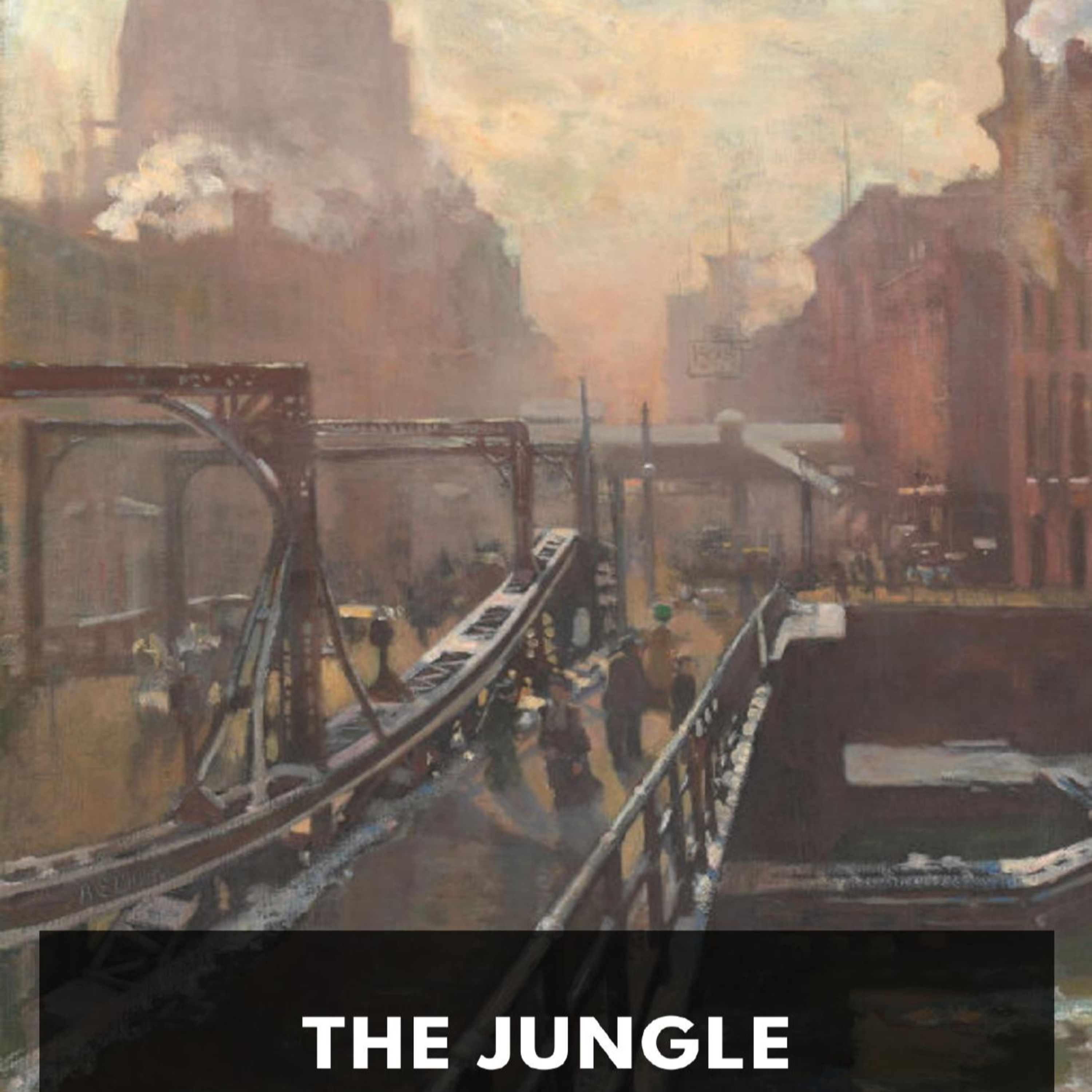
Using The Jungle by Upton Sinclair as our lens, this investigation follows Jurgis Rudkus and his family into Chicago's Packingtown, where their belief in hard work and opportunity repeatedly collides with forces they have little power to control.
Sinclair depicts a system in which workers are replaceable, debt restricts their ability to leave, workplace dangers are borne largely by laborers and their families, and unemployment keeps bargaining power weak. Jurgis's recurring belief that he can simply work harder gradually confronts a larger question: how much can individual effort accomplish when the structure surrounding that effort determines who carries the risk?
The episode traces labor replaceability, housing debt, speed-up, injury, unemployment, political graft, strikes, strikebreaking, and Sinclair's socialist interpretation of industrial capitalism. Together, these mechanisms reveal a reinforcing cycle in which insecurity increases dependence and dependence increases institutional leverage.
📺 Watch on YouTube:
https://youtu.be/YoQTZcrTKyw
❤️ Support / Episode Post on Patreon:
https://www.patreon.com/CrisisinPerception/posts/jungle-when-hard-170115306?utm_medium=clipboard_copy&utm_source=copyLink&utm_campaign=postshare_creator&utm_content=join_link
This episode discusses key plot outcomes from the referenced fictional work in order to analyze its underlying social, economic, and systemic themes.
If these ideas resonate, consider reading the work yourself or borrowing it from your local library. Supporting authors and libraries helps keep critical inquiry accessible.
If you value systems-level analysis like this, please follow, rate, and share the project.
This content was created using AI-assisted tools for research synthesis, structuring, and narration support. All analysis, framing, and editorial decisions are guided by human judgment as part of the Crisis in Perception project.