Artwork for AuDHD Flourishing
Health & Fitness

AuDHD Flourishing

Mattia Maurée

The monotropic neurotype of Autism + ADHD holds strengths and challenges. Typical advice often doesn't work for us!


Your AuDHD host, Mattia Maurée (they/them), shares research, lived experience, and practical advice from coaching over 400 neurodivergent folks. They focus on feeling better first, before tackling the big life design questions.


You're doing great, you belong here, and it's possible to feel a lot better.


Hosted on Acast. See acast.com/privacy for more information.
  • 20 episodes
  • Updated Saturday
  • Explicit

Episodes20

  • Saturday · 35 min

    152 You Can't Trick a Nervous System

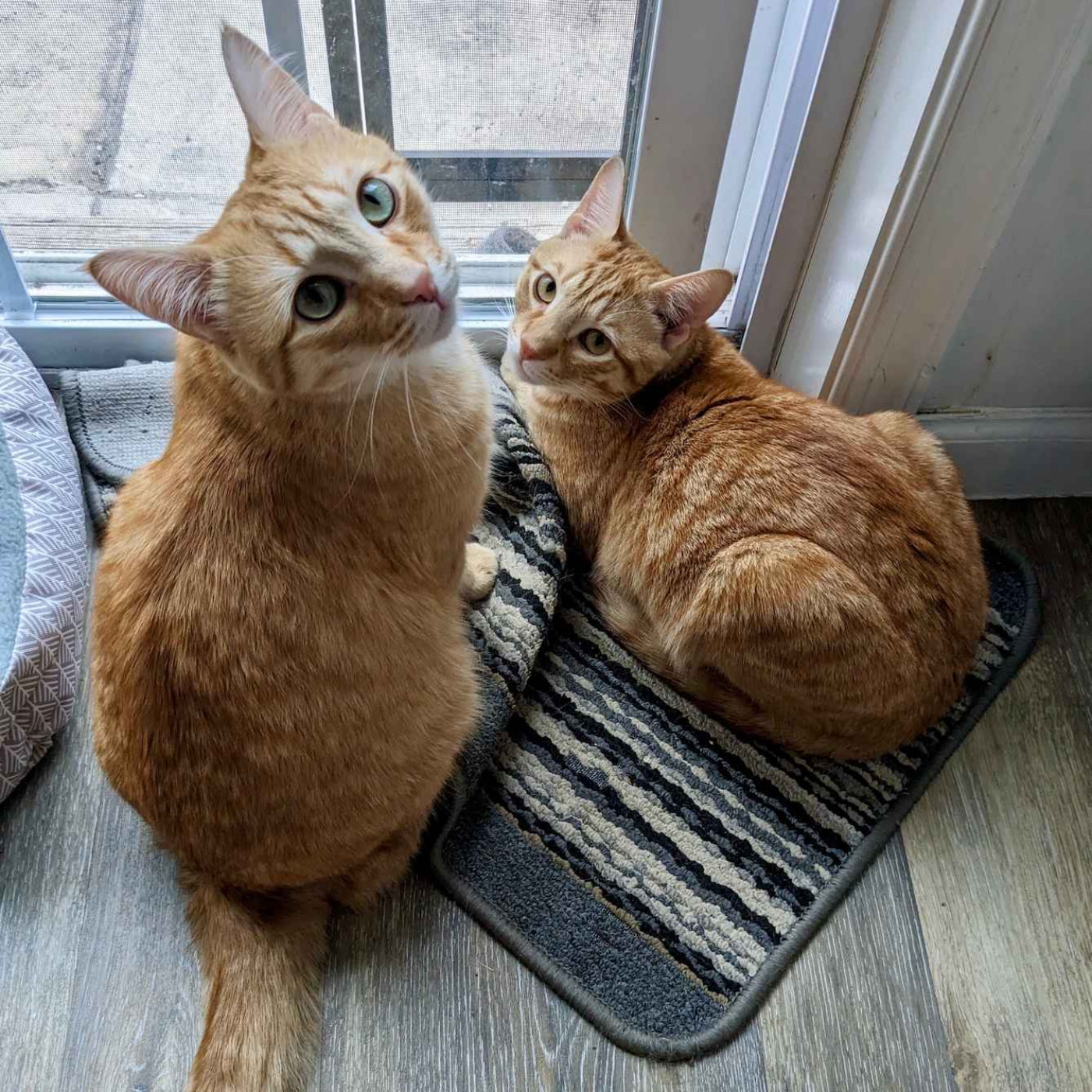
    My cats Mac & Cheese (see episode pic) have been having a hard time. I've learned a lot observing their reactive nervous systems because it's so easy to feel compassion for them. This episode uses that extended metaphor to also talk about when AuDHD nervous systems feel reactive, including with meltdowns that can include anger or violence. Depending on how much reactivity is affecting your life, it may require professional help. No matter what, you deserve compassion <3 Content note: episode mentions violence and medication Resources for anger and reactive nervous systems: Autistic anger (including therapy suggestions) Resource for non-autistic folks to understand meltdowns AuDHD emotional regulation (mentions RSD, justice sensitivity, alexithymia) ADHD rage & anger (note: I didn't find many AuDHD-specific resources on this topic - plz share if you have good ones!) Crisis Resources: USA-based anonymous crisis chat International crisis lines Various types of crisis resources in about 10 countries AuDHD Flourishing resources: Transcript Doc (often a few weeks behind, but we do catch up!) Mattia's Newsletter Like Your Brain community space (Patreon/Discord) Hosted on Acast. See acast.com/privacy for more information.
  • July 25 · 40 min

    151 The Skill No One Knew You Needed

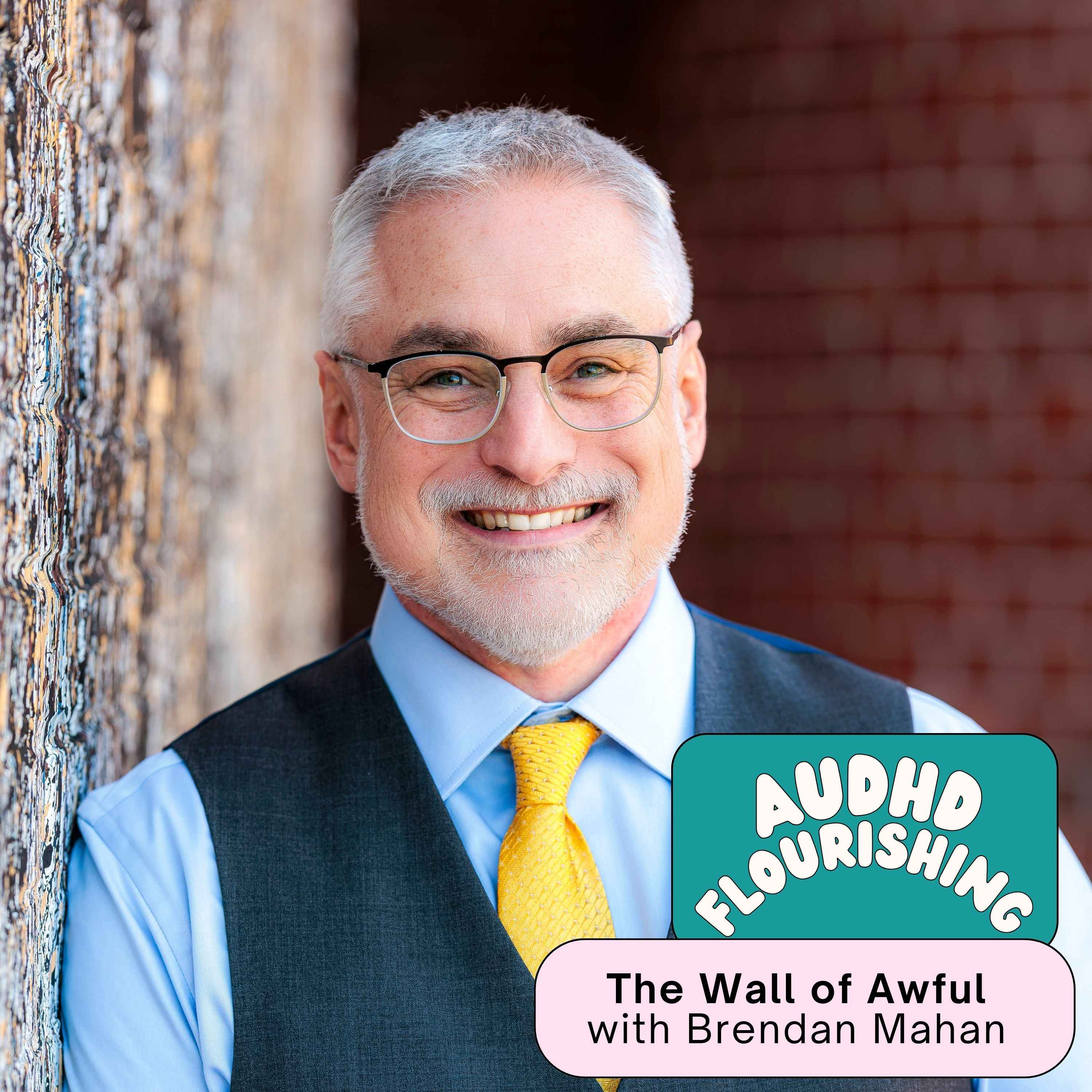
    The skill no one knew you needed: how to emotionally regulate while doing a task. It's simple yet difficult. And undiagnosed neurodivergent parents were even less likely to be able to help on some fronts, if they never learned how either. This is a skill you can practice (which the end of the episode covers), and there are many AuDHD factors complicating it for us. Even with different emotional processing or experience, it's still possible to take care of yourself during an activity. But it requires slowing down and being willing to stop if your brain or body are too triggered. Over time, this builds to being able to do more, more easily, with less stress. It is very, very worth it p.s. the "facilitator" example was MY experience in groups, not how I want people to think about me leading groups ;) Mentioned in episode: 2 short vids explaining the Wall of Awful & strategies for going through & over it by Jessica McCabe of How to ADHD 150 The Wall of Awful with Brendan Mahan AuDHD Flourishing resources: Transcript Doc (often a few weeks behind, but we do catch up!) Mattia's Newsletter Like Your Brain community space (Patreon/Discord) Hosted on Acast. See acast.com/privacy for more information.
  • July 11 · 18 min

    149 The Consistency That Matters

    "Consistency" can feel like a dirty word in neurodivergent land... Consistency is a tool, not a final answer. It can be a better fit than habits for our brains (see past 3 episodes) It can be part of building systems that work for us (including reminders, since forgetting is a big reason for inconsistency) Kindness and self-compassion are where consistency REALLY matters, because they build capacity over time AuDHD Flourishing resources: Transcript Doc (often a few weeks behind, but we do catch up!) Mattia's Newsletter Like Your Brain community space (Patreon/Discord) Hosted on Acast. See acast.com/privacy for more information.

  • July 4 · 25 min

    148 Breaking Bad Habits

    Builds on last two episodes: Self-Awareness vs. Solutions and Habits are Hard (but also very cool) Breaking "bad" habits is different (and more difficult) than building new habits. I also recommend not being too aggressive about it if those coping mechanisms are load bearing psychologically ;) AuDHD Flourishing resources: Transcript Doc (often a few weeks behind, but we do catch up!) Mattia's Newsletter Like Your Brain community space (Patreon/Discord) Hosted on Acast. See acast.com/privacy for more information.
  • June 27 · 23 min

    147 Habits are Hard (but also very cool)

    There's some evidence that ADHD brains in particular may have trouble forming habits as they're traditionally thought of. But that doesn't mean they have no value for us! This episode is about how to lean into the part of habit formation that may work for us (spoiler alert, you may need WEIRD rewards) Builds on last week's episode, Self-Awareness vs. Solutions p.s. hopefully the birdsong in the background isn't too annoying... I recorded with the windows open and didn't realize it would pick up! p.p.s. by the time you listen to this, we'll be at 1,000,000 downloads 🥳 AuDHD Flourishing resources: Transcript Doc (often a few weeks behind, but we do catch up!) Mattia's Newsletter Like Your Brain community space (Patreon/Discord) Hosted on Acast. See acast.com/privacy for more information.
  • June 20 · 19 min

    146 Self-Awareness vs. Solutions

    You may have been told that you're "so self-aware," yet struggle to actually implement solutions. In the moment, you might be lacking the support, the executive function, the initiation energy, etc. Introspection and self-awareness are great, but they're not the end of the process. AuDHD Flourishing resources: Transcript Doc (often a few weeks behind, but we do catch up!) Mattia's Newsletter Like Your Brain community space (Patreon/Discord) Hosted on Acast. See acast.com/privacy for more information.

  • June 13 · 10 min

    145 Mediocrity is a Needed Step

    In the context of learning a musical instrument, it's obvious that there's a period of not being good at it. Whether you call it mediocrity or a skill gap, there's often a gap between where you are and where you want to be. There are many cases in which we can only improve by doing, trying, and yes, failing. It's uncomfortable and that's normal. You don't have to like it, but it is a step in learning or improving. I HATE IT. And I also know it's going to happen. AuDHD Flourishing resources: Transcript Doc (often a few weeks behind, but we do catch up!) Mattia's Newsletter Like Your Brain community space (Patreon/Discord) Hosted on Acast. See acast.com/privacy for more information.

  • June 6 · 20 min

    144 Don't Do All the Things

    Trying to do all of the things, all of the time is a recipe for being stuck. Instead, do some of the things, some of the time. The episode also talks about a couple of imagination techniques that may help with some types of PDA or other demand avoidance. AuDHD Flourishing resources: Transcript Doc (often a few weeks behind, but we do catch up!) Mattia's Newsletter Like Your Brain community space (Patreon/Discord) Hosted on Acast. See acast.com/privacy for more information.

  • May 30 · 37 min

    143 Creative Blocks & Insecurities

    Last week we talked about creative entrepreneurship. This episode is about my recent & current creative blocks and insecurities that cover some of the difficulties of being a professional creative. And because people may ask: here's my pre-transition voice, and more-or-less current voice Related episodes:  100 Creative Time Limitations 24 Redefining Creative Success with Chris Hale AuDHD Flourishing resources: Transcript Doc (often a few weeks behind, but we do catch up!) Mattia's Newsletter Like Your Brain community space (Patreon/Discord) Hosted on Acast. See acast.com/privacy for more information.

  • May 16 · 23 min

    141 Predictive Processing - another autism explanation

    Predictive Processing (or coding) differences are a relatively new proposed idea about an underlying mechanism of autism. Preliminary studies do show differences, but not necessarily "deficits," which I think is promising. While it may not explain everything, it's a compelling theory that resonates in my anecdotal experience. More reading/listening on predictive processing: The predictive coding theory of autism, explained (article w audio option) Predictive processing as a mechanistic account of Autism (video talk sent to me & I haven't listened yet) Understanding Autism through Predictive Processing (blog post) How the "Predictive Processing Framework" is Impacting Your Relationship (audio talk by Sarah Bergenfield) 2025 paper on predictive processing, available for free as of now AuDHD Flourishing resources: Transcript Doc (often a few weeks behind, but we do catch up!) Mattia's Newsletter Like Your Brain community space (Patreon/Discord) Hosted on Acast. See acast.com/privacy for more information.

  • May 10 · 39 min

    140 What's Your Energy Level?

    I just had a shocking experience regarding my own energy levels while on vacation. Truly, I never would have predicted it even if you laid out all of the details going in. This episode is about figuring out what drains and rejuvenates your energy, so you can start to choose where that (technically limited) bucket of energy goes. AuDHD Flourishing resources: Transcript Doc (often a few weeks behind, but we do catch up!) Mattia's Newsletter Like Your Brain community space (Patreon/Discord) Hosted on Acast. See acast.com/privacy for more information.

  • April 25 · 30 min

    When the Body Simply Cannot - Repost

    This week I pushed my body way too far, even though I was having trouble parsing that in the moment. The story is also a great analogy for how other ND internal needs feel (including PDA). Even with all the info, self-kindness, and support, I still struggle to find that exact line of capacity. It's okay that it's hard to figure out! This is the perfect and slightly ironic follow-up from last week's episode about giving up on NT/ableist expectations ;) (ep 80) Repost of ep. 81 Mentioned in episode: wish list Experimenting Your Way to an Extraordinary Life Comparative Grammar of Spanish, Portuguese, Italian and French (affiliate link) Mackareth's Neurocomplexity model (& affiliate link if you want to sign up) Resources: Transcript Doc Email Newsletter Like Your Brain community space Hosted on Acast. See acast.com/privacy for more information.

  • April 18 · 35 min

    139 Alexithymia - Feeling While AuDHD

    Alexithymia is common in AuDHDers, and involves having trouble identifying and communicating emotions. There are a lot of reasons this can be the case, including: interoception differences lack of useful training in emotional skills & language different emotional experiences than expected in the situation Childhood Emotional Neglect (which can cause alexithymia) Alexithymia is NOT a disorder! It's a difference. And... you may have reasons to question whether there are aspects of it you want to address. Additional reading: When you can read everyone but yourself: on autistic and ADHD emotional awareness by Morgana Clementine What Is Alexithymia? Defined, Explained, and Linked to Neurodivergence from Neurodivergent Insights Alexithymia on Stimpunks (various quotations gathered) AuDHD Flourishing resources: Transcript Doc (often a few weeks behind, but we do catch up!) Mattia's Newsletter Like Your Brain community space (Patreon/Discord) Hosted on Acast. See acast.com/privacy for more information.

  • April 4 · 25 min

    137 Spending and Money Unfairness

    This & next week are two episodes on money & finances as a follow up to last week's interview (more from Hyperfocus here). Justice sensitivity can highlight the unfairness we often feel between our financial situations and those of people who haven't struggled to find and keep work. For example, AuDHDers often experience conflict with bosses who think we ask too many questions or have a bad "vibe." For me, acknowledging and soothing that unfairness with things beyond just spending has been important. The episode also touches on comparison with others, consumerism, and why I just buy things directly from China now (via AliExpress, and that link gives me a whopping $1 coupon if you end up making a purchase ;) AuDHD Flourishing resources: Transcript Doc (often a few weeks behind, but we do catch up!) Mattia's Newsletter Like Your Brain community space (Patreon/Discord) Hosted on Acast. See acast.com/privacy for more information.