Skip to content
Artwork for Tick Boot Camp
MedicineAlternative Health

Tick Boot Camp

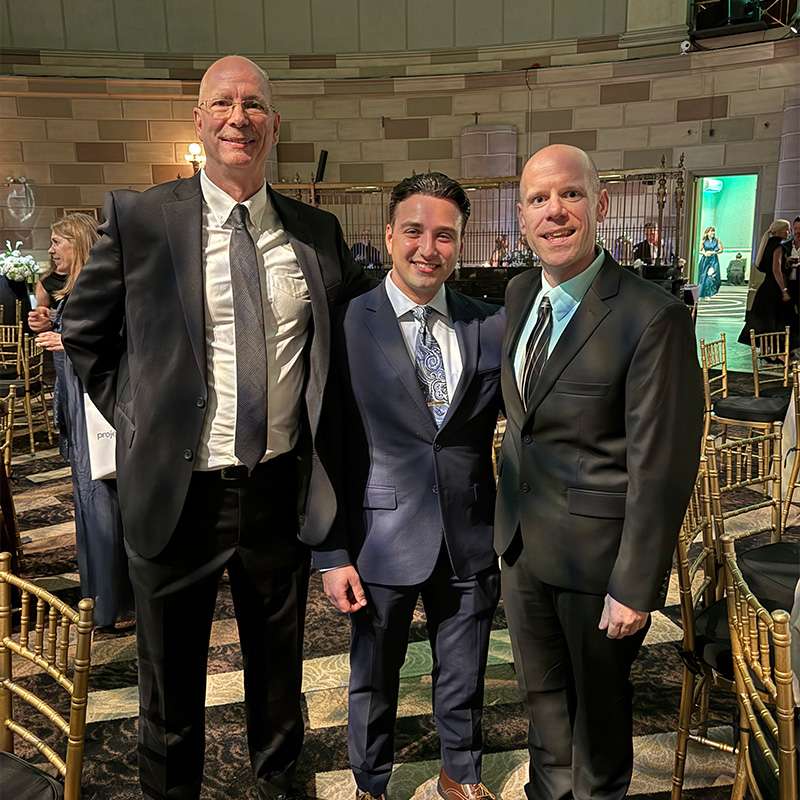
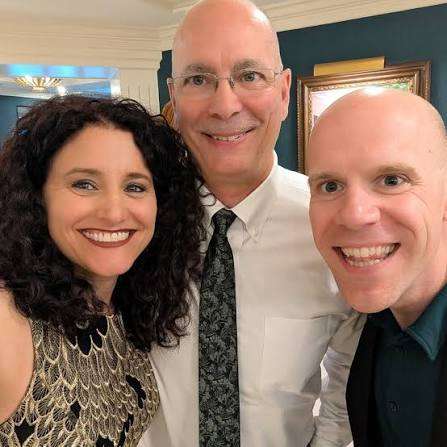
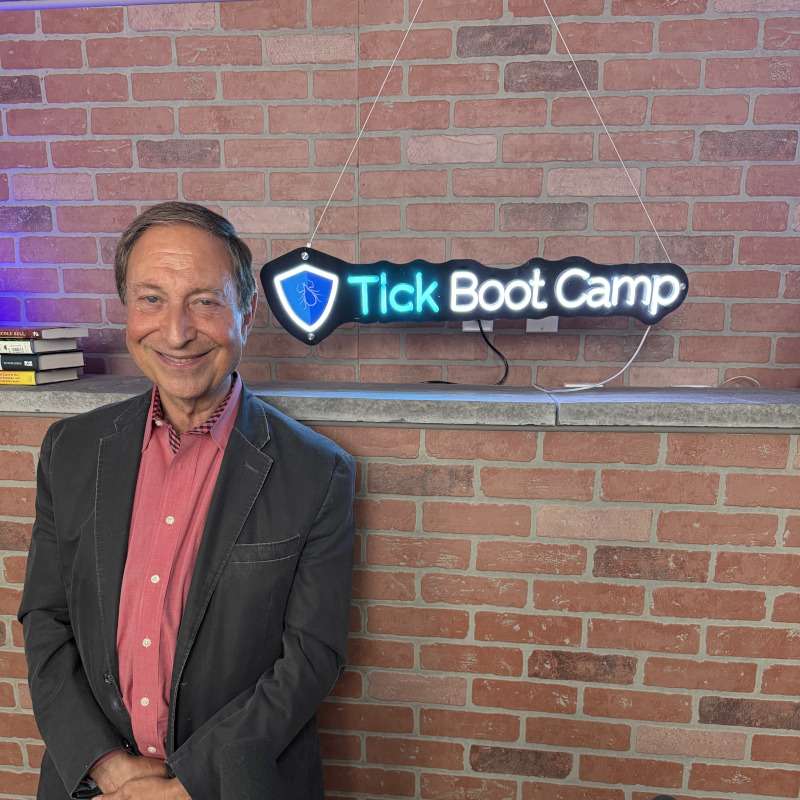
Matt Sabatello and Rich Johannesen

Tick Boot Camp is a Lyme disease and tick-borne illness podcast featuring interviews with leading doctors, researchers, scientists, patients, advocates, and experts. Explore Lyme disease symptoms, testing, diagnosis, treatment, recovery, chronic Lyme disease, coinfections, PANS/PANDAS, MCAS, neurological symptoms, emerging research, and the latest advances in tick-borne disease care. Through expert education and powerful patient stories, Tick Boot Camp provides hope, validation, practical information, and a community for people navigating Lyme disease and complex chronic illness.

Play
  • 79 episodes
  • daily
  • Avg 49 min
  • English
Counted on this page — what you have heard stays on this device, so it is not something the list can be paged by.
  • S1 · E594
    October 9 · 19 min

    Episode 594: Compounding Pharmacy & Personalized Lyme Treatment – Ray Solano | LIVE from ILADS

    LIVE from ILADS: What happens when a Lyme disease patient needs a medication—but the standard dose, ingredients, or delivery method simply don't work for them? Tick Boot Camp welcomes back Ray Solano, RPh, MBA, CCN, founder and owner of PD Labs, a specialty compounding pharmacy that works with practitioners to create personalized medications for patients with Lyme disease, CIRS, mold-related illness, pain, and other complex conditions. This is Ray's second consecutive LIVE from ILADS conversation with Tick Boot Camp. The first interview introduced Rich to the world of compounding pharmacy. This time, they go deeper into what personalized compounding can actually mean for someone with complex Lyme disease. The discussion explores: Liposomal antibiotics Alternative medication delivery methods Medication sensitivities Methylene blue Low-dose naltrexone (LDN) Peptides BPC-157 KPV Larazotide Curcumin Gut health Immune modulation Off-label prescribing Practitioner-pharmacist collaboration Precision medicine The larger message is simple: When one size doesn't fit all, changing the dose, formulation, delivery system, or inactive ingredients may give a practitioner additional options for an individual patient. This interview was recorded live at the ILADS conference, so you may hear some of the energy and background activity of the event throughout the conversation. What Is a Compounding Pharmacy? Most people are familiar with traditional retail pharmacies. A doctor writes a prescription for a commercially manufactured medication. The pharmacy dispenses it. Compounding works differently. A compounding pharmacy can prepare a customized medication based on a prescription for an individual patient's needs. That might involve changing: The dose The strength The dosage form The delivery method Certain inactive ingredients A medication might need to be prepared as a capsule for one patient, a sublingual formulation for another, or a topical preparation in another situation. Solano compares it to ordering a customized meal at a restaurant. Someone may need one ingredient removed because of an allergy or intolerance. Another person may need something prepared differently. The underlying idea is personalization. PD Labs currently describes its work similarly, emphasizing customized medications and specialized formulations for conditions including Lyme disease, CIRS, pain, and other complex health challenges. Why Compounding Can Matter in Complex Lyme Disease People with complex Lyme and tick-borne illness can present with dramatically different needs. One patient may tolerate a standard medication. Another may struggle with the dosage. Another may react to an inactive ingredient. Another may need a different delivery method. Solano believes this is where compounding can become particularly useful. Instead of assuming the commercially available version is the only option, the prescribing practitioner and compounding pharmacist may be able to explore whether a different formulation better fits that particular patient. That makes the pharmacy another member of the personalized-care team. The Patient-Doctor-Pharmacist Triad One of the most important ideas in this interview is what Solano describes as a triad: Patient + Prescribing Practitioner + Compounding Pharmacist The patient brings their experience and response to treatment. The practitioner evaluates the patient and determines the medical strategy. The compounding pharmacist brings specialized knowledge about formulation, dosing options, delivery methods, and what can appropriately be prepared under a prescription. Solano says PD Labs also educates practitioners about available options and collaborates with them when developing individualized formulations. For complicated Lyme disease cases, that collaboration may expand the practitioner's therapeutic toolbox. Liposomal Antibiotics & Lyme Disease One of the most interesting areas Solano discusses is liposomal medication delivery. A liposome is essentially a tiny lipid-based structure that can be used as a drug-delivery vehicle. Solano discusses using lipid-based formulations with oral antibiotics commonly prescribed in Lyme disease care, including doxycycline. He describes PD Labs' approach as an attempt to change how certain medications are delivered and absorbed and, in some patients, potentially improve tolerability. This is particularly relevant when a patient needs a medication but struggles with the conventional formulation. Solano specifically discusses gastrointestinal irritation associated with doxycycline and describes the pharmacy's experience using alternative lipid-based formulations. These are claims and clinical observations discussed by Solano during the interview and should not be interpreted to mean that a liposomal formulation is proven superior to standard doxycycline for Lyme disease or appropriate for every patient. Can Delivery Method Change Treatment Tolerance? This becomes a recurring theme throughout the conversation. Sometimes the question isn't simply: Which medication? It may also be: How is that medication getting into the patient? The same active ingredient can potentially be formulated in different ways depending on the medication, prescription, and patient's needs. For people who have become highly reactive during chronic illness, those details can matter. This connects naturally with many of Tick Boot Camp's other ILADS conversations about precision medicine: The objective isn't finding the protocol for Lyme disease. It's finding an appropriate strategy for this patient. Methylene Blue & Lyme Disease Solano also discusses methylene blue, a medication with a long history of medical use that has attracted interest among some Lyme-literate practitioners. During the interview, he specifically references work involving Dr. Richard Horowitz, methylene blue, dapsone, and botanical combinations. Solano describes PD Labs' work developing alternative methylene blue formulations intended to improve delivery and tolerability. Methylene blue is a prescription medication with important contraindications, interactions, and dosing considerations. It is not appropriate for everyone and should only be used under appropriate medical supervision. For more Tick Boot Camp conversations about complex pharmaceutical Lyme treatment strategies, explore Dr. Richard Horowitz's interviews. Low-Dose Naltrexone: Same Medication, Different Dose Another useful illustration of compounding is low-dose naltrexone, commonly called LDN. Naltrexone is commercially available at substantially higher doses for FDA-approved indications involving alcohol and opioid use disorders. In integrative and functional medicine, practitioners may prescribe much smaller doses off-label for other purposes. That creates a practical compounding need. Solano discusses customized tablets that can help practitioners adjust or titrate doses rather than forcing patients into one fixed strength. The example illustrates why compounding isn't necessarily about inventing a completely new drug. Sometimes the innovation is in how an existing medication is prepared for an individual patient. Peptides & Complex Chronic Illness The conversation then moves into one of the fastest-evolving areas discussed throughout the ILADS interviews: peptide therapy. Peptides are short chains of amino acids that can act as signaling molecules within the body. Solano discusses several peptides or peptide-related compounds being explored by practitioners working with complex chronic illness, particularly in relation to inflammation, gastrointestinal function, tissue repair, and immune regulation. The compounds discussed include: BPC-157 KPV Larazotide Rich notes that several Tick Boot Camp guests have described BPC-157 as part of the rehabilitative phase of their personal recovery journeys. Solano discusses PD Labs' work with alternative formulations designed around these emerging practitioner protocols. Peptide therapies vary considerably in their regulatory status and evidence base. Discussion in this interview should not be interpreted as establishing these compounds as proven treatments for Lyme disease. Gut Health After Lyme Treatment Why discuss the gut during a conversation about Lyme disease? Because patients undergoing prolonged or complicated treatment frequently report gastrointestinal challenges. Solano discusses patients who have: Gut inflammation Significant food restrictions Difficulty tolerating foods Gastrointestinal symptoms during chronic illness His peptide discussion partly centers on strategies practitioners may explore when attempting to support gastrointestinal function. The broader principle is familiar to the Tick Boot Camp community: Recovery isn't necessarily finished when microbial treatment ends. Some patients need a significant period of rebuilding and rehabilitation. BPC-157 & Rehabilitation Rich specifically asks about BPC-157 because previous Tick Boot Camp guests have described using it during recovery. Solano discusses a lipid-particle BPC formulation that PD Labs developed as an alternative to injectable delivery. This is another example of the larger theme of the episode: The molecule is only part of the equation. Dose, formulation, delivery, tolerance, and the individual patient's needs can all influence how a practitioner approaches treatment. Curcumin & Inflammation Solano also discusses curcumin and tetrahydrocurcuminoids in the context of inflammation and pain. Rather than focusing only on conventional capsules or powders, he describes applying similar lipid-delivery concepts to these compounds. Again, this discussion reflects Solano's formulation philosophy rather than establishing a particular compounded curcumin product as a Lyme disease treatment. Alpha-Gal, Sensitivities & Inactive Ingredients The Lyme and tick-borne disease community has an especially important reason to think about medication ingredients: alpha-gal syndrome and other sensitivities. Some patients may need to consider whether medication formulations contain mammalian-derived ingredients or other components they don't tolerate. Others may react to dyes, fillers, binders, or particular capsule materials. The active medication may be appropriate while the commercially manufactured product is not. A compounding pharmacist can sometimes work with the prescriber to determine whether an alternative formulation is possible. This is where personalization becomes much more practical than simply saying every patient needs a unique treatment plan. Sometimes customization comes down to the actual ingredients inside the capsule. Off-Label Prescribing The interview also addresses a subject that can confuse patients: off-label medication use. Off-label prescribing generally means an appropriately licensed clinician prescribes an approved medication for a use, dose, route, or population not included in its FDA-approved labeling. It does not automatically mean that the treatment is illegal or inappropriate. Off-label prescribing is used throughout medicine. However, an off-label use also shouldn't automatically be interpreted as proven safe or effective for a particular condition simply because a clinician can legally prescribe it. Solano describes compounding pharmacies as working with prescribers when an individualized formulation is needed to carry out an appropriate prescription. Precision Medicine Is More Than Choosing a Drug Rich repeatedly brings the conversation back to precision medicine. Precision isn't simply deciding which antimicrobial to use. It may involve: Which medication What dose How quickly to titrate Which delivery method Which inactive ingredients What the patient can tolerate Which other conditions are present What phase of treatment or recovery the patient is in Solano describes working with practitioners to match formulations to those individual needs. That flexibility is particularly relevant to patients who sit outside the middle of the traditional bell curve. Immune Modulation & the Future of Compounding Looking forward, Solano is especially interested in immune modulation and peptide therapies. He describes peptides as potentially highly targeted signaling tools and points out that peptide-based medicine itself isn't new—insulin and oxytocin are familiar examples of peptide hormones. His interest is in how newer or differently applied peptide strategies might eventually expand options available to practitioners working with immune dysfunction and complex chronic illness. As with many emerging areas discussed at ILADS, more research will be necessary to determine which approaches provide meaningful clinical benefit, for whom, at what doses, and with what risks. Today's Tools—and Tomorrow's One reason Tick Boot Camp returned to Ray Solano for a second interview is the message of hope through expanding options. Complex Lyme patients often reach moments when they feel they've tried everything. But medicine isn't static. New research emerges. Existing drugs are investigated in different ways. Delivery technologies evolve. Practitioners learn from patients. Pharmacists develop new formulation options. None of that guarantees that the next treatment will be the answer for a particular person. But it does mean that today's toolbox isn't necessarily tomorrow's toolbox. For someone who has been sick for years, knowing that clinicians, researchers, pharmacists, and patients are still working to develop better options can itself be meaningful. About Ray Solano, RPh, MBA, CCN Ray L. Solano, RPh, MBA, CCN is the founder and owner of PD Labs, a specialty compounding pharmacy based in Cedar Park, Texas. Solano is a pharmacist and board-certified clinical nutritionist with decades of experience in pharmacy and integrative healthcare. He graduated from Mercer Southern School of Pharmacy with an emphasis in nuclear pharmacy and has pursued advanced training in areas including sterile compounding, nutritional medicine, hormones, and specialized formulations. PD Labs creates customized medications and works with prescribing practitioners on formulations for a variety of patient populations, including people with Lyme disease, CIRS, mold-related illness, pain, and other complex health conditions. Solano also hosts Healthy Choices, a health-focused podcast and radio program featuring conversations with practitioners, researchers, and other healthcare professionals. Key Topics in This Episode Ray Solano, PD Labs, Prescription Dispensing Laboratories, compounding pharmacy, Lyme disease compounding pharmacy, Lyme disease treatment, personalized Lyme treatment, precision medicine, liposomal antibiotics, liposomal doxycycline, doxycycline Lyme disease, methylene blue Lyme disease, Dr. Richard Horowitz, low-dose naltrexone, LDN, peptides, peptide therapy, BPC-157, KPV, larazotide, curcumin, alpha-gal syndrome, medication sensitivities, Lyme disease gut health, immune modulation, off-label medications, customized medications, specialty pharmacy, integrative medicine, Lyme disease recovery, ILADS, and tick-borne disease. About This LIVE from ILADS Interview This short-form conversation was recorded in person at the 2025 International Lyme and Associated Diseases Society Annual Scientific Conference, From Terrain to Treatment: Advances in Vector-Borne Illness, held October 9–12, 2025, in San Antonio, Texas. Ray joined Tick Boot Camp at ILADS for the second consecutive year. Their first conversation introduced the fundamentals of compounding pharmacy; this follow-up focuses more deeply on the formulations and emerging tools being used or explored by practitioners caring for complex Lyme disease patients. Because these interviews were recorded live at the conference, they have a different feel from Tick Boot Camp's traditional long-form virtual and studio conversations—shorter, focused, and surrounded by the energy and activity of ILADS. Explore all Tick Boot Camp LIVE from ILADS interviews. More from Tick Boot Camp Hear directly from Lyme disease doctors and healthcare professionals about the different approaches being used in complex chronic illness care. Explore the Tick Boot Camp Podcast for patient stories and conversations with doctors, researchers, pharmacists, advocates, and other voices working to improve understanding of Lyme disease and tick-borne illness.
  • S1 · E593
    October 8 · 18 min

    Episode 593: MyLymeData: 10 Years of Patient-Powered Lyme Research – Dorothy Leland | LIVE from ILADS

    LIVE from ILADS: What happens when nearly 20,000 Lyme disease patients pool their experiences to help researchers understand what patients are actually living through? Tick Boot Camp sits down in person with Dorothy Kupcha Leland, President of LymeDisease.org to explore the power of MyLymeData, patient-driven Lyme disease research, sex-based differences in persistent Lyme disease, evidence-based patient education, and the importance of giving people reliable information without telling them which treatment they should choose. This conversation was also personally meaningful for Tick Boot Camp. After years of interacting with Dorothy through Zoom and other platforms, Rich and Dorothy finally had the opportunity to meet face-to-face at ILADS. The timing couldn't have been better. At the time of this interview, MyLymeData was celebrating its 10th anniversary and approaching 20,000 enrolled patients. Those patients have contributed information about tick bites, diagnostic delays, symptoms, doctors, treatments, outcomes, and other aspects of living with Lyme disease—creating a large patient-powered dataset researchers can use to ask questions that traditional studies haven't always addressed. For people who are too sick to become traditional advocates, MyLymeData also offers something powerful: Your experience can become data. Your data can become research. And that research can help move the Lyme community forward. What Is MyLymeData? MyLymeData is LymeDisease.org's patient-powered research registry. Launched in 2015, the program allows people with Lyme disease to privately contribute real-world information about their experiences. Participants can report information such as: Whether they remember a tick bite How long diagnosis took How many doctors they saw Symptoms they experienced Treatments they tried What helped What didn't help Co-infections and other diagnoses Functional impact of illness Other aspects of their Lyme disease journey Rather than relying exclusively on what clinicians, insurance claims, or researchers record about Lyme disease patients, MyLymeData gives patients the opportunity to report their experiences directly. That distinction matters. Turning Patient Stories Into Lyme Disease Research Dorothy describes MyLymeData as a way to assemble thousands of individual experiences into a larger picture of what Lyme patients actually look like and what they need. One person's experience is a story. Thousands of systematically collected experiences become data that researchers can analyze. That patient-powered model has allowed MyLymeData to investigate questions surrounding diagnosis, treatment, symptoms, access to care, quality of life, and differences among patient subgroups. Researchers have also used the registry in peer-reviewed publications. Explore MyLymeData research and publications to see how patient-reported information is being transformed into Lyme disease research. Why Participating Can Be a Form of Advocacy Rich explains why Tick Boot Camp has frequently encouraged patients to participate in MyLymeData. People living with severe chronic illness often ask: "What can I do to help?" Not everyone has the health to attend events, lobby lawmakers, organize fundraisers, create content, or become a public advocate. But contributing information to patient-powered research can itself be a meaningful form of advocacy. A patient can document what happened to them. That experience becomes part of a larger dataset. Researchers can analyze that information. And eventually the findings may help shape future research questions, healthcare policy, clinical studies, and understanding of the patient population. For someone who feels that Lyme disease has taken away their ability to contribute, that can be deeply validating. What MyLymeData Revealed About Women & Lyme Disease One of the most important examples discussed in this interview involves sex-based differences in persistent Lyme disease. For years, Tick Boot Camp noticed something that was difficult to ignore: A large percentage of people volunteering to publicly tell their Lyme disease stories were women. The platform was sometimes criticized for disproportionately interviewing women. But Tick Boot Camp wasn't intentionally excluding men. Rich explains that the team actively tried to find more men willing to share their Lyme experiences and repeatedly encountered the same difficulty. Then MyLymeData provided research that helped add context to what the community was observing. Women Report Different Experiences With Persistent Lyme Disease The MyLymeData research discussed by Dorothy examined data from 2,170 people with persistent Lyme disease. Researchers found significant differences between the experiences reported by women and men. Women reported: Longer diagnostic delays More severe symptoms Greater functional impairment Higher rates of tick-borne co-infections More misdiagnoses The researchers did not find significant sex-based differences in antibiotic treatment response or side effects. The takeaway isn't that men and boys don't get Lyme disease. They absolutely do. The question is whether biological sex may influence disease presentation, diagnosis, progression, or other aspects of Lyme disease—and whether researchers need to examine those differences rather than averaging everyone together. Read more about sex-based differences in Lyme disease and the research generated using MyLymeData. Why Sex-Disaggregated Lyme Research Matters Historically, many medical studies did not adequately examine whether diseases affected men and women differently. If researchers combine everyone into one dataset without analyzing sex-based differences, important patterns may disappear inside the average. Dorothy explains why identifying those patterns matters for everyone. Could symptoms present differently? Could one group experience longer diagnostic delays? Could biological differences influence immune responses? Could testing perform differently? Could different approaches eventually improve outcomes? These are questions for research—not reasons to assume every woman or every man will experience Lyme disease the same way. That distinction fits another major theme running throughout Tick Boot Camp's ILADS conversations: Individual patients should not be reduced to averages. Validation Through Patient-Reported Data MyLymeData can also provide something less measurable but extremely important: validation. Someone who has experienced profound fatigue, cognitive dysfunction, pain, or other difficult-to-explain symptoms may have spent years wondering whether anyone else experiences the same thing. Patient-reported data can show them that they aren't alone. Rich describes how Tick Boot Camp community members can look at aggregated symptom information and recognize experiences similar to their own. Instead of seeing one social media post or hearing one person's anecdote, they can see patterns drawn from thousands of patients. The patient's individual experience remains unique. But seeing similar experiences reflected in a larger population can help people feel heard and understood. The 10-Year MyLymeData Research Chartbook At the time of this ILADS interview, Dorothy shared that LymeDisease.org was preparing a special publication summarizing what the organization had learned during the first decade of MyLymeData. That resource has since been released. The MyLymeData 2025 Research Chartbook brings together a decade of patient-powered research and provides a visual overview of findings generated through the registry. Among the subjects addressed are: Diagnostic delays Persistent Lyme disease Treatment outcomes Patient subgroups Sex-based differences Clinical trial enrollment Quality of life Treatment response Research design Real-world patient populations For patients, clinicians, researchers, and advocates who want a deeper look at what patient-generated data has contributed to Lyme disease research, the chartbook is an important resource. LymeDisease.org as a Lyme News Hub MyLymeData isn't the organization's only major contribution. Dorothy describes LymeDisease.org as a news hub for the Lyme community. When her daughter became sick more than 20 years ago, Dorothy remembers how difficult it was to find useful Lyme disease information. There were relatively few books and far fewer reliable online resources than exist today. LymeDisease.org has helped build that information ecosystem through: Lyme disease news Research coverage Educational articles Blogs The Lyme Times Weekly email newsletters Patient resources Physician information Advocacy MyLymeData Dorothy's own Touched by Lyme writing has also become a long-running source of Lyme disease news and commentary. "Show Us the Receipts" Rich highlights something Tick Boot Camp particularly values about LymeDisease.org: Research is linked back to its source. Rather than simply announcing an exciting headline or repeating a treatment claim, the organization frequently gives readers access to the underlying study or evidence being discussed. That allows patients to investigate further. It also allows advocates to understand where claims originate rather than simply repeating something they encountered on social media. In a disease community where information can become polarized quickly, access to primary research matters. Information Without Telling Patients What to Do Dorothy makes an important distinction about LymeDisease.org's role. Patients sometimes contact the organization wanting specific instructions: What medication should I take? Which treatment should I do? That's not LymeDisease.org's role. Those decisions belong between patients and qualified healthcare professionals. Instead, LymeDisease.org tries to help people become better-informed patients. Understanding available treatments, controversies, evidence, risks, and unanswered questions can help someone have a more productive conversation with their doctor. SOT: A Good Example of Responsible Lyme Education Dorothy uses Supportive Oligonucleotide Therapy (SOT) as an example. Patients were asking questions about it. Rather than telling people: "You should do SOT." or "You should never do SOT." LymeDisease.org published information explaining the treatment and the surrounding questions and controversy. Dorothy's philosophy was straightforward: Patients are asking. Give them information. Then let them discuss whether it is appropriate for their individual situation with their healthcare provider. That approach closely parallels Tick Boot Camp's philosophy when covering emerging and controversial treatments. For more conversations specifically involving SOT, explore Tick Boot Camp's interview with Dr. Hank Sloan, ND. One Treatment Can Help One Person & Hurt Another Dorothy's perspective was shaped partly by eight years leading a Lyme disease support group in Sacramento. She heard countless patient stories. And she noticed something important: Almost any treatment someone mentioned had helped somebody—and had failed or caused problems for somebody else. She mentions examples ranging from IV antibiotics to hyperbaric oxygen. That's why anecdotal success shouldn't automatically become a universal treatment recommendation. A person who finally improves after years of suffering understandably wants to tell everyone: "This is what worked!" That desire usually comes from a good place. But another patient may have a completely different infection profile, physiology, medical history, co-infections, immune response, environmental exposure, or set of underlying conditions. What helped one person may not help another. There Is No Universal Lyme Treatment This becomes one of the strongest shared principles between LymeDisease.org and Tick Boot Camp. There is no single treatment that's appropriate for everyone. Precision matters. Individualization matters. The clinician matters. The patient matters. That's also why Tick Boot Camp doesn't tell listeners which Lyme doctor they should see. Instead, the Tick Boot Camp Doctors Directory gives people access to long-form interviews and profiles so they can hear physicians explain their own philosophies, approaches, experiences, and areas of focus. Patients can learn. They can ask better questions. They can determine which philosophy resonates with them. But individualized medical decisions remain between the patient and their healthcare team. Reliable Information Builds Community Dorothy also discusses another important function of LymeDisease.org: helping people feel connected to a community. A weekly newsletter may sound simple. But for someone who has spent years isolated by illness, knowing what's happening in Lyme disease research, advocacy, treatment, and policy can help them feel connected to something larger. Good information can empower. It can validate. It can create questions to bring to a doctor. It can help someone discover new research. And it can give patients ways to participate in progress even while they're still sick. How Can Lyme Patients Help? Dorothy closes with several simple ways people can support the work: Participate in MyLymeData. Adding your experience contributes to a growing body of patient-powered research. Join the LymeDisease.org mailing list. Receiving and sharing reliable information helps spread awareness and keeps people connected with developments in the field. Support LymeDisease.org. For people who are able, donations help sustain the organization's education, advocacy, communication, and research efforts. Most importantly, patients shouldn't underestimate the value of their own experience. The information one person contributes may feel small. Combined with thousands of other patients, it can reveal patterns that researchers otherwise might never see. About Dorothy Kupcha Leland Dorothy Kupcha Leland is President of LymeDisease.org, one of the longest-running patient advocacy organizations serving people affected by Lyme disease and other tick-borne illnesses. Her involvement in the Lyme community grew from her family's experience after her daughter became ill more than two decades ago. Before taking on her current leadership role, Dorothy spent years as a Lyme disease support group leader in Sacramento, giving her direct exposure to the wide range of experiences, treatments, successes, setbacks, and challenges reported by patients. She writes the long-running Touched by Lyme blog and is co-author of When Your Child Has Lyme Disease: A Parent's Survival Guide and Finding Resilience: A Teen's Journey Through Lyme Disease. LymeDisease.org's work includes patient education, advocacy, research, news coverage, physician resources, and MyLymeData, its large-scale patient-powered research registry. Key Topics in This Episode Dorothy Leland, LymeDisease.org, MyLymeData, Lyme disease research, patient-powered research, Lyme disease patient registry, persistent Lyme disease, chronic Lyme disease, women and Lyme disease, sex differences in Lyme disease, Lyme disease symptoms, Lyme disease diagnosis, diagnostic delays, Lyme disease treatment, SOT Lyme disease, Supportive Oligonucleotide Therapy, Lyme disease advocacy, patient advocacy, Lyme disease data, real-world evidence, individualized Lyme treatment, precision medicine, Lyme disease doctors, Lyme disease community, ILADS, and patient education. About This LIVE from ILADS Interview This short-form conversation was recorded in person at the 2025 International Lyme and Associated Diseases Society Annual Scientific Conference, From Terrain to Treatment: Advances in Vector-Borne Illness, held October 9–12, 2025, in San Antonio, Texas. After years of virtual interactions, this was the first time Rich and Dorothy had the opportunity to meet and record together in person. Because these interviews were recorded live at the conference, they have a different feel from Tick Boot Camp's traditional long-form virtual and studio conversations—shorter, focused, and surrounded by the energy and activity of ILADS. Explore all Tick Boot Camp LIVE from ILADS interviews. More from Tick Boot Camp Explore conversations with Lyme disease doctors and healthcare professionals to learn directly from practitioners about their approaches to Lyme disease and complex chronic illness. Explore conversations with Lyme disease researchers working to advance understanding of tick-borne disease. Visit the Tick Boot Camp Podcast for patient stories and interviews with doctors, researchers, advocates, and other voices working to improve Lyme disease awareness, understanding, and care.

  • S1 · E592
    October 7 · 27 min

    Episode 592: The Art of Lyme Healing – Dr. Frank Song Jr., ND | LIVE from ILADS

    LIVE from ILADS: Can treating Lyme disease be both a science and an art? Tick Boot Camp sits down with Dr. Frank Song Jr., ND, a naturopathic doctor specializing in Lyme disease, tick-borne infections, and complex chronic illness at Placeres Integrative Medicine in New Milford, Connecticut. But medicine is only one part of Dr. Song’s story. He is also a professional musician and performer whose music brings together influences from his Chinese heritage, Appalachian and Americana folk traditions, R\&B, soul, and his more recent experiences working with Brazilian musicians. For Dr. Song, those worlds aren't separate. Medicine is an art. Music can be medicine. And healing requires understanding the individual human being in front of you. In this wide-ranging conversation, Dr. Song shares how his upbringing in a Chinese immigrant family influenced his path into naturopathic medicine, what he learned during his Lyme disease residency under Dr. Alexis Chesney, why treating chronically ill patients caused him to reconsider how he was living his own life, and why he believes conventional and naturopathic medicine should work together rather than compete. The conversation also takes on difficult questions about trauma, nervous-system regulation, spirituality, access to care, financial resources, hope, and the danger of reducing complex Lyme disease recovery to simplistic advice that every patient must “change.” Dr. Song’s message is more nuanced: Meet people where they are. Understand what is actually contributing to their illness. Give them realistic hope. And never forget that precision medicine means treating the person—not a generalized version of the disease. This interview was recorded live at the ILADS conference, so you may hear some of the energy and background activity of the event throughout the conversation. From Chinese Folk Traditions to Naturopathic Medicine Dr. Song was born in New Haven to a family that immigrated from Hunan in south-central China. He spent part of his early childhood in China and was raised by grandparents who were farmers. Food, herbs, seasonal changes, folk traditions, and what he describes as Eastern medicine were naturally woven into everyday life. Looking back, Dr. Song believes those early experiences helped establish the foundation for his eventual path into naturopathic medicine. After returning to the United States, he grew up primarily in Virginia and studied biology and anthropology on the pre-med track at the University of Virginia. He later attended the University of Bridgeport for naturopathic medicine. Training Under Dr. Alexis Chesney One of the most important influences on Dr. Song’s Lyme disease education was Dr. Alexis Chesney, ND, LAc. Dr. Song completed his residency at Sojourns Community Health Clinic in Westminster, Vermont, where he trained under Dr. Chesney. The clinic combined primary care with naturopathic medicine, pediatrics, chiropractic care, physical therapy, acupuncture, and a specialized tick-borne disease program. That exposed Dr. Song to both ends of the tick-borne disease spectrum: Acute tick bites Early infections Lyme disease Tick-borne co-infections Chronic complex presentations Patients requiring individualized combinations of conventional and integrative care His current professional bio confirms that his residency specifically focused on diagnosing and treating Lyme disease, tick-borne diseases, and complex chronic illness and included pharmaceutical, herbal, and holistic approaches. Dr. Chesney has also joined Tick Boot Camp for her own LIVE from ILADS conversation exploring Lyme disease, Babesiosis, and whole-person treatment. What Treating Chronic Illness Taught a Young Doctor About Life Dr. Song began his residency during COVID. At the same time that the world was confronting illness and mortality on an enormous scale, he was working directly with chronically ill patients who were temporarily—or sometimes profoundly—losing important pieces of their lives. Some couldn't work. Some struggled to parent. Some lost mobility. Many were confronting fear, uncertainty, illness, and questions about mortality. Listening to those patients caused Dr. Song to ask difficult questions about his own life. What am I doing with my time? What would I regret not pursuing? One answer kept coming back: Music. His patients' experiences helped remind him that life isn't only about professional achievement. People facing serious illness often think about relationships, experiences, passions, travel, creativity, and the things they wish they had made more time to pursue. So Dr. Song decided to listen to the lesson his patients were teaching him. Becoming Both a Doctor and an Artist After residency and additional practice at Sojourns, Dr. Song moved to Brooklyn and shifted toward part-time clinical medicine. He joined Placeres Integrative Medicine, where he continues to work with Lyme disease, tick-borne illness, and complex chronic illness patients. At the same time, he dove more deeply into music. He began performing, working with a producer in Brooklyn, touring internationally, and recording. His musical identity draws from several different worlds. His grandparents were East Asian folk singers, exposing him to regional Chinese folk and operatic traditions. Growing up near Virginia's Blue Ridge Mountains exposed him to Americana, Celtic music, and bluegrass. He also developed a love for R\&B and soul. More recently, working and recording with Brazilian musicians added another cultural influence to his art. He has also pursued samba dancing and describes himself in the interview as a semi-professional samba dancer. Can Music Be Medicine? Dr. Song believes being a musician has made him a better doctor. Music has been a tool for expression, emotional processing, self-soothing, connection, and preserving family and cultural history. As a physician, he can work intensely with one person. He can investigate a case, recommend treatments, adjust a protocol, and help that individual navigate illness. Music works differently. It can reach an entire room—or potentially an entire community—at once. Dr. Song sees art as a way to create connection and empathy and potentially contribute to larger shifts in how people think about themselves, each other, health, and the world around them. His professional bio similarly describes his belief that music can be medicine and a channel for connection and healing. Lyme Disease, Nature & Our Environment Dr. Song also sees connections between his medicine, his art, and the natural world. Much of his music is inspired by nature and humanity's relationship with it. In the interview, he connects the changing landscape of Lyme and vector-borne diseases with larger environmental and climate issues. For him, those aren't entirely separate conversations. Human health exists within an ecosystem. How we interact with the environment can influence how we interact with vectors, pathogens, food systems, stressors, and other determinants of health. That ecological perspective fits naturally with the broader whole-person framework Dr. Song brings to medicine. Why Naturopathic Medicine? The conversation then explores what naturopathic training contributes to complex chronic illness care. Dr. Song is careful not to portray naturopathic and conventional medicine as enemies. He explicitly acknowledges the tremendous value of conventional medicine, particularly in acute care. His concern is that highly reductionist or hyper-specialized systems can sometimes struggle when an illness spans multiple interconnected systems. Complex Lyme disease can live in those gray areas. A patient may be dealing with infection alongside neurological symptoms, immune dysfunction, environmental exposures, psychological stress, trauma, nutritional problems, and other factors. Breaking everything into individual pieces can provide valuable information. But eventually someone has to put those pieces back together. Dr. Song believes the future requires a marriage between conventional and naturopathic medicine, using the strengths of both rather than insisting that one philosophy must replace the other. Lyme Disease Is Not One Disease Experience One of Dr. Song's strongest cautions in this interview is against broad generalizations. Two people who both say they have “Lyme disease” may have very different clinical pictures. One may be dealing with Lyme and Bartonella. Another may have Babesia or another tick-borne infection. Another may have mold exposure layered into the picture. There may be differences in immune function, environment, stress, trauma, socioeconomic circumstances, access to care, and many other variables. That makes generalized instructions dangerous. Dr. Song repeatedly comes back to the importance of individualized, precision medicine. Healing Is More Than Killing an Infection Rich and Dr. Song explore a recurring Tick Boot Camp theme: For many people, recovery from complex chronic illness eventually becomes about more than targeting pathogens. Physical health matters. But so can emotional health, nervous-system regulation, environment, relationships, stress, trauma, beliefs, purpose, and lifestyle. Dr. Song has additional training in mind-body medicine and holistic counseling. He describes studying with Dr. Moshe Block and becoming a Vis Dialogue practitioner, a counseling approach within a naturopathic framework. That background has influenced the way he thinks about connections between emotional experiences and physical health. But this is where the conversation becomes especially nuanced. A Critical Warning About Blaming Patients Dr. Song strongly cautions against turning mind-body medicine into another way of blaming chronically ill people. Telling someone: “You just need to change.” “You need to regulate your nervous system.” or “Your trauma is why you're still sick.” can itself become harmful. Dr. Song emphasizes that Lyme and tick-borne disease cases can be extraordinarily complex. The infection is real. The patient's physical illness is real. And people have vastly different resources and circumstances. Rather than imposing one healing philosophy onto everyone, he advocates identifying what may actually be modifiable for that particular person. Is there an environmental component? Is work creating unsustainable stress? Is trauma relevant? Is there an infection or co-infection requiring treatment? Is nervous-system support appropriate? What can realistically be changed right now? That is very different from blaming someone for being sick. Access to Lyme Care Matters Dr. Song also raises a difficult reality in the Lyme community: Specialized care can be expensive. Patients are sometimes told they need highly personalized treatment, extensive testing, supplements, specialty doctors, lifestyle changes, nervous-system programs, or other interventions. But not everyone can afford those resources. Dr. Song argues that a genuinely humanistic approach has to acknowledge those limitations. A clinician shouldn't prescribe an idealized version of healing that exists outside the patient's financial, educational, social, or practical reality. Instead: Meet the person where they are. Then determine what meaningful changes are actually accessible to them. His current practice is notable in this context because Placeres Integrative Medicine describes itself as an insurance-based integrative practice working to make naturopathic and root-cause care more accessible. Does Healing Require Money? This leads to a thoughtful exchange between Rich and Dr. Song. Rich shares what Tick Boot Camp has observed after hundreds of patient interviews: financial resources can provide access to additional tools, but money alone does not explain who ultimately improves. Tick Boot Camp has repeatedly heard stories in which purpose, belief, emotional change, persistence, lifestyle, and a person's evolving relationship with illness become important pieces of recovery. Dr. Song doesn't reject that. Instead, he adds another layer. Money and access do matter, particularly up to the point where someone can obtain basic resources and appropriate care. Beyond that, more money doesn't necessarily mean more healing. Both ideas can be true. Resources matter. And healing cannot be reduced to resources alone. Avoiding Toxic Positivity Dr. Song makes another important distinction: Hope should be realistic. He cautions against telling every chronically ill person that if they simply think differently, change enough, or believe hard enough, complete recovery is guaranteed. Some illnesses can leave lasting damage. Some patients may experience irreversible sequelae. And clinicians have a responsibility to distinguish between realistic hope and false hope. That doesn't mean abandoning hope. It means respecting the patient's reality. Dr. Song warns against what he calls a “toxically positive” approach that unintentionally places responsibility for persistent illness back onto the patient. For Tick Boot Camp, the takeaway is important: Belief that healing is possible should empower people—not shame them when recovery is difficult. Precision Medicine, Not Generalization Near the end of the conversation, Dr. Song summarizes his clinical philosophy in a few words: Precision medicine. Complex chronic illness doesn't lend itself to broad assumptions. Patients don't all overlap neatly. Their histories differ. Their exposures differ. Their infections differ. Their resources differ. Their physiology differs. Their goals differ. That means clinicians have to investigate, analyze, listen, and continuously adapt. And that is where Dr. Song believes medicine becomes an art. The Art of Lyme Healing The episode closes where Dr. Song's two worlds—medicine and art—come together. If every Lyme patient could be treated with one generalized protocol, medicine would be more like painting with a single brushstroke. But that's not reality. The artistry comes from: Piecing together the clues. Analyzing the individual case. Choosing appropriate tools. Understanding the human being. Building trust. Medicine requires science. But applying that science to a unique person requires judgment, curiosity, empathy, and connection. That is the art. And for Dr. Song, it's the same humanistic thread running through both the clinic and the stage. About Dr. Frank Song Jr., ND Dr. Frank Song Jr., ND is a licensed naturopathic doctor specializing in Lyme disease, tick-borne diseases, and complex chronic illness at Placeres Integrative Medicine. Dr. Song completed specialized residency training under Lyme and tick-borne disease specialist Dr. Alexis Chesney at Sojourns Community Health Clinic in Vermont. His clinical interests include pharmaceutical, botanical, nutritional, and holistic approaches to tick-borne illness as well as mind-body medicine and the mental, emotional, and spiritual dimensions of health. He is also a professional musician who has performed internationally and views music as another avenue for connection, expression, and healing. Key Topics in This Episode Lyme disease, Dr. Frank Song, naturopathic Lyme doctor, Lyme disease treatment, tick-borne disease, chronic Lyme disease, Lyme disease co-infections, Bartonella, naturopathic medicine, integrative medicine, precision medicine, personalized Lyme treatment, mind-body medicine, nervous-system regulation, limbic system, trauma and chronic illness, holistic medicine, Lyme disease recovery, Lyme disease and mental health, Lyme disease and spirituality, access to Lyme care, cost of Lyme treatment, toxic positivity, realistic hope, music and healing, Dr. Alexis Chesney, Placeres Integrative Medicine, ILADS, and whole-person Lyme treatment. About This LIVE from ILADS Interview This short-form conversation was recorded in person at the 2025 International Lyme and Associated Diseases Society Annual Scientific Conference, From Terrain to Treatment: Advances in Vector-Borne Illness, held October 9–12, 2025, in San Antonio, Texas. ILADS introduced Tick Boot Camp to Dr. Song as one of the younger physicians working in the Lyme and tick-borne disease field, giving Rich the opportunity to explore not only his medical training but the unusual intersection of medicine, art, culture, and healing that shapes his work. Because these interviews were recorded live at the conference, they have a different feel from Tick Boot Camp's traditional long-form virtual and studio conversations—shorter, focused, and surrounded by the energy and activity of ILADS. Explore all Tick Boot Camp LIVE from ILADS interviews. More from Tick Boot Camp Explore conversations with Lyme disease doctors and healthcare professionals about individualized treatment, integrative medicine, complex chronic illness, and recovery. For more conversations about nervous-system regulation and the role it can play as one component of recovery, listen to Cathleen King on Primal Trust. Explore the Tick Boot Camp Podcast for patient stories and interviews with doctors, researchers, advocates, and other voices working to improve understanding of Lyme disease and tick-borne illness.
  • S1 · E591
    October 6 · 22 min

    Episode 591: When the Doctor Becomes the Lyme Patient – Dr. Robin Ridinger | LIVE from ILADS

    LIVE from ILADS: What happens when a board-certified medical doctor develops debilitating symptoms — but doesn't recognize that she may have Lyme disease? Tick Boot Camp sits down with Dr. Robin Ann Ridinger, MD, a physician board-certified in both Family Medicine and Integrative Holistic Medicine who treats Lyme disease and other complex chronic illnesses at Premier Health and Holistic Medicine in Leesburg, Virginia. Before Dr. Ridinger became a Lyme-treating integrative physician, she became the patient. While going through a difficult period in her life, she began experiencing cognitive problems severe enough that she feared she might be developing early Alzheimer's disease and would have to retire from medicine. Then she attended a Lyme disease conference. As she listened to the symptoms being described, she remembers repeatedly thinking: "That's me." That experience changed not only her health journey but the way she practices medicine. In this conversation, Dr. Ridinger discusses why her conventional medical training didn't prepare her to recognize Lyme disease in herself, what she learned from becoming a patient, why complex chronic illness often doesn't fit into short medical appointments, and how lived experience helps her understand symptoms such as air hunger, profound fatigue, and brain fog. The episode also explores integrative medicine, nutrition, mitochondrial health, individualized treatment, and one of the hardest skills in chronic illness care: Knowing when a patient needs compassion and rest — and when they may need a gentle push beyond a plateau. This interview was recorded live at the ILADS conference, so you may hear some of the energy and background activity of the event throughout the conversation. A Doctor Who Didn't Recognize Her Own Lyme Disease Dr. Ridinger was already a trained and experienced physician when her own health began deteriorating. She describes experiencing cognitive problems so concerning that she feared early Alzheimer's disease. Yet Lyme disease wasn't on her radar. That changed when her employer encouraged her to attend a Lyme conference. Sitting in the audience and listening to the symptoms being discussed, Dr. Ridinger suddenly recognized herself in what she was hearing. She subsequently found an ILADS-associated physician who evaluated her and, because of the limitations and cost of testing at the time, treated her based substantially on her clinical presentation. Dr. Ridinger says she improved considerably after approximately nine months involving different antibiotic protocols. Her physician then told her about opportunities to mentor with doctors experienced in treating Lyme disease. She pursued that training and eventually began helping other patients facing the same kinds of problems she had experienced herself. Why Didn't Medical School Prepare Her for Lyme Disease? Rich asks an obvious question: How could a medical doctor fail to recognize Lyme disease in herself? Dr. Ridinger's answer is remarkably simple. She says Lyme disease was barely part of her medical education. During her Family Medicine residency in Columbus, Ohio, other emerging infectious diseases received considerable attention, but she recalls essentially no meaningful education about Lyme disease. Without that framework, her collection of symptoms didn't naturally lead her toward a Lyme diagnosis. Her experience illustrates a challenge frequently described by Tick Boot Camp guests: You can't easily recognize a pattern you've never been taught to look for. From Conventional Medicine to Integrative Medicine Lyme disease wasn't Dr. Ridinger's only reason for moving toward integrative medicine. Even before her own Lyme journey, questions surrounding her children's health had pushed her to look beyond conventional approaches. She describes struggling to reconcile symptoms and laboratory results and becoming frustrated when the medical system didn't provide satisfactory answers. That led her toward deeper study of nutrition, hormones, physiology, and eventually integrative medicine. Today, Premier Health and Holistic Medicine describes her approach as personalized care that considers the whole person rather than isolated symptoms. Her practice includes Lyme disease and co-infections, mold toxicity, chronic fatigue, fibromyalgia, hormone and thyroid disorders, digestive problems, autoimmune conditions, and cognitive and mood symptoms. Why Complex Chronic Illness Doesn't Fit Into a 15-Minute Visit One of the most interesting parts of the interview isn't specifically about Lyme disease. It's about the structure of modern medicine. Dr. Ridinger describes always wanting more time with patients. She didn't want to cut people off. She wanted to listen, investigate, research, and understand how seemingly disconnected problems might fit together. At one point, she viewed that as a weakness. She thought she was simply too slow. Eventually, she realized the opposite may have been true. For complex chronic illness, taking time can be a strength. Acute Care vs. Chronic Care The conversation makes an important distinction between acute medicine and complex chronic illness care. Conventional medicine can be extraordinary when someone needs emergency care, surgery, stabilization, or treatment for a clearly defined acute problem. But someone with years of multisystem symptoms presents a very different challenge. Dr. Ridinger describes how medical specialization and insurance-driven time constraints can fragment care. The cardiologist sees the heart. The neurologist sees the nervous system. The gastroenterologist sees the digestive tract. The psychiatrist sees mood and behavior. But who has enough time to ask how everything might connect? Dr. Ridinger argues that complex patients require a more integrated view. The Problem With Medical Silos Dr. Ridinger remembers an earlier period of medicine when primary-care doctors and specialists communicated more collaboratively about complicated cases. She believes increasing time pressure and changes in the insurance-driven medical model have contributed to greater specialization and fragmentation. That becomes particularly problematic when the illness doesn't remain inside one organ system. Lyme disease and other complex chronic illnesses may involve neurological, cardiovascular, gastrointestinal, immune, musculoskeletal, endocrine, and psychiatric symptoms. Treating each symptom as an unrelated problem can make it harder to see the larger pattern. For Dr. Ridinger, integrative medicine is partly about putting those pieces back together. What Changes When the Doctor Has Been the Patient? Dr. Ridinger's own Lyme disease experience gives her another kind of medical education: lived experience. She knows what certain difficult-to-describe symptoms actually feel like. That doesn't mean a doctor must personally have Lyme disease to become an excellent Lyme clinician. But Dr. Ridinger believes her own illness helps her recognize nuances that might otherwise be difficult to understand from a textbook. One example is air hunger. Understanding Air Hunger Air hunger is a symptom frequently discussed by people with Babesia and other complex illnesses. A patient may not walk into a doctor's office saying: "I have air hunger." Instead, they may say their breathing feels shallow or that suddenly they're unusually winded doing something that was easy days earlier. Because Dr. Ridinger experienced air hunger herself, she can sometimes recognize what a patient is trying to describe even when the patient doesn't have the vocabulary for it. She describes the strange experience of taking the same walk and being able to breathe normally one day, then becoming disproportionately winded another day despite no meaningful change in fitness. That lived experience helps her ask more precise follow-up questions. Lyme Fatigue Isn't Ordinary Tiredness The same distinction applies to fatigue. Someone without chronic illness may hear the word fatigue and think: "I'm tired too." Dr. Ridinger describes something very different. During severe illness, fatigue can reach the point where it feels physically difficult to make the body move. She contrasts that with the normal tiredness she may still experience today. The words may be the same. The experience isn't. That distinction can matter when a patient is trying to explain an invisible symptom to someone who has never experienced it. When Brain Fog Becomes Disorientation Dr. Ridinger also shares a frightening example of neurological dysfunction. She remembers being at a stop sign near a church she had attended for approximately 20 years and suddenly becoming disoriented: Where am I? Her children were with her. The experience frightened them. This was more than occasionally forgetting a word or walking into a room and forgetting why. It was significant cognitive dysfunction in a familiar environment. Experiences like these helped shape the physician she eventually became. Peel Back the Onion Dr. Ridinger describes complex Lyme disease care using a familiar metaphor: Peeling an onion. Not every problem can be addressed simultaneously. Treatment becomes a process of identifying layers, supporting the body, reassessing, and deciding what should come next. One practical tool she uses is asking patients: What are the top three symptoms you most want to improve? That question gives patients a voice in establishing priorities. It also helps turn an overwhelming list of symptoms into something more manageable. Progress can then be evaluated according to what matters most to that particular person. Nutrition Is Part of the Treatment Dr. Ridinger also places significant emphasis on nutrition. She says patients in her practice receive education about healthy eating, liver function, detoxification pathways, and ways of reducing toxic exposures. Her current practice similarly identifies healthy eating, detoxification, comprehensive testing, herbal treatments, and personalized treatment plans as parts of its integrative approach. Dr. Ridinger's philosophy is that these foundations aren't separate from treatment. They are part of creating an environment in which the body has a better opportunity to recover. Adrenals, Mitochondria & Energy The conversation also explores adrenal and mitochondrial dysfunction. Dr. Ridinger notes that symptoms can overlap considerably, making it difficult to assign every experience to one system. Mitochondria are particularly important because cells depend on them for energy production. The brain is extraordinarily energy-demanding. That provides part of the physiological context for why energy dysfunction is frequently discussed alongside fatigue and cognitive symptoms in complex chronic illness. Rather than assuming one pathway explains every symptom, Dr. Ridinger's approach is to look at the patient's broader physiological picture. Knowing When to Push — and When Not To One of the most human parts of this conversation involves something no laboratory test can easily determine: When should you push a chronically ill patient? Recovery can require patience. Someone who is extremely sick may genuinely need rest, stabilization, compassion, and small deliberate steps. Pushing too hard can be counterproductive. But patients can also reach plateaus. Fear can develop after years of symptoms and setbacks. Someone who has repeatedly experienced negative consequences from exertion or treatment may understandably become afraid of trying something new. The clinician's challenge is determining when the patient needs permission to rest — and when the patient may be ready for the next carefully measured step. Rich describes this as a kind of wisdom that can't simply be learned from a textbook. For clinicians who have personally lived through chronic illness, that instinct may be informed by their own experience of being on both sides of the exam room. New Tools for Patients Who Remain Stuck Dr. Ridinger is also continuing to explore emerging tools for patients who reach difficult plateaus. She discusses growing interest in areas including: Photobiomodulation Vagus nerve regulation Polyvagal approaches Quantitative EEG, or qEEG SPECT imaging Mitochondrial health Nervous-system regulation She is particularly interested in whether some of these tools can provide additional information or options for patients who have already "done the circuit" of experienced practitioners without fully recovering. Her willingness to continue learning reinforces one of the major themes of this interview: We don't know what we don't know. Healing Requires Curiosity Dr. Ridinger's story ultimately isn't only about Lyme disease. It's about what happens when a doctor becomes a patient and discovers the limitations of the medical framework she was originally taught. Her response wasn't to abandon medicine. It was to expand her toolbox. She studied integrative medicine. She pursued Lyme disease mentorship. She learned from her own illness. She continued researching. And she created a practice where complex patients can have more time to tell their stories. That curiosity is especially valuable for people who have spent years hearing: "Your tests look normal." "I don't know what's wrong." Or: "There's nothing else we can do." For patients with complex chronic illness, sometimes the next step begins with a clinician willing to keep asking questions. About Dr. Robin Ridinger Dr. Robin Ann Ridinger, MD is a board-certified Family Medicine and Integrative Holistic Medicine physician and founder of Premier Health and Holistic Medicine in Leesburg, Virginia. She earned her medical degree from the University of Iowa and completed her Family Medicine residency at Grant Medical Center in Columbus, Ohio. Her practice focuses on personalized integrative care for complex conditions including Lyme disease and co-infections, mold toxicity, chronic fatigue, fibromyalgia, autoimmune disease, digestive disorders, hormonal and thyroid dysfunction, and cognitive and mood symptoms. Dr. Ridinger is affiliated with the International Lyme and Associated Diseases Society (ILADS), and her practice describes her approach to Lyme disease as integrating conventional and holistic strategies around the needs of the individual patient. Key Topics in This Episode Lyme disease, Dr. Robin Ridinger, Lyme disease doctor, integrative Lyme treatment, Lyme disease misdiagnosis, chronic Lyme disease, Lyme disease brain fog, Lyme fatigue, Babesia, air hunger, Lyme disease and mitochondria, integrative medicine, functional medicine, holistic medicine, complex chronic illness, chronic fatigue, mitochondrial dysfunction, adrenal dysfunction, nutrition, detoxification, Lyme disease recovery, photobiomodulation, vagus nerve, polyvagal theory, qEEG, SPECT scan, patient-centered medicine, medical education, ILADS, and Lyme disease treatment. About This LIVE from ILADS Interview This short-form conversation was recorded in person at the 2025 International Lyme and Associated Diseases Society Annual Scientific Conference, From Terrain to Treatment: Advances in Vector-Borne Illness, held October 9–12, 2025, in San Antonio, Texas. Because these interviews were recorded live at the conference, they have a different feel from Tick Boot Camp's traditional long-form virtual and studio conversations — shorter, focused, and surrounded by the energy and activity of ILADS. Rich and Dr. Ridinger also discuss bringing her back for a future long-form Tick Boot Camp interview so the many subjects introduced here can be explored in greater depth. Explore all Tick Boot Camp LIVE from ILADS interviews. More from Tick Boot Camp Hear more conversations with Lyme disease doctors and healthcare professionals about diagnosis, treatment, integrative medicine, and recovery. Explore the science and discussion surrounding Lyme disease persistence. Visit the Tick Boot Camp Podcast for patient stories and interviews with doctors, researchers, advocates, and other members of the Lyme disease and tick-borne illness community.

  • S1 · E590
    October 5 · 21 min

    Episode 590: Why Some Lyme Patients Don’t Recover – Dr. Cory Tichauer | LIVE from ILADS

    LIVE from ILADS: Tick Boot Camp welcomes back Dr. Cory Tichauer, ND, owner and lead physician of Bear Creek Naturopathic Clinic in Medford, Oregon, and a member of the ILADS Board of Directors. After years of treating Lyme disease and other complex chronic illnesses, Dr. Tichauer has become increasingly interested in a particularly difficult group of patients: The people who do many of the "right" things but still don't fully recover. Dr. Tichauer describes them as his "20%." While he says the majority of his chronic Lyme patients can achieve substantial improvement through individualized combinations of conventional and integrative treatments, another group remains stuck despite working with knowledgeable practitioners and trying numerous therapies. Why? Dr. Tichauer believes some answers may lie at the intersection of persistent infection, immune dysfunction, chronic inflammation, mitochondrial dysfunction, and the cell danger response. The conversation also explores his research into a 12-week high-dose IV vitamin C protocol for Lyme disease, including the improvements he reports in quality-of-life measurements, Horowitz MSIDS scores, CD57 levels, and other immune markers. This interview was recorded live at the ILADS conference, so you may hear some of the energy and background activity of the event throughout the conversation. Who Are the "20%" of Lyme Patients Who Remain Sick? After more than 15 years focused on chronic Lyme disease, Dr. Tichauer says his attention has increasingly shifted toward patients who don't respond as expected. He describes a broad spectrum. Some patients respond well to relatively straightforward treatment. Others require additional therapies and considerably more detective work. But then there is a group that may improve somewhat yet never regain the level of function they hoped for. Those are the patients Dr. Tichauer can't stop thinking about. Some have already seen five, six, ten, or even twelve doctors — including experienced Lyme-literate clinicians — before reaching his practice. Rather than assuming everyone before him got it wrong, he asks: What are we missing? Lyme Treatment Is Rarely One Thing For the patients who do respond well, Dr. Tichauer describes drawing from a large therapeutic toolbox. Depending on the individual, his approach may include: Oral antibiotics IV antibiotics Off-label medications Herbal medicine Biofilm strategies Immune support Peptides Mitochondrial support Nervous-system approaches Other integrative therapies The challenge is that there are countless possible combinations. That makes complex Lyme disease less like following one treatment recipe and more like finding the appropriate combination for the individual patient. Dr. Tichauer says that approach has allowed him to help many patients substantially improve. But it doesn't explain everyone. When Doing More Isn't the Answer One of the strongest messages in this episode is especially important for people who have spent years cycling through increasingly aggressive treatments: More isn't automatically better. If a patient has already worked with knowledgeable doctors and repeatedly tried reasonable approaches without recovering, Dr. Tichauer says it would be arrogant to assume that simply doing the same thing harder will produce a different result. That realization has pushed him toward studying the underlying biology of his most difficult cases. Among the patterns capturing his attention are: Immune dysfunction Mitochondrial dysfunction MCAS Hypermobility Chronic inflammation Cellular dysfunction Persistent infection Cell danger response Instead of simply asking what else can kill a pathogen, he is increasingly asking what prevents the patient's system from returning to normal function. Persistent Infection vs. Persistent Immune Dysfunction Dr. Tichauer pushes back against treating persistent infection and post-infectious dysfunction as necessarily competing explanations. They may coexist. He discusses the possibility that some organisms may persist at levels below a threshold that produces direct tissue damage while the immune system remains activated. In other words, eliminating every last organism may not always be the only meaningful goal. The clinical objective may sometimes be achieving remission — reducing microbial activity while helping the immune system regain appropriate tolerance and regulation. Tick Boot Camp has explored the science and debate surrounding persistence in many conversations. Learn more on our Lyme disease persistence resource page. "Getting the Genie Back in the Bottle" The interview develops a useful metaphor. Rather than assuming the body must become completely sterile of every potentially problematic microorganism, Dr. Tichauer discusses restoring a healthy relationship between microbes and the immune system. Our bodies already coexist with enormous numbers of microorganisms. The immune system must constantly determine what requires attack, what can be tolerated, and where organisms can exist without creating disease. Dr. Tichauer describes the goal as getting the genie back in the bottle. The pathogen burden matters. But so does the immune response to it. Immune Tolerance & Chronic Inflammation Dr. Tichauer is particularly interested in immune tolerance. A healthy immune system needs enough activity to protect us from infection without remaining chronically activated when that response is no longer helpful. He discusses several interventions he uses or studies in the context of immune regulation, including: Low-dose naltrexone Vitamin D Herbal medicine Peptides Dr. Tichauer has lectured extensively on low-dose naltrexone and Lyme disease, including its potential role in modulating inflammatory pathways in chronic and post-treatment illness. The broader goal isn't simply stimulating or suppressing the immune system. It is helping restore appropriate immune regulation. Vitamin D Is More Complicated Than a Number on a Lab Report The discussion of immune function leads into vitamin D. Most patients are familiar with having 25-hydroxy vitamin D measured during routine bloodwork. Dr. Tichauer explains that vitamin D metabolism is more complicated than that single measurement. He discusses active and inactive forms of vitamin D and his interest in how infections may potentially interfere with vitamin D metabolism. He has become particularly interested in calcitriol, the active hormonal form of vitamin D, and discusses its potential influence on macrophages, immune polarization, and inflammatory signaling. These are advanced clinical concepts, and prescription calcitriol requires appropriate medical supervision because altering active vitamin D metabolism can carry significant risks. The Cell Danger Response Another concept connecting Dr. Tichauer's difficult cases is the cell danger response. In simplified terms, cells exposed to infection, toxins, oxidative stress, or other threats can shift their metabolism toward defense and survival. That response is useful when danger is acute. The problem may arise when the system fails to return to normal. Dr. Tichauer describes patients whose cells appear to remain metabolically impaired, with reduced energy production and mitochondrial dysfunction. For someone experiencing profound fatigue, cognitive dysfunction, exercise intolerance, and other persistent symptoms, this creates another possible piece of the puzzle beyond simply measuring whether an infection is present. Mitochondria & the Patients Who Stay Sick Mitochondria produce the energy required for cells to function. Dr. Tichauer sees mitochondrial dysfunction as one potential common denominator among some of his hardest-to-treat patients. This connects directly with the cellular-health conversations Tick Boot Camp had at ILADS with Dr. Melanie Stein and Dr. Vy Simeles. The question becomes: Even if microbial burden is reduced, can a patient fully recover if cellular energy production and immune regulation remain severely impaired? For Dr. Tichauer, helping restore mitochondrial and cellular function may be an important part of moving some patients from illness toward remission. Rethinking Antibiotic Treatment Dr. Tichauer still uses antibiotics. But his thinking about how to use them has evolved. Rather than relying exclusively on prolonged courses, he discusses circumstances in which he may use IV antibiotics more intensively for a shorter period, followed by pulsing, herbal therapies, mitochondrial repair, or other individualized strategies. He also mentions daptomycin in the context of approaches intended to address persister forms. His objective is not simply more antimicrobial treatment. It is finding a strategy that appropriately addresses infection while limiting unnecessary collateral effects and supporting the patient's overall physiology. High-Dose IV Vitamin C & Lyme Disease Research One of the most significant parts of this interview involves Dr. Tichauer's research into high-dose intravenous vitamin C in Lyme disease. At ILADS, he discusses a research project examining a protocol involving high-dose IV vitamin C. The study initially needed to establish safety and tolerability, but Dr. Tichauer says the research team was also able to collect exploratory clinical and laboratory measurements. The protocol involved: 12 weeks of treatment, 24 infusions, and 75 grams of IV vitamin C per treatment. The protocol also incorporated DMSO and calcium EDTA. Dr. Tichauer explains the rationale for these additions in terms of tissue penetration and biofilm-related strategies. Why Add DMSO & EDTA? Dr. Tichauer discusses DMSO as a compound used in the protocol with the intention of increasing membrane permeability and potentially helping vitamin C reach tissues where Borrelia may be difficult to target. He also describes adding calcium EDTA based partly on earlier laboratory research examining potential approaches to Borrelia biofilms. The resulting protocol attempted to address several potential barriers simultaneously: Microbial burden Intracellular infection Tissue penetration Biofilms Oxidative mechanisms Cellular dysfunction Importantly, the findings discussed in this episode should be viewed as early research, not evidence that this protocol is an established treatment or appropriate for every Lyme disease patient. What Did the Study Find? Dr. Tichauer describes the results as exciting. First, he says the study demonstrated the required safety and tolerability endpoint, with reported adverse events generally limited to issues such as headache and nausea. He then describes improvements in several exploratory outcomes. According to Dr. Tichauer, over the 12-week study researchers observed approximately 20–30% improvements across measures involving: Sleep Pain Fatigue Pain interference Anxiety Depression He reports that fatigue continued improving during the 12 weeks after treatment ended. Dr. Tichauer also says participants' Horowitz MSIDS questionnaire scores dropped by approximately 25 points during treatment and another 11 points during the post-treatment period. These findings are intriguing, but they should be interpreted within the design and limitations of the study rather than assumed to establish efficacy for high-dose IV vitamin C in Lyme disease. CD57 & Immune Markers Dr. Tichauer also reports changes in laboratory markers. He says CD57 lymphocyte measurements increased approximately 50% during the 12-week treatment period, followed by an additional increase during the post-treatment period. He also discusses changes in interferon-gamma-related testing. Perhaps most interesting to him was what happened after treatment stopped. Participants weren't continuing the study intervention during the follow-up period, yet some measures continued moving in a favorable direction. Dr. Tichauer says some participants remained in remission at the time of this interview. Again, these are results as described by Dr. Tichauer during the interview and should not be interpreted as proof that the protocol will produce the same outcome for other patients. Could This Help Explain the "20%"? The episode then comes full circle. Why might this research matter for the difficult patients discussed at the beginning? Dr. Tichauer believes the answer could involve simultaneously addressing infection and cellular dysfunction. In his model, intracellular organisms may interfere with normal cellular function while also helping perpetuate a danger response. If treatment can reduce that intracellular burden while other interventions support mitochondrial repair, autophagy, mitophagy, and immune regulation, perhaps some patients can move out of the chronic defensive state that has kept them sick. That hypothesis is helping shape where he wants to take his research and clinical work next. Senolytics, Autophagy & Emerging Therapies Dr. Tichauer briefly introduces several additional areas he is investigating, including: Senolytic therapies Autophagy Mitophagy Rapamycin KPV MSH Fisetin Urolithin A Spermidine Each could easily become its own interview. In fact, Dr. Tichauer says he has accumulated considerable clinical data involving rapamycin, setting up an obvious topic for a future Tick Boot Camp long-form conversation. Individualized Medicine Remains Essential Despite discussing new therapies and promising research, Dr. Tichauer repeatedly returns to individualization. There isn't one Lyme protocol. There isn't one explanation for every persistent symptom. And there isn't one treatment that will move every person into remission. That is especially true for the difficult cases that now fascinate him most. The goal is to identify patterns without losing sight of the individual person. Serving on the ILADS Board The conversation closes on Dr. Tichauer's service with the International Lyme and Associated Diseases Society. He describes attending his first ILADS conference years ago as a naturopathic doctor entering a medical community that wasn't always as integrated as it is today. Now he serves on the organization's Board of Directors. ILADS currently identifies Dr. Tichauer as an integrative clinician with more than 20 years of practice focused on tick-borne diseases, neurodegenerative conditions, environmental medicine, and autoimmune illness. For him, serving on the board represents an opportunity to give back, mentor newer clinicians, and help bridge conventional and integrative approaches to complex illness. His message is collaboration: The whole is greater than the sum of its parts. About Dr. Cory Tichauer Cory Tichauer, ND is the owner and lead physician at Bear Creek Naturopathic Clinic in Medford, Oregon. His clinical work focuses on chronic complex illness at the intersection of Lyme disease and tick-borne infections, environmental illness, immune dysfunction, neurodegenerative conditions, MCAS, hypermobility/Ehlers-Danlos syndrome, and functional gastroenterology. Dr. Tichauer has been involved with ILADS for more than a decade and currently serves on its Board of Directors. He lectures on tick-borne illness, immune dysfunction, low-dose naltrexone, peptide therapies, environmental medicine, and other aspects of complex chronic disease. Key Topics in This Episode Chronic Lyme disease, persistent Lyme disease, Dr. Cory Tichauer, Lyme disease treatment, treatment-resistant Lyme disease, Lyme disease research, high-dose IV vitamin C, intravenous vitamin C, IV vitamin C Lyme disease, CD57, Horowitz MSIDS questionnaire, immune dysfunction, mitochondrial dysfunction, cell danger response, persistent infection, PTLDS, immune tolerance, chronic inflammation, low-dose naltrexone, LDN, vitamin D, calcitriol, Lyme disease biofilms, EDTA, DMSO, daptomycin, persister cells, peptides, senolytics, autophagy, mitophagy, rapamycin, KPV, urolithin A, spermidine, remission, ILADS, and integrative Lyme disease treatment. About This LIVE from ILADS Interview This short-form conversation was recorded in person at the 2025 International Lyme and Associated Diseases Society Annual Scientific Conference, From Terrain to Treatment: Advances in Vector-Borne Illness, held October 9–12, 2025, in San Antonio, Texas. Because these interviews were recorded live at the conference, they have a different feel from Tick Boot Camp's traditional long-form virtual and studio conversations — shorter, focused, and surrounded by the energy and background activity of ILADS. Explore all Tick Boot Camp LIVE from ILADS interviews. More from Tick Boot Camp Learn more about the science and debate surrounding Lyme disease persistence. Hear more conversations with Lyme disease doctors and healthcare professionals about testing, treatment, persistent illness, and recovery. Explore the Tick Boot Camp Podcast for patient stories and conversations with doctors, researchers, advocates, and other voices working to improve understanding of Lyme disease and tick-borne illness.
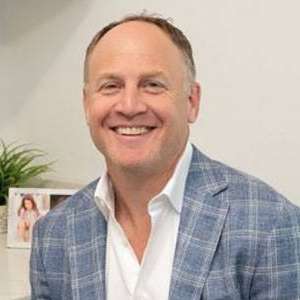
  • S1 · E589
    October 4 · 26 min

    Episode 589: Lyme, Extreme Sensitivities & Cell Membrane Repair – Dr. Vy Simeles | LIVE from ILADS

    LIVE from ILADS: Tick Boot Camp sits down with Dr. Vy Simeles, ND, LAc of Restorative Health Clinic to explore one of the most difficult situations in chronic Lyme disease care: What do you do when a patient becomes so sensitive that nearly everything intended to help seems to make them feel worse? Dr. Simeles works with complex chronic illness patients, including people experiencing Lyme disease, mold illness, MCAS, nervous-system dysregulation, mitochondrial dysfunction, and significant environmental or treatment sensitivities. In this short-form conference interview, she explains why her practice has been increasingly focused on cell membrane therapy and lipid replacement therapy as a foundational strategy for highly sensitive patients. The conversation explores phospholipids, omega-3s, plasmalogens, mitochondria, ATP production, the cell danger response, neuroinflammation, diet, SOT, and the relationship between cellular health and a patient's ability to tolerate treatment. This interview was recorded live at the ILADS conference, so you may hear some of the energy and background activity of the event throughout the conversation. When Lyme Patients React to Everything Dr. Simeles describes a particularly challenging group of patients arriving at her practice. They are very sick, highly sensitive, and may react negatively to interventions that would ordinarily be considered relatively gentle. She describes patients experiencing symptoms including: Severe brain fog Numbness and tingling Short-term memory problems Anxiety Depression Irritability Aggression Neuropsychiatric symptoms Extreme sensitivity to supplements Difficulty tolerating treatment Some even report feeling worse after taking supplements typically used for calming support, including L-theanine or holy basil. When that happens, Dr. Simeles asks a different question: Why is the body interpreting so many inputs as threats? Cell Danger Response, MCAS & Nervous-System Dysregulation There may not be one answer. Dr. Simeles emphasizes that these are complex chronic illness patients, so multiple factors may be interacting. She discusses possible contributors including: Mold and other toxic exposures Oxidative stress Mast cell activation Nervous-system dysregulation Chronic infections Cellular dysfunction What is often described as the cell danger response Within this framework, a chronically stressed body can become increasingly defensive and reactive. Interventions that should ordinarily be tolerated may suddenly produce unexpected responses. Even nervous-system programs such as DNRS, Gupta, or Primal Trust may initially feel overwhelming to someone who is severely ill, cognitively impaired, or highly reactive. That doesn't necessarily mean those tools will never be useful. It may mean the patient first needs a more tolerable entry point. For more on this aspect of recovery, listen to Tick Boot Camp's conversation about Primal Trust with Cathleen King. Looking at the Cell Membrane Dr. Simeles and Dr. Melanie Stein traveled to Atlanta for additional training in lipid replacement therapy and cell membrane therapy, building on approaches they were already using at Restorative Health Clinic. That training helped deepen their focus on a foundational question: Can the patient's cells properly receive, process, and communicate information? Cell membranes aren't simply walls surrounding cells. They are dynamic structures involved in signaling, transport, immune function, energy production, and communication. Dr. Simeles' clinical model asks whether damage or changes to these membranes could be contributing to some patients remaining stuck despite extensive antimicrobial and supportive treatment. The Cell Membrane as the Foundation The previous Tick Boot Camp conversation with Dr. Stein used a simple metaphor: Imagine the cell is a castle and the membrane surrounding it is the moat. The moat helps regulate what gets in and out while supporting the communication necessary to recognize and respond to threats. Dr. Simeles expands on that concept. If the cellular environment is dysfunctional, the problem may extend beyond the presence of an infection. The immune system itself is made of cells. Mitochondria contain membranes. Proteins involved in energy production and cellular communication are embedded in or associated with membranes. From Dr. Simeles' perspective, improving membrane health may therefore help create a better foundation for the body's other systems to function. Why Treating the Infection May Not Be Enough Dr. Simeles makes an important distinction: Antimicrobial therapy and cellular repair are doing different jobs. Her practice still uses antimicrobial therapies when clinically appropriate. But she describes seeing patients whose testing improves after infection-directed treatment while symptoms such as fatigue and brain fog remain. In her clinical experience, integrating cell membrane support earlier — rather than waiting until antimicrobial treatment is finished — may help some patients better tolerate treatment while simultaneously addressing aspects of their lingering symptoms. The philosophy is not necessarily: Antimicrobials or cellular repair. It can be: Antimicrobials plus rebuilding the patient's underlying physiology when appropriate. Phospholipids & Cellular Communication A central concept throughout this conversation is phospholipids. Phospholipids are major structural components of cellular membranes. Dr. Simeles explains that oxidative stress associated with chronic infections, toxins, inflammation, and other physiological stressors may affect membrane lipids. Within her model, restoring appropriate lipids can help support membrane structure and the cellular processes that depend upon it. This becomes particularly important when discussing the immune system and mitochondria because their functions also depend on healthy cellular structures. DHA, Omega-3s & the Brain Dr. Simeles discusses omega-3 fatty acids, particularly DHA, in the context of neurological and neuropsychiatric symptoms. She distinguishes DHA from EPA, noting that both are common components of fish oil but have different physiological roles. Because DHA is an important structural lipid in the brain and nervous system, Dr. Simeles describes using DHA-focused omega-3 strategies with some of her highly sensitive neurological patients. She also discusses carefully titrating treatment for people who react easily, including beginning with very small amounts and increasing based on tolerance. Importantly, she cautions that high-dose fish oil can affect blood clotting and may increase bleeding risk in some people. This is one reason high-dose supplementation should be individualized and discussed with an appropriately qualified healthcare professional rather than copied directly from another patient's protocol. Plasmalogens & Neurological Health Another major topic is plasmalogens, specialized lipids found in cellular membranes and present in significant concentrations within nervous-system tissues. Dr. Simeles discusses using a specialized omega-9 plasmalogen product with some patients experiencing difficult neurological or neuropsychiatric symptoms. Her interest is rooted in the role membrane lipids play in neural structure and cellular communication. The product discussed in the interview, ProdromeGlia, is marketed as an omega-9 plasmalogen precursor intended to support glial cell membranes, myelin structure, and normal cellular membrane composition. Dr. Simeles describes this as one tool within a broader cell membrane strategy — not as a standalone Lyme disease treatment. Mitochondria: The Powerhouse Still Matters Most people remember one thing from biology class: The mitochondria are the powerhouse of the cell. Dr. Simeles explains what that actually means. Mitochondria produce ATP, the energy currency cells need to perform their functions. When mitochondrial function becomes impaired, the consequences can potentially be felt throughout high-energy systems of the body. Dr. Simeles connects mitochondrial dysfunction with symptoms she frequently sees in complex chronic illness, including: Fatigue Brain fog Memory difficulties Muscle weakness Neurological symptoms Reduced stamina The brain is particularly energy-demanding, which helps explain why mitochondrial health is often part of conversations about neurological and cognitive symptoms. Why Membranes Matter to Mitochondria The cellular-health discussion gets even more interesting when Dr. Simeles connects cell membranes with mitochondria. Mitochondria have their own specialized membranes, and their structure is essential to the biochemical processes involved in producing ATP. Within Dr. Simeles' framework, membrane dysfunction can therefore influence mitochondrial function. This creates a possible chain: Cellular stress → membrane dysfunction → impaired mitochondrial function → reduced energy production → symptoms such as fatigue and brain fog. That simplified model helps patients understand why her practice is interested in repairing cellular structures rather than exclusively targeting microbes. Are Low-Fat Diets a Problem? The conversation then moves from supplements and therapies to something much more fundamental: Food. Dr. Simeles doesn't recommend a single rigid diet for every patient. She does, however, push back against diets that unnecessarily eliminate healthy fats. Some fatty acids are considered essential because the body cannot adequately produce them on its own. Omega-3 fatty acids are one example. She therefore emphasizes obtaining adequate healthy fats through food while recognizing that individual dietary needs and tolerances vary. Foods discussed in the conversation include: Fish and omega-3 sources Eggs Egg yolks as a source of phosphatidylcholine Plant-based fat sources Red meat in moderation The larger takeaway isn't that every Lyme patient should follow a ketogenic or high-fat diet. It's that healthy fats play important biological roles and shouldn't automatically be treated as the enemy. The Goal Is to Graduate Patients from Care One revealing moment in the interview has little to do with biochemistry. Dr. Simeles explains that she is always trying to graduate patients from care. The objective isn't indefinite treatment. It is helping someone rebuild enough health and resilience that they can return to living their life. That philosophy fits naturally with Tick Boot Camp's emphasis on recovery: The treatment is not the destination. Life is. SOT for Lyme & Associated Infections Dr. Simeles also discusses Supportive Oligonucleotide Therapy (SOT), another treatment being used at Restorative Health Clinic. She is notably measured about the results. Some patients, she says, have experienced dramatic improvements. Others have experienced more modest results, remain uncertain, or haven't responded. That variability mirrors what Tick Boot Camp has heard across patient interviews. There are people who describe SOT as transformational and others who report spending substantial money without receiving the outcome they hoped for. Dr. Simeles emphasizes that there is no single protocol that will work for every person. For more Tick Boot Camp conversations involving SOT, explore Dr. Hank Sloan's interviews and resources. Can Cellular Health Improve Treatment Tolerance? An especially interesting question raised in this episode is whether improving cellular health might make other treatments easier to tolerate. Dr. Simeles believes it can for some of her patients. Rather than repeatedly adding more aggressive interventions to someone who is already highly reactive, the practice is increasingly interested in strengthening the patient's foundation first or simultaneously. The objective is to help the patient become resilient enough to tolerate whatever appropriate treatment comes next. This closely parallels Tick Boot Camp's concept of prehabilitation: Prepare the person for the treatment rather than simply assuming the person is ready for it. Healing Is Individual The SOT discussion leads to one of the most important messages in the entire interview: There is no universal Lyme treatment protocol. Patients are biologically different. Their infections differ. Their immune systems differ. Their toxic exposures differ. Their nervous systems differ. Their nutritional status, genetics, microbiomes, environments, histories, and tolerances differ. A therapy that dramatically helps one person may do very little for another. For people who have spent years comparing themselves with someone else's recovery story, that message can be validating. Someone else's success or failure with a particular treatment does not automatically predict yours. The Language We Use With Ourselves Near the end of the conversation, Dr. Simeles introduces another area she wants to explore more deeply: Neuro-Linguistic Programming, or NLP. Her interest isn't about replacing medical treatment with positive thinking. Instead, she recognizes that people living with years of chronic illness can develop deeply ingrained patterns around fear, identity, safety, and expectations. She wants to develop additional tools to help patients reframe how they speak to and about themselves during recovery. Tick Boot Camp connects that idea with a recurring principle: Who we believe we can become can influence what we're willing and able to do next. Belief alone isn't a Lyme disease treatment. But hope, self-talk, nervous-system regulation, and the belief that improvement is possible can matter deeply during a long recovery journey. About Dr. Vy Simeles Dr. Vy Simeles, ND, LAc is a naturopathic physician and licensed acupuncturist at Restorative Health Clinic in Oregon. Her work focuses on complex chronic illness, including Lyme disease, mold illness, MCAS, dysautonomia, and other multifactorial conditions. Her clinical approach integrates naturopathic medicine, Chinese medicine, nutrition, detoxification, somatic therapies, and Cell Membrane Therapy. Dr. Simeles and Dr. Melanie Stein have also taught together on lipid replacement therapy and restoring membranes, mitochondria, and autonomic stability in chronic inflammation. Key Topics in This Episode Lyme disease, chronic Lyme disease, Dr. Vy Simeles, cell membrane therapy, lipid replacement therapy, treatment sensitivity, multiple chemical sensitivity, neuroinflammation, brain fog, anxiety, depression, neuropsychiatric Lyme disease, nervous-system dysregulation, cell danger response, MCAS, mast cell activation, phospholipids, phosphatidylcholine, DHA, EPA, omega-3 fatty acids, plasmalogens, ProdromeGlia, mitochondrial dysfunction, ATP, chronic fatigue, Lyme disease nutrition, healthy fats, SOT, Supportive Oligonucleotide Therapy, nervous-system regulation, NLP, integrative medicine, naturopathic medicine, and Lyme disease recovery. About This LIVE from ILADS Interview This short-form conversation was recorded in person at the 2025 International Lyme and Associated Diseases Society Annual Scientific Conference, From Terrain to Treatment: Advances in Vector-Borne Illness, held October 9–12, 2025, in San Antonio, Texas. Because these interviews were recorded live at the conference, they have a different feel from Tick Boot Camp's traditional long-form virtual and studio conversations — shorter, focused, and surrounded by the energy and activity of ILADS. This conversation is a natural companion to Tick Boot Camp's LIVE from ILADS interview with Dr. Melanie Stein, which explores the same emerging cellular-health model from a complementary perspective. Explore all Tick Boot Camp LIVE from ILADS interviews. More from Tick Boot Camp Hear more conversations with Lyme disease doctors and healthcare professionals about complex chronic illness, treatment, nervous-system regulation, and recovery. For more on nervous-system regulation, listen to Cathleen King's conversation about Primal Trust. For more discussions involving SOT, visit Dr. Hank Sloan's Tick Boot Camp page. Explore the Tick Boot Camp Podcast for patient stories and conversations with doctors, researchers, advocates, and other members of the Lyme disease and tick-borne illness community.

  • S1 · E588
    October 3 · 1 hr 27 min

    Episode 588: From Brother and Advocate to Lyme Doctor: Dr. James Bruzzese, MD

    When Julia Bruzzese became seriously ill and lost the ability to walk, her brother James was beginning his medical education. Rather than allowing his family’s experience to drive him away from medicine, it gave him a new purpose: to become the kind of doctor his sister and other complex Lyme disease patients desperately needed. In this deeply personal Tick Boot Camp Podcast episode, special guest co-host Nicole O'Donnell, co-hosts Rich Johannesen and Matt Sabatello welcome Dr. James Bruzzese, MD, founder of Bruzzese Medical. They are joined by returning guest and Lyme advocate Nicole O’Donnell, who brings her perspective as a patient, mother, and member of a family affected by tick-borne illness. Julia’s story reached people around the world in 2015, when Pope Francis approached and blessed her on the tarmac at JFK Airport. She later appeared in the Lyme disease documentary The Quiet Epidemic. Behind the public moments was a close-knit family navigating medical uncertainty, debilitating illness, insurance barriers, and the painful experience of watching Julia’s symptoms be misunderstood. James was present through it all. He attended appointments, accompanied Julia to hospitals, studied medical research, and advocated for her care. Those experiences shaped how he now listens to patients, evaluates complex symptom patterns, and approaches Lyme and tick-borne disease. When Lyme Disease Becomes Personal Dr. Bruzzese explains that he had already entered an accelerated medical program before Julia became critically ill. At the time, he was still questioning whether medicine was truly his calling. Watching his sister become paralyzed, lose her independence, and struggle to obtain answers removed that uncertainty. He describes how helplessness and anger became motivation to study Lyme disease, challenge incomplete assumptions, and advocate for patients whose experiences were being dismissed. The conversation also explores the effects of chronic illness on the entire family. While one person carries the physical burden of disease, parents and siblings may become caregivers, researchers, advocates, and witnesses to tremendous suffering. Why Doctors May Miss Lyme Disease Dr. Bruzzese offers an inside look at how Lyme disease is addressed during conventional medical training. He recalls receiving approximately two hours of Lyme education and being taught to consider other explanations before Lyme disease when evaluating symptoms such as a swollen joint. He argues that medical education relies heavily on pattern recognition. That can help physicians work efficiently, but it becomes dangerous when doctors were never taught to recognize the shifting, multisystem patterns that can accompany Lyme and other tick-borne infections. The result may be a patient whose fatigue, pain, neurological symptoms, dysautonomia, cognitive difficulties, or migrating symptoms are divided among specialists without anyone examining the complete clinical picture. Medical Gaslighting, Bias, and the Patient Experience Nicole O’Donnell shares what it felt like to remain sick while doctors and family members questioned whether Lyme disease explained her symptoms. The group considers whether clinicians deliberately gaslight patients or whether inadequate education, institutional pressure, limited appointment time, and rigid diagnostic frameworks produce an experience that feels like gaslighting. Dr. Bruzzese discusses how patients, particularly women with complex combinations of pain, fatigue, dysautonomia, neurological symptoms, or autoimmune diagnoses, can become labeled as difficult before their complete histories are investigated. Whatever the intent, the consequences are real. Patients may feel disbelieved, families may begin questioning them, and necessary evaluation or treatment may be delayed. Building a Different Model of Lyme Care Dr. Bruzzese describes his vision for Bruzzese Medical, a virtual practice focused on Lyme disease, tick-borne infections, and complex chronic presentations. His goal is to provide individualized, patient-centered care that considers: Lyme disease and common tick-borne co-infections Multisystem and neurological symptoms Mold exposure and heavy-metal toxicity Immune, inflammatory, hormonal, and nutritional contributors Medication and supplement interactions Chronic and neuropathic pain Dysautonomia and peripheral neuropathy Quality of life during longer-term treatment Rather than applying the same protocol to every person, Dr. Bruzzese emphasizes listening to the patient’s full story, studying how symptoms developed over time, and adjusting care according to individual response. He also discusses the value of coordinated treatment planning. His family once had to determine how to organize and separate the more than 80 pills Julia was taking each day. He believes patients experiencing brain fog, exhaustion, and neurological symptoms should not be left to navigate complicated medication and supplement schedules by themselves. Treating Pain While Addressing the Underlying Illness Pain management is an especially important part of Dr. Bruzzese’s vision. His anesthesia training and work as a pain medicine fellow give him a perspective that is not always incorporated into Lyme disease care. He explains that addressing an underlying infection and improving a patient’s immediate quality of life do not have to be competing priorities. Some people need relief from neuropathic pain, anxiety, sleep disruption, or other disabling symptoms while their medical team continues investigating and treating deeper contributors. The discussion includes neuromodulation, chronic pain signaling, neuropathy, and why every intervention must be selected for the individual rather than offered as universal advice. Expanding the Next Generation of Lyme-Literate Providers Dr. Bruzzese does not want his work to stop with the patients he can personally see. Bruzzese Medical uses a team-based model with nurse practitioners, allowing additional clinicians to learn how to care for people with Lyme and tick-borne illnesses while expanding appointment availability. His clinical perspective was influenced by extensive exposure to Lyme patients and training with physicians including Dr. Richard Horowitz and Dr. Somer DelSignore. His message to patients is simple but powerful: whether someone has experienced a recent tick bite or has remained sick after visiting numerous doctors, their story deserves to be heard and investigated. Key Topics Discussed How Julia Bruzzese’s illness affected James and his entire family Julia’s meeting and blessing from Pope Francis Her appearance in The Quiet Epidemic Why James pursued medicine and Lyme disease care Gaps in medical-school education about tick-borne disease The limitations of diagnosis through pattern recognition Why complex patients may feel dismissed or gaslit The effects of insurance and institutional pressures on care Clinical evaluation when testing does not provide a complete answer Lyme disease co-infections and environmental contributors Individualized treatment instead of blanket protocols Medication and supplement coordination Neuropathic pain and neuromodulation The role of anesthesia and pain medicine in chronic illness care Bruzzese Medical’s team-based virtual practice Training more healthcare professionals to serve the Lyme community Why patients need validation, communication, and continued hope Work With Dr. James Bruzzese Bruzzese Medical currently offers virtual appointments when appropriate and permitted by state regulations. The practice is private-pay and does not accept insurance for appointments. Patients can learn more, request an appointment, and access the practice’s booking portal through the Bruzzese Medical website. Additional Resources Find Lyme-literate doctors featured by Tick Boot Camp Learn about Lyme disease testing Explore the Tick Boot Camp Podcast Watch The Quiet Epidemic

  • S1 · E587
    October 2 · 20 min

    Episode 587: Cellular Repair for Chronic Lyme Disease – Dr. Melanie Stein | LIVE from ILADS

    LIVE from ILADS: Tick Boot Camp welcomes back Dr. Melanie Stein, ND for an update on her approach to chronic Lyme disease and complex illness — and the release of her book, Breaking Through Chronic Illness: The Science of Cellular Repair and the Path to Lasting Recovery. Why do some people continue struggling after months or even years of Lyme disease treatment? Dr. Stein believes part of the answer may be found at the cellular level. In this short-form conference conversation, she explains her clinical model of repairing cell membranes, supporting mitochondrial function, reducing inflammation, calming an overactive nervous and immune system, and rebuilding the foundations of health so the body may be better prepared for treatment and recovery. Rather than waiting until the end of Lyme treatment to focus on repair, Dr. Stein makes a different argument: Repair may need to begin at the beginning. This interview was recorded live at the ILADS conference, so you may hear some of the energy and background activity of the event throughout the conversation. Why Can Lyme Recovery Stall? Dr. Stein begins with a familiar problem in the Lyme community. A patient is diagnosed with an infection. Treatment begins. Yet months or years later, that person may still experience fatigue, brain fog, neurological symptoms, immune dysfunction, or other persistent problems. Dr. Stein's clinical model asks whether focusing primarily on killing or reducing pathogens overlooks another important part of recovery: What condition is the body in while we're treating the infection? She discusses oxidative stress, mitochondrial dysfunction, impaired cellular communication, inflammation, and damage to cell membranes as factors she believes can help keep chronically ill patients stuck. Her book, Breaking Through Chronic Illness, expands on this idea by focusing on cellular repair as part of the recovery process. Treat the Body, Not Just the Bug This conversation connects directly with a recurring Tick Boot Camp observation. People who recover from complex Lyme disease often appear to need more than an antimicrobial strategy. Tick Boot Camp discusses its PARM framework: Prehabilitation Assist Repair Maintenance Dr. Stein agrees with the importance of repair but proposes an important modification: Don't wait until the repair phase to start repairing. She argues that improving the body's cellular environment earlier may help prepare patients for subsequent interventions and make treatment more tolerable or effective. It's a shift from asking only, "How do we kill the pathogen?" Instead, the question becomes: "How do we help the body become healthier while we're addressing the pathogen?" What Happens to Cells During Chronic Illness? Dr. Stein describes cell membranes as essential structures that help regulate what enters and leaves a cell and facilitate communication between cells. She discusses phosphatidylcholine and other lipids as important components of those membranes. Within her model, oxidative stress associated with infection can damage these fats and disrupt membrane function, cellular communication, mitochondrial function, and immune signaling. The science can become complicated quickly, so the conversation develops a much simpler metaphor. The Castle & Moat Metaphor Imagine the cell is a castle. Surrounding that castle is a moat — the cell membrane. The moat helps determine what enters and leaves while also participating in the castle's communication and defenses. Dr. Stein explains that when the membrane becomes damaged, the system may no longer operate normally. The drawbridge doesn't work properly. Communication systems can become impaired. Defenses may become less effective. The goal of cellular repair, in her framework, is to restore that protective environment so cellular communication and function can improve. It's an intentionally simple analogy for a complicated biological concept, but it helps explain why Dr. Stein places so much emphasis on cell membrane health. Phosphatidylcholine & Cell Membrane Support One intervention discussed in the episode is phosphatidylcholine. Dr. Stein describes phosphatidylcholine as an important fatty component of cell membranes and discusses replenishing healthy lipids as part of her approach to cellular repair. She also discusses butyrate, a short-chain fatty acid naturally produced by gut bacteria, within her broader cellular-health protocols. These therapies aren't presented here as universal Lyme disease treatments. They are components of Dr. Stein's clinical approach to patients with complex chronic illness and should be considered with an appropriately trained healthcare professional based on an individual's medical needs. ILADS has also featured Dr. Stein teaching on lipid replacement therapy and cellular restoration in tick-borne disease. (pathlms.com) Calm the Body Before Pushing Treatment Before getting into advanced cellular therapies, however, Dr. Stein emphasizes something more fundamental: Help the body feel safe again. Many chronically ill patients describe feeling stuck in a state of hypervigilance or fight-or-flight. Dr. Stein discusses several tools she uses clinically to address that state, including: Nervous-system regulation Limbic-system retraining Mast-cell support Anti-inflammatory strategies Sleep Breathing exercises Gentle foundational interventions She references programs including DNRS, Gupta, and Primal Trust while acknowledging an important reality: some severely ill patients may initially be too symptomatic or overwhelmed to participate in an intensive brain-retraining program. The approach therefore needs to meet the patient where they are. For more Tick Boot Camp conversations on nervous-system regulation, explore Primal Trust with Cathleen King. Sleep & Digestion Come First For all the sophisticated science discussed in the interview, Dr. Stein's first priorities for a new patient are surprisingly basic. Sleep and bowel function. She emphasizes sleep because the body needs restorative time to regulate, integrate, and recover. If someone isn't sleeping adequately, she argues that adding increasingly complicated interventions may accomplish little because the body isn't operating in an environment conducive to healing. Dr. Stein also discusses evaluating patients for sleep disorders rather than assuming insomnia is simply another unavoidable symptom of Lyme disease. That can include investigating: Sleep apnea REM sleep disorders Circadian disruption Cortisol dysregulation Poor sleep hygiene She notes that sleep apnea isn't limited to people who fit the stereotype of an older or overweight patient and says she refers patients for sleep studies when appropriate. Practical Strategies for Better Sleep Dr. Stein discusses several approaches she may use or recommend depending on the patient, including: Consistent sleep routines Reducing television and screens before bed Creating a dark sleeping environment Sleep masks Breathing exercises Meditation Gradually shifting a delayed sleep schedule Evaluating possible sleep disorders She also discusses L-theanine, GABA, magnesium, and low-dose melatonin within her clinical practice. The larger message is more important than any individual intervention: Don't overlook the foundations while pursuing advanced Lyme treatment. Nutrition as Cellular Medicine Food provides the raw materials cells need to function. Dr. Stein emphasizes nutrient-dense foods and healthy fats as part of her cellular-repair philosophy. She personally favors a lower-carbohydrate, ketogenic-style approach for many patients — not necessarily with the goal of maintaining nutritional ketosis, but as a way of emphasizing healthy fats alongside organic vegetables and nutrient-dense foods. Diet, however, should be individualized. The important principle in this conversation is that sophisticated therapies cannot replace the basic nutrients required for normal biochemical processes. As Dr. Stein explains later in the episode, everyday choices influence biochemistry. Movement Doesn't Have to Mean Exercise For someone severely ill with Lyme disease, the word exercise can be intimidating — and in some situations inappropriate. Dr. Stein instead talks about movement at the level a patient's body can currently tolerate. That could mean something as simple as moving the legs while lying in bed. Her goal is to gradually support circulation, oxygenation, mitochondrial activity, and energy production without demanding more from the body than it can currently handle. Recovery doesn't have to begin with a workout. It can begin with the smallest movement the body safely permits. Mitochondria & Energy Production Mitochondria produce ATP, the energy cells use to perform their functions. Dr. Stein connects mitochondrial dysfunction with common chronic illness complaints such as fatigue, poor stamina, cognitive dysfunction, and difficulty recovering from stress. But mitochondrial support can't exist in isolation. If a patient remains chronically stressed, poorly nourished, sleep-deprived, or otherwise physiologically dysregulated, Dr. Stein argues that even sophisticated mitochondrial interventions may have difficulty producing durable improvement. That brings the conversation back to the foundations: Sleep. Nutrition. Movement. Nervous-system regulation. Cellular support. The advanced protocols are built on top of those fundamentals — not instead of them. Cellular Repair Before, During & After Lyme Treatment One of the biggest takeaways from this interview is that healing doesn't necessarily have to follow a rigid sequence. The traditional mental model might look like: Kill the infection → repair the damage → rehabilitate the patient. Dr. Stein proposes something more integrated. Support the patient before antimicrobial treatment. Continue supporting cellular health during treatment. Repair throughout the process. Then continue rebuilding and maintaining health afterward. In Tick Boot Camp language, prehabilitation, assistance, repair, rehabilitation, and maintenance can overlap rather than existing as completely separate boxes. Breaking Through Chronic Illness Dr. Stein's book, Breaking Through Chronic Illness: The Science of Cellular Repair and the Path to Lasting Recovery, expands on the concepts introduced in this interview. She wrote the book for both patients and practitioners. Her goal is to translate complicated cellular science into language people living with chronic illness can understand while also encouraging clinicians to think beyond antimicrobial treatment alone. The book explores her cellular-repair framework and the idea that persistent illness can involve dysfunction in cell membranes, mitochondria, energy production, detoxification, immune regulation, and cellular communication. Learn more about Breaking Through Chronic Illness and Dr. Stein's cellular-healing approach. About Dr. Melanie Stein Dr. Melanie Stein, ND is a licensed naturopathic physician and founder of Restorative Health Clinic in Portland, Oregon. Her clinical work focuses on complex chronic illnesses including Lyme disease and other tick-borne infections, mold-related illness, MCAS, POTS, chronic fatigue, environmental illness, and cellular dysfunction. Dr. Stein's interest in complex chronic illness is also personal. She has publicly described developing Lyme disease and Bartonella and experiencing severe neurological illness, including paralysis, before ultimately receiving answers. That experience helped shape her focus on patients with difficult-to-diagnose and persistent illnesses. ILADS identifies Dr. Stein as a clinician specializing in vector-borne illness and complex chronic conditions who integrates environmental medicine, chronic infection management, and individualized therapies. (ilads.org) Key Topics in This Episode Chronic Lyme disease, Lyme disease recovery, Dr. Melanie Stein, cellular repair, cell membrane therapy, mitochondrial dysfunction, mitochondrial health, phosphatidylcholine, butyrate, oxidative stress, chronic inflammation, chronic fatigue, brain fog, cellular communication, nervous-system regulation, limbic-system retraining, DNRS, Gupta Program, Primal Trust, MCAS, mast cell activation, sleep, sleep apnea, Lyme disease nutrition, movement, ATP production, prehabilitation, chronic illness recovery, integrative medicine, naturopathic medicine, and Breaking Through Chronic Illness. About This LIVE from ILADS Interview This short-form conversation was recorded in person at the 2025 International Lyme and Associated Diseases Society Annual Scientific Conference, From Terrain to Treatment: Advances in Vector-Borne Illness, held October 9–12, 2025, in San Antonio, Texas. Dr. Stein was among the clinicians featured by ILADS at the conference, where her work focused on vector-borne illness, complex chronic disease, and cellular health. Because these interviews were recorded live at the conference, they have a different feel from Tick Boot Camp's traditional long-form virtual and studio conversations — shorter, focused, and surrounded by the energy and activity of ILADS. Explore all Tick Boot Camp LIVE from ILADS interviews. More from Tick Boot Camp Explore more conversations with Lyme disease doctors and healthcare professionals about testing, treatment, cellular health, nervous-system regulation, and recovery. For more on helping the nervous system move out of chronic fight-or-flight patterns, listen to Cathleen King discuss Primal Trust. Explore the Tick Boot Camp Podcast for patient stories and interviews with doctors, researchers, advocates, and other voices working to improve understanding of Lyme disease and tick-borne illness.
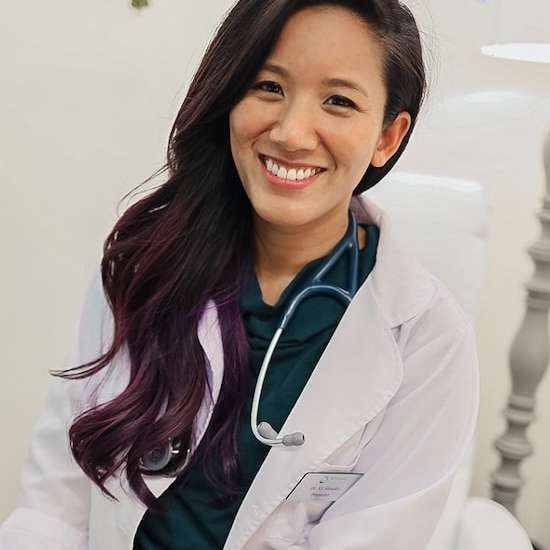
  • S1 · E586
    October 1 · 32 min

    Episode 586: Pediatric Lyme, Autism & Neuroimmune Dysfunction – Dr. Somer DelSignore | LIVE from ILADS

    LIVE from ILADS: Tick Boot Camp sits down with Dr. Somer DelSignore, DNP, BC-PNP, founder of Hudson Valley Integrative Health in Beacon, New York, for a wide-ranging conversation about pediatric Lyme disease, congenital tick-borne infections, autism spectrum symptoms, PANS/PANDAS, autoimmune encephalopathy, developmental delays, behavioral changes, and the importance of investigating potential biological contributors to neuroimmune dysfunction. Dr. DelSignore practices integrative pediatrics with a focus on children experiencing complex chronic illness and neuroimmune symptoms. Rather than stopping at a behavioral or developmental diagnosis, she describes a root-cause approach that asks a deeper question: What biological processes could be contributing to this child's symptoms? The conversation explores some challenging and evolving areas of medicine, including possible relationships among infections, inflammation, immune dysfunction, neurological development, and behavioral symptoms. Dr. DelSignore shares observations from her clinical practice and argues for more comprehensive biomedical evaluation of children with complex or atypical presentations. This interview was recorded live at the ILADS conference, so you may hear some of the energy and background activity of the event throughout the conversation. Looking Beyond a Pediatric Diagnosis Dr. DelSignore describes treating children who don't always fit neatly into one diagnostic category. Some arrive with: Autism spectrum diagnoses or symptoms Developmental delays Behavioral changes Cognitive difficulties Motor delays Speech and language delays PANS/PANDAS Autoimmune or neuroimmune symptoms Suspected congenital Lyme disease Other tick-borne infections A pattern she says sometimes catches parents' attention is an unexpected improvement when a child receives treatment for an unrelated infection. Parents may report that their child temporarily gains language, motor, behavioral, or other skills while taking an antibiotic, only to regress after treatment ends. For Dr. DelSignore, observations like these are clues that warrant further investigation rather than immediate conclusions. Root-Cause Medicine for Children Dr. DelSignore describes her work as a form of detective work. A diagnosis describes what clinicians are observing, but she wants to investigate why those symptoms are occurring. When a child presents with neurological, developmental, behavioral, or immune dysfunction, she evaluates possible contributors and works backward from the symptoms. That may involve extensive history-taking, laboratory evaluation, the child's medical history, environmental factors, immune function, infections, inflammation, genetics, and sometimes the parents' medical histories. Once potential contributors are identified, her goal is not only to address them but also to support the immune and neurological systems as the child progresses. Learn more about Dr. Somer DelSignore and Hudson Valley Integrative Health. Congenital Lyme & Tick-Borne Infections One of the most important subjects in this conversation is congenital or maternal-fetal transmission of tick-borne infections. Dr. DelSignore discusses evaluating both children and their parents when the child's presentation suggests that infection or immune dysfunction could have begun during pregnancy or early development. She specifically discusses Borrelia, Bartonella, and Babesia — the pathogens Tick Boot Camp often refers to as the Three B's — in the context of her clinical work. Dr. DelSignore also discusses another possibility: even when direct transmission isn't established in an individual case, maternal infection and inflammation during pregnancy could potentially influence fetal immune or neurological development. These are complex and evolving areas of research, and determining what occurred in an individual child requires careful clinical evaluation rather than assuming that every developmental or neuroimmune condition has an infectious cause. Why Family History Matters With very young patients, Dr. DelSignore says the parents' history can become especially important. She asks mothers questions such as: Were you exposed to ticks? Did you experience unexplained symptoms before or during pregnancy? Did you have unusual illnesses earlier in life? Did you struggle with immune dysfunction? Do you have autoimmune conditions? Were there infections or inflammatory problems during pregnancy? For an infant who cannot describe symptoms, family history may provide clues that aren't available from the child alone. Dr. DelSignore combines that history with clinical presentation and diagnostic testing when deciding what warrants further investigation. What Might Lyme Disease Look Like in a Young Child? Young children present a unique diagnostic challenge. They cannot necessarily explain that they are exhausted, experiencing pain, having temperature changes, or feeling neurologically different. Dr. DelSignore describes seeing infants with findings such as hypotonia — unusually low muscle tone — along with feeding and sleeping difficulties that extend beyond what would ordinarily be expected. As children grow, additional clues may emerge. Clinicians and parents can begin evaluating whether a child is: Sitting appropriately Crawling Developing speech Gaining words Building sentences Developing motor skills Interacting socially Meeting expected developmental milestones Dr. DelSignore emphasizes that none of these signs by themselves diagnose Lyme disease or another tick-borne infection. Instead, they may be reasons to investigate further when considered alongside medical history, exposures, physical findings, and other symptoms. Behavioral Symptoms in Toddlers & Children In toddlers and older children with tick-borne illness, Dr. DelSignore says the presentation can become heavily neurological or behavioral. She discusses symptoms including: Irritability Impulsivity Poor sleep Delayed speech Social difficulties Auditory sensitivity Visual sensitivity Anxiety Depression OCD-like behaviors Rage Fatigue Sweating Temperature dysregulation The difficulty is obvious: many of these symptoms overlap with other pediatric neurological, developmental, psychiatric, and medical conditions. A nonverbal child also may not be able to report fatigue, pain, headaches, sensory changes, or other physical symptoms. That overlap is one reason Dr. DelSignore argues against trying to identify tick-borne illness from behavior alone. Autism, Lyme Disease & an Important Distinction A substantial portion of this conversation explores autism and possible biological contributors to autism-spectrum presentations. This requires an important distinction. Autism is not synonymous with Lyme disease, and an autism diagnosis by itself does not establish the presence of a tick-borne infection. Dr. DelSignore's position is that some children diagnosed with autism or presenting with autism-like symptoms may also have infections, inflammation, autoimmune processes, or other biomedical issues that deserve investigation. She describes autism as a syndrome diagnosed from patterns of behavior and development rather than through a single definitive laboratory test. From her root-cause perspective, she therefore asks what potentially modifiable biological factors might coexist with or contribute to an individual child's presentation. This distinction is especially important because the scientific questions surrounding infection, immune activation, neurodevelopment, and autism remain complex and actively studied. Can Treating an Infection Change Developmental Symptoms? Dr. DelSignore shares clinical experiences in which she says children experienced substantial developmental and behavioral improvement after underlying infections and immune dysfunction were addressed. She discusses one case involving a nonverbal child with significant autism-spectrum symptoms whom she says tested positive for Borrelia, Bartonella, and Babesia in the context of suspected maternal transmission. Following treatment, she reports that the child progressed dramatically and was functioning much more typically by school age. This is a clinical case described by Dr. DelSignore, not evidence that tick-borne infections explain autism broadly or that antimicrobial treatment is an established autism treatment. What it illustrates is the central argument she makes throughout this episode: When a child's presentation is unusual or complex, clinicians should remain curious about potentially treatable medical contributors. The Neuroimmune Connection Dr. DelSignore encourages clinicians to think about some pediatric presentations through a neuroimmune lens. The nervous system and immune system don't operate independently. Infection can trigger immune activity and inflammation, and immune dysfunction can have neurological consequences. Dr. DelSignore discusses evaluating children for both infections and evidence of autoimmune activity when clinically appropriate. Rather than attempting to draw a clean line between a behavioral diagnosis and an infectious diagnosis, she looks at the entire clinical picture and asks what combination of processes could be affecting that individual child. PANS/PANDAS & Autoimmune Encephalopathy This same framework is relevant to Dr. DelSignore's work with PANS, PANDAS, and autoimmune encephalopathy. Children with these conditions can experience dramatic neuropsychiatric or behavioral changes associated with immune activation. Dr. DelSignore's clinical focus includes identifying possible infectious and inflammatory triggers and then addressing both the trigger and the downstream immune or neurological dysfunction. Her work therefore overlaps infectious disease, immunology, neurology, psychiatry, and developmental pediatrics rather than remaining confined to a single specialty. ILADS identifies Dr. DelSignore's areas of focus as neuroimmunology, autism spectrum disorder, PANS/PANDAS, and chronic/congenital Lyme disease. Why Comprehensive Evaluation Matters One of Dr. DelSignore's strongest messages is that children with complex developmental or behavioral presentations deserve a thorough medical evaluation. She says older children often reach her practice after seeing numerous providers while their symptoms have been characterized primarily as behavioral or psychiatric. By the time they arrive, some families have spent years searching for explanations. Dr. DelSignore advocates looking more broadly at potential contributors, including infection, immune dysfunction, inflammation, environmental exposures, genetics, nutrition, and other biological factors when clinically indicated. The goal isn't to assume every child has Lyme disease. It's to ask enough questions before deciding that nothing else is contributing to the child's symptoms. Psychiatric Symptoms Can Have Medical Contributors The conversation also examines the relationship between physical health and psychiatric symptoms. Dr. DelSignore describes situations in which she believes infection-driven immune activation and neuroinflammation may contribute to anxiety, depression, irritability, OCD-like behaviors, rage, and other neuropsychiatric symptoms. She argues for investigating potential biological contributors rather than automatically treating every behavioral presentation as an isolated psychiatric problem. At the same time, the conversation acknowledges that psychiatric medications can be appropriate and important for some patients. The larger message is individualized care: evaluate the whole child and determine what combination of supports that particular patient needs. No Single Cause of Autism Near the end of the interview, the conversation turns to claims about acetaminophen/Tylenol use during pregnancy and autism. Dr. DelSignore rejects the idea that there is a simple, single explanation for autism. She describes autism as potentially involving many interacting factors and argues that research findings about individual exposures need to be interpreted in context rather than reduced to a headline claiming one substance "causes autism." Her broader point aligns with the philosophy she describes throughout the interview: There is no simple answer for a complex biological system. Instead, she looks for what she describes as a "stacking" of contributing factors that may differ substantially from one child to another. Can Women with Lyme Disease Have Children? The interview closes on a question that creates tremendous fear for many young women diagnosed with Lyme disease: Can I safely have a child? Tick Boot Camp raises the importance of helping women understand congenital Lyme disease, pregnancy, treatment before conception, care during pregnancy, and what parents and clinicians should consider after birth. Dr. DelSignore agrees that these questions deserve much deeper discussion. The existence of congenital transmission concerns should not be interpreted as meaning that someone with Lyme disease cannot have a healthy pregnancy or healthy child. Instead, it reinforces the value of working with knowledgeable healthcare professionals to develop an individualized plan before and during pregnancy. For a deeper Tick Boot Camp conversation with Dr. DelSignore, listen to Pediatric Lyme, Autism Regression, PANS/PANDAS & Root-Cause Healing. About Dr. Somer DelSignore Dr. Somer DelSignore, DNP, BC-PNP is a board-certified pediatric provider and founder of Hudson Valley Integrative Health in Beacon, New York. Her clinical work focuses on complex chronic illness in children, including neuroimmunology, PANS/PANDAS, autoimmune encephalopathy, autism-spectrum presentations, Lyme disease, and congenital tick-borne illness. She completed graduate and doctoral education at the University of Pennsylvania and SUNY Upstate Medical University and has pursued advanced mentorship and training in integrative medicine, Lyme disease, PANS, and autism. She developed the R.E.S.E.T. Protocol, a root-cause framework for addressing immune dysfunction. Dr. DelSignore is also a member of the ILADS Pediatric Committee. Key Topics in This Episode Pediatric Lyme disease, congenital Lyme disease, Dr. Somer DelSignore, autism and Lyme disease, autism spectrum disorder, PANS, PANDAS, autoimmune encephalopathy, neuroimmune dysfunction, neuroinflammation, Borrelia, Bartonella, Babesia, Three B's, developmental delays, speech delay, hypotonia, behavioral symptoms, pediatric tick-borne disease, maternal-fetal transmission, congenital tick-borne infections, root-cause medicine, integrative pediatrics, biomedical evaluation, immune dysfunction, psychiatric symptoms, pregnancy and Lyme disease, and pediatric Lyme testing. About This LIVE from ILADS Interview This conversation was recorded in person at the 2025 International Lyme and Associated Diseases Society Annual Scientific Conference, From Terrain to Treatment: Advances in Vector-Borne Illness, held October 9–12, 2025, in San Antonio, Texas. Because these interviews were recorded live at the conference, they have a different feel from Tick Boot Camp's traditional long-form virtual and studio conversations — shorter, focused, and surrounded by the activity of one of the world's major gatherings of Lyme and tick-borne disease clinicians, researchers, advocates, and innovators. Dr. DelSignore was also a speaker at the conference, where ILADS highlighted her work in integrative pediatrics and personalized treatment for children. Explore all Tick Boot Camp LIVE from ILADS interviews. More from Tick Boot Camp Watch or listen to Tick Boot Camp's long-form interview with Dr. Somer DelSignore for a deeper exploration of pediatric Lyme disease, congenital infection, autism regression, PANS/PANDAS, and root-cause healing. Hear more conversations with Lyme disease doctors and healthcare professionals, or explore the Tick Boot Camp Podcast for hundreds of patient stories and interviews with doctors, researchers, advocates, and other voices throughout the Lyme disease community.

  • S1 · E585
    September 30 · 31 min

    Episode 585: From Lyme Patient to Practitioner: Compassion, Healing & Hope – Mindy Daigle | LIVE from ILADS

    LIVE from ILADS: Tick Boot Camp sits down with Mindy Tobin Daigle, MSN, APRN-BC, a nurse practitioner whose approach to Lyme disease and complex chronic illness was profoundly shaped by her own experience as a patient. Before treating people with Lyme disease, Mindy lived it. After years of misdiagnosis, she was diagnosed with Lyme disease in 2010 following earlier tick exposures. Her illness became multisystemic and severe, affecting her heart, brain, joints, gastrointestinal system, bladder, skin, muscles, and more. At her sickest, she describes being bed-bound, wheelchair-bound, experiencing seizures and aphasia, and dependent on others for basic care. That experience gave her a mission: become the healthcare provider she needed when she was sick and searching for answers. This conversation goes far beyond Lyme disease treatment. Mindy and Tick Boot Camp explore medical gaslighting, listening to patients, compassion versus empathy, realistic expectations for chronic illness recovery, the importance of self-compassion, finding your physical and emotional "edges," and why progress is often measured in inches rather than feet. This interview was recorded live at the ILADS conference, so you may hear some of the energy and background activity of the event throughout the conversation. A Nurse Practitioner Who Became the Patient Mindy was already a trained medical professional when she became seriously ill. Her first reported tick bite occurred in South Africa in 1997, followed by additional exposures while she was working as a nurse in Minnesota and Wisconsin. Despite her medical training and access to healthcare, Lyme disease wasn't initially identified as the explanation for her growing collection of symptoms. Mindy describes repeatedly mentioning her history of tick bites only to have the possibility dismissed. Eventually, during a severe pain crisis, physician Dr. Ted Gillespie spent significant time listening to her history and asked a simple question: What about Lyme disease? Testing through Labcorp produced a positive Western blot, but Mindy says that even with that result, she continued encountering resistance to the diagnosis. Eventually, she found her way to Dr. Patricia Salvato in Houston and began treatment. Becoming the Practitioner She Needed Mindy made herself a promise during her illness: If she recovered, she would become the practitioner she had needed when she was lost and sick. That commitment eventually brought her to ILADS. At her first ILADS conference in 2013, Mindy heard the late Dr. Christine Green speak. The following week, she cold-called Dr. Green's office in San Francisco and asked if she could shadow her. That decision turned into a professional relationship lasting more than a decade. Mindy says her personal development as a Lyme patient became inseparable from her professional development as a clinician. From Sympathy to Empathy to Compassion One of the most powerful themes in this conversation is the evolution from sympathy to empathy to compassion. Mindy describes having sympathy as a young nurse and developing greater empathy with experience. After becoming seriously ill herself, she says she developed something deeper: compassion. Her definition of compassion centers on being willing to sit with another person's pain without judgment, interference, or adding to their suffering. For a Lyme patient who has spent years being dismissed, questioned, rushed, or told symptoms are unexplained, simply encountering a practitioner who genuinely listens can be meaningful. What Compassionate Lyme Care Looks Like Compassion isn't simply being nice to patients. For Mindy, it changes how she practices. When a patient arrives overwhelmed, crying, angry, frustrated, struggling with technology, or simply exhausted from managing chronic illness, her first goal isn't to rush through a checklist. She meets the patient where they are. She tells patients: We're not in a rush. The goal is to take the time needed to understand the person in front of her and determine what needs attention. That approach can be particularly important for patients with complex chronic illnesses who may arrive at an appointment carrying years of symptoms, medical records, failed treatments, fear, and frustration. Medical Gaslighting & the Importance of Listening Mindy also discusses the medical dismissal she experienced during her own illness and what patients often describe as medical gaslighting. The conversation explores why healthcare professionals may dismiss patient experiences even when a patient presents with a complicated history or evidence that warrants further investigation. Mindy emphasizes something deceptively simple: Remain curious. A practitioner doesn't have to immediately know every answer. But when something doesn't make sense, curiosity can keep the diagnostic process moving instead of shutting the patient down. For Mindy, listening and believing that a patient is genuinely experiencing what they describe are foundational to the therapeutic relationship. The Last Five Minutes Mindy has developed a practice she calls The Last 5 Minutes: 8 Concepts and Contemplations in Healing. After spending most of an appointment discussing symptoms, medical decision-making, treatment, and care planning, she reserves the final minutes for something different: Healing. It's a moment to put the metaphorical pencils down and talk heart-to-heart about what the patient is experiencing beyond laboratory results and treatment protocols. Her eight concepts and contemplations include: Keyhole Sunset Progress is made in inches, not feet Awareness, Acceptance, Compassion Pain is Information This is your Hero's Journey Healing is possible, with or without a cure Find a micron of joy and build on it Do what you need to do, rest when you need to rest, force nothing Mindy's original essay on the eight concepts offers a deeper exploration of the philosophy she discusses during this interview. Progress Is Made in Inches, Not Feet People with chronic Lyme disease are understandably in a hurry. They want their health back. They want their careers, relationships, independence, energy, and lives back. But recovery doesn't always move at the speed a patient wants. Mindy prepares patients for the possibility of a long process in which progress isn't perfectly linear. There can be improvements followed by setbacks. Instead of interpreting every setback as failure, she encourages patients to recognize that regression can sometimes occur within a larger pattern of progression. Mindy expands on this philosophy in Progress Comes in Inches, Not Feet. Self-Compassion During Lyme Recovery Chronic illness can create a destructive cycle of self-blame. Patients may think: Why aren't I better yet? Did I do something wrong? Why can't my body handle this? Why can't I do what I used to do? Mindy explains that even an excellent medical treatment plan doesn't automatically resolve the patient's relationship with themselves. Healing may also require learning to stop being at war with your own body. That doesn't mean giving up on improvement. It means learning how to pursue improvement without constantly punishing yourself for where you are today. Her writing on self-compassion and healing explores this balance between accepting present limitations and continuing to move forward. Finding Your Edges One of Mindy's most useful metaphors is finding your edges. After extensive treatment, she reached a point where she could no longer tolerate additional treatment in the same way. She learned to recognize the boundaries of what her body could currently handle. Rather than treating those boundaries as permanent walls, she describes living as well as possible within her edges — and periodically testing whether those edges can expand. If you can stand and wash dishes for five minutes, perhaps eventually you try seven. Small improvements matter. Progress in inches can eventually create meaningful change. Sometimes Progress Means Rest Pushing isn't always the answer. Sometimes the next productive step is doing less. Mindy distinguishes genuine restorative rest from simply lying down while remaining mentally stimulated by television, phones, scrolling, or other distractions. The challenge is learning when to push an edge and when the body genuinely needs recovery. That requires awareness, patience, and wisdom. For a practitioner, it also means understanding that two patients with similar diagnoses may need very different guidance at a particular moment. A Biopsychosocial Approach to Lyme Disease Mindy describes her clinical approach as biopsychosocial. That means considering the patient's: Biology Psychology Social environment Physical limitations Emotional health Relationships Stressors Daily circumstances Complex chronic illness doesn't occur in isolation from the rest of a person's life. Treatment may target infections and physical dysfunction, but healing can also involve how someone relates to their illness, themselves, and the world around them. Mindy's own experience as both patient and practitioner gives her a particularly personal perspective on those intersections. Can Having Lyme Disease Make Someone a Different Practitioner? The conversation explores a provocative question: Does personally experiencing Lyme disease change someone's ability to care for Lyme patients? Mindy says her own illness gave her an understanding she didn't have beforehand. She can recognize nuances between different kinds of fatigue, pain, and physical limitations because she has experienced them. At the same time, she points to her longtime mentor Dr. Christine Green as an example of an accomplished Lyme clinician who did not personally have Lyme disease. The distinction isn't that someone must have Lyme disease to become an excellent practitioner. Rather, lived experience can provide another form of knowledge — one that can complement medical education and clinical expertise. Working with Ravel Health At the time of this interview, Mindy had recently begun working with Ravel Health, a virtual care platform focused on complex chronic illness. She explains that the model gives her greater flexibility to structure her schedule around both her patients' needs and her own ongoing health limitations. That matters because Mindy continues to manage symptoms herself. The flexibility allows her to dedicate significant attention to a patient while also building recovery time between demanding appointments. For Mindy, finding a sustainable way to practice is another extension of the same compassion she encourages patients to develop for themselves. The Human Capacity to Overcome The interview ends with hope. Despite everything Mindy has personally experienced — and everything she sees among people living with complex chronic illness — what repeatedly impresses her is the human capacity to overcome adversity. She watches patients face enormous physical and emotional challenges, adapt, continue forward, and sometimes emerge with a different understanding of themselves and their lives. That doesn't minimize how difficult Lyme disease can be. It recognizes that even within an extraordinarily difficult journey, healing, growth, purpose, and progress remain possible. About Mindy Tobin Daigle, MSN, APRN-BC Mindy Tobin Daigle, MSN, APRN-BC is an adult health nurse practitioner with decades of nursing and clinical experience. She has worked extensively with people navigating Lyme disease, vector-borne illness, chronic fatigue, chronic pain, and other complex chronic conditions. For more than a decade, she collaborated with Lyme disease specialist Dr. Christine Green at Green Oaks Medical Center. Her professional work has been profoundly influenced by her own experience as a Lyme disease patient. Read Mindy's The Last 5 Minutes: 8 Concepts and Contemplations in Healing and her related writings about progress in chronic Lyme disease and self-compassion during healing. Key Topics in This Episode Lyme disease, chronic Lyme disease, Mindy Daigle, Lyme disease nurse practitioner, Lyme disease recovery, medical gaslighting, patient validation, compassion in healthcare, empathy, self-compassion, chronic illness recovery, Lyme disease misdiagnosis, Lyme disease treatment, healing from chronic illness, progress in inches, finding your edges, biopsychosocial medicine, patient-centered care, chronic fatigue, chronic pain, Lyme disease advocacy, Ravel Health, Christine Green, and ILADS. About This LIVE from ILADS Interview This short-form conversation was recorded in person at the 2025 International Lyme and Associated Diseases Society Annual Scientific Conference, From Terrain to Treatment: Advances in Vector-Borne Illness, held October 9–12, 2025, in San Antonio, Texas. Because these interviews were recorded live at the conference, they have a different feel from Tick Boot Camp's traditional long-form virtual and studio conversations — shorter, focused, and surrounded by the activity of one of the world's major gatherings of Lyme and tick-borne disease clinicians, researchers, advocates, and innovators. Explore all Tick Boot Camp LIVE from ILADS interviews. More from Tick Boot Camp Hear more conversations with Lyme disease doctors and healthcare professionals about diagnosis, treatment, recovery, and complex tick-borne illness. Explore the Tick Boot Camp Podcast for patient stories and conversations with doctors, researchers, advocates, and other members of the Lyme disease community — all designed to educate, validate, build community, and reinforce that healing is possible.

  • S1 · E584
    September 29 · 48 min

    Episode 584: Lyme Disease Testing & the Three B’s – Nicole Bell of Galaxy Diagnostics | LIVE from ILADS

    LIVE from ILADS: Tick Boot Camp reconnects with Nicole Bell, CEO of Galaxy Diagnostics, for a focused conversation about one of the biggest challenges in Lyme disease and tick-borne illness: getting an accurate diagnosis. Bell breaks down the differences between antibody testing, antigen testing, and PCR-based direct detection while explaining why stealth pathogens such as Borrelia, Bartonella, and Babesia can be so difficult to find. She also introduces Galaxy's BBB Direct Detect digital PCR testing, discusses emerging findings involving Babesia species, and explains why a negative antibody test doesn't always tell the entire story. For Bell, the mission is deeply personal. Her husband, Russ, initially tested negative for Lyme disease and was later diagnosed with Alzheimer's disease before his family ultimately discovered tick-borne infections were part of his complex illness. That experience helped redirect Bell's engineering and medical technology background toward improving diagnostics for other patients searching for answers. This interview was recorded live at the ILADS conference, so you may hear some of the energy and background activity of the event throughout the conversation. Why Can Lyme Disease Testing Be So Difficult? Bell begins by explaining one of the fundamental problems with diagnosing Lyme disease and other tick-borne infections: many of the pathogens clinicians are searching for can be difficult to detect. Some occur at low levels in the bloodstream. Others may migrate into tissues or circulate intermittently. Historically, much of tick-borne disease testing has therefore relied on indirect detection — looking for the patient's immune response rather than directly detecting the organism. Antibody testing can provide useful information, but Bell explains why interpretation can become complicated. A patient's antibody response can vary depending on factors including: Timing of infection Individual immune response Immune suppression or dysregulation Previous exposure Previous treatment Medications that suppress immune activity Cross-reactivity Whether an infection is current or historical This is why Bell views antibody testing as one tool rather than the entire diagnostic toolbox. Antibody Testing: Detecting the Immune Response Antibody testing is an indirect testing method. Instead of looking for Borrelia itself, for example, the test looks for evidence that the patient's immune system has responded to it. Bell discusses IgM and IgG antibodies and why timing matters. IgM antibodies are generally associated with an earlier immune response, while IgG responses can take longer to develop. In Lyme disease, that delay creates a particular challenge because early diagnosis and treatment can be especially important. Some infected patients may mount a strong measurable antibody response, while others may produce a weaker or delayed response. Bell points to research showing how dramatically immune responses can differ even under controlled experimental conditions. This creates an important distinction: A test of the immune response is not necessarily the same thing as a test for the pathogen itself. When Antibodies Don't Tell the Whole Story Bell uses her husband's experience to illustrate the stakes. Russ had likely been ill for years before his most significant symptoms emerged. By then, Bell says his immune system was dysregulated and his overall antibody levels were low. His Lyme testing was negative, and his worsening cognitive symptoms ultimately led to an Alzheimer's diagnosis. There is also another side to antibody testing. A person may have antibodies because of a previous infection even when the original infection is no longer active. That can make it difficult to determine whether persistent symptoms are associated with an ongoing infection, an undiagnosed coinfection, immune dysregulation, or another process. Bell's point is not that antibody testing has no value. It is that complex tick-borne illness may require more than one diagnostic tool. Antigen Testing: Looking for Evidence of the Pathogen The conversation then moves from indirect testing to direct detection. One method is antigen testing. Rather than measuring the immune system's response, an antigen test searches for a component associated with the pathogen itself. Bell discusses Galaxy's work with a urine-based Lyme disease antigen approach designed to capture and concentrate a protein shed by Borrelia. Why urine? Bell explains that Lyme-causing Borrelia may not remain abundantly present in the bloodstream. A pathogen-derived protein, however, may be filtered through the kidneys and become detectable in urine. Galaxy continues to work on direct-detection approaches to Lyme disease testing as it pursues broader clinical adoption and regulatory pathways. PCR Testing: Searching for Pathogen DNA Another form of direct detection is PCR testing. PCR looks for genetic material from the pathogen rather than relying on the patient's antibody response. Galaxy uses PCR-based approaches for pathogens including: Borrelia Bartonella Babesia But direct detection presents its own challenge. These organisms may occur at extremely low levels in a sample. A patient can be infected while very little pathogen DNA happens to be circulating in the particular blood sample collected that day. That is where digital PCR, or dPCR, becomes especially interesting. The Three B's: Borrelia, Bartonella & Babesia Bell introduces Galaxy's approach to what Tick Boot Camp often calls the Three B's: Borrelia. Bartonella. Babesia. As patient and clinician awareness of tick-borne illness has evolved, these three pathogens have become increasingly important to the conversation around complex cases. Galaxy's BBB Direct Detect digital PCR testing is designed to directly detect DNA from Borrelia, Bartonella, and Babesia. Unlike an antibody test asking whether the immune system has responded to a pathogen, direct PCR testing asks a different question: Can we find genetic evidence of the organism itself? How Digital PCR Searches for Low-Abundance Pathogens Bell gives a simple analogy for understanding digital PCR. Imagine searching for a needle in a haystack. Traditional PCR is trying to identify a tiny amount of pathogen DNA — the needle — among an enormous amount of human genetic material — the haystack. Digital PCR effectively divides that haystack into thousands of much smaller piles and examines them individually. That partitioning can make it easier to detect extremely small amounts of genetic material. Galaxy also uses a culture-enrichment step for Bartonella. The blood sample is placed in an environment designed to encourage Bartonella growth before PCR analysis, increasing the amount of target material available for detection. Learn more about Galaxy Diagnostics' direct-detection technology and its approaches to Borrelia, Bartonella, and Babesia testing. Why Are We Seeing So Many Coinfections? Tick Boot Camp and Bell also discuss an observation that has become increasingly common in patient interviews: many people with complex chronic tick-borne illness aren't reporting only Lyme disease. Instead, patients frequently describe combinations involving the Three B's and other infections. Why? Bell says several factors may contribute. Diagnostic technology has improved. Clinicians have become more aware of coinfections. Ecological research indicates ticks can carry multiple pathogens. But Bell raises another important possibility: patients carrying multiple pathogens may also be among those who become the sickest and therefore are disproportionately represented within chronic illness communities. That distinction matters. Observing many coinfections among severely ill patients doesn't necessarily mean every tick-borne disease patient has the same microbial picture. Bartonella, the Immune System & the Tipping Point Bell discusses Bartonella as an example of the complexity surrounding infection and illness. Exposure may be more common than many people realize, and Bartonella has multiple potential vectors and reservoirs. Bell describes a hypothesis in which some people may harbor an infection while their immune system keeps it under control. Then another infection, environmental exposure, significant stressor, or other immune-disrupting event may alter that balance. A person who had previously remained relatively healthy may cross what Bell describes as a tipping point and begin experiencing significant illness. This raises questions researchers are still working to answer. Were multiple infections transmitted simultaneously? Did they occur through separate exposures? Was one infection already present before another destabilized the immune system? Bell emphasizes that the answer may differ from patient to patient. Emerging Questions About Babesia Some of the most intriguing discussion in this interview involves Babesia. Bell explains that research associated with the North Carolina State University team has identified Babesia species in complex patients beyond the organisms traditionally emphasized in U.S. human babesiosis. She specifically discusses findings involving Babesia odocoilei and Babesia divergens-like organisms and contrasts those findings with expectations surrounding Babesia microti and Babesia duncani. Bell also discusses the possibility of low-level parasitemia — infections involving pathogen levels that may be much lower than the classic severe presentation clinicians associate with babesiosis. These emerging observations raise important research questions about Babesia species, their prevalence, their role in human disease, and whether existing diagnostic assumptions capture the full picture. Bell is careful in the interview to distinguish between what Galaxy's current assay detects and what researchers may suspect based on sequencing and related scientific work. Nicole Bell's Personal Mission Bell's work in tick-borne disease diagnostics grew out of an experience no family wants to have. Her husband, Russ, developed neurological and psychiatric symptoms, including cognitive problems, anxiety and hallucinations. Despite Bell specifically requesting Lyme disease testing early in his illness, his initial test was negative and his diagnostic journey eventually led to an Alzheimer's disease diagnosis. Bell later documented her family's experience in her memoir, What Lurks in the Woods. Today, she brings her engineering background and personal experience together in an effort to improve the diagnostic tools available to clinicians and patients. From MIT & Duke to Galaxy Diagnostics Nicole Bell is CEO of Galaxy Diagnostics and an engineer with extensive experience in medical devices and diagnostics. She earned bachelor's and master's degrees in Materials Science and Engineering from MIT and a master's degree in Biomedical Engineering from Duke University. Before joining Galaxy, she worked in technology and medical-device development, including leadership roles involving diagnostic platforms and FDA submissions. Bell became CEO of Galaxy Diagnostics in 2024, bringing together her professional background in engineering and diagnostics with the lessons learned through her husband's illness. The State of Lyme Disease Research Bell is also the primary author of The State of Lyme Disease Research in the United States for the Center for Lyme Action. The paper examines gaps in Lyme disease research and outlines recommendations involving fundamental science, diagnostics, prevention, treatment, and research infrastructure. In this interview, Bell references one particularly important issue explored in that work: delays in Lyme disease diagnosis and treatment are associated with a greater risk of patients experiencing persistent symptoms. Better testing isn't simply about producing a more sophisticated laboratory report. It's about helping clinicians get patients appropriate answers earlier. Key Topics in This Episode Lyme disease testing, Lyme diagnostics, Nicole Bell, Galaxy Diagnostics, Borrelia testing, Bartonella testing, Babesia testing, Three B's, BBB Direct Detect, digital PCR, dPCR, PCR testing, antibody testing, antigen testing, direct detection, indirect testing, stealth pathogens, Lyme disease antibodies, coinfections, polymicrobial tick-borne disease, low-abundance infections, Bartonella culture enrichment, Babesia microti, Babesia duncani, Babesia odocoilei, Babesia divergens, chronic Lyme disease, diagnostic delays, and tick-borne disease research. About This LIVE from ILADS Interview This short-form conversation was recorded in person at the 2025 International Lyme and Associated Diseases Society Annual Scientific Conference, From Terrain to Treatment: Advances in Vector-Borne Illness, held October 9–12, 2025, in San Antonio, Texas. Because these interviews were recorded live at the conference, they have a different feel from Tick Boot Camp's traditional long-form virtual and studio conversations — shorter, focused, and surrounded by the activity of one of the world's major gatherings of Lyme and tick-borne disease clinicians, researchers, advocates, and innovators. Explore all Tick Boot Camp LIVE from ILADS interviews. More from Tick Boot Camp Hear more conversations with Lyme disease doctors and healthcare professionals about testing, diagnosis, treatment, and complex tick-borne illness. Explore the Tick Boot Camp Podcast for interviews with patients, doctors, researchers, advocates, and innovators working to improve understanding of Lyme disease and help people move toward recovery.

  • S1 · E583
    September 28 · 27 min

    Episode 583: Babesiosis, Lyme Disease & Whole-Person Treatment – Dr. Alexis Chesney | LIVE from ILADS

    LIVE from ILADS: Tick Boot Camp reconnects with Dr. Alexis Chesney, MS, ND, LAc for a focused conversation about babesiosis, Lyme disease, coinfections, diagnostic challenges, herbal medicine, recovery, rehabilitation, and what it means to treat the whole person rather than a single infection. Dr. Chesney is a naturopathic physician and acupuncturist specializing in Lyme disease and other tick-borne illnesses. In this short-form conference interview, she explains why Babesia deserves more attention, how the clinical picture of tick-borne disease has become increasingly complex, and why successful treatment often requires much more than simply targeting microbes. This interview was recorded live at the ILADS conference, so you may hear some of the energy and background activity of the event throughout the conversation. Why Babesia Deserves More Attention One of the main focuses of this conversation is babesiosis, a tick-borne infection caused by Babesia parasites. Dr. Chesney explains that Babesia differs fundamentally from Lyme disease because the organism infects red blood cells. That difference affects both how the disease presents and how practitioners approach diagnosis and treatment. Symptoms discussed in the interview include: Night sweats Air hunger Heart palpitations Fatigue Symptoms related to red blood cell involvement Persistent symptoms that remain after other infections have been addressed Dr. Chesney emphasizes that a patient may improve from treatment directed at Borrelia while continuing to experience symptoms that point toward Babesia or another coinfection. A Naturopathic Approach to Babesiosis Dr. Chesney recently published The Diagnosis and Treatment of Babesiosis: A Naturopathic Approach to an Emerging Tick-Borne Disease. Her article examines babesiosis from an integrative perspective, including epidemiology, clinical presentation, testing, pharmaceutical treatment, botanical medicine, and supportive naturopathic care. In the interview, she discusses combining conventional and natural approaches rather than viewing them as mutually exclusive. She describes using pharmaceutical therapies such as atovaquone and azithromycin when appropriate, followed by or combined with botanical strategies intended to address Babesia and support the patient's overall physiology. Herbal Medicine & Supporting the Body Dr. Chesney's approach goes beyond simply trying to eliminate an organism. She discusses botanical medicine that may help address Babesia while also supporting the red blood cells and other systems affected by infection. Her broader point is that treatment should consider both sides of the equation: How do we reduce the microbial burden, and how do we help the body function better while we do it? That whole-person approach is a central theme of naturopathic and integrative medicine. Dr. Chesney's published work discusses botanical options including Japanese knotweed, cryptolepis, Artemisia annua, Chinese skullcap, Bidens pilosa, and Sida acuta, along with supportive strategies intended to address detoxification, immune function, and tissue protection. Lyme Disease Is Increasingly a Polymicrobial Picture Tick Boot Camp and Dr. Chesney also discuss how the clinical picture of Lyme disease has changed. Increasingly, patients are not presenting with only Borrelia. Instead, clinicians may encounter combinations involving: Lyme disease Babesiosis Bartonellosis Anaplasmosis Other tick-borne infections Reactivated or latent viruses Long COVID Immune dysfunction Overlapping chronic conditions Dr. Chesney explains that these overlapping illnesses can produce similar symptoms, making careful clinical investigation especially important. This is one reason experienced practitioners matter. Testing can be useful, but the clinical picture remains an essential part of diagnosis and treatment planning. Babesia Testing & the Clinical Picture The conversation also explores the limitations of testing. Dr. Chesney discusses using different diagnostic tools depending on the situation, including PCR, antibody testing, and Babesia FISH testing. She emphasizes that laboratory results must be interpreted alongside symptoms, history, exposure, and the patient's response to treatment. For example, a patient who continues to experience night sweats, air hunger, or palpitations after other aspects of treatment may warrant further evaluation for Babesia even when earlier testing has been inconclusive. The message is not that patients should diagnose themselves. It is the opposite: complex tick-borne illness often requires an experienced clinician who understands both the strengths and limitations of available diagnostics. Why Patients Shouldn't Have to Become Their Own Doctors One important part of the interview addresses a common experience in the Lyme community: patients often become extremely educated because they have struggled to find appropriate care. That education can be empowering, but Dr. Chesney and Tick Boot Camp emphasize that patients should not be forced to manage complex infectious disease on their own. Lyme disease and associated infections can involve multiple pathogens, immune dysfunction, overlapping symptoms, changing clinical presentations, and imperfect diagnostic tools. Finding an experienced practitioner who understands these complexities can make a tremendous difference. Dr. Chesney describes spending substantial time gathering patient history and looking for patterns rather than simply treating laboratory values. A Whole-Person Recovery Framework The conversation then moves beyond diagnosis and antimicrobial treatment into the broader recovery process. Tick Boot Camp shares its PARM framework: Prehabilitation Assist Rehabilitation Maintenance Dr. Chesney discusses how this framework aligns with what she sees clinically. Not every patient is physically ready to begin aggressive antimicrobial therapy immediately. Some patients may first need support involving: Nutrition Sleep Movement Stress reduction Immune support Detoxification pathways Liver support Lymphatic support Kidney support For people who have been chronically ill for years, strengthening the body before more intensive treatment can be an important part of the process. Rehabilitation After Chronic Lyme Disease Getting through antimicrobial treatment does not necessarily mean recovery is finished. Dr. Chesney discusses the importance of rehabilitation and reconditioning, especially for patients who have spent months or years significantly limited by illness. Physical therapy can become an important tool for patients who have lost strength, endurance, mobility, or confidence in their bodies. The conversation highlights a reality that many recovering patients discover: There can be a period between treating illness and fully returning to life. That phase deserves attention too. Maintenance, Prevention & Avoiding Reinfection Recovery also includes learning how to protect the progress that has been made. Dr. Chesney has made tick-bite prevention a major focus of her work after repeatedly seeing patients recover from Lyme disease only to experience another tick bite and a new infection. Her book, Preventing Lyme & Other Tick-Borne Diseases, is designed as a practical field guide covering tick identification, tick-bite prevention, landscape strategies, what to do after a bite, and information about common tick-borne diseases. The goal is not to create fear around the outdoors. It is to help people enjoy life while understanding how to reduce risk. Lifestyle, Resilience & Long-Term Health The final portion of the conversation expands even further. Dr. Chesney and Tick Boot Camp discuss how recovery from chronic illness can become an opportunity to reevaluate the foundations of health. That may include: Better nutrition Consistent sleep Exercise and movement Stress management Reducing unnecessary exposures Rebuilding strength Supporting emotional health Supporting spiritual health Developing sustainable habits For many people, recovering from Lyme disease is not simply about returning to exactly who they were before becoming sick. It can become a process of learning the body more deeply and building a healthier life moving forward. About Dr. Alexis Chesney Dr. Alexis Chesney, MS, ND, LAc is a naturopathic physician, acupuncturist, author, and educator specializing in Lyme disease and other tick-borne illnesses. She trained with Dr. Richard Horowitz and has spent years treating patients with Lyme disease, babesiosis, Bartonella, and other complex vector-borne conditions. Dr. Chesney has also served in leadership roles with the International Lyme and Associated Diseases Society, including work with its Naturopathic Medicine Committee and physician training programs. She is the author of Preventing Lyme & Other Tick-Borne Diseases, a practical guide to tick identification, prevention, tick bites, and tick-borne illness. Read Dr. Chesney's article The Diagnosis and Treatment of Babesiosis: A Naturopathic Approach to an Emerging Tick-Borne Disease for a deeper look at the subject discussed in this episode. Key Topics in This Episode Lyme disease, babesiosis, Babesia, Bartonella, tick-borne disease, coinfections, Dr. Alexis Chesney, naturopathic medicine, herbal medicine, Babesia treatment, Babesia testing, Babesia FISH, atovaquone, azithromycin, botanical medicine, immune support, detoxification, chronic Lyme disease, polymicrobial infection, tick prevention, Lyme disease prevention, physical rehabilitation, whole-person medicine, integrative medicine, functional medicine, Lyme recovery, and tick-bite prevention. About This LIVE from ILADS Interview This short-form conversation was recorded in person at the 2025 International Lyme and Associated Diseases Society Annual Scientific Conference, From Terrain to Treatment: Advances in Vector-Borne Illness, held October 9–12, 2025, in San Antonio, Texas. Because these interviews were recorded live at the conference, they have a different feel from Tick Boot Camp's traditional long-form virtual and studio conversations — shorter, focused, and surrounded by the activity of one of the world's major gatherings of Lyme and tick-borne disease clinicians and researchers. Explore all Tick Boot Camp LIVE from ILADS interviews. More from Tick Boot Camp Hear more conversations with Lyme disease doctors and healthcare professionals about testing, treatment, recovery, and complex tick-borne illness. Explore the Tick Boot Camp Podcast for interviews with patients, doctors, researchers, advocates, and others working to improve understanding of Lyme disease and help people move toward recovery.

  • S1 · E582
    September 27 · 30 min

    Episode 582: Compounding Pharmacy for Lyme Disease – David Kazarian, RPh | LIVE from ILADS

    Read transcript LIVE from ILADS: Tick Boot Camp sits down with David W. Kazarian, RPh, pharmacist and founder of Infuserve America, for a focused conversation recorded in person at the ILADS Annual Scientific Conference. In this short-form conference interview, Kazarian explores how compounding pharmacy can give practitioners additional options for Lyme disease and tick-borne illness patients dealing with medication sensitivities, reactions to fillers and excipients, alpha-gal syndrome, absorption challenges, and other complexities. With decades of experience working with the Lyme community, he explains why changing the formulation of a medication — not just the active ingredient — can sometimes become an important part of individualized care. This interview was recorded live on the conference floor, so you may hear some of the energy and background activity of ILADS throughout the conversation. What Is Compounding Pharmacy? Kazarian describes compounding as both a science and an art. Commercial medications generally come with predetermined doses, capsules, fillers, dyes, and delivery methods. Compounding gives a pharmacist, working with a prescribing practitioner, the ability to customize certain aspects of a medication for an individual patient's needs. Depending on the prescription and patient, that can include changes to: Medication strength or dosage Fillers and excipients Capsule materials Carrier oils Route of administration Release characteristics Topical or oral formulations Sterile or non-sterile preparations For people navigating complex Lyme disease and other tick-borne illnesses, those details may become particularly important when medication sensitivities develop or change over time. Excipients, Fillers & Medication Sensitivities One of the most important topics in this conversation is excipients — ingredients in a medication other than its primary active pharmaceutical ingredient. Kazarian discusses patients who may have difficulty tolerating ingredients such as dyes, magnesium stearate, titanium dioxide, gelatin capsules, certain carrier oils, animal-derived ingredients, and other fillers. For a highly sensitive patient, the question may therefore extend beyond "Can I tolerate this medication?" to "Can I tolerate this particular formulation of the medication?" A compounding pharmacist may be able to work with the prescribing practitioner to explore alternative formulations when appropriate. Alpha-Gal Syndrome & Animal-Derived Ingredients The conversation also explores alpha-gal syndrome, a tick-associated allergy that can make mammalian-derived ingredients problematic for some patients. Kazarian uses capsules as one example. Traditional gelatin capsules may contain animal-derived materials, while alternative formulations can use vegetable-based capsules. He also discusses carrier oils and other excipients, including MCT, almond, and olive oils, illustrating how even the inactive components of a medication may need to be considered for an individual patient. For people experiencing unexplained new sensitivities, the discussion provides an important takeaway: the active medication isn't necessarily the only ingredient worth investigating. Why Can Medication Tolerance Change? Many people living with Lyme disease and other complex chronic illnesses report becoming sensitive to foods, supplements, medications, or other substances they previously tolerated. Kazarian discusses immune dysfunction as one possible piece of this complicated picture and explains why changing medication tolerance deserves investigation. This is especially relevant for Lyme patients who experience symptoms that change, migrate, or seem disconnected from one another. Rather than automatically dismissing a new reaction because a medication was previously tolerated, the episode explores why practitioners may need to look more closely at both the patient's changing health and the medication's ingredients. Lyme Disease, Coinfections & Complex Illness Kazarian prefers looking broadly at tick-borne illness rather than focusing exclusively on Borrelia. The conversation discusses the polymicrobial nature of tick-borne disease, including coinfections and the potential involvement of immune and inflammatory processes. That complexity leads to one of the central themes of the interview: There isn't necessarily one recipe for every patient. Patients can present differently, tolerate treatments differently, and require different approaches as their health changes. Carrier Oils, Microemulsions & Medication Absorption Kazarian also explains the role of carrier oils and what he describes as microemulsions. Depending on the medication and formulation, these techniques may be used to influence delivery, absorption, or gastrointestinal tolerance. He describes the concept simply as surrounding a drug with fat and explains why understanding the chemistry of both the active medication and its delivery system can be an important part of pharmaceutical compounding. Thyroid Medication as an Example of Precision Medicine Kazarian uses thyroid medication to demonstrate how individualized investigation and compounding can work together. The discussion touches on TSH, T3 and T4, free T3 and free T4, reverse T3, iodine, ferritin, medication ingredients, animal-derived ingredients, bioidentical formulations, and sustained-release compounding. The thyroid discussion serves as a larger example of the questions that can arise with a complex patient: Is the medication itself the problem? Could an inactive ingredient be contributing? Is the formulation appropriate? Is something else in the patient's clinical picture being overlooked? These are questions for the patient's healthcare team to investigate rather than assuming there is a one-size-fits-all answer. Precision Medicine & the Pharmacist's Role A major theme throughout the interview is precision medicine. Kazarian describes the compounding pharmacist as another resource for the treating practitioner when conventional medication options create challenges. Depending on the individual situation, a pharmacist and prescribing clinician may consider a different formulation, excipient, dosage form, route of administration, release method, or active ingredient when clinically appropriate. Kazarian is also clear about something important: the pharmacist does not replace the patient's practitioner. Instead, the pharmacist can become another member of the team, helping the practitioner explore additional options when they encounter a medication-related obstacle. Sterile & Non-Sterile Compounding Infuserve America provides both sterile and non-sterile compounding. Non-sterile compounding can include customized capsules, tablets, topical preparations, and other formulations. Sterile compounding includes preparations requiring specialized sterile environments and procedures, including certain injectable and intravenous medications. With Infuserve America's background in home infusion, Kazarian also discusses prescribed IV therapies, PICC lines and ports, intravenous medications, nutritional IV preparations, Myers' cocktails, and high-dose vitamin C. Giving Practitioners More Tools Perhaps the most important message from Kazarian is that compounding isn't about replacing the doctor or allowing patients to prescribe for themselves. It's about giving practitioners more tools. Kazarian describes receiving calls from practitioners who have reached a difficult point with a patient and want to know what other options may be available. Could an excipient be changed? Could another route of administration work? Could the medication be prepared differently? Those conversations between practitioners and pharmacists can create possibilities that aren't available with an off-the-shelf medication. Patients interested in exploring compounding with their healthcare provider can learn more about working with Infuserve America. About David W. Kazarian, RPh David W. Kazarian, RPh is a registered pharmacist and founder of Infuserve America with decades of experience in pharmacy, home infusion, sterile and non-sterile compounding, and working with the Lyme disease community. His approach emphasizes collaboration between the pharmacist, practitioner, and patient to identify individualized solutions when conventional medication formulations present challenges. Key Topics in This Episode Lyme disease, tick-borne illness, compounding pharmacy, David Kazarian, Infuserve America, medication sensitivities, medication intolerance, excipients, fillers, alpha-gal syndrome, precision medicine, personalized medicine, immune dysfunction, carrier oils, microemulsions, thyroid medication, medication absorption, sterile compounding, home infusion, IV therapy, and practitioner-pharmacist collaboration. About This LIVE from ILADS Interview This short-form interview was recorded in person at the 2025 International Lyme and Associated Diseases Society (ILADS) Annual Scientific Conference, From Terrain to Treatment: Advances in Vector-Borne Illness, held October 9–12, 2025, in San Antonio, Texas. Tick Boot Camp was onsite interviewing doctors, researchers, healthcare professionals, advocates, and innovators working across Lyme disease and vector-borne illness. Explore all Tick Boot Camp LIVE from ILADS interviews to hear more conversations from the conference. More from Tick Boot Camp Hear more conversations with Lyme disease doctors and healthcare professionals about testing, treatment, complex chronic illness, and emerging approaches to tick-borne disease. Explore the Tick Boot Camp Podcast for interviews with patients, doctors, researchers, advocates, and other members of the Lyme disease and tick-borne illness community.

    • Transcript
  • S1 · E581
    September 26 · 1 hr 48 min

    Episode 581: From Geriatrics to Lyme Disease: A Doctor’s Journey Into Root-Cause Medicine – Dr. Raphael “Tito” Balbino

    What happens when a conventionally trained physician watches someone he loves struggle with years of unexplained, multisystem illness—and eventually discovers that Lyme disease and Bartonella may have been part of the picture all along? In this episode of the Tick Boot Camp Podcast, hosts Matt Sabatello and Rich Johannesen sit down with Raphael “Tito” Balbino, MD, a physician trained in Family Medicine and Geriatrics who now leads Mandarin Wellness Center, a functional and integrative medicine practice in Jacksonville, Florida. Dr. Balbino’s path into Lyme disease and complex chronic illness was not planned. Born and raised in Rio de Janeiro, Brazil, Dr. Balbino moved to the United States as a teenager. His fascination with anatomy eventually led him to study human biology at UC San Diego, attend medical school at the University of Illinois Chicago, and complete postgraduate training in Family Medicine and Geriatric Medicine in North Carolina. But while his medical career was developing, something much more personal was happening at home. When His Wife’s Illness Changed Everything Throughout medical school and residency, Dr. Balbino watched his wife experience a changing collection of symptoms including headaches, brain fog, sleep problems, gastrointestinal issues, anxiety, fatigue, and gallbladder attacks. The symptoms appeared across different systems and at different times. Yet despite interacting with the conventional medical system, no one seemed able to step back and identify a unifying explanation. Dr. Balbino describes watching his wife being treated as a collection of individual problems rather than as one interconnected patient. Eventually, she began doing her own research and exploring nutrition, gut health, anti-inflammatory strategies, and functional medicine. Dr. Balbino credits that work—particularly addressing the gut and inflammation—with helping her become substantially more functional. Years later, Dr. Shirley Hartman helped them investigate another possibility. Testing reportedly identified evidence consistent with multiple Borrelia strains as well as Bartonella, providing a new framework through which they could reconsider decades of seemingly disconnected symptoms. That experience would ultimately transform not only his wife’s health journey, but Dr. Balbino’s approach to medicine. Why Lyme Disease Can Be So Difficult to Recognize Dr. Balbino reflects on how little emphasis tick-borne disease received during his conventional medical education. He remembers learning the classic associations—tick exposure, characteristic rashes, acute presentations—but says there was little emphasis on the epidemiology or the complicated, multisystem presentations he would later encounter in practice. During residency, he treated a patient with an acute presentation of Rocky Mountain spotted fever, including a characteristic rash and treatment with doxycycline. Looking back, he contrasts cases like that with patients whose symptoms develop gradually, migrate, fluctuate, or involve multiple systems. Today, Lyme-related referrals are the largest referral source at Mandarin Wellness Center, where Dr. Balbino sees patients ranging from those who have no idea why they are chronically ill to experienced Lyme patients searching for additional options. For more conversations with physicians working in Lyme and tick-borne disease, explore the Tick Boot Camp Doctors Podcast Directory. Lyme Disease Beyond the Northeastern United States The conversation also explores an important misconception: that Lyme disease is primarily a Northeastern U.S. problem. Dr. Balbino discusses his Brazilian background, his wife’s childhood exposure to rural environments in Brazil, and how learning about Lyme cases in Brazil expanded his understanding of the global nature of tick-borne illness. He specifically references a previous Tick Boot Camp interview about Lyme disease in Brazil that helped change his perspective. Gut Health, Inflammation, and the Nervous System One of the most personal portions of the interview involves Dr. Balbino’s description of his wife’s experience with years of intrusive anxiety and worrisome thoughts. He explains that counseling and other approaches did not seem to resolve those symptoms, but that significant improvement followed her work on gut health and an anti-inflammatory diet. The conversation expands into the complex relationship between: gut health inflammation immune regulation autoimmunity mast cell activation the nervous system chronic stress neurological symptoms More recently, Dr. Balbino says his wife has also made additional progress through nervous system training and regulation. For listeners interested in this area, Tick Boot Camp has also explored nervous system regulation and neuroplasticity with Cathleen King of Primal Trust and Lindsay Mitchell of Vital-Side. Building an Individualized Lyme Disease Treatment Strategy Dr. Balbino emphasizes that patients arrive at his practice at very different stages and therefore may require very different approaches. For acute presentations, he discusses situations where antibiotics can play an important role. For chronic and complex patients, his approach may also incorporate herbal protocols, detoxification support, organ support, nutrition, vitamins, minerals, and other functional medicine strategies. Rather than presenting one treatment as appropriate for everyone, the discussion highlights the need to understand the individual patient, their history, their tolerance for treatment, and the factors that may be keeping them stuck. SOT / Q-REstrain for Lyme and Tick-Borne Infections The conversation takes a deeper dive into Supportive Oligonucleotide Therapy (SOT), which Dr. Balbino discusses under the newer name Q-REstrain. He explains why his practice became interested in the therapy, including exposure through ILADS education and conversations with patients and families who reported significant improvements. Matt and Rich ask Dr. Balbino to explain the therapy, how it differs from antibiotics and herbal approaches, and where he believes it may fit within a broader treatment strategy. Listeners interested in another physician’s perspective can also hear Tick Boot Camp’s discussion of SOT with Dr. Hank Sloan. Frequency Specific Microcurrent (FSM) Another major portion of the episode explores Frequency Specific Microcurrent (FSM). Dr. Balbino explains the concept of pairing specific frequencies with targeted tissues or physiological processes. He discusses using customized programs intended to address issues such as inflammation, pain, joints, ligaments, adhesions, and other patient-specific concerns. He contrasts FSM with technologies such as TENS units and Rife-type devices and describes how patients may use programmed frequency combinations over a set period of time. Dr. Balbino also shares patient experiences from his practice, including a nurse with longstanding pain and arthritis who incorporated FSM into her care. TruDOSE Platelet IV Therapy and Regenerative Medicine The conversation also explores TruDOSE Platelet IV Therapy, a regenerative therapy Dr. Balbino has incorporated into his practice. Dr. Balbino explains that the treatment uses a patient’s own blood, which is processed to concentrate platelets before the platelets are administered intravenously. He discusses platelets not simply in the context of blood clotting, but as carriers of growth factors and signaling molecules involved in inflammation, repair, and healing. One aspect that particularly interests Dr. Balbino is the attempt to standardize the platelet dose. Rather than simply preparing platelet-rich plasma without knowing the exact concentration being delivered, he describes the TruDOSE process as measuring platelet levels before and after processing to provide a more individualized dose. Dr. Balbino shares several memorable patient experiences that have shaped his interest in regenerative medicine, including patients dealing with traumatic brain injury, neurological dysfunction, chronic pain, PTSD-like symptoms, and vision problems. One case involved a patient with longstanding neurological injuries who reported unexpected changes after treatment, including improvements in areas that had not been the original focus of therapy. Another patient with a history of traumatic brain injury and significant visual impairment reported improvements in vision following treatment. These individual patient experiences have challenged some of Dr. Balbino’s previous assumptions about what may be possible for people dealing with longstanding dysfunction. For a physician who originally trained in geriatrics—where much of medicine can involve managing decline—seeing patients report improvements in functions they believed were permanently lost has helped reshape the way he thinks about aging, chronic illness, repair, and healing. From Conventional Geriatrics to Complex Chronic Illness Dr. Balbino’s professional transformation is one of the central themes of this episode. His wife’s health journey first opened his mind to approaches outside his conventional training. Later, his relationship with Dr. Shirley Hartman exposed him more deeply to Lyme disease, functional medicine, and complex chronic illness. Dr. Hartman had practiced for decades before preparing for retirement, and Dr. Balbino eventually stepped into the practice she had built. Following her passing, he describes initially feeling the enormous weight of continuing the work of a physician whose patients would tell him that she had “saved” their lives. Over time, that pressure evolved into something different: a commitment to continue serving the community and carrying forward what he learned from her. A Physician’s Mission to Serve Near the end of the interview, Dr. Balbino explains how working with chronically ill patients has fundamentally changed his relationship with medicine. Patients with Lyme disease and complex chronic illness often arrive after years of suffering, failed treatments, unanswered questions, and feeling unheard. That experience has created what Dr. Balbino describes as almost a family environment within his practice—a community connected by a shared understanding of suffering. His philosophy today is simple: his job is to serve the person sitting in front of him. And if he is not the right person to help them, he wants to help connect them with someone who may be. For patients who have spent years searching for answers, that willingness to listen, remain curious, and continue looking for options can itself be powerful. Topics Discussed Dr. Raphael “Tito” Balbino’s journey from Brazil to the United States Medical school and training in Family Medicine and Geriatrics His transition from conventional medicine to functional and integrative care His wife’s decades-long chronic illness journey Lyme disease and Bartonella Migrating and multisystem symptoms Why Lyme disease can be missed in conventional medical settings Lyme disease and tick exposure in Brazil Gut health and the immune system Anti-inflammatory nutrition Intrusive thoughts, anxiety, and inflammation Nervous system regulation Mast cell activation and immune dysregulation Antibiotics versus herbal Lyme protocols Detoxification and organ support Supportive Oligonucleotide Therapy (SOT) Q-REstrain Frequency Specific Microcurrent (FSM) Chronic pain and inflammation TruDOSE Platelet IV Therapy Platelets, growth factors, and regenerative medicine Systemic inflammation and tissue repair Traumatic brain injury and neurological symptoms Vision changes discussed in patient experiences Dr. Shirley Hartman’s influence and legacy Physician burnout and caring for complex patients Faith, service, purpose, and healing Why individualized care matters in chronic Lyme disease

  • S1 · E580
    September 19 · 54 min

    Episode 580: Can Treating Lyme Disease Reverse Alzheimer’s Biomarkers? Dr. Richard Horowitz’s New Study

    Could Lyme disease and other chronic inflammatory triggers play a role in Alzheimer’s disease—and could addressing those underlying factors change measurable Alzheimer’s biomarkers? In this episode of the Tick Boot Camp Podcast, Dr. Richard Horowitz returns to discuss a provocative new case report he published exploring the relationship between Lyme disease, neuroinflammation, Alzheimer’s disease biomarkers, and dapsone combination therapy. The conversation centers on a patient with a long history of Lyme disease who had an elevated phosphorylated tau 217 (p-tau217) level, an increasingly important blood biomarker associated with Alzheimer’s disease. After completing a nine-week dapsone combination protocol, the patient’s p-tau217 declined by approximately 63% and returned to the normal range. Her amyloid-beta 42/40 ratio also moved in a favorable direction, and she reported improved cognitive clarity. This case provides a new research question: Could infections, toxins, metabolic dysfunction, sleep disorders, microbiome disturbances, and other inflammatory drivers contribute to Alzheimer’s pathology in subsets of patients—and could identifying and addressing those drivers change the course of the disease? Read the Published Study Read Dr. Horowitz’s published study on SAGE Journals The case report provides the scientific foundation for much of the discussion in this episode, including the changes in p-tau217 and amyloid biomarkers following treatment. In This Episode, You’ll Learn Lyme Disease and Alzheimer’s Disease Dr. Horowitz reviews research that has investigated possible relationships between Borrelia burgdorferi, neuroinflammation, amyloid, phosphorylated tau, and Alzheimer’s pathology. Much of the earlier work examining spirochetes and Alzheimer’s disease involved brain tissue and postmortem studies. Dr. Horowitz explains why he believes studying Alzheimer’s biomarkers in living Lyme disease patients may provide another way to investigate these questions. The discussion also explores an important distinction: finding an association between infection and Alzheimer’s pathology does not mean every case of Alzheimer’s disease is caused by Lyme disease. The Patient Who Sparked the New Case Report Dr. Horowitz describes a longtime patient with Lyme disease whose p-tau217 was substantially elevated despite her perception that her cognition was relatively good. After the patient underwent his nine-week dapsone combination protocol, repeat testing showed a substantial reduction in p-tau217, bringing the biomarker into the normal range. Dr. Horowitz also discusses changes in the patient’s amyloid-beta 42/40 ratio, rheumatoid factor, and subjective cognitive function. The case led him to ask whether treatment directed at persistent infection and inflammation could influence biomarkers normally associated with Alzheimer’s disease. What Is p-Tau217? A major portion of the interview focuses on the emerging use of blood-based biomarkers for evaluating Alzheimer’s pathology. Dr. Horowitz discusses four primary biomarkers: p-tau217 – phosphorylated tau 217 p-tau181 – phosphorylated tau 181 Amyloid-beta 42/40 ratio Neurofilament light chain (NfL) He also discusses GFAP (glial fibrillary acidic protein) and the potential relevance of APOE genetics. Dr. Horowitz describes p-tau217 as one of the most sensitive and specific currently available blood biomarkers associated with Alzheimer’s disease pathology. Amyloid May Be More Than Just “Plaque” Why does amyloid accumulate in the brain in the first place? The episode explores the concept of amyloid-beta as an antimicrobial peptide and the hypothesis that amyloid production may, in some circumstances, be part of the brain’s response to biological threats. Dr. Horowitz discusses research examining potential infectious and environmental contributors to amyloid production, including: Borrelia and other bacteria Viral infections Fungal organisms Other microbes Environmental toxins The conversation then explores how a response that may initially be protective could potentially become harmful when amyloid accumulates and interferes with normal neuronal function. Amyloid, Tau and Neurodegeneration Dr. Horowitz breaks down two major features associated with Alzheimer’s disease. Amyloid-beta plaques accumulate outside neurons and are associated with disrupted communication between brain cells. Tau proteins normally help stabilize structures inside neurons. Abnormally phosphorylated tau can become associated with neuronal dysfunction and neurodegeneration. The discussion also explores why some patients may have abnormal tau biomarkers without corresponding abnormalities in amyloid markers—and why much more research is needed to understand these patterns in people with chronic Lyme disease. Dapsone Combination Therapy and Cognitive Symptoms Dapsone has been a major focus of Dr. Horowitz’s research into persistent Lyme disease. In this episode, he explains that his protocols involve combination therapy rather than dapsone alone and discusses his previous published work examining dapsone combination therapy in patients with persistent Lyme disease symptoms. According to Dr. Horowitz, improvements in memory, concentration, cognition, and word-finding difficulties have repeatedly been among the most notable improvements reported in his patient cohorts. He believes this observation deserves greater attention now that blood-based Alzheimer’s biomarkers make it possible to investigate biological changes alongside cognitive symptoms. Dapsone, the Brain and the NLRP3 Inflammasome The discussion goes beyond dapsone’s antimicrobial activity. Dr. Horowitz explains his interest in the NLRP3 inflammasome, an inflammatory pathway implicated in neuroinflammation and studied in relation to Alzheimer’s disease. He proposes that dapsone could potentially have more than one relevant effect—targeting certain microorganisms as part of combination therapy while also influencing inflammatory pathways. This remains an area requiring further clinical investigation. Alzheimer’s Disease May Have Multiple Drivers One of the most important themes of the interview is that Alzheimer’s disease is unlikely to have a single universal cause. Dr. Horowitz applies his 16-point MSIDS (Multiple Systemic Infectious Disease Syndrome) model to cognitive decline and Alzheimer’s disease. Potential contributors discussed include: Lyme disease and other infections Mold and mycotoxin exposure Heavy metals and environmental toxins Chronic inflammation Insulin resistance and blood sugar dysregulation Sleep disorders and sleep apnea Gut microbiome dysfunction Nutritional deficiencies Mitochondrial dysfunction Cardiovascular and metabolic factors Other sources of systemic inflammation Rather than focusing exclusively on amyloid or tau, Dr. Horowitz argues for investigating what may be driving those abnormalities in an individual patient. Lyme Disease Is Not the Only Possible Infectious Trigger The episode also examines the broader question of infection and neurodegeneration. Dr. Horowitz discusses scientific literature investigating organisms and infections beyond Borrelia, including Chlamydia pneumoniae, Helicobacter pylori, Coxiella burnetii, herpesviruses, and other microbial exposures. His central argument is not that every Alzheimer’s patient has an infection. Instead, he believes clinicians and researchers should investigate whether infectious, toxic, metabolic, environmental, and inflammatory factors may coexist and contribute differently from patient to patient. The Challenge of Lyme Disease Testing The conversation also addresses limitations surrounding Lyme disease diagnostics. A negative standard Lyme disease test does not necessarily answer every clinical question surrounding prior exposure or persistent symptoms. The hosts and Dr. Horowitz discuss why testing methodology, timing, immune response, strain diversity, clinical history, and other factors may need to be considered when evaluating a complex patient. Dr. Horowitz also explains how he combines laboratory findings with clinical history and his MSIDS framework when evaluating patients. Why More Data Is Critical A single case can generate a hypothesis. It cannot establish a treatment standard. Dr. Horowitz repeatedly emphasizes the need for: Additional documented cases Standardized biomarker testing Long-term patient follow-up Larger patient cohorts Collaboration among Lyme-literate physicians and neurologists Shared research databases Multicenter studies Randomized controlled clinical trials The episode explores the possibility of physicians systematically collecting Alzheimer’s biomarkers before and after treatment of specific MSIDS factors to determine which interventions, if any, consistently change those biomarkers. That type of data could help researchers move beyond individual clinical observations toward testable conclusions. Could Patient Data Accelerate Lyme and Alzheimer’s Research? Matt and Dr. Horowitz discuss the potential for a secure research repository where physicians could contribute standardized patient data. For example, researchers could track a patient’s infections, mold exposure, metabolic factors and other MSIDS variables alongside p-tau217, p-tau181, amyloid-beta 42/40 and NfL measurements. Repeating those measurements after individual interventions could help researchers identify patterns that would otherwise take years to discover through isolated clinical practices. Dr. Horowitz Is Developing an MSIDS App Dr. Horowitz also shares a major project currently in development. He says he is working with researchers from the University of California, Irvine on an application designed to translate his MSIDS framework into a digital tool. The goal is for users to enter information based on the MSIDS questionnaire and other health data, allowing the software to help guide them through the framework. Dr. Horowitz also discusses how a sufficiently large and secure database could eventually create opportunities for collecting real-world patient data and generating new research hypotheses. Lifestyle, Metabolic Health and Brain Health Not every potential driver discussed in this episode is infectious. Dr. Horowitz highlights several established areas of brain-health research, including: Mediterranean/MIND-style dietary patterns Regular physical activity Healthy blood sugar and insulin regulation Cardiovascular health Adequate sleep Addressing sleep apnea Omega-3 fatty acids Nutritional status Gut and microbiome health This reinforces one of the episode’s central messages: cognitive decline may result from multiple interacting biological pressures rather than one isolated mechanism. Ending Chronic Illness The discussion also previews Dr. Horowitz’s upcoming book, Ending Chronic Illness, scheduled for publication on October 13, 2026. The book expands on his 16-point MSIDS model and explores how overlapping infectious, inflammatory, environmental, metabolic, immune, neurological, and lifestyle factors may contribute to chronic disease. A separate Tick Boot Camp interview dedicated to the new book will be released this fall. Learn More About Dr. Richard Horowitz Dr. Richard Horowitz is one of the best-known physicians in the Lyme disease community and has spent decades treating patients with Lyme disease, tick-borne infections, and complex chronic illness. Tick Boot Camp has interviewed Dr. Horowitz multiple times about Lyme disease, Babesia, Bartonella, dapsone combination therapy, MSIDS, chronic inflammation, and emerging research. Visit Dr. Richard Horowitz’s Tick Boot Camp page for all of our interviews, articles, and resources Additional Resources Explore all Tick Boot Camp interviews and information Key Topics Richard Horowitz, MD; Lyme disease; Alzheimer’s disease; Alzheimer’s biomarkers; Lyme disease and Alzheimer’s; Lyme disease and dementia; cognitive decline; neuroinflammation; p-tau217; p-tau181; phosphorylated tau; amyloid beta; amyloid-beta 42/40 ratio; neurofilament light chain; NfL; GFAP; APOE4; Borrelia burgdorferi; chronic Lyme disease; persistent Lyme disease; dapsone; dapsone combination therapy; MSIDS; Multiple Systemic Infectious Disease Syndrome; biofilms; persister bacteria; brain inflammation; memory problems; brain fog; cognitive dysfunction; mold toxicity; mycotoxins; microbiome; infections and Alzheimer’s disease; tick-borne disease; Lyme disease research; dementia research; Alzheimer’s research.

  • S1 · E579
    September 12 · 1 hr 36 min

    Episode 579: Phage Therapy for Lyme Disease? Dr. David Jernigan Explains INPT & Bacteriophages

    What if some of the most powerful tools for controlling chronic bacterial infections are already living inside the human body? In this episode of the Tick Boot Camp Podcast, hosts Matt Sabatello and Rich Johannesen sit down with Dr. David A. Jernigan, DNM, DC, founder of the Biologix Center for Optimum Health, for a deep exploration of Lyme disease, bacteriophages, chronic infection, biological medicine, and his development of Induced Native Phage Therapy (INPT). Dr. Jernigan has worked with people experiencing Lyme disease and complex chronic illness since the 1990s. His journey into the Lyme world began unexpectedly when a mother and her twin sons came to his Kansas practice with Lyme disease. At a time when Lyme disease knowledge was far more limited, the experience pushed him into decades of clinical work, research, writing, and experimentation focused on understanding why some patients remain chronically ill. Today, one of the central areas of his work is bacteriophages—viruses that infect bacteria—and a therapeutic model he calls Induced Native Phage Therapy. What Are Bacteriophages? Bacteriophages, commonly called phages, are viruses that infect bacteria. They exist throughout nature and are also found in enormous numbers within the human body. Unlike broad-spectrum approaches that may affect many different microorganisms, phages can have highly specific relationships with particular bacteria. During the interview, Dr. Jernigan explains the relationship between bacteria and bacteriophages and introduces listeners to the phageome—the vast community of phages living in and around the human microbiome. He describes how certain phages can enter a lytic cycle, ultimately destroying their bacterial host, while others can exist in a more dormant or lysogenic relationship with bacteria before environmental conditions trigger a change in their behavior. This bacterial-phage relationship forms the foundation for Dr. Jernigan's work with INPT. What Is Induced Native Phage Therapy (INPT)? One of the most important distinctions in this conversation is the difference between conventional phage therapy and Induced Native Phage Therapy. Traditional phage therapy generally involves identifying phages capable of attacking a particular bacterium and introducing those phages into a patient. Dr. Jernigan's approach is fundamentally different. Rather than administering externally sourced bacteriophages, INPT is designed around the idea of influencing native phages that are already present within the body. Dr. Jernigan describes his approach as using electromagnetic or bioresonance-based information intended to influence phages associated with targeted microorganisms and encourage a shift toward bacterial destruction. He explains that development of the process took approximately five years and grew out of his earlier work with bioresonance and biological medicine. Matt and Rich push Dr. Jernigan throughout the conversation to explain exactly what he believes is happening biologically, how targeted phages are distinguished from the enormous number of phages within the body, and how this approach differs from simply attempting to kill microorganisms directly. Why Phages Could Matter in Lyme Disease The discussion then turns specifically to Borrelia burgdorferi, other Borrelia species, and Lyme disease. Dr. Jernigan argues that bacteria and their associated phages have coexisted for an extraordinarily long time and that bacteria entering the human body may already exist within complex relationships with bacteriophages. Instead of searching externally for a single phage capable of targeting Borrelia, his research asks a different question: Can the phages already present within a patient or associated with a microorganism be influenced to help control that organism? That question sits at the center of INPT. The conversation also explores monovalent versus polyvalent phages, bacterial specificity, intracellular microorganisms, and the potential ability of phages to interact with bacteria residing in difficult-to-reach environments. Lyme Disease Is More Than One Infection This episode extends far beyond phage therapy. Dr. Jernigan explains how his understanding of Lyme disease has evolved dramatically since he began treating patients in the 1990s. Early in his career, much of the Lyme community was focused primarily on finding and killing Borrelia burgdorferi. Over time, he became increasingly convinced that chronic illness could not be adequately explained by one microorganism alone. He describes what he calls Multi-Microbial Activation Syndrome, a model in which Lyme disease may occur alongside or contribute to changes involving numerous microorganisms and physiological systems. The conversation explores: Borrelia burgdorferi and other Borrelia species Bartonella and Babesia Other tick-borne infections Mold and environmental exposures Microbial interactions Toxins Metabolic dysfunction Immune dysregulation Mast cell activation Inflammation Individual biological terrain This leads to one of the central themes of the episode: two people can carry similar microorganisms yet experience dramatically different levels of illness. Dr. Jernigan therefore argues that treating a diagnosis alone can miss the larger biological picture of the person experiencing the disease. Treating the Infection vs. Repairing the Damage Dr. Jernigan uses a memorable termite analogy to explain chronic Lyme disease. If termites are discovered before they have caused significant structural damage, eliminating them may largely solve the problem. But if termites have been damaging a house for years, killing the termites does not rebuild the house. The same concept, he argues, may apply to chronic illness. Reducing microbial burden may be important, but a person may still be dealing with neurological, metabolic, inflammatory, structural, immune, or other dysfunction that developed during years of illness. That distinction becomes particularly important when evaluating whether a treatment has worked. A reduction in infection does not necessarily mean that years of physiological damage or dysregulation immediately disappear. Why Every Lyme Patient May Require a Different Approach Matt and Rich discuss Tick Boot Camp's view of Lyme disease as a polymicrobial, multisystemic, chronic infectious or post-infectious illness, and Dr. Jernigan explains why his clinical experience has led him toward a similarly individualized model. Every patient enters illness with a different history, microbiome, microbial exposures, environmental exposures, physiology, and accumulated biological stress. For that reason, Dr. Jernigan challenges what he describes as "cookbook" medicine—the idea that every patient carrying the same diagnosis should receive essentially the same protocol. Instead, his model attempts to identify what is dysfunctional in the individual patient while simultaneously reducing infectious burden and supporting the body's ability to repair itself. Phages, Biofilms, and Intracellular Bacteria Another major portion of the interview explores two difficult problems in chronic infection: biofilms and intracellular bacteria. Dr. Jernigan discusses research showing that certain bacteriophages can interact with or penetrate bacterial biofilms, potentially giving phage-based approaches characteristics that differ from conventional antimicrobial strategies. The discussion also examines whether phages can reach bacteria residing inside cells. These questions are particularly relevant to Lyme disease because persistence, bacterial morphology, biofilms, tissue environments, and intracellular localization are frequently discussed as possible contributors to treatment difficulty. Dr. Jernigan explains why he believes native phages may be capable of reaching microorganisms in environments that can present challenges for other therapeutic approaches. Herxheimer Reactions: Does Feeling Worse Mean Treatment Is Working? The episode also challenges one of the most familiar ideas in the Lyme community: Do patients have to feel worse before they feel better? Many Lyme patients are familiar with the Jarisch-Herxheimer reaction, often shortened to "Herxing," in which symptoms can temporarily intensify during antimicrobial treatment. Dr. Jernigan discusses his belief that effective treatment should not necessarily require significant suffering. He connects this idea to his model of phage-mediated bacterial destruction and explains why he believes INPT may behave differently from therapies that produce large amounts of inflammatory bacterial debris. Matt and Rich dig into this distinction and the potential relationship between microbial die-off, cytokines, inflammation, mast cells, and worsening symptoms. MCAS, Immune Activation, and Treatment Sensitivity The conversation also addresses why some people with chronic Lyme disease become extraordinarily sensitive to medications, supplements, foods, environmental exposures, and other treatments. Dr. Jernigan discusses macrophages, inflammatory cytokines, histamine, mast cell degranulation, and mast cell activation syndrome (MCAS) as part of the larger chronic illness picture. Rather than viewing these problems as completely separate diagnoses, he encourages looking for the biological processes that may be driving multiple downstream symptoms. This reflects another recurring theme throughout the episode: identifying and addressing upstream contributors rather than continually treating individual symptoms in isolation. Antibiotics, Resistance, and the Search for New Approaches Matt, Rich, and Dr. Jernigan also have an extended discussion about antibiotics and antimicrobial resistance. Dr. Jernigan is strongly critical of long-term reliance on antibiotics and argues that bacterial adaptation and antibiotic resistance make alternative antimicrobial strategies increasingly important. The conversation examines doxycycline, broad-spectrum antibiotics, environmental antibiotic exposure, bacterial adaptation, and why phage research has regained scientific interest as antimicrobial resistance becomes an increasingly important global challenge. Dr. Jernigan also makes an important distinction between his approach and conventional phage therapy, which itself is an active area of scientific research. Dr. Jernigan's Published INPT Research Dr. Jernigan discusses several publications related to his work, including his 2021 retrospective review of Induced Native Phage Therapy for Lyme disease and relapsing fever and subsequent work expanding the concept into treatment-resistant illnesses involving multiple microorganisms. He intentionally made his peer-reviewed publications open access so patients, practitioners, and researchers could review the work without encountering a paywall. During the interview, he also acknowledges the importance of additional independent research and the challenges involved in funding and validating emerging therapeutic approaches. INPT remains an emerging and unconventional approach. The mechanisms and clinical claims discussed in this episode should therefore be understood as Dr. Jernigan's research, hypotheses, clinical observations, and interpretations rather than established standards of Lyme disease treatment. From "Chasing Bugs" to Biological Medicine Perhaps the most important evolution in Dr. Jernigan's career is his movement away from simply "chasing bugs." His earliest Lyme work focused heavily on identifying and addressing microorganisms. After decades of treating complex patients, his philosophy expanded toward simultaneously considering two questions: What microorganisms are creating a burden, and what is preventing this particular person's body from returning to healthy function? That means considering infections alongside neurological function, metabolism, immune regulation, inflammation, environmental exposures, structural problems, the microbiome, and other biological systems. For patients who have spent years moving from treatment to treatment, that broader question may be one of the most valuable takeaways from this conversation. Topics Discussed Dr. David Jernigan's introduction to Lyme disease in the 1990s Congenital and persistent Lyme disease Early Lyme disease testing Natural and biological medicine Borrelia burgdorferi Bartonella, Babesia, and other tick-borne infections Polymicrobial illness Multi-Microbial Activation Syndrome Bacteriophages and the human phageome How bacteriophages infect bacteria Lytic and lysogenic phage cycles Conventional phage therapy Induced Native Phage Therapy (INPT) Native versus externally administered phages Monovalent and polyvalent phages Bioresonance and electromagnetic signaling Phages and bacterial biofilms Intracellular bacteria Antibiotic resistance ( View Antibiotic Effectiveness Chart ) Doxycycline and antimicrobial treatment Jarisch-Herxheimer reactions Cytokines and inflammation Macrophages and immune dysfunction MCAS and treatment sensitivity Mold and environmental illness Microbial terrain Personalized Lyme disease treatment Treating infection versus repairing physiological damage Biological and bioregulatory medicine Emerging research into phage-based therapies About Dr. David Jernigan Dr. David A. Jernigan, DNM, DC, is an author, researcher, clinician, and founder of the Biologix Center for Optimum Health in Franklin, Tennessee. He has worked with people experiencing Lyme disease and complex chronic illness for decades and has written extensively about Lyme disease, biological medicine, natural approaches to chronic illness, bacteriophages, and related topics. His more recent research has focused on Induced Native Phage Therapy, an approach designed to influence naturally occurring bacteriophages within the body rather than administering externally sourced phages. Learn more about Dr. David Jernigan, INPT, his Lyme disease work, publications, and the Biologix Center. Work With Dr. David Jernigan Patients interested in learning more about Dr. Jernigan, the Biologix Center for Optimum Health, and opportunities to work with him can visit: Biologix Center for Optimum Health – Dr. David Jernigan INPT Information for Doctors and Healthcare Providers Healthcare professionals interested in learning more about Induced Native Phage Therapy or becoming an INPT provider can visit PhaGenCorp: PhaGenCorp – Induced Native Phage Therapy Learn More About Lyme Disease Explore more Tick Boot Camp conversations with physicians working with Lyme disease and complex tick-borne illness: Tick Boot Camp Doctors

  • S1 · E578
    September 5 · 2 hr

    Episode 578: From a Missed Bullseye Rash to Lyme Recovery: My Lyme Success Story | Hannah Green

    What happens when a young woman who grew up surrounded by horses and the outdoors develops a mysterious red ring after spending a summer working at a horse camp in West Virginia—but no one recognizes the possibility of Lyme disease? In this episode of the Tick Boot Camp Podcast, we sit down with Hannah Green, a Lyme disease survivor, advocate, and author from England whose international Lyme journey stretches across the United Kingdom, United States, and Australia. Hannah is the author of My Lyme Success Story, a book documenting her personal experience with chronic Lyme disease, the research she conducted while searching for answers, the approaches she believes helped her recover, and the lessons she learned about listening to her body along the way. Tick Boot Camp first met Hannah after she traveled from England to Connecticut for the Lyme Warrior 10th Anniversary Gala, where patients, researchers, clinicians, authors, advocates, and Lyme community leaders gathered for an evening centered on science, advocacy, connection, and hope. Hannah's story is ultimately about much more than one treatment or protocol. It is about missed warning signs, years without answers, becoming her own researcher, learning to trust herself again, and refusing to give up on the possibility of getting better. Growing Up Around Horses—but Knowing Almost Nothing About Ticks Hannah grew up in southeast England and spent much of her childhood outdoors. Horses became one of her greatest passions, and she eventually trained professionally in riding, horse management, dressage, and eventing. She was also deeply interested in animal health. Hannah spent time working around veterinary medicine and learned about fleas, lice, worms, botflies, equine influenza, strangles, and other conditions affecting horses. Yet one subject was almost completely absent from her education: ticks and Lyme disease. Despite spending years around horses, dogs, cats, veterinary environments, fields, and the English countryside, Hannah remembers receiving virtually no meaningful education about ticks or the infections they can transmit. The West Virginia Horse Camp and Hannah's Possible Lyme Exposure At approximately 19 years old, Hannah traveled alone from England to the United States to work as a riding counselor at a horse camp in West Virginia near the Blue Ridge Mountains. It was a major adventure for someone who describes herself at that age as extremely shy. Hannah suddenly found herself responsible for a cabin of young campers while teaching multiple horseback riding lessons each day. She loved the experience. But the camp also introduced Hannah to something she had never encountered before: ticks. Hannah remembers discovering engorged ticks attached to horses grazing in long grass. After asking what they were, she and other staff members were shown how to remove them. Removing ticks from the horses soon became part of their regular routine. What Hannah does not remember receiving was comprehensive education connecting those ticks with the potential risk of Lyme disease in humans. She recalls being warned about hazards such as poison ivy and rattlesnakes, but she does not remember meaningful tick-bite prevention training for counselors or campers. There was a Lyme disease pamphlet in the staff area, but the information Hannah remembers most strongly involved severe neurological complications such as seizures and paralysis. She did not come away understanding the broad range of symptoms that could develop or recognizing how important an expanding rash could be. The Red Ring That Was Dismissed as a Spider Bite Years later, while reconstructing her medical history after finally learning about Lyme disease, Hannah remembered something important from that summer. She had developed a distinctive red ring on her lower leg. At the time, Hannah says someone told her that it was probably a spider bite and that she should simply keep the area clean and watch it. The rash did not significantly hurt or itch, and it eventually disappeared. No one, according to Hannah's recollection, asked whether she might have been bitten by a tick. She did not connect the rash with the ticks she had been routinely removing from horses, and she did not connect it with the Lyme disease pamphlet she had briefly seen. Hannah believes today that this may have been the event that began her Lyme disease journey. For practical prevention and early-action information, read the Tick Boot Camp Tick Bite Blueprint. The First Sign Something Was Wrong Hannah initially remained extremely healthy and active after leaving the United States. She returned to England and attended Aston Business School near Birmingham. But approximately six months after her time at camp, she began noticing unusual problems with her knees. She was a runner and initially assumed she had simply overtrained. Her knees would ache and sometimes lock, particularly when walking down gentle slopes or moving at certain angles. Cold weather could make the discomfort worse. Because Hannah had been a competitive runner and lifelong equestrian athlete, healthcare professionals often attributed the symptoms to physical activity and wear and tear. She was told variations of the same explanation: runner's knee, overuse, muscle imbalance, or consequences of years of athletic activity. Yet Hannah was still a young woman, and the symptoms continued. Over time, joint problems began appearing elsewhere. Her elbows became involved. Her lower back became increasingly problematic. A diagnosis of scoliosis provided another seemingly logical explanation for some of her pain. Hannah kept adapting and pushing forward. She even completed the London Marathon, although afterward her knees became so painful and locked that she struggled to walk normally for approximately a week. When Her Health Finally Collapsed After university, Hannah continued traveling internationally, including spending time in Borneo and eventually completing a round-the-world trip. Then, around 2006, everything changed. After developing what appeared to be a significant viral illness, Hannah says she never fully recovered. Her shoulder became extremely painful and effectively froze. What followed was no longer an isolated problem with her knees or back. Hannah describes developing a growing collection of debilitating symptoms that included: Severe fatigue and exhaustion Joint and musculoskeletal pain Digestive problems Insomnia Anxiety Depression Episodes of intense anger or rage Memory problems Progressively worsening neurological and systemic symptoms Difficulty maintaining normal work and daily activities She describes the illness as feeling like a combination of flu, glandular fever, and malaria. Instead of resolving, her symptoms continued getting worse for approximately six years. Trying to Keep Working While Becoming Increasingly Ill Hannah attempted to continue working despite her deteriorating health. She worked with horses and also painted portraits professionally, but even limited morning work became increasingly difficult because of overwhelming fatigue. She frequently needed time off and struggled to explain what was happening because she did not understand it herself. Later, while working in a tea shop, Hannah began noticing that her memory was also being affected. She describes 30 or 40 symptoms gradually accumulating, with insomnia, chronic fatigue, and mood changes becoming some of the most difficult to manage. Meanwhile, repeated medical testing failed to provide an explanation. Several doctors told Hannah that her results were normal and that they could not find anything wrong. She says she did not necessarily feel directly accused of imagining her illness, but over time it became easier to stop discussing what she was experiencing because she felt that people were not truly hearing her. Moving to Australia While Searching for Answers Hannah eventually moved to Australia, hoping that a different environment and lifestyle might improve her health. She would spend approximately a decade there. Initially, the excitement of the move helped her keep going. She settled in tropical Darwin and started a graphic design company. Then her health crashed again. During the first wet season, Hannah became severely ill and spent significant periods in bed. Eventually, even working a few hours per day from home became too difficult, and she had to close the company she had built. She developed severe food reactions and describes being bedridden for seven to ten days at a time. Her relationship also ended during this period. Hannah describes eventually losing her business, her apartment, her ability to ride horses, much of her independence, and a significant amount of weight. At her lowest point, she says she would sometimes visit the stables and simply hold herself against a rail while watching the horses because she no longer had the strength to ride or even interact with them normally. The Chance Conversation That Changed Everything One day at the stables, another person noticed how ill Hannah had become. Hannah explained what was happening, and the woman told her about another horse rider with similar symptoms who was seeing a doctor who periodically traveled from Perth to Darwin to work with patients experiencing chronic fatigue and unexplained illness. Hannah and the other woman both scheduled appointments. After reviewing Hannah's extensive symptoms, the physician told her he believed she had late-stage Lyme disease. Hannah says subsequent testing through Australian Biologics was positive for Borrelia. The diagnosis triggered a flood of memories—the ticks on the horses, the pamphlet in West Virginia, and the unexplained red ring on her leg years earlier. For the first time, Hannah felt that the scattered pieces of her story might belong to the same puzzle. Lyme Disease, Co-Infections, and Alternative Testing Hannah continued exploring her illness through a combination of conventional and alternative approaches. She describes undergoing PCR testing through Australian Biologics as well as bioresonance and autonomic response testing. During the interview, Hannah says these alternative assessments suggested possible Borrelia strains, co-infections, active viruses, heavy metals, parasites, yeast overgrowth, gut inflammation, and other abnormalities. Among the infections discussed during her journey were Borrelia, Bartonella, Babesia, Rickettsia, Ehrlichia, Anaplasma, and Chlamydia, as well as viral findings including Epstein-Barr virus. It is important to distinguish Hannah's personal experience from established clinical diagnostic standards. Bioresonance and autonomic response testing are not established replacements for validated medical testing for Lyme disease or tick-borne infections. Hannah is sharing what practitioners told her and how those results influenced her personal recovery decisions. Choosing a Different Lyme Treatment Path After receiving her Lyme diagnosis, Hannah says the physician treating her wanted to begin an aggressive multi-antibiotic protocol. Hannah decided not to pursue that approach. She was already extremely weak, her digestive system was severely affected, and she was concerned about medication side effects. Instead, she asked whether there were other options and ultimately chose to spend several months researching Lyme disease treatment approaches around the world. Her family and friends were frightened by the decision, but Hannah says she felt strongly that she needed to find a different path for herself. That decision became the beginning of the recovery strategy she would later document in My Lyme Success Story. Building a Staged, Whole-Person Recovery Plan Hannah describes her recovery not as one treatment, but as a staged process. Working with naturopathic practitioners and combining their guidance with her own research, she focused first on what she describes as improving her body's overall terrain before directly targeting Lyme and co-infections. Her personal strategy included: Reducing environmental stressors Simplifying her lifestyle Changing her diet Supporting gut health Addressing issues practitioners identified as heavy metals and parasites Reducing inflammation Using herbs and supplements Using binders and detoxification strategies Experimenting with bioresonance Meditation and nervous-system calming practices Emotional and trauma-focused work Creating an environment where she felt safe enough to recover Hannah emphasizes that the sequence mattered to her. She believes preparing her body first made it easier to tolerate later interventions. The Diet Change That Gave Her Hope Diet became one of the earliest major changes in Hannah's recovery. Based on the recommendations she was receiving at the time, she adopted a highly individualized, low-inflammatory Paleo-style diet. She says that after approximately four weeks of changing her diet and focusing on cleansing and lifestyle interventions, she felt better than she had in four years. That improvement became a major psychological turning point. For the first time in years, Hannah had tangible evidence that something she was doing might be helping. From there, she continued gradually working through the other areas she believed were contributing to her illness. Herbs, Bioresonance, and Individualized Treatment Hannah experimented extensively with herbs and natural products. She describes using BioPure Quintessence, a herbal tincture containing ingredients including Japanese knotweed and Andrographis, after another product did not feel appropriate for her. She also describes using binders and other detoxification strategies while gradually increasing the intensity of her treatment. Bioresonance became another major part of her personal approach. Hannah says she used a portable device at home for approximately six months and also used bioresonance testing to help guide decisions about foods, herbs, and supplements. She reports that, through the overall combination of approaches she was using, she went from being largely bedbound to symptom-free in approximately 11 months. That is Hannah's personal account and should not be interpreted as evidence that the same interventions will produce the same results for another person. The Story Behind Hannah's "Lyme-Busting Drink" One memorable moment in the interview involves something Hannah jokingly calls her "Lyme-busting drink." Hannah says she gathered several antimicrobial ingredients in her kitchen and intuitively selected ingredients to combine into a homemade preparation. She later took the mixture to her naturopath, who tested it using the bioresonance method they were working with. Hannah says the mixture tested strongly for her. The larger takeaway from this part of the story is not that listeners should reproduce Hannah's homemade mixture. Rather, Hannah uses the story to illustrate just how individualized and experimental her own recovery process became. She repeatedly emphasizes listening to her own body and adjusting what she was doing based on how she felt. Learning to Trust Her Body Again One of the strongest themes throughout Hannah's interview is intuition. Years of unexplained illness can cause people to question themselves, especially after repeated normal tests or medical appointments that fail to provide answers. Hannah says she never entirely lost the belief that her body was telling her something important. When she was told nothing could be found, she continued searching. When one explanation did not make sense to her, she kept looking. And once she finally received a diagnosis, she approached recovery with the same determination. Rich identifies this as one of the most powerful parts of Hannah's story: despite years of confusion and dismissal, she continued trusting her own observations enough to keep investigating. Mindset, Spirituality, and Asking for Help Hannah also describes a major shift in her mindset and spirituality. For much of her life, she had been fiercely independent and believed that she could solve any problem herself. At her sickest, that changed. Hannah remembers lying in a dark room, sometimes barely able to lift her head, and finally looking outside and simply asking for help. She describes this as a turning point. A housemate later gave her a book about the Law of Attraction and introduced her to meditation. Hannah says these ideas reawakened something she remembered from childhood: a strong belief that mindset, intention, and action could help shape the direction of her life. She began meditating regularly and eventually built up to approximately 45-minute sessions. Whether listeners share Hannah's spiritual framework or not, the interview makes clear that hope and belief became important psychological resources during a period when her physical circumstances gave her very little reason to feel optimistic. Trauma, NLP, and Emotional Healing Hannah's recovery eventually expanded into emotional and trauma-focused work. She describes exploring Neuro-Linguistic Programming, or NLP, after reflecting on experiences from earlier in her life. One particularly powerful realization involved her premature birth. Hannah was born approximately three months early and spent significant time in an incubator, separated from her mother. During a later meditation experience, Hannah says she suddenly connected that early experience of illness and isolation with what she was experiencing as an adult. She later participated in NLP-based work that involved revisiting and reframing those experiences. Toward the end of her recovery, Hannah also explored Faster EFT, combining tapping and other emotional-processing techniques. She says she realized that even after becoming physically healthier, she had developed significant fear about leaving her home and becoming ill again. After working through some of those fears and other emotional experiences, she felt more capable of re-entering normal life. For Hannah, physical recovery, emotional recovery, mindset, spirituality, and lifestyle became deeply interconnected parts of the same journey. From Bedbound to What Hannah Describes as Fully Recovered Hannah says she eventually went from being largely bedbound to symptom-free over approximately 11 months. She attributes that change not to one single intervention, but to the sequencing and combination of approaches she personally used. She emphasizes reducing inflammation and other stressors first, then gradually addressing the infections and other issues she believed were affecting her. Her experience shaped one of the central messages she now shares with other Lyme patients: recovery does not necessarily have to happen through the most aggressive approach available. She encourages people to work with knowledgeable practitioners, move carefully, and allow the body time to recover. As she says during the interview, she believes there is value in "slow, steady, gentle" healing, while also emphasizing the importance of appropriate medical supervision. Why Hannah Wrote My Lyme Success Story Once Hannah had recovered, she began organizing everything she had documented during her illness. Her background made that process unusually natural. Hannah had experience in graphic design, photography, writing, editing, and copywriting. She had also meticulously recorded what she tried during her illness—partly because she wanted a record in case she ever became sick again. Eventually, people began encouraging her to write a book. That became Hannah Green: My Lyme Success Story. Hannah says she wrote the book for several reasons: To document what happened to her To explain her experience to family members in England who had been thousands of miles away during the worst of her illness To process the trauma of what she had been through To organize the research and strategies she had collected To help other Lyme patients who might find value in her experience The book includes Hannah's story, the approaches she personally tried, her research, and practical resources including meal plans, shopping lists, checklists, and educational information intended to help patients and families better understand Lyme disease. Learn more about Hannah, her book, and her resources on her website: Hannah Green: My Lyme Success Story Meeting Hannah at the Lyme Warrior 10th Anniversary Gala This Tick Boot Camp interview began with an in-person connection. Hannah traveled from England to attend the Lyme Warrior 10th Anniversary Gala on May 9, 2026, at Saybrook Point Resort & Marina in Old Saybrook, Connecticut. Tick Boot Camp partnered with Lyme Warrior to help photograph, document, and amplify the event. The gala brought together Lyme patients, advocates, researchers, clinicians, authors, families, and supporters for a night focused on research, advocacy, humor, music, community, and hope. Hannah attended alongside other members of the Lyme community who traveled from England, including Kirstie Haysman, Ms Great Britain 2026. The night included appearances from leading Lyme voices including Dr. Eva Sapi, Dr. Monica Embers, Dr. Richard Horowitz, Dr. Myriah Hinchey, Nicole Bell, Jesse Ruben, and many other advocates and community leaders. Read Tick Boot Camp's full coverage of the event. A Lyme Story Across Three Continents Hannah's Lyme journey crosses three continents. She grew up in England. She believes her Lyme exposure may have occurred while working with horses in West Virginia in the United States. Her earliest symptoms emerged after returning to England. Her illness eventually became severely disabling. And in Australia, Hannah finally received the Lyme diagnosis that gave her a framework for understanding what had happened. Australia also became the place where she developed the personal recovery strategy she later documented in My Lyme Success Story. Hannah eventually returned to England in 2019 to spend more time with family. Her international experience underscores an important reality: Lyme disease does not respect borders, and gaps in tick awareness, diagnosis, and treatment can follow patients across healthcare systems. What You'll Learn in This Episode In this episode of the Tick Boot Camp Podcast, Hannah Green discusses: Growing up in England surrounded by horses and the outdoors Why she knew almost nothing about ticks despite extensive equestrian experience Traveling alone to America as a shy 19-year-old Working as a horse-riding counselor at a West Virginia summer camp Removing engorged ticks from horses without understanding the possible human health risk The Lyme disease pamphlet she remembers seeing at camp The red ring on her leg that she was told was probably a spider bite Why she now believes her Lyme exposure may have occurred in West Virginia Developing unusual knee problems after returning to England Years of migrating joint and back symptoms Running the London Marathon despite worsening knee problems The viral illness after which her health dramatically deteriorated Digestive issues, insomnia, chronic fatigue, anxiety, depression, rage, and memory problems Trying to continue working while becoming progressively sicker Repeated medical visits that failed to explain her illness Moving to Australia and eventually becoming largely bedbound How another horse rider helped connect her with the doctor who diagnosed Lyme disease Borrelia and the co-infections discussed during her journey Her experience with PCR testing, bioresonance, and autonomic response testing Why she declined the multi-antibiotic protocol initially proposed to her The three months she spent researching treatment approaches around the world Her staged approach to lifestyle, diet, gut health, and other interventions The low-inflammatory Paleo-style diet she says produced an early improvement Her use of herbs, binders, naturopathic care, and bioresonance Her homemade "Lyme-busting drink" Creating an environment dedicated to healing Learning to trust her intuition Meditation, spirituality, and asking for help Trauma work, NLP, and Faster EFT The fear of leaving home even after her physical health improved Why she believes mindset is critical to recovery Why she wrote My Lyme Success Story Her advice for people newly diagnosed with Lyme disease Why she believes patients should not give up on the possibility of healing Hannah's Advice for Someone Newly Diagnosed With Lyme Disease Near the end of the conversation, Hannah shares several lessons she wishes more people understood early in their Lyme journey. First, she encourages people not to panic. She believes a recovery mindset matters and that people benefit from knowing that others have gotten better. Second, she recommends finding a practitioner you genuinely trust and who looks at the person as a whole rather than focusing on only one symptom. Third, she emphasizes consistency and persistence rather than continually jumping from one protocol to another. And finally, Hannah advocates for a gentler approach when appropriate, saying that the body may need time and a sense of safety in order to recover. Her advice reflects her own experience rather than a universal medical prescription, but the underlying message is powerful: stay engaged, keep learning, work with qualified support, and do not surrender hope. Why Hannah Green's Lyme Success Story Matters Hannah's story is not presented as a universal Lyme disease treatment protocol. It is one person's experience of becoming severely ill, searching for answers across multiple countries, experimenting with approaches that felt appropriate for her circumstances, and eventually reaching a level of health that inspired her to describe her journey as a Lyme success story. Her experience reinforces several important messages for the Lyme community: Tick education matters before a bite ever happens. Not everyone remembers finding an attached tick. An expanding red rash deserves careful medical evaluation. Lyme symptoms can evolve and involve multiple body systems. Migrating joint symptoms can be an important part of a patient's history. People with unexplained chronic symptoms deserve to be heard. Recovery journeys can be highly individualized. Emotional and psychological support can coexist with treatment of physical illness. Community can help replace the isolation that so often accompanies chronic illness. Hope matters. Healing is possible. Final Takeaway Hannah Green's Lyme disease journey began long before she knew she was on one. A young woman from England traveled to America to teach horseback riding, encountered ticks for the first time, developed a mysterious red ring that was dismissed as a spider bite, and returned home feeling healthy. Then the clues slowly appeared. First her knees. Then other joints. Then her back. Eventually, after another illness years later, her health deteriorated dramatically. What followed was a long search for an explanation that eventually took Hannah across the world and into an intense process of research, experimentation, self-advocacy, emotional healing, and recovery. Today, she has transformed that experience into My Lyme Success Story in the hope that what she learned can help others ask better questions and feel less alone. Her exact path will not be everyone's path, and the approaches Hannah believes helped her should not be interpreted as medical advice or a universal treatment plan. But the larger message of her story belongs to the entire Lyme community: keep asking questions, keep learning, find people who take your experience seriously, and do not give up on the possibility of healing.

  • S1 · E577
    August 29 · 1 hr 32 min

    Episode 577: Brain Fog & Lyme Disease – How Dr. Jacqueline Becker Is Advancing Cognitive Recovery

    What happens when Lyme disease affects the brain? Why do so many people with Lyme disease struggle with brain fog, memory problems, difficulty concentrating, and mental fatigue—even after treatment? And how can researchers better understand, measure, and treat these persistent cognitive symptoms? In this episode of the Tick Boot Camp Podcast, we sit down with Dr. Jacqueline Becker, clinical neuropsychologist, researcher, and Assistant Professor of Medicine at the Icahn School of Medicine at Mount Sinai. Dr. Becker specializes in the cognitive effects of infection-associated chronic illnesses, including Lyme disease, Post-Treatment Lyme Disease Syndrome (PTLDS), Long COVID, and ME/CFS. Drawing from both her clinical practice and groundbreaking research, Dr. Becker explains how neuropsychological testing provides objective ways to evaluate brain fog and cognitive dysfunction. She discusses why patients deserve validation for symptoms that are often invisible, how cognitive rehabilitation differs from commercial brain retraining programs, and why improving research methods is essential for developing more effective treatments. The conversation also explores the growing collaboration between researchers studying Lyme disease and Long COVID, revealing how these conditions may share biological mechanisms that could lead to future breakthroughs benefiting millions of patients. Whether you're living with Lyme disease, caring for someone experiencing cognitive symptoms, or interested in the future of neuroscience and infection-associated chronic illness research, this episode offers practical insights and hope grounded in science. What You'll Learn Why brain fog is one of the most common and disabling symptoms of Lyme disease. How neuropsychologists objectively measure memory, attention, processing speed, and executive functioning. The similarities between Lyme disease, Long COVID, and other infection-associated chronic illnesses. Why traditional clinical trials often struggle to capture the complexity of persistent Lyme symptoms. How improved research design could accelerate the development of new diagnostics and treatments. The difference between evidence-based cognitive rehabilitation and commercial brain retraining programs. Why validating patients' experiences is critical for advancing both research and clinical care. In This Episode Matt Sabatello, Tick Boot Camp Co-Founder, and Dr. Becker discuss: Dr. Becker's journey into neuropsychology and cognitive research How Lyme disease can affect the brain Understanding brain fog beyond subjective symptoms Neuropsychological testing and cognitive assessment Memory, attention, language, and executive functioning Infection-Associated Chronic Illnesses (IACI) The overlap between Lyme disease, Long COVID, and ME/CFS Cognitive rehabilitation and neuroplasticity The blood-brain barrier and emerging neuroscience Improving Lyme disease research through better study design The importance of interdisciplinary collaboration Hope for the future of cognitive recovery after infection About Dr. Jacqueline Becker Dr. Jacqueline Becker is a clinical neuropsychologist, researcher, and Assistant Professor of Medicine at the Icahn School of Medicine at Mount Sinai. She specializes in the evaluation and treatment of cognitive dysfunction associated with Lyme disease, Long COVID, ME/CFS, and other infection-associated chronic illnesses. Her research focuses on improving the scientific understanding of persistent cognitive symptoms while developing better methods for measuring outcomes and advancing patient-centered care. Resources & Links Listen to more Tick Boot Camp Podcast episodes Explore more interviews with Lyme-literate doctors Read the Tick Boot Camp Blog About Tick Boot Camp Tick Boot Camp is dedicated to helping people liberate themselves and others from Lyme disease and tick-borne illness through education, validation, and community. By bringing together leading physicians, researchers, advocates, and patients, we provide trusted information and inspiring stories that remind listeners healing is possible and no one has to face Lyme disease alone.

  • S1 · E576
    August 22 · 2 hr 8 min

    Episode 576: Can AI Transform Lyme Disease Care? Carter & Payton Bradsky of LymeLess

    What if the experiences of thousands—or eventually millions—of Lyme disease patients could help the next patient find answers faster? In this episode of the Tick Boot Camp Podcast, we sit down with siblings Carter Bradsky and Payton Bradsky, co-founders of LymeLess Health, to explore their family's extraordinary Lyme disease journey and the technology they're building to help other patients navigate complex chronic illness. Lyme disease didn't affect just one member of the Bradsky family. Their mother became severely ill and largely bedridden while searching for answers through the conventional medical system. Carter later developed debilitating neurological and psychiatric symptoms while preparing to play college basketball. Payton experienced seizure-like episodes, was diagnosed with epilepsy, lost her driver's license, and struggled with cognitive dysfunction while beginning a promising career in technology. Their experiences ultimately inspired a much bigger question: What if Lyme patients didn't have to start from zero? That question became LymeLess, a precision care navigation platform built around an AI companion named Ella. The goal is to help patients organize complex medical histories, track symptoms and treatments, recognize patterns, prepare for medical appointments, find Lyme-literate providers, and make better use of the enormous amount of information generated throughout a chronic illness journey. A Family's Lyme Disease Journey Carter and Payton explain that their family's Lyme journey began with their mother around 2015. After relocating from South Dakota to Arizona, their mother progressively became sicker. Despite extensive medical evaluations—including care through major medical institutions—the family struggled to find an explanation for what was happening. At one point, her symptoms were attributed to psychological causes. Everything changed through a chance encounter. While attending an event surrounding Carter's high school graduation, their mother discussed her symptoms with someone familiar with Lyme disease. That conversation led her toward a Lyme-literate provider and ultimately toward the answers the family had been searching for. Her experience would later become critically important when both Carter and Payton developed their own unexplained illnesses. Carter Bradsky's Lyme Disease Story Carter was preparing for his senior year of high school and planning to play college basketball when his health began changing. During a period that also included significant emotional and physical stress, Carter began experiencing symptoms including: Brain fog and cognitive dysfunction Memory loss Dissociation Depression Anxiety Changes in his ability to function academically and athletically Because his mother had already traveled the Lyme disease diagnostic journey, she recognized similarities between Carter's symptoms and what she had experienced. That awareness allowed Carter to reach a Lyme-literate provider relatively quickly. He describes undergoing combination antibiotic therapy with herbal support and eventually reaching remission after approximately 1.5 to 2 years. His experience became an important lesson that would later influence LymeLess: Having someone Lyme-literate helping you navigate the journey can dramatically change how quickly you find the next right step. Payton Bradsky: Seizures, Epilepsy Misdiagnosis, and Lyme Disease Payton's illness presented very differently. During her senior year of college, after an intense period of stress, illness, dehydration, travel, and lack of sleep, Payton experienced what appeared to be a seizure. She was subsequently diagnosed with epilepsy. The diagnosis changed her life. Payton was placed on powerful anti-seizure medication, lost her driver's license, struggled cognitively, and found herself unable to use the brain she had relied upon throughout her life as an engineering student. This was particularly frightening because she had already accepted a job at Google and was preparing to begin her career in technology. Her family once again questioned whether there might be another explanation. That eventually led Payton toward Lyme and tick-borne disease testing and treatment. Unlike Carter's relatively shorter journey, Payton's recovery became a much longer process involving years of treatment and numerous providers. Her experience illustrates one of the central themes of this episode: There is no single Lyme disease presentation—and there is no single recovery pathway that works for every patient. From Lyme Patients to Technology Founders The siblings eventually brought very different professional backgrounds together to create LymeLess. Carter studied finance and data analytics at the University of San Diego before working in technology, media, and telecommunications investment banking in New York City. Payton studied computer engineering and entrepreneurship at Santa Clara University in Silicon Valley before spending approximately five years at Google, working as a software engineer and product manager. Her experience in technology—including exposure to privacy, security, and regulated data environments—would later become particularly relevant when designing a health platform handling sensitive patient information. Both siblings eventually left their careers to tackle a problem they understood personally: Why does navigating Lyme disease so often become a second full-time job for the patient or caregiver? What Is LymeLess? LymeLess describes itself as a precision care navigation platform designed around the patient. Instead of leaving medical information scattered across patient portals, paper binders, lab reports, physician notes, symptom journals, and a patient's memory, LymeLess is working toward creating a centralized longitudinal record of the patient's journey. The platform's AI companion is called Ella. Patients can use Ella to help: Organize their health history Track symptoms over time Track treatments and supplements Record reactions and potential triggers Upload medical documents and laboratory results Identify patterns in symptoms and treatments Prepare for doctor appointments Surface relevant resources and research Find Lyme-literate providers Remember previous treatment responses Better understand their evolving health journey Carter describes one user's characterization of Ella as a "second brain" for when Lyme brain makes remembering and organizing everything difficult. Turning the Lyme Disease Binder Into Usable Data Anyone who has navigated chronic Lyme disease knows about the binder. Years of: Bloodwork Imaging Specialist reports Medication lists Treatment protocols Symptom histories Diagnostic testing Hospital records Patients frequently carry enormous amounts of information between specialists, yet a physician working within a short appointment may have only minutes to understand it. The conversation explores whether AI could become a bridge between these two realities. Instead of expecting a physician to read hundreds or thousands of pages, AI may eventually help synthesize a patient's history into the information most relevant to that particular appointment. LymeLess currently allows patients to upload digital documents and images of physical records, while the company is working toward easier bulk uploading and potential integrations with electronic health record systems. The LymeLess "Warrior Report" One important feature discussed in the episode is the Warrior Report. Patients can export information from LymeLess into a report designed to help communicate their health journey to their provider. Carter and Payton envision this concept becoming considerably more sophisticated in the future. One possibility discussed is a provider-facing experience in which clinicians could interact with a patient's organized information, review relevant research, and ask questions in language and formats designed specifically for medical professionals. Longer term, LymeLess is exploring clinical decision-support concepts and potential integrations with electronic health record platforms. Ella Is Not a Doctor Carter and Payton emphasize an important distinction throughout the interview: Ella is not intended to replace physicians. LymeLess is not positioning Ella as an autonomous doctor that diagnoses disease or prescribes treatment. Instead, the goal is to help patients: Understand their own information Recognize patterns Surface questions Find relevant resources Organize their medical histories Communicate more effectively with their healthcare team The ultimate medical decisions remain between patients and qualified healthcare professionals. Can AI Help Patients Recognize Patterns? One of the most exciting possibilities discussed is AI's ability to analyze enormous amounts of information. Lyme and tick-borne disease patients frequently experience changing combinations of: Neurological symptoms Psychiatric symptoms Pain Fatigue Inflammation Treatment reactions Food sensitivities Environmental triggers Co-infections Medication and supplement responses Patients may recognize individual events but struggle to see patterns unfolding across weeks, months, or years. Payton explains that Ella is being designed to combine patient-specific longitudinal information with curated research and educational resources. The goal is not simply to answer a question at one moment in time, but to understand that question in the context of the patient's broader journey. Learning From Other Lyme Patients The conversation then expands beyond individual patient tracking. Could anonymized patient experiences eventually help identify broader patterns across the Lyme community? Carter describes a long-term vision for a community intelligence layer that could potentially help patients, providers, and researchers learn from real-world experiences at scale. Instead of every newly diagnosed patient beginning at zero, future patients could potentially benefit from patterns identified among people with similar symptoms, diagnoses, treatment histories, and responses. The siblings discuss the potential for properly anonymized and de-identified information to eventually contribute to research while protecting individual patient identities. Lyme Disease Research and Real-World Evidence The episode explores an even larger possibility: Could longitudinal patient data help accelerate Lyme disease research? Traditional clinical trials are essential, but they can be expensive, geographically limited, and slow. Meanwhile, Lyme patients are already trying enormous numbers of treatments in the real world. The challenge is that much of that information disappears. One patient tries a treatment. Another patient tries something different. A physician discovers something useful in clinical practice. Patients discuss experiences in Facebook groups and online forums. But those experiences rarely become structured research-quality data. LymeLess hopes eventually to help close that gap. Potential future applications discussed include: Identifying promising treatment patterns Generating real-world evidence Identifying potential clinical trial candidates Helping researchers determine which therapies deserve formal study Supporting decentralized research Connecting patients with clinical trials Helping researchers study complex combinations of Lyme disease, co-infections, and overlapping conditions Lyme Disease Is More Than Borrelia Another important research discussion centers around the complexity of the Lyme patient population. Many patients aren't navigating Borrelia alone. Their health picture may also include: Bartonella Babesia Other tick-borne infections Mold exposure Mast cell activation Dysautonomia Inflammation Neurological dysfunction Genetic differences Environmental exposures By collecting longitudinal information across complex patients, platforms such as LymeLess could potentially help researchers study the combinations and patterns that traditional Lyme research may not fully capture. Protecting Patient Privacy Health information is extraordinarily sensitive, and the episode includes an extensive discussion about privacy and security. Payton explains that protecting patient data has been considered from the beginning of LymeLess' development. According to Payton, LymeLess uses: Encryption at rest Encryption in transit Zero-data-retention policies and agreements with vendors powering the platform Patient control over their information De-identification and anonymization approaches for broader data use She emphasizes that patients should be able to benefit from AI technology while still understanding and controlling how their information is used. LymeLess and the Doctor-Patient Relationship One of the most interesting themes of the conversation is that technology could potentially improve—not replace—the relationship between doctors and patients. Patients with complex chronic illness frequently arrive at appointments carrying years of medical information. Doctors, meanwhile, may have extremely limited appointment time and may not have extensive training in Lyme and tick-borne diseases. That can create frustration on both sides. Could better-organized information help? The conversation explores how AI-generated summaries, longitudinal symptom tracking, research resources, and eventually provider-facing tools could help physicians understand complicated patients more quickly. Rather than telling patients they must become their "own doctor," the goal is to help patients become better-informed partners with their healthcare team. Can LymeLess Help Health Coaches? The siblings also discuss the growing role of health coaches in complex chronic illness. Because Lyme patients often need significant support between medical appointments, health coaches can help patients organize treatment plans, make lifestyle changes, and navigate day-to-day challenges. LymeLess could potentially serve two populations: Patients who cannot afford ongoing human health coaching may gain access to a more affordable form of between-appointment support. At the same time, professional health coaches may eventually use technology like LymeLess to organize information and support more patients efficiently. Carter's Mold Illness After Lyme Remission The episode also takes an unexpected turn when Carter shares a recent health setback. After reaching remission from Lyme and tick-borne disease, Carter moved into an older apartment in New York City's SoHo neighborhood. Over time, he began experiencing: Brain fog Severe fatigue Cognitive problems Word-recall difficulties Nervous system dysregulation Increasing sensitivity to caffeine Anxiety Eye floaters Initially, he questioned whether Bartonella or another tick-borne infection had returned. Testing eventually pointed toward mold exposure. Environmental testing of his apartment reportedly identified numerous types of water-associated mold, and subsequent testing contributed to his decision to address mold illness and leave the environment. He describes temporarily moving home, focusing on recovery, reducing caffeine and screen exposure, exercising, using sauna, and continuing to work with his healthcare team. Importantly, Carter says subsequent testing did not indicate reactivation of Lyme, Bartonella, or Babesia. His experience reinforces another reason he believes longitudinal health records are valuable: When symptoms return years later, knowing exactly what happened during previous illnesses and treatments can provide important context. Discovery, Active Treatment, and Maintenance Payton describes three broad stages LymeLess is designed to support: Discovery Someone has experienced a tick bite or unexplained symptoms and is trying to determine what should happen next. Active Treatment The patient has a diagnosis and is navigating treatments, symptoms, reactions, providers, testing, and progress. Maintenance / Remission The patient is doing better but still wants to understand their health, recognize potential triggers, remember previous treatment responses, and protect their progress. This makes LymeLess potentially relevant beyond the period when someone is acutely sick. Genetics and Precision Medicine The interview also explores another future direction: incorporating genetic information. Genetics can influence: Detoxification Methylation Medication responses Nutritional needs Inflammatory pathways Other aspects of individualized health Carter and Payton discuss a future in which genetics, laboratory testing, patient history, symptoms, environmental factors, and treatment responses could contribute to increasingly personalized health navigation. Their larger vision moves from precision care navigation toward precision care and, eventually, increasingly individualized precision medicine. How Much Does LymeLess Cost? At the time of this interview, Carter and Payton describe LymeLess as offering a one-month free trial, followed by a subscription of approximately $15 per month. They also discuss working toward making portions of the platform available more broadly and maintaining a scholarship program for people who cannot afford the subscription. Carter explains that a portion of subscription revenue is intended to help support that scholarship program. Turning Lyme Disease Into Purpose The episode ultimately becomes about much more than artificial intelligence. Both Carter and Payton discuss how illness changed their lives. They describe fear, isolation, cognitive impairment, uncertainty, faith, family support, and the challenge of trying to continue school and demanding careers while sick. They also discuss something we talk about frequently at Tick Boot Camp: finding purpose through suffering. Payton continued developing her engineering career while undergoing treatment. Carter describes spending long periods alone in church during college, trying to quiet his mind and understand what mattered most. Eventually, their experiences gave them a problem they felt compelled to solve. Their mission with LymeLess is ambitious: Learn from the unique story of every patient so future patients don't have to navigate Lyme disease through the same degree of trial, error, expense, and luck. Key Topics Discussed Carter and Payton Bradsky's family Lyme disease story Their mother's long diagnostic journey Medical dismissal and unexplained chronic symptoms Carter's neurological Lyme symptoms Brain fog, memory loss, anxiety, depression, and dissociation Payton's seizure and epilepsy misdiagnosis Neurological and psychiatric Lyme disease symptoms Lyme disease remission and recovery Lyme disease and co-infections Bartonella and Babesia Mold toxicity after Lyme disease AI and Lyme disease LymeLess Health Ella AI companion Precision care navigation Symptom and treatment tracking Longitudinal patient health data Medical record organization The Lyme disease "binder" Patient-provider communication Warrior Reports Lyme-literate provider matching Clinical decision-support technology Electronic health record integration AI pattern recognition Patient privacy and healthcare data security De-identification and anonymization Real-world evidence Lyme disease clinical trials Patient-generated health data Artificial intelligence and medical research Health coaching and Lyme disease The financial burden of chronic Lyme disease Genetics and personalized medicine Precision medicine Faith and chronic illness Post-traumatic growth Finding purpose after Lyme disease Life after Lyme disease Learn More Explore LymeLess and Ella Listen to more Tick Boot Camp Podcast episodes Explore Tick Boot Camp interviews with Lyme doctors Recently bitten by a tick? Start with the Tick Boot Camp Tick Bite Blueprint About Tick Boot Camp Tick Boot Camp is a Lyme disease awareness and advocacy platform built around a simple belief: people navigating Lyme and tick-borne illness deserve validation, community, better information, and hope. Through conversations with patients, doctors, researchers, advocates, and innovators, we share the experiences and emerging ideas helping move the Lyme community forward. You are not alone—and healing is possible.

  • S1 · E575
    August 15 · 59 min

    Episode 575: Dr. Casey Kelley Instagram Live: Lyme Disease Research, Treatment Advances, and Why Clinical Experience Matters

    In this special Tick Boot Camp Instagram Live, Dr. Casey Kelley returns to discuss the latest developments in Lyme disease diagnosis, treatment, clinician education, and research. Drawing on both her personal recovery journey and years of treating complex chronic illness, Dr. Kelley explains why Lyme disease requires individualized care, why more Lyme-literate clinicians are urgently needed, and how new technologies—including big data, advanced diagnostics, and innovative therapies like SOT—are shaping the future of patient care. Episode Highlights Expanding Lyme-Literate Medical Education Dr. Kelley announces an exciting partnership between the Illinois Lyme Association and Carle Health to offer the ILADS Fundamentals Course free to healthcare providers. She explains why educating more physicians is one of the fastest ways to improve Lyme disease diagnosis and treatment across the country. The conversation also explores the role of the International Lyme and Associated Diseases Society (ILADS), including its physician training programs, fellowship process, and commitment to evidence-based medicine. Dr. Casey Kelley's Personal Lyme Journey Dr. Kelley reflects on her own experience with chronic illness. After years of unexplained symptoms, multiple incorrect diagnoses, and eventually developing POTS during medical school, she discovered that Lyme disease and tick-borne infections were contributing to her illness. Her recovery ultimately inspired her to found Case Integrative Health, where she now helps patients with complex chronic illnesses using a personalized, whole-body approach. How COVID Changed the Chronic Illness Conversation The discussion examines how the COVID-19 pandemic dramatically increased awareness of infection-associated chronic illnesses. Dr. Kelley explains that greater recognition of Long COVID has also helped bring attention to Lyme disease, ME/CFS, POTS, mast cell activation syndrome, and other complex conditions that share similar biological mechanisms. AI, Big Data, and the Future of Lyme Care Matt and Rich ask whether artificial intelligence and large clinical databases will transform Lyme medicine. Dr. Kelley believes AI and big data will become valuable tools—but only when paired with experienced clinicians who understand the complexity of Lyme disease and can interpret each patient's unique presentation. Why Every Lyme Patient Is Different The conversation explores why no two Lyme patients look exactly alike. Genetics, epigenetics, immune function, microbiome diversity, environmental exposures, multiple tick bites, co-infections, and varying bacterial strains all contribute to highly individualized clinical presentations. New Advances in Lyme Diagnostics Dr. Kelley discusses promising diagnostic research aimed at distinguishing active infection from past exposure and identifying bacterial peptides unique to active Borrelia infections. These advances could help clinicians better determine whether symptoms are being driven by persistent infection or ongoing immune dysfunction. Understanding Supportive Oligonucleotide Therapy (SOT) One of the most in-depth portions of the conversation focuses on Supportive Oligonucleotide Therapy (SOT). Dr. Kelley explains how SOT is customized using a patient's own blood sample to target specific pathogens by preventing them from replicating. While not a cure, SOT has become an increasingly valuable treatment option for patients who have plateaued with conventional therapies and is often combined with treatments such as ozone therapy. There Is No Single Treatment Order Matt and Rich ask whether every patient should follow the same healing sequence. Dr. Kelley explains that there is no universal roadmap. Some patients must first stabilize mast cell activation, while others need to prioritize infections, mold exposure, parasites, or nervous system dysfunction. Successful treatment depends on understanding each person's unique biology rather than following rigid protocols. Nervous System Regulation and Neuroplasticity The discussion shifts toward brain retraining and nervous system healing. Dr. Kelley explains that many severely ill patients simply lack the energy to begin intensive neuroplasticity programs early in treatment. Instead, she often introduces passive nervous system therapies first before transitioning patients into more active brain retraining as their health improves. She also shares practical tools she frequently recommends, including: Vagus nerve stimulation Apollo Neuro Pulsetto Neurofeedback Binaural beats Breathing exercises Hypnosis Humor and intentional joy A Message of Hope Dr. Kelley closes the conversation by reminding listeners that healing is possible. While Lyme disease treatment often requires patience, persistence, and individualized care, she emphasizes that people can regain health, improve function, and achieve long-term remission—even when recovery feels impossible in the beginning. Learn More Explore the Tick Boot Camp Podcast for more Lyme disease education and recovery stories. Browse our complete collection of Doctor Interviews featuring leading Lyme-literate physicians. Learn more about Persistent Lyme Disease and the latest research into chronic tick-borne illness.

Showing 41–60 of 79 episodes