Skip to content
Artwork for Tick Boot Camp
MedicineAlternative Health

Tick Boot Camp

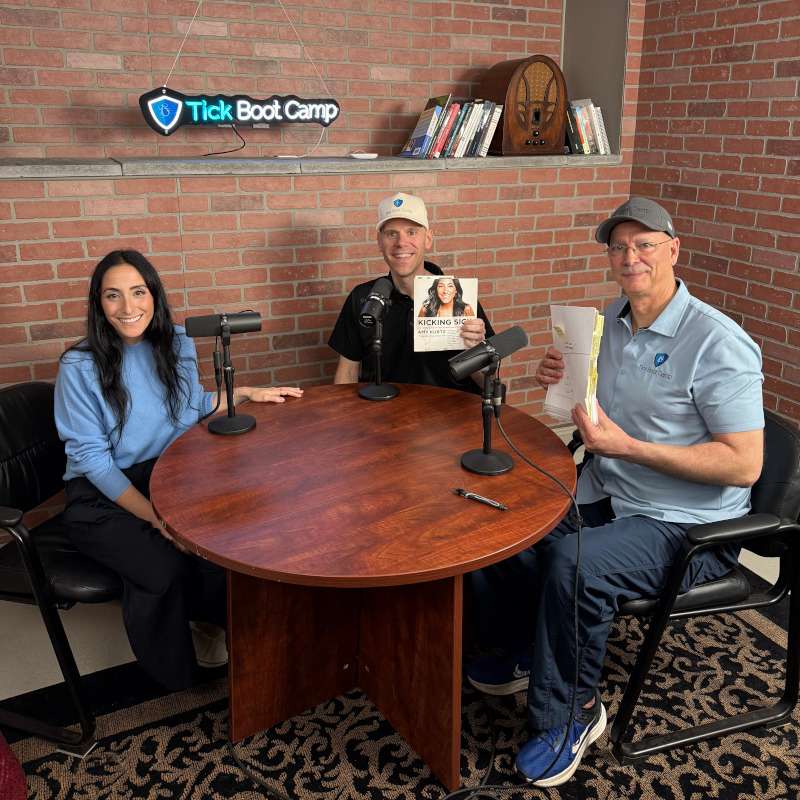
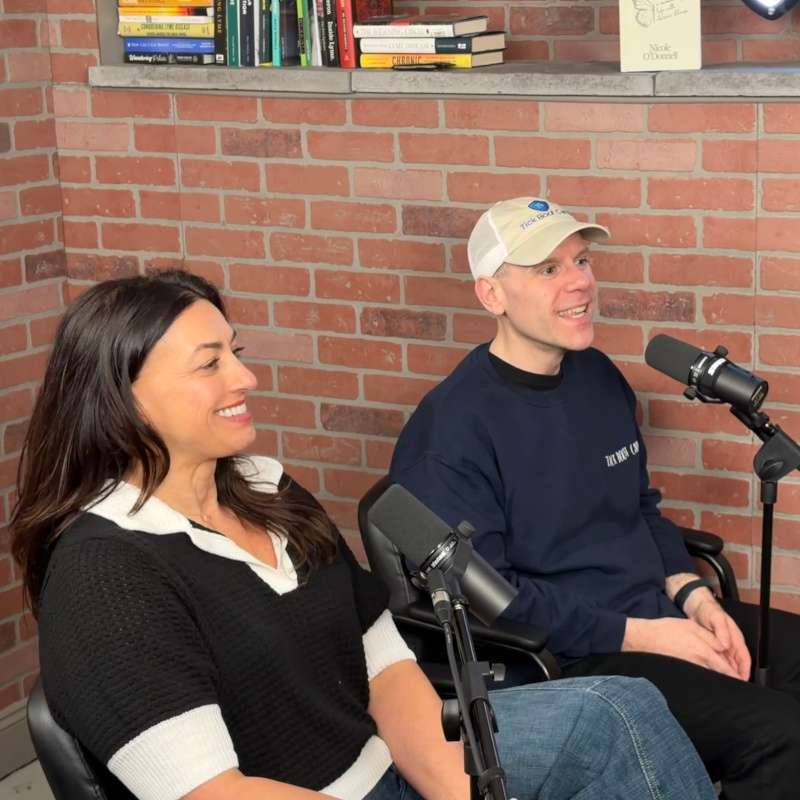
Matt Sabatello and Rich Johannesen

The goal of the Tick Boot Camp Podcast is to help people liberate themselves and others from suffering caused by Lyme disease through validation, community building, belief that healing is possible, and modeling success. Listen to our Tick Boot Camp podcast using all major podcast streaming services such as Apple Podcasts, Spotify, and YouTube Music. Our podcast is also integrated with smart home devices, such as Amazon Alexa and Apple TV. Ask your device to "play the Tick Boot Camp Podcast!"

Play
  • 23 episodes
  • weekly
  • Avg 1 hr 28 min
  • English
Counted on this page — what you have heard stays on this device, so it is not something the list can be paged by.
  • S1 · E578
    Today · 2 hr

    Episode 578: From a Missed Bullseye Rash to Lyme Recovery: My Lyme Success Story | Hannah Green

    What happens when a young woman who grew up surrounded by horses and the outdoors develops a mysterious red ring after spending a summer working at a horse camp in West Virginia—but no one recognizes the possibility of Lyme disease? In this episode of the Tick Boot Camp Podcast, we sit down with Hannah Green, a Lyme disease survivor, advocate, and author from England whose international Lyme journey stretches across the United Kingdom, United States, and Australia. Hannah is the author of My Lyme Success Story, a book documenting her personal experience with chronic Lyme disease, the research she conducted while searching for answers, the approaches she believes helped her recover, and the lessons she learned about listening to her body along the way. Tick Boot Camp first met Hannah after she traveled from England to Connecticut for the Lyme Warrior 10th Anniversary Gala, where patients, researchers, clinicians, authors, advocates, and Lyme community leaders gathered for an evening centered on science, advocacy, connection, and hope. Hannah's story is ultimately about much more than one treatment or protocol. It is about missed warning signs, years without answers, becoming her own researcher, learning to trust herself again, and refusing to give up on the possibility of getting better. Growing Up Around Horses—but Knowing Almost Nothing About Ticks Hannah grew up in southeast England and spent much of her childhood outdoors. Horses became one of her greatest passions, and she eventually trained professionally in riding, horse management, dressage, and eventing. She was also deeply interested in animal health. Hannah spent time working around veterinary medicine and learned about fleas, lice, worms, botflies, equine influenza, strangles, and other conditions affecting horses. Yet one subject was almost completely absent from her education: ticks and Lyme disease. Despite spending years around horses, dogs, cats, veterinary environments, fields, and the English countryside, Hannah remembers receiving virtually no meaningful education about ticks or the infections they can transmit. The West Virginia Horse Camp and Hannah's Possible Lyme Exposure At approximately 19 years old, Hannah traveled alone from England to the United States to work as a riding counselor at a horse camp in West Virginia near the Blue Ridge Mountains. It was a major adventure for someone who describes herself at that age as extremely shy. Hannah suddenly found herself responsible for a cabin of young campers while teaching multiple horseback riding lessons each day. She loved the experience. But the camp also introduced Hannah to something she had never encountered before: ticks. Hannah remembers discovering engorged ticks attached to horses grazing in long grass. After asking what they were, she and other staff members were shown how to remove them. Removing ticks from the horses soon became part of their regular routine. What Hannah does not remember receiving was comprehensive education connecting those ticks with the potential risk of Lyme disease in humans. She recalls being warned about hazards such as poison ivy and rattlesnakes, but she does not remember meaningful tick-bite prevention training for counselors or campers. There was a Lyme disease pamphlet in the staff area, but the information Hannah remembers most strongly involved severe neurological complications such as seizures and paralysis. She did not come away understanding the broad range of symptoms that could develop or recognizing how important an expanding rash could be. The Red Ring That Was Dismissed as a Spider Bite Years later, while reconstructing her medical history after finally learning about Lyme disease, Hannah remembered something important from that summer. She had developed a distinctive red ring on her lower leg. At the time, Hannah says someone told her that it was probably a spider bite and that she should simply keep the area clean and watch it. The rash did not significantly hurt or itch, and it eventually disappeared. No one, according to Hannah's recollection, asked whether she might have been bitten by a tick. She did not connect the rash with the ticks she had been routinely removing from horses, and she did not connect it with the Lyme disease pamphlet she had briefly seen. Hannah believes today that this may have been the event that began her Lyme disease journey. For practical prevention and early-action information, read the Tick Boot Camp Tick Bite Blueprint. The First Sign Something Was Wrong Hannah initially remained extremely healthy and active after leaving the United States. She returned to England and attended Aston Business School near Birmingham. But approximately six months after her time at camp, she began noticing unusual problems with her knees. She was a runner and initially assumed she had simply overtrained. Her knees would ache and sometimes lock, particularly when walking down gentle slopes or moving at certain angles. Cold weather could make the discomfort worse. Because Hannah had been a competitive runner and lifelong equestrian athlete, healthcare professionals often attributed the symptoms to physical activity and wear and tear. She was told variations of the same explanation: runner's knee, overuse, muscle imbalance, or consequences of years of athletic activity. Yet Hannah was still a young woman, and the symptoms continued. Over time, joint problems began appearing elsewhere. Her elbows became involved. Her lower back became increasingly problematic. A diagnosis of scoliosis provided another seemingly logical explanation for some of her pain. Hannah kept adapting and pushing forward. She even completed the London Marathon, although afterward her knees became so painful and locked that she struggled to walk normally for approximately a week. When Her Health Finally Collapsed After university, Hannah continued traveling internationally, including spending time in Borneo and eventually completing a round-the-world trip. Then, around 2006, everything changed. After developing what appeared to be a significant viral illness, Hannah says she never fully recovered. Her shoulder became extremely painful and effectively froze. What followed was no longer an isolated problem with her knees or back. Hannah describes developing a growing collection of debilitating symptoms that included: Severe fatigue and exhaustion Joint and musculoskeletal pain Digestive problems Insomnia Anxiety Depression Episodes of intense anger or rage Memory problems Progressively worsening neurological and systemic symptoms Difficulty maintaining normal work and daily activities She describes the illness as feeling like a combination of flu, glandular fever, and malaria. Instead of resolving, her symptoms continued getting worse for approximately six years. Trying to Keep Working While Becoming Increasingly Ill Hannah attempted to continue working despite her deteriorating health. She worked with horses and also painted portraits professionally, but even limited morning work became increasingly difficult because of overwhelming fatigue. She frequently needed time off and struggled to explain what was happening because she did not understand it herself. Later, while working in a tea shop, Hannah began noticing that her memory was also being affected. She describes 30 or 40 symptoms gradually accumulating, with insomnia, chronic fatigue, and mood changes becoming some of the most difficult to manage. Meanwhile, repeated medical testing failed to provide an explanation. Several doctors told Hannah that her results were normal and that they could not find anything wrong. She says she did not necessarily feel directly accused of imagining her illness, but over time it became easier to stop discussing what she was experiencing because she felt that people were not truly hearing her. Moving to Australia While Searching for Answers Hannah eventually moved to Australia, hoping that a different environment and lifestyle might improve her health. She would spend approximately a decade there. Initially, the excitement of the move helped her keep going. She settled in tropical Darwin and started a graphic design company. Then her health crashed again. During the first wet season, Hannah became severely ill and spent significant periods in bed. Eventually, even working a few hours per day from home became too difficult, and she had to close the company she had built. She developed severe food reactions and describes being bedridden for seven to ten days at a time. Her relationship also ended during this period. Hannah describes eventually losing her business, her apartment, her ability to ride horses, much of her independence, and a significant amount of weight. At her lowest point, she says she would sometimes visit the stables and simply hold herself against a rail while watching the horses because she no longer had the strength to ride or even interact with them normally. The Chance Conversation That Changed Everything One day at the stables, another person noticed how ill Hannah had become. Hannah explained what was happening, and the woman told her about another horse rider with similar symptoms who was seeing a doctor who periodically traveled from Perth to Darwin to work with patients experiencing chronic fatigue and unexplained illness. Hannah and the other woman both scheduled appointments. After reviewing Hannah's extensive symptoms, the physician told her he believed she had late-stage Lyme disease. Hannah says subsequent testing through Australian Biologics was positive for Borrelia. The diagnosis triggered a flood of memories—the ticks on the horses, the pamphlet in West Virginia, and the unexplained red ring on her leg years earlier. For the first time, Hannah felt that the scattered pieces of her story might belong to the same puzzle. Lyme Disease, Co-Infections, and Alternative Testing Hannah continued exploring her illness through a combination of conventional and alternative approaches. She describes undergoing PCR testing through Australian Biologics as well as bioresonance and autonomic response testing. During the interview, Hannah says these alternative assessments suggested possible Borrelia strains, co-infections, active viruses, heavy metals, parasites, yeast overgrowth, gut inflammation, and other abnormalities. Among the infections discussed during her journey were Borrelia, Bartonella, Babesia, Rickettsia, Ehrlichia, Anaplasma, and Chlamydia, as well as viral findings including Epstein-Barr virus. It is important to distinguish Hannah's personal experience from established clinical diagnostic standards. Bioresonance and autonomic response testing are not established replacements for validated medical testing for Lyme disease or tick-borne infections. Hannah is sharing what practitioners told her and how those results influenced her personal recovery decisions. Choosing a Different Lyme Treatment Path After receiving her Lyme diagnosis, Hannah says the physician treating her wanted to begin an aggressive multi-antibiotic protocol. Hannah decided not to pursue that approach. She was already extremely weak, her digestive system was severely affected, and she was concerned about medication side effects. Instead, she asked whether there were other options and ultimately chose to spend several months researching Lyme disease treatment approaches around the world. Her family and friends were frightened by the decision, but Hannah says she felt strongly that she needed to find a different path for herself. That decision became the beginning of the recovery strategy she would later document in My Lyme Success Story. Building a Staged, Whole-Person Recovery Plan Hannah describes her recovery not as one treatment, but as a staged process. Working with naturopathic practitioners and combining their guidance with her own research, she focused first on what she describes as improving her body's overall terrain before directly targeting Lyme and co-infections. Her personal strategy included: Reducing environmental stressors Simplifying her lifestyle Changing her diet Supporting gut health Addressing issues practitioners identified as heavy metals and parasites Reducing inflammation Using herbs and supplements Using binders and detoxification strategies Experimenting with bioresonance Meditation and nervous-system calming practices Emotional and trauma-focused work Creating an environment where she felt safe enough to recover Hannah emphasizes that the sequence mattered to her. She believes preparing her body first made it easier to tolerate later interventions. The Diet Change That Gave Her Hope Diet became one of the earliest major changes in Hannah's recovery. Based on the recommendations she was receiving at the time, she adopted a highly individualized, low-inflammatory Paleo-style diet. She says that after approximately four weeks of changing her diet and focusing on cleansing and lifestyle interventions, she felt better than she had in four years. That improvement became a major psychological turning point. For the first time in years, Hannah had tangible evidence that something she was doing might be helping. From there, she continued gradually working through the other areas she believed were contributing to her illness. Herbs, Bioresonance, and Individualized Treatment Hannah experimented extensively with herbs and natural products. She describes using BioPure Quintessence, a herbal tincture containing ingredients including Japanese knotweed and Andrographis, after another product did not feel appropriate for her. She also describes using binders and other detoxification strategies while gradually increasing the intensity of her treatment. Bioresonance became another major part of her personal approach. Hannah says she used a portable device at home for approximately six months and also used bioresonance testing to help guide decisions about foods, herbs, and supplements. She reports that, through the overall combination of approaches she was using, she went from being largely bedbound to symptom-free in approximately 11 months. That is Hannah's personal account and should not be interpreted as evidence that the same interventions will produce the same results for another person. The Story Behind Hannah's "Lyme-Busting Drink" One memorable moment in the interview involves something Hannah jokingly calls her "Lyme-busting drink." Hannah says she gathered several antimicrobial ingredients in her kitchen and intuitively selected ingredients to combine into a homemade preparation. She later took the mixture to her naturopath, who tested it using the bioresonance method they were working with. Hannah says the mixture tested strongly for her. The larger takeaway from this part of the story is not that listeners should reproduce Hannah's homemade mixture. Rather, Hannah uses the story to illustrate just how individualized and experimental her own recovery process became. She repeatedly emphasizes listening to her own body and adjusting what she was doing based on how she felt. Learning to Trust Her Body Again One of the strongest themes throughout Hannah's interview is intuition. Years of unexplained illness can cause people to question themselves, especially after repeated normal tests or medical appointments that fail to provide answers. Hannah says she never entirely lost the belief that her body was telling her something important. When she was told nothing could be found, she continued searching. When one explanation did not make sense to her, she kept looking. And once she finally received a diagnosis, she approached recovery with the same determination. Rich identifies this as one of the most powerful parts of Hannah's story: despite years of confusion and dismissal, she continued trusting her own observations enough to keep investigating. Mindset, Spirituality, and Asking for Help Hannah also describes a major shift in her mindset and spirituality. For much of her life, she had been fiercely independent and believed that she could solve any problem herself. At her sickest, that changed. Hannah remembers lying in a dark room, sometimes barely able to lift her head, and finally looking outside and simply asking for help. She describes this as a turning point. A housemate later gave her a book about the Law of Attraction and introduced her to meditation. Hannah says these ideas reawakened something she remembered from childhood: a strong belief that mindset, intention, and action could help shape the direction of her life. She began meditating regularly and eventually built up to approximately 45-minute sessions. Whether listeners share Hannah's spiritual framework or not, the interview makes clear that hope and belief became important psychological resources during a period when her physical circumstances gave her very little reason to feel optimistic. Trauma, NLP, and Emotional Healing Hannah's recovery eventually expanded into emotional and trauma-focused work. She describes exploring Neuro-Linguistic Programming, or NLP, after reflecting on experiences from earlier in her life. One particularly powerful realization involved her premature birth. Hannah was born approximately three months early and spent significant time in an incubator, separated from her mother. During a later meditation experience, Hannah says she suddenly connected that early experience of illness and isolation with what she was experiencing as an adult. She later participated in NLP-based work that involved revisiting and reframing those experiences. Toward the end of her recovery, Hannah also explored Faster EFT, combining tapping and other emotional-processing techniques. She says she realized that even after becoming physically healthier, she had developed significant fear about leaving her home and becoming ill again. After working through some of those fears and other emotional experiences, she felt more capable of re-entering normal life. For Hannah, physical recovery, emotional recovery, mindset, spirituality, and lifestyle became deeply interconnected parts of the same journey. From Bedbound to What Hannah Describes as Fully Recovered Hannah says she eventually went from being largely bedbound to symptom-free over approximately 11 months. She attributes that change not to one single intervention, but to the sequencing and combination of approaches she personally used. She emphasizes reducing inflammation and other stressors first, then gradually addressing the infections and other issues she believed were affecting her. Her experience shaped one of the central messages she now shares with other Lyme patients: recovery does not necessarily have to happen through the most aggressive approach available. She encourages people to work with knowledgeable practitioners, move carefully, and allow the body time to recover. As she says during the interview, she believes there is value in "slow, steady, gentle" healing, while also emphasizing the importance of appropriate medical supervision. Why Hannah Wrote My Lyme Success Story Once Hannah had recovered, she began organizing everything she had documented during her illness. Her background made that process unusually natural. Hannah had experience in graphic design, photography, writing, editing, and copywriting. She had also meticulously recorded what she tried during her illness—partly because she wanted a record in case she ever became sick again. Eventually, people began encouraging her to write a book. That became Hannah Green: My Lyme Success Story. Hannah says she wrote the book for several reasons: To document what happened to her To explain her experience to family members in England who had been thousands of miles away during the worst of her illness To process the trauma of what she had been through To organize the research and strategies she had collected To help other Lyme patients who might find value in her experience The book includes Hannah's story, the approaches she personally tried, her research, and practical resources including meal plans, shopping lists, checklists, and educational information intended to help patients and families better understand Lyme disease. Learn more about Hannah, her book, and her resources on her website: Hannah Green: My Lyme Success Story Meeting Hannah at the Lyme Warrior 10th Anniversary Gala This Tick Boot Camp interview began with an in-person connection. Hannah traveled from England to attend the Lyme Warrior 10th Anniversary Gala on May 9, 2026, at Saybrook Point Resort & Marina in Old Saybrook, Connecticut. Tick Boot Camp partnered with Lyme Warrior to help photograph, document, and amplify the event. The gala brought together Lyme patients, advocates, researchers, clinicians, authors, families, and supporters for a night focused on research, advocacy, humor, music, community, and hope. Hannah attended alongside other members of the Lyme community who traveled from England, including Kirstie Haysman, Ms Great Britain 2026. The night included appearances from leading Lyme voices including Dr. Eva Sapi, Dr. Monica Embers, Dr. Richard Horowitz, Dr. Myriah Hinchey, Nicole Bell, Jesse Ruben, and many other advocates and community leaders. Read Tick Boot Camp's full coverage of the event. A Lyme Story Across Three Continents Hannah's Lyme journey crosses three continents. She grew up in England. She believes her Lyme exposure may have occurred while working with horses in West Virginia in the United States. Her earliest symptoms emerged after returning to England. Her illness eventually became severely disabling. And in Australia, Hannah finally received the Lyme diagnosis that gave her a framework for understanding what had happened. Australia also became the place where she developed the personal recovery strategy she later documented in My Lyme Success Story. Hannah eventually returned to England in 2019 to spend more time with family. Her international experience underscores an important reality: Lyme disease does not respect borders, and gaps in tick awareness, diagnosis, and treatment can follow patients across healthcare systems. What You'll Learn in This Episode In this episode of the Tick Boot Camp Podcast, Hannah Green discusses: Growing up in England surrounded by horses and the outdoors Why she knew almost nothing about ticks despite extensive equestrian experience Traveling alone to America as a shy 19-year-old Working as a horse-riding counselor at a West Virginia summer camp Removing engorged ticks from horses without understanding the possible human health risk The Lyme disease pamphlet she remembers seeing at camp The red ring on her leg that she was told was probably a spider bite Why she now believes her Lyme exposure may have occurred in West Virginia Developing unusual knee problems after returning to England Years of migrating joint and back symptoms Running the London Marathon despite worsening knee problems The viral illness after which her health dramatically deteriorated Digestive issues, insomnia, chronic fatigue, anxiety, depression, rage, and memory problems Trying to continue working while becoming progressively sicker Repeated medical visits that failed to explain her illness Moving to Australia and eventually becoming largely bedbound How another horse rider helped connect her with the doctor who diagnosed Lyme disease Borrelia and the co-infections discussed during her journey Her experience with PCR testing, bioresonance, and autonomic response testing Why she declined the multi-antibiotic protocol initially proposed to her The three months she spent researching treatment approaches around the world Her staged approach to lifestyle, diet, gut health, and other interventions The low-inflammatory Paleo-style diet she says produced an early improvement Her use of herbs, binders, naturopathic care, and bioresonance Her homemade "Lyme-busting drink" Creating an environment dedicated to healing Learning to trust her intuition Meditation, spirituality, and asking for help Trauma work, NLP, and Faster EFT The fear of leaving home even after her physical health improved Why she believes mindset is critical to recovery Why she wrote My Lyme Success Story Her advice for people newly diagnosed with Lyme disease Why she believes patients should not give up on the possibility of healing Hannah's Advice for Someone Newly Diagnosed With Lyme Disease Near the end of the conversation, Hannah shares several lessons she wishes more people understood early in their Lyme journey. First, she encourages people not to panic. She believes a recovery mindset matters and that people benefit from knowing that others have gotten better. Second, she recommends finding a practitioner you genuinely trust and who looks at the person as a whole rather than focusing on only one symptom. Third, she emphasizes consistency and persistence rather than continually jumping from one protocol to another. And finally, Hannah advocates for a gentler approach when appropriate, saying that the body may need time and a sense of safety in order to recover. Her advice reflects her own experience rather than a universal medical prescription, but the underlying message is powerful: stay engaged, keep learning, work with qualified support, and do not surrender hope. Why Hannah Green's Lyme Success Story Matters Hannah's story is not presented as a universal Lyme disease treatment protocol. It is one person's experience of becoming severely ill, searching for answers across multiple countries, experimenting with approaches that felt appropriate for her circumstances, and eventually reaching a level of health that inspired her to describe her journey as a Lyme success story. Her experience reinforces several important messages for the Lyme community: Tick education matters before a bite ever happens. Not everyone remembers finding an attached tick. An expanding red rash deserves careful medical evaluation. Lyme symptoms can evolve and involve multiple body systems. Migrating joint symptoms can be an important part of a patient's history. People with unexplained chronic symptoms deserve to be heard. Recovery journeys can be highly individualized. Emotional and psychological support can coexist with treatment of physical illness. Community can help replace the isolation that so often accompanies chronic illness. Hope matters. Healing is possible. Final Takeaway Hannah Green's Lyme disease journey began long before she knew she was on one. A young woman from England traveled to America to teach horseback riding, encountered ticks for the first time, developed a mysterious red ring that was dismissed as a spider bite, and returned home feeling healthy. Then the clues slowly appeared. First her knees. Then other joints. Then her back. Eventually, after another illness years later, her health deteriorated dramatically. What followed was a long search for an explanation that eventually took Hannah across the world and into an intense process of research, experimentation, self-advocacy, emotional healing, and recovery. Today, she has transformed that experience into My Lyme Success Story in the hope that what she learned can help others ask better questions and feel less alone. Her exact path will not be everyone's path, and the approaches Hannah believes helped her should not be interpreted as medical advice or a universal treatment plan. But the larger message of her story belongs to the entire Lyme community: keep asking questions, keep learning, find people who take your experience seriously, and do not give up on the possibility of healing.
  • S1 · E577
    August 29 · 1 hr 32 min

    Episode 577: Brain Fog & Lyme Disease – How Dr. Jacqueline Becker Is Advancing Cognitive Recovery

    What happens when Lyme disease affects the brain? Why do so many people with Lyme disease struggle with brain fog, memory problems, difficulty concentrating, and mental fatigue—even after treatment? And how can researchers better understand, measure, and treat these persistent cognitive symptoms? In this episode of the Tick Boot Camp Podcast, we sit down with Dr. Jacqueline Becker, clinical neuropsychologist, researcher, and Assistant Professor of Medicine at the Icahn School of Medicine at Mount Sinai. Dr. Becker specializes in the cognitive effects of infection-associated chronic illnesses, including Lyme disease, Post-Treatment Lyme Disease Syndrome (PTLDS), Long COVID, and ME/CFS. Drawing from both her clinical practice and groundbreaking research, Dr. Becker explains how neuropsychological testing provides objective ways to evaluate brain fog and cognitive dysfunction. She discusses why patients deserve validation for symptoms that are often invisible, how cognitive rehabilitation differs from commercial brain retraining programs, and why improving research methods is essential for developing more effective treatments. The conversation also explores the growing collaboration between researchers studying Lyme disease and Long COVID, revealing how these conditions may share biological mechanisms that could lead to future breakthroughs benefiting millions of patients. Whether you're living with Lyme disease, caring for someone experiencing cognitive symptoms, or interested in the future of neuroscience and infection-associated chronic illness research, this episode offers practical insights and hope grounded in science. What You'll Learn Why brain fog is one of the most common and disabling symptoms of Lyme disease. How neuropsychologists objectively measure memory, attention, processing speed, and executive functioning. The similarities between Lyme disease, Long COVID, and other infection-associated chronic illnesses. Why traditional clinical trials often struggle to capture the complexity of persistent Lyme symptoms. How improved research design could accelerate the development of new diagnostics and treatments. The difference between evidence-based cognitive rehabilitation and commercial brain retraining programs. Why validating patients' experiences is critical for advancing both research and clinical care. In This Episode Matt Sabatello, Tick Boot Camp Co-Founder, and Dr. Becker discuss: Dr. Becker's journey into neuropsychology and cognitive research How Lyme disease can affect the brain Understanding brain fog beyond subjective symptoms Neuropsychological testing and cognitive assessment Memory, attention, language, and executive functioning Infection-Associated Chronic Illnesses (IACI) The overlap between Lyme disease, Long COVID, and ME/CFS Cognitive rehabilitation and neuroplasticity The blood-brain barrier and emerging neuroscience Improving Lyme disease research through better study design The importance of interdisciplinary collaboration Hope for the future of cognitive recovery after infection About Dr. Jacqueline Becker Dr. Jacqueline Becker is a clinical neuropsychologist, researcher, and Assistant Professor of Medicine at the Icahn School of Medicine at Mount Sinai. She specializes in the evaluation and treatment of cognitive dysfunction associated with Lyme disease, Long COVID, ME/CFS, and other infection-associated chronic illnesses. Her research focuses on improving the scientific understanding of persistent cognitive symptoms while developing better methods for measuring outcomes and advancing patient-centered care. Resources & Links Listen to more Tick Boot Camp Podcast episodes Explore more interviews with Lyme-literate doctors Read the Tick Boot Camp Blog About Tick Boot Camp Tick Boot Camp is dedicated to helping people liberate themselves and others from Lyme disease and tick-borne illness through education, validation, and community. By bringing together leading physicians, researchers, advocates, and patients, we provide trusted information and inspiring stories that remind listeners healing is possible and no one has to face Lyme disease alone.

  • S1 · E576
    August 22 · 2 hr 8 min

    Episode 576: Can AI Transform Lyme Disease Care? Carter & Payton Bradsky of LymeLess

    What if the experiences of thousands—or eventually millions—of Lyme disease patients could help the next patient find answers faster? In this episode of the Tick Boot Camp Podcast, we sit down with siblings Carter Bradsky and Payton Bradsky, co-founders of LymeLess Health, to explore their family's extraordinary Lyme disease journey and the technology they're building to help other patients navigate complex chronic illness. Lyme disease didn't affect just one member of the Bradsky family. Their mother became severely ill and largely bedridden while searching for answers through the conventional medical system. Carter later developed debilitating neurological and psychiatric symptoms while preparing to play college basketball. Payton experienced seizure-like episodes, was diagnosed with epilepsy, lost her driver's license, and struggled with cognitive dysfunction while beginning a promising career in technology. Their experiences ultimately inspired a much bigger question: What if Lyme patients didn't have to start from zero? That question became LymeLess, a precision care navigation platform built around an AI companion named Ella. The goal is to help patients organize complex medical histories, track symptoms and treatments, recognize patterns, prepare for medical appointments, find Lyme-literate providers, and make better use of the enormous amount of information generated throughout a chronic illness journey. A Family's Lyme Disease Journey Carter and Payton explain that their family's Lyme journey began with their mother around 2015. After relocating from South Dakota to Arizona, their mother progressively became sicker. Despite extensive medical evaluations—including care through major medical institutions—the family struggled to find an explanation for what was happening. At one point, her symptoms were attributed to psychological causes. Everything changed through a chance encounter. While attending an event surrounding Carter's high school graduation, their mother discussed her symptoms with someone familiar with Lyme disease. That conversation led her toward a Lyme-literate provider and ultimately toward the answers the family had been searching for. Her experience would later become critically important when both Carter and Payton developed their own unexplained illnesses. Carter Bradsky's Lyme Disease Story Carter was preparing for his senior year of high school and planning to play college basketball when his health began changing. During a period that also included significant emotional and physical stress, Carter began experiencing symptoms including: Brain fog and cognitive dysfunction Memory loss Dissociation Depression Anxiety Changes in his ability to function academically and athletically Because his mother had already traveled the Lyme disease diagnostic journey, she recognized similarities between Carter's symptoms and what she had experienced. That awareness allowed Carter to reach a Lyme-literate provider relatively quickly. He describes undergoing combination antibiotic therapy with herbal support and eventually reaching remission after approximately 1.5 to 2 years. His experience became an important lesson that would later influence LymeLess: Having someone Lyme-literate helping you navigate the journey can dramatically change how quickly you find the next right step. Payton Bradsky: Seizures, Epilepsy Misdiagnosis, and Lyme Disease Payton's illness presented very differently. During her senior year of college, after an intense period of stress, illness, dehydration, travel, and lack of sleep, Payton experienced what appeared to be a seizure. She was subsequently diagnosed with epilepsy. The diagnosis changed her life. Payton was placed on powerful anti-seizure medication, lost her driver's license, struggled cognitively, and found herself unable to use the brain she had relied upon throughout her life as an engineering student. This was particularly frightening because she had already accepted a job at Google and was preparing to begin her career in technology. Her family once again questioned whether there might be another explanation. That eventually led Payton toward Lyme and tick-borne disease testing and treatment. Unlike Carter's relatively shorter journey, Payton's recovery became a much longer process involving years of treatment and numerous providers. Her experience illustrates one of the central themes of this episode: There is no single Lyme disease presentation—and there is no single recovery pathway that works for every patient. From Lyme Patients to Technology Founders The siblings eventually brought very different professional backgrounds together to create LymeLess. Carter studied finance and data analytics at the University of San Diego before working in technology, media, and telecommunications investment banking in New York City. Payton studied computer engineering and entrepreneurship at Santa Clara University in Silicon Valley before spending approximately five years at Google, working as a software engineer and product manager. Her experience in technology—including exposure to privacy, security, and regulated data environments—would later become particularly relevant when designing a health platform handling sensitive patient information. Both siblings eventually left their careers to tackle a problem they understood personally: Why does navigating Lyme disease so often become a second full-time job for the patient or caregiver? What Is LymeLess? LymeLess describes itself as a precision care navigation platform designed around the patient. Instead of leaving medical information scattered across patient portals, paper binders, lab reports, physician notes, symptom journals, and a patient's memory, LymeLess is working toward creating a centralized longitudinal record of the patient's journey. The platform's AI companion is called Ella. Patients can use Ella to help: Organize their health history Track symptoms over time Track treatments and supplements Record reactions and potential triggers Upload medical documents and laboratory results Identify patterns in symptoms and treatments Prepare for doctor appointments Surface relevant resources and research Find Lyme-literate providers Remember previous treatment responses Better understand their evolving health journey Carter describes one user's characterization of Ella as a "second brain" for when Lyme brain makes remembering and organizing everything difficult. Turning the Lyme Disease Binder Into Usable Data Anyone who has navigated chronic Lyme disease knows about the binder. Years of: Bloodwork Imaging Specialist reports Medication lists Treatment protocols Symptom histories Diagnostic testing Hospital records Patients frequently carry enormous amounts of information between specialists, yet a physician working within a short appointment may have only minutes to understand it. The conversation explores whether AI could become a bridge between these two realities. Instead of expecting a physician to read hundreds or thousands of pages, AI may eventually help synthesize a patient's history into the information most relevant to that particular appointment. LymeLess currently allows patients to upload digital documents and images of physical records, while the company is working toward easier bulk uploading and potential integrations with electronic health record systems. The LymeLess "Warrior Report" One important feature discussed in the episode is the Warrior Report. Patients can export information from LymeLess into a report designed to help communicate their health journey to their provider. Carter and Payton envision this concept becoming considerably more sophisticated in the future. One possibility discussed is a provider-facing experience in which clinicians could interact with a patient's organized information, review relevant research, and ask questions in language and formats designed specifically for medical professionals. Longer term, LymeLess is exploring clinical decision-support concepts and potential integrations with electronic health record platforms. Ella Is Not a Doctor Carter and Payton emphasize an important distinction throughout the interview: Ella is not intended to replace physicians. LymeLess is not positioning Ella as an autonomous doctor that diagnoses disease or prescribes treatment. Instead, the goal is to help patients: Understand their own information Recognize patterns Surface questions Find relevant resources Organize their medical histories Communicate more effectively with their healthcare team The ultimate medical decisions remain between patients and qualified healthcare professionals. Can AI Help Patients Recognize Patterns? One of the most exciting possibilities discussed is AI's ability to analyze enormous amounts of information. Lyme and tick-borne disease patients frequently experience changing combinations of: Neurological symptoms Psychiatric symptoms Pain Fatigue Inflammation Treatment reactions Food sensitivities Environmental triggers Co-infections Medication and supplement responses Patients may recognize individual events but struggle to see patterns unfolding across weeks, months, or years. Payton explains that Ella is being designed to combine patient-specific longitudinal information with curated research and educational resources. The goal is not simply to answer a question at one moment in time, but to understand that question in the context of the patient's broader journey. Learning From Other Lyme Patients The conversation then expands beyond individual patient tracking. Could anonymized patient experiences eventually help identify broader patterns across the Lyme community? Carter describes a long-term vision for a community intelligence layer that could potentially help patients, providers, and researchers learn from real-world experiences at scale. Instead of every newly diagnosed patient beginning at zero, future patients could potentially benefit from patterns identified among people with similar symptoms, diagnoses, treatment histories, and responses. The siblings discuss the potential for properly anonymized and de-identified information to eventually contribute to research while protecting individual patient identities. Lyme Disease Research and Real-World Evidence The episode explores an even larger possibility: Could longitudinal patient data help accelerate Lyme disease research? Traditional clinical trials are essential, but they can be expensive, geographically limited, and slow. Meanwhile, Lyme patients are already trying enormous numbers of treatments in the real world. The challenge is that much of that information disappears. One patient tries a treatment. Another patient tries something different. A physician discovers something useful in clinical practice. Patients discuss experiences in Facebook groups and online forums. But those experiences rarely become structured research-quality data. LymeLess hopes eventually to help close that gap. Potential future applications discussed include: Identifying promising treatment patterns Generating real-world evidence Identifying potential clinical trial candidates Helping researchers determine which therapies deserve formal study Supporting decentralized research Connecting patients with clinical trials Helping researchers study complex combinations of Lyme disease, co-infections, and overlapping conditions Lyme Disease Is More Than Borrelia Another important research discussion centers around the complexity of the Lyme patient population. Many patients aren't navigating Borrelia alone. Their health picture may also include: Bartonella Babesia Other tick-borne infections Mold exposure Mast cell activation Dysautonomia Inflammation Neurological dysfunction Genetic differences Environmental exposures By collecting longitudinal information across complex patients, platforms such as LymeLess could potentially help researchers study the combinations and patterns that traditional Lyme research may not fully capture. Protecting Patient Privacy Health information is extraordinarily sensitive, and the episode includes an extensive discussion about privacy and security. Payton explains that protecting patient data has been considered from the beginning of LymeLess' development. According to Payton, LymeLess uses: Encryption at rest Encryption in transit Zero-data-retention policies and agreements with vendors powering the platform Patient control over their information De-identification and anonymization approaches for broader data use She emphasizes that patients should be able to benefit from AI technology while still understanding and controlling how their information is used. LymeLess and the Doctor-Patient Relationship One of the most interesting themes of the conversation is that technology could potentially improve—not replace—the relationship between doctors and patients. Patients with complex chronic illness frequently arrive at appointments carrying years of medical information. Doctors, meanwhile, may have extremely limited appointment time and may not have extensive training in Lyme and tick-borne diseases. That can create frustration on both sides. Could better-organized information help? The conversation explores how AI-generated summaries, longitudinal symptom tracking, research resources, and eventually provider-facing tools could help physicians understand complicated patients more quickly. Rather than telling patients they must become their "own doctor," the goal is to help patients become better-informed partners with their healthcare team. Can LymeLess Help Health Coaches? The siblings also discuss the growing role of health coaches in complex chronic illness. Because Lyme patients often need significant support between medical appointments, health coaches can help patients organize treatment plans, make lifestyle changes, and navigate day-to-day challenges. LymeLess could potentially serve two populations: Patients who cannot afford ongoing human health coaching may gain access to a more affordable form of between-appointment support. At the same time, professional health coaches may eventually use technology like LymeLess to organize information and support more patients efficiently. Carter's Mold Illness After Lyme Remission The episode also takes an unexpected turn when Carter shares a recent health setback. After reaching remission from Lyme and tick-borne disease, Carter moved into an older apartment in New York City's SoHo neighborhood. Over time, he began experiencing: Brain fog Severe fatigue Cognitive problems Word-recall difficulties Nervous system dysregulation Increasing sensitivity to caffeine Anxiety Eye floaters Initially, he questioned whether Bartonella or another tick-borne infection had returned. Testing eventually pointed toward mold exposure. Environmental testing of his apartment reportedly identified numerous types of water-associated mold, and subsequent testing contributed to his decision to address mold illness and leave the environment. He describes temporarily moving home, focusing on recovery, reducing caffeine and screen exposure, exercising, using sauna, and continuing to work with his healthcare team. Importantly, Carter says subsequent testing did not indicate reactivation of Lyme, Bartonella, or Babesia. His experience reinforces another reason he believes longitudinal health records are valuable: When symptoms return years later, knowing exactly what happened during previous illnesses and treatments can provide important context. Discovery, Active Treatment, and Maintenance Payton describes three broad stages LymeLess is designed to support: Discovery Someone has experienced a tick bite or unexplained symptoms and is trying to determine what should happen next. Active Treatment The patient has a diagnosis and is navigating treatments, symptoms, reactions, providers, testing, and progress. Maintenance / Remission The patient is doing better but still wants to understand their health, recognize potential triggers, remember previous treatment responses, and protect their progress. This makes LymeLess potentially relevant beyond the period when someone is acutely sick. Genetics and Precision Medicine The interview also explores another future direction: incorporating genetic information. Genetics can influence: Detoxification Methylation Medication responses Nutritional needs Inflammatory pathways Other aspects of individualized health Carter and Payton discuss a future in which genetics, laboratory testing, patient history, symptoms, environmental factors, and treatment responses could contribute to increasingly personalized health navigation. Their larger vision moves from precision care navigation toward precision care and, eventually, increasingly individualized precision medicine. How Much Does LymeLess Cost? At the time of this interview, Carter and Payton describe LymeLess as offering a one-month free trial, followed by a subscription of approximately $15 per month. They also discuss working toward making portions of the platform available more broadly and maintaining a scholarship program for people who cannot afford the subscription. Carter explains that a portion of subscription revenue is intended to help support that scholarship program. Turning Lyme Disease Into Purpose The episode ultimately becomes about much more than artificial intelligence. Both Carter and Payton discuss how illness changed their lives. They describe fear, isolation, cognitive impairment, uncertainty, faith, family support, and the challenge of trying to continue school and demanding careers while sick. They also discuss something we talk about frequently at Tick Boot Camp: finding purpose through suffering. Payton continued developing her engineering career while undergoing treatment. Carter describes spending long periods alone in church during college, trying to quiet his mind and understand what mattered most. Eventually, their experiences gave them a problem they felt compelled to solve. Their mission with LymeLess is ambitious: Learn from the unique story of every patient so future patients don't have to navigate Lyme disease through the same degree of trial, error, expense, and luck. Key Topics Discussed Carter and Payton Bradsky's family Lyme disease story Their mother's long diagnostic journey Medical dismissal and unexplained chronic symptoms Carter's neurological Lyme symptoms Brain fog, memory loss, anxiety, depression, and dissociation Payton's seizure and epilepsy misdiagnosis Neurological and psychiatric Lyme disease symptoms Lyme disease remission and recovery Lyme disease and co-infections Bartonella and Babesia Mold toxicity after Lyme disease AI and Lyme disease LymeLess Health Ella AI companion Precision care navigation Symptom and treatment tracking Longitudinal patient health data Medical record organization The Lyme disease "binder" Patient-provider communication Warrior Reports Lyme-literate provider matching Clinical decision-support technology Electronic health record integration AI pattern recognition Patient privacy and healthcare data security De-identification and anonymization Real-world evidence Lyme disease clinical trials Patient-generated health data Artificial intelligence and medical research Health coaching and Lyme disease The financial burden of chronic Lyme disease Genetics and personalized medicine Precision medicine Faith and chronic illness Post-traumatic growth Finding purpose after Lyme disease Life after Lyme disease Learn More Explore LymeLess and Ella Listen to more Tick Boot Camp Podcast episodes Explore Tick Boot Camp interviews with Lyme doctors Recently bitten by a tick? Start with the Tick Boot Camp Tick Bite Blueprint About Tick Boot Camp Tick Boot Camp is a Lyme disease awareness and advocacy platform built around a simple belief: people navigating Lyme and tick-borne illness deserve validation, community, better information, and hope. Through conversations with patients, doctors, researchers, advocates, and innovators, we share the experiences and emerging ideas helping move the Lyme community forward. You are not alone—and healing is possible.

  • S1 · E575
    August 15 · 59 min

    Episode 575: Dr. Casey Kelley Instagram Live: Lyme Disease Research, Treatment Advances, and Why Clinical Experience Matters

    In this special Tick Boot Camp Instagram Live, Dr. Casey Kelley returns to discuss the latest developments in Lyme disease diagnosis, treatment, clinician education, and research. Drawing on both her personal recovery journey and years of treating complex chronic illness, Dr. Kelley explains why Lyme disease requires individualized care, why more Lyme-literate clinicians are urgently needed, and how new technologies—including big data, advanced diagnostics, and innovative therapies like SOT—are shaping the future of patient care. Episode Highlights Expanding Lyme-Literate Medical Education Dr. Kelley announces an exciting partnership between the Illinois Lyme Association and Carle Health to offer the ILADS Fundamentals Course free to healthcare providers. She explains why educating more physicians is one of the fastest ways to improve Lyme disease diagnosis and treatment across the country. The conversation also explores the role of the International Lyme and Associated Diseases Society (ILADS), including its physician training programs, fellowship process, and commitment to evidence-based medicine. Dr. Casey Kelley's Personal Lyme Journey Dr. Kelley reflects on her own experience with chronic illness. After years of unexplained symptoms, multiple incorrect diagnoses, and eventually developing POTS during medical school, she discovered that Lyme disease and tick-borne infections were contributing to her illness. Her recovery ultimately inspired her to found Case Integrative Health, where she now helps patients with complex chronic illnesses using a personalized, whole-body approach. How COVID Changed the Chronic Illness Conversation The discussion examines how the COVID-19 pandemic dramatically increased awareness of infection-associated chronic illnesses. Dr. Kelley explains that greater recognition of Long COVID has also helped bring attention to Lyme disease, ME/CFS, POTS, mast cell activation syndrome, and other complex conditions that share similar biological mechanisms. AI, Big Data, and the Future of Lyme Care Matt and Rich ask whether artificial intelligence and large clinical databases will transform Lyme medicine. Dr. Kelley believes AI and big data will become valuable tools—but only when paired with experienced clinicians who understand the complexity of Lyme disease and can interpret each patient's unique presentation. Why Every Lyme Patient Is Different The conversation explores why no two Lyme patients look exactly alike. Genetics, epigenetics, immune function, microbiome diversity, environmental exposures, multiple tick bites, co-infections, and varying bacterial strains all contribute to highly individualized clinical presentations. New Advances in Lyme Diagnostics Dr. Kelley discusses promising diagnostic research aimed at distinguishing active infection from past exposure and identifying bacterial peptides unique to active Borrelia infections. These advances could help clinicians better determine whether symptoms are being driven by persistent infection or ongoing immune dysfunction. Understanding Supportive Oligonucleotide Therapy (SOT) One of the most in-depth portions of the conversation focuses on Supportive Oligonucleotide Therapy (SOT). Dr. Kelley explains how SOT is customized using a patient's own blood sample to target specific pathogens by preventing them from replicating. While not a cure, SOT has become an increasingly valuable treatment option for patients who have plateaued with conventional therapies and is often combined with treatments such as ozone therapy. There Is No Single Treatment Order Matt and Rich ask whether every patient should follow the same healing sequence. Dr. Kelley explains that there is no universal roadmap. Some patients must first stabilize mast cell activation, while others need to prioritize infections, mold exposure, parasites, or nervous system dysfunction. Successful treatment depends on understanding each person's unique biology rather than following rigid protocols. Nervous System Regulation and Neuroplasticity The discussion shifts toward brain retraining and nervous system healing. Dr. Kelley explains that many severely ill patients simply lack the energy to begin intensive neuroplasticity programs early in treatment. Instead, she often introduces passive nervous system therapies first before transitioning patients into more active brain retraining as their health improves. She also shares practical tools she frequently recommends, including: Vagus nerve stimulation Apollo Neuro Pulsetto Neurofeedback Binaural beats Breathing exercises Hypnosis Humor and intentional joy A Message of Hope Dr. Kelley closes the conversation by reminding listeners that healing is possible. While Lyme disease treatment often requires patience, persistence, and individualized care, she emphasizes that people can regain health, improve function, and achieve long-term remission—even when recovery feels impossible in the beginning. Learn More Explore the Tick Boot Camp Podcast for more Lyme disease education and recovery stories. Browse our complete collection of Doctor Interviews featuring leading Lyme-literate physicians. Learn more about Persistent Lyme Disease and the latest research into chronic tick-borne illness.

  • S1 · E574
    August 8 · 1 hr 47 min

    Episode 574: Healing Lyme Disease Naturally Through Nervous System Regulation, Frequency Medicine & Faith | Dr. Meagan Bonnot

    What if the biggest obstacle to healing Lyme disease isn't just the infection—but the body's inability to feel safe enough to recover? In this inspiring episode of the Tick Boot Camp Podcast, Dr. Meagan Bonnot shares her remarkable journey from being a chronically ill patient with debilitating symptoms to becoming a naturopathic doctor dedicated to helping others recover from complex chronic illnesses. Drawing from both personal experience and years of clinical practice, Dr. Bonnot explains why healing Lyme disease requires far more than simply killing bacteria. Together, Matt Sabatello and Dr. Bonnot explore the critical roles of nervous system regulation, detoxification, trauma recovery, frequency medicine, herbal therapies, and faith in creating an environment where true healing can occur. Dr. Bonnot also discusses how her clinic, Deeper Wellness, integrates biofeedback technology, individualized treatment plans, and functional medicine principles to help patients restore health. Whether you're newly diagnosed with Lyme disease or have struggled with chronic illness for years, this conversation offers practical insights and a hopeful reminder that healing is possible. In This Episode Dr. Meagan Bonnot discusses: Her personal battle with chronic Lyme disease Why Lyme testing often misses patients Childhood trauma and chronic illness connections The importance of regulating the nervous system Frequency medicine and AO Scan technology Herbal protocols for Lyme disease Detoxification before antimicrobial treatment Brain retraining and neuroplasticity Faith, resilience, and healing Practical strategies patients can begin immediately Meet Dr. Meagan Bonnot Dr. Meagan Bonnot is a naturopathic physician and the founder of Deeper Wellness, where she helps patients with Lyme disease, mold illness, Bartonella, chronic fatigue, autoimmune conditions, and other complex chronic illnesses. After spending years searching for answers to her own debilitating health challenges, Dr. Bonnot discovered that lasting recovery required addressing much more than infections alone. Today, she combines functional medicine, naturopathic therapies, herbal medicine, nervous system regulation, detoxification strategies, biofeedback technology, and personalized care plans to help patients restore health from the inside out. Her mission is to help patients understand that the body possesses an incredible capacity to heal when given the right environment and support. Dr. Bonnot's Personal Lyme Disease Story Long before becoming a physician, Dr. Bonnot experienced many of the same frustrations faced by Lyme patients today. Growing up, she struggled with chronic asthma, allergies, fatigue, digestive issues, and recurring illnesses. Despite years of medical evaluations, no one identified the underlying causes of her declining health. Eventually, she developed worsening neurological and systemic symptoms that conventional medicine struggled to explain. Even Lyme testing failed to provide clear answers. Rather than accepting that chronic illness would define her life, she pursued naturopathic medicine and began investigating the deeper drivers behind persistent disease. Her own recovery ultimately became the foundation for the clinical approach she now uses with patients worldwide. Why Killing Lyme Isn't Always the First Step One of the biggest misconceptions surrounding Lyme disease is that recovery begins with antimicrobial treatment. Dr. Bonnot explains that many patients simply are not physiologically prepared to tolerate aggressive treatment. If detoxification pathways are impaired or the nervous system remains trapped in chronic fight-or-flight mode, antimicrobial therapies may overwhelm the body rather than support healing. Instead of asking: "How do we kill Lyme?" She encourages practitioners to first ask: "Why is this person's body unable to heal?" That subtle shift changes the entire treatment strategy. The Four Foundations of Healing Throughout the interview, Dr. Bonnot outlines the sequence she frequently follows when working with patients. 1. Regulate the Nervous System Chronic infections, emotional trauma, prolonged stress, and toxic exposures can leave the nervous system stuck in survival mode. When the brain continually perceives danger, healing becomes significantly more difficult. Dr. Bonnot discusses techniques that help patients restore regulation, including: Adaptogen herbs, such as those from Supreme Nutrition & VerVita Breathwork Mindfulness Gratitude practices Restorative sleep Faith Emotional healing Lifestyle changes Brain retraining programs Consistency over perfection 2. Open Detoxification Pathways Rather than forcing detoxification, Dr. Bonnot emphasizes gently supporting the body's natural elimination systems. These include: Liver Kidneys Lymphatic system Digestive tract Skin Cellular detoxification Supportive therapies may include: Hydration Nutrition Sauna Red light therapy Movement Lymphatic drainage Herbal support Creating efficient detox pathways helps reduce inflammatory burden before antimicrobial therapies begin. 3. Address Infections Once patients are better prepared, treatment may include targeted therapies for Lyme disease and common coinfections. During the discussion, Dr. Bonnot references herbs frequently used within naturopathic protocols, including: Japanese Knotweed Cat's Claw Cryptolepis Houttuynia Chinese Skullcap Artemisia Reishi Adaptogenic herbs Rather than applying identical protocols to every patient, she individualizes treatment based on symptoms, testing, history, and response. 4. Retrain the Brain Healing often continues long after infections have been treated. Many patients continue experiencing persistent symptoms because their nervous systems remain conditioned toward chronic survival responses. Dr. Bonnot discusses the importance of neuroplasticity and brain retraining approaches that help the brain learn safety again. She explains that recovery frequently requires healing both the body and the brain simultaneously. Frequency Medicine and AO Scan Technology A unique portion of the interview explores frequency medicine and biofeedback technologies such as the AO Scan. Dr. Bonnot explains how these technologies may help identify physiological imbalances and guide personalized wellness strategies. Rather than replacing conventional diagnostics or clinical judgment, she views frequency-based tools as one component of a comprehensive functional medicine approach. She stresses the importance of integrating patient history, laboratory findings, symptoms, and clinical experience when making treatment decisions. The Connection Between Trauma and Chronic Illness Another major theme of the conversation is unresolved trauma. Dr. Bonnot discusses how childhood experiences, chronic stress, and emotional wounds can influence immune regulation and nervous system function for years. While trauma does not cause Lyme disease, it can influence how the body responds to infection and recovery. Healing often requires addressing both physical and emotional health. Faith as Part of Healing One of the most personal portions of the interview centers on Dr. Bonnot's faith. She shares how her spiritual beliefs helped sustain hope during periods when improvement seemed impossible. Faith, purpose, gratitude, and community became important parts of her own healing journey and continue influencing how she cares for patients today. Key Takeaways Throughout this conversation, Dr. Bonnot reinforces several important messages: Healing is rarely linear. Every patient is unique. Nervous system regulation matters. Detoxification should support—not overwhelm—the body. Lyme disease treatment should be individualized. Emotional healing often supports physical healing. Recovery requires patience and consistency. Hope remains essential throughout the healing journey. Listen Now If you've been searching for a more comprehensive approach to healing Lyme disease and chronic illness, this episode provides valuable perspectives from both a physician and former patient who understands the journey firsthand. More Lyme Disease Resources: Podcast Physician Interviews Lyme Disease Testing Educational Resources About Tick Boot Camp Tick Boot Camp is dedicated to educating, inspiring, and empowering the global Lyme disease community through conversations with leading physicians, researchers, advocates, and patients. Through hundreds of interviews, Tick Boot Camp shares practical information, emerging research, and real stories of hope that remind listeners they are not alone—and that healing is possible.

  • S1 · E573
    August 1 · 13 min

    Episode 573: From Hypervigilance to Healing — Ben Ahrens on Neuroplasticity and Recovering from Chronic Lyme Disease

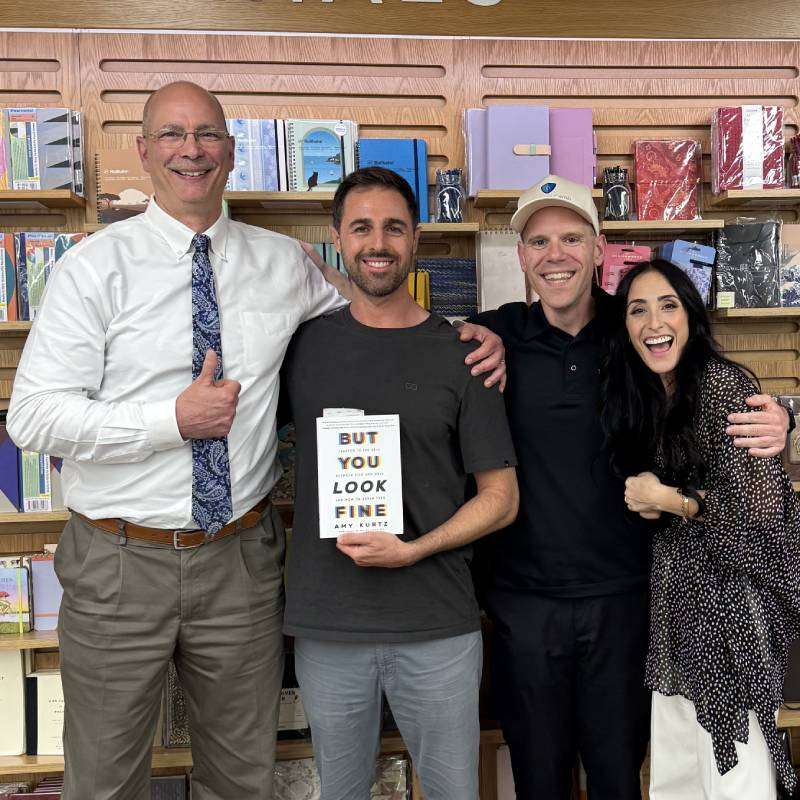
    At Amy Kurtz's But You Look Fine book launch and signing event in New York City, Tick Boot Camp co-founder Matt Sabatello caught up with former guest Ben Ahrens, founder of Re-Origin, for an insightful conversation about neuroplasticity, hypervigilance, chronic Lyme disease recovery, and the emerging science connecting the brain, nervous system, and chronic illness. Since his first appearance on the Tick Boot Camp Podcast, Ben has continued expanding Re-Origin's reach around the world while deepening his research into how chronic stress, trauma, and nervous system dysregulation can perpetuate illness long after the initial trigger has passed. This conversation explores why some patients remain trapped in cycles of symptoms, why many become increasingly sensitive to treatments, and how retraining the brain may help create conditions that support healing and recovery. Meet Ben Ahrens Ben Ahrens is the founder of Re-Origin, a neuroplasticity-based brain retraining program designed to help individuals struggling with chronic conditions including: Lyme disease Chronic fatigue syndrome (ME/CFS) Chronic pain Central sensitization Nervous system dysregulation Complex chronic inflammatory illnesses What began as Ben's personal journey out of severe neurological Lyme disease has evolved into a global movement. Today, Re-Origin serves members in more than 50 countries and has helped over 12,000 participants navigate recovery through nervous system regulation and neuroplasticity-based approaches. Why the Brain Matters in Chronic Lyme Disease Ben explains that chronic illness is not "all in your head." Instead, he argues that the brain serves as the body's master regulator, coordinating immune, hormonal, emotional, and physiological responses. When the nervous system becomes chronically overwhelmed, it can become trapped in a state of persistent threat detection. According to Ben, even when infections are being addressed and the body begins healing, the brain may continue operating as if danger is still present. This ongoing state of alarm can: Increase inflammation Suppress immune function Heighten symptom perception Amplify treatment reactions Prolong illness cycles Make recovery more difficult The result is a nervous system that remains stuck in survival mode long after the original threat has diminished. Understanding Hypervigilance One of the central themes of this interview is hypervigilance. Ben describes hypervigilance as a state in which the brain becomes excessively focused on detecting potential threats. Over time, the nervous system can become conditioned to interpret everyday sensations, stressors, and even beneficial treatments as danger signals. He explains that hypervigilance often develops gradually through a cumulative process rather than a single traumatic event. Potential contributors include: Chronic infections Medical uncertainty Financial stress Relationship challenges Physical injuries Repeated setbacks Long-term caregiving demands Ongoing emotional strain Eventually, the nervous system may reach a tipping point where seemingly minor stressors trigger major physiological responses. Why Some Lyme Patients Become Extremely Treatment Sensitive Many Lyme patients report becoming increasingly reactive to medications, supplements, detoxification protocols, and other therapies. Ben believes hypervigilance may help explain why. When the brain is operating from a persistent fight-or-flight state, it often interprets change itself as a threat. Even interventions intended to help may trigger exaggerated physiological responses because the nervous system is already overloaded. This can contribute to: Heightened treatment reactions Increased symptom flares Difficulty tolerating protocols Fear surrounding new therapies Reduced resilience to stress Understanding the role of the nervous system may provide an additional layer of insight for patients who feel stuck despite pursuing multiple treatment strategies. The Connection Between Medical Trauma and Chronic Illness Inspired by Amy Kurtz's new book, Matt and Rich ask Ben about the concept of Medical Trauma Brain. Ben sees significant overlap between medical trauma and hypervigilance. He explains that one of the most difficult aspects of chronic illness is uncertainty: Not knowing what is wrong Not receiving answers Feeling dismissed by providers Navigating conflicting medical opinions Watching symptoms worsen without explanation When patients spend months or years searching for answers, the brain can become increasingly conditioned to expect danger, uncertainty, and disappointment. This experience can create a powerful neurological imprint that persists long after diagnosis and treatment begin. How to Recognize Hypervigilance Many people living with chronic illness don't realize they are operating from a hypervigilant state because it has become their normal. Ben shares several common signs: Constant worry or rumination Feeling unable to relax Persistent fight-or-flight sensations Always waiting for "the other shoe to drop" Difficulty feeling safe Trouble being present Physical tension throughout the body Racing thoughts when trying to rest He notes that some individuals can temporarily calm their nervous system through activities such as walking, nature exposure, breathwork, or meditation, but quickly return to anxiety and activation once the activity ends. This pattern may indicate that deeper nervous system retraining work could be beneficial. The Importance of Nervous System Regulation One of the key lessons from Ben's own recovery journey is that healing often requires more than simply addressing infection. He emphasizes practices that help regulate the nervous system, including: Breathwork Gentle movement Mindfulness Awareness training Neuroplasticity exercises Stress reduction strategies Consistent nervous system regulation practices The goal is not to ignore physical illness but to create an internal environment that supports healing. From Hypervigilance to Relaxed Readiness Ben offers a compelling alternative to living in chronic fight-or-flight mode: Relaxed Readiness. Borrowed from martial arts philosophy, relaxed readiness describes a state of: Alertness without anxiety Presence without tension Awareness without fear Capacity without overwhelm Rather than remaining trapped in survival mode, individuals can train their nervous systems to become more resilient, adaptable, and balanced. According to Ben, the same neuroplastic mechanisms that teach the brain to overprotect can also teach it to relax, recover, and function more effectively. Ben's Upcoming Book Ben also shares a preview of an upcoming book currently in development. The book will explore: The science of hypervigilance Nervous system dysregulation Trauma and chronic illness Neuroplasticity research Practical recovery strategies The journey toward relaxed readiness His goal is to help readers better understand why chronic stress and nervous system overload have become so widespread—and what can be done to reverse the process. Key Takeaways Chronic Lyme disease recovery may involve both biological treatment and nervous system regulation. Hypervigilance can develop gradually through chronic stress, illness, and uncertainty. An overactive threat response may increase symptom intensity and treatment sensitivity. Medical trauma can leave lasting neurological effects that impact recovery. Neuroplasticity offers hope that the brain can learn new, healthier patterns. Nervous system retraining aims to move individuals from chronic fight-or-flight into a state of relaxed readiness. Recovery is not simply about eliminating symptoms—it's about restoring resilience, capacity, and quality of life. 🔗 Explore More Tick Boot Camp Episodes

  • S1 · E572
    July 25 · 1 hr 6 min

    Episode 572: Born with Lyme Disease — How American Ninja Warrior Talan Yorn Turned Adversity into Purpose

    What if the greatest obstacle you ever faced became the very thing that inspired thousands of others? In this inspiring episode of the Tick Boot Camp Podcast, Matt Sabatello sits down with Talan Yorn, an 18-year-old American Ninja Warrior competitor, Lyme disease advocate, public speaker, author, and founder of Lyme Ninja. Born with congenital Lyme disease, Talan has never known life without chronic illness. His journey has included years of debilitating symptoms, neurological complications, mold illness, multiple tick-borne co-infections, extensive treatment, and even spending years bedridden. Today, Talan is proving that healing is possible. Through determination, perseverance, and a relentless refusal to give up, he transformed his life from being too sick to attend school into competing on national television as an American Ninja Warrior while using his platform to inspire hope throughout the Lyme community. This episode is a powerful reminder that recovery is rarely linear—but with the right support, persistence, and belief, extraordinary things are possible. Meet Talan Yorn Talan Yorn is an American Ninja Warrior competitor, Lyme disease advocate, author, public speaker, stunt performer, ninja coach, and founder of Lyme Ninja. Diagnosed with congenital Lyme disease at just seven years old after years of unexplained illness, Talan has dedicated his life to raising awareness for Lyme disease while encouraging others facing chronic illness to never lose hope. Learn more at Lyme Ninja. Read his inspiring memoir, Overcome: A Lyme Patient's Journey to American Ninja Warrior. In This Episode Matt and Talan discuss: Growing up with congenital Lyme disease Receiving a childhood Lyme, Babesia, and Bartonella diagnosis after years of unanswered questions Living with PANS, neurological symptoms, and immune dysfunction The impact of mold illness on Lyme recovery IVIG, functional medicine, antibiotics, and long-term treatment Going from bedridden to competing on American Ninja Warrior Becoming "Lyme Ninja" Advocating for Lyme disease awareness nationwide Finding purpose through adversity Growing Up with Congenital Lyme Disease Because Talan contracted Lyme disease from his mother before birth, he never knew what it felt like to be healthy. Throughout his childhood he struggled with fatigue, joint pain, fevers, headaches, insomnia, vomiting, and difficulty walking while doctors repeatedly dismissed his symptoms as "growing pains." Everything changed after his mother was diagnosed by Lyme-literate physician Dr. Steven Harris, leading to Talan's own diagnosis at age seven. Finally having answers allowed his family to begin the long journey toward recovery. Talan reflects on what it was like growing up believing his symptoms were normal simply because he had never experienced life without Lyme disease. Watching other children run, play, and participate in sports while constantly battling pain and exhaustion shaped much of his childhood and fueled his determination to one day overcome the disease. Navigating Complex Lyme Disease Beyond physical symptoms, Talan discusses the profound neurological effects Lyme disease had on his life. Along with Lyme disease and multiple co-infections, he developed PANS (Pediatric Acute-onset Neuropsychiatric Syndrome), OCD, anxiety, insomnia, emotional dysregulation, and episodes of overwhelming rage that were later understood to be driven by neuroinflammation. His story offers an important reminder that Lyme disease can affect far more than the joints or muscles. In children especially, behavioral and psychiatric symptoms may be signs of underlying infection rather than isolated mental health conditions. To learn more about pediatric Lyme disease and PANS/PANDAS, listen to Dr. Somer DelSignore. Treatment, Remission, and Mold Illness Over the course of more than a decade, Talan pursued a comprehensive treatment approach that included antibiotics, herbal medicine, functional medicine, IVIG, immune support, nutritional therapies, mold detoxification, and more recently peptide therapy. After years of treatment, he experienced approximately six months of remission and finally enjoyed the active childhood he had always dreamed about. He played competitive baseball, built friendships, and discovered what life felt like without constant symptoms. Unfortunately, that progress came to a sudden halt after repeated exposure to mold-contaminated homes. The mold triggered a severe relapse, leaving Talan bedridden for nearly three years and forcing him to stop attending school. During this difficult period, IVIG became an important part of his recovery after doctors discovered significant immune dysfunction and extremely low white blood cell counts. Combined with removing mold exposure and continuing treatment, Talan slowly began rebuilding his health once again. For more discussions about mold illness and chronic Lyme disease, explore Tick Boot Camp's interview with Dr. Jill Carnahan. From Bedridden to American Ninja Warrior As Talan slowly regained his health, he returned to a dream he had carried since childhood—competing on American Ninja Warrior. Watching the show as a young boy inspired him to believe that ordinary people could overcome extraordinary obstacles. Years later, after spending nearly three years bedridden, he finally began training. Progress was slow. Every workout required careful pacing, and many training sessions were followed by days of recovery. Still, every small improvement represented another step away from illness and toward the life he wanted. After three years of dedicated training and competing in Ninja Warrior competitions around the country, Talan earned a spot on Season 17 of American Ninja Warrior, advancing to the semifinals. More importantly, his appearance introduced millions of viewers to the realities of Lyme disease and showed patients around the world that recovery is possible. Becoming Lyme Ninja As Talan's athletic career grew, so did his passion for advocacy. He created Lyme Ninja to combine his love for Ninja Warrior with his mission of bringing hope to the Lyme community. Through social media, public speaking, coaching, and interviews, he encourages patients to keep fighting, even when recovery feels impossible. Learn more at Lyme Ninja. Read Talan's memoir, Overcome: A Lyme Patient's Journey to American Ninja Warrior, where he shares his remarkable journey in greater depth. Expanding His Advocacy Competing on American Ninja Warrior gave Talan a larger platform, but his mission extends far beyond the obstacle course. Today, he partners with several leading Lyme disease organizations dedicated to advancing research, expanding patient access to care, and increasing public awareness. Talan has worked with the Center for Lyme Action (CLA), advocating before Congress for increased federal funding for Lyme disease research and public health initiatives. Learn more about the Center for Lyme Action: Episode 378: Center for Lyme Action – An Interview with Bonnie Crater Episode 196: The Bionic Woman – An Interview with Meghan Bradshaw Talan is also a grateful recipient of a treatment grant from the LymeLight Foundation, which helped him continue his recovery and athletic journey. Today, he gives back as a LymeLight advocate, encouraging other young patients and families facing similar challenges. Learn more about LymeLight: Episode 324: LymeLight Foundation – An Interview with Phyllis Bedford Western Medicine Fails a Nurse's Family – An Interview with Ashley Marba More recently, Talan has partnered with Project Lyme, which sponsors his advocacy efforts and athletic competitions, and collaborates with Global Lyme Alliance to educate the public and inspire others through speaking engagements, media appearances, and community outreach. Final Thoughts Talan's story is one of extraordinary resilience. Born with congenital Lyme disease, he endured years of debilitating illness, neurological complications, mold exposure, immune dysfunction, and countless setbacks before gradually reclaiming his life. Today, he continues to manage his health while competing as an American Ninja Warrior, coaching young athletes, advocating for Lyme disease awareness, and inspiring patients around the world. His journey reminds us that healing is rarely linear. There will be setbacks, detours, and difficult days. But with perseverance, the right support, and hope, remarkable progress is possible. As Talan says throughout his advocacy work: "Never give up. Never back down. Never stop fighting." Listen to Episode 572 of the Tick Boot Camp Podcast on Apple Podcasts, Spotify, YouTube, or wherever you listen to podcasts. Explore more inspiring conversations by visiting our Doctor Interviews, Researcher Interviews, and the Tick Boot Camp Blog.

  • S1 · E570
    July 11 · 1 hr 30 min

    Episode 570: Medical Trauma Brain, Emotional Healing After Lyme Disease & Reclaiming Life Beyond Chronic Illness | Amy Kurtz

    What happens after Lyme disease treatment ends—but you still don't feel like yourself? In this powerful in-person Tick Boot Camp studio interview, bestselling author, certified health coach, and Lyme disease advocate Amy Kurtz returns to discuss her groundbreaking new book, But You Look Fine: Trapped in the Hell Between Sick and Well and How To Break Free. Following the overwhelming response to her first Tick Boot Camp interview in Episode 449: Kicking Sick: Your Go-To Guide for Thriving with Chronic Health Conditions, Amy joins Matt Sabatello and Rich Johannesen for an unforgettable conversation about the emotional, neurological, and psychological aftermath of chronic illness. Together, they explore why healing doesn't always end when symptoms improve—and why many Lyme disease patients remain trapped between being physically better and emotionally free. Amy introduces the concept of Medical Trauma Brain, a framework that helps explain the fear, hypervigilance, anxiety, identity loss, and nervous system dysregulation experienced by so many people recovering from Lyme disease, tick-borne illness, mold illness, autoimmune disease, Long COVID, and other chronic conditions. If you've ever wondered why recovery still feels incomplete after treatment, this episode is one you won't want to miss. Listen or Watch 🎧 You're viewing the show notes for the Tick Boot Camp audio podcast, available on TickBootCamp.com, Apple Podcasts, Spotify, and all major podcast platforms. 🎥 Prefer video? Watch the complete in-studio interview with Amy Kurtz on the Tick Boot Camp YouTube channel. Recorded in person at the Tick Boot Camp Studio, this deeply personal conversation combines Amy's lived experience, insights from leading trauma experts, and practical tools that can help patients move beyond survival mode and reclaim their lives. In This Episode What Is Medical Trauma Brain? Amy introduces her groundbreaking concept of Medical Trauma Brain (MTB)—the lingering emotional, neurological, and psychological effects that can persist long after physical symptoms improve. Years spent battling Lyme disease, searching for answers, enduring medical dismissal, and living in survival mode can fundamentally change how the brain responds to the world. Medical Trauma Brain helps explain why many patients continue experiencing: Fear of relapse Health anxiety Hypervigilance Difficulty trusting their bodies Loss of identity Emotional exhaustion Why Healing Doesn't End When Treatment Ends Amy shares how finally receiving a diagnosis of late-stage neurological Lyme disease and co-infections brought tremendous relief—but not complete healing. Although her body began recovering, her nervous system continued living as if danger was everywhere. She explains how years spent fighting for answers rewired her brain into survival mode, leaving her emotionally stuck despite significant physical progress. The conversation explores why emotional recovery often lags behind physical recovery and why this overlooked phase of healing deserves far greater attention. Chronic Resilience Can Become Chronic Survival For years, Amy relied on resilience simply to survive. But she explains how constantly pushing forward can eventually create a nervous system that's unable to relax—even after the crisis has passed. Matt and Rich discuss how resilience, while essential during illness, can eventually become another obstacle that requires healing, as the brain remains hypervigilant long after the physical danger has subsided. Rewiring the Brain After Chronic Illness Amy explains how true recovery required learning to retrain her brain and regulate her nervous system. She discusses the therapies that helped her rebuild emotional safety, including: Cognitive Behavioral Therapy (CBT) Eye Movement Desensitization and Reprocessing (EMDR) Somatic Experiencing Nervous system regulation Mind-body healing Trauma-informed therapy Rich and Matt expand on the science of brain rewiring, discussing how the subconscious mind, nervous system, beliefs, and emotional responses interact throughout recovery. Restoring Trust in Your Body One of the most powerful moments in the conversation centers around learning to trust the body again. After years of illness, many patients begin questioning every symptom and every sensation. Amy explains how reconnecting with her body's signals, honoring intuition, and rebuilding confidence became some of the most important steps toward recovery. The Missing Piece of Lyme Disease Recovery The discussion challenges the traditional medical model by emphasizing that healing must include more than eliminating infection. Amy argues that complete recovery involves healing the: Body Brain Nervous system Emotions Spirit Together, Matt, Rich, and Amy discuss why treating only the physical illness often leaves patients feeling trapped between sickness and wellness. The Power of Agency One of the central themes of the interview is reclaiming agency. Amy shares how her recovery changed when she stopped seeing herself as a passive recipient of care and became an active participant in her healing journey. The conversation explores how patients can: Trust their intuition Advocate for themselves Build collaborative relationships with physicians Know when it's time to seek additional expertise Rebuild confidence after years of medical gaslighting Matt and Rich also discuss the importance of partnering with healthcare providers while remaining deeply connected to your own instincts and lived experience. Processing the Trauma of Chronic Illness Years of invisible illness often leave emotional wounds that aren't immediately obvious. Amy discusses: Medical gaslighting Misdiagnosis Fear of relapse Hypervigilance Grief Identity loss Emotional isolation She explains why acknowledging these experiences is essential for long-term healing and why many patients need to recover from the trauma of illness—not just the illness itself. Finding a New Identity After Lyme Disease One of the episode's most inspiring discussions centers on identity. Amy reflects on losing the life she expected to live—and discovering an entirely new purpose through writing, advocacy, and helping others heal. She shares how chronic illness ultimately transformed her calling, allowing her to help countless others navigate their own recovery journeys. Mind, Body, and Spirit: A New Model for Healing Throughout the interview, Amy, Matt, and Rich explore why healing is never just physical. They discuss how nervous system regulation, emotional resilience, brain retraining, spirituality, meaningful relationships, and personal growth all contribute to lasting recovery. Rather than viewing illness solely through a medical lens, the conversation encourages listeners to embrace a more complete model of healing that honors the whole person. Key Takeaways Medical Trauma Brain helps explain why emotional healing often lags behind physical recovery. Lyme disease recovery requires healing both the body and the nervous system. Trauma can persist long after infections improve. Brain retraining and nervous system regulation may complement physical treatment. Agency and self-advocacy are essential parts of recovery. Healing is rarely linear—but meaningful recovery is possible. Chronic illness can become a catalyst for profound personal growth, renewed purpose, and deeper self-awareness. About Amy Kurtz Amy Kurtz is a bestselling author, certified health coach, speaker, and longtime Lyme disease advocate dedicated to helping people navigate chronic illness with resilience and hope. Her newest book, But You Look Fine: Trapped in the Hell Between Sick and Well and How To Break Free, introduces readers to the concept of Medical Trauma Brain while providing practical guidance for rebuilding life after chronic illness. 📖 Order But You Look Fine: Trapped in the Hell Between Sick and Well and How To Break Free. Amy Kurtz's New York City Book Launch Before welcoming Amy into the Tick Boot Camp studio, Matt Sabatello and Rich Johannesen attended her inspiring New York City book launch at Barnes & Noble on Manhattan's Upper West Side. The evening brought together patients, physicians, advocates, caregivers, researchers, authors, and members of the chronic illness community to celebrate the release of But You Look Fine and its powerful message that emotional healing deserves as much attention as physical recovery. 📖 Read Tick Boot Camp's coverage of the New York City book launch. Subscribe to Tick Boot Camp If you enjoyed this conversation, subscribe to the Tick Boot Camp Podcast on Apple Podcasts, Spotify, or your favorite podcast platform, and subscribe to the Tick Boot Camp YouTube channel for more exclusive in-studio interviews with leading physicians, researchers, advocates, and Lyme disease survivors. 🎙️ Explore the Tick Boot Camp Podcast archive to discover hundreds of conversations with physicians, researchers, patient advocates, and inspiring survivors dedicated to helping people liberate themselves and others from Lyme disease and tick-borne illness. Healing isn't simply about eliminating symptoms. It's about rebuilding trust in yourself, regulating your nervous system, processing trauma, reclaiming your identity, and creating a meaningful life beyond chronic illness. In this unforgettable in-studio conversation, Amy Kurtz offers hope, validation, and a roadmap for anyone ready to move from surviving to truly living.

  • S1 · E569
    July 4 · 1 hr 42 min

    Episode 569: Air Force Major Trent Vonich on Lyme Disease, Military Service, and Finding a New Mission

    What happens when an active-duty Air Force officer, elite athlete, and aspiring astronaut suddenly finds his health slipping away—and no one can explain why? In this episode of the Tick Boot Camp Podcast, we sit down with Major Trent Vonich, a United States Air Force officer whose relentless pursuit of answers led him through years of unexplained symptoms, medical uncertainty, and ultimately a diagnosis of Lyme disease and multiple tick-borne infections. Trent shares his remarkable journey from military service and elite physical performance to chronic illness, recovery, and a renewed mission focused on research, education, and helping others navigate the challenges of tick-borne disease. His story is one of resilience, perseverance, and discovering that purpose can evolve even when life takes an unexpected turn. Meet Major Trent Vonich Major Trent Vonich is an active-duty United States Air Force officer, former Combat Rescue Officer, endurance athlete, researcher, and PhD candidate whose life changed dramatically after developing a complex chronic illness linked to tick-borne infections. Throughout his military career, Trent pursued some of the Air Force's most demanding opportunities while maintaining a passion for endurance sports, leadership, and scientific inquiry. When mysterious symptoms began impacting his health and performance, he embarked on a years-long search for answers that would ultimately reshape both his personal and professional life. Today, he continues serving his country while advancing research, education, and awareness surrounding complex chronic illnesses. A Life Built Around Performance Before illness entered the picture, Trent's life revolved around excellence. As a Combat Rescue Officer, he trained and operated in one of the military's most physically and mentally demanding environments. Outside of his military duties, he pushed himself through endurance athletics and maintained an unwavering commitment to peak performance. Fitness, resilience, discipline, and service were central to his identity. Then everything began to change. When Symptoms Started to Appear What began as subtle health concerns gradually developed into a constellation of symptoms that became increasingly difficult to ignore. Trent experienced: Severe fatigue Brain fog Sleep disturbances Cognitive challenges Chronic pain Exercise intolerance Neurological symptoms Autonomic dysfunction Reduced athletic performance Unexplained declines in overall health As symptoms progressed, activities that once felt routine became increasingly difficult. Like many Lyme disease patients, he found himself knowing something was wrong long before he had an explanation. The Long Search for Answers Despite extensive medical evaluations, Trent struggled to find a diagnosis that fully explained what he was experiencing. He consulted numerous healthcare providers, underwent extensive testing, and explored a variety of possible explanations for his symptoms. Yet many of the answers fell short. The experience highlighted a challenge familiar to many in the Lyme community: living with very real symptoms while struggling to obtain clear answers from the medical system. As his condition continued to impact both his health and career, the search became increasingly urgent. Discovering Lyme Disease and Co-Infections Eventually, Trent's investigation led him to the possibility of tick-borne disease. Further evaluation revealed Lyme disease along with associated co-infections, helping explain the complex and multisystem nature of his symptoms. For the first time, many of the seemingly unrelated health issues began to fit together. The diagnosis provided validation, clarity, and a path forward. But as many patients discover, receiving a diagnosis is often only the beginning of the journey. Treatment, Recovery, and Rebuilding Health Trent discusses the comprehensive approach he used to address his illness and begin rebuilding his health. His recovery journey included: Treating Lyme disease and co-infections Addressing inflammation and immune dysfunction Improving sleep quality Optimizing nutrition Modifying exercise and training strategies Managing stress and recovery capacity Long-term health monitoring Rather than relying on a single intervention, Trent learned that recovery required addressing multiple aspects of health simultaneously. His experience reinforces an important lesson for many chronic illness patients: healing often requires persistence, patience, and a willingness to adapt. The Mental and Emotional Impact of Chronic Illness For someone whose identity was deeply connected to physical performance, the emotional impact of chronic illness was profound. Trent reflects on the challenges of watching his capabilities change while confronting uncertainty about his future. The experience forced him to reconsider long-held assumptions about success, achievement, and self-worth. Through that process, he developed a deeper understanding of resilience—one rooted not in physical performance alone, but in adaptability, perspective, and perseverance. Navigating Chronic Illness While Serving on Active Duty One of the most unique aspects of Trent's story is that it unfolded while he continued serving in the United States Air Force. During the interview, he discusses: Seeking medical care within the military healthcare system Balancing military responsibilities with chronic illness Communicating symptoms to healthcare providers Managing uncertainty during the diagnostic process Maintaining professional performance while struggling physically The challenges faced by service members dealing with complex chronic illnesses His perspective offers valuable insight for active-duty military personnel, veterans, and first responders facing similar health challenges. A Different Way to Serve Lyme disease changed the trajectory of Trent's military career, but it did not end his commitment to service. Health challenges ultimately led him away from operational flying and special operations duties, requiring him to rethink some of his long-term career goals. Rather than viewing those changes as an ending, Trent embraced a new mission. Today, he continues serving through advanced academic research, doctoral studies, mentorship, and future teaching opportunities. His story demonstrates that purpose is not tied to a single role or title. Sometimes life's greatest challenges reveal entirely new ways to contribute and make an impact. Lessons Learned Along the Way Throughout the conversation, Trent shares several powerful lessons: Trust your instincts when something feels wrong. Persistence is often necessary to find answers. Chronic illness affects every aspect of life—not just physical health. Recovery is rarely linear. Identity can survive even when circumstances change. Resilience is built through adaptation. Service can take many forms. Purpose often emerges from adversity. Why This Episode Matters Major Trent Vonich's story extends far beyond Lyme disease. It is a story about perseverance in the face of uncertainty, the importance of self-advocacy, and the power of finding meaning when life does not go according to plan. For Lyme disease patients, his experience provides validation that complex symptoms can be real even when answers are difficult to find. For military members, athletes, and high performers, his journey serves as a reminder that strength is not defined solely by physical capability but by the willingness to continue moving forward despite adversity. Most importantly, his story offers hope. Resources & Links Learn more about Lyme disease and tick-borne illness: Tick Boot Camp Podcast: https://tickbootcamp.com/podcast/ Tick Bite Blueprint: https://tickbootcamp.com/tick-bite-blueprint/ Why Lyme Persists: https://tickbootcamp.com/home/lyme-persists/ Lyme Testing Information: https://tickbootcamp.com/home/lyme-testing/ Tick Boot Camp Blog: https://tickbootcamp.com/blog/ Listen Now If this episode inspired you, please subscribe, leave a review, and share it with someone who may benefit from hearing Trent's story. At Tick Boot Camp, we believe healing is possible, no one should face Lyme disease alone, and every story has the power to help someone else find hope.

  • S1 · E568
    June 27 · 1 hr 21 min

    Episode 568: Lyme Disease Testing Is Failing Patients: Dr. Liz Horn Explains Why (And What Comes Next)

    🎙️ Episode Summary: Lyme Testing Is Failing Early Patients In this critical episode with special guest co-host Ali Moresco, we sit down with Dr. Liz Horn, Principal Investigator of the Lyme Disease Biobank, to break down her latest research: 👉 Evaluation of standard and modified two-tiered testing algorithms using well-characterized early Lyme disease samples This study takes a hard look at the current FDA-cleared Lyme testing system — and the findings are clear: 👉 Most early Lyme disease cases are being missed Dr. Horn explains why this is happening, what it means for patients, and why clinical judgment — not just testing — must guide early diagnosis and treatment. 🔬 The Study at the Center of This Episode 📄 View Dr. Liz Horn’s Research Publications 📊 Study Focus: Compared Standard Two-Tier Testing (STTT) vs Modified Two-Tier Testing (MTTT) Used real-world patient samples from early Lyme cases Evaluated four FDA-cleared diagnostic algorithms Focused primarily on patients within the first ~3 weeks of symptoms 🚨 Key Finding: Early Lyme Testing Is Deeply Flawed Only 22–36% of early Lyme cases tested positive That means 64–78% of cases were missed Most people with early Lyme disease will test negative 📌 Easy-to-share summary for doctors and patients: New Bay Area Lyme Foundation Study Shows Common FDA-Cleared Lyme Tests Miss 64–78% of Early Cases 🧠 Why These Tests Fail Current tests detect antibodies, not the bacteria itself The immune system needs time to produce detectable antibodies Early infections often test negative because the immune response has not developed yet The two-tier system adds additional opportunities for false negatives 👉 Core issue: Testing measures the body’s response, not the infection ⏱️ The Critical Timing Problem Within 1 week of symptoms, tests are almost always negative Around 2 weeks, detection improves slightly After 3–4 weeks, sensitivity increases but is still unreliable Testing does not become fully accurate at any point 👉 Key insight: Testing remains inconsistent even after the early window 🎯 Even “Classic” Lyme Cases Are Missed Patients with erythema migrans (EM rash) often tested negative Very few patients present with a classic bullseye rash A visible rash does not guarantee a positive test result 👉 Key takeaway: You can have Lyme and still test negative ⚠️ Major Issue: Test Inconsistency The same patient can receive different results depending on the test used One algorithm may detect Lyme while another misses it Results depend on timing, immune response, and test design 👉 Result: Testing cannot reliably confirm or rule out Lyme disease 🧍‍♂️ Who Actually Tests Positive? Patients with more symptoms were more likely to test positive Longer duration of illness increased likelihood of detection Stronger immune responses improved test sensitivity 👉 Translation: Testing tends to detect later-stage immune response, not early infection 💊 After Treatment: Testing Becomes Even Less Useful This study focused on early Lyme within the first ~3 weeks, where testing already performed poorly At approximately 3 months post-treatment, less than 5% of patients who still had an active infection tested positive These patients were originally diagnosed with early Lyme and many continued to have symptoms consistent with active or ongoing infection 👉 Why this happens: Antibiotics can suppress antibody production The immune response may no longer be detectable The bacteria may persist in tissues rather than circulating in blood 👉 Critical takeaway: Patients may still have an active infection or ongoing disease process and test negative 👉 Bottom line: Testing is unreliable early in infection Testing remains unreliable after treatment A negative test does not rule out Lyme disease at any stage 🧬 Another Challenge: Lyme Leaves the Blood Borrelia bacteria can move into tissues Blood-based tests may miss active infection Direct detection becomes more difficult over time 👉 This is why antibody testing is used, despite its limitations 🧩 Bigger Insight From This Study Current Lyme testing cannot reliably diagnose early infection Diagnosis must include symptoms, exposure history, and clinical judgment Over-reliance on testing leads to missed diagnoses and delayed care 🚀 What Comes Next (Hope from the Research) Development of direct detection tests that identify the bacteria Cell-free DNA testing approaches AI and machine learning diagnostics Multiplex testing targeting multiple markers Urine-based diagnostic innovations 👉 These advances aim to replace outdated antibody-based testing 🧑‍⚕️ Education Gap (Major Takeaway) Many clinicians are not trained on the limitations of Lyme testing Negative tests are often incorrectly used to rule out disease This contributes to delayed diagnosis and treatment 📚 Resource for clinicians and patients: VectorWise CME – Lyme Disease Education 💡 What This Means for You A negative test does not rule out Lyme disease Early symptoms are more important than lab results Treatment decisions should not rely solely on testing Follow-up care remains essential even after treatment 👉 Most important: Trust your symptoms and advocate for care 💚 Final Message This study confirms what many patients already experience: The testing system is flawed Early infections are frequently missed Patients can remain sick while testing negative But progress is happening. 👉 Better diagnostics are on the horizon You are not alone. Your experience is real.Healing is possible. 🎧 Continue Learning 👉 Explore Tick Boot Camp Podcast Episodes

  • S1 · E567
    June 20 · 1 hr 49 min

    Episode 567: From Alpha-Gal to Lyme: Erin Oprea on Elite Fitness, Military Leadership, and Advanced Healing with Peptides & Integrative Medicine

    In this powerful episode of the Tick Boot Camp Podcast, we sit down with Erin Oprea—elite fitness trainer, U.S. Marine Corps veteran, and Lyme disease warrior. Known for training celebrities like Carrie Underwood, Erin shares her journey from peak physical performance to battling chronic illness—and how she fought her way back using cutting-edge therapies, peptides, and integrative medicine. Erin also reflects on her groundbreaking military career, including making history as the leader of the first all-female platoon attached to the infantry in a war zone, and how that same resilience now fuels her healing journey. Erin Oprea’s Background U.S. Marine Corps veteran with two tours in Iraq Led the first female platoon attached to infantry in a combat zone Elite celebrity trainer, including Carrie Underwood Built a career around peak physical performance and discipline Lyme Disease & Alpha-Gal Journey Experienced unexplained symptoms despite elite fitness level Faced delayed recognition and diagnosis Developed Alpha-Gal syndrome, a tick-borne allergy to mammalian meat Shifted toward functional and integrative medicine approaches Combined performance mindset with advanced healing protocols Advanced Treatments & Therapies HBOT (Hyperbaric Oxygen Therapy) for oxygenation, inflammation reduction, and tissue healing EBOO₂ (Extracorporeal Blood Oxygenation and Ozonation) for pathogen reduction and blood detoxification HOCATT (Hyperthermic Ozone and Carbonic Acid Transdermal Technology) for full-body detox and immune support Hydrogen Therapy to reduce oxidative stress and support mitochondrial health SAAT (Soliman Auricular Allergy Treatment) to help reset immune response related to Alpha-Gal Herbal protocols for antimicrobial support, detoxification, and immune modulation Peptide Therapy Protocol Guided by experts like Dr. Joe Phiakhamta and informed by The Complete Guide to Peptides: Unlocking the Secrets to Health, Healing, and Longevity, Erin incorporated advanced peptide therapy: LL-37 to target bacteria, viruses, and biofilms including Lyme pathogens Thymosin Alpha-1 (TA-1) to regulate and strengthen immune response BPC-157 to repair gut lining, reduce inflammation, and accelerate tissue healing TB-500 (Thymosin Beta-4) to promote recovery, reduce inflammation, and support cellular repair SS-31 (Elamipretide) to improve mitochondrial function and energy production KPV to reduce inflammation and support gut and immune balance Key Practitioner Dr. Joe Phiakhamta specializing in peptide therapy and integrative Lyme disease treatment Focus on immune restoration, pathogen reduction, and performance recovery Fitness Meets Chronic Illness Recovery Transitioned from elite performance to chronic illness management Applied discipline and training mindset to healing process Leveraged advanced therapies to rebuild strength and energy Represents the intersection of fitness optimization and medical innovation Key Takeaways Tick-borne illnesses can impact even the most elite performers Alpha-Gal syndrome is a serious and often overlooked tick-borne condition Healing requires a multi-layered approach including immune, detox, and mitochondrial support Peptides are an emerging and powerful tool in Lyme disease recovery Mental resilience plays a critical role in long-term healing Final Thoughts Erin Oprea’s journey is a powerful example of resilience, innovation, and determination. From combat leadership to chronic illness recovery, she continues to push boundaries—showing what’s possible when elite discipline meets cutting-edge medicine.

  • S1 · E566
    June 13 · 1 hr 36 min

    Episode 566: When Lyme Disease Steals Your Identity: How Poetry Helped Jasmin Perdomo Heal

    What happens when chronic Lyme disease takes away your health, your confidence, and even your sense of self? In this deeply emotional and inspiring episode of the Tick Boot Camp Podcast, Jasmin Perdomo shares her powerful 12-year journey through chronic Lyme disease, Bartonella, Babesia, debilitating neurological symptoms, medical gaslighting, emotional trauma, and ultimately — rediscovering herself through poetry, faith, and healing. Raised in New Jersey and once a hyper-athletic young woman, Jasmin never imagined she would one day become bedridden, unable to walk without holding onto walls, crawling from her bed to the bathroom, and searching desperately for answers no doctor seemed able to provide. But through unimaginable suffering came transformation. Jasmin opens up about: Living years undiagnosed with Lyme disease Severe neurological Lyme symptoms including vertigo, memory loss, facial paralysis, and heart complications The emotional toll of chronic illness and divorce Her experience with aggressive antibiotic protocols and Herxheimer reactions Why detoxification, nervous system healing, spirituality, and creativity became essential parts of her recovery How poetry became her lifeline during the darkest moments of her journey This conversation is raw, validating, and hopeful for anyone navigating Lyme disease, chronic illness, trauma, or identity loss. In This Episode You’ll Learn Jasmin’s Early Lyme Disease Symptoms Jasmin describes how unexplained fatigue, tachycardia, heart palpitations, vertigo, ringing in the ears, slurred speech, and neurological symptoms slowly overtook her life while living in Puerto Rico. The Reality of Medical Gaslighting Like many Lyme patients, Jasmin spent years searching for answers while being misdiagnosed, dismissed, and prescribed medications that failed to address the root cause of her illness. Chronic Lyme Disease and Emotional Trauma The episode explores the connection between stress, trauma, emotional suppression, nervous system dysregulation, and chronic illness progression. How Poetry Became a Healing Tool While bedridden, Jasmin returned to writing poetry — something she loved as a child — and discovered that creative expression became a powerful emotional detox and survival mechanism. Buy Bittersweet Body: a Poetic Memoir, Jasmin's debut poetry book, inspired her life’s mission: to illuminate the invisible in a visible world. The Importance of Detoxification and Nervous System Healing Jasmin discusses the therapies that helped her most, including: Sauna therapy Binders Meditation Faith and prayer Journaling Acupuncture Gentle movement Emotional release through writing Learning to Receive Help One of the most moving parts of the interview centers around Jasmin’s struggle with independence, vulnerability, and learning how to accept support from loved ones during her healing journey. Key Takeaways From Jasmin Perdomo’s Lyme Journey Healing from Lyme disease requires addressing the physical, emotional, and spiritual body. Detoxification can be just as important as antimicrobial treatment. Creativity and self-expression can become powerful healing tools. Nervous system regulation matters in chronic illness recovery. You are not weak for asking for help. Healing is possible — even after years of suffering. Quotes From This Episode “Poetry saved my life. It gave me mouth-to-mouth resuscitation when I couldn’t breathe.” “When my body became a stranger, writing helped me remember who I was.” “You are not weak for asking for help.” “Healing isn’t just physical. It’s emotional, spiritual, and deeply personal.” About Tick Boot Camp Tick Boot Camp is a Lyme disease advocacy platform dedicated to helping people liberate themselves and others from Lyme disease through education, validation, community, and hope. Through powerful conversations with patients, doctors, researchers, and healers, Tick Boot Camp reminds listeners that they are not alone — and that healing is possible. 🎧 Listen to more episodes

  • S1 · E565
    June 6 · 1 hr 4 min

    Episode 565: Nicole O’Donnell on Resilient Hope, Chronic Lyme Disease & Healing Through Community

    In this powerful episode of the Tick Boot Camp Podcast, we sit down with Nicole O’Donnell—author of Resilient Hope: A Memoir of Life With Chronic Illness—to discuss her deeply personal Lyme disease journey, the emotional realities of chronic illness, and the transformative power of community, mindset, and hope. Nicole shares how her life changed after developing debilitating Lyme disease symptoms, the years of medical confusion that followed, and how COVID intensified her chronic illness experience. Through vulnerability and honesty, she opens up about navigating fear, identity loss, parenting while chronically ill, and ultimately discovering purpose through advocacy and storytelling. This conversation also explores the importance of patient-doctor relationships, nervous system regulation, healing mindset, and how Lyme disease impacts entire families—not just the patient. Most importantly, Nicole reminds listeners that healing is possible, and no one has to face Lyme disease alone. In This Episode, You’ll Learn: Nicole O’Donnell’s personal chronic Lyme disease journey How Lyme disease symptoms can become invisible and misunderstood The emotional impact of medical dismissal and misdiagnosis Why mindset and nervous system regulation matter in healing How chronic illness affects marriage, parenting, and family dynamics The role community plays in Lyme disease recovery Why Nicole wrote Resilient Hope How storytelling helps validate and empower Lyme patients The importance of hope, advocacy, and finding purpose through adversity About Nicole O’Donnell Nicole O’Donnell is a Staten Island-based entrepreneur, mother, advocate, and author of Resilient Hope: A Memoir of Life With Chronic Illness. Through her writing and advocacy, Nicole seeks to help people living with Lyme disease and chronic illness feel seen, heard, and supported. Her book weaves together stories from members of the Lyme disease community to create a message of resilience, healing, and connection. Read More About Nicole’s Manhattan Book Launch Tick Boot Camp recently attended Nicole O’Donnell’s inspiring Manhattan book launch event, where nearly 1,000 people gathered in support of the Lyme disease community and the message behind Resilient Hope. Explore More Tick Boot Camp Resources 🎙 Tick Boot Camp Podcast 👩‍⚕️ Lyme Doctor Interviews 🧠 Tick Bite Blueprint 🧪 Lyme Testing Resources 🔬 Learn Why Lyme Persists Final Thoughts Nicole O’Donnell’s story is a reminder that chronic Lyme disease affects every part of a person’s life—but it can also become a catalyst for transformation, deeper connection, and purpose. Through Resilient Hope, Nicole is helping build a stronger Lyme disease community rooted in validation, compassion, and healing. If you or someone you love is navigating Lyme disease, this episode offers encouragement, perspective, and a powerful reminder that resilient hope is possible.

  • S1 · E564
    April 25 · 1 hr 13 min

    Episode 564: From Vision Loss to Voice: Marina Morgan’s Lyme Disease Journey

    In this powerful episode of the Tick Boot Camp Podcast, Matt Sabatello and Rich Johannesen sit down with Marina Morgan, a professional singer, songwriter, real estate agent, and Lyme disease survivor from New York and New Jersey. Marina shares the deeply personal story of how a vibrant, high-energy young woman who loved running, fitness, and music suddenly found her life turned upside down by Lyme disease in her early twenties. What began as stomach issues quickly progressed into neurological symptoms, extreme fatigue, balance problems, and ultimately sudden vision loss in one eye — a terrifying turning point that led to her eventual diagnosis. After seeing multiple doctors and facing potential misdiagnoses such as multiple sclerosis and scleroderma, Marina was finally diagnosed with Lyme disease through a Western Blot test by Dr. Pollack. Her treatment included 18 months of IV antibiotics through a PICC line, followed by another year of treatment after a later flare-up. Today, Marina continues to navigate chronic Lyme symptoms while building a career in music, real estate, and fitness, demonstrating resilience, perseverance, and determination even on difficult days. Her story is a powerful reminder that Lyme disease can affect anyone — even young, healthy, active people — and that persistence, positivity, and support are essential in the healing journey. About Marina Morgan Marina Morgan is a professional singer and songwriter who has appeared on the Today Show, was named Elvis Duran’s Artist of the Month, and has been featured on iHeartRadio and in multiple publications as an emerging artist. In addition to her music career, Marina works as a real estate agent serving New York and New Jersey and as a gym manager, continuing to stay connected to the world of fitness despite the physical challenges created by Lyme disease. Marina has also used her music to express the realities of chronic illness. Her song “Paralyzed” captures the emotional and physical struggle many Lyme patients face when their bodies no longer cooperate with the life they once lived. Watch Marina’s Lyme-inspired music video “Paralyzed" Follow Marina on Instagram Key Topics Discussed in This Episode Life Before Lyme Disease Before getting sick, Marina lived an extremely active lifestyle. She ran miles every day simply for enjoyment, maintained multiple jobs, and had a vibrant social life. Fitness and movement were central to her identity, and she describes having seemingly endless energy. Lyme disease dramatically altered that reality. Early Symptoms and Sudden Vision Loss Marina’s illness began subtly with stomach issues and fatigue, but symptoms soon escalated. She began experiencing: Severe fatigue Weakness in her legs Balance and coordination issues Neurological symptoms Brain fog Loss of vision in one eye The sudden vision loss was the turning point that signaled something much more serious was happening. Misdiagnosis and the Search for Answers Before receiving a Lyme diagnosis, doctors suspected conditions such as multiple sclerosis (MS) and scleroderma. Marina visited several doctors and specialists before finally receiving the correct diagnosis. Her father, who had previously experienced Lyme disease himself, recognized the possibility and helped advocate for Lyme testing. She was ultimately diagnosed at age 23 through a Western Blot blood test by Dr. Pollack. Intensive Lyme Treatment Following her diagnosis, Marina underwent 18 months of intravenous antibiotic treatment through a PICC line, one of the more aggressive approaches used for severe Lyme disease. Years later, after experiencing a flare-up, she required another year of treatment. Today she is not undergoing active Lyme treatment but continues supportive wellness practices including: Infrared sauna Yoga Probiotics Living with Chronic Lyme Marina estimates she has recovered to about 60% of her pre-Lyme health. The most persistent symptom she continues to battle is extreme fatigue, which can make even simple daily activities exhausting. She describes the unpredictability of chronic Lyme — how a good day can be followed by days or weeks of exhaustion. Despite these challenges, Marina continues to work, maintain relationships, and pursue her passions. Music as a Voice for Lyme Patients Marina has channeled her experience with chronic illness into her music. Her song “Paralyzed” captures the emotional reality of Lyme disease — the feeling of being trapped in a body that no longer functions the way it once did. The song resonates deeply with Lyme patients and others living with invisible illness. Watch the video here Advice for People Fighting Lyme Disease Marina encourages patients not to give up during the darkest moments of illness. Lyme disease can be physically and emotionally overwhelming, but maintaining hope and continuing to pursue healing strategies can make a meaningful difference. She stresses the importance of: Listening to your body Giving yourself grace Staying mentally resilient Continuing to search for solutions Key Takeaways Lyme disease can affect young, healthy, highly active people Neurological symptoms like vision loss can occur with Lyme disease Misdiagnosis is common in complex Lyme cases Long-term IV antibiotic treatment is sometimes required Chronic symptoms can persist even after treatment Mental resilience plays a major role in managing chronic illness

  • S1 · E563
    April 18 · 1 hr 26 min

    Episode 563: At the Frontlines of Chronic Illness: ILADS Expert Panel Webinar

    This special Tick Boot Camp Podcast crossover features the full International Lyme and Associated Diseases Society (ILADS) webinar recording, “At the Frontlines of Chronic Illness: Conversations with ILADS Experts.” In this dynamic panel discussion, leading clinicians and specialists unpack why Lyme disease and other infection-associated chronic illnesses are so misunderstood, why testing fails so many patients, and what it really takes to heal—brain, immune system, mitochondria, and terrain included. Moderated by Rich Johannesen (Tick Boot Camp), the panel delivers practical insights and hopeful, patient-centered guidance for anyone navigating complex chronic illness—whether you’re a patient, caregiver, clinician, or advocate. Featured Panelists Chris Winfrey, MD — Psychiatrist; Medical Director, New Image Wellness Nicole Bell — “The Lyme Disease Engineer”; CEO, Galaxy Diagnostics Tania Dempsey, MD — Medical Director, AIM Center for Personalized Medicine Melanie Stein, ND — Naturopathic Doctor; Author focused on cellular wellness and healing terrain Host/Moderator: Rich Johannesen (Tick Boot Camp) ILADS Intro: Ali Moresco (ILADS) Episode Highlights ILADS Mission and Why This Webinar Matters The webinar opens with ILADS’ mission: improving diagnosis and treatment of Lyme disease and associated illnesses through research, education, and policy. ILADS emphasizes physician training and patient-centered care, while also supporting the educational mission of ILADEF. Rich frames the night as a rare opportunity to hear from experts working at the front lines of complex chronic illness—especially for patients who’ve been dismissed, misdiagnosed, or told their symptoms “don’t make sense.” Segment 1: Brain Health, Neuroimmune Illness, and Why Lyme “Feels Like Dementia” Chris Winfrey, MD Dr. Winfrey introduces a core theme: Lyme is not only an infection—it often behaves like a neuroimmune illness. Key takeaways: The brain is a high-energy, high-immune-demand organ, uniquely vulnerable to infection-driven inflammation and toxicity. Lyme can disrupt brain function through: Blood flow issues Synaptic dysfunction Myelin damage Network-level disruption, not just “neurotransmitters” He describes brain function through networks that Lyme can destabilize: Default Mode Network (internal reflection) Salience Network (switching between networks) Central Executive Network (planning/organization) Action Network (execution) Autonomic Network (regulation) Limbic Network (threat/fear response) The result: patients often describe “brain shutdown,” confusion, cognitive impairment, and even dementia-like symptoms. A major reframing: Emotions are not “non-physical.” They are measurable physiological states. Lyme-driven nervous system injury can create emotional disturbance because the biology is disturbed. Segment 2: Poly-microbial Infection, Fight-or-Flight, and the Belief-Healing Loop Winfrey + Rich Discussion Rich frames humans as spiritual, emotional, and physical beings, and asks how chronic infection impacts both body and emotional resilience. Key points: Lyme can cross the blood-brain barrier and affect virtually any organ system. The nervous system becomes a “central battleground,” and measurement is hard because nervous system dysfunction isn’t captured well by simple bloodwork. Rich and Dr. Winfrey explore how illness disrupts perception, decision-making, and our ability to interpret the world—especially when gut function and intuition feel “offline.” The healing paradox: Chronic stress and “fighting your way to healing” can backfire. Dr. Winfrey emphasizes that healing requires a parasympathetic state—rest, digest, repair—and that this often involves acceptance, surrender, trust, and safety. Segment 3: The State of Testing—Why So Many Patients Test Negative Nicole Bell (Galaxy Diagnostics) Nicole shares her personal motivation and professional mission: testing determines treatment, reimbursement, and belief—and too many patients are failed by existing tools. Indirect testing (antibody testing): The standard approach relies on antibodies—meaning it depends on the immune system behaving predictably. But Lyme and other stealth pathogens evade and suppress immune responses. Even in controlled research models, two infected subjects can show completely different antibody patterns. Immunosuppression (illness severity, medications like steroids, immune dysregulation) can reduce antibody reliability. Direct testing (pathogen detection):Nicole contrasts Lyme testing with illnesses like COVID—where you use tests that look for the pathogen itself (PCR/antigen), not just antibodies. Why direct detection is hard in Lyme: Pathogens can be low abundance They can be tissue-sequestered Sampling matters Why urine can matter for Lyme: Lyme may not stay in blood, but it can shed proteins/antigens that filter into urine. Galaxy’s approach includes methods to capture, concentrate, and detect those markers. New diagnostics focus: Genus-level screening for the “3Bs” (Borrelia, Bartonella, Babesia) Reducing guessing when symptoms overlap and co-infections “masquerade” as each other Segment 4: Immune Dysfunction, Mast Cells, and Why Antibody Testing Can Go Haywire Tania Dempsey, MD (AIM Center for Personalized Medicine) Dr. Dempsey explains the immune system through two major branches: Innate immune system (fast, primitive defense) Adaptive immune system (antibodies, longer-term response) Mast cells as first responders: Mast cells detect “danger” and release inflammatory mediators (histamine and many others). In chronic infection, mast cells can remain persistently activated, releasing hundreds of inflammatory compounds. Why antibody tests fail (two patterns): Immune suppression → insufficient antibody production → false negatives Immune chaos → excessive, inappropriate antibody production → confusing positives - Positive Lyme bands “everywhere” - Positive autoantibodies without classic autoimmune disease patterns - “Everything looks positive” because signaling is dysfunctional Her central philosophy:It’s not only about killing the bug. It’s about fixing immune regulation so the body can actually clear or control infection. She also names the broader context: modern toxic load (mold, plastics, pesticides, “forever chemicals”) primes the immune system into dysregulation before infections even arrive. Segment 5: Advanced Immune-Modulating Tools Therapeutic Plasma Exchange + SOT Dr. Dempsey discusses therapies she’s excited about, especially for complex, stuck cases: Therapeutic Plasma Exchange (TPE / plasmapheresis): Removes plasma (where antibodies, inflammatory mediators, and “garbage” accumulate) Replaces with albumin (and sometimes IVIG) Concept: reduce inflammatory burden + toxic load to reset the terrain SOT (Supportive Oligonucleotide Technique): Molecular targeted approach designed to reduce replication of specific pathogens More targeted than “wide-net” antimicrobial approaches Used strategically after lowering inflammatory/toxic burden She emphasizes: not for everyone, not a universal cure—but promising enough to merit formal publication. Segment 6: GLP-1 Agonists and Mast Cell Stabilization “Brain-melt” moment, revisited Dr. Dempsey explains why drugs commonly known for diabetes/weight loss may have immune benefits: Mast cells have receptors for GLP and GIP hormones Patients showed improvements beyond weight: cognitive function, inflammation, immune stability She describes: Semaglutide (Ozempic/Wegovy) Tirzepatide (Mounjaro/Zepbound) Emerging triple agonists (GLP-1/GIP/glucagon pathways) Her clinical approach has moved these agents earlier in care plans for immune stabilization in select cases. Segment 7: Cellular Healing, Mitochondria, and the Terrain Melanie Stein, ND Dr. Stein brings it home: healing often stalls when we focus only on killing pathogens, but don’t repair the cellular damage. Core concepts: Lyme damages cell membranes, disrupting what goes in/out and how cells communicate. It contributes to mitochondrial dysfunction, reducing ATP (energy currency). If cells stay in “alarm mode,” healing remains blocked. Cell membrane therapy and terrain support: IV and oral lipid support (phospholipids, phosphatidylcholine, omega fatty acids) Personalized support based on lipidomic patterns Supportive therapies to reduce oxidative stress and “toxic fats” Focus on signaling safety to the body—so repair can resume Cell Danger Response:A key theme: even after infections reduce, the body may remain stuck in a persistent defense state, requiring cellular and nervous system support to exit “danger mode.” Regulation Before Eradication Panel Reflection Round As the panel closes, several themes converge: Limbic system + autonomic nervous system regulation is foundational “Regulation becomes before eradication” Healing requires safety, predictability, and nervous system calm Chronic illness can block our ability to connect—especially in relationships—because survival physiology dominates Dr. Dempsey adds that limbic retraining / nervous system reset is often the first step she starts with in her practice. Question and Answer Highlights Lyme and Cancer? The panel notes emerging signals connecting tick-borne illness and certain cancers, but emphasizes that more research is needed to determine causality. Herniated discs, connective tissue, and chronic infection The discussion highlights potential links through: connective tissue disruption collagen damage mast cell mediators (enzymes that affect tissue integrity) infection-driven inflammation Cross-reactive antibody results (example: Brucella) The group explains how antibody testing can produce confusing results due to immune dysregulation and cross-reactivity—another reason why interpretation and test methodology matter. Nasal testing / sinus terrain While not a mainstream Lyme diagnostic route, the panel references nasal/sinus colonization (especially with mold-related or chronic inflammatory patterns) as a terrain factor that can influence recovery. Resources Mentioned Center for Lyme Action – State of Lyme Disease Research paper (Nicole Bell collaboration) ILADS Provider Search International Lyme and Associated Diseases Educational Foundation (ILADEF) Donations (supports education and clinician training) Final Message to Listeners This episode is a reminder that Lyme disease and infection-associated chronic illness are not one-dimensional problems. The path forward often requires: better diagnostics immune regulation nervous system support cellular repair personalized care and hope that the body can recover when the right puzzle pieces come together

  • S1 · E562
    April 11 · 1 hr

    Episode 562: Pediatric Lyme, Autism Regression, PANS/PANDAS & Root-Cause Healing | Dr. Somer DelSignore

    In this powerful in-person interview at the Tick Boot Camp studio, Matt Sabatello sits down with Dr. Somer DelSignore, DNP, a board-certified pediatric practitioner specializing in Lyme disease, tick-borne co-infections, PANS/PANDAS, autoimmune and neuroimmune disorders, autism-like regression, and congenital tick-borne illness. This episode is essential listening for parents who have been told to “wait and see,” families who have seen multiple specialists without answers, and anyone trying to understand how infection, inflammation, immune dysfunction, and nervous system imbalance can impact a child’s brain and development. 🎙 About Dr. Somer DelSignore Dr. DelSignore began her career in traditional pediatric medicine before recognizing that many children with complex chronic illness could not be properly treated in 10–15 minute appointments. Her clinical evolution accelerated after: Training with Dr. Richard Horowitz (tick-borne disease complexity and layered treatment strategies) Training with Dr. Kenneth Bock (autism and autoimmune encephalopathy patterns) Identifying the infectious and immune triggers driving neuropsychiatric symptoms Today, she runs a private practice in upstate New York where she treats children (and a small cohort of adults) using a comprehensive, root-cause framework. 🧠 Autism, Lyme & Autoimmunity — Connecting the Dots Dr. DelSignore explains that autism is often a cluster of symptoms, not a single-gene condition. In her clinical experience, many children experience immune-triggered neuroinflammation that presents as: OCD Anxiety Rage Intrusive thoughts Impulsivity Hallucinations Developmental regression Lyme and co-infections such as Bartonella and Babesia can activate autoimmune responses that interfere with neurotransmitter signaling. When inflammation blocks receptors for dopamine and serotonin, psychiatric symptoms emerge. Her message is clear:These symptoms are often biomedical — not simply behavioral. 🦠 Why “Root Cause” Is Rarely One Thing Healing rarely comes down to one pathogen. Children may present with overlapping contributors such as: Lyme disease and co-infections Mold and mycotoxins Heavy metals Epigenetic pathway dysfunction Detox impairment Nervous system dysregulation Dr. DelSignore emphasizes layered pattern recognition and systematic evaluation rather than single-diagnosis thinking. 🧬 Treatment Approach: Layered, Sequenced & Individualized There is no cookie-cutter protocol. Her framework may include: Targeted antibiotic combinations Herbal antimicrobials Biofilm and fibrin support Gut protection from day one Detox support (liver, kidney, lymphatic) Ozone therapy SOT (gene-silencing therapy) IVIG for autoimmune modulation (when appropriate) Plasmapheresis referral Regenerative PRP strategies Sequencing matters. Some children require detox and nervous system stabilization before antimicrobial treatment begins. 🧱 Biofilms & Tissue Infection Dr. DelSignore confirms: Biofilms are real and clinically significant Microbes communicate and protect one another Chronic infections often reside in tissue, not just blood Killing pathogens without detox support can worsen flares Her philosophy:Eliminate pathogens while simultaneously rebuilding the body. 🌿 Detox, Regeneration & the Nervous System Pathogen elimination is only part of recovery. Healing also requires: Supporting liver and kidney detox pathways Encouraging lymphatic flow Gentle sauna when tolerated Epsom salt baths Breathwork and box breathing Vagus nerve stimulation Nervous system retraining Many children are stuck in chronic sympathetic (“fight-or-flight”) mode. True recovery requires shifting into parasympathetic “rest and repair.” ❤️ A Story of Hope Dr. DelSignore shares the case of a child born with congenital tick-borne infections who: Was non-verbal Required feeding tube support Was diagnosed with autism After comprehensive treatment and immune regulation, the child: Became verbal Engaged socially Reached developmental milestones Thrives in school It’s a reminder that recovery is possible—even in severe presentations. 🏥 The Care Coordination Challenge Families often see 10–15 specialists before reaching her office. Dr. DelSignore stresses the importance of: A “medical home” One lead clinician acting as quarterback Coordinated communication among providers She also discusses the urgent need for legislative and insurance reform to support time-intensive chronic illness care. 🌎 Looking Forward Dr. DelSignore hopes for: Increased research funding Broader recognition of infection-driven neuroinflammation Earlier pediatric intervention A shift toward prevention and health-promotion medicine Her belief: When properly supported, the body can heal. 🔑 Key Takeaways Trust parental intuition Neuropsychiatric symptoms may be immune-driven Detox and gut health are foundational Nervous system regulation is critical Healing is possible—even in complex cases

  • S1 · E561
    April 4 · 1 hr 41 min

    Episode 561: Healing Chronic Lyme Through Terrain, Stress Physiology & Liquid Intelligence | Frédéric Roscop

    Frédéric Roscop, French-born osteopath and founder of AEQUIL, joins the Tick Boot Camp Podcast as our first-ever in-studio international guest, flying in from London to Long Island to share his personal battle with chronic Lyme disease—and the breakthrough that reshaped his life and career. After decades of unexplained symptoms, misdiagnoses, heart inflammation, neurological dysfunction, and failed treatment attempts across multiple countries, Frédéric discovered that killing microbes alone wasn’t enough. His recovery began when he shifted focus from chasing pathogens to restoring the body’s foundational terrain—supporting immune regulation, detoxification, cellular function, stress physiology, and energetic balance. In this deeply reflective and technical conversation, Frédéric shares how childhood tick exposure in rural France, years of undiagnosed Borrelia and Bartonella infection, and repeated medical dead-ends ultimately led him to develop a patented biotech system designed to help others reset their foundational wellbeing. What You’ll Learn in This Episode Growing Up in Tick Territory Frédéric describes growing up in rural France, frequently covered in ticks as a child—long before Lyme disease was widely recognized in Europe. Early symptoms included: Chronic insomnia and hyperactivity Digestive dysfunction and blood sugar instability Visual disturbances and light sensitivity Emotional instability and neurological symptoms Recurrent inflammation At 16, following general anesthesia for a broken nose, he experienced what he now recognizes as a major Lyme “crash,” leading to cognitive decline, emotional dysregulation, and worsening physical inflammation. Heart Inflammation & Athletic Collapse By age 17–18, Frédéric’s promising volleyball career ended due to inflammatory joint disease and recurring pericarditis (heart inflammation)—which would return six times over the next 15 years. Antibiotics temporarily improved symptoms, but the root cause remained unidentified. “I Didn’t Even Know What Lyme Disease Was” As a young osteopath in practice, Frédéric recalls a patient asking whether her symptoms could be Lyme disease. At the time, he had never been trained on it. Years later, another patient was hospitalized with Lyme-related encephalitis—triggering Frédéric’s realization that Lyme might explain both his patients’ suffering and his own. This episode includes an honest discussion about: Medical training gaps Diagnostic limitations The importance of humility in healthcare Why the doctor–patient relationship must be a partnership Diagnosis: Borrelia, Bartonella & More Specialty testing eventually revealed: Borrelia Bartonella Viral findings including Epstein-Barr Virus (EBV) Heavy metal burden (notably elevated mercury) Frédéric began aggressive antibiotic and detox protocols—but experienced severe gut collapse and worsening terrain. Despite trying treatments across Europe, the U.S., China, India, and Switzerland—including antimicrobial, herbal, and integrative approaches—he improved only marginally. The Turning Point: It’s Not Just the Bug — It’s the Terrain Frédéric revisited the foundational debate in medicine: Louis Pasteur: It’s the germ. Claude Bernard: It’s the terrain. His breakthrough came when he shifted focus to rebuilding: Gut function Cellular membranes Detox pathways Nervous system regulation Emotional and energetic resilience Rather than focusing exclusively on killing microbes, he asked: Does the body have the capacity to self-regulate and self-repair? From that question, AEQUIL was born. What Is AEQUIL? AEQUIL is a biotech wellness system built around a patented technology Frédéric calls Liquid Intelligence — a formulation combining: Structured/dynamised water Botanicals Vitamins and electrolytes Biochemical and biophysical support The system supports: Brain, heart, gut, liver, and immune foundations Detoxification and lymphatic flow Stress physiology Emotional and energetic regulation The AEQUIL Deep Reset System Maintain (Foundational Support) A daily liquid formula designed to nourish the body’s core systems and support cellular regulation. Suggested use: ½ teaspoon morning ½ teaspoon evening Reset (Deep Reset Protocol) A structured approach to support: Microorganisms (bacteria, viruses, fungi, parasites) Micro-toxins (detox pathways) Micro-traumas (stress and emotional stagnation) The protocol is phased to reduce Herx reactions and build resilience gradually, with many users reporting a noticeable physiological shift around weeks 8–10. Everyday Support Wearable patches and digital wellness tools (affirmations, breathwork) designed to support mood, sleep, energy, and immune balance during recovery. Core Message of This Episode Chronic Lyme recovery is rarely about one silver bullet. It requires: Restoring foundational systems Supporting detox and immune function Addressing nervous system and stress patterns Recognizing both biochemical and energetic influences Frédéric’s story is one of humility, evolution, and transformation—from a practitioner unaware of Lyme disease to a global wellness innovator working to support both patients and healthcare providers. 🎧 Tick Boot Camp Listener Exclusive AEQUIL is offering Tick Boot Camp listeners: 30% off with code: TB30 Listeners can email: info@aequil.com Emails will connect you directly with Frédéric for guidance on: The Deep Reset protocol What to expect Choosing the right welcome pack

  • S1 · E560
    March 28 · 2 hr 1 min

    Episode 560: MCAS, Chronic Lyme Disease, GLP-1 Agonists, Biofilms, and the Future of Precision Medicine — Dr. Tania Dempsey, MD

    GLP-1 Agonists, MCAS, Lyme Disease, and the Future of Precision Medicine In this powerful Tick Boot Camp Podcast interview, Matt Sabatello sits down with Dr. Tania Dempsey, MD, a board-certified internal medicine physician and internationally recognized expert in Mast Cell Activation Syndrome (MCAS), Lyme disease, autoimmune conditions, and complex chronic illness. In this comprehensive conversation, Dr. Dempsey delivers one of the most forward-thinking and in-depth discussions ever featured on the podcast — connecting the dots between persistent symptoms after Lyme, immune dysregulation, biofilms, nervous system dysfunction, and groundbreaking research on GLP-1 receptor agonists as mast-cell stabilizers. This episode offers science, clinical insight, and — most importantly — hope for patients who have tried everything and are still struggling. Lyme Disease, MCAS, and Why Patients Stay Sick Why Treating Lyme Alone Is Often Not Enough Dr. Dempsey explains why many patients continue to experience inflammation, pain, neurological symptoms, and relapses even after treating Lyme disease and co-infections. According to her clinical experience, this is most often due to primary Mast Cell Activation Syndrome, not persistent infection alone. Key insight: > Lyme disease frequently acts as the trigger, but MCAS is often the driver of ongoing symptoms. Dr. Dempsey clarifies the critical difference between: Primary MCAS (pre-existing immune dysfunction worsened by infections) Secondary MCAS (rare; resolves completely once infection is treated) She notes that in decades of clinical practice, she has never seen true secondary MCAS fully resolve without ongoing mast-cell management. SOT Therapy: When, Why, and How It Works Best Dr. Dempsey provides a nuanced and experience-based explanation of Supportive Oligonucleotide Technique (SOT) for Lyme and co-infections. She addresses common criticism: One-time SOT treatments are rarely sufficient Chronic Lyme often involves multiple strains of Borrelia , Babesia , and Bartonella Her most successful cases involve: Repeated testing Sequential SOT treatments targeting specific strains Immune system support between rounds Adjunctive therapies such as herbs, antiparasitics, and mast-cell stabilization She shares a remarkable case of a young woman with severe neuropsychiatric symptoms who — after years of persistent SOT treatment combined with MCAS management — is now thriving, off psychiatric medications, and successfully completing college. Biofilms: Why They Matter in Chronic Infection Dr. Dempsey firmly states that biofilms are a critical barrier to recovery in chronically ill patients. Key points: Biofilms exist in the gut, sinuses, blood, and tissues They protect microbes from antibiotics, herbs, and immune attack Resistant biofilms may involve extracellular DNA (Z-DNA), discussed at ILADS Therapies discussed: Enzymes such as lumbrokinase and nattokinase Ozone therapy Therapeutic Plasma Exchange (TPE) for severe cases Her message is clear: if you cannot reach microbial reservoirs hidden in biofilms, infections cannot be fully controlled. GLP-1 Agonists, Immune Modulation, and Breakthrough MCAS Research GLP-1 Receptor Agonists as Mast-Cell Stabilizers Dr. Dempsey presents groundbreaking findings from her published case series: “The Utility of GLP-1 Receptor Agonists in Mast Cell Activation Syndrome” Key details: 47-patient case series Micro-dosing of GLP-1 agonists Primary medications used: tirzepatide (Mounjaro / Zepbound) and semaglutide (Ozempic / Wegovy) Unlike weight-loss protocols, Dr. Dempsey uses very low doses to target immune modulation — not appetite suppression. What GLP-1 Therapy Improved in MCAS & Lyme Patients Reported improvements included: Cognitive clarity and brain fog Chronic pain Neuropsychiatric symptoms Anxiety and depression Gastrointestinal symptoms Systemic inflammation Hormonal dysregulation In some cases, patients experienced improvement within one or two doses. Dr. Dempsey explains that mast cells express GLP-1 receptors, and activation sends a signal of safety, reducing inflammatory mediator release. Unexpected Findings: Muscle Mass and Antibody Reduction Contrary to common concerns, Dr. Dempsey observed: Preserved or increased muscle mass in the majority of patients Improved mitochondrial function and exercise tolerance Reduction in chronic antibody production (including Lyme Western Blot bands) She shares a striking case where a patient with long-standing positive Lyme antibodies saw antibody levels decline for the first time in over a decade after GLP-1 therapy — despite infection already being treated. This supports her hypothesis: > MCAS can drive persistent immune activation even when infection is no longer present. Side Effects, Screening & Who Should Not Use GLP-1s Potential side effects (usually mild): Nausea Delayed gastric emptying Occasional vomiting in sensitive patients Important clinical notes: Some patients respond better to semaglutide vs tirzepatide A small subset may require dose cycling or pulsing Antibody formation against GLP-1 drugs is a potential research focus Non-Pharmaceutical Alternatives to Increase GLP-1 Activity For patients who cannot tolerate medications, Dr. Dempsey outlines alternatives. Herbal & Supplement Options OptimumGLP Synergy (herbal blend designed to support GLP-1 signaling) Calocurb (GLP-1 supportive compound) These options may: Reduce inflammation Help stabilize appetite and blood sugar Calm mast-cell activity Diet-Based Strategies Dr. Dempsey explains why higher-protein and carnivore-leaning diets may benefit MCAS and Lyme patients: Protein and fat stimulate endogenous GLP-1 Reduced food triggers Improved metabolic stability Patients do not need to eat exclusively meat — but increasing high-quality protein intake is often beneficial. Nervous System, Trauma & Mast Cell Feedback Loops The episode explores how: Mast cells and nerves exist in a bidirectional feedback loop Chronic fight-or-flight worsens immune activation Therapies discussed: Limbic retraining programs ( Primal Trust , Gupta Program) Vagal nerve stimulation Apollo Neuro wearable Ketamine-assisted therapy Psychedelic microdosing (emerging area) Breaking the mast-cell / nervous-system loop is often essential for healing. Women’s Health, PCOS & Autoimmune Illness Dr. Dempsey shares a critical insight: > In her practice, every PCOS patient also has MCAS. She explains how: Mast cells respond to estrogen, progesterone, insulin, and cortisol Hormonal fluctuations can trigger MCAS flares MCAS may underlie PMS, PMDD, endometriosis, and reproductive pain syndromes GLP-1 therapy may offer new hope for women suffering from inflammatory gynecologic symptoms linked to Lyme and MCAS. Advocacy, ILADS & The Future of MCAS Research Dr. Dempsey discusses her work with: ILADS (International Lyme and Associated Diseases Society) ISMCAS (International Society for Mast Cell Activation Syndrome) ISMCAS goals include: Funding MCAS research Educating clinicians globally Supporting patients and advocacy efforts She encourages patients to: Educate themselves Share credible research with providers Move on from doctors unwilling to listen Final Takeaway This episode redefines what root-cause medicine truly means. Healing chronic Lyme disease often requires addressing: Immune dysregulation Mast cell activation Nervous system dysfunction Hormonal imbalance Metabolic inflammation Dr. Tania Dempsey offers a roadmap — grounded in science, compassion, and innovation — for patients

  • S1 · E559
    March 21 · 1 hr

    Episode 559: Restoring and Rebuilding Your Identity: Healing Lyme Disease Beyond the Physical | Live Webinar

    In this special Tick Boot Camp Podcast conversation recorded for Dr. Bill Rawls’ Vital Plan Network as part of the Cellular Healing Boot Camp Series, Tick Boot Camp co-hosts Matt Sabatello and Rich Johannesen join Liza Blas (Vital Plan Network Community Manager) to unpack one of the most overlooked—but most transformative—parts of chronic illness recovery: rebuilding identity. This episode serves as a follow-up to Lesson 16 in the Boot Camp (watch full lesson) and expands the framework Rich introduced in the lesson—showing how chronic Lyme disease and complex chronic illness can dysregulate not only the body, but also the mind, nervous system, and sense of meaning and connection. Together, they explore the “patterns” they’ve observed through 650+ Tick Boot Camp interviews with patients, doctors, and researchers—and how those patterns point toward a more complete roadmap for healing.https://community.vitalplan.com/ What You’ll Learn in This Episode Why healing from chronic Lyme disease is rarely “just physical” The key recovery patterns observed across 650+ patient interviews How identity gets disrupted by chronic illness—and how to rebuild it The difference between faith vs. doubt as forms of belief The “Big Three Lies” that shape a harmful Lyme identity How the nervous system, stress hormones, and immune dysfunction feed each other Why “it’s never just one thing” when it comes to recovery Practical tools for hard days: breathwork, gratitude, pacing, and nervous system support A step-by-step “path forward” that includes physical, psychological, and spiritual healing Key Themes and Takeaways 1) The Tick Boot Camp Origin Story (and Why Patterns Matter) Rich shares the moment Tick Boot Camp was born: seeing Matt go from a healthy, high-performing young man to being severely disabled by chronic illness—then watching him fight his way back. That personal crisis, combined with Rich’s own tick bite and lack of competent medical guidance, revealed a hard truth: The real experts are the people who’ve lived the journey. Tick Boot Camp became a platform to capture what actually works in real life—through deep, long-form interviews that expose patterns you don’t see in short appointments or isolated protocols. 2) The Biggest Pattern: Recovery Requires More Than Medicine Matt explains one of the most important—and most triggering—lessons he had to accept: Chronic Lyme is not only a physical illness. It impacts your nervous system, psychology, relationships, and identity. He also highlights two massive recovery truths seen again and again: Believing you can heal matters, because hopelessness prevents action. It’s never one thing. Healing is cumulative—built through layered interventions over time. This isn’t “it’s all in your head.” It’s acknowledging that infection changes brain chemistry, stress responses, and perception—and that those changes must be addressed as part of recovery. 3) Tick Boot Camp's Framework: Three “Immune Systems” That Can Break Down Rich expands the “immune system must win the day” concept from Dr. Bill Rawls’ book Unlocking Lyme, and explains how it applies beyond the body. He argues many people experience a breakdown across three interconnected systems: Physical immune system: fatigue, pain, inflammation, mitochondrial dysfunction Psychological immune system: stress response, nervous system dysregulation, belief filtering Spiritual immune system: purpose, meaning, connection, and “place in the world” The more systems involved, the more complex and longer the recovery journey can be. 4) Belief: A Two-Sided Coin (Faith vs. Doubt) Rich explains why his early messaging triggered Matt—and what finally clarified it: Belief isn’t something you either “have” or “don’t have” Belief is always present It comes in two forms: Faith: belief you’re more likely than not to get the outcome you want Doubt: belief you’re more likely than not to get the outcome you don’t want People enter the chronic illness journey carrying belief—but often it has been converted into doubt through repeated invalidation, medical dismissal, and prolonged suffering. 5) The Big Three Lies That Create “Lyme Identity” Across hundreds of interviews, Rich says the same three narratives appear repeatedly: “You don’t look sick.” “It’s all in your head.” “You can’t get better.” These lies—coming from doctors, family, society, and even internal self-talk—can form what Rich calls a “lie-dentity”: a false identity built from invalidation and survival-mode thinking. 6) Matt’s Personal Breakdown Across All Three Systems Matt describes how, in hindsight, he was dysregulated in all three systems: Spiritual/meaning: loss of connection, loneliness, relationships collapsing due to cognitive disability Psychological: new anxiety, doom, depression, fear, hyper-control while having no control Physical: severe neurological symptoms including seizures, tremors, hallucinations, inability to walk properly, and crushing fatigue He emphasizes therapy can be valuable—not because illness is imagined—but because anyone would struggle emotionally when their life collapses physically. Practical Recovery Tools Mentioned Nervous System Support and Emotional Bandwidth Matt shares that HPA Balance from Vital Plan became a turning point by calming his nervous system enough to safely pursue antimicrobial healing steps. He describes it as helping him feel “normal” again—creating the emotional bandwidth needed to keep going. He also mentions: Napiers Ashwagandha Root Tincture (Withania somnifera) Passionflower Tincture (Passiflora incarnata) Used as-needed when overstimulated, anxious, or overwhelmed. Cellular/Mitochondrial Recovery and Broad Support Matt outlines a layered approach aligned with Dr. Rawls’ cellular recovery philosophy, including: foundational supplementation adaptogenic support mitochondrial support broad-spectrum herbal antimicrobial support A Practical “Holiday” Tool Matt notes using chlorella as a personal strategy to offset inflammation after dietary triggers—supporting his ability to recover more quickly after “human moments” like holiday dessert. The Path Forward: A Simple Roadmap Rich’s recommendation for moving forward begins with something many people avoid: Step 1: Sit with it Reflect honestly on: What’s happening physically What’s happening emotionally (stress, fear, self-talk) What’s happening spiritually (meaning, connection, purpose) Step 2: Support the physical system with basics sleep diet gentle movement when possible consistent, realistic routines Step 3: Protect the psychological immune system from “lies” Recognize how invalidation can become internalized, and how survival-mode thinking can shut down healing physiology. Step 4: Rebuild meaning through service and connection Rich suggests small steps that re-establish purpose and belonging—especially for those who are still very sick. Even minimal action can restore identity and hope over time. Participate in LymeDisease.org's My Lyme Data Survey Volunteer with the Center for Lyme Action Volunteer with Lyme organizations, like Global Lyme Alliance, Project Lyme, and Lyme Warrior “When you have a bad day, how do you keep the faith?” Matt shares a practical approach: pause and breathe gratitude practice (family, progress, community, relationships) nervous system support tools when needed Rich adds: the brain can change negatively—but also positively—and building a recovery “toolbox” helps you stay stable through inevitable ups and downs. Why This Episode Matters Many chronic illness conversations focus narrowly on protocols, supplements, and symptom management. This conversation zooms out to address what chronic Lyme truly disrupts: identity, confidence, relationships, and the ability to trust yourself again. If you feel stuck, lost, or disconnected from who you were—or who you’re becoming—this episode offers a framework for understanding why that happens and how people rebuild from it. About Tick Boot Camp Tick Boot Camp is a Lyme disease awareness and recovery platform built around long-form conversations with the people who know the journey best: patients who have lived it, plus the doctors and researchers working to improve outcomes. With 650+ interviews, the show documents the common patterns behind recovery and resilience.

  • S1 · E558
    March 14 · 1 hr 32 min

    Episode 558: Persistent Infection, Molecular Mimicry, and the Future of Chronic Lyme | Amy Proal, PhD

    In this powerful and science-forward episode of the Tick Boot Camp Podcast, host Matt Sabatello sits down with Amy Proal, PhD, a leading microbiologist whose work is reshaping how the medical community understands chronic Lyme disease, post-treatment Lyme disease (PTLD), ME/CFS, and Long COVID. Dr. Proal brings a rare combination of deep scientific expertise, lived experience with chronic illness, and real-world clinical integration, offering listeners clarity on why so many patients remain sick long after standard treatment ends — and what science is finally doing about it. 👩‍🔬 About Amy Proal, PhD Amy Proal, PhD, is an internationally recognized microbiologist specializing in the molecular mechanisms by which persistent pathogens alter human immunity, metabolism, and gene expression. She currently serves in two major leadership roles: President & Research Director, PolyBio Research Foundation Scientific Director, Cohen Center for Recovery from Complex Chronic Illness (CORE) at Mount Sinai Her work focuses on infection-associated chronic illness, including: Chronic Lyme disease & tick-borne co-infections Post-treatment Lyme disease syndrome (PTLD) ME/CFS Long COVID Dr. Proal is widely known for helping shift the scientific narrative away from psychosomatic explanations and toward biological root causes driven by persistent infection and immune dysregulation. 🧬 PolyBio Research Foundation: Rewriting the Science of Chronic Illness Dr. Proal co-founded PolyBio Research Foundation in 2018 alongside neuroscientist Dr. Michael VanElzakker, after recognizing that most chronic illness research ignored root cause biology, particularly infection. What Makes PolyBio Different Led by scientists, not administrators Focused on tissue-based research, not just blood tests Actively recruits researchers from HIV, tuberculosis, and virology fields to study Lyme and ME/CFS Designs research programs before fundraising, ensuring scientific rigor PolyBio has played a major role in advancing research on: Pathogen persistence in human tissue Hidden reservoirs of infection Why standard diagnostics often fail 🏥 Cohen Center for Recovery from Complex Chronic Illness (CORE) Dr. Proal also serves as Scientific Director of the Cohen Center for Recovery from Complex Chronic Illness (CORE) at Mount Sinai in New York City. CORE’s Mission Treat patients with Long COVID and chronic tick-borne illness within an insurance-based system Integrate clinical care with active research and clinical trials Establish new standards of care for infection-associated chronic disease At CORE, Dr. Proal helps design studies that leverage real patient visits — asking critical questions such as: Where is the pathogen hiding? What tissues are affected? What immune pathways are disrupted? 🧠 Persistent Infection & Why Blood Tests Fail A central theme of the episode is that chronic infection is often a tissue-based disease, not a blood-based one. Dr. Proal explains: Pathogens like Borrelia (Lyme) and SARS-CoV-2 actively avoid the bloodstream Blood is heavily patrolled by immune cells — tissue offers protection Absence of evidence in blood ≠ absence of infection This helps explain why: Lyme disease often goes undetected by standard serology Patients remain symptomatic despite “negative tests” Tissue biopsies and advanced imaging are essential for progress 🧬 Molecular Mimicry: How Infection Triggers Autoimmune Symptoms Dr. Proal provides a clear explanation of molecular mimicry, a key mechanism linking infection and autoimmunity. What Is Molecular Mimicry? Pathogens produce proteins that closely resemble human proteins The immune system attacks the pathogen — and accidentally attacks the body This creates autoimmune-like disease, even though infection is the trigger This mechanism helps explain: Why immune suppression may reduce symptoms but worsen disease Why many autoimmune diagnoses may actually be infection-driven Why treating the pathogen matters, not just calming the immune system 🔁 Successive Infection: Why Some Patients Get Sicker Than Others A major insight from this episode is Dr. Proal’s concept of successive infection. Rather than genetics alone, she suggests severity is often driven by: Prior infections (Lyme, Bartonella, Babesia, viruses) Environmental exposures (mold, toxins) Physical trauma (concussions, brain injury) Each “hit” dysregulates the immune system, making the next infection harder to clear — a cumulative burden that explains why: Some people become severely ill from Lyme Others remain asymptomatic despite repeated tick exposure 🧠 Neurological Lyme, the Brain & the Vagus Nerve Dr. Proal discusses multiple ways Lyme and infections affect the nervous system: Direct CNS Infection Pathogens crossing the blood–brain barrier Microglial activation causing neuroinflammation Indirect Neurological Signaling Infection in the gut, heart, or lungs activating the vagus nerve nearby Direct infection of the vagus nerve with Lyme Brainstem signaling triggering fatigue, pain, dysautonomia, and brain fog This dual-pathway model explains why neurological symptoms can occur even without detectable brain infection. 🧫 Tissue, Imaging & the Future of Diagnostics One of the most exciting parts of the episode covers next-generation diagnostics, including: Tissue biopsies (gut, lymph nodes, nerve, synovium) Ultra-sensitive molecular detection Immune cell exhaustion markers (e.g., PD-1) Advanced imaging that can map pathogens in the body Dr. Proal explains how future tools may: Identify not just presence , but activity of infection Distinguish nervous system involvement Enable targeted clinical trials and personalized treatment 🧠 Infection, Alzheimer’s & Neurodegenerative Disease Dr. Proal also discusses compelling research linking infection to Alzheimer’s disease, including evidence that: Amyloid plaques may be part of the innate immune response Plaques form around viral, bacterial, and fungal pathogens Removing amyloid alone fails because it ignores root cause This framework aligns with decades of overlooked research connecting Lyme, herpesviruses, and neurodegeneration. 🌱 Hope for the Lyme & Chronic Illness Community Dr. Proal closes the episode with optimism, highlighting: Rapid advances in diagnostics Better-designed clinical trials Increasing collaboration across institutions A long-overdue shift toward biological validation Her message is clear: Patients were right. Science is finally catching up. 🔑 Key Topics Covered Chronic Lyme disease Post-treatment Lyme disease syndrome (PTLD) Persistent Borrelia infection Molecular mimicry and autoimmunity Successive infection model Long COVID pathogen persistence Tissue-based diagnostics Neurological Lyme disease Vagus nerve and dysautonomia Cohen Center for Recovery from Complex Chronic Illness PolyBio Research Foundation

Showing 1–20 of 23 episodes