S1 · E555February 21 · 1 hr 56 min
What makes Lyme disease resolve quickly in some people but turn into a life-altering chronic illness in others?
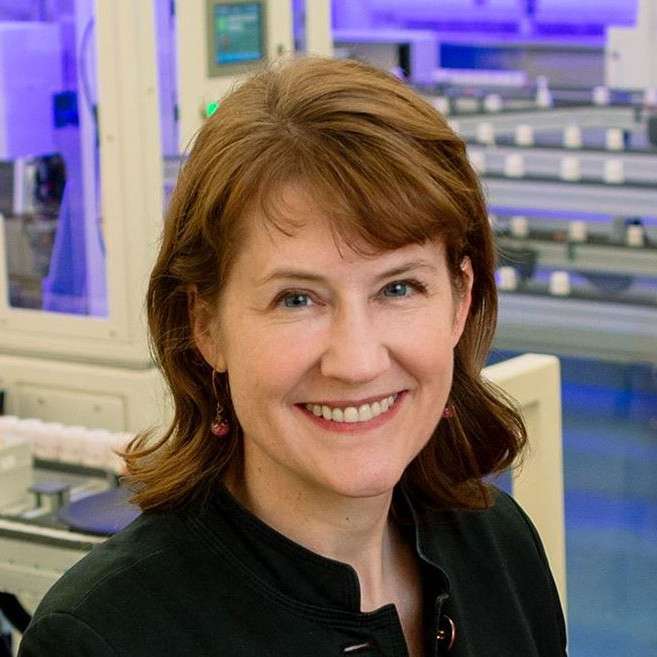
In this episode, world-leading immunologist Dr. Michal “Mikki” Tal, Principal Scientist at MIT, explains what her team is discovering through the MAESTRO Study — the largest clinical research project in MIT’s history and the first of its kind to include real Lyme patients in a multi-system biological analysis.
Dr. Tal’s work sits at the intersection of immunology, bioengineering, and women’s health, uncovering how infections like Lyme and COVID can cause persistent inflammation, immune miscommunication, and hormonal imbalance. Through MAESTRO, she’s mapping how recovery breaks down — and what can be done to predict, prevent, and ultimately reverse chronic illness.
👩🔬 About Dr. Tal
Dr. Michal “Mikki” Caspi Tal, PhD
Principal Scientist, MIT Department of Biological Engineering
Associate Scientific Director, MIT Center for Gynepathology Research
Head, Tal Research Group
A Yale-trained immunologist (PhD under Dr. Akiko Iwasaki) and former Stanford researcher in Dr. Irving Weissman’s lab, Dr. Tal specializes in infection-associated chronic illnesses. She has received NIH NIAID fellowships and the Bay Area Lyme Foundation Emerging Leader Award for her pioneering research on the immune mechanisms linking Lyme disease, Long COVID, and chronic inflammation.
🧬 What You’ll Learn
1. Why 10% of People Don’t Recover from Lyme
Roughly 90% of Lyme patients recover after antibiotic treatment — but 10% continue to experience long-term symptoms.
Dr. Tal explains that this is not psychological; it’s biological. In these individuals, the immune system’s “off switch” fails, leading to chronic inflammation, tissue injury, and immune exhaustion — a state she calls catastrophic recovery failure.
2. The MAESTRO Study: Measuring Absolutely Everything
MAESTRO (Mucosal And systEmic Signatures Triggered by Responses to infectious Organisms) integrates advanced biology, neuroscience, and patient experience.
Participants provide:
Blood, saliva, urine, and swab samples for immune and microbiome profiling
EEG brainwave tests (WAVi), eye-tracking (RightEye), and cognitive testing (BrainCheck)
NASA Lean Test for autonomic dysfunction (POTS) and capillaroscopy to visualize microvascular flow
Evie Ring wearable tracking sleep, heart rate, and oxygen
Plainly: MAESTRO maps the connection between what patients feel and what’s happening biologically inside their brains, blood, and immune systems.
3. Sex-Based Immunity and Hormonal Differences
Every immune cell carries receptors for estrogen, progesterone, and testosterone. These hormones literally change how the immune system responds.
Men: more severe acute infections.
Women: more likely to survive but develop chronic post-infectious illness.
This isn’t “in their heads” — it’s a biological trade-off built into human evolution.
4. Lyme and Reproductive Health
Dr. Tal’s group uncovered Borrelia (Lyme bacteria) in the uterus and bladder of infected animal models, and population studies show a twofold increase in gynecologic conditions (like endometriosis and PCOS) after Lyme infection, even post-treatment.
This challenges the old view of Lyme as a joint or nerve disease — revealing it as a whole-body infection that can affect reproductive and hormonal health.
5. Immune Checkpoints: How Borrelia Hits the Brakes
The immune system uses checkpoint molecules as brakes to avoid self-destruction.
Dr. Tal found that Borrelia’s P66 protein can engage SIRP-alpha, a human “stop signal,” effectively telling the immune system to stand down too soon.
This immune hijacking may explain persistent infection and the biological differences in recovery between men and women.
6. Collagen, Mast Cells, and Hypermobility
Many chronic Lyme patients report joint laxity or Ehlers-Danlos-like symptoms.
Dr. Tal’s research shows Borrelia can reside within collagen-rich tissues, provoking mast cells (inflammatory immune cells) to attack both the bacteria and the body’s connective tissue — weakening ligaments, causing pain, and perpetuating inflammation.
7. Allergy-Type Immune Reactions to Bacteria
Around one-third of chronic Lyme patients produce IgE antibodies (normally linked to allergies) against Borrelia and oral spirochetes such as Treponema denticola.
In simple terms: the immune system becomes “allergic” to its own bacteria, keeping inflammation alive even after infection clears.
8. Brain Biomarkers: Reaction Time and Neuroinflammation
By using EEG and eye-tracking technology, the MAESTRO study reveals that people with chronic Lyme and Long COVID have measurably slower reaction times — a neurological signature of inflammation that validates patient-reported “brain fog.”
The data prove that cognitive slowdown is not subjective — it’s an objective biomarker of neuroinflammatory illness.
9. Predicting Chronic Illness Before It Happens
The ultimate goal: identify the biological patterns that forecast who will develop chronic Lyme.
Using multi-omics (proteomics, metabolomics, genomics) integrated with functional tests, Dr. Tal’s team aims to create the first predictive diagnostic framework for infection-associated chronic disease.
🧠 Key Quotes
“MAESTRO stands for Measure Absolutely Everything. That’s how we make invisible illness visible.”
“Every immune cell listens to hormones. That’s why recovery looks different between men and women.”
“Borrelia can tap the immune system’s brakes — that’s how it survives.”
“Reaction time is data. It’s what brain fog looks like when you can finally measure it.”
🧩 The Big Picture
Dr. Tal’s work bridges hard science and patient reality, validating what millions of Lyme patients have felt for decades.
Her data suggest that chronic Lyme disease, Long COVID, and similar conditions share a common root: a failure of immune resolution.
By decoding these patterns, her team is paving the way for real diagnostics, targeted treatments, and renewed hope.
🧪 Participate
The Tal Research Group's MAESTRO program is seeking Chronic Lyme Disease and Acute Lyme Disease patients to participate in their large clinical study. Participants provide samples and complete neurological and physiological testing at baseline, 6-month, and 12-month visits. Visit Tal Research Group MAESTRO website to learn more or be connected with the MAESTRO research team.