Skip to content
Artwork for बालमोदिनी
Kids & FamilyStories for KidsReligion & SpiritualityHinduism

बालमोदिनी

सम्भाषणसन्देशः

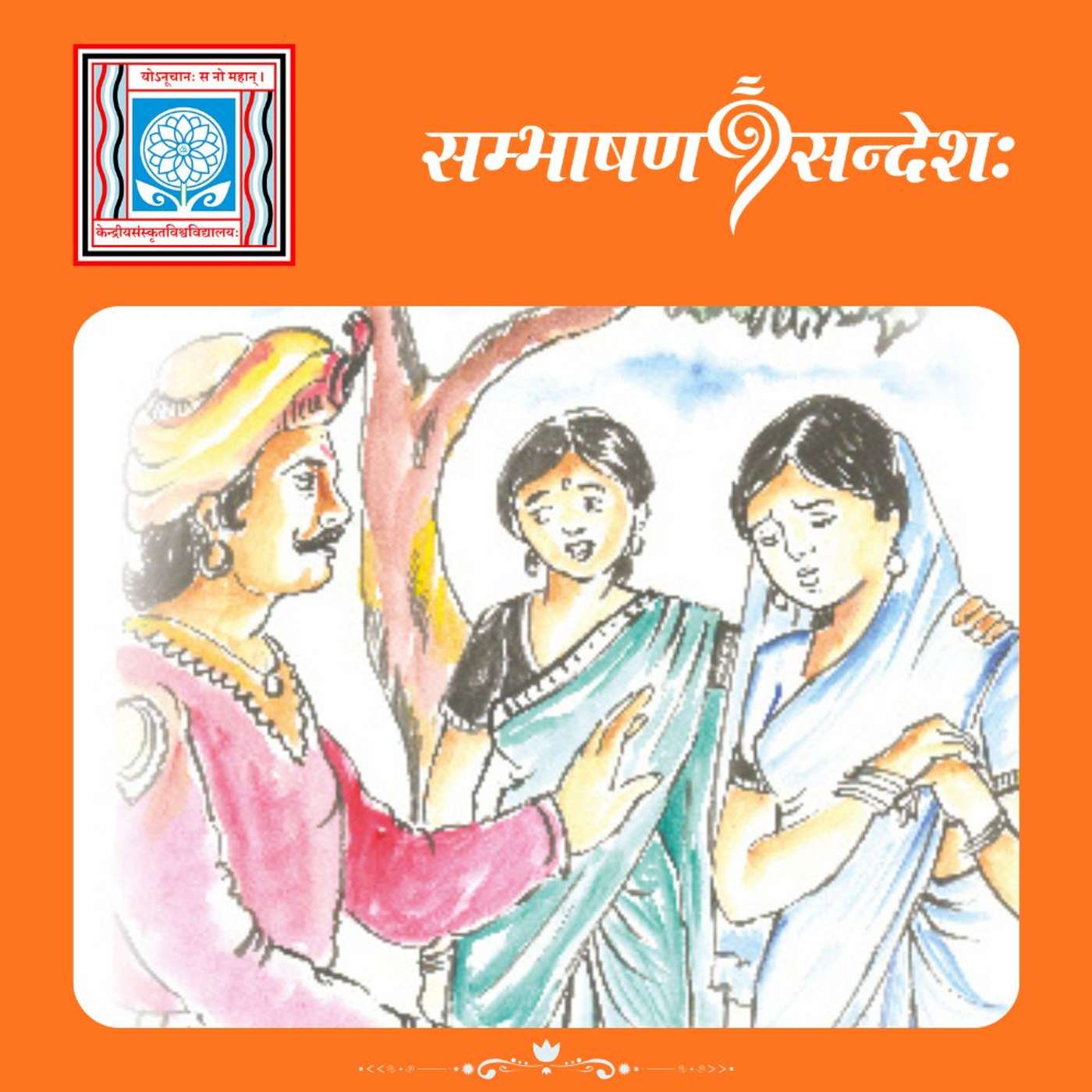
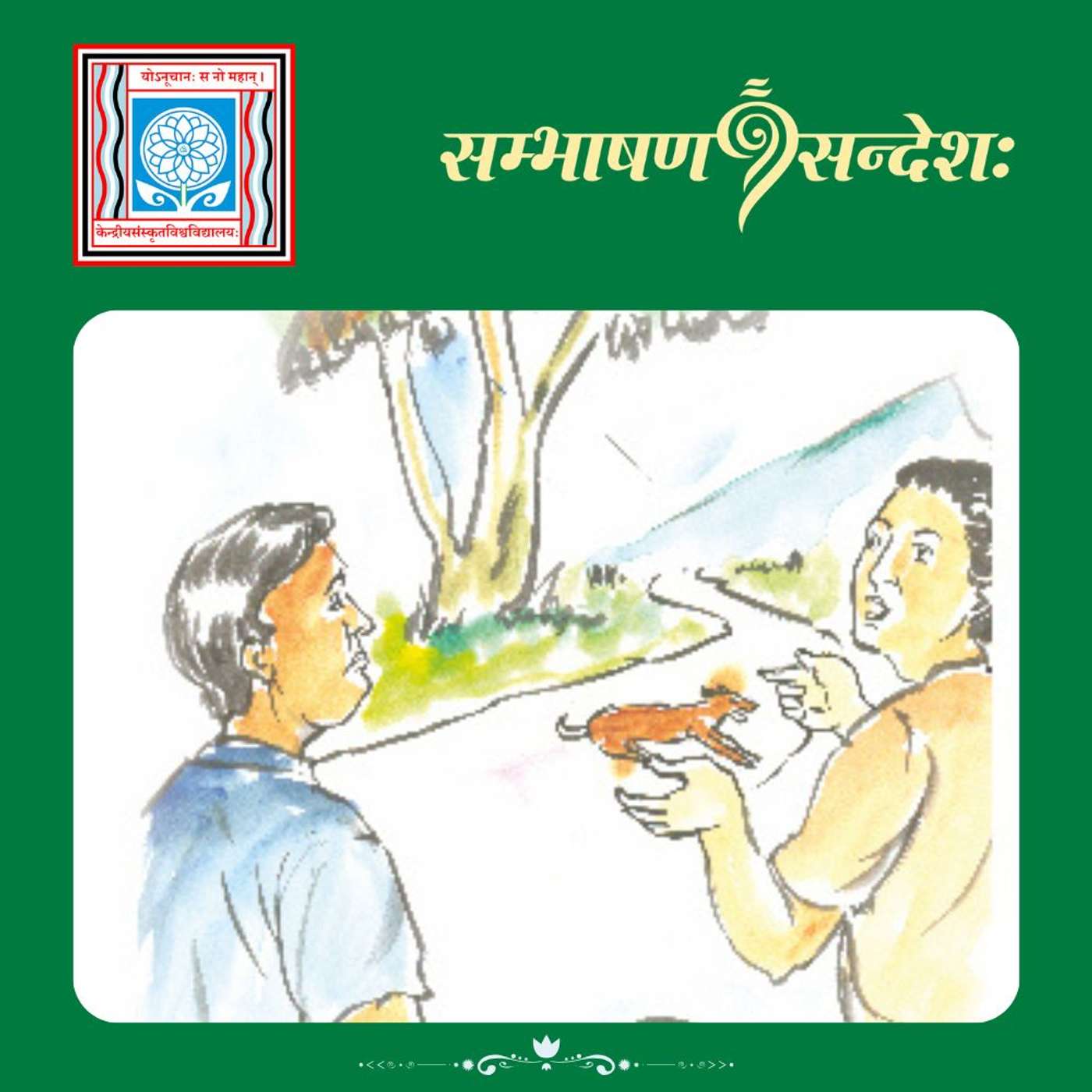
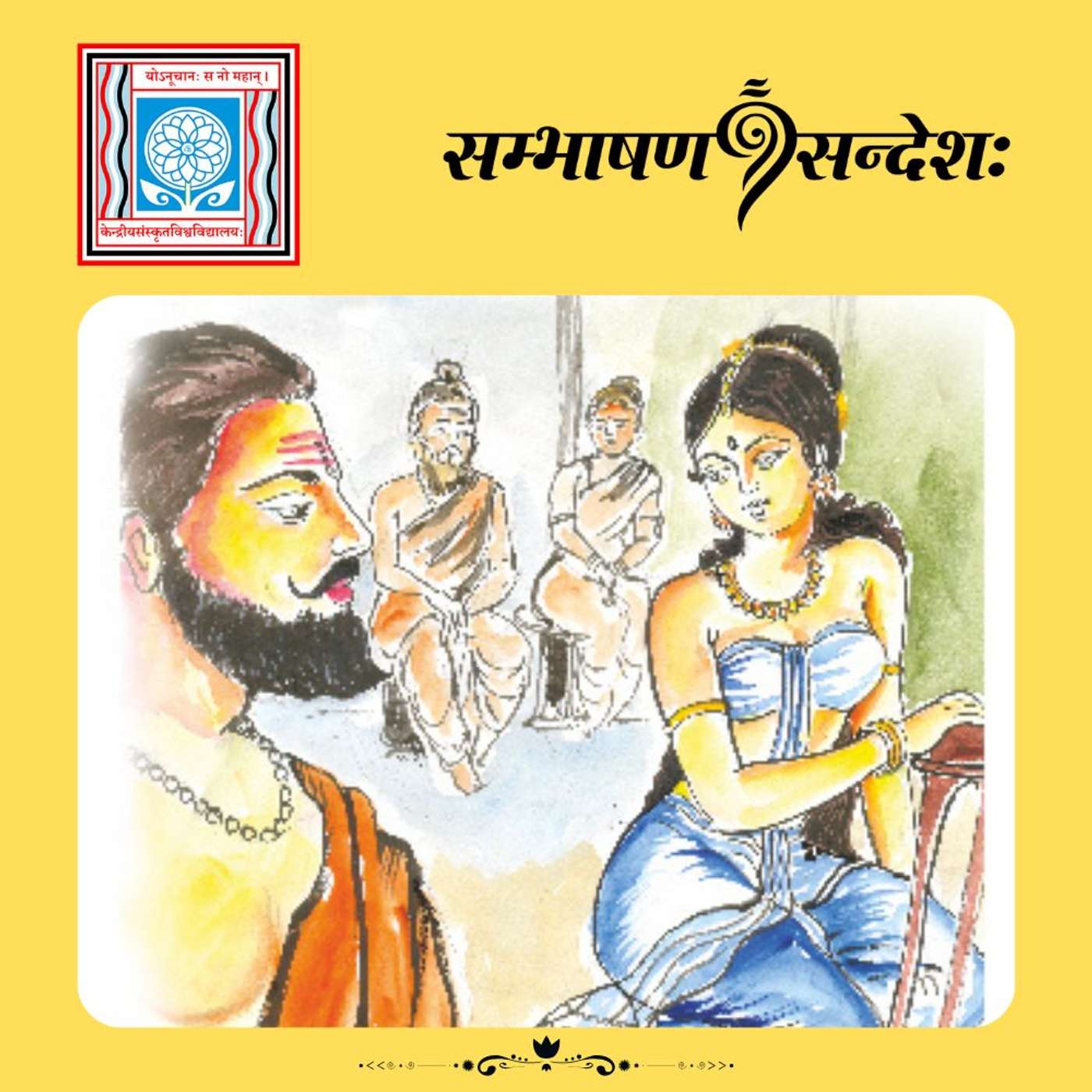
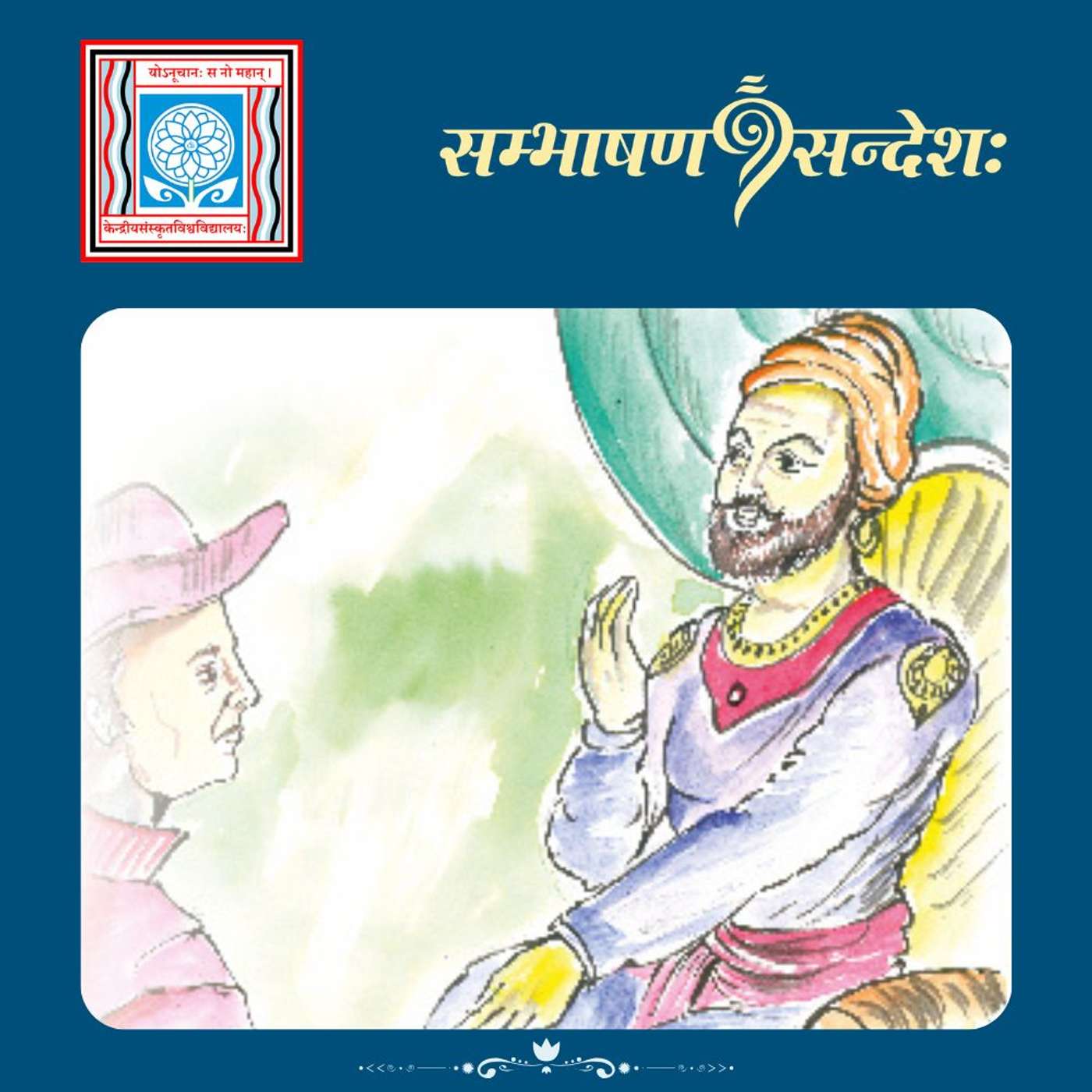
सम्भाषणसन्देशः इति संस्कृतमासिकपत्रिका (https://sambhashanasandesha.in) । एतस्यां पत्रिकायां प्रकाशिताः लेखाः, कथाः, बालकथाः, वार्ताः इत्यादिकं सर्वम् अपि सरलसंस्कृतेन एव प्रकाश्यते । तत्रत्याः “बालमोदिनी”नामिकाः बालकथाः अत्र प्रसार्यन्ते । अतः अस्याः शृङ्खलायाः नाम अपि “बालमोदिनी” एव । लघु गात्रं, सरला भाषा च कथानां विशेषः । प्रत्येकं कथा काञ्चित् नीतिं बोधयति । बालकथाः आबालवृद्धं सर्वेषां प्रियाः । संस्कृतेन ताः श्रोतुम् उपलब्धाः भवन्तु इति एषः प्रयत्नः श्रोतृभ्यः अवश्यं रोचेत इति विश्वासः । संस्कृतक्षेत्रे संस्कृतेन पॉड्कास्ट् क्रियमाणाः एताः प्रप्रथमाः कथाः इति सगौरवम् उद्घोष्यते ।

Sambhashana Sandesha is a Sanskrit monthly magazine (https://sambhashanasandesha.in). The articles, stories, children's stories, news, and other content published in this magazine are all presented in simple Sanskrit. Among these, the children's stories titled “Balamodini” are featured. The series is named “Balamodini” as well. The hallmark of these stories is their short length and simple language. Each story imparts a specific moral lesson. Children’s stories are cherished by everyone, young and old alike. It is believed that listeners will appreciate this effort to make these stories available in Sanskrit. These are the first stories to be podcasted in the Sanskrit language within this field.

Play
  • 127 episodes
  • daily
  • Avg 3 min
  • Sanskrit
Counted on this page — what you have heard stays on this device, so it is not something the list can be paged by.
  • #657
    August 20 · 3 min

    साधोः सम्पत्तिः

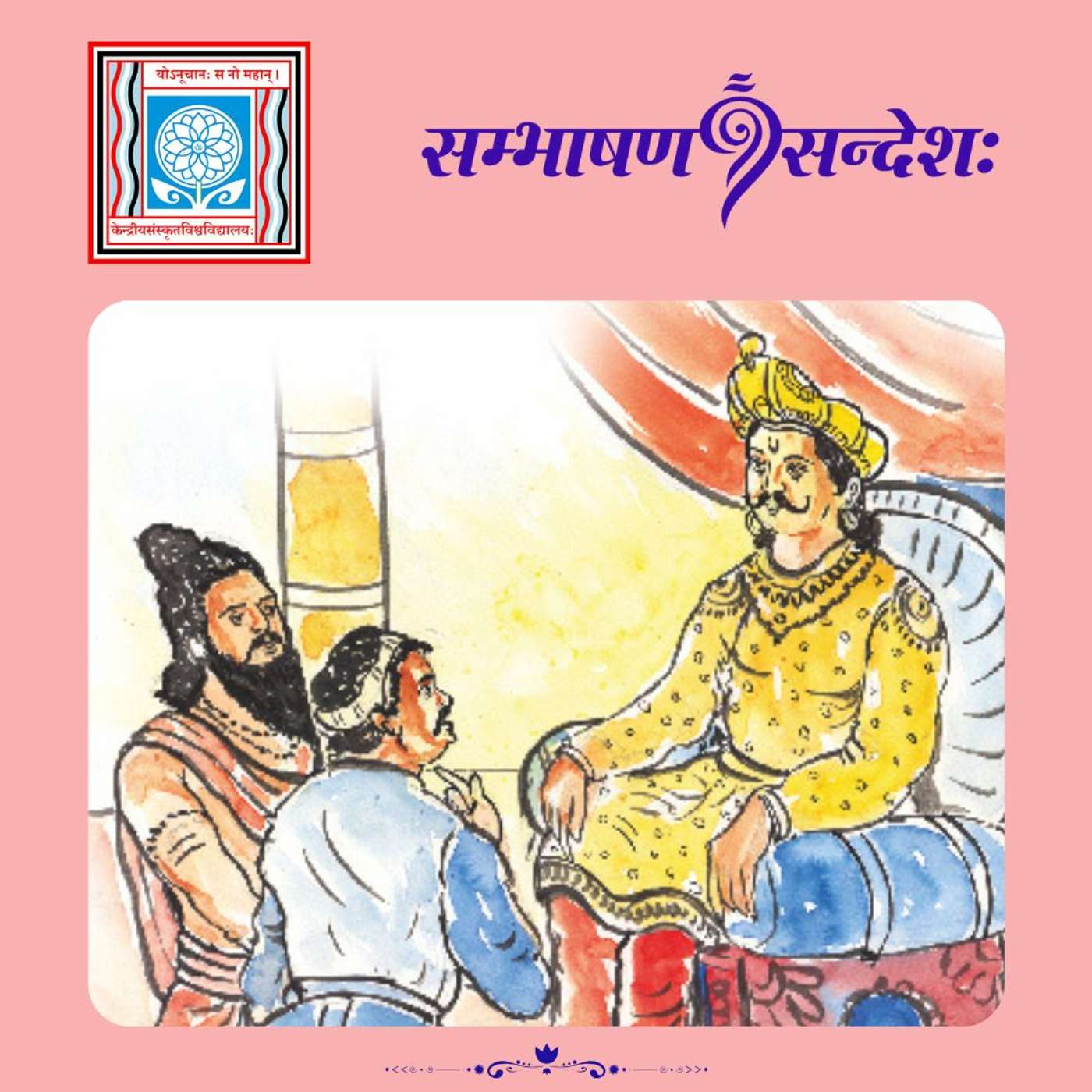
    सुवर्धनामकः कश्चन नृपः प्रजानां समस्यानां परिहारं यथाशीघ्रं करोति स्म | कदाचित् कस्यचन साधोः स्थालिकां पीठम् उपाधानं भिक्षापात्रं ढप्पली (एकं वाद्यं) च चोरिताः जाताः | राजा अनुक्षणं भटान् अन्वेषणाय प्रेषितवान् | केषाञ्चन दिनानाम् अनन्तरं कञ्चित् जनं निगृह्य नृपस्य अभिमुखम् आनयन् भटाः | किन्तु तेन चोरेण केवला स्थालिका एव चोरिता आसीत् | तदा साधुः अवदत् सः स्थालिका एव उपाधानत्वे, रोटिकानिर्माणसमये पीठत्वे, वाद्यत्वे, भिक्षापात्रत्वे च उपयुज्यते इति | (“केन्द्रीयसंस्कृतविश्वविद्यालयस्य अष्टादशीयोजनान्तर्गततया एतासां कथानां ध्वनिप्रक्षेपणं क्रियते”) There was a king named Suvardhana who solved the problems of his people very quickly. One day, a sage complained that his cooking pot, seat, pillow, begging bowl, and a drum had been stolen. The king immediately sent his soldiers to search for the thief. After a few days, the soldiers caught a man and brought him before the king. However, the thief had stolen only a single pot. The sage then explained that he used the same pot as a pillow while sleeping, as a seat, for making bread, as a musical instrument, and also as a begging bowl.
  • #656
    August 19 · 2 min

    हृदये सुगन्धः

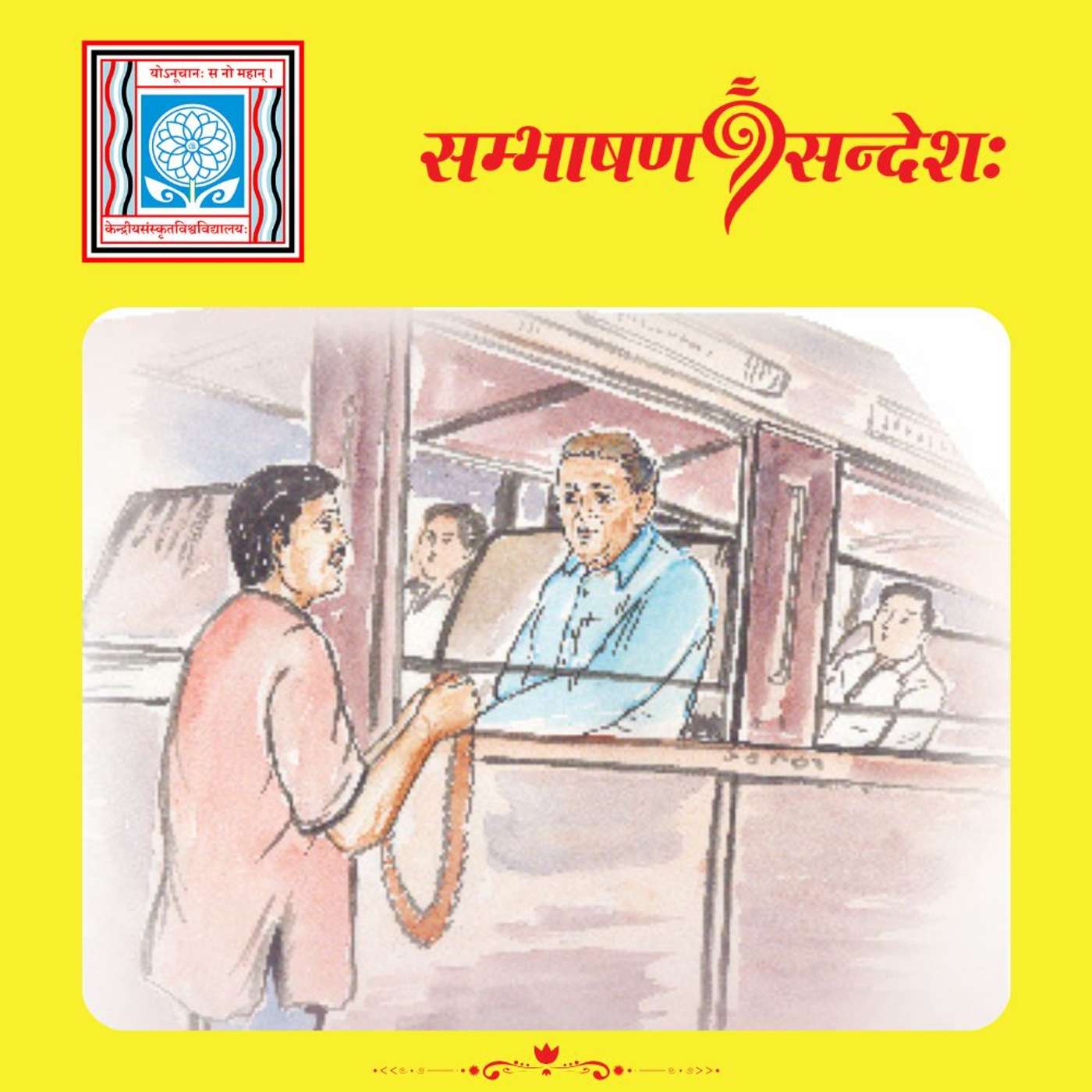
    कस्यचन अधिकारिणः मुहुः स्थानान्तरस्य आदेशः आगतः | अन्यत् नगरं प्रति गमनावसरे भवन्ति कार्याणि बहूनि | कार्यालयस्य कोऽपि कर्मचारी तस्य साहाय्यार्थं न आगतः | रेल्वेस्थानकं प्रति सर्वाणि वस्तूनि तेन स्वयं नीतानि | आप्रच्छानार्थम् अपि कोऽपि कार्यालयीयः जनः न आगतः इति विषादेन मनसि एव अहसत् सः अधिकारी | तावता कश्चन सेवकः पुष्पमालाहस्तः सन् वेगेन स्थानकम् आगच्छत् | अधिकारिणः प्रीतिः उपकारः च न विस्मृतः तेन सेवकेन | अधिकारिणः हृदयं सुगन्धपूर्णं जातम् | (“केन्द्रीयसंस्कृतविश्वविद्यालयस्य अष्टादशीयोजनान्तर्गततया एतासां कथानां ध्वनिप्रक्षेपणं क्रियते”) An officer was transferred to another city. There was a lot of work to do before leaving, but no one from his office came to help him. He carried all his things to the railway station by himself. He felt sad because no colleague had come to say goodbye. Just then, a servant came running to the station with a flower garland. The servant had not forgotten the officer’s kindness and help. This made the officer very happy.

  • #655
    August 18 · 3 min

    भोजने रुचिः त्यज्यताम्

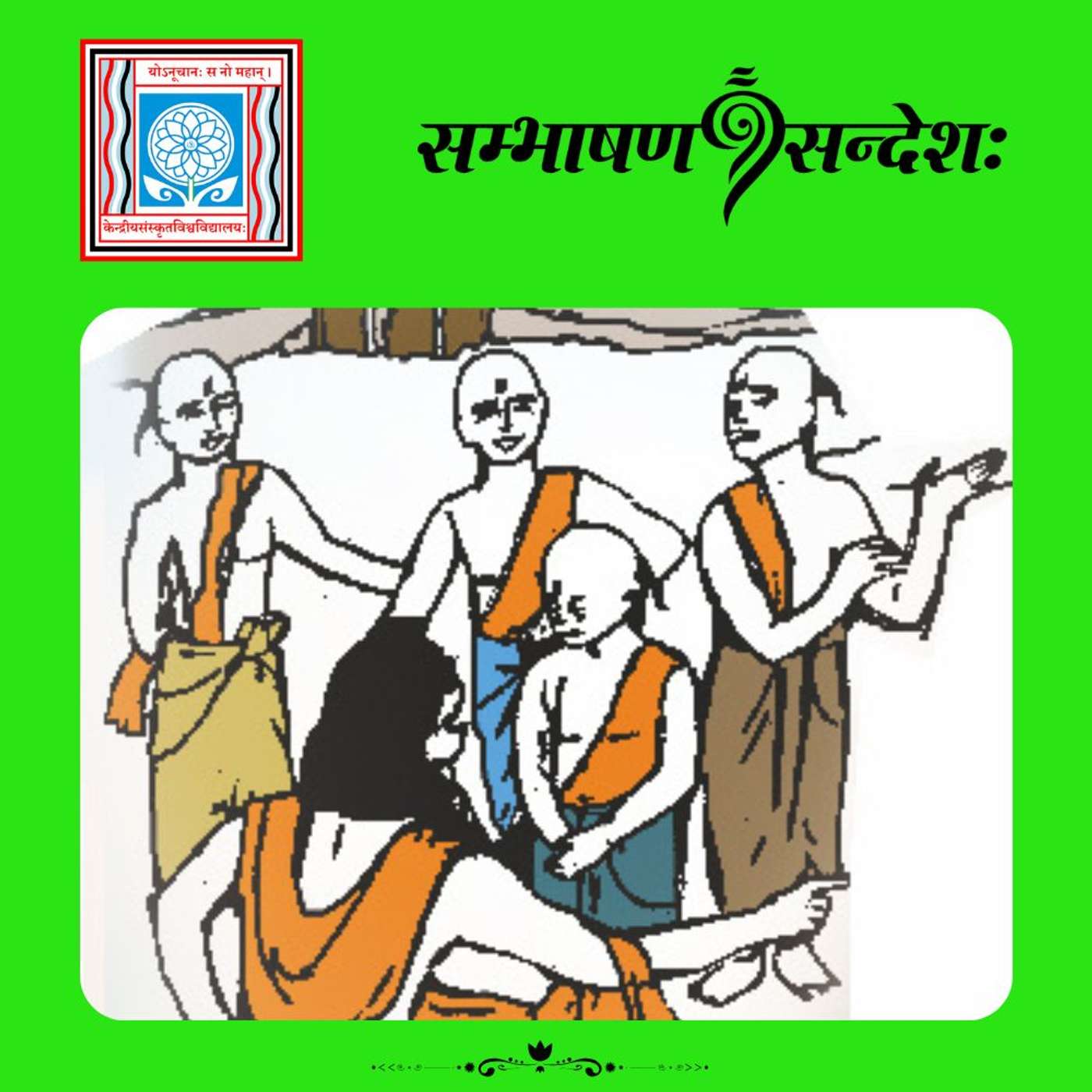
    कश्चन महर्षेः पुत्रः उलूकः मन्दमतिः | यद्यपि सः गुरुकुले वसति स्म, तथापि गुरुणा बोधितं किमपि न अवगच्छति स्म | कदाचित् गुरुः अवदत् 'पठने रुचिः नास्ति चेत् गुरुकुलं परित्यज्य गच्छ' इति | विषादेन सः पर्वतशिखरं गत्वा तपः आचरितवान् | वृद्धवेषधारी ईश्वरः आगत्य किञ्चन तत्वं बोधितवान् | तदनन्तरमेव सः अध्ययनं समाप्य ज्ञानी जातः | महर्षिः अपि | तस्य एव नाम कणादः इति यः वैशेषिकदर्शनस्य प्रवर्तकः सन् परमाणुतत्त्वस्य उपस्थापकः जातः | (“केन्द्रीयसंस्कृतविश्वविद्यालयस्य अष्टादशीयोजनान्तर्गततया एतासां कथानां ध्वनिप्रक्षेपणं क्रियते”) Uluka was the son of a sage, but he was not very clever. Even though he studied in a gurukula, he could not understand what his teacher taught. One day, the teacher told him to leave if he was not interested in learning. Feeling very sad, Uluka went to a mountain and prayed deeply. God came in the form of an old man and taught him an important lesson. After that, Uluka studied well, became a wise man, and later became a great sage. He was known as Kanada, who started the Vaisheshika school of philosophy and taught about atoms.

  • #654
    August 17 · 3 min

    न अहं भुजङ्गः

    बाणभट्टः प्रसिद्धः कविः । चित्रभानुराजदेव्योः पुत्रः सः । चतुर्दशे वयसि पितृवियोगे सति दुःखं विस्मर्तुं देशाटनम् आरब्धवान् । तारुण्ये सः ग्रामम् आगत्य स्वस्य प्रवासानुभवान् जनान् आख्यानरूपेण श्रावयति स्म । ततः सम्राजः श्रीहर्षस्य आस्थानकवित्वं प्राप्तवान् सः अचिरात् एव राज्ञः प्रियः अभवत् । एतेन बाणभट्टेन एव 'हर्षचरितं' 'कादम्बरी' इत्येतौ ग्रन्थौ रचितौ । (“केन्द्रीयसंस्कृतविश्वविद्यालयस्य अष्टादशीयोजनान्तर्गततया एतासां कथानां ध्वनिप्रक्षेपणं क्रियते”) Banabhatta was a famous poet. He was the son of Chitrabhanu and Rajadevi. When he was fourteen years old, he lost his father. To overcome his sorrow, he began travelling to different places. In his youth, he returned to his village and used to narrate his travel experiences to people in the form of stories. Later, he became the court poet of Emperor Harsha. Within a short time, he became very dear to the king. Banabhatta wrote the famous works Harshacharita and Kadambari.

  • #653
    August 16 · 3 min

    कलियुगभीमः राममूर्तिः

    कञ्चन मल्लं जनाः 'कलियुगभीमः' इति निर्दिश्यन्ते स्म | तस्य मल्लस्य नाम कोडिराममूर्तिनायुडु इति | हठयोगस्य अभ्यासं बाल्यात् एव कृत्वा सततेन परिश्रमेण सः भीमबलं सम्पादितवान् आसीत् | बलप्रदर्शनेन यावत् धनं प्राप्यते स्म तत्सर्वं राममूर्तिः दरिद्रेभ्यः ददाति स्म | बहुत्र तेन व्यायामशालाः आरब्धाः | तस्य जीवने घटिता काश्चन घटनाः अस्यां कथायाम् उल्लिखिताः सन्ति | (“केन्द्रीयसंस्कृतविश्वविद्यालयस्य अष्टादशीयोजनान्तर्गततया एतासां कथानां ध्वनिप्रक्षेपणं क्रियते”) People used to call a wrestler "Kaliyuga Bhima" (the Bhima of the present age). His name was Kodiramamurthy Naidu. From childhood, he practised Hatha Yoga, and through continuous hard work he gained extraordinary strength like Bhima. Whatever money he earned by displaying his strength, Ramamurthy used to give to the poor. He also started many gymnasiums (exercise centres) in different places. Some incidents from his life are described in this story.

  • #652
    August 15 · 2 min

    कुलगौरवरक्षणम्

    दुर्गादासराथोड: कश्चन अप्रतिमवीर: । कथञ्चित् दुर्गादास: मारणीय: इति मोगलाजना: चिन्तयन्त: आसन् । कदाचित् दुर्गादास: पुण्यक्षेत्रस्य दर्शनसमये एकस्यां रात्रौ कस्यचित् मराठदलपते: गृहे वासम् अकारोत् । स: दुर्गादासं मारयित्वा राज्ञा प्रभूतं धनं स्वीकरिष्यामि इति मत्वा खड्गं स्वीकृत्य दुर्गादासं मारयितुम् उद्युक्तः अभवत् । अग्रे किं जातम् इति स्वारस्यकारीं कथां श्रुत्वा जानीमः । (“केन्द्रीयसंस्कृतविश्वविद्यालयस्य अष्टादशीयोजनान्तर्गततया एतासां कथानां ध्वनिप्रक्षेपणं क्रियते”) Durgadas Rathod was an unparalleled warrior. The Mughals plotted to kill him. Once, while visiting a sacred place, Durgadas stayed overnight at the house of a Maratha leader. Tempted by the thought of killing Durgadas and gaining great wealth from the king, the host took up his sword, ready to strike. What happened next is a gripping tale that reveals how family honor was preserved.

  • #651
    August 14 · 5 min

    किं नु कारणम् ?

    भगवान् बुद्ध: श्रावस्त्यां धर्मोपदेशं करोति स्म । एकाग्रचित्ता: सर्वे जना: सकलम् अन्यद् विस्मृत्य भगवत: वचनं श्रुण्वन्ति स्म । तदवसरे बुद्धेन ज्ञातं यत् कश्चन श्रोता अन्यमनस्क: जात: अस्ति इति । तस्य कारणं पृष्ट्वा समाधानं यच्छति । (“केन्द्रीयसंस्कृतविश्वविद्यालयस्य अष्टादशीयोजनान्तर्गततया एतासां कथानां ध्वनिप्रक्षेपणं क्रियते”) In Śrāvastī, Lord Buddha was delivering a discourse. All the listeners, deeply focused, forgot everything else as they absorbed his words. At that moment, Buddha noticed that one listener had become distracted. He asked the reason, and upon hearing it, gave a fitting solution.

  • #650
    August 13 · 3 min

    दुराशाग्रस्तता

    मानवेषु आशा भवेत् नाम किन्तु दुराशा कदापि न भवेत् । कदाचित् दुराशाकारणत: यद्यद् लब्धं तत् सर्वं विलुप्तं भवितुम् अर्हति । इयमेव गति: कश्चन निर्धनस्य जाता अस्यां कथायाम् । (“केन्द्रीयसंस्कृतविश्वविद्यालयस्य अष्टादशीयोजनान्तर्गततया एतासां कथानां ध्वनिप्रक्षेपणं क्रियते”) Among humans, hope is natural, but false or excessive desire should never arise. Often, because of such misguided desire, whatever has been gained may be lost entirely. This was the fate of a poor man in the story.

  • #649
    August 12 · 2 min

    दुश्चरितात् निवृत्तिः

    कश्चन चोर: । धनापहरणं लुण्ठनं मारणं च तस्य प्रवृत्ति: । एतादृशं जीवनं निन्द्यम् इत्यपि जानाति स्म । जीवने उन्नति: साधनीया इति इच्छया स: महात्मनाम् उपदेशं श्रोतुम् अपि गच्छति । कदाचित् गुरुनानकवर्यस्य उपदेशं श्रोतुं गतवान् । तेन दत्तेन मार्गोपायेन स: चोर: दुश्चरितात् निवृत्तिं प्राप्तवान् । (“केन्द्रीयसंस्कृतविश्वविद्यालयस्य अष्टादशीयोजनान्तर्गततया एतासां कथानां ध्वनिप्रक्षेपणं क्रियते”) There was once a thief whose habits were stealing, looting, and violence. Though he knew such a life was shameful, he longed for upliftment. With this desire, he went to hear the teachings of great souls. One day, he listened to Guru Nanak’s discourse. Following the path shown by him, the thief renounced his misdeeds and found freedom from wrongdoing.

  • #648
    August 11 · 2 min

    पुरुषार्थे स्यात् विश्वासः

    शकटाल: कश्चन भाग्यवादी । पुरुषप्रयत्नात् अपि भाग्यस्य एव श्रेष्ठता अधिका इत्यत्र तस्य विश्वास: । सर्वस्यापि दैवमेव कारणम् इति वदति स्म । किन्तु केचन तादीयम् एतं विश्वासं खण्डयन्ति स्म । कदाचित् स: महावीरं मुनिं दृष्ट्वा तस्य विश्वास: अनुचित: किम् ? इति अपृच्छत् । तत: प्रचिलितेन प्रश्नोत्तरेण शकटालेन ज्ञातं यत् दैवे विश्वास: भवतु किन्तु पुरुषप्रयत्न: कदापि न परित्यक्तव्य: इति । (“केन्द्रीयसंस्कृतविश्वविद्यालयस्य अष्टादशीयोजनान्तर्गततया एतासां कथानां ध्वनिप्रक्षेपणं क्रियते”) Shakaṭāla was a firm believer in fate. He held that destiny was superior to human effort and claimed that everything was caused by divine will. Yet some challenged this belief. Once, upon meeting Mahavira, he asked whether his conviction was justified. Through a thoughtful exchange, Shakaṭāla came to realize that while faith in destiny may remain, human effort must never be abandoned.

  • #647
    August 10 · 3 min

    स्थिरं मनः

    सर्वधर्मसम्मेलने भागवहनस्य अनन्तरम् अमेरिकादेशस्य विविधभागेषु विवेकानन्दस्य भाषणस्य आयोजनमपि प्रवृत्तम् । तस्य उपदेशवचनानि श्रोतुं जना: महता प्रमाणेन आयान्ति स्म । भौतिकवादिनां तेषां मनसि विवेकानन्दस्य विषये सन्देह: अपि आसीत् । अत: ते अनेकविधान् प्रश्नान् पृच्छन्ति स्म । अथ कदाचित् तै: निर्णीतं यत् विवेकानन्दस्य परीक्षा करणीया इति । (“केन्द्रीयसंस्कृतविश्वविद्यालयस्य अष्टादशीयोजनान्तर्गततया एतासां कथानां ध्वनिप्रक्षेपणं क्रियते”) After the World’s Parliament of Religions speech, Swami Vivekananda’s lectures were organized across different parts of America. Crowds gathered in large numbers to hear his teachings. Yet, materialists harbored doubts about him and asked many questions. Eventually, they decided that Vivekananda should be tested.

  • #646
    August 9 · 3 min

    मधुप्रियः महर्षिः

    आसीत् नैमिषारण्ये कश्चन युवा ऋषिः यस्य न आसीत् किमपि नाम । माधुर्यप्रदानं तस्य ऋषेः स्वभावः । सः अनामिकः ऋषिः कदाचित् दीर्घकालं तपस्याम् अकरोत् । यदा मधुमक्षिकाभिः ऋषेः समाधिभङ्गः जातः तदा श्रीविष्णुः हसन् अवदत् 'ध्यानं कर्तुम् एकस्मिन् स्थाने एव स्थिरतया उपवेष्टव्यम् इति नास्ति । सञ्चरन् अपि मम ध्यानं कर्तुं शक्नोषि' इति । तस्मात् दिनात् आरभ्य सः सदा सञ्चरन् ध्यानम् अकरोत् । माधुर्यात् अन्यत् किमपि अजानन् सः ऋषिः 'मधुप्रियः' इत्येव नाम्ना ख्यातः अभवत् । (“केन्द्रीयसंस्कृतविश्वविद्यालयस्य अष्टादशीयोजनान्तर्गततया एतासां कथानां ध्वनिप्रक्षेपणं क्रियते”) In the Naimisha forest lived a young sage who had no name. Sweetness was his nature. This nameless sage once performed long austerities. When bees disturbed his meditation, Lord Vishnu smiled and said, “Meditation does not require sitting still in one place. Even while moving, you can meditate on me.” From that day onward, the sage always meditated while wandering. Knowing nothing beyond sweetness, he became renowned as Madhupriya (“the one beloved of sweetness”).

  • #645
    August 8 · 3 min

    सर्वाधिकं मधुरं किम्?

    कदाचित् अकबरः अपृच्छत् 'सर्वाधिकं प्रियं वस्तु किम्’ इति । बीरबलः अवदत् 'मधुरवचनानि एव सर्वाधिकप्रियाणि भवन्ति' इति । अकबरः एतत् न अङ्गीकरोति यतः विशाले जगति मनोहराणि अनेकानि वस्तूनि सन्ति चेदपि मधुरवचनानि एव सर्वाधिकप्रियाणि कथं भवेत् इति । ततः बिरबलः स्वस्य कथनं सप्रमाणं निरूपयति । (“केन्द्रीयसंस्कृतविश्वविद्यालयस्य अष्टादशीयोजनान्तर्गततया एतासां कथानां ध्वनिप्रक्षेपणं क्रियते”) Perhaps Akbar once asked, ‘What is the most beloved thing?’ Birbal replied, ‘Sweet words are the most beloved of all.’ Akbar did not accept this, saying that in such a vast world there are countless delightful things, so how could sweet words alone be the most beloved? Then Birbal proved his statement with evidence.

  • #644
    August 7 · 3 min

    कस्य महत्त्वं कस्मात् ?

    अहमदशाहः जन्मना मुसलमानमतीयः । परन्तु महान् कृष्णभक्तः आसीत् । तस्य भक्त्या सन्तुष्टः कृष्णः तदा तदा दर्शनदानेन तम् अनुगृह्णाति स्म । कदाचित् अहमदशाहः उन्नताकारं शिरस्त्रं धृतवान् आसीत् । तदवसरे तस्य पुरतः कृष्णः‌ प्रत्यक्षीभूय सविनोदम् अपृच्छत् 'किम् एतत् शिरस्त्रं मह्यं विक्रेतुम् अर्हेत् भवान् ?’ इति । श्रीकृष्णस्य वचनं‌ श्रुत्वा अहमदशाहे अपि प्रीत्युद्रेकः जातः । ततः जातं तयोः सम्भाषणम् एव एतस्याः कथायाः वस्तु । (“केन्द्रीयसंस्कृतविश्वविद्यालयस्य अष्टादशीयोजनान्तर्गततया एतासां कथानां ध्वनिप्रक्षेपणं क्रियते”) Ahmed Shah, though born a Muslim, was a great devotee of Krishna. Pleased with his devotion, Krishna often appeared before him. Once, when Ahmed Shah was wearing a tall turban, Krishna playfully asked: “Will you sell me this turban?” Hearing these words, Ahmed Shah was filled with joy. The conversation that followed between them is the essence of this story.

  • #643
    August 6 · 3 min

    विदेही कः ?

    जनकमहाराजः 'विदेही' नाम्ना अपि निर्दिश्यते स्म । 'देहधारी अपि भवान् 'विदेही' इति किमर्थं निर्दिश्यते?’ इति कश्चन मन्त्री जनकमहाराजम् अपृच्छत् । तदा राजा केषाञ्चित् दिनानाम् अनन्तरम् उत्तरं वदिष्यामि इति अवदत् । केषाञ्चित् दिनानाम् अनन्तरम् एकेन निर्दर्शनेन 'देहविषये यस्य ममकारः सर्वथा न भवेत् सः उच्यते 'विदेही' इति सिद्धान्तयति । (“केन्द्रीयसंस्कृतविश्वविद्यालयस्य अष्टादशीयोजनान्तर्गततया एतासां कथानां ध्वनिप्रक्षेपणं क्रियते”) King Janaka was also called “Videha.” One day, a minister asked him: “Though you have a body, why are you called ‘Videha’?” Janaka replied that he would answer after some days. Later, by an illustration, he explained: “One who has no sense of possessiveness regarding the body is called ‘Videha.’”

  • #642
    August 5 · 3 min

    असहायाः न पीडनीयाः

    गुर्जरदेशस्य राजा कुमारपालः कदाचित् वेषान्तरं धृत्वा सञ्चरन् स्मशानभूमिसमीपे कस्याश्चित् रोदनं श्रुतवान् । तस्य कारणम् आसीत् यत् अपुत्रायाः तस्याः महिलायाः पतिः यः वाणिज्यार्थं देशान्तरं गतः आसीत् सः तत्रैव मृतः आसीत् । 'रुदतीवित्त'नाम्ना निर्दिश्यमाना अपुत्रायाः सम्पत्तिः राजाधीना भवेत् इति नियमः आसीत् । अतः सा महिला गृहे रोदनं न अकरोत् । धनाशया अनुचिताः नियमाः न पालनीयाः इति मत्वा सः राजा तं नियमं निषेधितवान् । (“केन्द्रीयसंस्कृतविश्वविद्यालयस्य अष्टादशीयोजनान्तर्गततया एतासां कथानां ध्वनिप्रक्षेपणं क्रियते”) King Kumarapala of Gujarat once roamed in disguise. Near a cremation ground, he heard a woman weeping. Her husband, a merchant, had died abroad, leaving her childless. According to the law called “Rudativitta,” the property of a childless widow belonged to the king. Hence, she did not cry at home, fearing loss of wealth. Realizing that such laws driven by greed were unjust, Kumarapala abolished the rule.

  • #641
    August 4 · 2 min

    गुणग्राहिता

    कदाचित् देवलोके गुणानां विषये चर्चा प्रवृत्ता । 'गुणाः भवेयुः किन्तु गुणग्राहिता तु दुर्लभा' इति कश्चन देवः वदति । तदा अपरः देवः वदति 'मानवानां मध्ये अपि गुणग्राहिणः भवन्ति । एकं तु अहं जानामि' इति । तस्य मानवस्य परीक्षां कर्तुं तौ देवौ वेषान्तरं धृत्वा भूलोकं प्रति आगतौ । परीक्षायाम् उत्तीर्णः जातः सः मानवः । ततः देवौ स्वीयं रूपं‌ धृत्वा तं मानवम् आशिषा अनुगृह्य ततः अदृश्यतां गतवन्तौ । (“केन्द्रीयसंस्कृतविश्वविद्यालयस्य अष्टादशीयोजनान्तर्गततया एतासां कथानां ध्वनिप्रक्षेपणं क्रियते”) Once, in heaven, the gods were discussing virtues. One said: “Virtues may exist, but those who truly appreciate them are rare.” Another replied: “Even among humans there are such people—I know one.” To test him, the two gods disguised themselves and came to earth. The man passed their test. Then the gods revealed their true form, blessed him, and disappeared.

  • #640
    August 3 · 3 min

    विनयः विधेयता च

    चक्रवर्तिनः मनोः शतरूपायाः च पुत्री देवहूतिः अनुपमसुन्दरी, सौम्यस्वभावा, सकलविद्यापारङ्गता च आसीत् । नारदमहर्षिस्वारा ज्ञातं यत् तस्याः योग्यः वरः कर्दममहर्षिः अस्ति इति । नारदस्य कथनं पुरस्कृत्य मनुः शतरूपा च पुत्र्या देवहूत्या सह कर्दममहर्षेः आश्रमं गतवन्तौ । यद्यपि देवहूत्याः रूपज्ञानादयः सर्वत्र ख्याताः तथापि तस्याः स्वभावः कीदृशः अस्ति इति महर्षिणा लघु परीक्षा कृता । तस्याः स्वभावोत्कृष्टतां दृष्ट्वा महर्षिः सन्तुष्टः जातः । अचिरात् एव देवहूतिकर्दमयोः विवाहः यथाविधि सम्पन्नः । (“केन्द्रीयसंस्कृतविश्वविद्यालयस्य अष्टादशीयोजनान्तर्गततया एतासां कथानां ध्वनिप्रक्षेपणं क्रियते”) Devahuti, daughter of Manu and Shatarupa, was an incomparable beauty, gentle in nature, and skilled in all arts. Sage Narada knew that Kardama Muni was the right match for her. Following Narada’s advice, Manu and Shatarupa visited Kardama’s hermitage with Devahuti. Though her beauty and learning were well known, Kardama tested her character. Seeing her noble nature, he was pleased, and soon Devahuti and Kardama were married according to proper rites.

  • #639
    August 2 · 3 min

    देशीयम् एव उपयोक्तव्यम्

    कश्चन विदेशीयः वणिक् बहुविधानि काचनिर्मितानि वस्तूनि राज्ञः रणजितसिंहस्य आस्थानं प्रति आनयति । राजा केनचित् निर्दर्शनेन दर्शयति यत् विदेशीयेन आनीतानि वस्तूनि चित्तकर्षकानि सन्ति चेदपि वास्तवमूल्यरहितानि । अस्माकं देशे निर्मितानि पात्रादीनि वस्तूनि बहूपयोगीनि, नाशानन्तरमपि मूल्यवन्ति । शाश्वतमौल्ययुक्तानि स्वदेशीयानि वस्तूनि एव वयं क्रेतुम् इच्छामः, न तु मोहकमात्राणि विदेशीयवस्तूनि इति । (“केन्द्रीयसंस्कृतविश्वविद्यालयस्य अष्टादशीयोजनान्तर्गततया एतासां कथानां ध्वनिप्रक्षेपणं क्रियते”) A foreign merchant once brought many crafted goods to the court of King Ranjit Singh. The king pointed out that although the foreign items looked attractive, they lacked real value. He explained that utensils and objects made in our own country are more useful and remain valuable even after wear. Therefore, we should buy native goods of lasting worth, not merely charming foreign ones.

  • #638
    August 1 · 2 min

    सम्राट् कीदृशः स्यात् ?

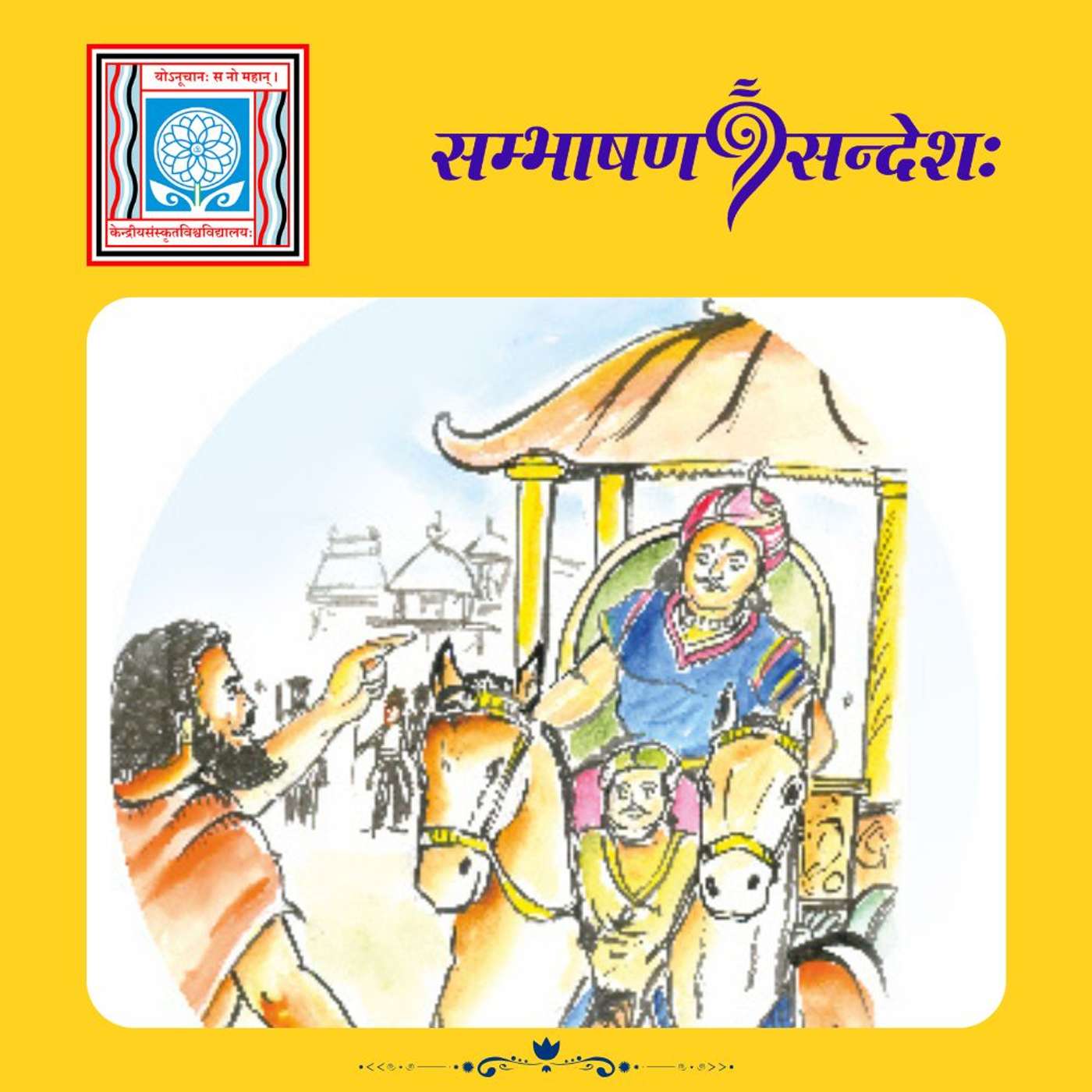
    कदाचित् कश्चन सम्राट् रथे उपविश्य राजमार्गेण गच्छन् आसीत् । तस्मिन् मार्गे गच्छन्तं कञ्चन सामान्यवेषधारिणं विरागिणम् अपसर्तुं कश्चन भटः प्रयासम् अकरोत् । किन्तु सः विरागी परिवृत्य सम्राजं सकृत् दृष्ट्वा मन्दहासं प्रकटय्य शान्तभावेन यथापूर्वम् अग्रे अगच्छत् । यदा रथः विरागिणः समीपम् आगच्छत् तदा क्रुद्धः सम्राट् अगर्जत् । तदनन्तरं तयोः मध्ये यत् सम्भाषणं प्रचलितं तेन स्वस्य दोषम् अवगत्य सम्राट् रथात् अवतीर्य तं विरागिणम् उपसर्प्य पादौ प्रणम्य क्षमां याचितवान् । (“केन्द्रीयसंस्कृतविश्वविद्यालयस्य अष्टादशीयोजनान्तर्गततया एतासां कथानां ध्वनिप्रक्षेपणं क्रियते”) Once, an emperor was riding in his chariot along the royal road. A guard tried to push aside a wandering ascetic in simple dress. The ascetic turned, looked at the emperor once, smiled gently, and calmly continued walking. When the chariot came near, the emperor grew angry and shouted. In the conversation that followed, the emperor realized his own fault. He stepped down from the chariot, approached the ascetic, bowed at his feet, and asked forgiveness.

Showing 101–120 of 127 episodes