התוכן
תכלית השלימות והכוונה באמירת "שמע ישראל גו' אחד" עם כוונת מס"נ בפועל בסיום עבודת יוהכ"פ, בחי' יחידה שבנפש, היא – (לא יציאת הנפש מן הגוף, אלא) שהמס"נ תתבטא ותתגלה בכל פרטי העבודה דתומ"צ (וזהו שממשיכים לומר לאח"ז ג"פ "ברוך שם וגו'", וז"פ "ה' הוא האלקים"), ועד גם בעניניו הגשמיים, וכמו שאומרים לו מיד במוצאי יוהכ"פ "לך אכול בשמחה לחמיך"! אמנם האכילה הוא ע"י שיניים גשמיים וכו', אבל מי הוא האוכל – יחידה שבנפש! ועד ש(אצלו עכ"פ) ניכר בגלוי שכל פרטי עניניו חדורים עם יחידה שבנפש. וכהסיפור על החסידים ברוסיא שהלכו פעם ברחוב לאחרי התוועדות חסידית שבה דיברו בענין הביטול, ושוטר א' צעק לעברם 'מי הוא ההולך?' ענה א' החסידים: 'ביטול הולך!' וההוראה: גילוי היחידה היא כאשר זה ניכר לא רק באמירת "מודים" אלא כאשר בכל עניניו, גם האכילה ושתי', ניכר ש"יחידה" עושה זאת!
ב' חלקים משיחת יום ד' פ' נח, ל' תשרי, אדר"ח מרחשון ה'תשמ"ב
ל"הנחה פרטית" או התרגום ללה"ק של השיחה: https://thedailysicha.com/?date=22-09-2026
Synopsis
The ultimate perfection and purpose in saying Shema Yisrael at the conclusion of Yom Kippur with the intention of actual mesirus nefesh (corresponding to the Yechidah of the soul) is not that the soul should leave the body, but that the mesirus nefesh should be expressed and revealed in every aspect of one’s service of Torah and mitzvos (this is why we then say Baruch Shem three times and Hashem Hu HaElokim seven times), down to one’s material affairs, as he is told immediately after Yom Kippur, “Go, eat your bread with joy.” While it is true that one eats with his physical teeth etc., nevertheless who is the one eating – the Yechidah. To the point that (for him, at least) it is openly evident that every detail of his life is permeated with the Yechidah. This is illustrated by the story of Chassidim in Russia who were walking down the street after a Chassidic farbrengen at which they had discussed bittul. A policeman called out to them, “Who goes there?” and one of the Chassidim replied, “Bittul goes!” The lesson is that the Yechidah is revealed when it evident in everything one does, not only when he says Modim etc., but even when he eats and drinks etc., that the Yechidah is doing it.
2 excerpts from sichah of Wednesday, parashas Noach, 30 Tishrei 5742
For a transcript in English of the Sicha: https://thedailysicha.com/?date=22-09-2026
לזכות סימא בת חנה ליבא שתחי' ליום ההולדת שלה י"א תשרי – לשנת ברכה והצלחה ואריכות ימים ושנים טובות
נדבת משפחתה שי'
Today · 9 min
הי
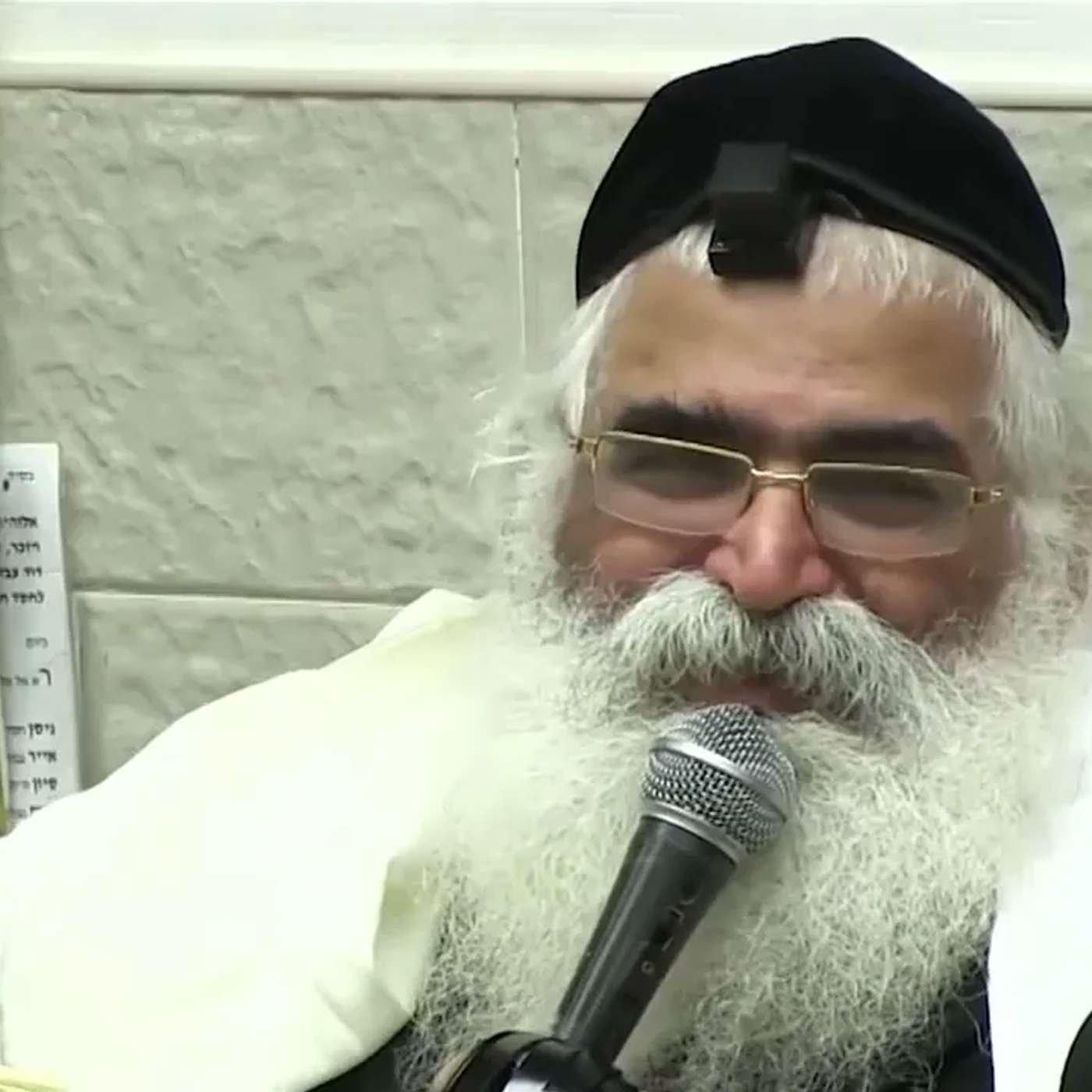
הרב יורם אברג'ל ובנו ממשיך דרכו החיד"א
הרב יורם אברג'ל - המסר היומי -תפוס את הראש - י"א תשרי תשפ''ז
מסר יומי קצר לעם ישראל מפי הרב הגאון רבי יורם אברג'ל זיע"א
המסר היום עוסק בנושא :"תפוס את הראש"-הקימה בזמן ותחילת היום בשמחה וקדושה היא הקובעת כיצד יראה כל אותו היום . ברגע שתפסת את היום מראשיתו בדרך טובה ובזמן הנכון כל היום נגרר ומתברך אחר ההתחלה הטובה הזו.
https://youtu.be/f0bvQ1LlMBQ
Today · 8 min
TU
Totally Unexpected!
David Aaron's Story: Kabbalah Demystified - The Science of Judaism
Rabbi David Aaron tells Chavie about growing up in Toronto hearing his Holocaust-survivor mother scream in her sleep, and questioning how G-d could be good amid so much suffering. He describes feeling the “oy” rather than the joy of being Jewish and using rock and roll and comedy to drown out those questions, before discovering NCSY, Shabbos with friends, Chabad, and finally going to a yeshiva in Jerusalem. Rabbi Aaron shares how he discovered Kabbalah at a young age which unlocked for the "science" for how Judaism works. He also shared how a near-stranger insisted she knew his soulmate, despite the cultural and language differences between him and Chana; after an awkward first date, they tried again and have been married for 42 years. Chavie returns to the childhood pain that shaped his work, opening a conversation about Judaism’s “branding problem” and Chana’s insight during labor that “pain with purpose is power.”
Rabbi David Aaron is a renowned educator, author, and Rosh Yeshiva of Orayta in the Old City of Jerusalem. He is the author of several influential books, including The Secret Life of God, Seeing God, Living a Joyous Life, and Soul Powered Prayers. His teachings focus on the deeper foundations of emunah, tefillah, and personal growth, making profound Torah ideas clear, practical, and deeply relevant.
This Week's Prompt
There is no prompt this episode and next due to the holidays but we will resume right after!
Listen to voice notes from listeners at the end of every episode with their personal stories and reflections on a given prompt.
Referenced On the Pod
29:20 Night by Elie Weisel
23:30 Chavie’s grandfather, Dr. Yitzchok Block
45:15 Rabbi Noah Weinberg, founder of Aish HaTorah
52:27 The Road Less Traveled by Dr. M. Scott Peck
Further Along the Road Less Traveled by Dr. M. Scott Peck
1:12:36 “The Pangs of Cleansing” by Rabbi Abraham Isaac Kook
Stay in touch with David Aaron
https://rabbidavidaaron.com/
https://www.instagram.com/davidaaron613
https://www.youtube.com/@RabbiDavidAaron
Stay in touch with Chavie
@chaviebruk on Instagram
www.totallyunexpected.blog
Totally Unexpected! on Youtube
This episode is dedicated to the loving memory of Rabbi David Aaron’s beloved granddaughter, Nechalya, who tragically lost her life in a car accident while traveling as a passenger a few months ago.
Want to sponsor or dedicate an episode? Reach out to Chavie on Instagram or by email at chaviebruk@gmail.com.
Today · 1 hr 29 min
TD
The Daily Derech from Exploring Judaism
The Nature of Skach | September 22nd, 2026
See today's text here!
In this episode of The Daily Derech, Rabbi Marcus Rubenstein explores the first day of Sukkot Torah reading, Hilchot Sukkah, and a teaching from Menorat HaMaor about trusting in God.
The Parashah section examines the laws of Passover, Chol HaMoed, the Omer offering, and the distinction between hadash and yishan grain. It also discusses Rashi’s understanding of the Passover sacrifice, offerings on Chol HaMoed, and the waving of the Omer.
The Rambam section focuses on the laws of valid schach for a sukkah. Rabbi Rubenstein explains which natural materials may be used, how processing affects their status, and rules concerning reed mats and wooden planks.
Menorat HaMaor teaches that Sukkot reminds us not to place our ultimate trust in physical security or human strength. Instead, we should recognize that our blessings, protection, and possessions ultimately come from God.
Today's text: https://drive.google.com/file/d/1MLFWdPySHuRqdriL7Y9LyIB7vusFGn6b/view?usp=sharing
Learn more at exploringjudaism.org/thedailyderech and reach out to Rabbi Rubenstein here.
Today · 24 min
All Judaism380
Nothing filed here yet
No shows in the catalogue carry this category. Try its parent, or browse everything.


 The Daily Sicha - השיחה היומית