Skip to content
Artwork for Tech Stories Tech Brief By HackerNoon
NewsTech NewsBusiness News

Tech Stories Tech Brief By HackerNoon

HackerNoon

Learn the latest tech-stories updates in the tech world.

Play
  • 114 episodes
  • Avg 13 min
  • English
Counted on this page — what you have heard stays on this device, so it is not something the list can be paged by.
  • Yesterday · 9 min

    Building Deterministic Security Boundaries for AI Agents on AWS

    This story was originally published on HackerNoon at: https://hackernoon.com/building-deterministic-security-boundaries-for-ai-agents-on-aws. Explore how to secure autonomous AI agents on AWS using isolated execution, least-privilege IAM, tool validation, recovery controls, and kill switches. Check more stories related to tech-stories at: https://hackernoon.com/c/tech-stories. You can also check exclusive content about #autonomous-agents, #prompt-injection, #cloud-architecture, #devsecops, #ai-agent-security, #aws-agent-security, #ai-tool-call-validation, #multi-agent-system-security, and more. This story was written by: @kiranvm. Learn more about this writer by checking @kiranvm's about page, and for more stories, please visit hackernoon.com. Autonomous AI agents can interact with sensitive infrastructure, making indirect prompt injection and unauthorized tool execution serious security concerns. This article proposes four defensive layers for AWS-hosted agents: isolated execution environments, deterministic validation of tool calls, recovery mechanisms, and execution-level interruption controls. While these approaches offer a useful starting point, the proposed implementations require more precise authorization, validation, rollback, and human-approval mechanisms before they can be considered production-ready.


  • Yesterday · 25 min

    The Setup - Tails OS, TOR Browser and Threat Model: Down The Rabbit Hole Part 5

    This story was originally published on HackerNoon at: https://hackernoon.com/the-setup-tails-os-tor-browser-and-threat-model-down-the-rabbit-hole-part-5. Tails OS, TOR Browser and a five level threat model matrix, everything you need to set up secure access to the dark web before you go in. Check more stories related to tech-stories at: https://hackernoon.com/c/tech-stories. You can also check exclusive content about #tor, #tails, #darkweb, #threat-modeling, #opsec, #down-the-rabbit-hole, #tor-and-dark-web, #hackernoon-top-story, and more. This story was written by: @girishatindra. Learn more about this writer by checking @girishatindra's about page, and for more stories, please visit hackernoon.com. Before you touch the dark web you need the right setup. This part covers the five level threat model matrix, Tails OS explained from the ground up, and a full installation guide from TOR Browser verification to booting into Tails.

  • Tuesday · 5 min

    How to Create Bridges and Assistants on Counterstake for Cross-Chain Transfers (and Rewards)

    This story was originally published on HackerNoon at: https://hackernoon.com/how-to-create-bridges-and-assistants-on-counterstake-for-cross-chain-transfers-and-rewards. Want to build a new bridge on Counterstake or earn rewards as an assistant? Here’s how to get started and help power smoother cross-chain transfers. Check more stories related to tech-stories at: https://hackernoon.com/c/tech-stories. You can also check exclusive content about #counterstake, #cross-chain, #crypto-bridges, #crypto-rewards, #defi-solutions, #defi-liquidity-pool, #obyte, #good-company, and more. This story was written by: @obyte. Learn more about this writer by checking @obyte's about page, and for more stories, please visit hackernoon.com. Counterstake is a user-friendly, decentralized platform that enables cross-chain transfers between Obyte and external networks like Ethereum or Binance Smart Chain. Users can set up assistants to temporarily provide liquidity and take on the risk of fraudulent claims, earning a reward for handling the transfer.

  • Tuesday · 1 hr 52 min

    500 Blog Posts To Learn About Hackernoon Bn

    This story was originally published on HackerNoon at: https://hackernoon.com/500-blog-posts-to-learn-about-hackernoon-bn. Learn everything you need to know about Hackernoon Bn via these 500 free HackerNoon blog posts. Check more stories related to tech-stories at: https://hackernoon.com/c/tech-stories. You can also check exclusive content about #hackernoon-bn, #learn, #learn-hackernoon-bn, and more. This story was written by: @learn. Learn more about this writer by checking @learn's about page, and for more stories, please visit hackernoon.com.

  • Monday · 13 min

    How Much GPU Memory Do You Really Need to Run an Open LLM Locally?

    This story was originally published on HackerNoon at: https://hackernoon.com/how-much-gpu-memory-do-you-really-need-to-run-an-open-llm-locally. How to size hardware for a local LLM: weights, KV cache and memory bandwidth, checked against official specs for 12 open models and 9 GPUs and Macs. Check more stories related to tech-stories at: https://hackernoon.com/c/tech-stories. You can also check exclusive content about #local-llm, #gpu-memory-requirements, #local-llm-hardware, #llm-quantization, #mixture-of-experts-models, #self-hosted-ai, #vram-estimation, #llm-hardware-sizing, and more. This story was written by: @contextetech. Learn more about this writer by checking @contextetech's about page, and for more stories, please visit hackernoon.com.

  • Saturday · 8 min

    Building a Governed Customer 360 Data Product on Microsoft Fabric

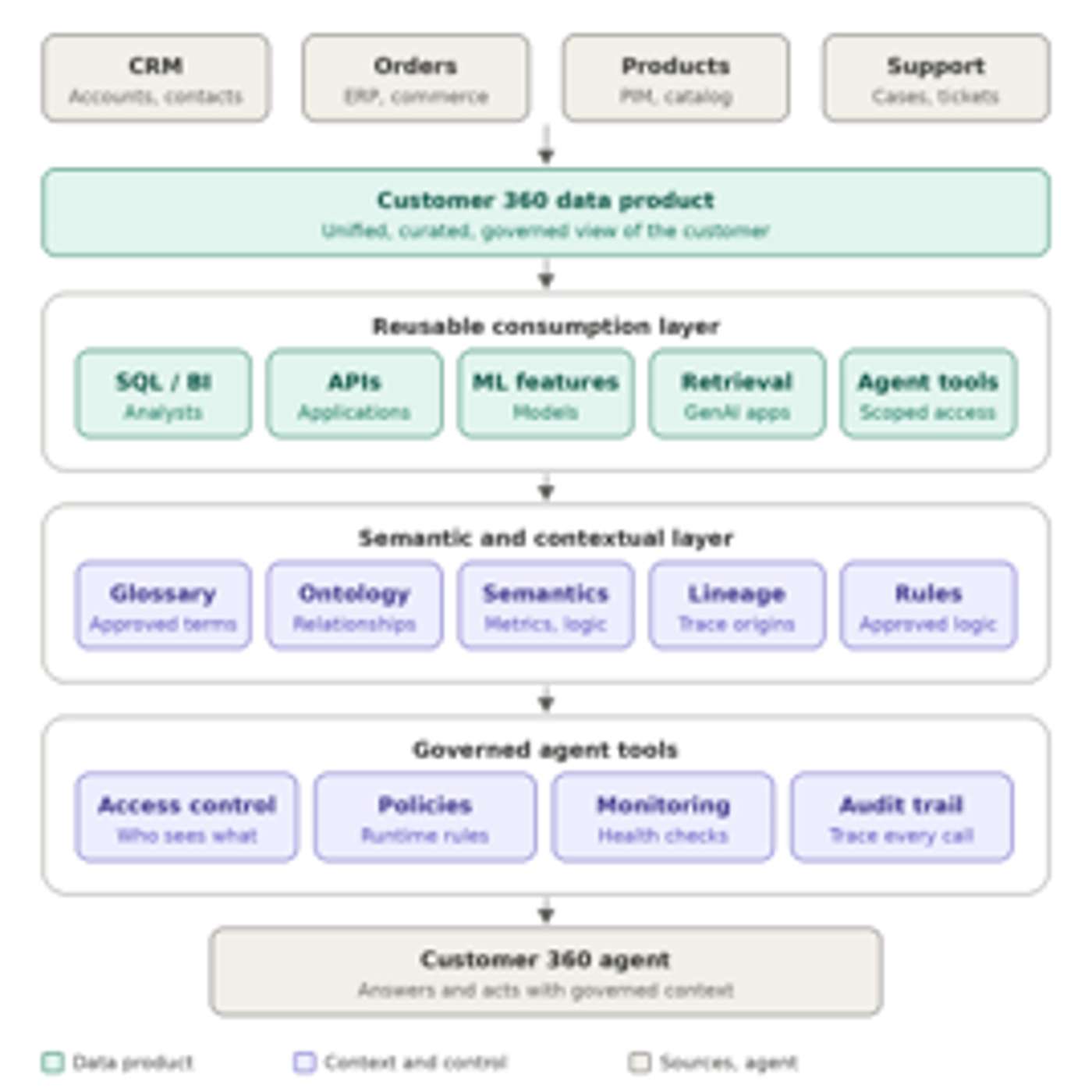
    This story was originally published on HackerNoon at: https://hackernoon.com/building-a-governed-customer-360-data-product-on-microsoft-fabric. Learn how to build an AI-ready Customer 360 data product with Microsoft Fabric, governed data layers, semantic models, and MCP tools. Check more stories related to tech-stories at: https://hackernoon.com/c/tech-stories. You can also check exclusive content about #microsoft-fabric, #enterprise-data-architecture, #customer-360-data-platform, #microsoft-onelake, #ai-ready-data-products, #data-governance, #power-bi-semantic-models, #fabric-iq, and more. This story was written by: @queryandconquer. Learn more about this writer by checking @queryandconquer's about page, and for more stories, please visit hackernoon.com. Microsoft Fabric enables building a Customer 360 data product that AI can use by following a layered architecture, including ingestion, curation, publication, consumption, and context layers. This approach ensures that AI systems have access to high-quality, governed data with explicit business context.

  • Friday · 3 min

    Non-Deterministic AI Can Still Build Deterministic Software

    This story was originally published on HackerNoon at: https://hackernoon.com/non-deterministic-ai-can-still-build-deterministic-software. LLMs produce unpredictable outputs, but software needs predictable results. Here's how agentic development bridges the gap. Check more stories related to tech-stories at: https://hackernoon.com/c/tech-stories. You can also check exclusive content about #llms, #ai, #software-development, #software-engineering, #context-management, #ai-agent-tooling, #ai-software-development, #llm-code-generation, and more. This story was written by: @sklarsa. Learn more about this writer by checking @sklarsa's about page, and for more stories, please visit hackernoon.com. LLMs produce unpredictable outputs, but software needs predictable results. Here's how agentic development bridges the gap.

  • Friday · 15 min

    Privileged Access Management for OT: Securing ICS Systems That Can't Go Down

    This story was originally published on HackerNoon at: https://hackernoon.com/privileged-access-management-for-ot-securing-ics-systems-that-cant-go-down. Secure critical ICS and SCADA environments with Securden Unified PAM for OT. Prevent downtime, enforce just-in-time access, and simplify manufacturing security. Check more stories related to tech-stories at: https://hackernoon.com/c/tech-stories. You can also check exclusive content about #operational-technology, #manufacturing, #cybersecurity, #cybersecurity-awareness, #manufacturing-cybersecurity, #privileged-access-management, #scada-security, #good-company, and more. This story was written by: @securden. Learn more about this writer by checking @securden's about page, and for more stories, please visit hackernoon.com. Secure critical ICS and SCADA environments with Securden Unified PAM for OT. Prevent downtime, enforce just-in-time access, and simplify manufacturing security.

  • October 15 · 4 min

    SerpApi Expands Beyond Search Results with New Extract API

    This story was originally published on HackerNoon at: https://hackernoon.com/serpapi-expands-beyond-search-results-with-new-extract-api. SerpApi launches Extract API, helping developers retrieve structured data from public web pages for AI applications, research, and automation. Check more stories related to tech-stories at: https://hackernoon.com/c/tech-stories. You can also check exclusive content about #serpapi, #extract-api, #web-data-extraction, #structured-web-data, #web-scraping-api, #ai-agent-development, #search-engine-apis, #data-extraction-tools, and more. This story was written by: @nicafurs. Learn more about this writer by checking @nicafurs's about page, and for more stories, please visit hackernoon.com. SerpApi has launched Extract API, a new capability for extracting structured content from publicly available web pages. Designed for AI applications, research platforms, and data-driven workflows, it extends SerpApi's existing search infrastructure with web extraction and discovery capabilities. The API is available to SerpApi account holders, with website support varying by page and crawl usage billed per successfully extracted page.

  • October 15 · 17 min

    How Drones Navigate Without GPS: A Builder's Guide to Visual SLAM in 2026

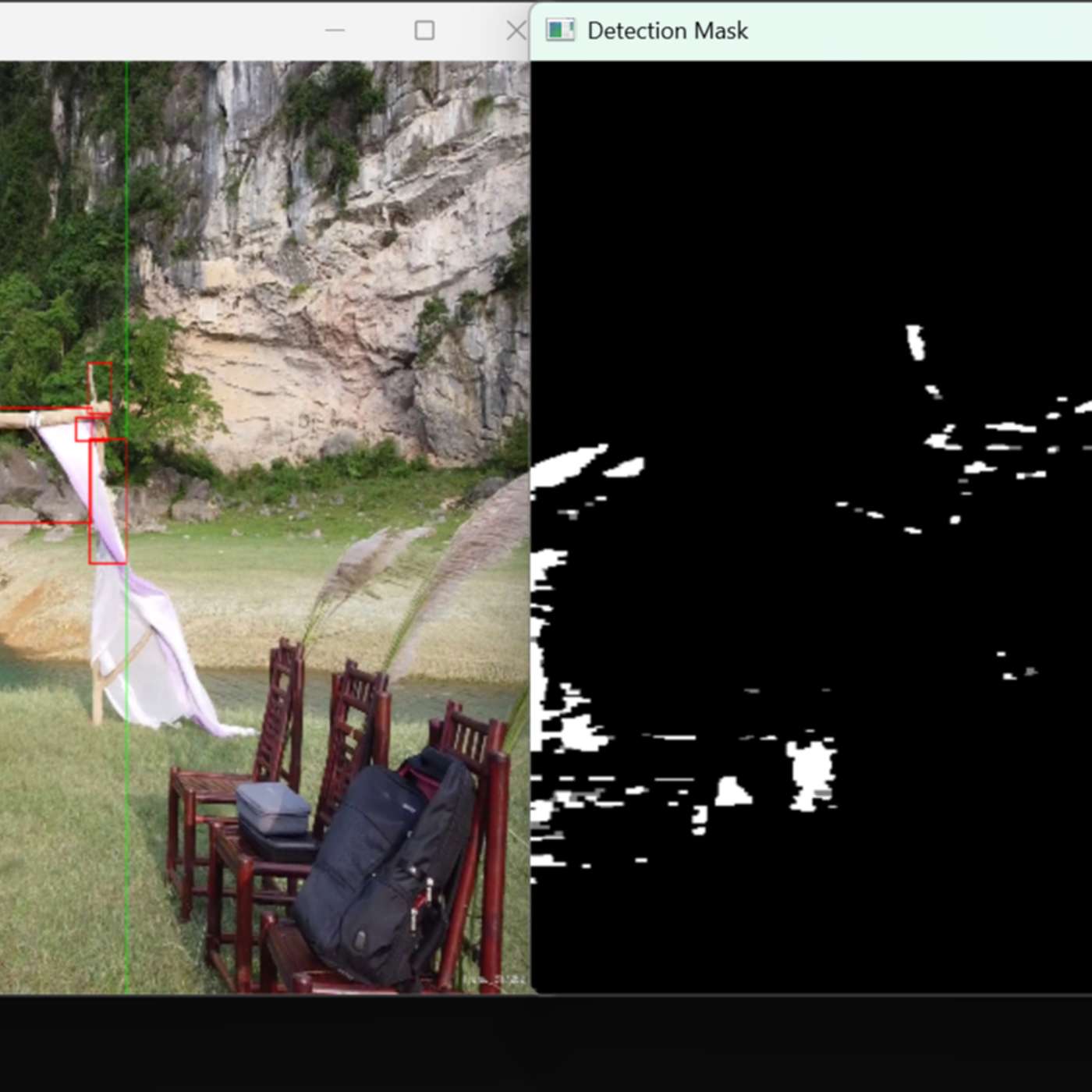
    This story was originally published on HackerNoon at: https://hackernoon.com/how-drones-navigate-without-gps-a-builders-guide-to-visual-slam-in-2026. Explore how visual SLAM enables GPS-denied drone navigation, from visual-inertial odometry and mapping to edge AI, path planning, and limitations. Check more stories related to tech-stories at: https://hackernoon.com/c/tech-stories. You can also check exclusive content about #drone-technology, #uavs, #computer-vision, #visual-slam, #gps-denied-navigation, #autonomous-drones, #visual-inertial-odometry, #edge-ai-for-drones, and more. This story was written by: @vishwagw. Learn more about this writer by checking @vishwagw's about page, and for more stories, please visit hackernoon.com. GPS is no longer a safe assumption. Jamming and spoofing are routine around conflict zones and have spilled into civil aviation. A drone that only knows where it is through GNSS is one jammer away from hovering in place or crashing. Visual SLAM (VSLAM) lets a drone estimate its own position and build a map of its surroundings from cameras, usually fused with an IMU. Cameras are cheap, light, and passive, which is why they suit small aircraft. The classical pipeline still carries the load: feature tracking → visual-inertial fusion → mapping with bundle adjustment and loop closure → path planning. ORB-SLAM3, VINS-Mono, and OpenVINS remain the reference implementations. What changed in 2025–2026: GPU-accelerated classical SLAM on edge hardware (NVIDIA cuVSLAM), foundation-model priors inside SLAM (MASt3R-SLAM), NMS-free edge detectors for filtering moving objects (YOLO26), and vision-based navigation fielded in Ukraine. Vision isn't magic. Darkness, smoke, featureless terrain, fast motion, and monocular scale ambiguity all break it. The honest design is a fusion stack where vision is the backbone, not the only sensor.

  • October 14 · 5 min

    ONLYOFFICE 10.0 brings AI tools, modular apps, and stronger security to its open-source office suite

    This story was originally published on HackerNoon at: https://hackernoon.com/onlyoffice-100-brings-ai-tools-modular-apps-and-stronger-security-to-its-open-source-office-suite. Discover ONLYOFFICE 10.0, featuring built-in AI tools, four modular apps, enhanced PDF and spreadsheet editors, and 35 security vulnerability fixes. Check more stories related to tech-stories at: https://hackernoon.com/c/tech-stories. You can also check exclusive content about #onlyoffice-10.0, #onlyoffice-ai-tools, #open-source-office-suite, #ai-document-editing, #onlyoffice-modular-apps, #onlyoffice-pdf-editor, #onlyoffice-security-updates, #good-company, and more. This story was written by: @onlyoffice. Learn more about this writer by checking @onlyoffice's about page, and for more stories, please visit hackernoon.com. ONLYOFFICE 10.0 introduces context-aware AI across its document, spreadsheet, presentation, and PDF editors, allowing users to summarize, translate, draft, and automate tasks without leaving their files. The release adds four modular apps for AI agents, forms, file management, and secure collaboration, alongside editor improvements, desktop and mobile upgrades, and support for locally hosted AI models. With around 50 new features and 35 security vulnerabilities fixed, the update strengthens the open-source suite for individual users and enterprise teams.

  • October 14 · 10 min

    How to Fix One Detail on an AI-Generated 3D Model Without Losing the Rest

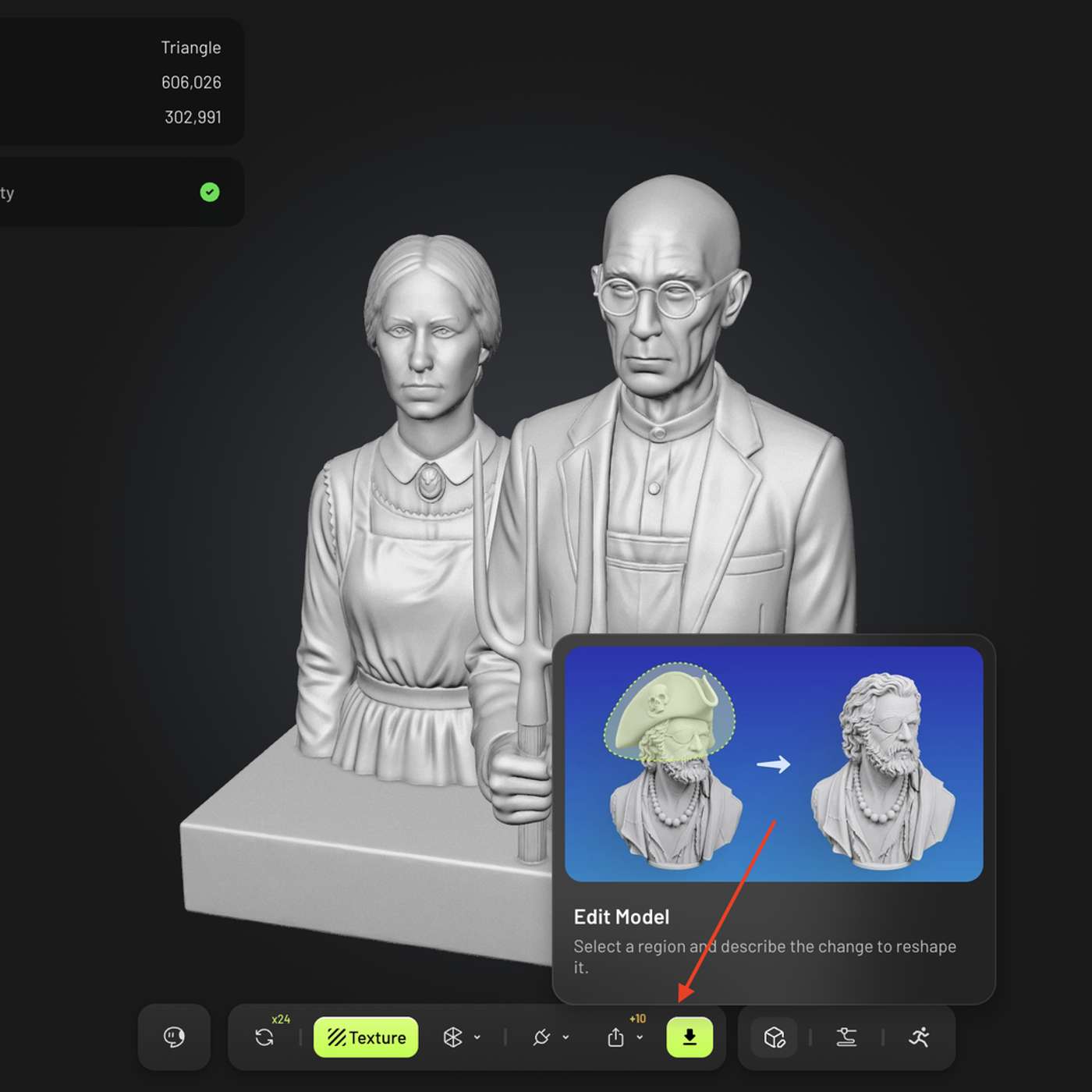
    This story was originally published on HackerNoon at: https://hackernoon.com/how-to-fix-one-detail-on-an-ai-generated-3d-model-without-losing-the-rest. Meshy Edit is a mesh-editing model from Meshy that changes only the part of a 3D model you select and leaves the rest untouched. Check more stories related to tech-stories at: https://hackernoon.com/c/tech-stories. You can also check exclusive content about #3d-printing, #ai, #ai-3d-model-generator, #meshy-edit-tutorial, #meshy-edit-features, #ai-mesh-editing, #ai-3d-generator, #good-company, and more. This story was written by: @meshyai. Learn more about this writer by checking @meshyai's about page, and for more stories, please visit hackernoon.com. Meshy Edit is a mesh-editing model that allows users to change specific parts of a 3D model by selecting the area and describing the desired change in plain language. It handles three types of changes: adding, removing, and replacing parts, and can be used to fix mistakes or create variations of a model.

  • October 12 · 11 min

    The Ghost Town in Your Flash Array

    This story was originally published on HackerNoon at: https://hackernoon.com/the-ghost-town-in-your-flash-array. Modern storage infrastructure is plagued by the problem of 90% of data being untouched and occupying expensive hot storage tiers Check more stories related to tech-stories at: https://hackernoon.com/c/tech-stories. You can also check exclusive content about #infrastructure, #storage-infrastructure, #capacity-crisis, #flash-array, #hot-storage, #modern-archiving, #metadata-trap, #archival-pipeline, and more. This story was written by: @coldcoldcold. Learn more about this writer by checking @coldcoldcold's about page, and for more stories, please visit hackernoon.com. Modern storage infrastructure is plagued by the problem of 90% of data being untouched and occupying expensive hot storage tiers, leading to capacity crises and unnecessary hardware upgrades. To solve this, modern transparent archiving can turn cold, dead weight into lean, secure, and hot-RAID-friendly assets.

  • October 12 · 18 min

    61 Blog Posts To Learn About Electronics

    This story was originally published on HackerNoon at: https://hackernoon.com/61-blog-posts-to-learn-about-electronics. Learn everything you need to know about Electronics via these 61 free HackerNoon blog posts. Check more stories related to tech-stories at: https://hackernoon.com/c/tech-stories. You can also check exclusive content about #electronics, #learn, #learn-electronics, and more. This story was written by: @learn. Learn more about this writer by checking @learn's about page, and for more stories, please visit hackernoon.com.

  • October 11 · 16 min

    64 Blog Posts To Learn About Digital Health

    This story was originally published on HackerNoon at: https://hackernoon.com/64-blog-posts-to-learn-about-digital-health. Learn everything you need to know about Digital Health via these 64 free HackerNoon blog posts. Check more stories related to tech-stories at: https://hackernoon.com/c/tech-stories. You can also check exclusive content about #digital-health, #learn, #learn-digital-health, and more. This story was written by: @learn. Learn more about this writer by checking @learn's about page, and for more stories, please visit hackernoon.com.

  • October 9 · 7 min

    AI Can Remember Your Chats. Remembering Your Life Is Much Harder.

    This story was originally published on HackerNoon at: https://hackernoon.com/ai-can-remember-your-chats-remembering-your-life-is-much-harder. Building useful AI memory takes more than chat history and RAG. Explore four key challenges in creating AI that understands and recalls real-world experiences. Check more stories related to tech-stories at: https://hackernoon.com/c/tech-stories. You can also check exclusive content about #aritificial-intelligence, #wearable-technology, #personal-ai, #ai, #future-of-ai, #ai-architecture, #wearables, #ai-wearable, and more. This story was written by: @bocong-looki. Learn more about this writer by checking @bocong-looki's about page, and for more stories, please visit hackernoon.com. For AI to become truly useful in everyday life, it needs memory that goes beyond chat history. Building that memory means solving four key challenges: deciding what to remember, retrieving the right experience, connecting moments over time, and learning from corrections as people and circumstances change. At Looki, we’re exploring how visual evidence, supported by audio, chat, location, and other context, can create AI memory that is grounded in what actually happened—and remains understandable, verifiable, and correctable.

  • October 9 · 13 min

    Stop Blaming AI. Start Holding Data Center Operators Accountable

    This story was originally published on HackerNoon at: https://hackernoon.com/stop-blaming-ai-start-holding-data-center-operators-accountable. How voters, communities and elected representatives can shape data centre regulation and make AI infrastructure work in the public interest. Check more stories related to tech-stories at: https://hackernoon.com/c/tech-stories. You can also check exclusive content about #data-centers, #environment, #elections, #technology-and-democracy, #sustainability, #ai-environmental-policy, #data-center-planning, #hackernoon-top-story, and more. This story was written by: @chribonn. Learn more about this writer by checking @chribonn's about page, and for more stories, please visit hackernoon.com. - AI's environmental and social effects are the result of political and planning decisions, not the technology itself. - Data centres should face enforceable rules covering energy, water, emissions, noise, infrastructure costs and community impact. - Planning approvals should include transparency, independent regulation, meaningful penalties and regular permit reviews. - Communities should have formal rights to information, consultation, oversight and fair economic benefits. - Elections matter because elected representatives and public bodies ultimately determine what gets approved and on what terms. - Citizens can act by checking planning applications, questioning candidates publicly and voting for representatives who support stronger safeguards.

  • October 8 · 25 min

    Building Real-Time Speaker Diarization With JavaScript and the Web Audio API

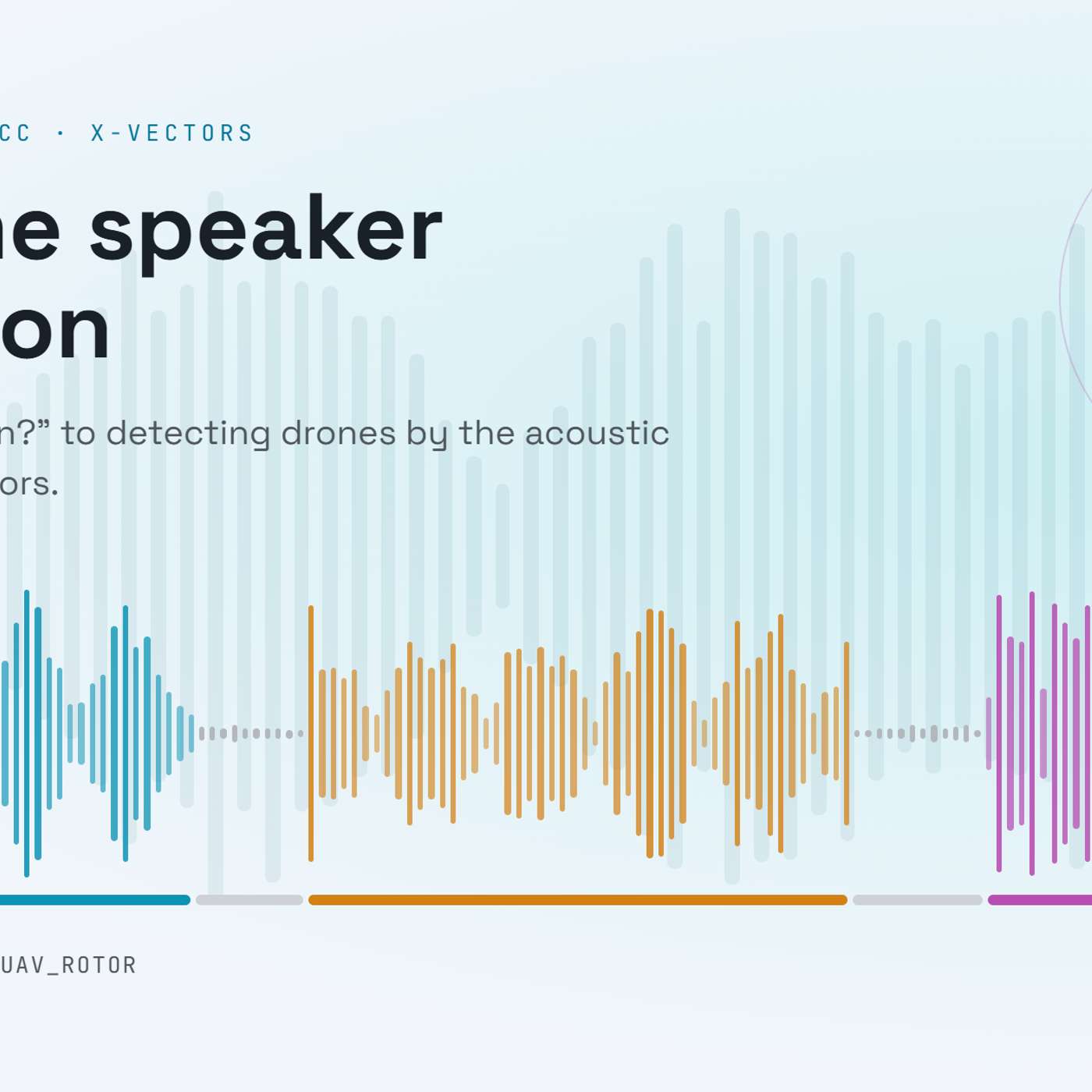
    This story was originally published on HackerNoon at: https://hackernoon.com/building-real-time-speaker-diarization-with-javascript-and-the-web-audio-api. How can drones be identified by sound? Explore acoustic fingerprints, machine learning classifiers, and the signal processing behind UAV detection. Check more stories related to tech-stories at: https://hackernoon.com/c/tech-stories. You can also check exclusive content about #speaker-diarization, #acoustic-drone-detection, #drone-acoustic-fingerprint, #speaker-identification, #audio-fingerprinting, #web-audio-api, #mfcc-algorithms, #drone-sound-recognition, and more. This story was written by: @geluvac. Learn more about this writer by checking @geluvac's about page, and for more stories, please visit hackernoon.com. How can drones be identified by sound? Explore acoustic fingerprints, machine learning classifiers, and the signal processing behind UAV detection.

  • October 8 · 2 hr 15 min

    500 Blog Posts To Learn About Chainwire

    This story was originally published on HackerNoon at: https://hackernoon.com/500-blog-posts-to-learn-about-chainwire. Learn everything you need to know about Chainwire via these 500 free HackerNoon blog posts. Check more stories related to tech-stories at: https://hackernoon.com/c/tech-stories. You can also check exclusive content about #chainwire, #learn, #learn-chainwire, and more. This story was written by: @learn. Learn more about this writer by checking @learn's about page, and for more stories, please visit hackernoon.com.

  • October 7 · 7 min

    From Global Allowlist to RCE: Breaking Down CVE-2026-50023 in yt-dlp

    This story was originally published on HackerNoon at: https://hackernoon.com/from-global-allowlist-to-rce-breaking-down-cve-2026-50023-in-yt-dlp. How a shortcut-extension exception in yt-dlp's CVE-2024-38519 fix opened the door to CVE-2026-50023, and what the follow-up bug teaches us. Check more stories related to tech-stories at: https://hackernoon.com/c/tech-stories. You can also check exclusive content about #vulnerability-research, #cve-2026-50023, #yt-dlp, #remote-code-execution, #filename-sanitization, #hls-subtitles, #security-patch-bypass, #allowist-security, and more. This story was written by: @pavanchow. Learn more about this writer by checking @pavanchow's about page, and for more stories, please visit hackernoon.com. A fix for filename sanitization kept dangerous extensions on a global allowlist. I bypassed it by crafting an HLS manifest that forced yt-dlp to write a malicious .desktop file during a standard subtitle download. The patch moved the exception to the feature boundary, but a follow-up CVE proved the class was not fully closed.

Showing 1–20 of 114 episodes