Skip to content
Artwork for Tech Stories Tech Brief By HackerNoon
NewsTech NewsBusiness News

Tech Stories Tech Brief By HackerNoon

HackerNoon

Learn the latest tech-stories updates in the tech world.

Play
  • 42 episodes
  • Avg 11 min
  • English
Counted on this page — what you have heard stays on this device, so it is not something the list can be paged by.
  • Yesterday · 10 min

    Nimiq's Mini Apps Framework Charges 0% Where Apple Charges 30%: Inside Open Framework for Developers

    This story was originally published on HackerNoon at: https://hackernoon.com/nimiqs-mini-apps-framework-charges-0percent-where-apple-charges-30percent-inside-open-framework-for-developers. Nimiq has opened the second cycle of its Mini Apps Competition, offering $17,000 over four weeks to builders who ship open-source apps for Nimiq Pay. The first Check more stories related to tech-stories at: https://hackernoon.com/c/tech-stories. You can also check exclusive content about #nimiq, #blockchain, #business, #software-engineering, #good-company, #app-store, #software-development, and more. This story was written by: @ishanpandey. Learn more about this writer by checking @ishanpandey's about page, and for more stories, please visit hackernoon.com. Nimiq has opened the second cycle of its Mini Apps Competition, offering $17,000 over four weeks to builders who ship open-source apps for Nimiq Pay. The first cycle drew 62 submissions. The framework charges no commission, no submission fee and no revenue share, arriving as the app store's standard 30% cut fragments under court and regulatory pressure. What is the Nimiq Mini Apps Competition? A three-cycle programme in which builders create Mini Apps using the Nimiq Pay Mini Apps Framework. Each cycle runs four weeks, and more than $50,000 in total prizes is on offer. When does Cycle II run? From 24 August to 18 September 2026, with $17,000 in prizes. Who can enter? Developers, AI builders, vibe coders and indie hackers. Participants may use AI development tools throughout the build, and eligible applications include games, productivity tools, marketplaces, social experiences and other web apps. What does Nimiq charge? Nothing. There is no submission fee, no platform commission and no revenue share, and builders retain their applications, infrastructure and intellectual property. How are prizes paid? In USDT to a Nimiq wallet address. Every entry needs a public GitHub repository, and all submissions go public at the start of week three for community testing. How did the first cycle go? It attracted 62 Mini App submissions, which Nimiq's five-member Community Council scored, producing three winning applications.

  • Yesterday · 5 min

    The Data Center Your Neighbors Actually Want

    This story was originally published on HackerNoon at: https://hackernoon.com/the-data-center-your-neighbors-actually-want. The Data Center Your Neighbors Actually Want What if the most hated building in American land use became the anchor of the local food system? Check more stories related to tech-stories at: https://hackernoon.com/c/tech-stories. You can also check exclusive content about #data-centers, #ai-infrastructure, #sustainability, #energy-efficiency, #community-development, #artificial-intelligence, #waste-heat-recovery, #green-tech, and more. This story was written by: @intelligent-harvest. Learn more about this writer by checking @intelligent-harvest's about page, and for more stories, please visit hackernoon.com. Data center opposition is rational: communities absorb the heat, water, and noise while the benefits ship out over fiber. But a data center is thermodynamically a heat engine, and its waste heat — already made usable by the industry's shift to liquid cooling — can grow food in co-located greenhouses instead of being rejected to the sky. Europe has done this for a decade, Germany wrote it into law, and Virginia's Senate just voted 39–0 to pursue it. The industry shouldn't ask how to make communities tolerate data centers; it should build data centers the neighbors would fight to keep.

  • Monday · 13 min

    Your HubSpot Integration Is Not Finished at Launch: A Five-Contract Model for Containing CRM Drift

    This story was originally published on HackerNoon at: https://hackernoon.com/your-hubspot-integration-is-not-finished-at-launch-a-five-contract-model-for-containing-crm-drift. A five-contract control model for preventing schema drift, duplicate writes, broken webhooks, and silent reporting failures in HubSpot integrations. Check more stories related to tech-stories at: https://hackernoon.com/c/tech-stories. You can also check exclusive content about #hubspot-integration, #api-integration, #data-governance, #revops, #webhooks, #crm-integration, #api-governance, #schema-management, and more. This story was written by: @mrpratikthakker. Learn more about this writer by checking @mrpratikthakker's about page, and for more stories, please visit hackernoon.com. Enterprise integrations rarely fail all at once. They drift as properties change, permissions expand, retries create duplicate writes, and event consumers interpret the same record differently. The Five-Contract Integration Control Plane gives RevOps and technology leaders a shared operating model across identity, schema, events, authority, and recovery. Treat each contract as a versioned production dependency, assign an owner, monitor violations, and test recovery before trusting the integration with revenue-critical work.

  • Monday · 8 min

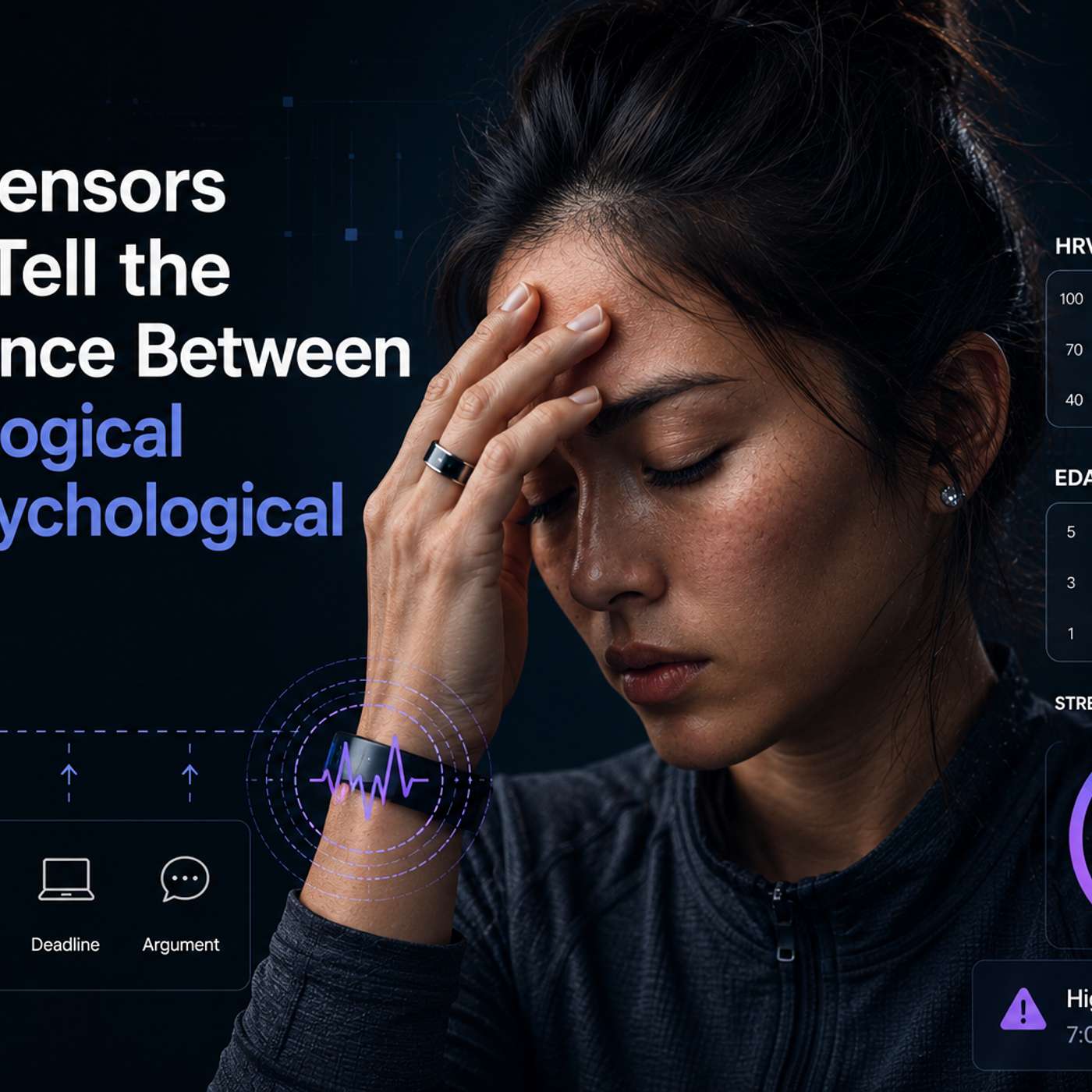
    What Wearables Miss When They Measure “Stress”

    This story was originally published on HackerNoon at: https://hackernoon.com/what-wearables-miss-when-they-measure-stress. Wearables can detect physiological thrill, but they can't tell if it's caused by stress, exercise, or excitement. Here's why context matters more than sensors. Check more stories related to tech-stories at: https://hackernoon.com/c/tech-stories. You can also check exclusive content about #wearable-technology, #wearable-stress-tracking, #hrv, #electrodermal-activity, #smart-watch-stress-detection, #cortisol-monitoring, #biometric-data, #wearable-health-apps, and more. This story was written by: @shradhapuri. Learn more about this writer by checking @shradhapuri's about page, and for more stories, please visit hackernoon.com. Wearable devices don't actually measure psychological excitement. They measure physiological arousal through signals like HRV and EDA, which rise during exercise, anxiety, excitement, caffeine intake, and countless other situations. Without context, sensors can't distinguish why your body is activated. The future of stress tracking lies in combining biometrics with movement, behavior, and user-provided context instead of relying on physiological signals alone.

  • Saturday · 9 min

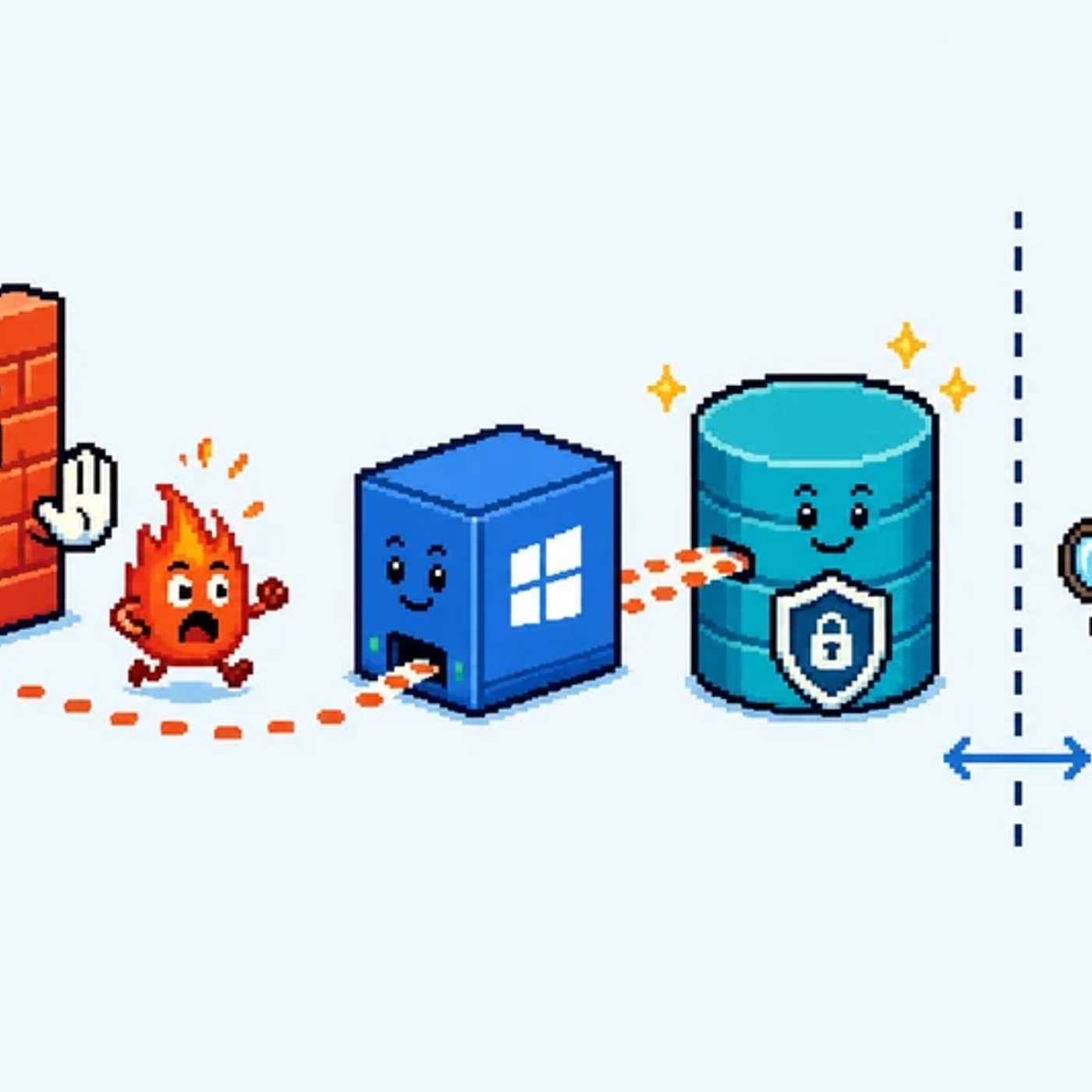
    How to Build a Firewall Log Pipeline With NXLog, SQLite, and Cursor

    This story was originally published on HackerNoon at: https://hackernoon.com/how-to-build-a-firewall-log-pipeline-with-nxlog-sqlite-and-cursor. Build a local firewall log pipeline on Windows with NXLog and SQLite, then let Cursor query it read-only — no SIEM required. Check more stories related to tech-stories at: https://hackernoon.com/c/tech-stories. You can also check exclusive content about #sysadmin, #cursor, #firewall, #sqlite, #windows, #ai-agents, #pfsense-logging, #hackernoon-top-story, and more. This story was written by: @matbanik. Learn more about this writer by checking @matbanik's about page, and for more stories, please visit hackernoon.com. Open Cursor, answer five questions, and approve commands while an agent builds a local NXLog-to-SQLite collector. You get one verified firewall event on disk, searchable history, and an analyst that can read the logs but cannot touch the firewall.

  • Friday · 10 min

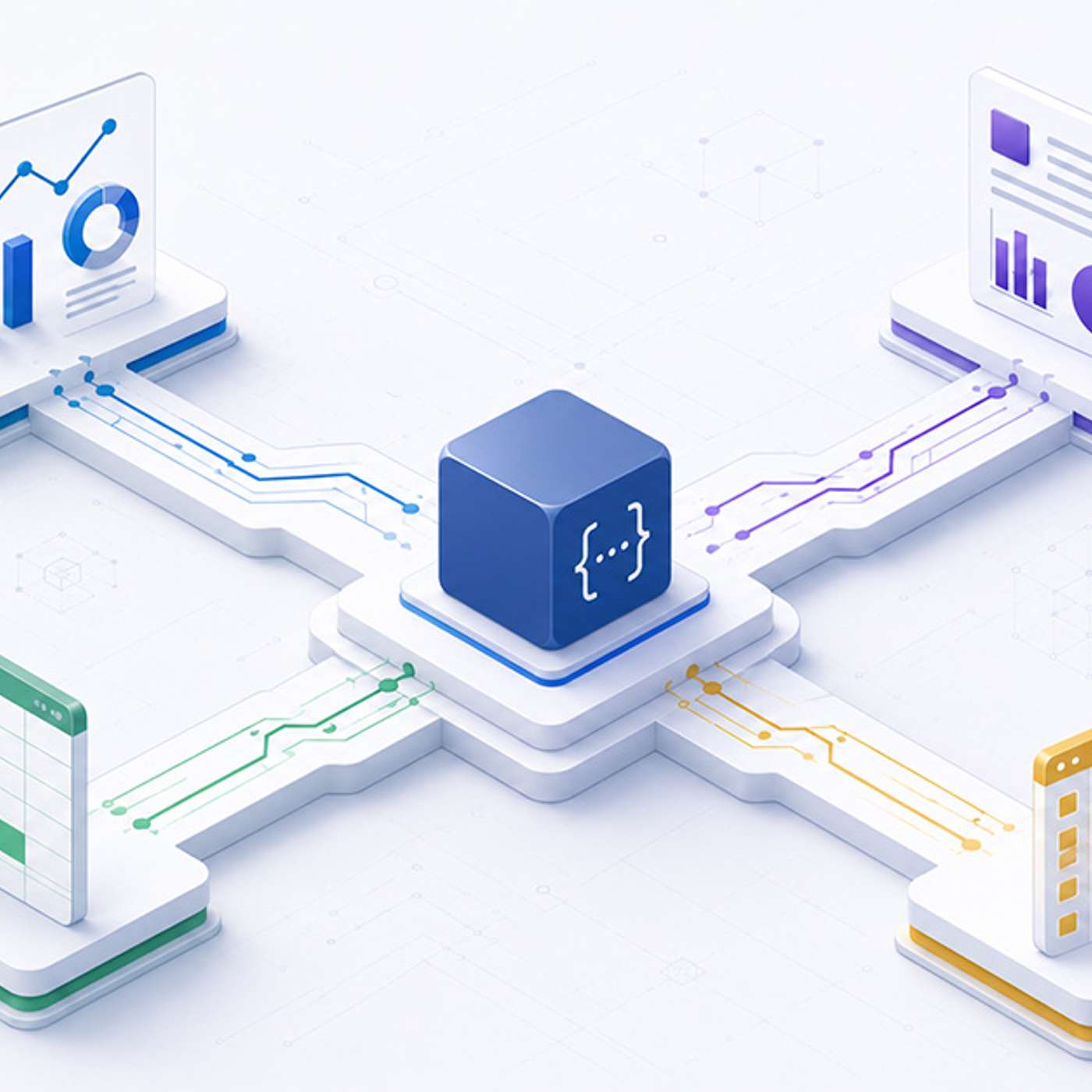
    Comparing Top Embedded Reporting Tools for .NET Applications

    This story was originally published on HackerNoon at: https://hackernoon.com/comparing-top-embedded-reporting-tools-for-net-applications. Compare embedded reporting tools for .NET — Power BI Embedded, Telerik, ActiveReports List & Label. Check more stories related to tech-stories at: https://hackernoon.com/c/tech-stories. You can also check exclusive content about #.net, #embedded-reporting, #powerbi-embedded, #telerik-reporting, #activereports.net, #list-and-label, #reporting-sdk, #good-company, and more. This story was written by: @listlabel. Learn more about this writer by checking @listlabel's about page, and for more stories, please visit hackernoon.com. The article compares four reporting options for .NET applications by integration depth, designer experience, export support, deployment and licensing. Its main argument is that teams should choose based on architecture and reporting workflow, not just feature count.

  • Friday · 4 min

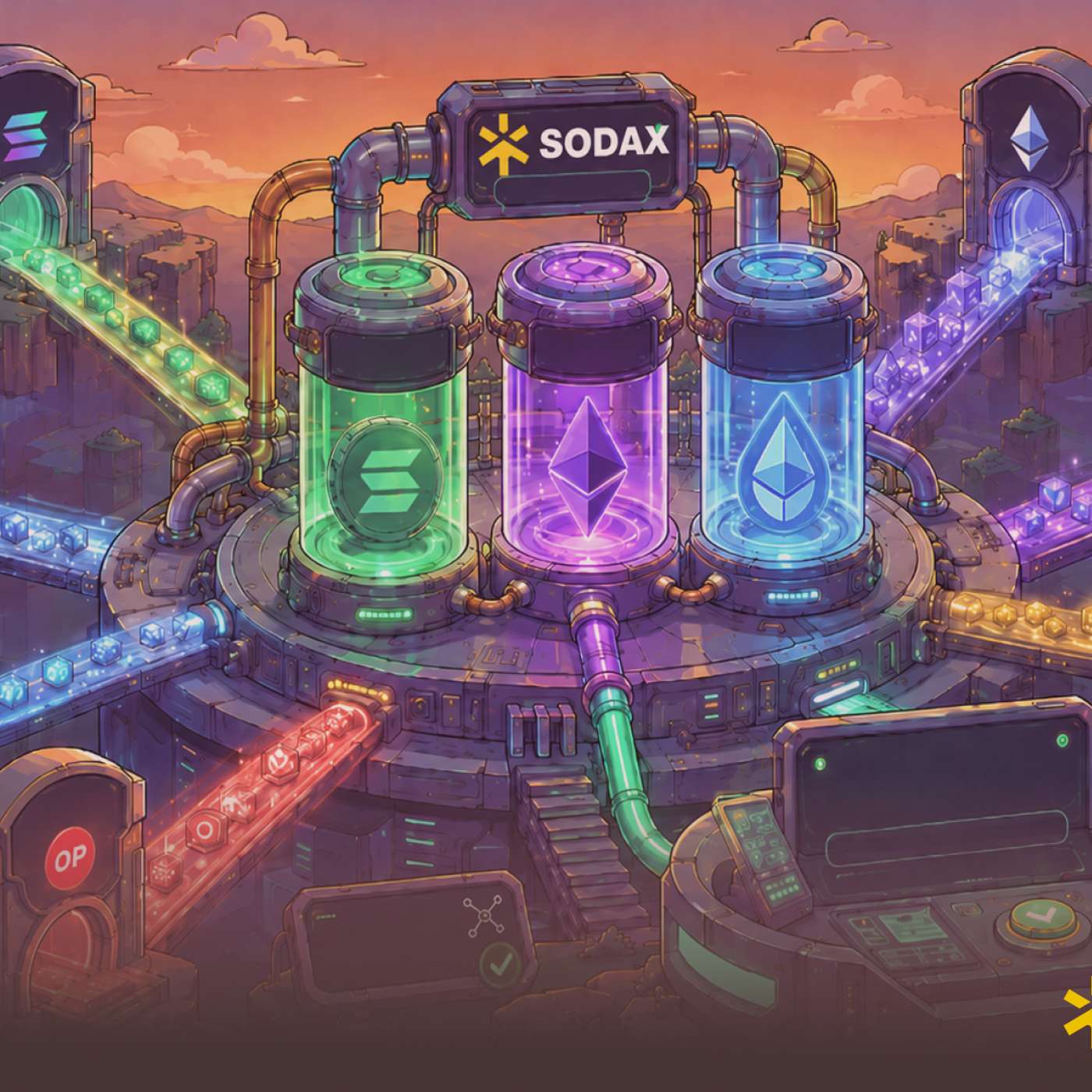
    How to Ship Leveraged Staking to Your App Without Writing a Line of Logic

    This story was originally published on HackerNoon at: https://hackernoon.com/how-to-ship-leveraged-staking-to-your-app-without-writing-a-line-of-logic. Leveraged staking now carries billions in DeFi. Here's how Balanced shipped using SODAX's SDK, and how any builder can call the same vault primitive for free. Check more stories related to tech-stories at: https://hackernoon.com/c/tech-stories. You can also check exclusive content about #leverage-staking, #ai-developer-tooling, #cross-chain-defi, #defi-yield-protocol, #developer-tools, #blockchain-development, #sodax, #good-company, and more. This story was written by: @sodax. Learn more about this writer by checking @sodax's about page, and for more stories, please visit hackernoon.com. Balanced just shipped cross-chain leveraged staking without building the logic in-house. It runs on SODAX's SDK, letting users loop JitoSOL, weETH, or wstETH by depositing assets from across up to 20 supported networks. Leveraged staking already secures ~$7B in DeFi TVL, and SODAX's vault primitive lets any builder call the same feature in a few function calls, free of charge.

  • Thursday · 6 min

    How Docker DX Catches Dockerfile Errors Before You Build

    This story was originally published on HackerNoon at: https://hackernoon.com/how-docker-dx-catches-dockerfile-errors-before-you-build. Learn how Docker DX catches Dockerfile errors, security issues, and Compose mistakes in VS Code before they reach builds or production. Check more stories related to tech-stories at: https://hackernoon.com/c/tech-stories. You can also check exclusive content about #docker-guide, #nodejs-and-docker, #docker-dx, #dockerfile-debugging, #dockerfile-linting, #docker-vs-code, #dockerfile-errors, #vs-code-docker, and more. This story was written by: @anujtyagi. Learn more about this writer by checking @anujtyagi's about page, and for more stories, please visit hackernoon.com. Learn how Docker DX catches Dockerfile errors, security issues, and Compose mistakes in VS Code before they reach builds or production.

  • Thursday · 13 min

    The Final Wojak

    This story was originally published on HackerNoon at: https://hackernoon.com/the-final-wojak. Wojak has survived 17 years of internet culture. Now Robinhood Chain could give the Feels Guy its strongest shot yet at a billion-dollar cycle. Check more stories related to tech-stories at: https://hackernoon.com/c/tech-stories. You can also check exclusive content about #wojak-token, #robinhood-and-crypto, #robinhood-chain, #memecoin, #feels-guy, #crypto, #robinhood-crypto, #hackernoon-top-story, and more. This story was written by: @pauliejak. Learn more about this writer by checking @pauliejak's about page, and for more stories, please visit hackernoon.com. Wojak has survived 17 years of internet culture. Now Robinhood Chain could give the Feels Guy its strongest shot yet at a billion-dollar cycle.

  • August 26 · 15 min

    Your Client-Side Success Rate Is Probably Lying to You

    This story was originally published on HackerNoon at: https://hackernoon.com/your-client-side-success-rate-is-probably-lying-to-you. How device-aware admission control, WebCodecs, OPFS, and better metrics turned hidden rejections into measurable wins in a browser video app. Check more stories related to tech-stories at: https://hackernoon.com/c/tech-stories. You can also check exclusive content about #webcodesk, #webassembly, #web-performance, #browser, #software-engineering, #client-side-success, #client-side-app, #hackernoon-top-story, and more. This story was written by: @hyoungwon_vaqmh6m8. Learn more about this writer by checking @hyoungwon_vaqmh6m8's about page, and for more stories, please visit hackernoon.com. This article explains the metric bug, the browser architecture behind it, and how to experiment with client-side capacity without turning low-end devices into crash reports.

  • August 26 · 12 min

    How to Govern AI in Production With WSO2 AI Gateway

    This story was originally published on HackerNoon at: https://hackernoon.com/how-to-govern-ai-in-production-with-wso2-ai-gateway. How I went from sleepless nights about rogue LLM outputs to confidently shipping AI-powered features in production. Check more stories related to tech-stories at: https://hackernoon.com/c/tech-stories. You can also check exclusive content about #wso2, #api-platform, #guardrails, #ai, #ai-governance, #api-integration, #llm-integration, #governance, and more. This story was written by: @rusirij. Learn more about this writer by checking @rusirij's about page, and for more stories, please visit hackernoon.com. How I went from sleepless nights about rogue LLM outputs to confidently shipping AI-powered features in production.

  • August 25 · 13 min

    Your HubSpot Permission Set Is Not Governance: A Five-Gate Change-Control Model for Enterprise CRM Teams

    This story was originally published on HackerNoon at: https://hackernoon.com/your-hubspot-permission-set-is-not-governance-a-five-gate-change-control-model-for-enterprise-crm-teams. A five-gate change-control model for governing HubSpot permissions, sandbox testing, releases, and audit evidence in enterprise CRM teams. Check more stories related to tech-stories at: https://hackernoon.com/c/tech-stories. You can also check exclusive content about #revops, #access-control, #change-management, #hubspot, #crm, #data-governance, #sales-operations, #hackernoon-top-story, and more. This story was written by: @mrpratikthakker. Learn more about this writer by checking @mrpratikthakker's about page, and for more stories, please visit hackernoon.com. HubSpot permissions define what users can do, but not whether a change is safe, tested, approved, reversible, or documented. The CRM Change Control Plane adds five risk-based gates: Scope, Authority, Test, Release, and Evidence.

  • August 25 · 14 min

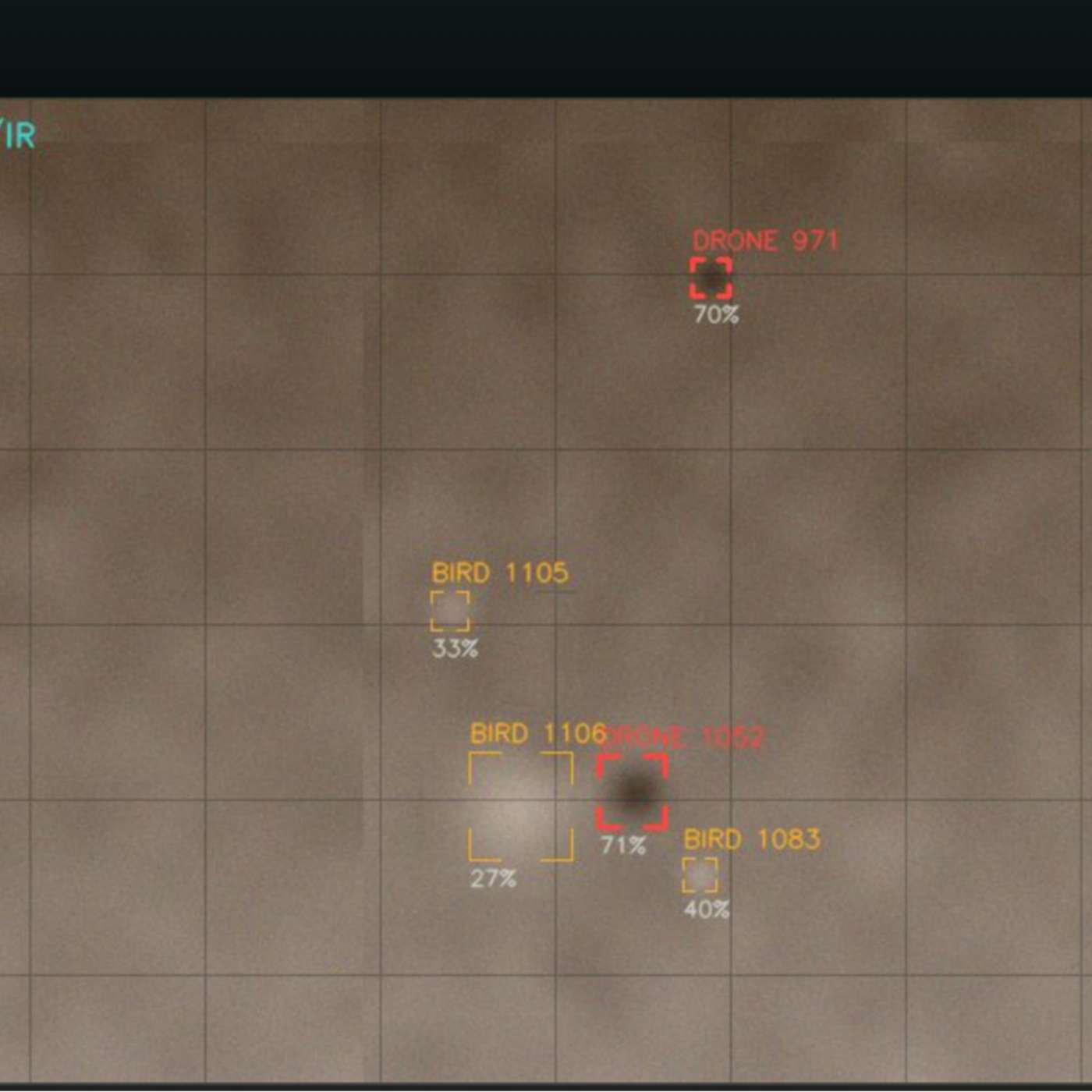
    Bird or Drone? The Hardest Classification Problem in Counter-UAS Isn't the One You'd Expect

    This story was originally published on HackerNoon at: https://hackernoon.com/bird-or-drone-the-hardest-classification-problem-in-counter-uas-isnt-the-one-youd-expect. This article is about why a bird and a drone are so hard to tell apart, the handful of physical signatures we can actually exploit, etc. Check more stories related to tech-stories at: https://hackernoon.com/c/tech-stories. You can also check exclusive content about #drone, #drone-technology, #defense-tech, #counter-uas, #c-uas-sensor-fusion, #drone-threat-detection, #airport-drone-security, #small-object-detection, and more. This story was written by: @vishwagw. Learn more about this writer by checking @vishwagw's about page, and for more stories, please visit hackernoon.com. This is the bird vs. drone problem, and it is the most consequential unglamorous challenge in counter-unmanned aircraft systems (C-UAS). It sounds trivial. A human standing in a field can usually tell a hawk from a quadcopter in a second or two. But asked to do it automatically, from a tiny smudge of pixels half a mile away, in changing light, fast enough to act, and without crying wolf at every gull and pigeon in the sky, and the problem turns brutal. And getting it wrong in either direction is expensive in ways that decide whether a system is deployable at all.

  • August 23 · 6 min

    Robotaxis Are Coming for the World’s Most Skilled Drivers

    This story was originally published on HackerNoon at: https://hackernoon.com/robotaxis-are-coming-for-the-worlds-most-skilled-drivers. Robotaxis are expanding across major cities, raising new questions about driver displacement, safety, labor shortages, and the economics of autonomous transport Check more stories related to tech-stories at: https://hackernoon.com/c/tech-stories. You can also check exclusive content about #autonomous-vehicles, #robotaxis, #london-robotaxi, #ai-automation, #waymo-expansion, #wuhan-robotaxis, #autonomous-fleets, #hackernoon-top-story, and more. This story was written by: @thetechpanda. Learn more about this writer by checking @thetechpanda's about page, and for more stories, please visit hackernoon.com. The article argues that robotaxi expansion is turning autonomous driving from a technology story into a global labor question, with professional drivers facing different pressures depending on the city. It compares markets including London, Wuhan, Phoenix, San Francisco, Tokyo, New Delhi, and Mumbai, and argues that adoption will depend on a mix of economics, road complexity, labor shortages, and public trust.

  • August 22 · 12 min

    The Hidden Infrastructure Tax of Running Autonomous Agents 24/7

    This story was originally published on HackerNoon at: https://hackernoon.com/the-hidden-infrastructure-tax-of-running-autonomous-agents-247. Learn how to run autonomous AI agents reliably 24/7 by comparing laptops, unmanaged VPSs, and managed runtimes, with a practical look at agent infrastructure. Check more stories related to tech-stories at: https://hackernoon.com/c/tech-stories. You can also check exclusive content about #autonomous-agents, #deploy-your-managed-ai-agent, #openclaw-agent-deployment, #cloudways, #agentops, #agent-deployment-on-cloudways, #good-company, #hermes-agent, and more. This story was written by: @cloudways. Learn more about this writer by checking @cloudways's about page, and for more stories, please visit hackernoon.com. Running autonomous AI agents 24/7 requires more than a working model and framework—it requires reliable infrastructure. This guide breaks down the four layers of the AgentOps stack and compares laptops, unmanaged VPSs, and managed runtimes for continuous agent hosting.

  • August 21 · 12 min

    The Telegram Session Architecture Nobody Documents

    This story was originally published on HackerNoon at: https://hackernoon.com/the-telegram-session-architecture-nobody-documents. Learn how server-side sessions connect Telegram chats, Mini Apps, OAuth browsers, authentication, callbacks, and real-time updates. Check more stories related to tech-stories at: https://hackernoon.com/c/tech-stories. You can also check exclusive content about #telegram, #telegram-bot, #telegram-mini-apps, #software-architecture, #web-development, #vibe-coding, #c-sharp, #authentication, and more. This story was written by: @gooslee. Learn more about this writer by checking @gooslee's about page, and for more stories, please visit hackernoon.com. Learn how server-side sessions connect Telegram chats, Mini Apps, OAuth browsers, authentication, callbacks, and real-time updates.

  • August 21 · 7 min

    Bite: The Machine that knows Everything [April 1985]

    This story was originally published on HackerNoon at: https://hackernoon.com/bite-the-machine-that-knows-everything-april-1985. Explore a retro AI parody that imagines large language models as a 1985 supercomputer powered by encyclopedias, tokens, and data centers. Check more stories related to tech-stories at: https://hackernoon.com/c/tech-stories. You can also check exclusive content about #tech-satire, #data-centers, #satire, #parody, #machine-learning, #machinelearning, #large-language-models, #hackernoon-top-story, and more. This story was written by: @chribonn. Learn more about this writer by checking @chribonn's about page, and for more stories, please visit hackernoon.com. - Reimagines modern AI and large language models as a fictional 1985 enterprise system. - Satirises AI infrastructure, training data, context memory, and conversational interfaces. - Draws parallels between today's AI capabilities and past computing expectations. - Highlights the scale, energy consumption, and business promises behind advanced AI. - Explores enterprise knowledge management through a humorous retro lens.

  • August 20 · 14 min

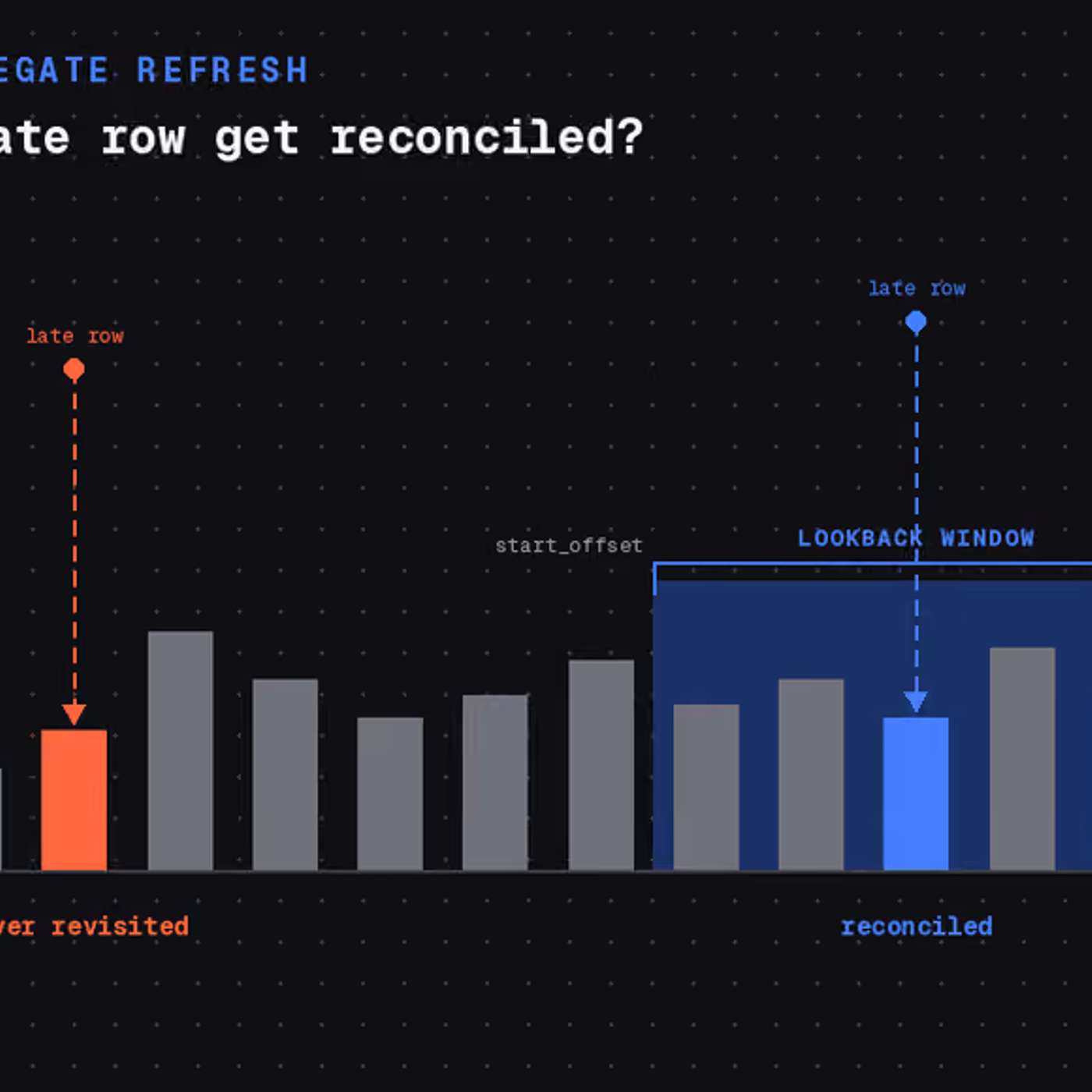
    Continuous Aggregate Refresh, Demystified: Invalidation, Lookback, and Late-Arriving Data

    This story was originally published on HackerNoon at: https://hackernoon.com/continuous-aggregate-refresh-demystified-invalidation-lookback-and-late-arriving-data. Learn why late-arriving time-series data can leave aggregates stale and how TimescaleDB continuous aggregate refresh windows determine reconciling corrections. Check more stories related to tech-stories at: https://hackernoon.com/c/tech-stories. You can also check exclusive content about #timescaledb, #continuous-aggregate, #timescaledb-invalidation-log, #time-series-aggregation, #incremental-time-series-data, #time-series-view, #time-series-data, #good-company, and more. This story was written by: @tigerdata. Learn more about this writer by checking @tigerdata's about page, and for more stories, please visit hackernoon.com. Late-arriving and corrected time-series data can make pre-computed dashboards report plausible but stale numbers. This article compares four aggregation strategies, from scheduled materialized views and insert-triggered views to streaming dataflows and TimescaleDB continuous aggregates. It explains how invalidation tracking works and why the start_offset and end_offset of a refresh policy determine whether late data is ever reconciled.

  • August 19 · 5 min

    PMB (Personal Memory Brain) Earns a 115 Proof of Usefulness Score by Building Local-First Persistent

    This story was originally published on HackerNoon at: https://hackernoon.com/pmb-personal-memory-brain-earns-a-115-proof-of-usefulness-score-by-building-local-first-persistent. PMB earned a 70 Proof of Usefulness score with a local-first memory layer that gives AI coding agents persistent project context across sessions. Check more stories related to tech-stories at: https://hackernoon.com/c/tech-stories. You can also check exclusive content about #proof-of-usefulness-hackathon, #hackernoon-hackathon, #ai-coding-agents, #persistent-ai-memory, #cross-session-memory, #local-first-ai, #personal-memory-brain, #model-context-protocol, and more. This story was written by: @oleksiijko. Learn more about this writer by checking @oleksiijko's about page, and for more stories, please visit hackernoon.com. PMB earned a 70 Proof of Usefulness score for an open-source, local-first memory layer designed to give AI coding agents durable project context across sessions. Built around MCP, SQLite, LanceDB, MiniLM embeddings, BM25, and graph retrieval, PMB lets tools such as Claude Code, Cursor, and Codex share decisions, facts, corrections, and goals without sending that memory to the cloud. The project is still pre-traction, with its 1.0 release arriving in June 2026, but distribution is already live through PyPI and the MCP registry.

  • August 19 · 9 min

    Top 5 Pull Request Reminder Tools

    This story was originally published on HackerNoon at: https://hackernoon.com/top-5-pull-request-reminder-tools. Compare the best pull request reminder tools for keeping PRs moving. See how GitDailies, LinearB, GitHub, Swarmia, and PullNotifier handle PR alerts. Check more stories related to tech-stories at: https://hackernoon.com/c/tech-stories. You can also check exclusive content about #pull-request, #pr, #github, #code-review, #developer-tools, #notifications-on-your-github, #devops, #good-company, and more. This story was written by: @deployfriday. Learn more about this writer by checking @deployfriday's about page, and for more stories, please visit hackernoon.com. Pull requests can easily get buried in daily notifications, leading to delayed reviews, stale branches, and merge conflicts. We compare five tools that help teams keep PRs visible and moving, with GitDailies standing out as the strongest fit for lightweight reminders and broader GitHub activity alerts.

Showing 1–20 of 42 episodes