Skip to content
Artwork for Grace Slowly

Grace Slowly

Will Henderson

Grace Slowly is an online resource and community designed for individuals navigating the aftermath of spiritual trauma, legalism, or harmful religious environments. Founded by Will Henderson, a pastor who has survived spiritual abuse, the platform offers a non-pressured environment to rediscover faith without the weight of shame or performance. The content provides scriptural reflectionsand gentle spiritual practices that prioritize the unconditional love of Christ over rigid behavioral expectations. While not a substitute for professional counseling, it serves as a safe haven for the weary to rebuild trust at their own pace. By emphasizing that belonging precedes behavior, the source fosters a supportive space for healing and quiet contemplation. Through moderated interactions and clear boundaries, it invites readers to explore a grace-centered relationship with Jesus free from the urgency of traditional institutional demands.

Play
  • 70 episodes
  • daily
  • Avg 21 min
  • English
Counted on this page — what you have heard stays on this device, so it is not something the list can be paged by.
  • S9 · E4
    October 5 · 20 min

    The Cutty Stool - Public Shame and Grace

    Today’s Podcast looks at how historically, Scottish religious communities utilized a humiliating public platform known as the cutty stool to punish individuals—disproportionately targeting the impoverished—for moral transgressions like premarital sex. Although church leaders justified this practice through selective biblical interpretation, this method ultimately fostered a culture of secrecy and concealment rather than genuine spiritual restoration. In stark contrast, the text highlights how Jesus Christ consistently rejected public shaming in favor of radical acceptance, offering dignity, hospitality, and unearned grace to outcasts. By comparing rigid institutional humiliation with compassionate divine intervention, the narrative demonstrates that true transformation stems from loving inclusion rather than punitive judgment. Ultimately, the author urges believers to look away from condemning human structures and instead follow the example of Jesus, who bore humiliation to lift others up.


  • S9 · E3
    October 4 · 20 min

    The Token - Jesus chose His guests knowing they'd fail

    Historically, Scottish Presbyterian churches used small metal communion tokens to restrict the Lord's Supper to individuals who had successfully passed a rigorous prior examination by local elders. Originating from an idea by John Calvin to protect sacred traditions from being profaned, these physical passes required believers to earn their approval and prove their worthiness before participating in worship. This gatekeeping practice fostered an enduring religious culture centered on performance and spiritual anxiety, mirroring modern church requirements like membership courses and leadership titles that still function as unofficial barriers today. In sharp contrast, Jesus Christ famously welcomed deeply flawed disciples to the original Passover table, knowingly choosing individuals who would inevitably fail rather than demanding any proof of righteousness. Ultimately, the podcast argues that the church's true purpose should be to warmly invite everyone rather than to audit and exclude believers based on man-made standards.

  • S9 · E2
    October 3 · 14 min

    The Stones We Raise…

    Ancient human history features mysterious megalithic monuments, such as the Ring of Brodgar, which were constructed through immense physical labor without modern machinery yet left behind no written records to explain their original purpose. Centuries later, the Picts erected carved stones adorned with enigmatic symbols and, eventually, Christian crosses, though many of these carvings were later defaced or re-carved with new meanings by subsequent generations. These archaeological puzzles mirror biblical accounts where standing stones served as generational teaching tools to preserve sacred historical memories for children who inquired about their significance. However, without active parental transmission, physical markers inevitably lose their intended context and fall into silent ambiguity. Consequently, the author reflects on the importance of ensuring that modern spiritual legacies are deliberately explained so that future generations understand their true significance rather than simply inheriting silent relics.

  • S9 · E1
    October 3 · 17 min

    Tigh nam Bodach - Forgetting Meaning

    The provided text uses the remote Scottish tradition of Tigh nam Bodach—where villagers seasonally move sacred figures despite having forgotten their original meaning—to explore how repeated human practices silently shape our character. While this ancient ritual demonstrates how routines subconsciously form individuals across generations, the author contrasts it with Christian formation, emphasizing that believers do not follow an unexplained mystery. Instead of using spiritual routines as a checklist to earn divine approval, Christians participate in the active, living presence of Jesus. Ultimately, true spiritual growth begins by recognizing that grace comes first, allowing individuals to heal from performance-based religion and gently learn to receive God's unearned love.

  • S8 · E10
    October 2 · 20 min

    Before the Catch 10 - Where This Was Always Headed

    Todays Podcast argues that personal healing and spiritual growth are ultimately designed to prepare individuals for outward-facing love and service to others. Rather than serving as an isolated, private achievement, inner stability frees a person to actively practice justice and mercy in their daily interactions. This active compassion embodies the Kingdom of God in the present moment rather than deferring it to a distant future. Furthermore, this earthly goodness connects to a much larger, cosmic narrative of renewal, where the entire universe is moving toward ultimate restoration. Ultimately, the writing concludes that grace and spiritual grounding serve to empower people to love those around them right now under a reigning king.

  • S8 · E9
    October 2 · 22 min

    Before the Catch 9 - Nobody Owns Your Conscience

    Today’s Podcast looks at how Spiritual abuse often occurs when religious figures overstep their boundaries by dictating an individual's inner thoughts and personal doubts. Rather than encouraging independent thought, toxic leadership structures demand excessive submission and make believers overly dependent on human authority. True spiritual guidance should foster personal freedom and encourage believers to answer directly to God through their own conscience. Healthy faith communities empower individuals to trust their personal interpretation of scripture without fear of manipulation or control. Ultimately, Jesus Christ offers true liberation from oppressive religious control, allowing believers to reclaim their spiritual autonomy.

  • S8 · E8
    October 1 · 21 min

    The Insatiable Machine - A Word to Pastors

    Todays Podcast address Spiritual Abuse. Modern religious institutions often function as callous systems that exploit human labor and demand absolute compliance rather than offering genuine care. When individuals reach their limits and burn out, the institution frequently discards them without a second thought, prioritizing operational needs over human well-being. By contrasting this transactional environment with the unconditional love shown by Jesus and loved ones, the author highlights the profound healing power of radical acceptance. Pastors are urged to recognize how their congregations perpetuate this toxic corporate culture at the expense of personal dignity. Ultimately, leaders must dismantle harmful expectations and actively reach out to the exhausted and marginalized who have been mistreated by the church.

  • S8 · E7
    September 30 · 18 min

    Before the Catch 7 - Falling Doesn’t End the Story

    Today’s Podcast explores when individuals experience moral failure, they often feel an instinctual desire to hide from divine presence, much like Adam and Eve in Genesis. This reaction stems from a distorted perception that God responds to human mistakes with anger and strict record-keeping rather than grace. However, biblical narratives like the story of Joshua illustrate that God does not demand self-cleansing or a probation period before offering acceptance. Instead of requiring people to fix their flaws independently, God actively removes their guilt and provides unearned restoration. Ultimately, individuals can approach God just as they are without needing to formulate an apology speech or sort through their messy emotions first.

  • S7 · E21
    September 29 · 11 min

    Praying 11 - Grace When You Can’t Pray - Luke 23:34

    Today’s Podcast is focused on the topic Grace when you can’t Pray. Believers who have suffered hurt or legalism often view prayer as an intimidating performance review rather than a meaningful connection with God. However, Jesus demonstrates unconditional grace by praying for His enemies during the crucifixion instead of demanding retribution or perfection. This divine sacrifice defeats spiritual evil while proving that God's forgiveness does not minimize genuine injustice. Consequently, communication with God is not a tool used to earn divine favor, but rather a relational response built on what Christ has already accomplished. Even when personal trauma or emotional exhaustion leaves individuals struggling for words, their confidence rests entirely on Jesus's ongoing intercession. Ultimately, prayer requires no polished language or emotional mastery, but simply offers a tired heart the freedom to approach a loving Father.

  • S8 · E6
    September 28 · 22 min

    Before the Catch 6 - Beyond Willpower

    explores the limitation of human willpower in overcoming recurring moral failures and harmful habits. It argues that while external discipline and boundaries are useful, they cannot address the hidden desires of the heart that drive behavior. The author posits that true spiritual transformation occurs not through trying harder, but by abiding in the grace of Jesus Christ and the power of the Holy Spirit. By shifting the focus from self-reliance to divine connection, individuals can find relief from the cycle of shame and failure. Ultimately, the source emphasizes that God’s internal work is the only sustainable engine for genuine character change and lasting peace.

  • S8 · E5
    September 25 · 22 min

    Before the Catch 5 - Not A Program

    This text distinguishes between rigid spiritual programs and the organic process of spiritual formation. The author argues that true growth is not a check-list of requirements or a ladder of performance used to earn divine favor. Instead, it is a nonlinear journey of learning to live from a state of existing acceptance in Christ rather than striving to achieve it. While traditional practices like prayer and scripture remain vital, they should serve as invitations to intimacy rather than measures of worth or tools for external control. Ultimately, the source emphasizes that grace is the starting point, transforming obedience from a burdensome obligation into a free response to love.

  • S7 · E20
    September 22 · 21 min

    Praying 10 - When Prayer Hurts - Matthew 26:36-46

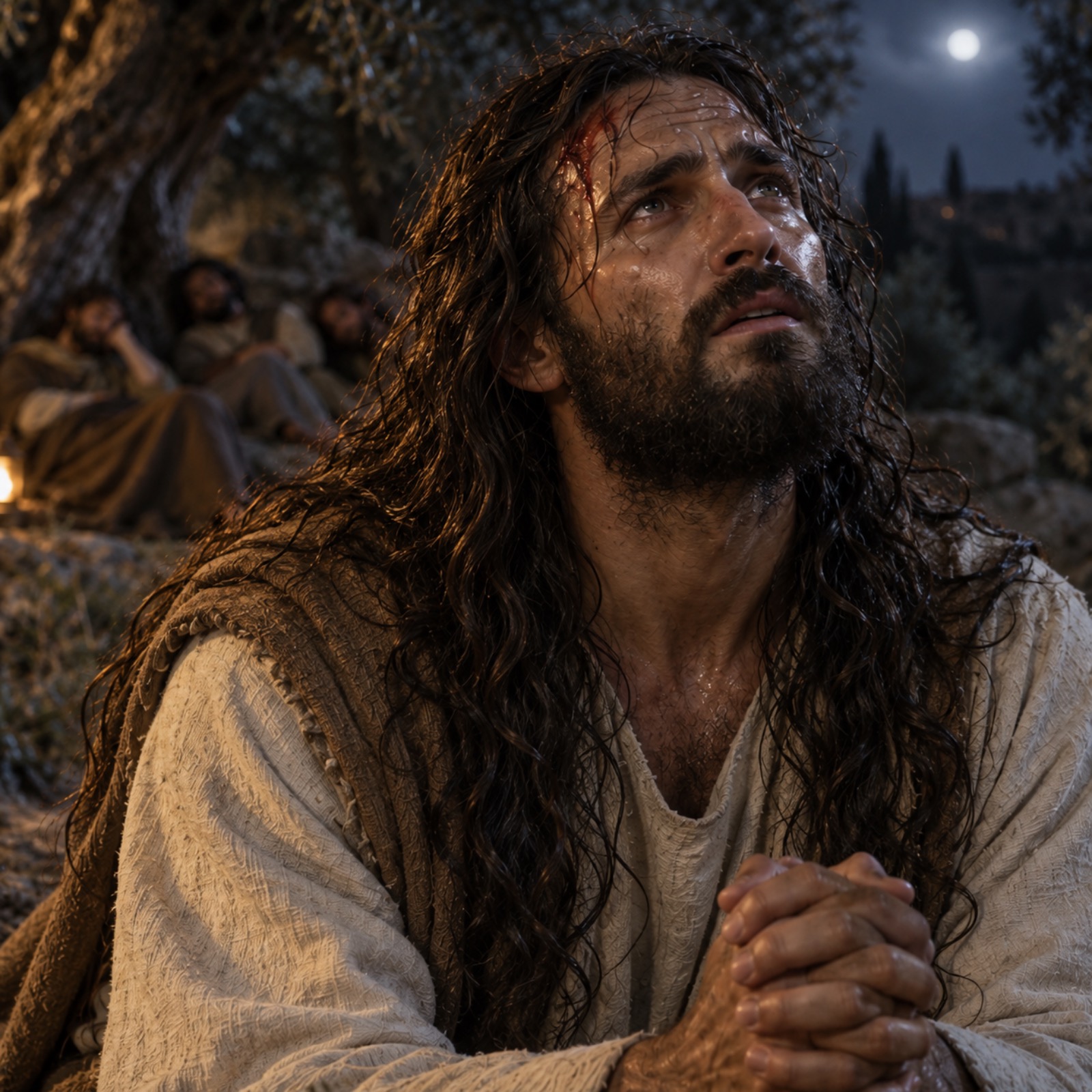
    Today we explore how the prayer of Jesus in Gethsemane (Matthew 26:36-46) provides a compassionate model for communicating with God during seasons of intense suffering. Rather than demanding emotional perfection or the suppression of pain, the author suggests that authentic faith involves bringing one's genuine fears and desires into the light of God’s presence. The source emphasizes that true surrender is not about erasing personal longing, but about placing those desires within a framework of trust in a loving Father. Furthermore, the passage reassures readers that spiritual maturity does not require constant strength or isolation; instead, it allows for repeated, simple requests and the support of a community. Ultimately, the text highlights that a believer's security rests not in the quality of their own prayers, but in the finished work and faithfulness of Jesus Christ.

  • S7 · E19
    September 21 · 39 min

    Praying 9 - Stop Trying to Impress your Father - Matthew 6

    Today’s Podcast explores the transformative nature of prayer as taught in Matthew 6, the Lords Prayer, contrasting religious performance with a genuine relationship with God. Rather than a mechanical formula or a public display to earn approval, Jesus presents prayer as a restorative invitation for believers to approach God as beloved children. By examining the intercession of Moses and the ultimate mediation of Christ, the source emphasizes that grace precedes obedience and removes the burden of spiritual perfection. The author argues that because God is a compassionate Father who already understands human needs, prayer serves to reorient the heart toward divine reality rather than to manipulate or inform the Creator. Ultimately, the text encourages readers to abandon shame and legalism, finding security in the fact that Jesus has already secured their access to the Father’s presence.

  • S7 · E18
    September 18 · 18 min

    Praying 8 - When Prayer has No Filter

    The text explores the story of Hannah from First Samuel to illustrate that God welcomes unfiltered, honest prayerrather than religious performance. It emphasizes that believers do not need to suppress their grief or anger to be heard, contrasting Hannah’s raw vulnerability with the corrupt and judgmental religious systems represented by the priest Eli. The author provides comfort to those wounded by spiritual authority, asserting that God sees the truth even when leaders misinterpret pain as moral failure. By linking Hannah’s suffering to the eventual ministry of Jesus, the source portrays Christ as a compassionate High Priest who understands human weakness intimately. Ultimately, the narrative serves as an invitation to abandon emotional masks and approach the throne of grace with complete transparency. Through the lens of the gospel, the text argues that divine acceptance is a gift of grace that requires no personal polish or pretense.

  • S8 · E4
    September 18 · 18 min

    Before the Catch 4 - Not Yours to Carry

    Todays Podcast addresses the profound spiritual burnout caused by the mistaken belief that a person is solely responsible for their own character transformation and holiness. The author explains that many believers suffer from exhaustion because they view Christian growth as a high-pressure performance meant to earn divine acceptance rather than a response to it. By using a home renovation metaphor, the source clarifies that the Holy Spirit acts as the structural support of a person’s life, carrying the weight that individuals often try to lift alone. Readers are encouraged to shift from anxious striving to a state of genuine participation, where obedience is fueled by the security of being loved rather than the fear of rejection. Ultimately, the passage emphasizes that spiritual progressis not a solitary burden but a collaborative process initiated and sustained by God’s grace.

  • September 17 · 20 min

    Praying 7 - The Worst Prayer Ever, God Answers

    Todays Podcast explores the narrative of Elijah in 1 Kings 19 to illustrate that prayer is a vulnerable dialogue rather than a spiritual performance. By examining Elijah’s profound exhaustion and his desire to die, the author demonstrates that God responds to burnout with physical care and gentle silence rather than rebuke or demands. This perspective challenges modern pressures of spiritual perfectionism and religious shame, suggesting that God prioritizes a person's well-being over their productivity. Ultimately, the source connects this Old Testament account to the grace found in the Gospel, portraying God as a father who welcomes the weary. Through the imagery of bread, rest, and a low whisper, the text reassures readers that honesty in their lowest moments is a valid and heard form of communication.

  • S7 · E17
    September 16 · 23 min

    Praying 6 - God Said He Would Destroy Them - Exodus 32

    Todays podcast explores the profound mystery of prayer through the lens of Exodus 32, where Moses intercedes for Israel after they worshiped a golden calf. The author argues that biblical prayer is not a way to manipulate a divine being, but rather a sovereignly ordained instrument through which God accomplishes his eternal purposes. Instead of relying on personal performance or merit, Moses appeals directly to God’s character and his established covenant promises. This perspective offers a liberating alternative to legalism and spiritual abuse, emphasizing that believers have access to God through the mediation of Jesus Christ. Ultimately, prayer is presented as a gracious invitation into a relationship with a faithful Creator who encourages honest communication. Through this framework, the act of praying becomes a meaningful participation in divine providence rather than a test of religious duty.

  • S5 · E11
    September 16 · 19 min

    Mark 11 - All Leaves No Fruit

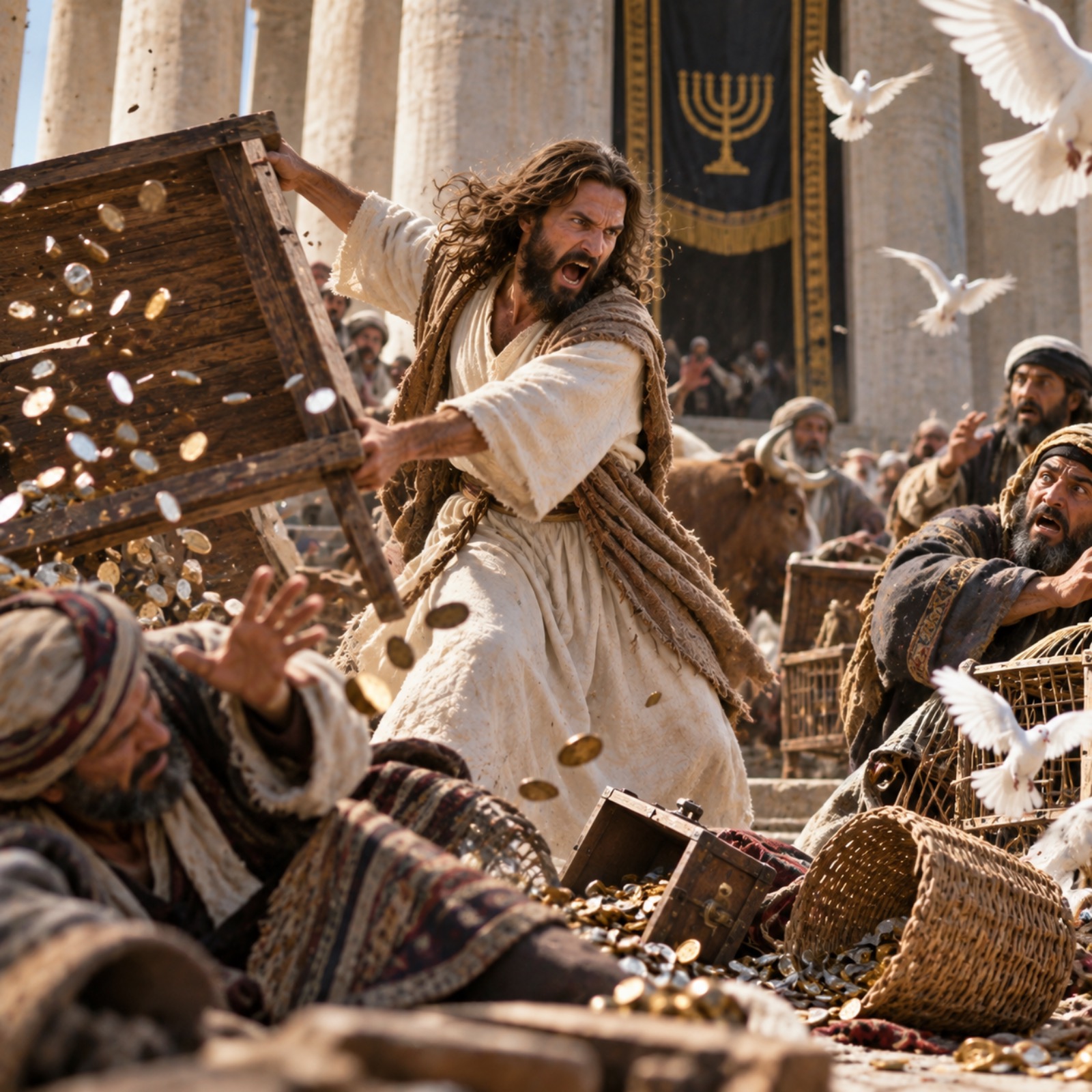
    Todays Podcast on Mark 11 explores the confrontation between authentic faith and superficial religious performance. By analyzing the triumphal entry on a humble donkey, the author illustrates that Jesus rejected traditional displays of power in favor of a peaceful, servant-hearted kingdom. The narrative links the cursing of the barren fig tree to the cleansing of the temple, portraying both as judgments against systems that prioritize outward appearance over spiritual substance. The text emphasizes that Jesus was particularly incensed by religious exploitation that marginalized the vulnerable while maintaining a facade of holiness. Ultimately, the source serves as a call for individuals and leaders to move beyond performative rituals to develop a genuine, rooted relationship with God. This perspective offers comfort to those exhausted by religious expectations, suggesting that God values real fruitfulness over the mere illusion of vitality.

  • S7 · E16
    September 15 · 19 min

    Praying 5 - Boldness of Grace - Genesis 18

    Todays podcast explores Genesis 18 and the transformative nature of prayer through the biblical narrative of Abraham’s intercession for Sodom in Genesis 18. It argues that prayer is not a performative audition for a distant judge, but rather a bold participation in the purposes of a God who has already drawn near. By examining the covenant relationshipbetween God and humanity, the author illustrates that believers can approach the divine with radical honesty and reverence. The source emphasizes that this access is ultimately secured by Jesus Christ, the superior intercessor who fulfills both justice and mercy. Consequently, prayer is presented as a grace-filled response to God’s character rather than an attempt to manipulate his will.

  • S7 · E15
    September 13 · 18 min

    Praying 4 - When God Doesn't Make Sense - Habakkuk 1-2

    Todays podcast examines the biblical book of Habakkuk to explore how individuals can maintain faith when God’s actions seem incomprehensible. It highlights the prophet’s honest struggle with social injustice and the confusing nature of divine timing, suggesting that questioning God is a valid expression of wounded faith rather than a sign of unbelief. The source argues that while human perspective is limited to a single chapter of history, God’s sovereign plan encompasses the entire narrative, eventually leading to the restoration of all things. By connecting these Old Testament themes to the work of Jesus, the author encourages readers to find security in God's character rather than in their own ability to solve life's mysteries. Ultimately, the overview presents a theology of grace and waiting, where the believer’s confidence rests on the finished work of the cross during seasons of darkness.

Showing 41–60 of 70 episodes