Skip to content
Artwork for Grace Slowly

Grace Slowly

Will Henderson

Grace Slowly is an online resource and community designed for individuals navigating the aftermath of spiritual trauma, legalism, or harmful religious environments. Founded by Will Henderson, a pastor who has survived spiritual abuse, the platform offers a non-pressured environment to rediscover faith without the weight of shame or performance. The content provides scriptural reflectionsand gentle spiritual practices that prioritize the unconditional love of Christ over rigid behavioral expectations. While not a substitute for professional counseling, it serves as a safe haven for the weary to rebuild trust at their own pace. By emphasizing that belonging precedes behavior, the source fosters a supportive space for healing and quiet contemplation. Through moderated interactions and clear boundaries, it invites readers to explore a grace-centered relationship with Jesus free from the urgency of traditional institutional demands.

Play
  • 40 episodes
  • Avg 22 min
  • English
Counted on this page — what you have heard stays on this device, so it is not something the list can be paged by.
  • S9 · E12
    Yesterday · 20 min

    Communion Without A Table

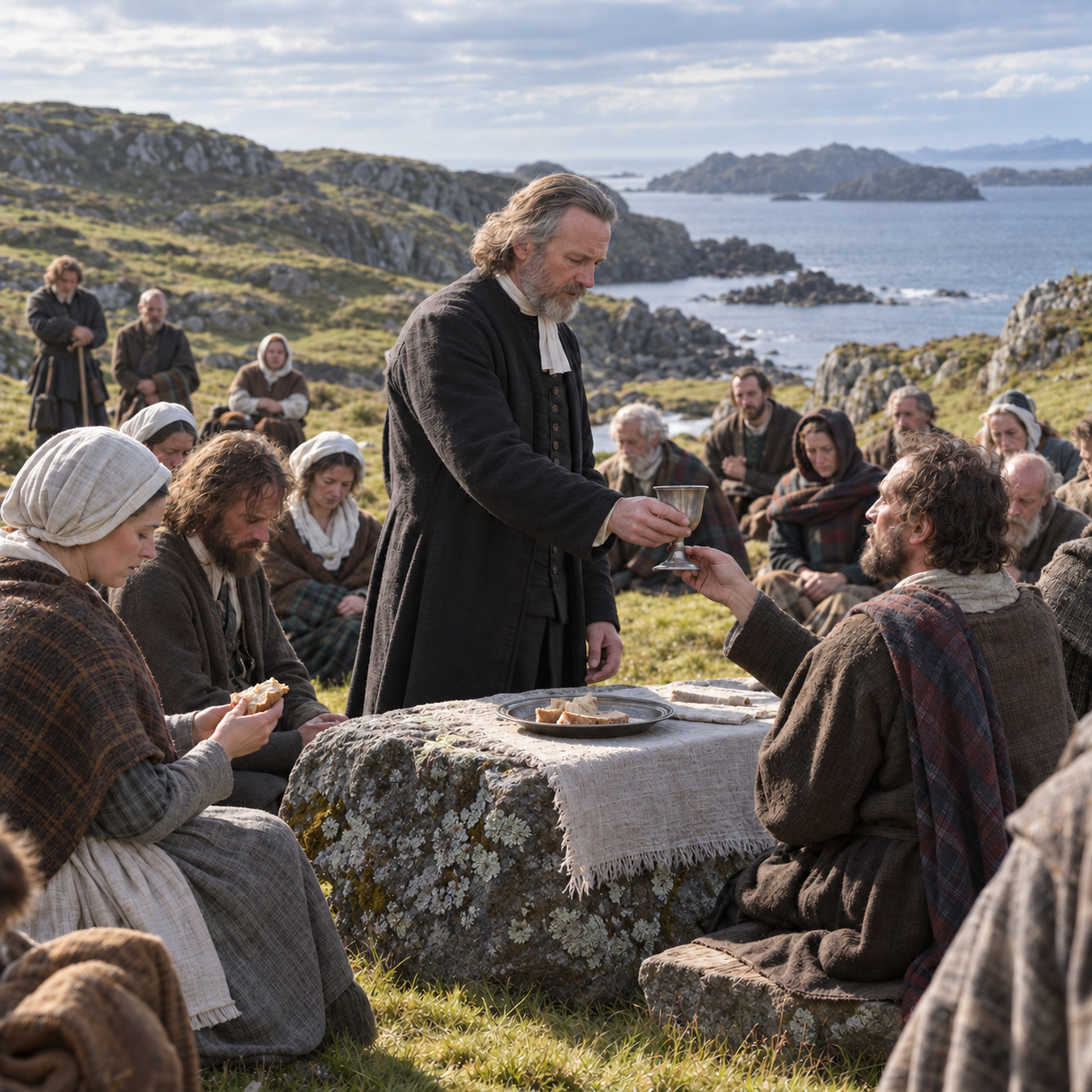
    Today’s Podcast reflects on the spirit and practice of Christian communion, emphasizing that it transcends traditional church architecture and institutional settings. It draws parallels between an intimate gathering in a house in Japan and historic Covenanter field services in Scotland, where believers partook in the Lord's Supper outdoors without official sanctuaries. These examples illustrate that early apostolic traditions and modern faith practices focus on scripture, fellowship, and remembering Christ's death rather than formal sacred spaces. Furthermore, the narrative highlights that Jesus is not bound to physical buildings, suggesting that the communion table rightfully belongs to Him and is accessible to all believers. Ultimately, the author asserts that personal conviction and grace invite individuals to the table, freeing them from condemnation and human regulations.


  • S9 · E11
    Saturday · 19 min

    Hebridean Psalms - When the Room Sings

    Todays Podcast examines how authentic worship emerges naturally from inner joy rather than rigid performance or emotional manipulation. The author contrasts current experiences in various congregations with the historical tradition of Scottish Gaelic psalm singing, where a leader chants a line and the community responds using individual, unscripted melodies. Originally developed because books were scarce and literacy was low, this traditional method allowed everyone to participate without musical instruments or forced uniformity. Ultimately, the narrative argues that true spiritual connection is a free gift rooted in grace, meaning heartfelt communal singing should flow spontaneously from gratitude instead of compliance with manufactured rules.

  • S9 · E10
    Saturday · 19 min

    Na Daoine (The Highland Men)

    Today’s Podcast examines the abuse of spiritual authority within a local congregation compared to the historical legacy of Na Daoine, or "the Men," who were influential lay leaders in the Scottish Highlands. It highlights how an unofficial leader and his wife exercised coercive control over the church board and minister through intimidation and unspoken pressure, forcing members into fearful silence. In contrast, historical accounts of the Highland Men show them testing theological truth, fostering community reconciliation, and keeping ministers accountable through spiritual integrity rather than domination. The author connects these dynamics to biblical teachings, contrasting the oppressive rule condemned by Jesus with genuine servant leadership. Ultimately, the passage urges believers to recognize the difference between manipulative pressure that silences individuals and the liberating grace found in Christ.

  • S9 · E9
    Saturday · 22 min

    The Holy Fair & Communion Table

    Today’s Podcast explores the solemn atmosphere and Scottish cultural traditions surrounding Christian communion through personal observation and historical context. It contrasts the natural, learned behavior of churchgoers during communion with the satirical observations of Scottish poet Robert Burns, who critiqued religious hypocrisy during historical communion seasons. Furthermore, the passage references biblical teachings from Jesus and the apostle Paul to examine the true meaning of self-reflection, grief, and worthiness at the ritual table. The narrative highlights a struggling single mother to illustrate that grace is freely given rather than earned by any attendee. Ultimately, the writing emphasizes that true spiritual participation requires personal introspection instead of external judgmentfrom fellow worshippers.

  • S9 · E8
    Friday · 20 min

    The Burns Supper & The Last Supper

    Todays Podcast explores the traditions of the Burns Supper, an annual global celebration honouring the Scottish poet Robert Burns with traditional food, poetry, and a commemorative speech. The author reflects on a personal experience attending this gathering with family, contrasting its historical origins with Christian practices. Specifically, the narrative compares the Immortal Memory toast—which honors a deceased historical figure—with the Lord's Supper, emphasizing spiritual communion with a risen savior rather than mere remembrance of the absent. Ultimately, the piece highlights how both meals incorporate expressions of gratitude before eating while drawing distinct spiritual conclusions from communal dining.

  • S9 · E7
    Wednesday · 18 min

    The First Foot

    Today’s Podcast explores the Scottish Hogmanay tradition known as the first foot, where the initial person crossing a household's threshold after midnight shapes the upcoming year's fortune, traditionally favoring tall, dark-haired men bearing symbolic items. This cultural practice of categorizing individuals as lucky or threatening mirrors how religious institutions and societies often predetermine who is welcome and who poses a risk. Drawing a parallel between household guests and spiritual encounters, the author contrasts a visitor who arrives with a judgmental verdictagainst one who offers unearned service like a gift. Ultimately, the passage compares divine intervention to an unexpected helper who cleans a mess without demand, suggesting that Jesus approaches humanity not to inspect or condemn, but to fellowship over a shared table.

  • S9 · E6
    Wednesday · 21 min

    Smooring the Fire

    Today’s Podcast explores the historical Scottish tradition of smooring the fire, a nightly ritual where domestic hearths were carefully covered with ash and accompanied by protective prayers. Although folklorist Alexander Carmichael polished these recorded blessings, the physical practice of keeping the flame alive overnight remained a vital part of regional life to preserve household luck and ensure a foundation for the next day. Connecting this ancient custom to spiritual themes, the source contrasts performance-based religion with unearned divine grace, suggesting that believers should embrace rest and spiritual dependence rather than anxious toil. Ultimately, the author advocates for cultivating a nurturing community environment where weary individuals can abandon perfectionism and authentically experience God's unearned love.

  • S5 · E13
    Wednesday · 21 min

    Mark 13 Awake Not Anxious

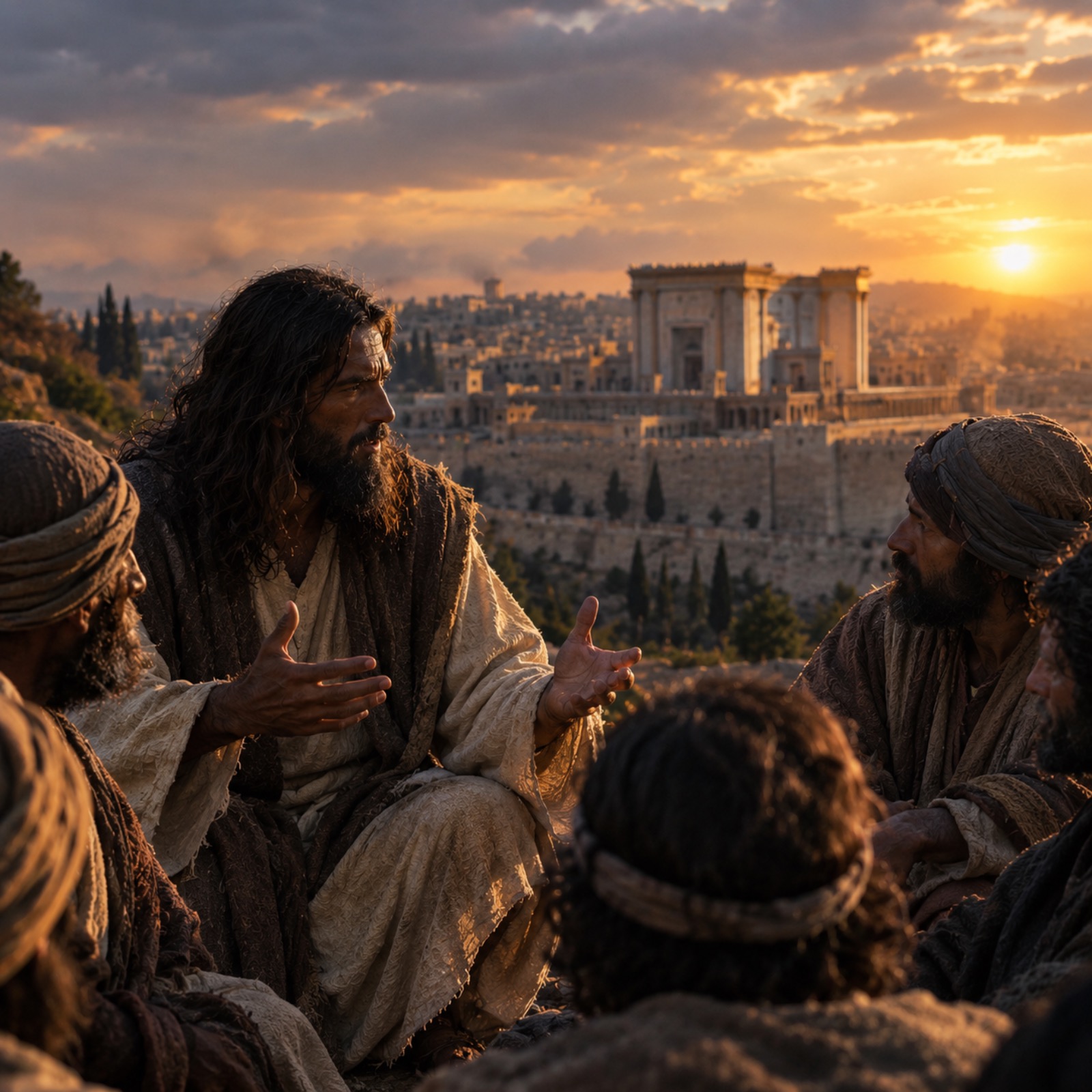
    In today’s Podcast, "Awake, Not Anxious," we look at the apocalyptic imagery of Mark 13 and seek to relieve the spiritual anxiety often caused by doomsday predictions and end-times timelines. Rather than providing a calendar for the future return of Jesus, the biblical text encourages believers to remain calmly vigilant without succumbing to paralyzing fear. Drawing parallels to a confident teenager waiting for a reliable parent or a relaxed lifeguard scanning the water, the excerpt illustrates that true spiritual watchfulness is rooted in steady trust rather than panic. Believers are instructed to actively perform their daily duties and love their neighbors while eagerly anticipating a familiar master rather than an intimidating judge. Ultimately, the writing offers a comforting message that assurance of salvation rests entirely on Christ's dependable character instead of human perfection in staying awake.

  • S5 · E12
    Wednesday · 20 min

    Mark 12 - The God who Wants You

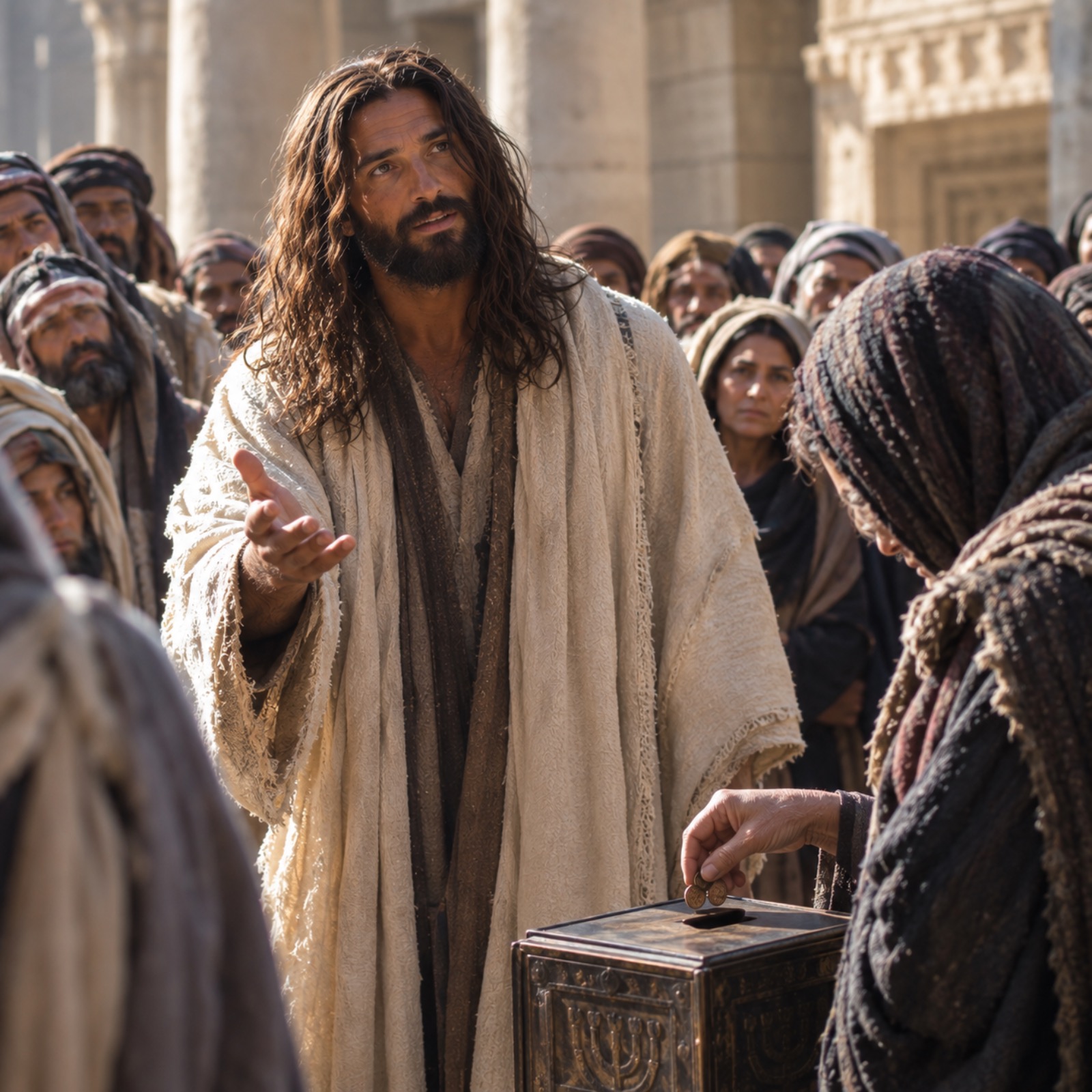
    Religious systems frequently distort divine authority to control individuals and demand endless spiritual performance, leaving vulnerable people exhausted and burdened by shame. In Mark 12, Jesus confronts this abusive legalism by exposing corrupt leaders who exploit others for personal gain. Instead of requiring believers to earn acceptance through rigorous works, Jesus Christ offers unearned grace through His ultimate sacrifice on the cross. Therefore, true Christian obedience and prayer do not serve as a means to gain God's favor, but rather flow naturally from an established relationship with Him. Ultimately, believers are invited to approach God honestly as they are, relying entirely on the finished work of the Savior rather than human effort.

  • S9 · E5
    Tuesday · 21 min

    Fencing the Table - A list of who can't come, read aloud.

    Historically, Christian worship traditions practiced "fencing the table" by physically and verbally blocking unworthy individuals from partaking in communion. While proponents intended this ritual as a protective measure to ensure proper reverence, critics argue it frequently devolves into legalistic exclusion and harsh judgment without offering a pathway to restoration. Modern reflections on this practice highlight how rigid lists of prohibitions often overshadow the inclusive nature of the ritual. In contrast, biblical examples suggest that discipline should always aim for gentle rescue, forgiveness, and healing rather than permanent isolation. Ultimately, the text advocates for replacing rigid religious barriers with Christ's open invitation, emphasizing personal self-examination over human-made checklists of worthiness.

  • S9 · E4
    October 5 · 20 min

    The Cutty Stool - Public Shame and Grace

    Today’s Podcast looks at how historically, Scottish religious communities utilized a humiliating public platform known as the cutty stool to punish individuals—disproportionately targeting the impoverished—for moral transgressions like premarital sex. Although church leaders justified this practice through selective biblical interpretation, this method ultimately fostered a culture of secrecy and concealment rather than genuine spiritual restoration. In stark contrast, the text highlights how Jesus Christ consistently rejected public shaming in favor of radical acceptance, offering dignity, hospitality, and unearned grace to outcasts. By comparing rigid institutional humiliation with compassionate divine intervention, the narrative demonstrates that true transformation stems from loving inclusion rather than punitive judgment. Ultimately, the author urges believers to look away from condemning human structures and instead follow the example of Jesus, who bore humiliation to lift others up.

  • S9 · E3
    October 4 · 20 min

    The Token - Jesus chose His guests knowing they'd fail

    Historically, Scottish Presbyterian churches used small metal communion tokens to restrict the Lord's Supper to individuals who had successfully passed a rigorous prior examination by local elders. Originating from an idea by John Calvin to protect sacred traditions from being profaned, these physical passes required believers to earn their approval and prove their worthiness before participating in worship. This gatekeeping practice fostered an enduring religious culture centered on performance and spiritual anxiety, mirroring modern church requirements like membership courses and leadership titles that still function as unofficial barriers today. In sharp contrast, Jesus Christ famously welcomed deeply flawed disciples to the original Passover table, knowingly choosing individuals who would inevitably fail rather than demanding any proof of righteousness. Ultimately, the podcast argues that the church's true purpose should be to warmly invite everyone rather than to audit and exclude believers based on man-made standards.

  • S9 · E2
    October 3 · 14 min

    The Stones We Raise…

    Ancient human history features mysterious megalithic monuments, such as the Ring of Brodgar, which were constructed through immense physical labor without modern machinery yet left behind no written records to explain their original purpose. Centuries later, the Picts erected carved stones adorned with enigmatic symbols and, eventually, Christian crosses, though many of these carvings were later defaced or re-carved with new meanings by subsequent generations. These archaeological puzzles mirror biblical accounts where standing stones served as generational teaching tools to preserve sacred historical memories for children who inquired about their significance. However, without active parental transmission, physical markers inevitably lose their intended context and fall into silent ambiguity. Consequently, the author reflects on the importance of ensuring that modern spiritual legacies are deliberately explained so that future generations understand their true significance rather than simply inheriting silent relics.

  • S9 · E1
    October 3 · 17 min

    Tigh nam Bodach - Forgetting Meaning

    The provided text uses the remote Scottish tradition of Tigh nam Bodach—where villagers seasonally move sacred figures despite having forgotten their original meaning—to explore how repeated human practices silently shape our character. While this ancient ritual demonstrates how routines subconsciously form individuals across generations, the author contrasts it with Christian formation, emphasizing that believers do not follow an unexplained mystery. Instead of using spiritual routines as a checklist to earn divine approval, Christians participate in the active, living presence of Jesus. Ultimately, true spiritual growth begins by recognizing that grace comes first, allowing individuals to heal from performance-based religion and gently learn to receive God's unearned love.

  • S8 · E10
    October 2 · 20 min

    Before the Catch 10 - Where This Was Always Headed

    Todays Podcast argues that personal healing and spiritual growth are ultimately designed to prepare individuals for outward-facing love and service to others. Rather than serving as an isolated, private achievement, inner stability frees a person to actively practice justice and mercy in their daily interactions. This active compassion embodies the Kingdom of God in the present moment rather than deferring it to a distant future. Furthermore, this earthly goodness connects to a much larger, cosmic narrative of renewal, where the entire universe is moving toward ultimate restoration. Ultimately, the writing concludes that grace and spiritual grounding serve to empower people to love those around them right now under a reigning king.

  • S8 · E9
    October 2 · 22 min

    Before the Catch 9 - Nobody Owns Your Conscience

    Today’s Podcast looks at how Spiritual abuse often occurs when religious figures overstep their boundaries by dictating an individual's inner thoughts and personal doubts. Rather than encouraging independent thought, toxic leadership structures demand excessive submission and make believers overly dependent on human authority. True spiritual guidance should foster personal freedom and encourage believers to answer directly to God through their own conscience. Healthy faith communities empower individuals to trust their personal interpretation of scripture without fear of manipulation or control. Ultimately, Jesus Christ offers true liberation from oppressive religious control, allowing believers to reclaim their spiritual autonomy.

  • S8 · E8
    October 1 · 21 min

    The Insatiable Machine - A Word to Pastors

    Todays Podcast address Spiritual Abuse. Modern religious institutions often function as callous systems that exploit human labor and demand absolute compliance rather than offering genuine care. When individuals reach their limits and burn out, the institution frequently discards them without a second thought, prioritizing operational needs over human well-being. By contrasting this transactional environment with the unconditional love shown by Jesus and loved ones, the author highlights the profound healing power of radical acceptance. Pastors are urged to recognize how their congregations perpetuate this toxic corporate culture at the expense of personal dignity. Ultimately, leaders must dismantle harmful expectations and actively reach out to the exhausted and marginalized who have been mistreated by the church.

  • S8 · E7
    September 30 · 18 min

    Before the Catch 7 - Falling Doesn’t End the Story

    Today’s Podcast explores when individuals experience moral failure, they often feel an instinctual desire to hide from divine presence, much like Adam and Eve in Genesis. This reaction stems from a distorted perception that God responds to human mistakes with anger and strict record-keeping rather than grace. However, biblical narratives like the story of Joshua illustrate that God does not demand self-cleansing or a probation period before offering acceptance. Instead of requiring people to fix their flaws independently, God actively removes their guilt and provides unearned restoration. Ultimately, individuals can approach God just as they are without needing to formulate an apology speech or sort through their messy emotions first.

  • S7 · E21
    September 29 · 11 min

    Praying 11 - Grace When You Can’t Pray - Luke 23:34

    Today’s Podcast is focused on the topic Grace when you can’t Pray. Believers who have suffered hurt or legalism often view prayer as an intimidating performance review rather than a meaningful connection with God. However, Jesus demonstrates unconditional grace by praying for His enemies during the crucifixion instead of demanding retribution or perfection. This divine sacrifice defeats spiritual evil while proving that God's forgiveness does not minimize genuine injustice. Consequently, communication with God is not a tool used to earn divine favor, but rather a relational response built on what Christ has already accomplished. Even when personal trauma or emotional exhaustion leaves individuals struggling for words, their confidence rests entirely on Jesus's ongoing intercession. Ultimately, prayer requires no polished language or emotional mastery, but simply offers a tired heart the freedom to approach a loving Father.

  • S8 · E6
    September 28 · 22 min

    Before the Catch 6 - Beyond Willpower

    explores the limitation of human willpower in overcoming recurring moral failures and harmful habits. It argues that while external discipline and boundaries are useful, they cannot address the hidden desires of the heart that drive behavior. The author posits that true spiritual transformation occurs not through trying harder, but by abiding in the grace of Jesus Christ and the power of the Holy Spirit. By shifting the focus from self-reliance to divine connection, individuals can find relief from the cycle of shame and failure. Ultimately, the source emphasizes that God’s internal work is the only sustainable engine for genuine character change and lasting peace.

Showing 1–20 of 40 episodes