
Skip to content
Artwork for Grace Slowly

Grace Slowly

Will Henderson

Grace Slowly is an online resource and community designed for individuals navigating the aftermath of spiritual trauma, legalism, or harmful religious environments. Founded by Will Henderson, a pastor who has survived spiritual abuse, the platform offers a non-pressured environment to rediscover faith without the weight of shame or performance. The content provides scriptural reflectionsand gentle spiritual practices that prioritize the unconditional love of Christ over rigid behavioral expectations. While not a substitute for professional counseling, it serves as a safe haven for the weary to rebuild trust at their own pace. By emphasizing that belonging precedes behavior, the source fosters a supportive space for healing and quiet contemplation. Through moderated interactions and clear boundaries, it invites readers to explore a grace-centered relationship with Jesus free from the urgency of traditional institutional demands.

Play
  • 20 episodes
  • Avg 24 min
  • English
  • S8 · E5
    Yesterday · 22 min

    Before the Catch 5 - Not A Program

    This text distinguishes between rigid spiritual programs and the organic process of spiritual formation. The author argues that true growth is not a check-list of requirements or a ladder of performance used to earn divine favor. Instead, it is a nonlinear journey of learning to live from a state of existing acceptance in Christ rather than striving to achieve it. While traditional practices like prayer and scripture remain vital, they should serve as invitations to intimacy rather than measures of worth or tools for external control. Ultimately, the source emphasizes that grace is the starting point, transforming obedience from a burdensome obligation into a free response to love.

  • S7 · E20
    Tuesday · 21 min

    Praying 10 - When Prayer Hurts - Matthew 26:36-46

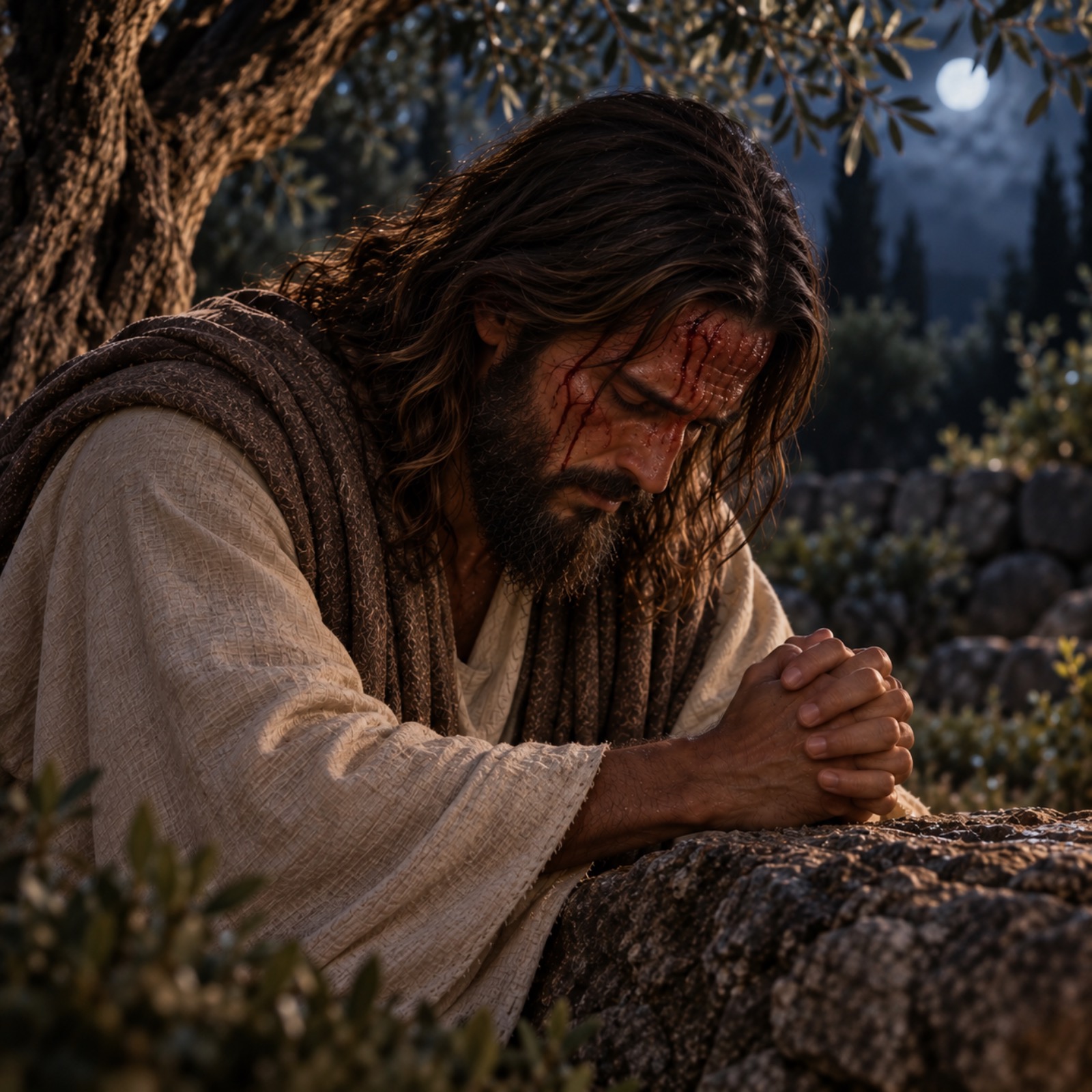
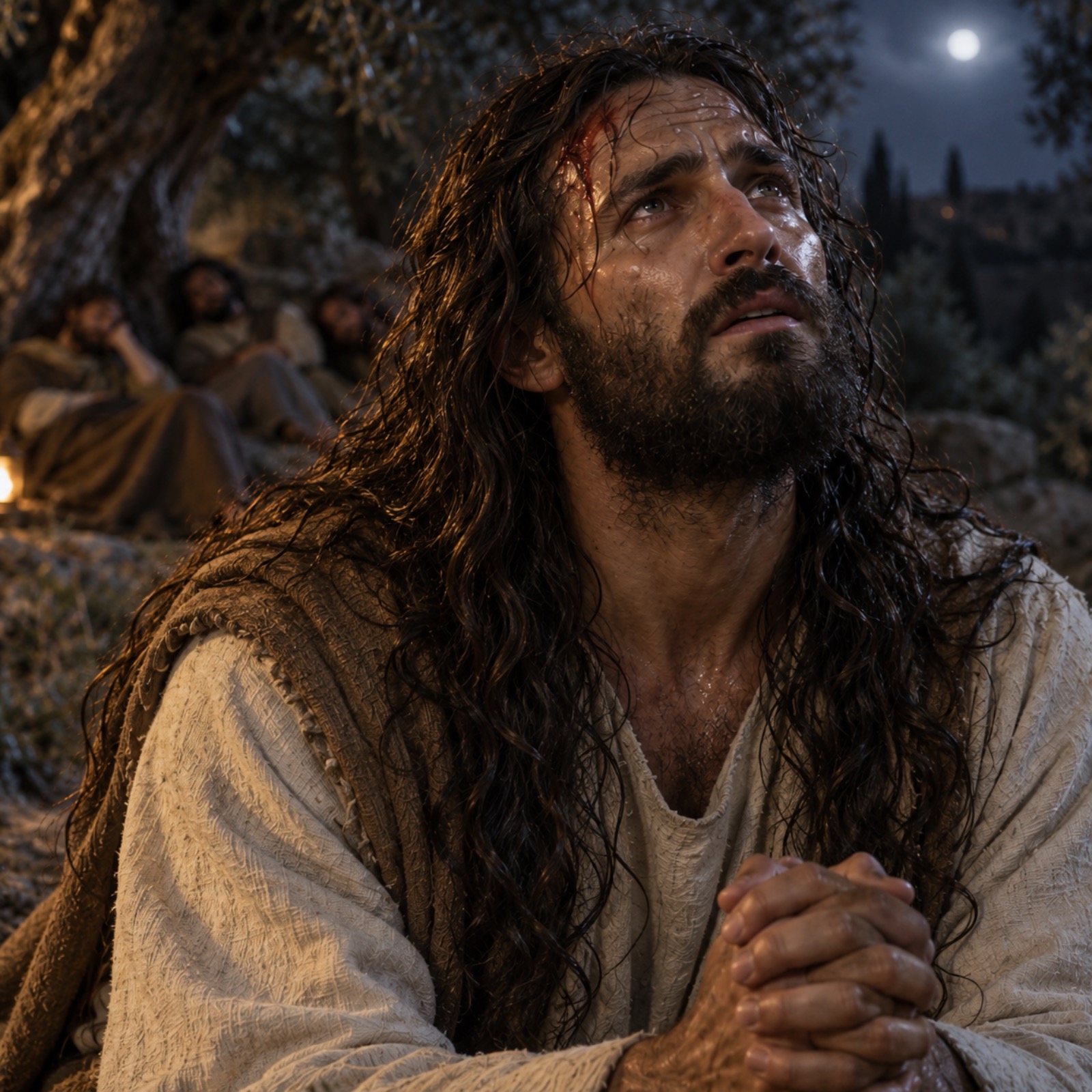
    Today we explore how the prayer of Jesus in Gethsemane (Matthew 26:36-46) provides a compassionate model for communicating with God during seasons of intense suffering. Rather than demanding emotional perfection or the suppression of pain, the author suggests that authentic faith involves bringing one's genuine fears and desires into the light of God’s presence. The source emphasizes that true surrender is not about erasing personal longing, but about placing those desires within a framework of trust in a loving Father. Furthermore, the passage reassures readers that spiritual maturity does not require constant strength or isolation; instead, it allows for repeated, simple requests and the support of a community. Ultimately, the text highlights that a believer's security rests not in the quality of their own prayers, but in the finished work and faithfulness of Jesus Christ.

  • S7 · E19
    Monday · 39 min

    Praying 9 - Stop Trying to Impress your Father - Matthew 6

    Today’s Podcast explores the transformative nature of prayer as taught in Matthew 6, the Lords Prayer, contrasting religious performance with a genuine relationship with God. Rather than a mechanical formula or a public display to earn approval, Jesus presents prayer as a restorative invitation for believers to approach God as beloved children. By examining the intercession of Moses and the ultimate mediation of Christ, the source emphasizes that grace precedes obedience and removes the burden of spiritual perfection. The author argues that because God is a compassionate Father who already understands human needs, prayer serves to reorient the heart toward divine reality rather than to manipulate or inform the Creator. Ultimately, the text encourages readers to abandon shame and legalism, finding security in the fact that Jesus has already secured their access to the Father’s presence.

  • S7 · E18
    September 18 · 18 min

    Praying 8 - When Prayer has No Filter

    The text explores the story of Hannah from First Samuel to illustrate that God welcomes unfiltered, honest prayerrather than religious performance. It emphasizes that believers do not need to suppress their grief or anger to be heard, contrasting Hannah’s raw vulnerability with the corrupt and judgmental religious systems represented by the priest Eli. The author provides comfort to those wounded by spiritual authority, asserting that God sees the truth even when leaders misinterpret pain as moral failure. By linking Hannah’s suffering to the eventual ministry of Jesus, the source portrays Christ as a compassionate High Priest who understands human weakness intimately. Ultimately, the narrative serves as an invitation to abandon emotional masks and approach the throne of grace with complete transparency. Through the lens of the gospel, the text argues that divine acceptance is a gift of grace that requires no personal polish or pretense.

  • S8 · E4
    September 18 · 18 min

    Before the Catch 4 - Not Yours to Carry

    Todays Podcast addresses the profound spiritual burnout caused by the mistaken belief that a person is solely responsible for their own character transformation and holiness. The author explains that many believers suffer from exhaustion because they view Christian growth as a high-pressure performance meant to earn divine acceptance rather than a response to it. By using a home renovation metaphor, the source clarifies that the Holy Spirit acts as the structural support of a person’s life, carrying the weight that individuals often try to lift alone. Readers are encouraged to shift from anxious striving to a state of genuine participation, where obedience is fueled by the security of being loved rather than the fear of rejection. Ultimately, the passage emphasizes that spiritual progressis not a solitary burden but a collaborative process initiated and sustained by God’s grace.

  • September 17 · 20 min

    Praying 7 - The Worst Prayer Ever, God Answers

    Todays Podcast explores the narrative of Elijah in 1 Kings 19 to illustrate that prayer is a vulnerable dialogue rather than a spiritual performance. By examining Elijah’s profound exhaustion and his desire to die, the author demonstrates that God responds to burnout with physical care and gentle silence rather than rebuke or demands. This perspective challenges modern pressures of spiritual perfectionism and religious shame, suggesting that God prioritizes a person's well-being over their productivity. Ultimately, the source connects this Old Testament account to the grace found in the Gospel, portraying God as a father who welcomes the weary. Through the imagery of bread, rest, and a low whisper, the text reassures readers that honesty in their lowest moments is a valid and heard form of communication.

  • S7 · E17
    September 16 · 23 min

    Praying 6 - God Said He Would Destroy Them - Exodus 32

    Todays podcast explores the profound mystery of prayer through the lens of Exodus 32, where Moses intercedes for Israel after they worshiped a golden calf. The author argues that biblical prayer is not a way to manipulate a divine being, but rather a sovereignly ordained instrument through which God accomplishes his eternal purposes. Instead of relying on personal performance or merit, Moses appeals directly to God’s character and his established covenant promises. This perspective offers a liberating alternative to legalism and spiritual abuse, emphasizing that believers have access to God through the mediation of Jesus Christ. Ultimately, prayer is presented as a gracious invitation into a relationship with a faithful Creator who encourages honest communication. Through this framework, the act of praying becomes a meaningful participation in divine providence rather than a test of religious duty.

  • S5 · E11
    September 16 · 19 min

    Mark 11 - All Leaves No Fruit

    Todays Podcast on Mark 11 explores the confrontation between authentic faith and superficial religious performance. By analyzing the triumphal entry on a humble donkey, the author illustrates that Jesus rejected traditional displays of power in favor of a peaceful, servant-hearted kingdom. The narrative links the cursing of the barren fig tree to the cleansing of the temple, portraying both as judgments against systems that prioritize outward appearance over spiritual substance. The text emphasizes that Jesus was particularly incensed by religious exploitation that marginalized the vulnerable while maintaining a facade of holiness. Ultimately, the source serves as a call for individuals and leaders to move beyond performative rituals to develop a genuine, rooted relationship with God. This perspective offers comfort to those exhausted by religious expectations, suggesting that God values real fruitfulness over the mere illusion of vitality.

  • S7 · E16
    September 15 · 19 min

    Praying 5 - Boldness of Grace - Genesis 18

    Todays podcast explores Genesis 18 and the transformative nature of prayer through the biblical narrative of Abraham’s intercession for Sodom in Genesis 18. It argues that prayer is not a performative audition for a distant judge, but rather a bold participation in the purposes of a God who has already drawn near. By examining the covenant relationshipbetween God and humanity, the author illustrates that believers can approach the divine with radical honesty and reverence. The source emphasizes that this access is ultimately secured by Jesus Christ, the superior intercessor who fulfills both justice and mercy. Consequently, prayer is presented as a grace-filled response to God’s character rather than an attempt to manipulate his will.

  • S7 · E15
    September 13 · 18 min

    Praying 4 - When God Doesn't Make Sense - Habakkuk 1-2

    Todays podcast examines the biblical book of Habakkuk to explore how individuals can maintain faith when God’s actions seem incomprehensible. It highlights the prophet’s honest struggle with social injustice and the confusing nature of divine timing, suggesting that questioning God is a valid expression of wounded faith rather than a sign of unbelief. The source argues that while human perspective is limited to a single chapter of history, God’s sovereign plan encompasses the entire narrative, eventually leading to the restoration of all things. By connecting these Old Testament themes to the work of Jesus, the author encourages readers to find security in God's character rather than in their own ability to solve life's mysteries. Ultimately, the overview presents a theology of grace and waiting, where the believer’s confidence rests on the finished work of the cross during seasons of darkness.

  • S7 · E14
    September 11 · 17 min

    Praying 3 -When Prayer Feels Like Talking to the Ceiling - Psalm 13

    This text explores Psalm 13 as a biblical roadmap for navigating seasons when God feels silent or distant. Rather than encouraging religious performance or the suppression of pain, the author highlights how honest lament serves as a vital expression of faith. The source argues that bringing questions to God is not a sign of failure but a relational act rooted in the security of the gospel. By looking to Jesus Christ as the ultimate answer to abandonment, the text reassures readers that divine silence does not equal absence. Ultimately, the passage teaches that steadfast love provides a foundation for trust even when circumstances remain unchanged.

  • S7 · E13
    September 10 · 19 min

    Praying 2 - When You Forgot How - Psalm 22

    Today’s podcast is part of a spiritual series designed for individuals who have lost their ability to pray due to suffering or religious abuse. It utilizes Psalm 22 to demonstrate that God welcomes honest lament and feelings of abandonment rather than demanding practiced, superficial piety. The author argues that spiritual systems often silence genuine pain, whereas the Bible provides a vocabulary for crying out to God in distress. By connecting this ancient prayer to Jesus on the cross, the source illustrates that Christ identifies with human agony and secures a relationship based on grace rather than performance. Ultimately, the message encourages readers to approach God authentically, finding hope in the fact that darkness is not a sign of rejection but a space where divine mercy meets human honesty.

  • S7 · E12
    September 9 · 23 min

    Praying 1 - When God Feels Gone - Psalm 88

    Today we’re looking at Psalm 88 as a profound biblical validation for those experiencing spiritual darkness and the feeling of divine abandonment. Unlike many other scriptures, this psalm offers no happy ending, which the author argues provides permission for believers to be honest about their pain without the pressure of religious performance. The source critiques legalistic church culturesthat equate maturity with constant emotional victory, suggesting instead that lament is a form of faith that refuses to abandon the relationship with God. Central to the message is the idea that Jesus Christ personally entered this same darkness through the cross, securing a salvation that does not depend on a person's feelings or spiritual success. Ultimately, the overview presents a theology of grace where God’s presence remains certain even when He cannot be felt, offering hope to the spiritually wounded.

  • S8 · E3
    September 8 · 16 min

    Before the Catch 3 - Nothing Left To Prove

    This text explores the emotional exhaustion caused by a performance-based faith where believers feel they must constantly prove their worthiness to God. The author distinguishes between spiritual standing, which is a permanent legal status granted by grace, and spiritual growth, which is a messy and non-linear process. Using the analogy of a child in a family, the source argues that a believer's place at the table is never at risk due to mistakes or slow development. True transformation occurs only when individuals stop anxiously scanning for rejection and accept that their acceptance is already settled through Christ. By removing the pressure to perform, the gospel creates a safe environment for honest repentance and gradual change. Ultimately, the message encourages readers to stop checking their "spiritual scoreboard" and instead trust in the secure foundation of God's unearned favor.

  • S7 · E11
    September 5 · 38 min

    Jesus War Prayer 10 - His, The Kingdom, The Power, The Glory

    Today we explore the textual history and theological depth of the doxology traditionally used to conclude the Lord's Prayer. While the phrase concerning the kingdom, power, and glory is absent from the oldest biblical manuscripts, the author argues that its inclusion reflects ancient liturgical practices rooted in Hebrew Scripture. For those emerging from high-control religious environments, this ending serves as a vital reminder that the burden of maintaining God’s reputation or kingdom rests on divine authority rather than human effort. By centering on the character of Jesus and his sacrificial love, the passage transforms these words from a religious performance into a declaration of grace. Ultimately, the source encourages readers to find rest in the fact that salvation depends on God’s strength instead of their own spiritual stamina.

  • S8 · E2
    September 4 · 21 min

    Before the Catch 2 - Paid Before You Asked

    Today we explore the psychological and spiritual burden of leaving high-control religious environments that emphasise performance-based worth. The author describes how individuals often carry an internalized "ledger" of guilt and debt long after they have physically exited a manipulative church system. By contrasting these oppressive human structures with the core Christian message of grace, the narrative argues that true reconciliation with God is an already-completed giftrather than an earned status. The source highlights that while religious traumacan make one feel perpetually indebted, the gospel offers a transformative freedom where obedience flows from acceptance rather than fear. Ultimately, the writing serves as a guide for healing the mind from legalistic patterns by focusing on the finished work of Jesus.

  • S7 · E10
    September 4 · 22 min

    Jesus War Prayer - Deliver us from the Evil One (short)

    Today we explore the final petition of the Lord’s Prayer, viewing it as a call for divine protection against an enemy that uses guilt and shame to distort human identity. The author emphasizes that spiritual warfare is not about personal expertise in darkness or complex rituals, but about a total reliance on Jesus Christ, who has already secured the victory over evil. Rather than allowing past failures to become a permanent verdict, the gospel offers a transformative gracethat replaces the voice of the accuser with the safety of a Father. By looking to the cross and resurrection, believers find the courage to face their vulnerabilities without fear of condemnation. Ultimately, the prayer "deliver us" is an act of dependence that shifts the focus from the power of evil to the supreme authority and love of God.

  • S8 · E1
    September 3 · 8 min

    Before The Catch 1 - Grace Moved Before You Did

    Today we explore the psychological burden of religious performance, where individuals feel the constant need to audit their own spirituality to ensure they remain in good standing with the divine. The author argues that many people mistakenly view divine favor as a reward for hard work or perfect behavior rather than a freely given gift. By shifting the focus away from human effort, the writing highlights that grace is a preemptive move made by God long before a person attempts to improve themselves. This perspective offers deep relief to those exhausted by legalistic control or the fear of failing to meet spiritual expectations. Ultimately, the source reassures readers that their standing is secure and finished, rather than a fluctuating score that must be maintained through constant self-monitoring.

  • S7 · E9
    September 3 · 50 min

    Jesus War Prayer 9 - But Deliver Us From the Evil One

    Today we examine the concluding petition of the Lord’s Prayer, focusing on the specific request to be rescued from the evil one. The author argues that while modern culture often dismisses the devil as a cartoon or a myth, Jesus presents a personal adversary whose primary weapon is accusation and the fracturing of trust in God. Rather than encouraging an obsession with spiritual warfare, the source emphasizes that victory is found solely through dependence on Christ, who has already disarmed all dark powers through his death and resurrection. Readers are encouraged to view this prayer not as a cry of terror, but as a confident act of trust in a Father who preserves his children. Ultimately, the text shifts the focus away from the strength of the enemy and toward the sovereignty of grace, reminding believers that their security is anchored in Jesus’ finished work.

  • S7 · E8
    September 2 · 51 min

    Jesus War Prayer 8 - Lead Us Not into Temptation

    Today we explore the theological and practical depths of the petition in the Lord’s Prayer regarding temptation and deliverance from evil. It emphasizes that human weakness is targeted with modern precision, yet Jesus provides a prayer that acknowledges our vulnerability within a cosmic conflict between God’s kingdom and rebellious spiritual forces. The author distinguishes between God’s testing, which matures faith, and the tempter’s seduction, which seeks to exploit failure to create permanent despair. Using the narrative of Peter’s denial and restoration, the source illustrates that grace is not dependent on a flawless record but on the unrivaled authority and mercy of Christ. Ultimately, the text presents the prayer as an act of dependent alertness, anchoring the believer's hope in a Savior who has already conquered the accuser. This overview highlights that while temptation is personal and persistent, it is overseen by a faithful Father who provides escape and redemption.

Showing 1–20 of 20 episodes