Skip to content
Artwork for For Kidneys Sake
Health & FitnessMedicineEducationScienceLife Sciences

For Kidneys Sake

North West London Kidney Care

For Kidneys' Sake podcast series is brought to you by Imperial College Healthcare NHS Trust and North West London Integrated Care Board (NWL NHS)

This podcast series aims to provide healthcare professionals, particularly primary care professionals, with accessible insights into kidney health. 


Each episode offers bite-sized discussions on key topics such as chronic kidney disease management and heart failure and practical updates for improving patient care. With episodes just 15 minutes long, you can listen on your commute, during a break, or while out for a walk. Join us as we explore the latest advancements and strategies in integrated kidney care to empower clinicians and patients alike.

Play
  • 23 episodes
  • fortnightly
  • Avg 21 min
  • English
Counted on this page — what you have heard stays on this device, so it is not something the list can be paged by.
  • S1 · E23
    Nov 25, 2025 · 18 min

    From fluid overload to volume depletion: tips on how to get it right?

    Do you have a question? Send it now... The For Kidneys Sake podcast series is brought to you by Imperial College Healthcare NHS Trust and North West London Integrated Care Board (NWL NHS). In this episode, Jeremy and Andrew discuss one of the most deceptively tricky areas of everyday kidney and general medical practice: assessing fluid balance. From swollen ankles to dizzy spells, from SGLT2-induced polyuria to the eternal mystery of the JVP, our hosts unpack why no single test ever gives “the answer” and why clinical acumen still matters. They explore how to distinguish true fluid overload from ankle oedema caused by amlodipine, when weight matters, and why blood urea creatinine ratios can occasionally point you in the right direction. They also highlight the subtleties of recognising volume depletion, why 'dehydration' is often the wrong term, and how sick-day rules, medications, polyuria, and patient education all intersect in real life. From emerging technologies like smartphone perfusion video analysis to the humble power of a daily weigh-in, this conversation offers practical wisdom and a forward-looking perspective, a must-listen for anyone navigating the art and science of keeping patients neither too wet nor too dry. Top 5 Takeaways 1. There’s no single test for fluid balance — Clinical assessment remains king: history, examination, serial weights, blood pressure (including postural changes), and context are indispensable. 2. Not all ankle swelling is fluid overload — Calcium channel blockers frequently cause ankle oedema that doesn’t require diuretics. Always consider medication effects before treating fluid overload. 3. Volume depletion is often subtle — Thirst, dizziness, polyuria (especially in CKD or after starting SGLT2 inhibitors), and weight loss are key clues, but each has confounders. 4. Simple tools beat fancy tech (for now) — Trends in weight, postural blood pressure, and blood urea/creatinine ratio often outperform bioimpedance machines or wearables in real-world clinical value. 5. Prepare patients with sick day guidance — Clear, proactive advice about temporarily holding RAS blockers, diuretics, or SGLT2 inhibitors during vomiting/diarrhoea prevents avoidable AKI. Resource Links: NICE GUIDELINES [NG203] chronic kidney disease: assessment and management Overview | Chronic kidney disease: assessment and management | Guidance | NICE Northwest London CKD guidelines for primary care Chronic kidney disease (nwlondonicb.nhs.uk) Pumping Marvellous | The UK's Heart Failure Charity The purpose of this podcast is to inform and educate health care professionals working in the primary care and community setting. The content is evidence based and consistent with NICE guidelines and North West Guidelines available at the time of publication. The content of this podcast does not constitute medical advice and it is not intended to function as a substitute for a healthcare practitioner’s judgement. You can also join the community by signing up to our newsletter here Produced by award-winning media and marketing specialist Heather Pownall of Heather's Media Hub

    • Transcript
    • Chapters
  • S1 · E22
    Nov 11, 2025 · 25 min

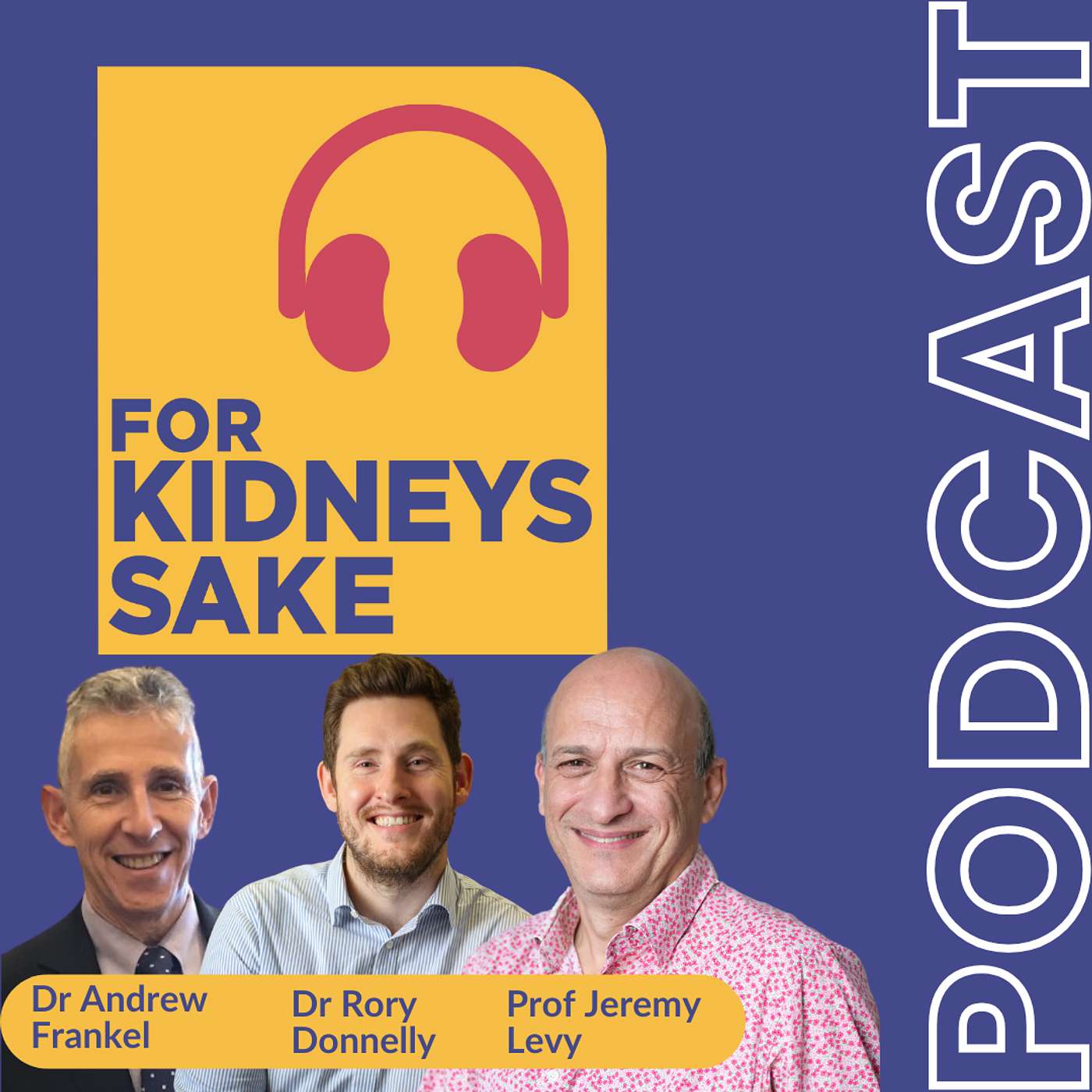
    Pharmacists on the Frontline of CKD & CRM

    Do you have a question? Send it now... The For Kidneys Sake podcast series is brought to you by Imperial College Healthcare NHS Trust and North West London Integrated Care Board (NWL NHS). In this episode of For Kidneys’ Sake, consultant nephrologists Prof Jeremy Levy and Dr Andrew Frankel are joined by Rory Donnelly, a senior pharmacist and system lead for diabetes and chronic kidney disease (CKD) in Hammersmith and Fulham. They discuss the expanding role of pharmacists in the management of CKD and the wider cardio-renal-metabolic (CRM) spectrum in primary care. Rory explains how pharmacists identify and review patients with CKD, optimise medicines, and provide education to support better self-management, while working closely with GPs and nursing colleagues. The conversation covers practical challenges such as confirming a CKD diagnosis, interpreting changes in kidney function after starting treatment, and deciding when to adjust therapy for frail or elderly patients. The discussion also highlights newer treatments such as SGLT2 inhibitors and finerenone, and the ongoing importance of lifestyle advice and clear communication. The episode provides practical, evidence-based insights for pharmacists and clinicians supporting people with kidney and metabolic conditions in primary care. Key Takeaways Pharmacists are central to CKD and CRM management – They lead medicine reviews, coding, and patient education within long-term condition care. Confirm CKD before diagnosis – Use previous results and trends in eGFR and ACR to ensure it is chronic and not an acute or temporary change. Individualise treatment – Clinical judgement should take priority over rigid guideline use, particularly for older or frail patients. Understand expected treatment effects – A modest fall in eGFR after starting ACE inhibitors, SGLT2 inhibitors, or finerenone is expected; monitor rather than stop treatment unnecessarily. Support lifestyle and self-care – Encourage healthy diet, regular exercise, and patient understanding that CKD monitoring aims to protect long-term kidney health. Resource Links: NICE GUIDELINES [NG203] chronic kidney disease: assessment and management Overview | Chronic kidney disease: assessment and management | Guidance | NICE Northwest London CKD guidelines for primary care Chronic kidney disease (nwlondonicb.nhs.uk) The purpose of this podcast is to inform and educate health care professionals working in the primary care and community setting. The content is evidence based and consistent with NICE guidelines and North West Guidelines available at the time of publication. The content of this podcast does not constitute medical advice and it is not intended to function as a substitute for a healthcare practitioner’s judgement. You can also join the community by signing up to our newsletter here Produced by award-winning media and marketing specialist Heather Pownall of Heather's Media Hub

    • Transcript
    • Chapters
  • S1 · E21
    Oct 28, 2025 · 19 min

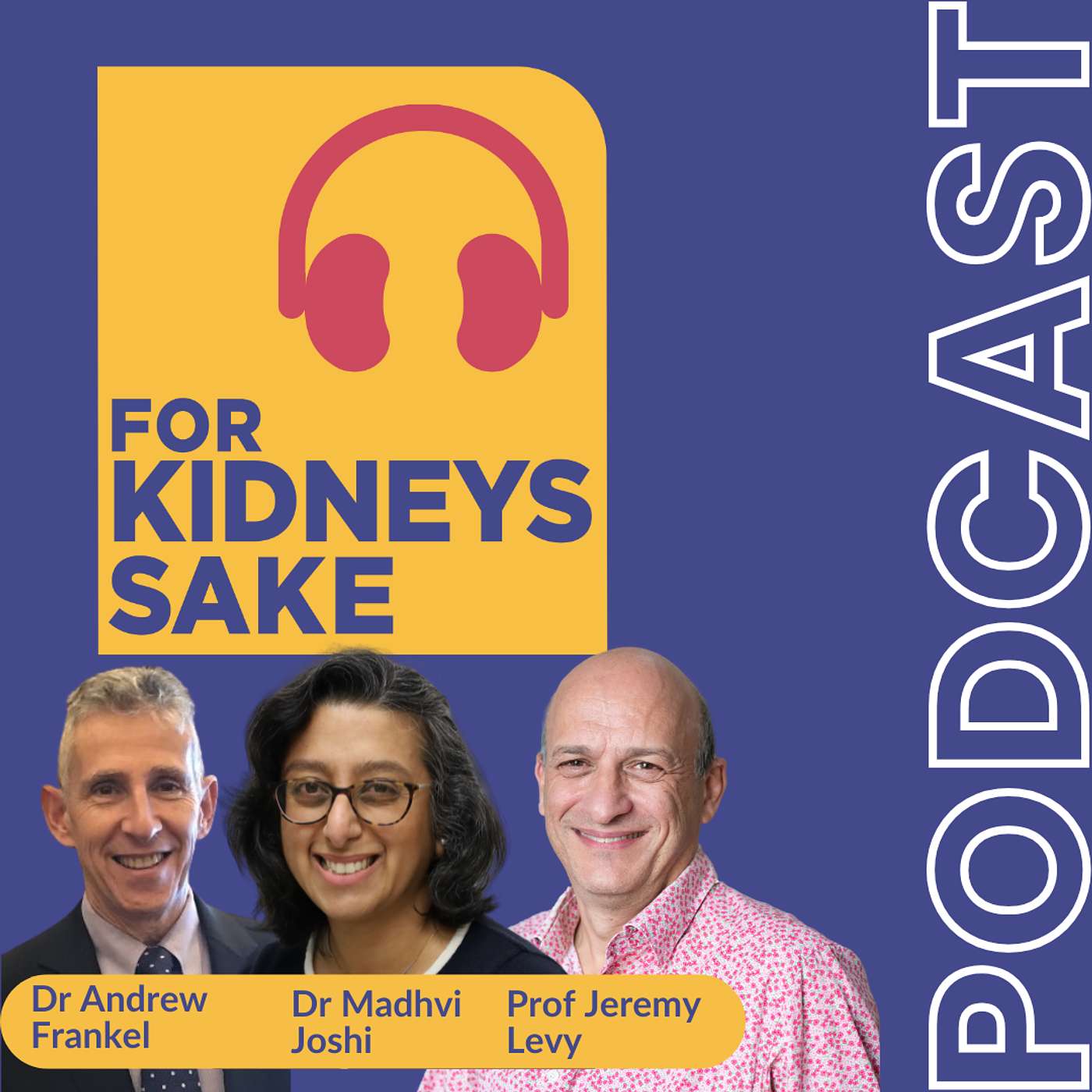
    Personalised Care: The Missing Trick in CRM

    Do you have a question? Send it now... The For Kidneys Sake podcast series is brought to you by Imperial College Healthcare NHS Trust and North West London Integrated Care Board (NWL NHS). In this episode of For Kidneys’ Sake, consultant nephrologists Prof Jeremy Levy and Dr Andrew Frankel speak with Dr. Madhvi Joshi, a GP and certified health coach, about the power of personalised care and health coaching in managing chronic conditions such as kidney, heart, and metabolic diseases. Dr. Joshi explains how shifting from a directive approach (“what’s the matter with you”) to a collaborative one (“what matters to you”) helps unlock patient motivation, improve adherence, and build more meaningful partnerships. She discusses how understanding patients’ life contexts, values, and readiness for change can transform both outcomes and satisfaction for patients and clinicians alike. Dr Joshi highlights practical frameworks such as the GROW model (Goals, Reality, Options, Will Do) and the 5As of behaviour change (Assess, Advise, Agree, Assist, Arrange) to guide conversations. She also shares a compelling case study demonstrating how lifestyle adjustments, compassionate dialogue, and shared goal setting led to significant improvements in health and well-being for a patient with multiple cardio-renal-metabolic risk factors. The discussion underscores that true progress comes from empowering patients as active participants, helping them navigate their health journeys with curiosity, empathy, and hope. Key Takeaways 1. Personalised Care – Focus on What Matters to the Person Shift from a disease-focused to a person-focused approach by asking, “What matters to you?” instead of “What’s the matter with you?”. This means seeing beyond clinical data to understand the patient’s life, values, and priorities. When people feel heard and understood, engagement and adherence naturally improve. 2. Coaching Mindset – Be Curious, Compassionate, and Non-Judgmental Adopt a collaborative mindset rather than a directive one. Use curiosity to explore readiness for change, compassion to recognise challenges, and non-judgment to create trust. Coaching helps patients find their own solutions and apply knowledge in a way that fits their lives — turning advice into sustainable action 3. Structured Tools – Use GROW and 5As for Lasting Change. Practical frameworks like GROW (Goals, Reality, Options, Will Do) and 5As (Assess, Advise, Agree, Assist, Arrange) guide conversations and support realistic goal-setting. They help clinicians and patients co-create clear, achievable steps — moving from one-off advice to measurable, lasting behaviour change. Resource Links: NICE GUIDELINES [NG203] chronic kidney disease: assessment and management Overview | Chronic kidney disease: assessment and management | Guidance | NICE Northwest London CKD guidelines for primary care Chronic kidney disease (nwlondonicb.nhs.uk) The purpose of this podcast is to inform and educate health care professionals working in the primary care and community setting. The content is evidence based and consistent with NICE guidelines and North West Guidelines available at the time of publication. The content of this podcast does not constitute medical advice and it is not intended to function as a substitute for a healthcare practitioner’s judgement. You can also join the community by signing up to our newsletter here Produced by award-winning media and marketing specialist Heather Pownall of Heather's Media Hub

    • Transcript
    • Chapters
Showing 21–23 of 23 episodes