Skip to content
Artwork for For Kidneys Sake
Health & FitnessMedicineEducationScienceLife Sciences

For Kidneys Sake

North West London Kidney Care

For Kidneys' Sake podcast series is brought to you by Imperial College Healthcare NHS Trust and North West London Integrated Care Board (NWL NHS)

This podcast series aims to provide healthcare professionals, particularly primary care professionals, with accessible insights into kidney health. 


Each episode offers bite-sized discussions on key topics such as chronic kidney disease management and heart failure and practical updates for improving patient care. With episodes just 15 minutes long, you can listen on your commute, during a break, or while out for a walk. Join us as we explore the latest advancements and strategies in integrated kidney care to empower clinicians and patients alike.

Play
  • 20 episodes
  • fortnightly
  • Avg 21 min
  • English
  • S1 · E41
    August 18 · 21 min

    Think kidneys in hypertension and managing the combination

    Do you have a question? Send it now... The For Kidneys Sake podcast series is brought to you by Imperial College Healthcare NHS Trust and North West London Integrated Care Board (NWL NHS) Could your patient's kidneys be telling you something their blood pressure isn't? In this episode of For Kidney's Sake, Prof Jeremy Levy and Dr Andrew Frankel are joined by Prof Ian Wilkinson, President of the British and Irish Hypertension Society, to explore the close relationship between hypertension and chronic kidney disease (CKD). The discussion explains how the two conditions influence each other, why kidney assessment should form part of every hypertension diagnosis, and how clinicians can identify patients who may have secondary causes of hypertension or early kidney damage. The conversation focuses on practical steps for primary care, including the importance of measuring eGFR, urine ACR and performing urine dipstick testing as part of routine assessment. The episode also examines treatment strategies that not only lower blood pressure but protect kidney function. The speakers discuss the role of ACE inhibitors and ARBs as kidney-protective therapies, the appropriate use of thiazide diuretics in CKD, selecting suitable second-line antihypertensive agents, blood pressure targets, monitoring schedules, accurate blood pressure measurement and lifestyle interventions. Throughout, the emphasis remains on treating the whole patient rather than simply targeting a blood pressure number, with practical advice aimed at improving long-term kidney and cardiovascular outcomes. Top 5 Take aways: · Hypertension and chronic kidney disease have a two-way relationship, each can contribute to the development and progression of the other. · Every patient with hypertension should have kidney assessment including eGFR, urine ACR and urine dipstick testing. · ACE inhibitors and ARBs are kidney-protective treatments and should be optimised where appropriate, even when blood pressure is already controlled. · Thiazide diuretics remain effective in many patients with CKD and should not be avoided simply because kidney function is reduced. · Accurate blood pressure measurement, lifestyle modification and good medication adherence are essential for protecting both cardiovascular and kidney health. Resource Links: NICE GUIDELINES [NG203] chronic kidney disease: assessment and management Overview | Chronic kidney disease: assessment and management | Guidance | NICE Northwest London CKD guidelines for primary care Chronic kidney disease (nwlondonicb.nhs.uk) The purpose of this podcast is to inform and educate health care professionals working in the primary care and community setting. The content is evidence based and consistent with NICE guidelines and North West Guidelines available at the time of publication. The content of this podcast does not constitute medical advice and it is not intended to function as a substitute for a healthcare practitioner’s judgement. You can also join the community by signing up to our newsletter here Produced by award-winning media and marketing specialist Heather Pownall of Heather's Media Hub

    • Transcript
    • Chapters
  • S1 · E40
    August 4 · 17 min

    A fine time for finerenone: another kidney drug that works

    Do you have a question? Send it now... The For Kidneys Sake podcast series is brought to you by Imperial College Healthcare NHS Trust and North West London Integrated Care Board (NWL NHS) Do we really need another kidney drug? Many people still see finerenone as 'just another spironolactone ', but is that really the case? In this episode of For Kidney's Sake, Prof Jeremy Levy and Dr Andrew Frankel explore why finerenone is changing the management of diabetic kidney disease and where it fits alongside ACE inhibitors, ARBs and SGLT2 inhibitors. The discussion covers the evidence behind finerenone, why patients remain at 'residual risk' despite current therapies, and how adding another treatment can further slow the progression of chronic kidney disease while reducing cardiovascular events. Jeremy and Andrew also share practical guidance on prescribing, monitoring potassium safely and overcoming the therapeutic inertia that can prevent patients from receiving effective treatments. 5 Key Takeaways Finerenone is not simply another spironolactone. Its selective mechanism and clinical trial evidence make it a distinct treatment for people with diabetic kidney disease. Many patients still have 'residual risk'. Even with ACE inhibitors, ARBs and SGLT2 inhibitors, ongoing albuminuria can signal continued kidney disease progression. Combination therapy matters. Adding finerenone to existing evidence-based treatments can further reduce the risk of kidney failure and cardiovascular events. Hyperkalaemia shouldn't be a barrier. With appropriate patient selection and routine monitoring, finerenone is straightforward to prescribe and generally well tolerated. Early optimisation is key. Identifying eligible patients during annual diabetes and CKD reviews gives clinicians the opportunity to protect kidney function before irreversible decline occurs. Resource Links: NICE GUIDELINES [NG203] chronic kidney disease: assessment and management Overview | Chronic kidney disease: assessment and management | Guidance | NICE Northwest London CKD guidelines for primary care Chronic kidney disease (nwlondonicb.nhs.uk) The purpose of this podcast is to inform and educate health care professionals working in the primary care and community setting. The content is evidence based and consistent with NICE guidelines and North West Guidelines available at the time of publication. The content of this podcast does not constitute medical advice and it is not intended to function as a substitute for a healthcare practitioner’s judgement. You can also join the community by signing up to our newsletter here Produced by award-winning media and marketing specialist Heather Pownall of Heather's Media Hub

    • Transcript
    • Chapters
  • S1 · E39
    July 21 · 22 min

    It’s all Relative: When Kidney Disease Runs in the Family

    Do you have a question? Send it now... The For Kidneys Sake podcast series is brought to you by Imperial College Healthcare NHS Trust and North West London Integrated Care Board (NWL NHS) Is Kidney Disease Hiding in the Family? Could a patient’s kidney disease have a genetic cause and what clues might we be missing? Genetic kidney conditions are more common than many clinicians realise, and spotting the signs early can change not only one patient’s care, but potentially the care of an entire family. In this episode, Andrew and Jeremy are joined by renal genetics expert Dr Mel Chan to unpack the key genetic kidney conditions clinicians need on their radar. From polycystic kidney disease and Alport syndrome to congenital abnormalities and inherited kidney stones, they explore the red flags that should make you think genetics and why asking the right questions, making an early referral and securing a diagnosis can have a lasting impact on treatment, prognosis and family screening. Key Takeaways: Think family. Kidney disease, haematuria, stones, dialysis, transplantation or early deaths in relatives could be an important clue. Spot the red flags. Young age, unexplained CKD, early hypertension, hearing loss, recurrent stones or congenital abnormalities should make you think genetic. Suspect it? Refer it. You don’t need to be a genetics expert, recognising when specialist assessment is needed is what matters. A diagnosis can change the story. Genetic testing can sharpen prognosis, guide treatment and help identify relatives who may also be at risk. Keep patients on the radar. Childhood kidney problems don’t necessarily stay in childhood. Long-term follow-up can help prevent patients from returning years later with advanced CKD. Resource Links: NICE GUIDELINES [NG203] chronic kidney disease: assessment and management Overview | Chronic kidney disease: assessment and management | Guidance | NICE Northwest London CKD guidelines for primary care Chronic kidney disease (nwlondonicb.nhs.uk) The purpose of this podcast is to inform and educate health care professionals working in the primary care and community setting. The content is evidence based and consistent with NICE guidelines and North West Guidelines available at the time of publication. The content of this podcast does not constitute medical advice and it is not intended to function as a substitute for a healthcare practitioner’s judgement. You can also join the community by signing up to our newsletter here Produced by award-winning media and marketing specialist Heather Pownall of Heather's Media Hub

    • Transcript
    • Chapters
  • S1 · E38
    June 30 · 19 min

    A Century of Creatinine and the Endless Search for Accuracy

    Do you have a question? Send it now... The For Kidneys Sake podcast series is brought to you by Imperial College Healthcare NHS Trust and North West London Integrated Care Board (NWL NHS) This week on For Kidneys Sake, Prof Jeremy Levy and Dr Andrew Frankel celebrate an unlikely centenary: 100 years since creatinine was first recognised as a marker of kidney function. From the early days of serum creatinine and the Cockcroft-Gault formula to today’s eGFR reporting, the duo unpack how kidney function testing evolved and why the numbers we rely on still come with important caveats. The conversation explores why muscle mass can dramatically distort creatinine-based kidney estimates, when cystatin C offers a better alternative, and why gold-standard nuclear medicine tests remain impractical for routine care. Along the way, they tackle common misconceptions around eGFR, explain why urine ACR tells a different story entirely, and remind listeners that numbers should never replace clinical judgement. A witty, practical, and surprisingly celebratory deep dive into the science behind every kidney health check. Top 5 Takeaways 1. Creatinine has been used for 100 years — Serum creatinine was recognised as a marker of kidney function in 1926, making 2026 the centenary year of one of medicine’s most widely used blood tests. 2. eGFR is helpful — but imperfect — eGFR improves on creatinine alone by incorporating age and sex into mathematical formulas, but it still struggles in people with unusually high or low muscle mass. 3. Muscle mass matters more than many realise — A muscular person may appear to have “worse kidneys” on paper, while frail patients with low muscle mass can have deceptively normal creatinine levels despite significant kidney disease. 4. Cystatin C is an underused alternative — Unlike creatinine, cystatin C is not heavily influenced by muscle mass and can provide a more accurate estimate of kidney function in selected patients. 5. Kidney health is more than eGFR — Urine ACR measures kidney damage rather than filtration and can be abnormal even when kidney function appears normal. Both tests matter. Resource Links: NICE GUIDELINES [NG203] chronic kidney disease: assessment and management Overview | Chronic kidney disease: assessment and management | Guidance | NICE Northwest London CKD guidelines for primary care Chronic kidney disease (nwlondonicb.nhs.uk) The purpose of this podcast is to inform and educate health care professionals working in the primary care and community setting. The content is evidence based and consistent with NICE guidelines and North West Guidelines available at the time of publication. The content of this podcast does not constitute medical advice and it is not intended to function as a substitute for a healthcare practitioner’s judgement. You can also join the community by signing up to our newsletter here Produced by award-winning media and marketing specialist Heather Pownall of Heather's Media Hub

    • Transcript
  • S1 · E36
    June 16 · 22 min

    Wee Need to Talk About UTIs

    Do you have a question? Send it now... The For Kidneys Sake podcast series is brought to you by Imperial College Healthcare NHS Trust and North West London Integrated Care Board (NWL NHS) How confident are you that the patient in front of you really has a urinary tract infection? In this episode of For Kidneys Sake, consultant nephrologists Jeremy Levy and Andrew Frankel tackle one of the most common yet surprisingly complex conditions seen in primary care: urinary tract infections (UTIs). They explore why diagnosing a UTI is often less straightforward than it appears, emphasising the importance of symptoms over urine dipsticks and cultures alone. The discussion highlights the risks of overdiagnosis, particularly in older adults and those with asymptomatic bacteriuria, and explains when urine cultures can add value to clinical decision-making. The conversation also focuses on practical treatment strategies, especially for patients with chronic kidney disease. Jeremy and Andrew discuss antibiotic selection, the limitations of commonly used treatments such as nitrofurantoin and trimethoprim in CKD, and how to approach recurrent or complicated infections. They share evidence-based prevention strategies, review red-flag symptoms that require urgent assessment, and look ahead to emerging options such as vaccines for recurrent UTIs. 5 Key Takeaways Diagnose UTIs primarily through symptoms, using urine tests to support rather than drive decision-making. Avoid treating asymptomatic bacteriuria except in specific circumstances such as pregnancy. Consider kidney function when selecting antibiotics, as some commonly used agents may be ineffective or harmful in CKD. Recurrent UTIs warrant further investigation, including imaging and preventive strategies. Fever, systemic illness, or severe flank pain should raise concern for more serious infection and prompt urgent assessment. Resource Links: NICE GUIDELINES [NG203] chronic kidney disease: assessment and management Overview | Chronic kidney disease: assessment and management | Guidance | NICE Northwest London CKD guidelines for primary care Chronic kidney disease (nwlondonicb.nhs.uk) The purpose of this podcast is to inform and educate health care professionals working in the primary care and community setting. The content is evidence based and consistent with NICE guidelines and North West Guidelines available at the time of publication. The content of this podcast does not constitute medical advice and it is not intended to function as a substitute for a healthcare practitioner’s judgement. You can also join the community by signing up to our newsletter here Produced by award-winning media and marketing specialist Heather Pownall of Heather's Media Hub

    • Transcript
    • Chapters
  • S1 · E35
    June 2 · 20 min

    Prescribing in CKD: What to Stop, What to Use & What to Avoid

    Do you have a question? Send it now... The For Kidneys Sake podcast series is brought to you by Imperial College Healthcare NHS Trust and North West London Integrated Care Board (NWL NHS) In this refreshed re-release episode, Professor Jeremy Levy and Dr Andrew Frankel revisit one of the most common and challenging areas in chronic kidney disease (CKD) management: medication reviews and safe prescribing. They discuss how to approach prescribing decisions as kidney function declines, including the practical use of eGFR over creatinine clearance, how to identify medications that need dose adjustment or review, and the importance of “Sick Day” guidance during intercurrent illness. The episode also tackles common misconceptions around so-called “nephrotoxic” drugs and explains why many beneficial medications can often be continued safely with careful monitoring. The second half of the episode focuses on pain management in CKD — a topic that frequently causes uncertainty in primary care. Jeremy and Andrew outline which analgesics can be used safely, which should generally be avoided, and how to prescribe cautiously using the principle of “start low and go slow.” They cover the safe use of paracetamol, tramadol, oxycodone, fentanyl and neuropathic pain agents, while reinforcing why regular NSAIDs and morphine are usually poor choices in patients with impaired kidney function. A highly practical refresher packed with prescribing tips for clinicians managing CKD in everyday practice. 5 Key Takeaways Use eGFR pragmatically for prescribing decisions in CKD rather than worrying excessively about creatinine clearance calculations. Regular NSAID use should generally be avoided in CKD, although very short courses may be acceptable in selected patients. Metformin is usually safe down to an eGFR of 30, with dose reduction recommended below 45 and good Sick Day guidance essential. Safe analgesic options in CKD include paracetamol, low-dose tramadol, oxycodone and fentanyl — but morphine should usually be avoided. “Start low and go slow” is the key principle when prescribing many medications, especially analgesics, in people with CKD. Resource Links: NICE GUIDELINES [NG203] chronic kidney disease: assessment and management Overview | Chronic kidney disease: assessment and management | Guidance | NICE Northwest London CKD guidelines for primary care Chronic kidney disease (nwlondonicb.nhs.uk) The purpose of this podcast is to inform and educate health care professionals working in the primary care and community setting. The content is evidence based and consistent with NICE guidelines and North West Guidelines available at the time of publication. The content of this podcast does not constitute medical advice and it is not intended to function as a substitute for a healthcare practitioner’s judgement. You can also join the community by signing up to our newsletter here Produced by award-winning media and marketing specialist Heather Pownall of Heather's Media Hub

    • Transcript
  • S1 · E34
    May 19 · 22 min

    Decoding Albuminuria: The One Where We Tell You Not to Panic About Proteinuria

    Do you have a question? Send it now... The For Kidneys Sake podcast series is brought to you by Imperial College Healthcare NHS Trust and North West London Integrated Care Board (NWL NHS) In this reflective re-release episode, Dr Andrew Frankel and Prof Jeremy Levy revisit one of the podcast’s most practical and enduring topics: low-level albuminuria and the interpretation of urine ACR testing in primary care. As the podcast prepares for a new series, the team looks back on the importance of recognising albuminuria as an early marker of both kidney and cardiovascular disease, and why confident interpretation of these results remains essential for clinicians managing patients with CKD risk factors. Andrew and Jeremy reflect on the clinical uncertainty that can arise from mildly abnormal ACR results and offer reassuring, pragmatic guidance on what these numbers really mean. They revisit the A1–A3 categories, discuss when repeat testing is appropriate, explain the difference between ACR and PCR, and emphasise that low-level abnormalities are rarely an emergency. The episode also highlights how albuminuria can be present even when eGFR remains normal, reinforcing the value of early testing and longitudinal monitoring in primary care. 5 Key Takeaways Albuminuria remains an important early marker of kidney and cardiovascular disease risk. Mildly raised ACR results should usually be repeated before making long-term clinical decisions. Nephrotic-range proteinuria is typically far higher than the low-level abnormalities commonly seen in primary care. Patients can have a normal eGFR while still showing early kidney damage through an abnormal ACR. A practical, consistent approach to ACR testing helps support earlier identification and better management of CKD risk. Resource Links: NICE GUIDELINES [NG203] chronic kidney disease: assessment and management Overview | Chronic kidney disease: assessment and management | Guidance | NICE Northwest London CKD guidelines for primary care Chronic kidney disease (nwlondonicb.nhs.uk) The purpose of this podcast is to inform and educate health care professionals working in the primary care and community setting. The content is evidence based and consistent with NICE guidelines and North West Guidelines available at the time of publication. The content of this podcast does not constitute medical advice and it is not intended to function as a substitute for a healthcare practitioner’s judgement. You can also join the community by signing up to our newsletter here Produced by award-winning media and marketing specialist Heather Pownall of Heather's Media Hub

    • Transcript
  • S1 · E33
    May 5 · 26 min

    Can I Take This? (Supplements Revisited): Just Because You Can Doesn’t Mean You Should

    Do you have a question? Send it now... The For Kidneys Sake podcast series is brought to you by Imperial College Healthcare NHS Trust and North West London Integrated Care Board (NWL NHS) The For Kidneys Sake podcast series, returns with refreshed episodes from our earlier series. With over 30 episodes and 15,000 listeners, we’re revisiting key topics while we prepare our next series. In this episode, Prof Jeremy Levy and Dr Andrew Frankel explore a common and often overlooked clinical question: what impact do supplements, herbal remedies, and recreational drugs have on people with chronic kidney disease (CKD)? From creatine and high-dose vitamins to anabolic steroids, ketamine, and traditional herbal medicines, this episode challenges the assumption that “natural” means safe. The discussion highlights the importance of asking patients directly about non-prescribed products and explains how some substances can either harm the kidneys or confuse clinical assessment. The core message remains unchanged: creatine is not nephrotoxic but can affect creatinine readings, herbal remedies may be harmful and should be avoided, and high-dose vitamin C and inappropriate vitamin D use can pose risks in CKD. Key Takeaways Ask directly about supplements, herbal remedies, and recreational drugs, they are often missed Standard multivitamins are generally safe, but high-dose vitamin C and vitamin D can be harmful Creatine can raise creatinine and lower eGFR without indicating kidney disease Anabolic steroids and ketamine carry serious kidney and bladder risks Herbal remedies may be nephrotoxic or interact with medications and should be avoided in CKD Use a full assessment (ACR, urine dipstick, BP, imaging), not creatinine alone References: Creatine and kidneys: Nutrients 2023, 15, 1466. doi.org/10.3390/nu15061466 Herbal medicines and CKD; Nephrology 15 (2010) 10–17 doi:10.1111/j.1440-1797.2010.01305.x Herbs and more: Drug stewardship for people with chronic kidney disease; towards effective, safe, and sustainable use of medications: Nat Rev Nephrol. 2024 June ; 20(6): 386–401. doi:10.1038/s41581-024-00823-3 Resource Links: Resource Links: NICE GUIDELINES [NG203] chronic kidney disease: assessment and management Overview | Chronic kidney disease: assessment and management | Guidance | NICE Northwest London CKD guidelines for primary care Chronic kidney disease (nwlondonicb.nhs.uk) The purpose of this podcast is to inform and educate health care professionals working in the primary care and community setting. The content is evidence based and consistent with NICE guidelines and North West Guidelines available at the time of publication. The content of this podcast does not constitute medical advice and it is not intended to function as a substitute for a healthcare practitioner’s judgement. You can also join the community by signing up to our newsletter here Produced by award-winning media and marketing specialist Heather Pownall of Heather's Media Hub

    • Transcript
  • S1 · E32
    April 21 · 19 min

    Sweet Urine Returns: Good Times Still Rolling

    Do you have a question? Send it now... The For Kidneys Sake podcast series is brought to you by Imperial College Healthcare NHS Trust and North West London Integrated Care Board (NWL NHS) This episode is a refreshed re-release of “Sweet Urine – Good Times Never Seemed So Good”, one of our early For Kidneys Sake podcasts, revisited to reflect how quickly the evidence base around SGLT2 inhibitors has evolved. Originally developed as glucose-lowering therapies, drugs such as dapagliflozin, empagliflozin and canagliflozin are now firmly established as powerful cardiorenal protective agents. Since the first release, further studies have strengthened the evidence that these medications slow progression of chronic kidney disease (CKD), reduce heart failure events, and improve survival, even in people without diabetes. Updated NICE guidance now places SGLT2 inhibitors alongside metformin as foundational therapy in type 2 diabetes, marking a major shift in clinical practice. In this episode, we revisit who should receive SGLT2 inhibitors, how to start them safely, and how to manage common concerns in primary care. The discussion reinforces that these drugs should be considered in patients with CKD, heart failure, and diabetes, often irrespective of albuminuria or diabetic status. Practical prescribing advice remains unchanged: select patients carefully (particularly excluding those at risk of ketoacidosis), give clear sick day guidance, and be aware of manageable side effects such as genital fungal infections. Overall, this refreshed episode highlights just how central SGLT2 inhibitors have become in modern kidney and cardiovascular care, and why clinicians should feel confident using them. Top Take aways: This is a refreshed episode: A re-release of one of our early podcasts, now updated with stronger evidence and evolving guidance on SGLT2 inhibitors. Think beyond diabetes: SGLT2 inhibitors are now key cardiorenal drugs—protecting kidneys and reducing heart failure and mortality, even in people without diabetes. Use them early and widely: Indicated in CKD, heart failure (any ejection fraction), and type 2 diabetes—often regardless of albuminuria. Safe to start with simple rules: Avoid in type 1 diabetes or high DKA risk, give sick day guidance, and adjust insulin/sulfonylureas if needed. Big benefits, small risks: Side effects are usually mild and manageable, while benefits in slowing CKD progression and reducing cardiovascular events are substantial. Resource Links: NICE GUIDELINES [NG203] chronic kidney disease: assessment and management Overview | Chronic kidney disease: assessment and management | Guidance | NICE Northwest London CKD guidelines for primary care Chronic kidney disease (nwlondonicb.nhs.uk) The purpose of this podcast is to inform and educate health care professionals working in the primary care and community setting. The content is evidence based and consistent with NICE guidelines and North West Guidelines available at the time of publication. The content of this podcast does not constitute medical advice and it is not intended to function as a substitute for a healthcare practitioner’s judgement. You can also join the community by signing up to our newsletter here Produced by award-winning media and marketing specialist Heather Pownall of Heather's Media Hub

    • Transcript
  • S1 · E31
    April 7 · 21 min

    Bananas are STILL not the problem! Hyperkalaemia and CKD

    Do you have a question? Send it now... The For Kidneys Sake podcast series is brought to you by Imperial College Healthcare NHS Trust and North West London Integrated Care Board (NWL NHS) This episode is a refreshed re-release of our very first For Kidneys Sake podcast, updated to reflect current practice while reinforcing the core messages that remain just as relevant today. Despite increased awareness, we are still seeing patients with chronic kidney disease (CKD) being referred urgently for potassium levels that are only mildly elevated. This episode revisits how to interpret potassium results correctly, including recognising spurious hyperkalaemia, understanding when repeat testing is appropriate, and being clear that levels in the 5.5–6.0 mmol/L range are usually not an emergency. Urgent action is typically reserved for levels above 6.5 mmol/L or when there are clinical concerns. The refresh also highlights what has strengthened since the original release: even greater evidence supporting the continuation of RAAS inhibitors (ACE inhibitors, ARBs, and MRAs) in CKD and heart failure, alongside the growing role of newer potassium binders such as Lokelma and Veltassa to help patients stay on these vital therapies. We also revisit the persistent myth around dietary potassium—bananas are not the problem—and emphasise that restrictive diets are rarely the solution. This updated episode offers reassurance, clarity, and practical guidance, while staying true to the original aim: reducing unnecessary panic and supporting confident, evidence-based management of hyperkalaemia in primary care. This is a refreshed classic: A re-release of Episode 1, reinforcing key messages with updated evidence and current practice. Don’t panic with mild elevations: Potassium levels of 5.5–6.0 mmol/L are usually not an emergency, repeat and review before acting. Check for spurious results: Delayed sample processing is a common cause of falsely high potassium in primary care. Keep life-saving medications going: ACE inhibitors, ARBs and MRAs should not be stopped unnecessarily, use potassium binders if needed. Bananas aren’t the problem: Dietary restriction alone is rarely effective, focus on overall management rather than blaming specific foods. Resource Links: NICE GUIDELINES [NG203] chronic kidney disease: assessment and management Overview | Chronic kidney disease: assessment and management | Guidance | NICE Northwest London CKD guidelines for primary care Chronic kidney disease (nwlondonicb.nhs.uk) The purpose of this podcast is to inform and educate health care professionals working in the primary care and community setting. The content is evidence based and consistent with NICE guidelines and North West Guidelines available at the time of publication. The content of this podcast does not constitute medical advice and it is not intended to function as a substitute for a healthcare practitioner’s judgement. You can also join the community by signing up to our newsletter here Produced by award-winning media and marketing specialist Heather Pownall of Heather's Media Hub

    • Transcript
  • S1 · E30
    March 24 · 24 min

    Your Kidneys Called… They Have Questions

    Do you have a question? Send it now... The For Kidneys Sake podcast series is brought to you by Imperial College Healthcare NHS Trust and North West London Integrated Care Board (NWL NHS) What are patients really asking when they’re told they have chronic kidney disease? In this insightful and open episode, Sister Joana Teles steps out from behind the scenes to bring frontline wisdom from the “Know Your Kidneys” education programme. From the deceptively simple (“Is protein in my urine serious?”) to the quietly worrying (“Can my kidneys improve?”), Joana unpacks the real concerns patients carry and challenges clinicians to rethink how we communicate CKD with clarity, confidence, and compassion. Prof Jeremy Levy and Dr Andrew Frankel join the conversation to tackle myths, refine messaging, and emphasise the power of early intervention. Along the way, they cover everything from medication fears and heredity to diet, exercise, and when (not) to refer. The result? A practical, witty, and highly usable guide for primary care clinicians navigating early CKD conversations. Top 5 Takeaways 1. Protein in urine = CKD (even with normal GFR) > Patients often hear “your kidneys are fine,” but proteinuria alone signals kidney damage and should be labelled and acted on. 2. CKD can “improve” > While eGFR rarely rises, reducing albuminuria meaningfully lowers risks of kidney failure and cardiovascular disease. That’s a win worth explaining. 3. Language matters > Avoiding the term “chronic kidney disease” can create confusion. Clear, honest terminology (with reassurance) empowers patients. 4. Most CKD isn’t hereditary > Aside from conditions like polycystic kidney disease, CKD is usually linked to diabetes, hypertension, and cardiovascular risk. 5. Primary care leads early CKD > Most patients don’t need a nephrologist. With the right tools, knowledge, and confidence, primary care teams are the experts. The purpose of this podcast is to inform and educate health care professionals working in the primary care and community setting. The content is evidence based and consistent with NICE guidelines and North West Guidelines available at the time of publication. The content of this podcast does not constitute medical advice and it is not intended to function as a substitute for a healthcare practitioner’s judgement. You can also join the community by signing up to our newsletter here Produced by award-winning media and marketing specialist Heather Pownall of Heather's Media Hub

    • Transcript
  • S1 · E29
    March 10 · 21 min

    Kidney Diets: Less Fear, More Food

    Do you have a question? Send it now... The For Kidneys Sake podcast series is brought to you by Imperial College Healthcare NHS Trust and North West London Integrated Care Board (NWL NHS) What should you actually eat if you’ve just been told you have chronic kidney disease? It’s one of the first questions patients ask and unfortunately, the internet often makes the answer far more confusing than it needs to be. In this episode of For Kidneys Sake, Dr Andrew Frankel and Prof Jeremy Levy are joined by renal dietitian Lina Johansson to cut through the noise and explain what people with early CKD (stages 2–3) really need to know about diet. Rather than restrictive lists of forbidden foods, Lina explains why the focus should be on a cardio-renal-metabolic friendly diet: more fruits, vegetables, and whole grains, fewer ultra-processed foods, and sensible salt reduction. The conversation tackles common myths from unnecessary potassium restrictions to the modern obsession with high-protein diets and offers practical advice clinicians can confidently share with patients. Top 5 Takeaways 1. Most online “renal diet” advice is for advanced CKD — Much of the information patients find online is designed for people with late-stage kidney disease or dialysis, not those with early CKD. 2. Early CKD diets should focus on heart-healthy eating — A cardio-renal-metabolic friendly diet emphasises fruits, vegetables, whole grains, and healthier protein choices. 3. Potassium restriction is usually unnecessary — Patients with CKD stages 2–3 typically do not need to restrict potassium unless blood levels rise or certain medications require monitoring. 4. Ultra-processed foods are the real dietary villain — Reducing foods with additives, preservatives, and high salt content can improve blood pressure, metabolic health, and kidney outcomes. 5. Avoid high-protein trends — Extra protein shakes, bars, and supplements may accelerate kidney decline; moderation and more plant-based protein sources are preferable. Resources Mentioned in This Episode: KidneyWise https://kidneywise.co.uk Kidney Care UK – Kidney Kitchen https://www.kidneycareuk.org/kidney-kitchen/ Kidney Research UK https://www.kidneyresearchuk.org NHS Website https://www.nhs.uk Resource Links: NICE GUIDELINES [NG203] chronic kidney disease: assessment and management Overview | Chronic kidney disease: assessment and management | Guidance | NICE Northwest London CKD guidelines for primary care Chronic kidney disease (nwlondonicb.nhs.uk) The purpose of this podcast is to inform and educate health care professionals working in the primary care and community setting. The content is evidence based and consistent with NICE guidelines and North West Guidelines available at the time of publication. The content of this podcast does not constitute medical advice and it is not intended to function as a substitute for a healthcare practitioner’s judgement. You can also join the community by signing up to our newsletter here Produced by award-winning media and marketing specialist Heather Pownall of Heather's Media Hub

    • Transcript
    • Chapters
  • S1 · E28
    February 24 · 20 min

    From Cysts to Cortex: Interpreting Kidney Ultrasounds

    Do you have a question? Send it now... The For Kidneys Sake podcast series is brought to you by Imperial College Healthcare NHS Trust and North West London Integrated Care Board (NWL NHS) An ultrasound report lands in your inbox. It mentions a cyst. Or a bright kidney. Or “thin cortex.” Or asymmetry. And suddenly, what was meant to reassure becomes a source of anxiety. In this highly practical episode, Prof Jeremy Levy and Dr Andrew Frankle tackle the six most common renal ultrasound findings that trigger GP referrals and explain what actually matters (and what really doesn’t). From simple cysts and Bosniak classifications to angiomyolipomas, echogenic kidneys, cortical thinning, scars, and asymmetric kidneys, this episode cuts through the noise. The golden rule? Context is everything. Kidney health checks, eGFR, urine ACR, blood pressure, trump scan wording almost every time. Clear, calm, and clinically grounded, this is 15 minutes that could save you hours of unnecessary worry and referrals. Listen in and interpret with confidence. Top 5 Takeaways 1. Simple cysts are simple - Bosniak 1 or 2 cysts need no follow-up. Reassure and move on. Complex cysts, however, go to urology — not nephrology. 2. Angiomyolipomas rarely matter - If under 40mm, they’re almost always benign and only need one follow-up scan at 12 months. Refer only if >40mm or in women of childbearing age. 3. “Bright kidneys” mean nothing without context - Check eGFR, urine ACR, and blood pressure. If all normal, ignore the scan comment. 4. Thin cortex or scarring is usually congenital - In patients with normal kidney health checks, these findings are benign variants. In younger patients with suboptimal GFR, code as G2 and monitor annually. 5. Asymmetry is common - A 1cm size difference is often physiological. Only worry if there’s uncontrolled hypertension, rapid GFR decline, pulmonary oedema, or significant size discrepancy. Resource Links: NICE GUIDELINES [NG203] chronic kidney disease: assessment and management Overview | Chronic kidney disease: assessment and management | Guidance | NICE Northwest London CKD guidelines for primary care Chronic kidney disease (nwlondonicb.nhs.uk) The purpose of this podcast is to inform and educate health care professionals working in the primary care and community setting. The content is evidence based and consistent with NICE guidelines and North West Guidelines available at the time of publication. The content of this podcast does not constitute medical advice and it is not intended to function as a substitute for a healthcare practitioner’s judgement. You can also join the community by signing up to our newsletter here Produced by award-winning media and marketing specialist Heather Pownall of Heather's Media Hub

    • Transcript
    • Chapters
  • S1 · E27
    February 10 · 18 min

    Finerenone and Semaglutide now on team kidney

    Do you have a question? Send it now... The For Kidneys Sake podcast series is brought to you by Imperial College Healthcare NHS Trust and North West London Integrated Care Board (NWL NHS) For years, diabetic kidney disease felt frustratingly static: ACE inhibitors, ARBs… and then very little else. In this episode, Porf Jeremy Levy and Dr Andrew Frankel unpack why that era is finally over. With SGLT2 inhibitors already changing practice, attention now turns to two newer players finerenone and semaglutide and how they meaningfully reduce kidney failure, cardiovascular events, and even mortality. The hosts explore why finerenone is not just “spironolactone with a new name,” and why nephrologists (and primary care clinicians) suddenly find themselves spoiled for choice. But with progress comes complexity. How do we sequence these drugs? Who benefits most? How do we explain to patients why another tablet matters when they “feel fine”? From potassium monitoring and GFR thresholds to lifetime risk conversations and real-world prescribing barriers, this episode is a practical, optimistic guide to modern diabetic kidney disease care and a rallying call to help patients avoid dialysis, heart attacks, and strokes in the decades ahead. Top 5 Takeaways 1. Diabetic kidney disease has entered a new treatment era - After decades of stagnation, we now have multiple therapies that genuinely slow progression and reduce hard outcomes. 2. Finerenone is different from spironolactone - It’s kidney-protective in type 2 diabetes, with fewer endocrine side effects and strong trial evidence. 3. Hyperkalaemia risk is real but manageable - Baseline potassium, GFR, NSAIDs, constipation, and follow-up labs matter more than fear. 4. Semaglutide is now a kidney drug too - Beyond glucose and weight, it delivers major renal, cardiovascular, and mortality benefits. 5. The biggest challenge is communication, not pharmacology - Helping patients understand long-term risk and benefit is central to success. Resource Links: NICE GUIDELINES [NG203] chronic kidney disease: assessment and management Overview | Chronic kidney disease: assessment and management | Guidance | NICE Northwest London CKD guidelines for primary care Chronic kidney disease (nwlondonicb.nhs.uk) The purpose of this podcast is to inform and educate health care professionals working in the primary care and community setting. The content is evidence based and consistent with NICE guidelines and North West Guidelines available at the time of publication. The content of this podcast does not constitute medical advice and it is not intended to function as a substitute for a healthcare practitioner’s judgement. You can also join the community by signing up to our newsletter here Produced by award-winning media and marketing specialist Heather Pownall of Heather's Media Hub

    • Transcript
    • Chapters
  • S1 · E26
    January 27 · 23 min

    Bridging Cardio-Renal Care: A Nurse Practitioner’s Take

    Do you have a question? Send it now... The For Kidneys Sake podcast series is brought to you by Imperial College Healthcare NHS Trust and North West London Integrated Care Board (NWL NHS) In this episode of For Kidneys’ Sake, Professors Jeremy Levy and Dr Andrew Frankel speak with Beverley Bostock, Advanced Nurse Practitioner in primary care, Editor-in-Chief of Practice Nurse Journal, and President-Elect of the Primary Care Cardiovascular Society. The discussion examines the expanding role of primary care nurses in the management of long-term conditions, including diabetes, cardiovascular disease, and chronic kidney disease (CKD). Beverley outlines how nursing roles in general practice have evolved from task-based activities to autonomous, multidisciplinary management of patients with multimorbidity. The conversation focuses on the practical delivery of CKD care in primary care settings. Key areas include how CKD is explained to patients, the importance of recognising CKD as a marker of increased cardiovascular risk, and the role of urine albumin–creatinine ratio (ACR) testing alongside estimated glomerular filtration rate (eGFR) in risk stratification and prognosis. The episode also explores system-level factors influencing care, including incentivisation frameworks, team education, and strategies for improving the uptake of recommended monitoring and evidence-based interventions. The content is relevant to clinicians involved in the care of patients with diabetes, hypertension, cardiovascular disease, and CKD across both primary and secondary care. Resource Links: NICE GUIDELINES [NG203] chronic kidney disease: assessment and management Overview | Chronic kidney disease: assessment and management | Guidance | NICE Northwest London CKD guidelines for primary care Chronic kidney disease (nwlondonicb.nhs.uk) Top 3 Takeaways 1. Primary care nurses play a central role in CKD management Nursing roles in general practice have developed to include autonomous assessment and long-term management of patients with CKD and related cardiometabolic conditions, working within multidisciplinary teams. 2. CKD should be understood and communicated as a cardiovascular risk condition Effective patient education focuses on cardiovascular risk reduction alongside kidney monitoring, helping to align treatment decisions with long-term outcomes. 3. Urine ACR testing is essential for risk stratification in CKD Measurement of urine ACR, in combination with eGFR, provides critical information on kidney disease progression and cardiovascular risk and requires consistent implementation in primary care systems. The purpose of this podcast is to inform and educate health care professionals working in the primary care and community setting. The content is evidence based and consistent with NICE guidelines and North West Guidelines available at the time of publication. The content of this podcast does not constitute medical advice and it is not intended to function as a substitute for a healthcare practitioner’s judgement. You can also join the community by signing up to our newsletter here Produced by award-winning media and marketing specialist Heather Pownall of Heather's Media Hub

    • Transcript
    • Chapters
  • S1 · E25
    January 13 · 23 min

    Kidneys vs Heart: The Battle HF Nurses Navigate Every Day

    Do you have a question? Send it now... The For Kidneys Sake podcast series is brought to you by Imperial College Healthcare NHS Trust and North West London Integrated Care Board (NWL NHS). In this episode of For Kidneys’ Sake, Prof Jeremy Levy and Dr Andrew Frankel are joined by heart failure specialist: Carys Barton, Consultant Heart Failure Nurse and the first nurse to chair the British Society for Heart Failure. Together they unpack what heart failure nurses actually do, why they’re the “glue” in a complex system, and how they navigate the tricky intersection between heart failure and chronic kidney disease, from acute and community services to virtual care and palliative support. They explore HFpEF, HFrEF and 'mildly reduced' EF, potassium panic, diuretics wrongly labelled 'nephrotoxic', and the art of accepting creatinine rises without reaching for the stop button. Carys is unapologetically pragmatic, championing rapid optimisation, potassium binders over drug withdrawal, and educating patients and families as the true game-changer. If you look after patients with heart failure, CKD, or both, this is 25 minutes of high-yield insight. Tune in and share it with your cardiology, renal and primary care colleagues. Top 5 Takeaways 1. Heart failure nurses provide essential continuity: linking hospital, community and primary care. 2. HFpEF matters: half of patients have it, yet many services still don’t see them. 3. Creatinine rises are expected: look for trends and new baselines, not panic points. 4. Potassium needs context: don’t stop life-saving meds for a single reading over 5. Rapid optimisation works: starting all four pillars early is safe, even in CKD. Resource Links: NICE GUIDELINES [NG203] chronic kidney disease: assessment and management Overview | Chronic kidney disease: assessment and management | Guidance | NICE Northwest London CKD guidelines for primary care Chronic kidney disease (nwlondonicb.nhs.uk) The purpose of this podcast is to inform and educate health care professionals working in the primary care and community setting. The content is evidence based and consistent with NICE guidelines and North West Guidelines available at the time of publication. The content of this podcast does not constitute medical advice and it is not intended to function as a substitute for a healthcare practitioner’s judgement. You can also join the community by signing up to our newsletter here Produced by award-winning media and marketing specialist Heather Pownall of Heather's Media Hub

    • Transcript
    • Chapters
  • S1 · E24
    Dec 9, 2025 · 15 min

    The RAASi reset

    Do you have a question? Send it now... The For Kidneys Sake podcast series is brought to you by Imperial College Healthcare NHS Trust and North West London Integrated Care Board (NWL NHS). In this episode, Jeremy and Andrew revisit one of the most fundamental yet persistently misunderstood areas in kidney care: the use and misuse of renin–angiotensin system inhibitors (RAASIs). Despite being cheap, powerful, and backed by decades of evidence, these cornerstone drugs remain under-dosed, frequently interrupted, and poorly optimised in real-world practice. The hosts examine why so many patients remain on subtherapeutic doses, how unnecessary caution and slow titration in primary care can blunt benefits, and why maximal dosing matters far more than blood pressure alone. They then take listeners through the “patient journey” of being on a RAASI, exploring predictable bumps in the road, especially hyperkalemia and how proactive preparation could prevent the all-too-common cycle of unnecessary emergency visits and abrupt drug cessation. They unpack practical strategies: identifying high-risk patients, simple steps to minimise potassium rises, the role of constipation and diet, and the increasingly important place of modern potassium binders. Ultimately, Jeremy and Andrew make a compelling case: RAASIs only work when the patient actually stays on them, and with the right approach, nearly every patient can. Top 5 Takeaways 1️⃣ Maximal doses matter — Subtherapeutic RAASI dosing is common, but full doses offer far greater cardio-renal protection than BP reductions alone. 2️⃣ Titrate faster — safely — Most patients can start on higher doses (e.g., Ramipril 5 mg, not 1.25 mg). Slow, cautious uptitration often delays benefits. 3️⃣ Hyperkalemia is predictable, not surprising — It’s a physiologic effect of RAAS blockade, not an adverse event. High-risk patients can be anticipated. 4️⃣ Prepare patients for the journey — Early education on potassium, diet, constipation, and reversible triggers prevents unnecessary drug interruption. 5️⃣ Don’t stop RAASIs too quickly — Most potassium rises are fixable; newer potassium binders allow continued, safe use of ACEi/ARB therapy. Resource Links: NICE GUIDELINES [NG203] chronic kidney disease: assessment and management Overview | Chronic kidney disease: assessment and management | Guidance | NICE Northwest London CKD guidelines for primary care Chronic kidney disease (nwlondonicb.nhs.uk) CaReMe UK - British Cardiovascular Society The purpose of this podcast is to inform and educate health care professionals working in the primary care and community setting. The content is evidence based and consistent with NICE guidelines and North West Guidelines available at the time of publication. The content of this podcast does not constitute medical advice and it is not intended to function as a substitute for a healthcare practitioner’s judgement. You can also join the community by signing up to our newsletter here Produced by award-winning media and marketing specialist Heather Pownall of Heather's Media Hub

    • Transcript
    • Chapters
  • S1 · E23
    Nov 25, 2025 · 18 min

    From fluid overload to volume depletion: tips on how to get it right?

    Do you have a question? Send it now... The For Kidneys Sake podcast series is brought to you by Imperial College Healthcare NHS Trust and North West London Integrated Care Board (NWL NHS). In this episode, Jeremy and Andrew discuss one of the most deceptively tricky areas of everyday kidney and general medical practice: assessing fluid balance. From swollen ankles to dizzy spells, from SGLT2-induced polyuria to the eternal mystery of the JVP, our hosts unpack why no single test ever gives “the answer” and why clinical acumen still matters. They explore how to distinguish true fluid overload from ankle oedema caused by amlodipine, when weight matters, and why blood urea creatinine ratios can occasionally point you in the right direction. They also highlight the subtleties of recognising volume depletion, why 'dehydration' is often the wrong term, and how sick-day rules, medications, polyuria, and patient education all intersect in real life. From emerging technologies like smartphone perfusion video analysis to the humble power of a daily weigh-in, this conversation offers practical wisdom and a forward-looking perspective, a must-listen for anyone navigating the art and science of keeping patients neither too wet nor too dry. Top 5 Takeaways 1. There’s no single test for fluid balance — Clinical assessment remains king: history, examination, serial weights, blood pressure (including postural changes), and context are indispensable. 2. Not all ankle swelling is fluid overload — Calcium channel blockers frequently cause ankle oedema that doesn’t require diuretics. Always consider medication effects before treating fluid overload. 3. Volume depletion is often subtle — Thirst, dizziness, polyuria (especially in CKD or after starting SGLT2 inhibitors), and weight loss are key clues, but each has confounders. 4. Simple tools beat fancy tech (for now) — Trends in weight, postural blood pressure, and blood urea/creatinine ratio often outperform bioimpedance machines or wearables in real-world clinical value. 5. Prepare patients with sick day guidance — Clear, proactive advice about temporarily holding RAS blockers, diuretics, or SGLT2 inhibitors during vomiting/diarrhoea prevents avoidable AKI. Resource Links: NICE GUIDELINES [NG203] chronic kidney disease: assessment and management Overview | Chronic kidney disease: assessment and management | Guidance | NICE Northwest London CKD guidelines for primary care Chronic kidney disease (nwlondonicb.nhs.uk) Pumping Marvellous | The UK's Heart Failure Charity The purpose of this podcast is to inform and educate health care professionals working in the primary care and community setting. The content is evidence based and consistent with NICE guidelines and North West Guidelines available at the time of publication. The content of this podcast does not constitute medical advice and it is not intended to function as a substitute for a healthcare practitioner’s judgement. You can also join the community by signing up to our newsletter here Produced by award-winning media and marketing specialist Heather Pownall of Heather's Media Hub

    • Transcript
    • Chapters
  • S1 · E22
    Nov 11, 2025 · 25 min

    Pharmacists on the Frontline of CKD & CRM

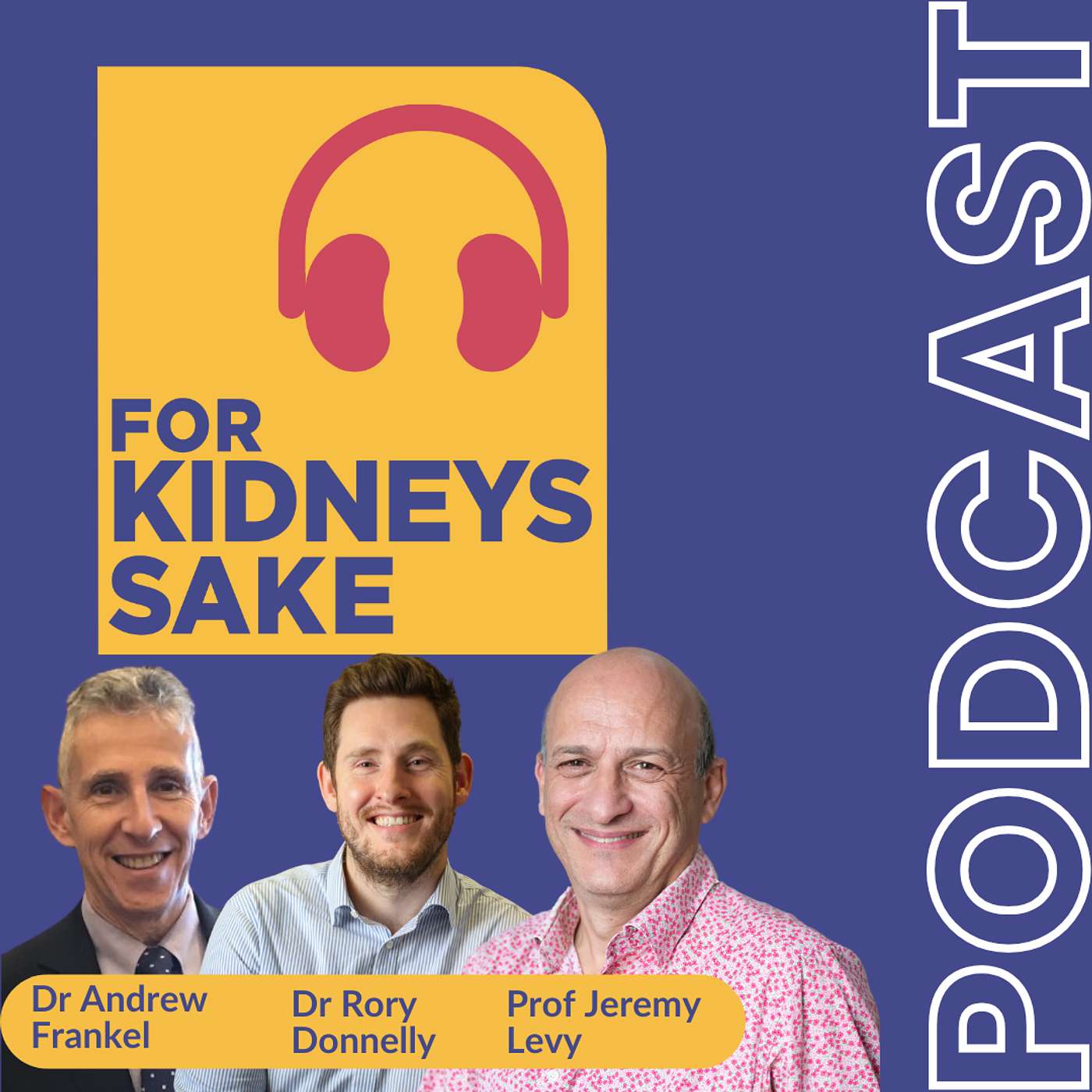
    Do you have a question? Send it now... The For Kidneys Sake podcast series is brought to you by Imperial College Healthcare NHS Trust and North West London Integrated Care Board (NWL NHS). In this episode of For Kidneys’ Sake, consultant nephrologists Prof Jeremy Levy and Dr Andrew Frankel are joined by Rory Donnelly, a senior pharmacist and system lead for diabetes and chronic kidney disease (CKD) in Hammersmith and Fulham. They discuss the expanding role of pharmacists in the management of CKD and the wider cardio-renal-metabolic (CRM) spectrum in primary care. Rory explains how pharmacists identify and review patients with CKD, optimise medicines, and provide education to support better self-management, while working closely with GPs and nursing colleagues. The conversation covers practical challenges such as confirming a CKD diagnosis, interpreting changes in kidney function after starting treatment, and deciding when to adjust therapy for frail or elderly patients. The discussion also highlights newer treatments such as SGLT2 inhibitors and finerenone, and the ongoing importance of lifestyle advice and clear communication. The episode provides practical, evidence-based insights for pharmacists and clinicians supporting people with kidney and metabolic conditions in primary care. Key Takeaways Pharmacists are central to CKD and CRM management – They lead medicine reviews, coding, and patient education within long-term condition care. Confirm CKD before diagnosis – Use previous results and trends in eGFR and ACR to ensure it is chronic and not an acute or temporary change. Individualise treatment – Clinical judgement should take priority over rigid guideline use, particularly for older or frail patients. Understand expected treatment effects – A modest fall in eGFR after starting ACE inhibitors, SGLT2 inhibitors, or finerenone is expected; monitor rather than stop treatment unnecessarily. Support lifestyle and self-care – Encourage healthy diet, regular exercise, and patient understanding that CKD monitoring aims to protect long-term kidney health. Resource Links: NICE GUIDELINES [NG203] chronic kidney disease: assessment and management Overview | Chronic kidney disease: assessment and management | Guidance | NICE Northwest London CKD guidelines for primary care Chronic kidney disease (nwlondonicb.nhs.uk) The purpose of this podcast is to inform and educate health care professionals working in the primary care and community setting. The content is evidence based and consistent with NICE guidelines and North West Guidelines available at the time of publication. The content of this podcast does not constitute medical advice and it is not intended to function as a substitute for a healthcare practitioner’s judgement. You can also join the community by signing up to our newsletter here Produced by award-winning media and marketing specialist Heather Pownall of Heather's Media Hub

    • Transcript
    • Chapters
  • S1 · E21
    Oct 28, 2025 · 19 min

    Personalised Care: The Missing Trick in CRM

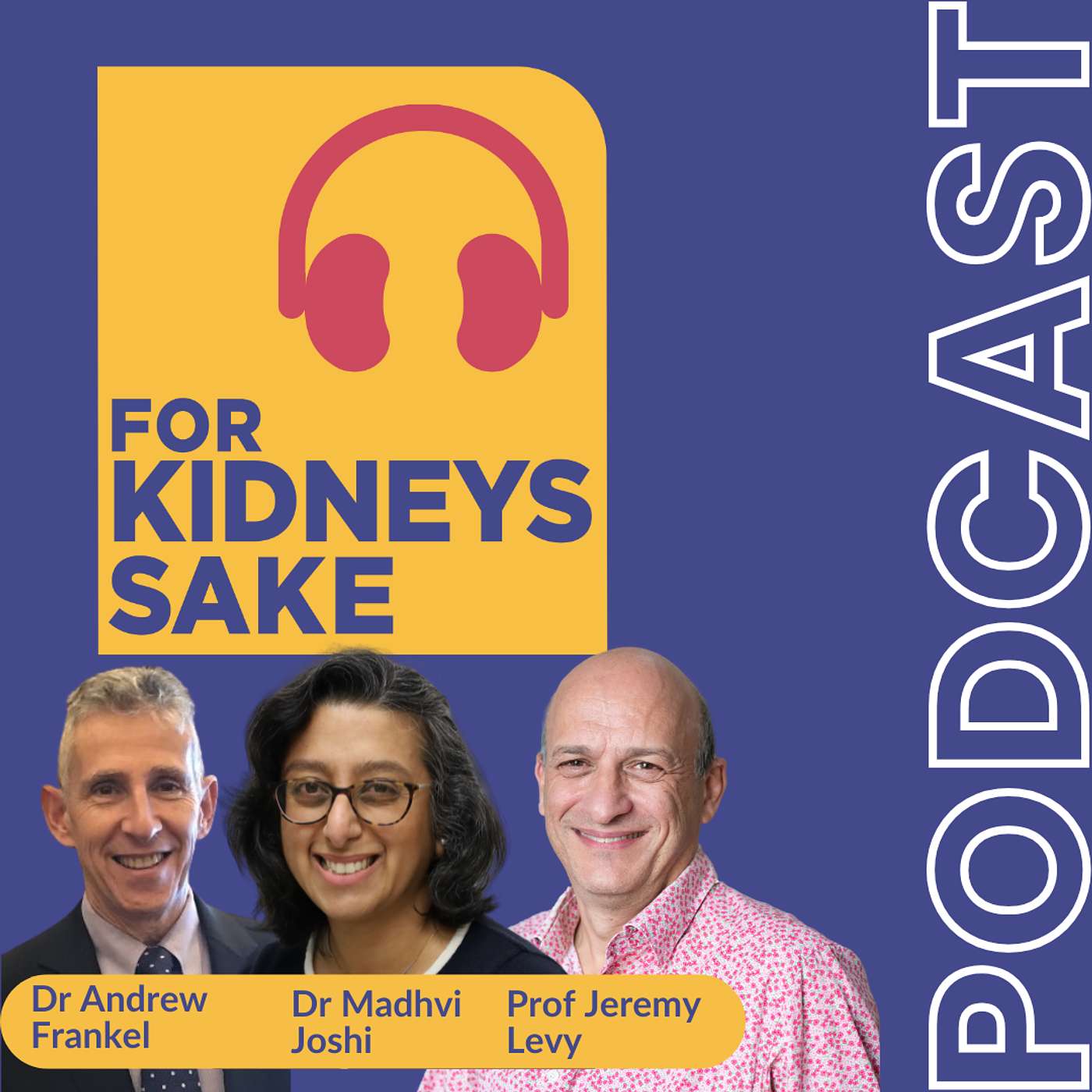
    Do you have a question? Send it now... The For Kidneys Sake podcast series is brought to you by Imperial College Healthcare NHS Trust and North West London Integrated Care Board (NWL NHS). In this episode of For Kidneys’ Sake, consultant nephrologists Prof Jeremy Levy and Dr Andrew Frankel speak with Dr. Madhvi Joshi, a GP and certified health coach, about the power of personalised care and health coaching in managing chronic conditions such as kidney, heart, and metabolic diseases. Dr. Joshi explains how shifting from a directive approach (“what’s the matter with you”) to a collaborative one (“what matters to you”) helps unlock patient motivation, improve adherence, and build more meaningful partnerships. She discusses how understanding patients’ life contexts, values, and readiness for change can transform both outcomes and satisfaction for patients and clinicians alike. Dr Joshi highlights practical frameworks such as the GROW model (Goals, Reality, Options, Will Do) and the 5As of behaviour change (Assess, Advise, Agree, Assist, Arrange) to guide conversations. She also shares a compelling case study demonstrating how lifestyle adjustments, compassionate dialogue, and shared goal setting led to significant improvements in health and well-being for a patient with multiple cardio-renal-metabolic risk factors. The discussion underscores that true progress comes from empowering patients as active participants, helping them navigate their health journeys with curiosity, empathy, and hope. Key Takeaways 1. Personalised Care – Focus on What Matters to the Person Shift from a disease-focused to a person-focused approach by asking, “What matters to you?” instead of “What’s the matter with you?”. This means seeing beyond clinical data to understand the patient’s life, values, and priorities. When people feel heard and understood, engagement and adherence naturally improve. 2. Coaching Mindset – Be Curious, Compassionate, and Non-Judgmental Adopt a collaborative mindset rather than a directive one. Use curiosity to explore readiness for change, compassion to recognise challenges, and non-judgment to create trust. Coaching helps patients find their own solutions and apply knowledge in a way that fits their lives — turning advice into sustainable action 3. Structured Tools – Use GROW and 5As for Lasting Change. Practical frameworks like GROW (Goals, Reality, Options, Will Do) and 5As (Assess, Advise, Agree, Assist, Arrange) guide conversations and support realistic goal-setting. They help clinicians and patients co-create clear, achievable steps — moving from one-off advice to measurable, lasting behaviour change. Resource Links: NICE GUIDELINES [NG203] chronic kidney disease: assessment and management Overview | Chronic kidney disease: assessment and management | Guidance | NICE Northwest London CKD guidelines for primary care Chronic kidney disease (nwlondonicb.nhs.uk) The purpose of this podcast is to inform and educate health care professionals working in the primary care and community setting. The content is evidence based and consistent with NICE guidelines and North West Guidelines available at the time of publication. The content of this podcast does not constitute medical advice and it is not intended to function as a substitute for a healthcare practitioner’s judgement. You can also join the community by signing up to our newsletter here Produced by award-winning media and marketing specialist Heather Pownall of Heather's Media Hub

    • Transcript
    • Chapters
Showing 1–20 of 20 episodes