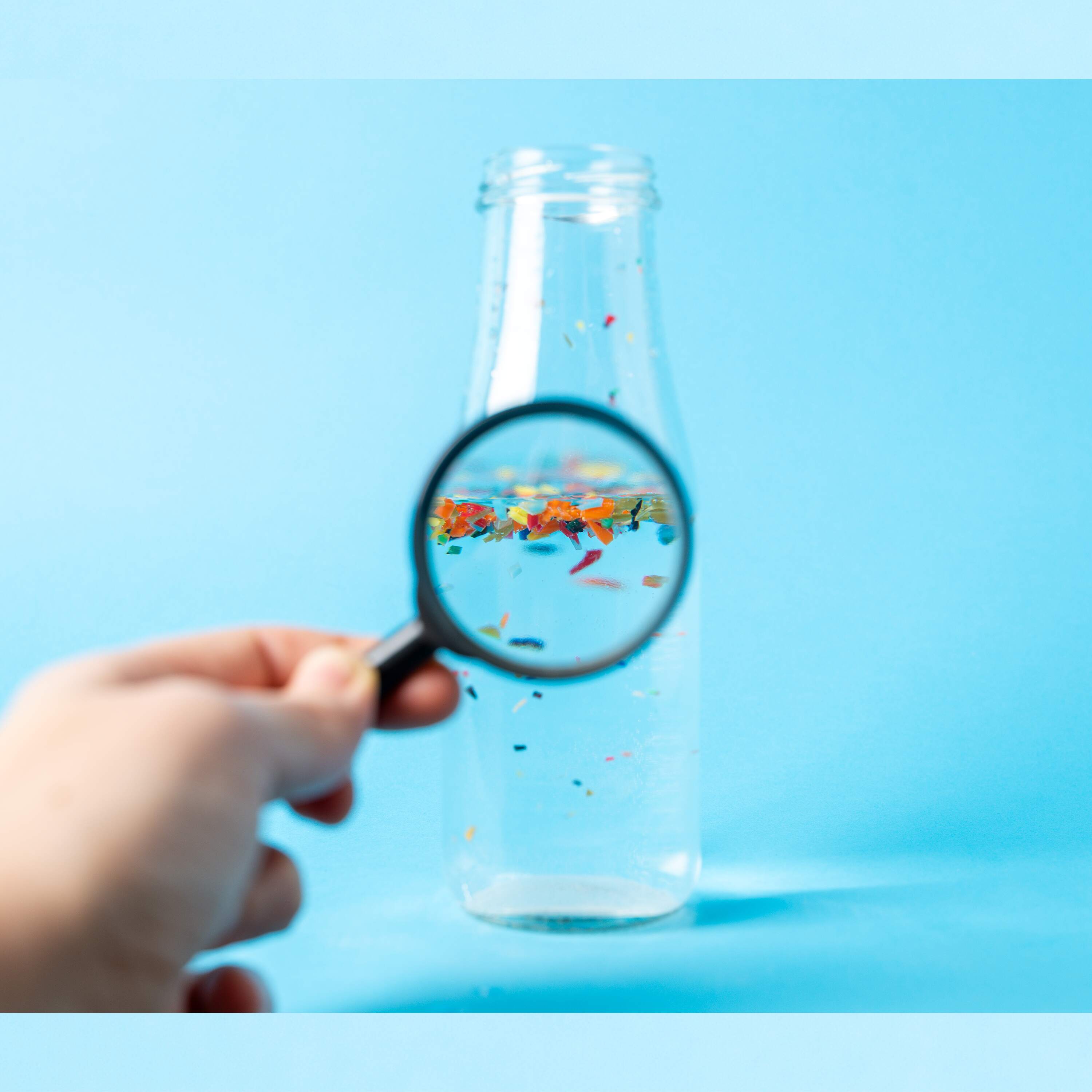
Research shows that our gut microbiome -- the trillions of microbes that populate our intestines -- isn't just involved in digestion. It's intimately linked to our immune systems, mental health, cognition and more. If you want to improve the health of your gut microbiome, there are specific best practices that can help. This episode, NPR health correspondent Will Stone shares tips on probiotic supplements, microbiome tests, and the most important factor -- your diet.
Follow us on Instagram: @nprlifekit
Sign up for Life Kit's skincare newsletter: http://npr.org/skincare
Have an episode idea or feedback you want to share? Email us at lifekit@npr.org
Support the show and listen to it sponsor-free by signing up for Life Kit+ at plus.npr.org/lifekit
Saccharomyces boulardii CNCM I-745 and Lactobacillus rhamnosus GG are two examples of probiotic strains that have considerable evidence from randomized controlled trials. Saccharomyces boulardii CNCM I-745 for travelers' diarrhea and antibiotic-associated diarrhea and Lactobacillus rhamnosus GG for antibiotic-associated diarrhea for children and adults, and also for upper respiratory tract infections.
Related episodes
5 eating habits that can help you sleep better at night. Sleep researchers explain the impact of diet, caffeine and alcohol on sleep health, and share a list of sleep-supporting foods.
The benefits of a plant-based diet on your gut. Our guts are home to trillions of microbes that influence our health. A study finds the key to a healthy microbiome is the variety of plant-based food in your diet, even if you eat meat.
Kick your tiredness with these 7 natural energy boosters. A full calendar doesn't mean you have to feel exhausted all the time. Experts share natural ways to boost energy and beat the constant battle of tiredness.
See pcm.adswizz.com for information about our collection and use of personal data for sponsorship and to manage your podcast sponsorship preferences.
NPR Privacy Policy