Skip to content
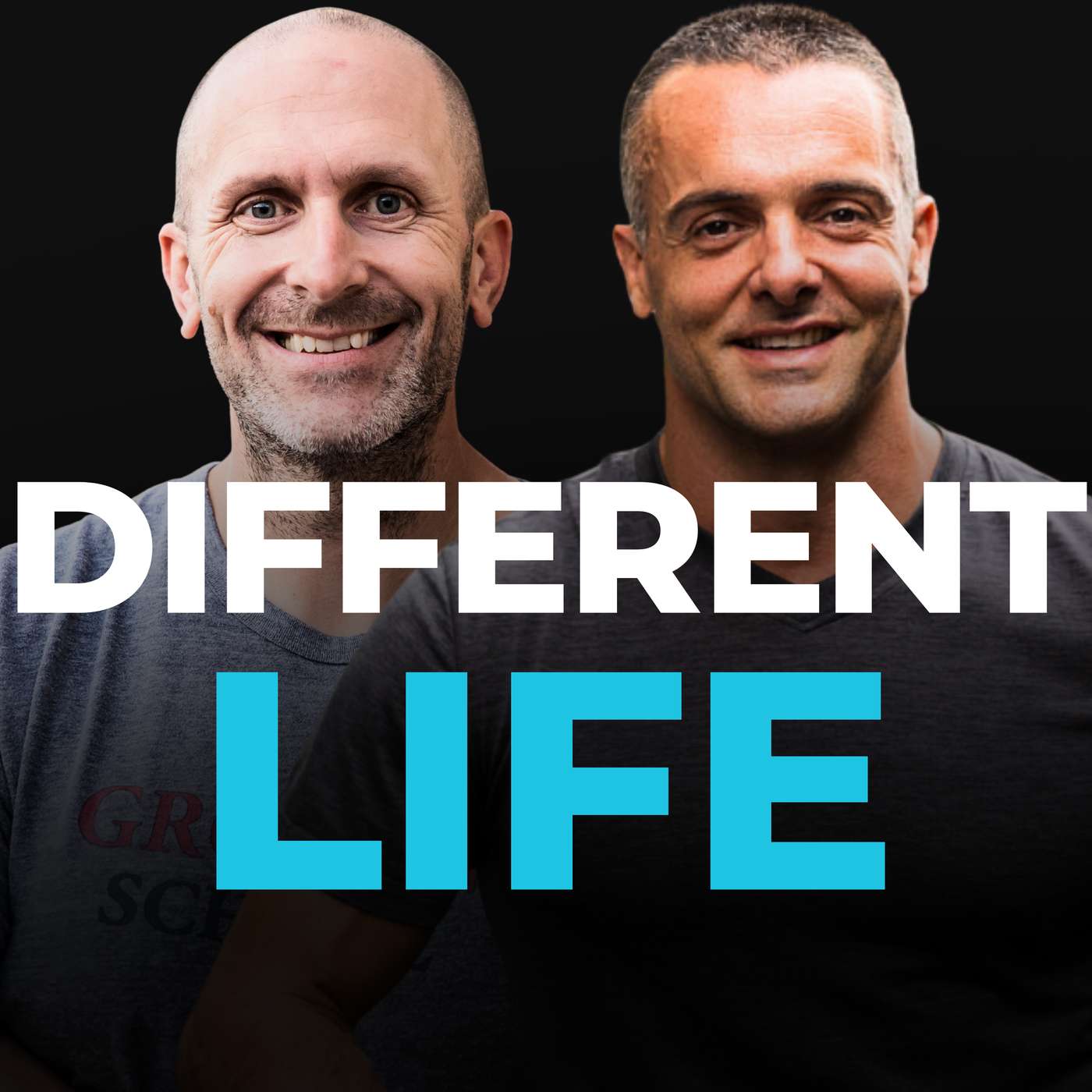
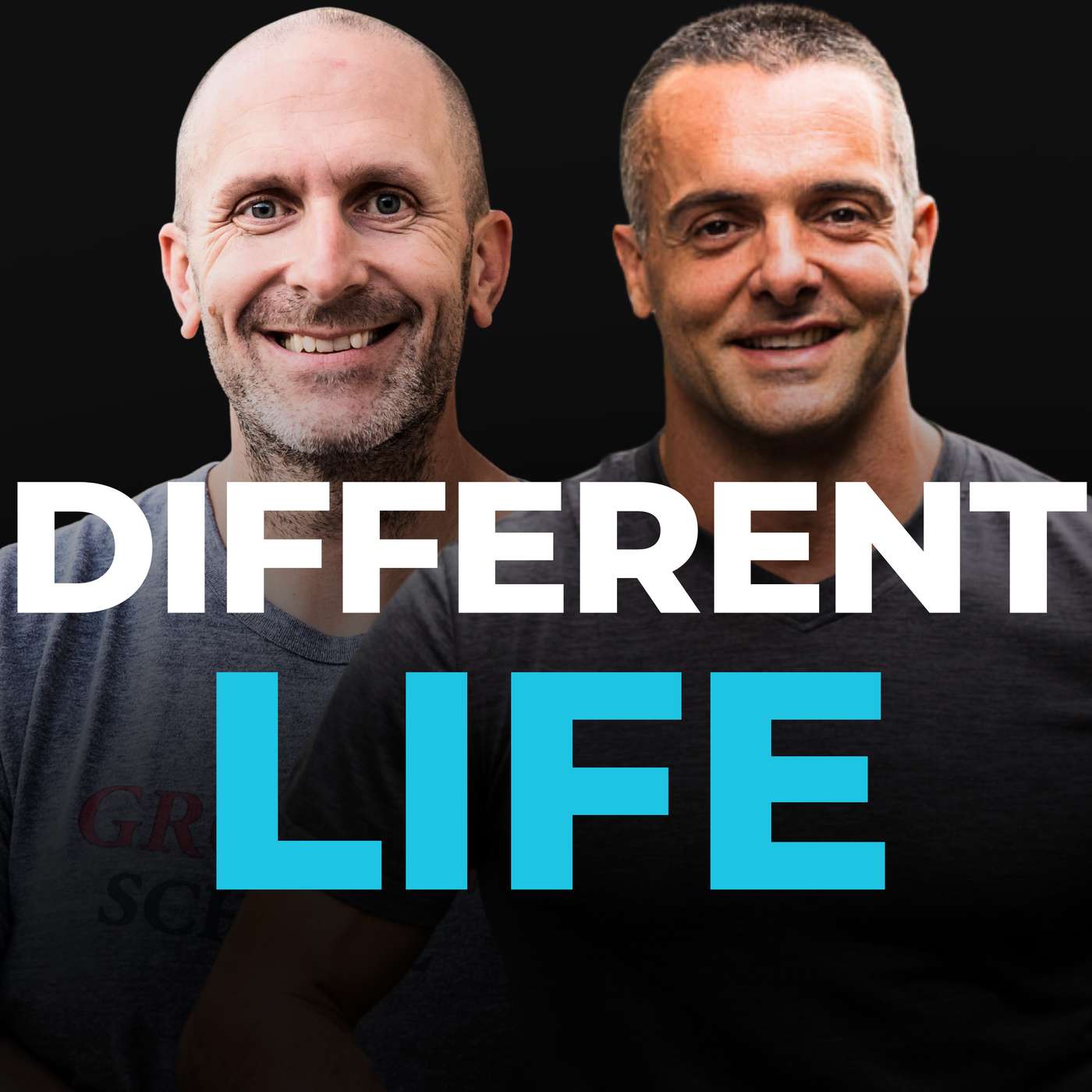
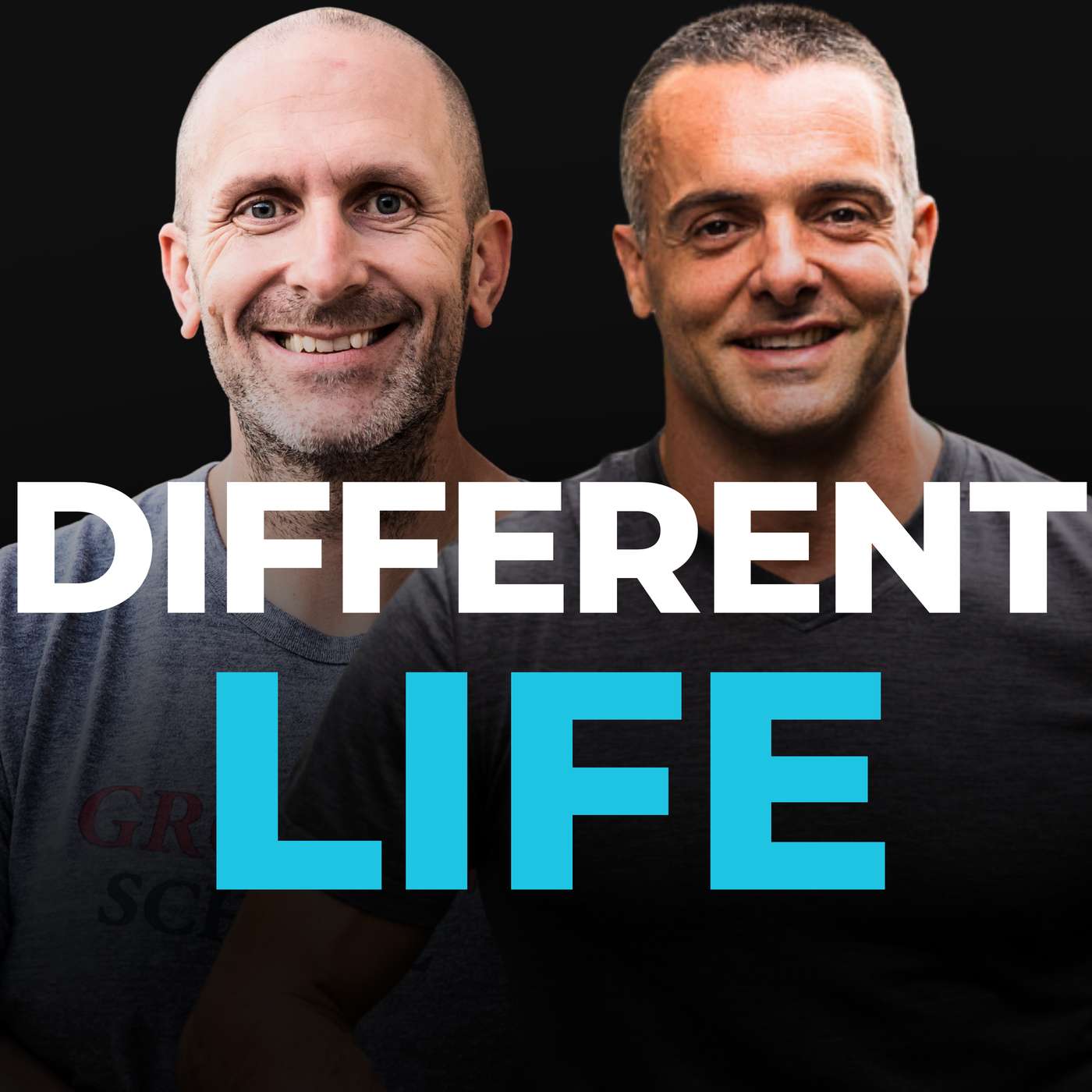
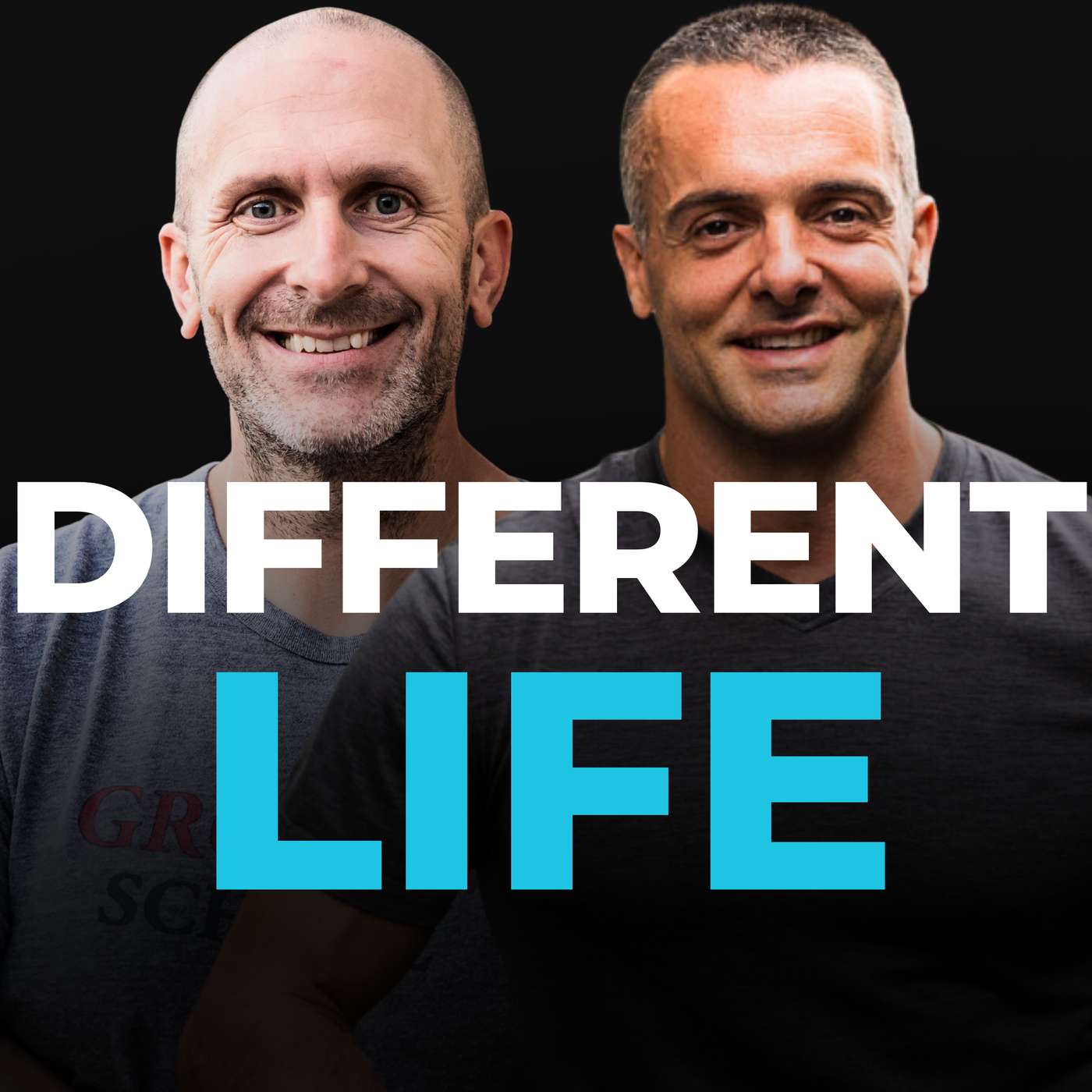
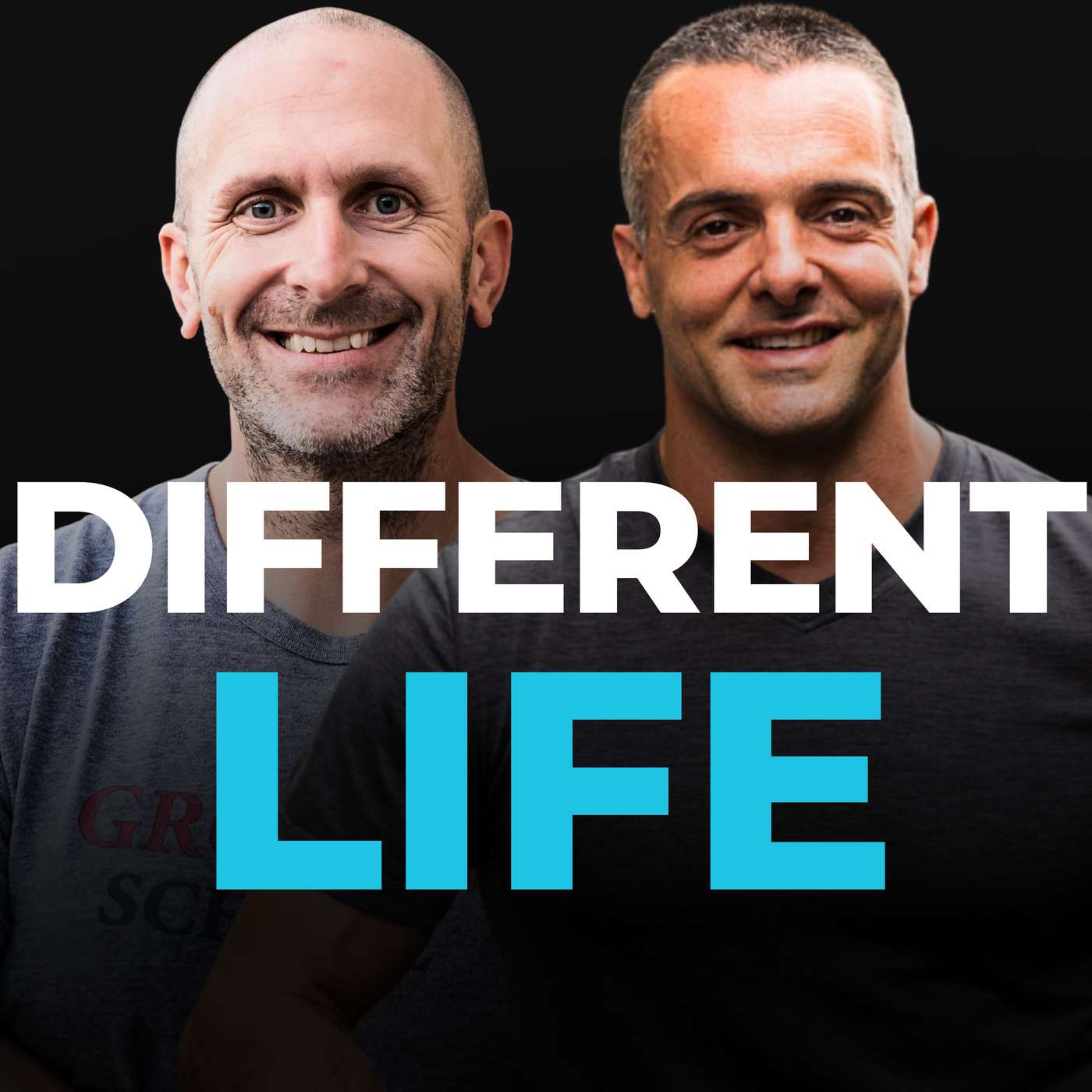
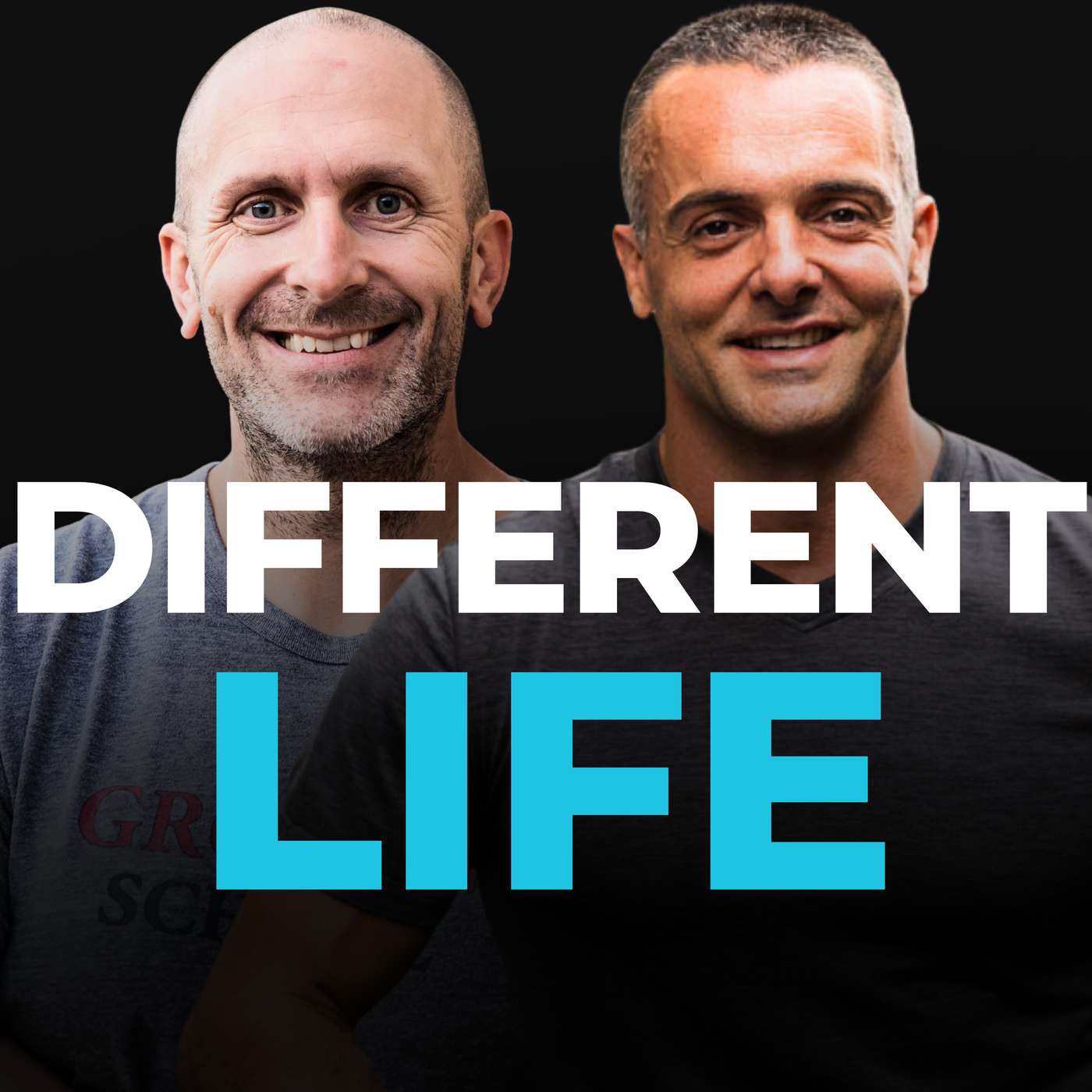
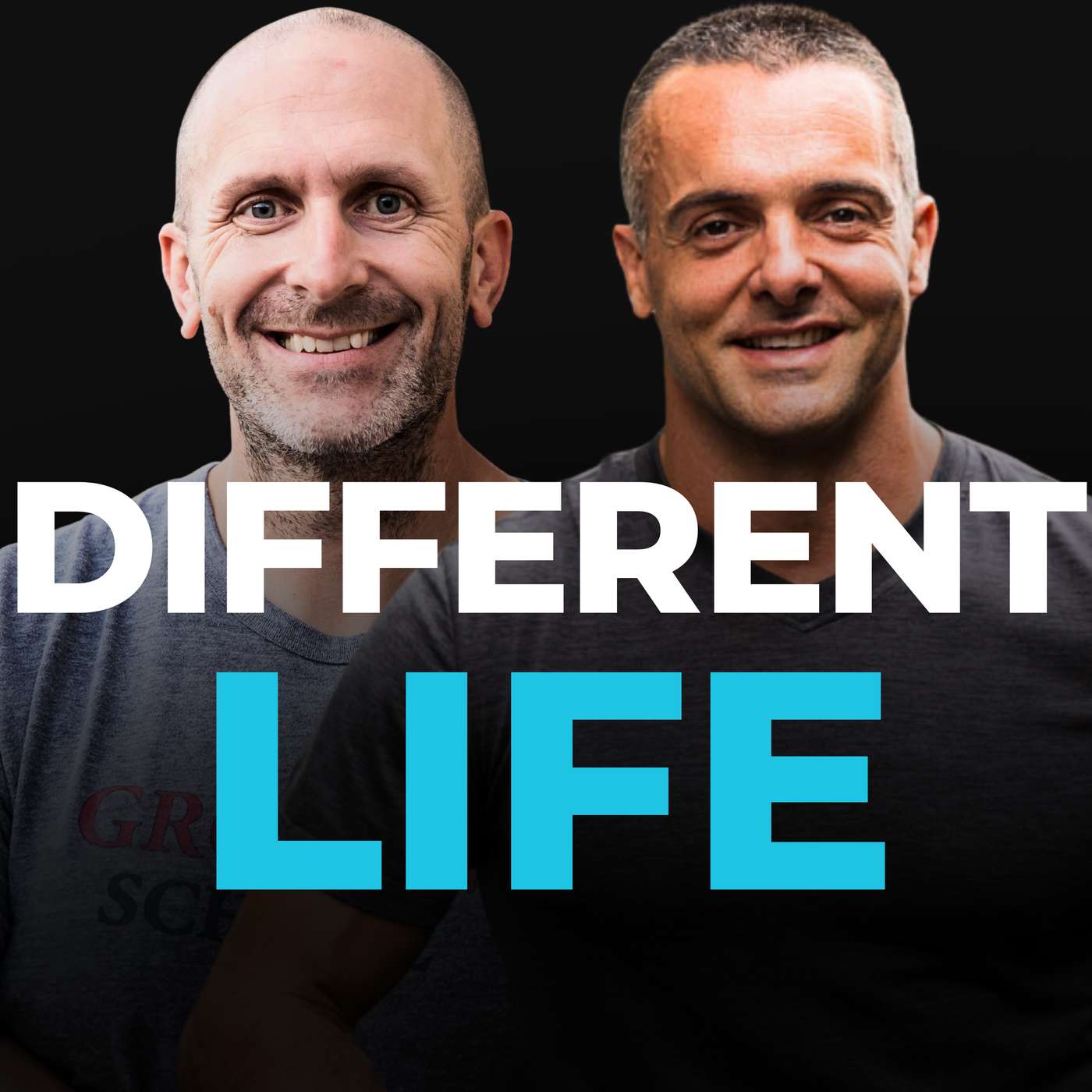
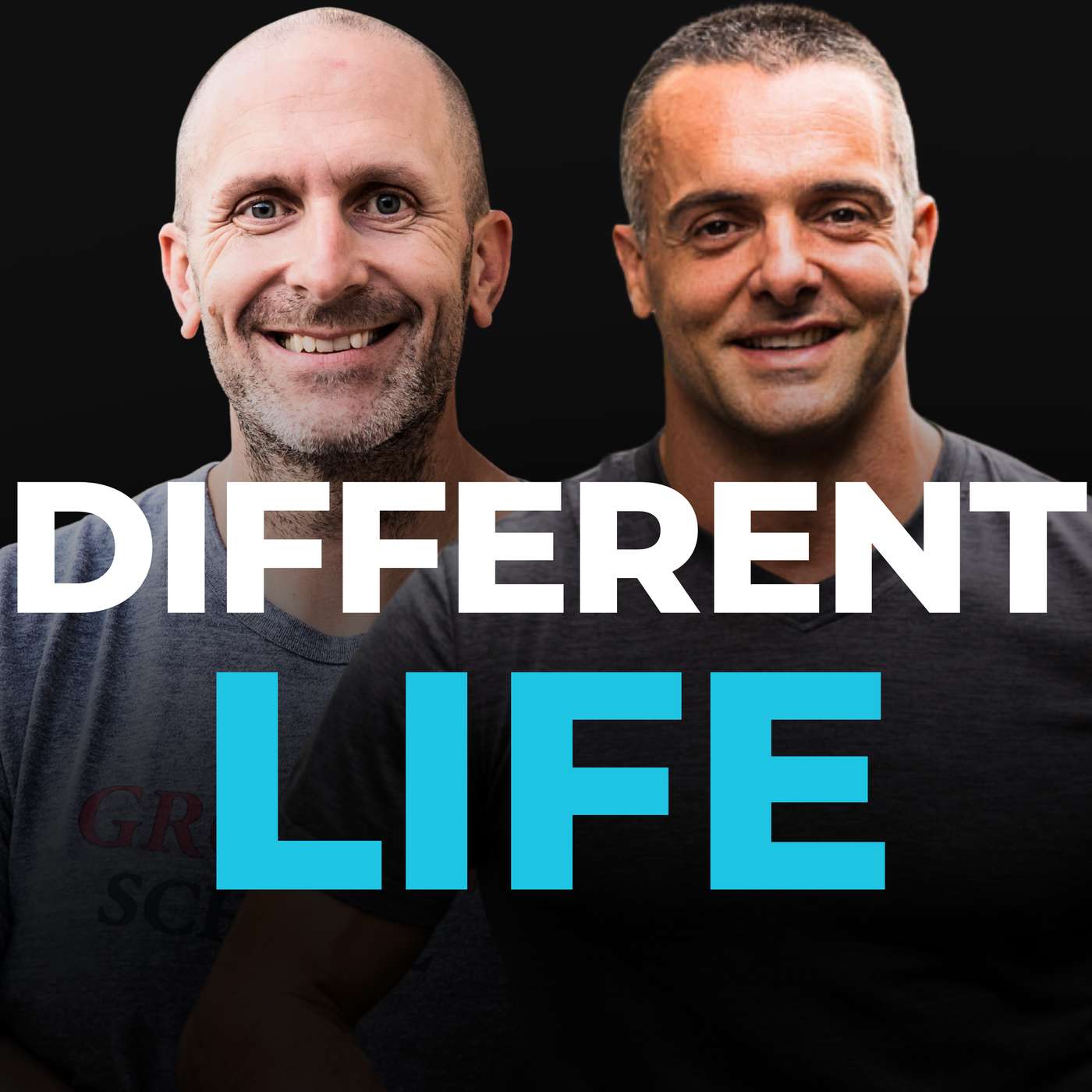
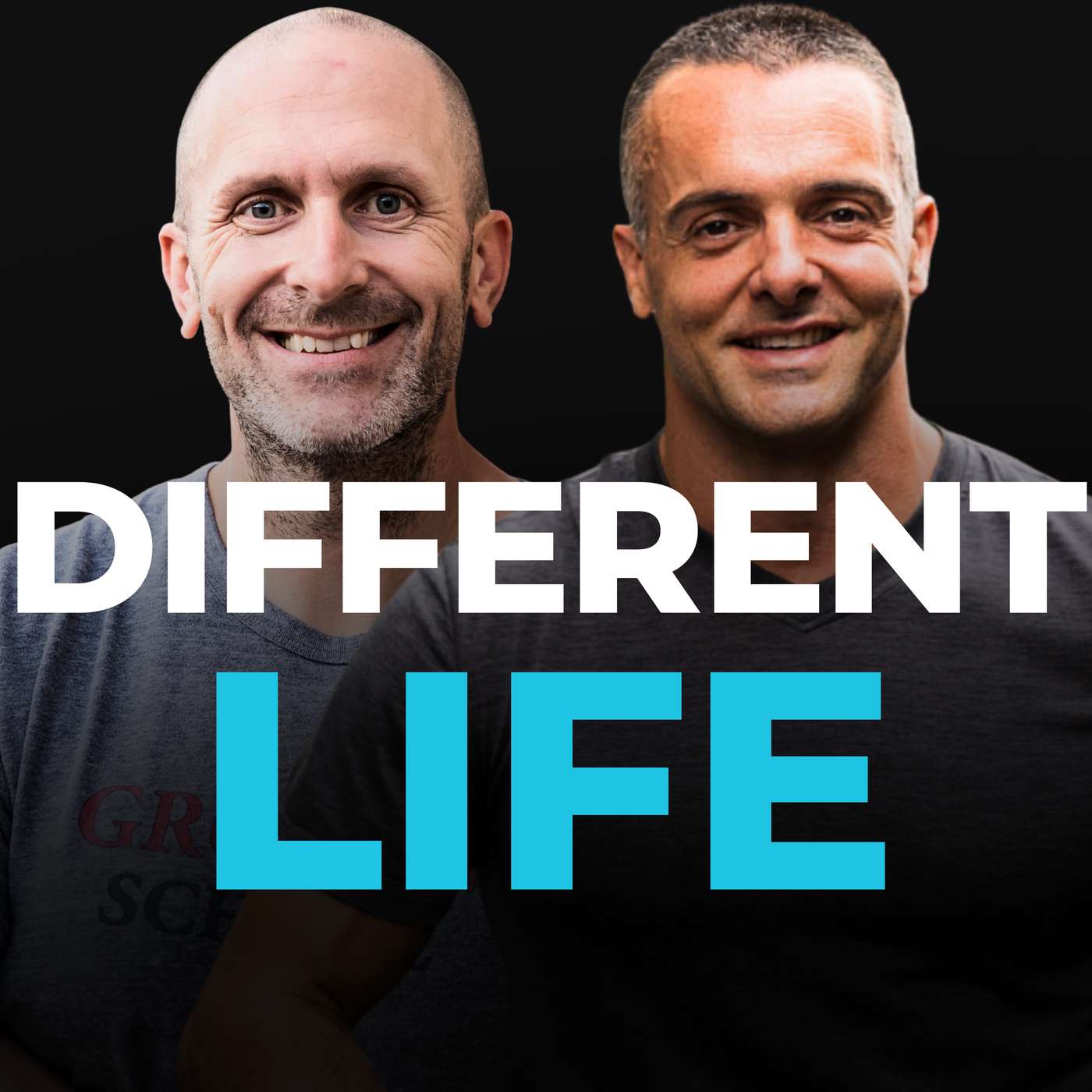
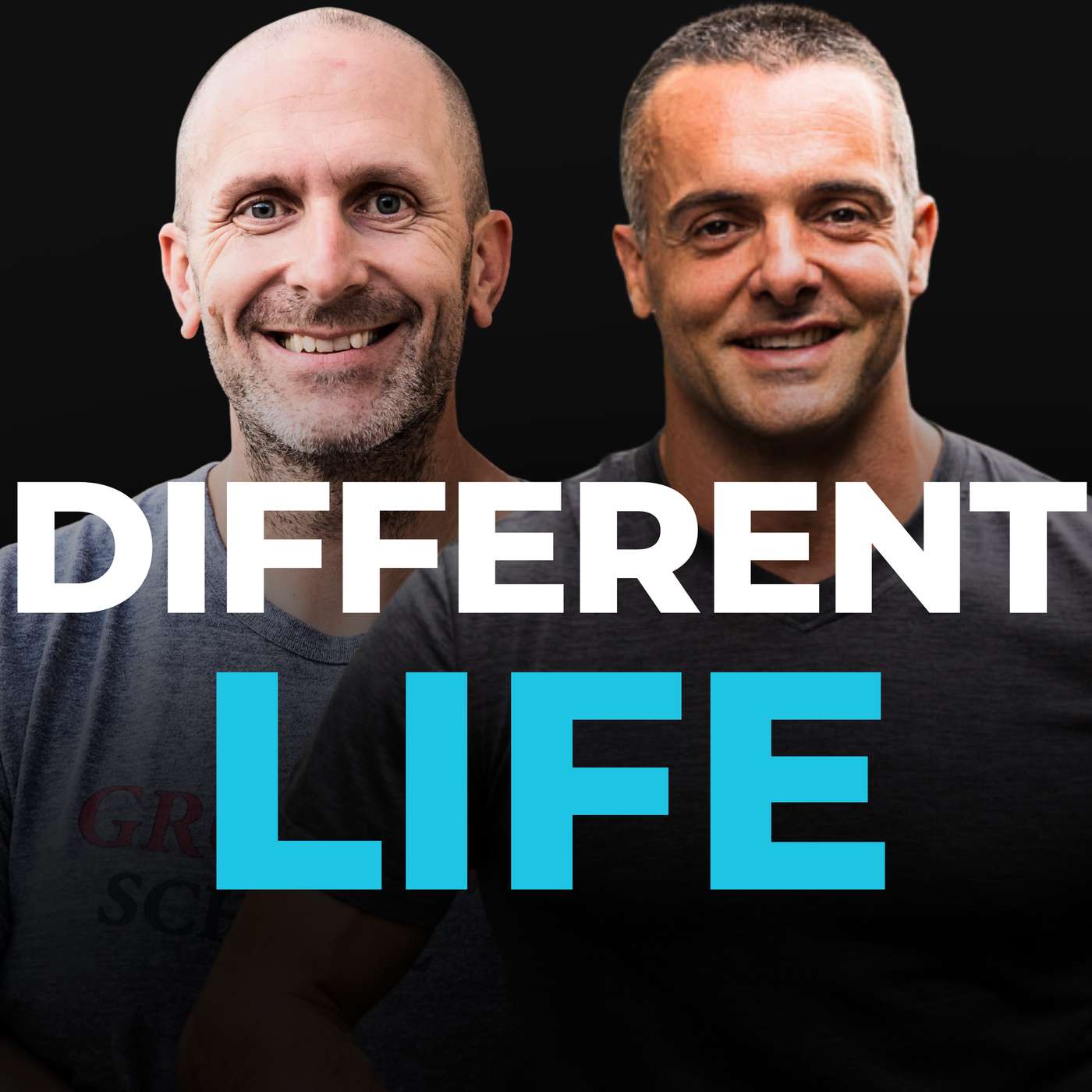
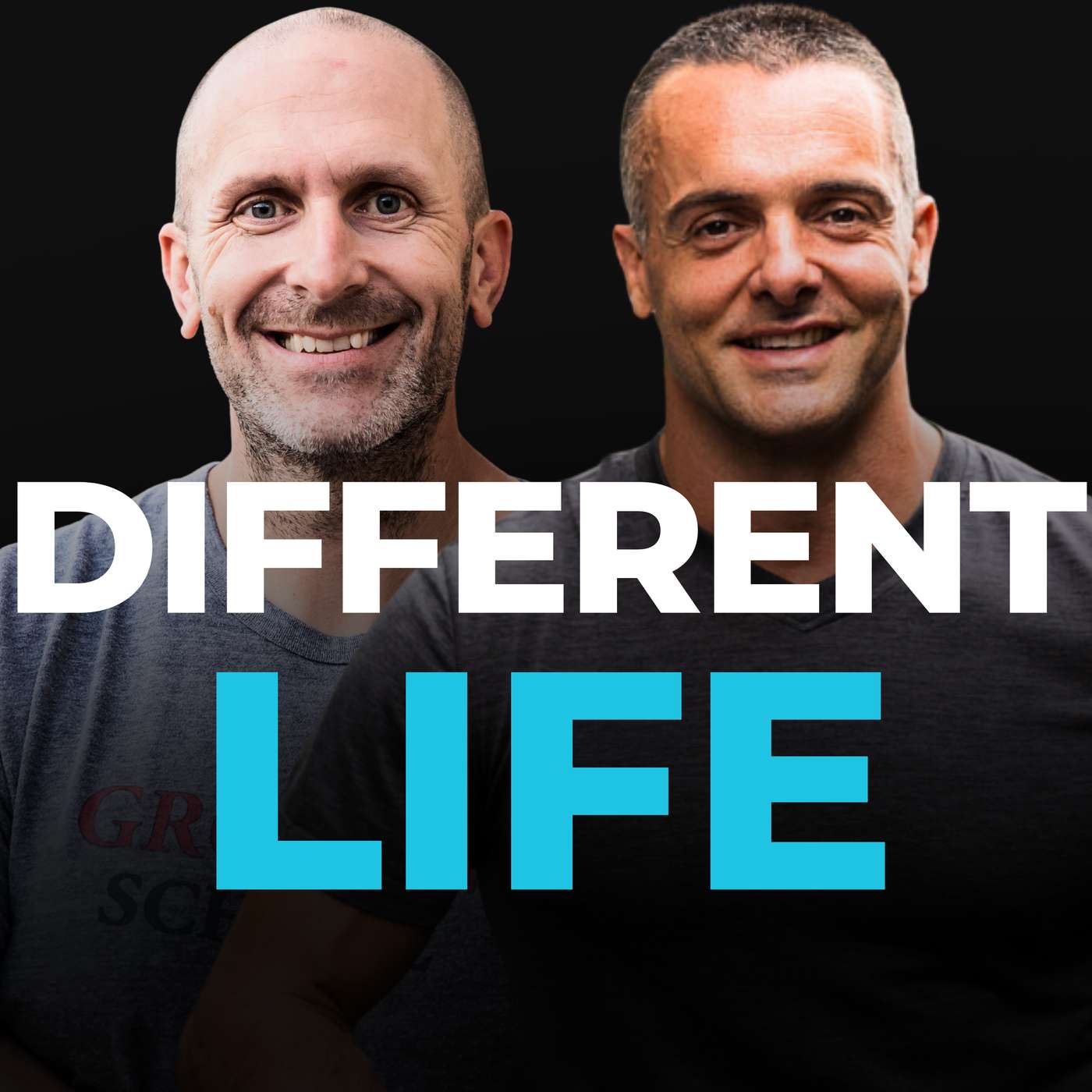
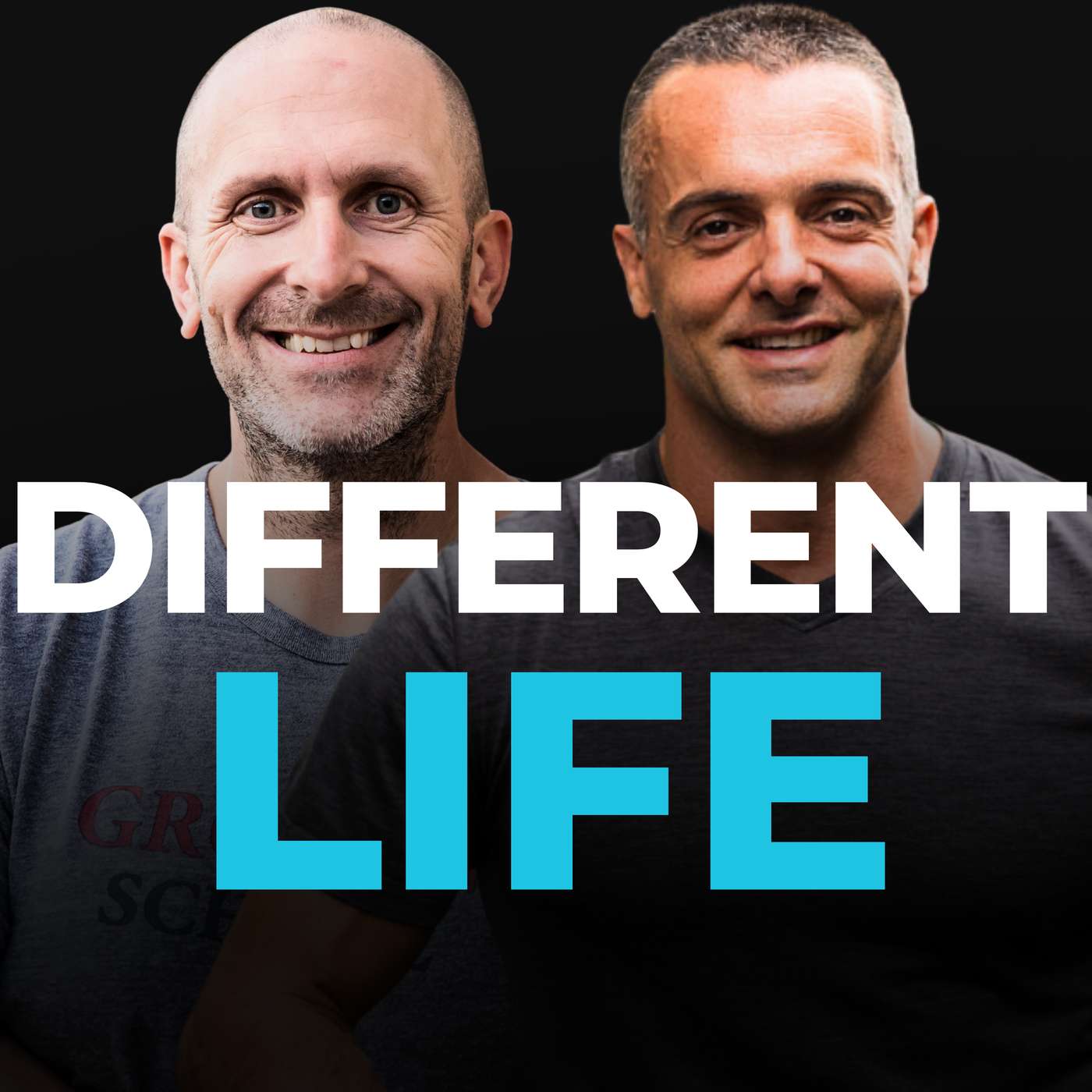
Artwork for Different Life

Different Life

Gary Donia & Peter Brouillard

Most people don’t need more motivation. They need a different approach. Hosted by Gary Donia and Peter Brouillard, Different Life draws on years of experience helping people navigate pain, movement, recovery, and performance — but the conversation goes far beyond health alone.

We talk about:
• Strength training as a life skill
• Back pain, mobility, and injury recovery
• Pelvic floor health and durability
• Sleep, stress, hormones, and energy
• Performance and longevity over 40
• Discipline, habits, and identity shifts
• Parenting and modeling health
• Relationship-based healthcare

We discuss these not as isolated topics, but as part of a bigger question: What does it look like to live differently, not just try to live better?
If you feel stuck in patterns that no longer fit who you want to become, this show is for you. Because better often keeps you in the same cycles. Different changes your trajectory.

Play
  • 21 episodes
  • weekly
  • Avg 34 min
  • English
Counted on this page — what you have heard stays on this device, so it is not something the list can be paged by.
  • #25
    Monday · 38 min

    025 | Calm The F*ck Down

    Episode Summary A minor inconvenience, an unexpected request, or someone breaking a rule can quickly become a crisis when people react before they understand what is actually happening. In this episode, Gary and Peter discuss why so many people immediately move into anger, anxiety, or panic—and how those reactions often create more problems than the original situation. Through stories involving vacation mishaps, workplace stress, road rage, and a damaging electrical surge, they outline a more effective process: pause, determine whether anyone is truly in danger, separate the feeling from the action, and focus on what you can control. Most problems are temporary, and many can be resolved through a calm conversation or a simple practical solution. They also examine how emotions influence the people around us. A leader’s anxiety can spread through an entire workplace, just as a parent’s reaction can affect the emotional climate of a home. By practicing awareness and creating space between stimulus and response, you can model calmness, improve communication, make better decisions, and prevent manageable problems from becoming unnecessary emergencies. Key Topics Discussed Why Gary and Peter initially struggled to disconnect from work while on vacation How strong systems allow a business to continue operating without its owners Kevin James’s reported 41-day fast and the difference between effectiveness and sustainability The potential physical and psychological effects of prolonged fasting Bryan Johnson’s extreme longevity experiments and the uncertainty surrounding self-experimentation Why people escalate minor problems instead of communicating directly Peter’s jet ski incident and how a simple conversation could have prevented unnecessary drama The difference between feeling an emotion and acting on it How to create space between a stressful event and your response Why problem-solving restores a sense of control and personal agency Using questions such as “Is anyone in danger?” and “Will this matter a year from now?” How meditation can strengthen awareness and reduce reactive behavior Planning your preferred response before the next stressful situation occurs Why anxiety, anger, and calmness are all contagious The responsibility leaders and parents have to regulate the energy they bring into a room Why employees may stop reporting problems when leaders react badly Learning to accept rules even when you do not initially agree with them How repeated practice can help prevent catastrophizing and emotional spiraling Chapters with Timestamps 00:00 — Returning From Vacation and Learning to Disconnect Gary and Peter catch up after time away and discuss the difficulty of stepping away from productivity. 03:08 — Can the Business Function Without You? Why effective systems, trusted employees, and delegation make real time off possible. 05:12 — Kevin James and the 41-Day Fast A discussion about rapid weight loss, prolonged fasting, sustainability, and medical safety. 09:50 — Is Occasional Fasting Beneficial? The possible appeal of fasting for longevity, discipline, religion, and personal experimentation. 11:45 — Bryan Johnson’s Longevity Experiments Gary and Peter discuss extreme health protocols, uncertainty, and the risks of becoming a human experiment. 13:28 — The Main Question: Do We All Need to Calm Down? The episode shifts to emotional overreaction, stress, and turning manageable situations into crises. 14:03 — The Jet Ski Incident Peter explains how unfamiliar lake rules led to complaints, threats, and unnecessary vacation drama. 16:02 — Why Don’t People Communicate Directly? A calm conversation could have resolved the situation before it escalated. 16:52 — When Workplace Stress Enters the Room An anxious scheduling request demonstrates how someone’s delivery can make a solvable problem feel overwhelming. 18:28 — “This Too Shall Pass” Why remembering that difficult moments are temporary can help you tolerate discomfort. 20:31 — Feel the Emotion Without Acting on It Peter explains the importance of allowing feelings to occur without immediately reacting. 21:22 — Move Into Problem-Solving Mode How focusing on solutions restores agency and prevents helplessness. 23:06 — What Can You Actually Control? Learning from past decisions while taking constructive action in the present. 24:15 — A Simple Conversation Could Have Fixed Everything Why direct, respectful communication is often more effective than gossip, threats, or escalation. 25:49 — Road Rage Solves Nothing Gary and Peter examine how anger harms the angry person without fixing the original problem. 27:34 — Let Miserable People Be Miserable You can choose not to absorb or mirror someone else’s anger. 28:14 — Questions to Ask Before Reacting Is anyone in danger? What can I do next? Will this matter tomorrow, next month, or next year? 29:24 — Staying Calm During a Home Emergency Gary explains how he handled an electrical surge by assessing safety and then solving each practical problem. 31:00 — How to Become Less Reactive Meditation, awareness, planning, and practice can create space between an event and your response. 33:06 — Your Emotional Energy Is Contagious Why leaders, parents, and people with strong personalities influence the emotional state of a room. 34:49 — Leadership During a Crisis How a leader’s reaction determines whether employees feel safe bringing up future problems. 35:26 — Modeling Calmness at Home Parents and other adults set the emotional tone for the entire family. 36:19 — Rules, Responsibility, and Social Defiance Peter reflects on his resistance to rules and whether he is willing to change after the jet ski incident. 38:34 — Final Takeaway Calm down, assess the situation, communicate clearly, and look for the solution. Notable Quotes “You allow the feeling to happen without the action, without the reaction to the feeling.”“Every problem has a solution.”“What do I have control over? What can I do to make this better?”“That space is where the good things can happen.”“Your energy that you project affects the room.” Resources Mentioned The Joe Rogan Experience #2116 with Kevin James https://open.spotify.com/episode/1VW5iEI0zWJceq1W1intct Kevin James Discusses His 41-Day Fast — JRE Clips https://www.youtube.com/watch?v=tX5ZQ8rfHzY Bryan Johnson’s Blueprint

    • Transcript
  • #24
    August 17 · 32 min

    024 | Is Creatine Worth Taking? The Truth About Strength, Brain Health, and Aging

    Episode Summary Creatine has long been associated with bodybuilders, powerlifters, and gym culture, but recent research is changing that perception. In this episode, Gary and Peter unpack what creatine actually does inside the body and why scientists are increasingly interested in its potential benefits beyond athletic performance. The conversation explores the science behind creatine's role in energy production, its effects on strength and muscle performance, and the growing body of evidence suggesting possible benefits for brain function and cognitive performance. They also address common misconceptions, including whether creatine is a steroid, whether it causes unhealthy weight gain, and whether women should consider taking it. Along the way, Gary and Peter discuss their own supplement routines, the importance of personalized blood work, why most people should focus on the basics before chasing expensive supplements, and how advances in AI may change the future of preventative healthcare. Helping you build a healthier, capable, more meaningful life. Key Topics Discussed What creatine actually is How creatine produces energy for muscles Why creatine is one of the most researched supplements available Why creatine is no longer just for bodybuilders Potential cognitive and brain health benefits Creatine and healthy aging Creatine for women Water weight versus fat gain Recommended daily dosing discussed in current research Vitamin D supplementation Fish oil and heart health Personalized blood testing The future of AI in healthcare Why simple habits beat supplement overload Chapters with Timestamps 00:00 Behind the scenes of podcast recording 01:30 Doing hard things and building routines 04:00 Why our phones steal our attention 05:00 The fascinating story of General Magic 09:45 Is creatine only for bodybuilders? 11:15 What creatine actually is 13:00 How creatine improves strength and performance 15:00 Safety, research, and side effects 17:00 Brain health and cognitive benefits 19:00 Should women take creatine? 24:00 Supplement overload vs. simple habits 25:00 Vitamin D, fish oil, and personalized nutrition 29:00 Blood testing and the future of AI in healthcare 31:30 Final thoughts: Is creatine worth taking? Notable Quotes "Creatine isn't just for gym bros anymore.""Low-hanging fruit beats chasing the newest supplement.""The basics done consistently usually matter the most.""The downside is so low for most people, and the potential benefits are significant." Resources Mentioned General Magic (Documentary) https://www.generalmagicthemovie.com/ Function Health https://www.functionhealth.com/ AG1 https://drinkag1.com/ Huberman Lab Podcast https://www.hubermanlab.com/ Connect With Us Here: YouTube: https://www.youtube.com/@WholeHealthSolutions Website: https://wholehealthsolutions.life/ Facebook: https://www.facebook.com/wholehealthsolutions.life Instagram: https://www.instagram.com/wholehealthsolutions.life LinkedIn: https://www.linkedin.com/company/whole-health-solutions-sports-performance

    • Transcript
  • #23
    August 10 · 35 min

    023 | Should You Take GLP-1 Medications for Weight Loss?

    Episode Summary GLP-1 medications like Ozempic and Wegovy have become some of the most talked-about tools for weight loss—but are they really the answer? In this episode, Gary and Peter take an honest, balanced look at these medications, explaining how they work, who they're best suited for, and why they believe they can be a valuable tool when used correctly. Rather than debating whether GLP-1 medications are "cheating," they explore the bigger question: how do you create lasting health? They discuss the importance of pairing medication with strength training, adequate protein intake, quality sleep, and sustainable habits to preserve muscle and avoid the common pitfalls of rapid weight loss. The conversation also highlights why simply losing weight isn't enough. Improving body composition, maintaining muscle, and developing lifelong behaviors ultimately determine whether someone achieves lasting success after coming off medication. The episode opens with Gary sharing a surprisingly effective mindset strategy he's been using throughout his own weight loss journey: "I'm just not doing that." It's a simple phrase that helps reduce decision fatigue and reinforces healthy identity-based habits. Key Topics Discussed Gary's "I'm just not doing that" mindset strategy Identity-based habit formation What GLP-1 medications actually are How Ozempic and Wegovy work Why GLP-1 medications reduce hunger Benefits and limitations of medical weight loss Who should consider a GLP-1 Why strength training is essential while taking GLP-1 medications Preserving muscle during rapid weight loss Protein intake recommendations The importance of sleep for muscle maintenance Transitioning off GLP-1 medications Preventing weight regain through lifestyle habits Why weight loss alone isn't the ultimate goal Fat loss versus muscle loss Chapters 00:00 Intro and Gary's new weight-loss mantra 05:55 What are GLP-1 medications? 08:45 How Ozempic and Wegovy actually work 12:10 Are GLP-1 medications cheating? 14:40 When should someone consider taking one? 17:15 Healthy weight loss versus rapid weight loss 18:45 Common side effects and nutritional concerns 21:05 Why coaching still matters while using GLP-1 medications 22:45 Strength training, protein, and muscle preservation 26:00 Can you successfully stop taking GLP-1 medications? 29:10 Real-world success story 33:00 Final thoughts: Using medication as a tool—not the solution Notable Quotes "I'm just not doing that.""The goal isn't just losing weight—it's changing your lifestyle.""Slow is permanent.""Weight loss is only one small piece of health.""A GLP-1 is a tool in the toolbox, not the toolbox itself." Connect With Us Here: YouTube: https://www.youtube.com/@WholeHealthSolutions Website: https://wholehealthsolutions.life/ Facebook: https://www.facebook.com/wholehealthsolutions.life Instagram: https://www.instagram.com/wholehealthsolutions.life LinkedIn: https://www.linkedin.com/company/whole-health-solutions-sports-performance

    • Transcript
  • #22
    August 3 · 29 min

    022 | Why Hope Is the First Step to Changing Your Health

    Episode Summary What does hope have to do with better health? More than most people realize. In this episode of Different Life, Gary and Peter discuss a conversation with a client that reminded them of what they believe is their real job—not simply helping people lose weight, recover from pain, or get stronger, but helping people believe that those outcomes are actually possible. They explain why hope is the foundation of lasting health change and why many people never take the first step because they've convinced themselves they're too old, too unhealthy, or too far gone. Through years of working in physical therapy, health coaching, and strength training, they've learned that once someone truly believes improvement is possible, action becomes much easier. The conversation also explores why small, consistent actions outperform dramatic changes, how comparison can either motivate or discourage us, and why meaningful health transformation is available at any age. Helping you build a healthier, capable, more meaningful life. Key Topics Discussed Why hope is the beginning of every health transformation The client conversation that inspired this episode Why people often lose belief in their ability to improve Building confidence through small, manageable steps The relationship between health coaching, physical therapy, and strength training Why consistency beats perfection Healthy aging and improving health after 60 Using comparison as motivation instead of discouragement The importance of buying into the process Why meaningful change is possible at any age Chapters 00:00 Hot dogs, July Fourth, and a surprisingly interesting conversation 07:45 A client says, "I finally feel hopeful" 10:05 Why people lose hope about their health 13:15 Looking beyond pain toward whole-person health 15:20 Hope comes before action 17:05 Building belief through small wins 19:10 Why comparison can help—or hurt 22:10 Learning from people who've already succeeded 23:20 Why buy-in determines success 26:15 Helping people believe change is possible 28:00 Hope → Action → Consistency → Results Notable Quotes "Hope is the first step. Then it becomes action. Then it becomes progress. Then it becomes results.""If somebody can do it, so can you.""You train hard so life is easy.""Without hope, nobody gets to the next thing.""The hardest things in life bring the greatest improvements." Resources Mentioned Slack — https://slack.com Alcoholics Anonymous (AA) — https://www.aa.org Ball Park Franks — https://ballparkbrand.com Connect With Us Here: YouTube: https://www.youtube.com/@WholeHealthSolutions Website: https://wholehealthsolutions.life/ Facebook: https://www.facebook.com/wholehealthsolutions.life Instagram: https://www.instagram.com/wholehealthsolutions.life LinkedIn: https://www.linkedin.com/company/whole-health-solutions-sports-performance

    • Transcript
  • #21
    July 27 · 43 min

    021 | Why Your Pain Won't Go Away (And How to Finally Move Again)

    Episode Summary Pain is real—but it doesn't always mean you're injured. In this episode of Different Life, Gary and Peter explore the fascinating relationship between the brain, movement, and chronic pain. They explain why many people continue to experience pain long after tissues have healed and how fear, stress, and inactivity can reinforce a cycle that keeps people from returning to the activities they love. Drawing from years of experience as physical therapists, they discuss practical strategies for helping patients rebuild confidence through gradual movement instead of avoidance. The conversation also includes a candid update on their own health journeys, including weight loss, accountability, reading habits, and maintaining meaningful friendships. Throughout the episode, they emphasize that progress isn't about perfection—it's about consistently returning to the habits that move you toward a healthier, more capable life. Whether you're struggling with arthritis, back pain, knee pain, or simply trying to understand why something still hurts, this episode offers practical advice and a fresh perspective that may change the way you think about pain forever. Key Topics Discussed Personal updates on health goals and accountability Weight loss through calorie tracking and sustainable habits The value of reading and continuous learning Building community and maintaining friendships How the brain creates the experience of pain Why pain doesn't always equal injury Understanding chronic pain and fear avoidance Arthritis versus the perception of pain Why movement is essential for recovery How physical therapists gradually restore confidence through movement The role of stress, anxiety, sleep, and lifestyle in persistent pain Practical advice for safely becoming more active Chapters with Timestamps 00:00 – Catching up on personal goals and accountability 12:10 – A gym conversation sparks today's topic 14:15 – What actually causes pain? 17:00 – Why people become afraid to move 20:00 – How movement helps reduce chronic pain 23:10 – Does arthritis really cause pain? 26:20 – Helping patients move without fear 28:20 – Recommended books on pain science 30:00 – Real patient success stories 33:45 – Practical strategies for overcoming pain 40:00 – Actionable advice you can start today Notable Quotes "Pain doesn't always equal injury.""Your brain has to know that it's safe to move again.""Don't be a victim of your diagnosis.""Something is always better than nothing.""Movement is part of healing." Resources Mentioned Mind Over Back Pain by Dr. John Sarno https://www.amazon.com/s?k=Mind+Over+Back+Pain+John+Sarno The Way Out by Alan Gordon https://www.amazon.com/s?k=The+Way+Out+Alan+Gordon Helping you build a healthier, capable, more meaningful life Connect With Us Here: YouTube: https://www.youtube.com/@WholeHealthSolutions Website: https://wholehealthsolutions.life/ Facebook: https://www.facebook.com/wholehealthsolutions.life Instagram: https://www.instagram.com/wholehealthsolutions.life LinkedIn: https://www.linkedin.com/company/whole-health-solutions-sports-performance

    • Transcript
  • #20
    July 20 · 39 min

    020 | Why Healthy People Don't Rely On Willpower

    Episode Summary Why do healthy habits feel so hard to maintain? Gary and Peter argue that the problem isn't motivation—it's relying on motivation in the first place. In this episode, they explore how creating systems around food, exercise, sleep, and technology can dramatically reduce decision fatigue and make healthy choices the default. Rather than chasing discipline, they explain how designing your environment can lead to lasting lifestyle change. Whether you're trying to eat healthier, become more active, improve your sleep, or simply feel more in control of your daily routine, this conversation provides practical strategies you can begin implementing immediately. Key Topics Discussed Why willpower eventually fails Creating healthy food systems Meal prep and grocery shopping strategies Avoiding environmental triggers Exercise versus daily movement Planning your free time intentionally Building an effective nighttime routine Sleep optimization Managing technology and social media Protecting mental health by controlling information intake Chapters 00:00 The Dirty Soda discussion and unhealthy food marketing 07:55 The Total Immersion concept 10:30 Building systems for healthy eating 20:05 Exercise versus everyday movement 26:20 Creating better sleep routines 31:20 Social media, news, and protecting mental health 38:30 Final thoughts on designing a healthier life Notable Quotes "Your environment is often stronger than your willpower.""The goal isn't more motivation. It's fewer decisions.""Healthy habits become easier when the healthy choice is the convenient choice.""Most people have a systems problem, not a motivation problem." Resources Mentioned ChatGPT https://chat.openai.com/ Slack https://slack.com/ Connect With Us Here: YouTube: https://www.youtube.com/@WholeHealthSolutions Website: https://wholehealthsolutions.life/ Facebook: https://www.facebook.com/wholehealthsolutions.life Instagram: https://www.instagram.com/wholehealthsolutions.life LinkedIn: https://www.linkedin.com/company/whole-health-solutions-sports-performance

    • Transcript
  • #19
    July 13 · 33 min

    019 | Alcohol Is Quietly Ruining Your Weight Loss

    Episode Summary Most conversations about alcohol focus on calories, but that only scratches the surface. In this episode, Gary and Peter explore the broader impact alcohol has on weight loss, recovery, sleep quality, hormone production, and long term health. They discuss why many people unknowingly undermine their progress despite exercising regularly and making generally healthy choices. The discussion highlights how alcohol affects sleep cycles, recovery processes, and decision making while also contributing to behaviors that make weight management more difficult. The hosts also examine how chronic poor sleep and alcohol consumption can compound over time and influence body composition. If you've ever wondered why you're doing many of the right things but still struggling to achieve your health goals, this episode provides an important perspective. Key Topics Discussed Why alcohol is more than a calorie issue Fast food subscription services and modern health culture Alcohol metabolism and energy storage Body fat accumulation and weight loss resistance Sleep quality and restorative sleep Recovery and exercise adaptation Testosterone and hormone health Cortisol and chronic stress Decision making and late night eating Practical strategies for reducing alcohol intake Chapters with Timestamps 00:00 – New Studio Setup & Podcast Relaunch 02:30 – McDonald's Subscription Model and Fast Food Culture 09:20 – Why Alcohol Became Today's Topic 12:00 – Alcohol Calories Explained 16:00 – How Alcohol Is Metabolized 18:00 – Fat Storage, Liver Health & Metabolic Disease 20:30 – Alcohol's Impact on Sleep 24:00 – Recovery, Hormones & Testosterone 28:00 – Cortisol, Stress & Body Fat 29:30 – Alcohol and Poor Food Decisions 32:00 – Practical Strategies for Better Health Notable Quotes “Most people are sabotaging themselves without fully realizing it.”“You may sleep eight hours, but you don't get eight hours of restoration.”“Alcohol is more than a calorie problem.”“Health is the result of repeated behaviors that either support or oppose the outcome you want.” Resources Mentioned ChatGPT https://chatgpt.com Slack https://slack.com Why We Sleep by Matthew Walker https://www.amazon.com/Why-We-Sleep-Unlocking-Dreams/dp/1501144316 Connect With Us Here: YouTube: https://www.youtube.com/@WholeHealthSolutions Website: https://wholehealthsolutions.life/ Facebook: https://www.facebook.com/wholehealthsolutions.life Instagram: https://www.instagram.com/wholehealthsolutions.life LinkedIn: https://www.linkedin.com/company/whole-health-solutions-sports-performance

    • Transcript
    • Chapters
  • #18
    July 6 · 45 min

    018 | The Protein Craze: What You Actually Need to Know

    Episode Summary Protein is everywhere. Walk through a grocery store, scroll social media, or stop at a coffee shop and you'll find protein versions of almost everything. Protein coffee, protein water, protein chips, protein candy, protein desserts, and countless other products now compete for attention. In this episode, Gary, Peter, and special guest Ava explore the modern protein craze and discuss why protein has become one of the most heavily marketed nutrients in the health and fitness industry. The conversation dives into how much protein people actually need, why strength training and muscle preservation have become major health topics, and how companies often capitalize on legitimate health information by attaching protein labels to highly processed products. Listeners will also learn practical strategies for getting enough protein through real food, how to evaluate protein products more critically, and why building a simple nutrition plan is often more effective than chasing trends. Key Topics Discussed Why protein is suddenly everywhere Protein marketing and consumer behavior Protein coffee, protein water, and protein snacks How nutrition trends influence purchasing decisions The difference between real food and processed protein products Protein recommendations for active adults Strength training and long term health Women's health and protein awareness Creating a practical nutrition strategy Why consistency matters more than perfection Chapters 00:00 New podcast intro music and introducing Ava 04:42 Ava's background as a professional dancer 07:00 The rise of the protein craze 09:20 Protein products everywhere 13:53 Why protein has become the hero nutrient 20:50 Protein marketing versus reality 27:47 How much protein people actually need 30:06 Best sources of dietary protein 34:52 Protein recommendations by body weight 39:34 Real food versus protein products 43:59 Final thoughts on building a better nutrition plan Notable Quotes "Protein is good for us. But having a plan matters even more.""Don't randomly buy things that say protein on them thinking you're doing something healthy.""Eat real food most of the time.""You don't have to be perfect. You just have to work on ideas that are a little bit better than today." Resources Mentioned ChatGPT https://chatgpt.com Chipotle https://www.chipotle.com Starbucks https://www.starbucks.com Dunkin' https://www.dunkindonuts.com Babybel Cheese https://www.babybel.com Connect With Us Here: YouTube: https://www.youtube.com/@WholeHealthSolutions Website: https://wholehealthsolutions.life/ Facebook: https://www.facebook.com/wholehealthsolutions.life Instagram: https://www.instagram.com/wholehealthsolutions.life LinkedIn: https://www.linkedin.com/company/whole-health-solutions-sports-performance

    • Transcript
  • #17
    June 29 · 31 min

    017 | Why Successful People Do Hard Things

    Episode Summary Why do so many successful founders, leaders, athletes, and high performers gravitate toward Brazilian Jiu Jitsu? In this episode of Different Life, Gary, Peter, and Gianna explore the surprising connection between difficult physical challenges and personal growth. What starts as a conversation about Jiu Jitsu quickly becomes a deeper discussion about leadership, resilience, failure, and the habits that drive long-term success. The group breaks down six powerful lessons they believe extend far beyond the mat: maintaining a beginner's mindset, recognizing patterns, making decisions under pressure, embracing long-term growth, learning through failure, and developing deep focus. Whether you're building a business, pursuing better health, or simply trying to become more capable, this episode offers a practical framework for understanding why difficult challenges often create the greatest opportunities for growth. Key Topics Discussed Why successful people are attracted to difficult challenges The connection between Brazilian Jiu Jitsu and entrepreneurship Developing a beginner's mindset Pattern recognition and decision making Learning to perform under stress Long-term thinking and delayed gratification The role of failure in growth Deep focus and presence Why comfort often leads to stagnation Applying these lessons to everyday life Chapters with Timestamps 00:00 – Welcome Back Studio banter, guests, and introducing the topic. 04:20 – Why So Many Successful People Train Jiu Jitsu Exploring the connection between high performers and martial arts. 09:00 – Beginner's Mindset Learning new skills, embracing humility, and removing ego. 15:00 – Pattern Recognition How strategic thinking develops through repetition and experience. 18:30 – Performing Under Pressure Stress, resilience, and making decisions when stakes are high. 20:00 – Long-Term Growth Why mastery takes years and consistency wins. 25:20 – Learning Through Failure How setbacks create opportunities for growth and innovation. 29:20 – Deep Focus and Presence The importance of concentration and doing one thing at a time. 33:00 – Final Takeaways Why doing hard things consistently leads to personal growth. Notable Quotes "Being comfortable is the epitome of mediocrity.""The world is open to you. You can learn whatever you want.""Consistency is everything.""Do hard things consistently.""Growth rarely happens when you're comfortable." Resources Mentioned Bird by Bird by Anne Lamott https://www.amazon.com/Bird-Some-Instructions-Writing-Life/dp/0385480016 Josh Waitzkin https://www.joshwaitzkin.com Searching for Bobby Fischer https://en.wikipedia.org/wiki/Searching_for_Bobby_Fischer Joe Mazzulla https://www.nba.com/celtics Mark Zuckerberg https://about.meta.com Joe Rogan https://www.joerogan.com Connect With Us Here: YouTube: https://www.youtube.com/@WholeHealthSolutions Website: https://wholehealthsolutions.life/ Facebook: https://www.facebook.com/wholehealthsolutions.life Instagram: https://www.instagram.com/wholehealthsolutions.life LinkedIn: https://www.linkedin.com/company/whole-health-solutions-sports-performance

    • Transcript
  • #16
    June 22 · 34 min

    016 | Mastery Takes Longer Than You Think

    Episode Summary What separates beginners from experts? In this episode of Different Life, Gary and Peter dive into the concept of mastery and explore how true expertise develops over time. Drawing from experiences in physical therapy, business ownership, coaching, and personal development, they discuss why mastery is less about talent and more about repetition, intentional practice, and learning from experience. The conversation highlights the importance of connecting the dots through years of accumulated experiences. Gary shares how decades of working with patients have shaped his intuition and decision-making, while Peter discusses the role of feedback, introspection, and self-awareness in personal growth. Together, they unpack why many people remain stuck in beginner mode and how embracing discomfort can accelerate improvement. If you've ever wondered why some people seem to effortlessly navigate challenges while others remain stuck repeating the same mistakes, this episode offers a practical framework for understanding growth, expertise, and lifelong learning. Key Topics Discussed What mastery actually means Why experience matters more than talent The stages of learning and skill development Physical therapy and pattern recognition How experts connect the dots faster The importance of introspection Accepting and applying feedback Why excuses limit personal growth Reading people and emotional intelligence Deliberate practice versus simple repetition Business ownership and continuous improvement The relationship between awareness and growth Chapters with Timestamps 00:00 – Intro and the Chicken Story 04:40 – What Does Mastery Really Mean? 06:45 – Time, Repetition, and Experience 09:20 – The Stages of Becoming an Expert 14:00 – Why Talent Isn't Enough 16:20 – Feedback as a Tool for Growth 21:00 – The Power of Honest Self Reflection 26:00 – What Each Host Considers Their Greatest Strength 30:00 – Reading People and Emotional Intelligence 32:20 – Signs Someone Has Stopped Growing 34:00 – Final Thoughts on Mastery Notable Quotes "Mastery is the ability to connect the dots.""You don't become a master because of talent. You become a master because of intentional reps.""Feedback is not a judgment of who you are. It's an observation of what you did.""If you're not willing to ask whether the feedback is right, you'll never improve.""Most people stay beginners because they stop learning." Resources Mentioned Mastery by Robert Greene https://www.amazon.com/Mastery-Robert-Greene/dp/014312417X Michael Jordan Biography https://www.nba.com/history/legends/profiles/michael-jordan LeBron James Profile https://www.nba.com/player/2544/lebron-james Connect With Us Here: YouTube: https://www.youtube.com/@WholeHealthSolutions Website: https://wholehealthsolutions.life/ Facebook: https://www.facebook.com/wholehealthsolutions.life Instagram: https://www.instagram.com/wholehealthsolutions.life LinkedIn: https://www.linkedin.com/company/whole-health-solutions-sports-performance

    • Transcript
  • #15
    June 14 · 31 min

    015 | Remembering 2020: What We Lost, What We Learned, and What We Should Bring Back

    Episode Summary What can we learn from looking back at 2020? In this episode of Different Life, Gary Donia and Peter Brouillard revisit one of the most disruptive periods in modern history and discuss the unexpected positives that emerged from it. While acknowledging the challenges many people experienced, they explore how the forced slowdown created opportunities for deeper relationships, healthier habits, greater creativity, and meaningful business innovation. The conversation examines how stress often serves as a catalyst for growth. From entrepreneurs launching businesses during uncertain times to individuals rediscovering fitness, family dinners, and simpler living, Gary and Peter discuss why discomfort is often necessary for progress. Most importantly, they ask a practical question: Can we intentionally recreate some of the best parts of that experience without waiting for another major disruption to force us into it? Key Topics Discussed Reflecting on life six years after 2020 Unexpected positives that emerged during the pandemic Family dinners and quality time Outdoor activity and physical health Fitness habits and personal responsibility Business innovation under pressure Entrepreneurship and taking risks Stress as a catalyst for growth Work life balance and intentional living Recreating positive habits without crisis Chapters with Timestamps 00:00 – Gary's neglected self care and running out of bandwidth 02:15 – The fellas, friendship, and remembering 2020 04:25 – What good actually came from the pandemic? 05:45 – Business innovation and forced adaptation 08:00 – Health, fitness, and lifestyle changes 11:30 – Simplicity, family time, and less busyness 15:00 – Returning to old habits after restrictions ended 17:00 – How can we recreate the good parts intentionally? 20:45 – Nostalgia and the power of memory 22:00 – Entrepreneurship, discomfort, and growth 24:00 – Why stress is often necessary for improvement 27:00 – Financial lessons from difficult times 29:00 – Finding balance in modern life 31:00 – Final reflections on what is worth bringing back Notable Quotes "Comfort is the enemy of innovation.""Stress is required for growth.""The more uncomfortable you are, the more opportunity there often is for growth.""The lesson is not that disruption is desirable. The lesson is that meaningful change often requires enough pressure to challenge the status quo." Resources Mentioned ChatGPT https://chatgpt.com Slack https://slack.com Zoom https://zoom.us Peloton https://www.onepeloton.com Chick-fil-A https://www.chick-fil-a.com Connect With Us Here: YouTube: https://www.youtube.com/@WholeHealthSolutions Website: https://wholehealthsolutions.life/ Facebook: https://www.facebook.com/wholehealthsolutions.life Instagram: https://www.instagram.com/wholehealthsolutions.life LinkedIn: https://www.linkedin.com/company/whole-health-solutions-sports-performance

    • Transcript
  • #14
    June 8 · 32 min

    014 | Why Does Everything Hurt? The Real Reasons We’re Living in More Pain

    Episode Summary Why does it feel like more adults are dealing with aches, pains, stiffness, and physical limitations than ever before? In this episode of Different Life, Gary and Peter explore the growing reality of chronic pain and declining physical resilience. What begins as a conversation about a painful sprint through an airport quickly turns into a deeper discussion about modern health, aging, and why so many people seem to be hurting. The conversation examines how reduced movement, poor sleep, processed foods, chronic stress, environmental exposures, and social isolation may all contribute to increasing rates of pain and discomfort. They discuss whether modern life has drifted too far from the conditions humans evolved to thrive in and what that means for our physical and mental health. Most importantly, they highlight practical steps people can take right now to improve how they feel. Rather than searching for a magic solution, the answer often lies in consistently improving the basics. Key Topics Discussed Why chronic pain appears more common today The role of sleep in recovery and inflammation How stress impacts the nervous system Physical resilience and aging The effects of reduced daily movement Processed foods and inflammation Social connection and health Emotional pain versus physical pain Practical strategies for improving recovery The connection between trauma and physical symptoms Chapters with Timestamps 00:00 — Nebraska, Cheese Curds, and Airport Sprints 06:30 — Realizing Physical Capacity Has Changed 08:50 — Why Does Everybody Hurt? 10:30 — Environmental Factors and Inflammation 12:00 — Movement, Exercise, and Physical Resilience 14:00 — Stress, Parenthood, and Chronic Tension 16:00 — Modern Life vs Human Evolution 20:00 — Can Lifestyle Explain Most Chronic Pain? 22:00 — Where Should People Start? 24:00 — Sleep, Hydration, and Recovery 27:00 — Exercise, Mobility, and Strength 29:00 — Nutrition and Reducing Inflammation 31:00 — Emotional Health and The Body Keeps the Score Notable Quotes "I have reached a point in life where I've lost the ability to do a thing.""I think we're all just so soft.""Pain becomes the messenger.""Our lives are the upside-down version of what humans evolved into.""The body keeps the score." Resources Mentioned The Body Keeps the Score https://www.amazon.com/Body-Keeps-Score-Healing-Trauma/dp/0143127748 Connect With Us Here: YouTube: https://www.youtube.com/@WholeHealthSolutions Website: https://wholehealthsolutions.life/ Facebook: https://www.facebook.com/wholehealthsolutions.life Instagram: https://www.instagram.com/wholehealthsolutions.life LinkedIn: https://www.linkedin.com/company/whole-health-solutions-sports-performance

    • Transcript
  • #13
    June 1 · 32 min

    013 | More of Less: Why Simplicity Creates Better Health, Better Work, and Better Lives

    Episode Summary In this episode of Different Life, Gary and Peter explore the concept of “more of less” and why modern life often feels mentally exhausting despite having more convenience than ever before. What begins as a conversation about buying computers quickly turns into a deeper discussion about decision fatigue, clutter, multitasking, overcommitment, and the hidden cost of trying to optimize every part of life at the same time. The episode breaks down how simplicity can improve physical health, mental clarity, business leadership, and overall quality of life. Gary and Peter discuss how foundational habits consistently outperform complicated systems and why most people fail not because they lack information, but because they are overwhelmed by too much of it. They also share lessons from growing their business, delegating responsibilities, and learning how doing less can often create better outcomes both professionally and personally. Key Topics Discussed • Decision fatigue and mental overload • Why modern life feels overly complicated • Simplicity in health and fitness • The problem with multitasking • Overcommitting and time management • Delegation and business leadership • Why foundational habits matter most • Removing physical and mental clutter • Sustainable lifestyle change • Building better systems for long term success Chapters with Timestamps 00:00 Introduction and the frustration of too many choices 02:25 The idea of “more of less” 04:00 Simplicity, clutter, and modern life 05:40 Why multitasking does not really work 08:00 Business growth without losing focus 11:00 Decision fatigue and overwhelm 14:00 Simplicity in health and weight loss 16:45 Why most people try to change too much at once 19:00 The importance of long term thinking 20:00 Auditing your life and removing clutter 22:00 Delegation, leadership, and team growth 26:00 How doing less can create more growth 28:30 Simplifying health and fitness habits 30:00 Final thoughts on “more of less” Notable Quotes “Most people are not failing because they lack information. They are failing because they have too much of it.” “Perfect is the enemy of good.” “Slow is permanent.” “Doing less does not always mean producing less.” “Sometimes the best thing you can do is remove clutter.” Resources Mentioned ChatGPT https://chatgpt.com/ Slack https://slack.com/ Lenovo ThinkPad https://www.lenovo.com/us/en/c/laptops/thinkpad/ Subaru Forester https://www.subaru.com/vehicles/forester.html Apple https://www.apple.com/ Connect With Us Here: YouTube: https://www.youtube.com/@WholeHealthSolutions Website: https://wholehealthsolutions.life/ Facebook: https://www.facebook.com/wholehealthsolutions.life Instagram: https://www.instagram.com/wholehealthsolutions.life LinkedIn: https://www.linkedin.com/company/whole-health-solutions-sports-performance

    • Transcript
  • #12
    May 25 · 31 min

    012 | Are You Afraid of Getting Old? The Truth About Aging, Health, and Control

    Episode Summary Aging is something everyone experiences, but very few people truly think about how to approach it. In this episode, Gary and Peter explore the difference between simply accepting aging and actively shaping how you experience it. They dive into the concept of healthspan versus lifespan and discuss why focusing on quality of life is far more impactful than obsessing over longevity. From strength training and nutrition to mental fitness and daily habits, this conversation highlights how small, consistent actions can significantly influence how you feel as you get older. The episode also tackles common mindsets around deprivation, comfort, and long-term health, offering a practical perspective on how to balance enjoying life now while setting yourself up for a better future. Key Topics Discussed Passive aging vs intentional aging The difference between lifespan and healthspan How strength training impacts aging Mental fitness and cognitive health Nutrition and the “deprivation vs enjoyment” mindset Daily habits that influence long-term health The role of consistency in slowing decline Chapters with Timestamps 00:00 – Intro and entrepreneurship discussion 02:00 – Pain points and business ideas 09:00 – Are you afraid of getting old? 11:30 – Physical vs mental aging 14:00 – Cognitive health and lifelong learning 16:00 – Passive vs intentional aging 18:30 – Lifespan vs healthspan explained 20:00 – Nutrition and “living for today vs future” 23:30 – Habits, digestion, and behavior change 26:00 – Balancing enjoyment and health 30:00 – Final thoughts on intentional aging Notable Quotes “You don’t control how long you live, but you do control how well you live.” “Aging is inevitable, but the rate of decline isn’t.” “Be intentional about aging instead of being a passenger.” “If you ignore your health today, you’re just accelerating the decline.” Resources Mentioned ChatGPT – https://chat.openai.com Slack – https://slack.com Connect With Us Here: YouTube: https://www.youtube.com/@WholeHealthSolutions Website: https://wholehealthsolutions.life/ Facebook: https://www.facebook.com/wholehealthsolutions.life Instagram: https://www.instagram.com/wholehealthsolutions.life LinkedIn: https://www.linkedin.com/company/whole-health-solutions-sports-performance

    • Transcript
  • #11
    May 18 · 41 min

    011 | Are These Health Trends Worth It? Cold Plunges, Zone 2, Wearables & Hormones Explained

    Episode Summary Health trends are everywhere, but most people don’t understand how to use them correctly. In this episode, Gary and Peter break down some of the most popular tools in the health and wellness space and separate what’s useful from what’s overhyped. From cold plunges and wearable tech to zone 2 cardio and hormone optimization, the conversation focuses on practical application rather than hype. The key theme throughout the episode is that no trend can replace the fundamentals of good health. If you are chasing shortcuts without addressing sleep, nutrition, and strength training, you are missing the point. But when used appropriately, some of these tools can enhance performance, recovery, and long term health. Key Topics Discussed Cold plunges and their real impact on recovery and resilience Why inflammation is not always a bad thing Zone 2 cardio versus high intensity training The pros and cons of wearable fitness devices Hormonal optimization for men and women Functional training versus machine based strength training Why fundamentals always come first Chapters with Timestamps 00:00 Introduction and podcast dynamic 05:30 Cold plunges explained 15:20 Inflammation and recovery myths 22:10 Zone 2 cardio breakdown 32:45 Efficient conditioning vs long cardio 40:10 Wearables and data overload 52:00 Hormonal optimization discussion 01:05:30 Functional training vs machines 01:18:00 Final thoughts and takeaways Notable Quotes “Trends don’t fix fundamentals.” “You want the inflammation if you’re trying to get stronger.” “Most people are just looking for the easiest way to do the thing.” “Wearables can give you data, but they can also take you away from your intuition.” “Functional training makes you capable in real life.” Resources Mentioned Oura Ring: https://ouraring.com WHOOP: https://www.whoop.com Apple Watch: https://www.apple.com/watch/ Connect With Us Here: YouTube: https://www.youtube.com/@WholeHealthSolutions Website: https://wholehealthsolutions.life/ Facebook: https://www.facebook.com/wholehealthsolutions.life Instagram: https://www.instagram.com/wholehealthsolutions.life LinkedIn: https://www.linkedin.com/company/whole-health-solutions-sports-performance

    • Transcript
  • #10
    May 11 · 30 min

    010 | Why Winning and Losing Are Lies (And What Actually Drives Success)

    Episode Summary: Winning and losing feel like clear indicators of success, but they often lead people in the wrong direction. In this episode, we break down why outcomes are unreliable and how focusing on short-term results can sabotage long-term progress. Through real-world examples in fitness, sports, and business, we explore how people misinterpret results and reinforce bad habits. Whether it’s weight loss fluctuations, performance setbacks, or business decisions, the outcome alone rarely tells the full story. The real driver of success is the process. When you shift your focus to consistent execution, learning from failure, and long-term thinking, you build a system that leads to sustainable results. This episode will help you reframe failure, detach from outcomes, and commit to what actually works. Key Topics Discussed: Why winning and losing are misleading indicators The concept of “resulting” and flawed decision-making How short-term outcomes distort long-term success Weight loss and fitness as real-world examples Coaching athletes through failure and pressure Building identity through process, not results The importance of long-term thinking and consistency Chapters with Timestamps: 00:00 – Introduction and book discussion 02:20 – Money mindset and experience vs saving 09:00 – The quote: winning and losing as imposters 12:00 – Sports example: failure compounding mistakes 14:30 – Health coaching and misleading outcomes 16:45 – Why the scale can lie in fitness 19:00 – Building trust in the process 21:30 – Identity and outcome attachment 23:50 – Becoming who you want through process 26:00 – Business growth through repeated failure 28:30 – “Resulting” and decision-making explained Notable Quotes: “Winning and losing are outcomes, not truth tellers.” “You can win with a bad process and lose with a great one.” “Failure is not failure. It’s learning.” “Process is who you’re becoming.” “If you can take pleasure in failure, you can succeed at anything.” Resources Mentioned: Die With Zero by Bill Perkins https://www.amazon.com/Die-Zero-Getting-Your-Money/dp/0358099765 Your Money or Your Life by Vicki Robin https://www.amazon.com/Your-Money-Life-Transforming-Relationship/dp/0143115766 Thinking in Bets by Annie Duke https://www.amazon.com/Thinking-Bets-Making-Smarter-Decisions/dp/0735216355 Rudyard Kipling (Poem “If—”) https://www.poetryfoundation.org/poems/46473/if--- Connect With Us Here: YouTube: https://www.youtube.com/@WholeHealthSolutions Website: https://wholehealthsolutions.life/ Facebook: https://www.facebook.com/wholehealthsolutions.life Instagram: https://www.instagram.com/wholehealthsolutions.life LinkedIn: https://www.linkedin.com/company/whole-health-solutions-sports-performance

    • Transcript
  • #9
    May 4 · 27 min

    009 | Why You’re Missing a “Third Space” (And Why It Matters More Than You Think)

    Episode Summary: In this episode, we explore the concept of the “third space” — a place outside of home and work where you feel connected, valued, and energized. While many people focus on productivity, routines, and personal habits, they often overlook the role that community plays in overall well-being. The conversation highlights how modern life has gradually removed many of these natural gathering spaces, leaving people stuck in a cycle of work and home without meaningful social connection. Through real-life examples, including gym environments, coffee shops, and local communities, we unpack why third spaces are essential for both mental and physical health. We also discuss practical ways to identify and build your own third space, emphasizing consistency, shared interests, and removing unnecessary pressure. Whether it’s a mastermind group, a fitness community, or a simple weekly meetup, creating this space can have a significant impact on your life. Key Topics Discussed: What a “third space” actually is Why most adults no longer have one The connection between community and long-term health Real-world examples of third spaces Barriers to creating one (time, discomfort, consistency) Simple strategies to build your own third space Chapters with Timestamps: 00:00 – Introduction and podcast setup 02:15 – Defining first, second, and third spaces 04:30 – Creating community in a business setting 06:50 – The Dunkin’ Donuts example 09:00 – Why third spaces are essential for happiness 11:30 – What qualifies as a true third space 16:00 – Barriers to building one 20:30 – Examples and personal reflections 23:00 – How to start creating your own third space 25:00 – Practical tips and closing thoughts Notable Quotes: “The idea of a third space is really an idea of community.” “It might be the happiest space in someone’s life.” “If you don’t have something else, it’s work, home, repeat.” “Money is for fulfillment — and community is one of the best places to spend it.” Resources Mentioned: Blue Zones overview: https://www.bluezones.com/ Cheers (TV Show): https://www.imdb.com/title/tt0083399/ Connect With Us Here: YouTube: https://www.youtube.com/@WholeHealthSolutions Website: https://wholehealthsolutions.life/ Facebook: https://www.facebook.com/wholehealthsolutions.life Instagram: https://www.instagram.com/wholehealthsolutions.life LinkedIn: https://www.linkedin.com/company/whole-health-solutions-sports-performance

    • Transcript
  • #8
    April 27 · 36 min

    008 | Peptides or Placebo? The Truth About Healing, Recovery, and Longevity Trends

    Episode Summary Peptides are gaining massive popularity in the world of health, fitness, and longevity. But are they actually effective, or are the results driven by placebo and natural healing? In this episode, we explore a real-world case of using peptides for chronic plantar fasciitis and shoulder pain. The conversation dives into what peptides are, how they function in the body, and why they are becoming more mainstream despite limited long-term research. We also unpack one of the most important concepts in healthcare and performance: outcomes matter, but understanding the “why” behind those outcomes is just as critical. Whether peptides are a breakthrough or simply one piece of a larger puzzle, this episode provides a grounded, practical perspective. Key Topics Discussed What peptides are and how they function in the body The role of blood flow and tissue healing in recovery Real-world experience using peptides for plantar fasciitis The difference between placebo and real physiological change Why recovery is rarely driven by a single intervention Cost, accessibility, and safety considerations How to evaluate new trends in health and longevity Chapters with Timestamps 00:00 – Intro and conversation on habits and learning 08:30 – Introduction to peptides and why they are trending 14:45 – What peptides are and how they work 22:10 – Personal experience using peptides for injury 32:00 – Placebo vs real results discussion 41:20 – Costs, safety, and where people get peptides 48:30 – Final thoughts and recommendations Notable Quotes “I don’t care what makes you feel better. As long as you feel better.” “Just because I had an intervention doesn’t mean that was the thing.” “It’s probably a combination of both.” “Outcomes matter, but you have to understand why you’re getting them.” Resources Mentioned Die With Zero by Bill Perkins https://www.amazon.com/Die-Zero-Getting-Your-Money/dp/0358099765 Peter Attia (Longevity Research) https://peterattiamd.com Andrew Huberman (Neuroscience & Health) https://hubermanlab.com Connect With Us Here: YouTube: https://www.youtube.com/@WholeHealthSolutions Website: https://wholehealthsolutions.life/ Facebook: https://www.facebook.com/wholehealthsolutions.life Instagram: https://www.instagram.com/wholehealthsolutions.life LinkedIn: https://www.linkedin.com/company/whole-health-solutions-sports-performance

    • Transcript
  • #7
    April 20 · 33 min

    007 | Why Are You So Tired? The Real Reasons Your Energy Is Crashing

    Episode Summary Why does it feel like everyone is tired all the time? In this episode, we explore the real reasons behind constant fatigue and low energy. While sleep is often blamed, the reality is much more complex. From mental overload and poor recovery to caffeine dependence and lack of movement, multiple factors are working together to drain your energy. We break down how modern work culture and constant connectivity are preventing people from ever truly shutting off. We also discuss the role of caffeine and how it impacts your brain’s natural rhythm, along with how blood sugar fluctuations can lead to energy crashes throughout the day. Most importantly, we focus on simple, practical strategies that can help you feel better immediately. From improving sleep routines to adding small amounts of movement during the day, this episode gives you clear steps to start improving your energy right away. Key Topics Discussed Why everyone feels tired all the time The difference between time in bed and actual sleep How caffeine really affects your brain The impact of blood sugar spikes and crashes Mental overload and lack of downtime The role of purpose and excitement in energy levels Why movement increases energy, not decreases it Simple strategies to improve daily energy Chapters with Timestamps 00:00 – Why everyone feels exhausted 03:30 – How much sleep you actually need 05:30 – Sleep quality vs time in bed 08:00 – Mental overload and constant stimulation 12:00 – Work culture and lack of boundaries 14:30 – How caffeine really works 17:00 – Sugar crashes and energy dips 19:30 – The role of purpose and excitement 23:00 – Why movement increases energy 26:00 – Practical strategies to feel less tired Notable Quotes “Doing nothing doesn’t actually give you energy. Movement does.” “Caffeine doesn’t give you energy—it blocks the signal that you’re tired.” “If your brain never shuts off, your body never fully recovers.” “Purpose and excitement can completely change your energy for the day.” Resources Mentioned Sleep and circadian rhythm basics: https://www.sleepfoundation.org General caffeine and adenosine explanation: https://www.ncbi.nlm.nih.gov Blood sugar and energy levels overview: https://www.health.harvard.edu Connect With Us Here: YouTube: https://www.youtube.com/@WholeHealthSolutions Website: https://wholehealthsolutions.life/ Facebook: https://www.facebook.com/wholehealthsolutions.life Instagram: https://www.instagram.com/wholehealthsolutions.life LinkedIn: https://www.linkedin.com/company/whole-health-solutions-sports-performance

    • Transcript
  • #6
    April 13 · 27 min

    006 | Buying Back Your Time: The Most Valuable Investment You Can Make

    Episode Summary Time is the one resource that every person shares, yet it is also the one we often waste the most without realizing it. In this episode, Gary and Peter explore the idea of “buying back your time” and why sometimes spending money is actually the smartest way to reclaim hours of your life. The conversation explores everyday examples, from outsourcing lawn care and home cleaning to using grocery pickup and airport services that eliminate unnecessary frustration and wasted time. These small decisions can add up to hours saved every week. But reclaiming time is only the first step. The real value comes from how you choose to spend it. Whether it is investing more energy into family, physical health, or meaningful work, the goal is to align your time with what truly matters in your life. Ultimately, this episode challenges listeners to audit how they spend their time, identify activities that drain it, and intentionally replace those activities with things that add meaning and fulfillment. Key Topics Discussed Why time is the most valuable currency in life The mindset shift from saving money to buying back time Everyday examples of outsourcing tasks to reclaim time The relationship between productivity, money, and happiness How businesses are essentially systems for buying back time The importance of intentionally using reclaimed time Auditing activities and commitments in your life Replacing low value activities with meaningful experiences Chapters with Timestamps 00:00 Introduction and opening conversation 02:00 Why time is the most valuable currency 05:30 The mindset shift around spending money 08:45 Outsourcing everyday tasks like lawn care 13:10 How businesses buy back time through delegation 16:30 Hiring cleaning services and home support 20:10 Grocery pickup and eliminating wasted time 23:30 The caveat of needing financial resources 26:10 Auditing relationships and commitments 30:15 What to do with the time you reclaim 35:00 Work, family, and physical health priorities 39:30 The danger of wasting reclaimed time 43:00 Practical examples of reclaiming time Notable Quotes “Time is the greatest currency that we have available. It’s finite.” “If you spend hours every week doing things you hate just to save a few dollars, you might actually be losing the most valuable resource you have.” “Buying back time only works if you replace it with something meaningful.” “A business is essentially a system for buying back your time.” Resources Mentioned Alex Hormozi https://www.acquisition.com Slack https://slack.com ChatGPT https://chat.openai.com Connect With Us Here: YouTube: https://www.youtube.com/@WholeHealthSolutions Website: https://wholehealthsolutions.life/ Facebook: https://www.facebook.com/wholehealthsolutions.life Instagram: https://www.instagram.com/wholehealthsolutions.life LinkedIn: https://www.linkedin.com/company/whole-health-solutions-sports-performance

    • Transcript
Showing 1–20 of 21 episodes