Skip to content
Artwork for Data Science Tech Brief By HackerNoon
NewsTech News

Data Science Tech Brief By HackerNoon

HackerNoon

Learn the latest data science updates in the tech world.

Play
  • 24 episodes
  • Avg 10 min
  • English
Counted on this page — what you have heard stays on this device, so it is not something the list can be paged by.
  • Today · 6 min

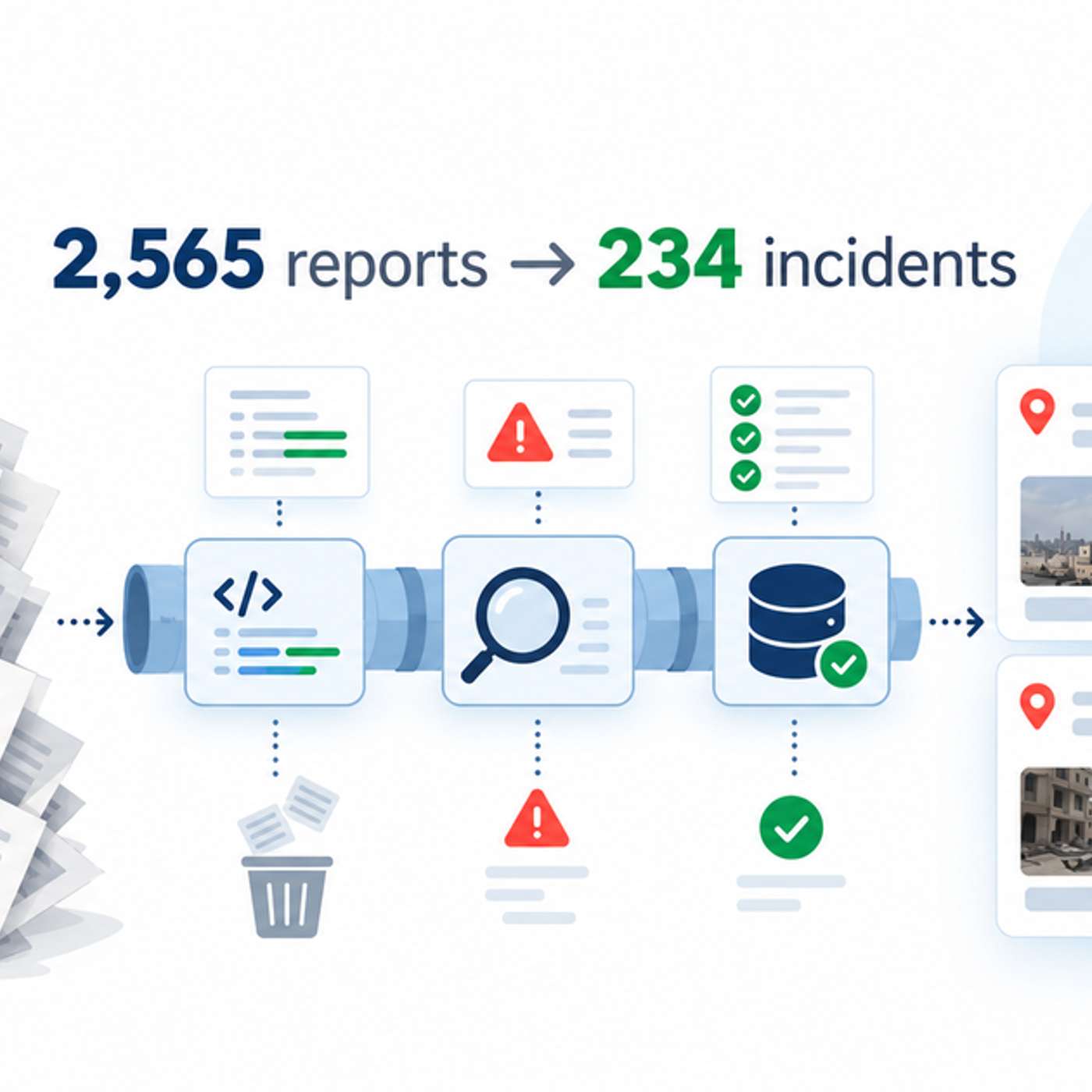
    The Narrative Wars: Tracking Public Web Influence Operations Across the Globe

    This story was originally published on HackerNoon at: https://hackernoon.com/the-narrative-wars-tracking-public-web-influence-operations-across-the-globe. NGOs use public web monitoring tools and web data analysis to reveal geopolitical influence operations in Europe and Asia. Check more stories related to data-science at: https://hackernoon.com/c/data-science. You can also check exclusive content about #real-world-web-data, #digital-propaganda-networks, #geopolitical-tensions, #ai-monitoring, #information-warfare, #information-integrity, #south-korea-fimi, #hackernoon-top-story, and more. This story was written by: @cerniauskas. Learn more about this writer by checking @cerniauskas's about page, and for more stories, please visit hackernoon.com. Geopolitical conflicts are increasingly shifting to the information domain, requiring civil society organizations to have better tools for monitoring the public web. By analyzing data at scale, teams like FactCheck.LT and Doublethink Lab are able to expose influence operations ranging from large-scale state propaganda to subtle, early-stage inauthentic activities. Ultimately, closing the resource gap between state-backed actors and civil society requires a stronger coalition between technology providers and the public-interest organizations working to defend information integrity.

  • Yesterday · 17 min

    Teaching Funnels To Understand Non-Linear Customer Journeys

    This story was originally published on HackerNoon at: https://hackernoon.com/teaching-funnels-to-understand-non-linear-customer-journeys. Linear funnels miss branching journeys, competing goals and abandoned paths. A graph-based framework can model customer behaviour more accurately. Check more stories related to data-science at: https://hackernoon.com/c/data-science. You can also check exclusive content about #data-engineering, #funnel-analytics, #customer-journey-analytics, #attribution-modelling, #directed-acrylic-graphs, #networkx, #yaml-configuration, #conversion-analytics, and more. This story was written by: @rahuln. Learn more about this writer by checking @rahuln's about page, and for more stories, please visit hackernoon.com. Traditional funnel analytics forces irregular customer journeys into fixed sequences. GoalFlow instead represents milestones as a graph and generates reusable pipelines from structured definitions, although its anchoring rules and route metrics need clearer and internally consistent explanations.

  • Thursday · 10 min

    Building an AI-Powered A2P SMS Fraud Detection Platform Using XGBoost: A Machine Learning Approach

    This story was originally published on HackerNoon at: https://hackernoon.com/building-an-ai-powered-a2p-sms-fraud-detection-platform-using-xgboost-a-machine-learning-approach. How explainable AI, behavioral analytics, and operational dashboards can help telecom operators detect messaging fraud & avert it in real time. Check more stories related to data-science at: https://hackernoon.com/c/data-science. You can also check exclusive content about #random-forest, #xgboost-model, #machine-learning, #a2p, #fraud-detection, #ai-powered-fraud-detection, #telecom-fraud, #ai-intelligence, and more. This story was written by: @adnanmalik83. Learn more about this writer by checking @adnanmalik83's about page, and for more stories, please visit hackernoon.com. This article presents my design and implementation of an AI-powered A2P SMS Fraud Detection Platform using XGBoost, combining machine learning, explainable AI, and operational analytics.

  • Wednesday · 9 min

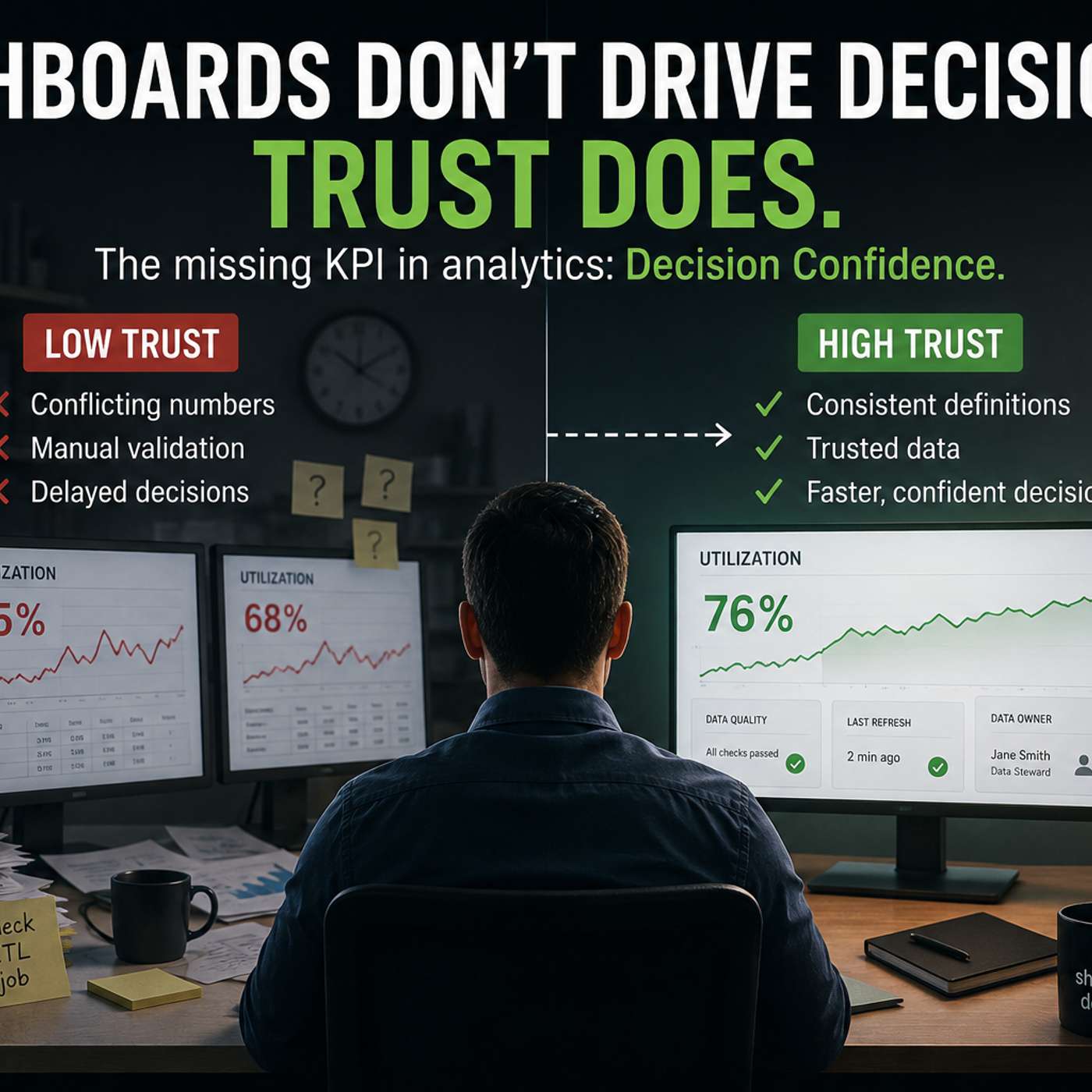
    Measuring Decision Confidence in Business Intelligence and Analytics

    This story was originally published on HackerNoon at: https://hackernoon.com/measuring-decision-confidence-in-business-intelligence-and-analytics. Learn why Decision Confidence is the KPI organizations should measure. Check more stories related to data-science at: https://hackernoon.com/c/data-science. You can also check exclusive content about #business-intelligence, #data-analytics, #data-engineering, #data-governance, #decision-confidence, #bi-dashboards, #kpi-management, #data-driven-decision-making, and more. This story was written by: @venkatasaibolineni. Learn more about this writer by checking @venkatasaibolineni's about page, and for more stories, please visit hackernoon.com. More dashboards don't create better decisions—trusted data does. Here's why Decision Confidence may be the most important analytics KPI organizations aren't measuring

  • August 17 · 5 min

    Your Healthcare Integration Is Only as Good as Its Data Mapping Decisions

    This story was originally published on HackerNoon at: https://hackernoon.com/your-healthcare-integration-is-only-as-good-as-its-data-mapping-decisions. Healthcare data mapping mistakes rarely come from bad tech. They come from mismatched assumptions between systems. Check more stories related to data-science at: https://hackernoon.com/c/data-science. You can also check exclusive content about #healthcare-data-integration, #data-mapping, #clinical-data-mapping, #healthcare-interoperability, #ehr-integration, #legacy-healthcare-data, #healthcare-data-reconciliation, #semantic-interoperability, and more. This story was written by: @ubaidpisuwala. Learn more about this writer by checking @ubaidpisuwala's about page, and for more stories, please visit hackernoon.com. Data mapping failures in healthcare integrations almost never trace back to broken code. They trace back to unmapped exceptions, mismatched status definitions between systems, historical data that doesn't behave like current data, and reconciliation that gets added after the fact instead of built in from day one. Teams that treat mapping specs as living documents, not one-time deliverables, avoid most of the costly rework that shows up months after go-live.

  • August 13 · 13 min

    Choosing a Python Sentence Boundary Detection Library

    This story was originally published on HackerNoon at: https://hackernoon.com/choosing-a-python-sentence-boundary-detection-library. A high-accuracy, rule-based Sentence Boundary Detector (SBD) with a drop-in adapter for pysbd, delivering faster and more accurate segmentation. Check more stories related to data-science at: https://hackernoon.com/c/data-science. You can also check exclusive content about #nlp, #natural-language-processing, #sentence-level-analysis, #tokenization, #sentence-boundary-detection, #sentence-segmentation, #pysbd-vs-yasbd-lib, #nlp-libraries, and more. This story was written by: @speedyk-005. Learn more about this writer by checking @speedyk-005's about page, and for more stories, please visit hackernoon.com. yasbd-lib is a fast, streaming-first Python sentence splitter that avoids text-mutation bugs to preserve exact spans, whereas pysbd is a mature, widely used rule-based splitter that is stable but largely unmaintained upstream.

  • August 4 · 6 min

    This Is How Observability Starts - With Modeling Pipeline Runs

    This story was originally published on HackerNoon at: https://hackernoon.com/this-is-how-observability-starts-with-modeling-pipeline-runs. Learn why modeling pipeline runs as first-class entities is the missing foundation for reliable observability in ETL and data processing systems. Check more stories related to data-science at: https://hackernoon.com/c/data-science. You can also check exclusive content about #data-engineering, #data, #observability, #python, #etl, #software-architecture, #software-engineering, #modeling-pipeline, and more. This story was written by: @emotta. Learn more about this writer by checking @emotta's about page, and for more stories, please visit hackernoon.com. Most data pipelines treat observability as an afterthought, relying on logs, metrics, and traces that lack business context. This article argues that observability starts much earlier: by explicitly modeling each pipeline run as a first-class entity.

  • August 4 · 12 min

    Why AI-Assisted Data Engineering Needs Executable Specifications

    This story was originally published on HackerNoon at: https://hackernoon.com/why-ai-assisted-data-engineering-needs-executable-specifications. Spec-Driven Data Engineering turns business rules, schemas, validation, and orchestration into versioned contracts that guide AI coding agents. Check more stories related to data-science at: https://hackernoon.com/c/data-science. You can also check exclusive content about #data-engineering, #spec-driven-development, #spec-driven-data-engineering, #executable-data-specifications, #ai-assisted-data-engineering, #data-pipeline-contracts, #versioned-business-logic, #data-pipeline-architecture, and more. This story was written by: @shuhua. Learn more about this writer by checking @shuhua's about page, and for more stories, please visit hackernoon.com. AI-assisted coding is enabling data engineers to build pipelines faster than ever, but it is also increasing platform fragmentation. As business logic, transformation rules, and architectural decisions become embedded in prompts, critical system knowledge becomes difficult to trace, validate, and maintain. This article introduces Spec-Driven Data Engineering (SDDE), an approach that treats executable specifications as the source of truth for data platforms. By moving system knowledge from temporary prompts into versioned specifications, organizations can improve consistency, governance, traceability, and reuse while allowing AI coding agents to generate and evolve data pipelines at scale.

  • August 3 · 6 min

    Dashboard Trust Is a Data Governance Problem, Not a BI Tool Problem

    This story was originally published on HackerNoon at: https://hackernoon.com/dashboard-trust-is-a-data-governance-problem-not-a-bi-tool-problem. Learn why dashboard trust is a data governance issue, not a BI tool problem, and how governance practices create reliable, decision-ready analytics. Check more stories related to data-science at: https://hackernoon.com/c/data-science. You can also check exclusive content about #data-governance, #data-engineering, #business-intelligence, #bi-dashboard-governance, #shadow-spreadsheets, #kpi-governance, #data-reconciliation-checks, #business-metrics-versioning, and more. This story was written by: @tanushreetech. Learn more about this writer by checking @tanushreetech's about page, and for more stories, please visit hackernoon.com. Dashboards rarely fail all at once. They slowly lose credibility as metric definitions diverge, owners leave, source systems change, and business logic goes undocumented. The article argues that trust is rebuilt through centralized definitions, named ownership, reconciliation checks, versioning, and deliberate dashboard retirement.

  • August 3 · 11 min

    I Had 1,011 SaaS Users, but Only 3 Core Actions and $0 MRR

    This story was originally published on HackerNoon at: https://hackernoon.com/i-had-1011-saas-users-but-only-3-core-actions-and-$0-mrr. I had 1,011 users and a 74% resume-upload rate, but almost no one reached the product’s real value. Here’s what the funnel exposed. Check more stories related to data-science at: https://hackernoon.com/c/data-science. You can also check exclusive content about #product-analytics, #startup-metrics, #aarrr-framework, #user-activation, #startup-growth, #analytics-event-tracking, #product-market-fit, #saas-metrics, and more. This story was written by: @jash-dev. Learn more about this writer by checking @jash-dev's about page, and for more stories, please visit hackernoon.com. The product had 1,011 registered users and 745 resume uploaders, but only three recorded resume-tailoring actions in the previous 30 days and no paid users. The audit showed that the team had mistaken onboarding completion for activation and lacked the event tracking needed to explain the rest of the funnel.

  • July 30 · 19 min

    From Python Script Hell to a Modern Data Integration Framework

    This story was originally published on HackerNoon at: https://hackernoon.com/from-python-script-hell-to-a-modern-data-integration-framework. Build pipelines, not infrastructure. Let Apache SeaTunnel handle the runtime while you focus on data. Check more stories related to data-science at: https://hackernoon.com/c/data-science. You can also check exclusive content about #data-science, #open-source, #bigdata, #python, #apache-seatunnel, #python-script-hell, #data-integration, #data-engineering, and more. This story was written by: @programmer. Learn more about this writer by checking @programmer's about page, and for more stories, please visit hackernoon.com. Build pipelines, not infrastructure. Let Apache SeaTunnel handle the runtime while you focus on data.

  • July 23 · 7 min

    Why Data Pipelines Keep Breaking—and How Data Contracts Fix Them

    This story was originally published on HackerNoon at: https://hackernoon.com/why-data-pipelines-keep-breakingand-how-data-contracts-fix-them. Learn how data contracts prevent schema changes, quality issues and unclear ownership from breaking downstream pipelines and dashboards. Check more stories related to data-science at: https://hackernoon.com/c/data-science. You can also check exclusive content about #data-contracts, #production-failure, #data-consistency, #data-engineering, #data-pipelines, #schema-contracts, #schema-drift, #pipeline-failures, and more. This story was written by: @kisharul27. Learn more about this writer by checking @kisharul27's about page, and for more stories, please visit hackernoon.com. Learn how data contracts prevent schema changes, quality issues and unclear ownership from breaking downstream pipelines and dashboards.

  • July 21 · 12 min

    Your Dashboards Are Production Systems. Start Monitoring Them Like One.

    This story was originally published on HackerNoon at: https://hackernoon.com/your-dashboards-are-production-systems-start-monitoring-them-like-one. Modern BI monitoring shouldn't stop at pipelines. Learn how dashboard observability improves performance, governance, capacity management, and AI readiness. Check more stories related to data-science at: https://hackernoon.com/c/data-science. You can also check exclusive content about #business-intelligence, #microsoft-fabric, #data-engineering, #observability, #artificial-intelligence, #data-analysis, #cloud-cost-optimization, #hackernoon-top-story, and more. This story was written by: @rmghosh18. Learn more about this writer by checking @rmghosh18's about page, and for more stories, please visit hackernoon.com. Most organizations monitor infrastructure, pipelines, and data quality, but very few monitor the dashboards where business decisions are actually made. This article introduces the concept of BI Observability - an operational layer that combines performance, reliability, capacity, governance, and adoption metrics to monitor analytics platforms like production systems. Through a practical Microsoft Fabric and Power BI implementation, it demonstrates how organizations can move beyond refresh monitoring toward proactive optimization and build a stronger foundation for enterprise AI.

  • July 19 · 6 min

    The Hidden Work Behind Every Dashboard: Why Enterprise Data Validation Takes Longer Than You Think

    This story was originally published on HackerNoon at: https://hackernoon.com/the-hidden-work-behind-every-dashboard-why-enterprise-data-validation-takes-longer-than-you-think. Enterprise data validation ensures dashboards reflect accurate, trustworthy information. Learn how teams validate data before reports reach decision-makers. Check more stories related to data-science at: https://hackernoon.com/c/data-science. You can also check exclusive content about #data-engineering, #business-intelligence, #enterprise-data-engineering, #enterprise-data-validation, #sql-data-validation, #business-intelligence-testing, #dashboard-data-quality, #etl-validation, and more. This story was written by: @venkatasaibolineni. Learn more about this writer by checking @venkatasaibolineni's about page, and for more stories, please visit hackernoon.com. Every dashboard metric represents a long journey through extraction, transformation, validation, reconciliation, and business-rule checks before reaching users. Enterprise data validation is less about writing SQL and more about investigating discrepancies, building confidence at scale, and ensuring business decisions rely on accurate data. As automation and AI accelerate validation, human judgment remains essential for interpreting results.

  • July 5 · 17 min

    67 Blog Posts To Learn About Ab Testing

    This story was originally published on HackerNoon at: https://hackernoon.com/67-blog-posts-to-learn-about-ab-testing. Learn everything you need to know about Ab Testing via these 67 free HackerNoon blog posts. Check more stories related to data-science at: https://hackernoon.com/c/data-science. You can also check exclusive content about #ab-testing, #learn, #learn-ab-testing, and more. This story was written by: @learn. Learn more about this writer by checking @learn's about page, and for more stories, please visit hackernoon.com.

  • July 4 · 10 min

    I Tried Every Way to Scrape Amazon in 2026. Here is What Actually Works

    This story was originally published on HackerNoon at: https://hackernoon.com/i-tried-every-way-to-scrape-amazon-in-2026-here-is-what-actually-works. I tested every way to scrape Amazon in 2026 — plain requests, Selenium, Playwright, free proxies, paid proxies. Check more stories related to data-science at: https://hackernoon.com/c/data-science. You can also check exclusive content about #web-scraping, #amazon-webscraping-guide, #data-scraping, #ai-web-scraping, #scrape-amazon, #scrape-amazon-in-2026, #plain-requests, #beautifulsoup, and more. This story was written by: @olawanlejoel. Learn more about this writer by checking @olawanlejoel's about page, and for more stories, please visit hackernoon.com. Plain requests get blocked immediately. Free proxies are useless. Selenium and Playwright solve JavaScript rendering but are detectable as headless browsers. Residential proxies with BeautifulSoup finally work, but you trade the blocking problem for selector maintenance — and Amazon changes its DOM without warning. A managed scraping API that handles proxies, CAPTCHA, and AI-based extraction is the only approach that solves all three problems at once.

  • June 25 · 4 min

    How We Built a Per-Plant CO2 Dataset for 4,551 Power Stations Worldwide

    This story was originally published on HackerNoon at: https://hackernoon.com/how-we-built-a-per-plant-co2-dataset-for-4551-power-stations-worldwide. An open dataset of 4,551 power stations: measured + modelled CO2, fuel, owner, capacity and climate zone. How we built it in Python, and the honest limits. Check more stories related to data-science at: https://hackernoon.com/c/data-science. You can also check exclusive content about #data-engineering, #python, #global-energy-monitor, #greenhouse-gas-data, #carbon-accounting, #climate-analytics, #energy-infrastructure, #python-etl, and more. This story was written by: @dmytroah. Learn more about this writer by checking @dmytroah's about page, and for more stories, please visit hackernoon.com. The authors built and openly published a dataset covering 4,551 power stations worldwide, combining emissions, ownership, capacity, fuel type, and climate-zone data into a single schema. The project's central finding is that only about 15% of plant-level emissions data comes from direct measurements, while the remaining 85% relies on modelled estimates, making provenance and transparency critical for anyone working with emissions datasets.

  • June 25 · 19 min

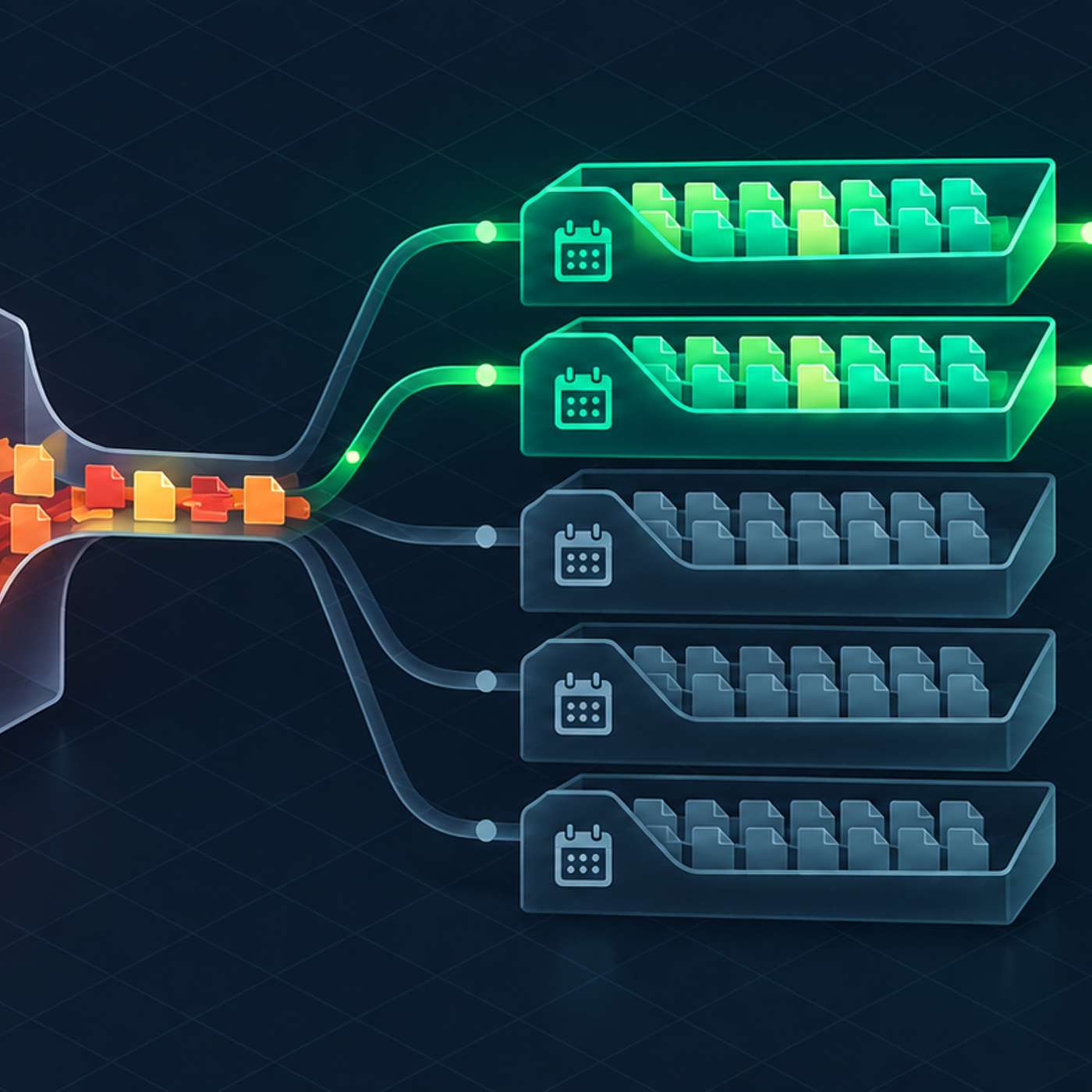
    Eliminating Data Latency with Event-Driven Pipelines at Enterprise Scale

    This story was originally published on HackerNoon at: https://hackernoon.com/eliminating-data-latency-with-event-driven-pipelines-at-enterprise-scale. How event-driven data pipelines reduce latency, automate schema changes, and improve reliability across large-scale data platforms. Check more stories related to data-science at: https://hackernoon.com/c/data-science. You can also check exclusive content about #data-engineering, #event-driven-architecture, #aws-glue, #schema-evolution, #cloud-infrastructure, #aws-step-functions, #incremental-data-processing, #hackernoon-top-story, and more. This story was written by: @rohitnagpal92. Learn more about this writer by checking @rohitnagpal92's about page, and for more stories, please visit hackernoon.com. Traditional batch-first data pipelines introduce artificial delays in data availability, forcing enterprise decisions to be made on stale information. This article introduces three production-proven event-driven architecture patterns: incremental processing of cloud data at petabyte scale, dynamic schema evolution with AStep Functions orchestration, and automated data quality reconciliation. These patterns eliminate data latency, cut infrastructure costs by as much as 85%, and enable real-time data availability for downstream analytics.

  • June 23 · 6 min

    Scaling Self-Service Analytics in Regulated Banking With Metadata-Driven Design

    This story was originally published on HackerNoon at: https://hackernoon.com/scaling-self-service-analytics-in-regulated-banking-with-metadata-driven-design. Scaling self-serve analytics in regulated banking is hard. Learn how metadata-driven design enforces governance while letting teams explore data safely Check more stories related to data-science at: https://hackernoon.com/c/data-science. You can also check exclusive content about #data-engineering, #bigquery, #gcp, #data-governance, #mlops, #cross-cloud-data-platform, #cloud-data-engineering, #self-service-analytics, and more. This story was written by: @jeevanreddygeeredd. Learn more about this writer by checking @jeevanreddygeeredd's about page, and for more stories, please visit hackernoon.com. Self-service analytics in banking is not primarily a technology challenge. It's a governance challenge. This article explores the design of a metadata-driven analytics platform on GCP that enabled business teams to access trusted financial data without creating new silos. Key lessons include treating lineage as a first-class feature, using semantic layers to enforce consistent business logic, and prioritizing auditability over raw performance in regulated environments.

  • June 23 · 8 min

    How to Rotate Proxies Without Breaking Login Sessions

    This story was originally published on HackerNoon at: https://hackernoon.com/how-to-rotate-proxies-without-breaking-login-sessions. Learn how to rotate proxies safely without breaking login sessions, triggering CAPTCHA, or causing account verification issues. Check more stories related to data-science at: https://hackernoon.com/c/data-science. You can also check exclusive content about #web-scraping, #proxy-rotation, #selenium, #browser-fingerprinting, #data-engineering, #anti-bot-detection, #cookie-management, #user-agent-rotation, and more. This story was written by: @marae. Learn more about this writer by checking @marae's about page, and for more stories, please visit hackernoon.com. Rotating proxies during an active login session can trigger logouts, CAPTCHA checks, verification prompts, or account locks. The safer approach is to keep one proxy, cookie jar, browser profile, user-agent, and fingerprint tied together for the full session. Rotate only after logout, task completion, or a clean session reset.

Showing 1–20 of 24 episodes