Skip to content
Artwork for Data Science Tech Brief By HackerNoon
NewsTech News

Data Science Tech Brief By HackerNoon

HackerNoon

Learn the latest data science updates in the tech world.

Play
  • 60 episodes
  • Avg 11 min
  • English
Counted on this page — what you have heard stays on this device, so it is not something the list can be paged by.
  • Yesterday · 10 min

    Enforcing Data Contracts and Lineage in Python

    This story was originally published on HackerNoon at: https://hackernoon.com/enforcing-data-contracts-and-lineage-in-python. Learn how to enforce data contracts, validate domain-owned data products, and trace dependencies using a reproducible open-source Python implementation. Check more stories related to data-science at: https://hackernoon.com/c/data-science. You can also check exclusive content about #data-engineering, #data-mesh, #data-governance, #data-quality, #software-architecture, #data-lineage, #data-contract-validation, #python-data-mesh, and more. This story was written by: @akshaysharma10. Learn more about this writer by checking @akshaysharma10's about page, and for more stories, please visit hackernoon.com. Data Mesh introduces domain ownership, but governance requires enforceable boundaries. This article explores an open-source Python reference implementation with four synthetic data products, versioned contracts, quality gates, controlled consumption, and dependency lineage. It shows how invalid records can be blocked before publication, explains the limitations of the demonstration, and outlines how to extend it into a testable enterprise architecture.
  • Yesterday · 11 min

    How to Measure Product Success Without a Historical Baseline

    This story was originally published on HackerNoon at: https://hackernoon.com/how-to-measure-product-success-without-a-historical-baseline. Learn how to design product KPIs, model raw events, establish statistical baselines, and build a 90-day measurement strategy for newly launched products. Check more stories related to data-science at: https://hackernoon.com/c/data-science. You can also check exclusive content about #product-analytics, #software-kpi, #data-models, #business-intelligence, #product-metrics, #statistical-analysis, #product-measurement-framework, #kpi-taxonomy, and more. This story was written by: @adiranjan25. Learn more about this writer by checking @adiranjan25's about page, and for more stories, please visit hackernoon.com. Decide what the numbers are for before measuring, and store events at the finest grain to calculate metrics in a separate, versioned layer. Build a baseline on purpose, as a range, and expect the first reads to be wrong, with a 90-day plan to ship the event contract, observe, freeze the baseline, and set targets.

  • Thursday · 5 min

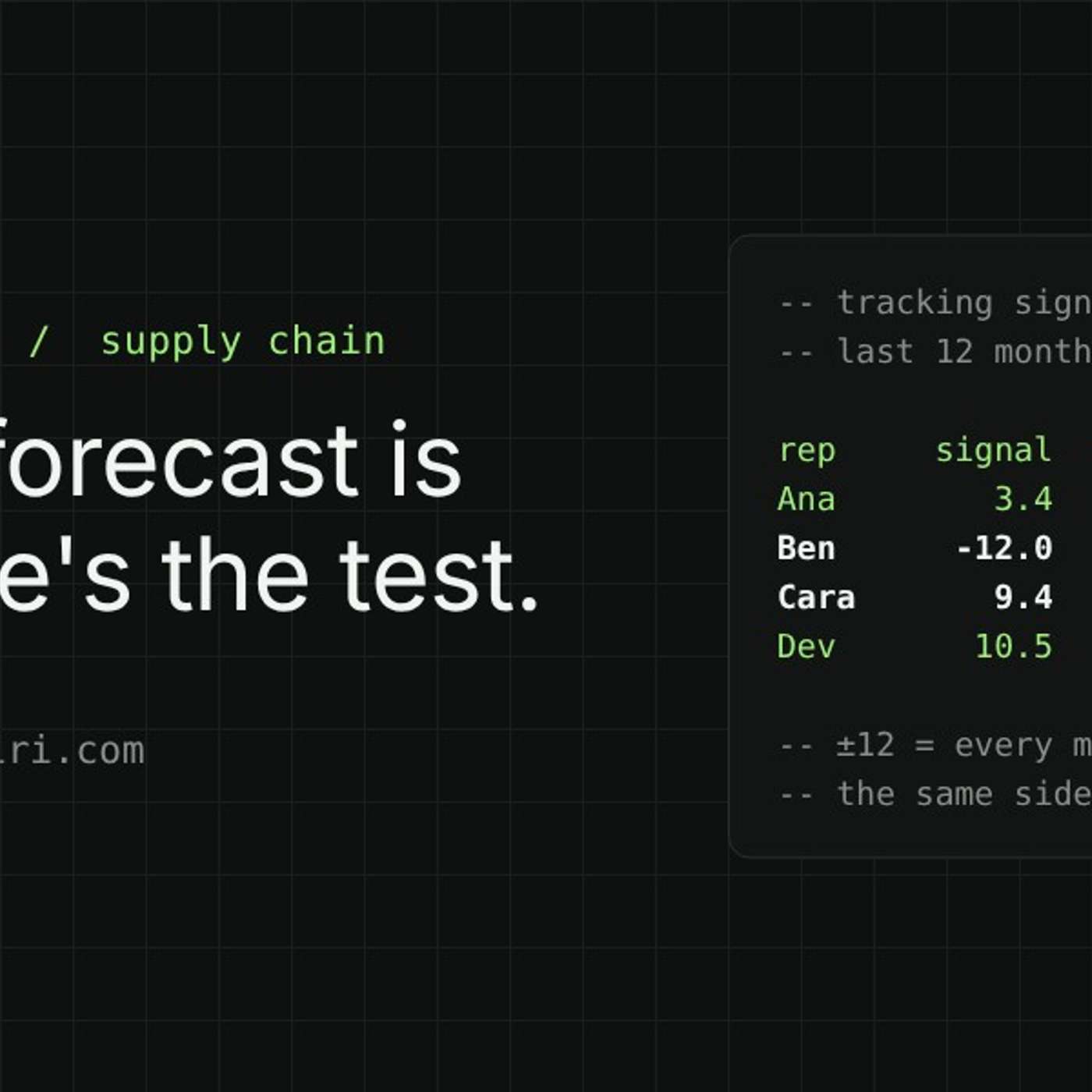
    Measuring Sales Forecast Bias With Tracking Signals and SQL

    This story was originally published on HackerNoon at: https://hackernoon.com/measuring-sales-forecast-bias-with-tracking-signals-and-sql. Malek Damiri applies the tracking signal from demand planning to sales commits, with SQL and a simulation to set a sensible limit. Check more stories related to data-science at: https://hackernoon.com/c/data-science. You can also check exclusive content about #sales-forecasting, #revops, #sales-operations, #sql, #forecasting, #forecasting-models, #forecast-accuracy, #sales-forecast-optimization, and more. This story was written by: @malekdamiri. Learn more about this writer by checking @malekdamiri's about page, and for more stories, please visit hackernoon.com. Some reps sandbag and some have happy ears, and most teams adjust for it by memory. Malek Damiri, a head of revenue operations who started in supply chain, borrows the tracking signal demand planners use to detect biased forecasts. On simulated commits, the SQL flags a 15% sandbagger and a 15% optimist, and a simulation shows why the textbook limit of 4 is too tight for monthly sales data.

  • Thursday · 12 min

    Beyond the Pilot: Making AI Deliver Real Business Value

    This story was originally published on HackerNoon at: https://hackernoon.com/beyond-the-pilot-making-ai-deliver-real-business-value. Escape the AI pilot trap. Learn how execution maturity, clean data, and strong governance turn enterprise AI experiments into measurable ROI. Check more stories related to data-science at: https://hackernoon.com/c/data-science. You can also check exclusive content about #data-governance, #ai-data-governance, #ai-automation, #enterprise-ai, #digital-transformation, #business-intelligence, #ai-strategy, #ai-pilot-to-production, and more. This story was written by: @viralgandhi. Learn more about this writer by checking @viralgandhi's about page, and for more stories, please visit hackernoon.com. Companies are struggling to move beyond AI experimentation and achieve measurable business value due to a lack of execution maturity, with successful organizations treating AI as an operational capability. The key to success lies in building human-centered AI workflows, investing in data foundations, and scaling operationally, not experimentally.

  • Wednesday · 10 min

    What Building a Postgres CDC Pipeline Taught Me About Feeding Snowflake

    This story was originally published on HackerNoon at: https://hackernoon.com/what-building-a-postgres-cdc-pipeline-taught-me-about-feeding-snowflake. I replaced a nightly Snowflake load with a 15-minute loop, then built a Postgres CDC pipeline. What each cost, what broke, and what I learned. Check more stories related to data-science at: https://hackernoon.com/c/data-science. You can also check exclusive content about #data-engineering, #change-data-capture, #snowflake, #postgresql, #data-warehouse, #postgres-cdc-pipeline, #batch-processing, #aws-dms, and more. This story was written by: @vikrantbachhav. Learn more about this writer by checking @vikrantbachhav's about page, and for more stories, please visit hackernoon.com. The author of the article built a change data capture (CDC) pipeline to update Snowflake dashboards in real-time, replacing a nightly batch job that was causing delays and inefficiencies. The CDC pipeline uses Postgres row changes to create ordered, replayable change records, which are then used to update only the dimension and fact rows affected by each change.

  • Sunday · 5 min

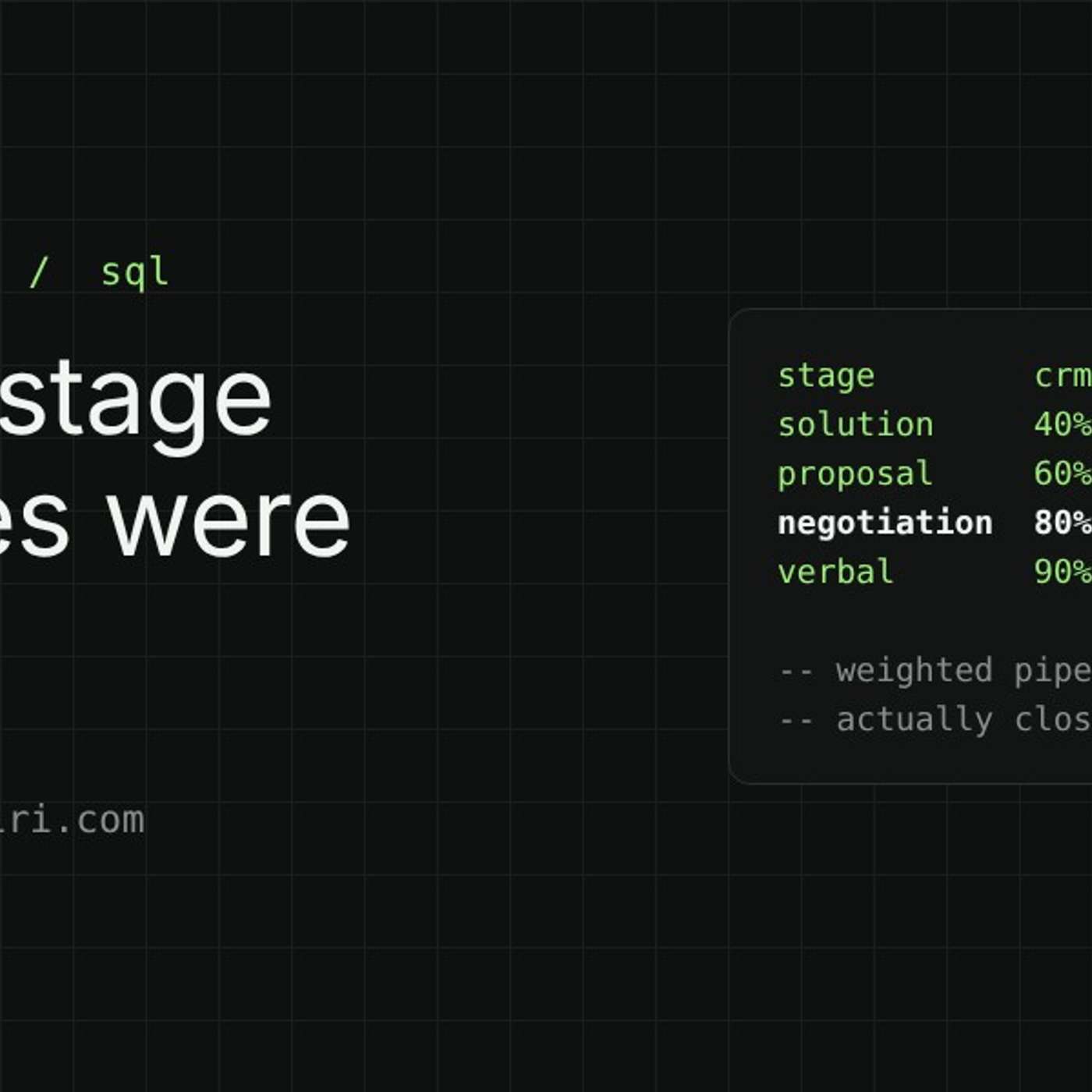
    Your CRM Stage Probabilities Were Made Up - Calibrate Them in an Afternoon

    This story was originally published on HackerNoon at: https://hackernoon.com/your-crm-stage-probabilities-were-made-up-calibrate-them-in-an-afternoon. Malek Damiri shows how to calibrate CRM stage probabilities from pipeline snapshots in SQL, and why weighted pipeline is often 2x too high. Check more stories related to data-science at: https://hackernoon.com/c/data-science. You can also check exclusive content about #sales-forecasting, #revops, #sales-operations, #crm, #sql, #sales-pipeline, #data-analytics, #business, and more. This story was written by: @malekdamiri. Learn more about this writer by checking @malekdamiri's about page, and for more stories, please visit hackernoon.com. Most CRM stage probabilities were copied from a template and never checked. Malek Damiri, a head of revenue operations, shows how to calibrate them in SQL from first-day-of-quarter pipeline snapshots, and why a quarterly forecast needs a separate same-quarter rate. On eight simulated quarters, CRM-weighted pipeline is more than twice what actually closes, while measured rates land within about 10%.

  • Sunday · 3 min

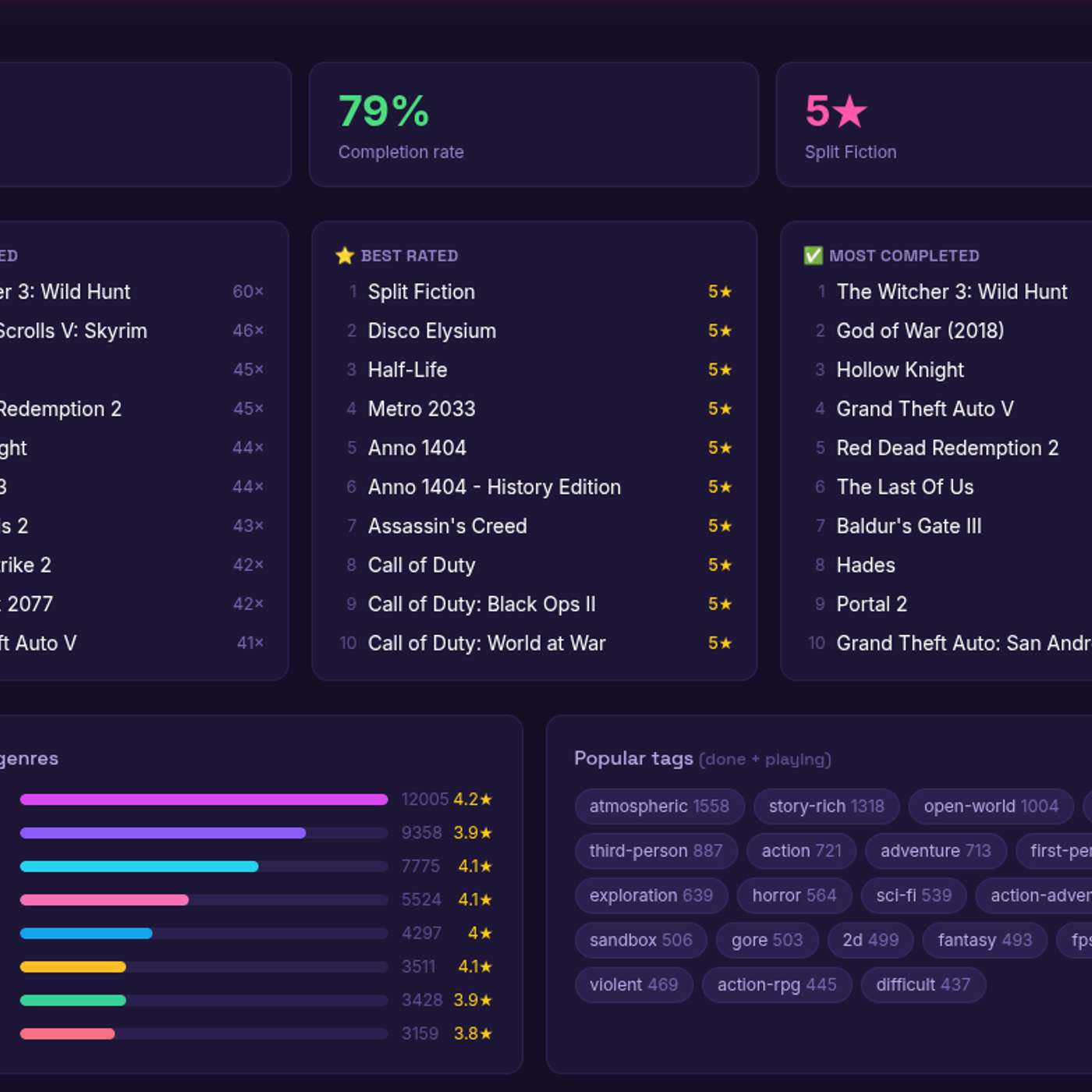
    The Shortest Games in a Game Backlog Are the Ones People Finish Least

    This story was originally published on HackerNoon at: https://hackernoon.com/the-shortest-games-in-a-game-backlog-are-the-ones-people-finish-least. I expected "play the short ones first" to work. Data from 129 real game backlogs says short games get finished at a third of the rate of mid-length ones. Check more stories related to data-science at: https://hackernoon.com/c/data-science. You can also check exclusive content about #data, #gaming, #build-in-public, #backlog, #game-backlog, #game-statistics, #short-games, #gaming-data, and more. This story was written by: @mejzun. Learn more about this writer by checking @mejzun's about page, and for more stories, please visit hackernoon.com. Short games are often the least likely to be finished, with only 6.1% of games under 5 hours completed, despite making up over half of games with a known length. Mid-length games, 5 to 30 hours, are finished about three times as often, at a rate of around 20%.

  • November 3 · 10 min

    Sampling Ad Exchange Events at Scale: What We Kept, What We Dropped, and Why

    This story was originally published on HackerNoon at: https://hackernoon.com/sampling-ad-exchange-events-at-scale-what-we-kept-what-we-dropped-and-why. How we reduced Kafka stream volume by 80%, cut Spark workers from 240 to 30, and lowered reporting costs through sampling and executor tuning at Unity. Check more stories related to data-science at: https://hackernoon.com/c/data-science. You can also check exclusive content about #data-engineering, #apache-kafka, #apache-spark, #big-data, #data-pipelines, #adtech, #cloud-cost-optimization, #data-sampling-techniques, and more. This story was written by: @vikrantbachhav. Learn more about this writer by checking @vikrantbachhav's about page, and for more stories, please visit hackernoon.com. At Unity, our ad exchange was processing approximately 10 GB of Kafka event data per second, much of which wasn't needed for downstream reporting. By introducing auction-level sampling, retaining critical events at full fidelity, and optimizing Spark executor configurations, we reduced stream volume by 80%, cut Spark workers from 240 to 30, and lowered DSP reporting transform costs by approximately 41%. Along the way, we uncovered longstanding reporting inaccuracies and learned why understanding data usage is just as important as optimizing infrastructure.

  • November 2 · 21 min

    83 Blog Posts To Learn About Metrics

    This story was originally published on HackerNoon at: https://hackernoon.com/83-blog-posts-to-learn-about-metrics. Learn everything you need to know about Metrics via these 83 free HackerNoon blog posts. Check more stories related to data-science at: https://hackernoon.com/c/data-science. You can also check exclusive content about #metrics, #learn, #learn-metrics, and more. This story was written by: @learn. Learn more about this writer by checking @learn's about page, and for more stories, please visit hackernoon.com.

  • November 2 · 8 min

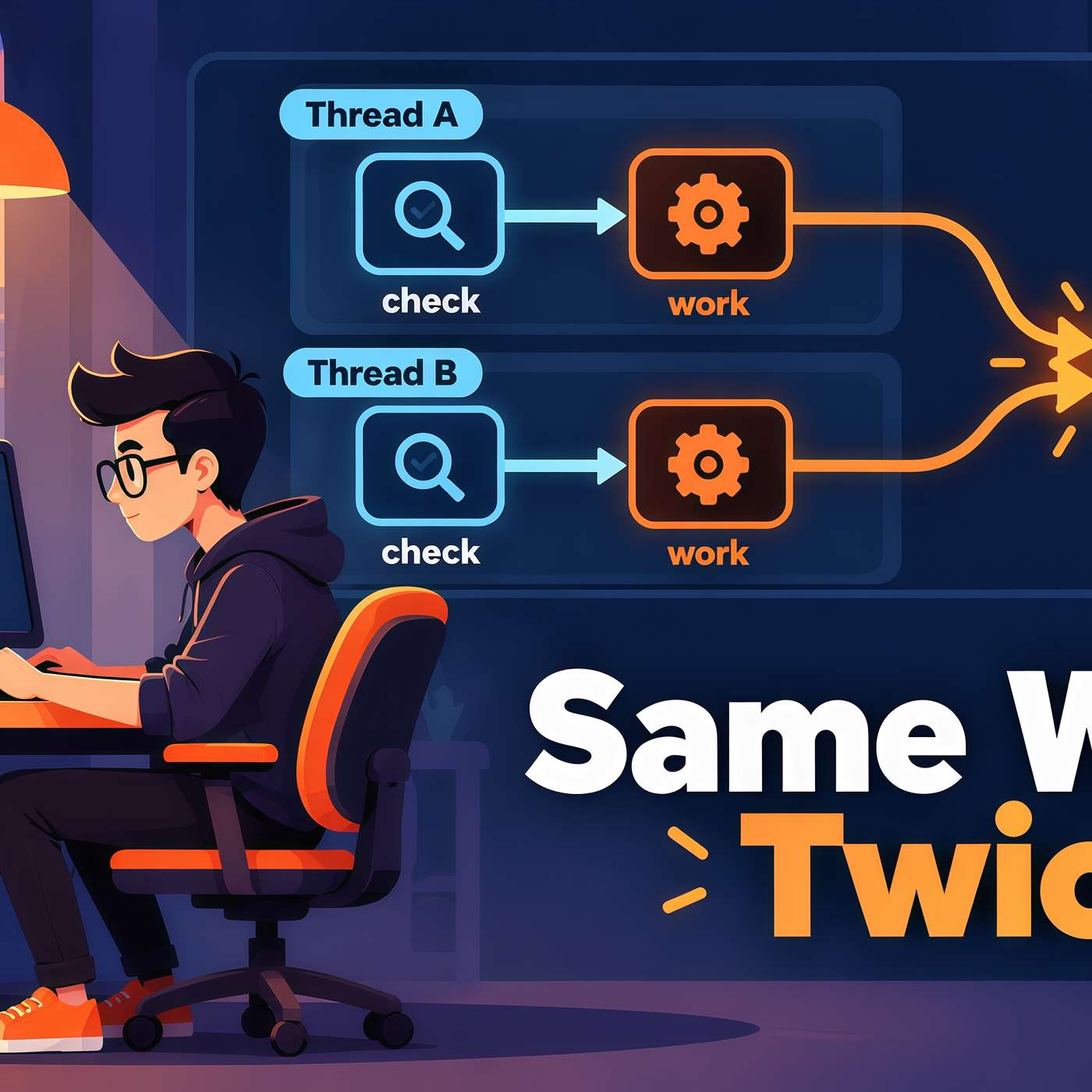
    Why Your Python Cache Does the Same Work Twice (P.S: GIL Won’t Save You)

    This story was originally published on HackerNoon at: https://hackernoon.com/why-your-python-cache-does-the-same-work-twice-ps-gil-wont-save-you. Your Python cache can run the same work twice, even with the GIL. See the check-then-act race, the lru_cache gotcha, and how locks fix it. Check more stories related to data-science at: https://hackernoon.com/c/data-science. You can also check exclusive content about #python-programming, #python-threading, #race-conditions, #python-gil, #thread-safety, #python-concurrency, #hackernoon-top-story, and more. This story was written by: @sohelalam79. Learn more about this writer by checking @sohelalam79's about page, and for more stories, please visit hackernoon.com. A cache that checks "is this key missing?" and then computes the value can run the same work many times when threads interleave, even with the GIL, because the GIL protects the interpreter, not your two-step logic. Hold one lock around the check and the work, ideally one lock per key.

  • October 31 · 7 min

    AI-Assisted Reconciliation of Enterprise Data: Detecting and Explaining Cross-Platform Discrepancies

    This story was originally published on HackerNoon at: https://hackernoon.com/ai-assisted-reconciliation-of-enterprise-data-detecting-and-explaining-cross-platform-discrepancies. Learn how deterministic checks and AI work together to detect data discrepancies, explain their causes, and simplify financial reconciliation. Check more stories related to data-science at: https://hackernoon.com/c/data-science. You can also check exclusive content about #data-engineering, #data-quality, #ai, #data-reconciliation, #lakehouse, #data-science, #data-regulations, #ai-assisted-reconciliation, and more. This story was written by: @ajaysikharam. Learn more about this writer by checking @ajaysikharam's about page, and for more stories, please visit hackernoon.com. Learn how deterministic checks and AI work together to detect data discrepancies, explain their causes, and simplify financial reconciliation.

  • October 30 · 3 min

    REPL While It Works: Inspect a Running Python Program Without Pausing It

    This story was originally published on HackerNoon at: https://hackernoon.com/repl-while-it-works-inspect-a-running-python-program-without-pausing-it. Use the python REPL or debugger console while a program is running, without interrupting or pausing execution. Exploit threading multitasking. Check more stories related to data-science at: https://hackernoon.com/c/data-science. You can also check exclusive content about #python-programming, #python-developers, #repl, #python-pdb, #python, #python-inspection, #debugging, #coding, and more. This story was written by: @dakra. Learn more about this writer by checking @dakra's about page, and for more stories, please visit hackernoon.com. Usually, without interrupting it, you cannot interactively debug, call functions in, or change the values of variables in a running python program. This article’s technique removes the limitation.

  • October 30 · 7 min

    When a Dashboard Looks Perfect but the Data Is Wrong

    This story was originally published on HackerNoon at: https://hackernoon.com/when-a-dashboard-looks-perfect-but-the-data-is-wrong. Data definitions are crucial for accurate metrics, and their absence can lead to believable but wrong numbers that nobody questions. Check more stories related to data-science at: https://hackernoon.com/c/data-science. You can also check exclusive content about #data-science, #data-engineering, #data-analytics, #data-visualization, #data-governance, #data-testing, #automated-data-testing, #business-intelligence, and more. This story was written by: @kkj-data. Learn more about this writer by checking @kkj-data's about page, and for more stories, please visit hackernoon.com. Data definitions are crucial for accurate metrics, and their absence can lead to believable but wrong numbers that nobody questions. Centralizing definitions and putting business logic in versioned, tested models can prevent metric disputes and ensure trust in data-driven decisions.

  • October 29 · 29 min

    No One Holds the Key: Threshold ECDSA, Part 1

    This story was originally published on HackerNoon at: https://hackernoon.com/no-one-holds-the-key-threshold-ecdsa-part-1. A deep dive to threshold elliptic curve digital signature algorithm (ECDSA) and its building blocks: oblivious transfer, MtA, OT-based protocol. Check more stories related to data-science at: https://hackernoon.com/c/data-science. You can also check exclusive content about #multi-party-computation, #ecdsa, #oblivious-transfer, #cryptography, #distributed-key-generation, #elliptic-curve-cryptography, #crypto, #hackernoon-top-story, and more. This story was written by: @privatekeypirate. Learn more about this writer by checking @privatekeypirate's about page, and for more stories, please visit hackernoon.com. Threshold ECDSA lets t-of-n parties produce a standard ECDSA signature without anyone ever holding the full private key. Part 1 covers ECDSA basics and nonce pitfalls, commitment-based DKG that blocks rogue-key attacks, the history of threshold ECDSA, the HLNR18 protocol’s trade-offs, and OT-based multiplication.

  • October 29 · 31 min

    OData at Scale: When to Use CDS Views, RAP, or API Business Hub in Hybrid SAP

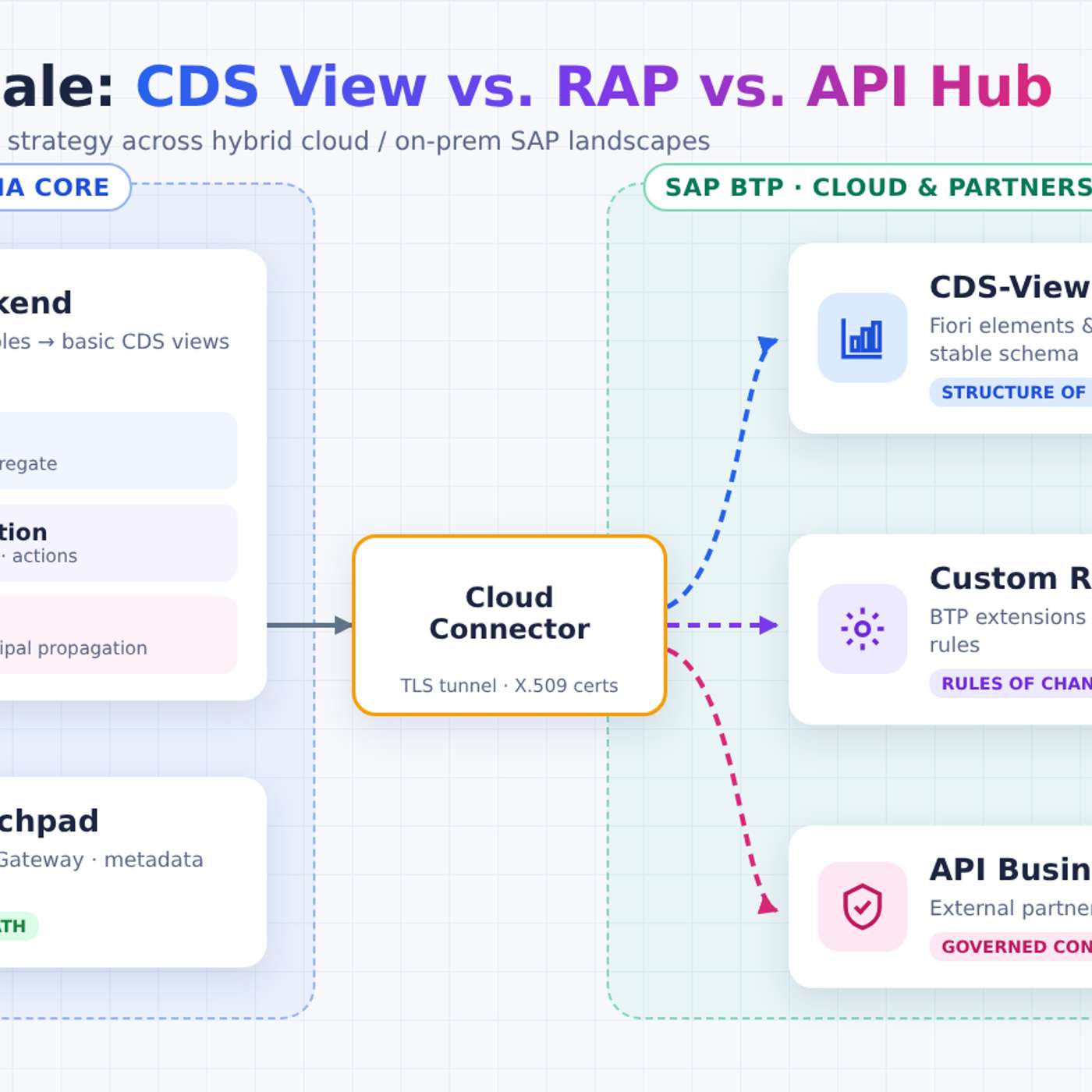
    This story was originally published on HackerNoon at: https://hackernoon.com/odata-at-scale-when-to-use-cds-views-rap-or-api-business-hub-in-hybrid-sap. Choose between CDS-view OData, custom RAP services, and API Business Hub in hybrid SAP landscapes, with Cloud Connector, security, and performance trade-offs. Check more stories related to data-science at: https://hackernoon.com/c/data-science. You can also check exclusive content about #data, #api-development, #hybrid-cloud, #enterprise-technology, #rap, #cds, #odata, #odata-at-scale, and more. This story was written by: @anupbharti. Learn more about this writer by checking @anupbharti's about page, and for more stories, please visit hackernoon.com. Hybrid SAP OData is three decisions, not one: CDS views for read-heavy Fiori/analytics, RAP for anything beyond CRUD, and API Business Hub when an external party is involved — used together. Across the Cloud Connector, tuning changes: cache metadata, watch $expand size, prefer $select calls over deep expands. Propagate identity per user with short-lived certificates, not a shared technical user. A read view rarely stays internal — revisit governance and write questions as it gains consumers.

  • October 28 · 15 min

    Your Drift Dashboard Can Be Green While Your Model Is Failing

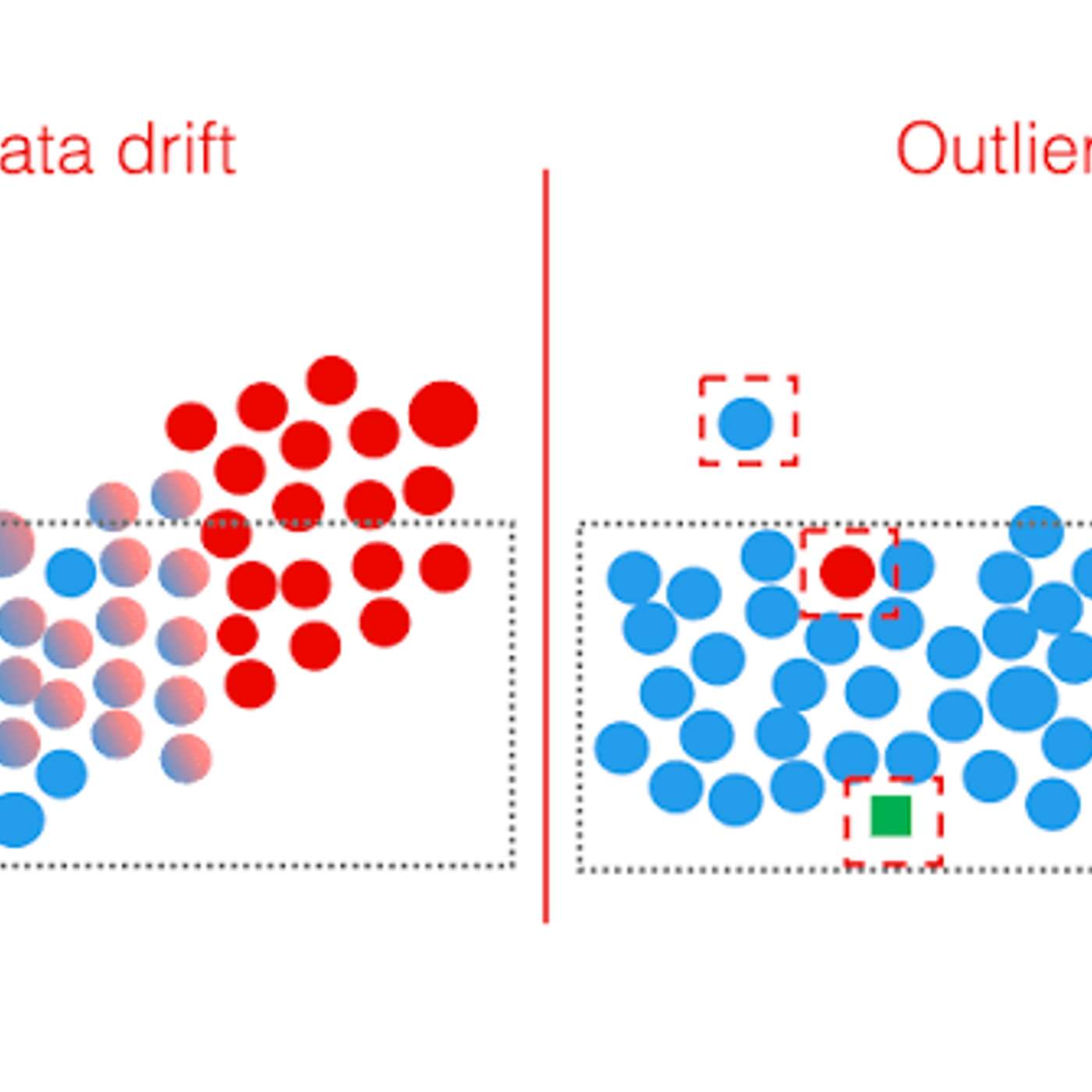
    This story was originally published on HackerNoon at: https://hackernoon.com/your-drift-dashboard-can-be-green-while-your-model-is-failing. Build a Python drift monitor with SciPy and Evidently, then test five scenarios showing why data drift doesn't always mean model performance is degrading. Check more stories related to data-science at: https://hackernoon.com/c/data-science. You can also check exclusive content about #data-drift-detection, #ai-data-documentation, #model-degradation, #python-scipy, #concept-drift, #credit-risk-modelling, #ml-model-calibration, #mlops, and more. This story was written by: @davidtaiwobalogun. Learn more about this writer by checking @davidtaiwobalogun's about page, and for more stories, please visit hackernoon.com. Using a synthetic credit-risk model, the author builds a drift-monitoring pipeline with SciPy, pandas, and Evidently and tests it across five controlled scenarios. The results demonstrate that harmless distribution changes can trigger alerts, genuine risk shifts may not require retraining, and concept drift can degrade performance without changing input distributions. The article proposes a monitoring approach combining statistical drift, prediction changes, data-quality checks, and delayed outcome evaluation.

  • October 28 · 19 min

    Why Faster Algorithms Aren't Enough to Build High-Performance Data Platforms

    This story was originally published on HackerNoon at: https://hackernoon.com/why-faster-algorithms-arent-enough-to-build-high-performance-data-platforms. Why some tables should never exist: how a data engine cuts copies, memory use, and wasted CPU, from node-to-node access to what the browser actually draws. Check more stories related to data-science at: https://hackernoon.com/c/data-science. You can also check exclusive content about #data-engineering, #software-architecture, #performance-optimization, #memory-management, #parallel-computing, #in-memory-computing, #data-visualization, #good-company, and more. This story was written by: @megaladata. Learn more about this writer by checking @megaladata's about page, and for more stories, please visit hackernoon.com. High-performance data processing depends on more than efficient algorithms or powerful hardware. Drawing on decades of analytical platform development, the Megaladata team explains how data representation, lazy evaluation, reduced copying, specialized memory allocators, and parallel execution influence system performance. The article also explores the trade-offs of Python multiprocessing and the importance of optimizing data transfer and visualization in the browser, arguing that performance must be designed across the entire data lifecycle.

  • October 25 · 9 min

    Why Modern Data Lakehouses Fail at Scale: The Metadata Problem Nobody Talks About

    This story was originally published on HackerNoon at: https://hackernoon.com/why-modern-data-lakehouses-fail-at-scale-the-metadata-problem-nobody-talks-about. Explore why modern data lakehouses slow down at scale and how metadata growth, small files, partitioning, and maintenance affect Iceberg and Delta Lake. Check more stories related to data-science at: https://hackernoon.com/c/data-science. You can also check exclusive content about #data-engineering, #data-lakehouse, #apache-iceberg, #delta-lake, #metadata-management, #modern-data-lakehouses, #scalability, #hackernoon-top-story, and more. This story was written by: @adiranjan25. Learn more about this writer by checking @adiranjan25's about page, and for more stories, please visit hackernoon.com. Modern data lakehouses promise scalable storage, flexible analytics, and efficient processing, but performance can deteriorate as datasets grow. The problem is often not insufficient compute—it is unmanaged metadata, excessive small files, inefficient partitioning, and costly maintenance operations. This article explores how Apache Iceberg, Delta Lake, and other lakehouse technologies handle metadata, why conventional optimization strategies may fall short, and how workload-aware maintenance can improve performance and cost efficiency. The key takeaway: scaling storage is easy; scaling metadata management requires deliberate architectural decisions.

  • October 25 · 9 min

    The Hidden Cost of Real-Time Data: Why Faster Pipelines Don't Always Deliver Better Decisions

    This story was originally published on HackerNoon at: https://hackernoon.com/the-hidden-cost-of-real-time-data-why-faster-pipelines-dont-always-deliver-better-decisions. Explore the hidden costs of real-time data pipelines and learn why latency, data freshness, correctness, and recovery matter in Kafka and streaming architecture Check more stories related to data-science at: https://hackernoon.com/c/data-science. You can also check exclusive content about #data-engineering, #real-time-data, #apache-kafka, #stream-processing, #data-pipelines, #distributed-systems, #data-architecture, #data-quality, and more. This story was written by: @adiranjan25. Learn more about this writer by checking @adiranjan25's about page, and for more stories, please visit hackernoon.com. Real-time data pipelines are not just about speed. Even when events are processed in milliseconds, late arrivals, duplicate records, stale data, and recovery failures can lead to incorrect business decisions. This article explores the hidden costs of streaming architectures and explains why data freshness, correctness, fault tolerance, and operational efficiency matter as much as low latency. It also introduces a practical framework for designing reliable, production-ready streaming systems using technologies like Apache Kafka and CDC.

  • October 23 · 5 min

    On November 1, Your 24/7 Dashboard Will Report a 25-Hour Day

    This story was originally published on HackerNoon at: https://hackernoon.com/on-november-1-your-247-dashboard-will-report-a-25-hour-day. Malek Damiri on why 24/7 dashboards report a 25-hour day when clocks fall back on Nov 1, and a calendar-table SQL fix for DST. Check more stories related to data-science at: https://hackernoon.com/c/data-science. You can also check exclusive content about #data-analytics, #sql, #daylight-saving-time, #time-zones, #business-intelligence, #data-engineering, #crypto, #dashboards, and more. This story was written by: @malekdamiri. Learn more about this writer by checking @malekdamiri's about page, and for more stories, please visit hackernoon.com. Any business that runs around the clock but reports by local calendar day gets a 25-hour day when clocks fall back (November 1 in the US, October 25 in Europe) and a 23-hour day in March. Revenue operations lead Malek Damiri shows the 4% phantom swing it creates, three bugs that make it worse, and a calendar table with hours_in_day that fixes it, using runnable DuckDB and Snowflake SQL.

Showing 1–20 of 60 episodes