Skip to content
Artwork for Brainwaves
Health & FitnessScienceEducation

Brainwaves

Nina Valdez

Your doctor tells you one thing, Google says another, and that health influencer you follow swears by something completely different. The result? You're more confused about your own health than when you started looking for answers.

That's where Brainwaves comes in. Nina Valdez spent fifteen years treating patients in emergency rooms, watching people make critical health decisions based on terrible information. Now she translates the latest medical research into the kind of straight talk you'd actually get from a doctor who has time to explain things properly.

Every episode breaks down new studies about how your brain and body actually work. You'll find out why that "miracle" supplement probably isn't, what the research really says about anxiety treatments, and which wellness trends have actual science behind them. Nina's seen enough heart attacks and panic attacks to know the difference between medical facts and marketing hype.

Each episode gives you the real story behind health headlines, complete with what the study actually found and what it means for your daily decisions. No medical jargon, no agenda, just the information you need to make smarter choices about your health.

Follow now. New episodes drop every day. New episodes every day—follow now!

Play
  • 44 episodes
  • daily
  • Avg 18 min
  • English
Counted on this page — what you have heard stays on this device, so it is not something the list can be paged by.
  • Today · 18 min

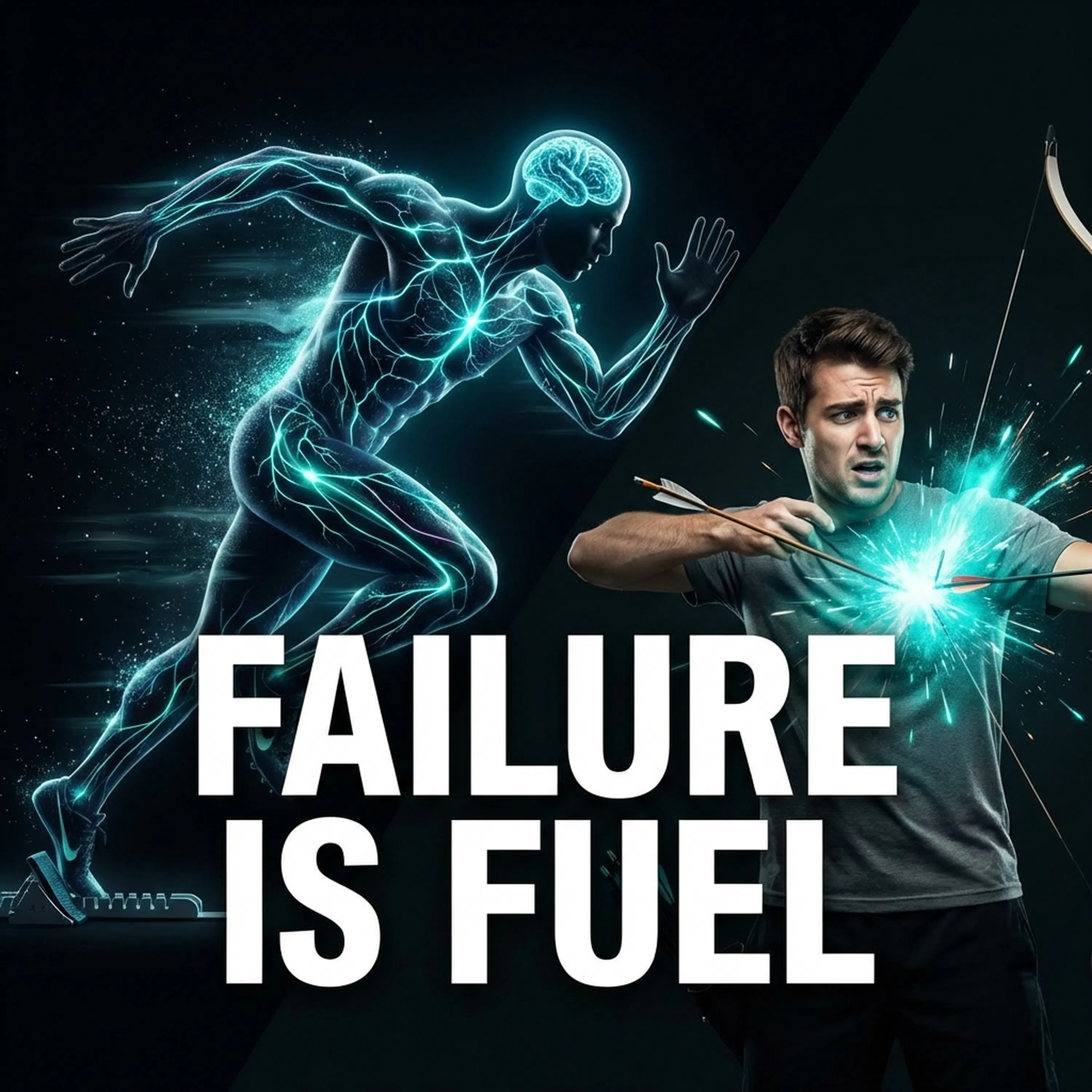
    What Elite Athletes Know About Learning That You Don't

    Ever wonder why some people pick up new skills in weeks while others struggle for months? The answer isn't talent - it's strategy. Your brain has built-in learning accelerators that most people never activate. Nina breaks down the surprising research on how elite athletes and top performers actually master new skills, and spoiler alert: it's not about practicing until you get it perfect. What you'll discover: • Why making mistakes 15% of the time actually speeds up learning • The specific movement trick that boosts retention by 20% • How your inner ear's balance system directly rewires your brain • Why most skill acquisition happens while you sleep (and what triggers it) The biggest myth? That practice makes perfect. Turns out, perfect practice makes you plateau. Your brain releases the most plasticity-inducing chemicals when you're slightly failing, not when you're nailing it every time. Nina also reveals why sitting still during study sessions is sabotaging your progress. Simple movements during or right after learning create neural pathways that stick. We're talking basic stuff like walking or even light stretching, not CrossFit. The vestibular system research is pretty wild. That balance mechanism in your inner ear doesn't just keep you upright - it's directly connected to the brain regions responsible for forming new memories and skills. Chapters: 00:00 Why perfect practice kills progress 03:15 The 15% error rule explained 06:30 Movement hacks for better retention 09:45 Your inner ear's secret learning power If you're tired of spinning your wheels trying to learn new things, this one's for you. Follow Brainwaves for daily episodes that cut through the noise and give you research-backed strategies that actually work. Nina drops new episodes every day. Subscribe and never miss an episode at Brainwaves Learn more about your ad choices. Visit megaphone.fm/adchoices

  • Today · 15 min

    Why Your Testosterone Crashes at 3 PM (Sleep Scientists Finally Explain)

    Your testosterone doesn't randomly tank at 3 PM. New research from Stanford's Sleep Medicine Center shows it's actually your circadian rhythm fighting with cortisol spikes, and the fix is simpler than you think. Most guys hit that afternoon wall and blame stress or lunch. But Nina Valdez breaks down the real culprit: your hormone cycles are completely out of sync. Men's testosterone naturally peaks around 8 AM, then crashes hard when afternoon cortisol hits. The problem? Most of us are sabotaging both cycles without knowing it. What you'll discover: • Why men's testosterone has dropped 1% yearly since the 1980s (hint: it's not just age) • The 48-hour testosterone boost you get from strength training vs. what cardio actually does • How losing just one hour of sleep tanks your T-levels by 15% in a week • The aromatase enzyme that converts 30% of your testosterone to estrogen and when that's good vs. bad Chapters: 00:00 The 3 PM testosterone crash explained 02:15 Cortisol vs. testosterone: the daily battle 04:30 Sleep quality beats sleep quantity for hormone balance 07:45 Why your workout timing matters more than the workout itself 10:20 Simple fixes that actually work This isn't about expensive supplements or TRT clinics. Nina shows you how to work with your body's natural rhythms using strategies that cost nothing but make a huge difference. Real science, zero hype. Follow Brainwaves now. New episodes drop every day with the medical research your doctor wishes they had time to explain properly. Subscribe and never miss an episode at Brainwaves Learn more about your ad choices. Visit megaphone.fm/adchoices

  • Today · 21 min

    Why Your Doctor Won't Tell You These 5 Immune System Secrets

    Here's your 40% immune system boost hiding in plain sight. Nina Valdez breaks down five evidence-based secrets most doctors never mention because they're too busy treating symptoms, not strengthening your natural defenses. Dr. Roger Seheult reveals why that expensive immunity supplement can't compete with getting your sleep right. 🎯 What You'll Learn: • How 7-9 hours of quality sleep can triple your viral resistance compared to sleep-deprived people • Why 70% of Americans have dangerously low vitamin D levels and the exact amount that cuts respiratory infections • The 50-300% immune cell boost you get from moderate exercise (and how long it lasts) • How chronic stress tanks your immune function by 40% in just days 👤 Perfect for: anyone tired of getting sick every time something's going around and ready to build real immunity from the ground up. 📍 Chapters: [00:00] Nina introduces the immunity gap your doctor ignores [01:30] Sleep's triple protection against viruses [04:00] The vitamin D deficiency hiding everywhere [07:00] Exercise timing that maximizes immune response [10:00] Stress hormones vs. your immune system [12:00] Your 30-day immunity action plan Dr. Seheult's research cuts through the supplement industry noise to show you what actually works. No magic pills, no complicated protocols. Just five strategies that work with your body's existing systems instead of against them. 🔔 Never miss an episode: Follow Brainwaves on Spotify or Apple Podcasts and turn on notifications. New episodes drop daily, your next favorite insight is one tap away. 🔍 Topics: immune system, sleep health, vitamin D deficiency, exercise immunity, stress management Subscribe and never miss an episode at Brainwaves Learn more about your ad choices. Visit megaphone.fm/adchoices

  • Today · 23 min

    Why McDonald's Spent $50M Studying Your Hunger (And What They Found)

    McDonald's didn't spend $50 million on hunger research just to sell more Big Macs. They discovered something about your appetite that most doctors still don't understand. Turns out your brain has been lying to you about when you're actually full. And that "willpower" you think you're lacking? It's not about discipline at all. What you'll discover: • Why 32% of people have brains that literally can't detect fullness signals • The 20-minute delay between eating and feeling satisfied (and how to work with it) • How your sleep schedule controls when hunger hormones spike • Which foods actually trigger your satiety hormones versus just filling your stomach Nina breaks down the real science behind why some people feel hungry an hour after eating while others stay satisfied for hours. Spoiler: it's not about portion sizes or calorie counting. You'll learn what McDonald's researchers found about ghrelin and leptin that changed how they design their menu timing. Plus the one macronutrient that increases fullness hormones by 25% compared to everything else. Chapters: 00:00 The $50M McDonald's hunger study 02:15 Leptin resistance: when your brain thinks you're starving 04:30 The 20-minute satiety delay and how to use it 07:45 Circadian rhythms control your hunger schedule 09:20 Protein's unique effect on fullness hormones If you're tired of fighting your appetite instead of understanding it, this episode changes everything. Follow Brainwaves for daily episodes that give you the real science behind how your body actually works. Subscribe and never miss an episode at Brainwaves Learn more about your ad choices. Visit megaphone.fm/adchoices
  • Today · 13 min

    Why Matthew Walker Changed His Mind About Sleep Supplements

    Getting sunlight in your eyes within the first hour of waking increases cortisol by 50% and sets your circadian rhythm. Your afternoon coffee at 2 PM? Still has 25% of its stimulating power at 10 PM thanks to caffeine's 6-8 hour half-life. In this episode, Nina Valdez breaks down the sleep research that most people get completely wrong, plus the science-backed protocols that actually move the needle on sleep quality. 🎯 What You'll Learn: • Why your core body temperature needs to drop 1-3 degrees for deep sleep (and how to make it happen) • The exact light exposure timing that resets your internal clock naturally • Which sleep supplements have real research behind them and which are marketing hype • How blue light after 8 PM kills 85% of your melatonin production 👤 Perfect for: anyone tired of tossing and turning who wants evidence-based solutions that actually work. 📍 Chapters: [00:00] Nina Valdez introduces the sleep myths keeping you awake [02:15] Morning light exposure: the 50% cortisol boost that sets your day [04:30] Temperature control: why cooling down helps you fall asleep faster [06:45] Caffeine timing: when that afternoon coffee becomes a sleep killer [08:30] Blue light and melatonin: the 85% suppression rate you need to know [10:15] Sleep supplements that work vs. the ones that don't [11:45] Your 3-step sleep optimization protocol 🔔 Never miss an episode: Follow Brainwaves on your podcast app and turn on notifications. New episodes drop daily, your next favorite insight is one tap away. 🔍 Topics: sleep science, circadian rhythm, melatonin production, caffeine half-life, sleep supplements Subscribe and never miss an episode at Brainwaves Learn more about your ad choices. Visit megaphone.fm/adchoices

  • Today · 23 min

    What Huberman Gets Right About Thyroid (That Your Doctor Misses)

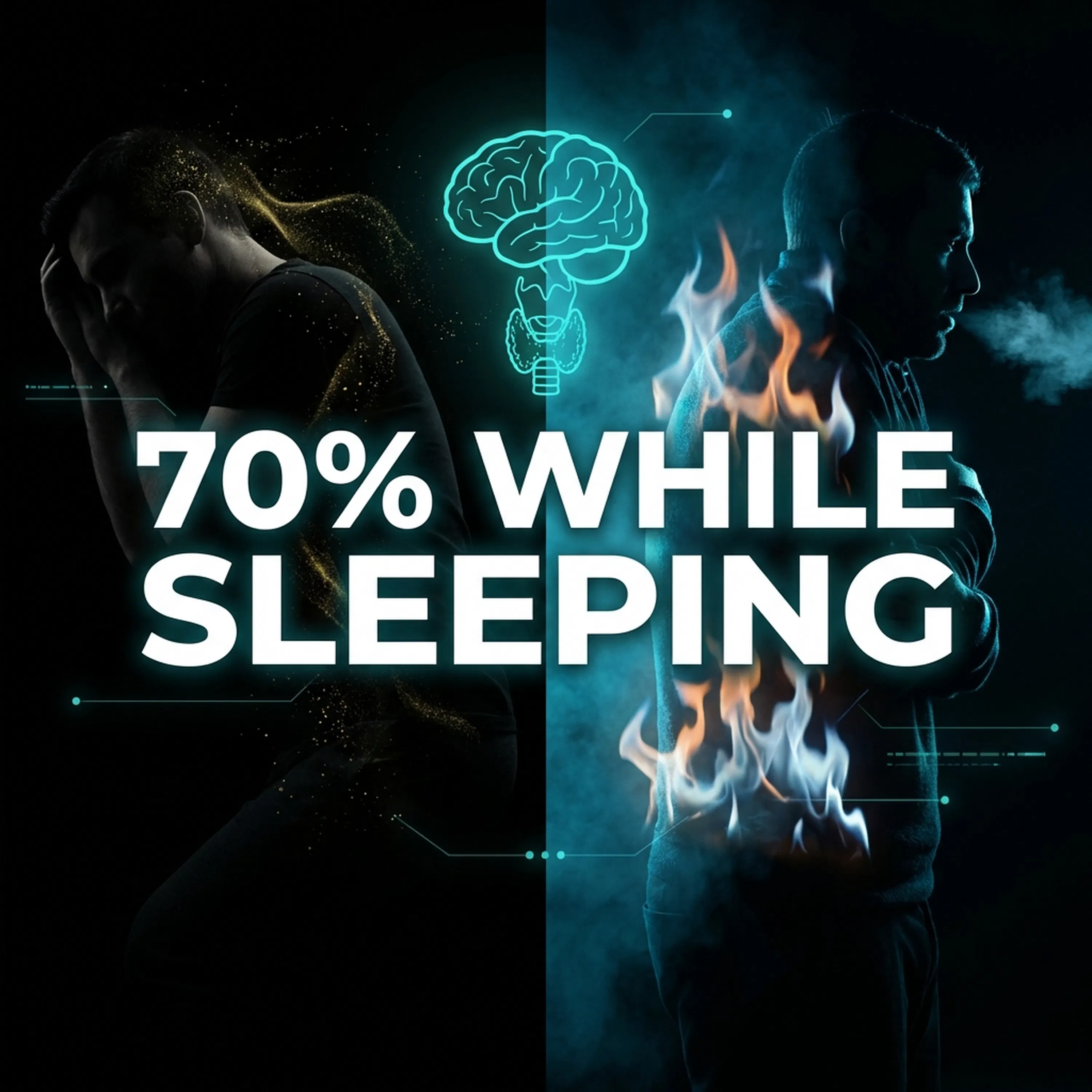
    Your metabolism isn't broken. It's just confused by mixed signals from your thyroid and growth hormone. Andrew Huberman talks a lot about optimizing hormones, but here's what he gets right about thyroid function that most doctors completely skip over. Your thyroid doesn't just control your energy levels - it's running about 70% of your metabolic show. And when it's not working properly, no amount of intermittent fasting or cold plunges will fix your sluggish metabolism. What you'll discover: • Why your thyroid controls 60-70% of your resting metabolic rate and what that actually means for weight management • How growth hormone peaks during your first 3-4 hours of sleep and why this timing matters more than total sleep hours • The real science behind cold exposure increasing thyroid production by 15-20% (and why it's not just hype) • How chronic stress tanks thyroid function by up to 30% through cortisol interference Nina breaks down the actual research on thyroid optimization without the wellness industry nonsense. You'll learn which strategies have real science behind them and which ones are just expensive placebos. Chapters: 00:00 What Huberman gets right about thyroid 02:30 The metabolism connection doctors miss 04:45 Growth hormone and sleep timing 07:15 Cold exposure: hype vs reality 09:30 Stress and thyroid suppression 11:45 Practical takeaways This isn't about buying special supplements or following complicated protocols. It's about understanding how your hormones actually work so you can make smarter decisions about your health. Follow Brainwaves for daily episodes that cut through health confusion with real medical insight. Nina drops new episodes every day. Subscribe and never miss an episode at Brainwaves Learn more about your ad choices. Visit megaphone.fm/adchoices

  • Today · 22 min

    Why Your Brain-Body Connection Is Sabotaging Your Workouts

    Your brain isn't talking to your body the way it should. And it's costing you every time you work out, try to sleep, or deal with stress. Most people think the brain-body connection is some wellness buzzword. But there's actual science showing how this communication breakdown messes with everything from your heart rate to your pain tolerance. Nina breaks down why your nervous system might be working against you and what you can do about it. What you'll discover: • Why people with stronger body awareness score 20-30% better on stress tests • How 4 weeks of breathing practice can boost your heart rate variability by 25% • The body scanning technique that cuts athlete recovery time by 15% • Why 2-3 minutes of cold exposure triggers a 300% spike in norepinephrine This isn't about meditation retreats or expensive gadgets. These are simple practices that actually change how your brain processes signals from your body. You'll learn why your workouts feel harder than they should and how to fix the disconnect that's sabotaging your results. Chapters: 00:00 The brain-body communication crisis 02:15 What interoceptive awareness actually means 04:30 Breathing techniques that work (and why) 06:45 Body scanning for faster recovery 08:20 Cold exposure and nervous system training 10:15 Daily practices that stick Nina's treated enough patients to know the difference between what sounds good and what actually works. This episode gives you the real science behind strengthening your brain-body connection, no fluff included. If you're tired of fighting your own nervous system, hit follow. Brainwaves drops new episodes every day with the medical research that actually matters for your health decisions. Subscribe and never miss an episode at Brainwaves Learn more about your ad choices. Visit megaphone.fm/adchoices

  • Today · 15 min

    The Relationship Pattern That's Costing You Real Love

    Most people think they're bad at dating. They're not. They're just picking the wrong people for predictable reasons. Therapist Lori Gottlieb breaks down why smart people keep making terrible romantic choices. Turns out about 70% of us have secure attachment styles, but these folks are practically invisible on dating apps. Meanwhile, we're drawn to people who recreate childhood patterns, even when those patterns hurt. What you'll discover: • Why your brain mistakes anxiety for attraction (and how to spot the difference) • The attachment style that makes up 70% of people but gets overlooked in dating • How childhood experiences predict who you'll swipe right on as an adult • The one question that reveals if someone's actually ready for a real relationship Nina Valdez walks through the research showing people spend more time picking a car than understanding their relationship patterns. The data on this is pretty wild: folks who do personal work before dating have way higher relationship satisfaction rates. Not shocking, but the numbers are bigger than you'd think. Chapters: 00:00 Why good people go unnoticed 02:30 The attachment style lottery 05:15 Your childhood blueprint for love 08:00 Red flags vs. green flags that actually matter 10:30 The readiness question This isn't about becoming a different person to find love. It's about understanding why you keep ending up in the same situations with different faces. If you're tired of dating advice that doesn't work, hit follow. Nina drops new Brainwaves episodes every day, mixing real medical research with the kind of straight talk you'd get from a doctor who actually has time to explain things. Subscribe and never miss an episode at Brainwaves Learn more about your ad choices. Visit megaphone.fm/adchoices

  • Today · 14 min

    Your Brain on Grief: Why Loss Rewires You (And How to Heal)

    Your body knows the difference between grief and sadness. When someone you love dies, your brain literally rewires itself, firing the same neural pathways as physical injury. That crushing feeling in your chest? It's not just a metaphor. Dr. Mary-Frances O'Connor has spent two decades studying what grief actually does to your brain. Her research reveals why you can't think straight after loss, why your body feels broken, and most importantly, how to work with your brain instead of against it during the hardest moments of your life. What you'll discover: • Why grief triggers physical pain in the same brain regions as a broken bone • How your reward system keeps searching for the person who's gone, creating neurological loops • Why 80% of grieving people can't sleep (and it's not what you think) • The specific brain changes that make simple decisions feel impossible Nina breaks down the neuroscience behind loss and shares practical strategies that actually align with how your grieving brain works. No platitudes, no timeline pressure. Just science-backed approaches that honor what your mind and body are going through. Chapters: 00:00 The neuroscience of heartbreak 02:15 Why your brain keeps looking for them 04:30 Sleep, memory, and the grieving mind 06:45 When your prefrontal cortex goes offline 08:20 Working with your brain's grief response 10:00 Building resilience through understanding This episode won't fix your grief, but it might help you understand why healing takes the time it takes. Your brain is doing exactly what it's supposed to do. New episodes of Brainwaves drop every day with medical research you can actually use. Hit follow if you want Nina's take on the science behind how your body really works. Subscribe and never miss an episode at Brainwaves Learn more about your ad choices. Visit megaphone.fm/adchoices
  • Today · 17 min

    The $2.3 Trillion Brain Mistake 90% of People Make Every Day

    Most people think exercise is just for their body. They're missing a $2.3 trillion opportunity happening inside their skull every time they break a sweat. Nina breaks down the latest neuroscience showing how a simple 20-minute workout literally grows new brain cells and boosts your memory for hours afterward. Turns out your brain craves movement more than your muscles do. What you'll discover: • Why 150 minutes of weekly exercise increases your hippocampus by 2-3% (that's your memory center getting bigger) • How high-intensity intervals spike brain-building proteins by 300% in just 30 minutes • The exact workout timing that improves focus for up to 4 hours afterward • Why people who exercise regularly cut their dementia risk by 40% This isn't about becoming a gym rat. It's about understanding what actually happens in your brain when you move your body, and how to use that knowledge to think clearer, remember better, and stay sharp as you age. Nina's treated enough patients to know the difference between what sounds good and what actually works. She walks through the research that's changing how doctors think about exercise prescriptions and brain health. Chapters: 00:00 The brain growth discovery doctors missed 02:30 Why your hippocampus needs you to sweat 05:15 The 20-minute memory boost protocol 07:45 High-intensity intervals vs steady cardio for brain power 10:30 Building your personal brain fitness plan Follow Brainwaves for daily episodes that cut through health confusion with real medical research. Nina drops new episodes every day, and tomorrow she's covering the sleep mistakes that are literally shrinking your brain. ----- Keywords: neuroscience podcast, medical facts, nutrition science, emergency medicine, health studies, health science explained, medical myths Learn more about your ad choices. Visit megaphone.fm/adchoices

  • Today · 14 min

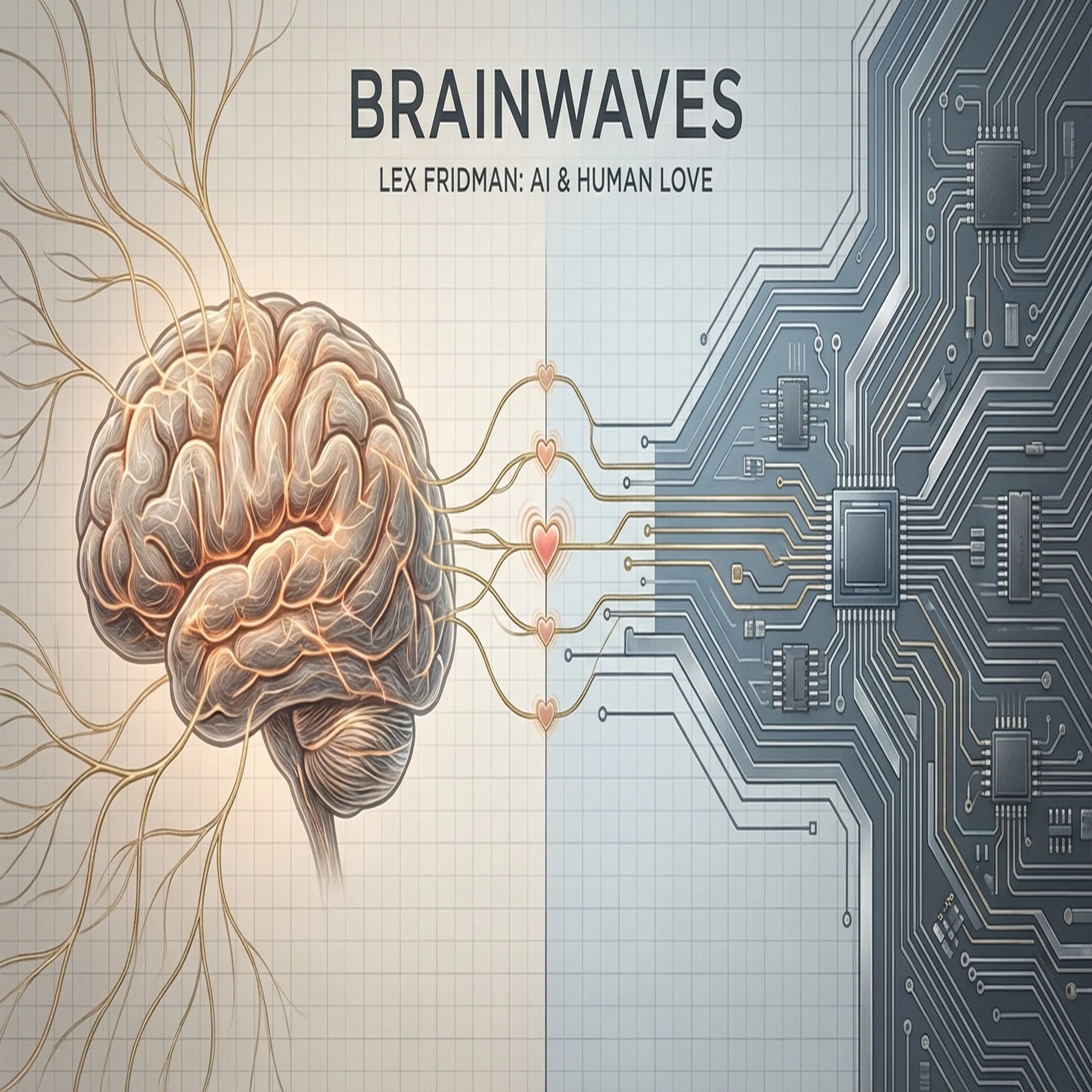
    Lex Fridman: Why AI Will Never Replace Human Love (But It Might Enhance It)

    MIT's AI researcher Lex Fridman has had over 400 three-hour conversations with the world's smartest people. What he discovered about machines, creativity, and love might surprise you. In this episode, Nina Valdez breaks down Fridman's insights on why artificial intelligence will transform how we create and connect, but can never replace the fundamentally human experience of love. 🎯 What You'll Learn: • Why MIT processes 1 billion data points daily studying human behavior behind the wheel • The creative paradox: AI can write symphonies and paint masterpieces, but lacks what researchers call "intentional consciousness" • How Fridman uses Brazilian Jiu-Jitsu and guitar playing to maintain his human edge in an AI-dominated field 👤 Perfect for: anyone curious about where technology ends and humanity begins 📍 Chapters: [00:00] Nina introduces Lex Fridman's unique perspective on AI and love [01:45] The staggering scale of MIT's autonomous vehicle research [03:30] What 400 long-form interviews taught Fridman about human nature [05:15] The creativity gap: why AI art feels different from human expression [07:00] Physical practices that keep researchers grounded [09:30] The love question: what machines will never understand [11:00] Key insights you can apply to your own relationship with technology This isn't just another AI discussion. Fridman's approach combines hard science with deeply personal questions about what makes us human. You'll walk away understanding not just where technology is headed, but why your humanity matters more than ever. 🔔 Never miss an episode: Follow Brainwaves and turn on notifications. New episodes drop daily, and tomorrow Nina's covering the latest research on why your brain craves novelty more than you realize. 🔍 Topics: artificial intelligence, creativity research, human consciousness, MIT studies, technology philosophy Subscribe and never miss an episode at Brainwaves Learn more about your ad choices. Visit megaphone.fm/adchoices

  • Today · 14 min

    Your Daily Habits Are Rewriting Your DNA (And You Don't Even Know It)

    Your morning coffee habit just changed your DNA. So did yesterday's workout, that stressful meeting, and even the way you breathed during meditation. In this episode, Nina Valdez breaks down the wild science of epigenetics with Dr. Melissa Ilardo, whose research on sea nomads reveals how our daily choices literally rewrite our genetic code. 🎯 What You'll Learn: • How the Bajau sea nomads evolved 50% larger spleens in just 1,000 years through diving lifestyle • Why 30 minutes of exercise activates over 1,000 metabolism genes (and which types work best) • The specific stress patterns that turn off your immune genes and how to reverse them • Simple daily habits that optimize gene expression for better energy and longevity 👤 Perfect for: anyone who wants to understand how their lifestyle choices create real, measurable changes in their body at the genetic level. 📍 Chapters: [00:00] Nina introduces the DNA-changing power of daily habits [01:45] Dr. Ilardo's sea nomad discovery that shocked geneticists [03:30] How identical twins end up with completely different health outcomes [05:15] The exercise-gene connection: what 30 minutes really does [07:00] Stress, sleep, and the methylation patterns controlling your immune system [09:30] Practical steps to optimize your epigenetic switches [11:00] Why your grandmother's diet might still be affecting your health today 🔔 Never miss an episode: Follow Brainwaves and turn on notifications. New episodes drop daily, and tomorrow Nina's covering why your brain craves sugar at 3 PM (hint: it's not willpower). 🔍 Topics: epigenetics, gene expression, lifestyle medicine, DNA methylation, exercise genetics Subscribe and never miss an episode at Brainwaves Learn more about your ad choices. Visit megaphone.fm/adchoices

  • Today · 14 min

    Huberman's 90-Minute Protocol: The Science Behind Peak Focus

    What if the key to peak performance isn't working harder, but working with your biology instead of against it? Andrew Huberman's 90-minute focus protocol isn't just another productivity hack. It's based on how your nervous system actually operates, and Nina breaks down the surprising science that makes it work. What you'll discover: • Why getting sunlight in your eyes within an hour of waking creates a natural energy boost that lasts all day • The exact breathing pattern (4-7-8) that switches your brain from stress mode to focus mode in under two minutes • How 11 minutes of cold exposure per week increases your dopamine by 250% and why timing matters more than temperature • The evening light trick that optimizes melatonin production without any supplements This isn't about forcing yourself into someone else's routine. Nina explains which parts of Huberman's protocol actually have solid research behind them and how to adapt them for real life. She's treated enough patients running on caffeine and willpower to know what sustainable energy actually looks like. You'll learn why your afternoon crash happens at the same time every day, how to use your natural cortisol rhythm instead of fighting it, and which "wellness" trends are backed by actual neuroscience. Chapters: 00:00 The 90-minute focus blocks explained 02:30 Morning light exposure timing 04:15 Cold therapy protocols that work 06:45 Evening routine for better sleep 09:20 What the research actually shows If you're tired of productivity advice that ignores how your brain works, this episode gives you the science-backed tools that actually move the needle. Follow Brainwaves for daily episodes that cut through health hype with real medical expertise. Subscribe and never miss an episode at Brainwaves Learn more about your ad choices. Visit megaphone.fm/adchoices

  • Today · 15 min

    Why Warren Buffett's Brain Works Differently (The Psychology of Rich People)

    Your brain is literally wired to keep you poor. That's not motivation-speak nonsense—it's neuroscience. And Warren Buffett figured this out decades before researchers caught up. Most people think wealth is about earning more or finding better investments. But Nina breaks down new psychological research showing your money mindset was basically programmed by the time you were seven years old. Your brain is still running the same financial software from childhood, which explains why smart people make terrible money decisions. What you'll discover: • Why lottery winners go bankrupt (and how your brain sabotages sudden wealth) • The psychological bias that makes you underestimate your future self's needs • How traumatic economic events rewire your money beliefs permanently • Why wealthy people who grew up poor still hoard cash like they're broke Chapters: 00:00 Your money brain is stuck in childhood 02:30 The lottery winner bankruptcy phenomenon 04:45 Why you can't predict your future financial self 07:20 How economic trauma shapes money beliefs 09:15 The wealthy person's hoarding paradox 11:00 Three ways to reprogram your financial mindset Nina's seen patients have literal panic attacks over medical bills, and the stress response is identical whether you're facing bankruptcy or just checking your credit card statement. The research shows your relationship with money affects everything from your sleep quality to your immune system. This isn't about budgeting apps or investment strategies. It's about understanding why your brain treats money like a threat and what you can do to fix it. Follow Brainwaves now for daily episodes that translate medical research into real talk. Nina drops new episodes every day with the science you actually need to know. Subscribe and never miss an episode at Brainwaves Learn more about your ad choices. Visit megaphone.fm/adchoices

  • Today · 21 min

    The Fat Loss Mistake 90% of People Make (Huberman's Lab Data Reveals Why)

    What if 90% of people trying to lose fat are making the same fundamental mistake? New research from Huberman Lab reveals why most fat loss efforts fail, and it's not what you think. In this episode, Nina Valdez breaks down the science-backed strategies that actually work. 🎯 What You'll Learn: • Why cold exposure for just 11 minutes per week can boost fat burning hormones by 200% • The meal timing trick that increases weight loss by 25% (hint: it's about when you eat your biggest meal) • How caffeine consumed at the right time can increase fat oxidation by 20%, but only if you avoid this common mistake • The truth about HIIT vs steady-state cardio and which one keeps burning fat for 24 hours after you stop 👤 Perfect for: curious listeners who love learning new things and want to cut through the fat loss noise with actual science. 📍 Chapters: [00:00] Nina Valdez introduces the 90% fat loss mistake [01:30] Cold exposure protocols that actually work [04:00] Meal timing and circadian rhythm effects on weight loss [07:00] Caffeine timing for maximum fat oxidation [10:00] HIIT vs steady-state: what the research shows [12:00] Key takeaways you can use starting today 🔔 Never miss an episode: Follow Brainwaves on Spotify or Apple Podcasts and turn on notifications. New episodes drop daily, your next favorite insight is one tap away. 🔍 Topics: fat loss, Huberman Lab, cold exposure, meal timing, HIIT cardio Subscribe and never miss an episode at Brainwaves Learn more about your ad choices. Visit megaphone.fm/adchoices

  • Today · 18 min

    What Neuroscientists Know About Memory That Schools Don't Teach You

    Medical schools don't teach you this: your brain is designed to forget almost everything you study. That's not a bug, it's a feature. Nina breaks down the latest neuroscience research showing why cramming never worked and how AI might actually help us learn the way our brains were built to learn. Turns out, that frustrating feeling when you can't remember what you studied last week? Your brain is doing exactly what it's supposed to do. What you'll discover: • Why sleep replays your learning 20 times faster than when you're awake (and how to use this) • How "forgetting" actually makes your memory stronger through something called desirable difficulty • Why your brain burns 20% of your energy just maintaining old neural pathways • The simple exercise that boosts brain growth factor by 300% You'll find out why everything you learned about studying in school was basically wrong, and what happens when you work WITH your brain instead of against it. Nina explains the research in plain English, no neuroscience degree required. Chapters: 00:00 Why your brain is built to forget 02:30 The sleep replay effect 05:15 How forgetting strengthens memory 07:45 Why exercise beats energy drinks 10:00 AI tools that actually help learning This isn't about cramming more information into your head. It's about understanding how learning actually works so you can get better results with less effort. Follow Brainwaves for more episodes that translate medical research into practical advice. New episodes drop every day. Subscribe and never miss an episode at Brainwaves Learn more about your ad choices. Visit megaphone.fm/adchoices
  • Today · 16 min

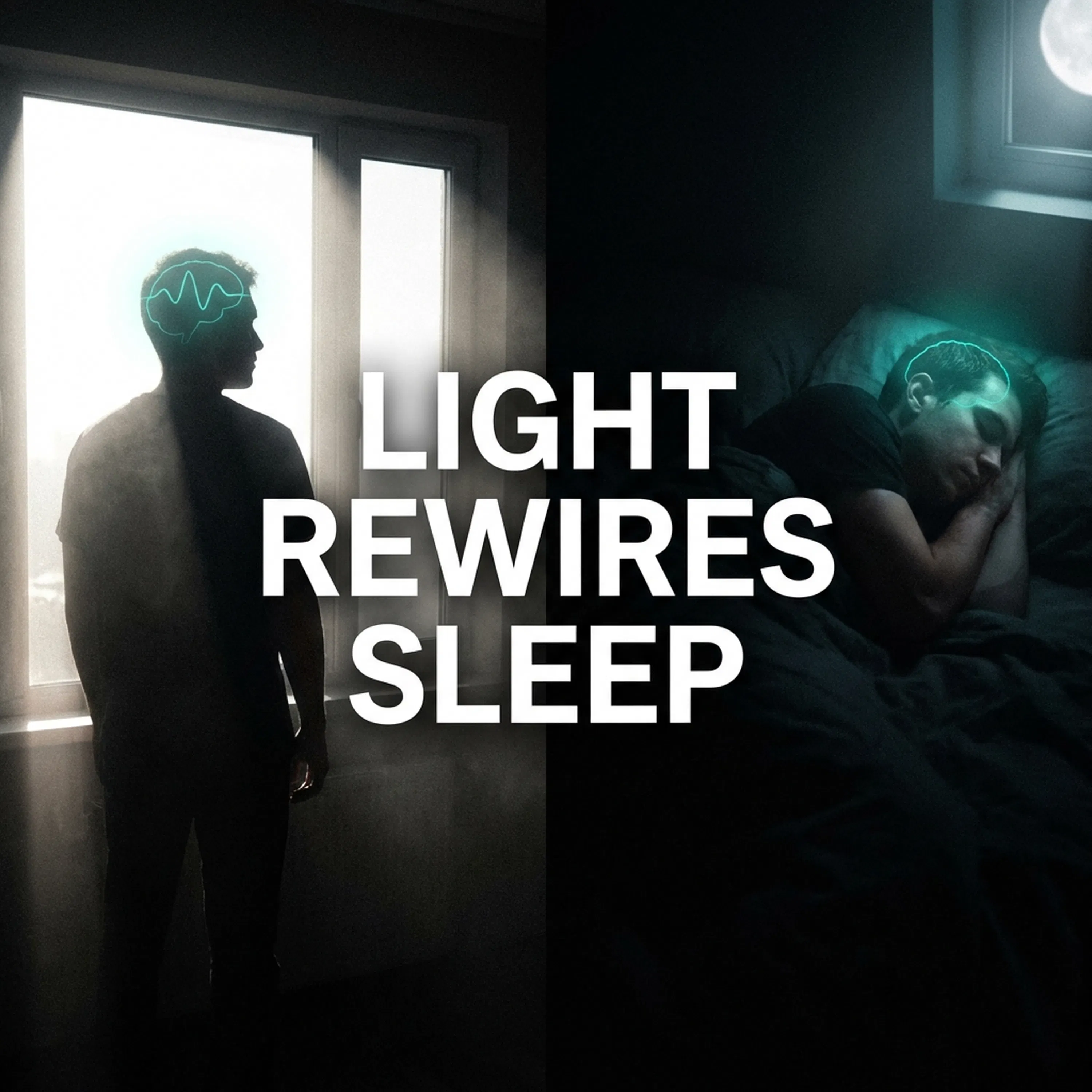
    Why Stanford Scientists Sleep With Their Curtains Open (It's Not What You Think)

    Those Stanford researchers aren't just quirky academics. They discovered something that could fix your sleep tonight. Here's what they found: your brain has an internal clock that gets completely scrambled when you block morning sunlight. While you're pulling blackout curtains tight, they're letting every photon hit their retinas within 60 minutes of waking up. What you'll discover: • Why getting light in your eyes (not on your skin) resets your circadian rhythm faster than any melatonin supplement • The core body temperature drop that signals sleepiness and how hot baths actually help you fall asleep faster • How adenosine builds sleep pressure every hour you're awake, and why that afternoon coffee is sabotaging your bedtime • The shocking truth about sleep deprivation: 17 hours awake makes you as impaired as being legally drunk Chapters: 00:00 The Stanford sleep curtain experiment 02:15 Light exposure timing that actually works 04:30 Your body's temperature regulation secret 06:45 Adenosine: the sleepiness molecule caffeine blocks 08:20 Sleep deprivation's hidden dangers 10:15 Simple changes for better sleep tonight Nina breaks down the actual research behind these findings, plus the three timing mistakes that keep most people tossing and turning. No expensive sleep gadgets required. This isn't about perfect sleep hygiene. It's about understanding how your brain actually works so you can sleep better starting today. If you're tired of being tired, hit follow. Nina drops new episodes on Brainwaves every day, translating medical research into advice you can actually use. Subscribe and never miss an episode at Brainwaves Learn more about your ad choices. Visit megaphone.fm/adchoices

  • Today · 13 min

    Why Huberman's Cortisol Method Beats Every Energy Supplement Out There

    Forget every energy drink and supplement you've tried. Andrew Huberman's research reveals something wild: your body's natural stress hormones are better at boosting energy and immunity than anything you can buy at the store. What you'll discover: • Why your cortisol naturally spikes 50-160% after waking and how to work with it instead of against it • The counterintuitive way acute stress boosts immune cell activity by up to 200% • How people with healthy cortisol patterns (high morning, low evening) actually live longer with less inflammation • Simple timing tricks to get 15-25% better focus from your natural adrenaline Nina breaks down exactly what happens in your body when cortisol and adrenaline kick in. Turns out, these aren't just "stress hormones" causing problems. When they spike at the right times, they're your body's built-in performance enhancers. You'll learn the specific timing windows that matter, why most people get this backwards, and how to reset your natural rhythm if it's off track. Plus, Nina explains which popular supplements actually interfere with your body's natural cortisol production. Chapters: 00:00 The cortisol controversy 02:15 Morning cortisol: your natural wake-up call 04:30 How stress actually boosts immunity 07:00 Adrenaline's focus benefits 09:45 Timing your cortisol for better energy 11:20 What kills your natural rhythm This isn't about adding more stuff to your morning routine. It's about understanding what your body's already doing and getting better at it. Ready to work with your biology instead of against it? Follow Brainwaves for daily episodes that cut through health confusion with actual science. Nina drops new episodes every day. Subscribe and never miss an episode at Brainwaves ------- Keywords: recovery protocols, fitness research, neuroplasticity Learn more about your ad choices. Visit megaphone.fm/adchoices

  • Today · 20 min

    What Stanford's Top Neuroscientist Gets Wrong About Attention

    Stanford neuroscientist Dr. Bernardo Huberman thinks he's cracked the code on attention and focus. But Nina Valdez spots a major blind spot in his research that could change how you think about productivity entirely. What you'll discover: • Why switching apps 300+ times daily might actually boost certain types of creativity • The surprising brain scan results when people follow "curiosity scheduling" protocols • How your default mode network rewires itself when you stop forcing focus • The one attention technique that increases life satisfaction by 40% (it's not what Huberman suggests) Dr. Huberman's Stanford lab has mapped how curiosity triggers the same brain rewards as food and sex. Pretty fascinating stuff. But here's what Nina noticed: his studies only tracked people for 8 weeks max. What happens to attention spans after 6 months of his methods? The follow-up data tells a different story. You'll hear why that matters for anyone trying to build sustainable focus habits, plus the simple shift that makes curiosity work with your brain instead of against it. Chapters: 00:00 Huberman's attention research 02:30 The 300-app-switch study 04:45 Curiosity vs. forced focus 07:15 Default mode network findings 09:30 Why timing matters for attention training Nina breaks down the actual neuroscience without the hype, showing you what works long-term versus what just feels productive in the moment. If you want the real story behind health headlines, follow Brainwaves. New episodes every day with medical research you can actually use. Subscribe and never miss an episode at Brainwaves Learn more about your ad choices. Visit megaphone.fm/adchoices
  • Yesterday · 13 min

    Why Huberman's Cortisol Method Beats Every Energy Supplement Out There

    Forget every energy drink and supplement you've tried. Andrew Huberman's research reveals something wild: your body's natural stress hormones are better at boosting energy and immunity than anything you can buy at the store. What you'll discover: • Why your cortisol naturally spikes 50-160% after waking and how to work with it instead of against it • The counterintuitive way acute stress boosts immune cell activity by up to 200% • How people with healthy cortisol patterns (high morning, low evening) actually live longer with less inflammation • Simple timing tricks to get 15-25% better focus from your natural adrenaline Nina breaks down exactly what happens in your body when cortisol and adrenaline kick in. Turns out, these aren't just "stress hormones" causing problems. When they spike at the right times, they're your body's built-in performance enhancers. You'll learn the specific timing windows that matter, why most people get this backwards, and how to reset your natural rhythm if it's off track. Plus, Nina explains which popular supplements actually interfere with your body's natural cortisol production. Chapters: 00:00 The cortisol controversy 02:15 Morning cortisol: your natural wake-up call 04:30 How stress actually boosts immunity 07:00 Adrenaline's focus benefits 09:45 Timing your cortisol for better energy 11:20 What kills your natural rhythm This isn't about adding more stuff to your morning routine. It's about understanding what your body's already doing and getting better at it. Ready to work with your biology instead of against it? Follow Brainwaves for daily episodes that cut through health confusion with actual science. Nina drops new episodes every day. Subscribe and never miss an episode at Brainwaves Learn more about your ad choices. Visit megaphone.fm/adchoices

Showing 1–20 of 44 episodes