Skip to content
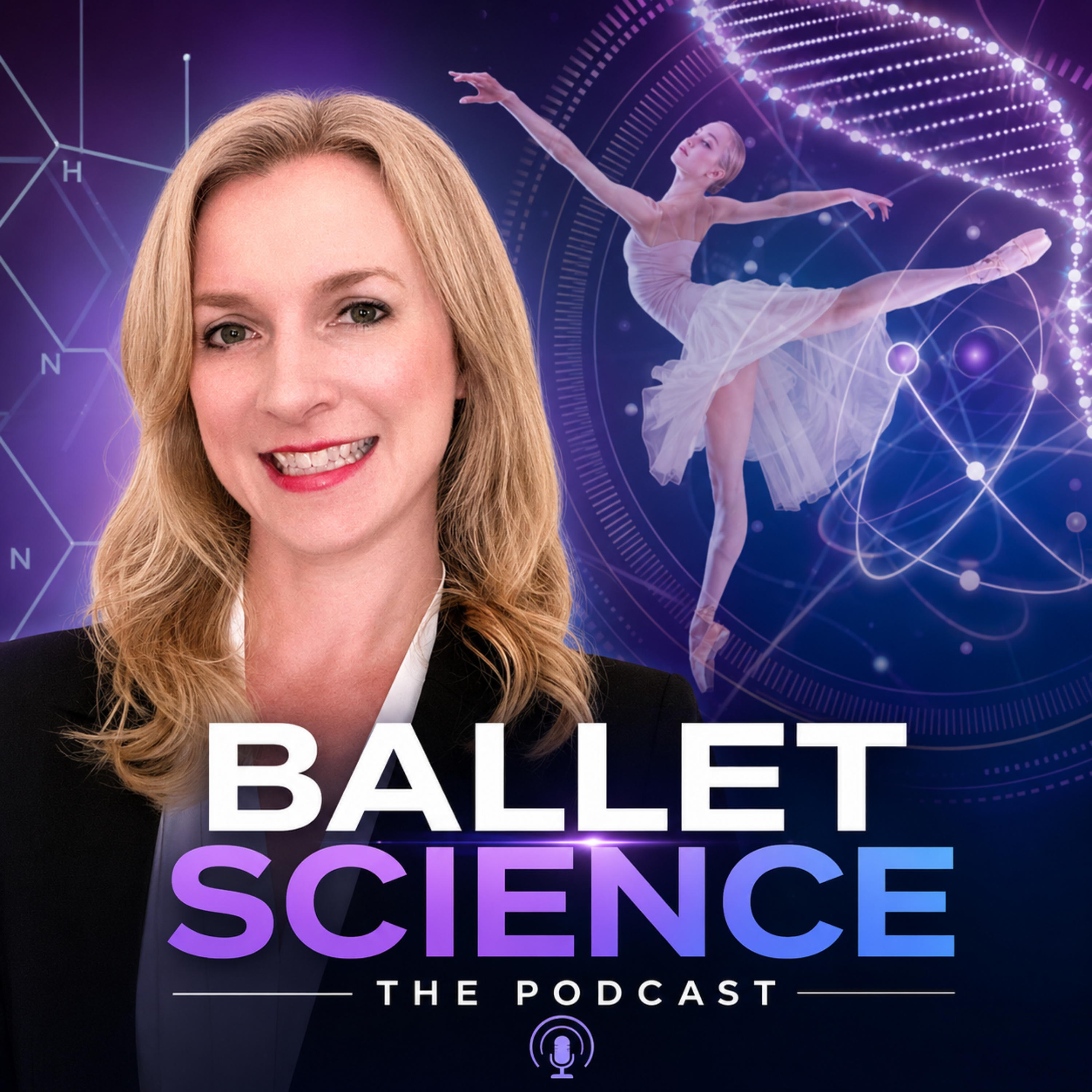
Artwork for Ballet Science

Ballet Science

Caroline Simpkins, Ph.D.

The Ballet Science Podcast is hosted by Caroline Simpkins, Ph.D., a former ballerina turned biomechanics researcher. Each week, we bring science into the ballet studio, exploring the intersection of ballet, dance science, and human movement. Topics include injury prevention, biomechanics, strength, nutrition, mindset, and performance. Discover how the science of ballet can help dancers (and anyone who moves) perform and feel their best.

Play
  • 22 episodes
  • weekly
  • Avg 25 min
  • English
Counted on this page — what you have heard stays on this device, so it is not something the list can be paged by.
  • #65
    Tuesday · 56 min

    Why Ballet Foundations Matter: Building a Better Dancer | Darla Hoover

    What does great ballet training look like... and how should dancers develop from their earliest classes through pre-professional training? In this episode, I’m joined by legendary ballet educator Darla Hoover (Central Pennsylvania Youth Ballet, School of American Ballet, New York City Ballet, Ballet Academy East) for a fascinating conversation about teaching ballet at every stage of a dancer’s development. Darla shares her decades of experience teaching everyone from young beginners to professional dancers, including her own training with the School of American Ballet and her years as a professional dancer and educator. Darla’s philosophy is ultimately about much more than producing professional dancers. She believes ballet can teach discipline, dedication, focus, passion, and lifelong lessons that dancers carry with them wherever life takes them. Whether you’re a ballet teacher, parent, student, aspiring professional, or simply interested in how great dancers are developed, there is so much wisdom in this conversation. Join Ballet Science Backstage on Patreon for ad-free access to podcast episodes, educational videos, workouts, stretching content, digital downloads, and more... all in one place. Join Now! Want Ballet Science updates sent to your inbox? ⁠⁠⁠⁠⁠⁠⁠Join My E-mail List⁠⁠⁠⁠⁠⁠⁠⁠⁠⁠⁠⁠⁠⁠⁠⁠⁠⁠⁠⁠⁠ ⁠⁠⁠⁠⁠⁠⁠⁠⁠⁠⁠⁠⁠⁠⁠⁠⁠⁠⁠⁠⁠⁠⁠⁠⁠⁠⁠⁠⁠⁠⁠⁠⁠⁠⁠⁠ Connect With Ballet Science: ⁠⁠⁠⁠⁠⁠⁠⁠⁠⁠⁠⁠⁠⁠⁠⁠⁠⁠⁠⁠Website⁠⁠⁠⁠⁠⁠⁠⁠⁠⁠⁠⁠⁠⁠⁠⁠⁠⁠⁠⁠⁠⁠ ⁠⁠⁠⁠⁠⁠⁠⁠⁠⁠⁠⁠⁠⁠⁠⁠⁠⁠⁠Instagram⁠⁠⁠⁠⁠⁠⁠⁠⁠⁠⁠⁠⁠⁠⁠⁠⁠⁠⁠⁠⁠⁠ ⁠⁠⁠⁠⁠⁠⁠⁠⁠⁠⁠⁠⁠⁠⁠⁠⁠⁠⁠Facebook ⁠⁠⁠⁠⁠⁠⁠⁠⁠⁠⁠⁠⁠⁠⁠⁠⁠⁠⁠⁠⁠⁠ ⁠⁠⁠⁠⁠⁠⁠⁠⁠⁠⁠⁠⁠⁠⁠⁠⁠⁠⁠⁠⁠⁠X⁠⁠⁠⁠⁠⁠⁠⁠⁠⁠⁠⁠⁠⁠⁠⁠⁠⁠⁠⁠⁠⁠ ⁠⁠⁠⁠⁠⁠⁠⁠⁠⁠⁠⁠⁠⁠⁠⁠⁠⁠⁠Amazon Storefront⁠⁠⁠⁠⁠⁠⁠⁠⁠⁠⁠⁠⁠⁠⁠⁠⁠⁠⁠⁠⁠⁠ E-mail: caroline@ballet.science Hosted by Caroline Simpkins, Ph.D., the Ballet Science podcast brings science into the studio to help dancers of all ages and abilities give their best performances both onstage and off, and reveals how the science of ballet can benefit anyone who moves. Each week, we explore the intersection of science and ballet... from injury prevention and biomechanics to nutrition, mindset, and everything in between. If you enjoyed this episode, please hit the subscribe button, leave a review, and share it with your friends and dance community. You can also follow Ballet Science on social media and visit our website for additional information. Filming Equipment Affiliate Links: ⁠⁠⁠⁠⁠⁠⁠⁠⁠⁠⁠⁠⁠⁠⁠⁠⁠⁠⁠⁠⁠⁠⁠Microphone⁠⁠⁠⁠⁠⁠⁠⁠⁠⁠⁠⁠⁠⁠⁠⁠⁠⁠⁠⁠⁠⁠⁠ ⁠⁠⁠⁠⁠⁠⁠⁠⁠⁠⁠⁠⁠⁠⁠⁠⁠⁠⁠Pop Filter⁠⁠⁠⁠⁠⁠⁠⁠⁠⁠⁠⁠⁠⁠⁠⁠⁠⁠⁠⁠⁠⁠⁠ ⁠⁠⁠⁠⁠⁠⁠⁠⁠⁠⁠⁠⁠⁠⁠⁠⁠⁠⁠⁠Mic Stand⁠⁠⁠⁠⁠⁠⁠⁠⁠⁠⁠⁠⁠⁠⁠⁠⁠⁠⁠⁠⁠⁠⁠ ⁠⁠⁠⁠⁠⁠⁠⁠⁠⁠⁠⁠⁠⁠⁠⁠⁠⁠⁠⁠⁠⁠⁠Prompter⁠⁠⁠⁠⁠⁠⁠⁠⁠⁠⁠⁠⁠⁠⁠⁠⁠⁠⁠⁠⁠⁠⁠ ⁠⁠⁠⁠⁠⁠⁠⁠⁠⁠⁠⁠⁠⁠⁠⁠⁠⁠⁠⁠⁠⁠⁠Large Key Light⁠⁠⁠⁠⁠⁠⁠⁠⁠⁠⁠⁠⁠⁠⁠⁠⁠⁠⁠⁠⁠⁠⁠ ⁠⁠⁠⁠⁠⁠⁠⁠⁠⁠⁠⁠⁠⁠⁠⁠⁠⁠⁠⁠⁠⁠⁠Small Key Light⁠⁠⁠⁠⁠⁠⁠⁠⁠⁠⁠⁠⁠⁠⁠⁠⁠⁠⁠⁠⁠⁠⁠ ⁠⁠⁠⁠⁠⁠⁠⁠⁠⁠⁠⁠⁠⁠⁠Eve Flare Light⁠⁠⁠⁠⁠⁠⁠⁠⁠⁠⁠⁠ Logo Photo: Richard Calmes Additional Photos Provided By: Darla Hoover Headshot by: Kyle Froman Please note that some links may be affiliate links, which means I may earn a small commission at no extra cost to you. All proceeds are reinvested back into Ballet Science.

  • #64
    August 18 · 51 min

    How Dancers Should Fuel: Nutrition Tips for Ballet | Rachel Fine, RDN

    What should dancers eat before ballet class? How much should they be eating? What about carbohydrates, hydration, recovery, and snacks during long rehearsals? In this episode, I’m joined by Rachel Fine, RDN, a registered dietitian nutritionist, former professional dancer, and founder of The Healthy Dancer®. Rachel shares practical, evidence-based advice to help dancers properly fuel their training while avoiding restrictive food rules and nutrition misinformation. Whether you are a young dancer, parent, teacher, professional, or adult recreational dancer, this episode is packed with practical strategies you can put into action. Join Ballet Science Backstage on Patreon for ad-free access to podcast episodes, educational videos, workouts, stretching content, digital downloads, and more... all in one place. ⁠Join Now!⁠ Want Ballet Science updates sent to your inbox? ⁠⁠⁠⁠⁠⁠⁠⁠Join My E-mail List⁠⁠⁠⁠⁠⁠⁠⁠⁠⁠⁠⁠⁠⁠⁠⁠⁠⁠⁠⁠⁠⁠⁠⁠⁠⁠⁠⁠⁠⁠⁠⁠⁠⁠⁠⁠⁠⁠⁠ Connect With Ballet Science: ⁠⁠⁠⁠⁠⁠⁠⁠⁠⁠⁠⁠⁠⁠⁠⁠⁠⁠⁠Website⁠⁠⁠⁠⁠⁠⁠⁠⁠⁠⁠⁠⁠⁠⁠⁠⁠⁠⁠⁠⁠ ⁠⁠⁠⁠⁠⁠⁠⁠⁠⁠⁠⁠⁠⁠⁠⁠⁠⁠Instagram⁠⁠⁠⁠⁠⁠⁠⁠⁠⁠⁠⁠⁠⁠⁠⁠⁠⁠⁠⁠⁠ ⁠⁠⁠⁠⁠⁠⁠⁠⁠⁠⁠⁠⁠⁠⁠⁠⁠⁠Facebook ⁠⁠⁠⁠⁠⁠⁠⁠⁠⁠⁠⁠⁠⁠⁠⁠⁠⁠⁠⁠⁠ ⁠⁠⁠⁠⁠⁠⁠⁠⁠⁠⁠⁠⁠⁠⁠⁠⁠⁠⁠⁠⁠X⁠⁠⁠⁠⁠⁠⁠⁠⁠⁠⁠⁠⁠⁠⁠⁠⁠⁠⁠⁠⁠ ⁠⁠⁠⁠⁠⁠⁠⁠⁠⁠⁠⁠⁠⁠⁠⁠⁠⁠Amazon Storefront⁠⁠⁠⁠⁠⁠⁠⁠⁠⁠⁠⁠⁠⁠⁠⁠⁠⁠⁠⁠⁠ E-mail: caroline@ballet.science Connect with Rachel Fine: Website ⁠⁠⁠⁠⁠Instagram⁠⁠⁠⁠ Hosted by Caroline Simpkins, Ph.D., the Ballet Science podcast brings science into the studio to help dancers of all ages and abilities give their best performances both onstage and off, and reveals how the science of ballet can benefit anyone who moves. Each week, we explore the intersection of science and ballet... from injury prevention and biomechanics to nutrition, mindset, and everything in between. If you enjoyed this episode, please hit the subscribe button, leave a review, and share it with your friends and dance community. You can also follow Ballet Science on social media and visit our website for additional information. Filming Equipment Affiliate Links: ⁠⁠⁠⁠⁠⁠⁠⁠⁠⁠⁠⁠⁠⁠⁠⁠⁠⁠⁠⁠⁠⁠Microphone⁠⁠⁠⁠⁠⁠⁠⁠⁠⁠⁠⁠⁠⁠⁠⁠⁠⁠⁠⁠⁠⁠ ⁠⁠⁠⁠⁠⁠⁠⁠⁠⁠⁠⁠⁠⁠⁠⁠⁠⁠Pop Filter⁠⁠⁠⁠⁠⁠⁠⁠⁠⁠⁠⁠⁠⁠⁠⁠⁠⁠⁠⁠⁠⁠ ⁠⁠⁠⁠⁠⁠⁠⁠⁠⁠⁠⁠⁠⁠⁠⁠⁠⁠⁠Mic Stand⁠⁠⁠⁠⁠⁠⁠⁠⁠⁠⁠⁠⁠⁠⁠⁠⁠⁠⁠⁠⁠⁠ ⁠⁠⁠⁠⁠⁠⁠⁠⁠⁠⁠⁠⁠⁠⁠⁠⁠⁠⁠⁠⁠⁠Prompter⁠⁠⁠⁠⁠⁠⁠⁠⁠⁠⁠⁠⁠⁠⁠⁠⁠⁠⁠⁠⁠⁠ ⁠⁠⁠⁠⁠⁠⁠⁠⁠⁠⁠⁠⁠⁠⁠⁠⁠⁠⁠⁠⁠⁠Large Key Light⁠⁠⁠⁠⁠⁠⁠⁠⁠⁠⁠⁠⁠⁠⁠⁠⁠⁠⁠⁠⁠⁠ ⁠⁠⁠⁠⁠⁠⁠⁠⁠⁠⁠⁠⁠⁠⁠⁠⁠⁠⁠⁠⁠⁠Small Key Light⁠⁠⁠⁠⁠⁠⁠⁠⁠⁠⁠⁠⁠⁠⁠⁠⁠⁠⁠⁠⁠⁠ ⁠⁠⁠⁠⁠⁠⁠⁠⁠⁠⁠⁠⁠⁠Eve Flare Light⁠⁠⁠⁠⁠⁠⁠⁠⁠⁠⁠ Logo Photo: Richard Calmes Additional Photos Provided By: Rachel Fine Please note that some links may be affiliate links, which means I may earn a small commission at no extra cost to you. All proceeds are reinvested back into Ballet Science.

  • #63
    August 11 · 12 min

    Can Ballet Help After Breast Cancer? | What the Science Says

    Can ballet support recovery after breast cancer? A new qualitative research study explored the experiences of women who participated in a 16-week classical ballet program after breast cancer treatment. Rather than measuring strength or flexibility alone, researchers asked a different question: What was the experience actually like? In this episode, I break down the study's five major themes, including: How ballet helped participants feel "normal" again The importance of community and shared experiences Why a supportive instructor mattered so much The physical, emotional, and cognitive benefits participants described Why researchers recommend hybrid ballet programs in the future Join Ballet Science Backstage on Patreon for ad-free access to podcast episodes, educational videos, workouts, stretching content, digital downloads, and more... all in one place. ⁠Join Now!⁠ Want Ballet Science updates sent to your inbox? ⁠⁠⁠⁠⁠⁠⁠⁠Join My E-mail List⁠⁠⁠⁠⁠⁠⁠⁠⁠⁠⁠⁠⁠⁠⁠⁠⁠⁠⁠⁠⁠⁠⁠⁠⁠⁠⁠⁠⁠⁠⁠⁠⁠⁠⁠⁠⁠⁠⁠⁠ Connect With Ballet Science: ⁠⁠⁠⁠⁠⁠⁠⁠⁠⁠⁠⁠⁠⁠⁠⁠⁠⁠⁠⁠Website⁠⁠⁠⁠⁠⁠⁠⁠⁠⁠⁠⁠⁠⁠⁠⁠⁠⁠⁠⁠⁠⁠ ⁠⁠⁠⁠⁠⁠⁠⁠⁠⁠⁠⁠⁠⁠⁠⁠⁠⁠⁠Instagram⁠⁠⁠⁠⁠⁠⁠⁠⁠⁠⁠⁠⁠⁠⁠⁠⁠⁠⁠⁠⁠⁠ ⁠⁠⁠⁠⁠⁠⁠⁠⁠⁠⁠⁠⁠⁠⁠⁠⁠⁠⁠Facebook ⁠⁠⁠⁠⁠⁠⁠⁠⁠⁠⁠⁠⁠⁠⁠⁠⁠⁠⁠⁠⁠⁠ ⁠⁠⁠⁠⁠⁠⁠⁠⁠⁠⁠⁠⁠⁠⁠⁠⁠⁠⁠⁠⁠⁠X⁠⁠⁠⁠⁠⁠⁠⁠⁠⁠⁠⁠⁠⁠⁠⁠⁠⁠⁠⁠⁠⁠ ⁠⁠⁠⁠⁠⁠⁠⁠⁠⁠⁠⁠⁠⁠⁠⁠⁠⁠⁠Amazon Storefront⁠⁠⁠⁠⁠⁠⁠⁠⁠⁠⁠⁠⁠⁠⁠⁠⁠⁠⁠⁠⁠⁠ E-mail: caroline@ballet.science Hosted by Caroline Simpkins, Ph.D., the Ballet Science podcast brings science into the studio to help dancers of all ages and abilities give their best performances both onstage and off, and reveals how the science of ballet can benefit anyone who moves. Each week, we explore the intersection of science and ballet... from injury prevention and biomechanics to nutrition, mindset, and everything in between. If you enjoyed this episode, please hit the subscribe button, leave a review, and share it with your friends and dance community. You can also follow Ballet Science on social media and visit our website for additional information. Filming Equipment Affiliate Links: ⁠⁠⁠⁠⁠⁠⁠⁠⁠⁠⁠⁠⁠⁠⁠⁠⁠⁠⁠⁠⁠⁠⁠Microphone⁠⁠⁠⁠⁠⁠⁠⁠⁠⁠⁠⁠⁠⁠⁠⁠⁠⁠⁠⁠⁠⁠⁠ ⁠⁠⁠⁠⁠⁠⁠⁠⁠⁠⁠⁠⁠⁠⁠⁠⁠⁠⁠Pop Filter⁠⁠⁠⁠⁠⁠⁠⁠⁠⁠⁠⁠⁠⁠⁠⁠⁠⁠⁠⁠⁠⁠⁠ ⁠⁠⁠⁠⁠⁠⁠⁠⁠⁠⁠⁠⁠⁠⁠⁠⁠⁠⁠⁠Mic Stand⁠⁠⁠⁠⁠⁠⁠⁠⁠⁠⁠⁠⁠⁠⁠⁠⁠⁠⁠⁠⁠⁠⁠ ⁠⁠⁠⁠⁠⁠⁠⁠⁠⁠⁠⁠⁠⁠⁠⁠⁠⁠⁠⁠⁠⁠⁠Prompter⁠⁠⁠⁠⁠⁠⁠⁠⁠⁠⁠⁠⁠⁠⁠⁠⁠⁠⁠⁠⁠⁠⁠ ⁠⁠⁠⁠⁠⁠⁠⁠⁠⁠⁠⁠⁠⁠⁠⁠⁠⁠⁠⁠⁠⁠⁠Large Key Light⁠⁠⁠⁠⁠⁠⁠⁠⁠⁠⁠⁠⁠⁠⁠⁠⁠⁠⁠⁠⁠⁠⁠ ⁠⁠⁠⁠⁠⁠⁠⁠⁠⁠⁠⁠⁠⁠⁠⁠⁠⁠⁠⁠⁠⁠⁠Small Key Light⁠⁠⁠⁠⁠⁠⁠⁠⁠⁠⁠⁠⁠⁠⁠⁠⁠⁠⁠⁠⁠⁠⁠ ⁠⁠⁠⁠⁠⁠⁠⁠⁠⁠⁠⁠⁠⁠⁠Eve Flare Light⁠⁠⁠⁠⁠⁠⁠⁠⁠⁠⁠⁠ Logo photo: Richard Calmes Please note that some links may be affiliate links, which means I may earn a small commission at no extra cost to you. All proceeds are reinvested back into Ballet Science.

  • #62
    August 4 · 9 min

    Is Losing Your Period "Normal" in Ballet? New Research Says...

    Is it "normal" for ballet dancers to lose their periods? A new 2025 study of elite dancers from the Paris Opera Ballet found that 71% had experienced at least one menstrual cycle disorder during their careers. In this episode, we break down the research, discuss what these findings mean for dancers, and explain why menstrual health is about much more than fertility. If you're a ballet dancer, dance teacher, parent, healthcare provider, or simply interested in dance medicine, this episode will help you better understand one of the most important indicators of dancer health. ⁠⁠⁠⁠⁠⁠Join Ballet Science Backstage on Patreon for ad-free access to podcast episodes, educational videos, workouts, stretching content, digital downloads, and more... all in one place. ⁠Join Now!⁠ Want Ballet Science updates sent to your inbox? ⁠⁠⁠⁠⁠⁠⁠⁠Join My E-mail List⁠⁠⁠⁠⁠⁠⁠⁠⁠⁠⁠⁠⁠⁠⁠⁠⁠⁠⁠⁠⁠⁠⁠⁠⁠⁠⁠⁠⁠ Connect With Ballet Science: ⁠⁠⁠⁠⁠⁠⁠⁠⁠⁠⁠⁠⁠⁠⁠⁠⁠⁠⁠Website⁠⁠⁠⁠⁠⁠⁠⁠⁠⁠⁠⁠⁠⁠⁠⁠⁠⁠⁠⁠⁠ ⁠⁠⁠⁠⁠⁠⁠⁠⁠⁠⁠⁠⁠⁠⁠⁠⁠⁠Instagram⁠⁠⁠⁠⁠⁠⁠⁠⁠⁠⁠⁠⁠⁠⁠⁠⁠⁠⁠⁠⁠ ⁠⁠⁠⁠⁠⁠⁠⁠⁠⁠⁠⁠⁠⁠⁠⁠⁠⁠Facebook ⁠⁠⁠⁠⁠⁠⁠⁠⁠⁠⁠⁠⁠⁠⁠⁠⁠⁠⁠⁠⁠ ⁠⁠⁠⁠⁠⁠⁠⁠⁠⁠⁠⁠⁠⁠⁠⁠⁠⁠⁠⁠⁠X⁠⁠⁠⁠⁠⁠⁠⁠⁠⁠⁠⁠⁠⁠⁠⁠⁠⁠⁠⁠⁠ ⁠⁠⁠⁠⁠⁠⁠⁠⁠⁠⁠⁠⁠⁠⁠⁠⁠⁠Amazon Storefront⁠⁠⁠⁠⁠⁠⁠⁠⁠⁠⁠⁠⁠⁠⁠⁠⁠⁠⁠⁠⁠ E-mail: caroline@ballet.science Hosted by Caroline Simpkins, Ph.D., the Ballet Science podcast brings science into the studio to help dancers of all ages and abilities give their best performances both onstage and off, and reveals how the science of ballet can benefit anyone who moves. Each week, we explore the intersection of science and ballet... from injury prevention and biomechanics to nutrition, mindset, and everything in between. If you enjoyed this episode, please hit the subscribe button, leave a review, and share it with your friends and dance community. You can also follow Ballet Science on social media and visit our website for additional information. Filming Equipment Affiliate Links: ⁠⁠⁠⁠⁠⁠⁠⁠⁠⁠⁠⁠⁠⁠⁠⁠⁠⁠⁠⁠⁠⁠Microphone⁠⁠⁠⁠⁠⁠⁠⁠⁠⁠⁠⁠⁠⁠⁠⁠⁠⁠⁠⁠⁠⁠ ⁠⁠⁠⁠⁠⁠⁠⁠⁠⁠⁠⁠⁠⁠⁠⁠⁠⁠Pop Filter⁠⁠⁠⁠⁠⁠⁠⁠⁠⁠⁠⁠⁠⁠⁠⁠⁠⁠⁠⁠⁠⁠ ⁠⁠⁠⁠⁠⁠⁠⁠⁠⁠⁠⁠⁠⁠⁠⁠⁠⁠⁠Mic Stand⁠⁠⁠⁠⁠⁠⁠⁠⁠⁠⁠⁠⁠⁠⁠⁠⁠⁠⁠⁠⁠⁠ ⁠⁠⁠⁠⁠⁠⁠⁠⁠⁠⁠⁠⁠⁠⁠⁠⁠⁠⁠⁠⁠⁠Prompter⁠⁠⁠⁠⁠⁠⁠⁠⁠⁠⁠⁠⁠⁠⁠⁠⁠⁠⁠⁠⁠⁠ ⁠⁠⁠⁠⁠⁠⁠⁠⁠⁠⁠⁠⁠⁠⁠⁠⁠⁠⁠⁠⁠⁠Large Key Light⁠⁠⁠⁠⁠⁠⁠⁠⁠⁠⁠⁠⁠⁠⁠⁠⁠⁠⁠⁠⁠⁠ ⁠⁠⁠⁠⁠⁠⁠⁠⁠⁠⁠⁠⁠⁠⁠⁠⁠⁠⁠⁠⁠⁠Small Key Light⁠⁠⁠⁠⁠⁠⁠⁠⁠⁠⁠⁠⁠⁠⁠⁠⁠⁠⁠⁠⁠⁠ ⁠⁠⁠⁠⁠⁠⁠⁠⁠⁠⁠⁠⁠⁠Eve Flare Light⁠⁠⁠⁠⁠⁠⁠⁠⁠⁠⁠ Logo photo: Richard Calmes Please note that some links may be affiliate links, which means I may earn a small commission at no extra cost to you. All proceeds are reinvested back into Ballet Science.

  • #61
    July 28 · 39 min

    Returning to Dance After Concussion at ABT | Courtney Shealy

    Professional ballet dancers perform incredible athletic feats every day... but what happens when a head injury threatens their career? In this episode, I sit down with Courtney Shealy, a professional dancer with American Ballet Theatre (ABT), to discuss her journey from a young dancer in Florida to one of the world's premier ballet companies. Courtney also shares her recent experience recovering from a concussion, explaining how the injury happened, the symptoms she initially brushed off, and the testing process that led to her diagnosis. She discusses the specialized physical therapy that helped her safely return to rehearsals and performances, and why she believes greater concussion awareness is needed throughout the ballet world to help dancers recognize symptoms and prioritize their long-term health. Whether you're a dancer, teacher, parent, or healthcare professional, this conversation offers valuable insight into recognizing concussions and prioritizing long-term health. Join Ballet Science Backstage on Patreon for ad-free access to podcast episodes, educational videos, workouts, stretching content, digital downloads, and more... all in one place. ⁠Join Now!⁠ Want Ballet Science updates sent to your inbox? ⁠⁠⁠⁠⁠⁠⁠⁠Join My E-mail List⁠⁠⁠⁠⁠⁠⁠⁠⁠⁠⁠⁠⁠⁠⁠⁠⁠⁠⁠⁠⁠⁠⁠⁠⁠⁠⁠⁠⁠⁠⁠⁠⁠⁠⁠⁠⁠ Connect With Ballet Science: ⁠⁠⁠⁠⁠⁠⁠⁠⁠⁠⁠⁠⁠⁠⁠⁠⁠⁠Website⁠⁠⁠⁠⁠⁠⁠⁠⁠⁠⁠⁠⁠⁠⁠⁠⁠⁠⁠⁠ ⁠⁠⁠⁠⁠⁠⁠⁠⁠⁠⁠⁠⁠⁠⁠⁠⁠Instagram⁠⁠⁠⁠⁠⁠⁠⁠⁠⁠⁠⁠⁠⁠⁠⁠⁠⁠⁠⁠ ⁠⁠⁠⁠⁠⁠⁠⁠⁠⁠⁠⁠⁠⁠⁠⁠⁠Facebook ⁠⁠⁠⁠⁠⁠⁠⁠⁠⁠⁠⁠⁠⁠⁠⁠⁠⁠⁠⁠ ⁠⁠⁠⁠⁠⁠⁠⁠⁠⁠⁠⁠⁠⁠⁠⁠⁠⁠⁠⁠X⁠⁠⁠⁠⁠⁠⁠⁠⁠⁠⁠⁠⁠⁠⁠⁠⁠⁠⁠⁠ ⁠⁠⁠⁠⁠⁠⁠⁠⁠⁠⁠⁠⁠⁠⁠⁠⁠Amazon Storefront⁠⁠⁠⁠⁠⁠⁠⁠⁠⁠⁠⁠⁠⁠⁠⁠⁠⁠⁠⁠ E-mail: caroline@ballet.science Connect with Courtney Shealy: ⁠⁠⁠⁠Instagram⁠⁠⁠ Hosted by Caroline Simpkins, Ph.D., the Ballet Science podcast brings science into the studio to help dancers of all ages and abilities give their best performances both onstage and off, and reveals how the science of ballet can benefit anyone who moves. Each week, we explore the intersection of science and ballet... from injury prevention and biomechanics to nutrition, mindset, and everything in between. If you enjoyed this episode, please hit the subscribe button, leave a review, and share it with your friends and dance community. You can also follow Ballet Science on social media and visit our website for additional information. Filming Equipment Affiliate Links: ⁠⁠⁠⁠⁠⁠⁠⁠⁠⁠⁠⁠⁠⁠⁠⁠⁠⁠⁠⁠⁠Microphone⁠⁠⁠⁠⁠⁠⁠⁠⁠⁠⁠⁠⁠⁠⁠⁠⁠⁠⁠⁠⁠ ⁠⁠⁠⁠⁠⁠⁠⁠⁠⁠⁠⁠⁠⁠⁠⁠⁠Pop Filter⁠⁠⁠⁠⁠⁠⁠⁠⁠⁠⁠⁠⁠⁠⁠⁠⁠⁠⁠⁠⁠ ⁠⁠⁠⁠⁠⁠⁠⁠⁠⁠⁠⁠⁠⁠⁠⁠⁠⁠Mic Stand⁠⁠⁠⁠⁠⁠⁠⁠⁠⁠⁠⁠⁠⁠⁠⁠⁠⁠⁠⁠⁠ ⁠⁠⁠⁠⁠⁠⁠⁠⁠⁠⁠⁠⁠⁠⁠⁠⁠⁠⁠⁠⁠Prompter⁠⁠⁠⁠⁠⁠⁠⁠⁠⁠⁠⁠⁠⁠⁠⁠⁠⁠⁠⁠⁠ ⁠⁠⁠⁠⁠⁠⁠⁠⁠⁠⁠⁠⁠⁠⁠⁠⁠⁠⁠⁠⁠Large Key Light⁠⁠⁠⁠⁠⁠⁠⁠⁠⁠⁠⁠⁠⁠⁠⁠⁠⁠⁠⁠⁠ ⁠⁠⁠⁠⁠⁠⁠⁠⁠⁠⁠⁠⁠⁠⁠⁠⁠⁠⁠⁠⁠Small Key Light⁠⁠⁠⁠⁠⁠⁠⁠⁠⁠⁠⁠⁠⁠⁠⁠⁠⁠⁠⁠⁠ ⁠⁠⁠⁠⁠⁠⁠⁠⁠⁠⁠⁠⁠Eve Flare Light⁠⁠⁠⁠⁠⁠⁠⁠⁠⁠ Logo photo: Richard Calmes Please note that some links may be affiliate links, which means I may earn a small commission at no extra cost to you. All proceeds are reinvested back into Ballet Science.

  • #60
    July 21 · 33 min

    Encore: Strength Training for Male Ballet Dancers | Shane Wuerthner

    Should male ballet dancers lift weights? Strength training has become increasingly common in the ballet world, but many dancers still worry that lifting weights will make them bulky, reduce flexibility, or negatively affect their technique. In this Ballet Science Encore episode, I'm revisiting one of the most valuable conversations from the Ballet Science archives with former professional ballet dancer and strength coach Shane Wuerthner. Shane danced with the Vienna State Opera, San Francisco Ballet, and Queensland Ballet before transitioning into strength and conditioning, where he now helps dancers train smarter and stay healthier. Whether you're a male ballet student, professional dancer, teacher, or parent, this episode offers practical advice backed by experience and science. Ballet Science Encore: Every so often, I revisit one of the most informative conversations from the Ballet Science archives. These Encore episodes feature timeless advice that remains just as relevant today, often in a shorter, curated highlights format. Go behind the scenes with Ballet Science Backstage! Join me on Patreon for ad-free access to Ballet Science podcast episodes, educational videos, workouts, stretching content, digital downloads, and more... all in one place. ⁠Join Now!⁠ Want Ballet Science updates sent to your inbox? ⁠⁠⁠⁠⁠⁠⁠⁠Join My E-mail List⁠⁠⁠⁠⁠⁠⁠⁠⁠⁠⁠⁠⁠⁠⁠⁠⁠⁠⁠⁠⁠⁠⁠⁠⁠⁠⁠⁠⁠⁠⁠⁠⁠⁠⁠⁠ Connect With Ballet Science: ⁠⁠⁠⁠⁠⁠⁠⁠⁠⁠⁠⁠⁠⁠⁠⁠⁠⁠Website⁠⁠⁠⁠⁠⁠⁠⁠⁠⁠⁠⁠⁠⁠⁠⁠⁠⁠⁠⁠ ⁠⁠⁠⁠⁠⁠⁠⁠⁠⁠⁠⁠⁠⁠⁠⁠⁠Instagram⁠⁠⁠⁠⁠⁠⁠⁠⁠⁠⁠⁠⁠⁠⁠⁠⁠⁠⁠⁠ ⁠⁠⁠⁠⁠⁠⁠⁠⁠⁠⁠⁠⁠⁠⁠⁠⁠Facebook ⁠⁠⁠⁠⁠⁠⁠⁠⁠⁠⁠⁠⁠⁠⁠⁠⁠⁠⁠⁠ ⁠⁠⁠⁠⁠⁠⁠⁠⁠⁠⁠⁠⁠⁠⁠⁠⁠⁠⁠⁠X⁠⁠⁠⁠⁠⁠⁠⁠⁠⁠⁠⁠⁠⁠⁠⁠⁠⁠⁠⁠ ⁠⁠⁠⁠⁠⁠⁠⁠⁠⁠⁠⁠⁠⁠⁠⁠⁠Amazon Storefront⁠⁠⁠⁠⁠⁠⁠⁠⁠⁠⁠⁠⁠⁠⁠⁠⁠⁠⁠⁠ E-mail: caroline@ballet.science Connect with Shane Wuerthner: ⁠⁠⁠Website⁠⁠⁠ ⁠⁠⁠Instagram⁠⁠⁠ Facebook YouTube Hosted by Caroline Simpkins, Ph.D., the Ballet Science podcast brings science into the studio to help dancers of all ages and abilities give their best performances both onstage and off, and reveals how the science of ballet can benefit anyone who moves. Filming Equipment Affiliate Links: ⁠⁠⁠⁠⁠⁠⁠⁠⁠⁠⁠⁠⁠⁠⁠⁠⁠⁠⁠⁠⁠Microphone⁠⁠⁠⁠⁠⁠⁠⁠⁠⁠⁠⁠⁠⁠⁠⁠⁠⁠⁠⁠⁠ ⁠⁠⁠⁠⁠⁠⁠⁠⁠⁠⁠⁠⁠⁠⁠⁠⁠Pop Filter⁠⁠⁠⁠⁠⁠⁠⁠⁠⁠⁠⁠⁠⁠⁠⁠⁠⁠⁠⁠⁠ ⁠⁠⁠⁠⁠⁠⁠⁠⁠⁠⁠⁠⁠⁠⁠⁠⁠⁠Mic Stand⁠⁠⁠⁠⁠⁠⁠⁠⁠⁠⁠⁠⁠⁠⁠⁠⁠⁠⁠⁠⁠ ⁠⁠⁠⁠⁠⁠⁠⁠⁠⁠⁠⁠⁠⁠⁠⁠⁠⁠⁠⁠⁠Prompter⁠⁠⁠⁠⁠⁠⁠⁠⁠⁠⁠⁠⁠⁠⁠⁠⁠⁠⁠⁠⁠ ⁠⁠⁠⁠⁠⁠⁠⁠⁠⁠⁠⁠⁠⁠⁠⁠⁠⁠⁠⁠⁠Large Key Light⁠⁠⁠⁠⁠⁠⁠⁠⁠⁠⁠⁠⁠⁠⁠⁠⁠⁠⁠⁠⁠ ⁠⁠⁠⁠⁠⁠⁠⁠⁠⁠⁠⁠⁠⁠⁠⁠⁠⁠⁠⁠⁠Small Key Light⁠⁠⁠⁠⁠⁠⁠⁠⁠⁠⁠⁠⁠⁠⁠⁠⁠⁠⁠⁠⁠ ⁠⁠⁠⁠⁠⁠⁠⁠⁠⁠⁠⁠⁠Eve Flare Light⁠⁠⁠⁠⁠⁠⁠⁠⁠⁠ Logo photo: Richard Calmes Please note that some links may be affiliate links, which means I may earn a small commission at no extra cost to you. All proceeds are reinvested back into Ballet Science.

  • #59
    July 14 · 46 min

    Ballet Retirement, Identity, and Career Transition | Aurora Dickie

    Professional ballet careers are incredibly rewarding... but they are also short. What happens when the curtain finally closes? In this episode, I sit down with Aurora Dickie, soloist with Staatsballett Berlin and graduate student in dance science, to discuss one of the most important (and often overlooked) topics in ballet: preparing for life after a performing career. Aurora shares her journey from Brazil to Washington Ballet and Staatsballett Berlin, explains how she balances a demanding professional schedule while earning a master's degree, and discusses her fascinating research on retirement transition in professional dancers. Whether you're a dancer, teacher, parent, healthcare professional, or simply interested in dance science, this conversation offers valuable insights into building a healthier and more sustainable ballet career. Go behind the scenes with Ballet Science Backstage! Join me on Patreon for ad-free access to Ballet Science podcast episodes, educational videos, workouts, stretching content, digital downloads, and more... all in one place. ⁠Join Now!⁠ Want Ballet Science updates sent to your inbox? ⁠⁠⁠⁠⁠⁠⁠⁠Join My E-mail List⁠⁠⁠⁠⁠⁠⁠⁠⁠⁠⁠⁠⁠⁠⁠⁠⁠⁠⁠⁠⁠⁠⁠⁠⁠⁠⁠⁠⁠⁠⁠⁠⁠⁠ Connect With Ballet Science: ⁠⁠⁠⁠⁠⁠⁠⁠⁠⁠⁠⁠⁠⁠⁠⁠⁠Website⁠⁠⁠⁠⁠⁠⁠⁠⁠⁠⁠⁠⁠⁠⁠⁠⁠⁠⁠ ⁠⁠⁠⁠⁠⁠⁠⁠⁠⁠⁠⁠⁠⁠⁠⁠Instagram⁠⁠⁠⁠⁠⁠⁠⁠⁠⁠⁠⁠⁠⁠⁠⁠⁠⁠⁠ ⁠⁠⁠⁠⁠⁠⁠⁠⁠⁠⁠⁠⁠⁠⁠⁠Facebook ⁠⁠⁠⁠⁠⁠⁠⁠⁠⁠⁠⁠⁠⁠⁠⁠⁠⁠⁠ ⁠⁠⁠⁠⁠⁠⁠⁠⁠⁠⁠⁠⁠⁠⁠⁠⁠⁠⁠X⁠⁠⁠⁠⁠⁠⁠⁠⁠⁠⁠⁠⁠⁠⁠⁠⁠⁠⁠ ⁠⁠⁠⁠⁠⁠⁠⁠⁠⁠⁠⁠⁠⁠⁠⁠Amazon Storefront⁠⁠⁠⁠⁠⁠⁠⁠⁠⁠⁠⁠⁠⁠⁠⁠⁠⁠⁠ E-mail: caroline@ballet.science Connect with Aurora Dickie: ⁠⁠Website⁠⁠ ⁠⁠Instagram⁠⁠ Hosted by Caroline Simpkins, Ph.D., the Ballet Science podcast brings science into the studio to help dancers of all ages and abilities give their best performances both onstage and off, and reveals how the science of ballet can benefit anyone who moves. Each week, we explore the intersection of science and ballet... from injury prevention and biomechanics to nutrition, mindset, and everything in between. If you enjoyed this episode, please hit the subscribe button, leave a review, and share it with your friends and dance community. You can also follow Ballet Science on social media and visit our website for additional information. Filming Equipment Affiliate Links: ⁠⁠⁠⁠⁠⁠⁠⁠⁠⁠⁠⁠⁠⁠⁠⁠⁠⁠⁠⁠Microphone⁠⁠⁠⁠⁠⁠⁠⁠⁠⁠⁠⁠⁠⁠⁠⁠⁠⁠⁠⁠ ⁠⁠⁠⁠⁠⁠⁠⁠⁠⁠⁠⁠⁠⁠⁠⁠Pop Filter⁠⁠⁠⁠⁠⁠⁠⁠⁠⁠⁠⁠⁠⁠⁠⁠⁠⁠⁠⁠ ⁠⁠⁠⁠⁠⁠⁠⁠⁠⁠⁠⁠⁠⁠⁠⁠⁠Mic Stand⁠⁠⁠⁠⁠⁠⁠⁠⁠⁠⁠⁠⁠⁠⁠⁠⁠⁠⁠⁠ ⁠⁠⁠⁠⁠⁠⁠⁠⁠⁠⁠⁠⁠⁠⁠⁠⁠⁠⁠⁠Prompter⁠⁠⁠⁠⁠⁠⁠⁠⁠⁠⁠⁠⁠⁠⁠⁠⁠⁠⁠⁠ ⁠⁠⁠⁠⁠⁠⁠⁠⁠⁠⁠⁠⁠⁠⁠⁠⁠⁠⁠⁠Large Key Light⁠⁠⁠⁠⁠⁠⁠⁠⁠⁠⁠⁠⁠⁠⁠⁠⁠⁠⁠⁠ ⁠⁠⁠⁠⁠⁠⁠⁠⁠⁠⁠⁠⁠⁠⁠⁠⁠⁠⁠⁠Small Key Light⁠⁠⁠⁠⁠⁠⁠⁠⁠⁠⁠⁠⁠⁠⁠⁠⁠⁠⁠⁠ ⁠⁠⁠⁠⁠⁠⁠⁠⁠⁠⁠⁠Eve Flare Light⁠⁠⁠⁠⁠⁠⁠⁠⁠ Logo photo: Richard Calmes Please note that some links may be affiliate links, which means I may earn a small commission at no extra cost to you. All proceeds are reinvested back into Ballet Science.

  • #58
    July 7 · 47 min

    Hypermobility & EDS in Ballet | Dr. Linda Bluestein

    Can being too flexible actually increase your risk of injury? Many dancers are praised for their flexibility, but hypermobility isn't always an advantage. In this episode of the Ballet Science Podcast, I sit down with Dr. Linda Bluestein, physician, former ballet dancer, and internationally recognized expert in hypermobility disorders, to discuss what every dancer, teacher, and parent should know about hypermobility and hypermobile Ehlers-Danlos syndrome (hEDS). Whether you're a professional dancer, pre-professional student, adult ballet dancer, teacher, healthcare provider, or parent, this episode offers practical, evidence-informed advice for training smarter and dancing longer. Go behind the scenes with Ballet Science Backstage! Join me on Patreon for ad-free access to Ballet Science podcast episodes, educational videos, workouts, stretching content, digital downloads, and more... all in one place. ⁠Join Now!⁠ Want Ballet Science updates sent to your inbox? ⁠⁠⁠⁠⁠⁠⁠⁠Join My E-mail List⁠⁠⁠⁠⁠⁠⁠⁠⁠⁠⁠⁠⁠⁠⁠⁠⁠⁠⁠⁠⁠⁠⁠⁠⁠⁠⁠⁠⁠⁠⁠⁠⁠⁠⁠⁠⁠⁠⁠ Connect With Ballet Science: ⁠⁠⁠⁠⁠⁠⁠⁠⁠⁠⁠⁠⁠⁠⁠⁠⁠⁠⁠Website⁠⁠⁠⁠⁠⁠⁠⁠⁠⁠⁠⁠⁠⁠⁠⁠⁠⁠⁠⁠⁠ ⁠⁠⁠⁠⁠⁠⁠⁠⁠⁠⁠⁠⁠⁠⁠⁠⁠⁠Instagram⁠⁠⁠⁠⁠⁠⁠⁠⁠⁠⁠⁠⁠⁠⁠⁠⁠⁠⁠⁠⁠ ⁠⁠⁠⁠⁠⁠⁠⁠⁠⁠⁠⁠⁠⁠⁠⁠⁠⁠Facebook ⁠⁠⁠⁠⁠⁠⁠⁠⁠⁠⁠⁠⁠⁠⁠⁠⁠⁠⁠⁠⁠ ⁠⁠⁠⁠⁠⁠⁠⁠⁠⁠⁠⁠⁠⁠⁠⁠⁠⁠⁠⁠⁠X⁠⁠⁠⁠⁠⁠⁠⁠⁠⁠⁠⁠⁠⁠⁠⁠⁠⁠⁠⁠⁠ ⁠⁠⁠⁠⁠⁠⁠⁠⁠⁠⁠⁠⁠⁠⁠⁠⁠⁠Amazon Storefront⁠⁠⁠⁠⁠⁠⁠⁠⁠⁠⁠⁠⁠⁠⁠⁠⁠⁠⁠⁠⁠ E-mail: caroline@ballet.science Connect with Dr. Linda Bluestein: Website ⁠⁠⁠⁠⁠Instagram⁠⁠⁠⁠ Bendy Bodies Podcast Hosted by Caroline Simpkins, Ph.D., the Ballet Science podcast brings science into the studio to help dancers of all ages and abilities give their best performances both onstage and off, and reveals how the science of ballet can benefit anyone who moves. Each week, we explore the intersection of science and ballet... from injury prevention and biomechanics to nutrition, mindset, and everything in between. If you enjoyed this episode, please hit the subscribe button, leave a review, and share it with your friends and dance community. You can also follow Ballet Science on social media and visit our website for additional information. Filming Equipment Affiliate Links: ⁠⁠⁠⁠⁠⁠⁠⁠⁠⁠⁠⁠⁠⁠⁠⁠⁠⁠⁠⁠⁠⁠Microphone⁠⁠⁠⁠⁠⁠⁠⁠⁠⁠⁠⁠⁠⁠⁠⁠⁠⁠⁠⁠⁠⁠ ⁠⁠⁠⁠⁠⁠⁠⁠⁠⁠⁠⁠⁠⁠⁠⁠⁠⁠Pop Filter⁠⁠⁠⁠⁠⁠⁠⁠⁠⁠⁠⁠⁠⁠⁠⁠⁠⁠⁠⁠⁠⁠ ⁠⁠⁠⁠⁠⁠⁠⁠⁠⁠⁠⁠⁠⁠⁠⁠⁠⁠⁠Mic Stand⁠⁠⁠⁠⁠⁠⁠⁠⁠⁠⁠⁠⁠⁠⁠⁠⁠⁠⁠⁠⁠⁠ ⁠⁠⁠⁠⁠⁠⁠⁠⁠⁠⁠⁠⁠⁠⁠⁠⁠⁠⁠⁠⁠⁠Prompter⁠⁠⁠⁠⁠⁠⁠⁠⁠⁠⁠⁠⁠⁠⁠⁠⁠⁠⁠⁠⁠⁠ ⁠⁠⁠⁠⁠⁠⁠⁠⁠⁠⁠⁠⁠⁠⁠⁠⁠⁠⁠⁠⁠⁠Large Key Light⁠⁠⁠⁠⁠⁠⁠⁠⁠⁠⁠⁠⁠⁠⁠⁠⁠⁠⁠⁠⁠⁠ ⁠⁠⁠⁠⁠⁠⁠⁠⁠⁠⁠⁠⁠⁠⁠⁠⁠⁠⁠⁠⁠⁠Small Key Light⁠⁠⁠⁠⁠⁠⁠⁠⁠⁠⁠⁠⁠⁠⁠⁠⁠⁠⁠⁠⁠⁠ ⁠⁠⁠⁠⁠⁠⁠⁠⁠⁠⁠⁠⁠⁠Eve Flare Light⁠⁠⁠⁠⁠⁠⁠⁠⁠⁠⁠ Logo photo: Richard Calmes Please note that some links may be affiliate links, which means I may earn a small commission at no extra cost to you. All proceeds are reinvested back into Ballet Science.

  • #57
    June 30 · 48 min

    The Reality of Professional Ballet | Kathryn Morgan

    Kathryn Morgan is one of the most recognizable names in ballet education, but behind her successful career lies a story of resilience, advocacy, and overcoming a life-changing health diagnosis. In this episode of the Ballet Science Podcast, Kathryn shares her journey from New York City Ballet to becoming one of the world's leading online ballet educators. We discuss how thyroid disease affected her professional career, body image, and identity as a dancer, along with the lessons she has learned about self-advocacy, sustainable training, perfectionism, and finding purpose beyond ballet. As someone who also experienced thyroid cancer during my own ballet career, this conversation became especially meaningful as we reflected on how thyroid-related conditions can affect dancers in ways that are often overlooked. Whether you're a dancer, teacher, parent, or healthcare professional, this episode offers valuable insights into dancer health, resilience, and building a long-term relationship with ballet. ⁠⁠⁠Go behind the scenes with Ballet Science Backstage! Join me on Patreon for ad-free access to Ballet Science podcast episodes, educational videos, workouts, stretching content, digital downloads, and more... all in one place. ⁠Join Now!⁠ Want Ballet Science updates sent to your inbox? ⁠⁠⁠⁠⁠⁠⁠⁠Join My E-mail List⁠⁠⁠⁠⁠⁠⁠⁠⁠⁠⁠⁠⁠⁠⁠⁠⁠⁠⁠⁠⁠⁠⁠⁠⁠⁠⁠⁠⁠⁠⁠⁠ Connect With Ballet Science: ⁠⁠⁠⁠⁠⁠⁠⁠⁠⁠⁠⁠⁠⁠⁠⁠Website⁠⁠⁠⁠⁠⁠⁠⁠⁠⁠⁠⁠⁠⁠⁠⁠⁠⁠ ⁠⁠⁠⁠⁠⁠⁠⁠⁠⁠⁠⁠⁠⁠⁠Instagram⁠⁠⁠⁠⁠⁠⁠⁠⁠⁠⁠⁠⁠⁠⁠⁠⁠⁠ ⁠⁠⁠⁠⁠⁠⁠⁠⁠⁠⁠⁠⁠⁠⁠Facebook ⁠⁠⁠⁠⁠⁠⁠⁠⁠⁠⁠⁠⁠⁠⁠⁠⁠⁠ ⁠⁠⁠⁠⁠⁠⁠⁠⁠⁠⁠⁠⁠⁠⁠⁠⁠⁠X⁠⁠⁠⁠⁠⁠⁠⁠⁠⁠⁠⁠⁠⁠⁠⁠⁠⁠ ⁠⁠⁠⁠⁠⁠⁠⁠⁠⁠⁠⁠⁠⁠⁠Amazon Storefront⁠⁠⁠⁠⁠⁠⁠⁠⁠⁠⁠⁠⁠⁠⁠⁠⁠⁠ E-mail: caroline@ballet.science Connect with Kathryn Morgan: ⁠Website⁠ ⁠YouTube⁠ ⁠Instagram⁠ Hosted by Caroline Simpkins, Ph.D., the Ballet Science podcast brings science into the studio to help dancers of all ages and abilities give their best performances both onstage and off, and reveals how the science of ballet can benefit anyone who moves. Each week, we explore the intersection of science and ballet... from injury prevention and biomechanics to nutrition, mindset, and everything in between. If you enjoyed this episode, please hit the subscribe button, leave a review, and share it with your friends and dance community. You can also follow Ballet Science on social media and visit our website for additional information. Filming Equipment Affiliate Links: ⁠⁠⁠⁠⁠⁠⁠⁠⁠⁠⁠⁠⁠⁠⁠⁠⁠⁠⁠Microphone⁠⁠⁠⁠⁠⁠⁠⁠⁠⁠⁠⁠⁠⁠⁠⁠⁠⁠⁠ ⁠⁠⁠⁠⁠⁠⁠⁠⁠⁠⁠⁠⁠⁠⁠Pop Filter⁠⁠⁠⁠⁠⁠⁠⁠⁠⁠⁠⁠⁠⁠⁠⁠⁠⁠⁠ ⁠⁠⁠⁠⁠⁠⁠⁠⁠⁠⁠⁠⁠⁠⁠⁠Mic Stand⁠⁠⁠⁠⁠⁠⁠⁠⁠⁠⁠⁠⁠⁠⁠⁠⁠⁠⁠ ⁠⁠⁠⁠⁠⁠⁠⁠⁠⁠⁠⁠⁠⁠⁠⁠⁠⁠⁠Prompter⁠⁠⁠⁠⁠⁠⁠⁠⁠⁠⁠⁠⁠⁠⁠⁠⁠⁠⁠ ⁠⁠⁠⁠⁠⁠⁠⁠⁠⁠⁠⁠⁠⁠⁠⁠⁠⁠⁠Large Key Light⁠⁠⁠⁠⁠⁠⁠⁠⁠⁠⁠⁠⁠⁠⁠⁠⁠⁠⁠ ⁠⁠⁠⁠⁠⁠⁠⁠⁠⁠⁠⁠⁠⁠⁠⁠⁠⁠⁠Small Key Light⁠⁠⁠⁠⁠⁠⁠⁠⁠⁠⁠⁠⁠⁠⁠⁠⁠⁠⁠ ⁠⁠⁠⁠⁠⁠⁠⁠⁠⁠⁠Eve Flare Light⁠⁠⁠⁠⁠⁠⁠⁠ Logo photo: Richard Calmes Please note that some links may be affiliate links, which means I may earn a small commission at no extra cost to you. All proceeds are reinvested back into Ballet Science.

  • #56
    June 23 · 51 min

    What Happens Inside a Pointe Shoe? | PointeSense

    Have you ever wondered what is actually happening inside a pointe shoe? In this episode of the Ballet Science Podcast, I sit down with Christine Fernandez and Kaitlyn Kumar, co-founders of PointeSense, a wearable technology designed to provide real-time feedback during pointe work. Using pressure sensors and motion tracking technology, PointeSense aims to help dancers, teachers, fitters, and healthcare professionals better understand pointe technique, alignment, shoe fit, and potential injury risks. Whether you're a ballet dancer, teacher, pointe shoe fitter, dance medicine professional, or simply curious about the future of dance technology, this is a fascinating conversation you won't want to miss. Go behind the scenes with Ballet Science Backstage! Join me on Patreon for ad-free access to Ballet Science podcast episodes, educational videos, workouts, stretching content, digital downloads, and more... all in one place. ⁠Join Now!⁠ Want Ballet Science updates sent to your inbox? ⁠⁠⁠⁠⁠⁠⁠⁠Join My E-mail List⁠⁠⁠⁠⁠⁠⁠⁠⁠⁠⁠⁠⁠⁠⁠⁠⁠⁠⁠⁠⁠ Connect With Ballet Science: ⁠⁠⁠⁠⁠⁠⁠⁠⁠⁠⁠⁠⁠⁠⁠⁠Website⁠⁠⁠⁠⁠⁠⁠⁠⁠⁠⁠⁠⁠⁠⁠⁠⁠⁠ ⁠⁠⁠⁠⁠⁠⁠⁠⁠⁠⁠⁠⁠⁠⁠Instagram⁠⁠⁠⁠⁠⁠⁠⁠⁠⁠⁠⁠⁠⁠⁠⁠⁠⁠ ⁠⁠⁠⁠⁠⁠⁠⁠⁠⁠⁠⁠⁠⁠⁠Facebook ⁠⁠⁠⁠⁠⁠⁠⁠⁠⁠⁠⁠⁠⁠⁠⁠⁠⁠ ⁠⁠⁠⁠⁠⁠⁠⁠⁠⁠⁠⁠⁠⁠⁠⁠⁠⁠X⁠⁠⁠⁠⁠⁠⁠⁠⁠⁠⁠⁠⁠⁠⁠⁠⁠⁠ ⁠⁠⁠⁠⁠⁠⁠⁠⁠⁠⁠⁠⁠⁠⁠Amazon Storefront⁠⁠⁠⁠⁠⁠⁠⁠⁠⁠⁠⁠⁠⁠⁠⁠⁠⁠ E-mail: caroline@ballet.science Connect with PointeSense ⁠Website⁠ ⁠Instagram⁠ Ballet Science is hosted by Caroline Simpkins, Ph.D., former professional ballerina and biomechanics researcher. The podcast explores injury prevention, biomechanics, nutrition, mindset, and the science behind dance performance. Filming Equipment Affiliate Links: ⁠⁠⁠⁠⁠⁠⁠⁠⁠⁠⁠⁠⁠⁠⁠⁠⁠⁠⁠Microphone⁠⁠⁠⁠⁠⁠⁠⁠⁠⁠⁠⁠⁠⁠⁠⁠⁠⁠⁠ ⁠⁠⁠⁠⁠⁠⁠⁠⁠⁠⁠⁠⁠⁠⁠Pop Filter⁠⁠⁠⁠⁠⁠⁠⁠⁠⁠⁠⁠⁠⁠⁠⁠⁠⁠⁠ ⁠⁠⁠⁠⁠⁠⁠⁠⁠⁠⁠⁠⁠⁠⁠⁠Mic Stand⁠⁠⁠⁠⁠⁠⁠⁠⁠⁠⁠⁠⁠⁠⁠⁠⁠⁠⁠ ⁠⁠⁠⁠⁠⁠⁠⁠⁠⁠⁠⁠⁠⁠⁠⁠⁠⁠⁠Prompter⁠⁠⁠⁠⁠⁠⁠⁠⁠⁠⁠⁠⁠⁠⁠⁠⁠⁠⁠ ⁠⁠⁠⁠⁠⁠⁠⁠⁠⁠⁠⁠⁠⁠⁠⁠⁠⁠⁠Large Key Light⁠⁠⁠⁠⁠⁠⁠⁠⁠⁠⁠⁠⁠⁠⁠⁠⁠⁠⁠ ⁠⁠⁠⁠⁠⁠⁠⁠⁠⁠⁠⁠⁠⁠⁠⁠⁠⁠⁠Small Key Light⁠⁠⁠⁠⁠⁠⁠⁠⁠⁠⁠⁠⁠⁠⁠⁠⁠⁠⁠ ⁠⁠⁠⁠⁠⁠⁠⁠⁠⁠⁠Eve Flare Light⁠⁠⁠⁠⁠⁠⁠⁠ Logo photo: Richard Calmes Please note that some links may be affiliate links, which means I may earn a small commission at no extra cost to you. All proceeds are reinvested back into Ballet Science.

  • #55
    June 16 · 13 min

    Hypermobility in Ballet: Advantage or Injury Risk?

    Can hypermobility help ballet dancers... or increase injury risk? In this episode, we explore the science of hypermobility and its role in ballet training. Learn the difference between flexibility and hypermobility, why hypermobile dancers are often drawn to ballet, how conditions such as Ehlers-Danlos Syndrome (EDS) fit into the conversation, and why strength and stability may be even more important than flexibility. Whether you've been told you're "double-jointed," struggle with hyperextended knees, or simply want to better understand how hypermobility affects ballet technique and injury prevention, this video is for you. ⁠⁠⁠⁠Join the Ballet Science E-mail List⁠⁠⁠⁠⁠⁠⁠⁠⁠⁠⁠⁠⁠⁠⁠⁠⁠⁠ ⁠⁠⁠⁠⁠⁠⁠⁠⁠⁠⁠⁠⁠⁠⁠⁠Watch This Video On YouTube⁠⁠⁠⁠⁠⁠⁠⁠⁠⁠⁠⁠⁠ Connect With Ballet Science: ⁠⁠⁠⁠⁠⁠⁠⁠⁠⁠⁠⁠⁠⁠⁠⁠⁠Website⁠⁠⁠⁠⁠⁠⁠⁠⁠⁠⁠⁠⁠⁠⁠⁠⁠⁠⁠ ⁠⁠⁠⁠⁠⁠⁠⁠⁠⁠⁠⁠⁠⁠⁠⁠Instagram⁠⁠⁠⁠⁠⁠⁠⁠⁠⁠⁠⁠⁠⁠⁠⁠⁠⁠⁠ ⁠⁠⁠⁠⁠⁠⁠⁠⁠⁠⁠⁠⁠⁠⁠⁠Facebook ⁠⁠⁠⁠⁠⁠⁠⁠⁠⁠⁠⁠⁠⁠⁠⁠⁠⁠⁠ ⁠⁠⁠⁠⁠⁠⁠⁠⁠⁠⁠⁠⁠⁠⁠⁠⁠⁠⁠X⁠⁠⁠⁠⁠⁠⁠⁠⁠⁠⁠⁠⁠⁠⁠⁠⁠⁠⁠ ⁠⁠⁠⁠⁠⁠⁠⁠⁠⁠⁠⁠⁠⁠⁠⁠Amazon Storefront⁠⁠⁠⁠⁠⁠⁠⁠⁠⁠⁠⁠⁠⁠⁠⁠⁠⁠⁠ E-mail: caroline@ballet.science Ballet Science is hosted by Caroline Simpkins, Ph.D., former professional ballerina and biomechanics researcher. The podcast explores injury prevention, biomechanics, nutrition, mindset, and the science behind dance performance. Disclaimer: This content is intended for educational purposes only and should not be considered medical advice. Always consult a qualified healthcare professional regarding medical concerns, injuries, or suspected connective tissue disorders. Filming Equipment Affiliate Links: ⁠⁠⁠⁠⁠⁠⁠⁠⁠⁠⁠⁠⁠⁠⁠⁠⁠⁠⁠⁠Microphone⁠⁠⁠⁠⁠⁠⁠⁠⁠⁠⁠⁠⁠⁠⁠⁠⁠⁠⁠⁠ ⁠⁠⁠⁠⁠⁠⁠⁠⁠⁠⁠⁠⁠⁠⁠⁠Pop Filter⁠⁠⁠⁠⁠⁠⁠⁠⁠⁠⁠⁠⁠⁠⁠⁠⁠⁠⁠⁠ ⁠⁠⁠⁠⁠⁠⁠⁠⁠⁠⁠⁠⁠⁠⁠⁠⁠Mic Stand⁠⁠⁠⁠⁠⁠⁠⁠⁠⁠⁠⁠⁠⁠⁠⁠⁠⁠⁠⁠ ⁠⁠⁠⁠⁠⁠⁠⁠⁠⁠⁠⁠⁠⁠⁠⁠⁠⁠⁠⁠Prompter⁠⁠⁠⁠⁠⁠⁠⁠⁠⁠⁠⁠⁠⁠⁠⁠⁠⁠⁠⁠ ⁠⁠⁠⁠⁠⁠⁠⁠⁠⁠⁠⁠⁠⁠⁠⁠⁠⁠⁠⁠Large Key Light⁠⁠⁠⁠⁠⁠⁠⁠⁠⁠⁠⁠⁠⁠⁠⁠⁠⁠⁠⁠ ⁠⁠⁠⁠⁠⁠⁠⁠⁠⁠⁠⁠⁠⁠⁠⁠⁠⁠⁠⁠Small Key Light⁠⁠⁠⁠⁠⁠⁠⁠⁠⁠⁠⁠⁠⁠⁠⁠⁠⁠⁠⁠ ⁠⁠⁠⁠⁠⁠⁠⁠⁠⁠⁠⁠Eve Flare Light⁠⁠⁠⁠⁠⁠⁠⁠⁠ Logo photo: Richard Calmes

  • #54
    June 9 · 12 min

    Dance and Menopause: What the Research Says

    Can dance improve mental and physical health during menopause? In this episode, we explore a 2025 systematic review and meta-analysis examining the effects of dance interventions on perimenopausal, menopausal, and postmenopausal women. Researchers analyzed multiple studies involving dance styles such as Zumba, jazz dance, traditional cultural dances, sports dance, and dance movement therapy. The results suggest that dance may significantly improve depression, anxiety, vitality, social functioning, quality of life, and several physical health outcomes. We discuss the science behind these findings, potential mechanisms, practical takeaways, and important limitations of the research. Whether you're a dancer, healthcare professional, teacher, student, or simply interested in healthy aging, this episode highlights how movement and dance may support well-being throughout life. Research publication: Liao, D., Mo, L., & Chen, M. (2025, April). The effectiveness of dance interventions on health-related outcomes in perimenopausal, menopausal, and postmenopausal women: a systematic review and Meta-analysis. In Healthcare (Vol. 13, No. 8, p. 881). MDPI. ⁠⁠⁠Join the Ballet Science E-mail List⁠⁠⁠⁠⁠⁠⁠⁠⁠⁠⁠⁠⁠⁠⁠⁠⁠ ⁠⁠⁠⁠⁠⁠⁠⁠⁠⁠⁠⁠⁠⁠⁠Watch This Video On YouTube⁠⁠⁠⁠⁠⁠⁠⁠⁠⁠⁠ Connect With Ballet Science: ⁠⁠⁠⁠⁠⁠⁠⁠⁠⁠⁠⁠⁠⁠⁠⁠Website⁠⁠⁠⁠⁠⁠⁠⁠⁠⁠⁠⁠⁠⁠⁠⁠⁠⁠ ⁠⁠⁠⁠⁠⁠⁠⁠⁠⁠⁠⁠⁠⁠⁠Instagram⁠⁠⁠⁠⁠⁠⁠⁠⁠⁠⁠⁠⁠⁠⁠⁠⁠⁠ ⁠⁠⁠⁠⁠⁠⁠⁠⁠⁠⁠⁠⁠⁠⁠Facebook ⁠⁠⁠⁠⁠⁠⁠⁠⁠⁠⁠⁠⁠⁠⁠⁠⁠⁠ ⁠⁠⁠⁠⁠⁠⁠⁠⁠⁠⁠⁠⁠⁠⁠⁠⁠⁠X⁠⁠⁠⁠⁠⁠⁠⁠⁠⁠⁠⁠⁠⁠⁠⁠⁠⁠ ⁠⁠⁠⁠⁠⁠⁠⁠⁠⁠⁠⁠⁠⁠⁠Amazon Storefront⁠⁠⁠⁠⁠⁠⁠⁠⁠⁠⁠⁠⁠⁠⁠⁠⁠⁠ E-mail: caroline@ballet.science Ballet Science is hosted by Caroline Simpkins, Ph.D., former professional ballerina and biomechanics researcher. The podcast explores injury prevention, biomechanics, nutrition, mindset, and the science behind dance performance. Medical Disclaimer: This video is for educational purposes only and is not intended as medical advice. Every individual's health situation is unique. If you are experiencing menopausal symptoms, please consult a qualified healthcare professional regarding treatment options. This discussion is not intended to discourage hormone replacement therapy (HRT) or other medical treatments. Rather, it explores current research on dance as a potential complementary, non-pharmacological strategy that may support health and well-being during the menopausal transition. Filming Equipment Affiliate Links: ⁠⁠⁠⁠⁠⁠⁠⁠⁠⁠⁠⁠⁠⁠⁠⁠⁠⁠⁠Microphone⁠⁠⁠⁠⁠⁠⁠⁠⁠⁠⁠⁠⁠⁠⁠⁠⁠⁠⁠ ⁠⁠⁠⁠⁠⁠⁠⁠⁠⁠⁠⁠⁠⁠⁠Pop Filter⁠⁠⁠⁠⁠⁠⁠⁠⁠⁠⁠⁠⁠⁠⁠⁠⁠⁠⁠ ⁠⁠⁠⁠⁠⁠⁠⁠⁠⁠⁠⁠⁠⁠⁠⁠Mic Stand⁠⁠⁠⁠⁠⁠⁠⁠⁠⁠⁠⁠⁠⁠⁠⁠⁠⁠⁠ ⁠⁠⁠⁠⁠⁠⁠⁠⁠⁠⁠⁠⁠⁠⁠⁠⁠⁠⁠Prompter⁠⁠⁠⁠⁠⁠⁠⁠⁠⁠⁠⁠⁠⁠⁠⁠⁠⁠⁠ ⁠⁠⁠⁠⁠⁠⁠⁠⁠⁠⁠⁠⁠⁠⁠⁠⁠⁠⁠Large Key Light⁠⁠⁠⁠⁠⁠⁠⁠⁠⁠⁠⁠⁠⁠⁠⁠⁠⁠⁠ ⁠⁠⁠⁠⁠⁠⁠⁠⁠⁠⁠⁠⁠⁠⁠⁠⁠⁠⁠Small Key Light⁠⁠⁠⁠⁠⁠⁠⁠⁠⁠⁠⁠⁠⁠⁠⁠⁠⁠⁠ ⁠⁠⁠⁠⁠⁠⁠⁠⁠⁠⁠Eve Flare Light⁠⁠⁠⁠⁠⁠⁠⁠ Logo photo: Richard Calmes

  • #53
    June 1 · 11 min

    Why Ballet Dancers Customize Their Pointe Shoes

    Why do ballerinas destroy brand new pointe shoes before dancing in them? In this episode, we explore the fascinating science, biomechanics, and artistry behind breaking in pointe shoes. From bending the shank and crushing the box to darning, rosin, jet glue, and sewing ribbons with dental floss, professional ballet dancers completely customize their shoes to match their feet and performance needs. What looks like destruction is actually a highly specialized process that transforms a stiff, generic shoe into a personalized high-performance tool. We discuss: Why new pointe shoes are dangerously stiff The biomechanics of the shank and arch Why dancers crush and soften the box How pointe shoes are modified for grip and traction Rosin, darning, jet glue, and pancaking Why pointe shoes are so expensive The hidden labor behind ballet performance Whether you’re a dancer, ballet parent, teacher, or simply curious about the science of ballet, this episode reveals the engineering and anatomy behind one of ballet’s most iconic traditions. ⁠⁠Join the Ballet Science E-mail List⁠⁠⁠⁠⁠⁠⁠⁠⁠⁠⁠⁠⁠⁠⁠⁠ ⁠⁠⁠⁠⁠⁠⁠⁠⁠⁠⁠⁠⁠⁠Watch This Video On YouTube⁠⁠⁠⁠⁠⁠⁠⁠⁠ Connect With Ballet Science: ⁠⁠⁠⁠⁠⁠⁠⁠⁠⁠⁠⁠⁠⁠⁠Website⁠⁠⁠⁠⁠⁠⁠⁠⁠⁠⁠⁠⁠⁠⁠⁠⁠ ⁠⁠⁠⁠⁠⁠⁠⁠⁠⁠⁠⁠⁠⁠Instagram⁠⁠⁠⁠⁠⁠⁠⁠⁠⁠⁠⁠⁠⁠⁠⁠⁠ ⁠⁠⁠⁠⁠⁠⁠⁠⁠⁠⁠⁠⁠⁠Facebook ⁠⁠⁠⁠⁠⁠⁠⁠⁠⁠⁠⁠⁠⁠⁠⁠⁠ ⁠⁠⁠⁠⁠⁠⁠⁠⁠⁠⁠⁠⁠⁠⁠⁠⁠X⁠⁠⁠⁠⁠⁠⁠⁠⁠⁠⁠⁠⁠⁠⁠⁠⁠ ⁠⁠⁠⁠⁠⁠⁠⁠⁠⁠⁠⁠⁠⁠Amazon Storefront⁠⁠⁠⁠⁠⁠⁠⁠⁠⁠⁠⁠⁠⁠⁠⁠⁠ E-mail: caroline@ballet.science Hosted by Caroline Simpkins, Ph.D., the Ballet Science podcast brings science into the studio to help dancers of all ages and abilities give their best performances both onstage and off, and reveals how the science of ballet can benefit anyone who moves. Each week, we explore the intersection of science and ballet... from injury prevention and biomechanics to nutrition, mindset, and everything in between. If you enjoyed this episode, please hit the subscribe button, leave a review, and share it with your friends and dance community. You can also follow Ballet Science on social media and visit our website for additional information. Filming Equipment Affiliate Links: ⁠⁠⁠⁠⁠⁠⁠⁠⁠⁠⁠⁠⁠⁠⁠⁠⁠⁠Microphone⁠⁠⁠⁠⁠⁠⁠⁠⁠⁠⁠⁠⁠⁠⁠⁠⁠⁠ ⁠⁠⁠⁠⁠⁠⁠⁠⁠⁠⁠⁠⁠⁠Pop Filter⁠⁠⁠⁠⁠⁠⁠⁠⁠⁠⁠⁠⁠⁠⁠⁠⁠⁠ ⁠⁠⁠⁠⁠⁠⁠⁠⁠⁠⁠⁠⁠⁠⁠Mic Stand⁠⁠⁠⁠⁠⁠⁠⁠⁠⁠⁠⁠⁠⁠⁠⁠⁠⁠ ⁠⁠⁠⁠⁠⁠⁠⁠⁠⁠⁠⁠⁠⁠⁠⁠⁠⁠Prompter⁠⁠⁠⁠⁠⁠⁠⁠⁠⁠⁠⁠⁠⁠⁠⁠⁠⁠ ⁠⁠⁠⁠⁠⁠⁠⁠⁠⁠⁠⁠⁠⁠⁠⁠⁠⁠Large Key Light⁠⁠⁠⁠⁠⁠⁠⁠⁠⁠⁠⁠⁠⁠⁠⁠⁠⁠ ⁠⁠⁠⁠⁠⁠⁠⁠⁠⁠⁠⁠⁠⁠⁠⁠⁠⁠Small Key Light⁠⁠⁠⁠⁠⁠⁠⁠⁠⁠⁠⁠⁠⁠⁠⁠⁠⁠ ⁠⁠⁠⁠⁠⁠⁠⁠⁠⁠Eve Flare Light⁠⁠⁠⁠⁠⁠⁠ Logo photo: Richard Calmes

  • #52
    May 25 · 58 min

    Pressure, Performance, & Training in Elite Ballet | Joy Womack

    What is it really like to train at one of the most prestigious ballet schools in the world? In this video, I sit down with Joy Womack (the first American woman to graduate from the Bolshoi Ballet Academy) to discuss the realities of elite ballet training, injury, mental health, body image, performance pressure, and the physical demands of professional dance. Joy shares her incredible journey from early training in the United States to studying in Russia at just 15 years old, dancing professionally across multiple countries and ballet systems, and eventually building a freelance career and nonprofit organization in France. We also discuss: The differences between Russian, French, and American ballet training The mental health challenges dancers face transitioning into company life Stress fractures, overtraining, and recovery Strength training and conditioning in ballet Ballet identity and life beyond the stage What today’s young dancers need most Whether you are a dancer, teacher, parent, healthcare professional, or simply fascinated by human performance, this is an incredibly insightful and honest conversation about the realities of ballet at the highest level. ⁠⁠Join the Ballet Science E-mail List⁠⁠⁠⁠⁠⁠⁠⁠⁠⁠⁠⁠⁠⁠⁠⁠ ⁠⁠⁠⁠⁠⁠⁠⁠⁠⁠⁠⁠⁠⁠Watch This Video On YouTube⁠⁠⁠ Connect With Ballet Science: ⁠⁠⁠⁠⁠⁠⁠⁠⁠⁠⁠⁠⁠⁠⁠Website⁠⁠⁠⁠⁠⁠⁠⁠⁠⁠⁠⁠⁠⁠⁠⁠⁠ ⁠⁠⁠⁠⁠⁠⁠⁠⁠⁠⁠⁠⁠⁠Instagram⁠⁠⁠⁠⁠⁠⁠⁠⁠⁠⁠⁠⁠⁠⁠⁠⁠ ⁠⁠⁠⁠⁠⁠⁠⁠⁠⁠⁠⁠⁠⁠Facebook ⁠⁠⁠⁠⁠⁠⁠⁠⁠⁠⁠⁠⁠⁠⁠⁠⁠ ⁠⁠⁠⁠⁠⁠⁠⁠⁠⁠⁠⁠⁠⁠⁠⁠⁠X⁠⁠⁠⁠⁠⁠⁠⁠⁠⁠⁠⁠⁠⁠⁠⁠⁠ ⁠⁠⁠⁠⁠⁠⁠⁠⁠⁠⁠⁠⁠⁠Amazon Storefront⁠⁠⁠⁠⁠⁠⁠⁠⁠⁠⁠⁠⁠⁠⁠⁠⁠ E-mail: caroline@ballet.science Connect with Joy Womack: Website YouTube Instagram Hosted by Caroline Simpkins, Ph.D., the Ballet Science podcast brings science into the studio to help dancers of all ages and abilities give their best performances both onstage and off, and reveals how the science of ballet can benefit anyone who moves. Each week, we explore the intersection of science and ballet... from injury prevention and biomechanics to nutrition, mindset, and everything in between. If you enjoyed this episode, please hit the subscribe button, leave a review, and share it with your friends and dance community. You can also follow Ballet Science on social media and visit our website for additional information. Filming Equipment Affiliate Links: ⁠⁠⁠⁠⁠⁠⁠⁠⁠⁠⁠⁠⁠⁠⁠⁠⁠⁠Microphone⁠⁠⁠⁠⁠⁠⁠⁠⁠⁠⁠⁠⁠⁠⁠⁠⁠⁠ ⁠⁠⁠⁠⁠⁠⁠⁠⁠⁠⁠⁠⁠⁠Pop Filter⁠⁠⁠⁠⁠⁠⁠⁠⁠⁠⁠⁠⁠⁠⁠⁠⁠⁠ ⁠⁠⁠⁠⁠⁠⁠⁠⁠⁠⁠⁠⁠⁠⁠Mic Stand⁠⁠⁠⁠⁠⁠⁠⁠⁠⁠⁠⁠⁠⁠⁠⁠⁠⁠ ⁠⁠⁠⁠⁠⁠⁠⁠⁠⁠⁠⁠⁠⁠⁠⁠⁠⁠Prompter⁠⁠⁠⁠⁠⁠⁠⁠⁠⁠⁠⁠⁠⁠⁠⁠⁠⁠ ⁠⁠⁠⁠⁠⁠⁠⁠⁠⁠⁠⁠⁠⁠⁠⁠⁠⁠Large Key Light⁠⁠⁠⁠⁠⁠⁠⁠⁠⁠⁠⁠⁠⁠⁠⁠⁠⁠ ⁠⁠⁠⁠⁠⁠⁠⁠⁠⁠⁠⁠⁠⁠⁠⁠⁠⁠Small Key Light⁠⁠⁠⁠⁠⁠⁠⁠⁠⁠⁠⁠⁠⁠⁠⁠⁠⁠ ⁠⁠⁠⁠⁠⁠⁠⁠⁠⁠Eve Flare Light⁠⁠⁠⁠⁠⁠⁠ Logo photo: Richard Calmes

  • #51
    May 18 · 10 min

    The Science of Pirouettes

    Have you ever watched a ballerina perform a flawless pirouette and wondered how it’s even possible? In this episode, we break down the fascinating physics behind ballet turns... from angular momentum and torque to spotting, balance, friction, and fouettés. You’ll learn how dancers use the same physical principles that govern figure skaters, tornadoes, and spinning planets to create speed, control, and stability during turns. From the initial push-off to the iconic passé position, every pirouette is a masterclass in biomechanics and physics. Topics Covered: Angular Momentum Moment of Inertia Torque & Push-Off Mechanics Spotting & Balance Friction & Fouettés Why Dancers Pull Their Arms In During Turns The Biomechanics of Pirouettes ⁠Join the Ballet Science E-mail List⁠⁠⁠⁠⁠⁠⁠⁠⁠⁠⁠⁠⁠⁠⁠ ⁠⁠⁠⁠⁠⁠⁠⁠⁠⁠⁠⁠⁠Watch This Video On YouTube⁠⁠⁠⁠⁠⁠⁠ Connect With Ballet Science: ⁠⁠⁠⁠⁠⁠⁠⁠⁠⁠⁠⁠⁠⁠Website⁠⁠⁠⁠⁠⁠⁠⁠⁠⁠⁠⁠⁠⁠⁠⁠ ⁠⁠⁠⁠⁠⁠⁠⁠⁠⁠⁠⁠⁠Instagram⁠⁠⁠⁠⁠⁠⁠⁠⁠⁠⁠⁠⁠⁠⁠⁠ ⁠⁠⁠⁠⁠⁠⁠⁠⁠⁠⁠⁠⁠Facebook ⁠⁠⁠⁠⁠⁠⁠⁠⁠⁠⁠⁠⁠⁠⁠⁠ ⁠⁠⁠⁠⁠⁠⁠⁠⁠⁠⁠⁠⁠⁠⁠⁠X⁠⁠⁠⁠⁠⁠⁠⁠⁠⁠⁠⁠⁠⁠⁠⁠ ⁠⁠⁠⁠⁠⁠⁠⁠⁠⁠⁠⁠⁠Amazon Storefront⁠⁠⁠⁠⁠⁠⁠⁠⁠⁠⁠⁠⁠⁠⁠⁠ E-mail: caroline@ballet.science Hosted by Caroline Simpkins, Ph.D., the Ballet Science podcast brings science into the studio to help dancers of all ages and abilities give their best performances both onstage and off, and reveals how the science of ballet can benefit anyone who moves. Each week, we explore the intersection of science and ballet... from injury prevention and biomechanics to nutrition, mindset, and everything in between. If you enjoyed this episode, please hit the subscribe button, leave a review, and share it with your friends and dance community. You can also follow Ballet Science on social media and visit our website for additional information. Filming Equipment Affiliate Links: ⁠⁠⁠⁠⁠⁠⁠⁠⁠⁠⁠⁠⁠⁠⁠⁠⁠Microphone⁠⁠⁠⁠⁠⁠⁠⁠⁠⁠⁠⁠⁠⁠⁠⁠⁠ ⁠⁠⁠⁠⁠⁠⁠⁠⁠⁠⁠⁠⁠Pop Filter⁠⁠⁠⁠⁠⁠⁠⁠⁠⁠⁠⁠⁠⁠⁠⁠⁠ ⁠⁠⁠⁠⁠⁠⁠⁠⁠⁠⁠⁠⁠⁠Mic Stand⁠⁠⁠⁠⁠⁠⁠⁠⁠⁠⁠⁠⁠⁠⁠⁠⁠ ⁠⁠⁠⁠⁠⁠⁠⁠⁠⁠⁠⁠⁠⁠⁠⁠⁠Prompter⁠⁠⁠⁠⁠⁠⁠⁠⁠⁠⁠⁠⁠⁠⁠⁠⁠ ⁠⁠⁠⁠⁠⁠⁠⁠⁠⁠⁠⁠⁠⁠⁠⁠⁠Large Key Light⁠⁠⁠⁠⁠⁠⁠⁠⁠⁠⁠⁠⁠⁠⁠⁠⁠ ⁠⁠⁠⁠⁠⁠⁠⁠⁠⁠⁠⁠⁠⁠⁠⁠⁠Small Key Light⁠⁠⁠⁠⁠⁠⁠⁠⁠⁠⁠⁠⁠⁠⁠⁠⁠ ⁠⁠⁠⁠⁠⁠⁠⁠⁠Eve Flare Light⁠⁠⁠⁠⁠⁠ Logo photo: Richard Calmes

  • #50
    May 11 · 11 min

    The Science of Ballet Flexibility

    Why are ballet dancers so flexible? Is it genetics… or training? In this video, we break down the real science behind flexibility. Learn how dancers develop incredible range of motion, why the nervous system plays such a major role in stretching, and how strength and flexibility work together in ballet training. This episode covers: The science of flexibility Static vs. dynamic flexibility Why dancers need strength for flexibility How the nervous system controls stretching Why warming up matters before stretching How long stretches should actually be held Why oversplits are NOT the goal Safe flexibility training for adults and beginners Whether you’re a ballet dancer, adult beginner, teacher, athlete, or simply curious about how the body works, this episode explains flexibility in a way that is practical, evidence-based, and accessible. Join the Ballet Science E-mail List⁠⁠⁠⁠⁠⁠⁠⁠⁠⁠⁠⁠⁠⁠ ⁠⁠⁠⁠⁠⁠⁠⁠⁠⁠⁠⁠Watch This Video On YouTube⁠⁠⁠⁠⁠ Connect With Ballet Science: ⁠⁠⁠⁠⁠⁠⁠⁠⁠⁠⁠⁠⁠Website⁠⁠⁠⁠⁠⁠⁠⁠⁠⁠⁠⁠⁠⁠⁠ ⁠⁠⁠⁠⁠⁠⁠⁠⁠⁠⁠⁠Instagram⁠⁠⁠⁠⁠⁠⁠⁠⁠⁠⁠⁠⁠⁠⁠ ⁠⁠⁠⁠⁠⁠⁠⁠⁠⁠⁠⁠Facebook ⁠⁠⁠⁠⁠⁠⁠⁠⁠⁠⁠⁠⁠⁠⁠ ⁠⁠⁠⁠⁠⁠⁠⁠⁠⁠⁠⁠⁠⁠⁠X⁠⁠⁠⁠⁠⁠⁠⁠⁠⁠⁠⁠⁠⁠⁠ ⁠⁠⁠⁠⁠⁠⁠⁠⁠⁠⁠⁠Amazon Storefront⁠⁠⁠⁠⁠⁠⁠⁠⁠⁠⁠⁠⁠⁠⁠ E-mail: caroline@ballet.science Hosted by Caroline Simpkins, Ph.D., the Ballet Science podcast brings science into the studio to help dancers of all ages and abilities give their best performances both onstage and off, and reveals how the science of ballet can benefit anyone who moves. Each week, we explore the intersection of science and ballet... from injury prevention and biomechanics to nutrition, mindset, and everything in between. If you enjoyed this episode, please hit the subscribe button, leave a review, and share it with your friends and dance community. You can also follow Ballet Science on social media and visit our website for additional information. Filming Equipment Affiliate Links: ⁠⁠⁠⁠⁠⁠⁠⁠⁠⁠⁠⁠⁠⁠⁠⁠Microphone⁠⁠⁠⁠⁠⁠⁠⁠⁠⁠⁠⁠⁠⁠⁠⁠ ⁠⁠⁠⁠⁠⁠⁠⁠⁠⁠⁠⁠Pop Filter⁠⁠⁠⁠⁠⁠⁠⁠⁠⁠⁠⁠⁠⁠⁠⁠ ⁠⁠⁠⁠⁠⁠⁠⁠⁠⁠⁠⁠⁠Mic Stand⁠⁠⁠⁠⁠⁠⁠⁠⁠⁠⁠⁠⁠⁠⁠⁠ ⁠⁠⁠⁠⁠⁠⁠⁠⁠⁠⁠⁠⁠⁠⁠⁠Prompter⁠⁠⁠⁠⁠⁠⁠⁠⁠⁠⁠⁠⁠⁠⁠⁠ ⁠⁠⁠⁠⁠⁠⁠⁠⁠⁠⁠⁠⁠⁠⁠⁠Large Key Light⁠⁠⁠⁠⁠⁠⁠⁠⁠⁠⁠⁠⁠⁠⁠⁠ ⁠⁠⁠⁠⁠⁠⁠⁠⁠⁠⁠⁠⁠⁠⁠⁠Small Key Light⁠⁠⁠⁠⁠⁠⁠⁠⁠⁠⁠⁠⁠⁠⁠⁠ ⁠⁠⁠⁠⁠⁠⁠⁠Eve Flare Light⁠⁠⁠⁠⁠⁠

  • #49
    May 5 · 9 min

    Mental Fatigue in Ballet: What New Research Shows

    What if one of the biggest predictors of injury in ballet isn’t weak ankles or poor technique... but your brain? In this episode, we dive into the science of mental fatigue in ballet dancers and how it impacts performance, learning, and injury risk. Based on recent research on professional ballet dancers, this episode explores how cognitive overload, choreography demands, and sustained focus contribute to fatigue, and why that may lead to injuries like sprained ankles. Key topics covered: What mental fatigue actually is (and why it’s not just “being tired”) Why ballet is as cognitively demanding as it is physical The link between mental fatigue and injury risk How dancers experience mental fatigue in rehearsal and performance Practical strategies dancers use to manage fatigue Why this research matters for dancers, teachers, and training environmentsThis episode is especially important for anyone interested in dance science, injury prevention, and performance optimization. Research publication: Wirdnam, M., Ferrar, K., Mayes, S., MacMahon, C., Cook, J., & Rio, E. (2024). “A sprained ankle is the biggest sign of mental fatigue”: A qualitative study of the perceptions and experiences of mental fatigue in professional ballet. Physical therapy in sport, 65, 154-161. Join the Ballet Science E-mail List⁠⁠⁠⁠⁠⁠⁠⁠⁠⁠⁠⁠⁠ ⁠⁠⁠⁠⁠⁠⁠⁠⁠⁠⁠Watch This Video On YouTube⁠⁠⁠ Connect With Ballet Science: ⁠⁠⁠⁠⁠⁠⁠⁠⁠⁠⁠⁠Website⁠⁠⁠⁠⁠⁠⁠⁠⁠⁠⁠⁠⁠⁠ ⁠⁠⁠⁠⁠⁠⁠⁠⁠⁠⁠Instagram⁠⁠⁠⁠⁠⁠⁠⁠⁠⁠⁠⁠⁠⁠ ⁠⁠⁠⁠⁠⁠⁠⁠⁠⁠⁠Facebook ⁠⁠⁠⁠⁠⁠⁠⁠⁠⁠⁠⁠⁠⁠ ⁠⁠⁠⁠⁠⁠⁠⁠⁠⁠⁠⁠⁠⁠X⁠⁠⁠⁠⁠⁠⁠⁠⁠⁠⁠⁠⁠⁠ ⁠⁠⁠⁠⁠⁠⁠⁠⁠⁠⁠Amazon Storefront⁠⁠⁠⁠⁠⁠⁠⁠⁠⁠⁠⁠⁠⁠ E-mail: caroline@ballet.science Hosted by Caroline Simpkins, Ph.D., the Ballet Science podcast brings science into the studio to help dancers of all ages and abilities give their best performances both onstage and off, and reveals how the science of ballet can benefit anyone who moves. Each week, we explore the intersection of science and ballet... from injury prevention and biomechanics to nutrition, mindset, and everything in between. If you enjoyed this episode, please hit the subscribe button, leave a review, and share it with your friends and dance community. You can also follow Ballet Science on social media and visit our website for additional information. Filming Equipment Affiliate Links: ⁠⁠⁠⁠⁠⁠⁠⁠⁠⁠⁠⁠⁠⁠⁠Microphone⁠⁠⁠⁠⁠⁠⁠⁠⁠⁠⁠⁠⁠⁠⁠ ⁠⁠⁠⁠⁠⁠⁠⁠⁠⁠⁠Pop Filter⁠⁠⁠⁠⁠⁠⁠⁠⁠⁠⁠⁠⁠⁠⁠ ⁠⁠⁠⁠⁠⁠⁠⁠⁠⁠⁠⁠Mic Stand⁠⁠⁠⁠⁠⁠⁠⁠⁠⁠⁠⁠⁠⁠⁠ ⁠⁠⁠⁠⁠⁠⁠⁠⁠⁠⁠⁠⁠⁠⁠Prompter⁠⁠⁠⁠⁠⁠⁠⁠⁠⁠⁠⁠⁠⁠⁠ ⁠⁠⁠⁠⁠⁠⁠⁠⁠⁠⁠⁠⁠⁠⁠Large Key Light⁠⁠⁠⁠⁠⁠⁠⁠⁠⁠⁠⁠⁠⁠⁠ ⁠⁠⁠⁠⁠⁠⁠⁠⁠⁠⁠⁠⁠⁠⁠Small Key Light⁠⁠⁠⁠⁠⁠⁠⁠⁠⁠⁠⁠⁠⁠⁠ ⁠⁠⁠⁠⁠⁠⁠Eve Flare Light⁠⁠⁠⁠⁠⁠

  • #48
    April 28 · 8 min

    Why Ballet Is So Difficult: The Science Behind It

    Ballet looks effortless... but if you’ve ever tried it, you know that’s far from the truth. So why is ballet so hard… and why is it harder than it looks? In this video, we break down the science behind ballet technique, including biomechanics, balance, motor control, and strength. From controlling your center of mass to managing a high cognitive load, ballet challenges both your body and your brain in ways most people don’t realize. You’ll learn: Why ballet is designed to look easy (even when it’s not) The biomechanics of balance and dynamic stability Why your brain feels overwhelmed in ballet class How turnout challenges your natural alignment Why ballet requires strength in the hardest positions The real difference between beginner and professional dancers ⁠Join the Ballet Science E-mail List⁠⁠⁠⁠⁠⁠⁠⁠⁠⁠⁠⁠ ⁠⁠⁠⁠⁠⁠⁠⁠⁠⁠Watch This Video On YouTube⁠⁠⁠⁠⁠⁠⁠⁠⁠⁠⁠⁠⁠ Connect With Ballet Science: ⁠⁠⁠⁠⁠⁠⁠⁠⁠⁠⁠Website⁠⁠⁠⁠⁠⁠⁠⁠⁠⁠⁠⁠⁠ ⁠⁠⁠⁠⁠⁠⁠⁠⁠⁠Instagram⁠⁠⁠⁠⁠⁠⁠⁠⁠⁠⁠⁠⁠ ⁠⁠⁠⁠⁠⁠⁠⁠⁠⁠Facebook ⁠⁠⁠⁠⁠⁠⁠⁠⁠⁠⁠⁠⁠ ⁠⁠⁠⁠⁠⁠⁠⁠⁠⁠⁠⁠⁠X⁠⁠⁠⁠⁠⁠⁠⁠⁠⁠⁠⁠⁠ ⁠⁠⁠⁠⁠⁠⁠⁠⁠⁠Amazon Storefront⁠⁠⁠⁠⁠⁠⁠⁠⁠⁠⁠⁠⁠ E-mail: caroline@ballet.science Hosted by Caroline Simpkins, Ph.D., the Ballet Science podcast brings science into the studio to help dancers of all ages and abilities give their best performances both onstage and off, and reveals how the science of ballet can benefit anyone who moves. Each week, we explore the intersection of science and ballet... from injury prevention and biomechanics to nutrition, mindset, and everything in between. If you enjoyed this episode, please hit the subscribe button, leave a review, and share it with your friends and dance community. You can also follow Ballet Science on social media and visit our website for additional information. Filming Equipment Affiliate Links: ⁠⁠⁠⁠⁠⁠⁠⁠⁠⁠⁠⁠⁠⁠Microphone⁠⁠⁠⁠⁠⁠⁠⁠⁠⁠⁠⁠⁠⁠ ⁠⁠⁠⁠⁠⁠⁠⁠⁠⁠Pop Filter⁠⁠⁠⁠⁠⁠⁠⁠⁠⁠⁠⁠⁠⁠ ⁠⁠⁠⁠⁠⁠⁠⁠⁠⁠⁠Mic Stand⁠⁠⁠⁠⁠⁠⁠⁠⁠⁠⁠⁠⁠⁠ ⁠⁠⁠⁠⁠⁠⁠⁠⁠⁠⁠⁠⁠⁠Prompter⁠⁠⁠⁠⁠⁠⁠⁠⁠⁠⁠⁠⁠⁠ ⁠⁠⁠⁠⁠⁠⁠⁠⁠⁠⁠⁠⁠⁠Large Key Light⁠⁠⁠⁠⁠⁠⁠⁠⁠⁠⁠⁠⁠⁠ ⁠⁠⁠⁠⁠⁠⁠⁠⁠⁠⁠⁠⁠⁠Small Key Light⁠⁠⁠⁠⁠⁠⁠⁠⁠⁠⁠⁠⁠⁠ ⁠⁠⁠⁠⁠⁠Eve Flare Light⁠⁠⁠⁠⁠

  • #47
    April 21 · 7 min

    The Physics of Pointe Work

    How do ballet dancers balance on their toes in pointe shoes? Learn the science and anatomy of pointe work, including ballet biomechanics, pointe shoe mechanics, and how dancers safely balance their center of mass on their toes in ballet technique. If you’ve ever tried standing on your toes, you know it feels impossible. But the truth is, it’s not just strong feet or natural talent... it’s physics, biomechanics, and years of neuromuscular training that allow ballerinas to control extreme forces on such a small surface area.In this episode, we break down: Why pointe work creates extremely high pressure How alignment reduces injury risk What pointe shoes actually do (and don’t do) The full-body muscle coordination required for balance Why pointe training takes years... not months Join the Ballet Science E-mail List⁠⁠⁠⁠⁠⁠⁠⁠⁠⁠⁠ ⁠⁠⁠⁠⁠⁠⁠⁠⁠Watch This Video On YouTube⁠⁠⁠⁠⁠⁠⁠⁠⁠⁠⁠⁠ Connect With Ballet Science: ⁠⁠⁠⁠⁠⁠⁠⁠⁠⁠Website⁠⁠⁠⁠⁠⁠⁠⁠⁠⁠⁠⁠ ⁠⁠⁠⁠⁠⁠⁠⁠⁠Instagram⁠⁠⁠⁠⁠⁠⁠⁠⁠⁠⁠⁠ ⁠⁠⁠⁠⁠⁠⁠⁠⁠Facebook ⁠⁠⁠⁠⁠⁠⁠⁠⁠⁠⁠⁠ ⁠⁠⁠⁠⁠⁠⁠⁠⁠⁠⁠⁠X⁠⁠⁠⁠⁠⁠⁠⁠⁠⁠⁠⁠ ⁠⁠⁠⁠⁠⁠⁠⁠⁠Amazon Storefront⁠⁠⁠⁠⁠⁠⁠⁠⁠⁠⁠⁠ E-mail: caroline@ballet.science Hosted by Caroline Simpkins, Ph.D., the Ballet Science podcast brings science into the studio to help dancers of all ages and abilities give their best performances both onstage and off, and reveals how the science of ballet can benefit anyone who moves. Each week, we explore the intersection of science and ballet... from injury prevention and biomechanics to nutrition, mindset, and everything in between. If you enjoyed this episode, please hit the subscribe button, leave a review, and share it with your friends and dance community. You can also follow Ballet Science on social media and visit our website for additional information. Filming Equipment Affiliate Links: ⁠⁠⁠⁠⁠⁠⁠⁠⁠⁠⁠⁠⁠Microphone⁠⁠⁠⁠⁠⁠⁠⁠⁠⁠⁠⁠⁠ ⁠⁠⁠⁠⁠⁠⁠⁠⁠Pop Filter⁠⁠⁠⁠⁠⁠⁠⁠⁠⁠⁠⁠⁠ ⁠⁠⁠⁠⁠⁠⁠⁠⁠⁠Mic Stand⁠⁠⁠⁠⁠⁠⁠⁠⁠⁠⁠⁠⁠ ⁠⁠⁠⁠⁠⁠⁠⁠⁠⁠⁠⁠⁠Prompter⁠⁠⁠⁠⁠⁠⁠⁠⁠⁠⁠⁠⁠ ⁠⁠⁠⁠⁠⁠⁠⁠⁠⁠⁠⁠⁠Large Key Light⁠⁠⁠⁠⁠⁠⁠⁠⁠⁠⁠⁠⁠ ⁠⁠⁠⁠⁠⁠⁠⁠⁠⁠⁠⁠⁠Small Key Light⁠⁠⁠⁠⁠⁠⁠⁠⁠⁠⁠⁠⁠ ⁠⁠⁠⁠⁠Eve Flare Light⁠⁠⁠⁠⁠

  • #46
    April 14 · 8 min

    Dance & Autism: What the Research Shows

    What if dance could do more than build technique… what if it could change how we connect with others? In this video, we break down scientific research examining how dance impacts individuals with autism spectrum disorder (ASD). We explore: Whether dance improves overall ASD symptoms The powerful effects on social interaction and communication Why empathy did not significantly change The neuroscience behind movement, connection, and learning What this means for dancers, teachers, clinicians, and families Research Publication: Chen, T., Wen, R., Liu, H., Zhong, X., & Jiang, C. (2022). Dance intervention for negative symptoms in individuals with autism spectrum disorder: A systematic review and meta-analysis. Complementary therapies in clinical practice, 47, 101565. Join the Ballet Science E-mail List⁠⁠⁠⁠⁠⁠⁠⁠⁠⁠ ⁠⁠⁠⁠⁠⁠⁠⁠Watch This Video On YouTube⁠⁠⁠⁠⁠⁠⁠⁠⁠⁠⁠ Connect With Ballet Science: ⁠⁠⁠⁠⁠⁠⁠⁠⁠Website⁠⁠⁠⁠⁠⁠⁠⁠⁠⁠⁠ ⁠⁠⁠⁠⁠⁠⁠⁠Instagram⁠⁠⁠⁠⁠⁠⁠⁠⁠⁠⁠ ⁠⁠⁠⁠⁠⁠⁠⁠Facebook ⁠⁠⁠⁠⁠⁠⁠⁠⁠⁠⁠ ⁠⁠⁠⁠⁠⁠⁠⁠⁠⁠⁠X⁠⁠⁠⁠⁠⁠⁠⁠⁠⁠⁠ ⁠⁠⁠⁠⁠⁠⁠⁠Amazon Storefront⁠⁠⁠⁠⁠⁠⁠⁠⁠⁠⁠ E-mail: caroline@ballet.science Hosted by Caroline Simpkins, Ph.D., the Ballet Science podcast brings science into the studio to help dancers of all ages and abilities give their best performances both onstage and off, and reveals how the science of ballet can benefit anyone who moves. Each week, we explore the intersection of science and ballet... from injury prevention and biomechanics to nutrition, mindset, and everything in between. If you enjoyed this episode, please hit the subscribe button, leave a review, and share it with your friends and dance community. You can also follow Ballet Science on social media and visit our website for additional information. Filming Equipment Affiliate Links: ⁠⁠⁠⁠⁠⁠⁠⁠⁠⁠⁠⁠Microphone⁠⁠⁠⁠⁠⁠⁠⁠⁠⁠⁠⁠ ⁠⁠⁠⁠⁠⁠⁠⁠Pop Filter⁠⁠⁠⁠⁠⁠⁠⁠⁠⁠⁠⁠ ⁠⁠⁠⁠⁠⁠⁠⁠⁠Mic Stand⁠⁠⁠⁠⁠⁠⁠⁠⁠⁠⁠⁠ ⁠⁠⁠⁠⁠⁠⁠⁠⁠⁠⁠⁠Prompter⁠⁠⁠⁠⁠⁠⁠⁠⁠⁠⁠⁠ ⁠⁠⁠⁠⁠⁠⁠⁠⁠⁠⁠⁠Large Key Light⁠⁠⁠⁠⁠⁠⁠⁠⁠⁠⁠⁠ ⁠⁠⁠⁠⁠⁠⁠⁠⁠⁠⁠⁠Small Key Light⁠⁠⁠⁠⁠⁠⁠⁠⁠⁠⁠⁠ ⁠⁠⁠⁠Eve Flare Light⁠⁠⁠⁠⁠

Showing 1–20 of 22 episodes