Skip to content
Artwork for Aswath Damodaran
BusinessEntrepreneurshipEducation

Aswath Damodaran

Aswath Damodaran

I teach corporate finance, valuation and investment philosophies at the Stern School of Business at New York University. I have online versions of all three courses here, as well as other finance-related videos.
1. The Corporate Finance Online playlist has an introductory video and 36 sessions that cover all of corporate finance (at least as I see it).
2. The Valuation playlist has 25 sessions that cover valuation approaches, issues and questions.
3. The Investment Philosophies playlist has sessions that cover different investment philosophies.
4. The Accounting and Statistics playlists reflect my quirky and unorthodox introductions to two disciplines that are critical to my valuation and corporate finance classes.
5. The Blog Posts playlist has sessions that go wit my blog posts and reflect my standing as a dabbler, rather than expert, in all things finance-related.
If you need the supporting material for any of the classes, check the links below.

Links:
Corporate finance materials: http://www.stern.nyu.edu/~adamodar/New_Home_Page/corpfin.html
Valuation materials: http://www.stern.nyu.edu/~adamodar/New_Home_Page/equity.html
Investment Philosophies: http://www.stern.nyu.edu/~adamodar/New_Home_Page/invphil.htm
Books: http://www.stern.nyu.edu/~adamodar/New_Home_Page/public.htm
My website: http://www.damodaran.com

Made by a listener who resonates deeply with Aswath Damodaran's work, so it can travel with you on walks, drives and quiet nights. An unofficial tribute, not affiliated with Aswath Damodaran — all rights remain theirs. If you're the creator, we'd love to hear from you.
Play
  • 446 episodes
  • daily
  • Avg 51 min
  • English
Counted on this page — what you have heard stays on this device, so it is not something the list can be paged by.
  • Today · 19 min

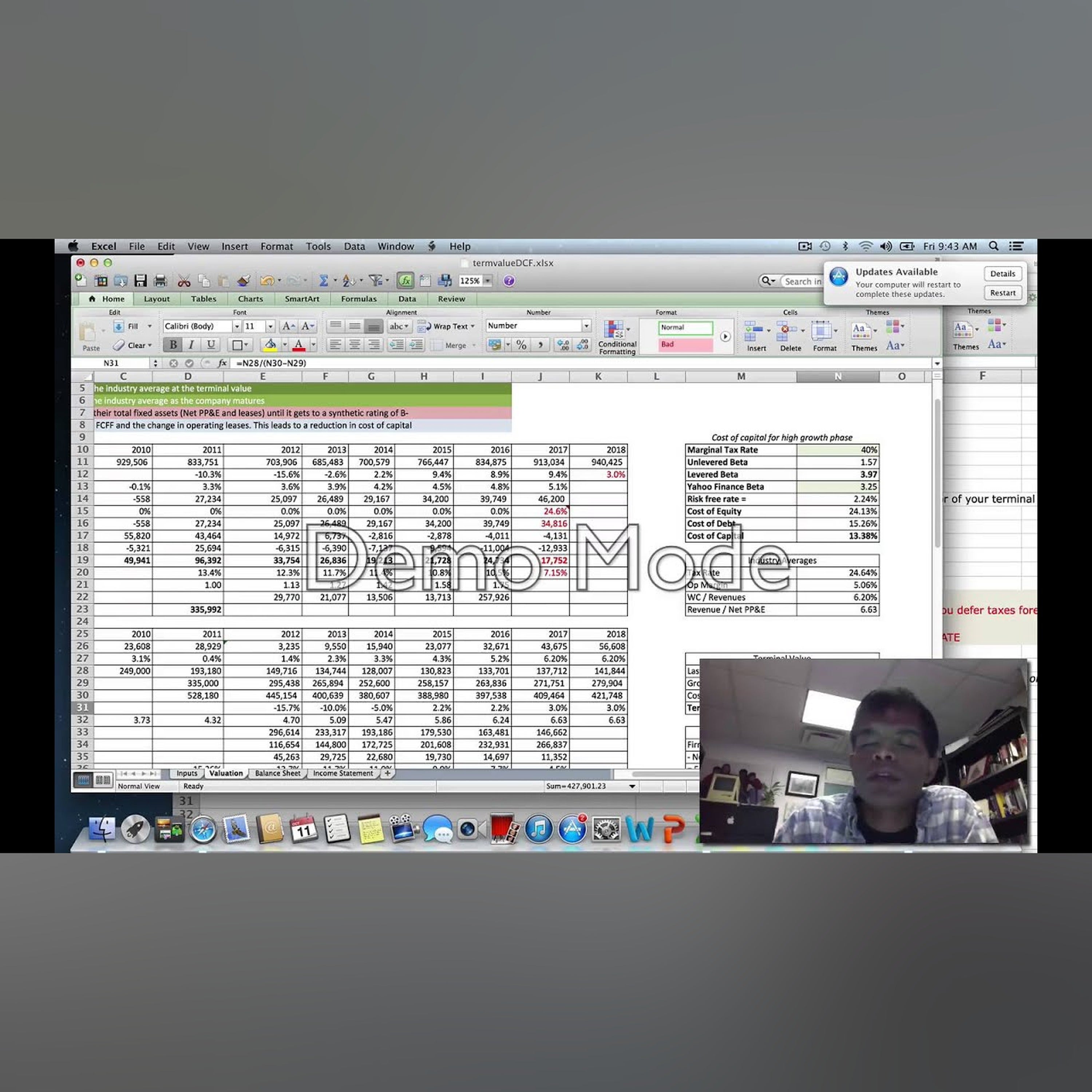
    Valuation Tools Webcast #8: Terminal Value

    The terminal value in a discounted cash flow valuation is the elephant in the room. In this webcast, I look at simple rules to keep it in check. Learn more about your ad choices. Visit megaphone.fm/adchoices

  • Today · 26 min

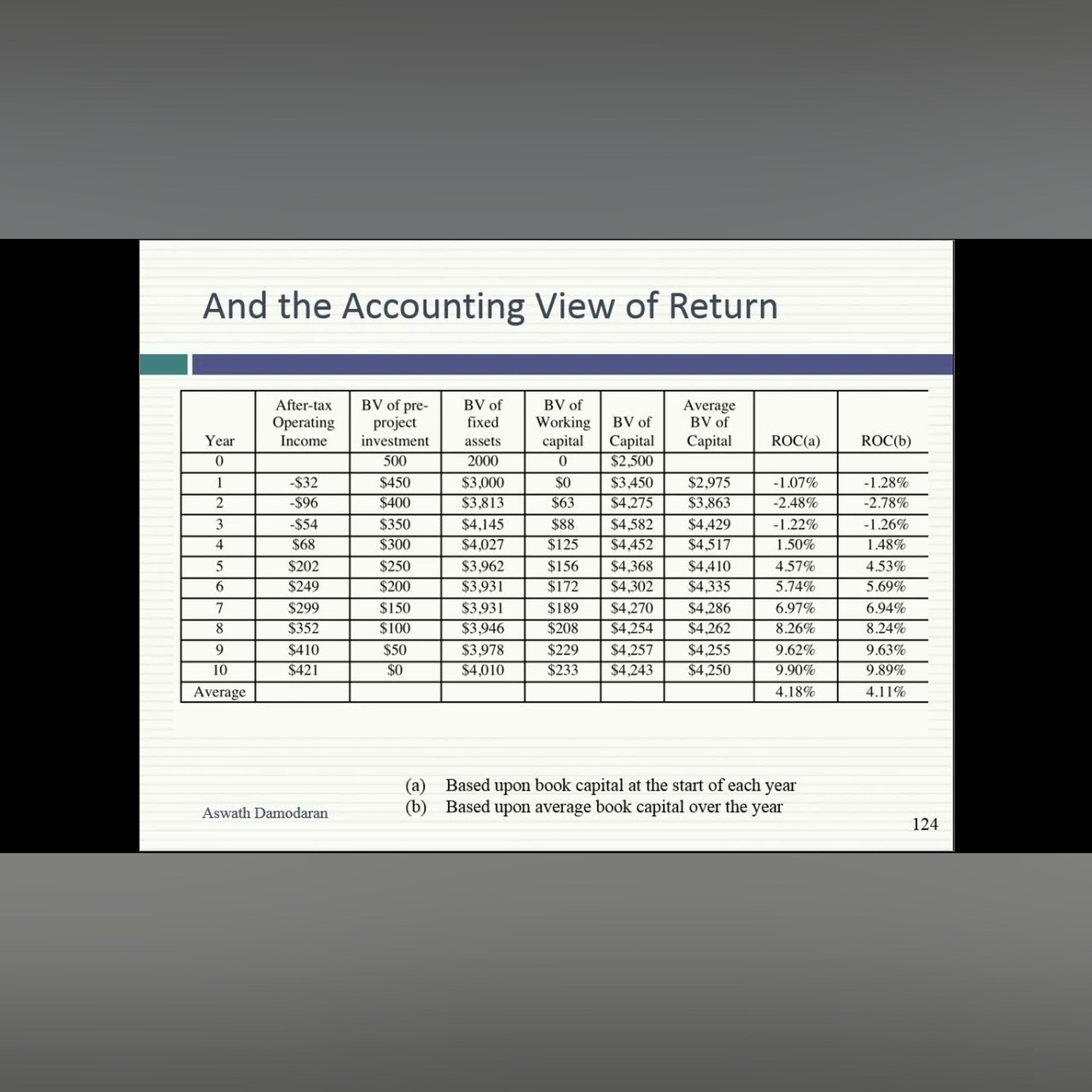
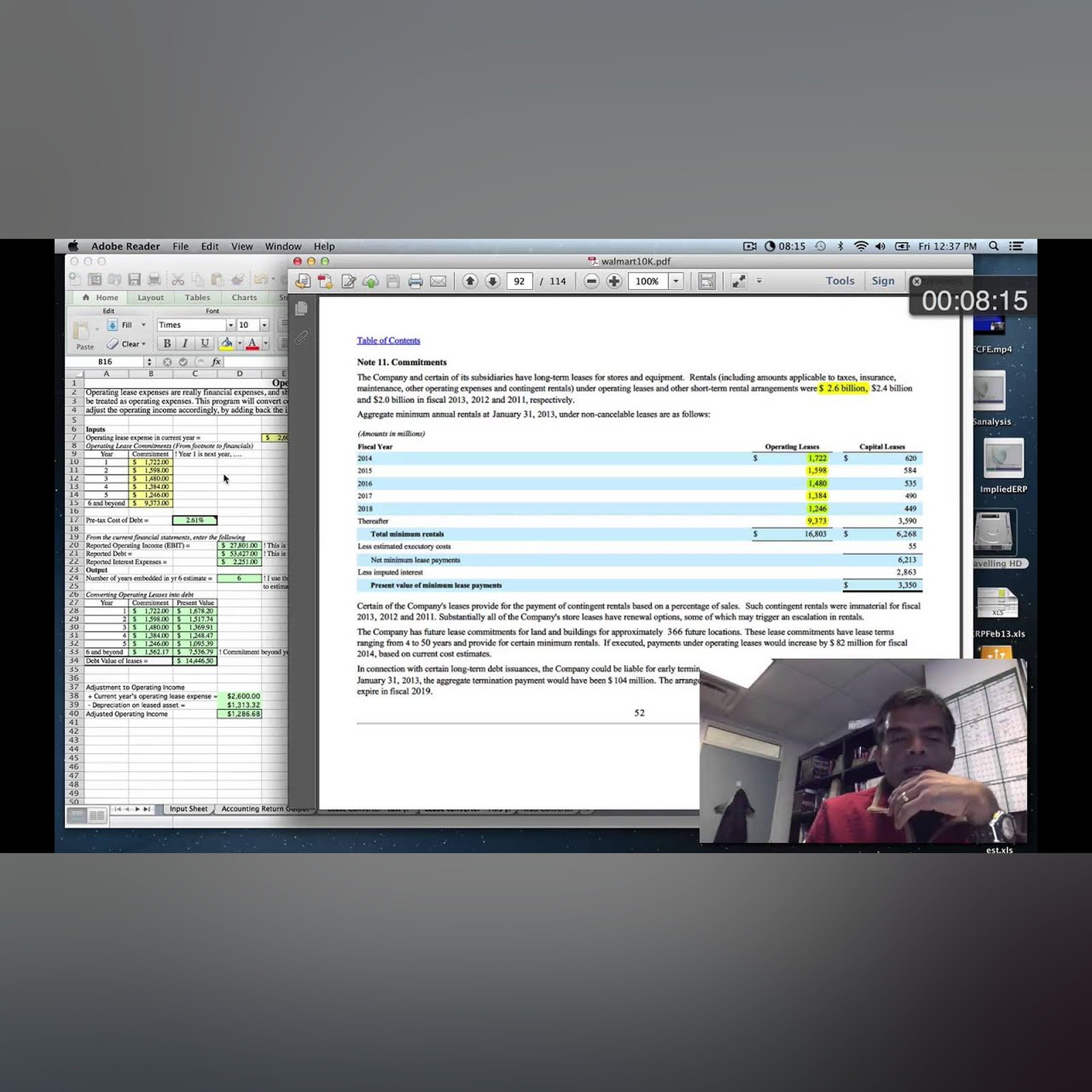
    Valuation Tools Webcast #7: Measuring Accounting Returns

    The return on equity and invested capital are key to estimating growth and value at companies, but they are accounting numbers and need tender care and attention. Walmart (2013): http://www.stern.nyu.edu/~adamodar/pdfiles/cfovhds/webcasts/ROIC/walmart10K.pdf Walmart (2012): http://www.stern.nyu.edu/~adamodar/pdfiles/cfovhds/webcasts/ROIC/walmart10Klastyear.pdf Spreadsheet:http://www.stern.nyu.edu/~adamodar/pdfiles/cfovhds/webcasts/ROIC/walmartreturncalculator.xls Learn more about your ad choices. Visit megaphone.fm/adchoices

  • Today · 1 hr 33 min

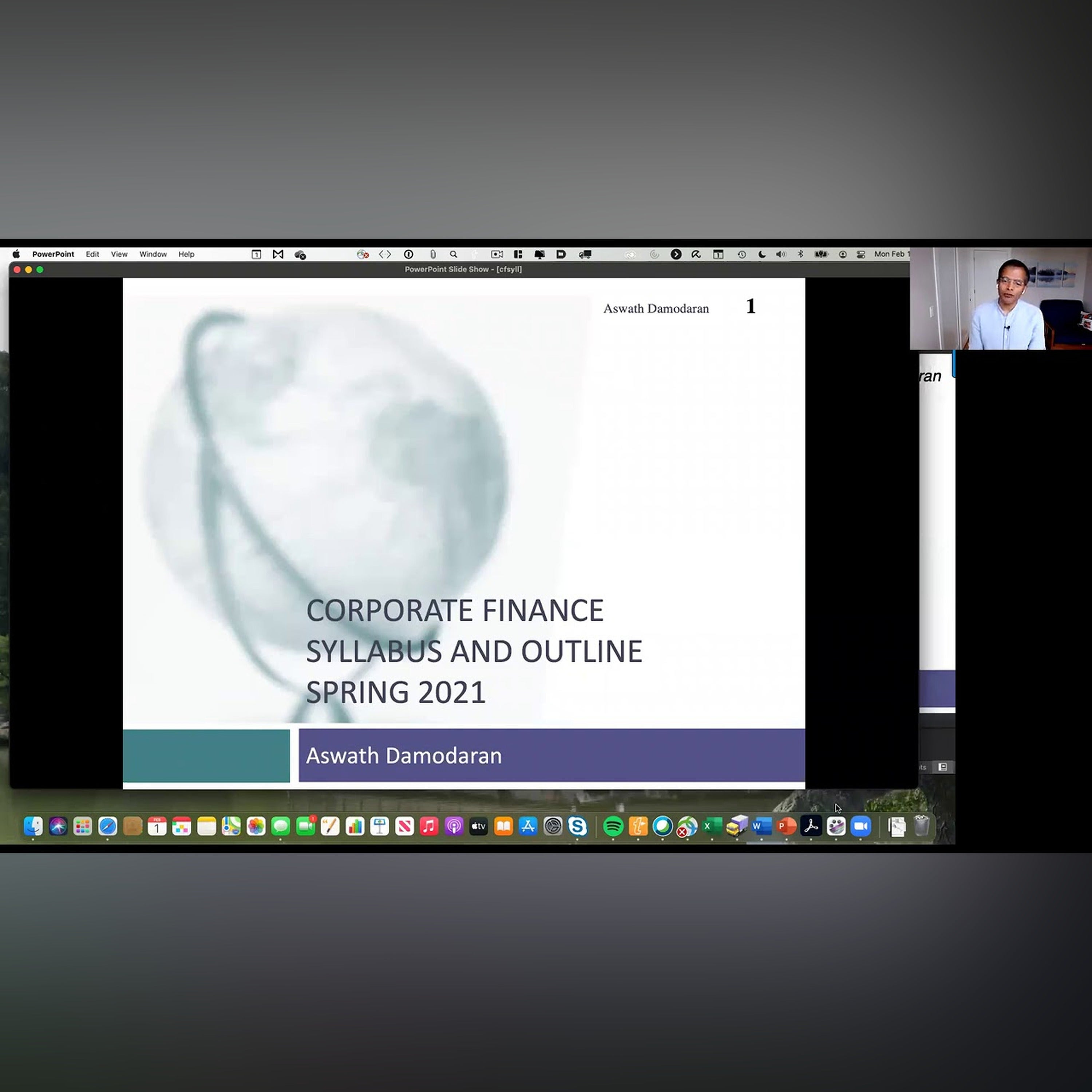
    Session 1: Introduction to class (Spring 2021)

    In this class, I lay out the logistics for what is coming and an agenda of what I hope to accomplish during the next 15 weeks. In addition to describing the logistical details, I presented my view that corporate finance is the ultimate big picture class because everything falls under its purview. The “big picture” of corporate finance covers the three basic decisions that every business has to make: how to allocate scarce funds across competing uses (the investment decision), how to raise funds to finance these investments (the financing decision) and how much cash to take out of the business (the dividend decision). The singular objective in corporate finance is to maximize the value of the business to its owners. This big picture was then used to emphasize five themes: that corporate finance is common sense, that it is focused, that the focus shifts over the life cycle and that you cannot break first principles with immunity. Slides: http://www.stern.nyu.edu/~adamodar/pdfiles/cfovhds/cfsyllspr21.pdf Post class test: http://www.stern.nyu.edu/~adamodar/pdfiles/cfovhds/postclass/session1test.pdf Post class test solution: http://www.stern.nyu.edu/~adamodar/pdfiles/cfovhds/postclass/session1soln.pdf Learn more about your ad choices. Visit megaphone.fm/adchoices

  • Today · 15 min

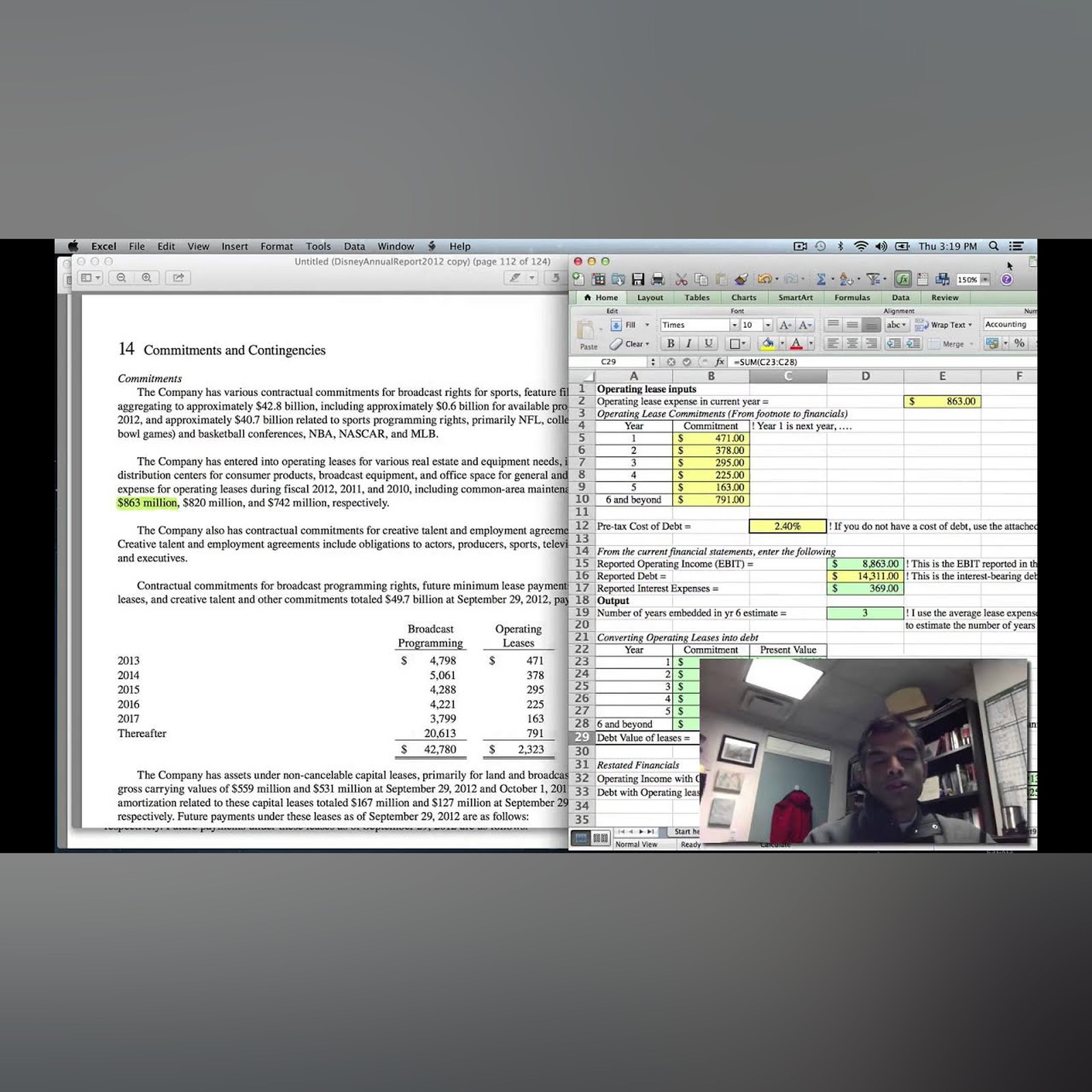
    Valuation Tools Webcast #4: Capitalizing Leases

    Accountants routinely miscategorize leases and treat them as operating expenses (instead of financial expenses). In this webcast, I look at the process of capitalizing leases and how it affects earnings, debt and invested capital. I use Disney's annual report from 2012 to illustrate the process: Disney annual report (2012): http://www.stern.nyu.edu/~adamodar/pdfiles/cfovhds/webcasts/Regression/DisneyAnnualReport2012.pdf Spreadsheet: http://www.stern.nyu.edu/~adamodar/pdfiles/eqnotes/webcasts/Leases/Disneyratings.xlsx Learn more about your ad choices. Visit megaphone.fm/adchoices

  • Today · 17 min

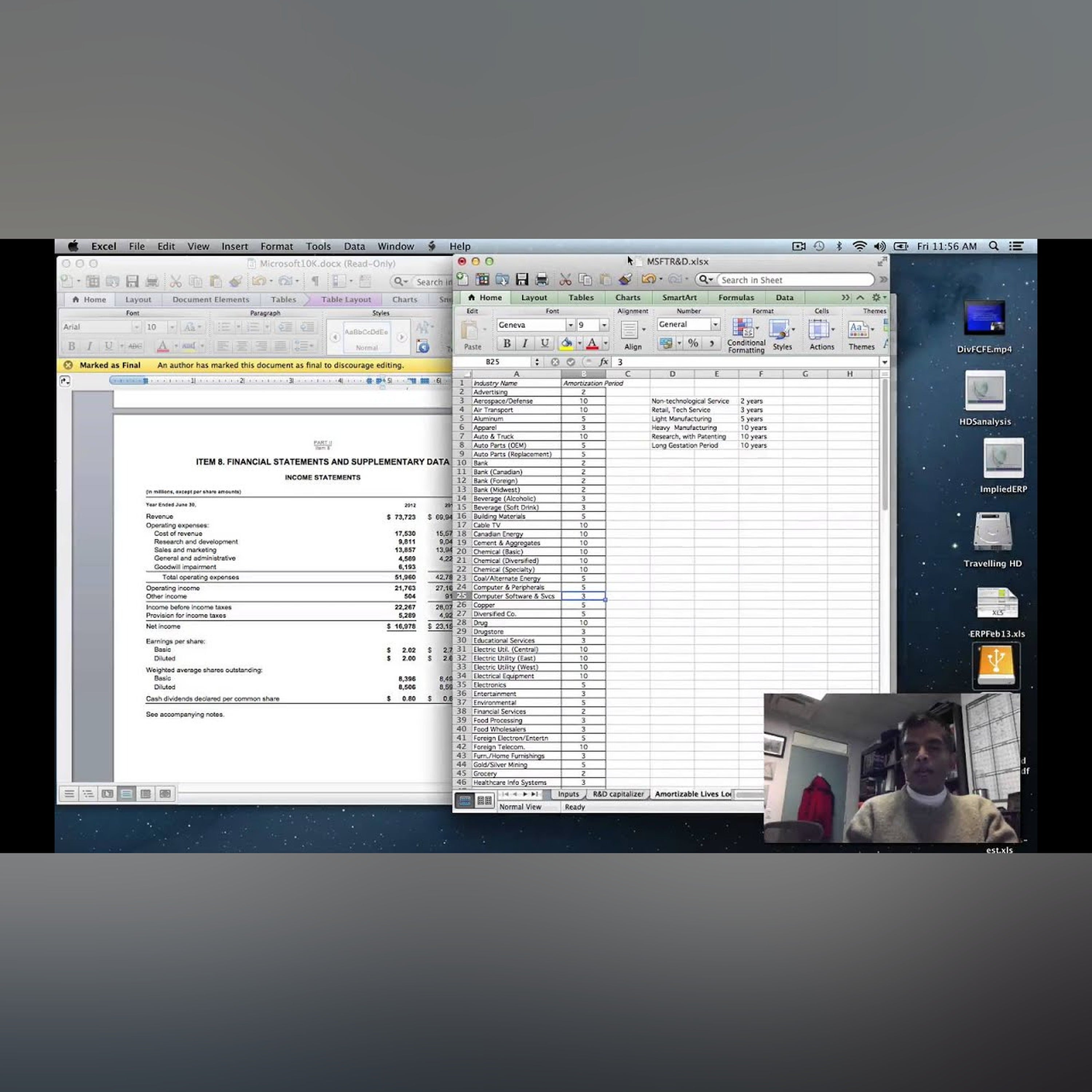
    Valuation Tools Webcast #5: Capitalizing RandD

    R&D is really capital expenditures (for technology and pharmaceutical companies) but accountants treat it as operating expenses. In this webcast, I look at the process of capitalizing R&D and how it affects earnings and reinvestment rates. I use Microsoft to illustrate the process. Microsoft 10K (2012): http://www.stern.nyu.edu/~adamodar/pdfiles/eqnotes/webcasts/R&D/Microsoft10K.docx Microsoft 10K (2011): http://www.stern.nyu.edu/~adamodar/pdfiles/eqnotes/webcasts/R&D/Microsoftlastyear10K.docx Spreadsheet: http://www.stern.nyu.edu/~adamodar/pdfiles/eqnotes/webcasts/R&D/MicrosoftR&D.xls Learn more about your ad choices. Visit megaphone.fm/adchoices

  • Today · 22 min

    Valuation Tools Webcast #6: Estimating Trailing 12-month number

    The key to getting an updated value is working with updated numbers. In this webcast, I look at how use an annual and quarterly report to construct a twelve-month earnings number. I use Apple's 10K from 2012 and a 10Q from 2013 to illustrate the process: Apple 10K: http://www.stern.nyu.edu/~adamodar/pdfiles/eqnotes/TTM/Apple10K.pdf Apple 10Q: http://www.stern.nyu.edu/~adamodar/pdfiles/eqnotes/TTM/Apple10Q.pdf Spreadsheet: http://www.stern.nyu.edu/~adamodar/pc/blog/AppleTTM.xls Learn more about your ad choices. Visit megaphone.fm/adchoices

  • Today · 20 min

    Valuation Tools Webcast #1: Getting Data

    A webcast on how to get data/information on companies so as to assess their corporate finance health & value. Learn more about your ad choices. Visit megaphone.fm/adchoices

  • Today · 1 hr 29 min

    Session 27: Value Enhancement

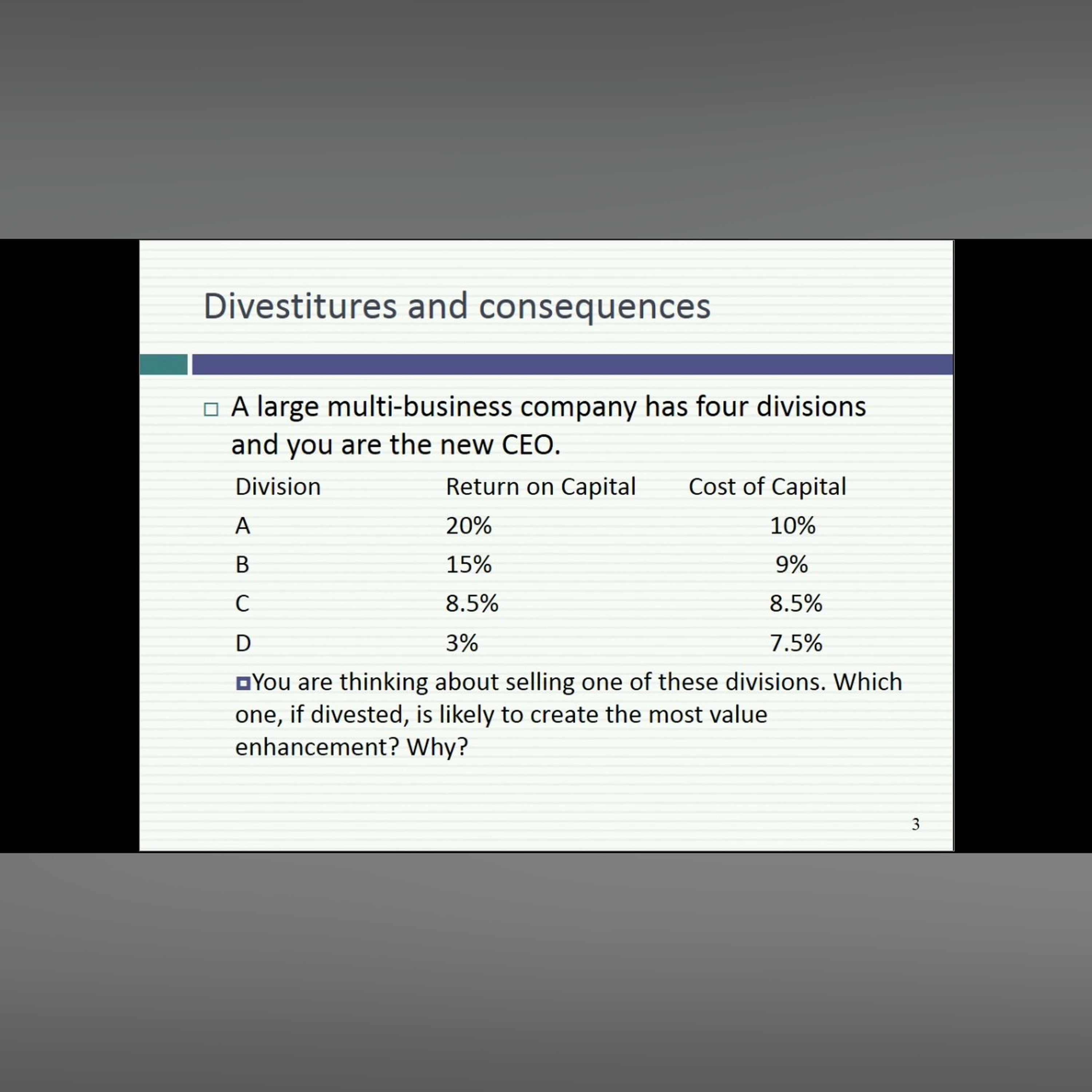
    In this class, we started by drawing a contrast between price and value enhancement. With value enhancement, we broke down value change into its component parts: changing cash flows from existing assets, changing growth rates by either reinvesting more or better, lengthening your growth period by creating or augmenting competitive advantages and lowering your cost of capital. We then used this framework to compute an expected value of control as a the product of the probability of changing the way a company is run and the value increase from that change (optimal - status quo value). This expected value of control allows us to explain why market prices for stocks rise when corporate governance improves, why voting shares usually trade at a premium over non-voting shares (and why they sometimes don't). Start of the class test: http://www.stern.nyu.edu/~adamodar/pdfiles/eqnotes/tests/valenh.pdf Slides: http://www.stern.nyu.edu/~adamodar/podcasts/valUGspr17/session27.pdf Post class test: http://www.stern.nyu.edu/~adamodar/pdfiles/eqnotes/postclass/session27Atest.pdf Post class test solution: http://www.stern.nyu.edu/~adamodar/pdfiles/eqnotes/postclass/session27Asoln.pdf Learn more about your ad choices. Visit megaphone.fm/adchoices

  • Today · 28 min

    Data Update 3: Taxing Questions

    Taxes always matter, but this year, they matter more than most because the US tax code has been changed in significant ways, especially for corporate taxes. In this session, I look at the major changes in the tax reform package and how these changes will play out in cash flows, growth, cost of capital and value. I estimate both an overall value effect and redistributive implications, i.e., sectors that will benefit the most and face the most pain from the changes. Slides: http://www.stern.nyu.edu/~adamodar/pdfiles/blog/dataupdate3for2018.pdf Spreadsheet for value calculation: http://www.stern.nyu.edu/~adamodar/pc/blog/taxreformeffect.xlsax Sector tax effects: http://www.stern.nyu.edu/~adamodar/pc/blog/SectorTaxEffect.xlsax Blog Post: https://aswathdamodaran.blogspot.com/2018/01/january-2018-data-update-3-taxing.html Learn more about your ad choices. Visit megaphone.fm/adchoices

  • Today · 1 hr 29 min

    Session: Closing Session

    In this session, I use the findings from project analyses to review the entire class, from corporate governance to valuation. I close by going back to the big picture of corporate finance, presented in the first session, and check on whether the objectives of the class have been accomplished. Slides: https://www.stern.nyu.edu/~adamodar/pdfiles/cfovhds/ProjSumm22.pdf Summary of project findings: https://www.stern.nyu.edu/~adamodar/pc/cfanalysis/cfspr22.xlsx Learn more about your ad choices. Visit megaphone.fm/adchoices

  • Today · 1 hr 12 min

    Session 8: Measuring Investment Returns

    In this session, I use a Disney theme park proposed investment to illustrate how to estimate earnings and cash flows for projects, and convert those into measure of investment returns. Slides: https://www.stern.nyu.edu/~adamodar/pdfiles/execcf/session8.pdf (This is a blast from the past, since these are recordings of a corporate finance class that I taught in the Stern Trium MBA program in January 2016. That said, corporate finance first principles don't magically change over time, and while nothing is timeless, the lessons hold up. The class was a three-day class, with twelve recordings of about an hour and a half each. You can get the entire playlist by going here: https://www.youtube.com/playlist?list=PLUkh9m2BorqlDu2zrSN9WZ3xEp3qNgnQj The webpage for the class, with links to additional material is here: https://pages.stern.nyu.edu/~adamodar/New_Home_Page/webcastexeccf16.htm The lecture notes for the class are at this link: https://pages.stern.nyu.edu/~adamodar/pdfiles/execs/cf2day2016.pdf) Learn more about your ad choices. Visit megaphone.fm/adchoices

  • Today · 1 hr 20 min

    Session 4: Risk free Rates and Equity Risk Premiums

    In this session, I began by going through the project workbook, to make judgments on who the marginal investors in a company are and then talked about how to estimate the risk free rate, before introducing the equity risk premium (with the historical and implied approaches). Slides: https://www.stern.nyu.edu/~adamodar/pdfiles/execcf/session4.pdf Project Workbook: https://www.stern.nyu.edu/~adamodar/pdfiles/execs/projworkbookJan2016.pdf (This is a blast from the past, since these are recordings of a corporate finance class that I taught in the Stern Trium MBA program in January 2016. That said, corporate finance first principles don't magically change over time, and while nothing is timeless, the lessons hold up. The class was a three-day class, with twelve recordings of about an hour and a half each. You can get the entire playlist by going here: https://www.youtube.com/playlist?list=PLUkh9m2BorqlDu2zrSN9WZ3xEp3qNgnQj The webpage for the class, with links to additional material is here: https://pages.stern.nyu.edu/~adamodar/New_Home_Page/webcastexeccf16.htm The lecture notes for the class are at this link: https://pages.stern.nyu.edu/~adamodar/pdfiles/execs/cf2day2016.pdf) Learn more about your ad choices. Visit megaphone.fm/adchoices

  • Today · 1 hr

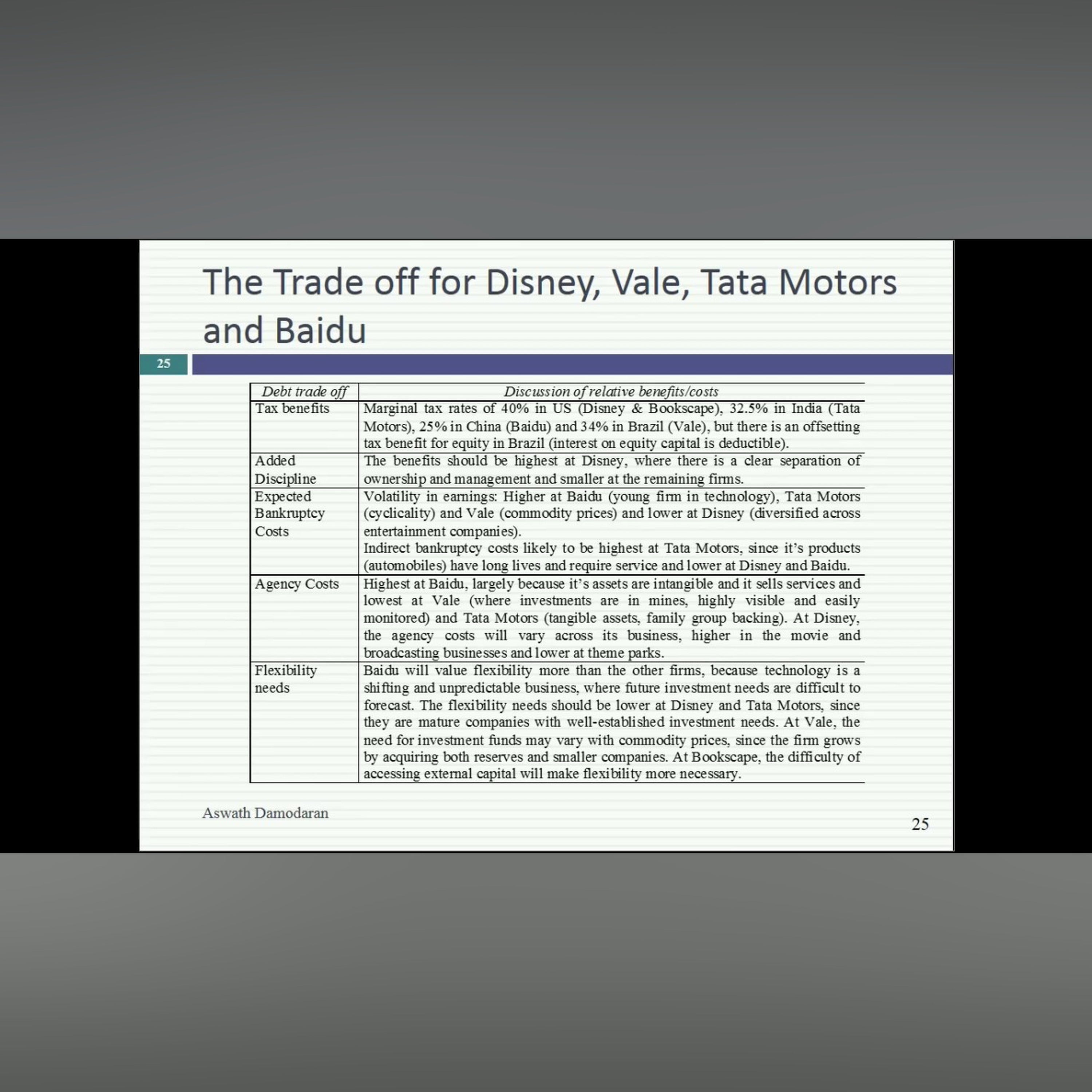
    Session 17: The Miller Modigliani Theorem and Financing Hierarchies

    In the shortened session that followed the quiz, I look at the Miller Modigliani theorem through the prism of the debt tradeoff. I then move on to looking at how the cost of capital can be used to optimize the right mix of debt and equity. We will continue with this discussion next week. Until next time! Slides: http://www.stern.nyu.edu/~adamodar/podcasts/cfspr17/session17.pdf Post class test: http://www.stern.nyu.edu/~adamodar/pdfiles/cfovhds/postclass/session17Atest.pdf Learn more about your ad choices. Visit megaphone.fm/adchoices

  • Today · 1 hr 34 min

    Session 22: The Dividend Trade off - Good and Bad Reasons for Paying Dividends

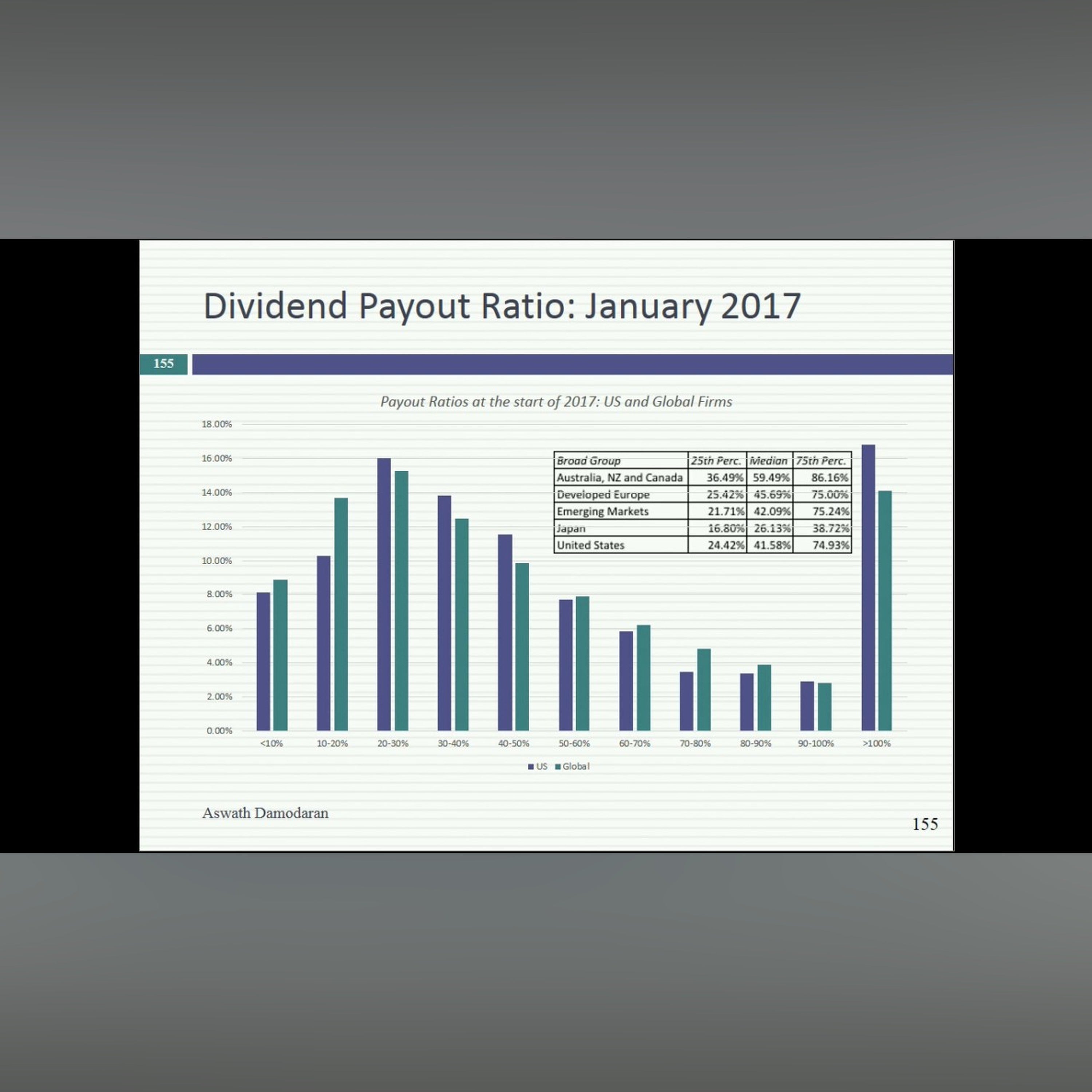
    We spent this session setting up the trade off on dividends, starting with the argument that Miller/Modigliani made that dividends don't matter (in a world where investors are taxed at the same rate on dividends & capital gains & stock issuance is costless) to the dividends are bad school (built on the almost century long higher tax on dividends) to the dividends are good school. We closed by looking at two bad reasons for paying dividends (that they are more certain, that you had a good year) and three potentially good reasons (to signal to market, to make your clientele happy and to take advantage of debt holders). Slides: http://www.stern.nyu.edu/~adamodar/podcasts/cfspr17/session22.pdf Post class test: http://www.stern.nyu.edu/~adamodar/pdfiles/cfovhds/postclass/session22test.pdf Post class test solution: http://www.stern.nyu.edu/~adamodar/pdfiles/cfovhds/postclass/session22soln.pdf Learn more about your ad choices. Visit megaphone.fm/adchoices

  • Today · 31 min

    Data Update 7 for 2018: Profits, Excess Returns and Value

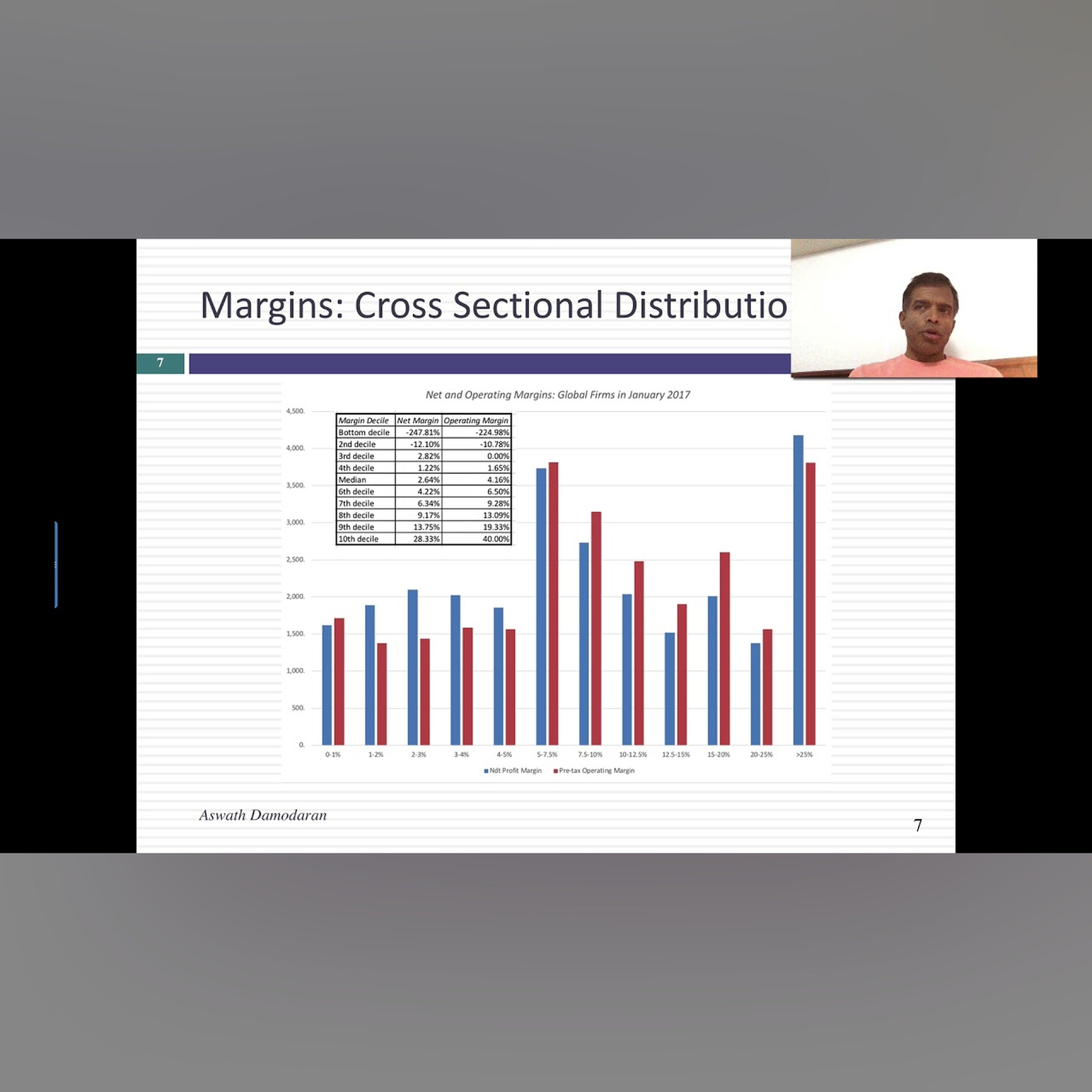
    In this session, I first look at the profitability of publicly traded companies around the world, using a range of profit margins. I thin look at the returns that companies generate on their existing investments, using accounting returns, and compare them to the cost of capital with a singular question. Do companies generally earn more, about equal to or less than their cost of capital? I find that not only do 60% of all companies earn less than their cost of capital, the problem cuts across companies in different geographies, size classes and growth classes. Put simply, growth in most companies is a value destroyer. Slides: http://www.stern.nyu.edu/~adamodar/pdfiles/blog/dataupdate7for2018.pdf Blog Post: https://aswathdamodaran.blogspot.in/2018/01/january-2016-data-update-7-growth-and.html Spreadsheet: http://www.stern.nyu.edu/~adamodar/pc/returncalculator.xls Datasets: 1. Profit Margins, by sector (US): http://www.stern.nyu.edu/~adamodar/pc/datasets/margin.xls 2. Profit Margins, by sector (Global): http://www.stern.nyu.edu/~adamodar/pc/datasets/marginGlobal.xls 3. Excess Returns, by sector (US): http://www.stern.nyu.edu/~adamodar/pc/datasets/EVA.xls 4. Excess Returns, by sector (Global): http://www.stern.nyu.edu/~adamodar/pc/datasets/EVAGlobal.xls Paper Return on Capital, Return on Invested Capital and ROE: Measures and Implications (https://papers.ssrn.com/sol3/papers.cfm?abstract_id=1105499) Learn more about your ad choices. Visit megaphone.fm/adchoices

  • Today · 1 hr 25 min

    Session 6: Risk, Riskfree Rates and Equity Risk Premiums (a start)

    We started this class by tying up the last loose ends with risk and return models, talking about how assuming that there are no transactions costs and private information can lead us all to hold the market portfolio, and how risk can be then measured as risk added to that portfolio. We did damn the CAPM with faint praise, arguing that it does not do very well at explaining differences in returns across companies, but that it does at least as well as the alternatives. We then started on the mechanics of the model, taking about risk free rates: how to estimate the risk free rate in a currency where there is no default free entity issuing bonds in that currency and why risk free rates vary across currencies. The key lesson is that much as we would like to believe that riskfree rates are set by banks, they come from fundamentals - growth and inflation. I have a post on risk free rates that you might find of use: http://aswathdamodaran.blogspot.com/2015/04/dealing-with-low-interest-rates.html In fact, risk free rates turned negative in a few currencies, upending what we know about risk free rates in. Here is my post on negative risk free rates. http://aswathdamodaran.blogspot.com/2016/03/negative-interest-rates-unreal.html In the final few minutes of the session, we turned to equity risk premiums and how they are related to risk aversion. Slides: https://pages.stern.nyu.edu/~adamodar/podcasts/cfspr23/session6slides.pdf Post class test: https://pages.stern.nyu.edu/~adamodar/pdfiles/cfovhds/postclass/session6atest.pdf Post class test solution: https://pages.stern.nyu.edu/~adamodar/pdfiles/cfovhds/postclass/session6asoln.pdf Learn more about your ad choices. Visit megaphone.fm/adchoices

  • Today · 53 min

    Facebook (Meta) Lesson 1: Corporate Governance - The What, Why and What now?

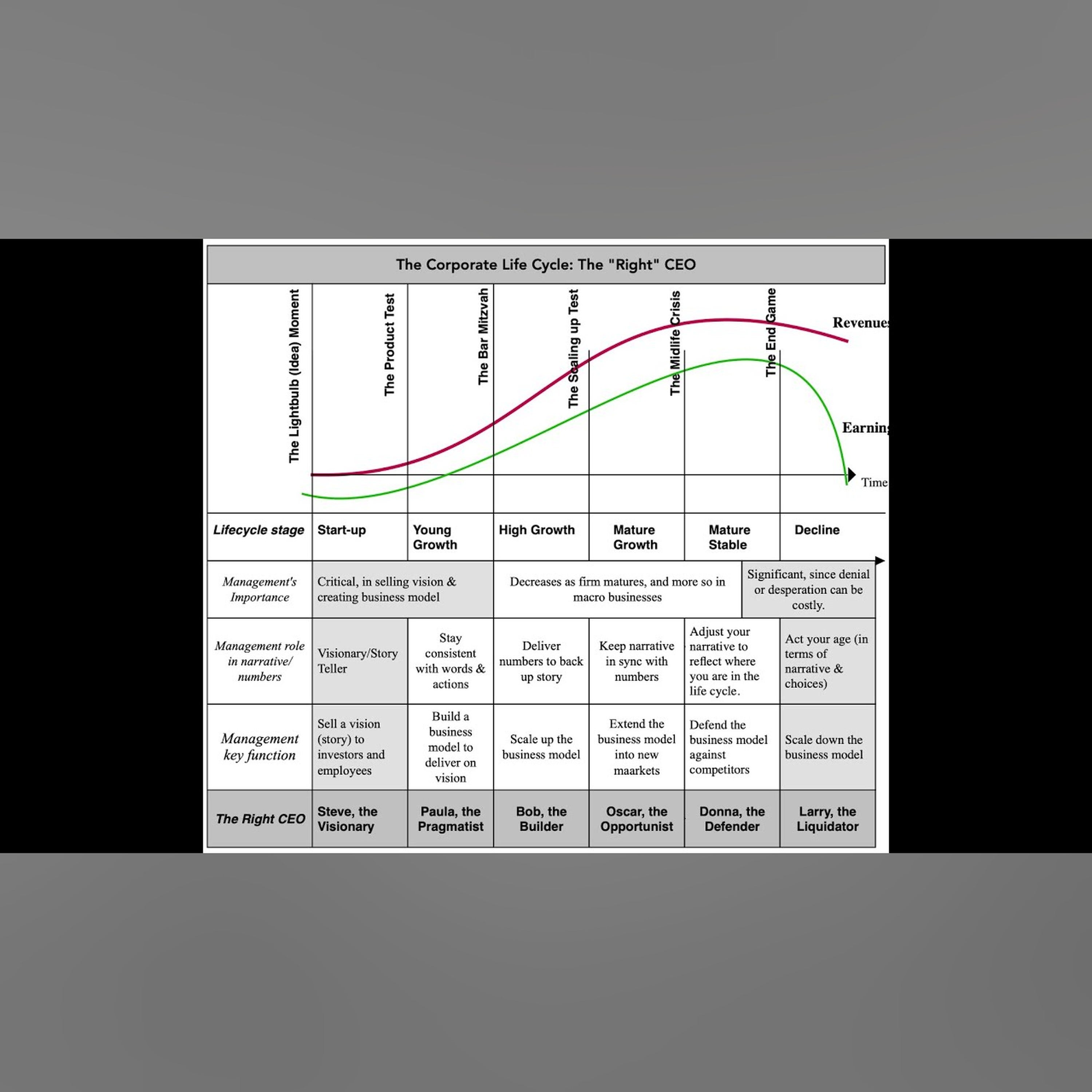
    This has not been a good year for Facebook, as its stock price has plummeted, and its earnings report from last week precipitated a new round of selling and finger-pointing. In this session, I start by putting the news in the most recent earnings report in perspective, but use the reaction to the report to look at bigger issues that affect tech companies. Specifically, I focus on corporate governance, and argue that much of the legislation, research and regulation in the last two decades has focused on the details of board composition and proxy voting minutiae, while giving shareholders the power to change management at the companies that they invest in. I argue that change is needed because managers can be mismatched to the companies they run, use the corporate life cycle to illustrate why these mismatches occur and explain why are more likely to happen at tech companies, with their compressed life cycles. Ironically, these are also the companies where we have acquiesced to being second-class citizens, in terms of voting rights, making change less likely in companies where it is needed the most. Slides (if download does not work, try a different browser): https://www.stern.nyu.edu/~adamodar/pdfiles/blog/FBCorpGov.pdf Blog Post: https://aswathdamodaran.blogspot.com/2022/11/meta-lesson-1-corporate-governance.html Learn more about your ad choices. Visit megaphone.fm/adchoices

  • Today · 39 min

    Using the Ginzu Spreadsheet in Valuation

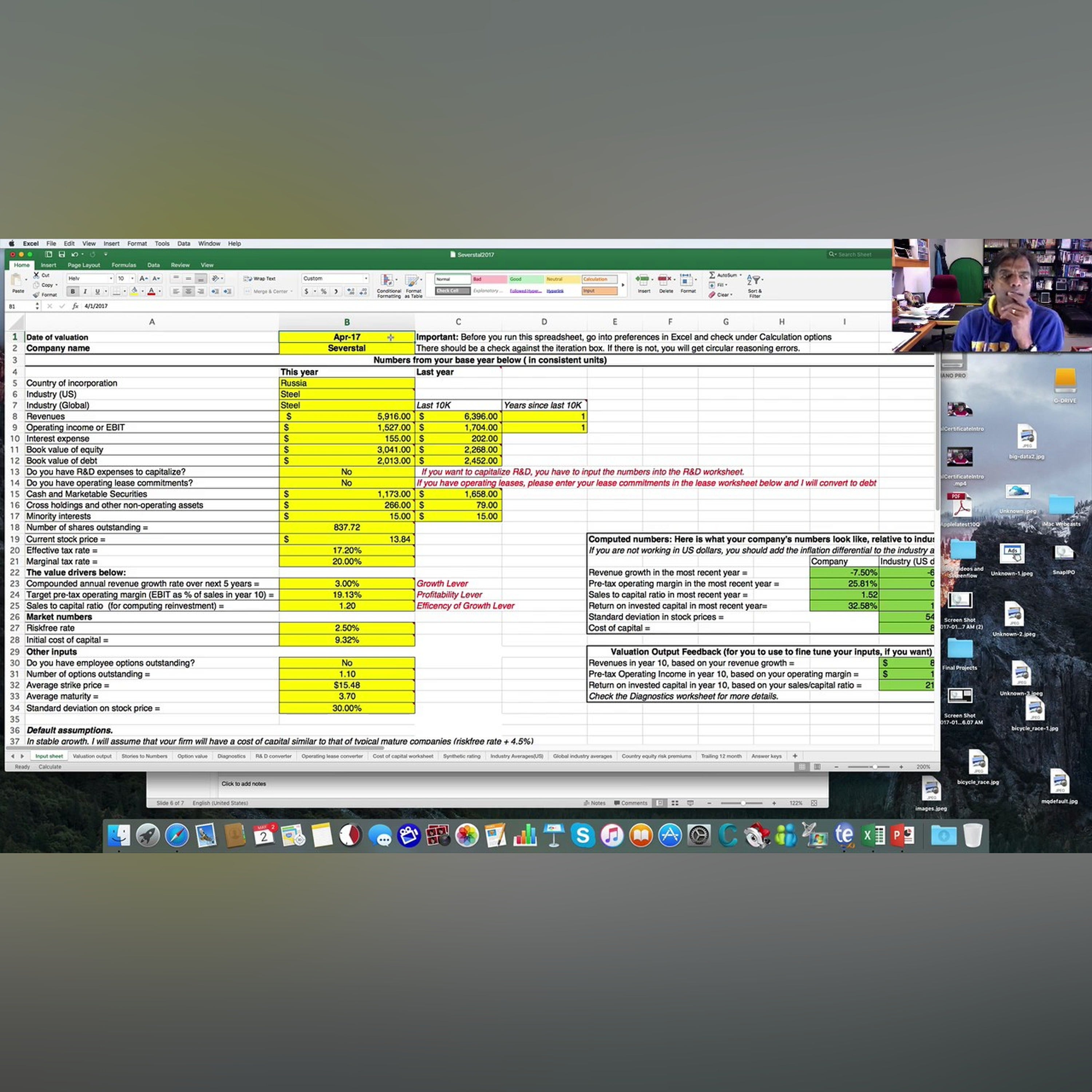
    This is a webcast that leads you through the spreadsheet that I use to value most companies, called fcffsimpleginzu.xls. In keeping with my theme of connecting stories to numbers, I use Severstal, a Russian company, to illustrate how I constructed my story and then converted the story into numbers on the spreadsheet. Slides: http://www.stern.nyu.edu/~adamodar/pdfiles/blog/ginzuWebcast.pdf Severstal valuation: http://www.stern.nyu.edu/~adamodar/pc/blog/Severstal2017.xls Ginzu Spreadsheet: http://www.stern.nyu.edu/~adamodar/pc/fcffsimpleginzu2017.xls Learn more about your ad choices. Visit megaphone.fm/adchoices

Showing 1–20 of 446 episodes