Skip to content
Artwork for This Week in Hearing

This Week in Hearing

This Week in Hearing

The place where subject matter experts across the "World of Hearing" come together to discuss all things hearing health, hearing aids, hearables, consumer audio, and everything in-between.

Play
  • 20 episodes
  • weekly
  • Avg 30 min
  • English
  • Thursday · 19 min

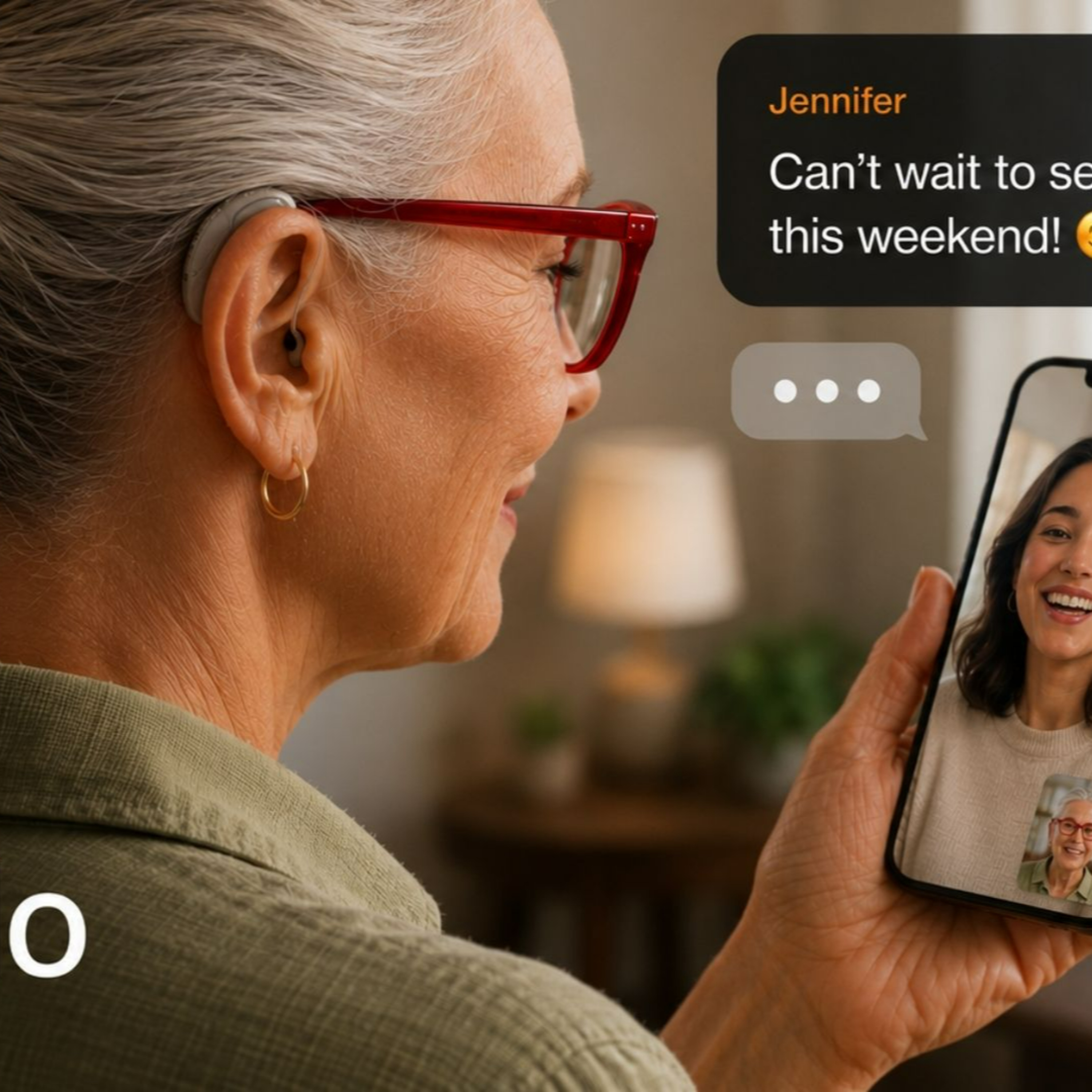
    362 - From Captions to Context: Rylo’s Vision for AI-Powered Communication

    AI-powered captions are becoming increasingly common, but Rylo CEO and co-founder Tomer Aharoni believes accessible communication needs to go much further than simply converting speech into text.Shari Eberts speaks with Aharoni about the evolution of Nagish into Rylo and the company’s expansion from FCC-certified captioned phone calls into a broader AI communication platform for people who are deaf and hard of hearing. Aharoni shares how the company began with a simple experiment while he was a computer science student at Columbia and why Rylo now views accessibility as the starting point rather than the end goal.The conversation explores how AI could provide communication context that traditional captions may miss, including emotion, tone, accents and environmental sounds. Aharoni also discusses emerging tools such as sentiment analysis, potential fraud detection features, and Rylo Sign, an effort to use AI to translate between signed and spoken language when an interpreter may not be available.Looking ahead, Aharoni explains why he expects basic captioning to become increasingly ubiquitous and how AI could help reduce the additional planning and communication barriers that people who are Deaf and hard of hearing often encounter in everyday life. For more information on Rylo, visit: https://rylo.com/ Be sure to subscribe to our channel for the latest episodes each week and follow This Week in Hearing on LinkedIn, Instagram and X. - https://x.com/WeekinHearing - https://www.instagram.com/thisweekinhearing/ - https://www.linkedin.com/company/this-week-in-hearing Visit us at: https://hearinghealthmatters.org/thisweek/
  • Monday · 33 min

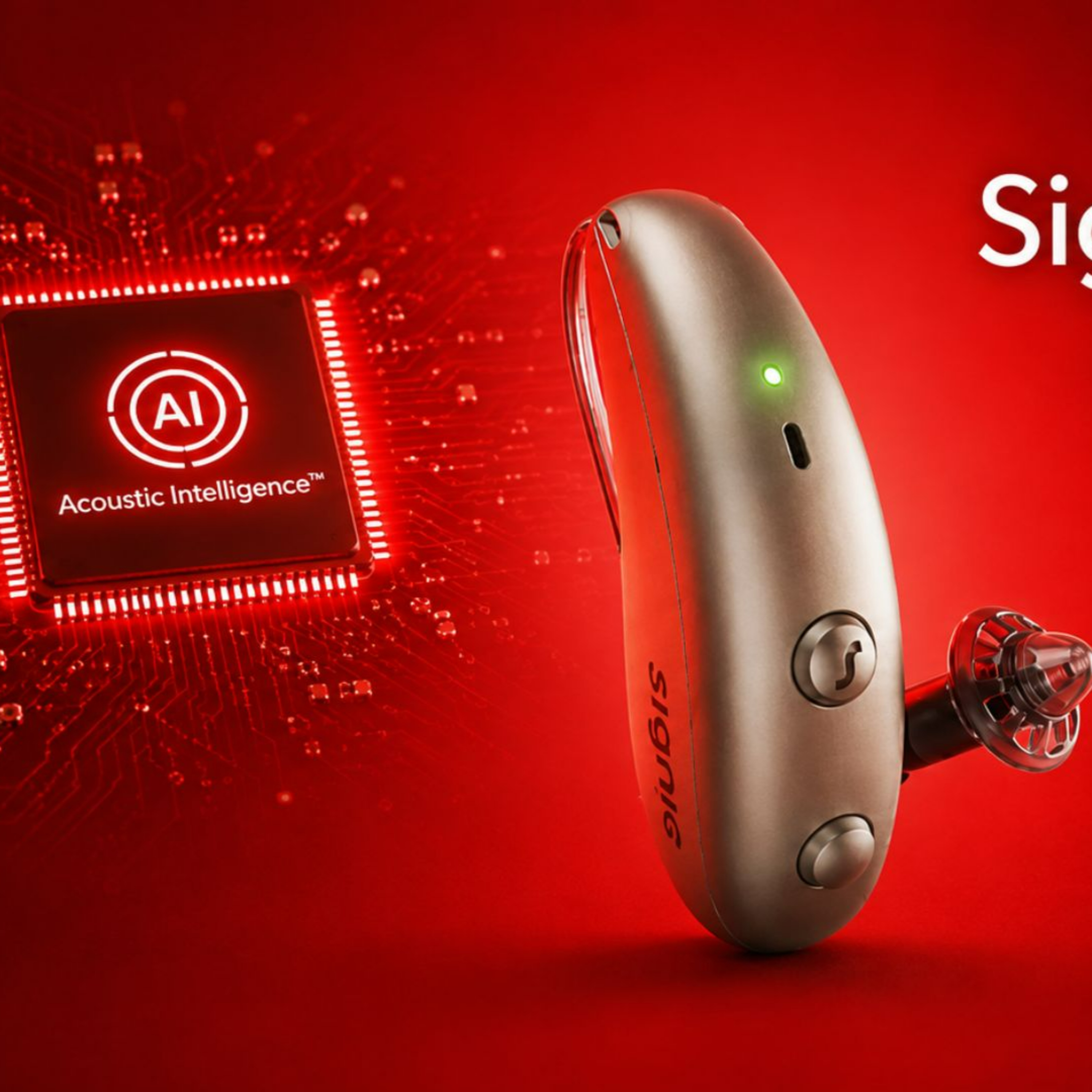
    361 - Inside Signia MaX Hearing Aids: Four DNNs and a New Approach to Sound Processing

    What changes when a hearing aid uses four specialized deep neural networks at the same time? Andrew Bellavia travels to Munich for an early look at Signia MaX, the company’s new hearing aid platform built around what Signia calls Acoustic Intelligence. Andrew sits down with Barinder Samra, MSc, Global Senior Commercial Audiology Manager at Signia, to explore how the new architecture differs from Signia IX and why the company is moving beyond using AI for individual processing features.At the center of MaX are four task-specific DNNs dedicated to speech, the wearer’s own voice, environmental scene analysis, and noise. Rather than operating as isolated features, the networks share information to create a broader picture of the listening environment and coordinate how the hearing aids respond in real time. The discussion looks closely at RealTime Conversation Enhancement AI, which builds on the multi-speaker conversation technology introduced with Signia IX. MaX replaces the previous machine-learning approach to speech detection with a dedicated DNN trained to analyze, detect, and isolate speech, while Own Voice Processing AI eliminates the need for the in-clinic own-voice training procedure used with earlier Signia devices. Topics discussed include: How Signia MaX and Acoustic Intelligence use four specialized DNNs RealTime Conversation Enhancement AI and group conversations in noise How MaX differs from the previous Signia IX platform Own Voice Processing AI and the removal of in-clinic voice calibration Ambient Scene Adaptation AI and Dynamic Noise Control AI How the hearing aids distinguish between listening to the environment and actively participating in conversation The new MaX chip and increased processing power OneConnect Technology and support for Bluetooth Classic, LE Audio, telecoil, and Auracast Battery life and charging Signia Assistant and user-driven hearing aid adjustments Where Signia sees the MaX platform going next Andrew also shares his impressions after wearing the MaX hearing aids around Munich and directly comparing them with his own Signia IX devices. Be sure to subscribe to our channel for the latest episodes each week and follow This Week in Hearing on LinkedIn, Instagram and X. - https://x.com/WeekinHearing - https://www.instagram.com/thisweekinhearing/ - https://www.linkedin.com/company/this-week-in-hearing Visit us at: https://hearinghealthmatters.org/thisweek/
  • August 18 · 32 min

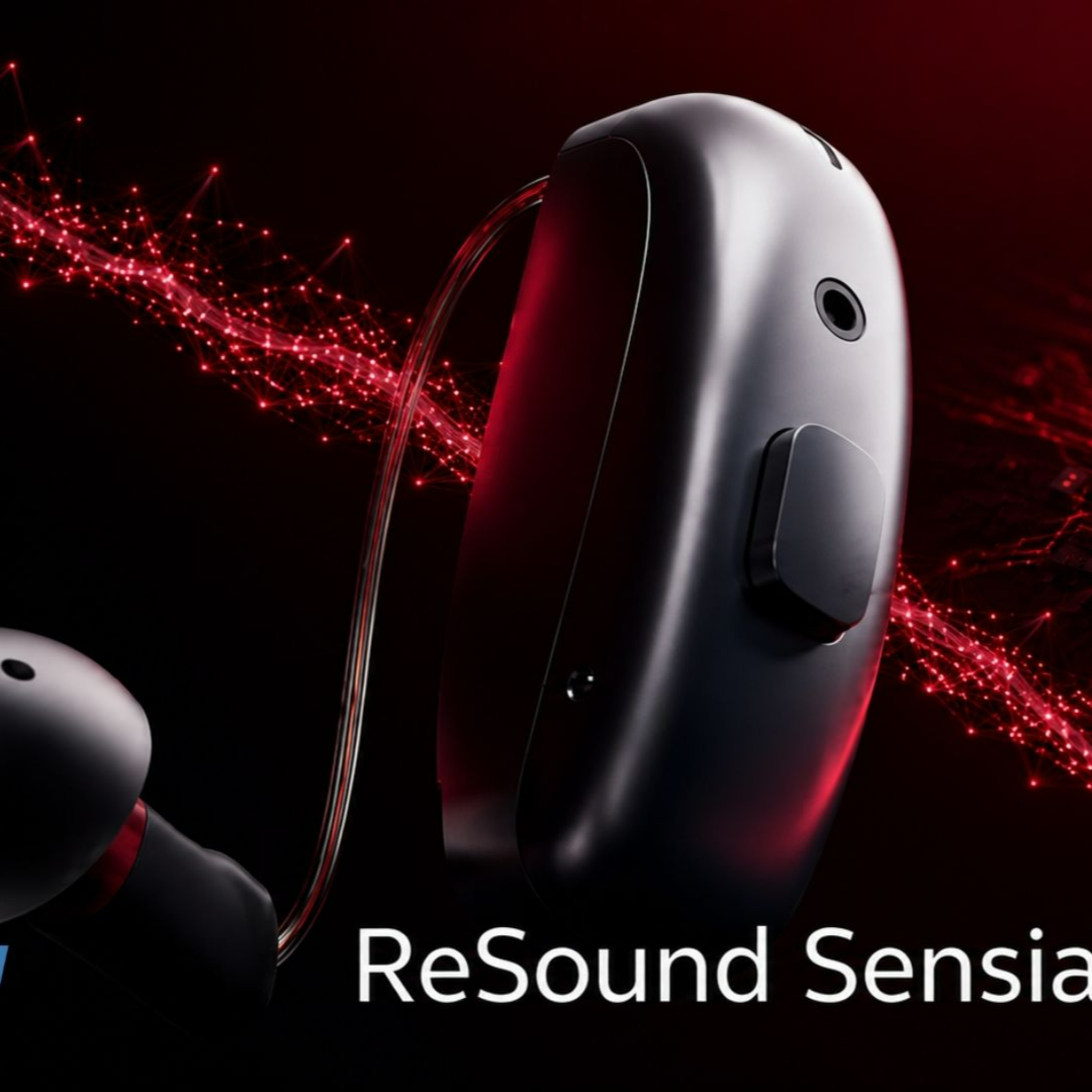
    360 - Inside ReSound Sensia: Automatic AI and Smarter Hearing in Noise

    GN’s new ReSound Sensia hearing aids build on the AI and Deep Neural Network (DNN) technology introduced with ReSound Vivia, with a major change: advanced speech-in-noise processing can now engage automatically. At the center of the new platform is AcoustIQ™, which analyzes the listening environment and determines when to activate directional processing, DNN-based noise reduction, and other features to support speech understanding without requiring the wearer to manually switch programs.Andrew Bellavia visits GN headquarters in Denmark to speak with Laurel Christensen, Chief Audiology Officer, and Brian Dam Pedersen, Chief Technology Officer, about the technology behind Sensia and how GN is combining traditional signal processing with newer AI approaches. They explore how Sensia moves between spatial listening, asymmetric directionality, multi-band beamforming, and DNN processing depending on the acoustic environment and location of speech. The discussion also examines why GN intentionally does not classify music automatically and how preserving spatial cues can help create a more natural listening experience even when directional processing is active.The conversation also looks at where hearing aid AI may be headed next, including the potential for increasingly powerful DNNs to drive further improvements in speech-in-noise performance. Other topics include Sensia’s 24-hour battery life, Auracast™ and telecoil connectivity options, and new ReSound Sensia Bimodal and Enzo IA Bimodal models designed to work more seamlessly with Cochlear® Nucleus® sound processors. Launch announcement: https://hearinghealthmatters.org/hearing-technologies/2026/resound-sensia-hearing-aids-dnn-ai Be sure to subscribe to our channel for the latest episodes each week and follow This Week in Hearing on LinkedIn, Instagram and X. - https://x.com/WeekinHearing - https://www.instagram.com/thisweekinhearing/ - https://www.linkedin.com/company/this-week-in-hearing Visit us at: https://hearinghealthmatters.org/thisweek/
  • August 11 · 23 min

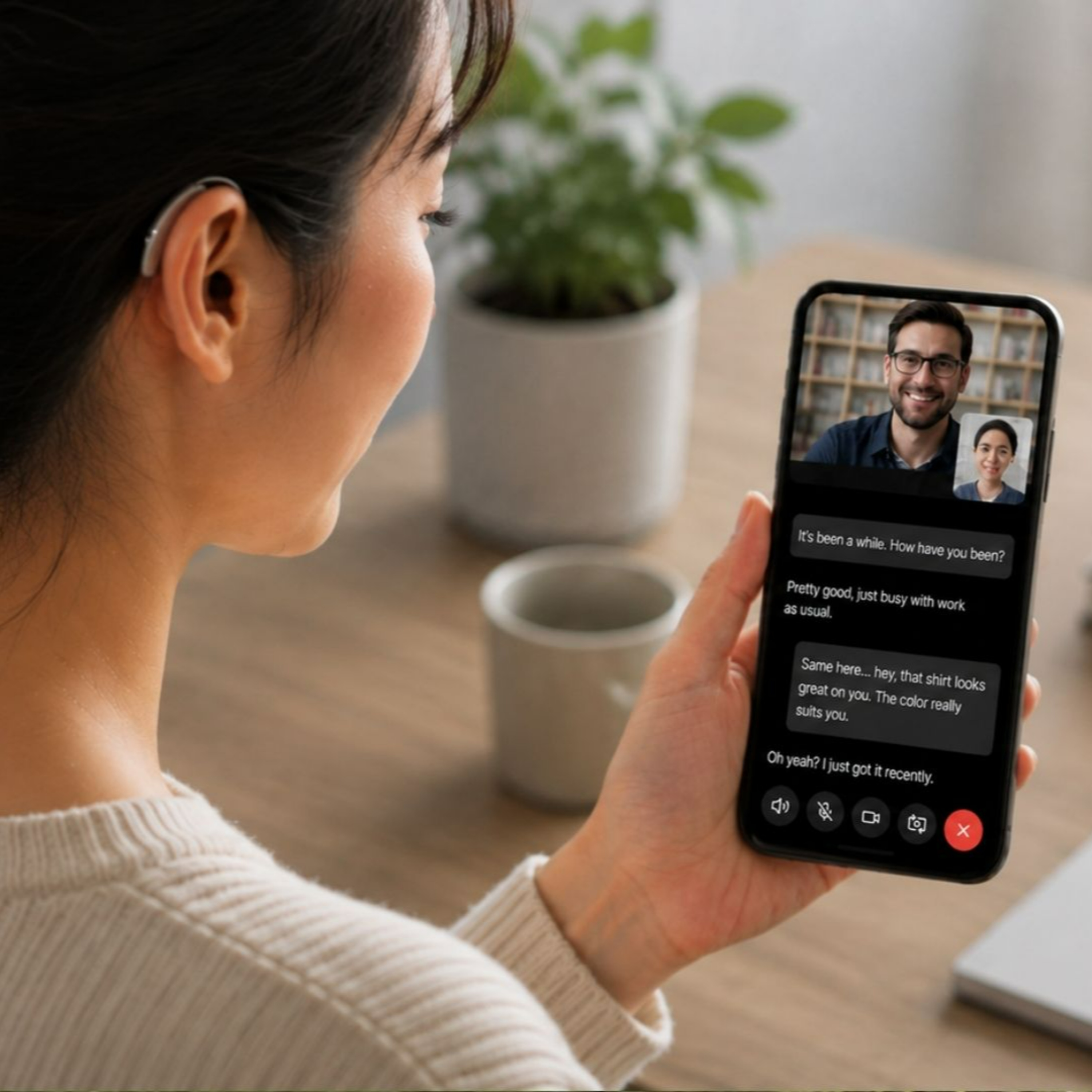
    359 - When Accessibility Goes Mainstream: Captions, AI and What Comes Next

    Accessible communication technology is advancing rapidly, but building tools that people can truly depend on requires more than simply adding artificial intelligence.Brian Taylor speaks with InnoCaption CEO Paul Lee about the evolution of captioned communication, the company’s milestone of supporting more than 30 million captioned calls, and the importance of keeping users at the center of accessibility technology. Lee also shares the personal story behind his move from finance to InnoCaption and his recent transition into the CEO role as his father, who founded the company, steps back from day-to-day operations.The conversation examines InnoCaption’s approach to responsible AI, including why users can choose between automated captions and live stenographers and how human support teams continue to train and refine the company’s AI tools. Lee discusses the challenge of designing AI-assisted text-to-speech technology that can make communication faster without taking control away from the person using it.They also explore lessons from InnoCaption’s acquisition of CaptionMate, the growing role of accessible video calling, and why visual cues such as facial expressions and lipreading remain important alongside captions.Looking ahead, Lee discusses the broader shift toward captions as a mainstream communication tool and the potential for technologies such as Auracast to expand access to audio in public spaces. Together, these developments point toward a future in which accessibility features are increasingly integrated into everyday communication rather than treated as specialized add-ons. Learn more about InnoCaption:https://www.innocaption.com/ Be sure to subscribe to our channel for the latest episodes each week and follow This Week in Hearing on LinkedIn, Instagram and X. - https://x.com/WeekinHearing - https://www.instagram.com/thisweekinhearing/ - https://www.linkedin.com/company/this-week-in-hearing Visit us at: https://hearinghealthmatters.org/thisweek/
  • August 3 · 34 min

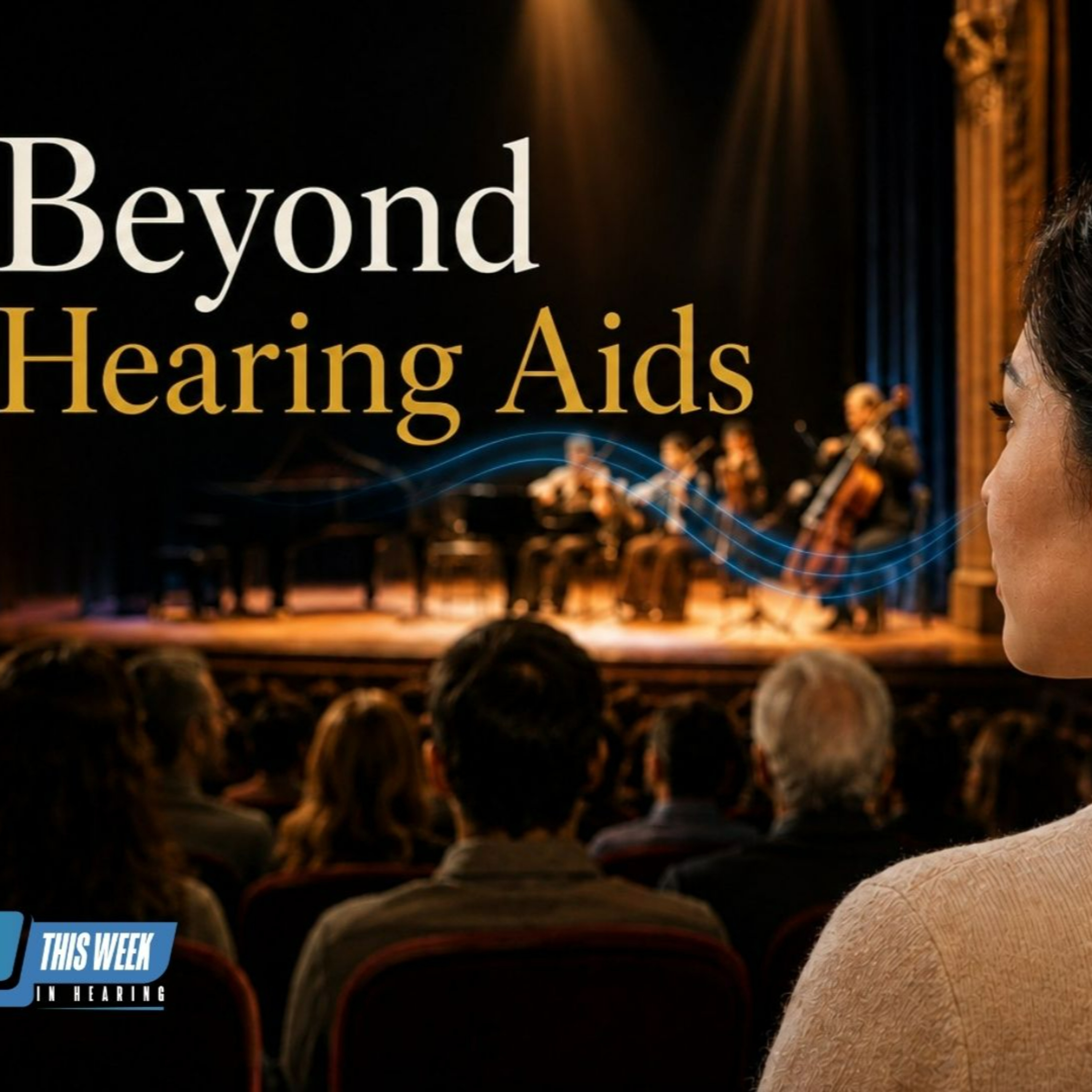
    358 - Beyond Hearing Aids: Why Assistive Listening Matters

    Hearing aids are only part of the solution. While today's hearing technology can be life-changing, even the best hearing aids can struggle in challenging listening environments like theaters, airports, courtrooms, places of worship, and other public spaces.Shari Eberts sits down with Dr. Juliette Sterkens and Wynne Whyman of the Center for Hearing Access to discuss why assistive listening technologies—including hearing loops, telecoils, FM systems, infrared systems, and Auracast™—are critical for improving communication access beyond the hearing aid.Together, they explore practical strategies for consumers, hearing care professionals, and public venues to expand accessibility, improve patient outcomes, and help ensure people with hearing loss can fully participate in everyday life.Topics include: Why hearing aids alone aren't enough in many listening environments Hearing loops, telecoils, FM systems, infrared, and Auracast explained The Center for Hearing Access and its mission Resources for consumers, clinicians, and public venues ADA rights and practical advocacy tips Why audiologists should discuss assistive listening during hearing aid fittings Auracast's role in the future of hearing accessibility Why captioning and assistive listening work best together Action steps for both hearing care professionals and consumers Learn more about the Center for Hearing Access:https://centerforhearingaccess.orgBe sure to subscribe to our channel for the latest episodes each week and follow This Week in Hearing on LinkedIn, Instagram and X. - https://x.com/WeekinHearing - https://www.instagram.com/thisweekinhearing/ - https://www.linkedin.com/company/this-week-in-hearing Visit us at: https://hearinghealthmatters.org/thisweek/
  • July 7 · 30 min

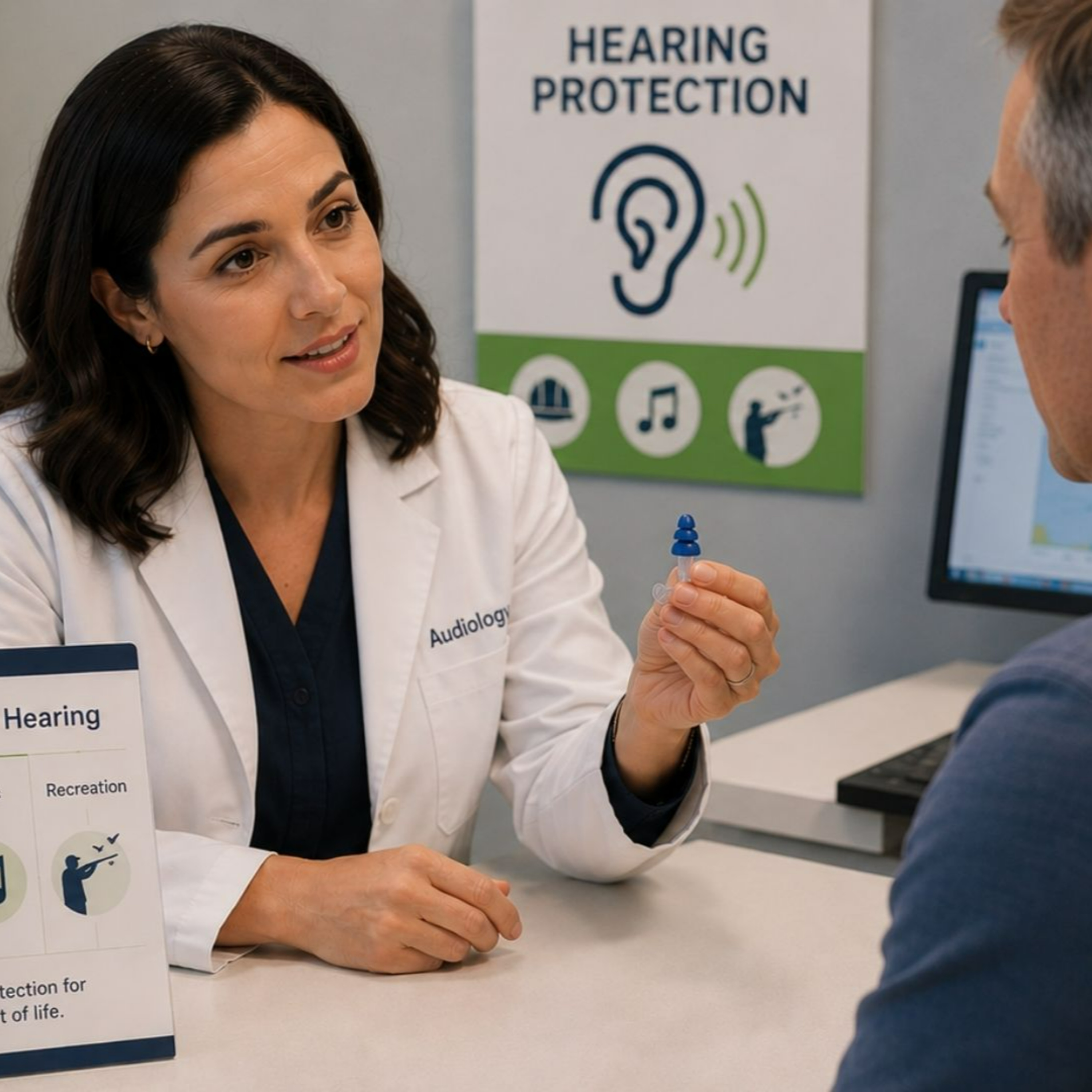
    357 - How Hearing Conservation Services Benefit Patients—and Your Practice

    Occupational hearing conservation is often viewed as a compliance requirement—but it also represents a significant opportunity for audiologists and hearing care professionals to expand patient care, strengthen community outreach, and grow their practices.In this episode, Brian Felsen, Chief Hearing Loss Preventionist at Your Ears Rock, discusses the growing impact of noise-induced hearing loss and tinnitus across workplaces, schools, entertainment venues, and recreational activities. He shares practical strategies for integrating hearing conservation into clinical practice while creating new opportunities to expand patient care and grow hearing healthcare businesses.Topics discussed include: The growing prevalence of noise-induced hearing loss and tinnitus Why hearing conservation should be part of every patient interaction Business opportunities in occupational audiology and hearing protection Custom hearing protection and branded hearing conservation programs Community outreach strategies for audiologists and hearing instrument specialists Lunch-and-learn programs for local employers and organizations Educating patients about hearing protection beyond the workplace The importance of proper hearing protection selection and fit Innovative hearing conservation initiatives, including the "Quietest Vehicle on Earth" Whether you work in private practice, occupational audiology, or hearing healthcare management, this discussion offers practical ideas for expanding services while helping patients protect the hearing they have for life. Learn more about Your Ears Rock: https://yourearsrock.com Be sure to subscribe to our channel for the latest episodes each week and follow This Week in Hearing on LinkedIn, Instagram and X. - https://x.com/WeekinHearing - https://www.instagram.com/thisweekinhearing/ - https://www.linkedin.com/company/this-week-in-hearing Visit us at: https://hearinghealthmatters.org/thisweek/
  • June 23 · 32 min

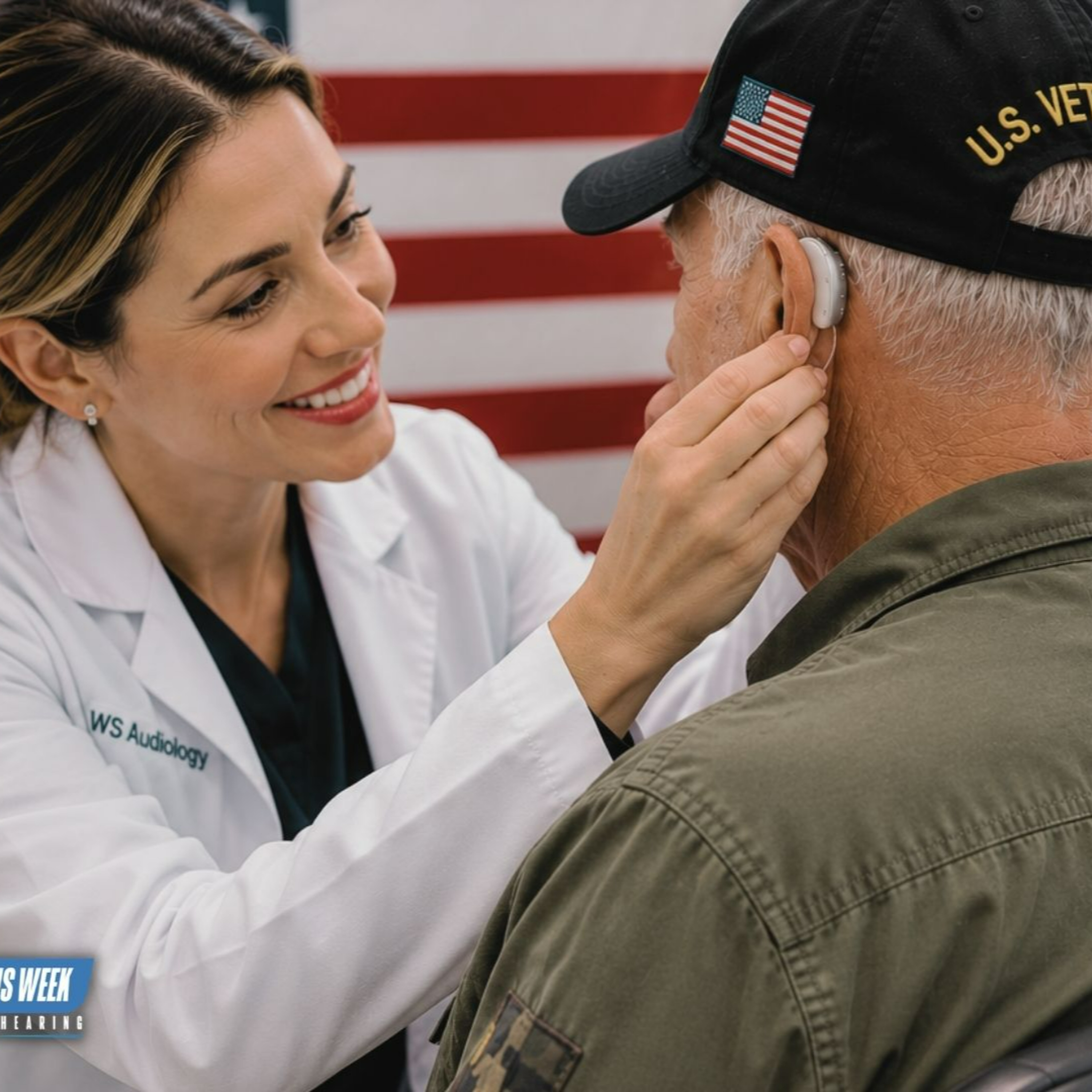
    356 - Supporting Veterans with Better Hearing Care and Better Technology

    This week, host Bob Traynor is joined by Sheena Burks, Chief Clinical Officer at WSA, and Dr. Eric Branda, Head of Audiology and Research, for an in-depth discussion on the unique hearing healthcare needs of U.S. veterans and how new technology is helping address one of audiology's greatest challenges: understanding speech in noisy environments.The conversation explores the realities facing VA audiologists, including high patient volumes, administrative demands, and the need to deliver efficient, high-quality care. The guests discuss Signia's Integrated Experience (IX) platform, multi-beam directional processing, instant-fit hearing solutions, AI-enabled personalization, and how these innovations are designed to improve communication for veterans while streamlining clinical workflows. They also examine the future of government hearing healthcare, the role of student education, and the importance of making advanced technology accessible across the VA and other federal healthcare systems.Be sure to subscribe to our channel for the latest episodes each week and follow This Week in Hearing on LinkedIn, Instagram and X.- https://x.com/WeekinHearing- https://www.instagram.com/thisweekinhearing/- https://www.linkedin.com/company/this-week-in-hearingVisit us at: https://hearinghealthmatters.org/thisweek/

  • June 16 · 59 min

    355 - Advancing Inner Ear Therapeutics: Research, Innovation, and the Future of Hearing Loss Treatment

    What does the future of hearing restoration look like? Are we approaching a world where hearing loss can be treated with pharmaceuticals rather than simply managed with hearing aids?Originally presented at the Future of Hearing Healthcare (FHH2026) conference, this expert panel explores the latest advances in inner ear therapeutics and what they could mean for the future of hearing healthcare.Topics discussed include: The recent momentum in inner ear therapeutics and gene therapy Preventing chemotherapy-induced hearing loss New treatments for Ménière's disease, tinnitus, and age-related hearing loss Why better diagnostics and AI may transform hearing healthcare The challenges of drug delivery to the inner ear The role of small molecules versus gene and cell therapies How therapeutics may change the future role of audiologists and hearing care professionals What the panelists are most optimistic about over the next decade Panelists: Dr. Brian Taylor (Moderator) Jonas Dürfjeld Johnsen – Acousia Therapeutics Hugo Peris – Spiral Therapeutics Jonathan Kil – Sound Pharmaceuticals Celia Belline – Cilcare From breakthrough science to real-world clinical implications, this discussion provides a fascinating look at one of the fastest-evolving areas in hearing healthcare and what it could mean for millions of people living with hearing loss. Be sure to subscribe to our channel for the latest episodes each week and follow This Week in Hearing on LinkedIn, Instagram and X. https://x.com/WeekinHearing https://www.instagram.com/thisweekinhearing/ https://www.linkedin.com/company/this-week-in-hearing Visit us at: https://hearinghealthmatters.org/thisweek/
  • June 10 · 26 min

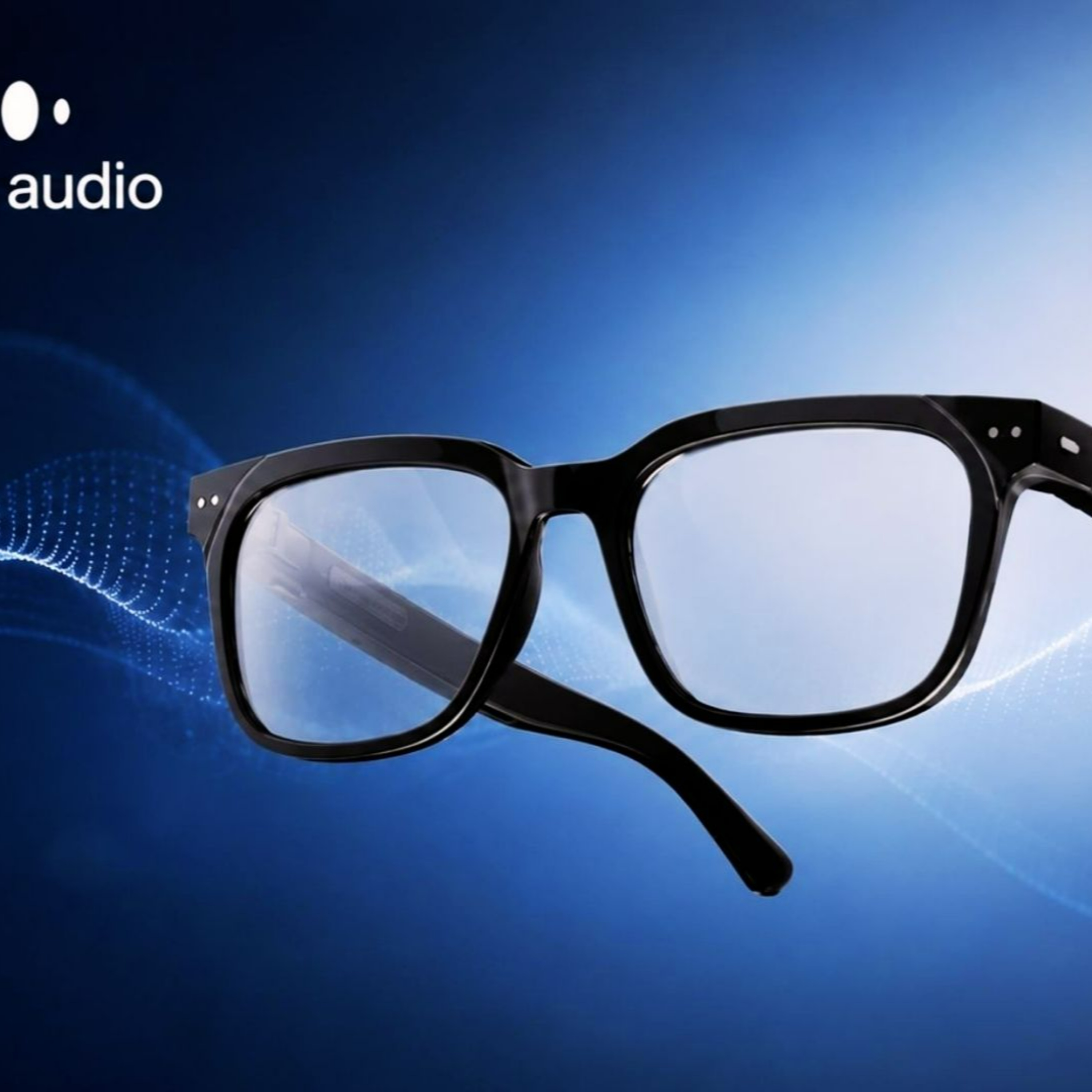
    354 - New Study Evaluates Nuance Audio Glasses: Can They Improve Speech in Noise?

    New research is providing one of the first detailed looks at the clinical performance of Nuance Audio Glasses, an over-the-counter hearing solution that has generated significant interest since its launch. In this episode, host Shari Eberts sits down with Dr. Tami Harel, Chief of Audiology at Nuance Audio, to discuss the newly published findings, what they reveal about speech understanding in noise and listening effort, and where this technology may fit within the evolving hearing care landscape. The conversation explores a recently published study from Western University's National Centre for Audiology, which found that the device significantly improved speech recognition in noise while reducing listening effort compared with the unaided condition. Dr. Harrell explains how the glasses use multiple microphones, open-ear speakers, and beamforming technology to address one of the biggest challenges for people with hearing loss: understanding speech in noisy environments.Beyond the clinical findings, the discussion examines why many adults wait nearly nine years before seeking hearing treatment, the stigma surrounding mild hearing loss, the relationship between hearing, vision, and healthy aging, and how new form factors may encourage earlier adoption of hearing technology. Dr. Harrell also shares insights into the future of Nuance Audio and the next generation of its hearing glasses.Be sure to subscribe to our channel for the latest episodes each week and follow This Week in Hearing on LinkedIn, Instagram and X. - https://x.com/WeekinHearing - https://www.instagram.com/thisweekinhearing/ - https://www.linkedin.com/company/this-week-in-hearing Visit us at: https://hearinghealthmatters.org/thisweek/
  • June 8 · 1 hr 13 min

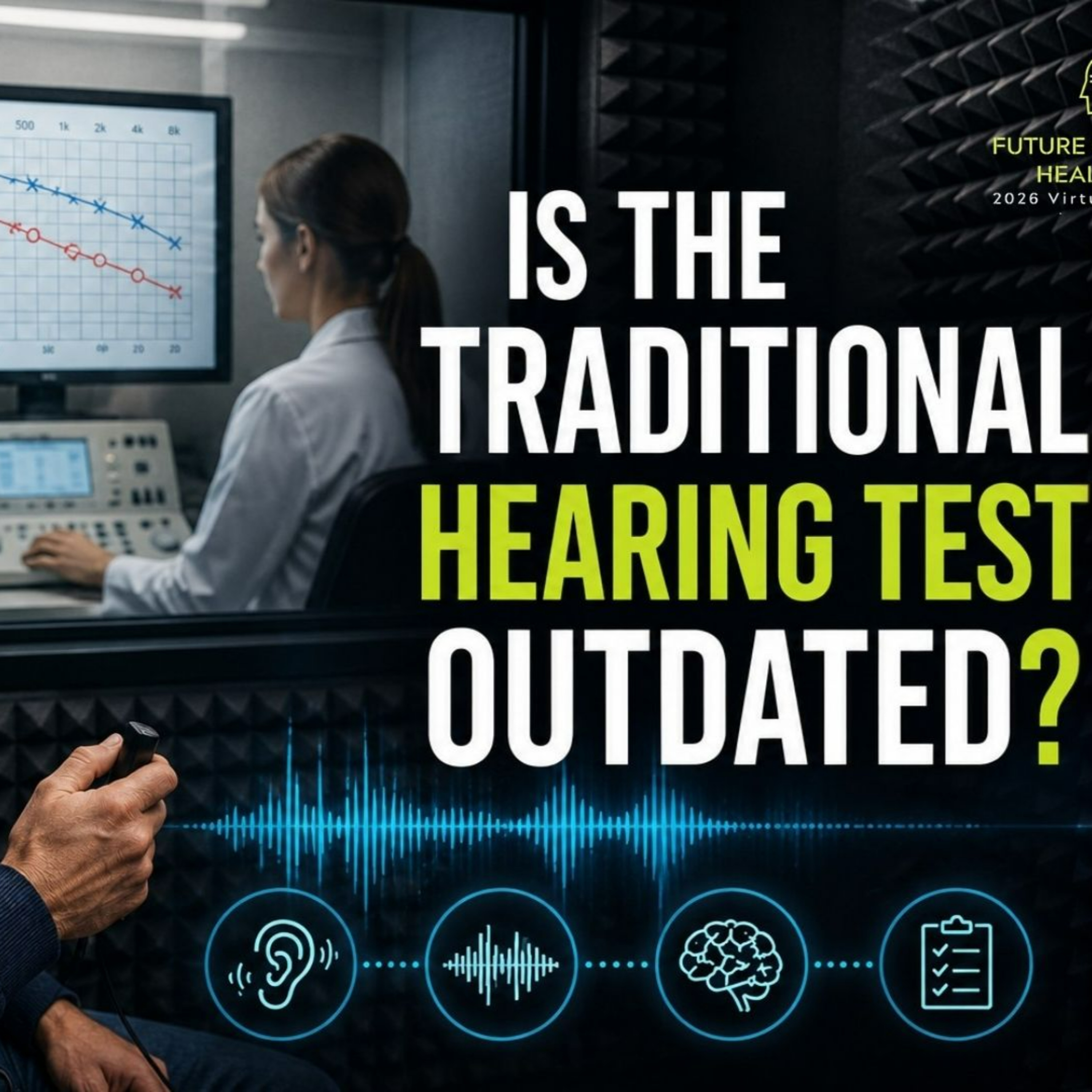
    353 - Rethinking the Audiologic Evaluation: Is the Traditional Test Battery Outdated? Live from FHH 2026

    Are today’s routine audiologic evaluations keeping pace with the rapidly evolving landscape of hearing healthcare?In this panel discussion from the 2026 Future of Hearing Healthcare Conference, moderator Dr. Bob Traynor is joined by Dr. Jay Hall, Dr. Frank Musiek, and Dr. De Wet Swanepoel to examine whether the traditional audiologic test battery is still sufficient for today's patients—or if it's time to rethink how hearing is assessed.The conversation explores the growing role of speech-in-noise testing, otoacoustic emissions (OAEs), central auditory screening, teleaudiology, and AI-driven diagnostic workflows, while discussing how these innovations could make hearing care more patient-centered, scalable, and globally accessible. The panel also challenges long-held clinical assumptions and considers how diagnostic evaluations may extend beyond the traditional sound booth to better reflect real-world listening needs.Whether you're an audiologist, hearing healthcare professional, student, or industry leader, this discussion offers valuable insights into the future of diagnostic hearing care.Be sure to subscribe to our channel for the latest episodes each week and follow This Week in Hearing on LinkedIn, Instagram and X. - https://x.com/WeekinHearing - https://www.instagram.com/thisweekinhearing/ - https://www.linkedin.com/company/this-week-in-hearing Visit us at: https://hearinghealthmatters.org/thisweek/
  • June 3 · 17 min

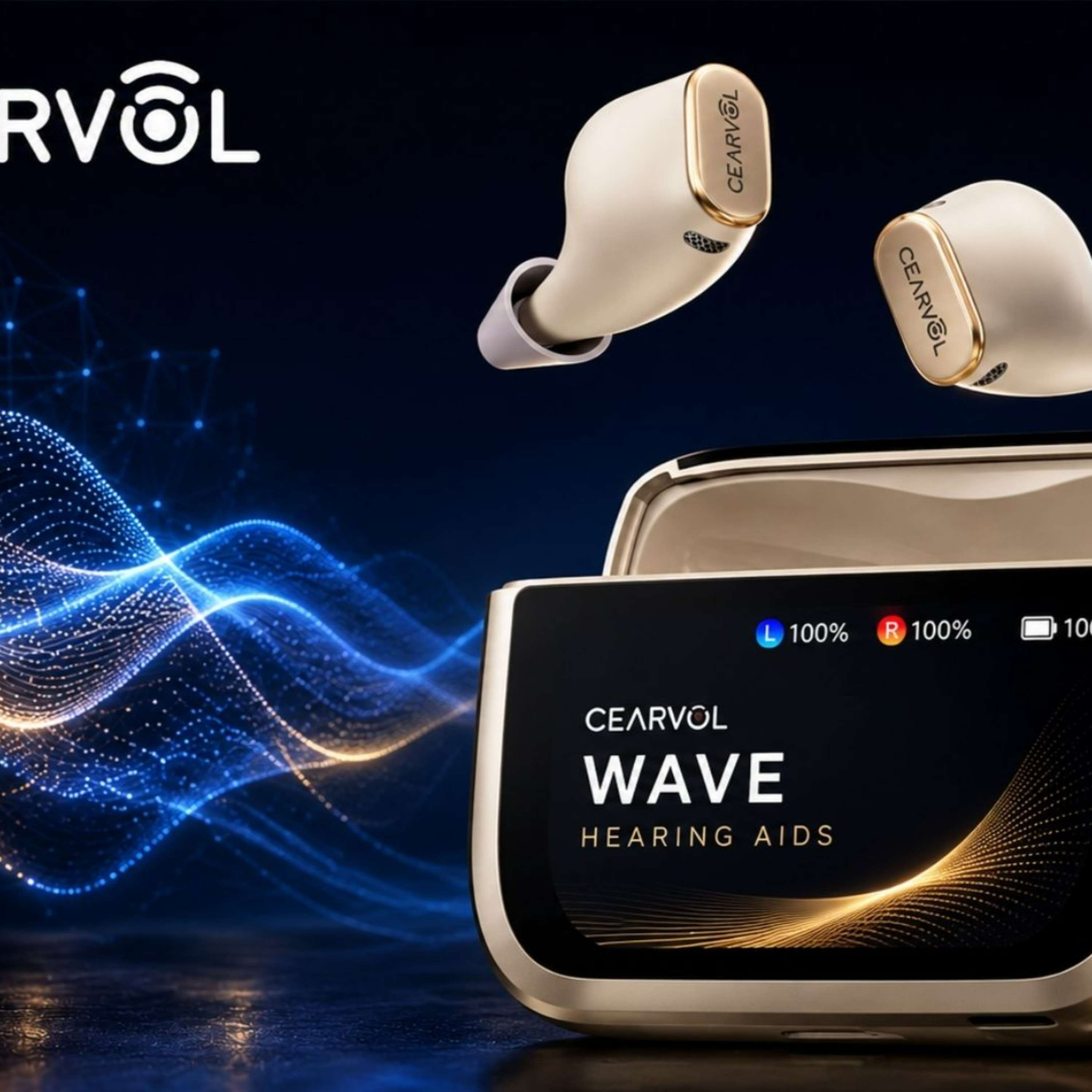
    352 - How the Cearvol Wave Is Bringing Premium Features to the OTC Hearing Aid Market

    Can an OTC hearing aid really deliver premium features at an affordable price?This week, host Bob Traynor sits down with Dr. Heather Andrews, Director of Audiology at Cearvol, to explore the new Cearvol Wave OTC hearing aid. The conversation highlights the innovations that helped the device earn 17 awards following its debut at CES 2026, as well as Cearvol’s approach to blending consumer electronics design with hearing technology to make hearing care more accessible and approachable.The conversation covers the Wave’s AI-powered sound processing, touchscreen charging case, direct TV and audio streaming capabilities, Bluetooth connectivity, and audiologist-supported OTC model. Heather also shares her journey as an audiologist in the VA healthcare system to the OTC hearing aid market and explains why she believes audiologists play an important role in improving access to hearing technology.Be sure to subscribe to our channel for the latest episodes each week and follow This Week in Hearing on LinkedIn, Instagram and X.- https://x.com/WeekinHearing- https://www.instagram.com/thisweekinhearing/- https://www.linkedin.com/company/this-week-in-hearingVisit us at: https://hearinghealthmatters.org/thisweek/

  • June 1 · 27 min

    351 - AAA 2026: The Innovations Shaping the Future of Hearing Care

    From artificial intelligence and OTC hearing aids to emerging technologies and clinical innovation, the American Academy of Audiology (AAA) 2026 Annual Convention, held April 22–24, 2026, in San Antonio, Texas, offered a firsthand look at where hearing healthcare may be headed next.Recorded live from the convention floor, Andrew Bellavia discusses the biggest conversations, trends, and observations from this year's conference. Drawing on conversations and observations from the event, Andrew highlights some of the technologies, innovations, and industry trends that generated interest among exhibitors and attendees alike.The conversation explores advances in hearing technology, changing approaches to care delivery, the continued evolution of OTC hearing devices, artificial intelligence, and other topics shaping the profession. Be sure to subscribe to our channel for the latest episodes each week and follow This Week in Hearing on LinkedIn, Instagram and X.- https://x.com/WeekinHearing- https://www.instagram.com/thisweekinhearing/- https://www.linkedin.com/company/this-week-in-hearingVisit us at: https://hearinghealthmatters.org/thisweek/

  • May 28 · 33 min

    350 - Healthcare with Hearing Loss: Improving Communication Access in Medical Care, Live from FHH 2026

    For people living with hearing loss, navigating healthcare settings can be one of the most stressful communication challenges they face. In this panel discussion from the 6th Annual Future of Hearing Healthcare Conference, moderators Shari Eberts and Gael Hannan are joined by advocates Tony Iacolucci and Peggy Ellertsen to explore the urgent need for better communication access throughout the healthcare system.Together, they discuss the real-world barriers patients with hearing loss encounter during medical appointments, surgeries, emergency care, and telehealth visits — from limited awareness among providers to inconsistent accommodations and inaccessible communication practices. The conversation highlights the growing effort to improve healthcare accessibility through advocacy, education, technology, and systemic change.The panel also introduces the work behind Healthcare with Hearing Loss, an initiative focused on empowering patients, educating providers, and advancing practical solutions such as Communication Access Plans (CAPs), speech-to-text technology, and improved healthcare policies. Throughout the discussion, the speakers emphasize that effective communication in healthcare is not just about convenience — it is essential for patient safety, dignity, and quality of care.To learn more and access additional resources mentioned during the discussion, visit: https://www.healthcarewithhearingloss.com/ Be sure to subscribe to our channel for the latest episodes each week and follow This Week in Hearing on LinkedIn, Instagram and X. - https://x.com/WeekinHearing - https://www.instagram.com/thisweekinhearing/ - https://www.linkedin.com/company/this-week-in-hearing Visit us at: https://hearinghealthmatters.org/thisweek/
  • May 20 · 28 min

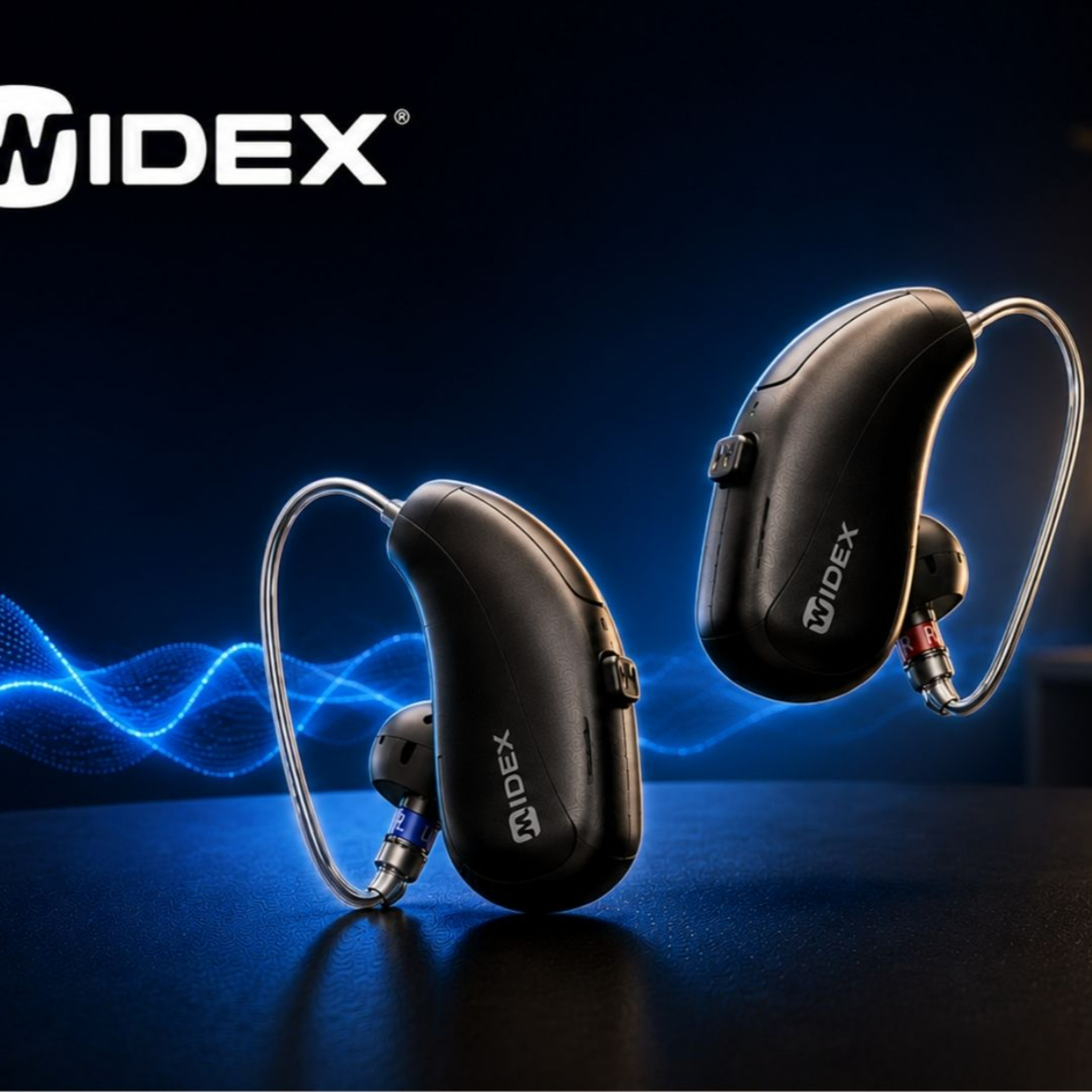
    349 - Widex Allure AI RIC Hearing Aids: Dual-Chip Processing, PureSound, and LE Audio Connectivity

    What happens when Widex adds a dedicated AI chip to its signature natural sound platform? Andrew Bellavia travels to WSA headquarters in Copenhagen for an early hands-on look at the new Widex Allure AI RIC and Compass Cloud 2.0. Andrew sits down with Sonnie Harris and Karen Hougs from WSA for an in-depth discussion on the technology behind the new Widex Allure AI RIC, Compass Cloud 2.0, and the future direction of the Widex platform. Along the way, he shares his impressions after testing the devices in restaurants, hotel bars, live music venues, and other real-world listening environments. Topics discussed include: How the new Allure AI RIC builds upon the existing Widex Allure platform Widex’s approach to AI and why the company resisted “artificial” sounding processing The new Clarity Boost mode and real-world speech-in-noise performance• PureSound processing and low-delay audio design Music listening impressions from jazz, rock, and classical concerts Auracast readiness, LE Audio, and connectivity updates Battery life and dual-chip architecture Compass Cloud 2.0 and how clinician feedback shaped the new workflow updates The future of cloud-based fitting systems and personalized hearing care Andrew also compares the Allure AI RIC with other premium hearing aids during real-world listening experiences, with a particular focus on live music performance and listening comfort. Be sure to subscribe to our channel for the latest episodes each week and follow This Week in Hearing on LinkedIn, Instagram and X. - https://x.com/WeekinHearing - https://www.instagram.com/thisweekinhearing/ - https://www.linkedin.com/company/this-week-in-hearing Visit us at: https://hearinghealthmatters.org/thisweek/
  • May 15 · 29 min

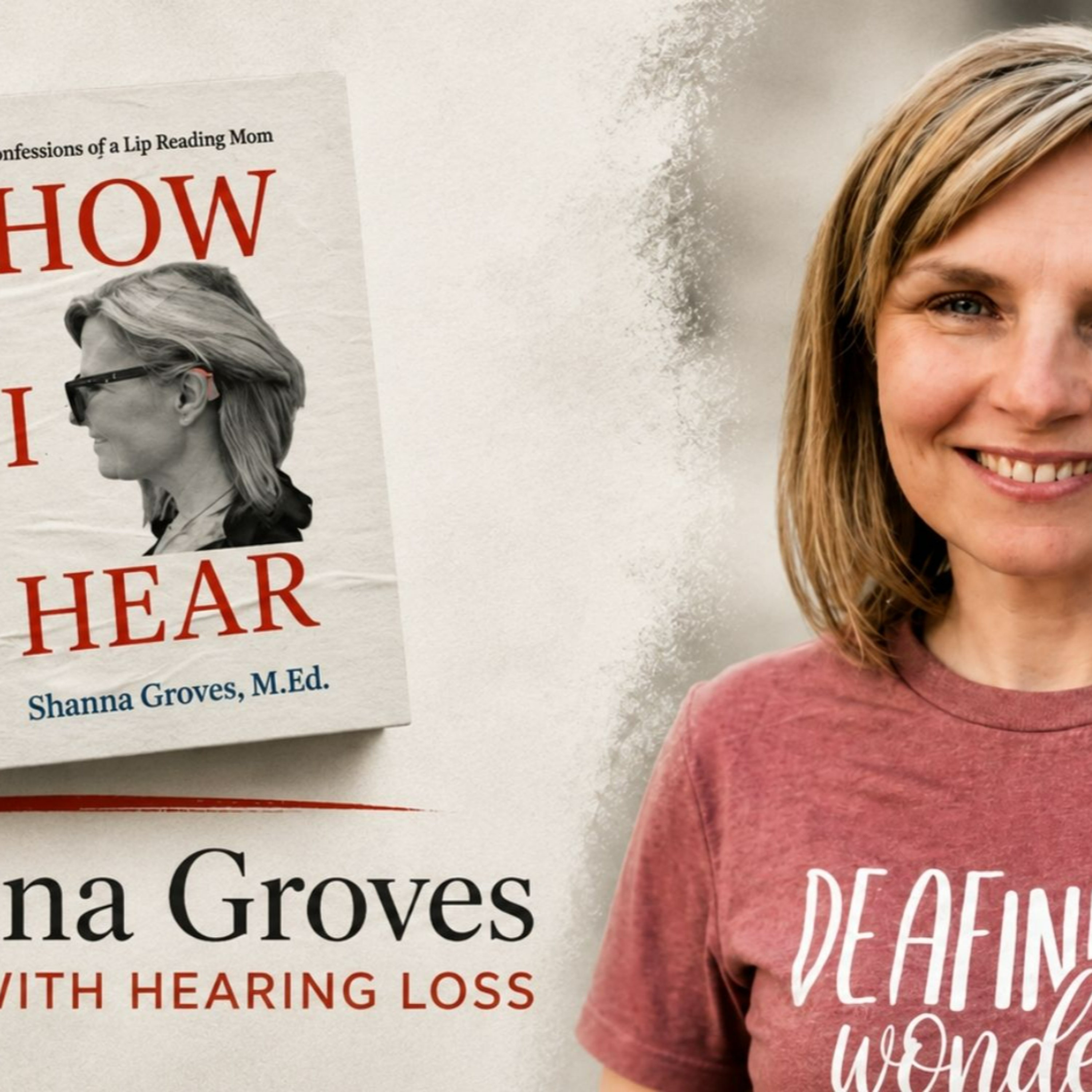
    348 - How I Hear: Shanna Groves on Life with Hearing Loss

    Author and advocate Shanna Groves shares the emotional reality of living, parenting, and communicating with progressive hearing loss. In this conversation with Shari Eberts, the creator of Lip Reading Mom discusses her experience growing up with an undiagnosed hearing loss, navigating motherhood and professional life with hearing challenges, and ultimately receiving a cochlear implant in 2025.Shanna reflects on the emotional process of accepting hearing loss, the communication fatigue that often comes with relying on lip reading, and the importance of finding confidence, community, and self-advocacy along the way. She also explains how advancements in technology — from hearing aids to cochlear implants and video communication platforms — have helped reshape both her personal and professional life.The discussion also explores Shanna’s work teaching lip reading classes, her Deafinitely Talking Podcast, and the inspiration behind her new book How I Hear: Confessions of a Lip-Reading Mom. Throughout the conversation, she shares honest insights about grief, resilience, parenting, identity, and why authentic hearing loss stories matter for people at every stage of their journey.Be sure to subscribe to our channel for the latest episodes each week and follow This Week in Hearing on LinkedIn, Instagram and X.- https://x.com/WeekinHearing- https://www.instagram.com/thisweekinhearing/- https://www.linkedin.com/company/this-week-in-hearingVisit us at: https://hearinghealthmatters.org/thisweek/

  • May 7 · 23 min

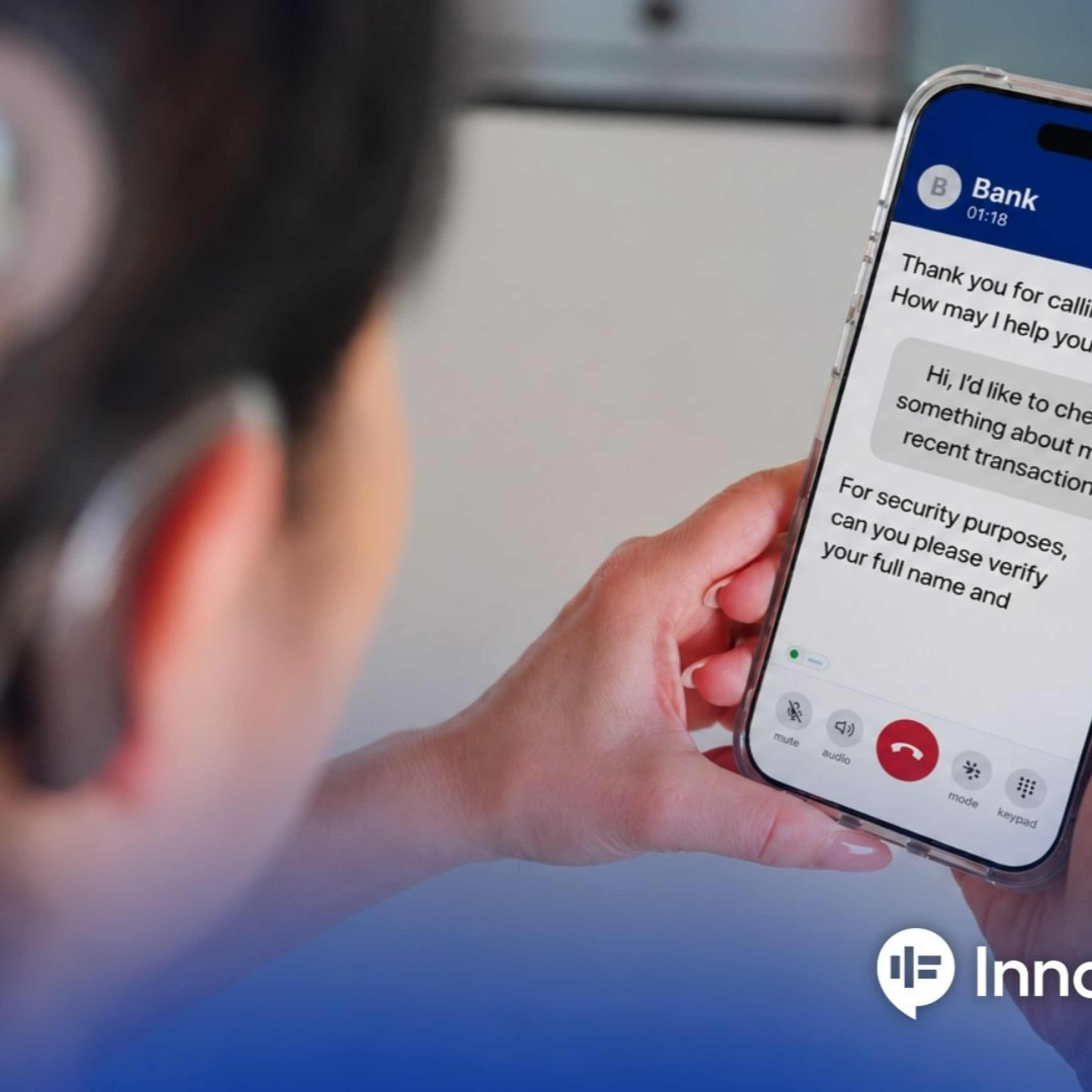
    347 - AI Meets Accessibility: Improving Communication Beyond Traditional Captions

    What if phone calls and video chats could finally adapt to the way people with hearing loss actually communicate?In this conversation, Gael Hannan speaks with Paul Lee, COO of InnoCaption, about the company’s latest accessibility innovations designed to improve communication for people with hearing loss. From AI-powered text-to-speech tools and predictive communication features to the launch of the new InnoCaption Video app with live captions for video calls, the discussion explores how advances in AI and accessibility technology are reshaping everyday communication experiences.Paul explains how InnoCaption’s FCC-funded captioned calling service works, including its combination of automated speech recognition and live stenographers, and discusses the company’s newly introduced AI Refine feature that helps users quickly generate natural-sounding responses during phone calls. The conversation also explores how these tools may benefit cochlear implant users, Deaf ASL users, and anyone navigating communication barriers in daily life.The discussion also highlights the emotional and social impact of communication accessibility, including how captioned video calls can help improve understanding between people with hearing loss and their friends, family members, and colleagues.Be sure to subscribe to our channel for the latest episodes each week and follow This Week in Hearing on LinkedIn, Instagram and X. - https://x.com/WeekinHearing - https://www.instagram.com/thisweekinhearing/ - https://www.linkedin.com/company/this-week-in-hearing Visit us at: https://hearinghealthmatters.org/thisweek/
  • April 30 · 6 min

    346 - Phonak and USA Pickleball Team Up to Promote Hearing Health

    What does hearing have to do with performance on the pickleball court?Live from the American Academy of Audiology (AAA) Conference 2026 in San Antonio, Shari Eberts speaks with Christine Jones, Vice President of Marketing, Wholesale U.S. at Sonova, about Phonak’s new partnership with USA Pickleball and the launch of the nationwide “Hear to Win” campaign.The initiative aims to encourage a more proactive approach to hearing health by highlighting the role hearing plays in social connection, communication, and active lifestyles. With nearly 20 million players in the U.S., pickleball offers a fast-growing platform to engage consumers through tournaments, courtside activations, and digital outreach—including hearing screenings, technology demonstrations, and connections to local providers.In the conversation, Jones discusses how hearing technology is being positioned as a performance enabler in both sports and everyday environments, and how the campaign is designed to bring greater awareness to hearing health through community engagement and real-world experiences.Be sure to subscribe to our channel for the latest episodes each week and follow This Week in Hearing on LinkedIn, Instagram and X. - https://x.com/WeekinHearing - https://www.instagram.com/thisweekinhearing/ - https://www.linkedin.com/company/this-week-in-hearing Visit us at: https://hearinghealthmatters.org/thisweek/
  • April 28 · 20 min

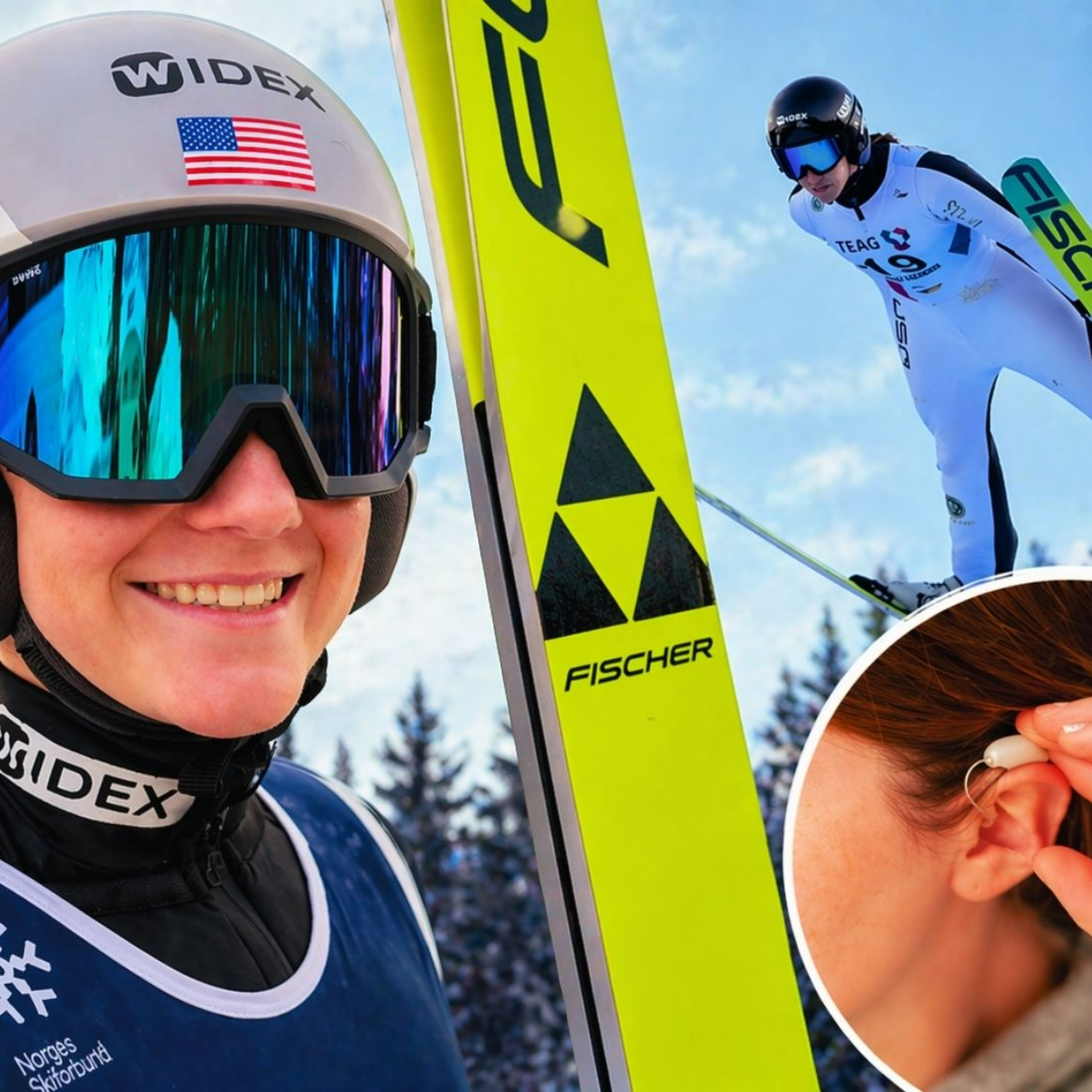
    345 - U.S. Ski Jumper Estella Hassrick on Hearing Loss, Hearing Aids, and Competing at the Highest Level

    What does it take to compete at the highest level of sport while growing up with hearing loss?In this conversation, U.S. ski jumper Estella Hassrick shares her journey—from being diagnosed with hereditary cochlear dysplasia at age three to competing on the U.S. national team. She discusses the realities of hearing loss in high-performance sports, including the challenges of wearing hearing aids under a helmet, navigating school and training environments, and adapting along the way.Estella also reflects on how hearing technology has evolved over her lifetime, her experience working with audiologists, and the role of support systems—including her partnership with Widex. Throughout the discussion, she offers perspective on resilience, identity, and what it means to pursue ambitious goals while managing hearing loss.Her message is clear: hearing loss may change the path—but it doesn’t define the outcome.Be sure to subscribe to our channel for the latest episodes each week and follow This Week in Hearing on LinkedIn, Instagram and X.- https://x.com/WeekinHearing- https://www.instagram.com/thisweekinhearing/- https://www.linkedin.com/company/this-week-in-hearingVisit us at: https://hearinghealthmatters.org/thisweek/Audio podcast can be found on all major platforms, including Apple & Spotify: https://podcasters.spotify.com/pod/show/thisweekinhearing

  • April 20 · 24 min

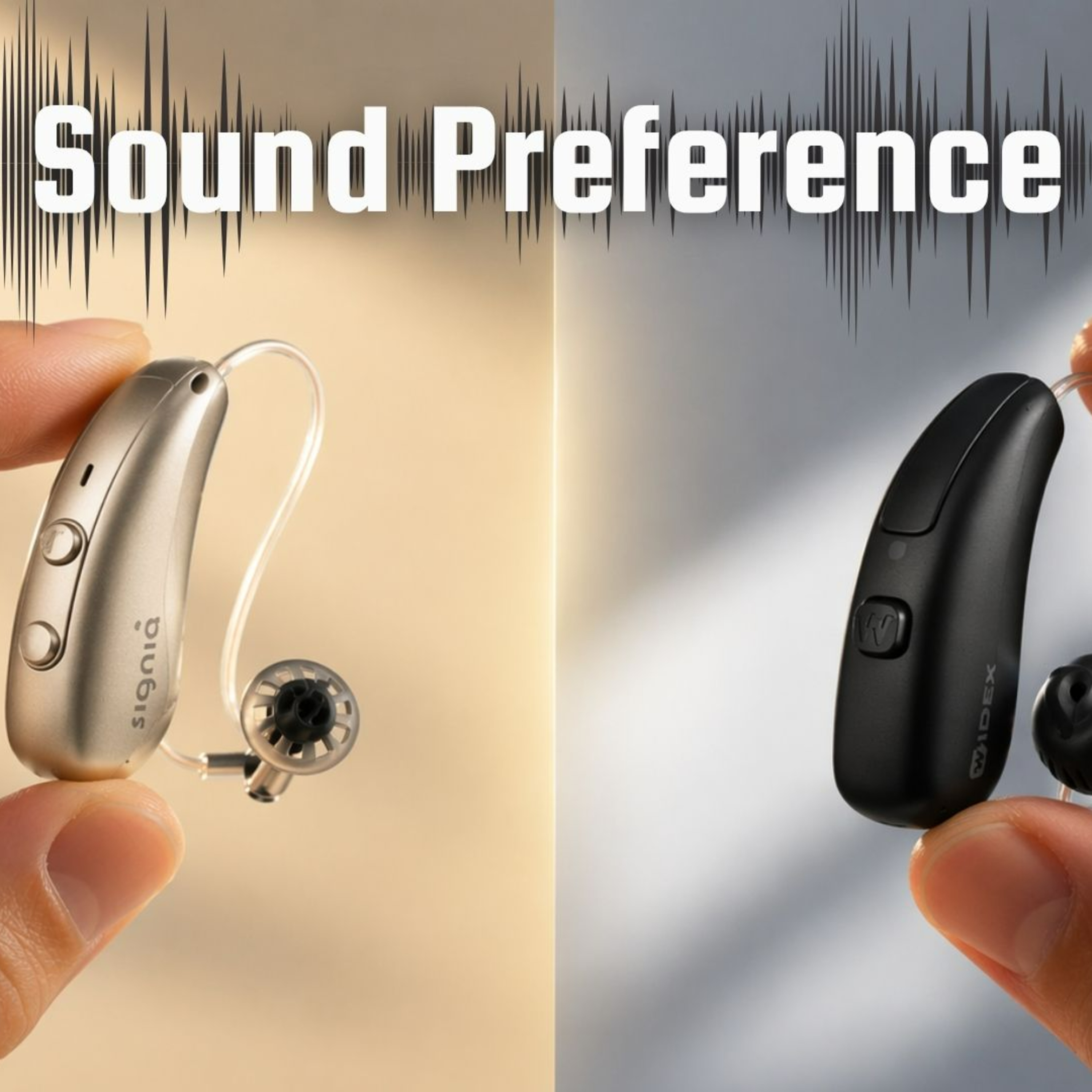
    344 - Sound Preference: Bridging the Gap in Hearing Aid Fit and Satisfaction

    Could understanding individual sound preference be the key to improving hearing aid adoption and satisfaction? Bob Traynor, live from WSA headquarters in Copenhagen, speaks with Lise Henningsen, Head of Audiology Evidence & Validation at WSA, about the emerging concept of sound preference—and why it may be a missing piece in hearing care. Drawing on WSA’s latest research, they discuss how patients with similar audiograms can have very different reactions to sound processing, and why traditional best practices alone don’t always lead to successful outcomes. The conversation explores how clinicians have long observed this variability in practice, often working across multiple brands and sound philosophies to better match patient needs. Henningsen explains how sound preference—though difficult to measure—plays a meaningful role in patient experience, influencing comfort, satisfaction, and long-term device use. WSA is now working to better define and quantify sound preference through ongoing research, including controlled studies with the University of Washington and Vanderbilt University. These efforts aim to better understand how preference affects acclimatization, mood, and overall outcomes—and how simple tools, such as short listening assessments, could help guide more personalized hearing care. To learn more about WSA's sound preference research and clinical implications visit: https://www.wsa.com/soundpreference/ Be sure to subscribe to our channel for the latest episodes each week and follow This Week in Hearing on LinkedIn, Instagram and X. - https://x.com/WeekinHearing - https://www.instagram.com/thisweekinhearing/ - https://www.linkedin.com/company/this-week-in-hearing Visit us at: https://hearinghealthmatters.org/thisweek/
  • April 14 · 28 min

    343 - How PowerPoint Captions Helped Everyone Follow Along

    What happens when a once-in-a-lifetime travel experience is made truly accessible? In this conversation, Shari Eberts speaks with Dr. Alison Richard—former Provost of Yale and a leading primatologist—about a recent trip to Madagascar and the Seychelles. While the journey itself was memorable, one thing that stood out was how a simple tool—PowerPoint captions—transformed the experience for participants with hearing loss.Dr. Richard shares her personal journey with hearing loss and reflects on how communication challenges show up in lectures, fieldwork, and group settings. The discussion highlights how enabling live captions during presentations made it possible to fully participate in lectures, Q&A sessions, and group learning moments—something that is often difficult in traditional environments. What began as a small request quickly became a powerful example of inclusive design. As Dr. Richard explains, captions didn’t just benefit those with hearing loss—they improved comprehension and engagement for everyone. The conversation also explores why accessibility tools like captions are still underutilized in academic and professional settings—and how small changes can have a broad impact. Be sure to subscribe to our channel for the latest episodes each week and follow This Week in Hearing on LinkedIn, Instagram and X. - https://x.com/WeekinHearing - https://www.instagram.com/thisweekinhearing/ - https://www.linkedin.com/company/this-week-in-hearing Visit us at: https://hearinghealthmatters.org/thisweek/

Showing 1–20 of 20 episodes