Skip to content
Artwork for The Health Feast
Health & FitnessAlternative HealthExplicit

The Health Feast

Dr. Rak

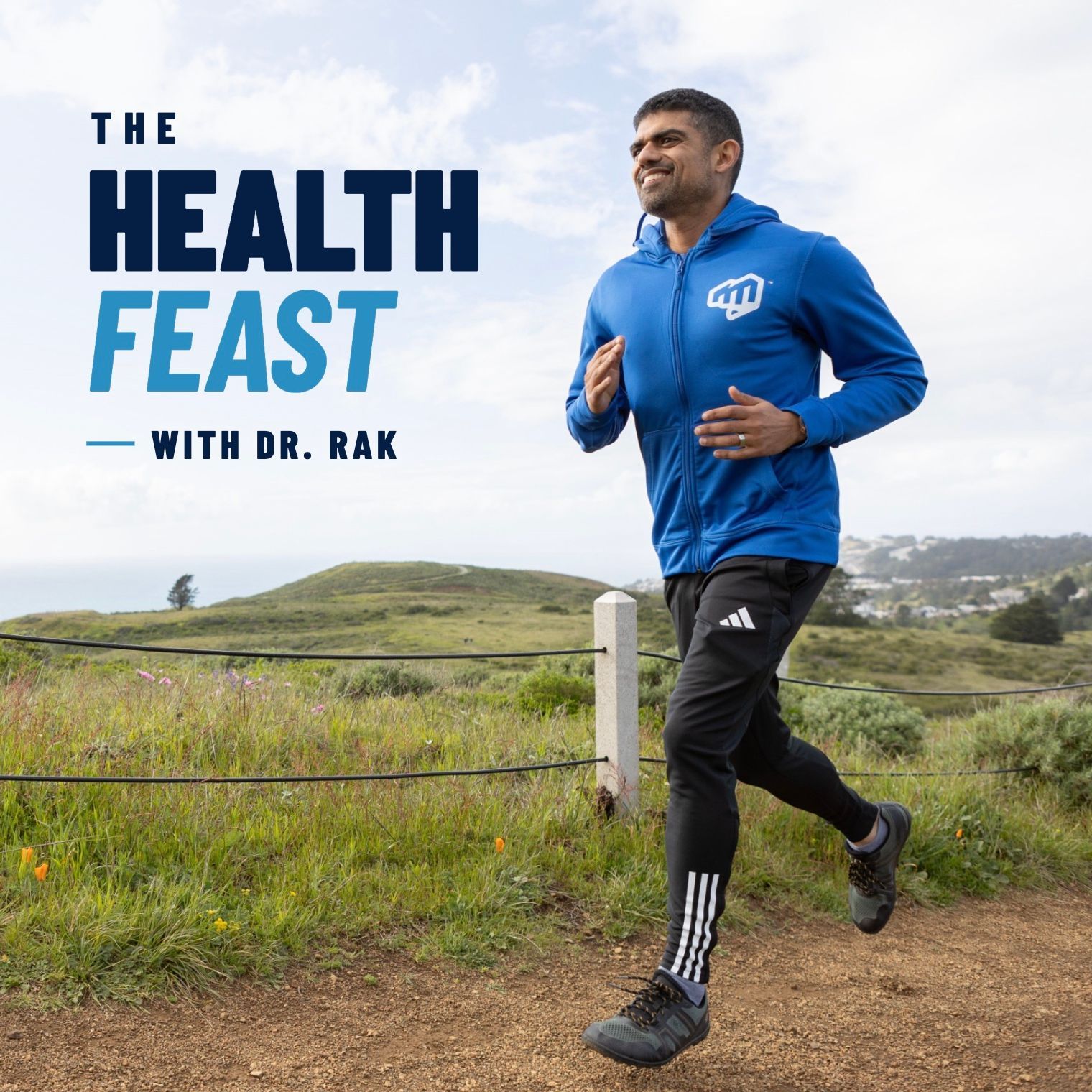
The Health Feast is a podcast about making good health feel joyous, communal, and abundant—like a feast. Hosted by Dr. Rak (short for Rakesh Jotwani), a board-certified internist and Lifestyle Medicine physician, the show dives deep into what truly supports well-being in real life. Each episode, Dr. Rak talks with physicians, chefs, athletes, artists, and changemakers who are redefining what it means to be healthy—physically, mentally, and emotionally. Conversations are rooted in science, but never lose sight of heart, culture, and lived experience. Whether you’re working to reverse chronic disease, reconnect with purpose, or simply show up for your life with more energy, The Health Feast offers practical tools, fresh perspectives, and stories that nourish. New episodes weekly. Listen on Apple Podcasts, Spotify, or YouTube. Live well and RAK ON.

Play
  • 21 episodes
  • fortnightly
  • Avg 59 min
  • English
Counted on this page — what you have heard stays on this device, so it is not something the list can be paged by.
  • Friday · 1 hr 13 min

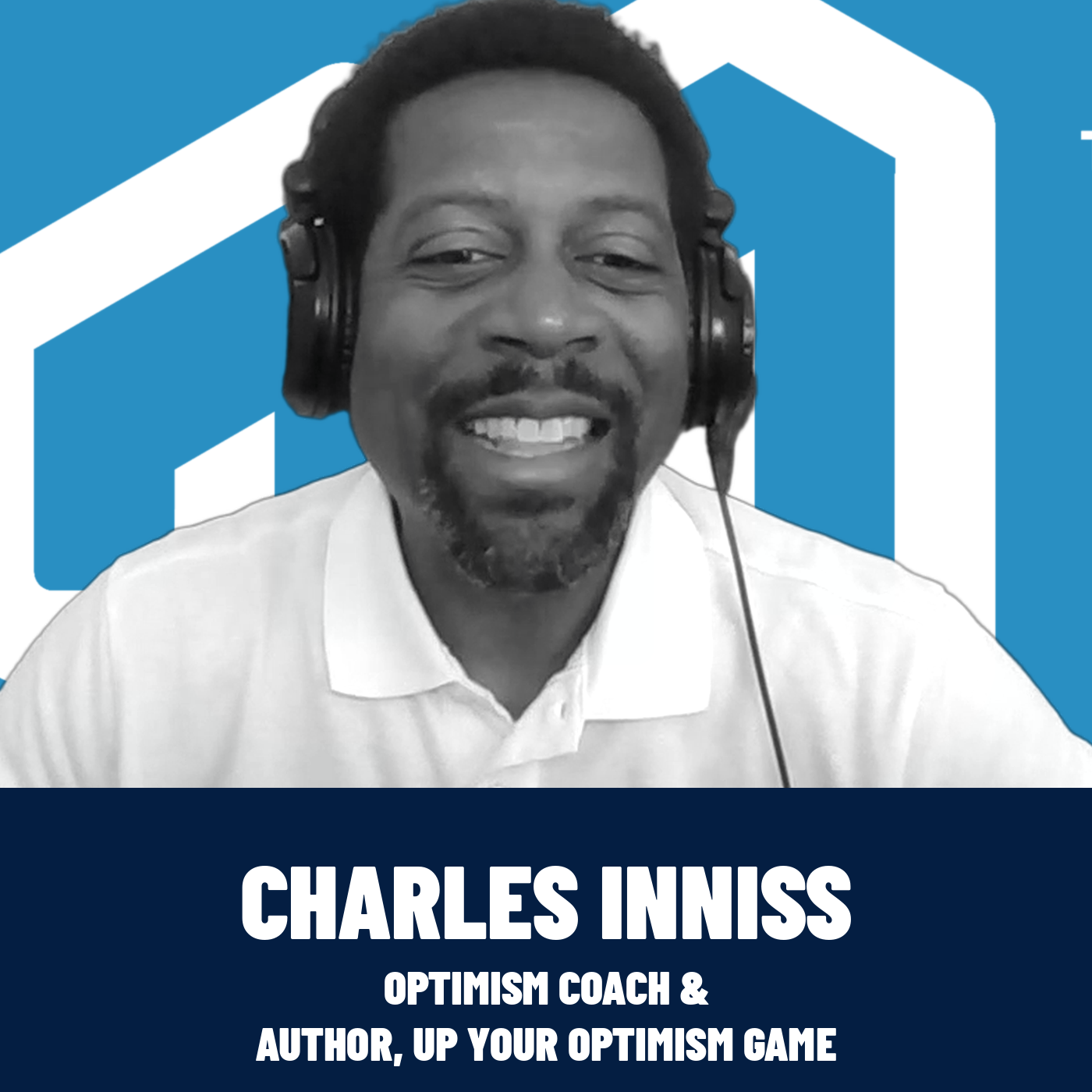
    Optimism Is a Muscle. Here Is the Five-Minute Workout, with Charles Inniss

    Optimism is not a personality trait. It is a muscle, and muscles grow with reps. My friend Charles Inniss, a physical therapist turned optimism coach and author of Up Your Optimism Game, returns to the Feast to break down the 24 mental muscles behind joy, confidence, and peace of mind. Charles gives you a five-minute daily workout to build them. In this episode: The 24 mental muscles, and the three that count as core Doom scrolling as pessimism cardio, and how to reprogram your feed "How do you want to be?" Picking an emotional goal, not just a career goal Affirmations that feel like lying, and the four keys that make them believable The strengths resume, live, plus the five-minute daily mental workout Chapters: 0:00 Intro: the voice in your head 2:28 The men's group question: who trained us to be this way? 3:48 Pride goeth before the fall 9:25 Mental muscles: the premise of Up Your Optimism Game 12:10 Doom scrolling is pessimism cardio 21:28 The pit, and three words: joy, create, connect 25:09 How do you want to be? 27:57 Wrecking your mental health to fix your physical health 31:53 The skeptic: gratitude fatigue and affirmations that feel like lying 36:08 When does hope become denial? Growth vs protection 41:15 Chop down the blaming tree 46:01 Rak in the chair: the strengths resume 51:09 The five-minute mental workout 56:19 Strengths glasses and the forgiving wimp 1:06:09 We see the world as we are 1:07:57 Joy through the journey, game night, and a thank you Find Charles: charlesinniss.com (which includes a link to the his book on Amazon). The Health Feast is where health stops feeling like a chore and starts feeling like a joyful and abundant feast. Hosted by Dr. Rak Jotwani, board-certified in Lifestyle Medicine and Internal Medicine. New episodes every week. If this episode was useful, leave a review. It is the best way to help the show reach more people. Live well and RAK ON. This episode is for informational and educational purposes only. It is not medical advice and does not replace a conversation with your own physician or healthcare provider. Always consult a qualified professional before making changes to your exercise, nutrition, or health routine. The views expressed are those of the hosts and guests only and do not reflect the views of any employer or affiliated institution.

    • Transcript
  • August 21 · 1 hr 13 min

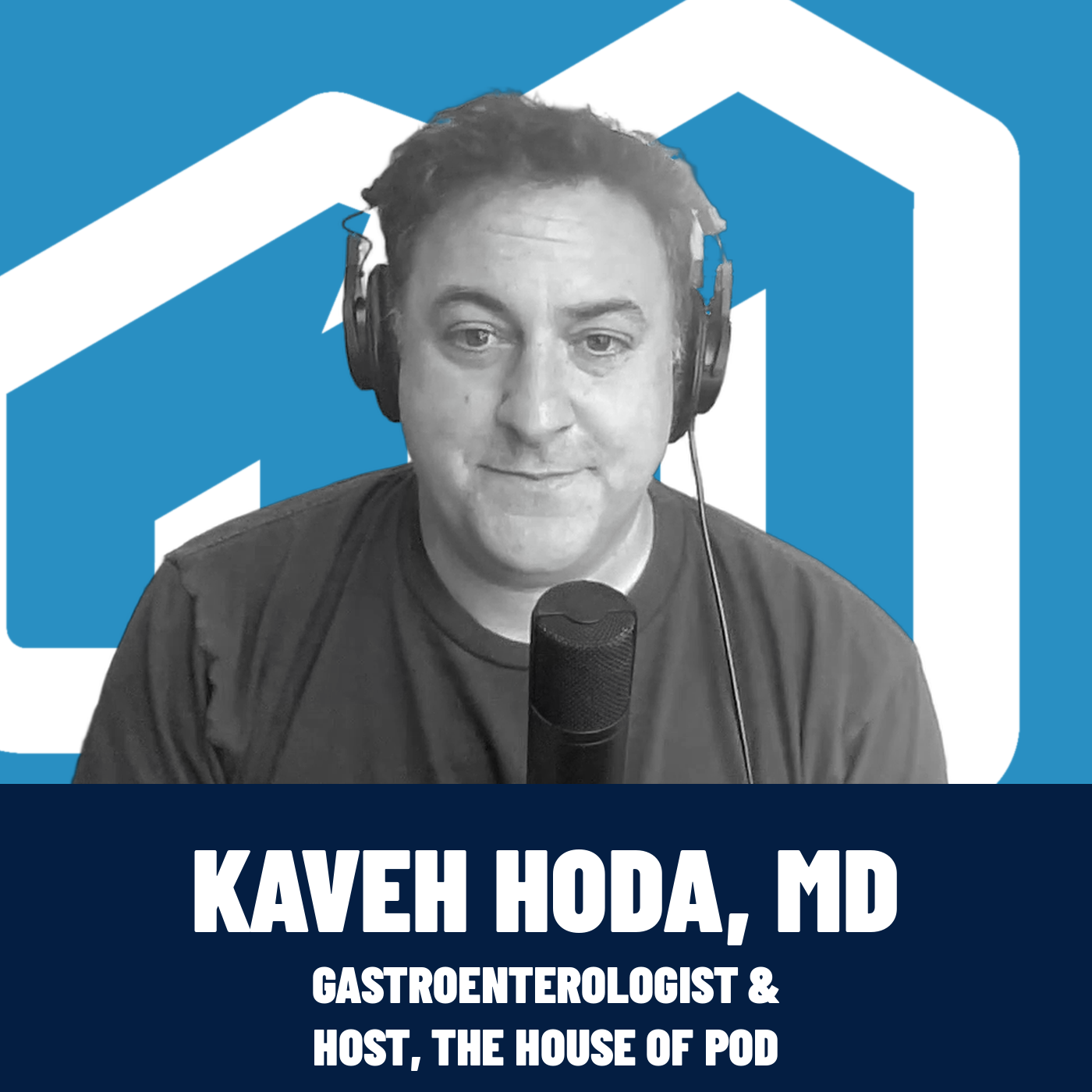
    Why the Loudest Health Advice Is Usually the Worst with Kaveh Hoda, MD

    Two doctors, no filter. My friend Kaveh Hoda, MD (gastroenterologist and host of The House of Pod) and I get into why the loudest voices in health are usually the least trustworthy, what supplement companies never have to prove, and the three questions I use with my patients to reorganize a whole health life. We recorded this over a year ago for his show, and I am finally releasing it on mine, because when something is true, it stays true. And because it is Kaveh, we laugh the entire way through. In this episode: Why the loudest health advice grows fastest, and why real medicine sounds boring "Expensive urine" and what actually shows up in liver clinics The three most important questions: experience, growth, contribution Why habits fail when your life keeps changing The carnivore diet, the manosphere, and why fiber is your friend Chapters: 0:00 Intro, the certainty trap 1:49 Why the loudest health advice wins 3:58 Supplements, false hope, and expensive urine 9:11 The three most important questions 10:27 Question 1, what do I want to experience? 17:49 Question 2, how do I want to grow? 22:46 The exercise and weight loss trap 25:53 F3, community, and loneliness 34:57 Question 3, how do I want to contribute? 39:35 A foodie's case for eating more plants 54:57 The carnivore takedown Find Kaveh: The House of Pod, anywhere you get your podcasts, and on Bluesky @KavehMD. The Health Feast is where health stops feeling like a chore and starts feeling like a joyful and abundant feast. Hosted by Dr. Rak Jotwani, board-certified in Lifestyle Medicine and Internal Medicine. New episodes every 2 weeks. If this episode was useful, leave a review. It is the best way to help the show reach more people. Live well and RAK ON. This episode is for informational and educational purposes only. It is not medical advice and does not replace a conversation with your own physician or healthcare provider. Always consult a qualified professional before making changes to your exercise, nutrition, or health routine. The views expressed are those of the hosts and guests only and do not reflect the views of any employer or affiliated institution.

    • Transcript
  • #69
    August 7 · 56 min

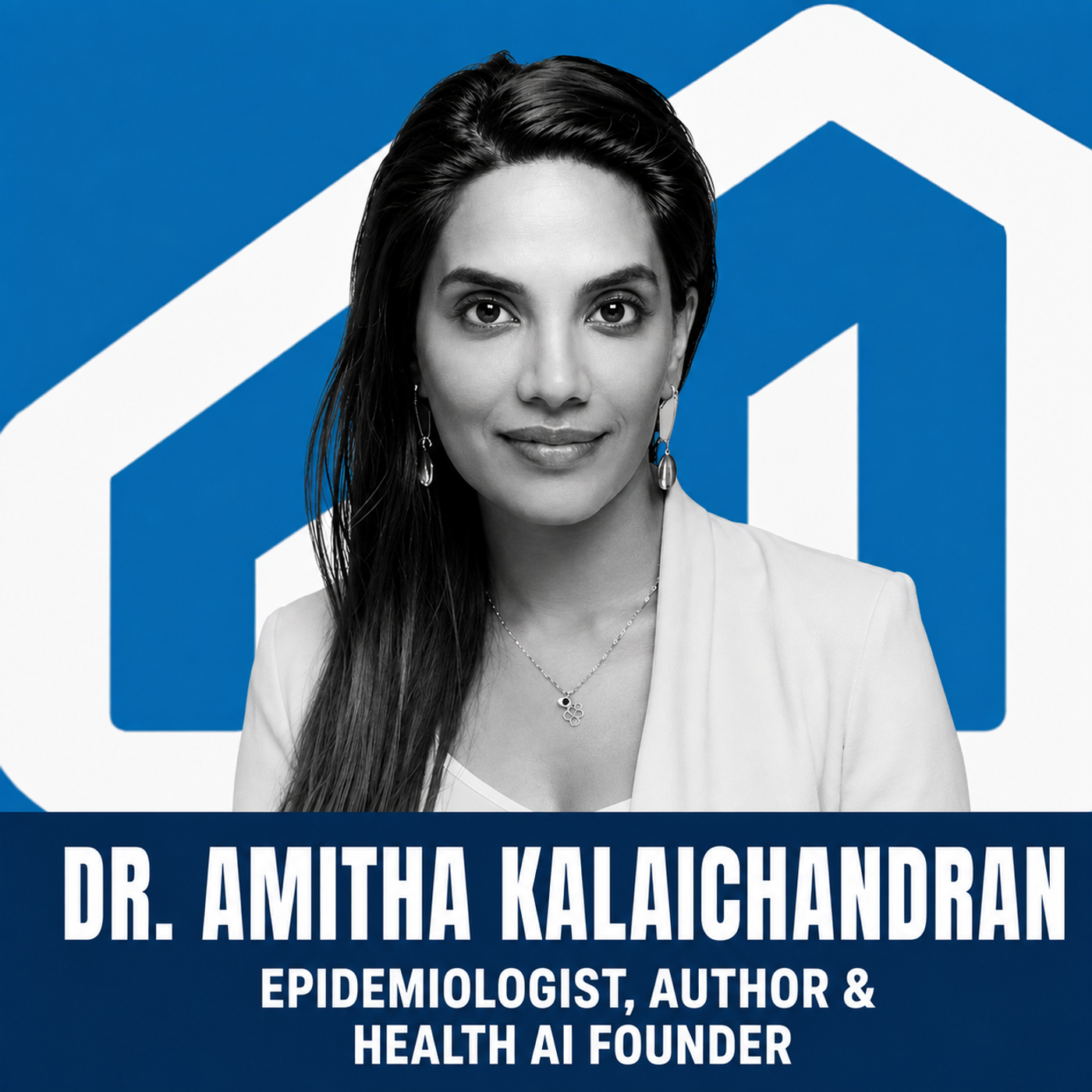
    Why Your Data Doesn't Make You Healthier

    Fitness trackers are everywhere, watches, rings, bands, all promising better health. But research suggests they can backfire. A Harvard/Mass General Brigham study found over a third of Americans now track their sleep with a device, and researchers found these devices can fuel guilt and anxiety when the numbers come in low. There's even a word for it: orthosomnia, an obsession with a "perfect" sleep score that wrecks the sleep itself. Dr. Amitha Kalaichandran knows this from the inside. A residency she calls "genuinely toxic" left her with disordered sleep, rising cholesterol, and anxiety she couldn't name, despite being a physician trained to read data for a living. It took her years of integrative medicine to close that gap, work she wrote about in her book, On Healing. Now she's built Evra Health, a company with a goal that's almost radical in tech: not to keep you on the app, but to help you need it less. Here's what we get into: Why more data can make you feel worse, not better. Why your health app quietly runs on shame. How she trained her own AI to call dessert an occasional treat instead of flagging it red. What a 12-city book tour taught her about the real gap in healthcare. What she learned trying hypnosis and therapeutic MDMA. Your tracker isn't supposed to be your judge. It's a data point. Nothing more. CONNECT WITH DR. AMITHA Website: evrahealth.com Book: On Healing, at onhealingbook.com LinkedIn: linkedin.com/in/amithakalaichandran CONNECT WITH DR. RAK Website: https://rakyourlife.com Instagram: https://www.instagram.com/rakyourlife Podcast: https://rakyourlife.com/podcast Timestamps 00:03 Cold open: is your fitness tracker making you sicker? 02:25 The stats: orthosomnia and technohypochondria explained 05:19 The dumb watch trend, and the report card problem 07:30 Red, green, and the shame built into app design 10:10 What has to exist between a number and a lasting habit 13:51 When Amitha first realized data needs meaning 15:44 Residency, sleep debt, and a genuinely toxic culture 18:19 Reversing her own cholesterol without medication 20:26 Why the book is called On Healing, not curing 22:31 Hypnosis and therapeutic MDMA: what most doctors won't discuss 25:09 The book tour that led to building Evra 25:36 Inside Evra: what it actually does for a user 33:44 Training the AI to never flag food as bad 35:04 Building a tool that isn't designed to be addictive 39:20 Why Evra measures outcomes, not engagement 42:14 Why change has to come from an intrinsic place 46:09 Fixing healthcare as this generation's moonshot 50:59 Life philosophy: trusting and letting go

    • Transcript
  • #68
    July 24 · 1 hr 6 min

    Is AI Secretly Sabotaging Your Health? with Dr. Aaron Neinstein

    There's someone new in your life. They help you write, plan, think through problems. They're available at 2am, when you can't sleep, because they never get tired of listening to you. You know it's not a person. But your brain isn't always so sure. One in four Americans have already used AI for their health. A third of people under 30 use it like a therapist. A Harvard study found daily users are 30% more likely to show signs of depression. That's an association, not proof. But it's the question that's been sitting with me: are these tools making us healthier, or reaching for something that quietly makes us worse? Dr. Aaron Neinstein is an endocrinologist who's spent his career building technology inside healthcare. We trained together in residency almost 20 years ago, taking care of ICU patients side by side, long before either of us could've guessed where this was headed. Aaron tells me about the night he almost brushed off his dog swallowing a thread — until ChatGPT told him, at midnight, that it was an emergency. It probably saved her life. We talk about where AI is closing real gaps: the oncology visit patients walk into with zero prep, the colonoscopy prep calls that never used to happen, the ambient scribe that finally let him look at his patients instead of typing notes. Then we get honest about what it's costing us. Aaron's sleep has slipped 90 minutes a night for four months. His guitar has sat untouched. I told him about my own late nights on Claude Code, and the spirals I've caught myself in that I now recognize as rumination dressed up as productivity. FREE RESOURCES What is a plant-based eater's best friend? A good sauce. Start with the Sauce Library, a free collection of whole-food sauces and dressings that make anything taste incredible. It comes with Health That Flows, a free 5-day email series built around the same approach that helped me lose over 80 pounds and reverse my own chronic diseases. One idea a day. Nothing to overhaul. Get it free at https://rakyourlife.com/experience-life/ CONNECT WITH DR. AARON Website: aaronneinstein.com LinkedIn: linkedin.com/in/aaronneinstein CONNECT WITH DR. RAK Website: https://rakyourlife.com Instagram: https://www.instagram.com/rakyourlife Podcast: https://rakyourlife.com/podcast Timestamps 00:03 – Cold open: the tool that never gets tired of listening 02:22 – The stats: 1 in 4 Americans, and a Harvard depression study 04:39 – AI as healthcare's "get out of jail free card" 09:36 – Colonoscopy prep calls and cutting cancellations in half 15:49 – The ChatGPT message that saved Aaron's dog's life 25:09 – Rak and Aaron confess: losing sleep to Claude Code 27:19 – Inside Aaron's AI chief of staff 35:16 – Why there's no universal truth in an AI's answer 39:54 – AI as sophisticated rumination, Rak's honest confession 44:26 – Setting guardrails before your bad moments arrive 55:08 – Sycophancy, and what a good therapist does differently 1:00:41 – Life philosophy: enjoy every sandwich 1:02:18 – How Dr. Aaron makes his own life a health feast

    • Transcript
  • July 3 · 57 min

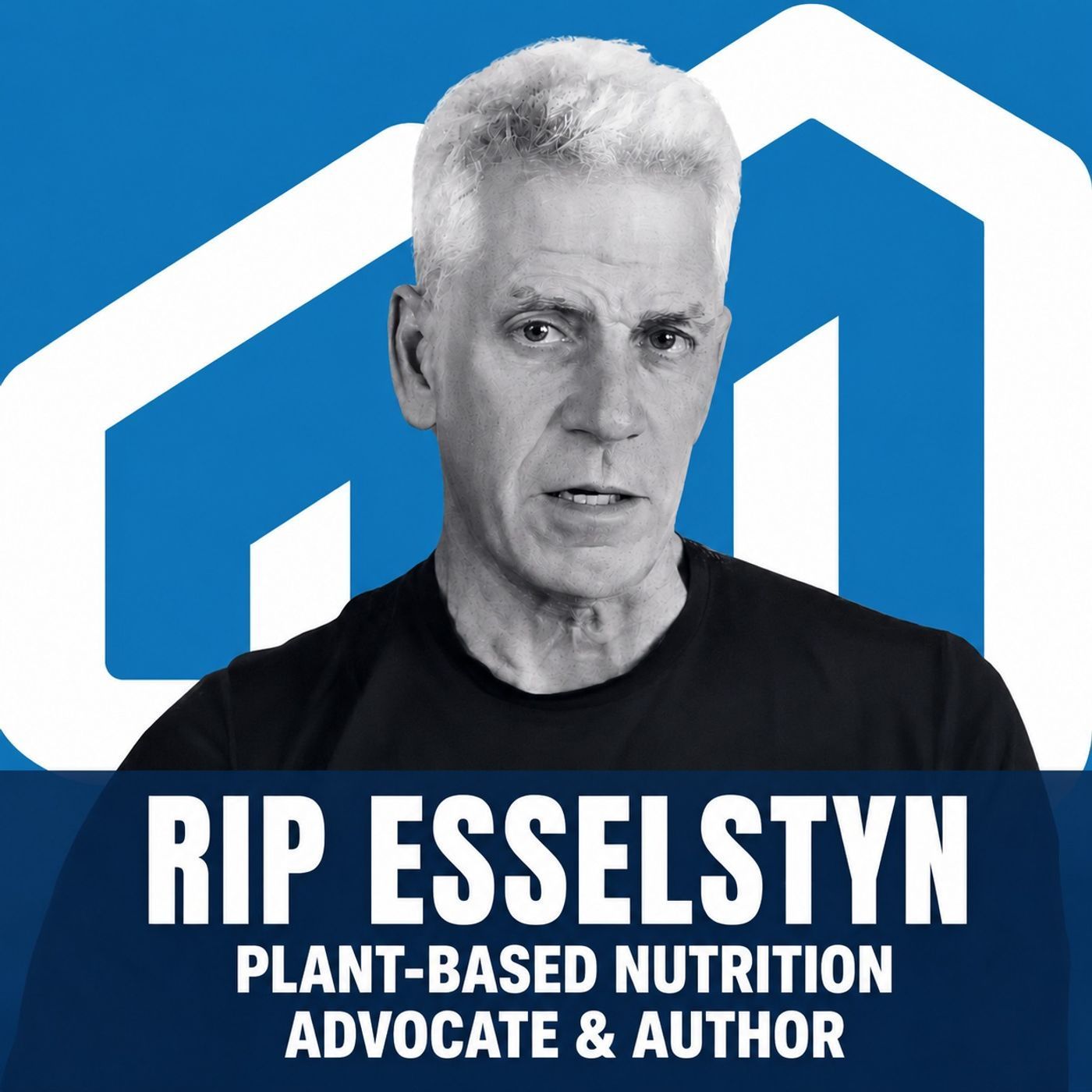
    The Plant-Based Backlash and the Rise of Carnivore with Rip Esselstyn

    We live in a post-truth world. Anyone can say anything and call it a fact. Strawberries cause cancer. Beans destroy your gut. Beef tallow is the new health food. This is what happens when attention is more profitable than accuracy. When influencers sell confusion and call it health advice. Rip Esselstyn has been watching this happen for decades. He is not an influencer. He is the real thing. What we get into: why the carnivore wave is built on bro science and not evidence. The truth about carbs and why 95 percent of Americans are eating what Rip calls carbage. His father's landmark work reversing heart disease at the Cleveland Clinic. Adam Sud's transformation from 350 pounds and addicted to reversing 15 conditions in eight months on rice, beans, and oatmeal. His 90-year-old mother's Guinness World Record dead hang. And why every nourishing meal is an act of self-love, whether you feel it yet or not. Inappropriate application of a method is no reason for its abandonment. If it did not work before, that does not mean it cannot work now. This is about freedom, not discipline. Once you feel it, you will not want to go back. FREE RESOURCES What is a plant-based eater's best friend? A good sauce. Start with the Sauce Library, a free collection of whole-food sauces and dressings that make anything taste incredible. It comes with Health That Flows, a free 5-day email series built around the same approach that helped me lose over 80 pounds and reverse my own chronic diseases. One idea a day. Nothing to overhaul. Get it free at https://rakyourlife.com/experience-life/ CONNECT WITH RIP ESSELSTYN Website: https://plantstrong.com Instagram: https://www.instagram.com/ripesselstyn PLANTSTRONG Instagram: https://www.instagram.com/goplantstrong Podcast: https://plantstrong.com/podcast CONNECT WITH DR. RAK Website: https://rakyourlife.com Instagram: https://www.instagram.com/rakyourlife Podcast: https://rakyourlife.com/podcast TIMESTAMPS 00:00 Intro 02:25 The cultural swing back to meat and dairy and why it is not rooted in science 05:38 What went wrong with the plant-based products of 2013 to 2019 09:41 The strawberries claim and the state of nutrition confusion 15:54 His father's journey at the Cleveland Clinic reversing heart disease 18:03 Why Rip started eating whole food plant-based at 19 18:54 From triathlon circuit to firefighter and how the movement grew 24:47 Building a support system and why setbacks are not failure 32:08 Turning intention into routine with the Plant Strong food line 37:19 Building a best-for-you brand in the CPG space 43:11 Vital Signs a new gathering for healthcare providers 46:46 The 2026 monthly health challenges 47:28 His mother's Guinness World Record dead hang 51:10 Reframing health as a celebration not a punishment 55:05 The Plant Strong Podcast and moving beyond fad diets

    • Transcript
  • June 23 · 1 hr 9 min

    066 Why Your Exercise Habit Keeps Failing (It's Not Laziness)

    You're not lazy. So why does your workout keep losing to the snooze button? You set the alarm for 6am. Clothes laid out the night before. The alarm goes off, you hit snooze, and by 6:18 you’ve decided today is a write-off. You’ll start again Monday. That moment is not a willpower problem. It has a name, and once you see it you cannot unsee it. Dr. Michelle Segar is back on the show. Her work inspired the name of The Health Feast. She has spent 30 years at the University of Michigan studying why exercise habits fall apart, and she just published the first study of its kind on all-or-nothing thinking in exercise. Here’s what we get into: Why skipping a workout can feel like relief, and what that relief is quietly costing you The difference between “I can’t do five days, so I won’t start” and “my plan broke, so I did nothing” The perfect workout trap, and how fitness culture trained us to think pass or fail POP in the moment: Pause, Open up your options, Pick the joy choice Building a movement menu so you can flex when life gets in the way The story of what I did within an hour of my wedding, after months of forcing myself to run You do not need a better workout. You need a more flexible, more forgiving relationship with movement. This conversation shows you where it starts. Live well and RAK ON, – Dr. Rak 👊🏽 Timestamps 00:00 – The 6:18 AM scenario 02:28 – What's happening in your brain when you skip 03:27 – The study: how it started and what they found 09:06 – Rigid idealized criteria explained 11:59 – How fitness guidelines backfire 19:38 – The cancer patient who wouldn't walk around the block 22:51 – Why skipping feels like relief 25:56 – Novice vs. expert exercisers 32:51 – The brain's cost-value calculation 38:47 – When failure becomes identity 40:05 – The trap of comparing yourself to your past self 52:49 – The solution: where to start 56:37 – POP: pause, open options, pivot 01:03:04 – Building a new identity through small choices 01:08:10 – Fitness culture as a cult and how to deprogram About Dr. Michelle Segar Dr. Michelle Segar is a motivation scientist at the University of Michigan and one of the leading voices on how people build health behaviors that actually last. Across 30 years of NIH-funded research she has chased one stubborn question: how do we help people stay active inside the unpredictability of real life, instead of quitting the first time the plan breaks? She is the author of The Joy Choice and No Sweat, and her work has informed the World Health Organization and the US National Physical Activity Plan. Her latest research is the first study of its kind on all-or-nothing thinking in exercise. Connect with Michelle Website: michellesegar.com Book: The Joy Choice, No Sweat LinkedIn: https://www.linkedin.com/in/michellelsegar/ — Disclaimer: The Health Feast is provided for educational and informational purposes only and does not constitute medical advice or professional services. We recommend you consult your medical doctor or other qualified healthcare professionals before making lifestyle changes. The opinions expressed are our own and do not necessarily reflect the views of our employers.

    • Transcript
  • May 26 · 1 hr 3 min

    065 What Your Doctor Isn't Measuring

    You’re doing everything right. But how do you actually know any of it is working? You eat well. You move. Maybe you track your cholesterol, your VO2 max, your labs. But here’s the uncomfortable truth. Almost everything we use to measure health is a proxy. An association. A stand-in for the thing we actually care about. And the thing we actually care about is simple. Can your body still do the things you love? Will it keep doing them as you age? That question is what my guest this week has spent his career answering. Scott Fulton lectures on aging at the University of Delaware and sits on the True Health Initiative Council. In his new book, Function, he builds the framework medicine forgot. Not how to manage disease, but how to measure whether your body can actually do what your life requires of it. In this episode we explore: Why most of what we measure in medicine is a proxy, not a direct answer The five domains of functional health, and the blind spot hiding in the one you ignore Why fitness can coexist with fragility, but function cannot The simple at-home tests that tell you where you really stand How Scott’s wife rebuilt her bone density in 16 months Why doing a little bit every day beats chasing the optimal program Whether you’re in midlife and want to stay ahead of this, or you’re a little older and want to know where you really stand, this episode shows you what’s possible and what to do next. Timestamps 00:00 – Why your health metrics might be lying to you 01:38 – Drowning in hype, starving for truth 04:12 – Proxy vs. direct measure: why the difference matters 07:28 – The problem with the VO2 max obsession 09:52 – The fear underneath every health conversation 11:45 – What an engineering and failure-analysis mind sees that clinicians miss 15:12 – Fitness can coexist with fragility. Function cannot. 18:46 – The word “fragility,” and what it really means 21:23 – The five domains of functional health 23:30 – Blind spots: the domain quietly failing while you optimize the rest 30:52 – The user guide: five domains, three tiers, 44 self-assessments 38:57 – Why the low quartile is your biggest opportunity 44:25 – The house of cards: why one weak link brings it all down 45:33 – How Scott’s wife rebuilt her bone density in 16 months 56:30 – Scott’s words to live by 59:38 – Making life a feast: try something new, plan to fail About Scott Fulton Scott Fulton is a longevity authority and aging educator who came to this work not as a clinician but through engineering, systems research, and failure mode analysis. That background shapes everything about how he thinks. He is the person who walks into a broken system, figures out what to measure, gathers data you can trust, and uses it to fix what’s wrong. He lectures on aging at the University of Delaware, is a member of the American College of Lifestyle Medicine, sits on the True Health Initiative Council, and is past president of the National Aging in Place Council. His new book, Function, lays out a framework for measuring functional health span, the five domains that determine whether you can keep doing the things you love as you age. It’s built around 44 self-assessments you can do at home, drawn from standard tests refined over decades of population data. He is also an Ironman triathlete based in Charlottesville, Virginia. — Disclaimer: This is for informational and educational purposes only. It is not medical advice and does not replace a conversation with your own physician or healthcare provider. Always consult a qualified professional before making changes to your health routine.

    • Transcript
  • April 24 · 33 min

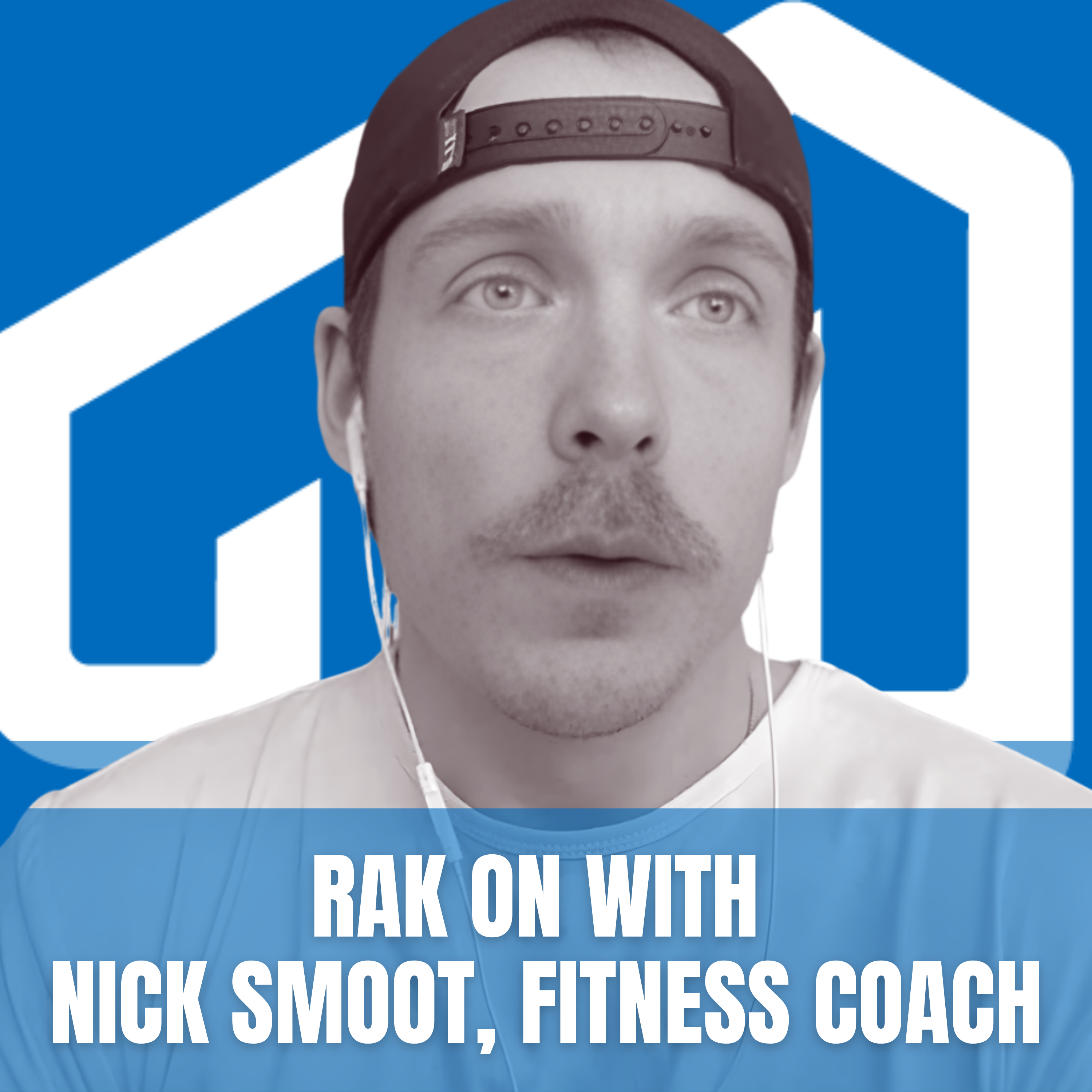
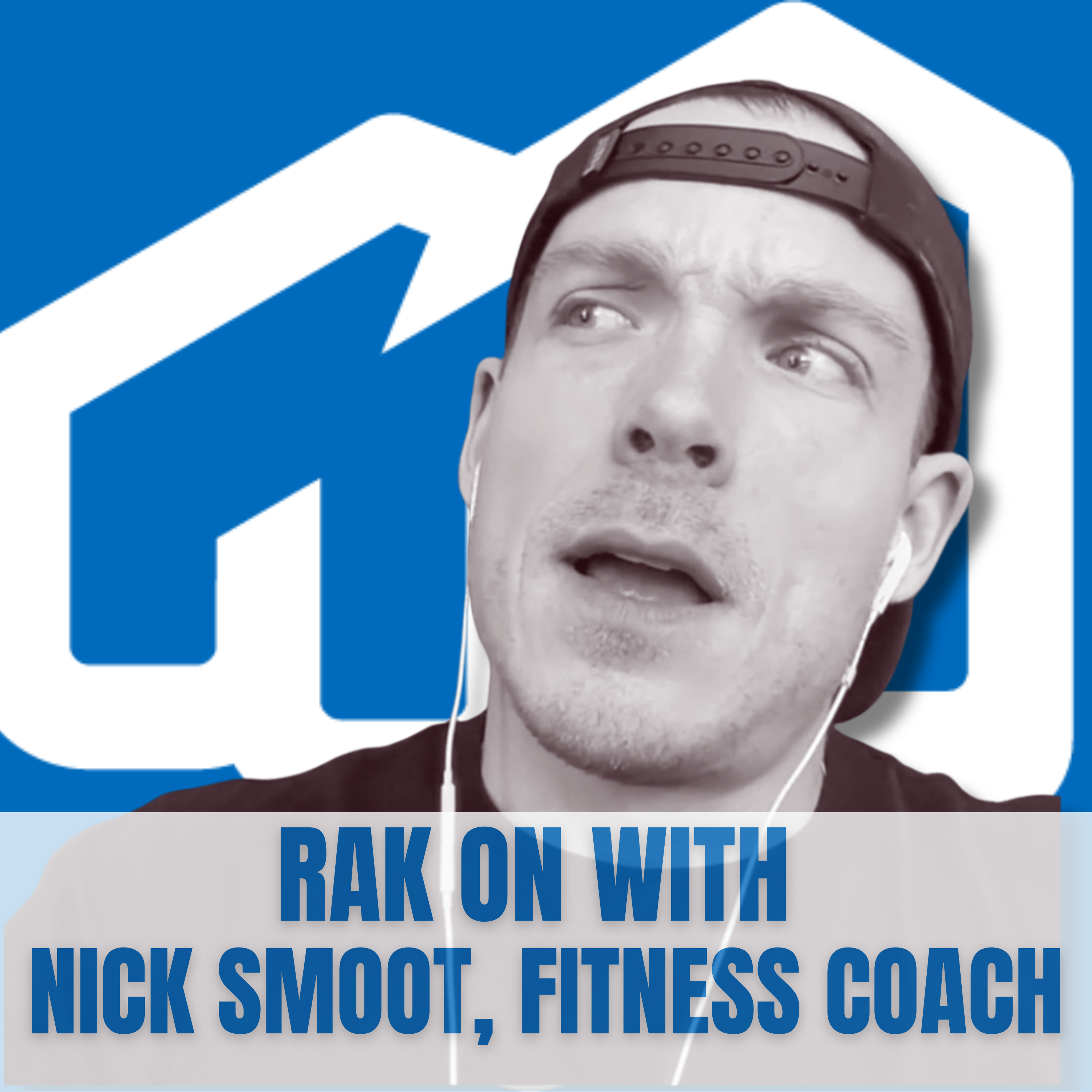
    You Don't Get Stronger When You Work Out (RAK On with Coach Smoot)

    Hey there- Dr. Rak (“rock”) here. When it comes to training and working out, I used to think more was always better. More workouts. More intensity. Less rest. Several years ago, I became addicted to Spartan obstacle course races, and it has really fueled my training. Early on, I was aiming to train six days a week, often pushing through pain, and I kept getting hurt. Pulled muscles. Knee pain. Cramping in my calves one week before a race I had trained six months for. I thought the answer was to do more. It turns out I had it completely backwards. Coach Nick Smoot is back on The Health Feast, and this time we are talking about the half of training almost nobody pays attention to: recovery. Because you don’t get stronger when you train. You get stronger when you’re not training. And if you’re not recovering, you are leaving every single gain on the table. We get into: Why your body can’t tell the difference between a hard workout and a hard day at work Why walking might be the most underrated tool you have Why the couch is not the same as recovery And Nick tells a jiu-jitsu story that will change how you think about working hard. Whether you are grinding and going nowhere, or you love someone who is, this one is for you. Timestamps 0:00 Intro 1:54 What recovery actually is 4:11 Two types of athletes: under-recovery vs. over-resting 5:30 Sleep: the greatest recovery tool you have 10:24 Your body can’t tell the difference between training stress and life stress 12:34 Why walking is the most underrated recovery tool 18:04 Why sitting on the couch is not recovery 26:39 How to fuel for training -- and when protein timing actually matters 37:13 Training when sick: the above-the-neck rule 41:12 Rest is not weakness -- it is part of the work 45:10 The jiu-jitsu story: 75% consistent beats 100% burned out 48:23 Coach Smoot’s closing message Follow Coach Smoot: Instagram: @smoot_fit Substack Newsletter: smootfit.substack.com LinkedIn: linkedin.com/in/smootfit About The Health Feast The Health Feast is the podcast where health stops feeling like a chore and starts feeling like a joyful and abundant feast. Hosted by Dr. Rak Jotwani, a board-certified Lifestyle Medicine and Internal Medicine physician. New episodes every week (or two). Subscribe on your favorite podcast app, join the conversation on YouTube, and if this episode was useful, leave us a review and share with others! These are the best ways to help the show reach more people. Live well and RAK ON. Dr. Rak — Disclaimer: This episode is for informational and educational purposes only. It is not medical advice and does not replace a conversation with your own physician or healthcare provider. Always consult a qualified professional before making changes to your exercise, nutrition, or health routine.

    • Transcript
  • #63
    April 3 · 1 hr 13 min

    063 Why Men Have No Friends (And How To Change That)

    What if the biggest barrier to healing isn't your body — but the belief that you have to fix everything alone? Want more from The Health Feast? Sign up for my free 5-day email series and learn how to make health habits stick with ease in your life. Visit rakyourlife.com to get started. Nearly half of middle-aged men say they feel lonely. One in five admit to having zero close friends. A couple years ago, I was one of those men. When my wife was diagnosed with breast cancer, I realized I had almost no close friends nearby. That's when I found F3 — a completely free men's movement that changed my life. Today I'm sitting down with Frank Schwartz (Dark Helmet), CEO of F3 Nation. He went from over 250 pounds and what he calls "curating the museum of himself" to now leading a movement that's reached over 100,000 men worldwide. In this episode we explore: Why the "lone wolf" mindset is destroying men's health The three Fs of F3: fitness, fellowship, and faith (and why the order matters) How naming, ritual, and identity create deeper transformation Why leadership can be lonely — even in a movement fighting loneliness What Frank would tell a man who feels completely stuck right now The completely free resource any man can access this week Whether you're a man feeling this isolation yourself or you have someone in your life who is — this conversation will show you what's really going on and what's actually possible. Live well and RAK ON, – Dr. Rak 👊🏽 Timestamps 00:00 Dr. Rak's intro: The loneliness epidemic in middle-aged men 02:43 Why men are struggling with isolation and the "lone wolf" mentality 05:50 How society pushes individualism too far 08:56 What is F3 and where did it come from? 10:59 The three Fs: fitness, fellowship, and faith 13:33 Why men connect "shoulder to shoulder" vs face to face 17:12 The accountability factor and outsourcing responsibility 18:51 Dr. Rak's personal F3 discovery story 21:36 The raw vulnerability that emerges after physical exhaustion 25:16 The power of naming, ritual, and tribal identity 28:59 How nicknames represent a new chapter of life 32:03 Frank's transformation: from "curating the museum" to authentic leadership 36:20 The completion vs creation phases of a man's life 42:45 Why leadership can be profoundly lonely 48:52 Maintaining mental health as a leader 53:12 The intentionality behind F3's common language 58:44 Frank's advice to men who feel stuck: "Just stand up" 1:05:52 Overcoming the mental barriers to getting started 1:09:05 Frank's mindset tip: continuous improvement with no arrival point 1:10:49 How Frank makes his own life a health feast Disclaimer: The Health Feast is provided for educational and informational purposes only and does not constitute providing medical advice or professional services. As with any changes affecting your health, we recommend and encourage you to consult your medical doctor or other qualified healthcare professionals before making lifestyle changes. The opinions expressed are our own and do not necessarily reflect the views of our employers.

    • Transcript
  • #62
    March 20 · 1 hr 2 min

    062 This Former Olympian and Doctor Says One Daily Choice Could Help Save the Planet

    If you’ve been paying attention to all the things: the chronic disease epidemic, a food system full of processed food, a planet that is genuinely struggling, then you feel it. The scale of it. The weight of it. And then comes the question that stops so many of us cold. Does anything I do actually matter? My guest today, Dr. Scott Stoll, has spent more than 20 years answering that question. He’s a former Olympic athlete turned physician who built the largest annual gathering of plant-based healthcare professionals in the world, bringing together thousands of clinicians and changemakers from across the globe. And he is one of the most gifted storytellers I’ve come across in this space — the kind of person who can make you feel something and think something at the same time. Does anything I do actually matter? After this episode, you’ll agree the answer a resounding yes. Live well and RAK ON, Dr. Rak 👊🏽 ⏱️ Episode Timestamps Timestamps 0:00 – Dr. Rak's intro 3:37 – What feels most urgent right now? 6:07 – The plate as a convergence point 7:37 – Why health became a personal responsibility 9:49 – Why food is such a powerful entry point for change 12:51 – Community as the multiplier 15:56 – When Scott started seeing the plate as more than nutrition 20:55 – Why a new kind of gathering is needed — the Power of the Plate 24:40 – The origin of the Plantrician Conference (2013) 30:01 – Living with urgency without burning out 33:08 – How people actually make change — the power of story 36:27 – The patient in the borrowed camper 40:45 – The conference as a recharge 47:44 – Healthcare as illness care, not health care 50:43 – Health as a more wonderful life 51:07 – Mindset tip: Maya Angelou and grace for the past 53:26 – How Scott makes his own life a health feast 55:52 – On storytelling and oration 58:14 – How to find and register for the Power of the Plate Conference About Dr. Scott Stoll Dr. Scott Stoll is a board-certified physician specializing in sports and regenerative medicine and an internationally recognized leader in lifestyle medicine and whole food plant-based nutrition. Before medical school, he was a member of the 1994 U.S. Olympic Bobsled Team at the Winter Games in Lillehammer, Norway. He co-founded the Power of the Plate Conference and the previous International Plant-Based Nutrition Healthcare Conference, which has grown into a global community of clinicians and changemakers. He has hosted week-long Total Health Immersions for over 16 years, helping hundreds of patients recover lost health, reverse chronic disease, and restore their quality of life. Connect with Dr. Scott Stoll Website: drscottstoll.com Instagram: @drscottstollofficial The Plantrician Project: plantricianproject.org Power of the Plate Conference — May 14–17, San Diego: poweroftheplate.org Disclaimer: The Health Feast is provided for educational and informational purposes only and does not constitute providing medical advice or professional services. As with any changes affecting your health, we recommend and encourage you to consult your medical doctor or other qualified healthcare professionals before making lifestyle changes.

    • Transcript
  • March 3 · 1 hr 23 min

    061 Chronic Inflammation, Gut Health, and Why You Might Be Constipated | Dr. Will Bulsiewicz

    What if the reason you’re still inflamed… isn’t what you think? Hey Health Feasters — You’re bloated. Foggy. Tired. You’ve cut foods. Added supplements. Tried protocols. Some things improve. But you still don’t feel right. In this episode, I sit down with Dr. Will Bulsiewicz, or Dr. B, a board-certified gastroenterologist, microbiome expert, and New York Times bestselling author of Fiber Fueled as well as his new book Plant Powered Plus. Dr. B and I unpack what might actually be going on. Because sometimes the issue isn’t effort. It’s the diagnosis. In this conversation, Dr. B breaks down three big ideas: 1. Misdiagnosis is common. The most frequent cause of bloating is constipation, even when you “go every day.” Getting the diagnosis right matters more than trying another protocol. 2. Inflammation isn’t the enemy. Chronic activation is. Seventy percent of your immune system lives in your gut. When the gut barrier breaks down, the immune system stays switched on. That’s very different from the short-term inflammation that helps you heal. 3. Gut health is bigger than food. Sleep, circadian rhythm, stress, trauma, loneliness, and human connection all shape the microbiome. You can’t out-supplement a nervous system that never downshifts. This conversation reframes gut health in a powerful way. It’s not just about what you eliminate. It’s about what you restore. So if you’ve been trying hard and still feel off, this episode offers a clearer lens for understanding what’s happening, and where to focus next. Live well and RAK ON, – Dr. Rak 🌿 Want to Put This Into Practice? For $11/month (or $99/year), you can join our membership community where we practice this work together LIVE. Click here to sign up and learn more. ⏱️ Episode Timestamps 00:00 Dr. Rak’s intro 03:05 – The first step: Get the diagnosis right 05:29 – You might be constipated and not know it 16:37 – Acute vs. chronic inflammation explained 20:18 – The gut barrier, leaky gut, and 70% of your immune system 24:35 – Gut health is more than food 30:00 – Sleep, circadian rhythm, and morning cortisol 36:55 – Why inflammation may tie your whole health history together 41:26 – Empowerment, personalization, and why he wrote Plant Powered Plus 48:13 – The “free” health tools: sleep, light, movement 50:53 – Organic vs. conventional and the microbiome 58:35 – Stress, safety, and the nervous system 1:07:47 – Loneliness, purpose, and gut diversity| 1:14:15 – Practical steps: nutrition, rhythm, brain–gut connection 1:19:21 – Dr. B’s morning routine 1:21:24 – The best things in life are free Disclaimer: The Health Feast is provided for educational and informational purposes only and does not constitute providing medical advice or professional services. As with any changes affecting your health, we recommend and encourage you to consult your medical doctor or other qualified healthcare professionals before making lifestyle changes. The opinions expressed are our own and do not necessarily reflect the views of our employers.

    • Transcript
  • February 17 · 52 min

    060 What This Heart Doctor Wants You to Know Before it's Too Late

    Hey Health Feasters — Have you ever been told your labs are “normal”… and still felt uneasy? Maybe your cholesterol is “a little high.” Your blood pressure is “borderline.” Your doctor says, “Let’s just keep an eye on it.” And at the same time, your social feed is full of people saying cholesterol doesn’t matter. Statins are poison. Carnivore fixes everything. This supplement will solve all your problems. It’s no wonder people feel confused. We’re surrounded by strong opinions and half-truths. And when it comes to heart disease — the number one killer in this country — that confusion carries real consequences. This week on The Health Feast, I sat down with Dr. Andrew Freeman, a cardiologist at National Jewish Health in Denver and former chair of the American College of Cardiology’s Nutrition and Lifestyle Work Group. He’s not just reacting to internet trends. He helped shape the actual guidelines. In this conversation, we talk about: - What actually causes heart disease - What heart disease “reversal” really means (and what it doesn’t) - Whether statins are always necessary - Why lifestyle medicine works and why and when Western medicine still has an important role - And how to lower your risk without falling for fads Dr. Freeman is thoughtful, evidence-driven, and refreshingly human and I know you’re going to love this conversation. So, if you’ve felt stuck between fear-based medicine and internet hype… If you want clarity instead of confusion… If you care about prevention instead of regret… this episode is for you. -------------------------- 🌱 Join the RAK ON Tribe For $11/month (or $99/year), you can join our membership community where we practice this work together. The RAK ON Tribe membership includes: - Live breathwork with Yang - Group strength training with Coach Alexander - Cook-alongs and monthly Q&A with me, Dr. Rak - A growing library of replays, resources, and recipes - A supportive, encouraging community We’re currently at 28 members, and once we reach 50, the membership price will increase. If you join now, you’ll be locked in at the founding rate of $11/month or $99/year. As the Tribe grows, so will the live events, guest sessions, and resources inside. Early members grow with us — and help shape what this becomes. If you’re looking for ongoing support, not just inspiration, this is where we build it. find out more at www.rakyourlife.com/rakon ⏱️ Episode Timestamps 00:00 Dr. Rak’s intro 03:08 The Role of Lifestyle in Heart Health 05:57 The Impact of Nutrition on Cardiology 08:50 Reversing Heart Disease: Is It Possible? 12:10 The Importance of Tailored Medical Advice 15:02 Cultural Influences on Dietary Choices 17:52 Creating Delicious and Healthy Alternatives 20:47 The Power of Motivation in Lifestyle Changes 24:06 The Nuances of Heart Disease Reversal 26:58 The Allure of Supplements vs. Lifestyle Changes 29:46 The Quick Benefits of Lifestyle Changes 33:07 Finding the Right Medical Support 36:03 The Challenge of Patient Resistance 38:55 The Role of Healthcare Providers in Lifestyle Medicine 41:49 Key Takeaways for Heart Health Disclaimer: The Health Feast is provided for educational and informational purposes only and does not constitute providing medical advice or professional services. As with any changes affecting your health, we recommend and encourage you to consult your medical doctor or other qualified healthcare professionals before making lifestyle changes. The opinions expressed are our own and do not necessarily reflect the views of our employers.

  • February 4 · 36 min

    059 RAK ON: Why You’re Overcomplicating Your Health, and What to Do Instead

    Is getting healthier burning you out? Hey Health Feasters — Ever feel like you’re doing everything for your health… and it’s still not working? You’re meal prepping. Following a complicated workout split. Tracking macros. Taking supplements. Watching reels about cold plunges, red light therapy, and blood sugar spikes. And somehow… you’re exhausted. Burned out. Not even sure what’s working anymore. This week on The Health Feast, I’m back with Nick Smoot— my coach, a writer, and one of the clearest thinkers I know when it comes to keeping health simple. We explore why so many of us fall into the trap of over-optimizing — chasing hacks, piling on complexity, and never sticking with anything long enough to see results. Nick unpacks the power of doing fewer things better, and why most people need to standardize before they optimize — in their workouts, their nutrition, and their habits. So, if you’re tired of starting over, this conversation will help you clear the noise and get back to what actually works. Live well and RAK ON, – Dr. Rak 👊🏽 Follow Nick Smoot: Instagram: @smoot_fit Substack Newsletter: smootfit.substack.com LinkedIn: linkedin.com/in/smootfit 🌱 Join the RAK ON Tribe If you’re looking for ongoing support — not just inspiration — the RAK ON Tribe is where we practice this work together. Membership includes: Monthly live breathwork with Yang Group strength training with Coach Alexander Cook-alongs and live events with Dr. Rak A growing library of replays, resources, and recipes A supportive, encouraging community $11/month or $99/year First month free with code RAKON Learn more and join the RAK ON Tribe Timestamps 00:00 – Why health feels harder than it should 01:53 – The trap of overcomplicating your routine 06:24 – “Standardize before you optimize” 12:18 – Info overload and decision fatigue 16:49 – Nick’s own simplicity breakthrough 21:07 – Signs you’re making it too complex 25:44 – What sustainable health actually looks like 31:12 – Letting go of shame and keeping it simple Disclaimer: The Health Feast is provided for educational and informational purposes only and does not constitute providing medical advice or professional services. As with any changes affecting your health, we recommend and encourage you to consult your medical doctor or other qualified healthcare professionals before making lifestyle changes. The opinions expressed are our own and do not necessarily reflect the views of our employers.

  • January 7 · 57 min

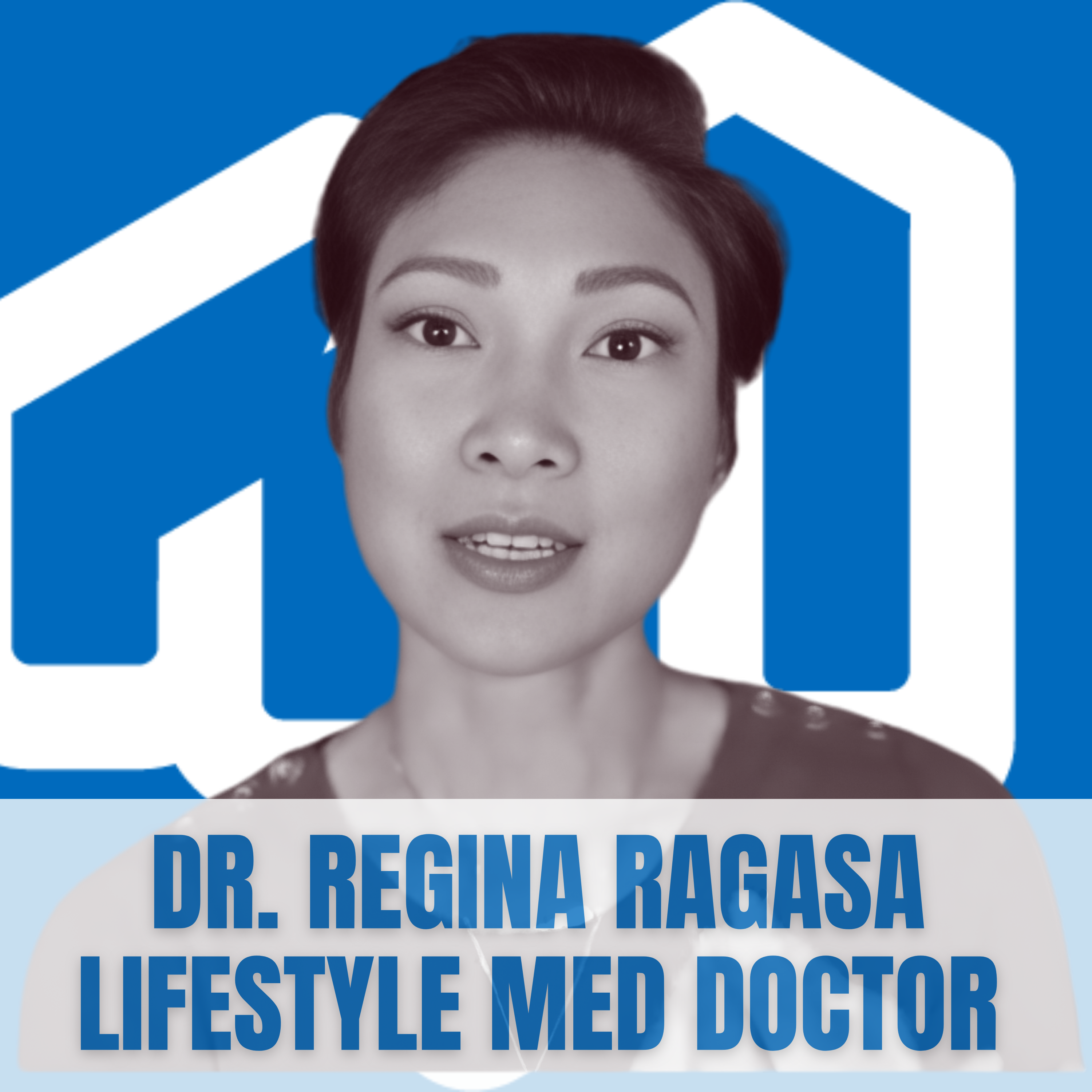
    058 Why Getting Healthier Feels Harder Than It Should with Dr. Regina Ragasa, DO, DipABOM, DipABLM

    Why does getting healthier feel harder than it should? With the new year upon us, a lot of us are thinking more seriously about our health goals. We’re paying attention. We’re putting in effort. And it’s frustrating when that effort doesn’t seem to translate into results. That frustration doesn’t just show up in January. It shows up anytime you decide your health matters. This week on The Health Feast, Po and I are joined by Dr. Regina Ragasa, a physician who works with patients every day who are doing “the right things” and still feeling stuck. Dr. Ragasa is triple board–certified in family medicine, lifestyle medicine, and obesity medicine, and she helps patients achieve sustainable, compassionate weight loss by addressing root causes rather than quick fixes. In this episode, we explore: - Why so many well-intentioned health efforts stall, even when you’re working very hard to do everything right - What often gets missed beneath the surface when progress feels slower than expected - How small, meaningful shifts can completely change the trajectory of your health - Why protein quality matters more than most people realize - Why compassion is a practical ingredient for change that actually lasts If you’ve ever felt like you’re trying hard and still wondering what’s not clicking… If you’ve blamed yourself when things didn’t move the way you expected… This episode offers a steadier, more honest way forward. So if you’re putting in the effort and wondering what you might be missing, you’re in the right place. Live well and RAK ON, – Dr. Rak 👊🏽 ======= About Regina Ragasa, DO, DAOBM, DipABLM Dr. Regina Ragasa is a physician triple boarded in family medicine, lifestyle medicine, and obesity medicine who helps patients achieve sustainable weight loss and better overall health. Her work focuses on people who are genuinely trying to get healthier, often doing many of the “right things,” and still feeling stuck. She blends evidence-based lifestyle medicine with practical, real-world care, emphasizing food quality, sustainable habits, and compassion rather than restriction or shame. Dr. Ragasa is especially known for helping patients rethink protein, navigate a challenging food environment, and make changes that actually fit into busy lives. Her approach blends evidence-based lifestyle medicine with practical clinical care, focusing on food quality, sustainable habits, and compassion rather than restriction or shame. Dr. Ragasa is especially known for helping people rethink protein, navigate a challenging food environment, and make changes that actually fit into busy, modern lives. In her work and teaching, she emphasizes that the problem is rarely a lack of effort or willpower, it’s often the system, the messaging, and the way we’ve been taught to define “healthy.” Her goal is to help people move forward with clarity, confidence, and tools that support lasting change. ======= 🔗 Links + Resources • 📸 Instagram: CaliWellnessDoc Timestamps 00:00 – Why Does Getting Healthier Feel So Hard? 01:18 – “I’m Eating Clean… Why Am I Still Stuck?” 04:31 – The Protein Mistake Almost Everyone Makes 08:59 – The Patient Case That Changed Everything 15:29 – Why “Just Try Harder” Doesn’t Work 24:32 – You’re Not Broken — The Food System Is 31:12 – Are Medications a Shortcut or a Tool? 41:10 – Why Self-Compassion Is the Missing Skill 50:59 – Health Is a Practice, Not a Finish Line

  • #57
    Dec 9, 2025 · 48 min

    057 The Truth About Getting Fit After 40 (What No One Tells You)

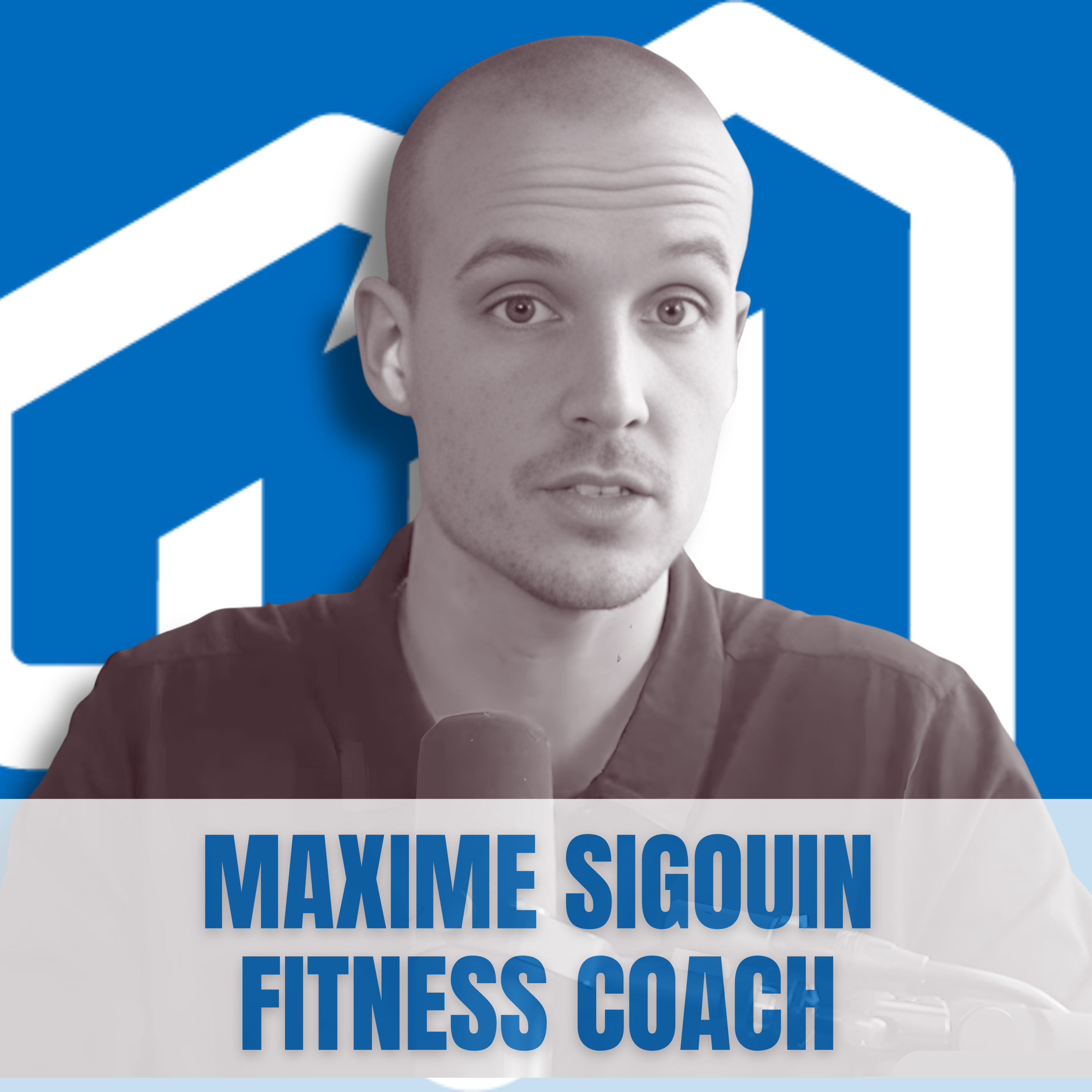
    What if the way you’ve been told to get fit… is exactly what’s holding you back? If you’re over 40 and still not where you want to be with your fitness or health, it might not be about willpower. It might be the method. This week on The Health Feast, I’m joined by Maxime Sigouin — founder of FitVegan Coaching — to unpack why so many traditional fitness plans fail us… and what actually works instead. Maxime has helped hundreds of people in their 40s, 50s, and beyond reclaim their health, reverse chronic conditions, and build sustainable strength — without chasing aesthetics or burning out. In this episode, we get into: Why most fitness advice sets people up to fail How to rebuild trust in your body after years of dieting or injury What mindset and habits actually sustain long-term change Why slowing down — even unplugging — can be a power move Maxime also shares what he believes is the single most important investment you can make in your health after 40: strength training. Not just for looks — but for confidence, function, and long-term vitality. Since we recorded, Maxime announced the release of his new book, Forever Fit — which is available for preorder now here. If you’ve ever felt like the quick fixes aren’t working anymore… this episode offers something deeper. Live well and RAK ON, – Dr. Rak 👊🏽 About Maxime Sigouin Maxime Sigouin is the founder of FitVegan Coaching, a fitness and lifestyle program for men and women over 40 who want to get leaner, stronger, and healthier without extreme diets or burnout. A former bodybuilder turned holistic coach, Maxime helps people shift from chasing short-term results to building a long-term lifestyle — rooted in clarity, simplicity, and self-respect. He’s also the author of the upcoming book Forever Fit, available now for preorder. ⸻ 🔗 Links + Resources • 📘 Forever Fit – Preorder the Book • 💪 FitVegan Coaching • 📸 Instagram: @maximesigouin_ • 🎙 Maxime’s Podcast ============================= Disclaimer: The Health Feast is provided for educational and informational purposes only and does not constitute providing medical advice or professional services. As with any changes affecting your health, we recommend and encourage you to consult your medical doctor or other qualified healthcare professionals before making lifestyle changes. The opinions expressed are our own and do not necessarily reflect the views of our employers.

  • #56
    Dec 2, 2025 · 25 min

    056 Your Food Noise Is Out of Control — Here’s How to Stop It

    What if the reason you can’t stop thinking about food… has nothing to do with willpower? For so many of us, food isn’t just fuel — it’s noise. It’s the constant hum in the back of the mind: What should I eat? What shouldn’t I eat? Why did I eat that? Why can’t I stop thinking about food? It’s exhausting. And it’s far more common than most people realize. In this week’s episode, Po and I sit down for a raw, honest conversation about food noise — why it happens, how stress and strong emotions make it louder, why our modern food environment works against us, and what it actually takes to quiet the mental chatter around eating. We talk about cravings, comfort, GLP-1 medications, rumination, and the emotional patterns so many of us carry: the guilt, the judgment, the feeling that we “should” be doing better. And we explore the deeper truth — that food noise isn’t a personal failure. It’s a signal. And when we learn how to listen to it with curiosity rather than criticism, everything begins to shift. In this episode, we explore: What “food noise” really is — and why it’s so overwhelming How stress, emotions, and our environment shape cravings Why GLP-1 medications quiet food noise (and why that matters) How food noise steals your bandwidth and self-trust Why restriction often makes food noise louder Practical ways to create space, awareness, and calm around food How mindfulness, fasting, and silence can retrain your brain This conversation is vulnerable, honest, and filled with the kinds of insights Po and I have learned firsthand — for me, as a clinician, and for both of us, as humans navigating our own relationships with food. If you’ve ever felt like food takes up too much mental space… if you’ve blamed yourself for your cravings… or if you’re looking for a more compassionate, sustainable way to relate to eating — this episode is absolutely for you. Live well and RAK ON, – Dr. Rak 👊🏽 👊🏽 Want more? More strength. More flavor. More awareness. More community. If that’s you, you can join the RAK ON Tribe and get access to: All Strong for Life classes All Live Mindful Meals with Dr. Rak cook-alongs Monthly Breathwork with Yang Coming soon: Monthly Q&A with Dr. Rak. Get your health questions answered. Event replays, recipes, meditations A supportive, plant-forward community A private space that makes health feel like a feast, not a fight 🍽️ Membership is $11/month or $99/year 🎁 First month free with code RAKON 👉 Learn more and join the RAK ON Tribe

  • #55
    Nov 18, 2025 · 1 hr 18 min

    055 How Shame Sabotages Your Health Journey with Ocean Robbins

    What if the biggest barrier to healing… is the belief that you’re broken? So many of us are doing everything right — eating better, moving more, trying to fix our health — but deep down, we’re carrying a quiet belief that we’re not enough. That our body is the problem. That healing has to come through restriction, guilt, or perfection. But what if real change begins not with feeling shame — but love? In this week’s episode, we sit down with Ocean Robbins, CEO of the Food Revolution Network, for a deep, honest conversation about what it means to root health in compassion — not shame. Ocean is the son of John Robbins, who famously walked away from the Baskin-Robbins empire to write Diet for a New America. Ocean has forged his own path — helping millions transform their relationship with food and health to experience what truly matters to us in life. In this episode we explore: Why so many people feel like they’re failing at health How Ocean’s upbringing shaped his values and mission The tension between grief, perfectionism, and purpose What it means to choose love — again and again This conversation was one of our most soulful and resonant yet — and I’m so glad to have Po back for it. You’re definitely in for a treat. So whether you’ve felt stuck, not enough, and are looking for a gentler path forward — this episode is for you. Until next time… Live well and RAK ON, – Dr. Rak 👊🏽 =================== About Ocean Robbins Ocean Robbins is the CEO of Food Revolution Network, a global movement dedicated to healthy, ethical, and sustainable food for all. He’s the son of John Robbins, who famously walked away from the Baskin-Robbins empire to author Diet for a New America. Ocean has carried forward that legacy while forging his own powerful path — helping millions reclaim their relationship with food and root their health journey in compassion, not shame. He’s also the author of the best-selling book 31-Day Food Revolution, and a deeply thoughtful leader in the food justice space, blending science, systems thinking, and soul. 🔗 Links + Resources 🌎 Website: foodrevolution.org 📕 Book: 31-Day Food Revolution 📸 Instagram (Org): @foodrevolutionnetwork 🧠 More from Ocean: Blog + Resources 💬 Got thoughts, questions, or topic ideas? DM me, Dr. Rak, on Instagram @thehealthfeast or @rakyourlife Disclaimer: The Health Feast is provided for educational and informational purposes only and does not constitute providing medical advice or professional services. As with any changes affecting your health, we recommend and encourage you to consult your medical doctor or other qualified healthcare professionals before making lifestyle changes. The opinions expressed are our own and do not necessarily reflect the views of our employers.

  • #54
    Nov 4, 2025 · 1 hr 5 min

    054 What I Learned Walking 2 Million Steps in a Month (with Kwame Terra)

    Why do we start strong… and still end up stuck? (Watch on YouTube) To answer that, my guest today, Kwame Terra, did something no one else ever has. He walked over 2 million steps in 30 days — 66,000 steps a day. That’s more than a marathon’s distance daily, with no rest days. At the end of it, Kwame ended up setting a new world record. But this isn’t a story about crushing a record. It’s a conversation about what it takes to follow through — when no one’s watching, when you hit a wall, and when your old self is begging you to quit. In this episode, we unpack: Why motivation rarely lasts — and what to rely on instead The hardest part of walking 66K steps a day (it’s not what you think) How pain, rhythm, and emotional triggers show up in the body What Kwame learned about trusting himself again through movement Why “finishing something” can be more healing than we realize More than any record, this challenge was about reclaiming a sense of identity, integrity, and forward momentum — through walking. More from Kwame Terra: 👉 bEHR Health — a culturally grounded health platform for Black communities 📸 Instagram: @kwameterra 👍 Like this episode? Leave a comment with your biggest “aha” moment — and don’t forget to subscribe. Until next time… Live well and RAK ON, -Dr. Rak 👊🏽 Guest Bio Kwame Terra is a public health strategist, digital health entrepreneur, and founder of bEHR Health, a culturally grounded health platform designed to improve outcomes in Black communities through personalized insights, real-time support, and community-based care. With a background spanning global health, digital therapeutics, and racial equity, Kwame has advised startups, government agencies, and health systems on how to center equity and behavioral science in population health design. He’s been featured by organizations like Fast Company, Harvard’s T.H. Chan School of Public Health, and the Robert Wood Johnson Foundation for his work at the intersection of innovation and inclusion. In 2024, Kwame became the first person to complete the FeSteps Challenge, walking over 2 million steps in 30 consecutive days — a world-record feat rooted not in performance, but in healing, discipline, and finishing what he started. Timestamps 0:00 — Dr. Rak’s intro 0:02 — From App Idea to Walking Movement 0:06 — The First Brutal Days: Pain, Fuel & Headaches 0:09 — What Actually Got Him Through: Mindset & Mentors 0:13 — Inspiration, Not Just Steps 0:16 — Movement as a Tool for Health Equity 0:19 — How Kwame’s Health Philosophy Was Formed 0:23 — Plant-Based Awakening & Early Influences 0:28 — Creating a Culture Shift Around Food 0:32 — Designing bEHR Health: More Than an App 0:37 — Building Trust, Tech & Community 0:43 — What’s Next for bEHR Health 0:50 — Reimagining Health Equity 0:56 — Final Reflections & The Desire to Live 1:00 — Where to Find Kwame & How to Join Disclaimer: The Health Feast is provided for educational and informational purposes only and does not constitute providing medical advice or professional services. As with any changes affecting your health, we recommend and encourage you to consult your medical doctor or other qualified healthcare professionals before making lifestyle changes. The opinions expressed are our own and do not necessarily reflect the views of our employers.

  • #53
    Oct 27, 2025 · 59 min

    053 Your Pain Isn’t Improving Because You’re Missing This with Dr. Sassy Weinstein, DO

    “I’ve done everything right… so why do I still hurt?” If that question feels familiar, this episode is for you. We’re joined by Dr. Sassy Weinstein, an osteopathic physician, sports medicine expert, and board-certified lifestyle medicine doc who has helped thousands of patients finally heal — not by doing more, but by seeing the body as a whole system. In this conversation, we unpack: •Why pain often isn’t coming from where it hurts •The #1 mistake smart, proactive people make when trying to feel better •How stress, sleep, movement patterns, and shoes (!!) could be part of the problem •Real stories of patients who tried everything… until they didn’t have to This isn’t about more restriction or another wellness rule. It’s about reclaiming your body’s wisdom and getting back to what matters — with joy, clarity, and sustainable relief. ⸻ ✨ Dr. Sassy Weinstein’s Work: 👉 CORE Sports and Lifestyle Medicine https://coresportsmedicine.com/ 📸 Instagram: @drsassyweinstein  ⸻ Timestamps 00:13 – Intro: Still hurting after doing everything “right”? 02:00 – Why the pain isn’t where the problem is 06:09 – The missing links: stress, sleep, and strength 10:49 – PT, trainers, and who to trust 14:52 – Personalized healing plans that work 21:13 – Community as medicine: the role of connection 26:14 – Tools that help: PRP, shockwave, and smart movement 32:46 – Why Dr. Sassy started her own practice 49:23 – From chore to joy: reframing movement ⸻ 👋🏼 Hosted by Dr. Rakesh “Rak” Jotwani (like rock), a lifestyle medicine physician and founder of RAK Your Life, alongside his friend Po, a former corrections officer who has lost close to 200lbs on his health journey. This podcast is for people living full lives who feel overwhelmed by restrictive wellness advice — and want health to feel joyful and abundant like a feast. ⸻ 👍 Like this episode? Leave a comment with your biggest “aha” moment — and don’t forget to subscribe. 🔔 New episodes weekly. Live well and RAK ON. ⸻ 👊🏽 Get Strong at Home and Join the Tribe! What if getting strong didn’t have to feel like punishment? That’s what we’re doing in Strong for Life — our virtual strength session designed for real-life function, balance, and confidence. We had an amazing group last week of 10 people last week — and we’re doing it again this Sunday. 🗓 Next session: Sunday at 1pm ET / 10am PT 💻 Live on Zoom 💪 Beginner-friendly, no equipment needed (just a chair and space) 💵 $5 drop-in — free for first-timers with code: STRONG 👉 Register here: https://calendly.com/drrak/strength-foundations-build-strength-balance Want more? More strength. More support. More community. If that’s you too? You can become a member and get access to: - All Strong for Life classes - Live Mindful Meals cook-alongs and breathwork sessions - Replays, recipes, and meditations - A supportive, plant-forward community - A private space that makes health feel like a feast, not a fight 🍽️ Membership is just $11/month or $99/year. 🎁 First month free with code RAKON 👉 Join the RAK ON Tribe

  • #52
    Oct 7, 2025 · 47 min

    052 The Doctor Who Says Healthcare Is Killing Us with Dr. Todd Otten

    Healthcare is broken — and everyone feels it. Appointments are rushed. Costs keep rising. Clinicians are burned out. Patients are frustrated. And the system seems to be hurting the very people it’s supposed to help. In this episode of The Health Feast, I’m joined by Dr. Todd Otten — a board-certified family doctor and Navy veteran — who nearly left medicine after seeing how deeply the system was failing both his patients and his peers. But instead of walking away, he chose to speak out. Todd co-wrote Ripple of Change with one of his patients and is now producing a powerful new documentary, Suck It Up, Buttercup, to reveal what’s really happening inside healthcare — and what needs to change. Whether you’re a clinician on the edge of burnout or a patient who’s felt dismissed and discouraged, this conversation will help you make sense of your experience — and give you a glimpse of what better could look like. What We Cover: What’s actually causing clinician burnout — and why it’s not just long hours The hidden trauma of medical training What “moral injury” means — and why it’s driving people out of medicine How broken incentives lead to bad outcomes for both patients and doctors Why Dr. Otten nearly left medicine — and what pulled him back The power of solidarity, and why we need collective change What you can do — even if you feel powerless in the system 🔗 Resources + Links: 📘 Ripple of Change — the book Dr. Otten co-wrote with his patient → Buy the Book (Official Site) 🎬 Suck It Up, Buttercup — the upcoming documentary → Visit the Official Site → Support the Film on GoFundMe If you’ve felt let down by healthcare — or stuck inside a system that doesn’t let you care the way you want to — this episode is for you. Timestamps 00:30 Dr. Rak’s intro 02:51 Burnout and Moral Injury in Medicine 05:59 The Ripple of Change: A Co-Authored Journey 08:44 The Crisis of Mental Health Among Physicians 11:39 The Disconnect Between Patients and Healthcare Providers 14:55 The Impact of Training on Physician Well-Being 18:00 The Role of Greed in Healthcare 20:49 Hope and the Path Forward 23:47 The Importance of Collaboration in Healthcare 26:39 The Need for Systemic Change 29:43 Personal Stories and Experiences in Medicine 32:39 The Future of Healthcare and the Documentary Project Disclaimer: The Health Feast is provided for educational and informational purposes only and does not constitute providing medical advice or professional services. As with any changes affecting your health, we recommend and encourage you to consult your medical doctor or other qualified healthcare professionals before making lifestyle changes. The opinions expressed are our own and do not necessarily reflect the views of our employers.

Showing 1–20 of 21 episodes