

S3 · E4
August 8 · 54 min

Today we talk about SCP-005, SCP-038 and SCP-294.
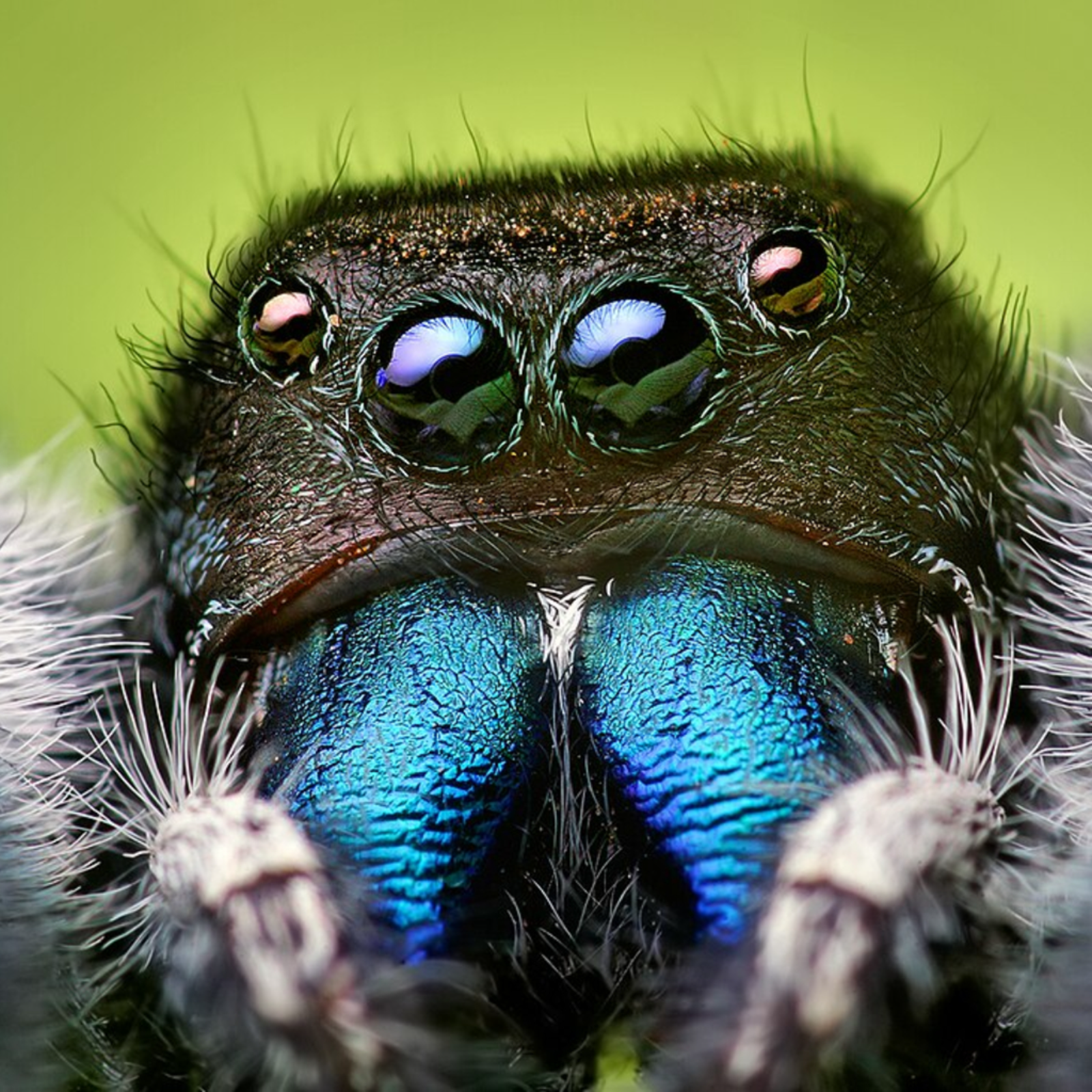
Today we talk about spiders, one of the most successful, ancient, and deeply misunderstood orders of predators on Planet Earth. With over 50,000 known species thriving in virtually every ecosystem outside of Antarctica, these eight-legged arachnids have been perfecting their craft for more than 300 million years - predating the dinosaurs by tens of millions of years. In this episode, we are untangling the evolutionary genius behind these master engineers, from microscopic web weavers to massive bird-eating tarantulas. We’re diving deep into the biological marvels that make spiders unique in the animal kingdom. We explore the bio-engineering feat that is spider silk - a liquid protein spun into fibers stronger than steel by weight - and examine the bizarre hydraulic system they use to extend their legs using pressurized fluid instead of opposing muscles. From the high-definition 3D vision of jumping spiders to the complex chemical cocktails of their venom, we break down how these creatures turn physics and biology into ultimate survival mechanisms. We’ll also examine their indispensable role as ecological keystone predators. Without spiders keeping prey in check, global insect populations would explode beyond control, triggering agricultural and ecological collapse in a matter of months. We explore the psychological roots of arachnophobia, recent discoveries regarding spider cognition and learning, and why these creatures deserve fascination rather than fear. Watch your step and keep an eye on the corners - we’re stepping directly into the web.
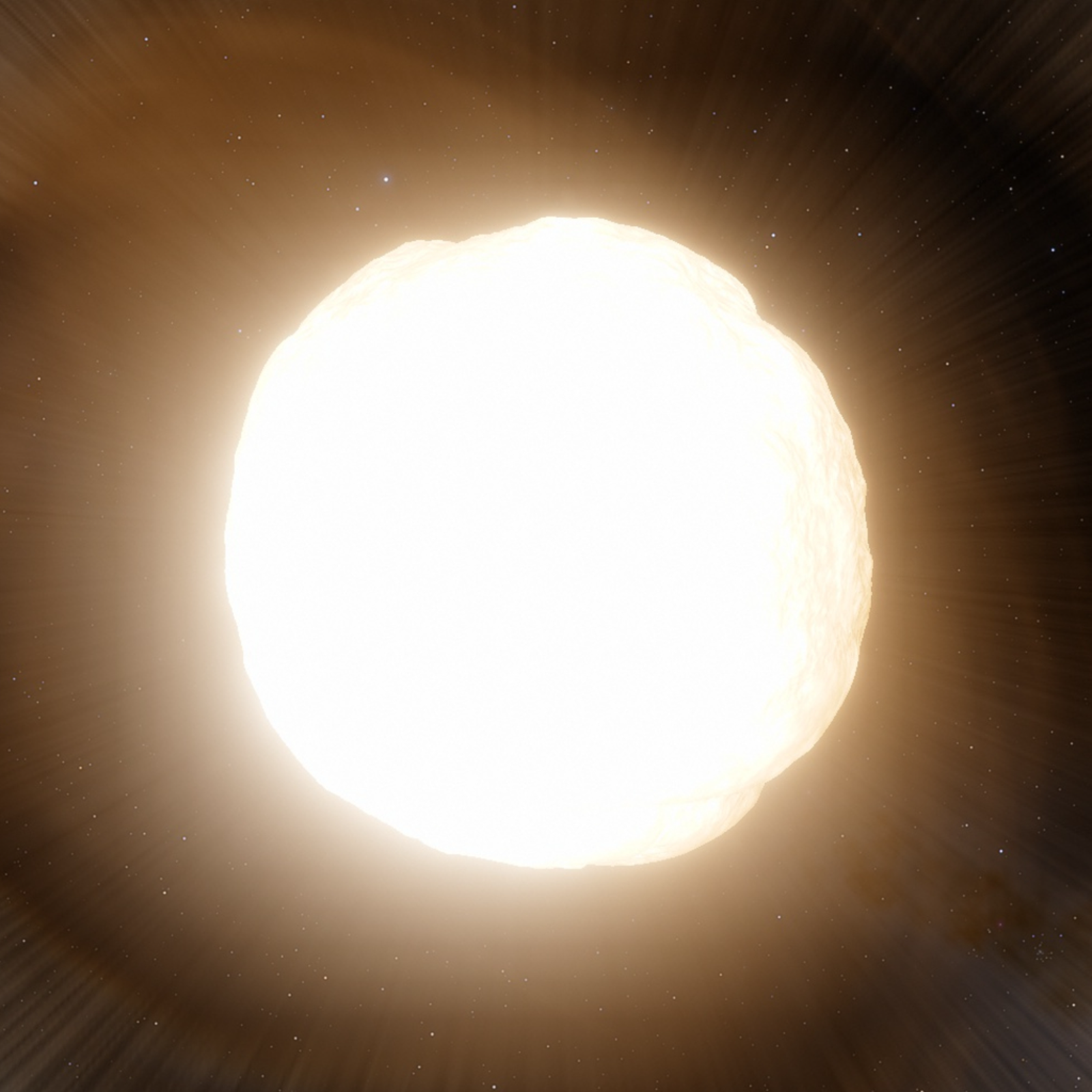
Today we talk about VY Canis Majoris, an extreme red hypergiant that stretches our understanding of just how massive a star can possibly grow before destroying itself. Located roughly 3,900 light-years away in the constellation Canis Major, this celestial titan is estimated to be around 1,420 times the radius of our Sun. If you placed VY Canis Majoris at the center of our solar system, its outer surface would extend beyond the orbit of Jupiter, swallowing Mercury, Venus, Earth, Mars, and the entire asteroid belt in a single glowing sphere of superheated gas. A passenger jet flying along its equator at 500 mph would take nearly 1,100 years to complete just one full lap. In this episode, we are exploring the chaotic, dying days of a stellar behemoth. VY Canis Majoris is shedding its mass at a staggering rate, blasting giant arcs and knots of gas out into interstellar space, creating a dense, dusty nebula that constantly shrouds the star itself. We'll break down the physics of its eventual death - a cataclysmic hypernova explosion - and look at whether its collapsing core will leave behind a neutron star or instantly breach the threshold to form a stellar-mass black hole. Keep your distance and put on your radiation shields - we’re standing in the shadow of one of the largest stars in the known universe.

Today we talk about Amelia Earhart, the pioneering aviator whose boundary-pushing life and tragic final flight made her an enduring icon of courage and mystery. In 1932, Earhart shattered records by becoming the first woman to fly solo nonstop across the Atlantic Ocean, cementing her status as a global phenomenon and a champion for women in aviation. But five years later, she set her sights on the ultimate goal: becoming the first woman to pilot an aircraft around the world. On July 2, 1937, near the end of her grueling 29,000-mile journey, Earhart and her navigator Fred Noonan took off from Lae, New Guinea, heading toward a tiny speck of land in the Pacific known as Howland Island - and vanished into history. In this episode, we are tracking the final hours of flight NR16020. We examine the radio distress signals picked up by the US Coast Guard cutter Itasca, the navigational miscalculations in the blinding glare of the Pacific morning, and the massive, unprecedented search effort that followed. We’ll explore the major theories surrounding her fate - from the leading crash-and-sink model to the castaway hypotheses on Nikumaroro Island and modern deep-sea sonar discoveries. Keep your radio dialed in and check your fuel gauges - we’re charting the final vector of aviation's greatest unsolved disappearance.

Today we talk about hypothetical types of biochemistry, exploring how life might build itself in alien environments where carbon and water are nowhere to be found. Every organism on Earth relies on carbon as its structural backbone and liquid water as its universal solvent. But astrobiologists and bio-chemists actively model theoretical organisms built on radically different chemistry - life that could thrive in liquid methane seas, scorching high-pressure worlds, or freezing interstellar clouds. In this episode, we are diving into alternative elemental backbones like silicon, boron, and arsenic, and swapping out water for solvents like liquid ammonia, methane, or supercritical carbon dioxide. We're dissecting the chemical hurdles these exotic metabolic engines would face: why silicon chains tend to lock up or explode around oxygen, how methane-based "azotosomes" could form cell membranes at -290°F (-179°C) on Saturn's moon Titan, and how non-DNA genetic codes could store complex information. We'll explore how shifting a single key element in the periodic table completely rewrites the rules for biological energy, respiration, and evolution. Adjust your life-support filters - we're stepping into worlds where biology operates on an entirely different periodic table.

Today we talk about the Jamison family deaths, one of the most mysterious and haunting cold cases in modern American history. In October 2009, Bobby Jamison, his wife Sherilynn, and their six-year-old daughter Madyson vanished without a trace into the rugged Sans Bois Mountains of Oklahoma. Eight days after they disappeared, their abandoned pickup truck was found locked on a remote dirt road with their starving dog, $32,000 in cash, their cell phones, and wallets still inside. It took four long years before their skeletal remains were discovered just three miles away, lying side by side, leaving investigators with more questions than answers. In this episode, we’re digging into the baffling clues and unsettling theories surrounding the case. From strange security camera footage of the couple moving in a trance-like state before they left home, to claims of witchcraft, fears of local drug cartels, and rumors of extreme paranoia, we examine how a family's search for a quiet piece of land ended in an inexplicably quiet tragedy. Watch your step in the mountains - some mysteries are buried deeper than the trail.
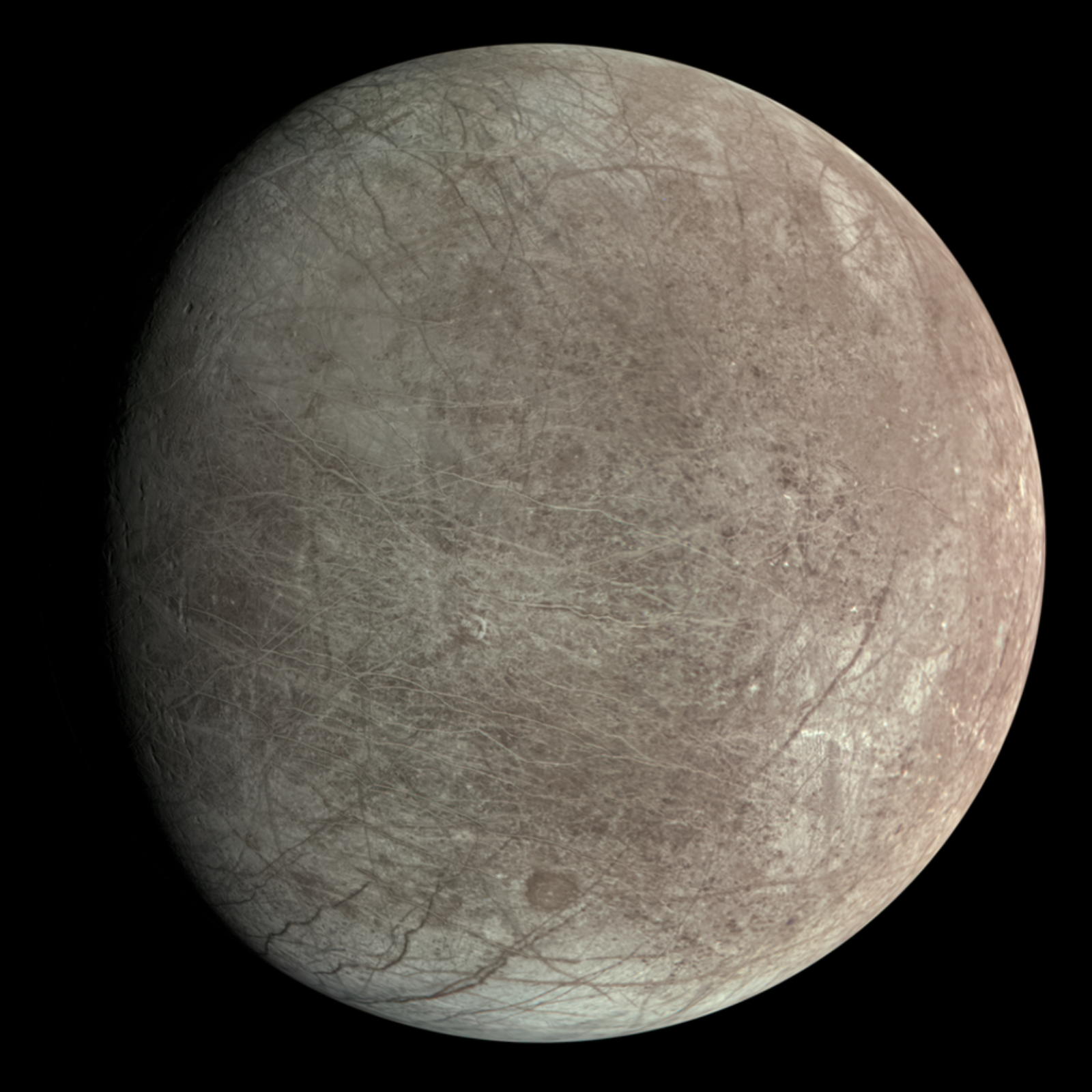
Today we talk about Jupiter’s moon, Europa, an icy world hiding what might be the best chance of finding extraterrestrial life in our own solar system. On the surface, Europa looks like a cracked glass marble, crisscrossed with reddish-brown fractures and buffeted by intense radiation. But beneath its miles-thick shell of water ice lies a global, liquid water ocean containing up to twice as much water as all of Earth's oceans combined. In this episode, we explore how the gravitational pull of giant Jupiter flexes and kneads the moon’s core, generating the tidal heat needed to keep that subsurface ocean warm and liquid in the deep freeze of space. We’re diving into the mystery of what lies at the bottom of that dark abyss. Could hydrothermal vents on Europa’s sea floor be pumping out the chemical ingredients for life? We’ll discuss the cutting-edge robotic missions sent to probe it and why this alien ocean could change our understanding of life in the universe forever. Bundle up and suit up - we’re diving deep into the ocean beneath the ice.

Today we talk about liminal spaces and the Backrooms, the eerie internet phenomenon born from the unsettling feeling of places left empty. A liminal space is a transitional threshold - like an abandoned shopping mall at midnight, a school hallway during summer break, or a completely empty airport terminal. They are places meant for passing through, and when they are stripped of human life, our brains sense that something is profoundly wrong. In this episode, we explore how this collective architectural unease evolved into the mythos of the Backrooms: a sprawling, endless maze of moist yellow carpet, monochrome wallpaper, and the relentless, deafening hum of fluorescent lights. We're diving into the origins of this digital folklore, from a single viral 4chan post to an internet-wide worldbuilding project teeming with "levels," hidden entities, and survival strategies. We'll unpack the psychology behind why these images trigger such a deep sense of nostalgia and dread, and what it means to "noclip" out of reality entirely. Watch where you step - if you aren't careful, you might just slide out of bounds.

Today we talk about the Verseworld timeline from the science fiction worldbuilding project, Verseworld created by Dominic Adams.
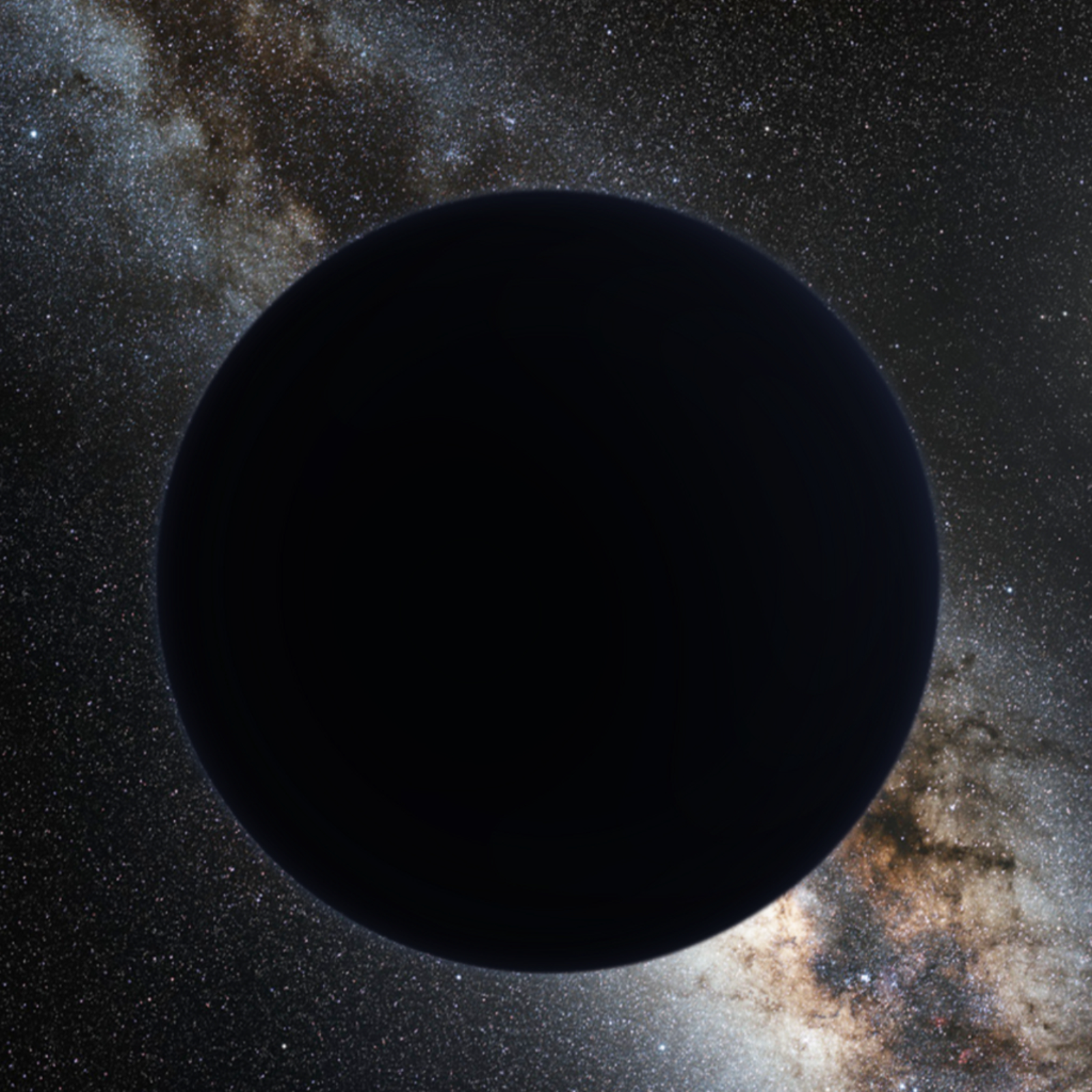
Today we talk about Planet Nine, a massive ghost world that astronomers are convinced is lurking at the absolute edge of our solar system, even though nobody has ever actually seen it. The case for Planet Nine is a stellar detective story. Scientists noticed that a cluster of icy, distant objects way out past Pluto are all being tugged into bizarre, elongated, and tilted orbits. The mathematical fingerprints point to one culprit: a hidden super-Earth, estimated to be roughly five to ten times the mass of our planet, lurking in the deep darkness. In this episode, we explore the hunt for this missing giant, which takes an agonizing 10,000 to 20,000 years just to complete a single trip around the sun. We’re diving into how researchers use advanced mathematical modeling and gravitational anomalies to track an invisible world, the massive telescopes scanning the deepest skies to catch its faint reflection, and the wild alternative theories - like the possibility that Planet Nine isn't a planet at all, but a primordial, golf-ball-sized black hole left over from the Big Bang. Grab your telescopes and peer into the abyss - we’re hunting for a world hiding in plain sight.