Skip to content
Artwork for The Creature-Studios Podcast
ScienceHistory

The Creature-Studios Podcast

Dom Adams

Welcome to the Creature-Studios Podcast! Here we talk about the interesting stuff. Science, space, history, mysteries. You name it, we cover it. Please enjoy!

Play
  • 22 episodes
  • Avg 49 min
  • English
Counted on this page — what you have heard stays on this device, so it is not something the list can be paged by.
  • S3 · E16
    Saturday · 44 min

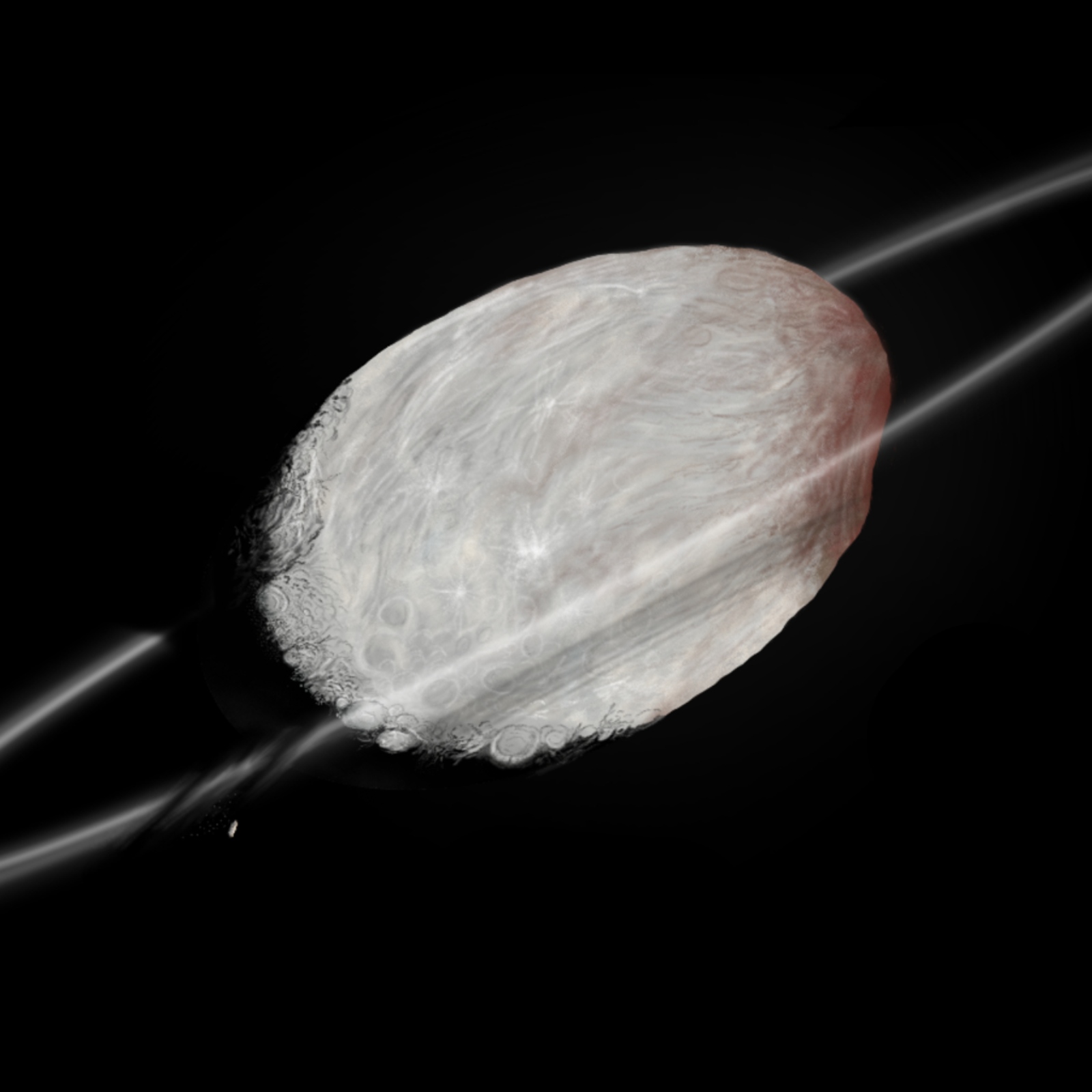
    Life in the Hadean Pressure Cooker

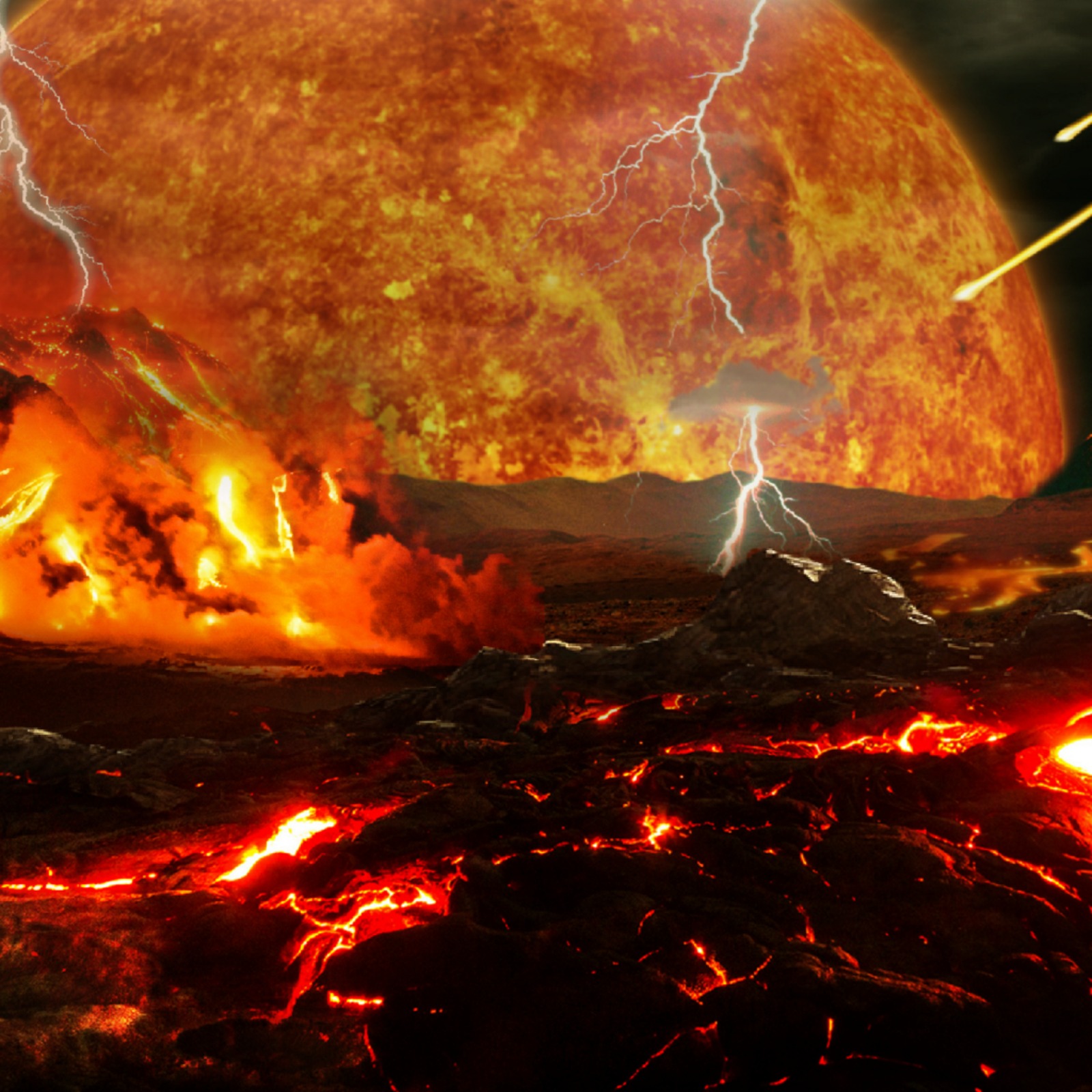
    Today we talk about the Hadean eon, the fiery, hellish dawn of Earth's history when our planet was a chaotic crucible of molten rock and relentless cosmic bombardment. Spanning from the formation of the solar system roughly 4.6 billion years ago to 4.0 billion years ago, this eon - named after Hades, the Greek god of the underworld - was a time before stable continents, before an oxygenated atmosphere, and long before life took root. In this episode, we are traveling back to a nightmare world where Earth's surface was a churning sea of glowing magma, continuously reshaped by intense volcanism and swept by the scorching radiation of a young Sun. We’re dissecting the cataclysmic events that forged our home world, including the colossal collision with a Mars-sized protoplanet named Theia - an impact so violent it re-melted Earth's outer layers and blasted vast amounts of debris into orbit, which rapidly coalesced to form our Moon. We’ll explore how the planet gradually cooled over hundreds of millions of years, allowing the first solid crustal rocks to freeze out of the magma, torrential steam clouds to condense into primordial oceans, and the raw chemical ingredients of life to take shape under a thick, toxic sky. Calibrate your heat shields and brace for impact - we’re stepping directly into the primordial inferno of Earth's origin story.


  • S3 · E15
    Saturday · 46 min

    How September 11 Reshaped the World

    Today we talk about the September 11 attacks, the pivotal day in modern history that reshaped global geopolitics, aviation security, and the American landscape forever. On the morning of September 11, 2001, nineteen militants associated with al-Qaeda hijacked four commercial airliners in a coordinated terrorist strike against the United States. Two planes struck the Twin Towers of the World Trade Center in Lower Manhattan, a third crashed into the Pentagon in Arlington, Virginia, and a fourth crashed into a field near Shanksville, Pennsylvania, after passengers fought back to prevent it from reaching its target. Claiming 2,977 innocent lives, it remains the deadliest single act of terrorism in human history. In this episode, we trace the timeline of that fateful morning minute by minute - from the early-morning takeoffs along the East Coast to the frantic NORAD communications, the collapse of the towers, and the immense heroism of first responders rushing into burning buildings. We’ll also examine the far-reaching aftermath: the creation of the Department of Homeland Security, the total overhaul of airport protocols worldwide, the findings of the 9/11 Commission Report, and the decade-long manhunt that followed. Pause for a moment of reflection - we’re honoring the lives lost, the heroes who answered the call, and a world forever altered.

  • S3 · E14
    September 9 · 40 min

    Infinity Stones in a Decorative Glass Bowl

    Today we will be talking about a story where the main character is giving a tour of his vault containing various pop culture items he gathered from various multiversal trips.

  • S3 · E13
    September 6 · 48 min

    If Every Volcano Erupted at Once

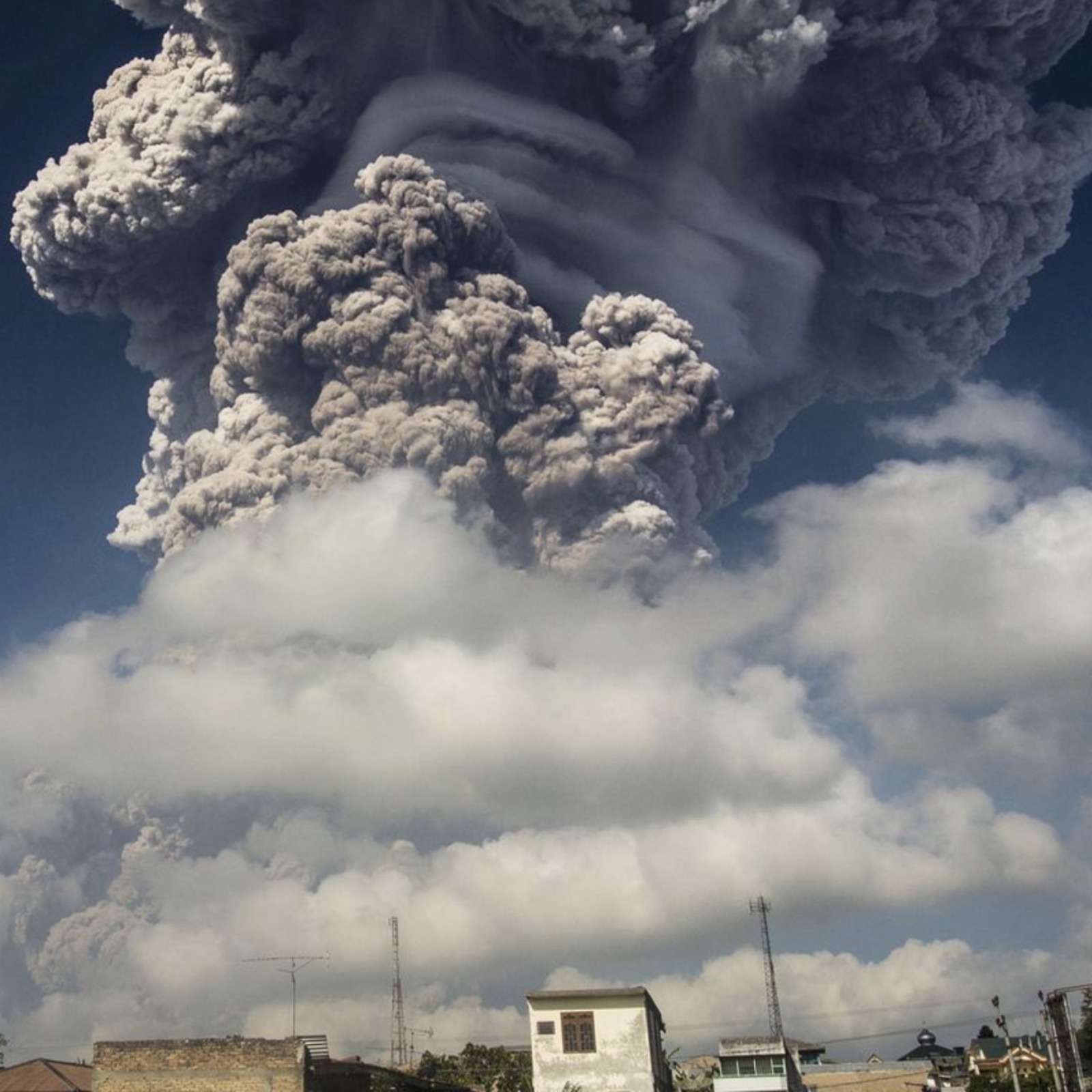
    Today we talk about a what if scenario where every active, dormant and extinct volcano on the planet erupt simultaneously.

  • S3 · E10
    August 25 · 38 min

    How Your DNA Light Outlives You

    Today we talk about a faux scientific paper detailing spirits/ghosts as if they were real things.

  • S3 · E9
    August 24 · 54 min

    How Venus Became a Planetary Hellscape

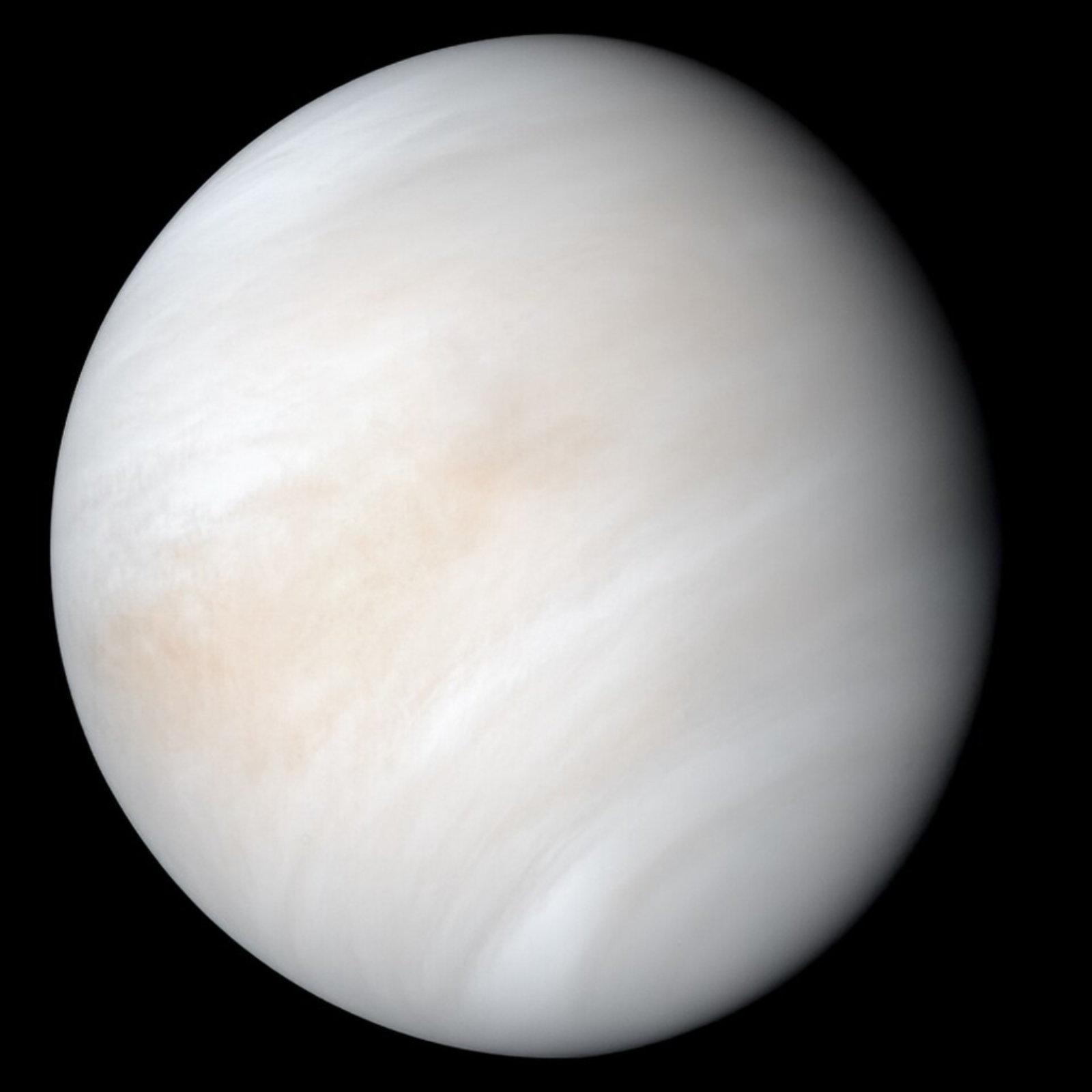
    Today we talk about Venus, Earth’s "evil twin" and the undisputed inferno of the solar system. At first glance, Venus sounds almost identical to Earth - matching nearly our exact size, mass, and rocky composition. But beneath its thick, impenetrable blanket of yellow clouds lies a planetary nightmare. Trapped in the grip of an extreme runaway greenhouse effect, Venus boasts surface temperatures soaring past 870°F (465°C) - hot enough to easily melt lead - and an atmospheric pressure roughly 90 times that of Earth, crushing down with the force of being nearly 3,000 feet deep in the ocean. In this episode, we explore how a world that may have once harbored temperate oceans transformed into a toxic, scorched cauldron of superheated carbon dioxide and corrosive sulfuric acid rain. We’re breaking down the bizarre physics of this backward-spinning world: Venus rotates so slowly that a single day lasts longer than its entire year, and its retrograde spin means the sun rises in the west and sets in the east. We’ll recount the legendary engineering feats of the Soviet Venera landers - the only spacecraft tough enough to survive touching down on the hellish surface, snapping eerie, amber-tinted photos before being cooked and crushed within hours. Plus, we'll examine the lingering debates over its upper atmosphere, where temperate conditions leave scientists wondering if microscopic life could be drifting high above the acid haze. Check your heat shielding and watch your pressure gauges - we’re descending straight into the hottest hellscape in the solar system.

  • S3 · E8
    August 23 · 50 min

    Engineering a Human Mission to Haumea

    Today we talk about the technical details of a crewed mission to the dwarf planet Haumea, complete with a human landing.

  • S3 · E7
    August 19 · 49 min

    The Five Gene Viral Bullet

    Today we talk about rabies, one of the most terrifying, relentless, and near-100% fatal viral infections in human history. Caused by the Rabies lyssavirus, this ancient pathogen operates almost like a biological horror story. Once introduced into muscle tissue through an infected bite or scratch, it avoids detection by bypassing the bloodstream entirely. Instead, it hijacks the host’s peripheral nervous system, creeping millimeters per day along motor axons toward the spinal cord and brain. In this episode, we explore how rabies systematically rewrites the host's behavior - inducing agitation, aggression, and excessive salivation to maximize the odds of biting and transmitting itself to another victim before causing total neurological collapse. We’re breaking down the terrifying clinical progression of the disease: the long, silent incubation periods that can span weeks to months without a single symptom, the sudden onset of severe encephalitis, and the hallmark symptom of hydrophobia - where involuntary, excruciating throat spasms prevent the patient from swallowing even a single drop of water. We’ll also examine the race against the clock: why rabies is virtually untreatable once clinical signs emerge, how Louis Pasteur developed the first vaccine in 1885, and how modern Post-Exposure Prophylaxis (PEP) can neutralize the virus before it reaches the brain. Keep your distance from strange wildlife and check your vaccination history - we’re stepping into the sinister mechanics of nature's deadliest virus.

  • S3 · E5
    August 14 · 57 min

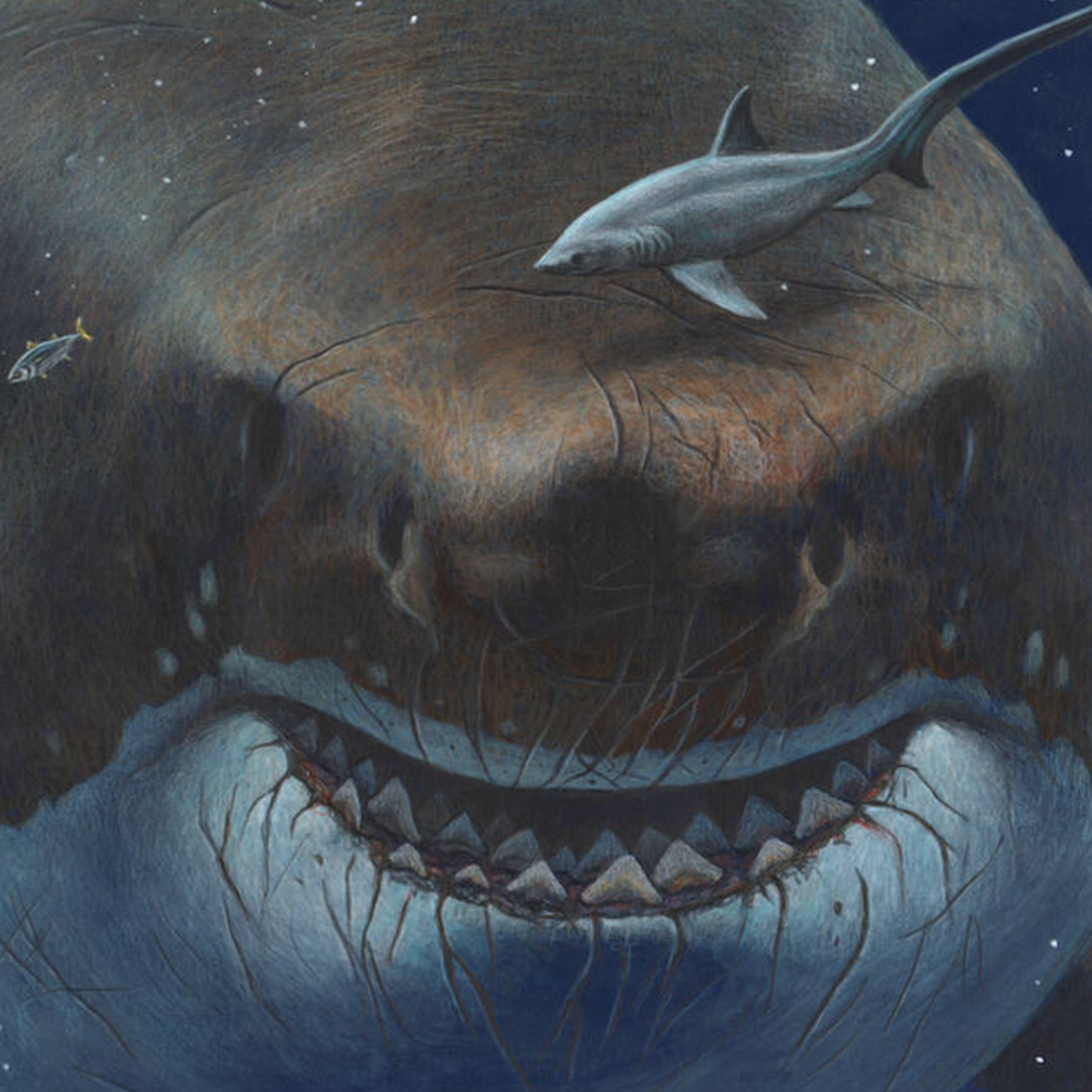
    The Ninety Foot Reality of Megalodon

    Today we talk about Otodus megalodon, the undisputed apex predator of the prehistoric oceans that ruled the deep for over fifteen million years. Reaching lengths of up to 50 feet or more and weighing over 40 tons, Megalodon was more than three times the size of today's Great White Shark. With serrated teeth as long as a human hand and a bite force estimated to be four times stronger than Tyrannosaurus rex, this massive marine predator hunted prehistoric whales and sea turtles across the globe. In this episode, we’re dissecting the biology, hunting strategies, and biomechanics of history's ultimate marine hunter. We explore why this leviathan vanished around 3.6 million years ago during the Pliocene epoch - from changing ocean currents and cooling global climates to rising competition from agile new competitors like ancestral killer whales. Keep your sonar active and watch the deep water - we’re diving straight into the territory of the ultimate sea monster.

  • S3 · E3
    August 8 · 1 hr 5 min

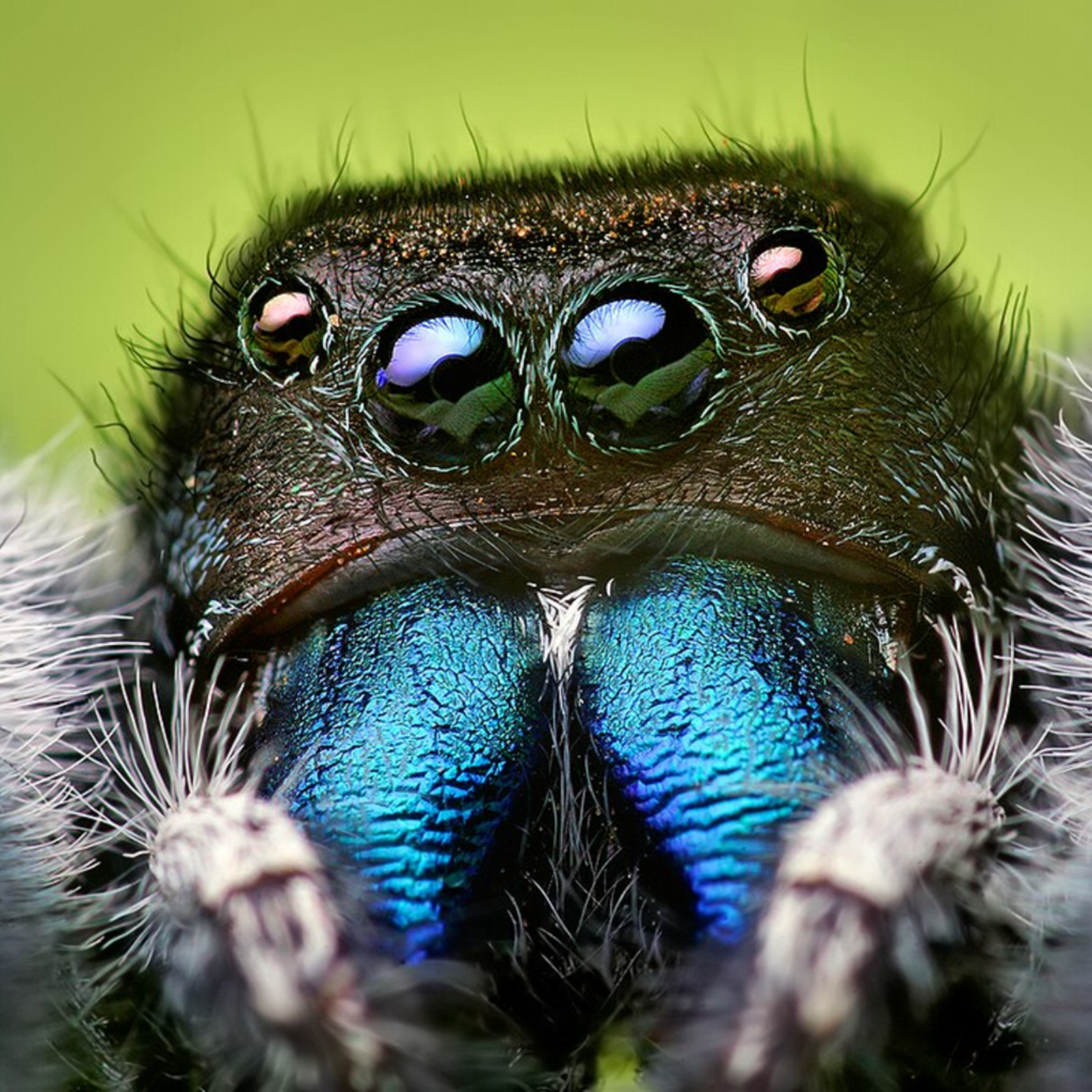
    Hydraulic Legs and Blue Blooded Hunters

    Today we talk about spiders, one of the most successful, ancient, and deeply misunderstood orders of predators on Planet Earth. With over 50,000 known species thriving in virtually every ecosystem outside of Antarctica, these eight-legged arachnids have been perfecting their craft for more than 300 million years - predating the dinosaurs by tens of millions of years. In this episode, we are untangling the evolutionary genius behind these master engineers, from microscopic web weavers to massive bird-eating tarantulas. We’re diving deep into the biological marvels that make spiders unique in the animal kingdom. We explore the bio-engineering feat that is spider silk - a liquid protein spun into fibers stronger than steel by weight - and examine the bizarre hydraulic system they use to extend their legs using pressurized fluid instead of opposing muscles. From the high-definition 3D vision of jumping spiders to the complex chemical cocktails of their venom, we break down how these creatures turn physics and biology into ultimate survival mechanisms. We’ll also examine their indispensable role as ecological keystone predators. Without spiders keeping prey in check, global insect populations would explode beyond control, triggering agricultural and ecological collapse in a matter of months. We explore the psychological roots of arachnophobia, recent discoveries regarding spider cognition and learning, and why these creatures deserve fascination rather than fear. Watch your step and keep an eye on the corners - we’re stepping directly into the web.

  • S3 · E2
    August 4 · 43 min

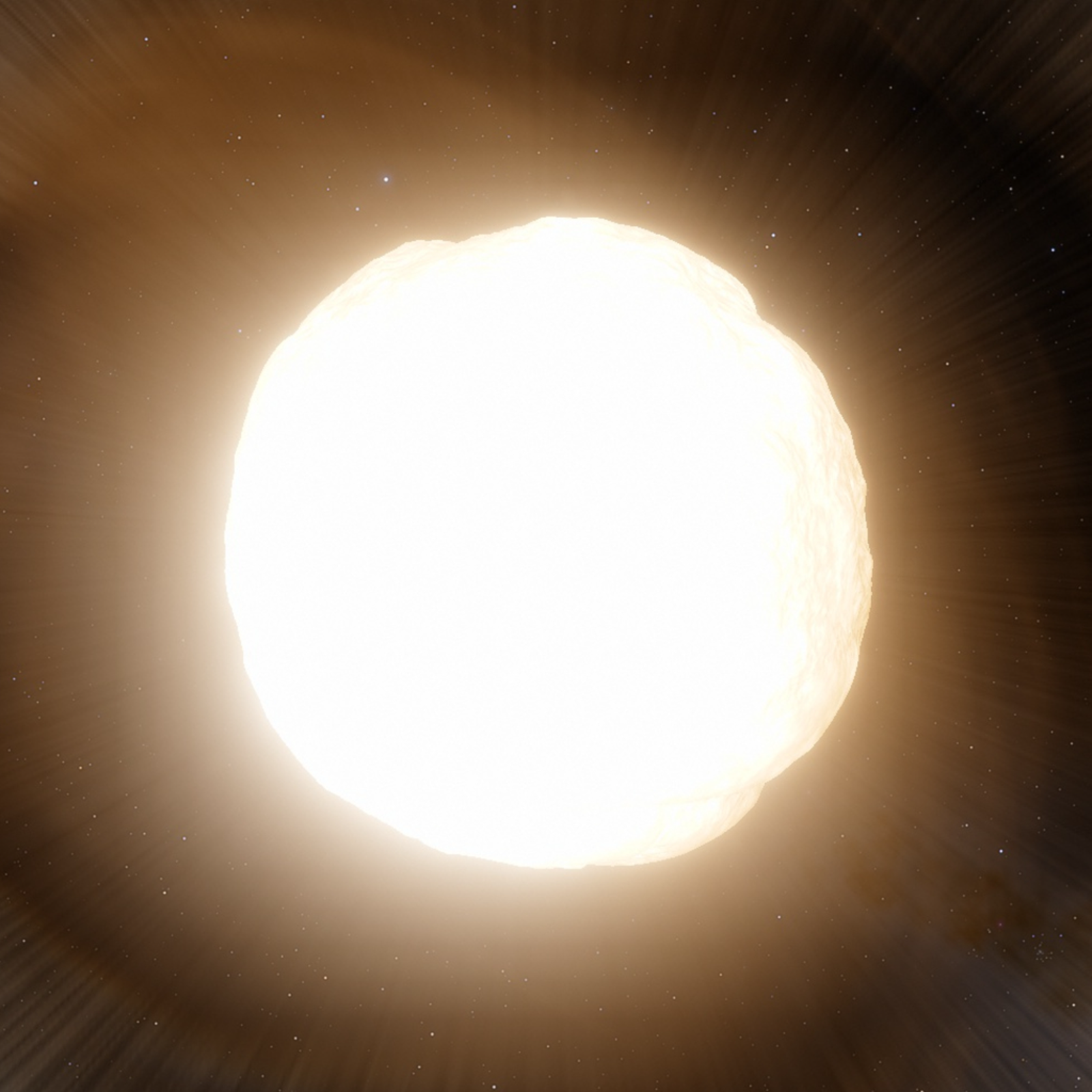
    The Star that Could Swallow Jupiter

    Today we talk about VY Canis Majoris, an extreme red hypergiant that stretches our understanding of just how massive a star can possibly grow before destroying itself. Located roughly 3,900 light-years away in the constellation Canis Major, this celestial titan is estimated to be around 1,420 times the radius of our Sun. If you placed VY Canis Majoris at the center of our solar system, its outer surface would extend beyond the orbit of Jupiter, swallowing Mercury, Venus, Earth, Mars, and the entire asteroid belt in a single glowing sphere of superheated gas. A passenger jet flying along its equator at 500 mph would take nearly 1,100 years to complete just one full lap. In this episode, we are exploring the chaotic, dying days of a stellar behemoth. VY Canis Majoris is shedding its mass at a staggering rate, blasting giant arcs and knots of gas out into interstellar space, creating a dense, dusty nebula that constantly shrouds the star itself. We'll break down the physics of its eventual death - a cataclysmic hypernova explosion - and look at whether its collapsing core will leave behind a neutron star or instantly breach the threshold to form a stellar-mass black hole. Keep your distance and put on your radiation shields - we’re standing in the shadow of one of the largest stars in the known universe.

  • S3 · E1
    August 2 · 47 min

    The Meticulous Construction of Amelia Earhart

    Today we talk about Amelia Earhart, the pioneering aviator whose boundary-pushing life and tragic final flight made her an enduring icon of courage and mystery. In 1932, Earhart shattered records by becoming the first woman to fly solo nonstop across the Atlantic Ocean, cementing her status as a global phenomenon and a champion for women in aviation. But five years later, she set her sights on the ultimate goal: becoming the first woman to pilot an aircraft around the world. On July 2, 1937, near the end of her grueling 29,000-mile journey, Earhart and her navigator Fred Noonan took off from Lae, New Guinea, heading toward a tiny speck of land in the Pacific known as Howland Island - and vanished into history. In this episode, we are tracking the final hours of flight NR16020. We examine the radio distress signals picked up by the US Coast Guard cutter Itasca, the navigational miscalculations in the blinding glare of the Pacific morning, and the massive, unprecedented search effort that followed. We’ll explore the major theories surrounding her fate - from the leading crash-and-sink model to the castaway hypotheses on Nikumaroro Island and modern deep-sea sonar discoveries. Keep your radio dialed in and check your fuel gauges - we’re charting the final vector of aviation's greatest unsolved disappearance.

  • S2 · E30
    August 1 · 1 hr

    Life Beyond the Carbon Water Recipe

    Today we talk about hypothetical types of biochemistry, exploring how life might build itself in alien environments where carbon and water are nowhere to be found. Every organism on Earth relies on carbon as its structural backbone and liquid water as its universal solvent. But astrobiologists and bio-chemists actively model theoretical organisms built on radically different chemistry - life that could thrive in liquid methane seas, scorching high-pressure worlds, or freezing interstellar clouds. In this episode, we are diving into alternative elemental backbones like silicon, boron, and arsenic, and swapping out water for solvents like liquid ammonia, methane, or supercritical carbon dioxide. We're dissecting the chemical hurdles these exotic metabolic engines would face: why silicon chains tend to lock up or explode around oxygen, how methane-based "azotosomes" could form cell membranes at -290°F (-179°C) on Saturn's moon Titan, and how non-DNA genetic codes could store complex information. We'll explore how shifting a single key element in the periodic table completely rewrites the rules for biological energy, respiration, and evolution. Adjust your life-support filters - we're stepping into worlds where biology operates on an entirely different periodic table.

  • S2 · E29
    July 31 · 16 min

    The Jamison Family's Trancelike Disappearance

    Today we talk about the Jamison family deaths, one of the most mysterious and haunting cold cases in modern American history. In October 2009, Bobby Jamison, his wife Sherilynn, and their six-year-old daughter Madyson vanished without a trace into the rugged Sans Bois Mountains of Oklahoma. Eight days after they disappeared, their abandoned pickup truck was found locked on a remote dirt road with their starving dog, $32,000 in cash, their cell phones, and wallets still inside. It took four long years before their skeletal remains were discovered just three miles away, lying side by side, leaving investigators with more questions than answers. In this episode, we’re digging into the baffling clues and unsettling theories surrounding the case. From strange security camera footage of the couple moving in a trance-like state before they left home, to claims of witchcraft, fears of local drug cartels, and rumors of extreme paranoia, we examine how a family's search for a quiet piece of land ended in an inexplicably quiet tragedy. Watch your step in the mountains - some mysteries are buried deeper than the trail.

  • S2 · E28
    July 31 · 1 hr

    The Hidden Physics of Europa's Ocean

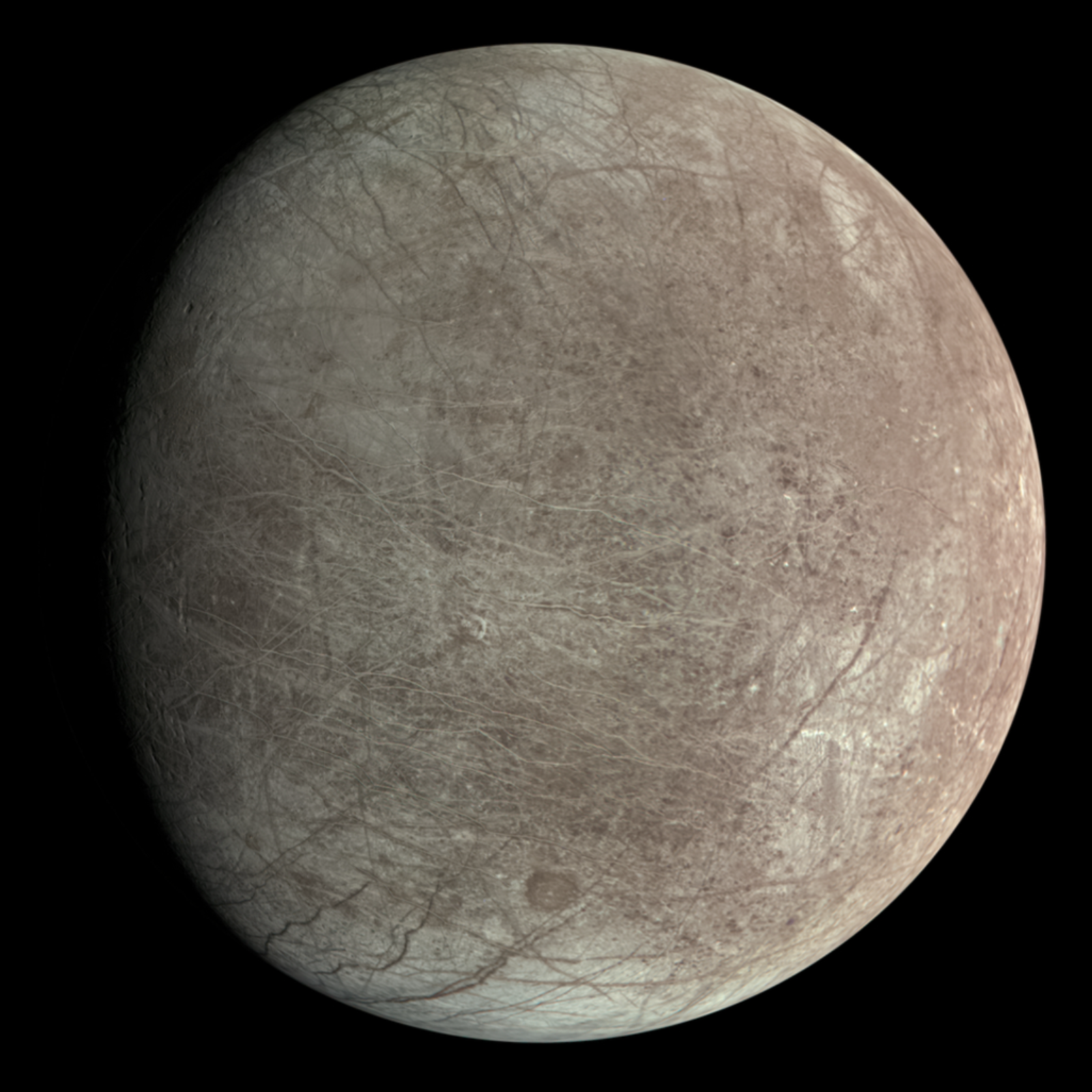
    Today we talk about Jupiter’s moon, Europa, an icy world hiding what might be the best chance of finding extraterrestrial life in our own solar system. On the surface, Europa looks like a cracked glass marble, crisscrossed with reddish-brown fractures and buffeted by intense radiation. But beneath its miles-thick shell of water ice lies a global, liquid water ocean containing up to twice as much water as all of Earth's oceans combined. In this episode, we explore how the gravitational pull of giant Jupiter flexes and kneads the moon’s core, generating the tidal heat needed to keep that subsurface ocean warm and liquid in the deep freeze of space. We’re diving into the mystery of what lies at the bottom of that dark abyss. Could hydrothermal vents on Europa’s sea floor be pumping out the chemical ingredients for life? We’ll discuss the cutting-edge robotic missions sent to probe it and why this alien ocean could change our understanding of life in the universe forever. Bundle up and suit up - we’re diving deep into the ocean beneath the ice.

  • S2 · E27
    July 17 · 22 min

    The Secret History of the Backrooms

    Today we talk about liminal spaces and the Backrooms, the eerie internet phenomenon born from the unsettling feeling of places left empty. A liminal space is a transitional threshold - like an abandoned shopping mall at midnight, a school hallway during summer break, or a completely empty airport terminal. They are places meant for passing through, and when they are stripped of human life, our brains sense that something is profoundly wrong. In this episode, we explore how this collective architectural unease evolved into the mythos of the Backrooms: a sprawling, endless maze of moist yellow carpet, monochrome wallpaper, and the relentless, deafening hum of fluorescent lights. We're diving into the origins of this digital folklore, from a single viral 4chan post to an internet-wide worldbuilding project teeming with "levels," hidden entities, and survival strategies. We'll unpack the psychology behind why these images trigger such a deep sense of nostalgia and dread, and what it means to "noclip" out of reality entirely. Watch where you step - if you aren't careful, you might just slide out of bounds.

Showing 1–20 of 22 episodes