Artwork for The Creative Process · Arts, Culture & Society: Books, Film, Music, TV, Art, Writing, Creativity, Education, Environment, Theatre, Dance, LGBTQ, Climate Change, Social Justice, Spirituality, Feminism, Tech, Sustainability
Arts

The Creative Process · Arts, Culture & Society: Books, Film, Music, TV, Art, Writing, Creativity, Education, Environment, Theatre, Dance, LGBTQ, Climate Change, Social Justice, Spirituality, Feminism, Tech, Sustainability

Mia Funk

Exploring the fascinating minds of creative people. Conversations with writers, artists and creative thinkers across the Arts and STEM. We discuss their life, work and artistic practice. Winners of Oscar, Emmy, Tony, Pulitzer, Nobel Prize, leaders and public figures share real experiences and offer valuable insights. Notable guests and participating museums and organizations include: Academy of Motion Picture Arts and Sciences, Neil Patrick Harris, Smithsonian, Roxane Gay, Musée Picasso, EARTHDAY-ORG, Neil Gaiman, UNESCO, Joyce Carol Oates, Mark Seliger, Acropolis Museum, Hilary Mantel, Songwriters Hall of Fame, George Saunders, The New Museum, Lemony Snicket, Pritzker Architecture Prize, Hans-Ulrich Obrist, Serpentine Galleries, Joe Mantegna, PETA, Greenpeace, EPA, Morgan Library and Museum, and many others.

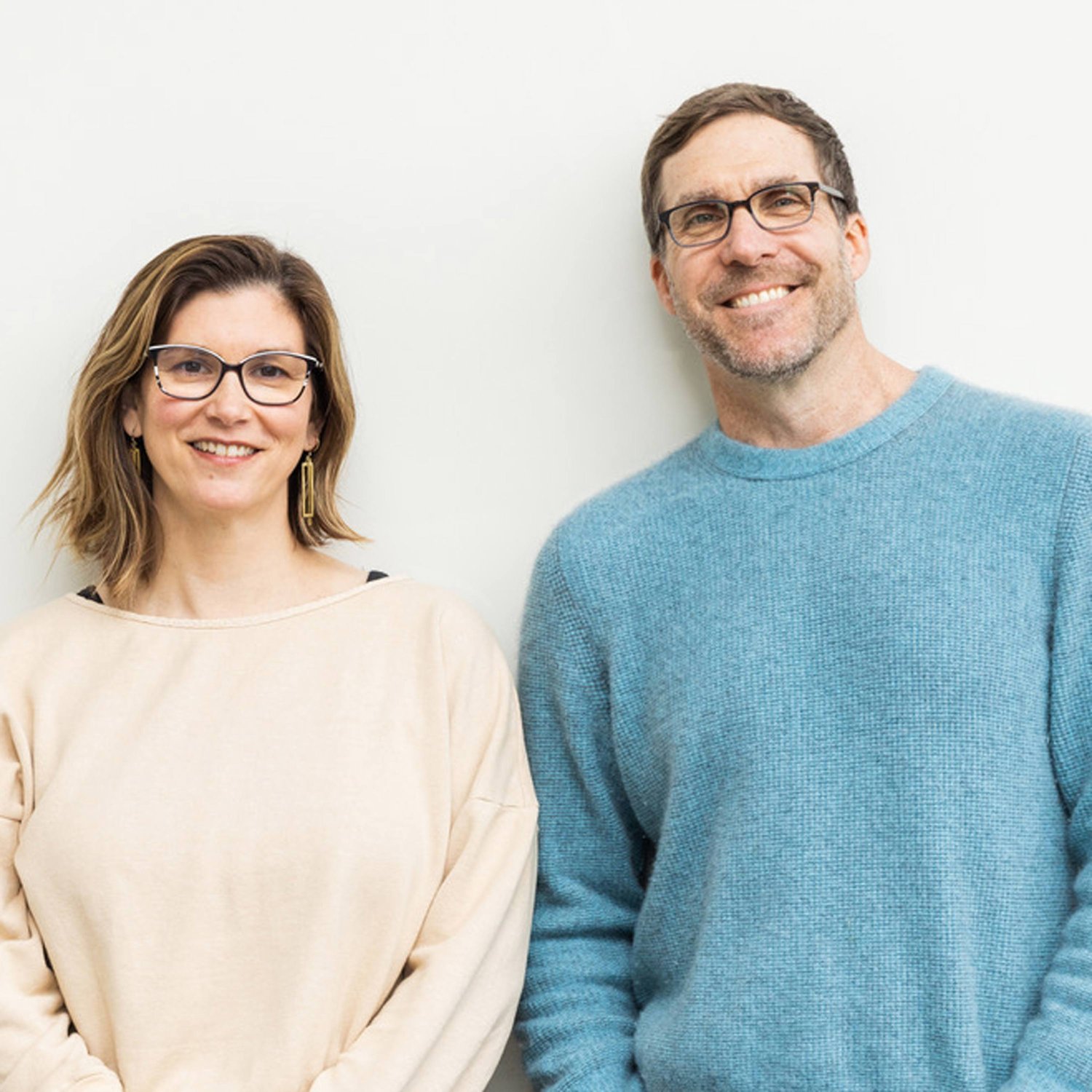
The interviews are hosted by founder and creative educator Mia Funk with the participation of students, universities, and collaborators from around the world. These conversations are also part of our traveling exhibition.

  • 1,264 episodes
  • Updated July 25

Episodes1264

  • Sep 20, 2024 · 57 min

    Can Design Save the World? - SCOTT DOORLEY & CARISSA CARTER - Co-authors of Assembling Tomorrow - Directors of Stanford’s d.School

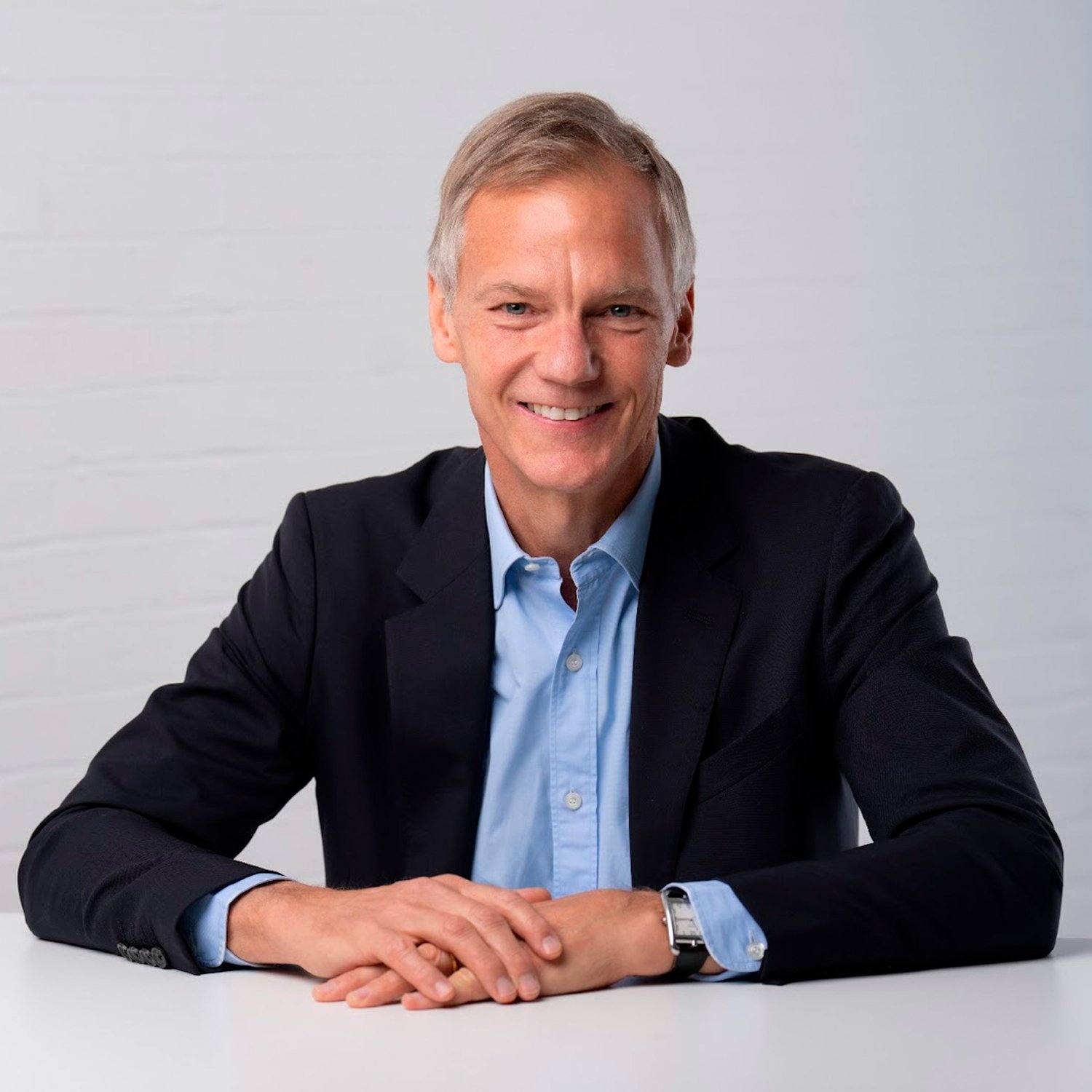
    How can we design and adapt for the uncertainties of the 21st century? How do emotions shape our decisions and the way we design the world around us? Scott Doorley is the Creative Director at Stanford's d. school and co author of Make Space. He teaches design communication and his work has been featured in museums and architecture and urbanism and the New York Times. Carissa Carter is the Academic Director at Stanford's d. school and author of The Secret Language of Maps. She teaches courses on emerging technologies and data visualization and received Fast Company and Core 77 awards for her work on designing with machine learning and blockchain. Together, they co authored Assembling Tomorrow: A Guide to Designing a Thriving Future. “Today, someone is putting the finishing touches on a machine-­ learning algorithm that will change the way you relate to your family. Someone is trying to design a way to communicate with animals in their own language. Someone is designing a gene that alters bacteria to turn your poop bright blue when it’s time to see the doctor. Someone is cleaning up the mess someone else left behind seventy years ago yesterday. Today, someone just had an idea that will end up saving one thing while it harms another… To be a maker in this moment—­ to be a human today—­ is to collaborate with the world. It is to create and be created, to work and be worked on, to make and be made. To be human is to tinker, create, fix, care, and bring new things into the world. It is to design. You—­ yes, you!—­ might design products or policy, services or sermons, production lines or preschool programs. You might run a business, make art, or participate in passing out meals to the poor. You may write code or pour concrete, lobby for endangered species legislation or craft cocktails. Wherever you fit in, you are part of shaping the world. This is design work.” – Assembling Tomorrow A Guide to Designing a Thriving Future www.scottdoorley.com www.snowflyzone.com https://dschool.stanford.edu/ www.penguinrandomhouse.com/books/623529/assembling-tomorrow-by-scott-doorley-carissa-carter-and-stanford-dschool-illustrations-by-armando-veve/ www.creativeprocess.info www.oneplanetpodcast.org IG www.instagram.com/creativeprocesspodcast Image credit: Patrick Beaudouin
  • Sep 11, 2024 · 16 min

    How Can Museums Stay Relevant & Engage with Communities? - Highlights - STEPHEN REILY

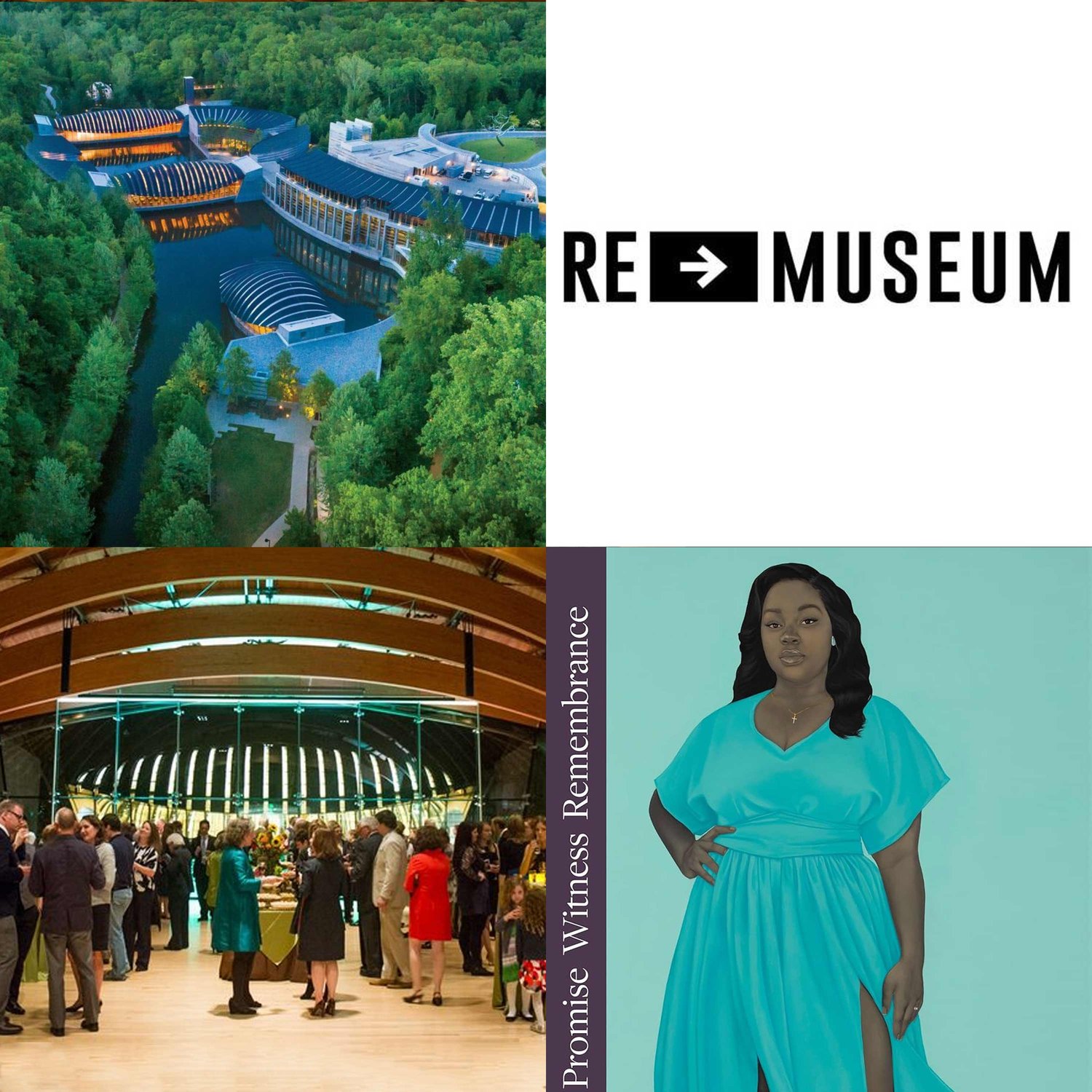
    “The opportunity is that we have never had a public that is more passionate and obsessed with visual imagery. If the owners of the best original imagery in the world can't figure out how to take advantage of the fact that the world has now become obsessed with these treasures that we have to offer as museums, then shame on us. This is the opportunity to say, if you're spending all day scrolling on Instagram looking for amazing imagery, come and see the original source. Come and see the real work. Let us figure out how to make that connection.” Stephen Reily is the Founding Director of Remuseum, an independent research project housed at Crystal Bridges Museum of American Art in Bentonville, Arkansas. Funded by arts patron David Booth with additional support by the Ford Foundation, Remuseum focuses on advancing relevance and governance in museums across the U.S. He works with museums to create a financially sustainable strategy that is human-focused, centering on inclusion, diversity, and important causes like climate change. During his time as director of the Speed Art Museum in Louisville, KY, Reily presented Promise, Witness, Remembrance, an exhibition in response to the killing of Breonna Taylor and a year of protests in Louisville. In 2022, he co-wrote a book documenting the exhibition. As an active civic leader, Reily has been a part of numerous community organizations and boards, like the Reily Reentry Project, supporting expungement programs for Kentucky citizens, Creative Capital, offering grants for the arts, and founded Seed Capital Kentucky, a non-profit that aims to improve the food economy in the area.A Yale and Stanford Law graduate, Reily clerked for U.S. Supreme Court Justice John Paul Stevens before launching a successful entrepreneurial career, experiences he draws upon for public engagement initiatives. https://remuseum.org https://crystalbridges.org www.stephenreily.com www.kentuckypress.com/9781734248517/promise-witness-remembrance www.creativeprocess.info www.oneplanetpodcast.org IG www.instagram.com/creativeprocesspodcast

  • Sep 11, 2024 · 46 min

    The Future of Museums - STEPHEN REILY, Founding Director of Remuseum on Transforming Cultural Spaces

    How can museums remain relevant in the digital age, where visual imagery is more accessible than ever? What role do museums play in fostering creativity and innovation in their communities? Stephen Reily is the Founding Director of Remuseum, an independent research project housed at Crystal Bridges Museum of American Art in Bentonville, Arkansas. Funded by arts patron David Booth with additional support by the Ford Foundation, Remuseum focuses on advancing relevance and governance in museums across the U.S. He works with museums to create a financially sustainable strategy that is human-focused, centering on inclusion, diversity, and important causes like climate change. During his time as director of the Speed Art Museum in Louisville, KY, Reily presented Promise, Witness, Remembrance, an exhibition in response to the killing of Breonna Taylor and a year of protests in Louisville. In 2022, he co-wrote a book documenting the exhibition. As an active civic leader, Reily has been a part of numerous community organizations and boards, like the Reily Reentry Project, supporting expungement programs for Kentucky citizens, Creative Capital, offering grants for the arts, and founded Seed Capital Kentucky, a non-profit that aims to improve the food economy in the area.A Yale and Stanford Law graduate, Reily clerked for U.S. Supreme Court Justice John Paul Stevens before launching a successful entrepreneurial career, experiences he draws upon for public engagement initiatives. “The opportunity is that we have never had a public that is more passionate and obsessed with visual imagery. If the owners of the best original imagery in the world can't figure out how to take advantage of the fact that the world has now become obsessed with these treasures that we have to offer as museums, then shame on us. This is the opportunity to say, if you're spending all day scrolling on Instagram looking for amazing imagery, come and see the original source. Come and see the real work. Let us figure out how to make that connection.” https://remuseum.org https://crystalbridges.org www.stephenreily.com www.kentuckypress.com/9781734248517/promise-witness-remembrance www.creativeprocess.info www.oneplanetpodcast.org IG www.instagram.com/creativeprocesspodcast

  • Sep 4, 2024 · 16 min

    How Our Brains Choose What to Learn & Navigate Uncertainty - Highlights - JACQUELINE GOTTLIEB

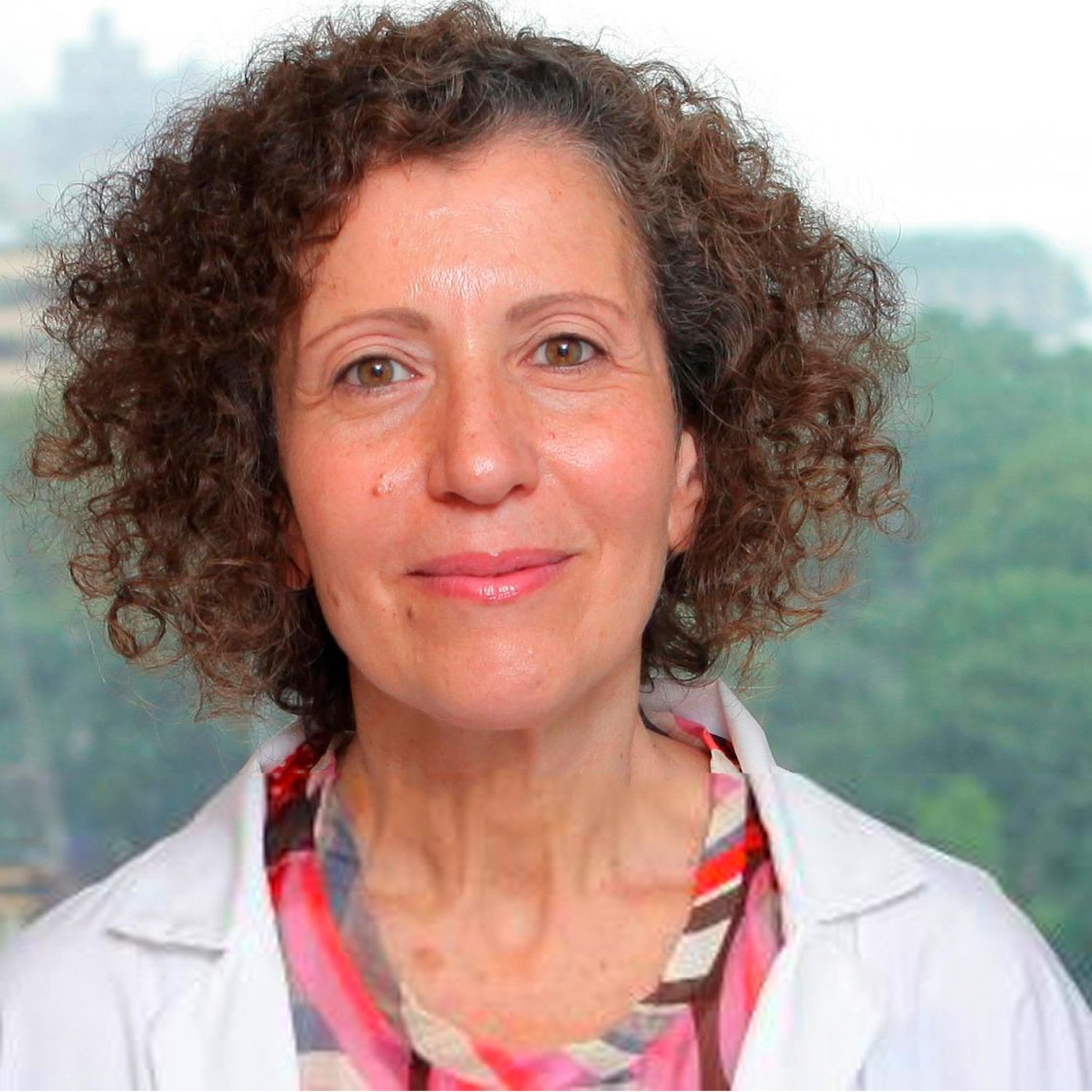
    “I came to neuroscience from a humanistic perspective. I was very interested to find out who we are. What do we know? What do we think we know? Why do we think we know certain things? How do we see things? How do we perceive them? Ultimately, the question behind curiosity is what things we find interesting in our environment. The way I think about eye movements is that they really are trained in some largely subconscious process.” Dr. Jacqueline Gottlieb is a Professor of Neuroscience and Principal Investigator at Columbia University’s Zuckerman Mind Brain Behavior Institute. Dr. Gottlieb studies the mechanisms that underlie the brain's higher cognitive functions, including decision making, memory, and attention. Her interest is in how the brain gathers the evidence it needs—and ignores what it doesn’t—during everyday tasks and during special states such as curiosity. www.creativeprocess.info www.oneplanetpodcast.org IG www.instagram.com/creativeprocesspodcast

  • Sep 4, 2024 · 1 hr 3 min

    Curiosity, Cognition & Creativity with Neuroscientist DR. JACQUELINE GOTTLIEB

    What ignites curiosity in humans? How does our brain select things we need to know and ignore what isn’t essential? How does our perception shape what we know about the world? Dr. Jacqueline Gottlieb is a Professor of Neuroscience and Principal Investigator at Columbia University’s Zuckerman Mind Brain Behavior Institute. Dr. Gottlieb studies the mechanisms that underlie the brain's higher cognitive functions, including decision making, memory, and attention. Her interest is in how the brain gathers the evidence it needs—and ignores what it doesn’t—during everyday tasks and during special states such as curiosity. “I came to neuroscience from a humanistic perspective. I was very interested to find out who we are. What do we know? What do we think we know? Why do we think we know certain things? How do we see things? How do we perceive them? Ultimately, the question behind curiosity is what things we find interesting in our environment. The way I think about eye movements is that they really are trained in some largely subconscious process.” www.creativeprocess.info www.oneplanetpodcast.org IG www.instagram.com/creativeprocesspodcast 8RHdmn17nFATQwn9PXpn

  • Sep 2, 2024 · 45 min

    Wetlands, Methane & Restoring Earth’s Garden of Eden with EUAN NISBET

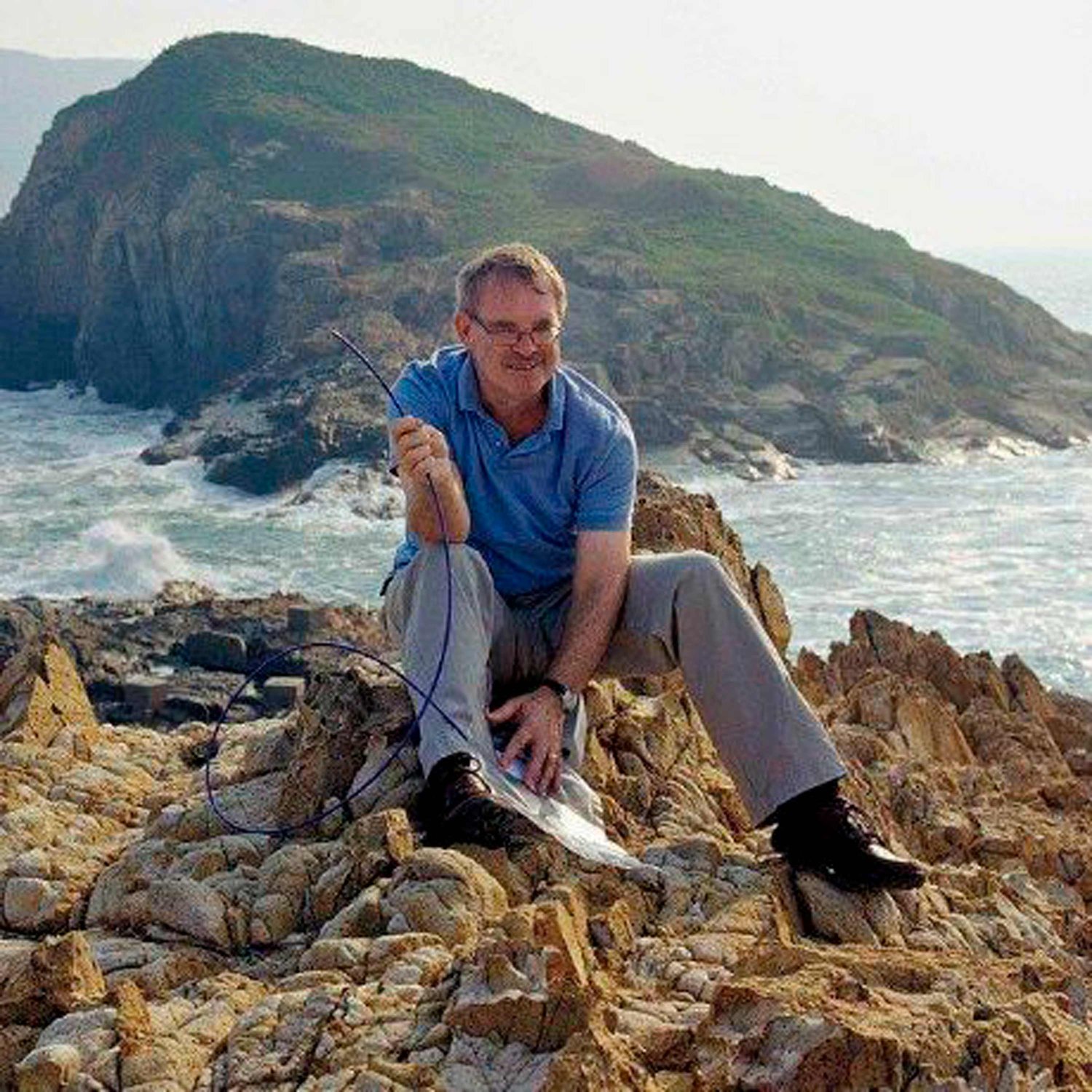
    Have we entered what Earth scientists call a “termination event,” and what can we do to avoid the worst outcomes? How can a spiritual connection to nature guide us toward better environmental stewardship? What can ancient wisdom teach us about living harmoniously with the Earth? How have wetlands become both crucial carbon sinks and colossal methane emitters in a warming world? Euan Nisbet is an Emeritus Professor of Earth Sciences at the Royal Holloway University of London. Specializing in methane and its impact on climate change, his research spans Arctic and Tropical Atmospheric Methane budgets. Nisbet led the MOYA project, focusing on global methane emissions using aircraft and ground-based field campaigns in Africa and South America. Born in Germany and raised in Africa, his field work has taken him around the world. He is the author of The Young Earth and Leaving Eden: To Protect and Manage the Earth. “I am a Christian and I have strong Muslim and Jewish friends as well as great respect for Hindu beliefs. I grew up in Southern Africa and I am well aware of the depth of some Indigenous beliefs. I think that having belief systems does give you a very different perspective sometimes. Now, in Christianity, the concept of the shepherd, human beings are here and this is our garden, our garden of Eden, but we have a responsibility. And if we choose to kick ourselves out of the garden, there are consequences. And that's precisely what we are doing. The garden is there, it's lovely, and we can manage it, and it's our job to manage it. We can manage it properly. We can respect it. It's for all creation, and it's very explicit that it involves all Creation. And that's a very fundamental biblical law that you have to respect all Creation. And if you don't do that, then the consequences—you’re basically throwing yourself out of the garden of Eden." https://pure.royalholloway.ac.uk/en/persons/euan-nisbet www.creativeprocess.info www.oneplanetpodcast.org IG www.instagram.com/creativeprocesspodcast

  • Aug 30, 2024 · 18 min

    How Toxic Relationships Shape Us - MEAGHAN OPPENHEIMER - Highlights

    “Often when people write or make movies about romances with young adults, I think they are very flippant about it and don't take it seriously. But I think that those friendships and romantic relationships are some of the most important ones because they really set the stage for the rest of our lives. If your first relationship is incredibly toxic and damaging, it can take you years to figure out that that's not normal, and that that's not actually how relationships are meant to be.” Meaghan Oppenheimer is a screenwriter, executive producer, and showrunner who tells stories driven by flawed, deeply human characters and the relationships between them. She’s behind Hulu’s drama series Tell Me Lies, starring Grace Van Patten and Jackson White and adapted from Carola Lovering’s novel of the same name. Her earlier projects include the 2015 film We Are Your Friends, starring Zac Efron as a passionate young DJ, and the 2018 drama series Queen America, set in Oppenheimer’s hometown of Tulsa, Oklahoma and starring Catherine Zeta-Jones. Season 2 of Tell Me Lies will premiere September 4th on Hulu. Oppenheimer is also currently developing the upcoming Hulu show Second Wife, to star Tom Ellis and Emma Roberts. www.creativeprocess.info www.oneplanetpodcast.org IG www.instagram.com/creativeprocesspodcast

  • Aug 30, 2024 · 49 min

    Tell Me Lies w/ Creator, Writer, Exec. Producer MEAGHAN OPPENHEIMER

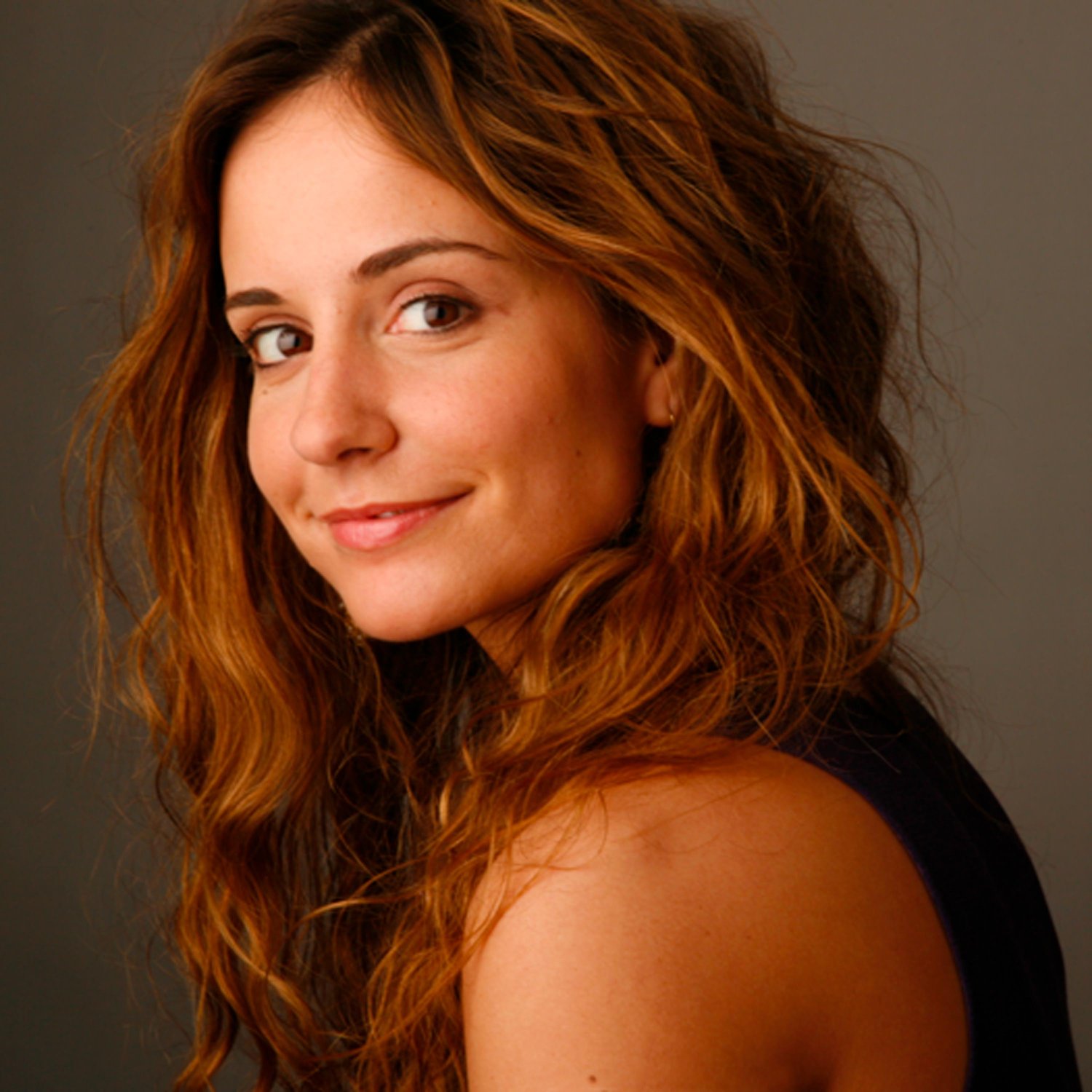
    What is love? How do the friendships and relationships we have early in our lives affect us for years to come? Meaghan Oppenheimer is a screenwriter, executive producer, and showrunner who tells stories driven by flawed, deeply human characters and the relationships between them. She’s behind Hulu’s drama series Tell Me Lies, starring Grace Van Patten and Jackson White and adapted from Carola Lovering’s novel of the same name. Her earlier projects include the 2015 film We Are Your Friends, starring Zac Efron as a passionate young DJ, and the 2018 drama series Queen America, set in Oppenheimer’s hometown of Tulsa, Oklahoma and starring Catherine Zeta-Jones. Season 2 of Tell Me Lies will premiere September 4th on Hulu. Oppenheimer is also currently developing the upcoming Hulu show Second Wife, to star Tom Ellis and Emma Roberts. “Often when people write or make movies about romances with young adults, I think they are very flippant about it and don't take it seriously. But I think that those friendships and romantic relationships are some of the most important ones because they really set the stage for the rest of our lives. If your first relationship is incredibly toxic and damaging, it can take you years to figure out that that's not normal, and that that's not actually how relationships are meant to be.” www.creativeprocess.info www.oneplanetpodcast.org IG www.instagram.com/creativeprocesspodcast

  • Aug 26, 2024 · 16 min

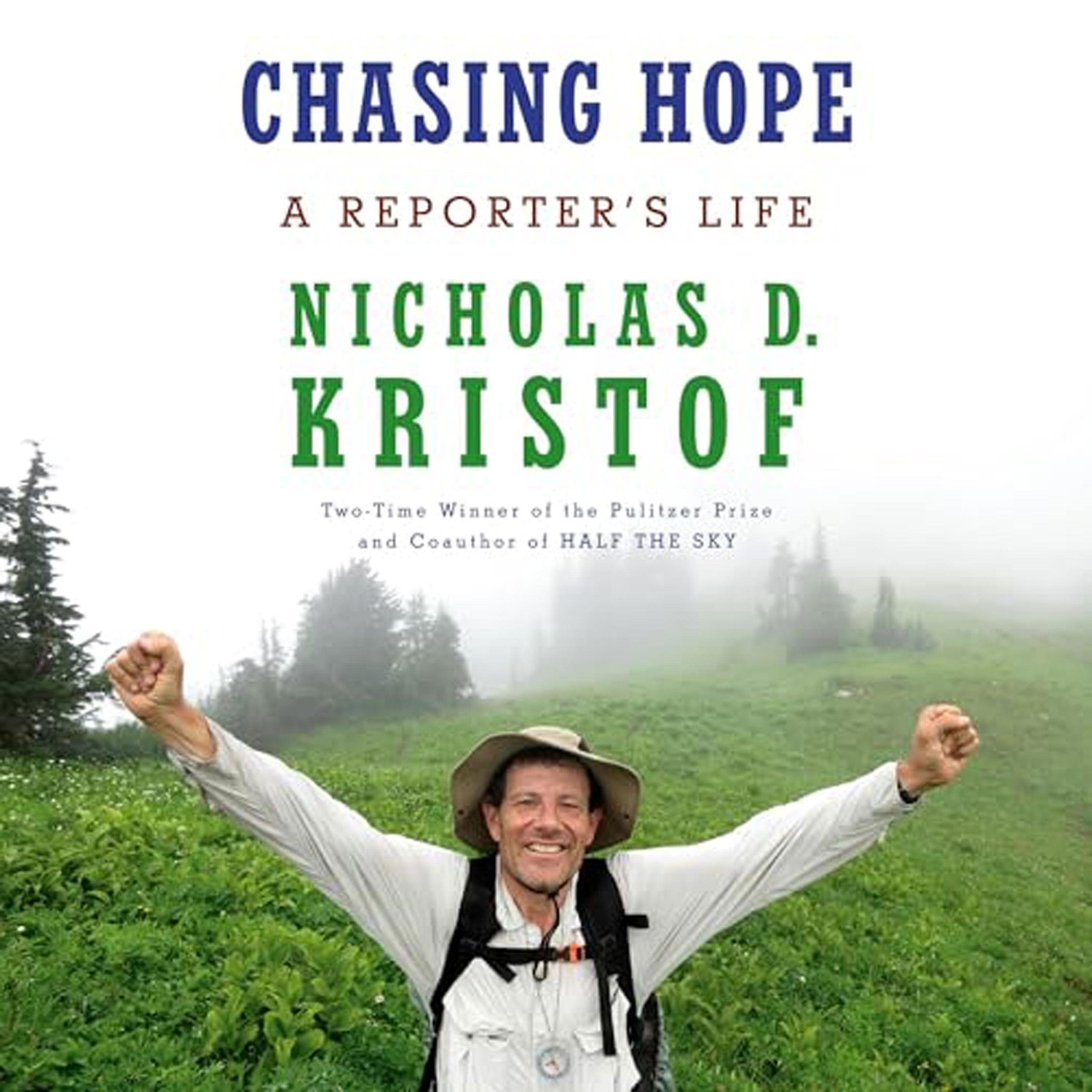
    How can journalism make people care about crises & create solutions? - Highlights - NICHOLAS KRISTOF

    "I'm trying to get people to care about a crisis in ways that may bring solutions to it. And that's also how I deal with the terror and the fear to find a sense of purpose in what I do. It's incredibly heartbreaking to see some of the things and hear some of the stories, but at the end of the day, it feels like–inconsistently here and there–you can shine a light on problems, and by shining that light, you actually make a difference." Nicholas D. Kristof is a two-time Pulitzer-winning journalist and Op-ed columnist for The New York Times, where he was previously bureau chief in Hong Kong, Beijing, and Tokyo. Kristof is a regular CNN contributor and has covered, among many other events and crises, the Tiananmen Square protests, the Darfur genocide, the Yemeni civil war, and the U.S. opioid crisis. He is the author of the memoir Chasing Hope, A Reporter's Life, and coauthor, with his wife, Sheryl WuDunn, of five previous books: Tightrope, A Path Appears, Half the Sky, Thunder from the East, and China Wakes. www.nytimes.com/column/nicholas-kristof www.penguinrandomhouse.com/books/720814/chasing-hope-by-nicholas-d-kristof Family vineyard & apple orchard in Yamhill, Oregon: www.kristoffarms.com www.creativeprocess.info www.oneplanetpodcast.org IG www.instagram.com/creativeprocesspodcast

  • Aug 26, 2024 · 43 min

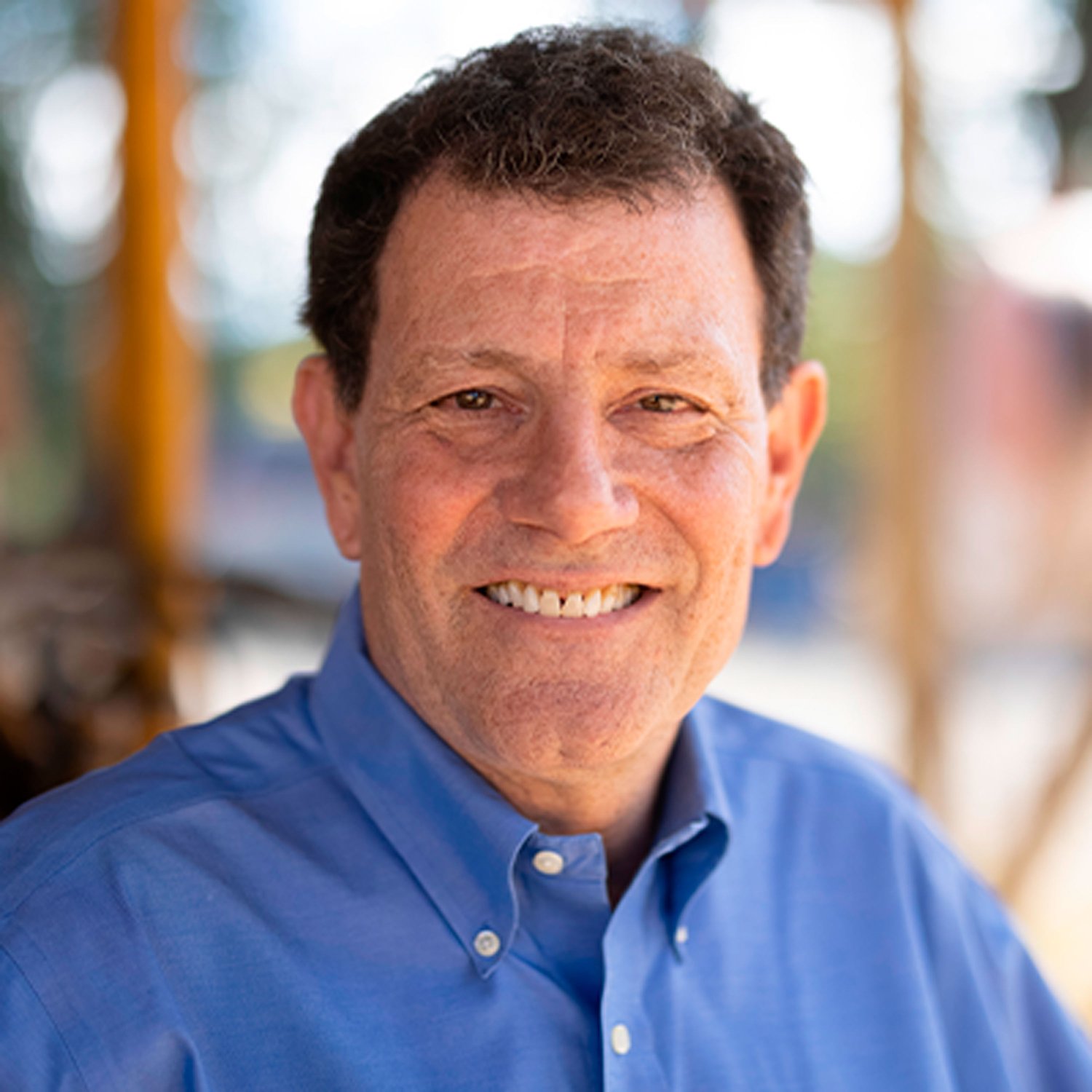
    Chasing Hope: A Reporter's Life w/ Pulitzer Prize-winning Journalist NICHOLAS KRISTOF

    How can journalism make people care and bring about solutions? What role does storytelling play in shining a light on injustice and crises and creating a catalyst for change? Nicholas D. Kristof is a two-time Pulitzer-winning journalist and Op-ed columnist for The New York Times, where he was previously bureau chief in Hong Kong, Beijing, and Tokyo. Kristof is a regular CNN contributor and has covered, among many other events and crises, the Tiananmen Square protests, the Darfur genocide, the Yemeni civil war, and the U.S. opioid crisis. He is the author of the memoir Chasing Hope, A Reporter's Life, and coauthor, with his wife, Sheryl WuDunn, of five previous books: Tightrope, A Path Appears, Half the Sky, Thunder from the East, and China Wakes. "I'm trying to get people to care about a crisis in ways that may bring solutions to it. And that's also how I deal with the terror and the fear to find a sense of purpose in what I do. It's incredibly heartbreaking to see some of the things and hear some of the stories, but at the end of the day, it feels like–inconsistently here and there–you can shine a light on problems, and by shining that light, you actually make a difference." www.nytimes.com/column/nicholas-kristof www.penguinrandomhouse.com/books/720814/chasing-hope-by-nicholas-d-kristof Family vineyard & apple orchard in Yamhill, Oregon: www.kristoffarms.com www.creativeprocess.info www.oneplanetpodcast.org IG www.instagram.com/creativeprocesspodcast Photo credit: David Hume Kennerly

  • Aug 20, 2024 · 1 hr

    Natural Magic: Emily Dickinson, Charles Darwin, and the Dawn of Modern Science with RENÉE BERGLAND

    How do the works of Emily Dickinson and Charles Darwin continue to influence our understanding of nature, ecological interdependence, and the human experience? How does understanding history help us address current social and environmental issues. How can dialogues between the arts and sciences foster holistic, sustainable solutions to global crises? Renée Bergland is a literary critic, historian of science, and educator. As a storyteller, Bergland connects the lives of historical figures to the problems of the present day. As an educator, she emphasizes the interdisciplinary connections between the sciences and humanities. A longtime professor at Simmons University, where she is the Program director of Literature and writing, Bergland has also researched and taught at institutions such as Dartmouth College, Harvard University, and MIT. Bergland’s past published titles include Maria Mitchell and the Sexing of Science: An Astronomer Among the American Romantics and The National Uncanny: Indian Ghosts and American Subjects. Her most recent book, Natural Magic: Emily Dickinson, Charles Darwin, and the Dawn of Modern Science, was published in April of 2024. It explores Dickinson and Darwin’s shared enchanted view of the natural world in a time when poetry and natural philosophy, once freely intertwined, began to grow apart. “There is a stronger connection between Dickinson and Darwin than the proximity of history. Or the universality of literature. They both understood natural science and the natural world in ways that seem strange and somewhat surprising in the 21st century. Their 19th century attitudes to nature and the study of it are so different from ours that when we trace their stories, a vanished world begins to emerge. The more I consider these figures together, the more I feel their world and my world. come alive. Darwin and Dickinson illuminate each other. By reading them together, we can start to understand the interconnected relationships that animated 19th century poetry and science.” – Natural Magic: Emily Dickinson, Charles Darwin, and the Dawn of Modern Science, Preface, pp. xiv–xvi. www.reneebergland.com https://press.princeton.edu/books/hardcover/9780691235288/natural-magic www.creativeprocess.info www.oneplanetpodcast.org IG www.instagram.com/creativeprocesspodcast

  • Aug 15, 2024 · 12 min

    Germany's Postwar Legacy: Lessons for Today's Crises - Highlights - FRANK TRENTMANN

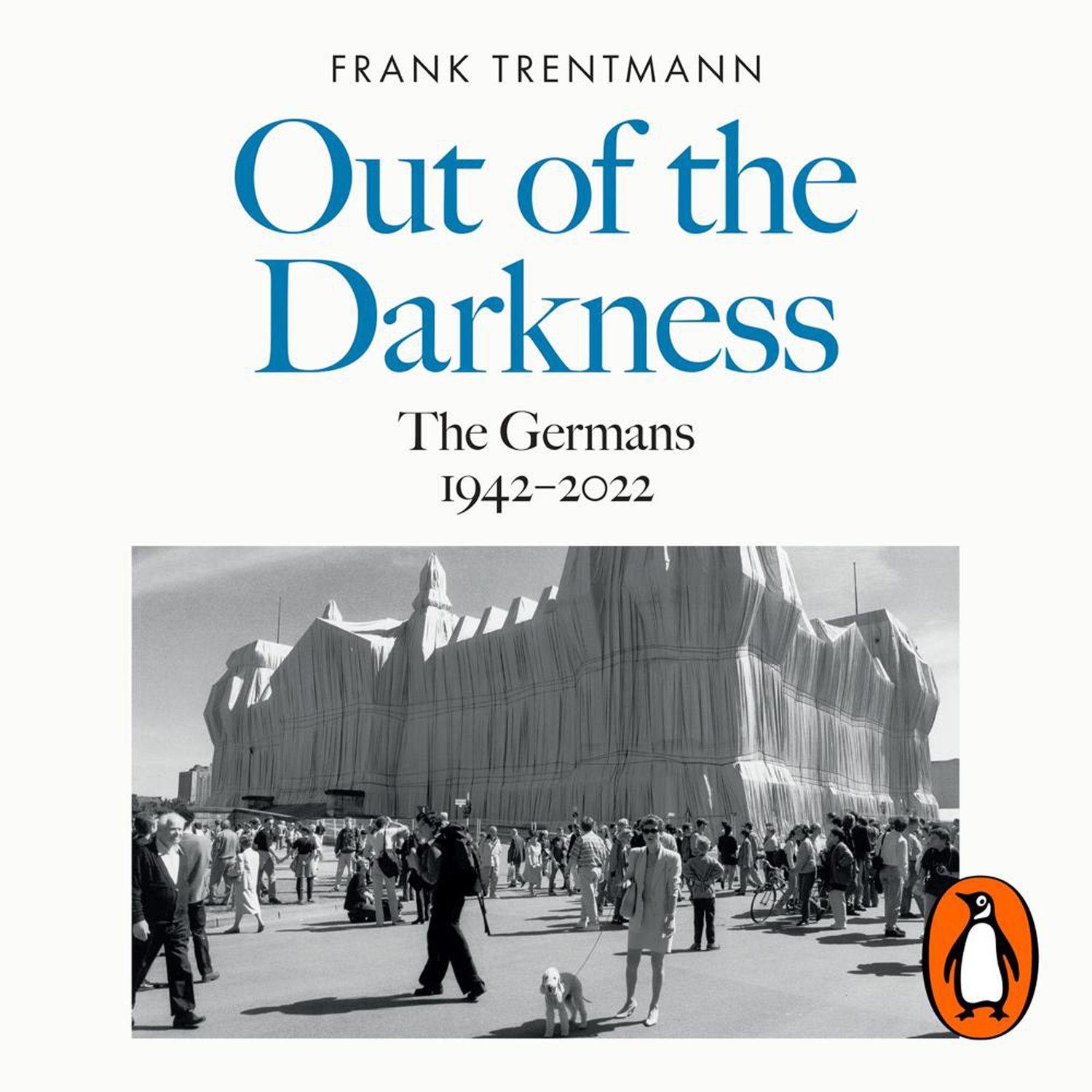
    “The bridge between Out of the Darkness and my previous work, which looked at the transformation of consumer culture in the world, is morality. One thing that became clear in writing Empire of Things was that there's virtually no time or place in history where consumption isn't heavily moralized. Our lifestyle is treated as a mirror of our virtue and sins. And in the course of modern history, there's been a remarkable moral shift in the way that consumption used to be seen as something that led you astray or undermined authority, status, gender roles, and wasted money, to a source of growth, a source of self, fashioning the way we create our own identity. In the last few years, the environmental crisis has led to new questions about whether consumption is good or bad. And in 2015, during the refugee crisis when Germany took in almost a million refugees, morality became a very powerful way in which Germans talked about themselves as humanitarian world champions, as one politician called it. I realized that there's many other topics from family, work, to saving the environment, and of course, with regard to the German responsibility for the Holocaust and the war of extermination where German public discourse is heavily moralistic, so I became interested in charting that historical process." What can we learn from Germany's postwar transformation to help us address today's environmental and humanitarian crises? With the rise of populism, authoritarianism, and digital propaganda, how can history provide insights into the challenges of modern democracy? Frank Trentmann is a Professor of History at Birkbeck, University of London, and at the University of Helsinki. He is a prize-winning historian, having received awards such as the Whitfield Prize, Austrian Wissenschaftsbuch/Science Book Prize, Humboldt Prize for Research, and the 2023 Bochum Historians' Award. He has also been named a Moore Scholar at Caltech. He is the author of Empire of Things and Free Trade Nation. His latest book is Out of the Darkness: The Germans 1942 to 2022, which explores Germany's transformation after the Second World War. www.bbk.ac.uk/our-staff/profile/8009279/frank-trentmann www.penguin.co.uk/authors/32274/frank-trentmann?tab=penguin-books www.creativeprocess.info www.oneplanetpodcast.org IG www.instagram.com/creativeprocesspodcast

  • Aug 14, 2024 · 55 min

    Out of the Darkness: The Germans 1942 to 2022 with FRANK TRENTMANN

    What can we learn from Germany's postwar transformation to help us address today's environmental and humanitarian crises? With the rise of populism, authoritarianism, and digital propaganda, how can history provide insights into the challenges of modern democracy? Frank Trentmann is a Professor of History at Birkbeck, University of London, and at the University of Helsinki. He is a prize-winning historian, having received awards such as the Whitfield Prize, Austrian Wissenschaftsbuch/Science Book Prize, Humboldt Prize for Research, and the 2023 Bochum Historians' Award. He has also been named a Moore Scholar at Caltech. He is the author of Empire of Things and Free Trade Nation. His latest book is Out of the Darkness: The Germans 1942 to 2022, which explores Germany's transformation after the Second World War. “The bridge between Out of the Darkness and my previous work, which looked at the transformation of consumer culture in the world, is morality. One thing that became clear in writing Empire of Things was that there's virtually no time or place in history where consumption isn't heavily moralized. Our lifestyle is treated as a mirror of our virtue and sins. And in the course of modern history, there's been a remarkable moral shift in the way that consumption used to be seen as something that led you astray or undermined authority, status, gender roles, and wasted money, to a source of growth, a source of self, fashioning the way we create our own identity. In the last few years, the environmental crisis has led to new questions about whether consumption is good or bad. And in 2015, during the refugee crisis when Germany took in almost a million refugees, morality became a very powerful way in which Germans talked about themselves as humanitarian world champions, as one politician called it. I realized that there's many other topics from family, work, to saving the environment, and of course, with regard to the German responsibility for the Holocaust and the war of extermination where German public discourse is heavily moralistic, so I became interested in charting that historical process." www.bbk.ac.uk/our-staff/profile/8009279/frank-trentmann www.penguin.co.uk/authors/32274/frank-trentmann?tab=penguin-books www.creativeprocess.info www.oneplanetpodcast.org IG www.instagram.com/creativeprocesspodcast Photo credit: Jon Wilson

  • Jul 30, 2024 · 15 min

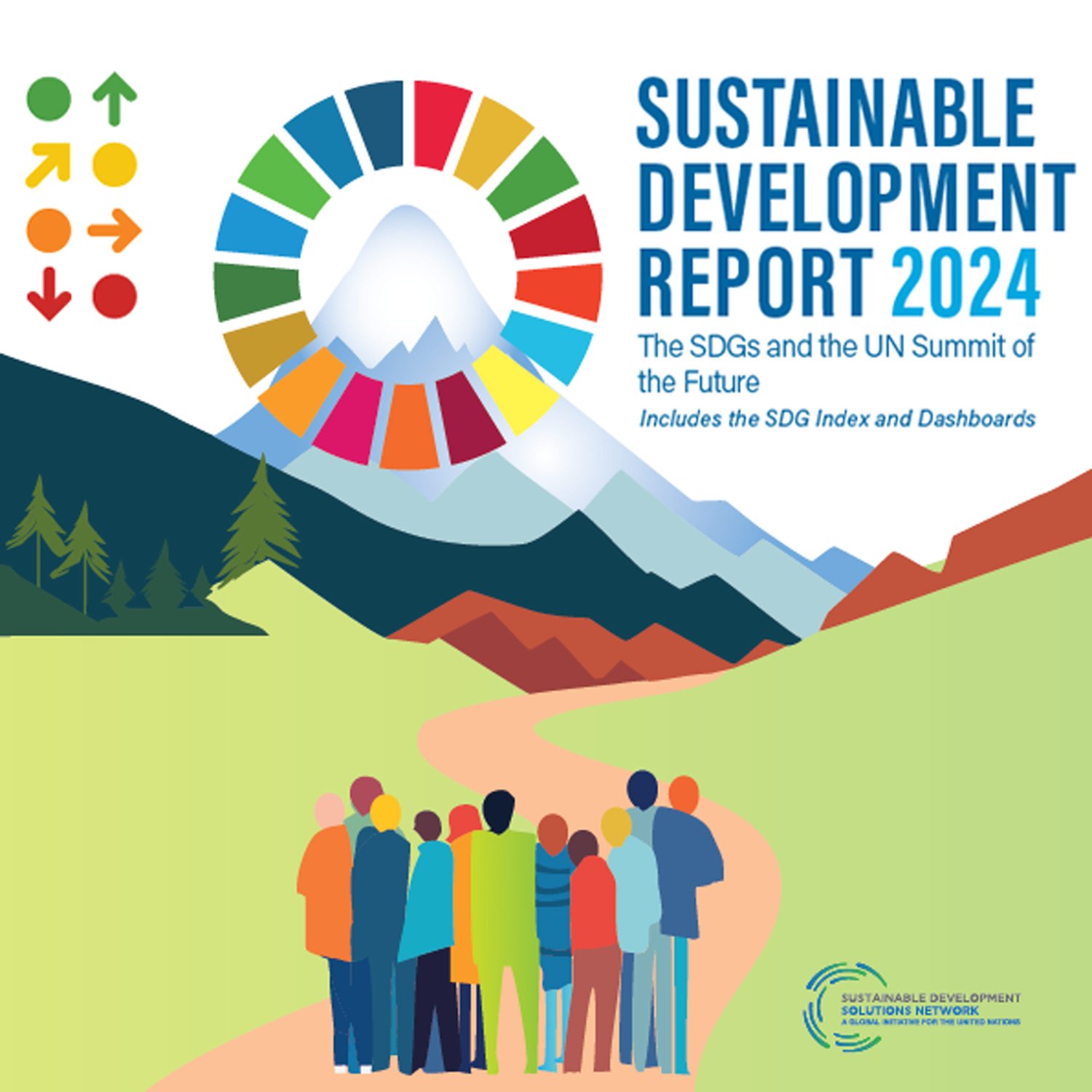
    The SDGs & UN Summit of the Future - Highlights - GUILLAUME LAFORTUNE

    “The SDSN has been set up to mobilize research and science for the Sustainable Development Goals. Each year, we aim to provide a fair and accurate assessment of countries' progress on the 17 Sustainable Development Goals. The development goals were adopted back in 2015 by all UN member states, marking the first time in human history that we have a common goal for the entire world. Our goal each year with the SDG index is to have sound methodologies and translate these into actionable insights that can generate impactful results at the end of the day. Out of all the targets that we track, only 16 percent are estimated to be on track. This agenda not only combines environmental development but also social development, economic development, and good governance. Currently, none of the SDGs are on track to be achieved at the global level.” In today's podcast, we talk with Guillaume Lafortune, Vice President and Head of the Paris Office of the UN Sustainable Development Solutions Network (SDSN), the largest global network of scientists and practitioners dedicated to implementing the Sustainable Development Goals (SDGs). We discuss the intersections of sustainability, global progress, the UN Summit of the Future, and the daunting challenges we face. From the impact of war on climate initiatives to transforming data into narratives that drive change, we explore how global cooperation, education, and technology pave the way for a sustainable future and look at the lessons of history and the power of diplomacy in shaping our path forward. Guillaume Lafortune joined SDSN in 2017 to lead work on SDG data, policies, and financing including the preparation of the annual Sustainable Development Report (which includes the SDG Index and Dashboards). Between 2020 and 2022 Guillaume was a member of The Lancet Commission on COVID-19, where he coordinated the taskforces on “Fiscal Policy and Financial Markets” and “Green Recovery”, and co-authored the final report of the Commission. Guillaume is also a member of the Grenoble Center for Economic Research (CREG) at the Grenoble Alpes University. Previously, he served as an economist at the OECD in Paris and at the Ministry of Economic Development in the Government of Quebec (Canada). Guillaume is the author of 50+ scientific publications, book chapters, policy briefs and international reports on sustainable development, economic policy and good governance. SDSN's Summit of the Future Recommendations SDG Transformation Center SDSN Global Commission for Urban SDG Finance www.creativeprocess.info www.oneplanetpodcast.org IG www.instagram.com/creativeprocesspodcast

  • Jul 30, 2024 · 1 hr 12 min

    How Can We Unite 193 Countries for a Sustainable Future? - GUILLAUME LAFORTUNE - VP, UN-SDSN, Paris

    How can we get 193 countries to move in the same direction for a better tomorrow? In today's podcast, we talk with Guillaume Lafortune, Vice President and Head of the Paris Office of the UN Sustainable Development Solutions Network (SDSN), the largest global network of scientists and practitioners dedicated to implementing the Sustainable Development Goals (SDGs). We discuss the intersections of sustainability, global progress, the UN Summit of the Future, and the daunting challenges we face. From the impact of war on climate initiatives to transforming data into narratives that drive change, we explore how global cooperation, education, and technology pave the way for a sustainable future and look at the lessons of history and the power of diplomacy in shaping our path forward. Guillaume Lafortune joined SDSN in 2017 to lead work on SDG data, policies, and financing including the preparation of the annual Sustainable Development Report (which includes the SDG Index and Dashboards). Between 2020 and 2022 Guillaume was a member of The Lancet Commission on COVID-19, where he coordinated the taskforces on “Fiscal Policy and Financial Markets” and “Green Recovery”, and co-authored the final report of the Commission. Guillaume is also a member of the Grenoble Center for Economic Research (CREG) at the Grenoble Alpes University. Previously, he served as an economist at the OECD in Paris and at the Ministry of Economic Development in the Government of Quebec (Canada). Guillaume is the author of 50+ scientific publications, book chapters, policy briefs and international reports on sustainable development, economic policy and good governance. “The SDSN has been set up to mobilize research and science for the Sustainable Development Goals. Each year, we aim to provide a fair and accurate assessment of countries' progress on the 17 Sustainable Development Goals. The development goals were adopted back in 2015 by all UN member states, marking the first time in human history that we have a common goal for the entire world. Our goal each year with the SDG index is to have sound methodologies and translate these into actionable insights that can generate impactful results at the end of the day. Out of all the targets that we track, only 16 percent are estimated to be on track. This agenda not only combines environmental development but also social development, economic development, and good governance. Currently, none of the SDGs are on track to be achieved at the global level.” SDSN's Summit of the Future Recommendations SDG Transformation Center SDSN Global Commission for Urban SDG Finance www.creativeprocess.info www.oneplanetpodcast.org IG www.instagram.com/creativeprocesspodcast

  • Jul 24, 2024 · 20 min

    How Do Utopian Visions Shape Our Reality & Future? - Highlights - S. D. CHROSTOWSKA

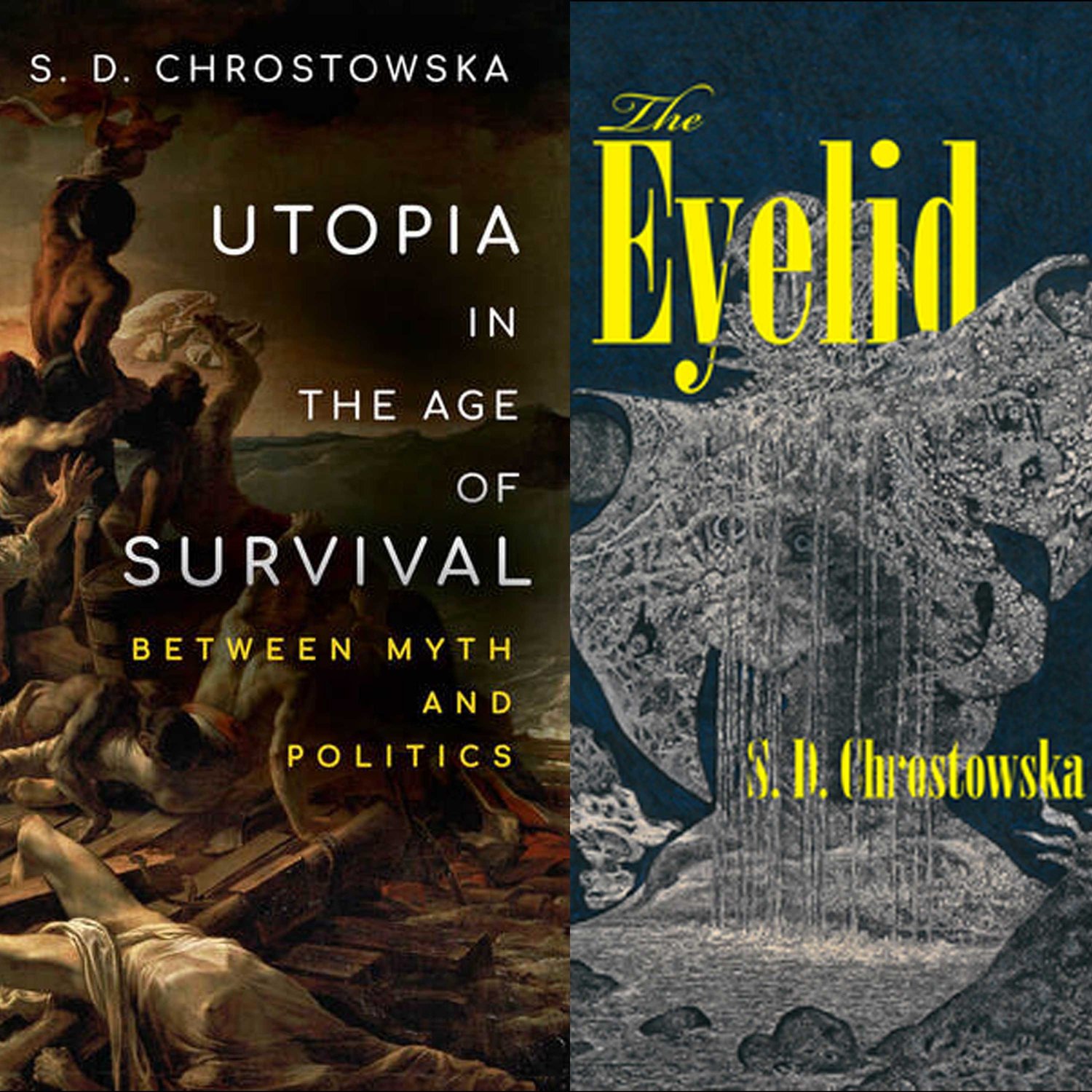
    “I like to think of utopianism as “effective social daydreaming” because utopia is associated with consciously imagining societies. Our imagination is always involved in creating reality. The opposition between the two, reality and the imaginary, is not a stark one; they're porous.” S. D. Chrostowska is professor of humanities at York University, Canada. She is the author of several books, among them Permission, The Eyelid, A Cage for Every Child, and, most recently, Utopia in the Age of Survival: Between Myth and Politics. Her essays have appeared in such venues as Public Culture, Telos, Boundary 2, and The Hedgehog Review. She also coedits the French surrealist review Alcheringa and is curator of the 19th International Exhibition of Surrealism, Marvellous Utopia, which runs from July to September 2024 in Saint-Cirq-Lapopie, France. https://profiles.laps.yorku.ca/profiles/sylwiac/ www.sup.org/books/title/?id=33445 https://chbooks.com/Books/T/The-Eyelid https://ciscm.fr/en/merveilleuse-utopie www.creativeprocess.info www.oneplanetpodcast.org IG www.instagram.com/creativeprocesspodcast

  • Jul 24, 2024 · 44 min

    Utopia in the Age of Survival with S. D. CHROSTOWSKA

    As Surrealism turns 100, what can it teach us about the importance of dreaming and creating a better society? Will we wake up from the consumerist dream sold to us by capitalism and how would that change our ideas of utopia? S. D. Chrostowska is professor of humanities at York University, Canada. She is the author of several books, among them Permission, The Eyelid, A Cage for Every Child, and, most recently, Utopia in the Age of Survival: Between Myth and Politics. Her essays have appeared in such venues as Public Culture, Telos, Boundary 2, and The Hedgehog Review. She also coedits the French surrealist review Alcheringa and is curator of the 19th International Exhibition of Surrealism, Marvellous Utopia, which runs from July to September 2024 in Saint-Cirq-Lapopie, France. “I like to think of utopianism as “effective social daydreaming” because utopia is associated with consciously imagining societies. Our imagination is always involved in creating reality. The opposition between the two, reality and the imaginary, is not a stark one; they're porous.” https://profiles.laps.yorku.ca/profiles/sylwiac/ www.sup.org/books/title/?id=33445 https://chbooks.com/Books/T/The-Eyelid https://ciscm.fr/en/merveilleuse-utopie www.creativeprocess.info www.oneplanetpodcast.org IG www.instagram.com/creativeprocesspodcast

  • Jul 19, 2024 · 17 min

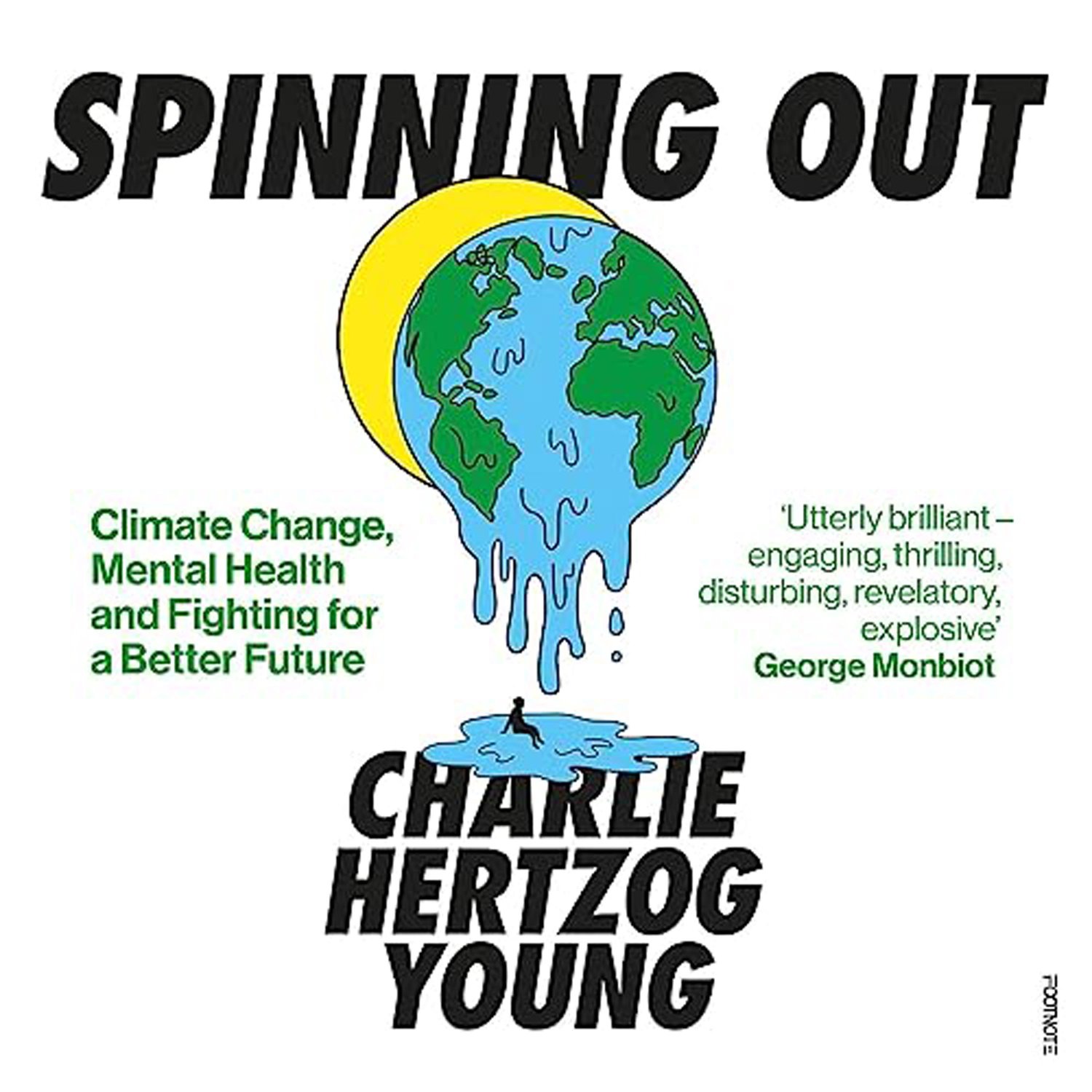
    Climate Change, Mental Health & Fighting for a Better Future - Highlights - CHARLIE HERTZOG YOUNG

    “I've been a climate activist since I was about 12 years old. It began with a deep passion for wildlife. I started taking up litter and telling off my schoolmates, eventually I set up a green council when I was about 13 or 14. As I learned more and more about the climate crisis and how sprawling and interconnected it was, not just with nature, but with the oppression that exists within human society, I started getting more involved and impassioned, getting involved in protests, marches. When I was about 15 years old, I helped shut down an airport for a night. I eventually started going to the UN climate talks. I went to Davos and it started to become my everything. I felt like I was doing something meaningful about the crisis, but also felt a sense of deep despair and loss, both from the perspective of the impending collapse of the biosphere and also a deep dislocation from the dominant culture and the consensus reality. I felt like no one else was feeling the sense of urgency and emergency that I felt. I started to get incredibly anxious. In 2019, when I was 27, I jumped off a six storey building. My memory has blacked it out, but I spent a month in a coma and woke up having lost both of my legs. The five years since have been one of not just physical and mental recovery, but also trying to untangle the messy web of causality as to how and why it was that I lost my mind in the way I did. I try to find some of the gifts in that madness, what it was pointing towards in terms of the unbalance of the ecosphere and how human civilization has begun to operate completely out of step with the ecosphere.” Charlie Hertzog Young is a researcher, writer and award-winning activist. He identifies as a “proudly mad bipolar double amputee” and has worked for the New Economics Foundation, the Royal Society of Arts, the Good Law Project, the Four Day Week Campaign and the Centre for Progressive Change, as well as the UK Labour Party under three consecutive leaders. Charlie has spoken at the LSE, the UN and the World Economic Forum. He studied at Harvard, SOAS and Schumacher College and has written for The Ecologist, The Independent, Novara Media, Open Democracy and The Guardian. He is the author of Spinning Out: Climate Change, Mental Health and Fighting for a Better Future. https://charliehertzogyoung.me https://footnotepress.com/books/spinning-out/ www.creativeprocess.info www.oneplanetpodcast.org IG www.instagram.com/creativeprocesspodcast

  • Jul 19, 2024 · 58 min

    The Mind, Climate Change & Community Resilience with CHARLIE HERTZOG YOUNG

    The planet’s well-being unites us all, from ecosystems to societies, global systems to individual health. How is planetary health linked to mental health? Charlie Hertzog Young is a researcher, writer and award-winning activist. He identifies as a “proudly mad bipolar double amputee” and has worked for the New Economics Foundation, the Royal Society of Arts, the Good Law Project, the Four Day Week Campaign and the Centre for Progressive Change, as well as the UK Labour Party under three consecutive leaders. Charlie has spoken at the LSE, the UN and the World Economic Forum. He studied at Harvard, SOAS and Schumacher College and has written for The Ecologist, The Independent, Novara Media, Open Democracy and The Guardian. He is the author of Spinning Out: Climate Change, Mental Health and Fighting for a Better Future. “I've been a climate activist since I was about 12 years old. It began with a deep passion for wildlife. I started taking up litter and telling off my schoolmates, eventually I set up a green council when I was about 13 or 14. As I learned more and more about the climate crisis and how sprawling and interconnected it was, not just with nature, but with the oppression that exists within human society, I started getting more involved and impassioned, getting involved in protests, marches. When I was about 15 years old, I helped shut down an airport for a night. I eventually started going to the UN climate talks. I went to Davos and it started to become my everything. I felt like I was doing something meaningful about the crisis, but also felt a sense of deep despair and loss, both from the perspective of the impending collapse of the biosphere and also a deep dislocation from the dominant culture and the consensus reality. I felt like no one else was feeling the sense of urgency and emergency that I felt. I started to get incredibly anxious. In 2019, when I was 27, I jumped off a six storey building. My memory has blacked it out, but I spent a month in a coma and woke up having lost both of my legs. The five years since have been one of not just physical and mental recovery, but also trying to untangle the messy web of causality as to how and why it was that I lost my mind in the way I did. I try to find some of the gifts in that madness, what it was pointing towards in terms of the unbalance of the ecosphere and how human civilization has begun to operate completely out of step with the ecosphere.” https://charliehertzogyoung.me https://footnotepress.com/books/spinning-out/ www.creativeprocess.info www.oneplanetpodcast.org IG www.instagram.com/creativeprocesspodcast

  • Jul 13, 2024 · 13 min

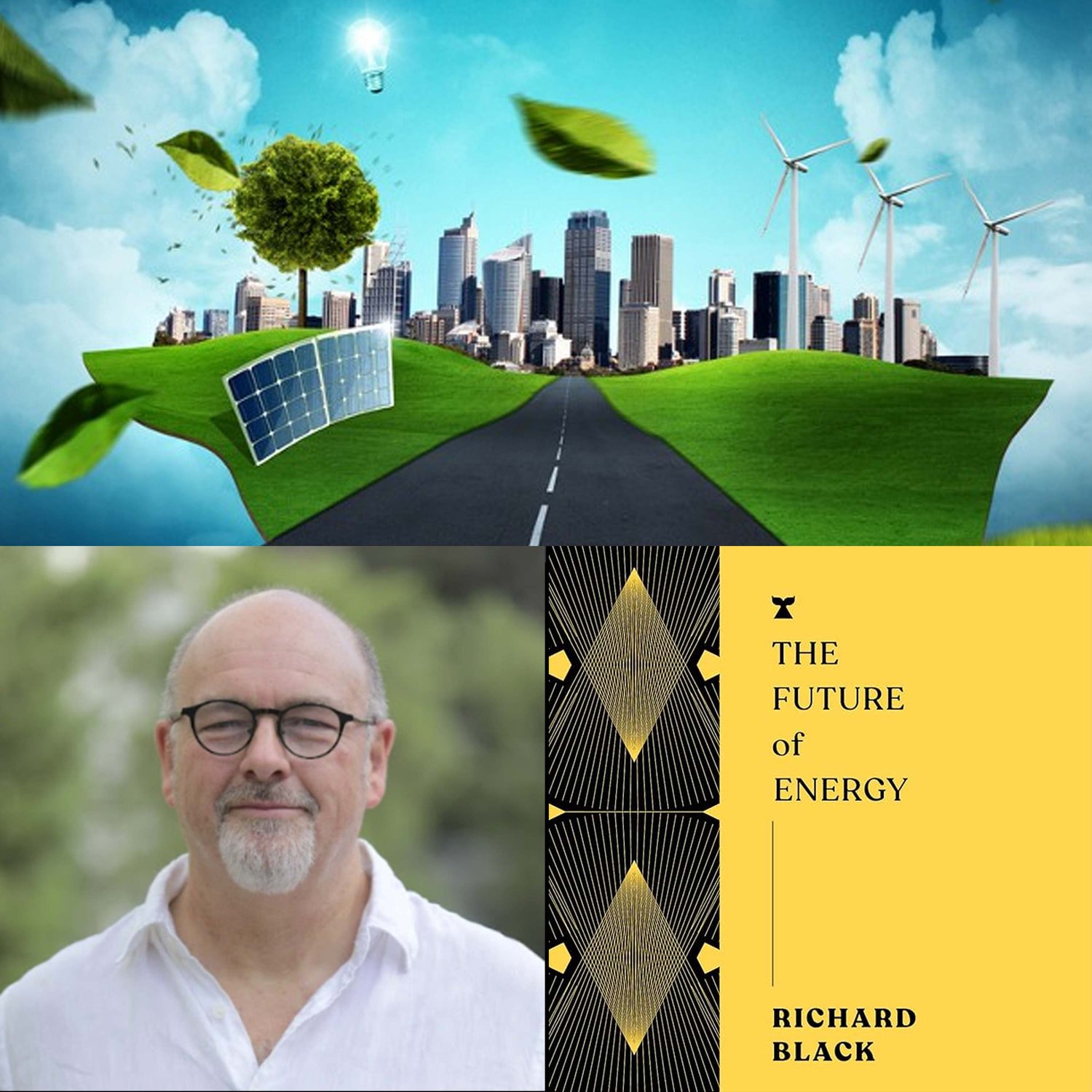
    How and when will we transition to a clean energy future? - Highlights - RICHARD BLACK

    “The fact is you've got a lot of industrial and political muscle now coming behind clean energy, especially from China, which is the leading country deploying wind energy, the leading country deploying solar, and the leading manufacturer and user of electric vehicles by miles. As one recent report put it, ‘We have petrostates in the world. China is the first electrostate.’ And China is on its way to becoming the world's most powerful country. So, where China leads, the rest of the world is almost certain to follow. Yes, there are massive air pollution problems in China, of course, but I think it's more than that. It's also about seeing that this is the future that the world is going to have. And if these goods are going to be made anywhere, well, the Chinese government clearly would like them to be made in China. And they've set out, you know, industrial policies and all kinds of other policies for, well, at least a decade now, in pursuit of that aim. It's interesting now to see other countries, India, for example, and the United States now sort of deploying muscle to try and carve out a slice of the pie themselves as well.” The Five-pronged Clean Energy Future “I thought about it, and I was wondering, what do we actually need in the world? Because we don't need petrol and we don't need coal. We need energy to power various things. So, we need these energy services. So, what's the simplest way of providing all of the energy services? And it really seems to me that we can basically do it all with about five different types of goods. So the system of the future I put out in the book is first of all, you have the generation of electricity, which is mainly going to be with renewables, mainly with wind and solar because they are the cheapest and they're getting cheaper thanks to Wright's Law. Then you need energy storage and other means of sharing matching demand to supply. So, storage is the one that people will be most familiar with, which can be batteries, for example. And again, the price of batteries has also plummeted about 85 percent price reduction in a decade. And it continues because, again, we have mounting volumes. In a competitive market, there's lots of innovation going on in terms of battery design, in terms of construction, and all of this stuff, new materials coming into batteries. So, that's your first two, that's your renewable generation and your battery storage. Electric vehicles will be the main method of transportation. Already, they dominate sales in the two-wheeler market in China and India. They're already eating into global oil demand. They're taking about 1.5 percent of global oil demand already, and the sales are increasing exponentially in China and other countries as well. They are cost-competitive. It's just on the purchase price in some markets with some models now. And it's going to get cheaper again because battery costs will fall. Heating and cooling, which is a big demand for energy. We can use heat pumps, which are super efficient running on electricity…Hydrogen, that will probably be the fifth prong, but a smaller prong, rather like the little finger on your hand." Richard Black spent 15 years as a science and environment correspondent for the BBC World Service and BBC News, before setting up the Energy & Climate Intelligence Unit. He now lives in Berlin and is the Director of Policy and Strategy at the global clean energy think tank Ember, which aims to accelerate the clean energy transition with data and policy. He is the author of The Future of Energy; Denied:The Rise and Fall of Climate Contrarian