Artwork for The Creative Process · Arts, Culture & Society: Books, Film, Music, TV, Art, Writing, Creativity, Education, Environment, Theatre, Dance, LGBTQ, Climate Change, Social Justice, Spirituality, Feminism, Tech, Sustainability
Arts

The Creative Process · Arts, Culture & Society: Books, Film, Music, TV, Art, Writing, Creativity, Education, Environment, Theatre, Dance, LGBTQ, Climate Change, Social Justice, Spirituality, Feminism, Tech, Sustainability

Mia Funk

Exploring the fascinating minds of creative people. Conversations with writers, artists and creative thinkers across the Arts and STEM. We discuss their life, work and artistic practice. Winners of Oscar, Emmy, Tony, Pulitzer, Nobel Prize, leaders and public figures share real experiences and offer valuable insights. Notable guests and participating museums and organizations include: Academy of Motion Picture Arts and Sciences, Neil Patrick Harris, Smithsonian, Roxane Gay, Musée Picasso, EARTHDAY-ORG, Neil Gaiman, UNESCO, Joyce Carol Oates, Mark Seliger, Acropolis Museum, Hilary Mantel, Songwriters Hall of Fame, George Saunders, The New Museum, Lemony Snicket, Pritzker Architecture Prize, Hans-Ulrich Obrist, Serpentine Galleries, Joe Mantegna, PETA, Greenpeace, EPA, Morgan Library and Museum, and many others.

The interviews are hosted by founder and creative educator Mia Funk with the participation of students, universities, and collaborators from around the world. These conversations are also part of our traveling exhibition.

  • 1,264 episodes
  • Updated July 25

Episodes1264

  • Jan 28, 2025 · 40 min

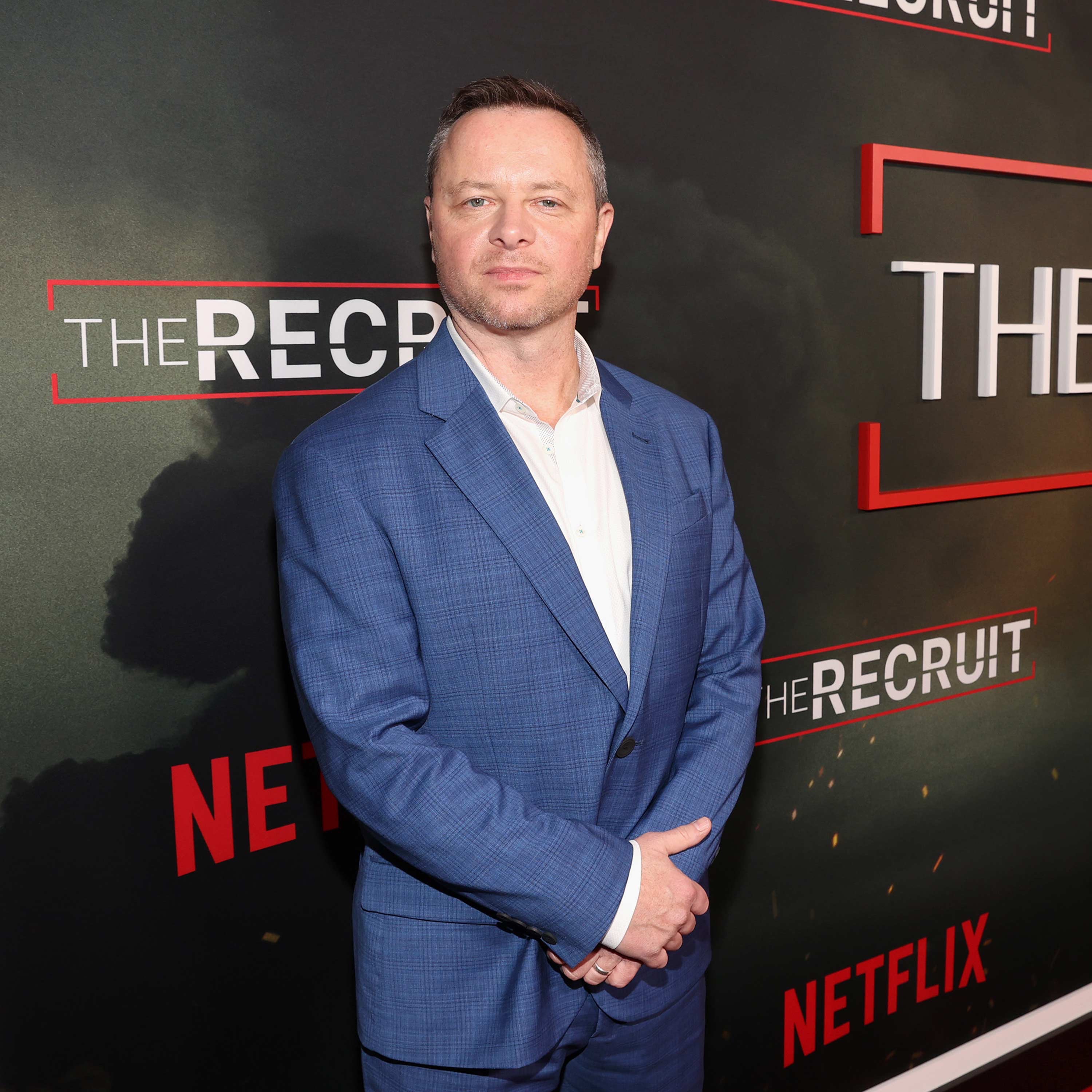
    Behind the Scenes of The Rookie & The Recruit w/ Showrunner ALEXI HAWLEY

    How can we improve the way we train and recruit police officers? Can TV dramas serve as positive models for policing and help foster community? Alexi Hawley is the creator of ABC’s The Rookie, starring Nathan Fillion, and Netflix's The Recruit, an espionage drama starring Noah Centineo that, in season two, explores the legal defense tactic 'graymail'. The Rookie, now in its seventh season, takes a look at aspects of policing often overlooked by TV procedurals. Hawley discusses the positive role police can play in communities and how he found his own autodidactic path to becoming a television showrunner. He was previously the executive producer and co-showrunner of Castle and The Following, and recently created the upcoming Hulu drama The Envoy which is inspired by journalist and producer Adam Ciralsky’s June 2024 Vanity Fair story about Roger Carstens and his team at the State Department who have brought home 70 American hostages during the past four years. “There used to be a time when leading men were okay with falling down as a character. Harrison Ford in Indiana Jones is a prime example of that. Even going back to the fifties, they understood that failure and falling down, but getting back up, is an endearing quality. It's a universal human quality. We have gotten to a point in the last 10 or 15 years, or maybe longer, where leading men often want to win every fight. It’s in their contract: "I have to win every fight" or "I can't fail" or "I can't fall down." It's just such a mistake because the audience roots for you more if they see you fail and then get back up again. Noah is totally comfortable playing that character who's just trying to figure it out on the fly. Sometimes, he gets it wrong, but he's never going to give up. You can really feel that coming off the screen.” Episode Website www.creativeprocess.info/pod Instagram:@creativeprocesspodcast Photo credit: Jesse Grant/Getty for Netflix
  • Jan 25, 2025 · 11 min

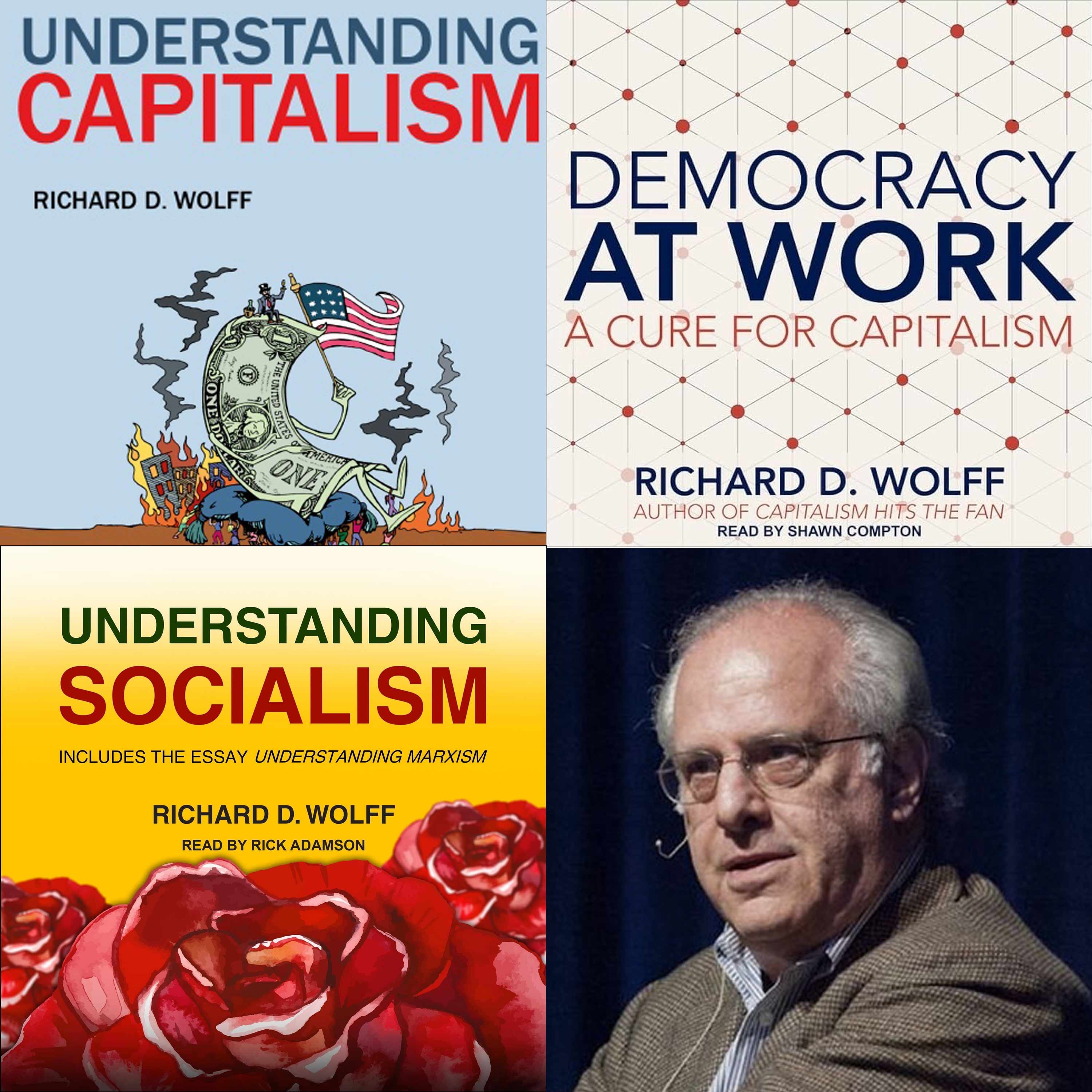
    Are We Witnessing the Decline of the American Empire? RICHARD D. WOLFF - Highlights

    “The position of the United States in the world, economically and politically, is the weakest it has been in my lifetime. I was born in the middle of the 20th century, so I have watched the rise of the American empire and the success of American capitalism in the second half of the 20th century. However, over the last 20 years, I have watched that turn into its opposite—a decline. The decline is visible everywhere. Unless you live in the United States and consume mainstream media, there is a level of denial that will be recorded historically as one of the great examples, not just of a declining empire, which typically has people who cannot face it and who refuse to see it. You can go to Great Britain today and find quite a few people who think we still have the British Empire, even though everyone who isn't crazy knows that is silly. But we are earlier in the decline phase than the British are; they have had to endure it for a century while we have just had to do it for a couple of decades. It is fresh.” Richard D. Wolff is the co-founder of Democracy at Work and host of their nationally syndicated show Economic Update. He was formerly professor of economics at the University of Massachusetts Amherst, Yale University, the City College of the City University of New York, and the University of Paris Sorbonne. Currently, Wolfe is a visiting professor in the Graduate Program in International Affairs of the New School University in New York City. Episode Website www.creativeprocess.info/pod Instagram:@creativeprocesspodcast

  • Jan 25, 2025 · 47 min

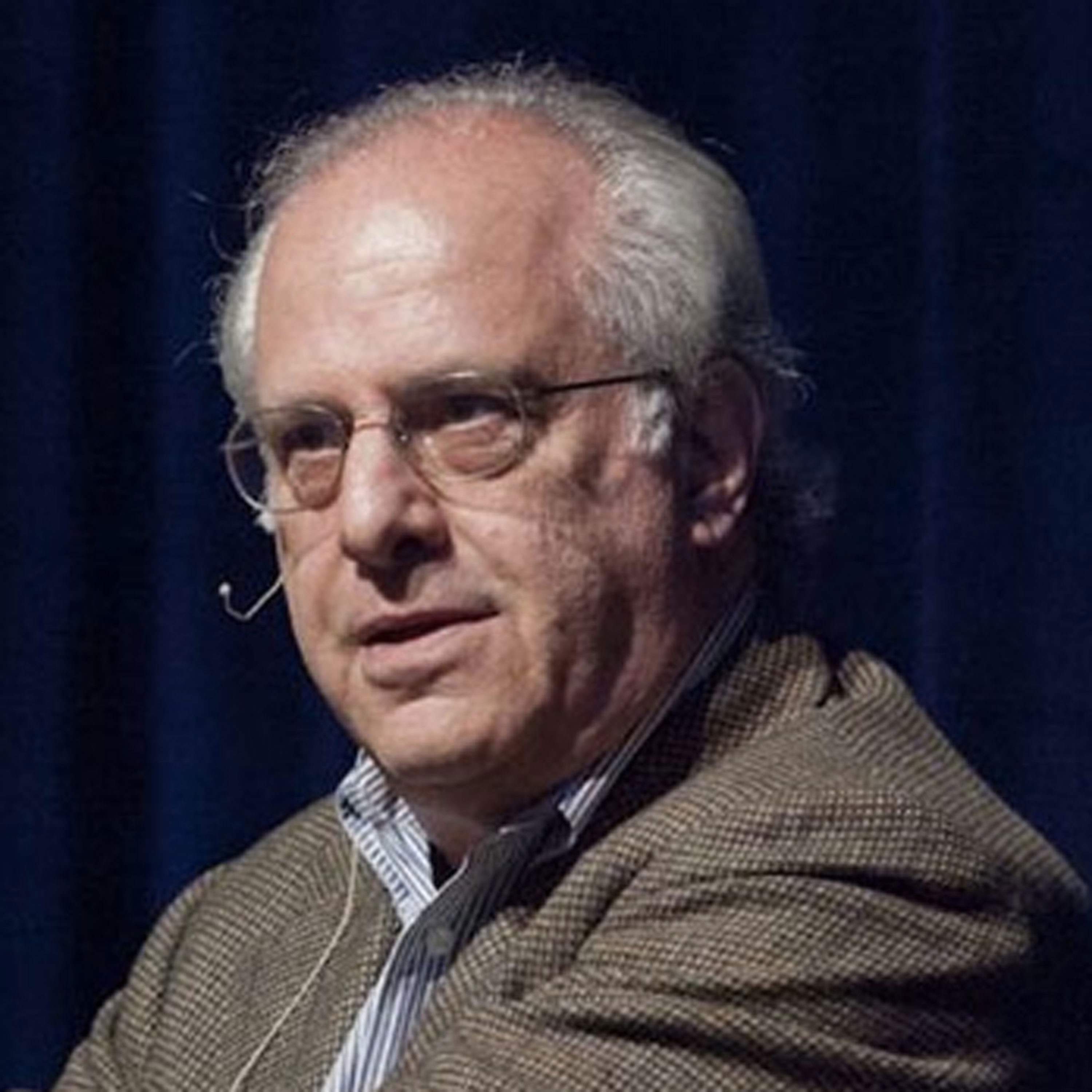
    Understanding Capitalism with RICHARD D. WOLFF - Co-founder of Democracy at Work

    When capitalism stops serving the needs of the people, what can we do to create a fairer more equitable society? What can we learn from China's success and economic growth? Are we witnessing the decline of the American Empire and what comes next? Richard D. Wolff is the co-founder of Democracy at Work and host of their nationally syndicated show Economic Update. He was formerly professor of economics at the University of Massachusetts Amherst, Yale University, the City College of the City University of New York, and the University of Paris Sorbonne. Currently, Wolfe is a visiting professor in the Graduate Program in International Affairs of the New School University in New York City. “The position of the United States in the world, economically and politically, is the weakest it has been in my lifetime. I was born in the middle of the 20th century, so I have watched the rise of the American empire and the success of American capitalism in the second half of the 20th century. However, over the last 20 years, I have watched that turn into its opposite—a decline. The decline is visible everywhere. Unless you live in the United States and consume mainstream media, there is a level of denial that will be recorded historically as one of the great examples, not just of a declining empire, which typically has people who cannot face it and who refuse to see it. You can go to Great Britain today and find quite a few people who think we still have the British Empire, even though everyone who isn't crazy knows that is silly. But we are earlier in the decline phase than the British are; they have had to endure it for a century while we have just had to do it for a couple of decades. It is fresh.” Episode Website www.creativeprocess.info/pod Instagram:@creativeprocesspodcast

  • Jan 23, 2025 · 11 min

    How Art Helps Us Understand the World - Filmmakers, Writers & Artists Share their Stories

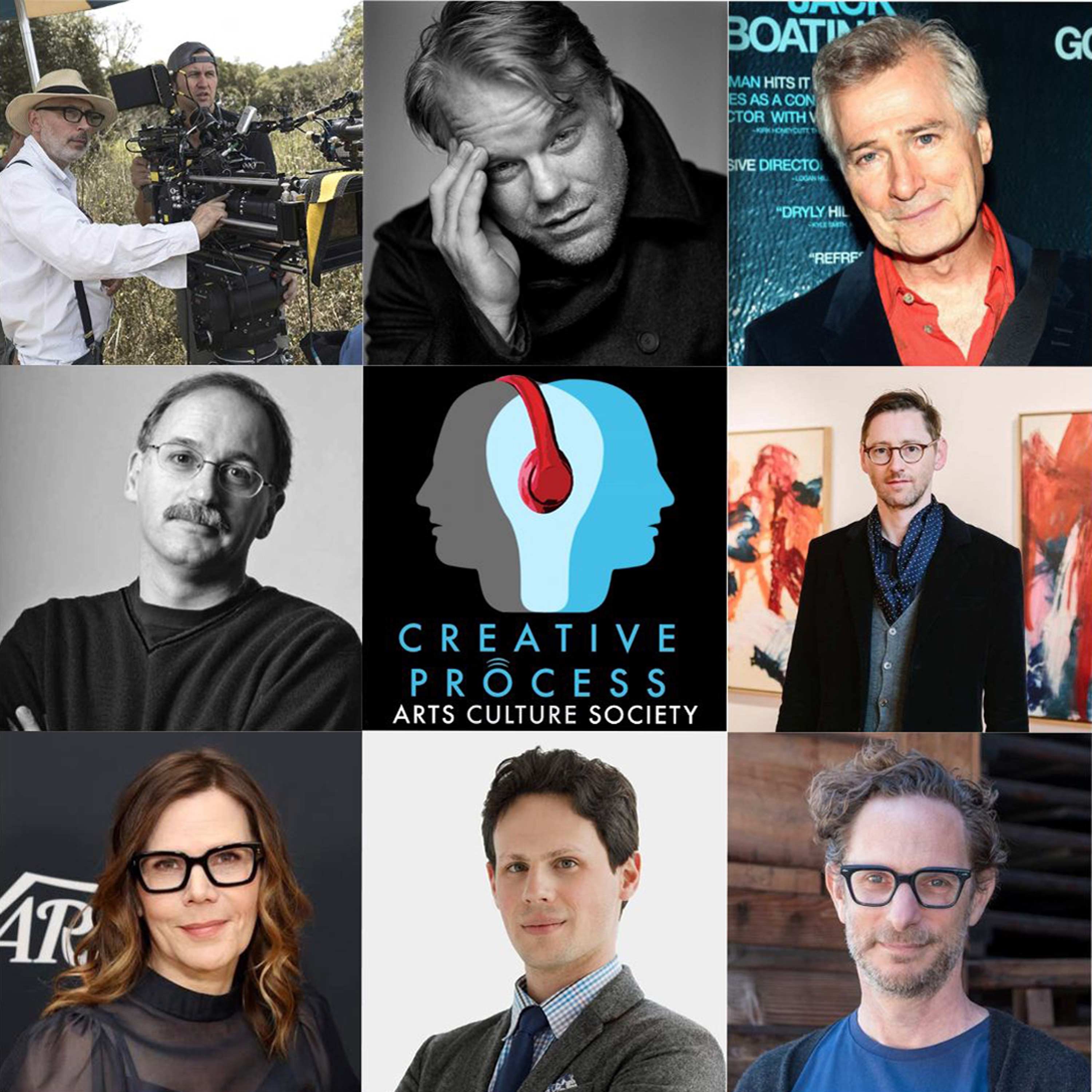
    How do our personal lives influence the art we make? JIM SHEPARD (Author of The Book of Aron, Project X & The World to Come starring Casey Affleck, Vanessa Kirby) explores historical human dilemmas, the emotional imagination and literature's role in extending empathetic understanding. He discusses the importance of self-education and curiosity. LAURA EASON (Emmy-nominated Producer, Screenwriter, Playwright · Three Women · House of Cards · The Loudest Voice) on how we can live multiple lives through the arts. She highlights the significant role the arts have played in her upbringing and daily life, emphasizing the value of listening to others. As a showrunner, Laura discusses how her work in the theater prepared her for working in TV BENOIT DELHOMME (Award-winning Cinematographer · Artist · Director · At Eternity’s Gate · The Theory of Everything) likens operating a handheld camera to playing an instrument and emphasizes the importance of personalizing one's craft to imbue it with soul and freedom. JOHN PATRICK SHANLEY (Academy Award, Tony & Pulitzer Prize-winning Writer/Director · Doubt · Moonstruck · Joe Versus the Volcano) recounts his personal journey from The Bronx to becoming a writer. He reflects on his collaborations with actors Philip Seymour Hoffman and Meryl Streep and their dedication to their craft. MARK GOTTLIEB (VP & Literary Agent · Trident Media Group) explores storytelling as a timeless art form, comparing books to the oil paintings of new media. He comments on the transformative power of stories. ANTHONY WHITE (Artist) reflects on the role of visual arts in democracy and civil disobedience. and how historical events have inspired his art. MICHAEL BEGLER (Showrunner · Writer & Exec. Producer of Perry Mason) discusses the importance of storytelling in understanding our history and emotions. He stresses that the arts help us connect on a deeper level beyond hard news. To hear more from each guest, listen to their full interviews. Episode Website www.creativeprocess.info/pod IG:@creativeprocesspodcast

  • Jan 20, 2025 · 12 min

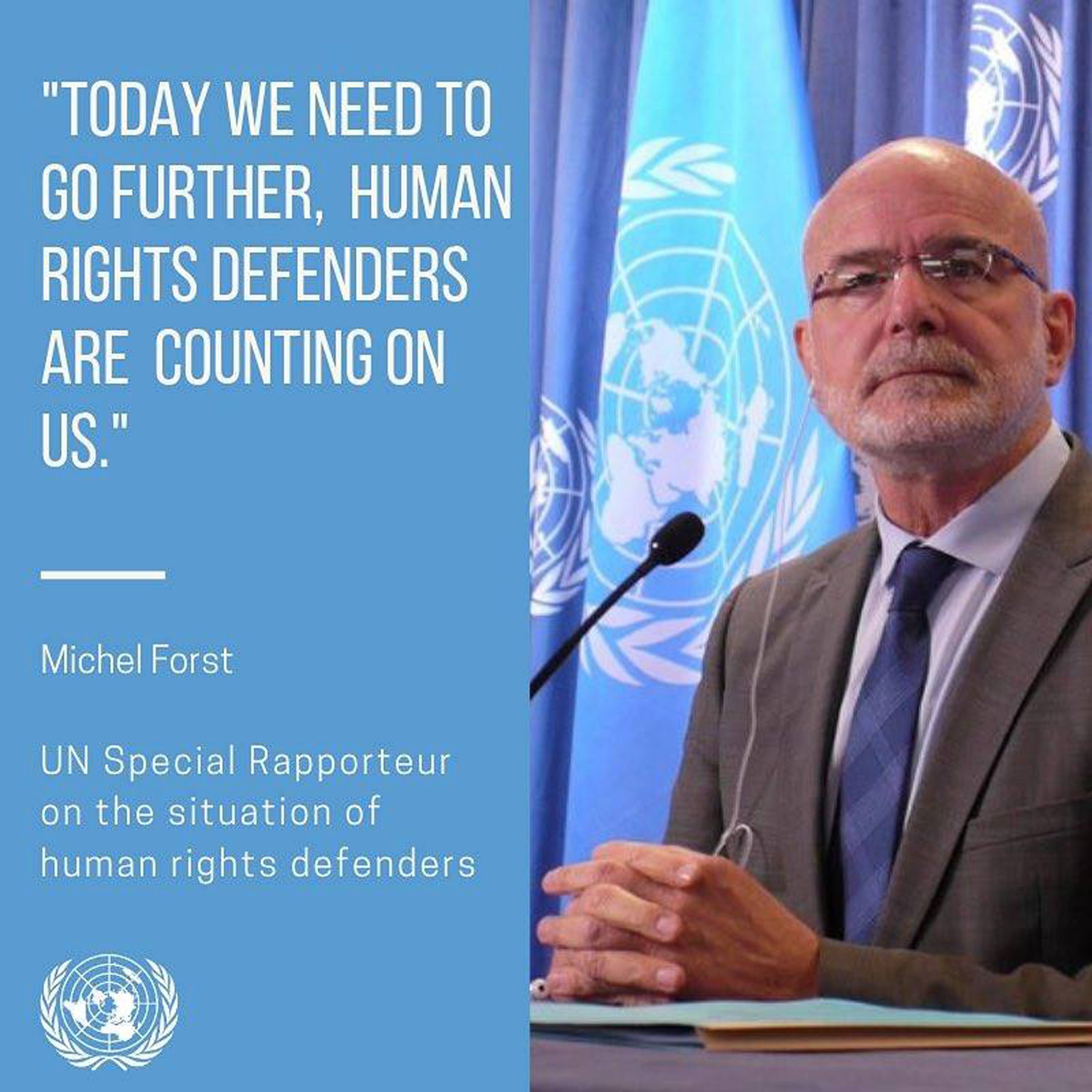
    Who Defends the Defenders? UN Special Rapporteur on Environmental Defenders MICHEL FORST

    “My mandate focuses on the protection of those trying to protect the planet. Protection of defenders is my main topic. When I'm speaking to states or companies, it's always related to cases of defenders facing threats, attacks, or penalization by companies or governments, like the recent case of Paul Watson (founder of Sea Shepherd) in Denmark… When I travel to places like Peru, Colombia, or Honduras and meet Indigenous people, I realize they have a relationship with nature that we don't have anymore. They express that the food they eat, the water they drink, and the air they breathe goes beyond just air and food; it represents what they call Pachamama or Mother Earth. This is a cosmovision shared across various communities, not only in Latin America but globally.” Michel Forst is a prominent human rights advocate and the UN Special Rapporteur on Environmental Defenders under the Aarhus Convention. He previously served as the Special Rapporteur on Human Rights Defenders (2014–2020) and has worked with Amnesty International, UNESCO, and the Global Alliance of National Human Rights Institutions, championing protections for activists worldwide. Forst’s career is marked by his unwavering commitment to defending those at risk for advancing justice, environmental protection, and human rights globally. Episode Website www.creativeprocess.info/pod Instagram:@creativeprocesspodcast

  • Jan 19, 2025 · 39 min

    Why is it a Crime to Protest the Destruction of Our Planet? with MICHEL FORST

    Who Defends the Defenders? In many countries, the state response to peaceful environmental protest is increasingly to repress rather than to enable and protect those who wish to speak up for the environment. Michel Forst is a prominent human rights advocate and the UN Special Rapporteur on Environmental Defenders under the Aarhus Convention. He previously served as the Special Rapporteur on Human Rights Defenders (2014–2020) and has worked with Amnesty International, UNESCO, and the Global Alliance of National Human Rights Institutions, championing protections for activists worldwide. Forst’s career is marked by his unwavering commitment to defending those at risk for advancing justice, environmental protection, and human rights globally. “My mandate focuses on the protection of those trying to protect the planet. Protection of defenders is my main topic. When I'm speaking to states or companies, it's always related to cases of defenders facing threats, attacks, or penalization by companies or governments, like the recent case of Paul Watson (founder of Sea Shepherd) in Denmark… When I travel to places like Peru, Colombia, or Honduras and meet Indigenous people, I realize they have a relationship with nature that we don't have anymore. They express that the food they eat, the water they drink, and the air they breathe goes beyond just air and food; it represents what they call Pachamama or Mother Earth. This is a cosmovision shared across various communities, not only in Latin America but globally.” Episode Website www.creativeprocess.info/pod Instagram:@creativeprocesspodcast

  • Jan 14, 2025 · 15 min

    How to change our extractive mindset to a regenerative mindset? PAUL SHRIVASTAVA - Highlights

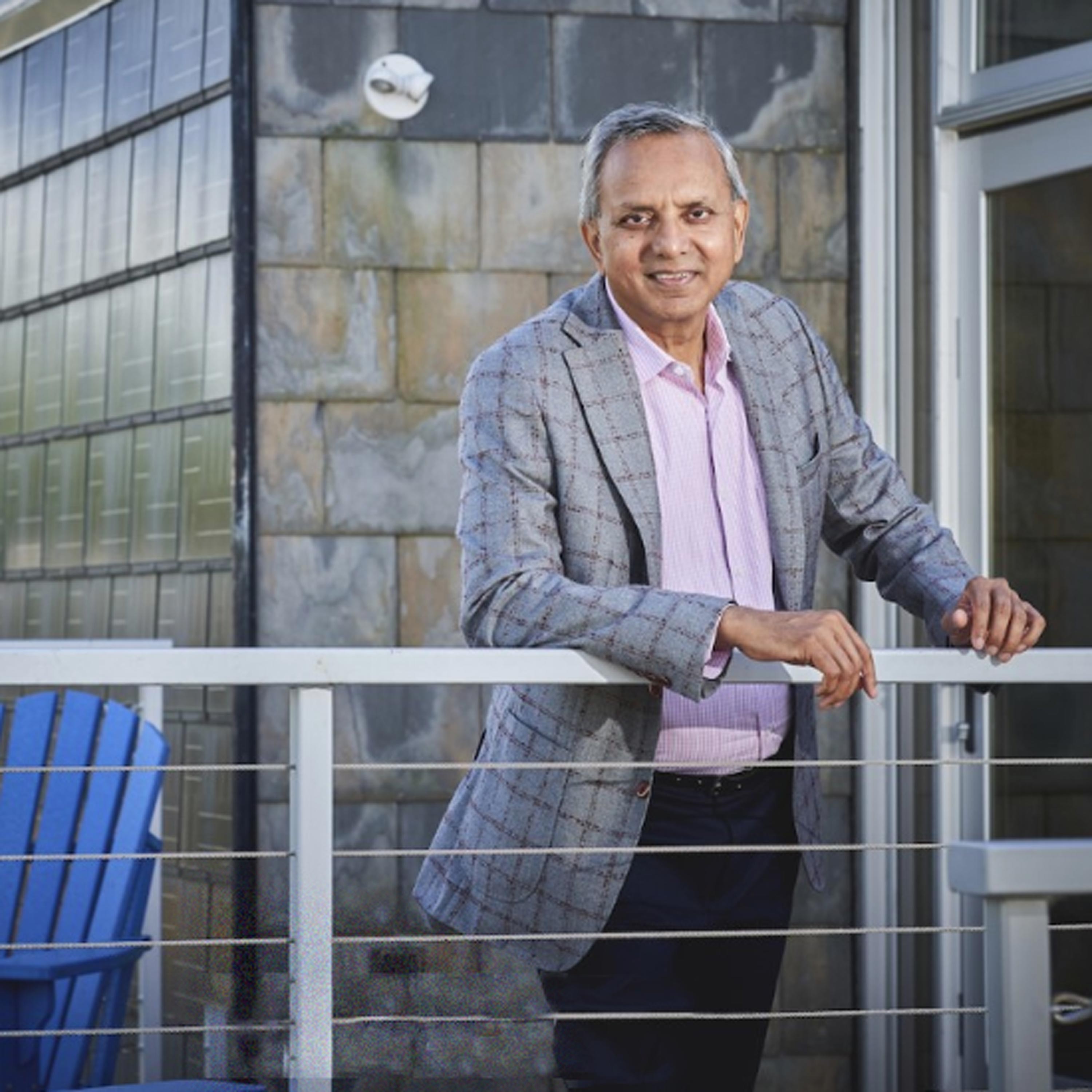
    “Climate change is here. It's already causing devastation to the most vulnerable populations. We are living with an extractive mindset, where we are extracting one way out of the life system of the Earth. We need to change from that extractive mindset to a regenerative mindset. And we need to change from the North Star of economic growth to a vision of eco civilizations. Those are the two main principles that I want to propose and that the Club of Rome suggests that we try to transform our current organization towards regenerative living and eco civilization.” Paul Shrivastava is Co-President of The Club of Rome and a Professor of Management and Organisations at Pennsylvania State University. He founded the UNESCO Chair for Arts and Sustainable Enterprise at ICN Business School, Nancy, France, and the ONE Division of the Academy of Management. He was the Executive Director of Future Earth, where he established its secretariat for global environmental change programs, and has published extensively on both sustainable management and crisis management. Episode Website www.creativeprocess.info/pod Instagram:@creativeprocesspodcast

  • Jan 11, 2025 · 44 min

    The Club of Rome & The Limits to Growth w/ Co-President PAUL SHRIVASTAVA

    Less than two weeks into the new year and the world’s wealthiest 1% have already used their fair share of the global carbon budget allocated for 2025. 2024 was hottest year on record. How can we change our extractive mindset to a regenerative mindset? How can we evolve our systems from economic growth to a vision of regenerative living and eco-civilization? Paul Shrivastava is Co-President of The Club of Rome and a Professor of Management and Organisations at Pennsylvania State University. He founded the UNESCO Chair for Arts and Sustainable Enterprise at ICN Business School, Nancy, France, and the ONE Division of the Academy of Management. He was the Executive Director of Future Earth, where he established its secretariat for global environmental change programs, and has published extensively on both sustainable management and crisis management. “Climate change is here. It's already causing devastation to the most vulnerable populations. We are living with an extractive mindset, where we are extracting one way out of the life system of the Earth. We need to change from that extractive mindset to a regenerative mindset. And we need to change from the North Star of economic growth to a vision of eco civilizations. Those are the two main principles that I want to propose and that the Club of Rome suggests that we try to transform our current organization towards regenerative living and eco civilization.” Episode Website www.creativeprocess.info/pod Instagram:@creativeprocesspodcast Photo credit: Penn State. Creative Commons

  • Jan 10, 2025 · 16 min

    How to Build Relationships, Hook Up & Raise Hell Together: Conversation w/ DEAN SPADE - Highlights

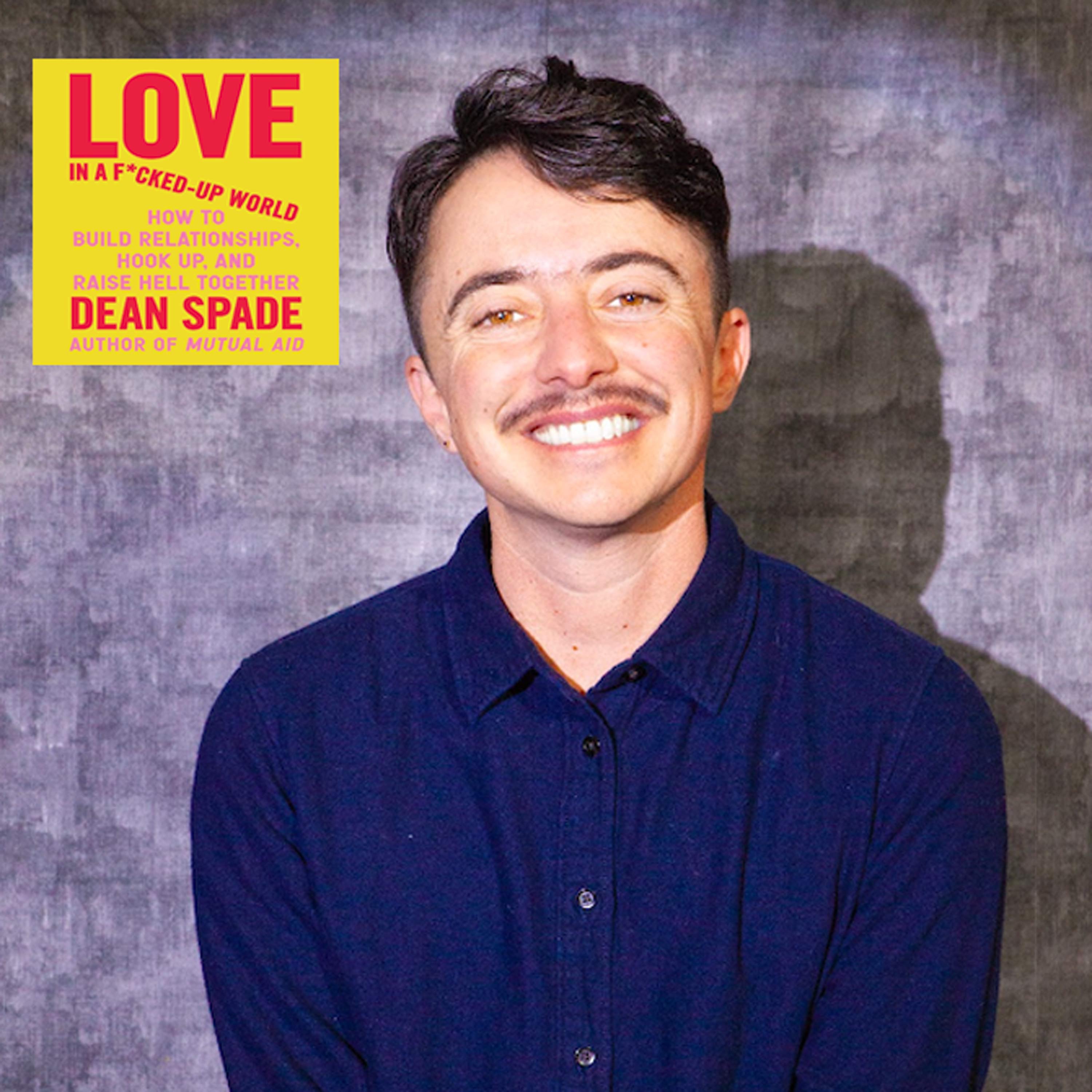
    “This book has a lot of the wisdom of things that feminists and queers have learned in the community about sexuality, but the book is really for anybody who is political, even those just starting out and beginning to realize that there is something wrong with the systems they live under. I want to be in movements. Our movements are made of relationships. So, if you're just getting into our movements, or if you've been here for years and have been watching the ways we hurt each other and fall apart relationally, this book is about identifying these common patterns.” Dean Spade is an organizer, speaker, author, and professor at Seattle University's School of Law, where he teaches courses on policing, imprisonment, gender, race, and social movements. He is the author of Mutual Aid: Building Solidarity During this Crisis (and the next) and Normal Life: Administrative Violence, Critical Trans Politics and the Limits of Law. His latest book is Love in a F*cked-Up World: How to Build Relationships, Hook Up, and Raise Hell Together. Episode Website www.creativeprocess.info/pod Instagram:@creativeprocesspodcast

  • Jan 8, 2025 · 57 min

    Love in a F*cked-Up World: DEAN SPADE on How to Build Relationships, Hook Up, and Raise Hell Together

    Why is it that we find the courage to boldly confront mainstream societal norms and structures, yet are so often unable to treat romantic partners with care and generosity? Why do we lose our principles when we become insecure, disappointed, or jealous? Why do we act our worst in sexual and romantic relationships? And why do we prioritize romantic connection above other types of relationships, like friendship? Dean Spade is an organizer, speaker, author, and professor at Seattle University's School of Law, where he teaches courses on policing, imprisonment, gender, race, and social movements. He is the author of Mutual Aid: Building Solidarity During this Crisis (and the next) and Normal Life: Administrative Violence, Critical Trans Politics and the Limits of Law. His latest book is Love in a F*cked-Up World: How to Build Relationships, Hook Up, and Raise Hell Together. “This book has a lot of the wisdom of things that feminists and queers have learned in the community about sexuality, but the book is really for anybody who is political, even those just starting out and beginning to realize that there is something wrong with the systems they live under. I want to be in movements. Our movements are made of relationships. So, if you're just getting into our movements, or if you've been here for years and have been watching the ways we hurt each other and fall apart relationally, this book is about identifying these common patterns.” Episode Website www.creativeprocess.info/pod Instagram:@creativeprocesspodcast

  • Jan 7, 2025 · 12 min

    THREE WOMEN starring Shailene Woodley, DeWanda Wise, Betty Gilpin: LAURA EASON - Highlights

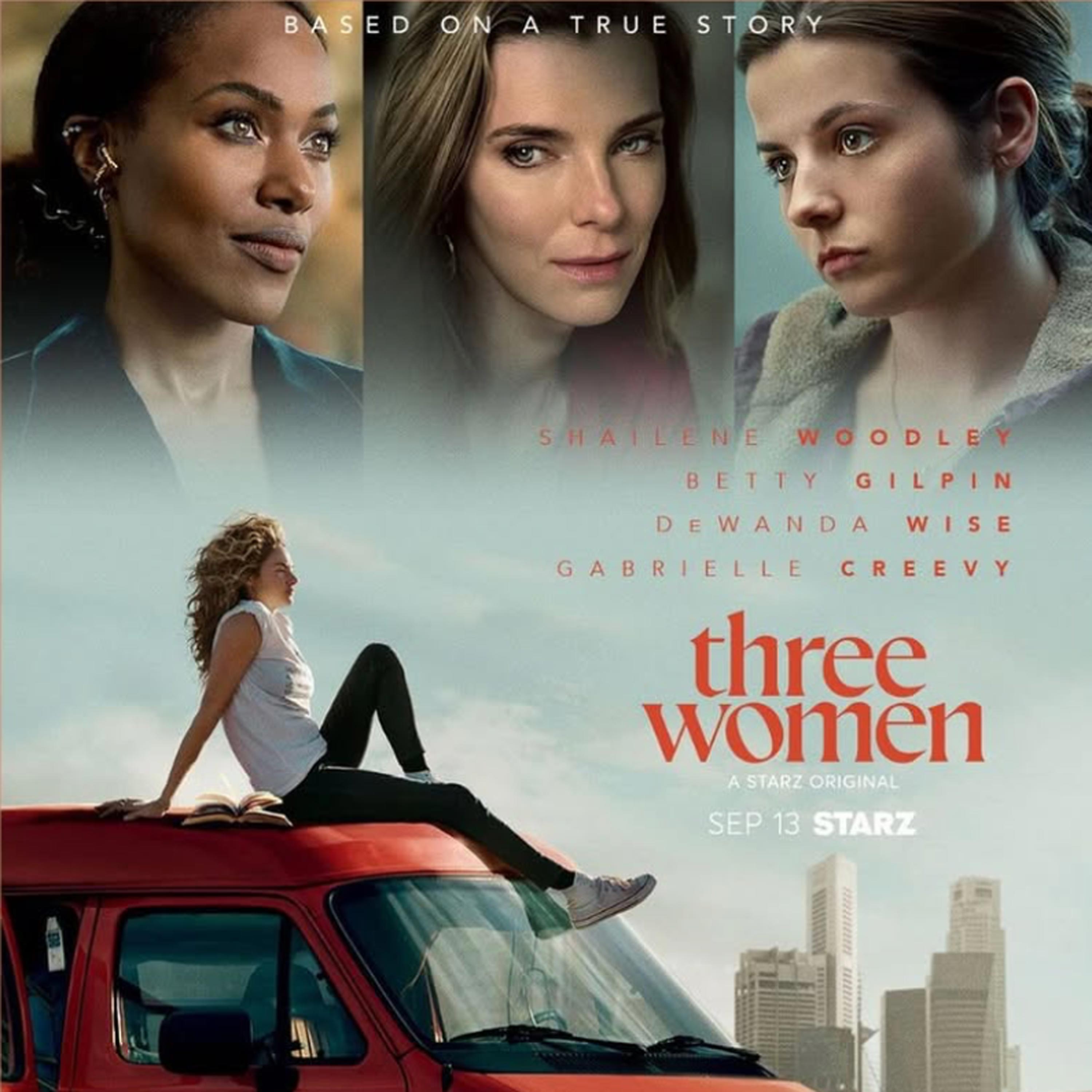
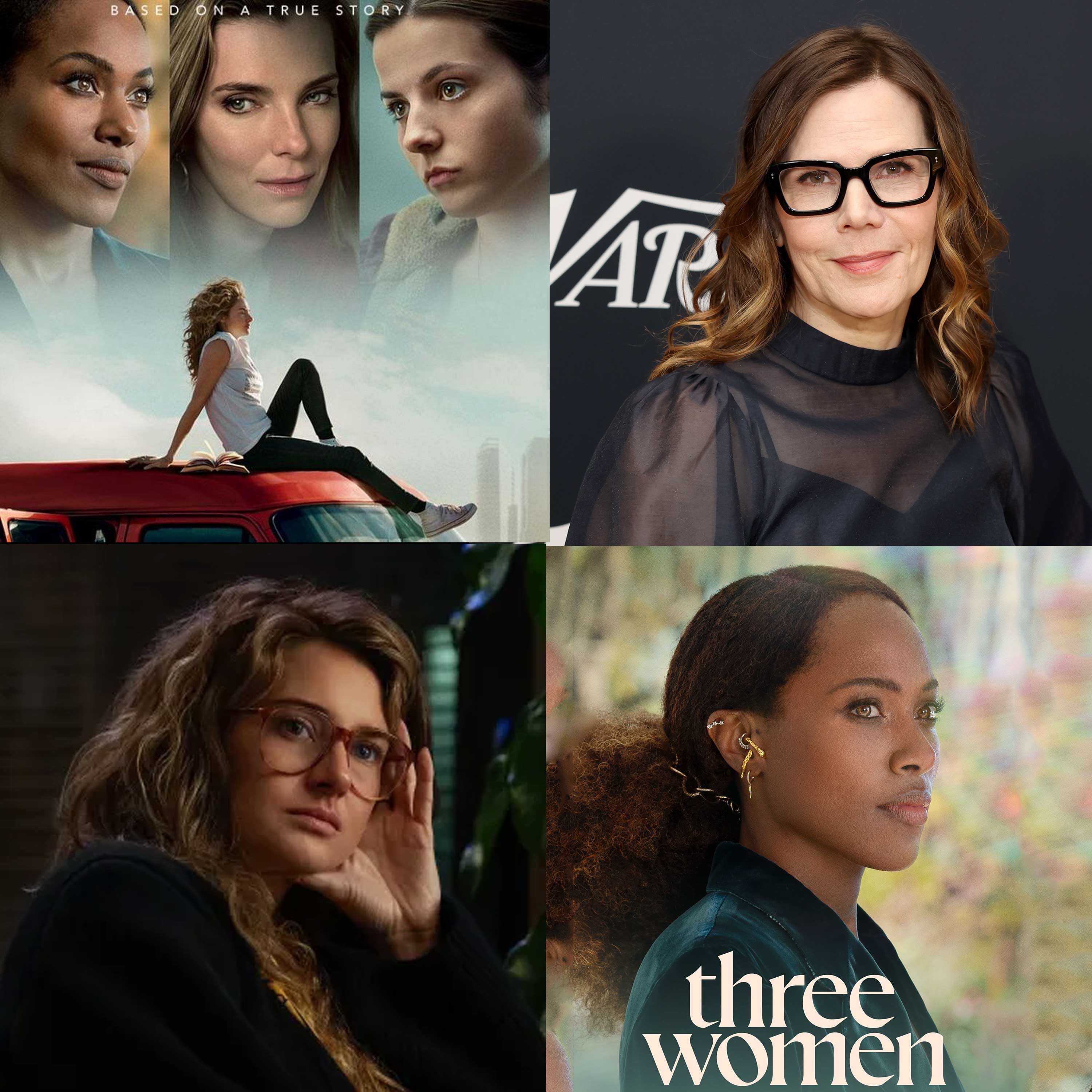
    “I think the show conveys to the women watching that their lives matter. They don't have to be some gorgeous aspirational person, although Sloane absolutely fits that mold. But for others living in the Midwest, struggling and feeling unseen, hopefully, the mirrors of Lina and Maggie will help them not feel so alone and remind them that their stories are important and matter.” Laura Eason is an Emmy-nominated producer, screenwriter, and playwright. Currently, she is the executive producer and showrunner of the Starz drama series Three Women. Based on a book by Lisa Taddeo, the series stars Shailene Woodley, DeWanda Wise, Betty Gilpin and Gabrielle Creevy. Laura’s writing and producing credits for television include The Loudest Voice and four seasons of House of Cards. Laura's many plays include the critically acclaimed Sex with Strangers. She has also adapted many classic novels for the stage, including a highly successful version of Around the World in 80 Days. She has served as Artistic Director of Lookingglass Theatre Company in Chicago, where she also acted, directed, and produced in upwards of 20 shows. Episode Website www.creativeprocess.info/pod Instagram:@creativeprocesspodcast

  • Jan 7, 2025 · 52 min

    Female Desire, Sex & Intimacy: Emmy-nominated Producer, Writer, Playwright LAURA EASON on THREE WOMEN

    What is love? How do the narratives we internalize shape our understanding of relationships, intimacy, and family? Laura Eason is an Emmy-nominated producer, screenwriter, and playwright. Currently, she is the executive producer and showrunner of the Starz drama series Three Women. Based on a book by Lisa Taddeo, the series stars Shailene Woodley, DeWanda Wise, Betty Gilpin and Gabrielle Creevy. Laura’s writing and producing credits for television include The Loudest Voice and four seasons of House of Cards. Laura's many plays include the critically acclaimed Sex with Strangers. She has also adapted many classic novels for the stage, including a highly successful version of Around the World in 80 Days. She has served as Artistic Director of Lookingglass Theatre Company in Chicago, where she also acted, directed, and produced in upwards of 20 shows. “I think the show conveys to the women watching that their lives matter. They don't have to be some gorgeous aspirational person, although Sloane absolutely fits that mold. But for others living in the Midwest, struggling and feeling unseen, hopefully, the mirrors of Lina and Maggie will help them not feel so alone and remind them that their stories are important and matter.” Episode Website www.creativeprocess.info/pod Instagram:@creativeprocesspodcast

  • Jan 3, 2025 · 11 min

    How Does Art Shape Our Lives? Musicians, Writers, Filmmakers & Actors Share Their Stories

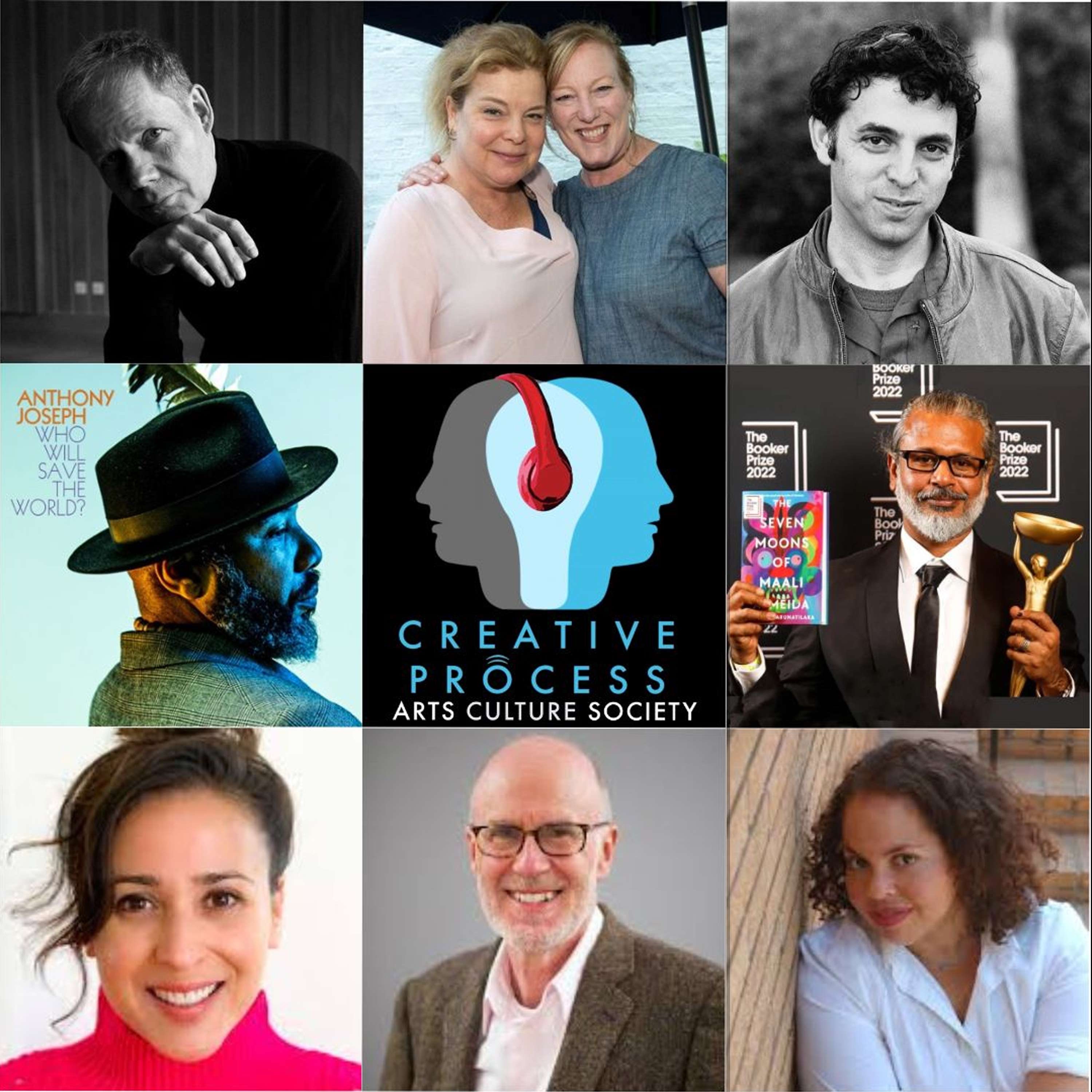
    How do the arts help us find purpose and meaning? What role do stories play in helping us preserve memories, connect us to each other, and answer life’s big questions? MAX RICHTER (Award-winning Composer & Pianist) reflects on the importance of creativity and how art offers windows into other people’s experiences, fostering connection. ETGAR KERET (Cannes Film Festival Award-winning Director & Author) remembers how his mother told him stories to show her love. ANTHONY JOSEPH (T.S. Eliot Prize-winning Poet, Novelist, Singer-songwriter) on piecing together the fragmented documentation of Caribbean life through poetry. CLAUDIA FORESTIERI (Emmy Award-winning Writer/Creator of HBOMax’s Gordita Chronicles) talks about the crucial role of immigrants in building and revitalizing America. BRIGITTE MUNOZ-LIEBOWITZ (Showrunner Gordita Chronicles · One Day at a Time) on how adversity fosters growth and the importance of a positive outlook. JOHNJOE McFADDEN (Author of Life is Simple: How Occam’s Razor Set Science Free and Shapes the Universe · Molecular Genetics Professor) explores how art communicates complex ideas holistically. SHEHAN KARUNATILAKA (Booker Prize-winning Author, The Seven Moons of Maali Almeida) on writing in the 2nd person to explore spiritual dimensions. CATHERINE CURTIN (Actress · Stranger Things · Orange Is the New Black) reflects on creative freedom and in theater, film, and television. KATE MUETH (Founder/Artistic Director, The Neo-Political Cowgirls) emphasizes the importance of authenticity and personal fulfillment in the creative process. To hear more from each guest, listen to their full interviews. Episode Website www.creativeprocess.info/pod IG:@creativeprocesspodcast

  • Dec 27, 2024 · 14 min

    Can We Redefine Our Relationship with Nature? Scientists, Writers & Activists Share Solutions

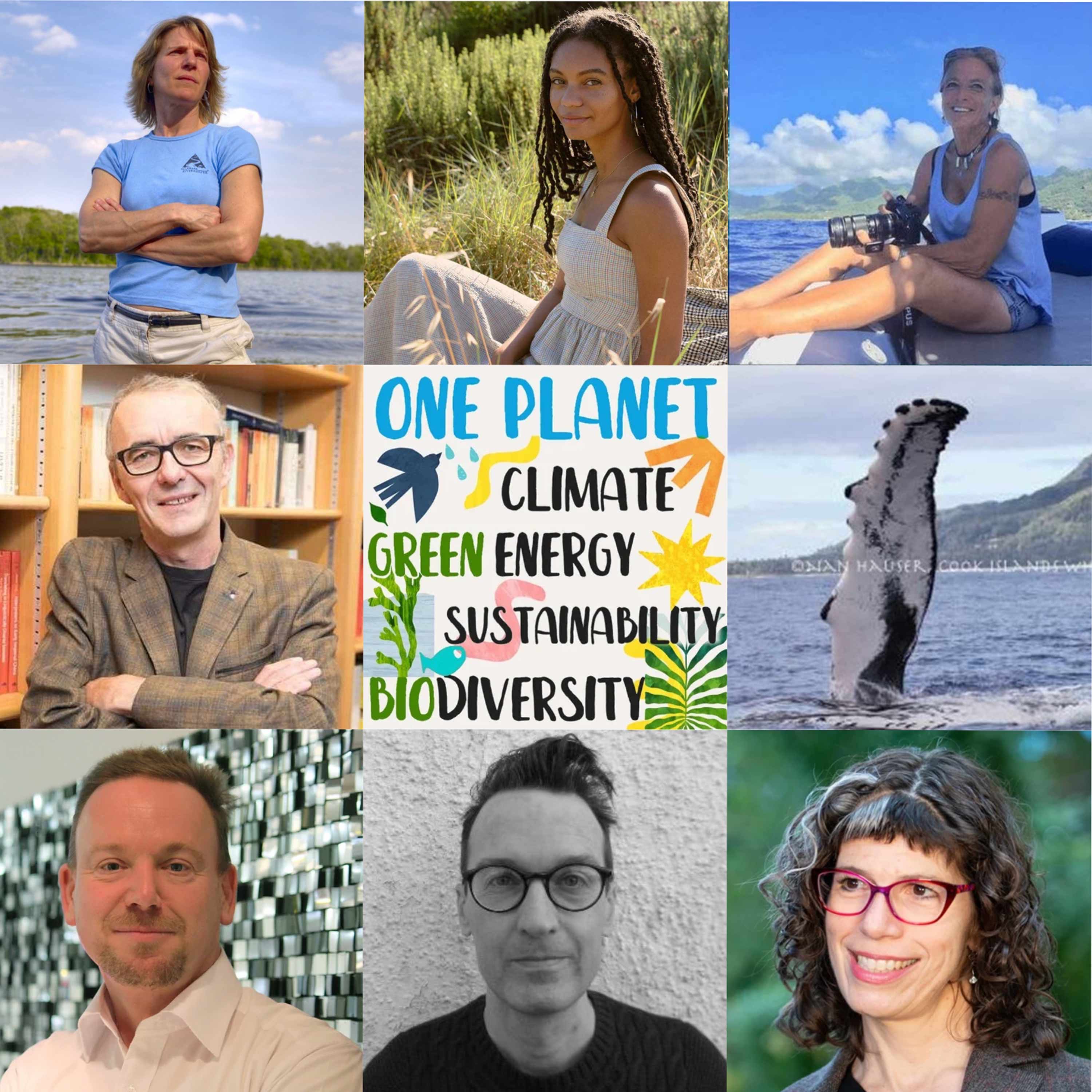
    What can we learn from whales, the ways they communicate, and how their life cycle affects whole ecosystems, absorbing carbon and helping cool the planet? How have we contributed to the ecological degradation of the environment? How does language influence perception and our relationship to the more than human world? NAN HAUSER (Whale Researcher; President, Center for Cetacean Research & Conservation) describes how a whale protected her from a tiger shark during an underwater filming session and reflects on their emotional connection. DAVID FARRIER (Author of Footprints: In Search of Future Fossils) explores the long-term impacts humans have on the environment and the material legacies we leave behind for future generations. DANA FISHER (Director, Center for Environment, Community, & Equity; Author of Saving Ourselves: From Climate Shocks to Climate Action) discusses her "apocalyptic optimism," Significant change is likely to occur in response to extreme risk events that drive mass mobilization. SIR GEOFF MULGAN Author of Another World is Possible: How to Reignite Social & Political Imagination; Professor of Collective Intelligence, Public Policy & Social Innovation, University College London) on the circular economy and how reusing and recycling can drastically reduce waste and consumption. LEAH THOMAS (Author of The Intersectional Environmentalist: How to Dismantle Systems of Oppression to Protect People + Planet;) on addressing the environmental injustices faced by marginalized communities. MAYA VAN ROSSUM (Founder of Green Amendments For The Generations; Author of The Green Amendment: The People's Fight for a Clean, Safe, and Healthy Environment) on the impact of pollution and environmental degradation on human lives. MICHAEL CRONIN (Author of Eco-Travel: Journeying in the Age of the Anthropocene) argues for horizontal relationships with the environment and the need to recognize the non-human world. To hear more from each guest, listen to their full interviews. Episode Website www.creativeprocess.info/pod Instagram:@creativeprocesspodcast

  • Dec 24, 2024 · 17 min

    How Do We Protect Democracy? Writers, Philosophers & Thought Leaders Speak Out

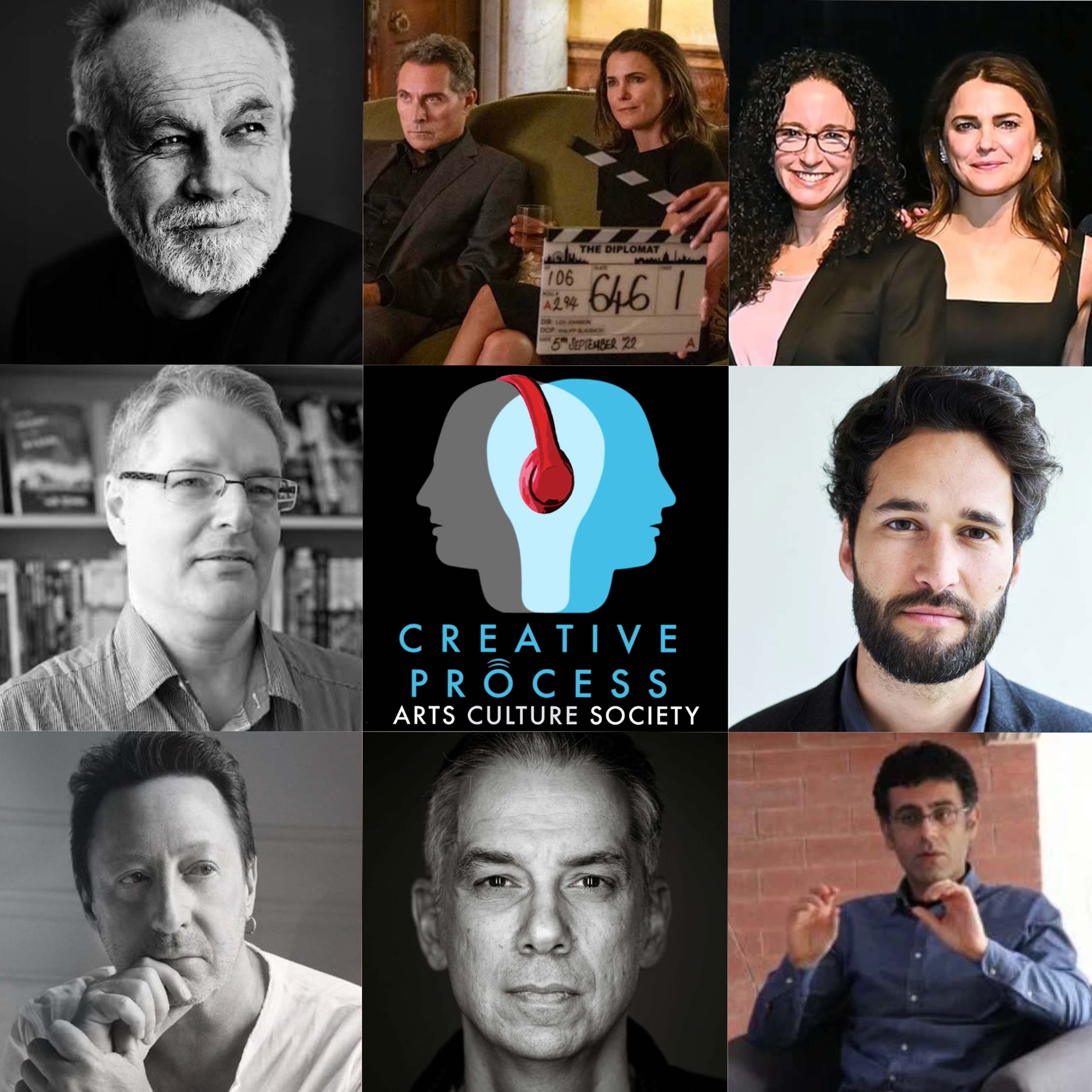
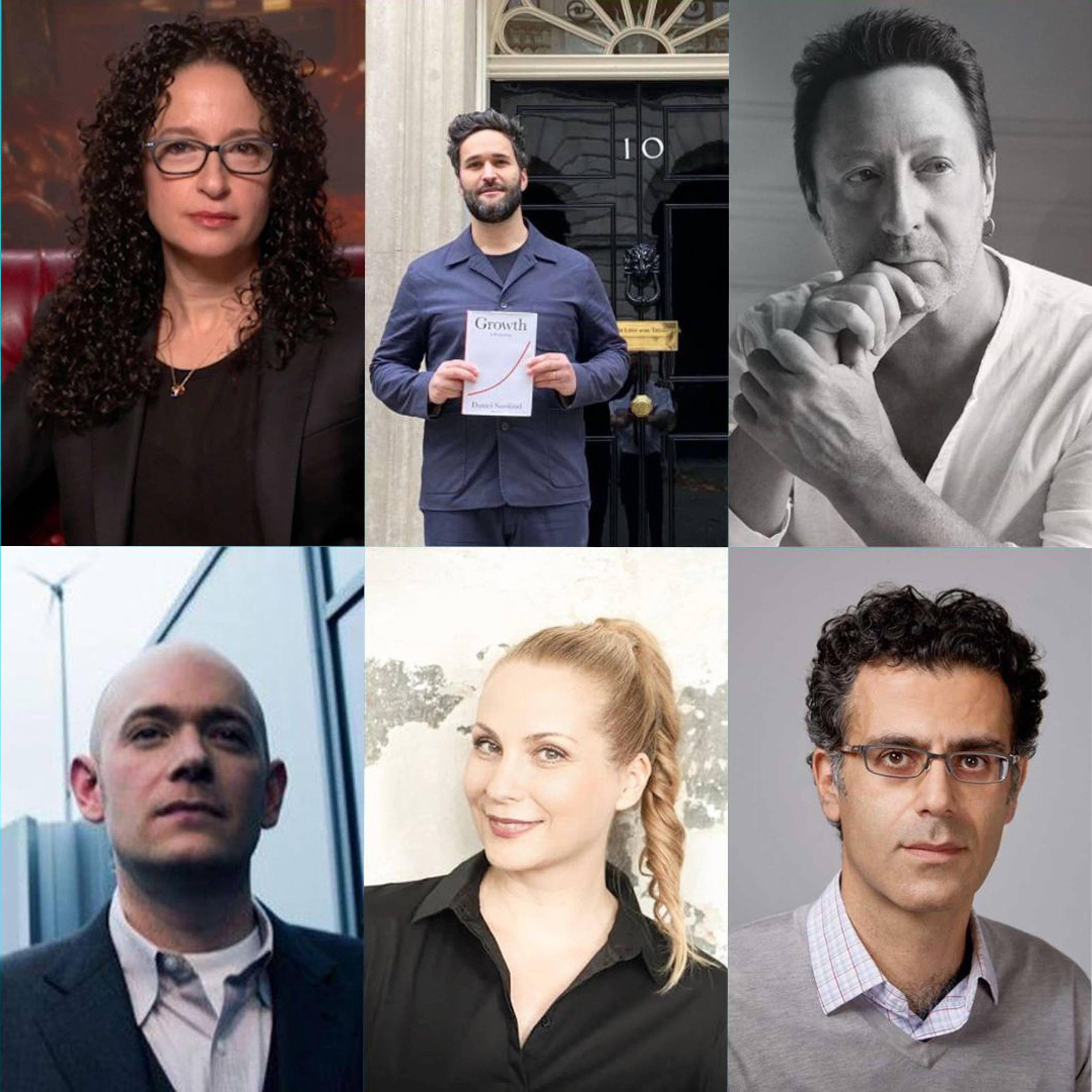
    How can we be more engaged global citizens? How do we fight for truth and protect democracy in a post-truth world? What influence do billionaires have on politics, journalism, and the technology that shapes our lives? Lee McIntyre (Philosopher · Author of On Disinformation: How To Fight For Truth and Protect Democracy) examines democracy and how continuous disinformation campaigns not only promote falsehoods but ultimately aim to demoralize the public by making them doubtful about the existence of truth. Darryl Cunningham (Cartoonist · Author of Elon Musk: Investigation into a New Master of the World) on the problematic nature of extreme wealth concentration among billionaires and the political power they wield. Debora Cahn (Emmy-nominated Showrunner & Creator of Netflix’s The Diplomat) on how being a child of Holocaust survivors sparked her interest in moral questions and complex characters. Julian Lennon (Singer-songwriter, doc filmmaker, founder of The White Feather Foundation) on the need for supporting education and safety for girls in Kenya. Arash Abizadeh (Philosopher · Assoc. Editor of Free & Equal) on wealth inequality and how economic disparities create social unrest and political manipulation, suggesting that tackling inequality is essential for the healthy functioning of democratic societies. Daniel Susskind (Economist · Author of Growth: A Reckoning) explores how involving ordinary citizens in deliberation processes in mini-publics and citizen assemblies can help resolve complex political issues like nuclear policy and climate change. Carlos Moreno (Originator of the 15-Minute City concept) emphasizes the importance of proximity and social interaction in urban design, highlighting how it counteracts social isolation, reduces radicalization, and helps foster more inclusive, tolerant communities. To hear more from each guest, listen to their full interviews. Episode Website www.creativeprocess.info/pod IG:@creativeprocesspodcast

  • Dec 16, 2024 · 14 min

    Voices for the Planet: Scientists, Activists, Farmers & Filmmakers Speak Out

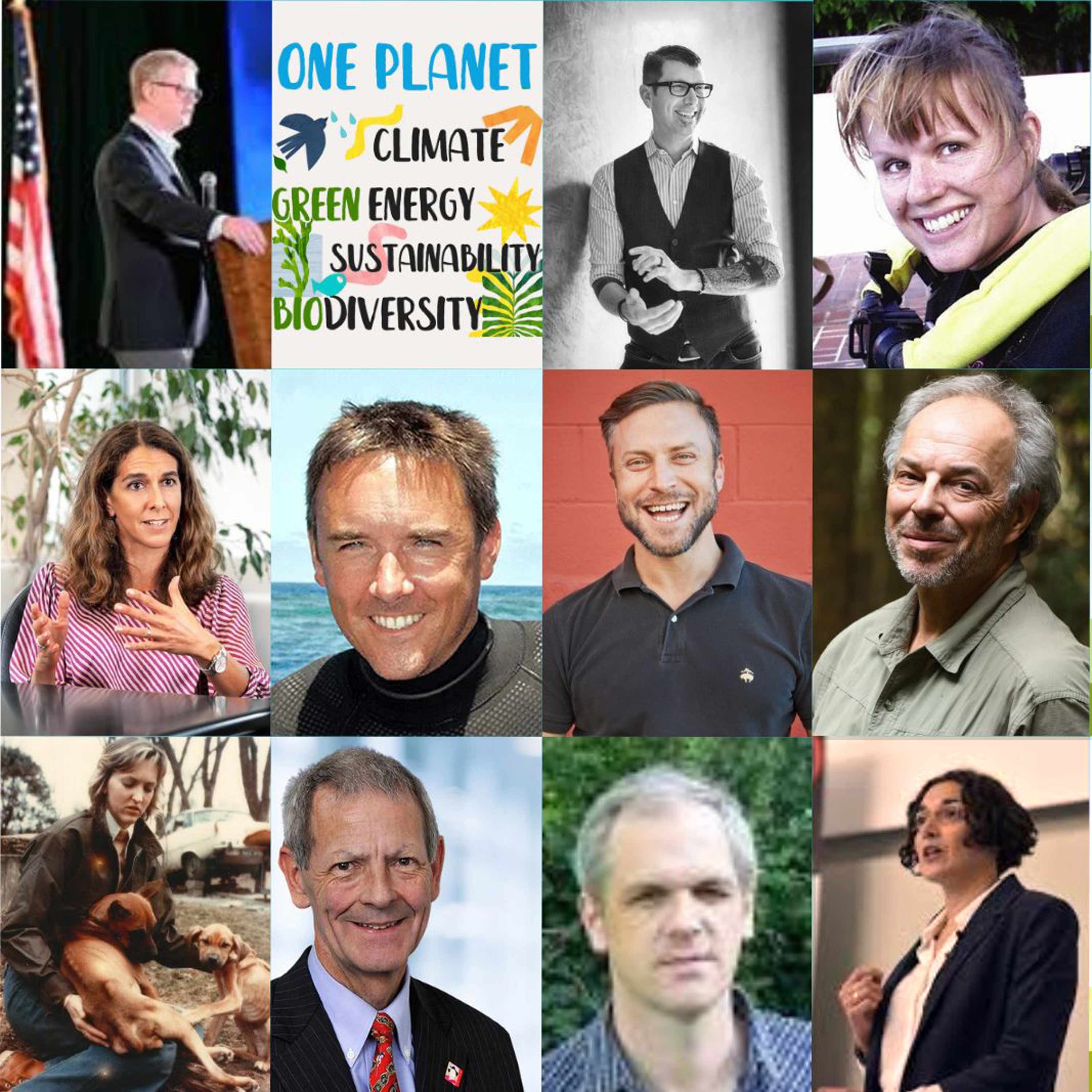
    How can we learn to speak the language of the Earth and cultivate our intuitive intelligence?  What lessons can we learn from non-human animals about living in greater harmony with nature? COLIN STEEN (CEO, Legacy Agripartners) on how growing up on a Saskatchewan farm shaped his sense of responsibility and success. JILL HEINERTH (cave diver, writer, filmmaker): Shares lessons from exploring underwater caves and our interconnected planet. NOAH WILSON-RICH (Co-Founder/CEO, The Best Bees Company) on bees' significance to society and the lessons they offer. INGRID NEWKIRK (Founder/President, PETA) explores animal communication and the complexity of their languages. NEIL GRIMMER (Brand President, SOURCE Hydropanel) on global water insecurity and the need for innovation. CARL SAFINA (Ecologist, Author) examines human recklessness and its severe impact on the planet. RICHARD VEVERS (Founder, The Ocean Agency) stresses coral reefs' vital role in marine ecosystems. WALTER STAHEL (Founding Father of the Circular Economy) advocates for a low-waste, circular economy. JOELLE GERGIS (IPCC Lead Author, Author of Humanity’s Moment: A Climate Scientist’s Case for Hope) on coping with the emotional burden of climate change. JAMES BROWNING (Founder, F Minus) explains fossil fuel lobbyists' conflicting roles. PAULA PINHO (European Commission, DG for Energy) on nurturing values of peace, democracy and sustainability. To hear more from each guest, listen to their full interviews. Episode Website www.creativeprocess.info/pod

  • Dec 13, 2024 · 42 min

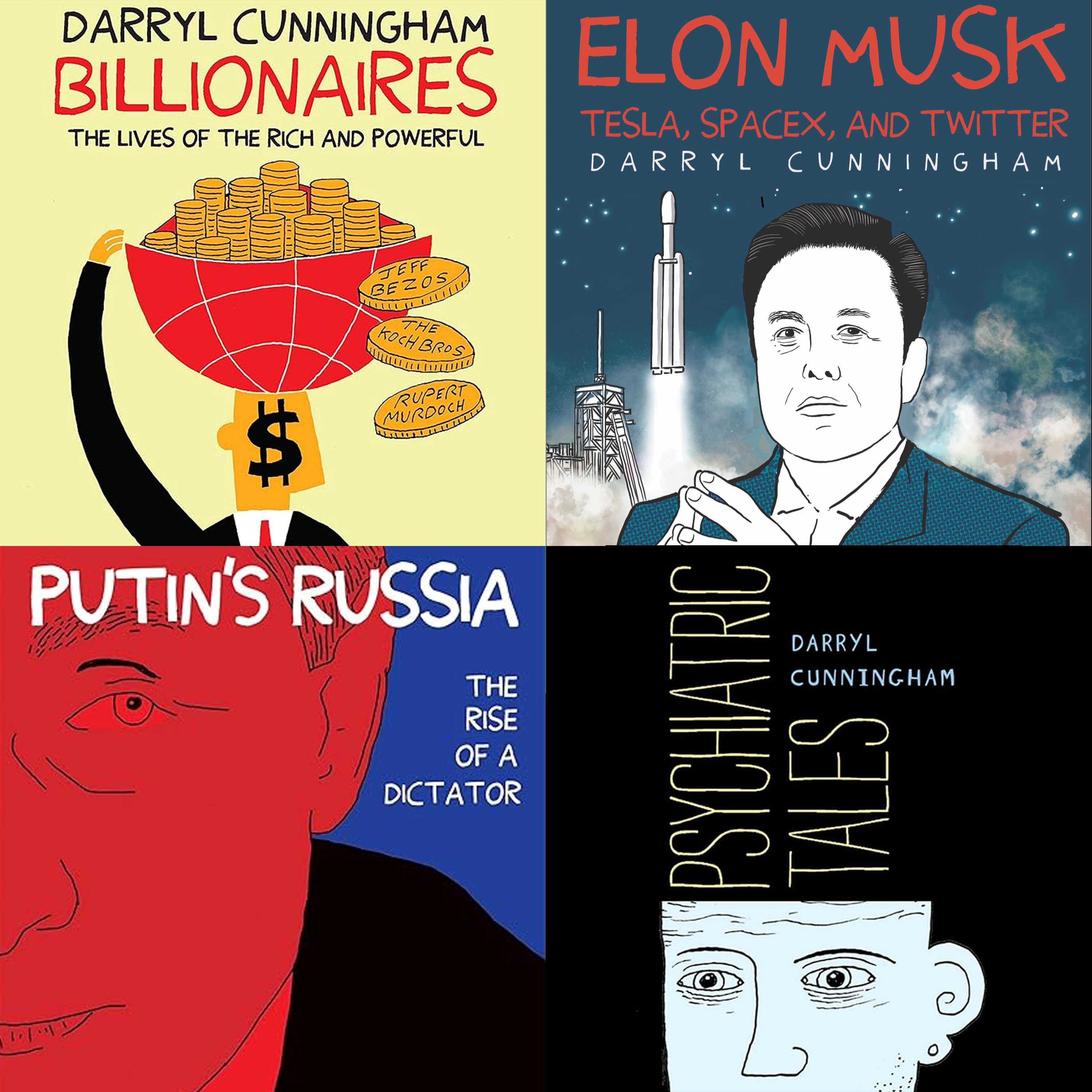
    Elon Musk, Putin's Russia, Murdoch's Fox News: How Billionaires Shape Our World with DARRYL CUNNINGHAM

    What influence do billionaires have on politics, journalism, and the technology that shapes our lives? What drives people to seek absolute power, and how can we hold them accountable? Darryl  Cunningham is a cartoonist and author of Science Tales, Psychiatric Tales, The Age of Selfishness, and Billionaires: The Lives of the Rich and Powerful. Cunningham is also well-known for his comic strips, which have been featured on the websites Forbidden Planet and Act-i-vate collective, among others. others. His more recent work includes a graphic novel on Elon Musk, titled Elon Musk: Investigation into a New Master of the World. “No one should be a billionaire because it's damaging. There's a certain level of wealth that's damaging to a country. Billionaires have so much wealth that they have enormous political power, which is undemocratic. There should be a ceiling on wealth. I have nothing against people becoming millionaires or even multi-millionaires. But multi-billionaires are incredibly bad for all of us. If you have so much money that you can buy an entire political party, that's a thing that shouldn't exist.” Episode Website with Feature Article www.creativeprocess.info/pod Instagram:@creativeprocesspodcast

  • Dec 9, 2024 · 16 min

    Art, Creativity & Intuition - Filmmakers, Musicians & Artists discuss their Creative Process

    Where does our intuition come from? How are lifelong creative partnerships formed and what role do friendship and personal connection play? How do our personal lives influence the art we make? Erland Cooper (Scottish composer, producer & multi-instrumentalist) explores the emotional and transformative effects of music and visual arts. He underscores how music can transport individuals to different places. Debora Cahn (television creator, writer, Emmy-nominated showrunner & exec. producer of Netflix’s The Diplomat) discusses the craft of long-form storytelling in television. She highlights the process of building immersive worlds and the challenge of integrating ideas into narratives that resonate with audiences on a universal level. Julian Lennon (singer-songwriter, doc filmmaker, photographer/author of Life’s Fragile Moments) reflects on the influence of his heroes and teachers and remembers what mother taught him about the importance of empathy and respect. Ed Zwick (Oscar-winning writer, director, producer & author of Hits, Flops & Other Illusions) analyzes the elusive nature of talent, the art of directing and the magical moments in casting. Chris Blackwell (Founder of Island Records, Rock & Roll Hall of Fame Inductee) highlights the importance of instinct in recognizing and nurturing talent. He recounts signing Cat Stevens and shares how artistic partnerships grow out of friendship. Joy Gorman Wettels (Exec. producer of UnPrisoned & founder of Joy Coalition) on how humanizing stigmatized social issues by creating relatable, empathetic characters can lead to real-world change and understanding. Rick Carnes (Songwriter & President, Songwriters Guild of America) discusses the fundamental elements of songwriting and how music marks significant moments in people’s lives. He elaborates on his creative process and the importance of mindfulness and emotional awareness in writing meaningful songs. To hear more, listen to their full interviews. Episode Website www.creativeprocess.info/pod IG :@creativeprocesspodcast

  • Dec 1, 2024 · 10 min

    Technology, AI, Art & Culture - Artists, Philosophers, Economists & Scientists discuss the Future

    How can we shape technology’s impact on society? How do social media algorithms influence our democratic processes and personal well-being? Can AI truly emulate human creativity? And how will its pursuit of perfection change the art we create? Daniel Susskind (Economist · Oxford & King’s College London · Author of Growth: A Reckoning · A World Without Work) shares insights on the nature of growth driven by technological progress. He contends that while technology can accelerate growth, its impacts can be consciously directed to reduce environmental damage and social inequalities. The current trajectory of technological progress needs reevaluation to mitigate potential adverse effects on future working lives. Arash Abizadeh (Professor of Political Science · McGill University) explores the ethical tensions between democratic needs and commercial imperatives of social media platforms. He highlights how algorithms designed to maximize engagement often foster outrage and fear, contrasting these commercial objectives with the requirements for a healthy democratic public sphere. Debora Cahn (Creator & Executive Producer of Netflix’s The Diplomat starring Keri Russell & Rufus Sewell · Exec. Producer Homeland · Grey’s Anatomy · Vinyl · Co-Producer The West Wing) toggles between apprehension and optimism about emerging technologies like AI. She reflects on her father's experience with nuclear technology and ponders the unpredictable impacts of AI. Julia F. Christensen (Neuroscientist - Author of The Pathway To Flow) examines the rise of AI and its influence on aesthetics in the arts. She argues that technology drives creators towards superficial beauty conforming to popular standards, thereby cluttering the mind and fostering an obsession with perfection fueled by dopamine signals. Julian Lennon (Singer-songwriter · Photographer · Doc Filmmaker · Founder of The White Feather Foundation) discusses AI's potential in the medical field, highlighting recent advancements that are paving the way for novel treatments and cures. Brian David Johnson (Futurist · Author of The Future You: How to Create the Life You Always Wanted) emphasizes the importance of maintaining a human-centric approach to technology. He questions the purpose behind technological advancements, urging developers to always consider the human impact and clarify their objectives. To hear more from each guest, listen to their full interviews. Episode Website www.creativeprocess.info/pod Instagram:@creativeprocesspodcast

  • Nov 29, 2024 · 9 min

    Art & Empathy: Filmmakers, Writers & Artists on Connecting through Creativity

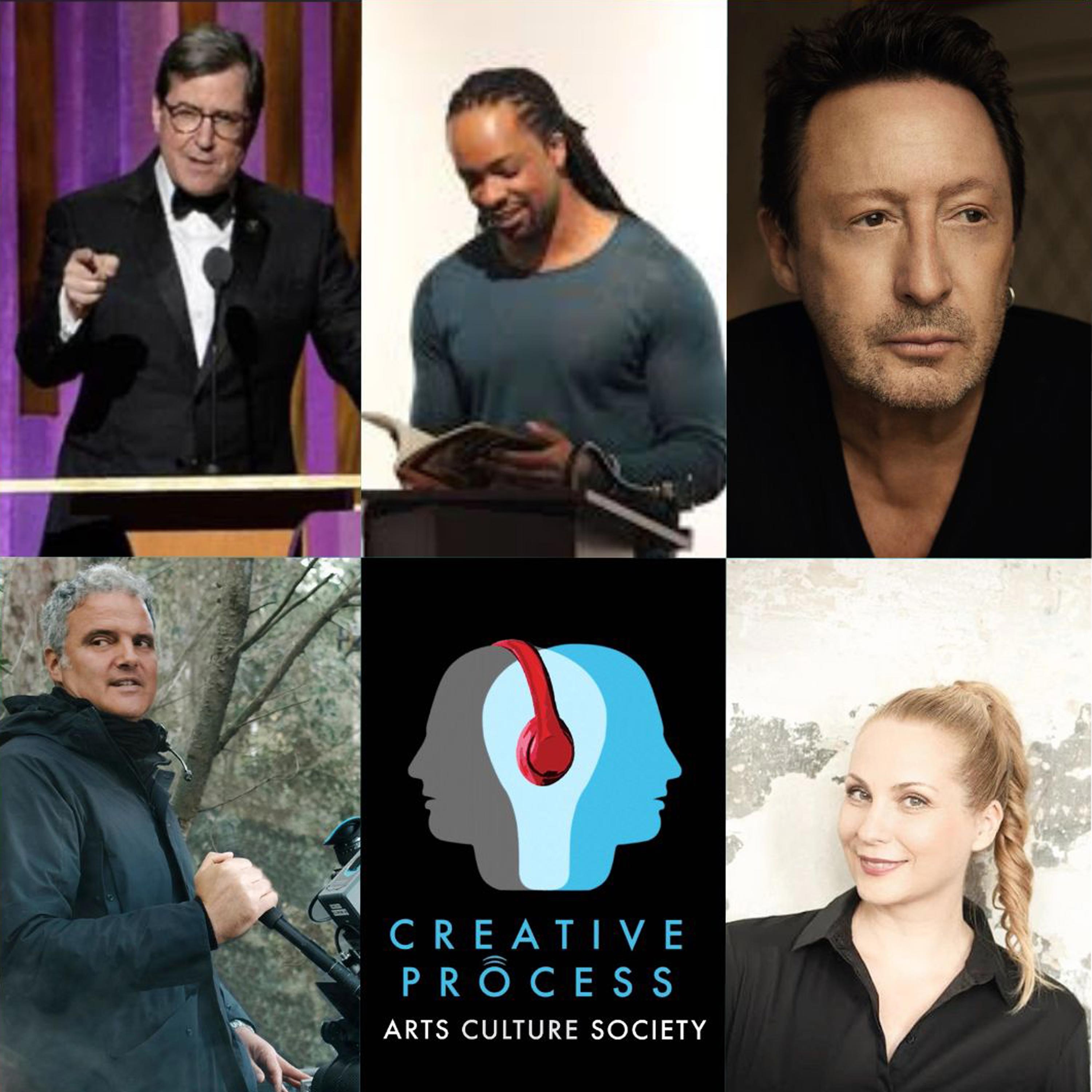
    How does art change the way we see and experience the world? Art has the power to offer transformative experiences, but what about the lives of artists who give so much of themselves? How can we balance creativity and personal well-being while still making work that is true and meaningful? David Rubin (President of the Academy of Motion Picture Arts & Sciences 2019-2022 · Casting Director) discusses the importance of fostering an international presence for the Motion Picture Academy. He highlights how inviting filmmakers from around the world has enriched the community and emphasizes the power of collaboration in the filmmaking industry. Later, he reflects on his journey in casting, the challenges younger people face in finding their niche, and the importance of patience and open-mindedness in discovering one's career path. Rubin highlights how negative experiences can also be valuable learning points. Jericho Brown (Pulitzer Prize-winning Poet: The Tradition · Editor of How We Do It: Black Writers on Craft, Practice, and Skill) shares his process of writing poetry, emphasizing the element of discovery and the unexpected directions a poem can take. He shares his advice to young poets, how they should aim to create original works that could become lasting cultural touchstones. Julian Lennon (Singer-songwriter · Documentary Filmmaker · Founder of The White Feather Foundation · Photographer/Author of Life’s Fragile Moments) reflects on the emotional highs and lows experienced by creatives. He discusses the significance of finding balance and happiness through artistic and charitable expression. Sam Levy (Award-winning Cinematographer of Lady Bird · Frances Ha · While We’re Young) explores the art of cinematography. Levy underscores the importance of intention in every scene, whether it’s to highlight a character’s emotions or to convey the unspoken elements of the story. Julia F. Christensen (Neuroscientist - Author of The Pathway To Flow: The New Science of Harnessing Creativity to Heal and Unwind the Body & Mind) discusses transformative experiences through art and literature. She explains how aesthetic emotions can lead to profound changes in perception and understanding, drawing from both personal and scientific insights. To hear more from each guest, listen to their full interviews. Episode Website www.creativeprocess.info/pod Instagram:@creativeprocesspodcast