Artwork for The Creative Process · Arts, Culture & Society: Books, Film, Music, TV, Art, Writing, Creativity, Education, Environment, Theatre, Dance, LGBTQ, Climate Change, Social Justice, Spirituality, Feminism, Tech, Sustainability
Arts

The Creative Process · Arts, Culture & Society: Books, Film, Music, TV, Art, Writing, Creativity, Education, Environment, Theatre, Dance, LGBTQ, Climate Change, Social Justice, Spirituality, Feminism, Tech, Sustainability

Mia Funk

Exploring the fascinating minds of creative people. Conversations with writers, artists and creative thinkers across the Arts and STEM. We discuss their life, work and artistic practice. Winners of Oscar, Emmy, Tony, Pulitzer, Nobel Prize, leaders and public figures share real experiences and offer valuable insights. Notable guests and participating museums and organizations include: Academy of Motion Picture Arts and Sciences, Neil Patrick Harris, Smithsonian, Roxane Gay, Musée Picasso, EARTHDAY-ORG, Neil Gaiman, UNESCO, Joyce Carol Oates, Mark Seliger, Acropolis Museum, Hilary Mantel, Songwriters Hall of Fame, George Saunders, The New Museum, Lemony Snicket, Pritzker Architecture Prize, Hans-Ulrich Obrist, Serpentine Galleries, Joe Mantegna, PETA, Greenpeace, EPA, Morgan Library and Museum, and many others.

The interviews are hosted by founder and creative educator Mia Funk with the participation of students, universities, and collaborators from around the world. These conversations are also part of our traveling exhibition.

  • 1,264 episodes
  • Updated July 25

Episodes1264

  • Jul 12, 2024 · 56 min

    The Future of Energy - RICHARD BLACK - Director, Policy & Strategy, Ember - Fmr. BBC Environment Correspondent

    How and when will we transition to a clean energy future? How will the transition empower individuals and transform global power dynamics? How did China become the world’s first electrostate, leading the drive for renewable energy, and what can we learn from this? Richard Black spent 15 years as a science and environment correspondent for the BBC World Service and BBC News, before setting up the Energy & Climate Intelligence Unit. He now lives in Berlin and is the Director of Policy and Strategy at the global clean energy think tank Ember, which aims to accelerate the clean energy transition with data and policy. He is the author of The Future of Energy; Denied:The Rise and Fall of Climate Contrarianism, and is an Honorary Research Fellow at Imperial College London. “The fact is you've got a lot of industrial and political muscle now coming behind clean energy, especially from China, which is the leading country deploying wind energy, the leading country deploying solar, and the leading manufacturer and user of electric vehicles by miles. As one recent report put it, ‘We have petrostates in the world. China is the first electrostate.’ And China is on its way to becoming the world's most powerful country. So, where China leads, the rest of the world is almost certain to follow. Yes, there are massive air pollution problems in China, of course, but I think it's more than that. It's also about seeing that this is the future that the world is going to have. And if these goods are going to be made anywhere, well, the Chinese government clearly would like them to be made in China. And they've set out, you know, industrial policies and all kinds of other policies for, well, at least a decade now, in pursuit of that aim. It's interesting now to see other countries, India, for example, and the United States now sort of deploying muscle to try and carve out a slice of the pie themselves as well.” The Five-pronged Clean Energy Future “I thought about it, and I was wondering, what do we actually need in the world? Because we don't need petrol and we don't need coal. We need energy to power various things. So, we need these energy services. So, what's the simplest way of providing all of the energy services? And it really seems to me that we can basically do it all with about five different types of goods. So the system of the future I put out in the book is first of all, you have the generation of electricity, which is mainly going to be with renewables, mainly with wind and solar because they are the cheapest and they're getting cheaper thanks to Wright's Law. Then you need energy storage and other means of sharing matching demand to supply. So, storage is the one that people will be most familiar with, which can be batteries, for example. And again, the price of batteries has also plummeted about 85 percent price reduction in a decade. And it continues because, again, we have mounting volumes. In a competitive market, there's lots of innovation going on in terms of battery design, in terms of construction, and all of this stuff, new materials coming into batteries. So, that's your first two, that's your renewable generation and your battery storage. Electric vehicles will be the main method of transportation. Already, they dominate sales in the two-wheeler market in China and India. They're already eating into global oil demand. They're taking about 1.5 percent of global oil demand already, and the sales are increasing exponentially in China and other countries as well. They are cost-competitive. It's just on the purchase price in some markets with some


  • Jul 5, 2024 · 6 min

    VILHELM HAMMERSHØI: Silence

    Can silence be painted? How can artists capture interior states, solitude, and the passing of time? How are the homes we live in a reflection of the people who inhabit them? How can we read a painting to piece together the life of the artist? From 1 June to 13 July 2024, Hauser & Wirth presents Vilhelm Hammershøi: Silence in its new gallery location in Basel. This exhibition celebrates the renowned Danish artist, Vilhelm Hammershøi, for its first solo exhibition, and presents 16 works from private collections curated by art historian Felix Krämer. Art historian and writer Florian Illies commented on Hammershøi's work: “One often forgets that Hammershøi, despite this self-restraint, was an artist who had traveled a lot…who knew the artists of his time. But its effect was completely different…He does the exact opposite to everyone else. And it is precisely this difference that makes him so special. This mystery is what makes him so compelling to us today.” Hammershøi’s works defy genre or movements, utilizing elements inspired by the Old Master in combination with his present, private sphere, and speak to contemporary viewers with timeless motifs, yet communicate profound meanings between themselves. https://www.hauserwirth.com/hauser-wirth-exhibitions/vilhelm-hammershoi-silence www.hauserwirth.com www.creativeprocess.info www.oneplanetpodcast.org IG www.instagram.com/creativeprocesspodcast Interior with the Artist’s Wife, Seen from Behind 1901 Oil on canvas 45 x 39 cm / 17 3/4 x 15 3/8 in Photo: Annik Wetter Photographie Image courtesy of Hauser & Wirth

  • Jul 5, 2024 · 10 min

    Making Impactful Films with Oscar & Emmy-winning Director SHARMEEN OBAID-CHINOY - Highlights

    “As a filmmaker, I've always made films about extraordinary women whose lives are faced with extenuating circumstances who've had adversity thrown at them and who've risen to the occasion. And when I began to look at Diane's story, for me, Diane is a fashion designer, but she's so much more. Her central ethos is woman before fashion, and we felt it was very important to take that ethos and weave it into the spine of our film, and make it about the woman. In making this film, every single person who we called whose voice we wanted to include wanted to contribute. They wanted to say something about Diane, because she had left such a mark on their lives. Our producers’ jobs, Tracy and Fabiola, was to juggle those schedules. How do you juggle the schedule of secretary Hillary Clinton with Oprah Winfrey? How do you make sure that Anderson Cooper and Mark Jacobs, you know, in the filming time that we had, that we could put all of these people together? But Diane's friendships run deep with people, and people made sure to make time. You know, she was a single mother, and I think that young single mothers watching this film will feel for Diane, especially single mothers who are trying to be entrepreneurs, and creating businesses, and trying to find their way into the world to be able to raise a family. To do that as an immigrant in a new country is challenging, and Diane shows you just how challenging it is. In making choices about living her life, in being with her children or expanding her business, there were sacrifices that were made, and those sacrifices are boldly put on the screen for viewers to watch.” Sharmeen Obaid-Chinoy is an Oscar and Emmy award-winning Canadian-Pakistani filmmaker whose work highlights extraordinary women and their stories. She earned her first Academy Award in 2012 for her documentary Saving Face, about the Pakistani women targeted by brutal acid attacks. Today, Obaid-Chinoy is the first female film director to have won two Oscars by the age of 37. In 2023, it was announced that Obaid-Chinoy will direct the next Star Wars film starring Daisy Ridley. Her most recent project, co-directed alongside Trish Dalton, is the new documentary Diane von Fürstenberg: Woman in Charge, about the trailblazing Belgian fashion designer who invented the wrap dress 50 years ago. The film had its world premiere as the opening night selection at the 2024 Tribeca Festival on June 5th and premiered on June 25th on Hulu in the U.S. and Disney+ internationally. A product of Obaid-Chinoy's incredibly talented female filmmaking team, Woman in Charge provides an intimate look into Diane von Fürstenberg’s life and accomplishments and chronicles the trajectory of her signature dress from an innovative fashion statement to a powerful symbol of feminism. www.hulu.com/movie/diane-von-furstenberg-woman-in-charge-95fb421e-b7b1-4bfc-9bbf-ea666dba0b02 https://www.disneyplus.com/movies/diane-von-furstenberg-woman-in-charge/1jrpX9AhsaJ6 https://socfilms.com www.creativeprocess.info www.oneplanetpodcast.org IG www.instagram.com/creativeprocesspodcast

  • Jul 2, 2024 · 37 min

    DIANE VON FURSTENBERG: Woman in Charge w/ Oscar-winning Director SHARMEEN OBAID-CHINOY

    How can we free ourselves from fear and social barriers to live more fulfilling and meaningful lives? What does it take to overcome trauma and turn it into triumph, and failure into reinvention? How can we shine a light on the marginalized and misunderstood to create social change that transforms the lives of women? Sharmeen Obaid-Chinoy is an Oscar and Emmy award-winning Canadian-Pakistani filmmaker whose work highlights extraordinary women and their stories. She earned her first Academy Award in 2012 for her documentary Saving Face, about the Pakistani women targeted by brutal acid attacks. Today, Obaid-Chinoy is the first female film director to have won two Oscars by the age of 37. In 2023, it was announced that Obaid-Chinoy will direct the next Star Wars film starring Daisy Ridley. Her most recent project, co-directed alongside Trish Dalton, is the new documentary Diane von Fürstenberg: Woman in Charge, about the trailblazing Belgian fashion designer who invented the wrap dress 50 years ago. The film had its world premiere as the opening night selection at the 2024 Tribeca Festival on June 5th and premiered on June 25th on Hulu in the U.S. and Disney+ internationally. A product of Obaid-Chinoy's incredibly talented female filmmaking team, Woman in Charge provides an intimate look into Diane von Fürstenberg’s life and accomplishments and chronicles the trajectory of her signature dress from an innovative fashion statement to a powerful symbol of feminism. “As a filmmaker, I've always made films about extraordinary women whose lives are faced with extenuating circumstances who've had adversity thrown at them and who've risen to the occasion. And when I began to look at Diane's story, for me, Diane is a fashion designer, but she's so much more. Her central ethos is woman before fashion, and we felt it was very important to take that ethos and weave it into the spine of our film, and make it about the woman. In making this film, every single person who we called whose voice we wanted to include wanted to contribute. They wanted to say something about Diane, because she had left such a mark on their lives. Our producers’ jobs, Tracy and Fabiola, was to juggle those schedules. How do you juggle the schedule of secretary Hillary Clinton with Oprah Winfrey? How do you make sure that Anderson Cooper and Mark Jacobs, you know, in the filming time that we had, that we could put all of these people together? But Diane's friendships run deep with people, and people made sure to make time. You know, she was a single mother, and I think that young single mothers watching this film will feel for Diane, especially single mothers who are trying to be entrepreneurs, and creating businesses, and trying to find their way into the world to be able to raise a family. To do that as an immigrant in a new country is challenging, and Diane shows you just how challenging it is. In making choices about living her life, in being with her children or expanding her business, there were sacrifices that were made, and those sacrifices are boldly put on the screen for viewers to watch.” www.hulu.com/movie/diane-von-furstenberg-woman-in-charge-95fb421e-b7b1-4bfc-9bbf-ea666dba0b02 https://www.disneyplus.com/movies/diane-von-furstenberg-woman-in-charge/1jrpX9AhsaJ6 https://socfilms.com www.creativeprocess.info www.oneplanetpodcast.org IG www.instagram.com/creativeprocesspodcast

  • Jul 1, 2024 · 14 min

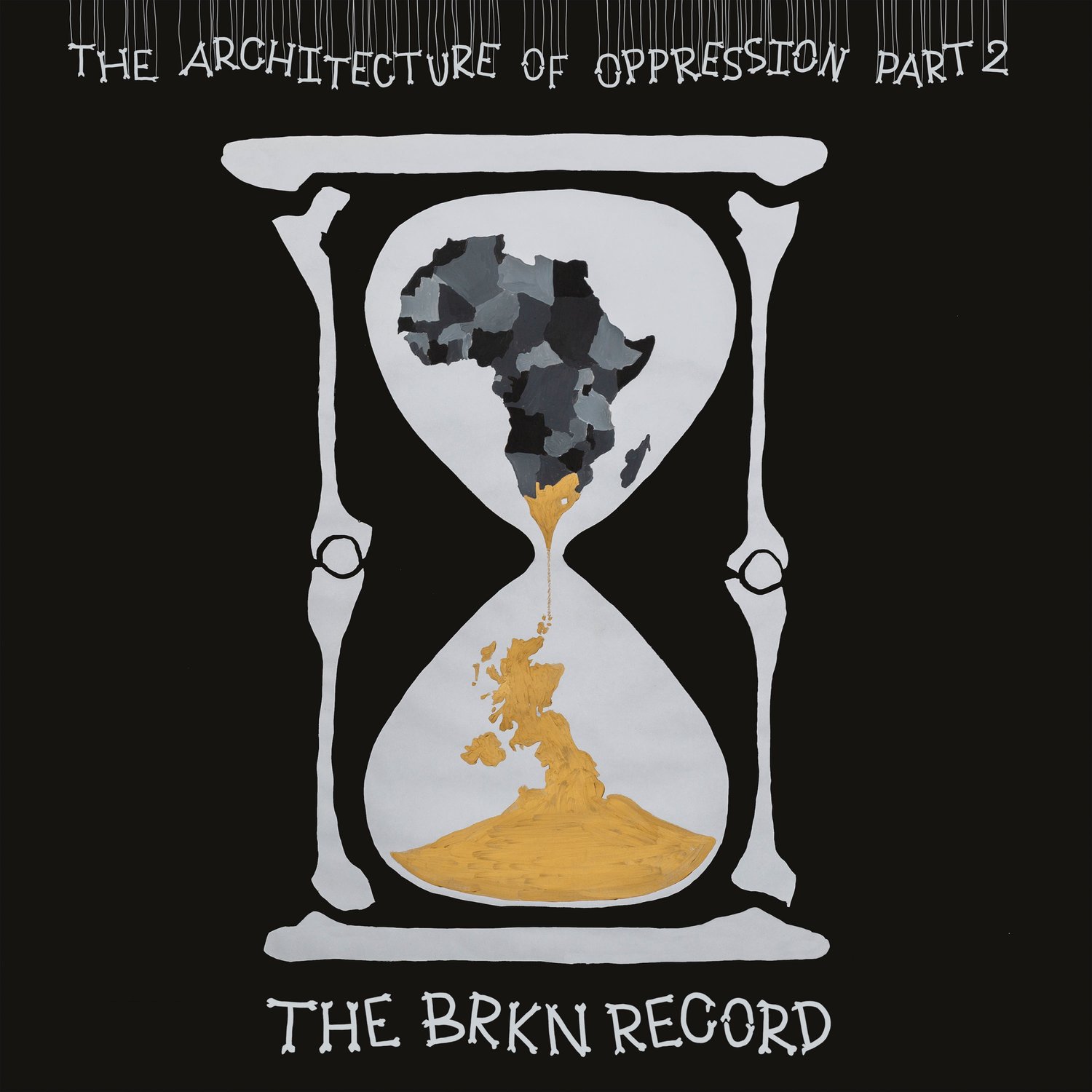
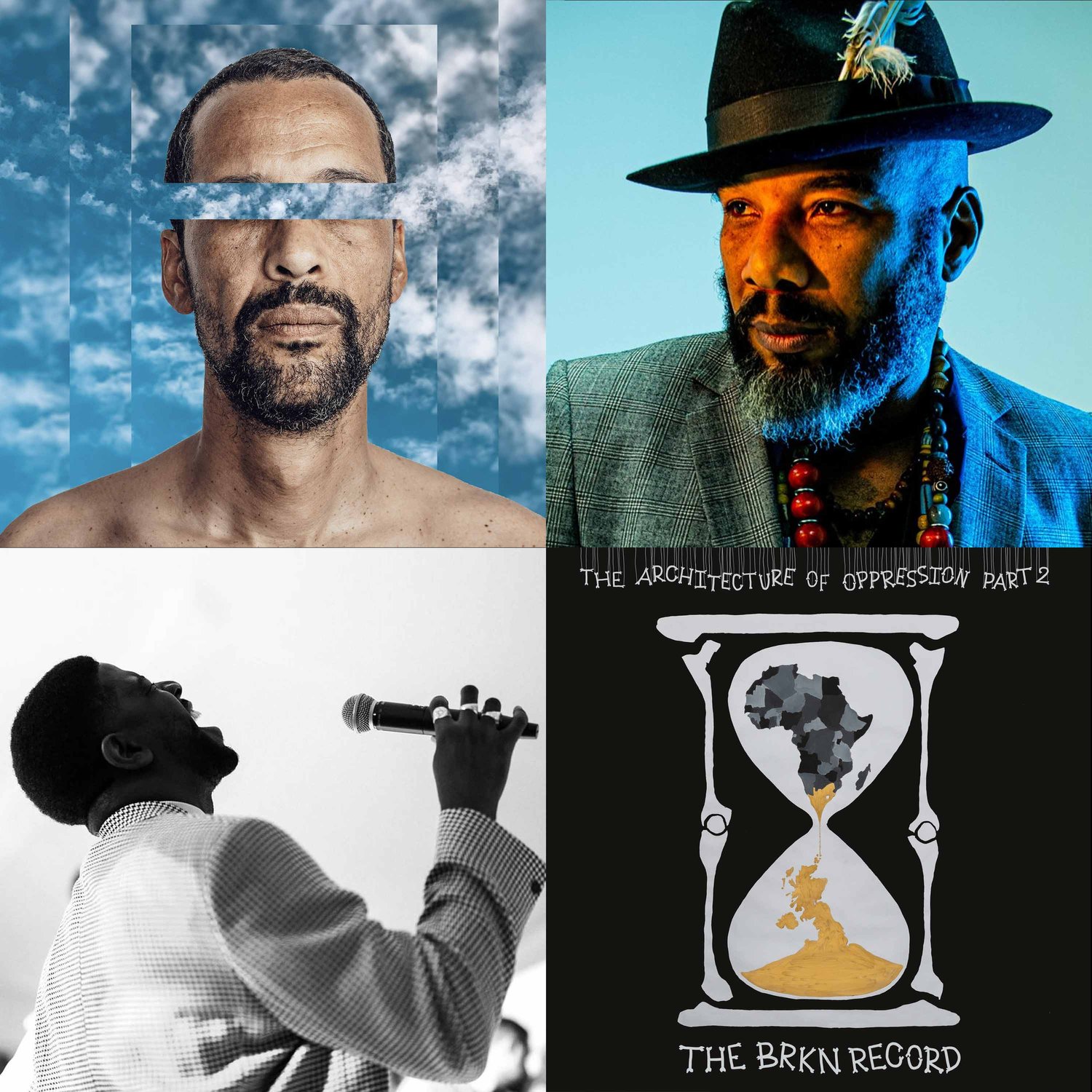
    The Architecture of Oppression with JAKE FERGUSON, ANTHONY JOSEPH & JERMAIN JACKMAN

    “I think as humans, we forget. We are often limited by our own stereotypes, and we don't see that in everyone there's the potential for beauty and love and all these things. And I think The Architecture of Oppression, both parts one and two, are really a reflection of all the community and civil rights work that I've been doing for the same amount of time, really - 25 years. And I wanted to try and mix my day job and my music side, so bringing those two sides of my life together. I wanted to create a platform for black artists, black singers, and poets who I really admire. Jermain is somebody I've worked with for probably about six, seven years now. He's also in the trenches of the black civil rights struggle. We worked together on a number of projects, but it was very interesting to then work with Jemain in a purely artistic capacity. And it was a no-brainer to give Anthony a call for this second album because I know of his pedigree, and he's much more able to put ideas and thoughts on paper than I would be able to.” Jake Ferguson is an award-winning musician known for his work with The Heliocentrics and as a solo artist under the name The Brkn Record. Alongside legendary drummer Malcolm Catto, Ferguson has composed two film scores and over 10 albums, collaborating with icons like Archie Shepp, Mulatu Astatke, and Melvin Van Peebles. His latest album is The Architecture of Oppression Part 2. The album also features singer and political activist Jermain Jackman, a former winner of The Voice (2014) and the T.S. Eliot Prize winning poet and musician, Anthony Joseph. www.creativeprocess.info www.oneplanetpodcast.org IG www.instagram.com/creativeprocesspodcast

  • Jul 1, 2024 · 1 hr

    The Architecture of Oppression with JAKE FERGUSON, ANTHONY JOSEPH & JERMAIN JACKMAN

    How can music challenge systemic oppression and bring about social change? How can we envision alternative paths while avoiding the pitfalls of past paradigms? Jake Fergusonis an award-winning musician known for his work with The Heliocentrics and as a solo artist under the name The Brkn Record. Alongside legendary drummer Malcolm Catto, Ferguson has composed two film scores and over 10 albums, collaborating with icons like Archie Shepp, Mulatu Astatke, and Melvin Van Peebles. His latest album is The Architecture of Oppression Part 2. The album also features singer and political activist Jermain Jackman, a former winner of The Voice (2014) and the T.S. Eliot Prize winning poet and musician, Anthony Joseph. “I think as humans, we forget. We are often limited by our own stereotypes, and we don't see that in everyone there's the potential for beauty and love and all these things. And I think The Architecture of Oppression, both parts one and two, are really a reflection of all the community and civil rights work that I've been doing for the same amount of time, really - 25 years. And I wanted to try and mix my day job and my music side, so bringing those two sides of my life together. I wanted to create a platform for black artists, black singers, and poets who I really admire. Jermain is somebody I've worked with for probably about six, seven years now. He's also in the trenches of the black civil rights struggle. We worked together on a number of projects, but it was very interesting to then work with Jemain in a purely artistic capacity. And it was a no-brainer to give Anthony a call for this second album because I know of his pedigree, and he's much more able to put ideas and thoughts on paper than I would be able to.” www.creativeprocess.info www.oneplanetpodcast.org IG www.instagram.com/creativeprocesspodcast

  • Jul 1, 2024 · 57 min

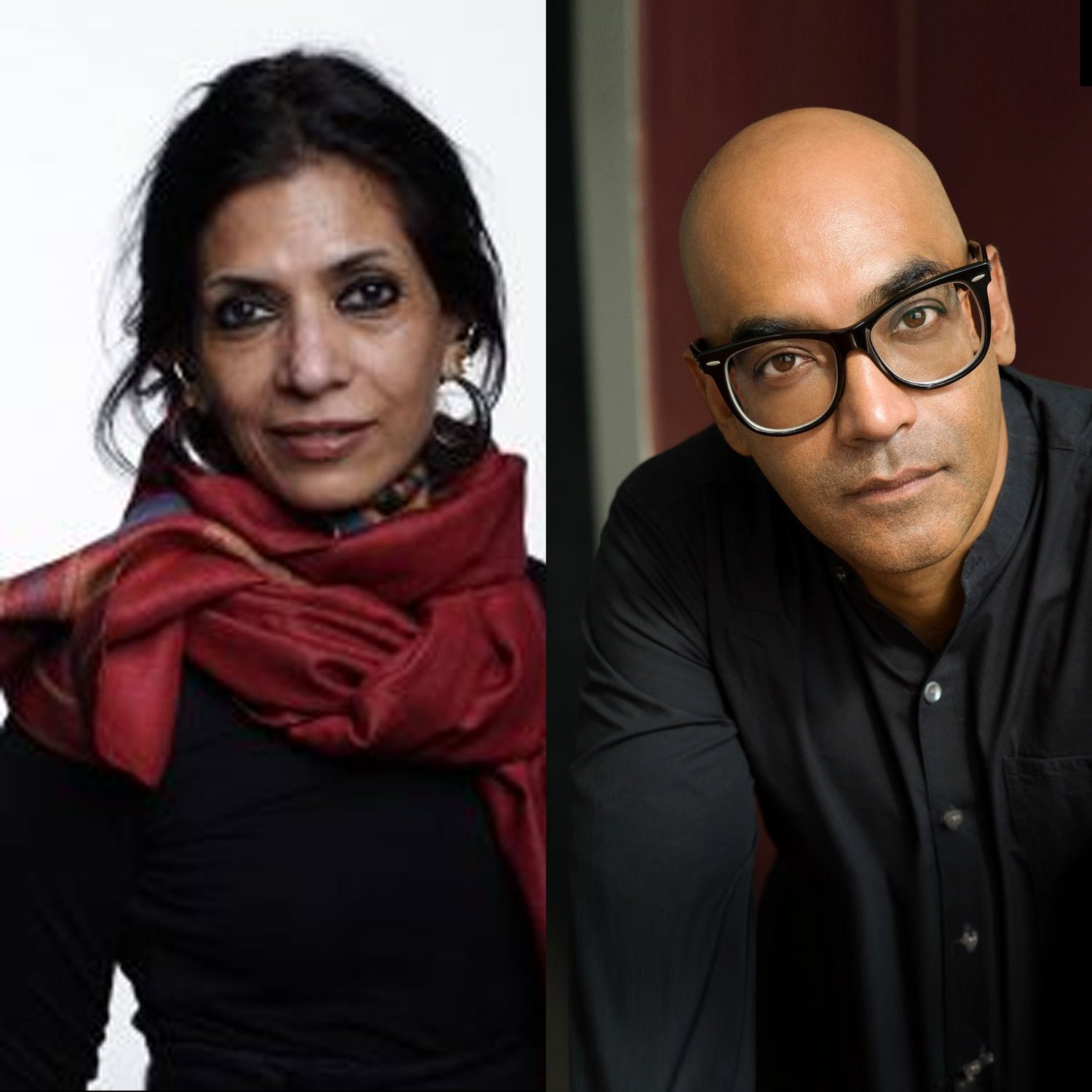
    What Do the June 2024 Elections in India Mean? with Angana Chatterji & Siddhartha Deb

    In this episode on Speaking Out of Place podcast Professor David Palumbo-Liu and Azeezah Kanji talk with scholar Angana Chatterji and journalist Siddhartha Deb. For decades, they have exposed the violence and fascism lying behind the mythology of India as the world’s largest democracy. In the wake of India’s most recent elections, in which the far right Hindutva BJP was surprisingly reduced from its former majority to a ruling minority government. Siddhartha and Angana join us to discuss the election results, the deep roots of fascism, the enduring structures of colonialism, and possible futures of resistance. Angana P. Chatterji is Founding Chair, Initiative on Political Conflict, Gender and People’s Rights at the Center for Race and Gender, University of California, Berkeley. A cultural anthropologist and interdisciplinary scholar of South Asia, Dr. Chatterji’s work since 1989 has been rooted in local knowledge, witness to post/colonial, decolonial conditions of grief, dispossession, agency, and affective solidarity. Her investigations with colleagues in Indian-administered Kashmir includes inquiry into unknown, unmarked and mass graves. Chatterji’s recent scholarship focuses on political conflict and coloniality in Kashmir; prejudicial citizenship in India; and violence (as a category of analysis) as agentized by Hindu nationalism, addressing religion in the public sphere, Islamomisia, state power, gender, caste, and racialization, and accountability. Her research also engages questions of memory, belonging, and legacies of conflict across South Asia. Chatterji has served on human rights commissions and offered expert testimony at the United Nations, European Parliament, United Kingdom Parliament, and United States Congress, and has been variously awarded for her work. Her sole and co-authored publications include: Breaking Worlds: Religion, Law, and Nationalism in Majoritarian India; Majoritarian State: How Hindu Nationalism is Changing India; Conflicted Democracies and Gendered Violence: The Right to Heal; Contesting Nation: Gendered Violence in South Asia; Notes on the Postcolonial Present; Kashmir: The Case for Freedom; Violent Gods: Hindu Nationalism in India’s Present; Narratives from Orissa; and reports: Access to Justice for Women: India’s Response to Sexual Violence in Conflict and Social Upheaval; BURIED EVIDENCE: Unknown, Unmarked and Mass Graves in Kashmir. Born in Shillong, north-eastern India, Siddhartha Deb lives in New York. His fiction and nonfiction have been longlisted for the International Dublin Literary Award, shortlisted for the Orwell Prize, and been awarded the Pen Open prize and the 2024 Anthony Veasna So Fiction prize. His journalism and essays have appeared in The New York Times, The Guardian, The New Republic, Dissent, The Baffler, N+1, and Caravan. His latest books include the novel, The Light at the End of the World (Soho Press 2023) and Twilight Prisoners: The Rise of the Hindu Right and the Fall of India (Haymarket Books, 2024). https://crg.berkeley.edu/research/research-initiatives/political-conflict-gender-and-people’s-rights-initiative/angana-phttps://siddharthadeb.com www.palumbo-liu.com https://speakingoutofplace.com https://twitter.com/palumboliu?s=20

  • Jun 29, 2024 · 12 min

    Does AI-generated Perfection Detach Us from Reality, Life & Human Connection? - Highlights - HENRY AJDER

    “I would like to preserve a real sense of empathy and humility, which comes with understanding that the world is messy, that people are messy, that defects and imperfections exist, that things don't always necessarily kind of go the way you want, even as much as you wish they could. Imperfection is part of life and I guess my concern is that AI-generated content, which smooths and perfects a version of reality to precisely what you want and forces you or makes you feel pressured to represent yourself in this absolutely perfect way, fundamentally gives you no room for error and kind of detaches you from the reality of growth and life and and how people work. Empathize with other people. Everyone has their challenges. Things don't always have to be exactly perfect to how you want them to be or how other people want them to be. And that involves having some humility about yourself as a messy creature, as we all are. I hope that's retained, but I do see this kind of move towards this sort of smoothed and shaped reality that AI is enabling, potentially creating more of a disconnect between that imperfect, messy, but also quite beautiful world. This sort of polished but ultimately plastic version of reality increasingly is becoming the default for some people over the kind of fleshy, messy human side of things.” How is artificial intelligence redefining our perception of reality and truth? Can AI be creative? And how is it changing art and innovation? Does AI-generated perfection detach us from reality and genuine human connection? Henry Ajder is an advisor, speaker, and broadcaster working at the frontier of the generative AI and the synthetic media revolution. He advises organizations on the opportunities and challenges these technologies present, including Adobe, Meta, The European Commission, BBC, The Partnership on AI, and The House of Lords. Previously, Henry led Synthetic Futures, the first initiative dedicated to ethical generative AI and metaverse technologies, bringing together over 50 industry-leading organizations. Henry presented the BBC documentary series, The Future Will be Synthesised. www.henryajder.com www.bbc.co.uk/programmes/m0017cgr www.creativeprocess.info www.oneplanetpodcast.org IG www.instagram.com/creativeprocesspodcast

  • Jun 29, 2024 · 53 min

    How is AI Changing Our Perception of Reality, Creativity & Human Connection? w/ HENRY AJDER - AI Advisor

    How is artificial intelligence redefining our perception of reality and truth? Can AI be creative? And how is it changing art and innovation? Does AI-generated perfection detach us from reality and genuine human connection? Henry Ajder is an advisor, speaker, and broadcaster working at the frontier of the generative AI and the synthetic media revolution. He advises organizations on the opportunities and challenges these technologies present, including Adobe, Meta, The European Commission, BBC, The Partnership on AI, and The House of Lords. Previously, Henry led Synthetic Futures, the first initiative dedicated to ethical generative AI and metaverse technologies, bringing together over 50 industry-leading organizations. Henry presented the BBC documentary series, The Future Will be Synthesised. “I would like to preserve a real sense of empathy and humility, which comes with understanding that the world is messy, that people are messy, that defects and imperfections exist, that things don't always necessarily kind of go the way you want, even as much as you wish they could. Imperfection is part of life and I guess my concern is that AI-generated content, which smooths and perfects a version of reality to precisely what you want and forces you or makes you feel pressured to represent yourself in this absolutely perfect way, fundamentally gives you no room for error and kind of detaches you from the reality of growth and life and and how people work. Empathize with other people. Everyone has their challenges. Things don't always have to be exactly perfect to how you want them to be or how other people want them to be. And that involves having some humility about yourself as a messy creature, as we all are. I hope that's retained, but I do see this kind of move towards this sort of smoothed and shaped reality that AI is enabling, potentially creating more of a disconnect between that imperfect, messy, but also quite beautiful world. This sort of polished but ultimately plastic version of reality increasingly is becoming the default for some people over the kind of fleshy, messy human side of things.” www.creativeprocess.info www.oneplanetpodcast.org IG www.instagram.com/creativeprocesspodcast

  • Jun 21, 2024 · 41 min

    PETA Founder INGRID NEWKIRK turns 75: A Lifetime of Animal Advocacy

    How can we show more kindness, respect, and love to the animals we share this planet with? What lessons can we learn from non-human animals about living in greater harmony with nature? Ingrid Newkirk is the Founder and President of PETA, actively leading the organization and advocating for animal rights. PETA is the largest animal rights organization in the world with more than 9 million members and supporters globally. Under her leadership, PETA has achieved significant victories, such as ending car-crash tests on animals, pushing major fashion brands to go fur-free, influencing Ringling Bros. to become an animal-free circus, and helping pass a law that allows the U.S. Food and Drug Administration to approve new medications without conducting cruel tests on animals. Ingrid has written 14 books and has been featured in major publications like The New Yorker and The Guardian, and was the subject of HBO's documentary I Am an Animal and was named one of Forbes’ “100 Most Powerful Women.” She joined One Planet Podcast to reflect on her 75 years as animal rights advocate. “I think things do change because of agitation. So agitation is vital. I mean, nobody who is in a cause should be there to win a popularity contest, whether you're working for children or the elderly or working for peace animals, it's all against nonviolence, aggression, domination, and needless cruelty and suffering. It's all for respect. So you have to be vigorous. You have to use your voice. You can use it politely, but if people don't listen, at PETA, we escalate. So we always start off with a polite letter, a polite entreaty. We always try to, as I say, do the homework. So we have the options that we put out on the table to say, look, instead of doing this, you could do that, and we will help you transition to that. They’re not human traits. They’re all shared traits because, of course, we all love. We all love our families, or not. We all grieve if somebody we love disappears or dies. A family dog, perhaps. A grandfather. We all feel loneliness, we all feel joy. We all really value our freedom. And so I think, if anything, looking into the eyes of the animal, even online, you see a person in there. There’s a someone in whatever the shape or the physical properties of that individual are. And that lesson is that I am you. You are me, only different. We are all the same in all the ways that count…Any living being teaches you– Look into my eyes. And there you are, the reflection of yourself. So we need to learn from the animals how to live more gently and consume less and be more thoughtful and look out for each other in this great circle of life.” www.peta.org www.ingridnewkirk.com www.creativeprocess.info www.oneplanetpodcast.org IG www.instagram.com/creativeprocesspodcast

  • Jun 20, 2024 · 1 hr 6 min

    Resisting Fascism & Ecological Collapse with Writer-Organizer-Activist CHRIS CARLSSON

    In this episode of the Speaking Out of Place podcast Professor David Palumbo-Liutalks with acclaimed author and activist, and San Francisco legend, Chris Carlsson about his new novel, When Shells Crumble. It begins in December 2024, when the US Supreme Court nullifies the popular vote in the Presidential election and awards the presidency to an authoritarian Republican, who proceeds to demolish democracy and install a fascistic state that hastens ecological havoc. The novel is much more than your usual dystopian tale—it focuses on how to resist political cynicism and defeatism, and rebuild on planetary wreckage. It is a world-building project filled with wisdom, sadness, and joy. We specifically put this fictional text in conservation with his brilliant non-fiction work, Nowtopia, which offers a radical redefinition of “work” that restores dignity and value to their proper places. Chris Carlsson, co-director of the “history from below” project Shaping San Francisco, is a writer, publisher, editor, photographer, public speaker, and occasional professor. He was one of the founders in 1981 of the seminal and infamous underground San Francisco magazine Processed World. In 1992 Carlsson co-founded Critical Mass in San Francisco, which both led to a local bicycling boom and helped to incubate transformative urban movements in hundreds of cities, large and small, worldwide. In 1995 work began on “Shaping San Francisco;” since then the project has morphed into an incomparable archive of San Francisco history at Foundsf.org, award-winning bicycle and walking tours, and almost two decades of Public Talks covering history, politics, ecology, art, and more (see shapingsf.org). Beginning in Spring 2020, Carlsson has hosted Bay Cruises along the San Francisco shoreline. His latest novel, When Shells Crumble was published by Spuyten Duyvil in Brooklyn, NY at the end of 2023. At the dawn of the pandemic, he published a detailed historical guidebook of the city, Hidden San Francisco: A Guide to Lost Landscapes, Unsung Heroes, and Radical Histories (Pluto Press: 2020). His full-length nonfiction work Nowtopia(AK Press: 2008), offers a groundbreaking look at class and work while uniquely examining how hard and pleasantly we work when we’re not at our official jobs. He published his first novel, After The Deluge, in 2004, a story of post-economic utopian San Francisco in the year 2157. He has edited six books, including three “Reclaiming San Francisco” collections with the venerable City Lights Books. He redesigned and co-authored an expanded Vanished Waters: A History of San Francisco’s Mission Bay after which he joined the board of the Mission Creek Conservancy. He has given hundreds of public presentations based on Shaping San Francisco, Critical Mass, Nowtopia, Vanished Waters, and his “Reclaiming San Francisco” history anthologies since the late 1990s, and has appeared dozens of times in radio, television and on the internet. www.shapingsf.org https://chriscarlsson.com/when-shells-crumble

  • Jun 18, 2024 · 12 min

    How to Fight for Truth & Protect Democracy in A Post-Truth World? - Highlights - LEE McINTYRE

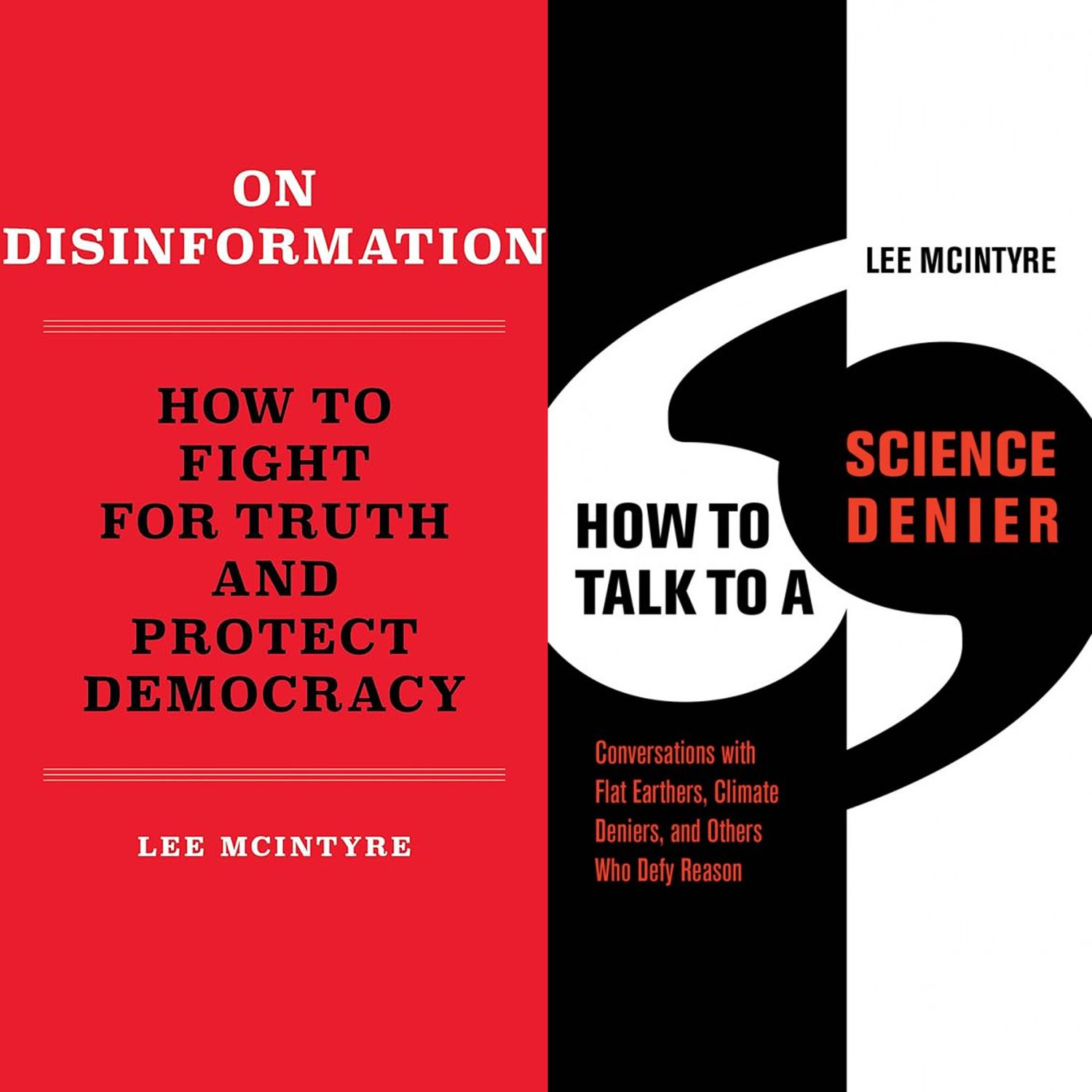
    “One thing people don't realize is that the goal of disinformation is not simply to get you to believe a falsehood. It's to demoralize you into giving up on the idea of truth, to polarize us around factual issues, to get us to distrust people who don't believe the same lie. And even if somebody doesn't believe the lie, it can still make them cynical. I mean, we've all had friends who don't even watch the news anymore. There's a chilling quotation from Holocaust historian Hannah Arendt about how when you always lie to someone, the consequence is not necessarily that they believe the lie, but that they begin to lose their critical faculties, that they begin to give up on the idea of truth, and so they can't judge for themselves what's true and what's false anymore. That's the scary part, the nexus between post-truth and autocracy. That's what the authoritarian wants. Not necessarily to get you to believe the lie. But to give up on truth, because when you give up on truth, then there's no blame, no accountability, and they can just assert their power. There's a connection between disinformation and denial.” Lee McIntyre is a Research Fellow at the Center for Philosophy and History of Science at Boston University and a Senior Advisor for Public Trust in Science at the Aspen Institute. He holds a B.A. from Wesleyan University and a Ph.D. in Philosophy from the University of Michigan. He has taught philosophy at Colgate University, Boston University, Tufts Experimental College, Simmons College, and Harvard Extension School (where he received the Dean’s Letter of Commendation for Distinguished Teaching). Formerly Executive Director of the Institute for Quantitative Social Science at Harvard University, he has also served as a policy advisor to the Executive Dean of the Faculty of Arts and Sciences at Harvard and as Associate Editor in the Research Department of the Federal Reserve Bank of Boston. His books include On Disinformation and How to Talk to a Science Denier and the novels The Art of Good and Evil and The Sin Eater. https://leemcintyrebooks.com www.penguinrandomhouse.com/books/730833/on-disinformation-by-lee-mcintyre https://mitpress.mit.edu/9780262545051/ https://leemcintyrebooks.com/books/the-art-of-good-and-evil/ https://leemcintyrebooks.com/books/the-sin-eater/ www.creativeprocess.info www.oneplanetpodcast.org IG www.instagram.com/creativeprocesspodcast

  • Jun 17, 2024 · 54 min

    On Disinformation: How to Fight for Truth & Protect Democracy with LEE McINTYRE

    How do we fight for truth and protect democracy in a post-truth world? How does bias affect our understanding of facts? Lee McIntyre is a Research Fellow at the Center for Philosophy and History of Science at Boston University and a Senior Advisor for Public Trust in Science at the Aspen Institute. He holds a B.A. from Wesleyan University and a Ph.D. in Philosophy from the University of Michigan. He has taught philosophy at Colgate University, Boston University, Tufts Experimental College, Simmons College, and Harvard Extension School (where he received the Dean’s Letter of Commendation for Distinguished Teaching). Formerly Executive Director of the Institute for Quantitative Social Science at Harvard University, he has also served as a policy advisor to the Executive Dean of the Faculty of Arts and Sciences at Harvard and as Associate Editor in the Research Department of the Federal Reserve Bank of Boston. His books include On Disinformation and How to Talk to a Science Denier and the novels The Art of Good and Evil and The Sin Eater. “One thing people don't realize is that the goal of disinformation is not simply to get you to believe a falsehood. It's to demoralize you into giving up on the idea of truth, to polarize us around factual issues, to get us to distrust people who don't believe the same lie. And even if somebody doesn't believe the lie, it can still make them cynical. I mean, we've all had friends who don't even watch the news anymore. There's a chilling quotation from Holocaust historian Hannah Arendt about how when you always lie to someone, the consequence is not necessarily that they believe the lie, but that they begin to lose their critical faculties, that they begin to give up on the idea of truth, and so they can't judge for themselves what's true and what's false anymore. That's the scary part, the nexus between post-truth and autocracy. That's what the authoritarian wants. Not necessarily to get you to believe the lie. But to give up on truth, because when you give up on truth, then there's no blame, no accountability, and they can just assert their power. There's a connection between disinformation and denial.” https://leemcintyrebooks.com www.penguinrandomhouse.com/books/730833/on-disinformation-by-lee-mcintyre https://mitpress.mit.edu/9780262545051/ https://leemcintyrebooks.com/books/the-art-of-good-and-evil/ https://leemcintyrebooks.com/books/the-sin-eater/ www.creativeprocess.info www.oneplanetpodcast.org IG www.instagram.com/creativeprocesspodcast

  • Jun 14, 2024 · 12 min

    How will AI Affect Education, the Arts & Society? - Highlights - STEPHEN WOLFRAM

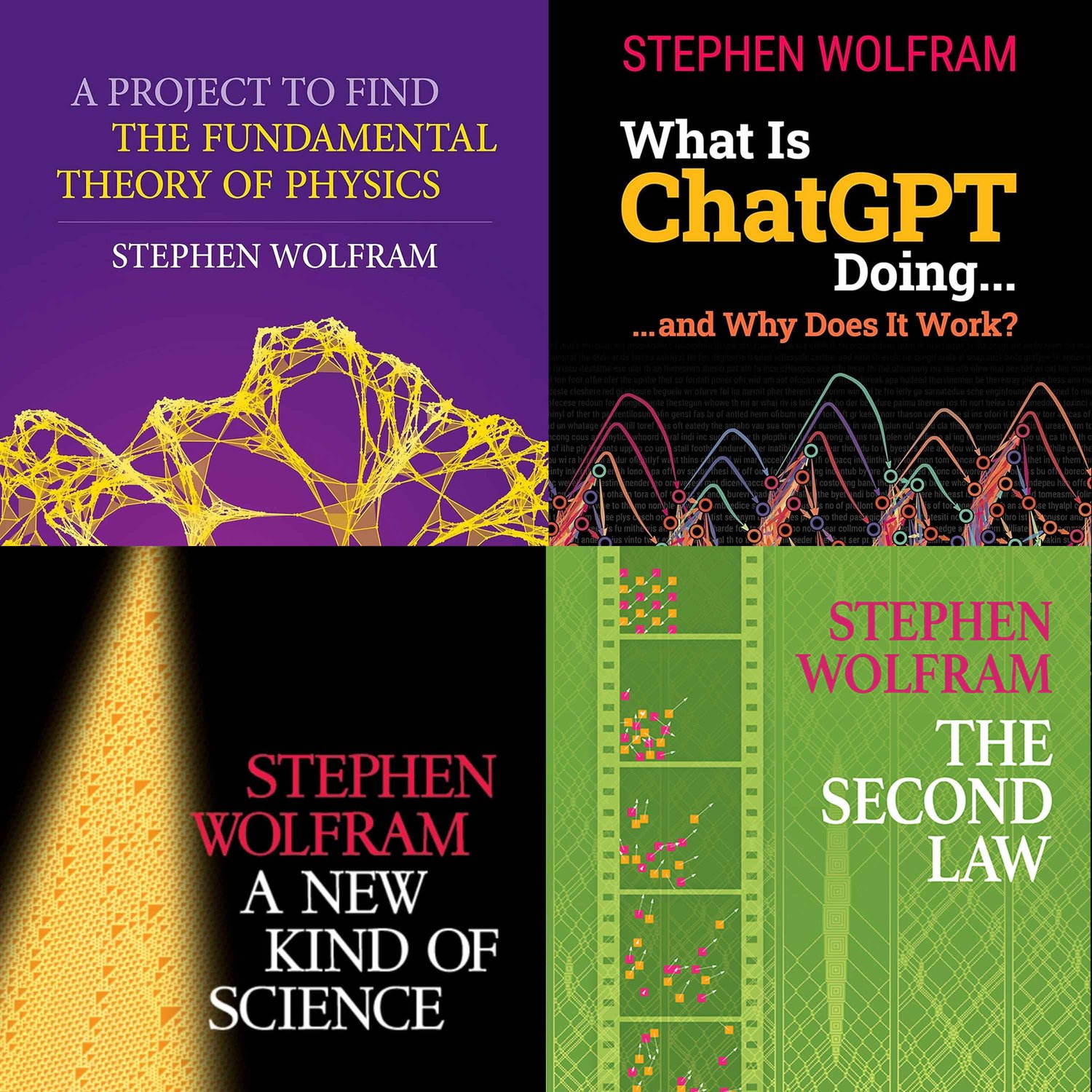
    “I think as there is more automation, there is more kind of emphasis on this question of our choice. The story of the development of things tends to be what do humans decide that they care about? In what direction do they want to go? What kind of art do they want to make? What kinds of things do they want to think about? There is in the computational universe of all possibilities, there is sort of infinite creativity. There's an infinite collection of possibilities, but it's something that's a matter of human choice, which of these infinite things do we actually choose to pursue? There's all these different possibilities out there. But our kind of challenge is to decide in which direction we want to go and then to let our automated systems pursue those particular directions.” Stephen Wolfram is a computer scientist, mathematician, and theoretical physicist. He is the founder and CEO of Wolfram Research, the creator of Mathematica, Wolfram|Alpha, and the Wolfram Language. He received his PhD in theoretical physics at Caltech by the age of 20 and in 1981, became the youngest recipient of a MacArthur Fellowship. Wolfram authored A New Kind of Science and launched the Wolfram Physics Project. He has pioneered computational thinking and has been responsible for many discoveries, inventions and innovations in science, technology and business. www.stephenwolfram.com www.wolfram.com www.wolframalpha.com www.wolframscience.com/nks/ www.amazon.com/dp/1579550088/ref=nosim?tag=turingmachi08-20 www.wolframphysics.org www.wolfram-media.com/products/what-is-chatgpt-doing-and-why-does-it-work/ www.creativeprocess.info www.oneplanetpodcast.org IG www.instagram.com/creativeprocesspodcast

  • Jun 14, 2024 · 57 min

    What Role Do AI & Computational Language Play in Solving Real-World Problems?

    How can computational language help decode the mysteries of nature and the universe? What is ChatGPT doing and why does it work? How will AI affect education, the arts and society? Stephen Wolfram is a computer scientist, mathematician, and theoretical physicist. He is the founder and CEO of Wolfram Research, the creator of Mathematica, Wolfram|Alpha, and the Wolfram Language. He received his PhD in theoretical physics at Caltech by the age of 20 and in 1981, became the youngest recipient of a MacArthur Fellowship. Wolfram authored A New Kind of Science and launched the Wolfram Physics Project. He has pioneered computational thinking and has been responsible for many discoveries, inventions and innovations in science, technology and business. “I think as there is more automation, there is more kind of emphasis on this question of our choice. The story of the development of things tends to be what do humans decide that they care about? In what direction do they want to go? What kind of art do they want to make? What kinds of things do they want to think about? There is in the computational universe of all possibilities, there is sort of infinite creativity. There's an infinite collection of possibilities, but it's something that's a matter of human choice, which of these infinite things do we actually choose to pursue? There's all these different possibilities out there. But our kind of challenge is to decide in which direction we want to go and then to let our automated systems pursue those particular directions.” www.stephenwolfram.com www.wolfram.com www.wolframalpha.com www.wolframscience.com/nks/ www.amazon.com/dp/1579550088/ref=nosim?tag=turingmachi08-20 www.wolframphysics.org www.wolfram-media.com/products/what-is-chatgpt-doing-and-why-does-it-work/ www.creativeprocess.info www.oneplanetpodcast.org IG www.instagram.com/creativeprocesspodcast

  • Jun 10, 2024 · 11 min

    Can we have real conversations with AI? How do illusions help us make sense of the world? - Highlights - KEITH FRANKISH

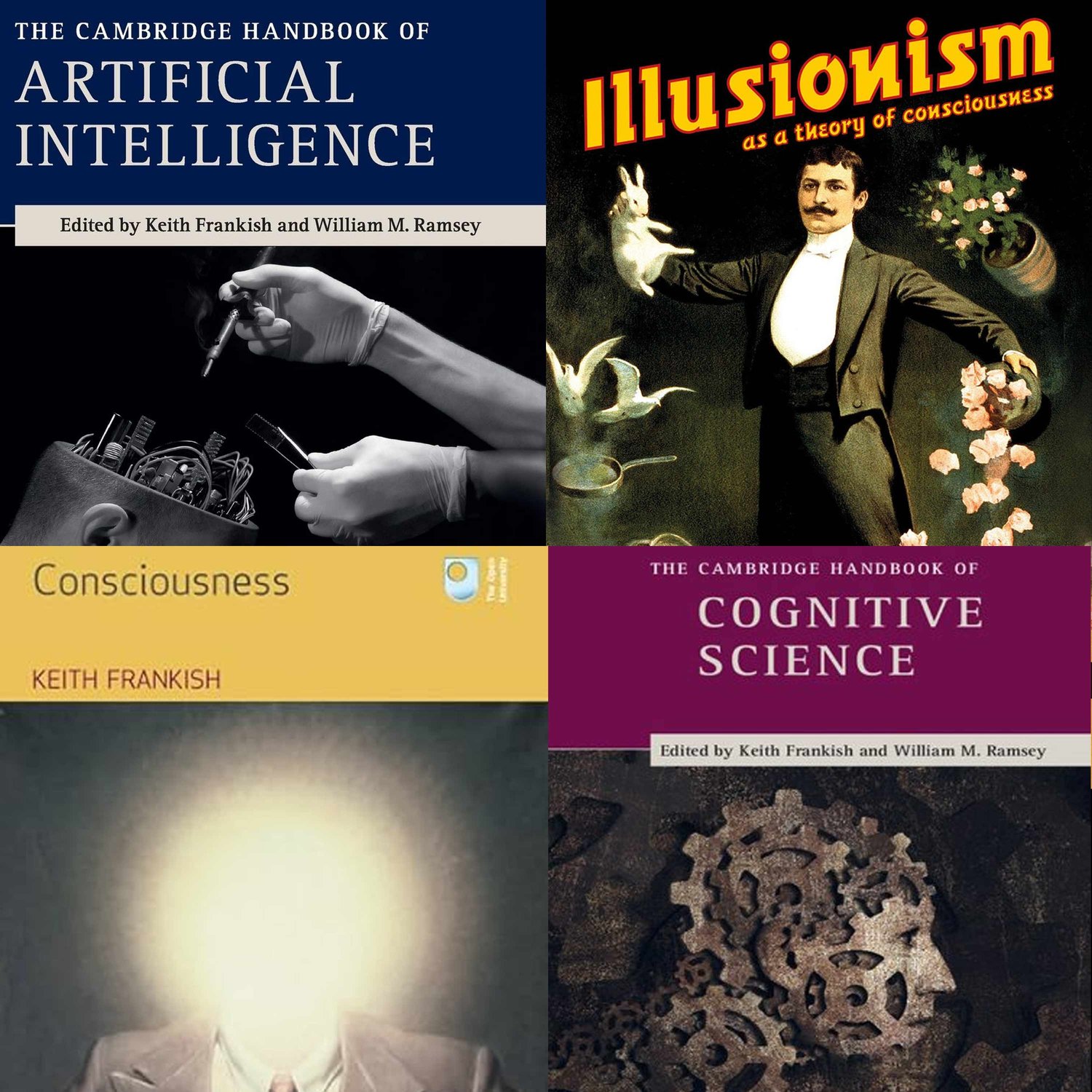
    “There is magic everywhere. There's wonder everywhere. There's wondrous complexity that is so complex, so difficult to conceptualize, to grasp, to articulate that it might as well be magic for all intents and purposes, but we can gradually start to unpick how the tricks are done, how nature learned to do these wonderful tricks. And that's the wonder of science, gradually learning what's happening behind the scenes and how these marvelous effects are produced. I'm probably best known for my work on consciousness. My view about this is often caricatured, I think, as a kind of heartless, materialist one, because I'm resistant to all forms of dualism about the mind. I think that's a very unhelpful way of thinking. Some people think that I do that because I have a sort of crass materialist attitude to the world, that there's only things you can measure and weigh and bump into and everything else is just nonsense and fancy and different. What I like about the sort of view I have is that it represents us as fully part of the world, fully part of the same world. We're not sealed off into little private mental bubbles, Cartesian theaters, where all the real action is happening in here, not out there. No, I think we're much more engaged with the world… Another one of my heroes is Daniel Dennett's great friend, Nicholas Humphrey, who has a wonderfully rich range of experience. He's been described as a scientific humanist. What he does is he knows his science, including cognitive neuroscience and psychology, but he's also steeped in literature, art, music, and painting, and he brings all this together in his wonderful book on consciousness Soul Dust, published in 2011, suggests the idea that the soul is actually made of dust, which is a fantastic concept.” Keith Frankish is an Honorary Professor of Philosophy at the University of Sheffield, a Visiting Research Fellow with The Open University, and an Adjunct Professor with the Brain and Mind Programme in Neurosciences at the University of Crete. Frankish mainly works in the philosophy of mind and has published widely about topics such as human consciousness and cognition. Profoundly inspired by Daniel Dennett, Frankish is best known for defending an “illusionist” view of consciousness. He is also editor of Illusionism as a Theory of Consciousness and co-edits, in addition to others, The Cambridge Handbook of Cognitive Science. www.keithfrankish.com www.cambridge.org/core/books/cambridge-handbook-of-cognitive-science/F9996E61AF5E8C0B096EBFED57596B42 www.imprint.co.uk/product/illusionism www.creativeprocess.info www.oneplanetpodcast.org IG www.instagram.com/creativeprocesspodcast

  • Jun 10, 2024 · 57 min

    Is Consciousness an Illusion? with Philosopher KEITH FRANKISH

    Is consciousness an illusion? Is it just a complex set of cognitive processes without a central, subjective experience? How can we better integrate philosophy with everyday life and the arts? Keith Frankish is an Honorary Professor of Philosophy at the University of Sheffield, a Visiting Research Fellow with The Open University, and an Adjunct Professor with the Brain and Mind Programme in Neurosciences at the University of Crete. Frankish mainly works in the philosophy of mind and has published widely about topics such as human consciousness and cognition. Profoundly inspired by Daniel Dennett, Frankish is best known for defending an “illusionist” view of consciousness. He is also editor of Illusionism as a Theory of Consciousness and co-edits, in addition to others, The Cambridge Handbook of Cognitive Science. “There is magic everywhere. There's wonder everywhere. There's wondrous complexity that is so complex, so difficult to conceptualize, to grasp, to articulate that it might as well be magic for all intents and purposes, but we can gradually start to unpick how the tricks are done, how nature learned to do these wonderful tricks. And that's the wonder of science, gradually learning what's happening behind the scenes and how these marvelous effects are produced. I'm probably best known for my work on consciousness. My view about this is often caricatured, I think, as a kind of heartless, materialist one, because I'm resistant to all forms of dualism about the mind. I think that's a very unhelpful way of thinking. Some people think that I do that because I have a sort of crass materialist attitude to the world, that there's only things you can measure and weigh and bump into and everything else is just nonsense and fancy and different. What I like about the sort of view I have is that it represents us as fully part of the world, fully part of the same world. We're not sealed off into little private mental bubbles, Cartesian theaters, where all the real action is happening in here, not out there. No, I think we're much more engaged with the world… Another one of my heroes is Daniel Dennett's great friend, Nicholas Humphrey, who has a wonderfully rich range of experience. He's been described as a scientific humanist. What he does is he knows his science, including cognitive neuroscience and psychology, but he's also steeped in literature, art, music, and painting, and he brings all this together in his wonderful book on consciousness Soul Dust, published in 2011, suggests the idea that the soul is actually made of dust, which is a fantastic concept.” www.keithfrankish.com www.cambridge.org/core/books/cambridge-handbook-of-cognitive-science/F9996E61AF5E8C0B096EBFED57596B42www.imprint.co.uk/product/illusionism www.creativeprocess.info www.oneplanetpodcast.org IG www.instagram.com/creativeprocesspodcast

  • Jun 7, 2024 · 16 min

    How Can We End the Climate Crisis in One Generation? - Highlights - PAUL HAWKEN

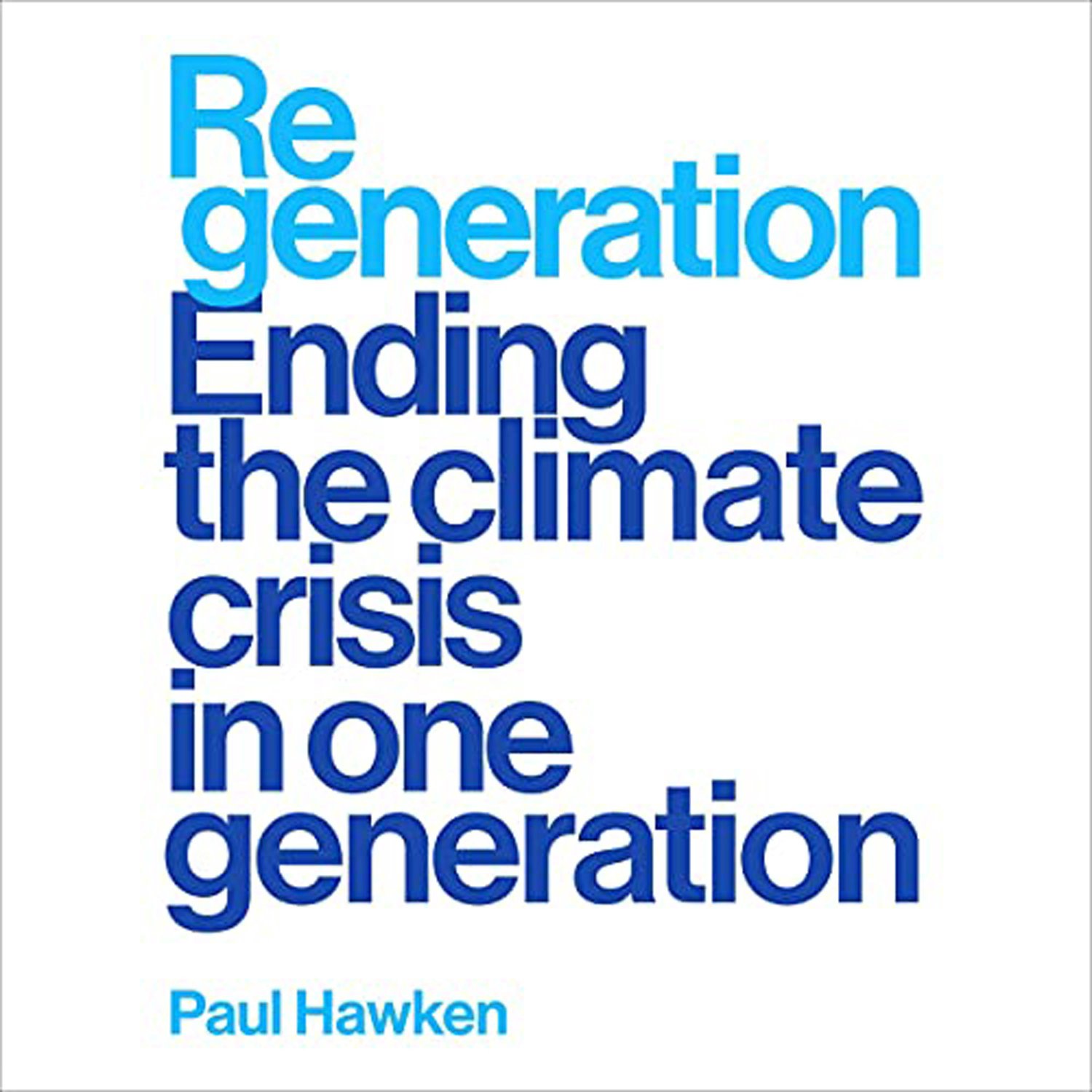
    “We and all living beings thrive by being actors in the planet’s regeneration, a civilizational goal that should commence and never cease. We practiced degeneration as a species and it brought us to the threshold of an unimaginable crisis. To reverse global warming, we need to reverse global degeneration.” Can we really end the climate crisis in one generation? What kind of bold collective action, technologies, and nature-based solutions would it take to do it? Paul Hawken is a renowned environmentalist, entrepreneur, author, and activist committed to sustainability and transforming the business-environment relationship. A leading voice in the environmental movement, he has founded successful eco-friendly businesses, authored influential works on commerce and ecology, and advised global leaders on economic and environmental policies. As the founder of Project Regeneration and Project Drawdown, Paul leads efforts to identify and model solutions to reverse global warming, showcasing actionable strategies. His pioneering work in corporate ecological reform continues to shape a sustainable future. He is the author of eight books, including Regeneration: Ending the Climate Crisis in One Generation. https://regeneration.org https://paulhawken.com https://drawdown.org https://regeneration.org/nexus www.creativeprocess.info www.oneplanetpodcast.org IG www.instagram.com/creativeprocesspodcast

  • Jun 7, 2024 · 53 min

    Regeneration: Ending the Climate Crisis in One Generation with PAUL HAWKEN

    Can we really end the climate crisis in one generation? What kind of bold collective action, technologies, and nature-based solutions would it take to do it? Paul Hawken is a renowned environmentalist, entrepreneur, author, and activist committed to sustainability and transforming the business-environment relationship. A leading voice in the environmental movement, he has founded successful eco-friendly businesses, authored influential works on commerce and ecology, and advised global leaders on economic and environmental policies. As the founder of Project Regeneration and Project Drawdown, Paul leads efforts to identify and model solutions to reverse global warming, showcasing actionable strategies. His pioneering work in corporate ecological reform continues to shape a sustainable future. He is the author of eight books, including Regeneration: Ending the Climate Crisis in One Generation. “We and all living beings thrive by being actors in the planet’s regeneration, a civilizational goal that should commence and never cease. We practiced degeneration as a species and it brought us to the threshold of an unimaginable crisis. To reverse global warming, we need to reverse global degeneration.” https://regeneration.org https://paulhawken.com https://drawdown.org https://regeneration.org/nexus www.creativeprocess.info www.oneplanetpodcast.org IG www.instagram.com/creativeprocesspodcast

  • May 31, 2024 · 15 min

    How Will Our Cities, Communities & Country Cope with Climate Migration - Highlights - ABRAHM LUSTGARTEN

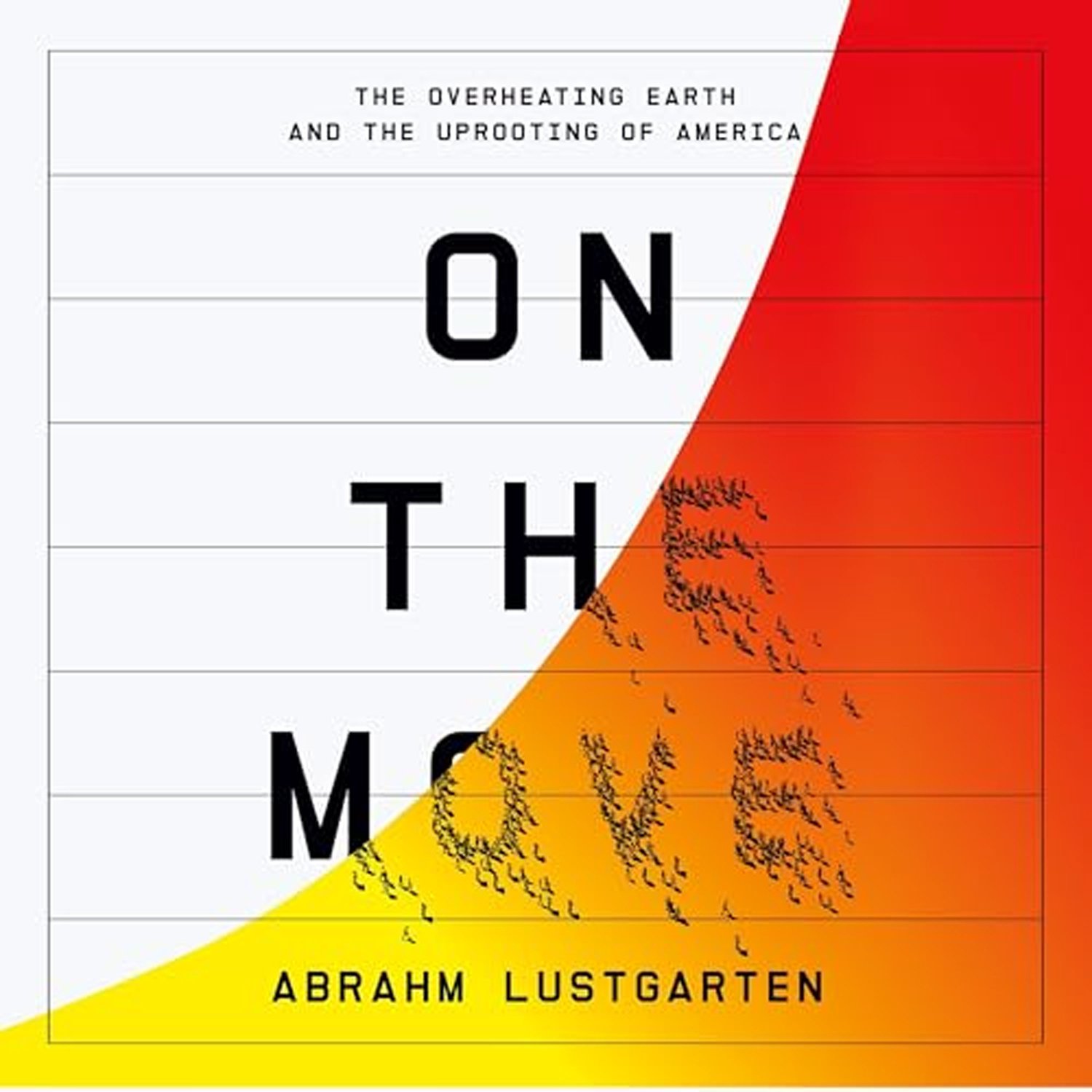
    “Living in California, I've just come to accept the unsettledness of this era we're moving into. And I think that's really how I see the future. You know, we're living in an era of disruption, and there are others I talk to and write about in the book who also muse about the possibility of a more nomadic future. That maybe home isn't a permanent place with deep roots but is a transient place with shallow roots or two places that you alternate between. In addition to a lot of other dramatic changes that the book is about, a change in our sense of home and our sense of place is a part of this story.” Abrahm Lustgarten is an investigative reporter, author, and filmmaker whose work focuses on human adaptation to climate change. His 2010 Frontline documentary The Spill, which investigated BP’s company culture, was nominated for an Emmy. His 2015 longform series Killing the Colorado, about the draining of the Colorado river, was nominated for a Pulitzer Prize. Lustgarten is a senior reporter at ProPublica, and contributes to publications like The New York Times Magazine and The Atlantic. His research on climate migration influenced President Biden’s creation of a climate migration study group. This is also the topic of his newly published book, On The Move: The Overheating Earth and the Uprooting of America in which he explores how climate change is uprooting American lives. https://abrahm.com https://us.macmillan.com/books/9780374171735/onthemove www.creativeprocess.info www.oneplanetpodcast.org IG www.instagram.com/creativeprocesspodcast