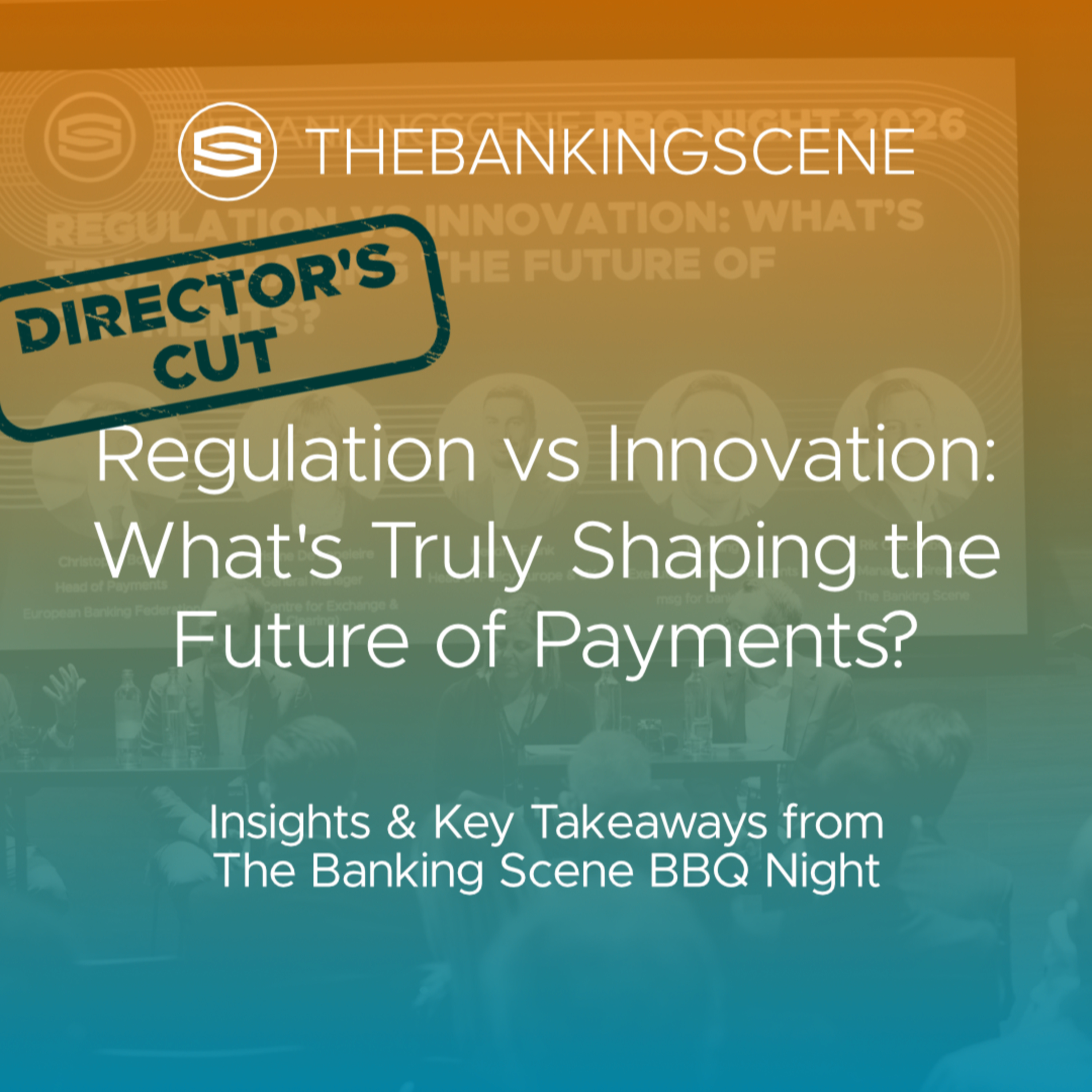
Counted on this page — what you have heard stays on this device, so it is not something the list can be paged by.
- TB

 September 16 · 35 min
Lauren Jones of Paylume on The Future of Open Finance, PSD3, FiDA, AI and Global Utility Models
In this episode, Rik speaks with Lauren Jones, Open Banking Lead at Paylume, about the past, present, and future of open banking in Europe. They break down what PSD2 achieved, where adoption still lags, and why the next wave of regulation may need stronger standards, better governance, and a clearer commercial model. Lauren also shares why AI and open finance could finally make the user experience more meaningful for consumers. If you prefer to read instead of watching or listening, you can find the full interview transcript on our website here.
- TB
 September 15 · 24 min
How PSD2 opens a bigger market for Isabel with open banking
Rik Coeckelbergs speaks with David Demerie, Chief Marketing and Sales Officer, and Guillaume Boland, Head of Product Management at Isabel, about PSD2’s real impact, the promise of PSR standardisation, and why trust, consent, and security will matter even more as open finance expands.In this conversation, they also discuss why the biggest opportunities may now be in embedded finance, e-invoicing, and premium APIs rather than basic data access alone and consider how Isabel has evolved from an “open banking before open banking” model into a broader data-sharing platform. If you prefer to read instead of watching or listening, you can find the full interview transcript on our website here.
- TB
 September 7 · 26 min
Who tests the AI? Why Banks Need a New Assurance Model for Intelligent Banking
This conversation with Samet Varlik, Head of Sales at Expleo Group focuses on how banks should test, govern, and monitor AI systems that are probabilistic rather than deterministic. The key takeaway is simple: once AI can change records, move money, or initiate actions, banks are no longer just testing software output - they are testing behaviour, responsibility, and risk. We discuss what good testing looks like for AI, why consistency and reversibility matter, and why continuous monitoring must sit alongside pre-launch assurance. The discussion also covers accountability, human oversight, stop buttons, and what evidence a bank should have before putting a name behind an AI deployment.
- TB
 September 1 · 31 min
Regulation opened the door, but didn't build the market for Open Banking: Gijs Boudewijn, Chairman of the European Payments Council
In this conversation with Gijs Boudewijn, chairman of the European Payments Council, we explored what PSD2 achieved, where it fell short, and why open banking has been slower to turn regulation into real market momentum. The discussion also covers SPAA, the move from directive to regulation with PSR, the challenges around FiDA, and how AI may reshape consent, fraud, and agentic commerce. Gijs brings a long view from payments regulation and scheme design, and he explains why compliance alone never creates a market. Rik Coeckelbergs drives the conversation through the practical questions banks, regulators, and third-party providers are still trying to solve. IF you prefer to read instead of listening, you can find the full transcript on our website here.
- TB
 August 24 · 18 min
Why Open Banking Success Depends on Both Business and Customer Benefits - Bartel Braeckman, KBC Bank
While PSD2 was a game-changer for some organisations, its impact has been varied across the industry. Success isn't just about technology; it's about understanding customer behaviour and finding the sweet spot where business ambitions align with user trust. As this interview with Bratel Braeckman, Head of Department Open Bankinsurance at KBC Bank unfolded, it became clear that both businesses and consumers must benefit for open banking to succeed. If you prefer to read instead of listening, you can find the full transcript of the interview on our website here.
- TB
 August 17 · 29 min
Unlocking commercial value from Open Banking with premium APIs
In this episode, Rik speaks with Jasper Wolfs, head of product open banking at Rabobank, about the state of open banking 10 years after PSD2, to find out what worked, what didn’t, and where AI may take it next. They compare business and retail adoption, dig into premium APIs and real-world use cases, and look ahead to PSR, FIDA, and the role AI may play in shaping open finance. Jasper brings a useful insider-outsider view: two years at Rabobank, plus a fintech background that dates back to the birth of PSD2. That perspective frames a candid discussion about where regulation created momentum, where it fell short, and why tech companies may now be the ones pushing the next wave. If you prefer to read instead of listening, you can find the full transcript of the interview on our website here.
- TB
 August 11 · 18 min
From compliance to financial crime fighting - the shift from ticking boxes to tracking effectiveness
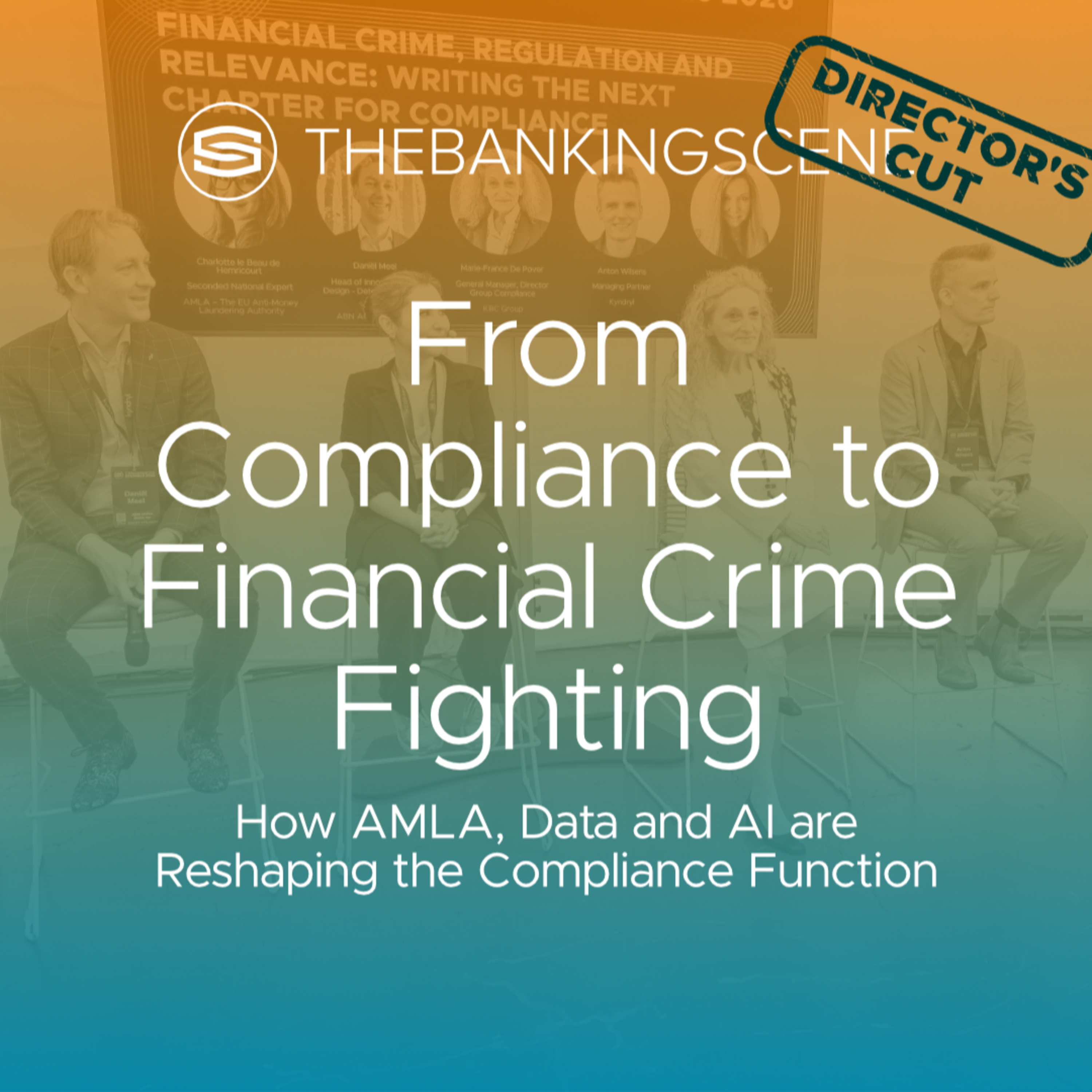
During the first content block of our Fraud and Compliance track at our flagship conference in Brussels this year, we heard from industry experts how AMLA, data and AI are reshaping the compliance function, during a keynote: "The Latest Trends in Compliance: AML and Sanctions and Screenings", delivered by Wendy de Meyer, Deputy Chief Compliance Officer at Belfius.Which was followed by a keynote: AMLA and The Supervisory Shift: What it means for banks and fintechs", delivered by Charlotte le Beau de Hemricourt, Seconded National Expert at AMLA, The EU Anti-Money Laundering Authority.Which was followed by a panel session: “Financial Crime, Regulation and Relevance: Writing the Next Chapter for Compliance”, moderated by Wendy de Meyer with panel members: - Charlotte le Beau de Hemricourt- Daniël Meel, Head of Innovation and Design - Detecting Financial Crime, ABN AMRO- Marie-France de Pover, General Manager, Director Group Compliance, KBC Group and - Anton Wilsens, Managing Partner, KyndrylAs you can imagine, the sessions were packed with insights which we summarised in a (longer than usual) blog on our website here. In this episode, Andrew and Rik discuss the session and explore why short-term complexity may increase even if long-term harmonisation helps, and why the biggest challenge may be cultural rather than technological. They also dig into how AI could push banks toward better data consistency, fewer silos, and a more effectiveness-driven compliance function.
- TB
 August 3 · 14 min
The Evolution of Open Banking - Joris Hensen, Open Finance Lead, Deutsche Bank
Discover how open banking is shaping the future of financial services through the lens of Deutsche Bank's Open Finance Lead, Joris Hensen. This episode explores the successes, challenges, and opportunities within open finance, with expert insights on regulation, technology, and the role of AI. You can read the interview summary on our blog here. Key topics: The evolution and success of open banking over the past decade Deutsche Bank's most successful use cases: wealth management and embedded finance Common pitfalls in open banking implementation and future solutions with FiDA regulation The role of AI in transforming open finance strategies Governance and standardisation challenges in cross-border data sharing The importance of sandbox approaches for AI integration within FiDA Who is driving open finance: regulators, banks, fintechs, customers, or AI providers?
- TB
 July 11 · 15 min
bunq as a Service: Leveraging Open Banking to Serve more Customers with Joe Wilson, Chief Evangelist
Most banking as a service stories are about quick wins and shiny new APIs. Joe Wilson reveals how Bunq is quietly building a robust infrastructure layer designed for long-term partnerships, not just quick integrations. Unlike traditional banks, Bunq as a Service is about extending their platform into B2B, empowering other fintechs and companies to innovate without the heavy lifting of compliance, licensing, or security. This strategic move isn’t just about growth, it’s about creating a scalable ecosystem that bridges crypto, open banking, and international digital nomads.
- TB
 July 6 · 19 min
What the European Payments Council (EPC) debate on agentic commerce means for banks
A recent panel session at the European Payments Council, moderated by Andrew, explored the impact of agentic commerce from the perspective of issuers, acquirers, merchants and customers.Rik summarised his key takeaways from the session in his blog here and discussed some of the gaps in the debate with Andrew in this episode.For more insights on Agentic AI and The Future of Banking, download our (free) white paper here.
- TB
 July 3 · 44 min
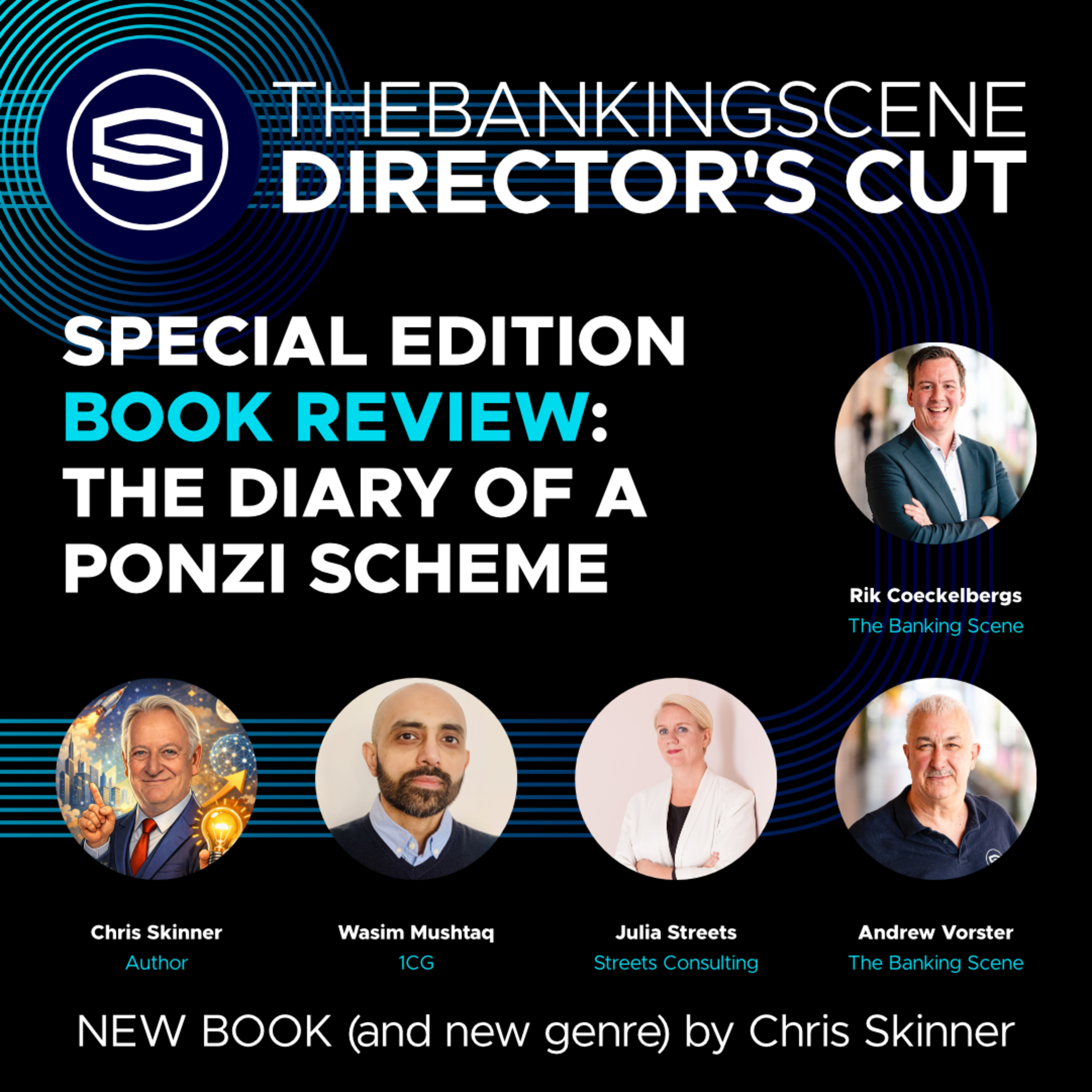
Diary of a Ponzi Scheme by Chris Skinner - book review with Julia Streets & Wasim Mushtaq
In our first ever book review, we invited guests, Julia Streets and Wasim Mushtaq to join us along with Chris Skinner, for a dive into Chris Skinner's first foray into fiction, "Diary of a Ponzi Scheme". It's a unique blend of finance and fiction (a completely new genre that Chris calls "Finction"), that challenges conventional thinking about trust and social proof in investments. In it, Chris explores how appearances can deceive and how the right narrative can sway even the most sceptical investor. This is a story that reflects real-world dynamics, from the glitz of London's social scene to the intricacies of tokenisation, and offers insights that are both entertaining and enlightening for all readers. You can find out more about the book and how to buy it here.
- TB
 June 30 · 53 min
AI and The Agentic Future of Banking: Moving From Insight to Action
The Banking Scene LIVE webinar preview of highlights from our latest white paper, "AI and The Agentic Future of Banking". This session explores the monumental shift in financial services from passive Generative AI assistants to fully autonomous, goal-oriented AI agents.Discover how leading financial institutions like ING, Rabobank and Revolut are scaling agentic architectures in production to revolutionise mortgage processing, fraud containment, and perpetual KYC automation. We also tackle the critical risks of this shift, including cascading errors and machine collusion and unpack the rise of the "Agentic Customer" powered by individual digital twins.If you prefer to dive straight into the full white paper, you can download it from our website here.
- TB
 June 29 · 40 min
How Banks can Derive Value from Agentic AI in 2026
Agentic AI is currently one of the most discussed topics in banking, but the conversation is moving beyond the excitement of new technology. For banks, the real question is no longer whether agentic AI has potential, it is how to deploy it safely, measure it properly, govern it effectively and turn experimentation into enterprise value.This was the central theme of a recent conversation we had with Alok Chaurasia, Associate Vice President and Anshuman Choudhary, Consulting Leader, GRC Northern Europe at Cognizant, reflecting on a Think Tank session we convened in Brussels in collaboration with Cognizant and Microsoft. You can find a summary of the insights from the discussion on our website here.
- TB
 June 26 · 33 min
How ING is Using Agentic AI to Streamline Banking Operations
Most banks are currently talking about Agentic AI, ING is actually deploying it at scale and seeing real results. In this episode, Thomas Geerinck, ING’s Groupwide Retail Chief Data Officer, shares how the bank is turning AI into tangible business value through agentic AI, beyond just experiments. Discover why scale, infrastructure, and strategic deployment are the key differentiators for banks aiming to lead in AI-powered financial services. Thomas breaks down how ING has evolved from basic machine learning to fully orchestrated, agentic workflows that automate complex processes like mortgage handling and client onboarding. You'll learn about the architecture of agentic AI: how it handles decisions, interacts with clients, and executes tasks, while staying within strict guardrails and human oversight. He shares real use cases that demonstrate how agentic AI is revolutionising operational efficiency and customer experience.If you prefer to read, you can find the full interview transcript in the blog on our website here.
- TB
 June 15 · 49 min
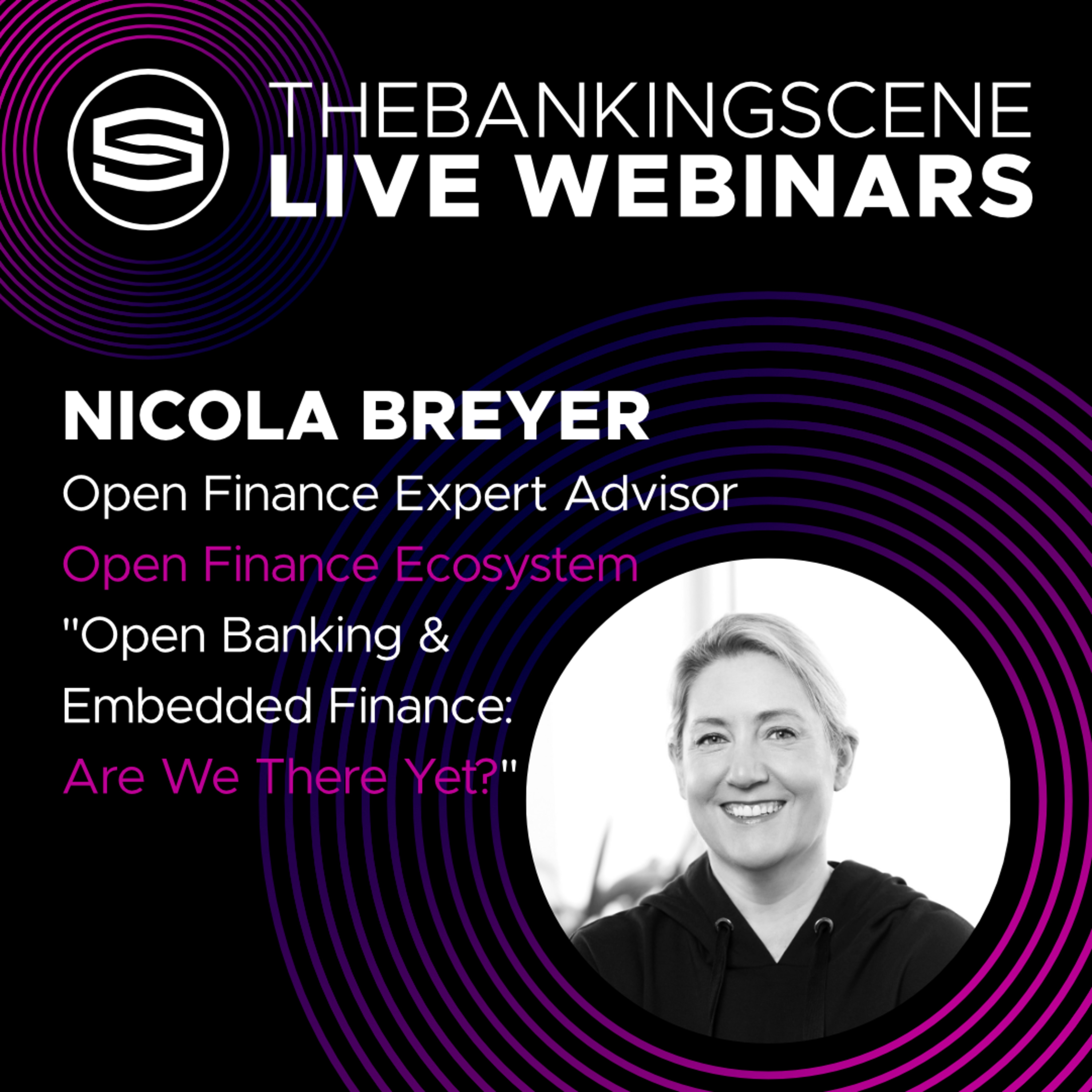
Open Banking and Embedded Finance: Are we There Yet? With special guest Nicola Breyer
"Are we there yet?". When it comes to Open Banking and Embedded Finance, are we still debating if we should, instead of implementing what we can? How do we (the Benelux Banks) stack up against the rest of the world and what can we learn from them? Is regulation a help or a hindrance? We have so many questions and we are sure you do too, which is why we invited Nicola Breyer, an internationally recognised expert on open data and embedded finance, who frequently speaks and publishes on the topic, to help us set the scene before we begin our Q3 research. In this session, we unpacked what went right and wrong after PSD2, why PSD3 / PSR and FIDA (Financial Data Access Regulation) may already be outdated, and how the rapid rise of AI assistants, agentic AI, and data platforms like Plaid is reshaping the future of financial services. You’ll hear candid views on: Why consumer adoption of open banking is still low How poor UX, lack of data standards, and no remuneration for banks held back innovation Whether we really need FIDA to make open finance work The race between European regulation and US tech / AI platforms What “financial home” and “My CFO for SMEs” use cases could look like How banks risk losing the customer relationship to AI platforms—and what they can do about it If you prefer to read rather than listen, you can find a summary of the session on our website here.
- TB
 June 9 · 22 min
The Conversation Money 20/20 Needed: Understanding the Geopolitical Impact of Stablecoins
Stablecoins are often discussed through the lens of crypto, payments innovation and customer experience. But at Money20/20, one conversation stood out: the geopolitical impact of stablecoins and what their rapid growth could mean for Europe’s financial sovereignty. In this episode, Andrew and Rik reflect on the last 2 weeks and discuss Money20/20, the rise of US-denominated stablecoins, the implications for European banks, payment rails, regulation, CBDCs and the future of payments. They also discuss why stablecoins may need to move higher up the strategic agenda for banks, policymakers and regulators. Topics covered include stablecoins, European financial sovereignty, US dollar dominance, CBDCs, payment infrastructure, Qivalis, banking innovation, regulation versus innovation, and the future of payments in Europe. You can find the summary article on our website here.
- TB
 June 2 · 24 min
Agentic AI in Banking: Why Control Reversibility and Decision Design Matter
What does agentic AI actually mean for banks, and where can it deliver real value today? In this episode of The Banking Scene Director’s Cut, Andrew Vorster speaks with Rachael Hadaway, Vice President of Product Management at FICO, about the practical reality of agentic AI in banking. Their conversation explores where AI agents can genuinely improve workflows, why human oversight remains essential in high-stakes decisions, and how banks should think about governance, reversibility, unified decisioning and fraud prevention. Rachael shares a clear view on which banking processes are most likely to become more autonomous over the next 12 to 36 months, and which areas are still being oversold. She also explains why reversibility matters in AI-driven decisions, how banks can avoid turning human reviewers into rubber stampers, and what it will take to build trust in agentic systems over time. The discussion also looks at the rise of the agentic customer and what happens when digital agents start acting on behalf of consumers across banking journeys. For banks in the Benelux region and beyond, this is a practical conversation about how to prepare for agentic AI without getting distracted by the hype. You can find a summary article based on this interview on our website here.
- TB
 May 26 · 21 min
Agentic AI in Banking: Where the Real Opportunities and Constraints Are
What does agentic AI really mean for banks, and where does the reality differ from the hype? In this episode of The Banking Scene Director’s Cut, Andrew Vorster speaks with Wesley Wuyts, Senior Customer Advisor at SAS, about how banks are approaching agentic AI, where the biggest opportunities lie, and what it will actually take to move from promising demos to reliable production use in a regulated environment. The conversation explores how agentic AI could help banks close the gap between insight and action, especially in operationally intensive areas such as KYC, fraud management, complaints handling and document-heavy workflows. Wesley also shares a practical view on the limits of current technology, why fully autonomous end-to-end banking processes are still a step too far for most institutions, and why governance, auditability, data access and human oversight remain essential. If you work in banking, fintech, financial services, risk, compliance, operations, AI, data or technology, this discussion offers a grounded perspective on one of the sector’s most talked-about topics. In this interview, we cover: What banks actually mean when they talk about agentic AI The difference between agentic AI, generative AI, copilots and traditional automation Why some agentic AI use cases in banking are being oversold The challenges of moving from AI pilot to production Why data access, integration and auditability are often the biggest hurdles What meaningful human oversight should look like in banking How banks should think about accountability when AI completes part of a workflow The realities of multi-agent systems in a regulated environment How to approach build versus buy in the agentic AI stack How to measure the performance and quality of AI agents in financial services This episode is part of The Banking Scene’s wider research into AI and the Agentic Future of Banking, exploring how agentic AI is likely to reshape banking in the Benelux region over the next 12 to 36 months. Subscribe for more interviews, analysis and insight on the trends shaping banking and financial services. You can find a summary recap of the interview on our website here.
- TB
 May 11 · 19 min
From Experiments to Enterprise Value with Agentic AI
Rik and Andrew discuss the key takeaways from a round table Think Tank session held under the Chatham House Rule with senior financial services professionals on the topic of Agentic AI in banking. You can find a summary of the discussions on our website here if you prefer to skim-read the highlights.