Skip to content
Artwork for Tech Stories Tech Brief By HackerNoon
NewsTech NewsBusiness News

Tech Stories Tech Brief By HackerNoon

HackerNoon

Learn the latest tech-stories updates in the tech world.

Play
  • 109 episodes
  • Avg 12 min
  • English
Counted on this page — what you have heard stays on this device, so it is not something the list can be paged by.
  • August 23 · 6 min

    Robotaxis Are Coming for the World’s Most Skilled Drivers

    This story was originally published on HackerNoon at: https://hackernoon.com/robotaxis-are-coming-for-the-worlds-most-skilled-drivers. Robotaxis are expanding across major cities, raising new questions about driver displacement, safety, labor shortages, and the economics of autonomous transport Check more stories related to tech-stories at: https://hackernoon.com/c/tech-stories. You can also check exclusive content about #autonomous-vehicles, #robotaxis, #london-robotaxi, #ai-automation, #waymo-expansion, #wuhan-robotaxis, #autonomous-fleets, #hackernoon-top-story, and more. This story was written by: @thetechpanda. Learn more about this writer by checking @thetechpanda's about page, and for more stories, please visit hackernoon.com. The article argues that robotaxi expansion is turning autonomous driving from a technology story into a global labor question, with professional drivers facing different pressures depending on the city. It compares markets including London, Wuhan, Phoenix, San Francisco, Tokyo, New Delhi, and Mumbai, and argues that adoption will depend on a mix of economics, road complexity, labor shortages, and public trust.

  • August 22 · 12 min

    The Hidden Infrastructure Tax of Running Autonomous Agents 24/7

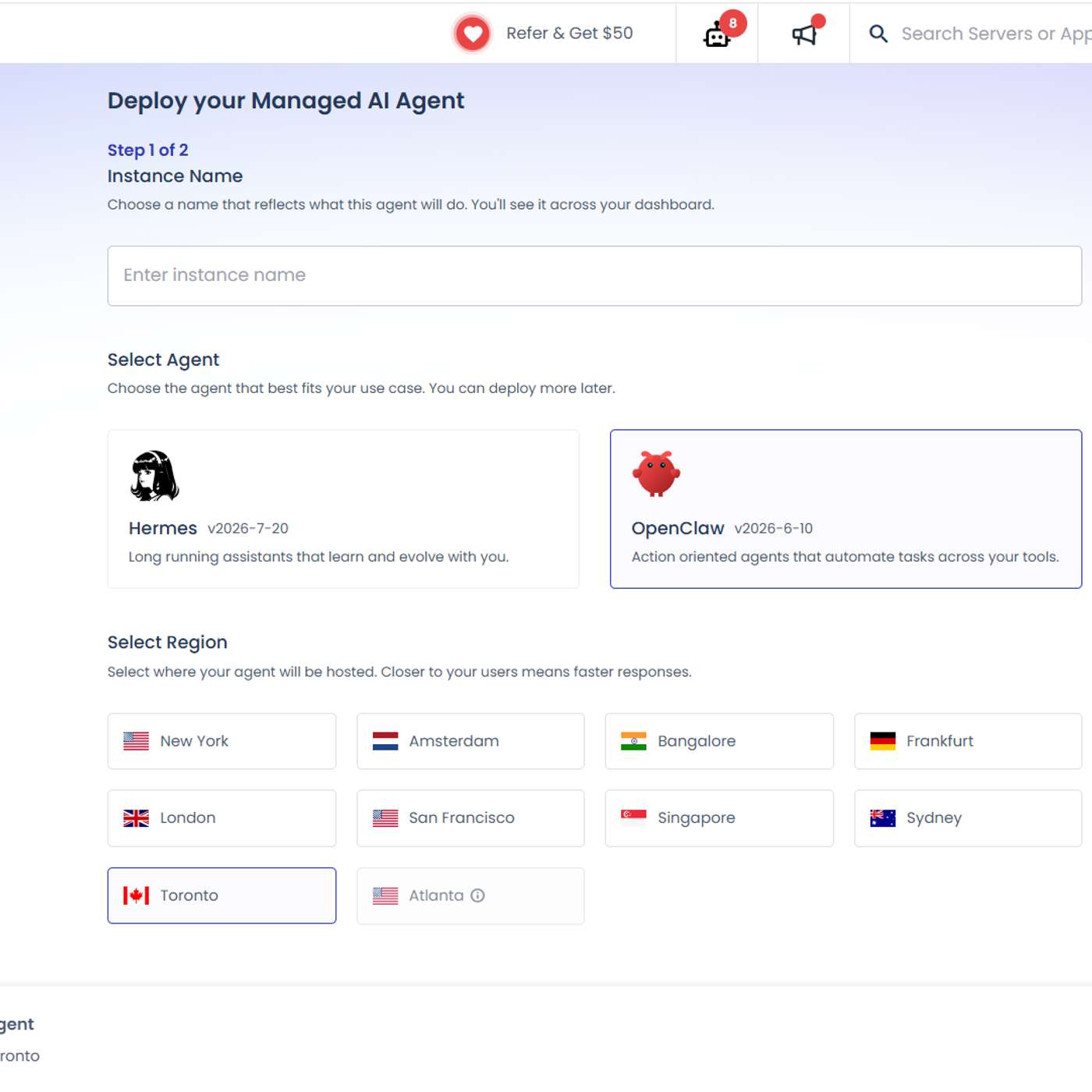
    This story was originally published on HackerNoon at: https://hackernoon.com/the-hidden-infrastructure-tax-of-running-autonomous-agents-247. Learn how to run autonomous AI agents reliably 24/7 by comparing laptops, unmanaged VPSs, and managed runtimes, with a practical look at agent infrastructure. Check more stories related to tech-stories at: https://hackernoon.com/c/tech-stories. You can also check exclusive content about #autonomous-agents, #deploy-your-managed-ai-agent, #openclaw-agent-deployment, #cloudways, #agentops, #agent-deployment-on-cloudways, #good-company, #hermes-agent, and more. This story was written by: @cloudways. Learn more about this writer by checking @cloudways's about page, and for more stories, please visit hackernoon.com. Running autonomous AI agents 24/7 requires more than a working model and framework—it requires reliable infrastructure. This guide breaks down the four layers of the AgentOps stack and compares laptops, unmanaged VPSs, and managed runtimes for continuous agent hosting.

  • August 21 · 12 min

    The Telegram Session Architecture Nobody Documents

    This story was originally published on HackerNoon at: https://hackernoon.com/the-telegram-session-architecture-nobody-documents. Learn how server-side sessions connect Telegram chats, Mini Apps, OAuth browsers, authentication, callbacks, and real-time updates. Check more stories related to tech-stories at: https://hackernoon.com/c/tech-stories. You can also check exclusive content about #telegram, #telegram-bot, #telegram-mini-apps, #software-architecture, #web-development, #vibe-coding, #c-sharp, #authentication, and more. This story was written by: @gooslee. Learn more about this writer by checking @gooslee's about page, and for more stories, please visit hackernoon.com. Learn how server-side sessions connect Telegram chats, Mini Apps, OAuth browsers, authentication, callbacks, and real-time updates.

  • August 21 · 7 min

    Bite: The Machine that knows Everything [April 1985]

    This story was originally published on HackerNoon at: https://hackernoon.com/bite-the-machine-that-knows-everything-april-1985. Explore a retro AI parody that imagines large language models as a 1985 supercomputer powered by encyclopedias, tokens, and data centers. Check more stories related to tech-stories at: https://hackernoon.com/c/tech-stories. You can also check exclusive content about #tech-satire, #data-centers, #satire, #parody, #machine-learning, #machinelearning, #large-language-models, #hackernoon-top-story, and more. This story was written by: @chribonn. Learn more about this writer by checking @chribonn's about page, and for more stories, please visit hackernoon.com. - Reimagines modern AI and large language models as a fictional 1985 enterprise system. - Satirises AI infrastructure, training data, context memory, and conversational interfaces. - Draws parallels between today's AI capabilities and past computing expectations. - Highlights the scale, energy consumption, and business promises behind advanced AI. - Explores enterprise knowledge management through a humorous retro lens.

  • August 20 · 14 min

    Continuous Aggregate Refresh, Demystified: Invalidation, Lookback, and Late-Arriving Data

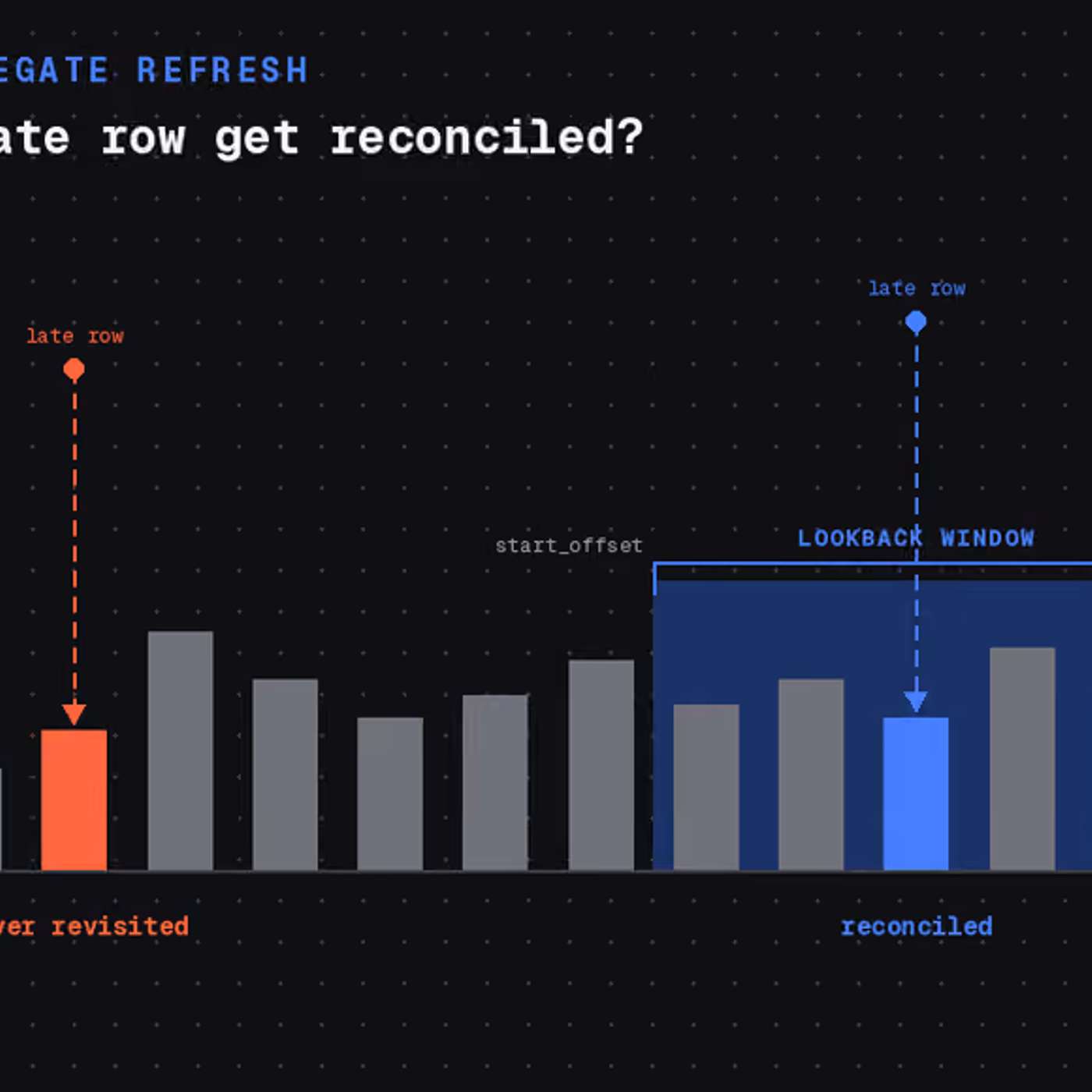
    This story was originally published on HackerNoon at: https://hackernoon.com/continuous-aggregate-refresh-demystified-invalidation-lookback-and-late-arriving-data. Learn why late-arriving time-series data can leave aggregates stale and how TimescaleDB continuous aggregate refresh windows determine reconciling corrections. Check more stories related to tech-stories at: https://hackernoon.com/c/tech-stories. You can also check exclusive content about #timescaledb, #continuous-aggregate, #timescaledb-invalidation-log, #time-series-aggregation, #incremental-time-series-data, #time-series-view, #time-series-data, #good-company, and more. This story was written by: @tigerdata. Learn more about this writer by checking @tigerdata's about page, and for more stories, please visit hackernoon.com. Late-arriving and corrected time-series data can make pre-computed dashboards report plausible but stale numbers. This article compares four aggregation strategies, from scheduled materialized views and insert-triggered views to streaming dataflows and TimescaleDB continuous aggregates. It explains how invalidation tracking works and why the start_offset and end_offset of a refresh policy determine whether late data is ever reconciled.

  • August 19 · 5 min

    PMB (Personal Memory Brain) Earns a 115 Proof of Usefulness Score by Building Local-First Persistent

    This story was originally published on HackerNoon at: https://hackernoon.com/pmb-personal-memory-brain-earns-a-115-proof-of-usefulness-score-by-building-local-first-persistent. PMB earned a 70 Proof of Usefulness score with a local-first memory layer that gives AI coding agents persistent project context across sessions. Check more stories related to tech-stories at: https://hackernoon.com/c/tech-stories. You can also check exclusive content about #proof-of-usefulness-hackathon, #hackernoon-hackathon, #ai-coding-agents, #persistent-ai-memory, #cross-session-memory, #local-first-ai, #personal-memory-brain, #model-context-protocol, and more. This story was written by: @oleksiijko. Learn more about this writer by checking @oleksiijko's about page, and for more stories, please visit hackernoon.com. PMB earned a 70 Proof of Usefulness score for an open-source, local-first memory layer designed to give AI coding agents durable project context across sessions. Built around MCP, SQLite, LanceDB, MiniLM embeddings, BM25, and graph retrieval, PMB lets tools such as Claude Code, Cursor, and Codex share decisions, facts, corrections, and goals without sending that memory to the cloud. The project is still pre-traction, with its 1.0 release arriving in June 2026, but distribution is already live through PyPI and the MCP registry.

  • August 19 · 9 min

    Top 5 Pull Request Reminder Tools

    This story was originally published on HackerNoon at: https://hackernoon.com/top-5-pull-request-reminder-tools. Compare the best pull request reminder tools for keeping PRs moving. See how GitDailies, LinearB, GitHub, Swarmia, and PullNotifier handle PR alerts. Check more stories related to tech-stories at: https://hackernoon.com/c/tech-stories. You can also check exclusive content about #pull-request, #pr, #github, #code-review, #developer-tools, #notifications-on-your-github, #devops, #good-company, and more. This story was written by: @deployfriday. Learn more about this writer by checking @deployfriday's about page, and for more stories, please visit hackernoon.com. Pull requests can easily get buried in daily notifications, leading to delayed reviews, stale branches, and merge conflicts. We compare five tools that help teams keep PRs visible and moving, with GitDailies standing out as the strongest fit for lightweight reminders and broader GitHub activity alerts.

  • August 18 · 5 min

    Ella's AI Agent Earns a 46.06 Proof of Usefulness Score by Building an Autonomous E-Commerce AI Support Agent

    This story was originally published on HackerNoon at: https://hackernoon.com/ellas-ai-agent-earns-a-4606-proof-of-usefulness-score-by-building-an-autonomous-e-commerce-ai-support-agent. Ella’s AI Agent earned a 46.06 Proof of Usefulness score for automating e-commerce support, order lookups, ticket triage, and human escalation. Check more stories related to tech-stories at: https://hackernoon.com/c/tech-stories. You can also check exclusive content about #proof-of-usefulness-hackathon, #bright-data, #hackernoon-hackathon, #ai-agents, #ai-customer-support, #ecommerce-automation, #shopify-support-automation, #customer-service-analytics, and more. This story was written by: @its.ella.codes_0jr3tfqo. Learn more about this writer by checking @its.ella.codes_0jr3tfqo's about page, and for more stories, please visit hackernoon.com. Ella’s AI Agent earned a 46.06 Proof of Usefulness score for building a real-time e-commerce support prototype that handles order inquiries, ticket triage, sentiment analysis, and escalation to human support. Built with n8n, Groq, Supabase, Bright Data, and Gmail integrations, the project is still pre-launch. Its biggest limitation is that the strongest performance claims, including 70–80% automated resolution and sub-two-second response times, are projections rather than live-user results.

  • August 18 · 13 min

    Exploring Feasibility of Universal Computing with Basic Unix Tools: Echo, Ed, Test, and Exec

    This story was originally published on HackerNoon at: https://hackernoon.com/exploring-feasibility-of-universal-computing-with-basic-unix-tools-echo-ed-test-and-exec. Can basic Unix tools form a universal computer? This article explores Turing completeness, resource limits, performance trade-offs, and developer complexity. Check more stories related to tech-stories at: https://hackernoon.com/c/tech-stories. You can also check exclusive content about #unix, #turing-completeness, #universal-computing, #minimalist-computing, #echo-command, #ed-editor, #resource-constrained-computing, #embedded-systems, and more. This story was written by: @kornilovconstru. Learn more about this writer by checking @kornilovconstru's about page, and for more stories, please visit hackernoon.com. The article explores whether basic Unix utilities such as echo, ed, test, and exec can be combined into a Turing-complete system by using text streams, file buffers, conditions, and control-flow mechanisms as primitive computational building blocks. It argues that theoretical universality does not translate cleanly into practical usefulness, highlighting performance bottlenecks, resource limits, missing abstractions, and substantial developer cognitive load.

  • August 17 · 4 min

    hello.cv Earns a 63 Proof of Usefulness Score by Building AI-Powered Profiles That Network Autonomously

    This story was originally published on HackerNoon at: https://hackernoon.com/hellocv-earns-a-63-proof-of-usefulness-score-by-building-ai-powered-profiles-that-network-autonomously. hello.cv earned a 63 Proof of Usefulness score for combining AI-powered profiles, autonomous networking, and search-optimized professional identity. Check more stories related to tech-stories at: https://hackernoon.com/c/tech-stories. You can also check exclusive content about #proof-of-usefulness-hackathon, #bright-data, #ai, #linkedin-alternative, #ai-networking, #autonomous-networking, #ai-career-tools, #hello.cv, and more. This story was written by: @ope_1p3aiql. Learn more about this writer by checking @ope_1p3aiql's about page, and for more stories, please visit hackernoon.com. hello.cv earned a 63 Proof of Usefulness score for building an AI-first professional networking platform that gives users search-optimized personal sites, custom domains, and autonomous networking assistants.

  • August 17 · 6 min

    Autonomous Company Deep Research Agent Earns a 52 Proof of Usefulness Score by Building Automated VC-Style Company Research Reports

    This story was originally published on HackerNoon at: https://hackernoon.com/autonomous-company-deep-research-agent-earns-a-52-proof-of-usefulness-score-by-building-automated-vc-style-company-research-reports. Autonomous Company Deep Research Agent earned a 52 Proof of Usefulness score for automating company research, due diligence, and market intelligence. Check more stories related to tech-stories at: https://hackernoon.com/c/tech-stories. You can also check exclusive content about #proof-of-usefulness-hackathon, #bright-data, #hackernoon-hackathon, #ai-agents, #ai-research-agents, #market-intelligence, #business-intelligence, #open-source-ai, and more. This story was written by: @ranjancse. Learn more about this writer by checking @ranjancse's about page, and for more stories, please visit hackernoon.com. Autonomous Company Deep Research Agent earned a 52 Proof of Usefulness score for automating company and startup research, from data collection and analysis to VC-style report generation.

  • August 16 · 2 min

    Using Zmanim-WP Shortcodes for Shabbat

    This story was originally published on HackerNoon at: https://hackernoon.com/using-zmanim-wp-shortcodes-for-shabbat. This installment in the free WordPress plugin tutorial covers Shabbat shortcodes: candle lighting, Torah portion, and holiday names. Check more stories related to tech-stories at: https://hackernoon.com/c/tech-stories. You can also check exclusive content about #judaism, #time, #php-zmanim, #wordpress-plugin, #shabbat-shortcodes, #wordpress-zmanim, #candle-lighting-shortcode, #wordpress-shortcodes, and more. This story was written by: @leonadato. Learn more about this writer by checking @leonadato's about page, and for more stories, please visit hackernoon.com. This time I'm covering the free WordPress plugin Zmanim-WP's Shabbat specific shortcodes, including candle lighting time, weekly Torah portion, and holiday names.

  • August 16 · 13 min

    7 Best Self-Hosted Inference Servers for Open-Source Models, Compared (2026)

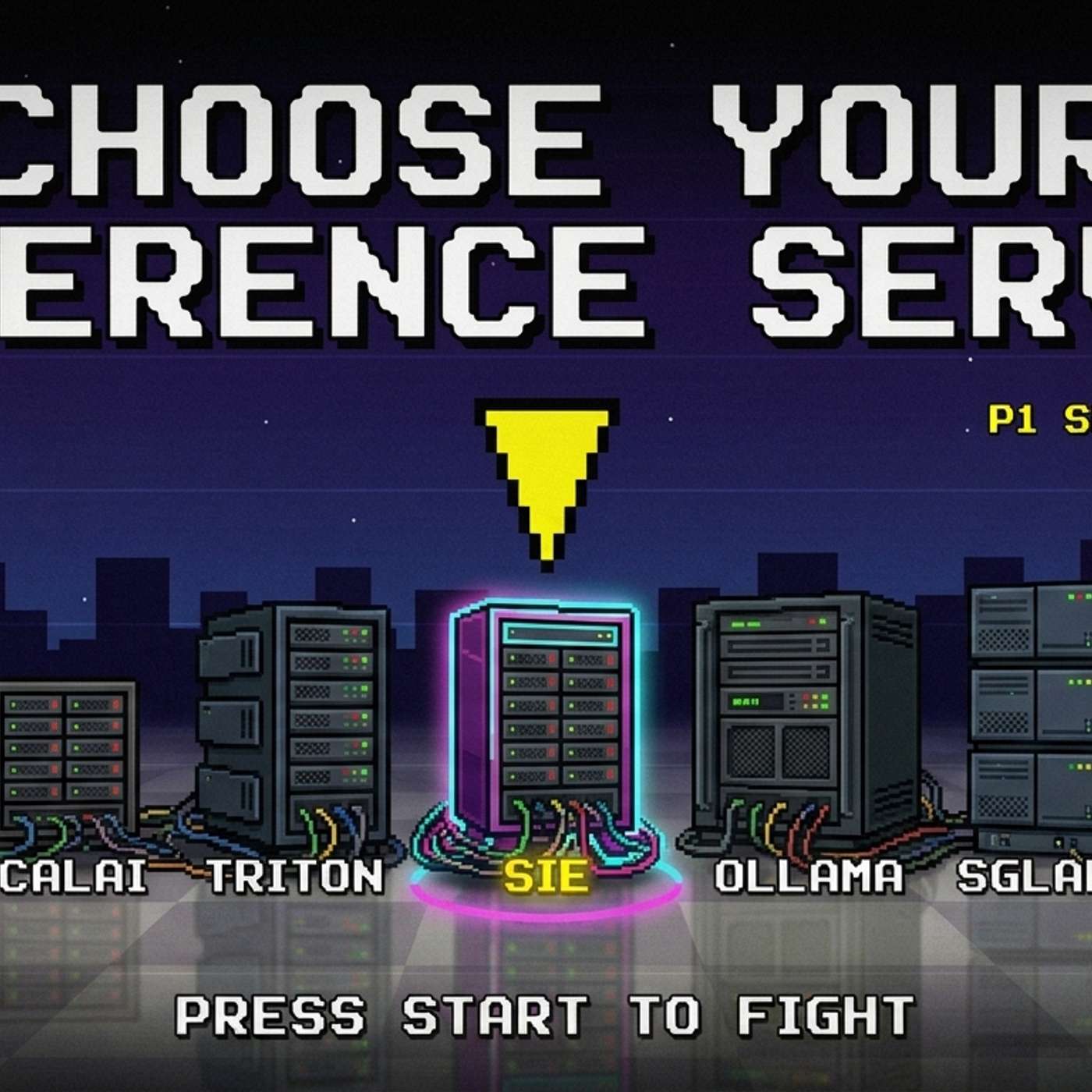
    This story was originally published on HackerNoon at: https://hackernoon.com/7-best-self-hosted-inference-servers-for-open-source-models-compared-2026. 7 self-hosted inference servers compared: vLLM, SGLang, Ollama, TEI, LocalAI, Dynamo-Triton & SIE. Choose the right one based on your workload, not the brand. Check more stories related to tech-stories at: https://hackernoon.com/c/tech-stories. You can also check exclusive content about #open-source-models, #vllm, #slang, #ollama, #local-ai, #ai-agents, #good-company, #self-hosted-inference-servers, and more. This story was written by: @merry-n-proprietary. Learn more about this writer by checking @merry-n-proprietary's about page, and for more stories, please visit hackernoon.com. TL;DR Pick inference servers by shape of workload, not brand. There is no single winner, and people (or even AI) telling you otherwise is probably overselling. This guide covers 7 best self-hosted inference servers, specifically for open-source models, for each work case.

  • August 15 · 13 min

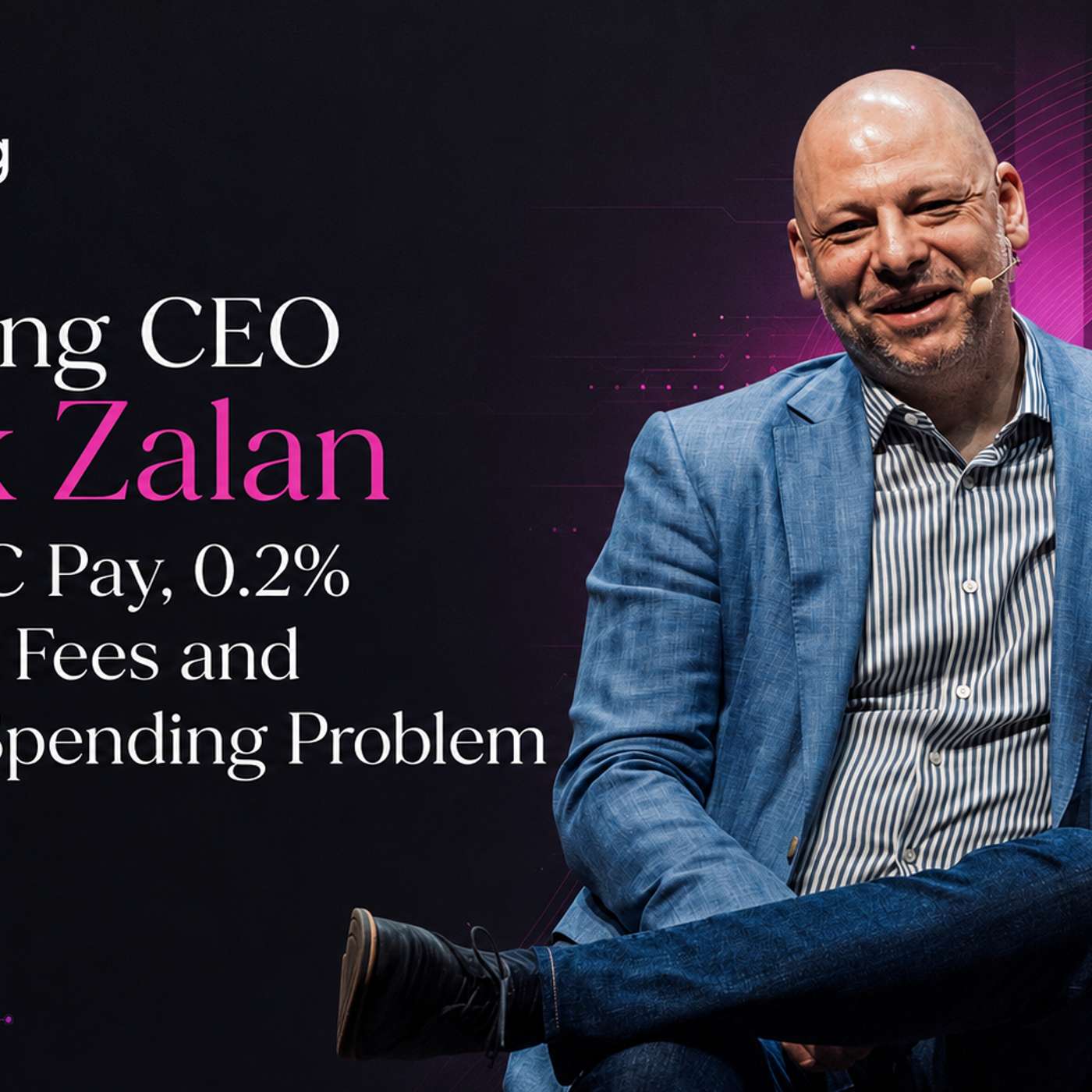
    GoMining CEO Mark Zalan on GoBTC Pay, 0.2% Merchant Fees and Bitcoin's Spending Problem

    This story was originally published on HackerNoon at: https://hackernoon.com/gomining-ceo-mark-zalan-on-gobtc-pay-02percent-merchant-fees-and-bitcoins-spending-problem. GoMining CEO Mark Zalan on GoBTC Pay, 0.2% merchant fees, mining as payments infrastructure and why Bitcoin still loses the checkout to stablecoins. Check more stories related to tech-stories at: https://hackernoon.com/c/tech-stories. You can also check exclusive content about #gomining, #mark-zalan, #gobtc, #bitcoin, #good-company, #defi, #blockchain, #cryptocurrency, and more. This story was written by: @ishanpandey. Learn more about this writer by checking @ishanpandey's about page, and for more stories, please visit hackernoon.com. GoMining, a Bitcoin miner running roughly 15 EH/s and claiming more than five million users, has launched GoBTC Pay, a Layer 1 payment protocol that charges merchants 0.2% and splits that fee evenly between the wallet that brought the customer and the miners that confirm the transaction. The merchant pitch is genuine against cards, where the United States average credit card interchange rate sits at about 2.35%, and considerably weaker against Square, which auto enabled native Bitcoin acceptance for millions of United States sellers in March 2026 at zero processing fees through 2026. The product delivers instant authorization, not instant settlement. GoMining targets an average on chain settlement of about twelve hours using its own Stratum V2 mempool, which means GoMining, not the merchant, carries the exposure in between. CEO Mark Zalan argues that payments make mining more valuable because transaction activity becomes a larger share of miner economics. The current data points the other way. Transaction fees fell to 0.69% of Bitcoin miner revenue in August 2026, a ten year low, after bottoming at 0.52% in April. The arithmetic is unforgiving. Half of a 0.2% fee on a five dollar coffee pays miners half a cent, while replacing today's block subsidy at Bitcoin's throughput ceiling would require roughly sixty six dollars per transaction. The unmentioned constraint is tax. In the United States there is still no de minimis exemption for spending Bitcoin, and the emerging consensus in Congress would grant that relief to payment stablecoins while excluding Bitcoin. What to watch: the merchant count past the initial cohort of ten, whether any named wallet actually ships the protocol, and whether settlement holds at twelve hours once volume arrives. What is GoBTC Pay? GoBTC Pay is a Layer 1 Bitcoin payment protocol built by the mining company GoMining. It gives merchants instant authorization at checkout while the transaction settles on the Bitcoin base layer afterwards, using GoMining's own Stratum V2 mempool and mining pool to prioritise the transaction. Merchants pay 0.2% and customers pay nothing. How much does GoBTC Pay cost a merchant? 0.2% of the transaction. Half of that goes to the wallet or financial institution that brought the customer into the network and half goes to the miners in GoMining's pool that process the settlement. Is GoBTC Pay actually instant? The authorization is instant. Settlement is not. GoMining targets an average on chain settlement of about twelve hours by the end of 2026, which means the merchant is relying on GoMining's guarantee in the interval. How does 0.2% compare with credit card fees? The United States average credit card interchange rate was about 2.35% in 2024, and blended in person processing costs run near 1.87% on a hundred dollar sale once assessments and processor markup are included. A proposed Visa and Mastercard settlement would cap standard consumer credit interchange at 1.25%. Against Square's native Bitcoin acceptance, which is free to sellers through 2026, GoBTC Pay is more expensive. Is GoMining really a top ten Bitcoin miner? GoMining reports roughly 15 EH/s. Against publicly disclosed miners in August 2026 that places it tenth, between Core Scientific at 15.70 EH/s and Keel Infrastructure at 14.80 EH/s, and at about 1.7% of a network running at 883.3 EH/s. Large private operators do not disclose, so the global ranking cannot be independently verified. Do I owe tax when I spend Bitcoin? In the United States, yes. The IRS treats Bitcoin as property, so spending it is a disposal that must be reported, and as of the 2026 tax year there is no de minimis exemption for small transactions. Proposals from Senator Lummis and others would create one, and the drafts moving furthest have limited relief to payment stablecoins. This is general information and not tax advice. Why are Bitcoin transaction fees so low right now? Because demand for block space is weak. The daily average fee was about thirty six cents in early August 2026, and transaction fees made up only 0.69% of total miner revenue, a ten year low. Low fees are a symptom of low usage rather than a sign that Bitcoin has solved payments.

  • August 15 · 12 min

    It Doesn't Matter if You Use AI, As Long As It's Good

    This story was originally published on HackerNoon at: https://hackernoon.com/it-doesnt-matter-if-you-use-ai-as-long-as-its-good. AI Watermarks Miss the Point: Why Good Work Matters More Than Whether You Used Claude, From Pianos and Phonographs to Synthesizers Check more stories related to tech-stories at: https://hackernoon.com/c/tech-stories. You can also check exclusive content about #digital-watermarking, #anthropic, #claude, #ai, #history-of-music, #ai-content-creation, #ai-use-cases, #hackernoon-top-story, and more. This story was written by: @mtrifiro. Learn more about this writer by checking @mtrifiro's about page, and for more stories, please visit hackernoon.com. Anthropic’s invisible AI watermark can flag writers who use Claude to edit their own work while missing easily paraphrased AI filler. That is why “Was AI involved?” is the wrong test. History shows new creative tools—from pianos to phonographs to synthesizers—change where labor happens, not whether judgment matters. AI is different only because it can offer judgment as well as power; the responsibility is to refuse its defaults, make real choices, and create work worth reading.

  • August 14 · 5 min

    Driving Decentralized AI (dAI) with a Sovereign, Local AI Platform

    This story was originally published on HackerNoon at: https://hackernoon.com/driving-decentralized-ai-dai-with-a-sovereign-local-ai-platform. Decentralized AI could make powerful local models private, efficient, and competitive while protecting data sovereignty and human expertise. Check more stories related to tech-stories at: https://hackernoon.com/c/tech-stories. You can also check exclusive content about #decentralize-ai-hackathon, #dapps, #ai, #decentralized-ai, #local-ai, #data-sovereignty, #private-ai, #decentralized-tech, and more. This story was written by: @fred-terzi. Learn more about this writer by checking @fred-terzi's about page, and for more stories, please visit hackernoon.com. Decentralized AI could make powerful local models private, efficient, and competitive while protecting data sovereignty and human expertise.

  • August 14 · 6 min

    Zmanim-WP Guide: Calculating End-of-Day Zmanim

    This story was originally published on HackerNoon at: https://hackernoon.com/zmanim-wp-guide-calculating-end-of-day-zmanim. The tutorial for my WordPress plugin turns to evening times like twilight and nightfall, plus shortcodes for setting consistent weekly synagogue service times. Check more stories related to tech-stories at: https://hackernoon.com/c/tech-stories. You can also check exclusive content about #php-zmanim, #wordpress-plugin, #judaism, #time, #wordpress-zmanim, #sunset-shortcode, #shkia-time, #zmanim-shortcodes, and more. This story was written by: @leonadato. Learn more about this writer by checking @leonadato's about page, and for more stories, please visit hackernoon.com. Part 3 of my series on the free WP-Zmanim WordPress plugin covers evening zmanim shortcodes plus tools to help calculate proper times for prayer.

  • August 13 · 4 min

    When Everything Is “Critical,” Nothing Is

    This story was originally published on HackerNoon at: https://hackernoon.com/when-everything-is-critical-nothing-is. Severity isn't priority. CVSS rates a flaw in isolation; ranking it needs two things no scanner sees — how exposed the component is, and what its failure costs. Check more stories related to tech-stories at: https://hackernoon.com/c/tech-stories. You can also check exclusive content about #appsec, #vulnerability-management, #devsecops, #cvss-vs-epss, #cisa-kev, #cvss, #epss, #severity, and more. This story was written by: @wilson. Learn more about this writer by checking @wilson's about page, and for more stories, please visit hackernoon.com. Scanners rank by CVSS, which scores a flaw in isolation — so the same CVE looks identical on your public gateway and your internal dev tool. Ranking needs two things no scanner can compute: how exposed the component is, and what its failure costs. Both live in your app description.

  • August 13 · 16 min

    Mystery Lumber Delivery on Your Driveway? Here’s How to Avoid Legal and Financial Disaster

    This story was originally published on HackerNoon at: https://hackernoon.com/mystery-lumber-delivery-on-your-driveway-heres-how-to-avoid-legal-and-financial-disaster. Unsolicited lumber deliveries can lead to legal and financial pitfalls, requiring immediate and informed action to avoid liability, storage fees, Check more stories related to tech-stories at: https://hackernoon.com/c/tech-stories. You can also check exclusive content about #legalpdf, and more. This story was written by: @ethcarv. Learn more about this writer by checking @ethcarv's about page, and for more stories, please visit hackernoon.com. An unexpected lumber delivery can create more than an inconvenience. Misdelivered construction materials may lead to disputes over ownership, storage, disposal, property damage, or liability. This guide explains how to document an unwanted delivery, identify potential owners, notify relevant parties, handle hazardous or perishable materials, and determine when legal advice may be necessary.

  • August 12 · 12 min

    Architecting iOS Dynamics With Prasenjit Sinha

    This story was originally published on HackerNoon at: https://hackernoon.com/architecting-ios-dynamics-with-prasenjit-sinha. Prasenjit Sinha explores modern iOS architecture through Swift 6 concurrency, predictive interfaces, layered testing, on-device ML, and production resilience. Check more stories related to tech-stories at: https://hackernoon.com/c/tech-stories. You can also check exclusive content about #ios-architecture, #actor-based-concurrency, #core-ml-privacy, #ios-testing-architecture, #mobile-software-engineering, #swift-6-strict-concurrency, #on-device-machine-learning, #good-company, and more. This story was written by: @jonstojanjournalist. Learn more about this writer by checking @jonstojanjournalist's about page, and for more stories, please visit hackernoon.com. Lead iOS Engineer Prasenjit Sinha shares how modern application architecture is evolving around Swift 6 strict concurrency, predictive interfaces, layered testing, and privacy-first on-device machine learning. Drawing on experience at Gusto and Apple, Sinha argues that compiler-enforced isolation, explicit state ownership, disciplined background execution, and robust testing can prevent entire classes of production failures. His approach combines academic first-principles thinking with practical enterprise engineering, showing how concurrency and local ML can work together to deliver responsive, resilient, and privacy-conscious iOS applications.

Showing 81–100 of 109 episodes