Skip to content
Artwork for Surgery 101
Health & FitnessMedicineEducationCourses

Surgery 101

Surgery 101 Team

Welcome to Surgery 101, a podcast series produced with the help of the University of Alberta in Edmonton, Canada. These 10-to-20-minute episodes serve as brief introductions or reviews of basic surgical concepts for medical students. Every episode is divided into chapters and concludes with several key points to summarize the topic. New episodes are published every Friday. We are always keen to receive your feedback and are accepting suggestions for additional topics.

CREATORS & SUPPORT: Created by Dr. Parveen Boora and Dr. Jonathan White, and supported by the Department of Surgery at the University of Alberta with the assistance of the Surgery 101 Experts of Edmonton.

NOTE TO EXPERTS: Please note that these podcasts are only intended as brief introductions for medical students—we cannot delve into advanced surgical nuances in a short podcast. We encourage listeners to supplement learning by seeing patients, assisting at surgeries, and reading widely!

Play
  • 40 episodes
  • Avg 10 min
  • English
Counted on this page — what you have heard stays on this device, so it is not something the list can be paged by.
  • #446
    May 11 · 11 min

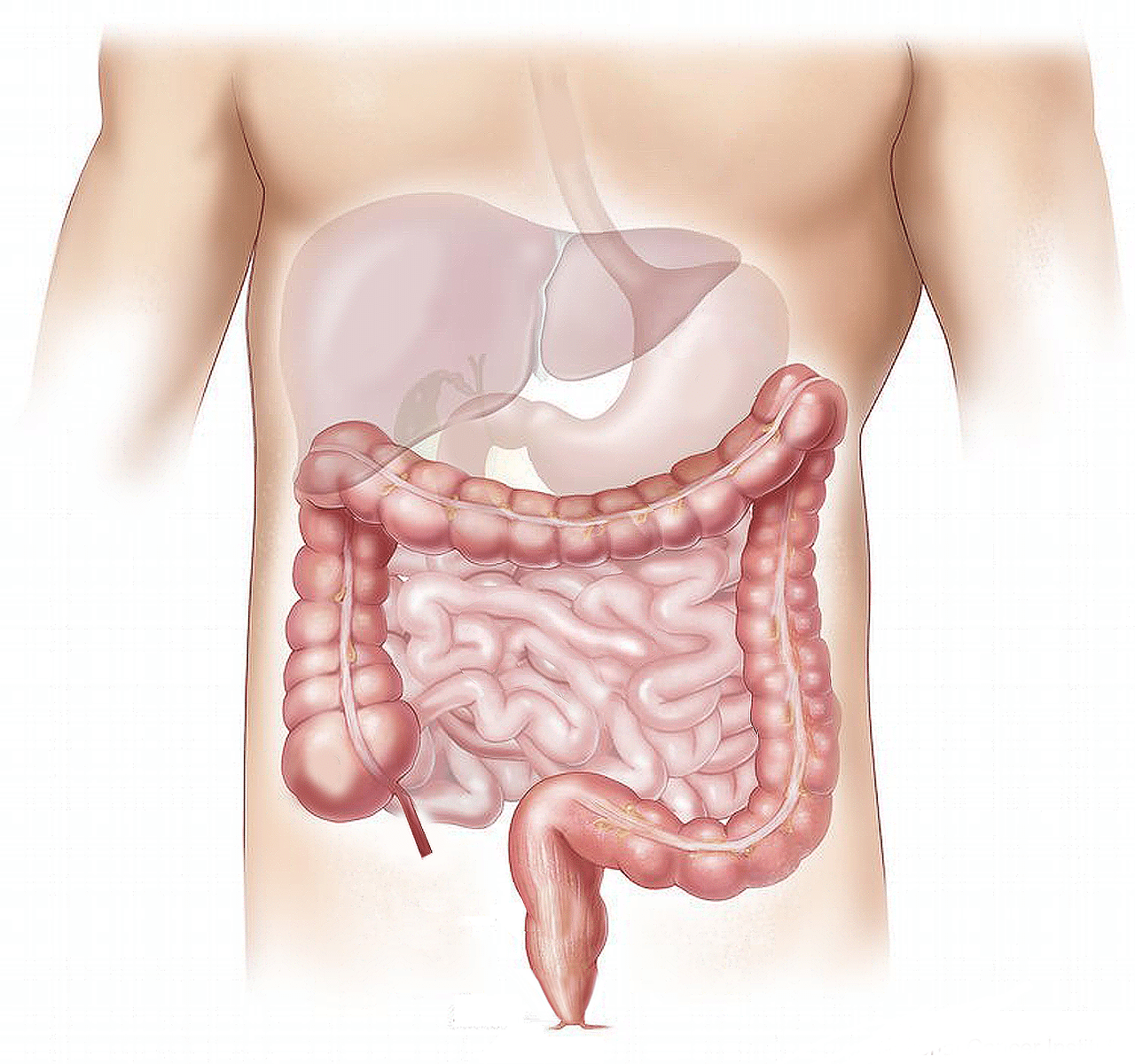
    446. Surgical Management of Colorectal Cancer – Part 1

    After listening to this podcast, learners will be able to: 1. Describe the anatomy and blood supply of the proximal colon. 2. Outline the principles of resection for colon cancer. 3. List what is resected and what is reconnected during a right hemicolectomy. 4. Describe what is required for a successful anastomosis in colorectal surgery.

  • April 29 · length unknown

    Recognizing Stomas

    After listening to this podcast, learners will be able to: 1. Describe different types of stomas, including ileostomy, colostomy, urostomy, and mucus fistula. 2. Explain the indications for a permanent versus temporary ostomy. 3. Evaluate the type of stoma a patient has based on clinical history, location, appearance, and output.

  • April 29 · 11 min

    445. Recognizing Stomas

    After listening to this podcast, learners will be able to: 1. Describe different types of stomas, including ileostomy, colostomy, urostomy, and mucus fistula. 2. Explain the indications for a permanent versus temporary ostomy. 3. Evaluate the type of stoma a patient has based on clinical history, location, appearance, and output.

  • April 22 · length unknown

    Laryngeal Cancer

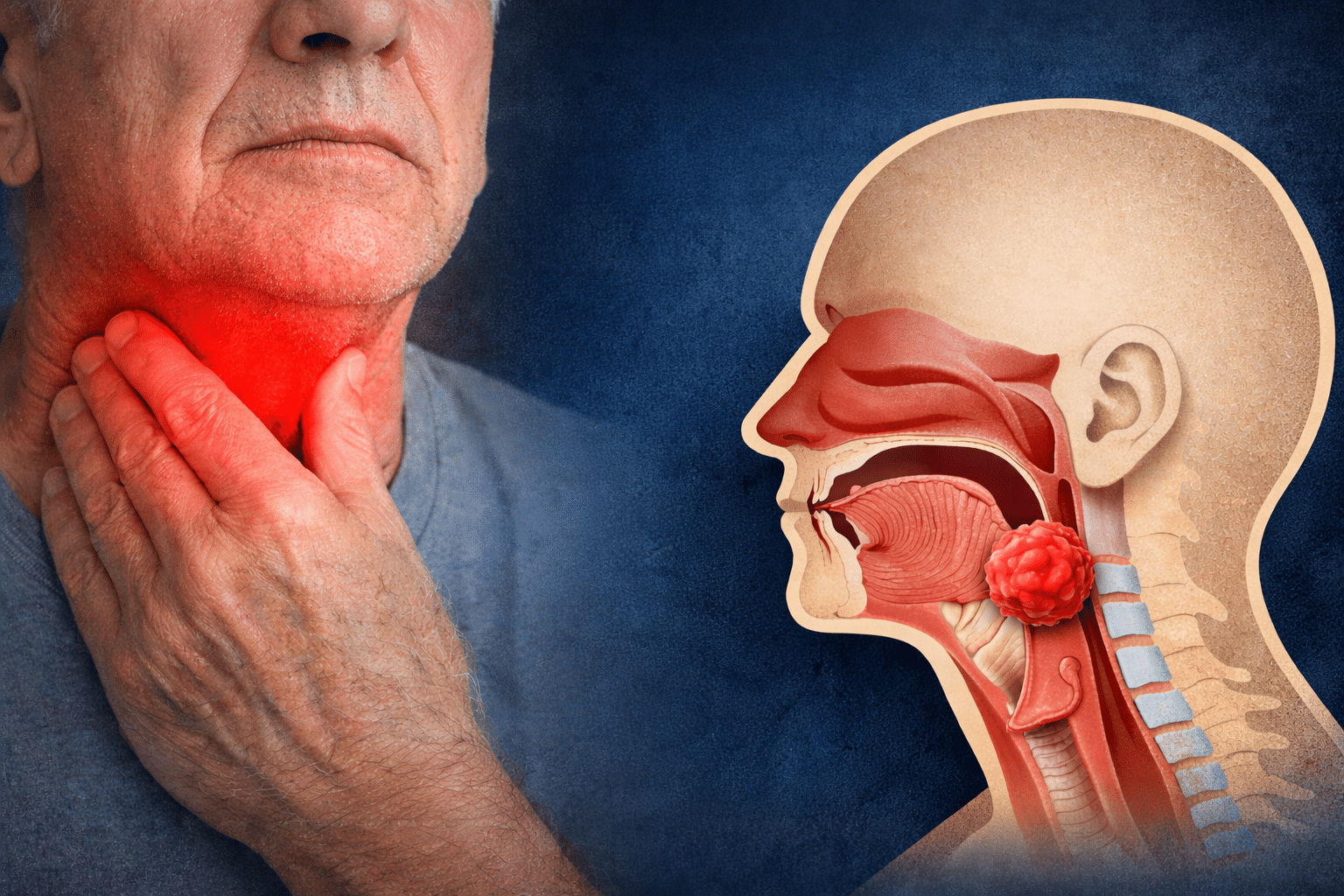
    Today, we’re going to discuss the topic of laryngeal cancer, a difficult head and neck cancer which has significantly improved prognosis if caught early. Laryngeal cancer is a type of head and neck squamous cell carcinoma, or HNSCC for short. It typically arises from the epithelial lining of the larynx. After listening to this podcast, learners will be able to understand what laryngeal cancer is, risk factors of laryngeal cancer, common presentations of laryngeal cancer, basics of its diagnosis and treatment, and finally mimics of laryngeal cancer.

  • April 22 · 11 min

    444. Laryngeal Cancer

    Today, we're going to discuss the topic of laryngeal cancer, a difficult head and neck cancer which has significantly improved prognosis if caught early. Laryngeal cancer is a type of head and neck squamous cell carcinoma, or HNSCC for short. It typically arises from the epithelial lining of the larynx. After listening to this podcast, learners will be able to understand what laryngeal cancer is, risk factors of laryngeal cancer, common presentations of laryngeal cancer, basics of its diagnosis and treatment, and finally mimics of laryngeal cancer.

  • April 15 · length unknown

    Neck Dissection

    After listening to this podcast, you should be able to: Describe the basic anatomy of lymph nodes in the neck List 4 different types of neck dissections, and what they entail Be able to identify common complications of neck dissection Outline the initial management of the common complications of neck dissection

  • April 15 · 12 min

    443. Neck Dissection

    After listening to this podcast, you should be able to: Describe the basic anatomy of lymph nodes in the neck List 4 different types of neck dissections, and what they entail Be able to identify common complications of neck dissection Outline the initial management of the common complications of neck dissection

  • February 11 · length unknown

    Beyond the Horizon: Ongoing Innovations and the Future of Endoscopy

    The close of the 20th century saw endoscopy and laparoscopy evolve from passive optical tools into dynamic platforms that integrated real-time guidance, autonomous movement, and computational interpretation for navigation, diagnosis, and therapy. Author: Sunpreet Cheema

  • February 4 · length unknown

    From Fiber to Video: The Visual Revolution in Endoscopy and Laparoscopy

    By the mid-20th century, endoscopy’s long-standing challenge of safely illuminating internal structures was transformed by postwar advances—especially Harold Hopkins’s 1950s rod-lens system, which enabled brighter, distortion-free, miniaturized imaging that could reliably guide clinical decisions. Author: Sunpreet Cheema

  • February 4 · 11 min

    441. From Fiber to Video: The Visual Revolution in Endoscopy and Laparoscopy

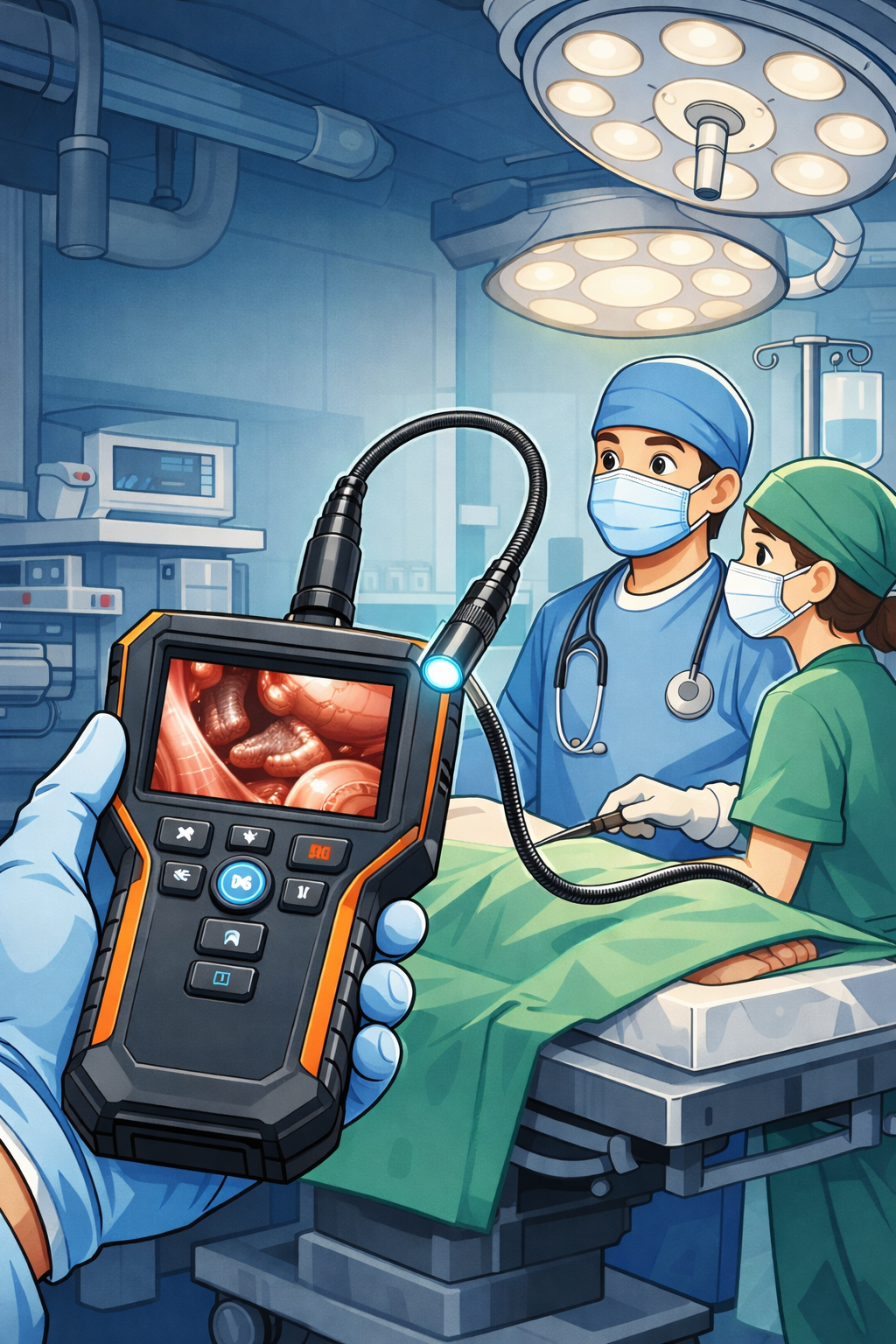
    By the mid-20th century, endoscopy's long-standing challenge of safely illuminating internal structures was transformed by postwar advances—especially Harold Hopkins's 1950s rod-lens system, which enabled brighter, distortion-free, miniaturized imaging that could reliably guide clinical decisions.

  • January 21 · 10 min

    440. The Fiberoptic Breakthrough: Hopkins, Hirschowitz, and the Flexible Scope

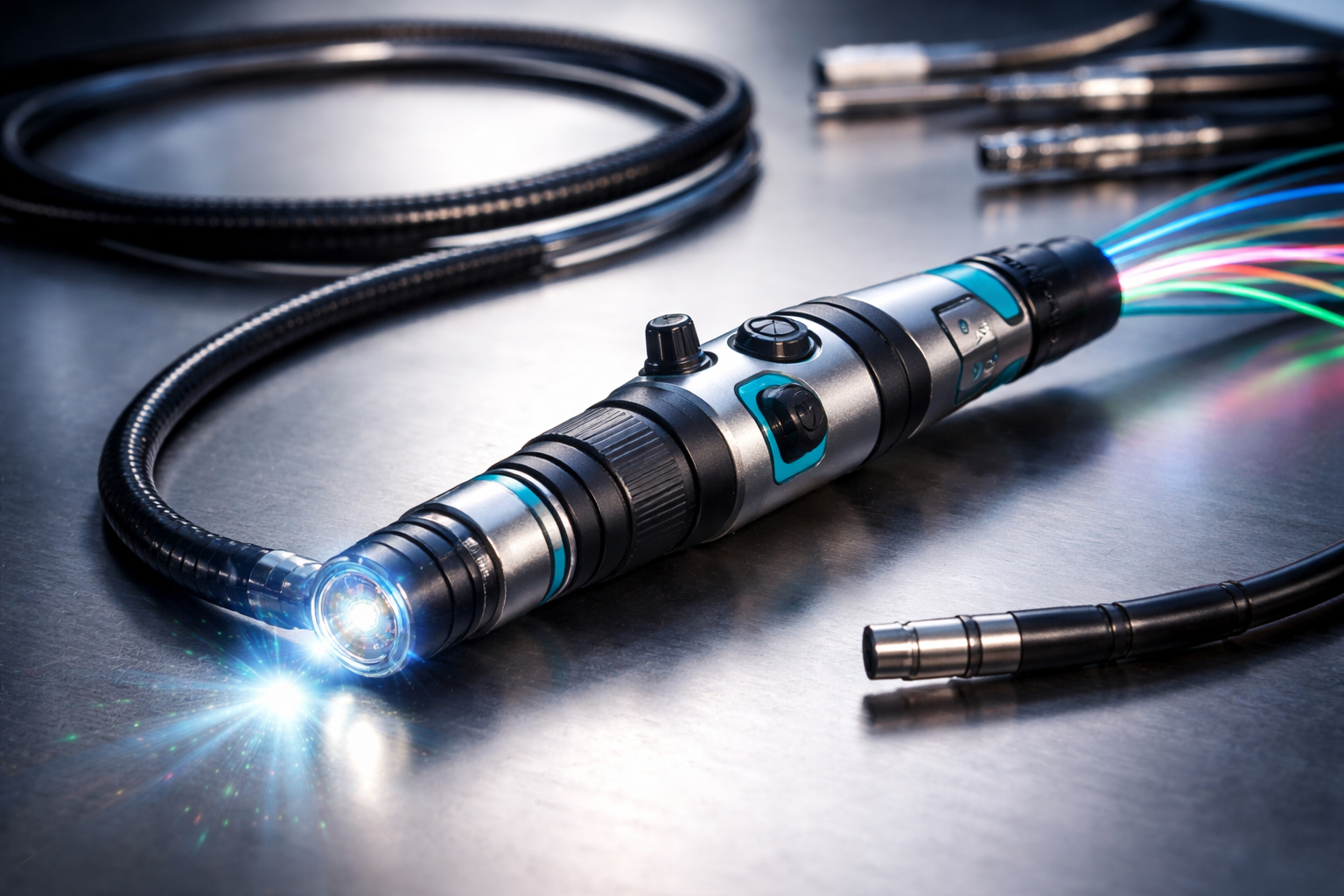
    By the mid-20th century, endoscopy and laparoscopy were ready for major advancement. Although instruments had evolved into semi-flexible designs, visualization was still limited by glass optics and heat-producing light sources. A breakthrough toward fully flexible, high-resolution imaging emerged through the combined demands of surgery and advances in optical physics, driven by the pioneering work of Harold Hopkins and Basil Hirschowitz.

Showing 21–40 of 40 episodes