Skip to content
Artwork for SciPod

SciPod

SciPod

Listen to the story behind the science.
SciPod boasts a rich reputation of bringing a new, authentic and easy communication style to lovers of science and technology.
Best of all, you can listen for free! so what are you waiting for, click play and start enjoying.

www.scipod.global

Play
  • 51 episodes
  • Avg 12 min
  • English
Counted on this page — what you have heard stays on this device, so it is not something the list can be paged by.
  • November 18 · 13 min

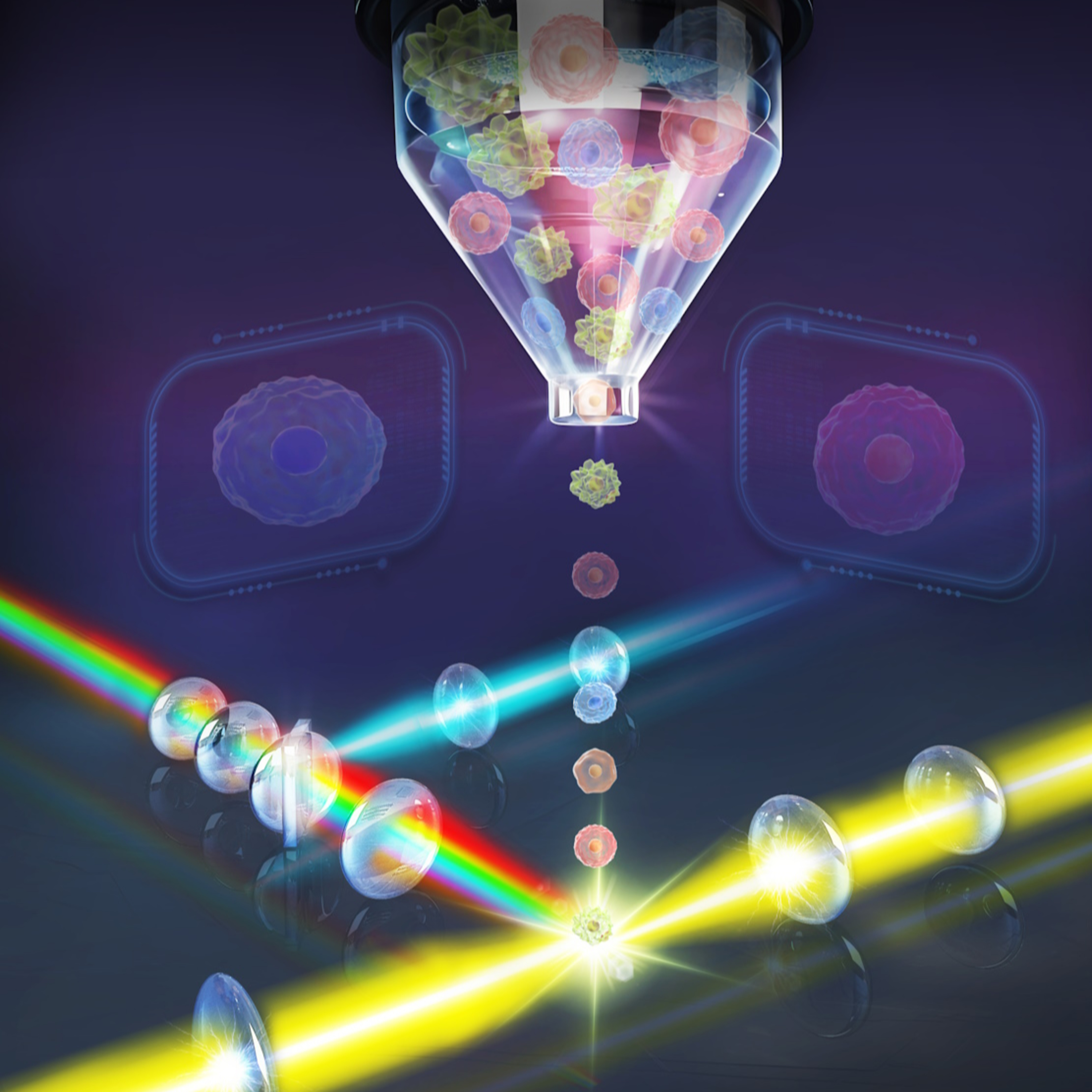
    The Cell Detectives: How Lasers and Artificial Intelligence Are Transforming Biology

    Imagine searching for one unusual face in a stadium packed with thousands of people. Now imagine that every person is moving, the faces are nearly invisible, and you have only a fraction of a second to decide whom to stop. This is remarkably close to the challenge scientists face when they try to identify a particular cell among millions. Yet finding the right cells can help researchers understand disease, investigate immune responses, and discover biological differences that would otherwise remain hidden.

  • November 17 · 14 min

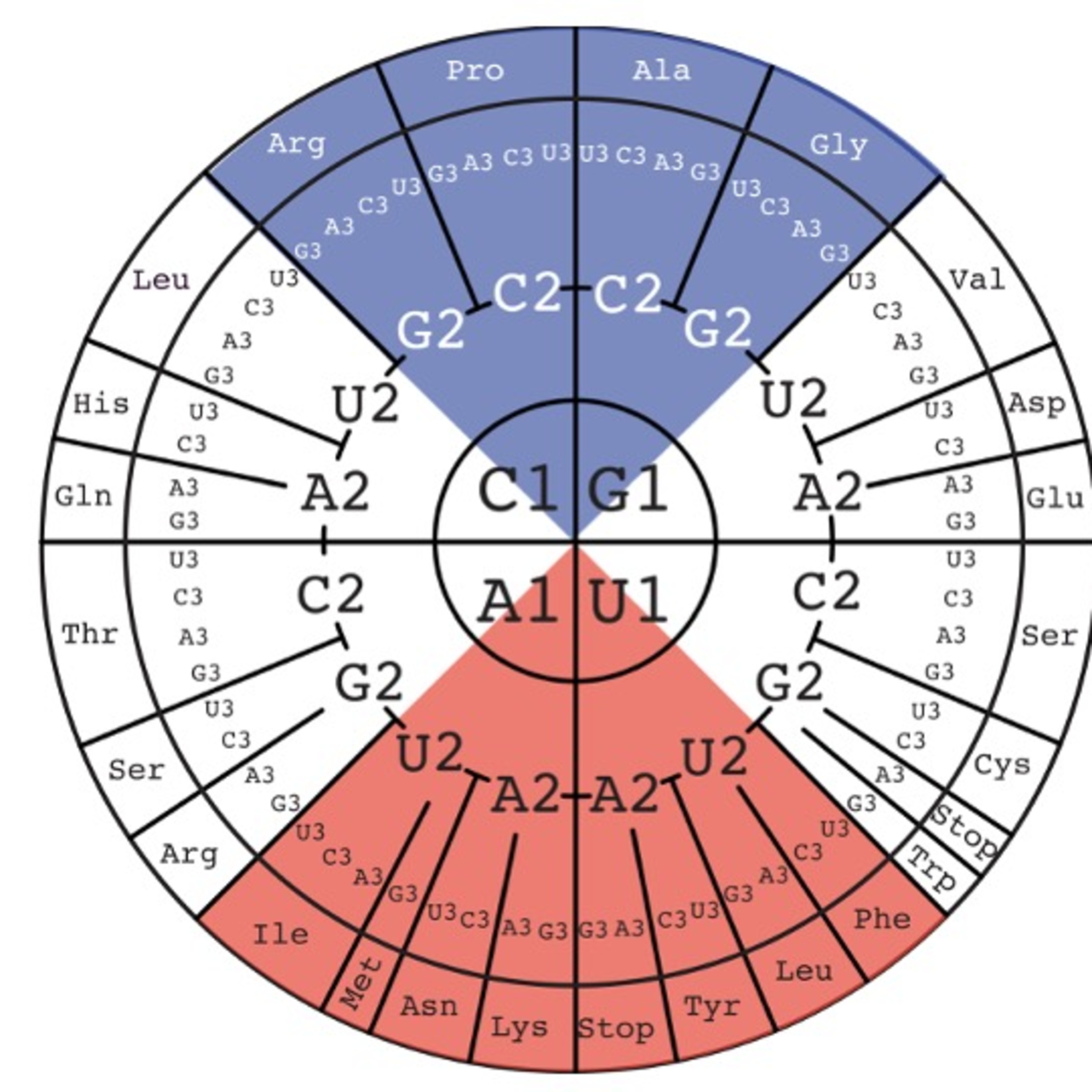
    The Hidden Physics of Life: Rethinking the Genetic Code

    For generations, biology students have encountered the genetic code as a neat table of letters. Across its rows and columns sit combinations such as AUG, GGC and UUU, each pointing to an ingredient used to build proteins. The table is one of science’s great achievements: a compact dictionary connecting genetic information with the molecules that make living cells work. Yet it also raises a question that textbooks rarely explore. Why is the code arranged as it is, and what might we discover by looking at it differently?

  • November 12 · 11 min

    The Stories We Taste: How Food Gives Voice to Memory, Identity and Belonging

    Think of a dish that instantly transports you somewhere else. Perhaps it is your grandmother’s soup, a birthday cake, or the smell of onions softening in a pan. Before you have taken a bite, you are back in another kitchen, surrounded by people whose voices you can almost hear. Food has done something extraordinary. It has told a story without saying a word. This is the idea behind the “food voice,” a concept explored by Rozanne Gold, an award-winning chef, journalist, and author. Our food voice is the distinctive way we experience, remember, describe and share food. It grows from family traditions, cultural expectations, personal associations and the senses. Like a speaking voice, it belongs to each of us, yet it is shaped by everyone who has helped feed us.

  • November 10 · 8 min

    When Ancient Stories Vanish: The Mystery of a Hittite Library

    Imagine archaeologists uncovering the remains of an ancient library and discovering something strange. Several copies of a remarkable story survive, but every one of them appears to come from roughly the same period. Centuries of later scribal activity left no newer copy. Was the story forgotten? Deliberately abandoned? Confined to a small circle of scholars? Or are the missing copies simply waiting to be found? That puzzle lies at the heart of research by Dr. Susanne Görke and Dr. Jürgen Lorenz, both of Philipps-Universität Marburg, into the “Song of Release,” a fascinating work preserved on clay tablets from the Hittite capital of Ḫattuša, in what is now Turkey. The composition belongs to a bilingual Hurrian-Hittite textual tradition. Its surviving fragments open a window onto a world in which stories, languages and scholarly knowledge moved across cultural boundaries.

  • November 9 · 8 min

    Gold, Labour and the Making of an Unequal South Africa

    A country can look modern and prosperous in one place, then desperately poor only a short distance away. South Africa makes this contrast unusually stark. Its mines, cities and financial institutions have long connected it to the heart of the global economy, yet enormous inequalities have divided people by race and class. The tempting explanation is that two different economies somehow exist side by side. Prof. Sam Ashman of the University of the Witwatersrand in Johannesburg asks us to see something more unsettling: these worlds are not separate. They were built together.

  • November 5 · 12 min

    The Healthcare Revolution That Technology Alone Cannot Deliver

    Imagine a patient with several health problems moving through a modern medical system. She may see a family doctor, a specialist, a hospital team, a pharmacist and perhaps a community service. Each professional may be highly skilled. Each organisation may own sophisticated software. Yet the patient can still find herself repeating the same story, carrying information between appointments, waiting for records to arrive and trying to understand who is responsible for what. The individual parts work well, but the journey doesn’t.

  • November 4 · 10 min

    The Vaccine Uptake Recipe: Which Ingredients Work for Different Groups?
    Vaccines can prevent serious illness, disability and death, but their benefits depend on people actually receiving them. When vaccination rates fall, the usual question is how to support more people to get vaccinated. Yet that question may be too simple. A reminder, a conversation, a financial incentive or a more convenient clinic can all help, but they do not necessarily help everyone in the same way. That is the central insight emerging from a major analysis led by Dr Sarah Davies and Dr Clare French, both of the University of Bristol, and colleagues. To go beyond asking whether broad categories such as “education” or “improved access” work, the researchers took apart vaccine uptake interventions to examine their individual ingredients. It is a little like studying recipes: knowing that a cake tastes good is useful, but knowing which ingredients make the difference is far more helpful if you want to create a better cake.

  • October 30 · 8 min

    When Academic Research Becomes Graphic Art: Women’s Bravery and Knowledge Making of Egypt’s 2011 Revolution

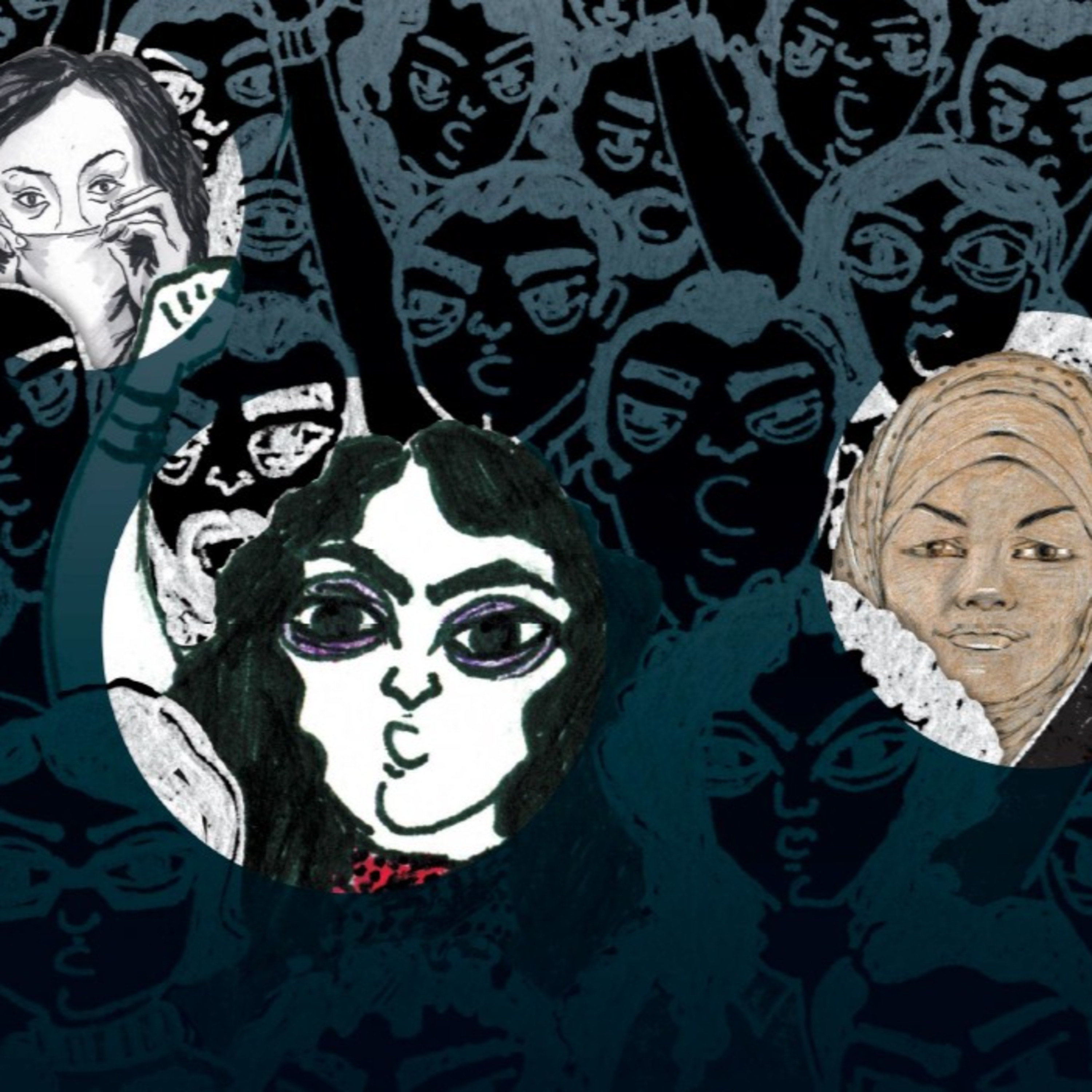
    The Egyptian Revolution of January 2011 may be recalled vaguely through memories of massive crowds in public squares, slogans that reverberated worldwide, and viral images on social media. Women belong at the center of public memory and understanding of this important revolution. During Egypt’s 2011 Revolution and its aftermath, women played a major role, leading demonstrations and negotiations and organizing frontline confrontations, while demanding bread, freedom, and social justice. Many also faced sexual violence in the public spheres, a strategy to isolate them from the masses and weaken the force of the revolution. A remarkable collaborative project led by Prof. Manal Hamzeh of New Mexico State University asks what happens when the women who lived and witnessed those experiences transform them into graphic art.

  • October 29 · 8 min

    Behind Every Reliable Result: Reinventing Quality Control in the Clinical Laboratory

    In a clinical laboratory, a number on a screen can shape a life. A test result may help diagnose a rare metabolic disorder, guide treatment, or reassure a family that a feared condition is absent. Before that number reaches a doctor, however, the laboratory has to answer a quieter question: can we trust it? That question is the purpose of quality control, or QC. Laboratories repeatedly test samples with known properties and examine whether their instruments are producing results that remain accurate and precise. When something begins to drift, QC can reveal the problem before unreliable patient results are released. The principle sounds straightforward. In biochemical genetics laboratories, however, the reality is anything but simple.

  • October 28 · 12 min

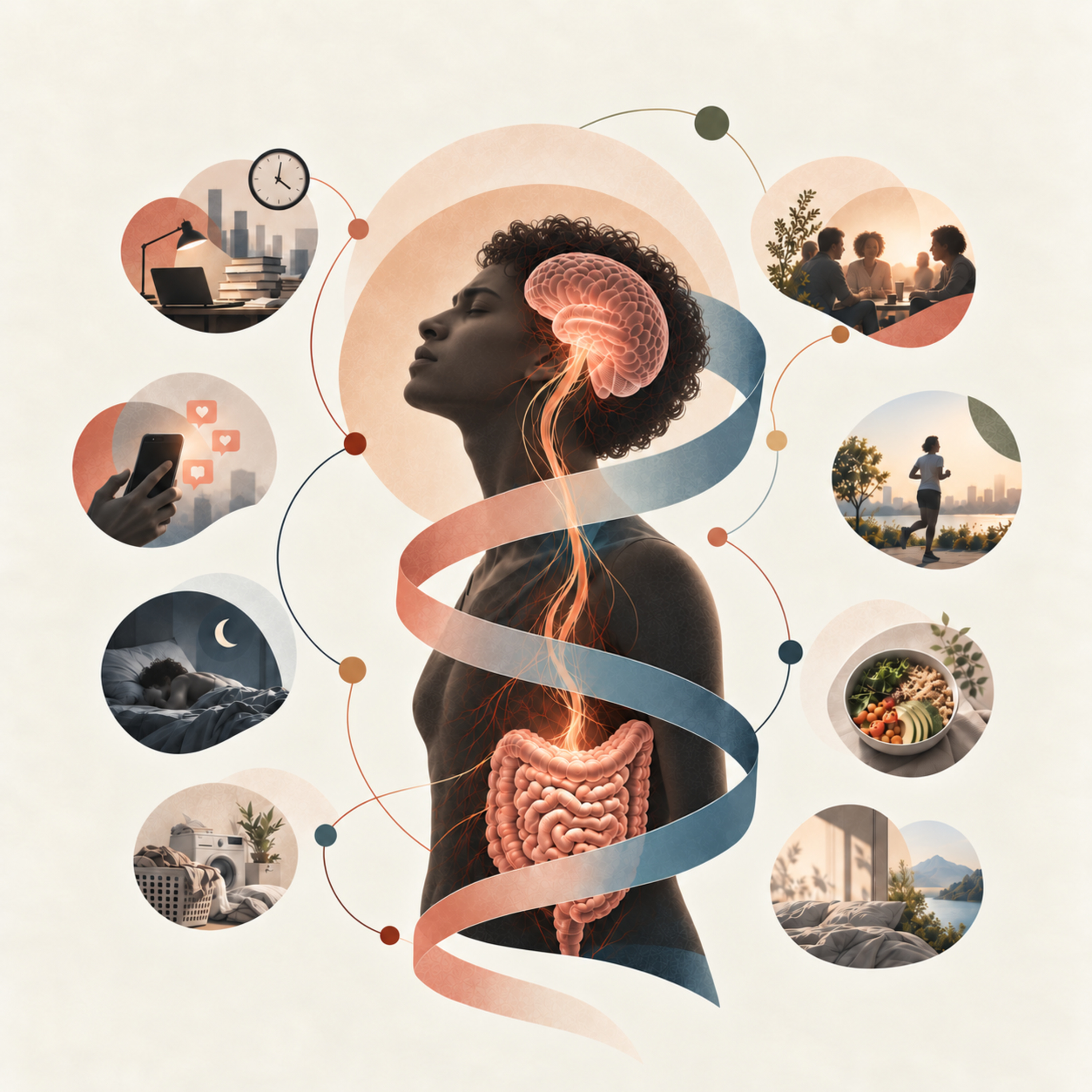
    The Depression Spiral: Rethinking an Illness That Refuses to Stand Still

    What if depression is best understood as a process that gathers momentum, rather than a fixed illness that simply appears once enough symptoms have accumulated? A difficult week becomes persistent stress. Persistent stress demands more coping. Coping becomes exhausting. Sleep, appetite, activity and relationships begin to change. Those changes can then create fresh stress, pushing a person further down a self-reinforcing spiral.

  • October 27 · 8 min

    When Knowledge Is Not Enough: Building Trust Around Prostate Cancer

    For many men, a conversation about prostate cancer begins long before they enter a doctor’s office. It may begin when a brother mentions a test, when a friend describes a frightening diagnosis, or when a family member dies from cancer. For Black men, those conversations carry particular urgency. Prostate cancer affects them much more often, yet knowing that a disease is dangerous does not automatically mean people have the information, confidence, or trusted relationships needed to make decisions about screening.

  • October 26 · 12 min

    A New Way to Tackle Stubborn High Blood Pressure

    High blood pressure or hypertension is often called the silent killer, because the symptoms that it does cause beyond headache (such as nervousness, sleep disturbance, and poor exercise tolerance) have not typically been linked to elevated blood pressure. Over the years when blood pressure remains uncontrolled it damages the heart, brain, kidneys, and blood vessels and impairs their function. Millions of people take blood pressure medication every day for the purpose of lowering their blood pressure to normal levels. For many, those medicines work well, however for others, the numbers on the blood pressure monitor remain stubbornly high despite taking several different antihypertensive drugs. This frustrating situation leaves patients at increased risk for preventable health problems (such as stroke, and heart failure) and both them and their doctors searching for better answers.

  • October 23 · 8 min

    When Support Disappears: Rethinking a Good Adult Life for Autistic Young People

    Turning eighteen is often presented as a doorway to independence. For many autistic young people, however, it can feel more like reaching the edge of a map. Supports available through childhood may suddenly shrink or disappear just as adult life becomes more complicated. Education, employment, relationships, independent living and healthcare can all demand new forms of navigation at once. This abrupt loss of support is sometimes described as a “services cliff”, and it helps explain why the transition into adulthood deserves far more attention than it has traditionally received.

  • October 23 · 8 min

    When Belonging Becomes a Lifeline at School

    A high school can contain hundreds of students sharing the same hallways, classrooms, and lunch tables, yet those students may experience very different versions of the same place. For one teenager, diversity may feel woven naturally into school life, with teachers encouraging friendships across ethnic groups and the school visibly respecting different cultures. For another, the same school may feel divided or unwelcoming. Those perceptions are important because adolescence is a time when young people are working out where they fit, who they are, and whether the people around them value their presence.

  • October 22 · 12 min

    When Winter Viruses Lost the Calendar
    For decades, respiratory viruses seemed to follow a familiar seasonal script. As autumn cooled into winter, influenza returned, respiratory syncytial virus, better known as RSV, filled pediatric wards, and a collection of other viruses circulated alongside them. Hospitals could never predict the season perfectly, but experience provided a rough map of what was coming. Then COVID-19 arrived, and the map stopped matching the territory.

  • October 20 · 7 min

    When AI Polishes Our Words, Does It Polish Away Our Feelings?

    Every day, millions of people turn to artificial intelligence for help finding the right words. A rough email can become smoother, while a quick product review becomes polished and articulate with a minimum of effort. The changes can seem harmless, and often appear very helpful in clarifying our intended message. But what if polishing our language also quietly changes the emotional signals we had originally intended to convey?

  • October 20 · 12 min

    When a Question Reveals a World: Race, Memory, and the Work of Thinking

    A man is raking leaves outside his own home on a crisp November afternoon in Ithaca, New York. The task is ordinary, even pleasurable: repetitive physical work in an affluent, leafy neighborhood. Then a white couple stop their car. The woman calls the man over and asks whether he would like another job. In a few seconds, an everyday scene becomes something much larger. The man is not a gardener looking for work. He is Grant Farred, a professor at Cornell University, and the garden is his own. Yet the woman's question carries an assumption about who he is, what kind of work he does, and where a Black man apparently belongs in the social order. Farred's account of this encounter becomes the starting point for a remarkable exploration of race, memory, language, and thinking.

  • October 19 · 17 min

    Learning to Argue: How Debate, Planning and Strategy Can Build Better Writers

    What happens between having an opinion and writing a convincing argument? For many teenagers, the distance is surprisingly large. A student may argue energetically with friends, spot weaknesses in someone else’s reasoning, and explain why a rule seems unfair, yet struggle when asked to turn those abilities into a formal essay. On the page, there is no opponent waiting to respond and no immediate question demanding clarification. The writer has to create that dialogue alone.

  • October 16 · 7 min

    Mapping the Hidden Geography of Gambling Risk
    A lottery ticket is small enough to slip into a pocket, but the forces that shape gambling behavior can stretch across families, neighborhoods, shopping districts, and entire communities. A Massachusetts study led by Dr. Kendra Pugh asks an important but deceptively simple question: when gambling becomes risky or problematic, how much depends on the person, and how much depends on the place?

  • October 15 · 11 min

    Reading the Mosquito: What Two New Genomes Can Tell Us About Malaria

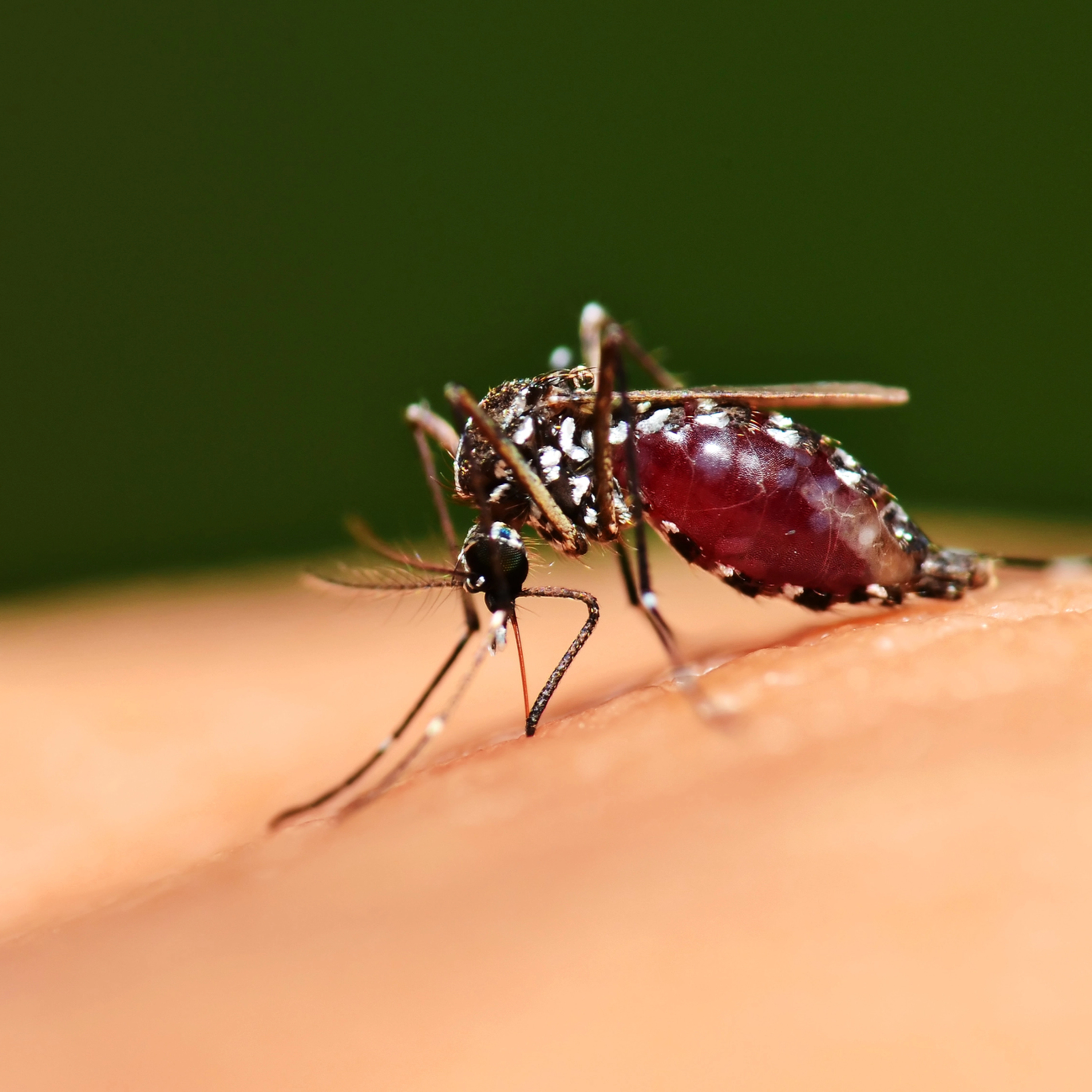
    A mosquito’s whine is easy to dismiss as a minor irritation. Yet some mosquitoes carry one of humanity’s oldest and deadliest diseases. Malaria is caused by microscopic Plasmodium parasites, but those parasites depend on Anopheles mosquitoes to move from one human host to another. Understanding the mosquito, therefore, is an important part of understanding the disease. Every new genetic reference gives researchers another way to investigate what makes these insects effective vectors, how populations differ, and how their biology may shape transmission. Two recent genome announcements involving Dr. Shimaa Ghazal and student researchers at Phillips Exeter Academy add new genetic resources for studying two particularly important malaria vectors: Anopheles gambiae and Anopheles stephensi.

Showing 1–20 of 51 episodes