Skip to content
Artwork for SciPod

SciPod

SciPod

Listen to the story behind the science.
SciPod boasts a rich reputation of bringing a new, authentic and easy communication style to lovers of science and technology.
Best of all, you can listen for free! so what are you waiting for, click play and start enjoying.

www.scipod.global

Play
  • 26 episodes
  • Avg 13 min
  • English
Counted on this page — what you have heard stays on this device, so it is not something the list can be paged by.
  • July 23 · 12 min

    Listening Is Half the Conversation: How Bilingual Minds Are Reshaping Our Understanding of Speech Disorders

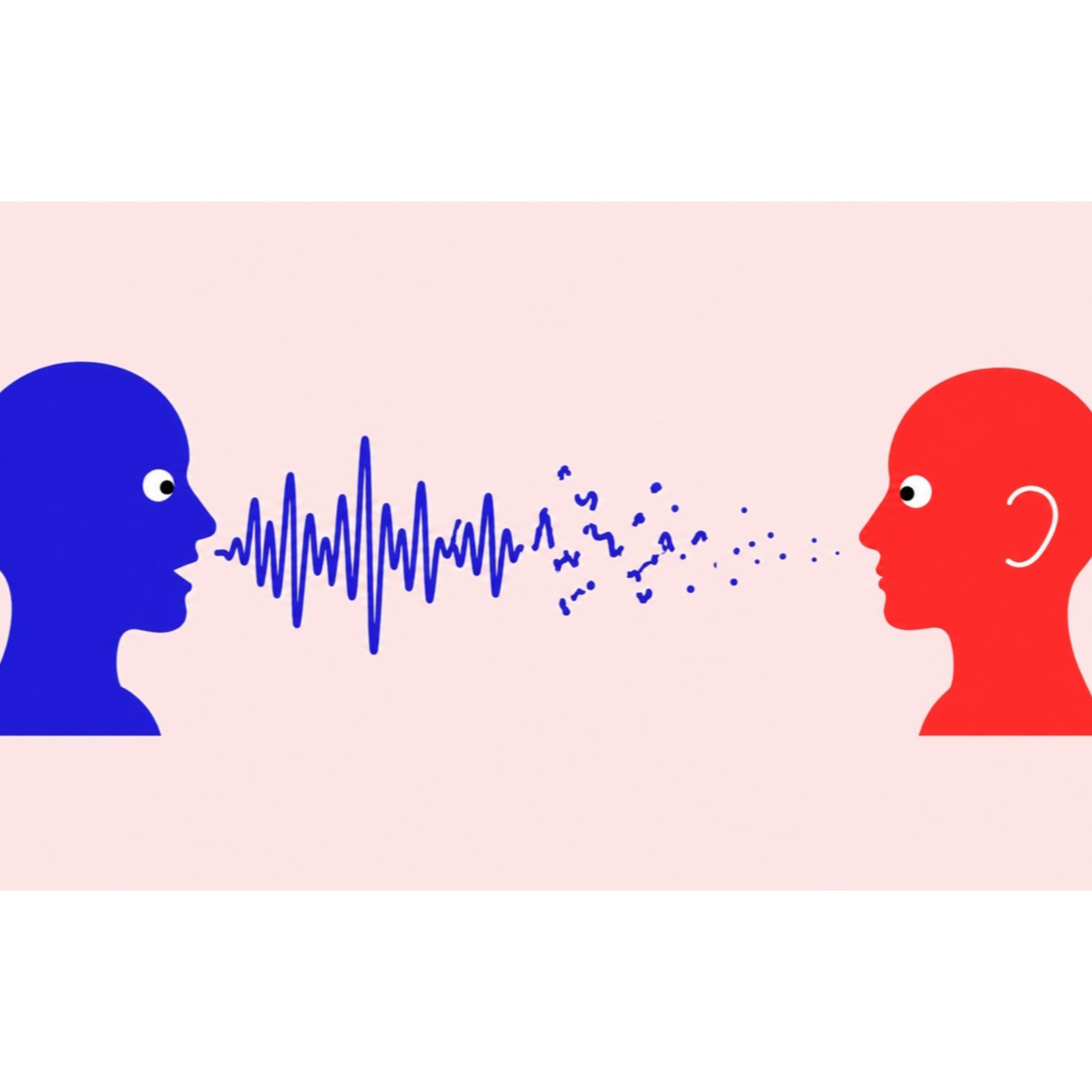
    Imagine sitting across the kitchen table from someone you have known for decades. They begin telling you about their day, but something has changed. Their words are slower than they once were. Some sounds are blurred together, others seem to disappear entirely. You know the person well. You know the stories they are likely to tell and the expressions they often use. Yet despite all of that familiarity, you find yourself asking them to repeat themselves again and again.

  • July 22 · 12 min

    When the Brain’s Plumbing Is Not the Problem

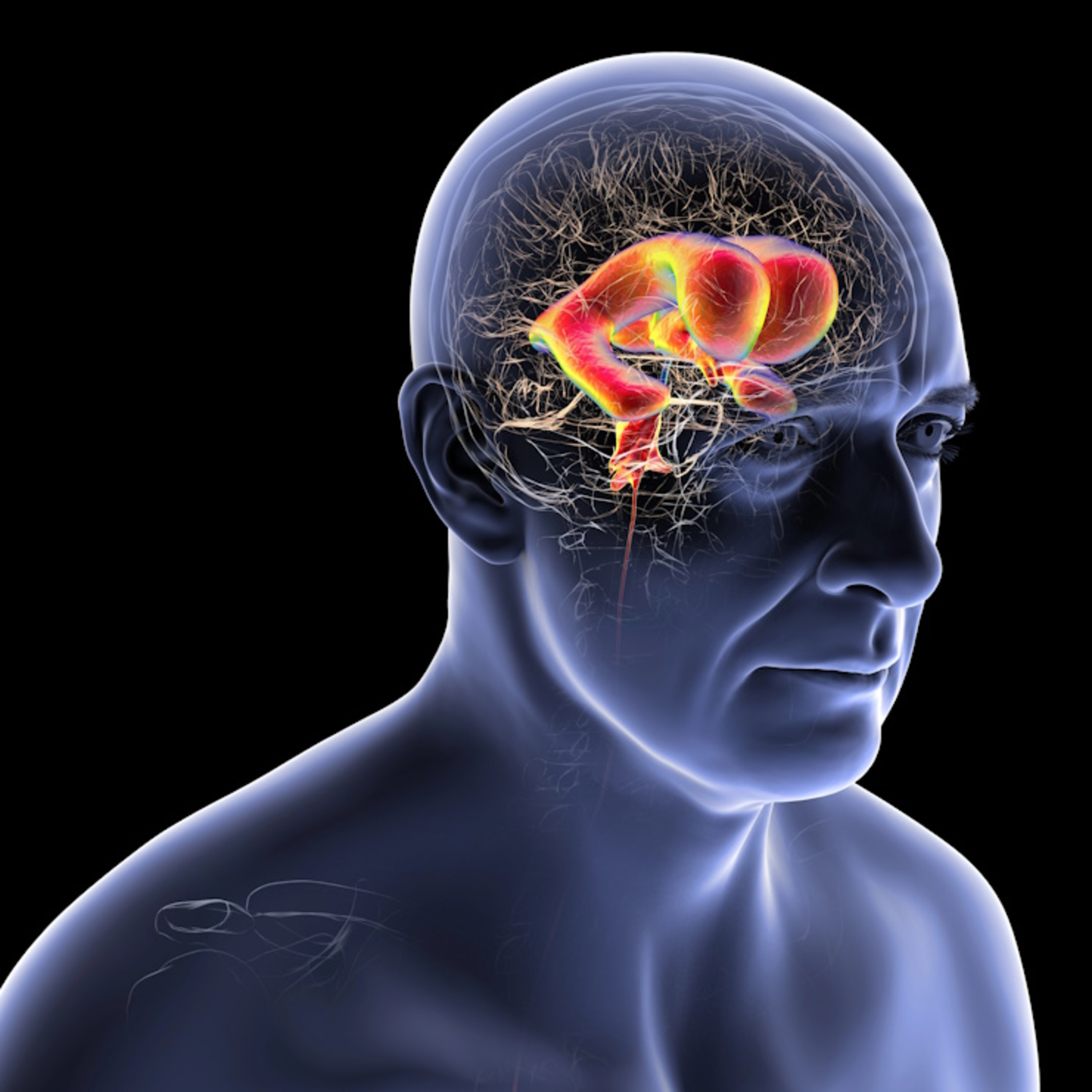
    For decades, doctors have puzzled over a strange and often misunderstood condition called normal pressure hydrocephalus. People with the disorder may begin to shuffle when they walk, struggle with memory, or lose bladder control. Brain scans reveal enlarged fluid-filled spaces called ventricles, yet the pressure inside the skull often appears surprisingly normal. It is a medical paradox that has challenged neurologists and neurosurgeons since the condition was first described in the 1960s. Now, new research is offering a radically different way of thinking about what may actually be happening inside the brain. Rather than viewing normal pressure hydrocephalus as a simple problem of fluid buildup, researchers are beginning to see it as a disorder of energy, rhythm, and pulsation.

  • July 21 · 12 min

    When Floodwaters Rise: What Australia’s Battle with Fire Ants Reveals About Nature’s Great Survivors

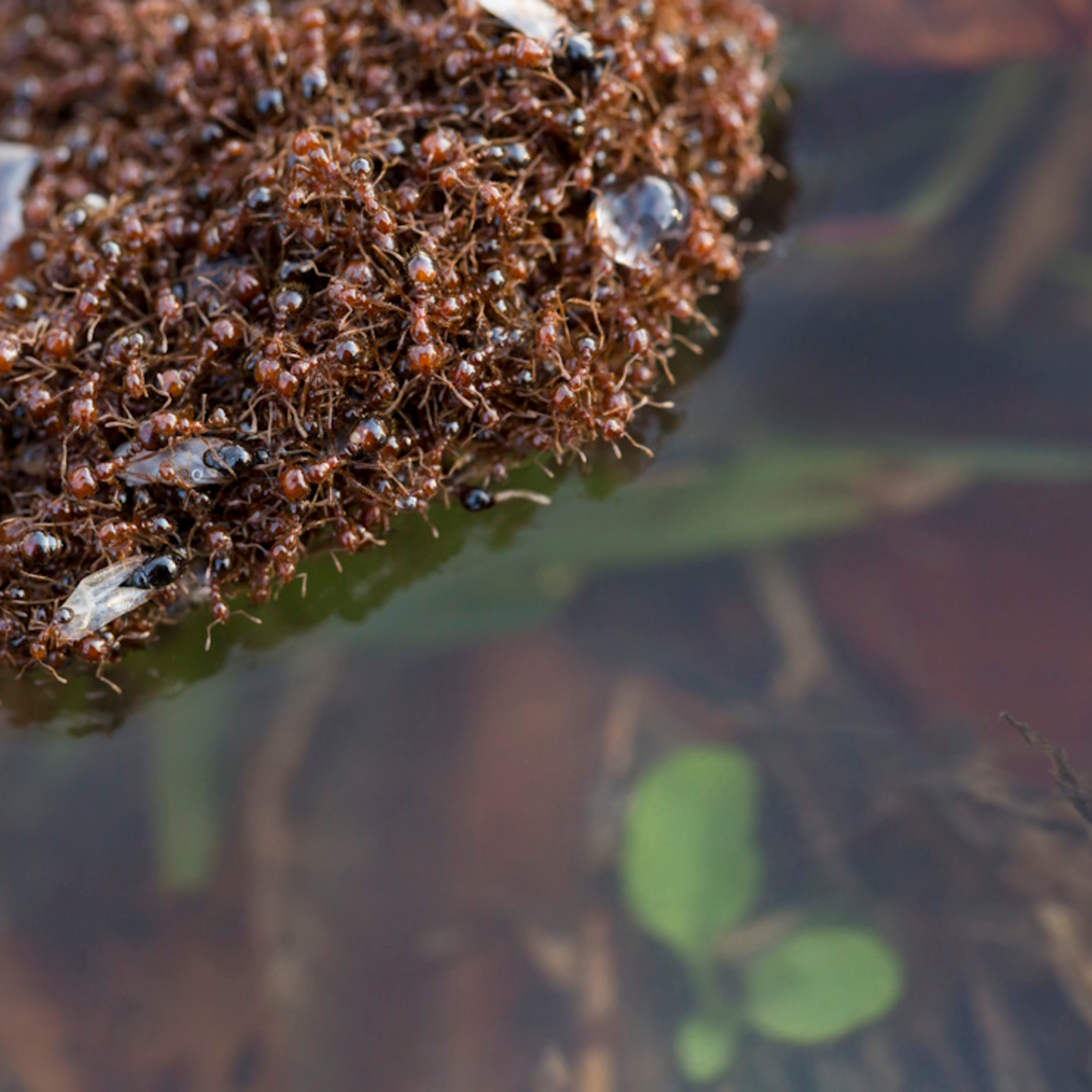
    When most of us imagine a flood, we think of destruction, displacement, and recovery. Few would imagine that some of nature’s smallest creatures see floodwaters not only as a threat but also as an opportunity. Among these remarkable survivors is the red imported fire ant, an invasive species that has become one of Australia’s most closely monitored pests. Fire ants are notorious for their painful stings and their ability to spread rapidly across landscapes. Native to South America, they have successfully established themselves in several countries around the world. In Australia, where authorities have invested heavily in an ambitious eradication program, understanding how these ants move and survive is critical. One of the most fascinating questions researchers have explored is whether floods help fire ants spread into new territory. The answer turns out to be more complicated than many people might expect.

  • July 13 · 16 min

    The Missing Piece in Medical Diagnostics: Why the Right Samples Matter

    When a new medical test reaches a clinic or laboratory, most people focus on the technology itself. They think about the machine, the test kit, or the scientific breakthrough that makes diagnosis possible. Yet behind every successful diagnostic test lies something far less visible but equally important: the biological specimens used to develop and validate it. Without the right samples, even the most promising diagnostic innovation can fail. A test may appear accurate in the laboratory but perform poorly in real-world settings. It may work well for one patient population but struggle in another. It may detect a disease in some regions of the world while missing important variations elsewhere.

  • July 10 · 10 min

    Sleeping More Than Ever Before: The Surprising Science of Extra Sleep and Anxiety

    For centuries, sleep has remained one of humanity’s greatest biological mysteries. We spend roughly a third of our lives doing it, yet scientists are still trying to fully understand why the brain insists upon sleep. It seems clear that sleep restores the body, sharpens memory, regulates emotions, and keeps countless internal systems in balance. But one major problem has always complicated sleep research: most experiments focus on what happens when sleep is taken away. That approach has taught researchers a great deal. Sleep deprivation has been linked to poor concentration, weakened immune function, emotional instability, and a long list of health problems. Yet asking what happens when sleep is removed only tells part of the story. It is a little like studying hunger by starving people without ever exploring what happens when they are exceptionally well fed.

  • July 9 · 11 min

    The Hidden Signals of the Heart: How Genetics Is Transforming the Fight Against Sudden Cardiac Death

    The human heart beats with a rhythm so steady that most of us rarely stop to consider it. Each pulse carries oxygen, sustains life, and quietly reflects the intricate biological systems that keep us alive. However, this familiar rhythm requires a delicate electrical balance. When that balance is disturbed, the consequences can be sudden and severe. Among the most striking examples is Long QT syndrome, a condition that can lurk silently until it triggers a dangerous arrhythmia or even sudden cardiac death.

Showing 21–26 of 26 episodes