Skip to content
Artwork for Obesity: The War Within

Obesity: The War Within

Brian Samuel, MD

Obesity: The War Within with Dr. Brian Samuel, physician board certified in both obesity medicine and family medicine.

Your body isn't broken. It's talking, and most doctors never had time to translate. This show covers hunger, metabolism, hormones, sleep, stress, inflammation... the real physiology behind why your body does what it does, explained in plain language straight from the clinic.

Stop Googling symptoms at midnight. Stop guessing at every meal and workout. Start understanding the system you're working with, so you can finally use it instead of fight it.

Play
  • 23 episodes
  • Avg 5 min
  • English
Counted on this page — what you have heard stays on this device, so it is not something the list can be paged by.
  • Tuesday · 7 min

    Why Constipation Happens

    Your stomach feels tight and heavy, and it's been four or five days since you've gone to the bathroom. If this is you right now, Dr. Brian breaks down why constipation happens so often on GLP-1 medications, and why it's about a lot more than just the drug slowing you down. He walks through what your gut actually needs to work properly, the fiber mistake that makes everything worse, and simple daily habits like flax seed, pumpkin seeds, and electrolytes that can prevent it before it becomes miserable. He also answers a question he gets asked constantly, what causes those sulfur smelling burps, and what protein, deli meat, and fluids have to do with it. This is education, not personal medical advice. Follow the show so you don't miss the next episode, and send this to someone who needs to hear it

  • S5 · E7
    August 17 · 6 min

    Why You Vomit, Burp, Feel Bloated, or Get Reflux

    You eat a normal dinner, and an hour later you're burping, bloated, and lying awake with heartburn. In this episode, Dr. Brian explains why a slower stomach causes burping, bloating, reflux, and vomiting, why timing and portion size matter more than the food itself, and why the "paralyzed stomach" fear you've seen online is not the everyday reality. This is education, not personal medical advice. Follow the show so you do not miss the next episode, and send this to someone who needs to hear it.

  • S5 · E6
    August 17 · 6 min

    Why you get Nausea

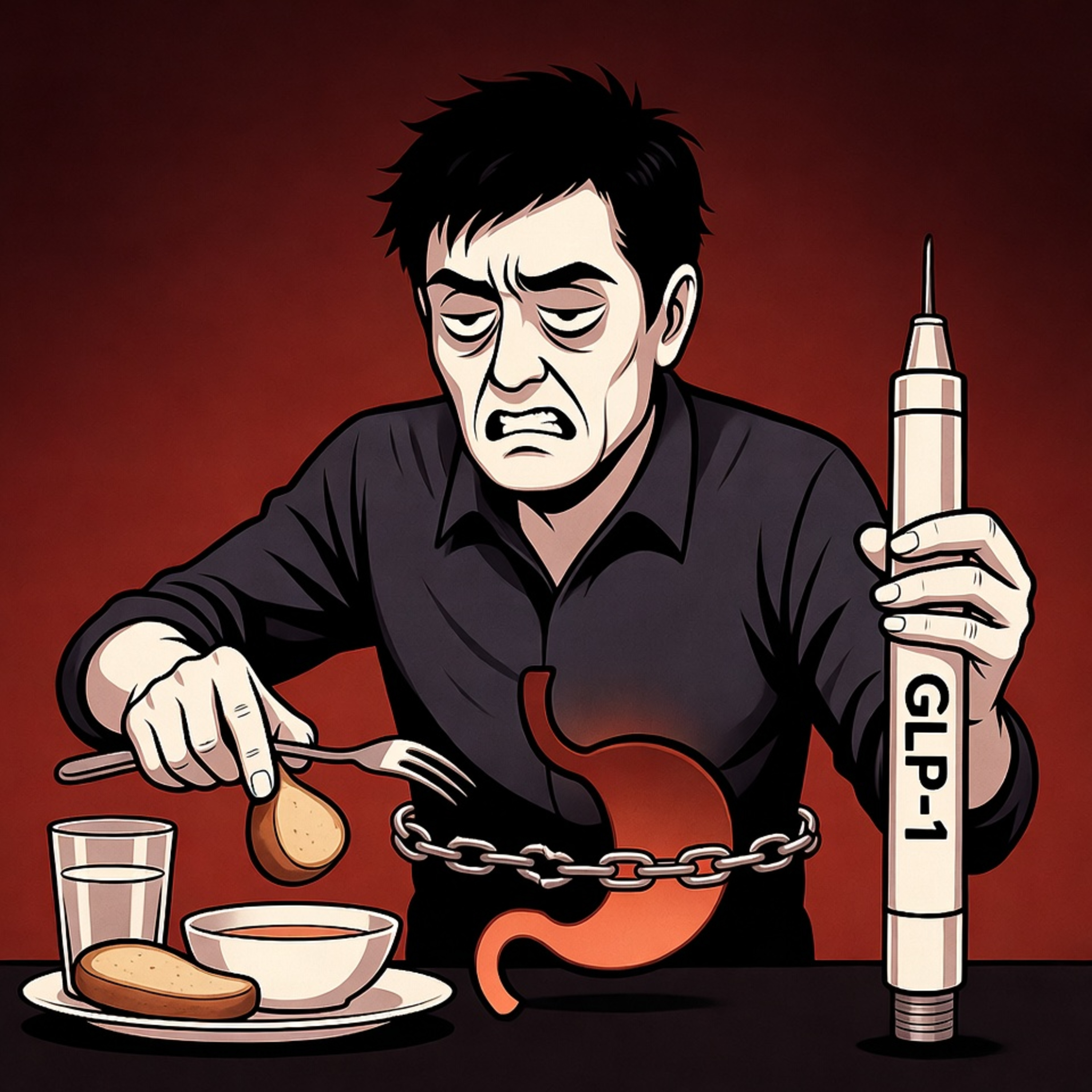
    That sick feeling after eating is one of the biggest fears before starting these medications, and one of the biggest reasons people quit. In this episode, Dr. Brian explains why nausea happens, why your stomach empties slower now, why your full point shows up earlier than it used to, and what you can actually do about it tonight. This is education, not personal medical advice. Follow the show so you do not miss the next episode, and send this to someone dealing with it right now.

  • July 31 · 2 min

    The Hidden Cost of Barely Eating, muscle loss and weight plateau

    Two people can receive the same GLP-1 medication and still experience completely different results.The scale shows a number. It cannot show differences in blood sugar regulation, muscle, sleep, stress, hydration, digestion, hormones, dieting history, or whether the body is receiving the supplies it needs.Slower does not mean broken. Faster does not automatically mean healthier. Different bodies begin with different histories.Created by Dr. Brian Samuel, a physician board certified in obesity medicine and family medicine.This video is for general education only and is not personal medical advice.Subscribe for the next chapter, where the hidden supply difference is finally revealed.#GLP1 #ObesityMedicine #WeightLossScience #HealthEducation #TheWarWithin

  • July 31 · 56 sec

    Same Dose, Different Results: What the Scale Cannot See

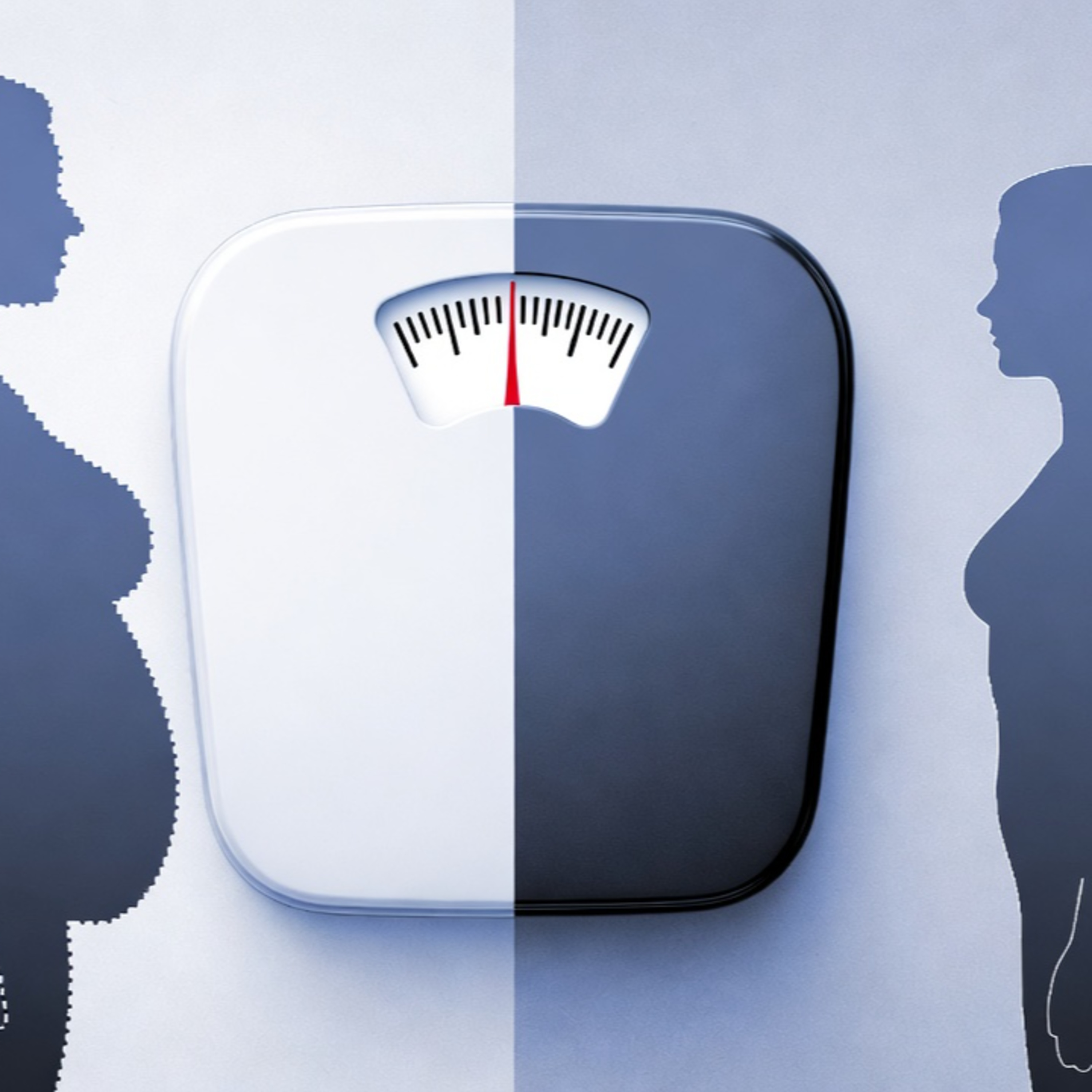
    Two people can receive the same GLP-1 medication and still experience completely different results.The scale shows a number. It cannot show differences in blood sugar regulation, muscle, sleep, stress, hydration, digestion, hormones, dieting history, or whether the body is receiving the supplies it needs.Slower does not mean broken. Faster does not automatically mean healthier. Different bodies begin with different histories.Created by Dr. Brian Samuel, a physician board certified in obesity medicine and family medicine.This video is for general education only and is not personal medical advice.Subscribe for the next chapter, where the hidden supply difference is finally revealed.#GLP1 #ObesityMedicine #WeightLossScience #HealthEducation #TheWarWithin

  • July 28 · 55 sec

    Food noise vs Hunger Signal

    Are you physically hungry, or is your brain continuing to think about food?Food noise can feel like repeated thoughts about eating, cravings, or the urge to search for food even when your body may not need energy. Physical hunger usually develops gradually and improves after eating enough food.In this BODYVERSE episode, Food Noise and Hunger Signal show why these experiences can feel similar while coming from different signals.This video is for general education and does not provide personal medical advice. Hunger, cravings, eating behavior, and treatment response can vary between individuals. Subscribe today. More content on briansamuelmd.com

  • July 28 · 48 sec

    Food Noise: The Voice Controlling Your Hunger Was Never You

    That nonstop voice in your head about food has a name: food noise.Enter The Bodyverse and discover how your body’s natural GLP-1 signal helps fullness reach the brain, slows digestion, supports blood sugar regulation, and turns down the constant thoughts about food.Medication can strengthen that natural signal but this was never simply about willpower.Briansamuelmd.com

  • S5 · E5
    July 22 · 6 min

    Barely Eating Is Not Winning: Why Starving Backfires

    People tell me almost proudly that they barelyate anything today, like the less food they can get by on, the better the medication is working. That belief is quietly making a lot of people sick. In this episode I walk through what actually happens inside your body when almost no food comes in, why you end up cold, dizzy, exhausted, and irritable, and why a starving body holds onto weight instead of letting it go. This also explains why every crash diet you ever tried backfired, so it matters even if you've never touched a medication. I'm not your doctor, and this is education, notpersonal medical advice.

  • S5 · E4
    July 22 · 5 min

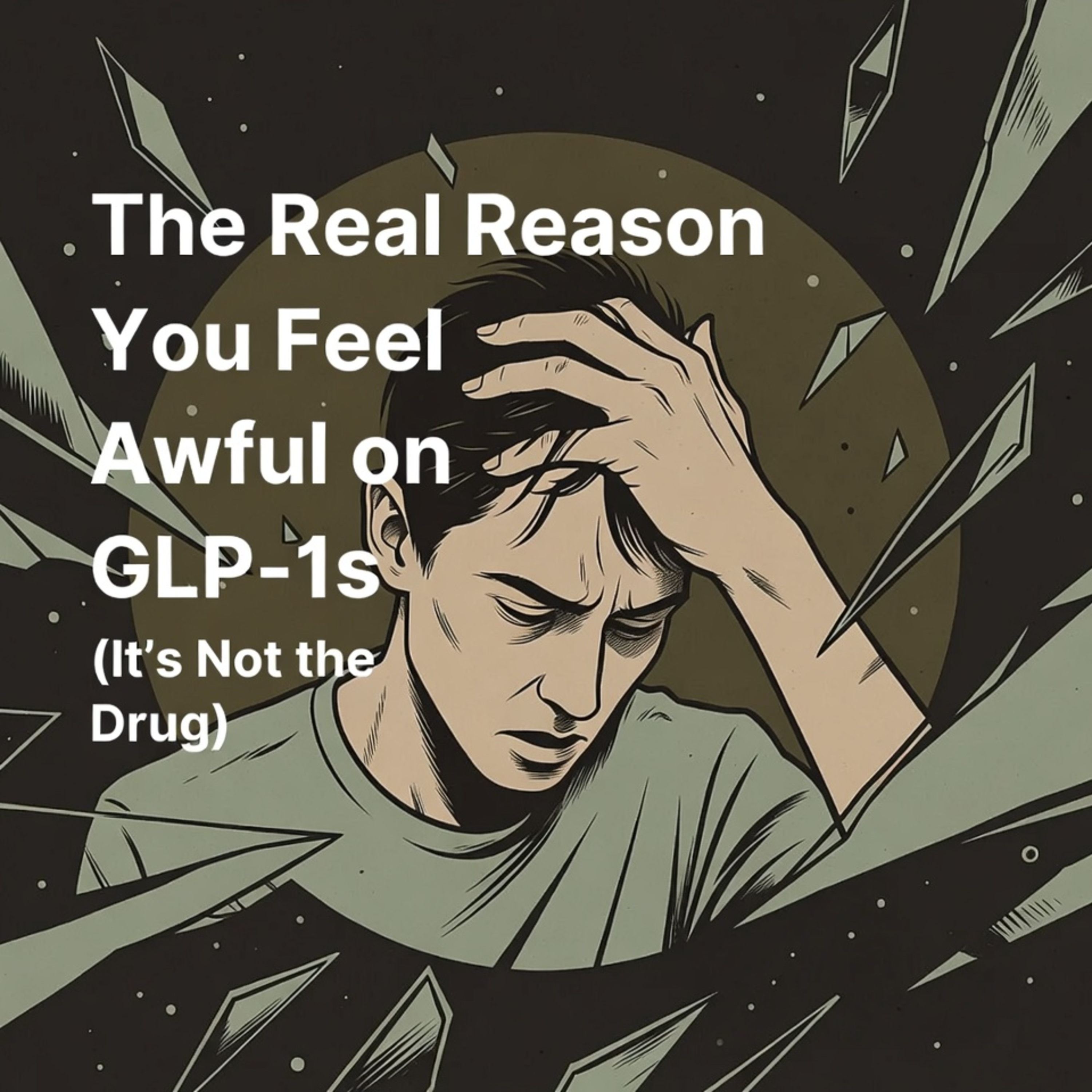
    The Real Reason You Feel Awful on GLP-1s (It's Not the Drug)

    The tiredness, the headaches, the hair in the shower drain. Most people blame the medication, and most of the time the real cause is what they quietly stopped eating. This might be the most important episode of the season. I explain why turning off hunger did not turn off your body's needs, why an empty tank gets mistaken for a side effect, and the one question to ask yourself before you blame the shot for how you feel. If you only listen to one episode this season, make it this one. I'm not your doctor, and this is education, not personal medical advice.

  • S5 · E3
    July 22 · 5 min

    Same Dose, Different Results: Why Everyone Loses Weight Differently

    Two people start the same medication, same day, same dose. One loses thirty pounds, the other loses eight, and the one who lost eight is lying awake wondering what'sbroken inside her. Nothing is. Today I explain why bodies respond on completely different timelines, why comparing your results to a stranger's is comparing two different math problems, and why stronger side effects do not mean betterresults. If you've ever watched someone else lose faster and blamed yourself, this episode is going to take a weight off you that isn't on any scale. I'm not your doctor, and this is education, not personal medical advice. Follow or subscribe so you don't miss the next one, and pass it along to someone stuck in the comparison trap. Visit Briansamuelmd.com

  • S5 · E2
    July 21 · 7 min

    Food Noise: Why Your Brain Never Stops Thinking About Food

    There's a voice in your head that has been talking about food since you woke up this morning, and you've spent years calling it weakness. It isn't. In this episode, I explain what food noise really is, why some brains have the volume turned up louder than others, what actually happens when it finally goes quiet, and why one normal thought about a snack does not mean your medication is wearing off. This one is for everybody, on the medication or not, because the voice is the same either way. I'm not your doctor, and this is education, not personal medical advice. Hit follow or subscribe so the next episode comes right to you,and share this with someone who's been fighting that voice alone.

  • S5 · E1
    July 19 · 7 min

    The Hormone That Quiets Food Noise: Doctor Explains GLP medications

    A few months ago, a patient sat in a doctor's office and cried. Not from sadness. From relief. For the first time in her life, she finished dinner and simply stopped thinking about food. This animated episode of The War Within goes inside the body to explain why. Dr. Brian Samuel, a physician who specializes in weight management, shows how a natural hormone made in the gut carries the message of fullness to the brain, why that message arrives clearly for some people and quietly for others, what food noise really is, and why it can finally go silent. The answer was never about willpower. It was always about signals. This episode also explains the medications everyone is asking about, including Ozempic, Wegovy, Mounjaro, and Zepbound, what makes semaglutide and tirzepatide different, and why these medications are tools, not magic and not cheating. Then, one week later, that patient called the office scared. What she said sends thousands of people searching for answers at midnight. That story continues in the next episode. Follow the show so you don't miss it. This content is education, not personal medical advice. Every body and every health situation is different. Use what you learn here to ask your own clinician better questions. The War Within treats people as whole human beings, not numbers on a chart.

  • July 17 · 8 min

    Night Hunger Isn't a Willpower Problem. It's Ghrelin. A Doctor Explains

    You barely think about food all day. Coffee, meetings, pushing through. Then evening comes and the hunger hits like something took over. Most people call that a discipline problem. It isn't. It's a hormone called ghrelin, and it's doing exactly what it was designed to do. In this episode, Dr. Brian Samuel, obesity medicine physician, explains ghrelin in plain English: why it's less of a hunger hormone and more of an alarm system, why it gets louder with skipped meals, short sleep, and stress, and why nighttime hunger doesn't whisper, it shouts. You'll learn why the answer isn't suppressing hunger but making it quieter through one simple thing: predictability. Not perfection. Not strictness. Just enough consistency that your body stops bracing. If you've ever ended the day feeling like your hunger erased all your effort, this episode will change what you believe about yourself. This podcast is for education and is not personal medical advice.

    • Transcript
  • July 17 · 5 min

    What Actually Helps in Midlife: The Short List That Changes Everything

    Nine episodes of understanding come down to this. In the Season 4 finale, Dr. Brian Samuel pulls it all together and answers the question underneath every episode this season: okay, so what do I actually do? The honest answer is not a 30-day plan or a supplement stack. It's a short list that does the heavy lifting: sleep, strength, protein, walking, rhythm, and learning to read your own body. Simple is not the same as easy, but it is the same as possible. Remember, this podcast is for education and is not personal medical advice.

    • Transcript
  • S4 · E9
    July 17 · 5 min

    Dismissed, Rushed, and Told It's Just Aging: Why Doctors Miss Midlife Hormonal Change

    You sat in the office. You described the sleep changes, the anxiety, the weight that showed up out of nowhere. And you were handed a shrug, a rushed visit, or the words "everything looks normal." In this episode, Dr. Brian Samuel gets honest about something most physicians won't say out loud: how often women in midlife are given vague, incomplete, or dismissive explanations, and why the system misses the pattern even when the pattern is right there. Then he gives you the tools to change the conversation: how to describe your symptoms so they can't be waved away, what questions to ask, and how to advocate for yourself without becoming the "difficult patient." You were never imagining it. This podcast is for education and is not personal medical advice.

    • Transcript
  • S4 · E8
    July 17 · 5 min

    The Most Protective Habit for Women Over 35: Strength Training Explained

    If exercise has always meant burning calories, this episode will change how you think about movement. Dr. Brian Samuel explains why strength training becomes one of the most protective things a woman can do after 35: for muscle, bone, blood sugar, metabolism, and confidence. We talk about why muscle quietly declines with age, why that matters far more than the scale, and how to start even if you've never touched a weight in your life. No gym culture, no punishment, no all-or-nothing. Just a doctor explaining why strong is the goal that actually pays off for decades. This podcast is for education and is not personal medical advice.

    • Transcript
  • S4 · E7
    July 17 · 4 min

    Insulin Resistance in Women

    You're eating the way you always have, but your body is responding like the rules changed. In this episode, Dr. Brian Samuel breaks down insulin resistance in plain language: what insulin actually does, why hormonal transition makes blood sugar handling shift, and how that connects to stronger cravings, afternoon energy crashes, and weight that settles around the middle. This is not a willpower problem and it is not your imagination. It's chemistry, and once you understand it, you can work with your body instead of fighting it. This podcast is for education and is not personal medical advice.

    • Transcript
  • S4 · E6
    July 17 · 9 min

    Anxious for No Reason? How Midlife Hormones Change Stress and Mood

    You used to be the calm one. Now your mind races at 2 in the afternoon on a perfectly normal day, and you can't point to a reason big enough to explain it. In this episode, Dr. Brian Samuel explains why hormonal transition so often feels emotional, restless, and mentally loud. We cover how shifting estrogen changes the brain's stress chemistry, why cortisol hits differently in midlife, and why this is biology, not a personality change. If you've quietly wondered "is this just who I am now," this one is for you. The answer is no, and you deserve a real explanation, not a shrug. This podcast is for education and is not personal medical advice.

    • Transcript
  • S4 · E5
    July 10 · 8 min

    Sleep Changes in Midlife The 3AM Wake-Up Call

    You fall asleep fine. Then 3am hits and you're wide awake, too hot, mind racing, doing math on how much sleep you have left. You spend eight hours in bed and still wake up exhausted, and somewhere along the way you started blaming yourself for being tired all the time. In this episode, Dr. Brian Samuel explains why sleep changes so much in midlife. You'll learn how falling progesterone turns down the brain's natural calm, why shifting estrogen gives your internal thermostat a hair trigger that causes hot flashes and night sweats, and how months of broken nights quietly drive next-day hunger, cravings, mood swings, and weight changes. Then he walks through what actually helps. Cooling the room, anchoring your wake time, morning light, honest talk about afternoon caffeine and evening wine, and how to recover from a bad night without punishing yourself. If you've been waking up at 3am like it's an appointment, this one will finally make it make sense. Share it with a woman who needs to hear she's not just stressed, she's not lazy, and she's definitely not imagining it.

    • Transcript
  • S4 · E4
    July 7 · 6 min

    Two Hormones Behind Menopause Belly Fat

    If your belly is getting bigger in menopause and you did not change anything, this episode is for you. Dr. Brian Samuel, an obesity medicine doctor, explains in plain language why fat starts moving to your stomach during menopause, and why it is biology, not a personal failure. You will learn the two hormones behind it. Estrogen decides where your body stores fat, and when it drops, the fat moves to your belly. Cortisol, your stress hormone, keeps sending more fat to that same spot, especially when sleep is short and life is busy. Add the muscle we slowly lose as we age, and you get the full picture of why the middle changes. This is not about shame or another hard diet. It is about understanding what your body is doing so you can work with it instead of fighting it. Real talk, simple explanations, and a few things that actually help. Your body is not the enemy. It is speaking a new language, and this episode helps you understand it.

    • Transcript
Showing 1–20 of 23 episodes