Skip to content
Artwork for Modern Thyroid and Wellness
Health & FitnessMedicineAlternative HealthEducationSelf-Improvement

Modern Thyroid and Wellness

McCall McPherson, PA-C

Unlock the latest insights into thyroid health and wellness with McCall McPherson, PA-C. Through expert interviews, personal stories, and actionable advice, this podcast dives deep into thyroid disorders, exploring how they impact everything from energy levels to mental clarity. Whether you're navigating your own thyroid journey or seeking cutting-edge solutions for optimal health, you'll find practical tips and holistic strategies to support your well-being. Join McCall as she empowers listeners to take control of their thyroid health and live a more vibrant life.

Play
  • 30 episodes
  • weekly
  • Avg 43 min
  • English
Counted on this page — what you have heard stays on this device, so it is not something the list can be paged by.
  • #107
    Thursday · 37 min

    107: Rosie’s Rare Genetic Diagnosis: Hope, Treatment & Advocacy with Neena Kantaria

    What if your child received a diagnosis so rare that even many doctors had never heard of it? This episode of Modern Thyroid & Wellness is deeply personal. McCall McPherson opens up about her daughter Rosie, her journey to receiving a rare genetic diagnosis, the uncertainty their family has faced, and the community that helped them realize they were no longer navigating it alone. McCall is joined by Neena Kantaria, loving aunt to Amara and Board Director, Community Engagement & Fundraising at The Yellow Brick Road Project, a nonprofit dedicated to supporting families affected by HNRNPH2-related neurodevelopmental disorder, advancing research, raising awareness, and helping move potential treatments forward. Rosie and Amara both live with HNRNPH2-related neurodevelopmental disorder, an ultra-rare genetic condition that can affect development, speech and language, movement, behavior, and neurological health. Together, McCall and Neena share the realities of searching for answers, advocating for a child when something does not feel right, navigating developmental changes and seizures, and finding hope through a rare disease community determined to create a better future for their children. They also explore the research being done around HNRNPH2 and an investigational antisense oligonucleotide, or ASO, therapy that has moved into human clinical study. In This Episode: McCall’s journey to finding answers for Rosie Why parental intuition and advocacy matter What HNRNPH2-related neurodevelopmental disorder is Developmental, speech, motor, and neurological challenges families may experience Why genetic testing can provide important answers The emotional reality of parenting a child with an ultra-rare condition How rare disease communities connect and support families Neena’s journey as Amara’s aunt and advocate The mission of The Yellow Brick Road Project Why natural history research is important The challenges of funding research for ultra-rare conditions What an ASO is and why researchers are studying this approach The investigational HNRNPH2 clinical trial Why early research can create hope without guaranteeing outcomes Living with fear, uncertainty, gratitude, and joy at the same time How listeners can help support HNRNPH2 families and research About The Yellow Brick Road Project The Yellow Brick Road Project is a 501(c)(3) nonprofit working to fund research, raise awareness, connect families, and advance potential treatments for people affected by HNRNPH2 genetic variants. In 2024, the first human clinical trial involving an investigational HNRNPH2 ASO began with three patients. The therapy was developed by n-Lorem Foundation and the clinical trial is being administered through Columbia University Irving Medical Center. The therapy remains investigational and is not an FDA-approved treatment for general use. Learn More & Support the Mission The Yellow Brick Road Project https://YBRP.org Learn about HNRNPH2, ongoing research, family resources, and opportunities to support the organization. 📖 Pre-Order Take Back Your Thyroid Pre-order McCall McPherson’s new book, Take Back Your Thyroid, and receive: 🎓 The Thyroid Empowered Course FREE, a $399 value https://book.modernthyroidclinic.com/ Connect with McCall Modern Thyroid Clinic: https://modernthyroidclinic.com/ Instagram: https://www.instagram.com/mccallmcphersonpa/ YouTube: https://www.youtube.com/channel/UC0_JyQdBAJwYT3rMDsvyriw Facebook: https://www.facebook.com/McCallMcPhersonPAC/ X: https://x.com/thyroidexpert This episode shares personal family experiences and discusses an ultra-rare genetic condition and investigational research. It is for educational purposes only and is not intended as medical, genetic, or treatment advice.

  • #106
    November 5 · 57 min

    106: The 16 Root Causes of Chronic Illness: Inflammation, Lyme, Long COVID & More with Dr. Richard Horowitz

    What if chronic illness is rarely caused by just one thing? In this episode of Modern Thyroid & Wellness, McCall McPherson sits down with Dr. Richard Horowitz, board-certified internist and longtime medical director of the Hudson Valley Healing Arts Center, to explore a very different way of thinking about chronic disease. After more than four decades working with complex Lyme and tick-borne illness patients, Dr. Horowitz developed what he calls the MSIDS model, or Multiple Systemic Infectious Disease Syndrome. His framework looks at multiple overlapping drivers of inflammation rather than assuming one diagnosis has one cause and one treatment. The conversation also explores his new book, Ending Chronic Illness: A Revolutionary New Program to Reverse Inflammation to Heal Chronic Disease, which brings together decades of clinical experience and research around Lyme disease, long COVID, chronic fatigue, neurological symptoms, immune dysfunction, toxins, gut health, hormones, mitochondrial dysfunction, sleep, and more. 🔑 In This Episode: How Dr. Horowitz unexpectedly became immersed in Lyme disease Why some patients remain sick after standard treatment The origins of his 16-point MSIDS model The “six rivers of inflammation” Infections and co-infections Environmental toxins, mold, and heavy metals Gut dysfunction, leaky gut, and mast-cell activation Vitamin and mineral deficiencies Sleep disorders and chronic inflammation Mitochondrial dysfunction and energy production Hormonal dysregulation and the thyroid-adrenal axis Immune dysfunction and autoimmunity POTS and autonomic nervous system dysfunction Liver health, fatty liver, insulin, and metabolic syndrome Neurological and psychological symptoms Why Dr. Horowitz believes the one-disease, one-treatment model often falls short in complex chronic illness Early signs that may warrant a deeper evaluation His approach to Lyme symptom screening and testing Genetics, oxidative stress, and inflammatory pathways Lifestyle strategies for prevention and longevity Diet, exercise, sleep, meditation, gut health, and stress reduction His perspective on GLP-1s and inflammation Why his new book represents what he calls his life’s work The Six Rivers of Inflammation Dr. Horowitz describes six major upstream areas he believes can contribute to chronic inflammation: Infections Environmental toxins Gut microbiome dysfunction Intestinal permeability and mast-cell issues Vitamin and mineral deficiencies Sleep disorders He then connects those upstream factors with downstream effects involving mitochondria, hormones, immune function, the autonomic nervous system, the liver, metabolism, neurological function, and more. Thyroid, Hormones & Chronic Inflammation For thyroid patients, one of the most relevant parts of the discussion is Dr. Horowitz’s view that chronic inflammation can influence the hypothalamic-pituitary-hormonal system. He discusses low testosterone, adrenal dysfunction, autoimmune thyroid antibodies, metabolic syndrome, POTS, and other downstream effects he sees in complex chronic illness. Lifestyle Still Matters Despite the complexity of his framework, Dr. Horowitz repeatedly returns to the fundamentals: Mediterranean-style nutrition personalized to the individual Exercise Adequate sleep Supporting the microbiome Stress reduction and meditation Reducing relevant environmental exposures Addressing metabolic health 📘 Get Ending Chronic Illness Ending Chronic Illness: A Revolutionary New Program to Reverse Inflammation to Heal Chronic Disease By Dr. Richard Horowitz Available through: cangetbetter.com Dr. Horowitz is specifically asking the chronic illness community to purchase the book between November 1 and November 7 to support its bestseller launch. Connect With Dr. Richard Horowitz Website: cangetbetter.com Substack: Medical Detective Facebook: Dr. Richard Horowitz 📖 Pre-Order Take Back Your Thyroid + Get a Free Bonus Pre-order McCall McPherson’s new book, Take Back Your Thyroid, and choose one free bonus: 🎓 Thyroid Empowered Course — a $399 value OR 🩺 $150 off a new patient visit at Modern Thyroid Clinic https://book.modernthyroidclinic.com/?utm_source=chatgpt.com 📲 Follow McCall McPherson & Modern Thyroid and Wellness Modern Thyroid Clinic: https://modernthyroidclinic.com/ McCall McPherson: https://www.mccallmcpherson.com/ Instagram: https://www.instagram.com/mccallmcphersonpa/ YouTube: https://www.youtube.com/channel/UC0_JyQdBAJwYT3rMDsvyriw Facebook: https://www.facebook.com/McCallMcPhersonPAC/ X / Twitter: https://x.com/thyroidexpert This episode is for educational and informational purposes only. Statements about EWOT, red light therapy, Lyme disease, inflammation, cancer, detoxification, or other health conditions reflect the guest’s personal experience and discussion and should not be interpreted as medical advice or a substitute for individualized medical care.

  • #105
    October 29 · 39 min

    105: Can Oxygen Therapy Boost Energy, Reduce Inflammation & Support Recovery? EWOT + Red Light with Brad Pitzele

    What if one of the simplest tools for supporting energy and recovery was something your body already depends on every second of the day: oxygen? In this episode of Modern Thyroid & Wellness, McCall McPherson sits down with Brad Pitzele, founder and CEO of One Thousand Roads, to explore EWOT, Exercise With Oxygen Therapy, and the personal health journey that led Brad to build his own system. Brad’s story began long before One Thousand Roads. After years of dealing with psoriasis, psoriatic arthritis, severe pain, fatigue, brain fog, melanoma, and eventually a Lyme disease diagnosis, he found himself trying treatment after treatment without getting the recovery he was looking for. Eventually, a functional medicine doctor suggested he investigate oxygen therapy. When commercial options felt too expensive and impractical, Brad put his engineering background to work and built his own EWOT system. What started as a personal experiment ultimately became the foundation for One Thousand Roads. 🔑 In This Episode: Brad’s journey with autoimmune arthritis, melanoma, Lyme disease, pain, fatigue, and brain fog Why conventional treatments eventually left him searching for another path How he discovered Exercise With Oxygen Therapy What EWOT actually is and how a typical session works Why exercise changes the body’s demand for oxygen Oxygen, cellular energy, mitochondria, and ATP production Brad’s perspective on oxygen, inflammation, and microcirculation How he gradually rebuilt his cardiovascular capacity Why some people notice improvements in energy, sleep, or exercise tolerance first How EWOT can be adapted for people with lower exercise capacity Why Brad pairs EWOT with red and near-infrared light His typical sequence: exercise with oxygen followed immediately by red light Using EWOT at home versus visiting a clinic Brad’s personal view on oxygen therapy, recovery, aging, and detoxification What Is EWOT? EWOT stands for Exercise With Oxygen Therapy. Brad describes it as approximately 15 minutes of cardiovascular exercise while breathing concentrated oxygen through a mask. His system uses an oxygen concentrator to fill a reservoir so enough oxygen is available while someone is exercising and breathing at a much higher rate. Brad says the idea is to combine the physiological changes of exercise, including faster breathing, increased circulation, and greater oxygen demand, with higher oxygen availability. From Barely Walking to Rebuilding His Capacity One of the most striking parts of Brad’s story is how limited he had become physically. At one point, foot pain was so severe that he needed heavily cushioned support simply to exercise. Over time, as his health improved, he says his endurance changed dramatically and he later measured a VO2 max that placed him near the top of his age group. Brad presents this as his personal experience, not as a guarantee of what EWOT will do for another person. Why Pair EWOT With Red Light? Brad also combines EWOT with red and near-infrared light therapy. His protocol is typically: 15 minutes of EWOT followed immediately by 8–10 minutes of red light therapy Brad believes the combination may support mitochondrial energy production by pairing increased oxygen availability with the cellular signaling effects associated with red and near-infrared light. Connect With Brad Pitzele & One Thousand Roads Special Listener Offer: https://www.onethousandroads.com/modern-thyroid One Thousand Roads: https://www.onethousandroads.com/ YouTube: https://www.youtube.com/@OneThousandRoadsHQ Follow Brad Pitzele on Instagram: http://instagram.com/bradpitzele Learn More About Exercise With Oxygen Therapy, EWOT: https://www.onethousandroads.com/pages/exercise-with-oxygen-therapy Learn More About Red Light Therapy & Infrared Light Therapy: https://www.onethousandroads.com/pages/red-light-therapy-education 📖 Pre-Order Take Back Your Thyroid + Get a Free Bonus Pre-order McCall McPherson’s new book, Take Back Your Thyroid, and choose one free bonus: 🎓 Thyroid Empowered Course — a $399 value OR 🩺 $150 off a new patient visit at Modern Thyroid Clinic 👉 https://book.modernthyroidclinic.com/ 📱 Follow McCall McPherson & Modern Thyroid and Wellness Modern Thyroid Clinic: https://modernthyroidclinic.com/ McCall McPherson: https://www.mccallmcpherson.com/ Instagram: https://www.instagram.com/mccallmcphersonpa/ YouTube: https://www.youtube.com/channel/UC0_JyQdBAJwYT3rMDsvyriw Facebook: https://www.facebook.com/McCallMcPhersonPAC/ X / Twitter: https://x.com/thyroidexpert This episode is for educational and informational purposes only. Statements about EWOT, red light therapy, Lyme disease, inflammation, cancer, detoxification, or other health conditions reflect the guest’s personal experience and discussion and should not be interpreted as medical advice or a substitute for individualized medical care.

  • #104
    October 22 · 1 hr 15 min

    104: How GLP-1s Are Impacting Women’s Health: Fertility, Thyroid, Menopause & Muscle | Live SXSW Panel

    GLP-1 medications have become synonymous with weight loss—but what if their impact on women’s health goes far beyond the number on the scale? Recorded live at SXSW in Austin, this special panel brings together experts in thyroid and metabolic health, fertility, menopause, and strength training to explore what women should really understand about GLP-1 medications. Moderated by Dr. Shannon Ritchey, PT, DPT, the conversation features McCall McPherson, PA-C, Dr. Natalie Crawford, MD, and Dr. Jessica Shepherd, MD. Together, they discuss appropriate use, microdosing, insulin resistance, inflammation, thyroid disease, PCOS, fertility, perimenopause, menopause, muscle preservation, side effects, long-term use, and the importance of individualized care. 🔑 In This Episode: What GLP-1 medications actually do beyond appetite suppression Why these medications were first used for diabetes and metabolic health Microdosing vs. traditional dosing Why individualized dosing may help some women better tolerate treatment GLP-1s, thyroid dysfunction, Hashimoto’s, and inflammation Separating thyroid-cancer concerns from what the panel says current human evidence shows Why adequate calories and protein matter while using a GLP-1 The importance of preserving and building muscle GLP-1s, insulin resistance, PCOS, and fertility Why GLP-1 medications are not recommended while actively trying to conceive or during pregnancy Perimenopause, menopause, HRT, glucose regulation, and visceral fat When GLP-1 use may be short-term vs. longer-term Semaglutide, tirzepatide, and individualized prescribing DEXA scans, creatine, resistance training, and lean-mass preservation Fasting insulin, A1c, leptin, and other metabolic markers Sleep, HRV, hydration, and what wearables may reveal Food noise, body image, and why appropriate medical screening matters Fertility, PCOS & GLP-1s Dr. Natalie Crawford explains that fertility is more than simply the ability to become pregnant—it can also reflect hormonal and metabolic health. For patients with PCOS and insulin resistance, improving metabolic health may help restore ovulation and support fertility. However, Dr. Crawford emphasizes that GLP-1 medications are not intended to be used while actively trying to conceive or during pregnancy and discusses stopping them before conception under medical guidance. She also highlights resistance training and skeletal muscle as powerful tools for glucose utilization, insulin sensitivity, inflammation, and reproductive health. Thyroid Health, Inflammation & Microdosing McCall shares how her approach evolved toward lower, individualized doses after seeing patients struggle with nausea, inadequate nutrition, and difficulty consuming enough protein on standard dosing. The goal, she explains, is not simply appetite suppression or rapid weight loss. It is finding a dose that allows patients to nourish themselves, preserve muscle, and improve metabolic health while minimizing side effects. Menopause & Midlife Metabolic Health Dr. Jessica Shepherd explores how declining estrogen, progesterone, and testosterone during perimenopause and menopause influence the entire body—not just reproductive health. The panel discusses the relationship between hormone changes, glucose regulation, insulin, inflammation, visceral fat, joint symptoms, and the potential role GLP-1s may have alongside other individualized midlife interventions. Protecting Muscle on a GLP-1 Dr. Shannon Ritchey emphasizes that simply “lifting weights” is not always enough to preserve or build muscle. The panel discusses adequate protein and calories, monitoring body composition, potentially using tools such as DEXA scans, and performing resistance training with enough intensity to stimulate muscle adaptation. 📖 Pre-Order Take Back Your Thyroid + Get a Free Bonus Pre-order McCall McPherson’s new book, Take Back Your Thyroid, and choose one free bonus: 🎓 Thyroid Empowered Course — a $399 value OR 🩺 $150 off a new patient visit at Modern Thyroid Clinic 👉 https://book.modernthyroidclinic.com/ Featured Panelists McCall McPherson, PA-C Founder, Modern Thyroid Clinic Thyroid & metabolic health Dr. Natalie Crawford, MD Fertility specialist and co-founder of Fora Fertility Author of The Fertility Formula Dr. Jessica Shepherd, MD OB-GYN and women’s health expert Author of Generation M Dr. Shannon Ritchey, PT, DPT Founder of Evlo Fitness Strength training and muscle-preservation expert 📲 Follow McCall McPherson & Modern Thyroid and Wellness Modern Thyroid Clinic: https://modernthyroidclinic.com/ McCall McPherson: https://www.mccallmcpherson.com/ Instagram: https://www.instagram.com/mccallmcphersonpa/ YouTube: https://www.youtube.com/channel/UC0_JyQdBAJwYT3rMDsvyriw Facebook: https://www.facebook.com/McCallMcPhersonPAC/ X / Twitter: https://x.com/thyroidexpert This episode is for educational purposes only. GLP-1 medications are prescription medications and treatment decisions should be made with a qualified healthcare professional based on individual history, risks, goals, and current evidence.

  • #103
    October 15 · 43 min

    103: Insulin Resistance Changes Everything - The Hidden Driver of Weight Gain, Inflammation, and Thyroid Dysfunction with Dr. Alessia Roehnelt

    What if insulin resistance is quietly driving inflammation, weight gain, and thyroid dysfunction years before blood sugar ever looks abnormal? In this episode of Modern Thyroid and Wellness, McCall McPherson sits down with endocrinologist Dr. Alessia Roehnelt for an in-depth conversation about insulin resistance and why it can be such an important marker of long-term metabolic health. Dr. Roehnelt explains how insulin functions in the body, what happens when insulin resistance develops, and why chronically elevated insulin can contribute to inflammation, weight gain, metabolic dysfunction, and disease progression. They also explore the bidirectional relationship between insulin resistance and hypothyroidism, including how thyroid dysfunction can worsen metabolic health and how insulin resistance can complicate thyroid function and treatment. 🔑 In This Episode: What insulin resistance is and how it develops Why insulin resistance may appear before prediabetes or type 2 diabetes Common physical and metabolic signs of insulin resistance Acanthosis nigricans, carb sensitivity, and rapid weight fluctuations The relationship between insulin resistance and hypothyroidism How insulin resistance may affect thyroid hormone absorption and conversion Why fasting insulin can provide useful information beyond A1c alone “Normal” vs. optimal fasting glucose, insulin, and A1c values Why population-based lab ranges do not always reflect optimal health The role of vitamin D in metabolic and hormonal health Fatty liver markers including AST and ALT 🏃‍♀️ Improving Insulin Sensitivity Dr. Roehnelt and McCall discuss foundational strategies including: Consistent, restorative sleep Strength and resistance training Reducing refined carbohydrates Pairing carbohydrates with protein and fat Using continuous glucose monitors to better understand personal responses Strategic intermittent fasting when appropriate 💊 Medications Discussed Metformin Improves insulin sensitivity Has a long history of clinical use Can be a cost-effective early intervention GLP-1 receptor agonists Reduce appetite and slow gastric emptying Lower liver glucose production Improve insulin signaling May help reduce inflammation in appropriate patients 🌿 Key Takeaways Insulin resistance can often be improved when identified early. “Normal” lab values do not always tell the entire story, and weight gain is far more complex than calories in versus calories out. One of the biggest themes in this episode is that inflammation connects metabolic dysfunction, thyroid disease, and autoimmunity, making individualized, whole-body evaluation incredibly important. 📖 Pre-Order Take Back Your Thyroid + Get a Free Bonus Pre-order McCall McPherson’s new book, Take Back Your Thyroid, and choose one free bonus: 🎓 Thyroid Empowered Course — a $399 value OR 🩺 $150 off a new patient visit at Modern Thyroid Clinic 👉 https://book.modernthyroidclinic.com/ 📍 Connect with Dr. Alessia Roehnelt Website & Practice: https://www.endohealthdoc.com Instagram: https://www.instagram.com/endohealthdoc/ Facebook: https://www.facebook.com/alessia.roehnelt 📲 Follow McCall McPherson & Modern Thyroid and Wellness Modern Thyroid Clinic: https://modernthyroidclinic.com/ McCall McPherson: https://www.mccallmcpherson.com/ Instagram: https://www.instagram.com/mccallmcphersonpa/ YouTube: https://www.youtube.com/channel/UC0_JyQdBAJwYT3rMDsvyriw Facebook: https://www.facebook.com/McCallMcPhersonPAC/ X / Twitter: https://x.com/thyroidexpert

  • #102
    October 8 · 47 min

    102: Is It ADHD or Your Hormones? The Thyroid & Perimenopause Connection with Dr. Jolene Brighten

    What if the brain fog, forgetfulness, emotional overwhelm, anxiety, or difficulty getting things done isn’t simply stress—or even your thyroid? In this episode of Modern Thyroid & Wellness, McCall McPherson, PA-C sits down with Dr. Jolene Brighten, women’s health expert and bestselling author, to explore the often-overlooked connection between ADHD in women, thyroid function, hormones, perimenopause, inflammation, and brain health. Dr. Brighten explains why so many women reach adulthood without an ADHD diagnosis and why hormonal transitions can suddenly make symptoms that were once manageable feel impossible to ignore. She also explains an important overlap for thyroid patients: hypothyroidism itself can create ADHD-like symptoms, including brain fog, low mental energy, working-memory problems, changes in neurotransmitter function, and difficulty with executive function. In This Episode: Why ADHD in women is often missed or misdiagnosed How female ADHD can look different from stereotypical hyperactivity Anxiety, depression, and undiagnosed ADHD How hypothyroidism can mimic ADHD symptoms Emotional dysregulation, time blindness, and executive dysfunction ADHD, Hashimoto’s, PMDD, endometriosis, POTS, histamine issues, and other co-occurring conditions Dr. Brighten’s brain-immune-hormone model Why puberty, postpartum, birth control, perimenopause, and postmenopause can change ADHD symptoms Estrogen, progesterone, testosterone, cortisol, insulin, and brain energy Why perimenopause can make ADHD much harder to manage Gut health, sleep, exercise, protein, omega-3s, fiber, and polyphenols How to work with your healthcare provider instead of trying to DIY everything ADHD or Hypothyroidism? One of the most important conversations in this episode is the overlap between ADHD and low thyroid function. Dr. Brighten explains that hypothyroidism can affect brain energy, memory, attention, neurotransmitters, and executive function. Her approach is to address hypothyroidism first when it could be contributing to new ADHD-like symptoms. If difficulties with planning, organization, emotional regulation, focus, or executive function persist—especially when similar patterns have existed since childhood—it may be worth investigating another layer. Why Hormones Matter Dr. Brighten discusses important hormonal windows when ADHD symptoms may change or become more obvious: puberty, postpartum, the pill, perimenopause, and postmenopause. During perimenopause in particular, shifts in estrogen, progesterone, testosterone, cortisol, insulin regulation, mitochondrial function, and brain energy may make brain fog, sleep problems, emotional dysregulation, and executive dysfunction more difficult. 📖 AVAILABLE NOW: ADHD and Women Dr. Brighten’s new book, ADHD and Women: A Guide to Optimizing Your Hormones and Thriving with ADHD, is available now. The book explores female ADHD through a hormone-focused lens and includes guidance on gut health, sleep, exercise, nutrition, supplements, hormones, quizzes, and a 14-day reset. 👉 https://drbrighten.com/adhd-and-women/ 📖 Pre-Order Take Back Your Thyroid + Get a Free Bonus Pre-order McCall McPherson’s new book, Take Back Your Thyroid, and choose one free bonus: 🎓 Thyroid Empowered Course — a $399 value OR 🩺 $150 off a new patient visit at Modern Thyroid Clinic 👉 https://book.modernthyroidclinic.com/ Connect with Dr. Jolene Brighten Website: https://drbrighten.com/ 📲 Follow McCall McPherson & Modern Thyroid and Wellness 💻 Website: modernthyroidclinic.com 🐦 X / Twitter: @thyroidexpert 🌐 Host Website: mccallmcpherson.com 📺 YouTube: McCall McPherson Channel 📘 Facebook: McCall McPherson PAC 📸 Instagram: @mccallmcphersonpa This episode is for educational and informational purposes only and is not intended to diagnose, treat, cure, or prevent disease or replace individualized medical care.

  • #101
    October 1 · 38 min

    101: From PCOS & Hypothyroidism to Long COVID: Personalized Healing, Peptides & Regenerative Medicine with Nicole Peterson Doran

    What happens when you’re doing everything “right” for your health but still don’t feel like yourself? In this episode of Modern Thyroid & Wellness, McCall McPherson sits down with Nicole Peterson Doran, co-founder of PUR-FORM, Humanaut Health franchisee, and host of The Healthspan Collective Podcast, to talk about her decades-long journey through PCOS, hypothyroidism, inflammation, fertility concerns, long COVID, mast cell activation symptoms, and ultimately finding a more personalized approach to health. Nicole’s story began at just 16 years old when she rapidly gained weight, developed facial hair, experienced irregular periods, severe fatigue, and intense brain fog. She was diagnosed with PCOS and later hypothyroidism, but traditional treatment did little to resolve how she actually felt. That experience eventually led her into integrative medicine, whole-food nutrition, mindfulness, and the concept of bio-individuality—the idea that what works for one person may not work for another. In This Episode: Nicole’s experience with PCOS and hypothyroidism beginning in her teens Why whole foods and lifestyle changes became a turning point The importance of bio-individuality in thyroid and hormone health Why there is no single “best” diet, medication, or wellness plan for everyone How Nicole prepared her body for pregnancy after years of PCOS The supplements and lifestyle changes she personally used while preparing for fertility Her long-COVID journey and mast cell activation symptoms Her personal experience with microdosed tirzepatide Thymosin alpha-1 and larazotide Why gut health became an important piece of her recovery What EBO2 is and how PUR-FORM uses regenerative therapies The evolution from struggling patient to health entrepreneur Fertility After PCOS Nicole shares how being told as a teenager that getting pregnant could be difficult stayed with her for years. When she decided she wanted to conceive, she worked intentionally with her practitioners, focused on reducing inflammation, prioritized rest, limited travel, reduced alcohol and sugar, and used supplements including CoQ10 and fish oil. She became pregnant after approximately three months, while emphasizing that fertility is deeply individual and there is still an element of uncertainty that cannot always be controlled. Long COVID, MCAS & Finding New Tools After COVID, Nicole experienced months of intense histamine-type symptoms, inflammation, brain fog, irritability, and weight changes. She describes working with practitioners and personally using several tools during her recovery, including microdosed tirzepatide, thymosin alpha-1, larazotide, nutritional support, and regenerative therapies. These are shared as Nicole’s personal experience and are not recommendations for every listener. About Nicole Peterson Doran Nicole Peterson Doran is a co-founder of PUR-FORM, a comprehensive health optimization clinic in Boca Raton, Florida. She is also involved with Humanaut Health and hosts The Healthspan Collective Podcast. Her work focuses on personalized health, metabolic and hormonal wellness, regenerative medicine, and helping people find answers when conventional approaches have not been enough. Connect with Nicole Instagram: https://www.instagram.com/nicolejdoran/ LinkedIn: https://www.linkedin.com/in/nicolejpeterson/ PUR-FORM: https://purformhealth.com/ Humanaut Health: https://humanauthealth.com/ This episode is for educational purposes only and does not replace individualized medical advice. 📖 Pre-Order Take Back Your Thyroid + Get a Free Bonus Pre-order McCall McPherson’s new book, Take Back Your Thyroid, and choose one free bonus: 🎓 Thyroid Empowered Course, a $399 value OR 🩺 $150 off a new patient visit at Modern Thyroid Clinic Pre-Order & Claim Your Free Bonus 📲 Follow McCall McPherson & Modern Thyroid and Wellness 💻 Website: modernthyroidclinic.com 🐦 X / Twitter: @thyroidexpert 🌐 Host Website: mccallmcpherson.com 📺 YouTube: McCall McPherson Channel 📘 Facebook: McCall McPherson PAC 📸 Instagram: @mccallmcphersonpa

  • #100
    September 24 · 40 min

    100: Still Sick on Thyroid Medication? – The Shocking Truth Doctors Aren’t Explaining with Elle Russ

    In this episode of Modern Thyroid and Wellness, McCall McPherson, PA-C sits down with thyroid health expert and bestselling author Elle Russ to discuss why so many people with hypothyroidism and Hashimoto’s continue experiencing symptoms even while taking thyroid medication—and what may be missing from conventional thyroid treatment. They break down the limitations of relying on TSH alone, the difference between “normal” thyroid labs and actually feeling well, and why thyroid treatment may need to consider the bigger picture, including T4, T3, reverse T3, medication type, dosage, timing, symptoms, and the individual patient. If you’ve ever been told your thyroid labs are normal while you still struggle with fatigue, brain fog, stubborn weight gain, mood changes, high cholesterol, fertility concerns, or other hypothyroid symptoms, this conversation will help you better understand the questions to ask about your thyroid care. 📖 PRE-ORDER TAKE BACK YOUR THYROID McCall McPherson’s new book, Take Back Your Thyroid, is the science-based guide for people who are tired of being told everything looks “normal” when they still don’t feel well. Pre-order the hardcover and receive the Thyroid Empowered Course ($399 value) FREE with your pre-order. 👉 Pre-order here: https://book.modernthyroidclinic.com/?utm_source=youtube&utm_medium=organic&utm_campaign=take_back_your_thyroid_preorder&utm_content=episode_62_elle_russ 🔑 IN THIS EPISODE: Why you may still have hypothyroid symptoms while taking thyroid medication Why relying only on TSH can leave important information out of the picture “Normal” thyroid lab ranges vs. optimal thyroid function T4, T3, reverse T3, and thyroid hormone conversion T4-only medication vs. combination thyroid therapy Natural desiccated thyroid vs. synthetic thyroid hormones How medication dose and timing can affect thyroid treatment The connection between thyroid dysfunction, fatigue, weight, mood, cholesterol, and fertility Common misconceptions about thyroid hormone replacement Why understanding your own thyroid labs matters How to become a more informed advocate for your thyroid health 👩‍⚕️ ABOUT ELLE RUSS Elle Russ is a bestselling author, thyroid health educator, and advocate. After experiencing years of hypothyroidism, misdiagnosis, and unsuccessful treatment herself, she became dedicated to helping others better understand thyroid health and advocate for more individualized care. She is the author of The Paleo Thyroid Solution and creator of The Ultimate Thyroid Course. 🔗 ELLE RUSS RESOURCES Website: https://elleruss.com Free Thyroid Guide: https://freethyroidguide.com 🌐 ABOUT MODERN THYROID CLINIC Modern Thyroid Clinic specializes in helping patients understand and address persistent thyroid symptoms through individualized, comprehensive thyroid care. https://www.modernthyroidclinic.com Subscribe for weekly conversations about thyroid health, Hashimoto’s, hypothyroidism, hormones, metabolism, functional medicine, women’s health, and longevity. This podcast is for educational and informational purposes only and is not intended to diagnose, treat, cure, or prevent any disease or replace individualized medical advice from your healthcare provider. #Hypothyroidism #Hashimotos #ThyroidHealth #ThyroidMedication #WomensHealth

  • #99
    September 17 · 39 min

    99: Thyroid Cancer Awareness Month: Early Detection, Surgery & What You Need to Know with Dr. Rashmi Roy

    Could a simple neck self-check help you notice a thyroid concern earlier? September is Thyroid Cancer Awareness Month, and in this episode of Modern Thyroid & Wellness, McCall McPherson sits down with Dr. Rashmi Roy, a fellowship-trained, board-certified endocrine surgeon specializing in thyroid and parathyroid disorders. Dr. Roy practices at the Hospital for Endocrine Surgery in Tampa and has performed thousands of thyroid and parathyroid procedures. Together, McCall and Dr. Roy have an important conversation about thyroid cancer risk, early detection, diagnosis, thyroid nodules, surgery, Hashimoto’s, and how patients can make more informed decisions about their thyroid health. They discuss how to perform a neck self-check, potential signs and risk factors to be aware of, and when thyroid ultrasound or additional evaluation may be appropriate. Dr. Roy also explains what patients should know before thyroid surgery, including common misconceptions, potential complications, and why the experience of your thyroid surgeon can matter when evaluating surgical options. The conversation also explores Hashimoto’s thyroiditis, its relationship to overall thyroid health and thyroid cancer risk, evolving approaches to treatment and post-surgical management, and why learning to ask better questions can help you become a stronger advocate for your own care. Whether you are navigating a thyroid nodule, Hashimoto’s, a possible thyroid cancer diagnosis, or an upcoming thyroid surgery, this episode offers practical information to help you approach the next step with greater clarity. 🔑 In This Episode: How to perform a neck self-check Signs, symptoms, and risk factors associated with thyroid cancer When thyroid ultrasound or additional screening may be considered What patients should know about thyroid nodules Why surgeon experience matters when choosing a thyroid surgeon Common myths about thyroid surgery Potential risks and complications of thyroid surgery Hashimoto’s and its relationship to thyroid health and thyroid cancer risk New and emerging approaches to treatment and post-surgical management How to advocate for yourself and ask better questions about your care 👩‍⚕️ About Dr. Rashmi Roy Dr. Rashmi Roy is a fellowship-trained, board-certified endocrine surgeon specializing in thyroid and parathyroid disorders. She practices at the Hospital for Endocrine Surgery in Tampa and has performed thousands of thyroid and parathyroid procedures. Her extensive surgical experience gives her a valuable perspective on thyroid cancer diagnosis, surgical decision-making, potential complications, and what patients should consider when selecting a thyroid surgeon. If you know someone navigating thyroid nodules, thyroid cancer, Hashimoto’s, or an upcoming thyroid surgery, share this episode with them during Thyroid Cancer Awareness Month. 📘 Pre-Order Take Back Your Thyroid McCall McPherson’s new book, Take Back Your Thyroid, is available for pre-order now. Pre-order and receive FREE access to the Thyroid Empowered Course — a $399 value. 👉 Pre-order here: https://book.modernthyroidclinic.com/ 📲 Connect with McCall & Modern Thyroid Clinic McCall McPherson, PA-C Instagram: @mccallmcphersonpa https://www.instagram.com/mccallmcphersonpa/ Modern Thyroid Clinic Instagram: @modernthyroid https://www.instagram.com/modernthyroid/ Learn more about Modern Thyroid Clinic: https://www.modernthyroidclinic.com/ This content is for educational purposes only and is not intended to diagnose, treat, or replace individualized medical care. #ThyroidCancerAwarenessMonth #ThyroidCancer #ThyroidHealth #ThyroidCancerAwareness #ThyroidSurgery #ThyroidNodules #Hashimotos #HashimotosDisease #Hypothyroidism #ThyroidDisease #EndocrineHealth #WomensHealth #ModernThyroidClinic #McCallMcPherson #TakeBackYourThyroid

  • #98
    September 10 · 1 hr 6 min

    98: Thyroid Dysfunction, Cellular Stress & Autophagy: A New Way to Think About Chronic Illness with Dr. Bill Rawls

    What if thyroid dysfunction isn’t always an isolated thyroid problem, but a signal that the cells throughout your body are under too much stress? In this episode of Modern Thyroid & Wellness, McCall McPherson sits down with Dr. Bill Rawls, physician, bestselling author, and co-founder of Vital Plan, for a fascinating conversation about cellular health, chronic illness, autophagy, microbes, stress, thyroid function, and the role herbs may play in supporting resilience. Dr. Rawls’ perspective grew out of his own health crisis. After years of intense work and inadequate sleep as an OB-GYN, his health deteriorated dramatically. He experienced fatigue, neurological symptoms, joint problems, cardiac symptoms, and eventually discovered evidence of Lyme disease. After conventional approaches failed to restore his health, his experience with herbal therapy led him into decades of research on chronic illness and cellular wellness. In This Episode, You’ll Learn: Why Dr. Rawls views cellular stress as a common thread in chronic illness Five major categories that can stress our cells Why nutrition, environmental toxins, sleep, movement, and microbes matter What autophagy is and why cellular repair is essential How fasting, exercise, and stress can influence autophagy The relationship between thyroid hormone and cellular metabolism Why Dr. Rawls views thyroid dysfunction as a possible signal of broader cellular stress His hypothesis about microbes, thyroid cells, and Hashimoto’s How chronic psychological stress and cortisol affect cellular recovery Why whole foods, plant diversity, sleep, movement, and reducing toxic exposures form the foundation of his approach How adaptogenic herbs may support cellular resilience Ashwagandha, rhodiola, reishi, cordyceps, Japanese knotweed, Chinese skullcap, dandelion, and milk thistle Why herbs became central to Dr. Rawls’ approach to chronic illness The Five Drivers of Cellular Stress Dr. Rawls encourages listeners to zoom out from individual diagnoses and look at the health of the cells themselves. He organizes common sources of cellular stress into five broad areas: inadequate nutrition, toxic exposures, insufficient recovery and sleep, physical stress or inactivity, and microbes. His goal is not simply to suppress symptoms, but to create an internal environment that gives cells the resources and recovery time they need to function well. Autophagy: Your Cells’ Recycling and Repair System A major part of the conversation focuses on autophagy, the ongoing process cells use to recycle damaged components and maintain themselves. Dr. Rawls explains how fasting, movement, and other mild stressors may stimulate this process, while excessive stress can become counterproductive. He emphasizes balance between stress and recovery, rather than believing that more fasting or harder exercise is always better. What Does This Mean for Thyroid Health? Dr. Rawls describes thyroid hormone as an important metabolic signal that helps cells produce and use energy. His central argument is that when cells are chronically stressed, thyroid function may become part of that larger picture. Rather than viewing fatigue or thyroid dysfunction completely in isolation, he encourages looking at sleep, nutrition, stress, environmental exposures, movement, and overall cellular health. Connect with Dr. Bill Rawls 🌿 Dr. Bill Rawls at RawlsMD 📖 The Cellular Wellness Solution 📖 Unlocking Lyme 🌱 Explore Vital Plan RESTORE180™ Dr. Rawls also shares RESTORE180, Vital Plan’s six-month program for people navigating complex chronic illness. The program progresses through stress regulation, gut and detoxification support, and concentrated botanical formulations. Learn More About RESTORE180 📲 Follow McCall McPherson & Modern Thyroid and Wellness 💻 Website: modernthyroidclinic.com 🐦 X / Twitter: @thyroidexpert 🌐 Host Website: mccallmcpherson.com 📺 YouTube: McCall McPherson Channel 📘 Facebook: McCall McPherson PAC 📸 Instagram: @mccallmcphersonpa

  • #97
    September 3 · 28 min

    97: The Thyroid Supplement Guide: What to Take for Energy, Hair Loss, Hashimoto’s & More with Melissa Afflerbach

    With thousands of supplements promising more energy, better hair, improved thyroid function, and healthier aging, how do you know what your body actually needs? In this episode of Modern Thyroid & Wellness, McCall McPherson sits down with Melissa “Mel” Afflerbach, Clinical Director of Weight Loss & Supplement Programs, for a practical conversation about the supplements they use and recommend within their thyroid and metabolic health programs. They break down some of the most common concerns women with hypothyroidism and Hashimoto’s experience—from persistent fatigue and low energy to hair loss—and explain why supplementation should support the bigger picture rather than replace investigating the root cause of a symptom. In This Episode, You’ll Learn: Why correcting thyroid function may not completely resolve fatigue How adrenal and mitochondrial health relate to energy production The difference between stimulant energy and supporting cellular energy Why thyroid dysfunction can contribute to hair shedding and changes in hair, skin, and nails Why ferritin and thyroid labs matter when investigating hair loss How collagen, micronutrients, and antioxidants may support hair, skin, and nails Why myo-inositol and selenium are used in ThyroShield™ Why testing and understanding the cause of a symptom still matters How McCall and her clinical team choose supplements for MDRN Wellness A sneak peek at what they are developing specifically for the thyroid community McCall also shares the deeply personal story behind the “Sol” found throughout the MDRN Health line. Her late brother, Solomon, had been working on the project before his unexpected passing, and the line now carries part of his legacy forward. Supplements Discussed in This Episode Adrena-Sol — adrenal and energy support Shop Adrena-Sol Mito-Sol — mitochondrial and cellular energy support Shop Mito-Sol Beauty Glow Collagen — collagen support for hair, skin, and nails Shop Beauty Glow Collagen Complete Beauty — micronutrient support for hair, skin, and nails Shop Complete Beauty Astaxanthin Antioxidant — antioxidant and skin support Shop Astaxanthin ThyroShield™ — myo-inositol + selenium thyroid support Shop ThyroShield™ Shop MDRN Wellness The MDRN Wellness store was created to make choosing supplements less overwhelming. Products are selected by McCall and the clinical team with the needs of people navigating thyroid dysfunction, hormone concerns, low energy, and related symptoms in mind. Shop All MDRN Wellness Supplements 📖 Pre-Order Take Back Your Thyroid + Get a Free Bonus Pre-order McCall McPherson’s new book, Take Back Your Thyroid, and choose one free bonus: 🎓 Thyroid Empowered Course, a $399 value OR 🩺 $150 off a new patient visit at Modern Thyroid Clinic Pre-Order & Claim Your Free Bonus 📲 Follow McCall McPherson & Modern Thyroid and Wellness 💻 Website: modernthyroidclinic.com 🐦 X / Twitter: @thyroidexpert 🌐 Host Website: mccallmcpherson.com 📺 YouTube: McCall McPherson Channel 📘 Facebook: McCall McPherson PAC 📸 Instagram: @mccallmcphersonpa

  • #96
    August 27 · 31 min

    96: Your Thyroid Is a Barometer: What Chronic Disease Can Teach Us About Stress, Environment, and Prevention with Kelly McKenna

    What if your thyroid symptoms aren’t an isolated problem, but one signal from a body asking you to pay attention? In this episode of Modern Thyroid & Wellness, McCall McPherson sits down with Kelly McKenna, CEO and Co-Founder of End Chronic Disease, to explore thyroid health, autoimmunity, chronic stress, environmental exposures, nutrition, and what it really means to focus on prevention. Kelly’s health journey began with a celiac disease diagnosis in high school, followed by nearly two decades of autoimmune and chronic health challenges. In her early 30s, thyroid labs disrupted her plans to freeze her eggs and pushed her to ask a different question: instead of accepting hypothyroidism as inevitable, what might actually be driving it? That curiosity eventually changed both her health and career. Key Topics Covered Kelly’s experience with celiac disease, hypothyroidism, and Hashimoto’s How childhood stress may influence long-term health Why sleep, nutrition, movement, relationships, and environment matter Environmental exposures and thyroid health The conversation around paraquat and chronic disease Why prevention should begin in childhood Iodine, selenium, vitamin D, iron, and thyroid health Why Kelly calls her thyroid a “barometer” for her whole body Simple strategies for fatigue and autoimmune flares The importance of boundaries and emotional health Bringing preventive health education into schools Why chronic disease prevention requires both individual and systemic change When Your Thyroid Becomes a Warning System After being re-diagnosed with Hashimoto’s, Kelly began closely observing how changes in sleep, nutrition, nutrient status, stress, and other aspects of daily life corresponded with her symptoms and thyroid labs. She focused on nutrients including iodine, selenium, vitamin D, and iron and experimented with dietary changes. As her thyroid markers improved, she noticed changes in her skin, digestion, fatigue, and overall wellbeing too. Today, Kelly describes her thyroid as a “barometer for my whole body.” When fatigue and familiar symptoms return, she views them as signals that her body may need more support, rest, or recovery. Stress, Environment, and Chronic Disease Kelly also shares how growing up with a brother who experienced significant disabilities and frequent seizures created a chronic sense of uncertainty and stress, even within a loving family. Only later did she recognize how those experiences may have shaped her stress response. The conversation expands into environmental health, including paraquat exposure, ultra-processed foods, school environments, movement, and why the places where we live, work, learn, and eat deserve a larger role in conversations about chronic disease prevention. What If You’re Already Exhausted? When someone is already depleted, complicated wellness routines can feel impossible. Kelly recommends returning to basics. Her personal recovery toolbox has included restorative yoga, putting her legs up the wall, prioritizing sleep, simplifying food, gentle walking, acupuncture, positive experiences with people she loves, and examining emotional stress or boundaries that may be draining energy. The goal is to learn your body’s signals and build a collection of tools you can return to when you need them. About Kelly McKenna Kelly McKenna is the CEO and Co-Founder of End Chronic Disease, an organization focused on chronic disease prevention, education, awareness, and policy change. 🌐 End Chronic Disease 💼 Kelly McKenna on LinkedIn 📸 Kelly on Instagram @earth.to.kelly 📖 Pre-Order Take Back Your Thyroid + Get a Free Bonus Pre-order McCall McPherson’s new book, Take Back Your Thyroid, and choose one free bonus: 🎓 Thyroid Empowered Course, a $399 value OR 🩺 $150 off a new patient visit at Modern Thyroid Clinic Pre-Order & Claim Your Free Bonus 📲 Follow McCall McPherson & Modern Thyroid and Wellness 💻 Website: modernthyroidclinic.com 🐦 X / Twitter: @thyroidexpert 🌐 Host Website: mccallmcpherson.com 📺 YouTube: McCall McPherson Channel 📘 Facebook: McCall McPherson PAC 📸 Instagram: @mccallmcphersonpa

  • #95
    August 20 · 39 min

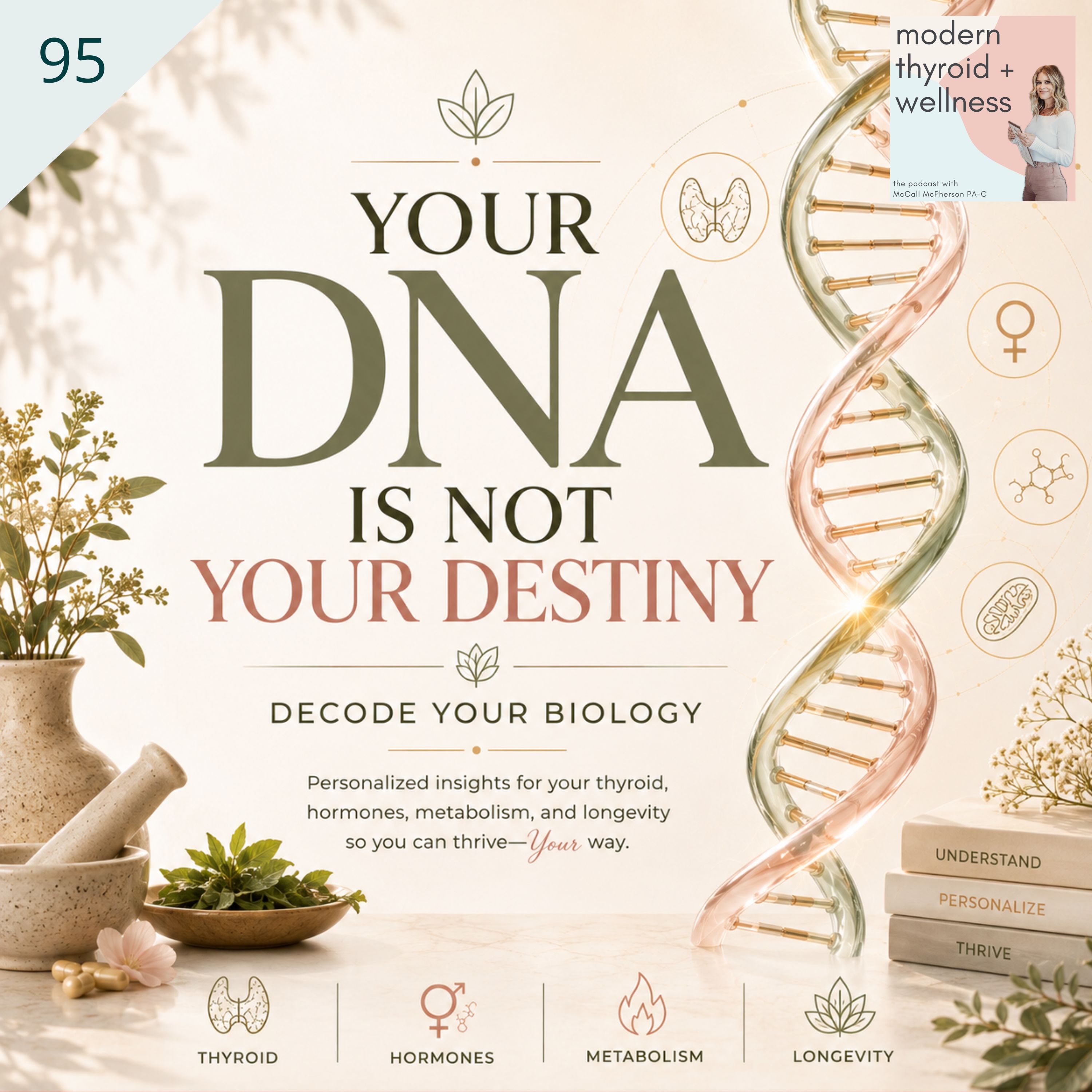
    95: Your DNA Is Not Your Destiny: How Genetics Can Personalize Thyroid Health, Hormones, Metabolism, and Longevity with Kashif Khan

    What if the foods, supplements, workouts, and hormone therapies that work beautifully for someone else are completely wrong for your biology? In this episode of Modern Thyroid & Wellness, McCall McPherson sits down with Kashif Khan, bestselling author of The DNA Way, celebrity longevity coach, and two-time TEDx speaker, for a deep dive into functional genomics and personalized health. Kashif explains how DNA acts as an instruction manual for the body and why understanding those instructions may help explain why people respond so differently to the same foods, environmental exposures, exercise programs, supplements, and hormone therapies. Drawing from his own experience with chronic illness and years of genetic research, Kashif explores the relationship between genetics and lifestyle, including thyroid health, Hashimoto’s, women’s hormones, detoxification, metabolism, gut health, sleep, cognitive function, inflammation, and longevity. The conversation offers a different way to think about personalized medicine: instead of simply asking what disease you may be genetically predisposed to, ask how your biology works and what choices may better support it. Key Topics Covered What DNA actually tells us about everyday health Why genetics are not necessarily destiny Genetics versus epigenetics How lifestyle, environment, and nutrition interact with genetic predispositions Kashif’s personal journey from chronic illness to genetic research Why two people can make the same health choices and experience very different outcomes Genetic differences in detoxification Why DNA testing is different from repeatedly testing hormones, cholesterol, or the microbiome How genetics may influence sleep and circadian preferences Personalizing nutrition and carbohydrate intake Genetics, metabolism, and gut health Environmental exposures and individual detoxification capacity Women’s hormone health and estrogen metabolism Genetics, Hashimoto’s, autoimmunity, and thyroid health Why functional genomics goes beyond disease-risk scores Personalizing exercise according to individual biology Why nervous system regulation and gut health may need to come before advanced biohacking The future of personalized medicine and longevity Why understanding the biology underneath symptoms matters DNA as Your Body’s Instruction Manual Kashif describes DNA in practical terms as an instruction manual contained within the cells of the body. Genes provide instructions for countless biological processes, including producing hormones, metabolizing food, detoxifying compounds, and supporting cognitive function. The important difference is that everyone's instruction manual is slightly different. That helps explain why two people can follow the same diet, take the same hormone prescription, or perform the same exercise routine and experience dramatically different outcomes. Genetics Load the Gun, Environment Pulls the Trigger One of the central ideas in the episode is the interaction between genetics and epigenetics. Your DNA does not change every time you change your diet or lifestyle, but the choices you make interact with the biological instructions you inherited. Kashif groups those choices into three broad areas: Environment Nutrition Lifestyle Environment includes what you are exposed to. Nutrition includes food, supplements, and other nutritional interventions. Lifestyle encompasses factors such as exercise, work, and sleep. Understanding genetics, therefore, is not simply about predicting disease. Kashif sees it as a way to understand how your individual body processes the choices you make every day. Kashif’s Personal Health Journey Kashif did not enter genomics through a traditional medical or scientific career path. Around age 38, after previously considering himself healthy, he developed multiple chronic health problems, including severe eczema, psoriasis, gut issues, migraines, reflux, and inflammation. He received diagnoses and prescriptions but remained focused on a different question: Why did this happen? His search took him through traditional Chinese medicine, homeopathy, naturopathy, functional medicine, hormone health, the microbiome, and eventually genetics. Understanding genetic differences helped him begin connecting his individual biology with environmental and lifestyle exposures. His recovery ultimately inspired him to leave his previous technology consulting business and build a genetic research company. Why Your Detoxification Genetics Matter Kashif uses his own GSTM1 genetics as an example of how individual differences can influence detoxification. He explains that glutathione plays an important role in neutralizing and removing unwanted compounds and that genetic differences can affect how those processes function in different areas of the body. In Kashif’s case, he discovered a copy number variation involving GSTM1, which became one piece of understanding why exposures that did not seem to affect someone living an otherwise similar lifestyle could affect him differently. This illustrates the broader problem with one-size-fits-all wellness advice: what is tolerated well by most people may not necessarily be optimal for every individual. Why DNA Testing Is Different Hormones change. The gut microbiome changes. Toxic burden changes. Cholesterol changes. DNA does not. Kashif explains that this permanence is part of what makes genomic information valuable. Rather than repeatedly testing DNA, the goal is to understand what your genetic information means and then use that knowledge alongside changing health data throughout your life. His current mission centers heavily on education and helping people better understand their own genetic information. Start With the Foundation Before Biohacking One of Kashif’s cautions is that people often enter the longevity and biohacking world by copying people who have already spent years optimizing their health. That can quickly become overwhelming. His suggested framework begins with identifying where you currently are. If there is an acute health problem, address that first. Then consider foundational areas such as: Nervous system regulation Gut health Toxic burden Health optimization Longevity and advanced biohacking Trying to fix decades of accumulated problems in two weeks is unlikely to create the sustainable outcome people are looking for. The goal is to work in the right order rather than doing everything at once. Five Areas Functional Genomics Can Help Personalize Kashif identifies several major areas where he believes functional genomics can provide useful insights. Cognitive Function Genetic differences may influence neurochemical pathways involved in behavior, reward, focus, and how people perceive and respond to their environment. Sleep Difficulty falling asleep, staying asleep, feeling restored, or naturally functioning better earlier or later in the day may involve different biological pathways. Metabolism People do not necessarily respond identically to the same macronutrient balance. Kashif shares an example involving female athletes who were struggling on a low-carbohydrate approach but performed better after carbohydrates were reintroduced based on their individual biology. Gut and Environmental Health Genetics may help provide context for how an individual responds to environmental exposures and how effectively certain detoxification processes function. Hormones This is one of the areas Kashif believes has enormous potential, particularly for women. Understanding how someone produces, binds, metabolizes, and clears hormones may provide a more personalized framework for women's health. Genetics, Thyroid Health, and Hashimoto’s McCall and Kashif take the conversation directly into thyroid health. Kashif explains that people may arrive with symptoms such as fatigue without realizing that thyroid physiology could be part of the picture. They discuss potential connections among detoxification pathways, environmental exposures, gut-brain signaling, autoimmunity, estrogen metabolism, and thyroid health. The bigger takeaway is that there may not be one universal reason someone develops Hashimoto’s or another thyroid problem. Kashif’s approach is to ask what biological pathways may be contributing in that particular individual so interventions can become more precise rather than simply adding more generalized recommendations. Why Women’s Hormones Need More Personalization Kashif describes women’s hormone health as one of the areas where his research revealed significant gaps in conventional approaches. The conversation explores estrogen metabolism and why understanding what happens after estrogen is produced may matter. Kashif discusses different estrogen metabolites and how genetics may influence their production and processing. For McCall, this aligns with what she sees clinically: thyroid hormones and reproductive hormones cannot always be treated as isolated systems. Understanding how an individual produces, converts, metabolizes, and clears hormones may provide another layer of personalization. Can Exercise Be Personalized to Your DNA? One surprisingly practical application discussed is exercise. Kashif believes genetics can provide information about how an individual may respond to different training styles, including resistance training and cardiovascular exercise. The goal is not simply determining whether exercise is "good" for you. It is asking which type of exercise may provide the best return for your individual physiology, body composition, recovery, and health goals. He shares an example involving an elite tennis player whose cardiovascular and mitochondrial genetics required a more individualized approach to supporting the demands of his sport. The Future of Personalized Medicine McCall and Kashif also explore whether genomics could eventually become part of everyday medicine. Kashif believes that shift is already beginning. Instead of personalizing only the treatment given after disease appears, he envisions a healthcare model that uses genetic, hormonal, microbiome, and other biological information to understand the individual earlier. For patients, that could mean moving from generalized wellness advice toward more precise decisions about nutrition, exercise, environmental exposures, hormones, and long-term health optimization. Final Takeaway Your genes may influence your biology, but knowing your genetics does not have to be about fear. For Kashif, the value of functional genomomics is understanding why your body behaves the way it does so you can make more informed decisions. Instead of copying someone else's diet, workout, supplement routine, or longevity protocol, personalized medicine asks a different question: What does my body actually need? The goal is not to obsess over every genetic variant. It is to understand your individual strengths and vulnerabilities, strengthen the foundations of health, and use that information to make more precise choices about how you eat, move, sleep, manage your environment, and support your hormones throughout life. About Kashif Khan Kashif Khan is the bestselling author of The DNA Way, a celebrity longevity coach, and a two-time TEDx speaker known for his personalized approach to health integrating genetics with lifestyle, environment, and nutrition. After experiencing multiple chronic health conditions himself, Kashif immersed himself in functional medicine and genetics and went on to build a genetic research company. Today, his work focuses heavily on education, functional genomics, personalized wellness, and helping people better understand how their unique biology may influence their health. Resources & Special Offer 🧬 Save $50 on the DNA 360 Test Kit Explore your individual genetics with Kashif Khan's DNA 360 Report. Special Modern Thyroid & Wellness Offer: $50 OFF Discount Code: McCall Get the DNA 360 Test Kit Connect with Kashif Khan 🌐 Kashif Khan Official Website 💼 Kashif Khan on LinkedIn 📖 Pre-Order Take Back Your Thyroid + Get a Free Bonus Pre-order McCall McPherson’s new book, Take Back Your Thyroid, and choose one free bonus: 🎓 Thyroid Empowered Course, a $399 value OR 🩺 $150 off a new patient visit at Modern Thyroid Clinic Pre-Order & Claim Your Free Bonus 📲 Follow McCall McPherson & Modern Thyroid and Wellness 💻 Website: modernthyroidclinic.com 🐦 X / Twitter: @thyroidexpert 🌐 Host Website: mccallmcpherson.com 📺 YouTube: McCall McPherson Channel 📘 Facebook: McCall McPherson PAC 📸 Instagram: @mccallmcphersonpa

  • #94
    August 13 · 36 min

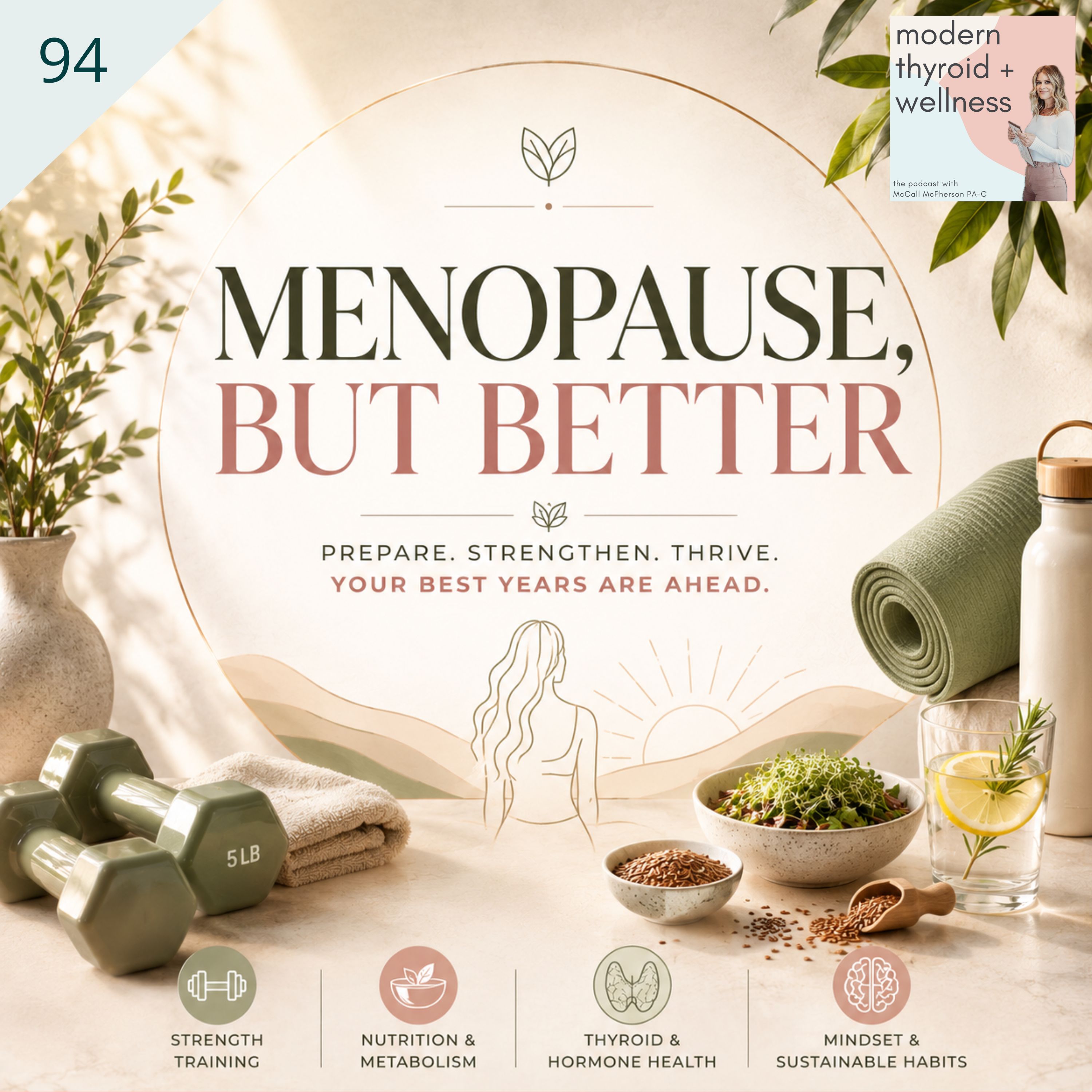
    94: Menopause Is Not the End: How to Prepare Your Body to Thrive in Midlife with Lisa Jedan

    What if menopause wasn’t something to fear or simply endure, but a transition you could actively prepare for? In this episode of Modern Thyroid and Wellness, McCall McPherson sits down with Lisa Jedan, creator and host of MenoPositive, to challenge the long-standing narrative that menopause automatically means decline. After a successful career in PR and marketing, where she helped build brands and shape stories, Lisa turned those same skills toward changing the conversation around women’s health and aging. Lisa shares what she has learned from interviewing experts across conventional medicine, Chinese medicine, longevity, breathwork, nutrition, and women’s health. The message she hears repeatedly is clear: hormones do not operate in isolation, and the earlier women invest in their health, the more options they may have as they age. Together, McCall and Lisa explore strength training, nutrition, metabolism, thyroid health, Hashimoto’s, mindset, digestion, protein, fiber, sustainable lifestyle changes, and why midlife may become one of the healthiest and most fulfilling chapters of a woman’s life. Key Topics Covered Why Lisa created MenoPositive Changing the narrative around menopause and aging Why menopause preparation should begin before symptoms become overwhelming How thyroid health and reproductive hormones overlap Lisa’s personal experience with Hashimoto’s Why women often put themselves last Moving from perfection toward small, sustainable health changes Why strength training becomes increasingly important during midlife Building and preserving muscle for healthy aging Protein, fiber, metabolism, and digestive health Why regular bowel movements matter Simple ways Lisa adds flaxseed and sprouts to her diet How mindset may influence the menopause experience Building trust with yourself through consistent habits Moving beyond biohacking toward “bioharmony” Why wellness optimization can become exhausting The importance of sleep, movement, and nutrition before advanced optimization Why your best years do not have to be behind you Changing the Menopause Narrative Lisa began her career as a dancer and performer before moving into PR and marketing, where she built a career around storytelling and changing narratives. When she entered perimenopause and menopause herself, she noticed that the cultural story surrounding this stage of life did not match her experience. So much of the messaging centered on loss, decline, and everything women should expect to go wrong. Lisa wanted a different conversation. That desire became MenoPositive, a platform and philosophy built around educating women about hormone changes while showing them what they can actively do to support their health. After interviewing experts from a wide range of disciplines, Lisa says one message consistently emerges: menopause does not have to equal decline. Why We Should Prepare for Menopause Lisa makes a compelling comparison: we prepare for pregnancy, retirement, and marathons, so why do so many women arrive at one of the biggest biological transitions of their lives without preparation? Historically, women have often been taught to wait until symptoms appear and then figure out how to manage them. Lisa wants to reverse that approach. Instead of asking, “How can I manage these symptoms?” she encourages women to ask how they can prepare their bodies for a more positive menopause experience. For Lisa, this is not about perfection. It is about preparation and beginning wherever you are. Thyroid Health and Menopause Symptoms Can Overlap Lisa also lives with Hashimoto’s, giving her firsthand experience with how difficult it can be to distinguish thyroid symptoms from hormonal changes during midlife. Mood changes, libido concerns, fatigue, brain fog, and changes in how the body feels can appear across both thyroid dysfunction and perimenopause. One of the biggest lessons Hashimoto’s taught Lisa was to become curious about what her body was communicating rather than automatically accepting symptoms as her new normal. McCall emphasizes that thyroid hormones and reproductive hormones do not exist in isolation. Understanding both can be especially important as women move through their 30s, 40s, and beyond. Why Women Need to Put Themselves Back on the List Whether a woman is the CEO of a company or the CEO of her household, Lisa observes that women often place themselves third, fourth, or fifth on their own priority lists. Midlife can offer an opportunity to change that. Lisa encourages women to believe they deserve to be healthy and to recognize that investing in themselves does not require changing everything overnight. Cooking one additional vegetable, adding a little movement, or making one sustainable change can begin shifting the trajectory. McCall connects this idea to the power of small habits. Tiny actions may seem insignificant in isolation, but when repeated consistently, they compound. Strength Training as a Midlife “Secret Weapon” For Lisa, two changes significantly influenced her menopause experience: strength training and nutrition. She had always been active because of her background as a dancer, but midlife encouraged her to change the way she exercised. Strength training became a priority. Lisa noticed changes not only in her body, but also in her mood, sleep, confidence, and mindset. McCall emphasizes that building muscle becomes increasingly challenging as women move through perimenopause and menopause, making it valuable to establish that foundation earlier. Lisa compares strength training to putting money in the bank. Building strength now creates reserves that may become increasingly valuable later in life. Keep the Schedule, Change the Scope One of Lisa’s favorite ideas comes from Atomic Habits by James Clear: “Keep the schedule, change the scope.” If you planned to exercise but suddenly only have ten minutes, doing those ten minutes still allows you to keep the promise you made to yourself. Lisa and McCall discuss how this consistency builds something even bigger than fitness: self-trust. Every time you follow through, especially when you do not feel like it, you reinforce the belief that you can rely on yourself. That mindset can make sustainable health changes much more achievable than an all-or-nothing approach. From Biohacking to Bioharmony Women today are surrounded by wellness advice. Eat more protein. Take supplements. Strength train. Optimize your hormones. Track your sleep. Improve your metabolism. Eventually, optimization itself can become exhausting. Lisa believes the conversation is beginning to shift away from constant “biohacking” toward what she calls bioharmony, a more sustainable approach to working with the body rather than endlessly trying to optimize every variable. The foundation remains surprisingly simple: Eat well. Move your body. Sleep. These habits are not always easy, but Lisa believes establishing them first creates a stronger foundation before adding more advanced interventions. Protein, Fiber, and Digestion in Midlife Nutrition is another major part of the conversation. Across Lisa’s interviews with experts, protein repeatedly emerges as an important topic, particularly alongside strength training and maintaining muscle. But protein is not the whole story. Lisa also emphasizes fiber and digestive regularity. She shares that many women assume having a bowel movement every two or three days is normal. Her own experience taught her how stress and rushed mornings could affect digestion. Two simple foods she regularly incorporates are flaxseed and sprouts. She prepares flaxseed ahead of time and adds it to yogurt, while sprouts can easily be added to eggs, salads, or meals. These small, affordable habits reflect Lisa’s larger philosophy: health does not always require expensive or complicated interventions. You Have More Influence Than You Think When McCall asks Lisa what mindset shift she wishes every woman could make, her answer is simple: You have a choice. Lisa believes women have more influence over how they approach and experience menopause than many have been led to believe. That does not mean every symptom can be prevented or that every woman will have the same experience. It means women can become informed, seek appropriate care, strengthen their health foundations, and make choices that support the decades ahead. Your Best Years Are Not Behind You Perhaps the biggest myth Lisa wants to challenge is the idea that a woman’s best years are over once she reaches midlife. She sees the opposite. Women in their 40s, 50s, and 60s are starting businesses, stepping into leadership, pursuing new goals, and redefining what aging looks like. Instead of treating menopause as an ending, Lisa sees it as an opportunity to enter the second half of life with greater wisdom, perspective, confidence, and purpose. For her, menopause can be a powerful new beginning. Final Takeaway Preparing for menopause does not mean pursuing perfection. It means starting where you are. Build muscle. Eat nourishing foods. Prioritize protein and fiber. Protect your sleep. Pay attention to your thyroid and hormones. Listen to your body. Make small promises to yourself and keep them. Most importantly, reject the assumption that midlife automatically means decline. As Lisa and McCall discuss, women have more information, tools, and opportunities than ever before to become active participants in their health. The goal is not to obsessively optimize every aspect of life. It is to build a sustainable foundation that allows you to feel strong, capable, and empowered through menopause and the decades beyond. About Lisa Jedan Lisa Jedan is the creator and host of MenoPositive, a platform and philosophy dedicated to changing the narrative around menopause. After beginning her career as a dancer and performer, Lisa moved into PR and marketing, where she worked in storytelling and brand building. Her own experience with perimenopause, menopause, and Hashimoto’s inspired her to bring those storytelling skills back to women’s health. Through MenoPositive, Lisa interviews experts from around the world about hormone shifts, health, longevity, nutrition, mindset, and practical strategies designed to educate and empower women. Resources & Links 🌐 MenoPositive menopositive.life 📸 MenoPositive on Instagram @menopositive.life 🎙️ Lisa Jedan / MenoPositive on Audible Listen on Audible 📲 Follow McCall McPherson & Modern Thyroid and Wellness 💻 Website: modernthyroidclinic.com 🐦 X / Twitter: @thyroidexpert 🌐 Host Website: mccallmcpherson.com 📺 YouTube: McCall McPherson Channel 📘 Facebook: McCall McPherson PAC 📸 Instagram: @mccallmcphersonpa

  • #93
    August 6 · 57 min

    93: Can Your Brain Keep You Stuck in Chronic Illness? The Missing Role of Neuroplasticity in Healing with Faith Ashenden

    What if you've optimized your thyroid hormones, improved your nutrition, reduced inflammation, and addressed the underlying biochemistry, but you still don't feel fully well? In this episode of Modern Thyroid and Wellness, McCall McPherson welcomes chronic illness recovery educator Faith Ashenden for a fascinating conversation about the neuroscience of healing and how the brain may continue reinforcing chronic symptoms long after the body has begun to recover. After overcoming Graves' disease, chronic fatigue syndrome, IBS, panic attacks, and years of debilitating illness, Faith now teaches women how to retrain subconscious patterns, regulate the nervous system, and rebuild confidence in their health. Together, McCall and Faith explore why healing is about more than lab work alone, how chronic illness can shape identity, and why combining functional medicine with nervous system work may help people move from simply managing symptoms to truly thriving. Key Topics Covered Faith's journey with Graves' disease and chronic illness The challenges of delayed diagnosis and years of debilitating symptoms Graves' disease versus Hashimoto's disease Why treating thyroid disease doesn't always resolve every symptom The role of functional medicine in Faith's recovery What neuroplasticity is and how the brain adapts to chronic illness How chronic symptoms can become learned neurological patterns The difference between biochemical healing and nervous system healing Chronic illness identity and fear of relapse Why trauma from chronic illness itself matters Common limiting beliefs that keep people feeling stuck Practical ways to begin retraining the brain Why healing is rarely linear Building resilience through new beliefs and daily habits Combining functional medicine with mindset and nervous system work Faith's Story of Chronic Illness Faith developed Graves' disease while attending college after experiencing severe anxiety, rapid weight loss, heart palpitations, overwhelming fatigue, and multiple unexplained symptoms. After months of searching for answers, she was finally diagnosed when an endocrinologist recognized the signs almost immediately. Although treatment addressed her hyperthyroidism, Faith continued struggling for years with chronic fatigue, digestive issues, anxiety, and other persistent health challenges. Her experience eventually led her into functional medicine, where she began addressing the underlying physiological contributors to her symptoms before discovering the important role that neuroplasticity and the nervous system would play in her long-term recovery. Why the Brain Matters in Chronic Illness Faith explains that when symptoms persist for months or years, the brain naturally adapts. Through neuroplasticity, the brain learns patterns that associate certain situations, environments, or activities with symptom responses. Even after many underlying physical issues have improved, these learned pathways may continue reinforcing chronic symptoms. Rather than suggesting illness is "all in your head," Faith emphasizes that biochemical healing and nervous system healing often work together. Healing Beyond the Lab Results McCall shares that many patients improve dramatically after optimizing thyroid hormones, inflammation, nutrition, and metabolic health, yet some continue feeling as though they cannot fully regain their confidence or resilience. Faith believes this is where subconscious beliefs, fear of relapse, and nervous system regulation become important. Together, they discuss how healing often involves addressing both physiology and psychology instead of viewing them as competing explanations. The Identity of Being Chronically Ill One of the most powerful themes throughout the episode is identity. After years of illness, many people begin organizing their lives around avoiding symptoms rather than building confidence in recovery. Faith encourages listeners to recognize when the identity of being chronically ill has become part of their daily thinking and to intentionally begin creating a new vision of themselves beyond illness. Trauma Doesn't End With the Diagnosis The conversation also highlights an often-overlooked form of trauma: the experience of living with chronic illness itself. Repeated medical appointments, unanswered questions, fear of relapse, canceled plans, and years of uncertainty can all shape subconscious beliefs about safety and health. Faith explains that recognizing and working through those experiences may become an important part of long-term recovery. Practical Steps to Retrain the Brain Faith encourages listeners to become more intentional about where they place their attention. Rather than constantly searching for evidence that reinforces illness, she recommends looking for evidence of healing, celebrating small improvements, and creating daily habits that reinforce resilience instead of fear. She also discusses limiting exposure to online communities or content that continually reinforces hopelessness while seeking stories of recovery, possibility, and growth. Healing Is a Journey Both McCall and Faith agree that healing rarely happens in a perfectly straight line. Setbacks and symptom flares do not necessarily erase progress. Instead, they can become opportunities to strengthen new patterns, build confidence, and continue developing trust in the body's ability to heal. The goal is not perfection but creating a healthier relationship with both the body and the mind. Final Takeaway Faith Ashenden reminds us that healing is about more than simply eliminating symptoms. Once the body's underlying physiology has been addressed, rebuilding confidence, changing limiting beliefs, regulating the nervous system, and creating new patterns of resilience may become the next layer of recovery. By combining functional medicine with neuroscience and mindset work, many people may discover possibilities for healing they never thought were available. About Faith Ashenden Faith Ashenden is a chronic illness recovery educator, founder of That Healing Feeling, and host of the That Healing Feeling Podcast. After fully recovering from Graves' disease, chronic fatigue syndrome, IBS, panic attacks, and multiple chronic health conditions, she now helps women understand the neuroscience of healing, nervous system regulation, and subconscious pattern change through her educational programs and coaching. Resources & Links 🌐 Faith Ashenden https://faithashenden.com/ 📸 Instagram https://www.instagram.com/thathealingfeeling/ 🎙️ That Healing Feeling Podcast https://open.spotify.com/show/5bOaTuON429YbnFesShdxt 🎓 Free Masterclass Available through Faith's website and Instagram. 📲 Follow McCall McPherson & Modern Thyroid and Wellness 💻 Website: modernthyroidclinic.com 🐦 X / Twitter: @thyroidexpert 🌐 Host Website: mccallmcpherson.com 📺 YouTube: McCall McPherson Channel 📘 Facebook: McCall McPherson PAC 📸 Instagram: @mccallmcphersonpa

  • #92
    July 30 · 53 min

    92: Could Chronic Inflammation Be the Missing Link? The Science Behind Sulforaphane, Detoxification, and Cellular Health with David Roberts & Dr. John Gildea

    What if the key to better thyroid health, metabolism, and longevity starts at the cellular level? In this episode of Modern Thyroid and Wellness, McCall McPherson is joined by David Roberts and Dr. John Gildea, the founders of Mara Labs, to explore the science behind chronic inflammation, oxidative stress, detoxification, and why bioavailability is one of the most overlooked factors in nutritional supplementation. David shares the deeply personal story that inspired Mara Labs after his wife Mara's battle with breast cancer, while Dr. Gildea explains how his own scientific research led him to develop innovative ways to improve the absorption of powerful natural compounds like sulforaphane and curcumin. Together, they discuss how environmental toxins, poor nutrition, gut barrier dysfunction, and chronic inflammation may contribute to many of today's chronic health conditions—and why supporting the body's natural detoxification pathways is more important than ever. Key Topics Covered The personal story behind the founding of Mara Labs Why bioavailability matters more than simply taking supplements What sulforaphane is and why it has become one of the most researched plant compounds The role of chronic inflammation in long-term health Oxidative stress and its relationship to chronic disease Understanding NRF2 and the body's natural antioxidant defenses Phase I, Phase II, and Phase III detoxification How gut barrier function influences toxin exposure Environmental toxins, microplastics, and endocrine disruption Practical ways to reduce your toxic burden The connection between inflammation and thyroid hormone function How sulforaphane and curcumin may support healthy cellular function Why personalized medicine matters The science behind GLPerfect™, BrocElite®, CurcuElite®, BerbElite®, and Microplast-X™ From Personal Tragedy to Purpose Mara Labs was born from an incredibly personal journey. After David Roberts' wife Mara was diagnosed with breast cancer, he partnered with scientist Dr. John Gildea to better understand natural compounds that could support cellular health. Their research led them to sulforaphane, a compound naturally found in broccoli sprouts, but they quickly discovered that creating a stable, bioavailable form was one of the biggest scientific challenges. Following Mara's passing, David and John committed themselves to bringing scientifically formulated, highly bioavailable nutritional supplements to market in her honor. Why Bioavailability Matters One of the biggest themes throughout the conversation is that the quality of a supplement depends on much more than the ingredient listed on the label. Many natural compounds show remarkable results in laboratory studies but are poorly absorbed by the human body. David and Dr. Gildea explain how Mara Labs focuses on improving bioavailability so these compounds can actually reach the cells where they are intended to work. Rather than simply increasing dosage, their research has centered on improving delivery. Chronic Inflammation Starts Long Before Disease The conversation explores how chronic disease often develops years before a formal diagnosis. Dr. Gildea explains that declining nutrient density, increasing environmental toxin exposure, oxidative stress, and chronic low-grade inflammation gradually affect cellular function over time. Whether those changes eventually appear as thyroid disease, metabolic dysfunction, autoimmune conditions, or another chronic illness often depends on an individual's genetics, lifestyle, and overall resilience. Detoxification Is More Than a Trend Detoxification is often misunderstood. The guests explain that true detoxification involves multiple phases that occur throughout the body—not just in the liver—and depends on properly transforming, processing, and eliminating toxins. They also emphasize that reducing exposure remains just as important as supporting the body's detoxification pathways. Simple strategies discussed include improving indoor air quality with HEPA filtration, drinking filtered water, choosing less processed foods, and purchasing food from trusted local sources whenever possible. NRF2: The Master Switch for Cellular Protection A major focus of the episode is NRF2, one of the body's primary cellular defense pathways. The guests explain how sulforaphane activates NRF2, supporting antioxidant production, Phase II detoxification, cellular resilience, and healthy inflammatory responses. Curcumin is also discussed as another compound that complements these pathways while supporting a balanced inflammatory response. Together, these compounds may help support overall cellular health through multiple biological mechanisms. Environmental Toxins and Microplastics David and Dr. Gildea discuss the growing concern surrounding microplastics and endocrine-disrupting chemicals. They explain how microplastics may carry additional toxins into the body while potentially interfering with normal hormonal signaling. The conversation also introduces Microplast-X™, a newer Mara Labs product designed to support the body's natural ability to remove accumulated microplastics. Supporting Metabolic Health The discussion also explores GLPerfect™, a supplement developed to support healthy metabolism using highly bioavailable natural compounds. Rather than replacing prescription GLP-1 medications, the product was designed as a nutritional approach that supports several pathways involved in appetite regulation, blood sugar balance, fat metabolism, and muscle preservation. The conversation highlights the importance of viewing metabolism through a broader lens than weight loss alone. Thyroid Health and Cellular Function McCall connects many of the concepts discussed back to thyroid health. She explains that many patients produce adequate thyroid hormone but struggle with activation, conversion, or cellular utilization. Reducing inflammation, supporting antioxidant defenses, and improving overall cellular health may help create a healthier environment for thyroid hormone function. The discussion also explores the relationship between inflammation and Hashimoto's thyroiditis and why supporting the body's underlying physiology may benefit overall wellness. Final Takeaway David Roberts and Dr. John Gildea remind us that long-term health begins long before disease is diagnosed. Supporting healthy cellular function, reducing chronic inflammation, minimizing toxic exposures, and improving nutrient bioavailability all contribute to building a stronger foundation for lifelong health. Rather than searching for a single miracle solution, lasting wellness often comes from consistently supporting the body's natural systems and choosing interventions backed by thoughtful science. About the Guests David Roberts is the co-founder and Managing Partner of Mara Labs. Inspired by his wife Mara's battle with breast cancer, he helped establish the company to develop highly bioavailable nutritional supplements focused on supporting cellular health, detoxification, and longevity. Dr. John Gildea is the co-founder and Chief Science Officer of Mara Labs. A molecular biologist and researcher, his work focuses on cellular biology, oxidative stress, nutrient bioavailability, inflammation, and the development of innovative nutritional compounds that support healthy aging. Resources & Links 🌐 Mara Labs 📸 Mara Labs Instagram 🎙️ Mara Labs Podcast Special Offer Visit: mara-labs.com/mccall Use code MCCALL for a special listener discount available after the episode release. 📲 Follow McCall McPherson & Modern Thyroid and Wellness 💻 Website: modernthyroidclinic.com 🐦 X / Twitter: @thyroidexpert 🌐 Host Website: mccallmcpherson.com 📺 YouTube: McCall McPherson Channel 📘 Facebook: McCall McPherson PAC 📸 Instagram: @mccallmcphersonpa
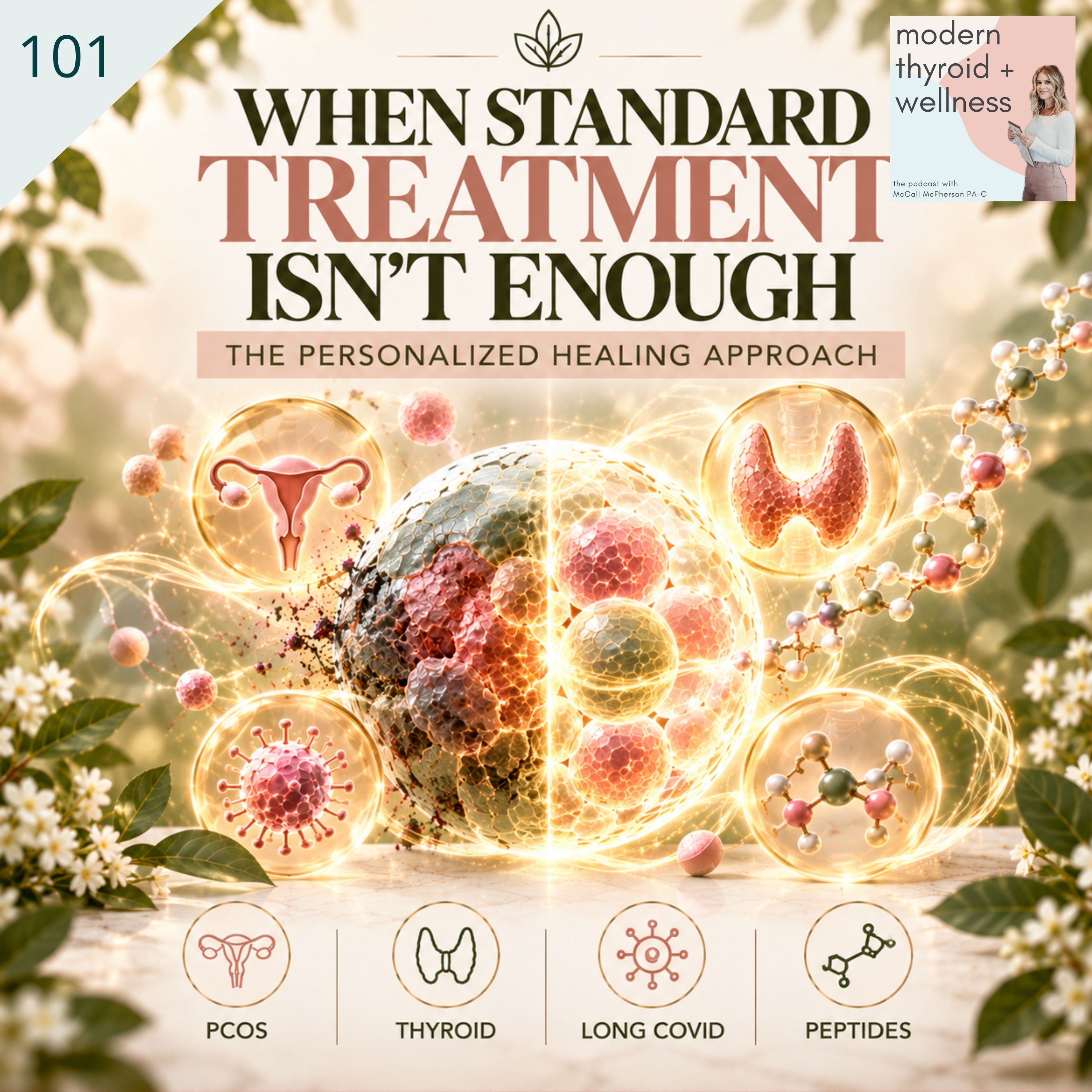
  • #91
    July 23 · 39 min

    91: When Standard Treatment Isn’t Enough: How Root-Cause and Regenerative Medicine Changed Nicole Peterson Doran’s Health

    What if PCOS, thyroid dysfunction, chronic inflammation, fertility concerns, and post-viral illness aren’t completely separate health problems, but connected chapters of a much bigger story? In this episode of Modern Thyroid and Wellness, McCall McPherson sits down with Nicole Peterson Doran, co-founder of PUR-FORM and host of The Healthspan Collective podcast. Nicole shares her personal journey from being diagnosed with PCOS at just 16 and later hypothyroidism to discovering functional and integrative medicine, preparing for pregnancy, navigating long COVID and mast cell activation syndrome, and ultimately helping build businesses focused on personalized health optimization and regenerative medicine. Together, McCall and Nicole explore why there is no one-size-fits-all approach to healing, how foundational habits and personalized care can work together, and how emerging tools such as GLP-1 medications, peptides, EBO2, and regenerative therapies are becoming part of a broader conversation around complex health challenges. 🔑 Key Topics Covered Nicole’s PCOS diagnosis at age 16 Developing hypothyroidism after her PCOS diagnosis Weight gain, inflammation, fatigue, brain fog, and hormonal symptoms Why birth control and metformin did not address everything she was experiencing How functional and integrative medicine changed her health journey Moving beyond calorie counting toward whole-food nutrition Why bio-individuality matters in nutrition and treatment The importance of sleep, blood sugar balance, nutrition, and stress management Nicole’s fertility fears after being diagnosed with PCOS How she prepared her body before trying to conceive Her experience becoming pregnant after years of worrying about fertility How severe stress and COVID triggered another health crisis Long COVID and mast cell activation syndrome (MCAS) The relationship between gut health, immune regulation, stress, and inflammation Nicole’s personal experience with microdosed GLP-1 therapy Thymosin alpha-1 and larazotide discussed during her recovery EBO2 and its role in Nicole and McCall’s personal health journeys Regenerative medicine and stem cell therapies at PUR-FORM PUR-FORM’s newly launched MUSE cell offering Therapeutic plasma exchange and health optimization Why finding one practitioner who truly listens can change your health journey Nicole’s Health Journey Started at 16 Nicole had been a healthy athlete when her health suddenly changed during her teenage years. Within months, she gained approximately 30 pounds, developed facial hair and irregular periods, struggled with severe fatigue, and experienced significant brain fog. After seeing multiple specialists, her mother took her to a trusted OB/GYN who decided to investigate her hormones and thyroid more deeply. Nicole was diagnosed with PCOS and, a year or two later, hypothyroidism. She was prescribed birth control and metformin. While these treatments addressed certain aspects of her condition, Nicole still struggled with her weight, inflammation, and energy. She knew she needed to look deeper. Discovering a Different Approach to Health A major turning point came after college when Nicole began working with a health coach. Instead of obsessively tracking calories and macros, she shifted her attention toward whole foods and began exploring how nutrition, stress, mindfulness, and emotional wellbeing influenced her health. She noticed her inflammation gradually improving. The experience ultimately inspired Nicole to study at the Institute for Integrative Nutrition, where she was introduced to a concept that became central to her approach to health: bio-individuality. What works for one person may not work for another. Nicole personally thrives living gluten-free, but she emphasizes that this does not mean everyone needs to eliminate gluten. Intermittent fasting may transform one person’s health while being completely wrong for someone else. McCall sees the same principle in thyroid care. There is no universally “best” thyroid medication or diet because each person’s physiology and needs are different. However, certain foundations remain important for almost everyone: whole-food nutrition, balanced blood sugar, quality sleep, movement, and stress management. PCOS, Fertility, and Preparing for Pregnancy When Nicole was diagnosed with PCOS as a teenager, she was told becoming pregnant might be difficult. The message stayed with her because she had always wanted to become a mother. Years later, when pregnancy became a priority, Nicole intentionally focused on creating the healthiest foundation she could. Working with her practitioners, she focused on lowering inflammation and supporting her overall health through personalized nutrition and supplementation. She discusses CoQ10 and fish oil, reducing sugar, eliminating alcohol, continuing her gluten-free lifestyle, temporarily removing dairy, and significantly reducing travel and stress. Perhaps most importantly, she gave herself permission to slow down. Nicole became pregnant after approximately three months of trying. She acknowledges that fertility is complex and that no lifestyle strategy can guarantee pregnancy. Still, her experience offers an encouraging perspective for women who fear that a PCOS diagnosis automatically means they will be unable to conceive. When Long COVID Triggered a New Health Crisis By 2023, Nicole felt healthier than she had in years. Then she contracted COVID during an intensely stressful period surrounding the launch of her business and her wedding. She became severely ill just days before getting married. After the acute infection passed, unusual symptoms remained. Nicole began experiencing significant histamine reactions, inflammation, weight changes, brain fog, fatigue, and irritability. Eventually, a practitioner recognized symptoms consistent with mast cell activation syndrome in the context of her post-viral health challenges. This became another turning point in how Nicole understood her body. Her immune system, gut health, inflammation, stress, and metabolic health were not operating independently. They were deeply interconnected. GLP-1s, Peptides, and Personalized Medicine Nicole worked with practitioners to explore different strategies during her recovery. She shares her personal experience with microdosed tirzepatide, a GLP-1-based medication, which she describes as an important tool for her own inflammation and metabolic health. She also discusses peptides, including thymosin alpha-1 in the context of immune support and larazotide in relation to gut barrier health. Gut health has been a recurring theme throughout Nicole’s health journey. She describes how periods of intense stress seemed to coincide with worsening inflammation and digestive health, reinforcing her belief that the body must be viewed as an interconnected system. The larger message is not that everyone needs the same medication, peptide, diet, or intervention. Personalized medicine means selecting tools according to the individual. What Is EBO2? McCall and Nicole also discuss EBO2, short for extracorporeal blood oxygenation and ozonation. Nicole explains that PUR-FORM offers EBO2 and trains other clinics in the protocol. The procedure involves circulating blood outside the body through a system involving filtration, oxygen, and ozone before returning it to the patient. Nicole shares that EBO2 has been part of her own health strategy outside of pregnancy. The topic is also deeply personal for McCall, who shares that she underwent EBO2 while struggling significantly with long COVID and credits the treatment as an important turning point in her own recovery. Their experiences lead to a broader conversation about the evolving field of regenerative medicine and the need to evaluate advanced therapies based on each patient’s individual circumstances. From Patient to Entrepreneur Nicole’s difficult health experiences eventually became part of her professional mission. She remembers working incredibly hard on her health while feeling as though her body simply would not respond. Years of inflammation, fatigue, weight struggles, and frustration also contributed to an unhealthy relationship with food at different points in her journey. Today, Nicole is running multiple businesses while preparing to become a mother. Her transformation inspired a commitment: if she could better understand her own health, she wanted to help other people avoid some of the confusion and frustration she experienced. That mission became part of the work behind PUR-FORM. Regenerative Medicine at PUR-FORM PUR-FORM is a comprehensive health optimization clinic based in Boca Raton, Florida. Nicole discusses working with orthopedic surgeon Dr. Joseph Purita and her family to expand access to integrative and regenerative therapies. Services discussed during the episode include: Stem cell and regenerative therapies EBO2 Therapeutic plasma exchange IV therapies Red light therapy Infrared sauna Cold plunge Cryotherapy Nicole also shares an important new development: PUR-FORM recently launched a MUSE cell offering as part of its regenerative medicine services. She is also involved with Humanot Health, which combines in-person and telehealth health optimization. Nicole describes a comprehensive assessment model that can include VO2 max testing, DXA scans, carotid artery ultrasound, blood testing, and grip strength assessment to help create more individualized health strategies. Finding One Practitioner Who Listens Can Change Everything One of Nicole’s most powerful messages is that sometimes you only need one practitioner willing to listen and help you take the next step. For years, she felt like she was working harder than everyone around her just to feel normal. Her story eventually changed because she found people willing to look deeper. For anyone struggling with PCOS, thyroid dysfunction, unexplained inflammation, post-viral symptoms, or another complex health condition, Nicole’s journey offers an important reminder: Keep asking questions. Your symptoms deserve to be investigated, and your treatment should reflect your individual biology rather than forcing you into a universal protocol. Final Takeaway Nicole Peterson Doran’s health journey has unfolded in chapters. PCOS and hypothyroidism introduced her to hormonal and metabolic health. Nutrition taught her about inflammation and bio-individuality. Her fertility journey taught her the importance of preparation, rest, and reducing stress. Long COVID and MCAS deepened her understanding of the connections between immunity, gut health, and inflammation. Regenerative medicine introduced another set of tools that became part of both her personal journey and professional mission. The biggest lesson is that healing rarely comes from one intervention. It comes from understanding your individual body, strengthening the foundations of health, finding practitioners who listen, and using the right tools at the right time. 👤 About Nicole Peterson Doran Nicole Peterson Doran is the co-founder of PUR-FORM, a comprehensive health optimization clinic in Boca Raton, Florida, and a franchisee of Humanot Health. With a background in business, marketing, holistic health coaching, and wellness entrepreneurship, her work focuses on personalized approaches to metabolic and hormonal health, integrative wellness, and regenerative medicine. Her passion for helping others grew from her own experiences with PCOS, hypothyroidism, chronic inflammation, long COVID, and mast cell activation syndrome. Nicole is also the host of The Healthspan Collective podcast, where she explores what it means to optimize health and live well through every stage of life. 🔗 Resources & Links 🌐 PUR-FORM: https://purformhealth.com/ 💼 Nicole Peterson Doran on LinkedIn: https://www.linkedin.com/in/nicolejpeterson/ 📸 Instagram: @nicolejdoran 🎙️ Podcast: The Healthspan Collective 📲 Follow McCall McPherson & Modern Thyroid and Wellness 💻 Website: modernthyroidclinic.com 🐦 X / Twitter: @thyroidexpert 🌐 Host Website: mccallmcpherson.com 📺 YouTube: McCall McPherson Channel 📘 Facebook: McCall McPherson PAC 📸 Instagram: @mccallmcphersonpa
  • #90
    July 16 · 34 min

    90: Too Much Iron Can Be Just as Dangerous as Too Little – The Hidden Condition Behind Fatigue, Heart Disease, and Thyroid Problems with Dr. Christy Sutton

    What if one of the most overlooked causes of fatigue, joint pain, thyroid dysfunction, and even heart disease wasn't iron deficiency, but iron overload? In this episode of Modern Thyroid and Wellness, McCall McPherson welcomes Christy Sutton, chiropractor, functional medicine clinician, educator, and author of The Iron Curse. Inspired by her husband's diagnosis with hereditary hemochromatosis, Dr. Sutton has dedicated her work to helping patients recognize and address iron overload before it leads to serious long-term health complications. Together, McCall and Dr. Sutton explore why hereditary hemochromatosis is far more common than many people realize, why millions of people may unknowingly carry high-risk genes, and how excess iron can silently damage the liver, heart, pancreas, brain, thyroid, and other organs. McCall also shares her own personal experience with iron overload, walking through her lab work live during the episode while Dr. Sutton explains what the results reveal and why early detection can make all the difference. Whether you're experiencing unexplained fatigue, elevated ferritin, thyroid issues, or have a family history of iron overload, this episode offers practical guidance on testing, treatment, and understanding one of the most underdiagnosed conditions in modern medicine. 🔑 Key Topics Covered What hereditary hemochromatosis is and why it's commonly missed Why iron overload can be just as dangerous as iron deficiency The three HFE gene variants associated with hereditary hemochromatosis Why being told you're "just a carrier" may not tell the full story How excess iron creates oxidative stress throughout the body The connection between iron overload and liver disease How excess iron may contribute to cardiovascular disease and plaque formation Iron overload and its relationship with thyroid dysfunction Why iron can accumulate in the brain, pancreas, pituitary gland, and joints The impact of iron overload on hormone production and fertility Why women often develop iron overload after menopause or uterine ablation McCall's personal lab review and genetic results Understanding ferritin, transferrin saturation, and inflammatory markers Why ferritin should always be interpreted alongside CRP The role of therapeutic blood removal in treatment Blood donation versus therapeutic phlebotomy Dietary strategies to help manage iron overload Why vitamin C supplementation may increase iron absorption Foods and beverages that influence iron absorption Supplements that may support healthy iron regulation The relationship between celiac disease genes and iron metabolism Why family history plays an important role in early detection 🩸 Iron Overload Is More Common Than Most People Think When most people think about iron, they think about deficiency. But according to Dr. Sutton, hereditary hemochromatosis affects far more people than many realize, with a significant portion of the population carrying one or more HFE gene variants that can increase iron absorption. Because the body has very limited ways to eliminate excess iron, levels can gradually increase over decades, especially after menstruation ends or blood loss decreases. 🧬 Why Excess Iron Can Damage the Entire Body Iron is essential for life, but too much can become harmful. Dr. Sutton explains that excess iron contributes to oxidative stress, allowing iron to accumulate within tissues where it may damage organs over time. Areas commonly affected include: Liver Heart Pancreas Brain Thyroid Pituitary gland Joints Because this process develops slowly, many people don't recognize the problem until significant health issues appear. 👩 Why Women Often Don't Develop Symptoms Until Midlife Premenopausal women naturally lose iron through monthly menstrual cycles. As a result, many women remain protected from iron accumulation for years. However, after menopause, hysterectomy, uterine ablation, or other situations that reduce menstrual blood loss, iron levels may begin rising much more rapidly. McCall shares her own experience of seeing her iron markers increase after uterine ablation, creating an opportunity to discuss how these laboratory changes may appear before significant symptoms develop. 🩺 Looking Beyond a Single Lab Value One of the most educational moments of the episode comes when Dr. Sutton reviews McCall's laboratory results in real time. She explains why evaluating multiple markers together provides a more complete picture, including: Ferritin Transferrin saturation Complete blood count Red blood cell markers C-reactive protein (CRP) Because ferritin can rise with both inflammation and excess iron, understanding the broader laboratory context becomes essential when determining the underlying cause. ❤️ Iron Overload and Heart Health The discussion also explores the relationship between excess iron and cardiovascular health. According to Dr. Sutton, elevated iron may contribute to oxidative stress that damages blood vessels and promotes inflammation. Over time, this process may play a role in plaque formation and increase cardiovascular risk in susceptible individuals. McCall also shares the personal story of losing her brother unexpectedly to a heart attack, highlighting why this topic carries such deep personal significance for her family. 💉 Treatment Starts by Reducing Iron The primary treatment for hereditary hemochromatosis involves removing excess iron through therapeutic phlebotomy or blood donation when medically appropriate. By removing blood, the body uses stored iron to produce new red blood cells, gradually lowering overall iron stores. Dr. Sutton explains that treatment plans should always be individualized and that blood removal is not appropriate for everyone. 🥩 Everyday Habits That Influence Iron Levels In addition to therapeutic blood removal, lifestyle choices can influence iron absorption. Dr. Sutton discusses strategies such as: Moderating red meat intake when iron levels are elevated Pairing iron-rich meals with tea or coffee, which may reduce iron absorption Avoiding unnecessary vitamin C supplements with iron-rich meals Supporting overall health through individualized nutrition and supplementation She also discusses compounds such as curcumin, green tea extract, quercetin, and alpha-lipoic acid that are being studied for their role in supporting healthy iron regulation. 🌟 Final Takeaway Iron deficiency deserves attention, but so does iron overload. Because hereditary hemochromatosis often develops silently over many years, understanding your genetics, reviewing your laboratory markers, and paying attention to family history may help identify problems before long-term complications develop. As Dr. Sutton explains throughout this conversation, awareness is one of the most powerful tools we have. Early testing, thoughtful interpretation of laboratory results, and individualized treatment can help protect long-term health while preventing unnecessary organ damage. 👤 About the Guest Christy Sutton is a chiropractor, functional medicine clinician, educator, and author specializing in genetics, iron metabolism, and chronic disease prevention. Inspired by her husband's diagnosis with hereditary hemochromatosis, she developed educational resources to help patients and practitioners better understand iron overload, genetic risk factors, and root-cause approaches to long-term health. 🔗 Resources & Links 📖 The Iron Curse by Dr. Christy Sutton The Iron Curse Book 🎓 The Iron Curse Educational Workshop The Iron Curse Workshop 🌐 Website: Dr. Christy Sutton 📸 Instagram: Dr. Christy Sutton Instagram 🎵 TikTok: Dr. Christy Sutton TikTok 💼 LinkedIn: Dr. Christy Sutton LinkedIn 📲 Follow McCall McPherson & Modern Thyroid and Wellness 💻 Website: modernthyroidclinic.com 🐦 X / Twitter: @thyroidexpert 🌐 Host Website: mccallmcpherson.com 📺 YouTube: McCall McPherson Channel 📘 Facebook: McCall McPherson PAC 📸 Instagram: @mccallmcphersonpa
  • #89
    July 9 · 53 min

    89: Autoimmune Disease Is Rising Faster Than Ever – The Root Causes Conventional Medicine Still Misses with Dr. Amy Myers

    What if autoimmune disease isn't something you're destined to live with forever, but a signal that your body needs help addressing deeper root causes? In this episode of Modern Thyroid and Wellness, McCall McPherson welcomes longtime mentor, friend, and functional medicine pioneer Amy Myers. A two-time New York Times bestselling author and internationally recognized functional medicine physician, Dr. Myers shares her personal journey from being diagnosed with Graves' disease during medical school to becoming one of the leading voices in autoimmune and thyroid health. Together, they explore why autoimmune diseases continue to rise, why women are disproportionately affected, and why many patients spend years searching for answers before receiving a diagnosis. Dr. Myers explains the role of gut health, environmental toxins, infections, stress, trauma, and nutrition in autoimmune disease while sharing practical strategies for supporting immune health and addressing root causes. She also introduces the newly revised edition of The Autoimmune Solution, featuring updated research and expanded guidance for today's changing health landscape. Whether you're living with Hashimoto's, Graves' disease, or another autoimmune condition, this conversation offers hope, practical tools, and a reminder that healing begins by understanding the "why" behind your symptoms. 🔑 Key Topics Covered Dr. Amy Myers' personal journey with Graves' disease Why autoimmune diseases continue to rise worldwide The connection between environmental toxins and autoimmune disease Why women are disproportionately affected by autoimmune conditions Common reasons autoimmune diseases are missed for years The impact of medical gaslighting on thyroid and autoimmune patients How long autoimmune disease can develop before diagnosis Why antibodies should be checked even before symptoms become severe The autoimmune spectrum and recognizing early warning signs Genetics versus environment: what really drives autoimmune disease The four pillars of autoimmune healing Why gut health is foundational for immune regulation The role of leaky gut in autoimmune disease Candida, SIBO, parasites, and hidden gut infections Food triggers including gluten and processed foods Environmental toxins, plastics, mold, and chemical exposure Supporting the body's natural detoxification pathways The relationship between chronic infections, stress, trauma, and autoimmunity Why Hashimoto's remission looks different than stopping thyroid hormone Monitoring thyroid antibodies over time Hope for reversing autoimmune disease through root-cause medicine 🌿 From Graves' Disease to Functional Medicine Dr. Myers' journey into functional medicine began with her own health crisis. While attending medical school, she developed severe anxiety, tremors, insomnia, weight loss, and other symptoms that were initially dismissed as stress. After insisting on additional testing, she was diagnosed with Graves' disease. Although conventional treatment successfully managed her thyroid, she realized no one had addressed why her immune system attacked her thyroid in the first place. That experience ultimately led her to discover functional medicine and dedicate her career to helping patients identify and address the root causes of autoimmune disease. 🧬 Why Autoimmune Disease Is Becoming More Common According to Dr. Myers, autoimmune disease isn't simply being diagnosed more often. She believes multiple environmental factors are contributing to a true increase in autoimmune conditions. Among the biggest contributors discussed are: Environmental toxins Chronic infections Processed foods Plastic exposure Chronic stress Gut dysfunction Modern lifestyle changes She explains that while genetics influence susceptibility, environmental exposures often determine whether those genes become active. 👩 Why Women Are More Commonly Affected Women account for the majority of autoimmune diagnoses. Dr. Myers explains that significant hormonal transitions often coincide with the development or worsening of autoimmune disease. Common life stages include: Pregnancy Postpartum Perimenopause Menopause These hormonal shifts can influence immune regulation and may contribute to the onset of autoimmune symptoms in genetically susceptible individuals. ⏳ Autoimmunity Often Begins Years Before Diagnosis One of the most important messages in this episode is that autoimmune disease develops long before many people receive a diagnosis. Dr. Myers explains that antibodies may be present for years before symptoms become severe enough to trigger additional testing. During this time, people often experience symptoms such as: Fatigue Brain fog Hair loss Joint pain Digestive problems Weight changes Unfortunately, these symptoms are frequently attributed to stress, aging, or hormonal changes rather than early autoimmune disease. 🩺 The Four Pillars of Autoimmune Healing Dr. Myers describes a comprehensive approach that focuses on identifying and addressing the underlying drivers of immune dysfunction. Her four pillars include: Heal the Gut Supporting digestion and restoring the intestinal barrier through nutrition, digestive support, probiotics, and treatment of underlying gut infections. Improve Nutrition Removing inflammatory foods while emphasizing nutrient-dense whole foods that support immune balance. Reduce Toxic Burden Minimizing exposure to environmental toxins while supporting the body's natural detoxification pathways through hydration, sweating, regular bowel movements, and targeted nutritional support. Address Hidden Triggers Identifying chronic infections, reducing stress, and addressing unresolved trauma that may contribute to persistent immune activation. Together, these pillars form the foundation of her functional medicine approach to autoimmune health. 🦠 Why Gut Health Comes First Dr. Myers refers to the gut as "the gateway to health." She explains that many people with autoimmune disease also experience: Leaky gut Candida overgrowth SIBO Parasites Poor digestion Before attempting to rebuild the microbiome, she emphasizes identifying and treating these underlying issues while also removing inflammatory foods that may continue to drive immune dysfunction. 🧪 Monitoring Thyroid Antibodies For thyroid patients, Dr. Myers emphasizes that antibody testing provides valuable information beyond standard thyroid hormone levels. She recommends: Establishing baseline antibody levels Monitoring antibodies more frequently during active treatment Periodic long-term monitoring once antibodies remain stable She also notes that patients who have undergone thyroid ablation or thyroid surgery may still produce thyroid antibodies and should continue monitoring when appropriate. 🌟 Final Takeaway Autoimmune disease is not simply a matter of bad luck or genetics. As Dr. Myers explains, our environment, nutrition, gut health, stress, infections, and daily habits all influence how our immune system functions. While every autoimmune journey is unique, understanding and addressing these root causes can create meaningful opportunities for healing and improved quality of life. Most importantly, a diagnosis doesn't have to mean giving up hope. With the right approach, many people can reduce inflammation, improve symptoms, and support long-term immune health. 👤 About the Guest Amy Myers is a physician, certified functional medicine practitioner, founder of Amy Myers MD®, and a two-time New York Times bestselling author. After overcoming her own battle with Graves' disease, she became a leading voice in autoimmune and thyroid health, helping thousands of people address root causes through functional medicine. She is the author of The Autoimmune Solution, The Thyroid Connection, and The Autoimmune Solution Cookbook. 🔗 Resources & Links 🌐 Official Website: Amy Myers MD 🌐 Personal Website: Dr. Amy Myers 📺 YouTube: Amy Myers MD YouTube 📚 Books: Dr. Amy Myers Amazon Author Page 🎙️ Podcast: Take Back Your Health 🎁 Free Gift for MTW Listeners: Amy Myers MD / McCall Resource Page 📲 Follow McCall McPherson & Modern Thyroid and Wellness 💻 Website: modernthyroidclinic.com 🐦 X / Twitter: @thyroidexpert 🌐 Host Website: mccallmcpherson.com 📺 YouTube: McCall McPherson Channel 📘 Facebook: McCall McPherson PAC 📸 Instagram: @mccallmcphersonpa
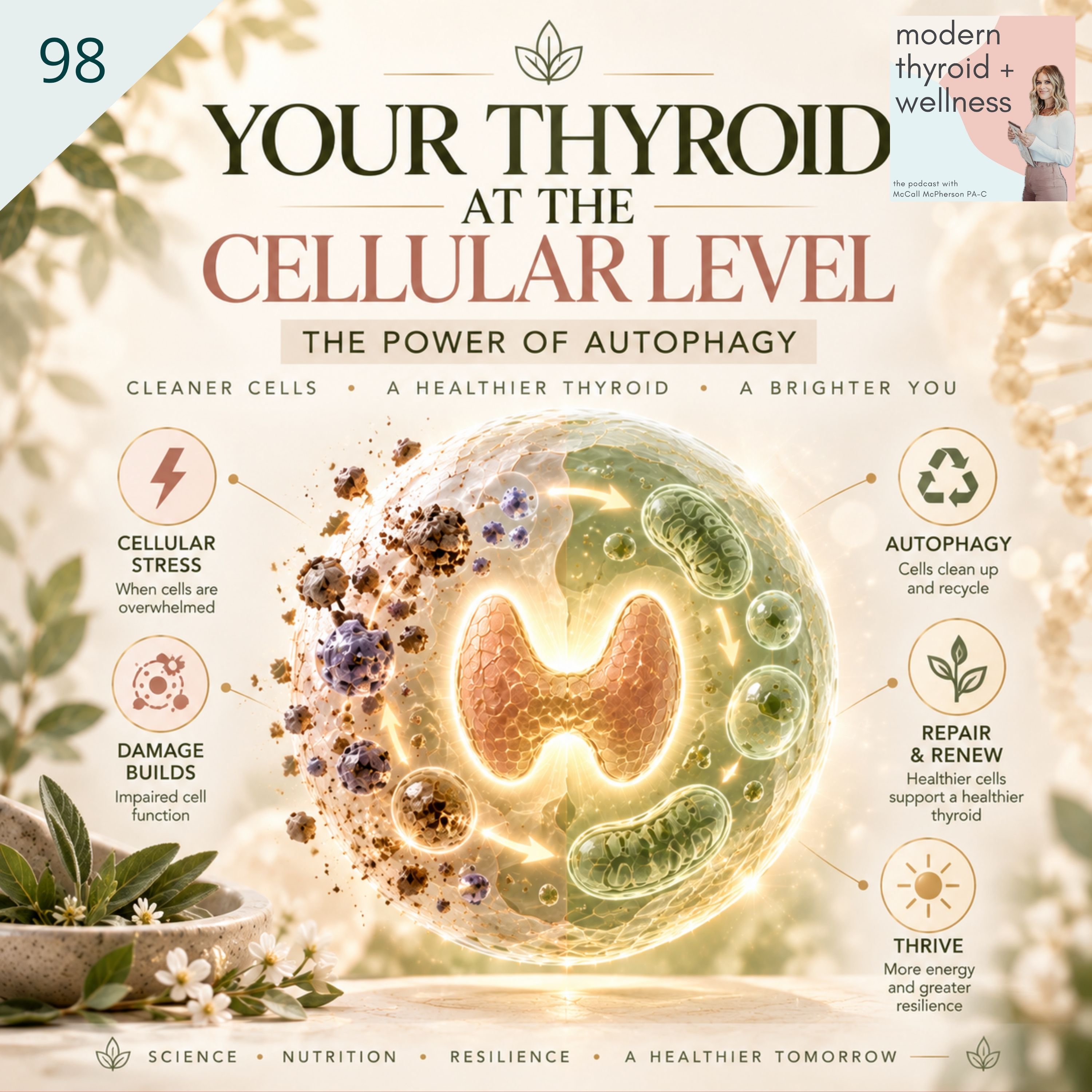
  • #88
    July 2 · 34 min

    88: Your Home Could Be Affecting Your Health More Than You Realize – The Hidden Impact of Air, Water, and Everyday Toxins with Helen Christoni

    What if one of the most powerful ways to support your thyroid, hormones, gut, and long-term health isn't another supplement or medication, but improving the air you breathe and the water you use every day? In this episode of Modern Thyroid and Wellness, McCall McPherson welcomes Helen Christoni, Senior Vice President of Ideal Living, the parent company behind AirDoctor and AquaTru. Helen shares her personal health journey, including experiencing early menopause and severe osteoporosis in her early forties, and how that experience led her to become passionate about reducing environmental toxins in the home. Together, McCall and Helen explore why clean air and clean water are foundational to health, how everyday environmental exposures contribute to toxic burden, and practical, affordable steps families can take to create a healthier home without feeling overwhelmed. 🔑 Key Topics Covered Helen's personal story of early menopause and severe osteoporosis How toxic burden can affect long-term health Why clean air and clean water are foundational to wellness How to check the quality of your local tap water Common contaminants found in municipal water Why boiling water can increase contaminant concentration Reverse osmosis vs. standard water filters Understanding chlorine and chloramine exposure Why shower water affects skin, lungs, and overall health The growing concern around microplastics and thyroid health Simple ways to reduce plastic exposure at home Why indoor air is often more polluted than outdoor air Wildfires, VOCs, mold, and hidden indoor air contaminants Why HEPA filtration alone isn't enough The importance of activated carbon in air purification How cooking, candles, and personal care products affect indoor air quality Creating a healthier bedroom for better sleep and recovery Practical healthy-home swaps anyone can start today 🌿 Helen's Journey to Environmental Wellness Helen's passion for clean air and clean water grew out of her own health crisis. While working in the beauty industry, she developed severe osteoporosis and entered menopause unexpectedly in her early forties. After multiple fractures and searching for answers, she was encouraged to look beyond conventional health advice and consider the role environmental toxins might be playing in her overall health. That experience ultimately brought her back to Ideal Living, where she now focuses on educating families about simple, practical ways to reduce their everyday toxic burden. 💧 Your Water May Contain More Than You Think Many people focus on eating organic foods but rarely consider the quality of the water they drink or cook with. Helen explains that municipal water supplies can contain numerous contaminants, including naturally occurring heavy metals and chemical byproducts. One of the biggest misconceptions is that boiling water makes it safer. Instead, many contaminants become more concentrated as water evaporates during cooking, meaning foods like pasta, rice, soups, and vegetables may contain even higher concentrations than the original tap water. She also explains why reverse osmosis filtration removes a broader range of contaminants than standard carbon filters, making it one of the most comprehensive options for drinking and cooking water. 🚿 Your Shower Is Another Source of Exposure Water quality doesn't only matter when you drink it. Every shower exposes your body to chlorine, chloramine, and other contaminants through both skin absorption and inhalation. Because skin is the body's largest organ, these daily exposures may contribute to: Dry skin Eczema Psoriasis Skin irritation Increased overall toxic burden Helen recommends shower filtration as another simple improvement that supports healthier skin while reducing everyday chemical exposure. 🌬️ Indoor Air Quality Deserves More Attention Most people think about outdoor pollution. But according to Helen, indoor air can often be even more polluted because contaminants become trapped inside modern, energy-efficient homes. Indoor air may contain: Wildfire smoke Volatile organic compounds (VOCs) Mold spores Pet dander Household cleaning chemicals Cooking emissions Personal care product chemicals Since most people spend the majority of their day indoors, improving indoor air quality can significantly reduce overall environmental exposure. Helen also explains why effective air purification requires both HEPA filtration and activated carbon, since many harmful gases and VOCs cannot be captured by HEPA filters alone. 🏡 Small Changes Add Up One of the biggest messages throughout this conversation is that creating a healthier home doesn't require perfection. Helen encourages listeners to focus on simple, repeatable habits like: Filtering drinking and cooking water Improving bedroom air quality Ventilating while cooking Choosing cleaner household products Reducing plastic use whenever possible Selecting organic bedding and textiles when practical Rather than trying to change everything overnight, she recommends building healthier habits one step at a time. 🌟 Final Takeaway The environment inside your home influences your health every single day. The water you drink. The air you breathe. The products you use. The choices you repeat. As Helen explains, reducing toxic burden isn't about creating fear or chasing perfection. It's about making practical improvements that support your body's natural ability to thrive. Sometimes the most powerful health interventions aren't found in a prescription bottle. They're found in the everyday choices that quietly shape your health for years to come. 👤 About the Guest Helen Christoni is the Senior Vice President of Ideal Living, the parent company of AirDoctor and AquaTru. She is passionate about educating families on environmental wellness, helping people reduce everyday toxic exposures through cleaner air, purified water, and practical healthy-home solutions. Helen is also the co-host of the Make Time Podcast, where she shares conversations focused on wellness, longevity, and intentional living. 🔗 Resources & Links 🌐 LinkedIn: Helen Christoni LinkedIn 📸 Instagram: Helen Christoni Instagram 🎙️ Podcast: Make Time Podcast with Emma and Helen 💧 Check Your Local Water Quality: Is My Water Safe? 🌬️ Learn About Air Quality & Why AQI Matters: Why Knowing Your AQI Is Essential in Today's Wildfire Era 📲 Follow McCall McPherson & Modern Thyroid and Wellness 💻 Website: modernthyroidclinic.com 🐦 X / Twitter: @thyroidexpert 🌐 Host Website: mccallmcpherson.com 📺 YouTube: McCall McPherson Channel 📘 Facebook: McCall McPherson PAC 📸 Instagram: @mccallmcphersonpa
Showing 1–20 of 30 episodes