Skip to content
Artwork for Lab to Lives
ScienceLife SciencesBusinessEntrepreneurshipHealth & FitnessMedicine

Lab to Lives

Ivanna Rosendal

A simple question started this show: How do we medicine from the lab to making a difference in people's lives as quickly as possible? 


The answers are complex. Actual solutions are hard to come by. We want to distill ideas until we see actual impact in the industry. 


Our three hosts all have backgrounds in life sciences and in improv comedy. Together, with their guests, they're on a mission to have conversations that can have an impact. And have some fun along the way.

Play
  • 20 episodes
  • monthly
  • Avg 39 min
  • English

Support the show

Goes straight to the publisher. podnod takes nothing.

  • S8 · E7
    September 2 · 47 min

    Pharma Wants A Cupcake But Gets Ingredients w/ Dr. Isabelle Widmer

    Send us Fan Mail Pharma doesn’t usually fail because the science is too hard. It stalls because humans are trying to do hard work inside a system that is overloaded, siloed and full of unwritten rules. We sit down with Isabelle, a physician with deep pharma experience who now works as a consultant, to unpack what really stops transformation and what actually helps teams move again. We talk about the five big value streams in a pharma company and why the friction between them becomes the real bottleneck. Isabelle explains why the “technical aspect is never the problem”, and why cross-functional delivery so often breaks on culture, incentives, role clarity and plain old nerves. We also dig into the surprising power of the “consultant hat”: the same truth can be welcomed from the outside and resisted from the inside, and that changes how leaders should use external support. From there we get practical: how complexity eats capacity, why organisations keep adding to the buffet without removing anything, and how “slower is faster” can be a real strategy when teams map blockers and cut low-value work. Then we play a sliding-doors biopharma quiz that brings it all to life, from big investment bets (semaglutide in obesity) to tough filing decisions, and the reminder that approval is not adoption in market access. If you care about organisational change in the pharmaceutical industry, pharma consulting, breaking down silos, and building systems that let people do great work, this one’s for you. Subscribe, share with a colleague, and leave a review with the biggest blocker you see in your organisation. Want to try the Sliding Doors in Biopharma Quiz? Find it here. Find Isabelle on her website elytraconsulting.com –and linkedin: https://www.linkedin.com/in/isabelle-catherine-widmer-md/ Visit Labtolives.com Do you want to try the quiz from this episode? Find the link on our LinkedIn profile: https://www.linkedin.com/company/labtolives/ Would you like to join the show as a guest or collaborator? Find out how on our website: https://www.labtolives.com/ Support the show ________ Reach out to Ivanna Rosendal Join the conversation on our LinkedIn page Visit www.labtolives.com Hosts Alexander Booth aka the MedTech Guy Dimitri Borisevich aka the start-up Guy Ivanna Rosendal aka the R&D pharma Gal

    • Transcript
    • Chapters
  • S8 · E6
    August 26 · 45 min

    Enabling Clinical Trial Technology that Cuts Risk and Speeds Patient Access

    Send us Fan Mail Clinical trials are meant to generate evidence, not paperwork, but too many studies still depend on spreadsheets, duplicate data entry and unconnected systems. This episode we are joined by Karen Maduschke, a clinical trial technology leader with over 20 years of experience, from building one of the first interactive e-consent products to scaling trial tech through acquisition and entry into a global CRO environment. Together we explore one of most pressing challenges in Clinical Trials: moving faster without sacrificing integrity. Karen breaks down why “speed” is really a workflow problem, how poor integration creates site burden and error risk, and where new technologies and automation can genuinely help. We also talk about what must come alongside that shift: validation, information security, patient privacy and clear governance to protect patients and control risk. The episode also touches on practical tips if you are a founder selling into pharma R&D. We map the different corporate players you need to get on board and to buy into your product, not simply your technology - from clinical operations and procurement, to QA, legal, IT and information security. We also explain why pharma does not buy shiny tech, but reduced risk and faster delivery. FInally we finish with our ever fun game show round focused this episode on "How couch was this trial?" exploring the extent to which decentralisation in trials is becoming a reality? Subscribe for more, share this with a founder or trial leader who needs it, and leave us a review with your biggest barrier to a faster, cleaner transition from Labs to Lives. Visit Labtolives.com Do you want to try the quiz from this episode? Find the link on our LinkedIn profile: https://www.linkedin.com/company/labtolives/ Would you like to join the show as a guest or collaborator? Find out how on our website: https://www.labtolives.com/ Support the show ________ Reach out to Ivanna Rosendal Join the conversation on our LinkedIn page Visit www.labtolives.com Hosts Alexander Booth aka the MedTech Guy Dimitri Borisevich aka the start-up Guy Ivanna Rosendal aka the R&D pharma Gal

    • Transcript
    • Chapters
  • S8 · E5
    July 8 · 1 hr 5 min

    The Emperor’s Naked And The Trial’s Still On w/ Dr. Grant Coren

    Send us Fan Mail “Patients first” sounds simple until you follow the incentives. We’re joined by Dr Grant Coren, a genetics-trained PhD who moved from cancer research into decades of recruiting talent across the pharmaceutical industry and biotech. Together, we ask the uncomfortable question that sits under mission statements and glossy brand values: do pharma organisations truly value patients over profit, or do we build systems where profit is the only thing we reliably measure and reward? We explore why communication breaks down, from jargon-heavy emails to patient-facing information that is technically compliant but hard to understand. From there, the conversation widens into how risk aversion accumulates through thousands of “safe” micro decisions, why Big Pharma often outsources early discovery risk to biotech, and what happens when acquired biotechs get assimilated into slower, more process-heavy cultures. We also talk leadership and psychological safety: brilliant people can want change and still feel unable to back a decision if being wrong is punished. Technology and data get a hard look too. AI in pharma is attracting billions, but adoption is often blocked by culture, incentives, and a habit of hiding behind regulation rather than engaging regulators to modernise clinical trials. We then zoom out to funding realities and industrial policy, including whether state involvement and public-private partnerships could help fix market failures, especially as cell and gene therapies challenge old pricing and reimbursement models. If you care about patient-centric drug development, clinical trials, biotech innovation, and the future of healthcare incentives, you’ll find plenty to argue with and plenty to take back to your team. Subscribe, share this with a colleague, and leave a review with your take: what would you change first to put patients ahead of profit? Visit Labtolives.com Do you want to try the quiz from this episode? Find the link on our LinkedIn profile: https://www.linkedin.com/company/labtolives/ Would you like to join the show as a guest or collaborator? Find out how on our website: https://www.labtolives.com/ Support the show ________ Reach out to Ivanna Rosendal Join the conversation on our LinkedIn page Visit www.labtolives.com Hosts Alexander Booth aka the MedTech Guy Dimitri Borisevich aka the start-up Guy Ivanna Rosendal aka the R&D pharma Gal

    • Transcript
    • Chapters
  • S8 · E4
    June 10 · 51 min

    What If The Real Blocker Is Coordination Not Data w/ Anastasia Christianson

    Send us Fan Mail AI is everywhere in pharma right now, yet drug development still feels slow, fragmented, and full of avoidable rework. We sit down with Anastasia Christianson, former SVP and Global Head of AI Data and Analytics at Pfizer and now Managing Principal at EPAM Life Science Consulting, to get specific about what actually blocks progress in clinical trials and what AI can realistically change. We dig into the uncomfortable pattern behind many “successful” AI deployments: a model fixes one bottleneck, then the system simply jams up somewhere else. Anastasia makes the case for end to end thinking across trial design, feasibility, patient recruitment, engagement, site operations, and data flow. We talk about why niche AI products are easier to build, why coordination is harder than modelling, and how digital health’s app explosion offers a warning for today’s AI tooling. Along the way, we unpack digitalisation, data standards, FAIR data, and why “perfect data” is not the same as “useful data”. The most practical segment centres on patients: how AI can help build cohorts, find eligible participants, answer questions, reduce fear, improve convenience, and prevent dropouts that cost time and money. We also turn FDA denials into a quick quiz to highlight a key truth of life sciences innovation: approvals can fail due to control arm choices, surprising trial requirements, or manufacturing site inspection findings even when the science looks promising. If you care about AI in clinical trials, R&D productivity, and how to turn data into faster access to medicines, you’ll get both a reality check and a playbook. Subscribe for more, share this with a colleague in clinical operations or data science, and leave a review telling us: where do you see the biggest bottleneck right now? Visit Labtolives.com Do you want to try the quiz from this episode? Find the link on our LinkedIn profile: https://www.linkedin.com/company/labtolives/ Would you like to join the show as a guest or collaborator? Find out how on our website: https://www.labtolives.com/ Support the show ________ Reach out to Ivanna Rosendal Join the conversation on our LinkedIn page Visit www.labtolives.com Hosts Alexander Booth aka the MedTech Guy Dimitri Borisevich aka the start-up Guy Ivanna Rosendal aka the R&D pharma Gal

    • Transcript
    • Chapters
  • S8 · E3
    May 13 · 49 min

    Electrifying the Factory: Agentic AI For Faster Clinical Trials with Pamela Tenaerts

    Send us Fan Mail The clinical trial system is starting to look like a motorway at a standstill: more and more drugs are lining up, but the lanes ahead are already full. We sit down with Pamela Tenart to unpack why the industry may have reached the limit of human-only clinical development, and why “adding more people” is no longer a realistic plan when experienced CRAs, site co-ordinators and trial operators are already stretched thin. From there, we get practical about what agentic AI could change inside clinical trial operations. We talk about AI agents that can pull context across CTMS, EDC, safety reporting and TMF, helping monitors prepare for site visits, flag missing fields, propose next best actions, draft communications, and reduce the dead time where teams are simply waiting for updates. The point is not to automate judgement, but to automate the admin and co-ordination work so humans can focus on strategy, enrolment, quality, and patient safety with a clear audit trail and human-in-the-loop control. We also zoom out to the bigger bottleneck: sponsors, CROs and sites are part of one connected system, so optimising one party can just shift the pain elsewhere. Along the way we explore why better, more sensitive endpoints can shorten trial timelines, how policy and regulation might need to evolve, and a memorable metaphor from industrial history: electricity boosted individual productivity first, but factories only truly improved once they were rebuilt for the new technology. If you’re working in clinical research, drug development, biotech, or health tech, this conversation will help you think more clearly about where AI genuinely shortens the critical path and where it simply adds noise. Subscribe, share the episode with a colleague, and leave us a review. Which clinical trial workflow would you redesign first? Visit Labtolives.com Do you want to try the quiz from this episode? Find the link on our LinkedIn profile: https://www.linkedin.com/company/labtolives/ Would you like to join the show as a guest or collaborator? Find out how on our website: https://www.labtolives.com/ Support the show ________ Reach out to Ivanna Rosendal Join the conversation on our LinkedIn page Visit www.labtolives.com Hosts Alexander Booth aka the MedTech Guy Dimitri Borisevich aka the start-up Guy Ivanna Rosendal aka the R&D pharma Gal

    • Transcript
    • Chapters
  • S8 · E2
    April 15 · 1 hr 9 min

    Why Big Pharma Feels Like A Financial Institution & Don't Pee on Medical Gloves with Anish Shindore

    Send us Fan Mail A medicine can be proven safe and effective, approved by regulators, and still fail the one test that matters: actually reaching patients in the real world. We sit down with Anish, a deep commercial thinker, to unpack what pharmaceutical commercialisation really is when you strip away the slogans and look at incentives, bottlenecks, and human behaviour. We start with our five value streams model of the pharmaceutical industry and use it to explore a provocative idea: modern big pharma often functions like a financial institution with extraordinary risk tolerance and time horizons. That framing changes how you think about R&D outsourcing, late stage development, pricing negotiations, market access, and the “programme management” required to bring a drug from molecule to monitored use. From there we move into the last mile of healthcare delivery: patient experience, physician capacity, restrictions on direct to consumer communication, and why “patient centricity” is hard in practice. We discuss remote care and digital health, including internet hospitals, plus the safety risks of self medication and the very real problem of adherence, from finishing a course to staying on track with GLP-1 medicines. If you care about pharma strategy, drug launch, market access, and what makes innovation stick, this one is for you. Subscribe for more, share this with a colleague who works on commercial or patient support, and leave a review. What is the biggest barrier you have seen between approval and real patient access? Try the quiz from the show yourself: https://forms.gle/uepGynopoLpguYKw8 Visit Labtolives.com Do you want to try the quiz from this episode? Find the link on our LinkedIn profile: https://www.linkedin.com/company/labtolives/ Would you like to join the show as a guest or collaborator? Find out how on our website: https://www.labtolives.com/ Support the show ________ Reach out to Ivanna Rosendal Join the conversation on our LinkedIn page Visit www.labtolives.com Hosts Alexander Booth aka the MedTech Guy Dimitri Borisevich aka the start-up Guy Ivanna Rosendal aka the R&D pharma Gal

    • Transcript
    • Chapters
  • S8 · E1
    March 30 · 48 min

    How Biotech Ideas Become Real Patient Impact w/ new co-hosts Alex and Dimitri

    Send us Fan Mail This is the first episode in the rebranded show! Drug and medical device breakthroughs do not reach patients because they’re clever in a lab. They reach patients when innovation, regulatory strategy, partnerships, clinical evidence and commercial reality line up at the same time, and that’s where things get messy. We’re launching Lab to Lives with a simple goal: talk honestly about what slows life sciences down and what actually helps. We start by introducing our new co-host dynamic and mapping where we each work across the life sciences “value streams” from early R&D to compliance and commercialization. With perspectives from diagnostics, medtech and pharma, we explore why devices and drugs now overlap, why manufacturing is often the blind spot, and why modern startups can look less like research labs and more like project management teams coordinating CROs across an ecosystem. Then we go straight into one of the biggest debates in biotech and medtech: is regulation the barrier, or is it our approach to proving safety and efficacy? We unpack risk-benefit thinking, the power of precedent, and why innovators often choose the safest regulatory path even when a different approach could unlock better products. Along the way, we talk about culture clashes between startups and big pharma, incentives that shape decisions, and how to regain agency by building a clear evidence argument regulators can assess. If you care about drug development, medical devices, regulatory affairs, FDA and EMA expectations, and the real mechanics of translating science into patient impact, come join the conversation. Subscribe, share this with someone building in life sciences, and leave a review with the barrier you think we should tackle next. Drug Name or Pokémon? Try the Quiz! Visit Labtolives.com Do you want to try the quiz from this episode? Find the link on our LinkedIn profile: https://www.linkedin.com/company/labtolives/ Would you like to join the show as a guest or collaborator? Find out how on our website: https://www.labtolives.com/ Support the show ________ Reach out to Ivanna Rosendal Join the conversation on our LinkedIn page Visit www.labtolives.com Hosts Alexander Booth aka the MedTech Guy Dimitri Borisevich aka the start-up Guy Ivanna Rosendal aka the R&D pharma Gal

    • Transcript
    • Chapters
  • S7 · E10
    March 3 · 25 min

    Dear Pharma, Your Patient Isn’t A KPI with Mark Duman

    Send us Fan Mail What happens when we stop calling people “subjects” and start inviting them to help build the solutions they need? We sit down with pharmacist and patient engagement leader Mark Duman to unpack how language, literacy, and lived experience can transform clinical trials, medtech, and digital health from the ground up. Mark introduces his three Cs—co-creation, choice, and coaching—and shows how each one moves care from doing to people toward working with and learning from them. We dig into the hidden pitfalls of relying solely on patient advocacy groups, why representation matters, and how to reach the millions who never join a mailing list but live with the biggest burdens. Mark shares a practical bridge: “staff as patients,” an internal, compliant way for organisations to hear real stories and test assumptions. From there, we explore informed consent that genuinely informs, outcomes data people can understand, and the right to know who is treating you and how good they are—without drowning in jargon. The conversation then zooms out to health literacy and data literacy as core citizenship skills. Wearables, home testing, and portals promise insight, but only if people can interpret trends, risk, and uncertainty. We talk about building inclusive paths for both digital-first and low-tech preferences, making space for community-driven solutions. Parents in rare diseases show what’s possible when lived experience meets scientific rigour: they convene experts, shape protocols, and even spark new therapies. That is the “meeting of experts” mindset—clinical knowledge and daily life experience on equal footing. Finally, we take on prevention and incentives. Can industry support prevention without fearing cannibalisation? Some already do, and the smarter lens treats trust and long-term health impact as strategic assets. We close with concrete steps any team can take: map patient journeys, test language for clarity, co-design eConsent, reduce protocol burden, compensate fairly, and measure how patient input changes recruitment and retention. Subscribe, share with a colleague who designs studies or products, and leave a review telling us one phrase you’ll stop using and what you’ll say instead. Visit Labtolives.com Do you want to try the quiz from this episode? Find the link on our LinkedIn profile: https://www.linkedin.com/company/labtolives/ Would you like to join the show as a guest or collaborator? Find out how on our website: https://www.labtolives.com/ Support the show ________ Reach out to Ivanna Rosendal Join the conversation on our LinkedIn page Visit www.labtolives.com Hosts Alexander Booth aka the MedTech Guy Dimitri Borisevich aka the start-up Guy Ivanna Rosendal aka the R&D pharma Gal

    • Transcript
    • Chapters
  • S7 · E9
    February 11 · 38 min

    Audit Trails, RBQM, And Agentic AI Explained

    Send us Fan Mail Ever wondered why a clean CSR still leaves you unsure how a trial actually ran? We dive into the hidden layer that explains the “how”: audit trails across EDC, IRT, eConsent, and ePRO. With guests Ellis Hiroki of Study OS (now rebranded siteroAI) and Nechama Katan of Wicked Problem Wizard, we unpack how E6(R3) shifts sponsors from “we can export logs” to “we continuously analyse them,” and why process measures—not just outcomes—are essential to real RBQM. We break down the obstacles that keep teams stuck in CSV purgatory: fragmented vendor data, missing standards, timestamp chaos, and brittle one-off scripts. Nachama shares pragmatic use cases that matter—like ePRO entries after discontinuation or suspicious mass updates—and how to prioritise by likelihood, detectability, and severity. Ellis explains why general AI isn’t enough, and how a purpose-built, agentic approach uses models to plan steps and generate validated SQL or code, rather than hallucinated answers. The result is auditable reasoning, repeatable checks, and faster paths from a clear question to a trusted signal. From there, we connect signals to action. Analytics without workflow creates noise; analytics with RBQM workflows produce root causes and durable fixes. We explore how audit logs become the first true process dataset in clinical operations, and how broader operational inputs—logistics, communications, and training—can also be measured when systems are API-first and integrated. If you’ve ever watched a leadership question trigger a scramble in stats programming, this conversation shows a cleaner route: experts ask in plain English, the system produces valid code and dashboards, and teams focus on insight rather than plumbing. If this resonates, follow the show, share it with a colleague, and leave a review. Your feedback helps us bring more practical, high-signal conversations to the clinical trials community. Visit Labtolives.com Do you want to try the quiz from this episode? Find the link on our LinkedIn profile: https://www.linkedin.com/company/labtolives/ Would you like to join the show as a guest or collaborator? Find out how on our website: https://www.labtolives.com/ Support the show ________ Reach out to Ivanna Rosendal Join the conversation on our LinkedIn page Visit www.labtolives.com Hosts Alexander Booth aka the MedTech Guy Dimitri Borisevich aka the start-up Guy Ivanna Rosendal aka the R&D pharma Gal

    • Transcript
    • Chapters
  • S7 · E8
    January 28 · 20 min

    Why Bringing The Trial To The Patient Beats Dragging Patients To Sites

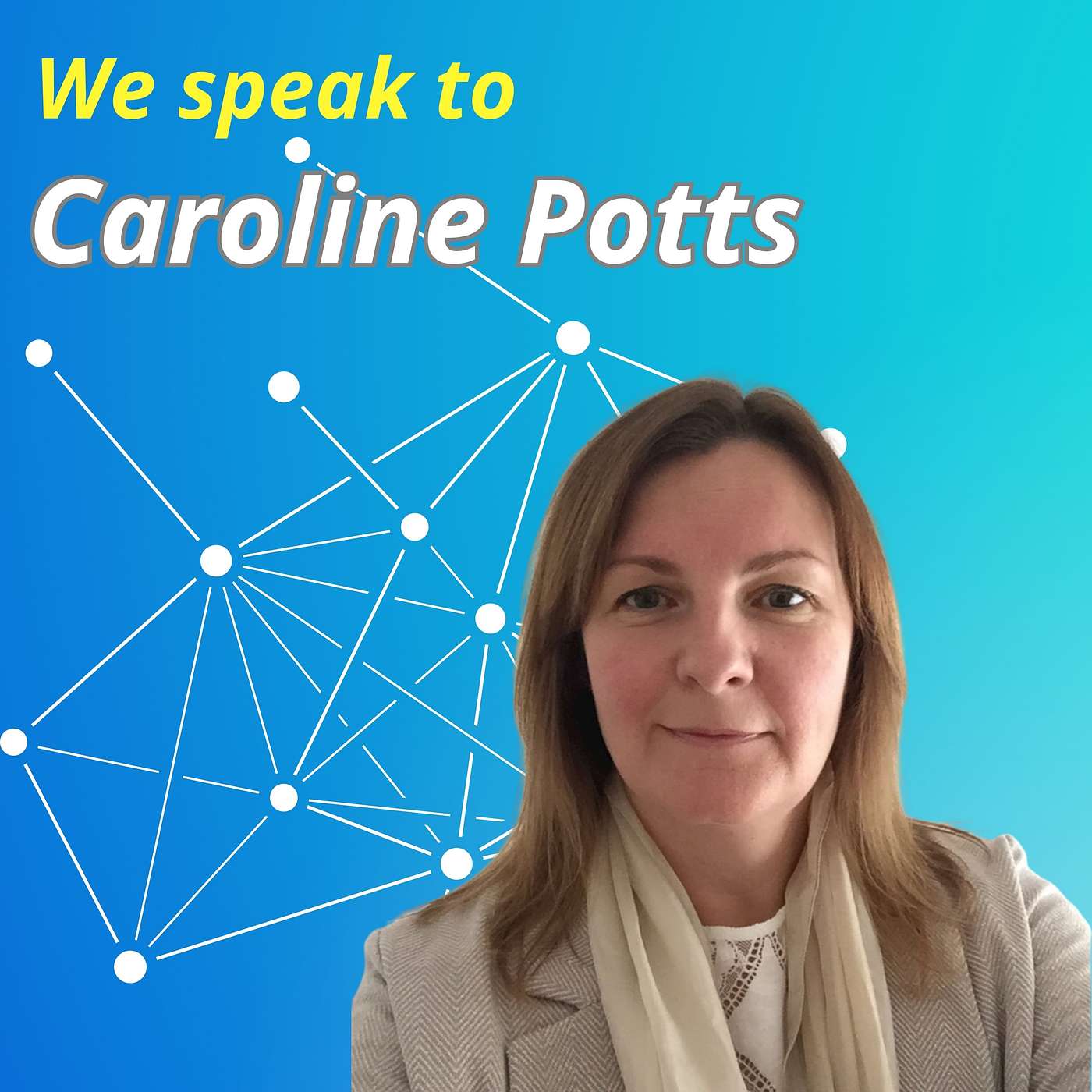
    Send us Fan Mail Want clinical research that respects real life? We sit down with Caroline Potts, GM of Site and Patient Services at MRN, to rethink how patients are recruited and supported when the standard trial model collides with work, school, caregiving, and distance. We start at the site level, exploring why trial sites remain the beating heart of studies, then unpack how participants actually arrive: investigator databases, advocacy networks, disease-specific portals, and focused social campaigns that reach people where they already are. From there, we tackle the hidden friction in protocols. Do you really need a physical exam at every visit, or can a trained nurse complete most procedures at home, at work, or even at a holiday address? Caroline gets specific about what’s possible outside the clinic—centrifuges, compliant drug delivery, courier timing—and where the red lines remain, like imaging. The conversation separates hype from substance on decentralised trials, arguing that the true shift is operational flexibility, not just apps. We also assess AI’s promise in finding eligible patients while calling for rigorous validation and thoughtful use alongside human support. The heart of the episode is practical patient centricity. We discuss rare diseases and long travel times, evening and weekend scheduling, reimbursement barriers, and how small design choices can either invite people in or push them away. Participants commit years of their lives to studies; the least we can do is meet them halfway. Caroline closes with a bold wish: compress timelines across the entire development arc. Precision medicine has moved forward; trial operations must catch up. If this resonates, follow the show, share it with a colleague, and leave a review to help more listeners find thoughtful conversations on modern clinical research. Visit Labtolives.com Do you want to try the quiz from this episode? Find the link on our LinkedIn profile: https://www.linkedin.com/company/labtolives/ Would you like to join the show as a guest or collaborator? Find out how on our website: https://www.labtolives.com/ Support the show ________ Reach out to Ivanna Rosendal Join the conversation on our LinkedIn page Visit www.labtolives.com Hosts Alexander Booth aka the MedTech Guy Dimitri Borisevich aka the start-up Guy Ivanna Rosendal aka the R&D pharma Gal

    • Transcript
    • Chapters
  • S7 · E7
    Dec 17, 2025 · 31 min

    Inside Sionna’s Bid To Normalize CFTR Function

    Send us Fan Mail Two leaders from Sionna Therapeutics walk through a 15‑year journey from Genzyme science to a public company advancing NBD1‑targeted therapies in cystic fibrosis. We examine why most patients still fall short of normal CFTR, how a predictive assay de‑risks choices, and what it takes to finance, hire, and execute with patients as the North Star. Visit: sionnatx.com Visit Labtolives.com Do you want to try the quiz from this episode? Find the link on our LinkedIn profile: https://www.linkedin.com/company/labtolives/ Would you like to join the show as a guest or collaborator? Find out how on our website: https://www.labtolives.com/ Support the show ________ Reach out to Ivanna Rosendal Join the conversation on our LinkedIn page Visit www.labtolives.com Hosts Alexander Booth aka the MedTech Guy Dimitri Borisevich aka the start-up Guy Ivanna Rosendal aka the R&D pharma Gal

    • Transcript
    • Chapters
  • Dec 3, 2025 · 24 min

    AI Won’t Replace Writers, But Writers Who Use AI Will Outpace The Rest with Bilal Bham

    Send us Fan Mail What if the documents behind a clinical trial were written with the patient’s voice in mind and delivered at the speed modern science deserves? We sit down with writer, consultant, and patient-advocate Bilal Bham to unpack how protocols, clinical trial applications, and clinical study reports actually get made, why structure beats chaos, and where AI genuinely shortens timelines without cutting corners. From first protocol outlines to final submissions, Bilal shares a process that blends proprietary AI with rigorous human review to turn dense source data into clear, regulator-ready narratives. The conversation gets real about the craft. Bilal argues that new writers still need to learn documents end-to-end: where to find truth in source files, how to build arguments across sections, and how to keep stakeholders aligned from biostats to clinical operations. AI helps when you feed it the right ingredients, starting with comprehensive bullet-pointed outlines rather than instant prose. That discipline shaves weeks off delivery and keeps quality high, especially when regulators are exploring AI on their side of the table and expect traceability, accuracy, and transparent logic. We also explore the power of inclusion. Living with Graves’ disease and thyroid eye disease, Bilal explains how patient experience sharpens trial design, consent language, and symptom reporting. Diversity is not a banner; it is better science. Recruiting across local communities in the UK, US, and Europe strengthens external validity and reveals gene-environment differences that change safety and efficacy. Pair that with plain-English patient summaries, fair compensation, and trusted community partners, and you get trials that are faster to run, easier to understand, and more likely to help the people who need them most. If you care about clinical trials, regulatory writing, medical communications, AI in pharma, and building inclusive studies that actually work in the real world, this conversation is for you. Subscribe, share with a colleague, and leave a review with your take: where should inclusion start in clinical research? Visit Labtolives.com Do you want to try the quiz from this episode? Find the link on our LinkedIn profile: https://www.linkedin.com/company/labtolives/ Would you like to join the show as a guest or collaborator? Find out how on our website: https://www.labtolives.com/ Support the show ________ Reach out to Ivanna Rosendal Join the conversation on our LinkedIn page Visit www.labtolives.com Hosts Alexander Booth aka the MedTech Guy Dimitri Borisevich aka the start-up Guy Ivanna Rosendal aka the R&D pharma Gal

    • Transcript
    • Chapters
  • Nov 19, 2025 · 30 min

    From Grief To Global Advocacy For Clinical Research In Infectious Diseases with Christian John Lillis

    Send us Fan Mail A routine dental visit, a few days of diarrhea, and then the unthinkable: septic shock and a life lost within 24 hours. Our guest, Christian John Lillis, shares how losing his mother Peggy to a community-acquired C. diff infection exposed a silent public health crisis and led him to co-found the Peggy Lillis Foundation (https://cdiff.org/). From that moment, advocacy turned concrete: raising awareness, training volunteers to speak with lawmakers and media, and pushing for policies that reflect the true burden of C. diff and other infectious diseases. We dig into what a modern, patient-centred clinical trial should look like. Christian explains why initial cure is not the only outcome that matters; for C. diff, the recurrence rate can define whether someone can work, travel, or care for family. We unpack why decentralized trials, telehealth diagnostics, and home nursing can transform access, speed up recruitment, and improve diversity—critical for evidence that holds up in real life. We also examine antibiotic stewardship, exploring how pathogen-targeted therapies can reduce collateral damage and help fight antimicrobial resistance while maintaining or improving efficacy and tolerability. Policy and incentives are central. Christian outlines the limits of market-driven R&D for smaller but deadly pathogens like VRE and CRE, and why tools such as GAIN, LPAD, and potential subscription models are needed to fund anti-infectives society desperately requires. We talk global spread, declining vaccination, and the communications gap that leaves many people vulnerable to misinformation. On the personal level, he shares practical steps for self-advocacy: bring someone to urgent visits, prepare questions, be firm and respectful, and share your story to fuel change. If you care about patient advocacy, clinical trial innovation, C. diff awareness, antibiotic resistance, and public health, this conversation offers both a roadmap and a rallying cry. Subscribe, share with a friend who works in healthcare, and leave a review telling us one change you’d make to make trials truly patient centred. Visit Labtolives.com Do you want to try the quiz from this episode? Find the link on our LinkedIn profile: https://www.linkedin.com/company/labtolives/ Would you like to join the show as a guest or collaborator? Find out how on our website: https://www.labtolives.com/ Support the show ________ Reach out to Ivanna Rosendal Join the conversation on our LinkedIn page Visit www.labtolives.com Hosts Alexander Booth aka the MedTech Guy Dimitri Borisevich aka the start-up Guy Ivanna Rosendal aka the R&D pharma Gal

    • Transcript
    • Chapters
  • S7 · E4
    Sep 10, 2025 · 31 min

    Decoding Real-World Evidence: Beyond Clinical Trials with Manfred Stapff

    Send us Fan Mail What if millions of electronic health records could transform how we understand medicine? In this thought-provoking conversation with Dr. Manfred Stapff, physician and real-world evidence pioneer, we uncover how anonymized patient data is revolutionizing healthcare research. Dr. Stapff reveals how the 21st Century Cures Act dramatically accelerated electronic medical record adoption in the US, creating unprecedented opportunities for researchers. Today, with 90-95% of American hospitals digitized and similar progress across parts of Europe, we're witnessing a fundamental shift in how medical knowledge is generated. But this transformation comes with crucial questions about data quality, privacy, and interpretation. Fascinatingly, real-world evidence offers solutions to problems traditional clinical trials can't address. While trials remain essential for developing new treatments, aggregated real-world data can help identify unexpected disease patterns, like rising cancer rates in younger populations. The sheer scale of this information—potentially millions of patient experiences—creates statistical power that individual studies could never achieve. The conversation takes a particularly compelling turn when Dr. Stapff shares his vision for democratizing medical knowledge. "What did we do 40 years ago when we had a question? We asked our doctor," he explains. "If we had access to electronic medical records... we could have access to the experience of thousands of physicians who treat hundreds of thousands or even millions of patients." This democratization could fundamentally change how patients understand their conditions and treatment options. Explore the emerging world of federated data networks, statistical literacy challenges, and why Dr. Stapff believes pharmaceutical companies should measure success not just in dollars but in lives improved. Whether you're a healthcare professional, researcher, or simply curious about the future of medicine, this episode offers valuable insights into how data is reshaping healthcare as we know it. Visit Labtolives.com Do you want to try the quiz from this episode? Find the link on our LinkedIn profile: https://www.linkedin.com/company/labtolives/ Would you like to join the show as a guest or collaborator? Find out how on our website: https://www.labtolives.com/ Support the show ________ Reach out to Ivanna Rosendal Join the conversation on our LinkedIn page Visit www.labtolives.com Hosts Alexander Booth aka the MedTech Guy Dimitri Borisevich aka the start-up Guy Ivanna Rosendal aka the R&D pharma Gal

    • Transcript
    • Chapters
  • S7 · E2
    Aug 27, 2025 · 19 min

    Democratizing Drug Development Through AI-Native Platforms with Ilya Burkov

    Send us Fan Mail Cloud computing is transforming biotech by offering purpose-built infrastructure that supports AI-driven drug discovery and development while meeting strict regulatory requirements. Dr. Ilya Burkov explains how Nebius provides full-stack solutions that democratize access to powerful technology, enabling researchers to achieve breakthroughs that previously required generations. • Cloud computing market was built for general purpose workloads but biotech needs specialized infrastructure for sensitive data and AI models • GPUs enable parallel processing that accelerates AI applications—like "a whole classroom solving math problems at once" versus CPUs solving one at a time • Applications include drug discovery, genomics, protein structure modeling, quantum chemistry, and single-cell modeling for cancer treatment • Nebius provides full-stack solutions with hardware and software layers, working with NVIDIA to offer specialized packages • Democratizing access to AI infrastructure is leveling the playing field between small biotechs and large pharmaceutical companies • Scientists can now accomplish in their lifetime what previously would have taken multiple generations of researchers • Breaking down silos between data teams and institutions is crucial for accelerating healthcare innovation Visit Labtolives.com Do you want to try the quiz from this episode? Find the link on our LinkedIn profile: https://www.linkedin.com/company/labtolives/ Would you like to join the show as a guest or collaborator? Find out how on our website: https://www.labtolives.com/ Support the show ________ Reach out to Ivanna Rosendal Join the conversation on our LinkedIn page Visit www.labtolives.com Hosts Alexander Booth aka the MedTech Guy Dimitri Borisevich aka the start-up Guy Ivanna Rosendal aka the R&D pharma Gal

    • Transcript
    • Chapters
  • S7 · E2
    Aug 13, 2025 · 29 min

    Incorruptible Evidence: Blockchain's Promise for Faster Drug Approvals w. Dominik Lysek

    Send us Fan Mail Dominik Lysek, CEO of PharmaTrail, explains how blockchain technology can solve trust issues in clinical trials by providing an incorruptible audit trail that verifies data integrity. This solution could significantly accelerate the time required for regulatory approvals, partnerships, and acquisitions, ultimately getting treatments to patients faster. • Blockchain provides a complete, unchangeable audit trail where data can only be added, never deleted • Most clinical data (99.9%) has integrity, but proving this to outsiders is time-consuming and costly • PharmaTrail uses private blockchain technology alongside traditional databases for optimal security and functionality • Blockchain verification can maintain momentum through due diligence processes, preventing deals from stalling • The technology creates trust by enabling independent verification of data integrity • Current systems face challenges with data credibility that delay patient access to treatments • Private blockchains protect patient data while still providing the benefits of immutable record-keeping Visit Labtolives.com Do you want to try the quiz from this episode? Find the link on our LinkedIn profile: https://www.linkedin.com/company/labtolives/ Would you like to join the show as a guest or collaborator? Find out how on our website: https://www.labtolives.com/ Support the show ________ Reach out to Ivanna Rosendal Join the conversation on our LinkedIn page Visit www.labtolives.com Hosts Alexander Booth aka the MedTech Guy Dimitri Borisevich aka the start-up Guy Ivanna Rosendal aka the R&D pharma Gal

    • Transcript
    • Chapters
  • S6 · E12
    Jul 30, 2025 · 40 min

    Revolutionizing Dentistry: AI and Research Innovation with Dr. Shervin Molayem

    Send us Fan Mail Dr. Shervin Molayem shares his journey of innovation in dentistry, starting with his discovery of a connection between periodontal disease and COVID-19 severity that became the world's most-read dental article of 2020. He discusses groundbreaking technologies including AI-powered diagnostic tools and a revolutionary non-surgical treatment that regenerates bone tissue around teeth. • Discovered connection between gum disease and COVID-19 severity through interleukin-6 levels • Developing Trust AI, a dental co-pilot that gives practitioners instant access to research, bridging the 17-year gap between research and practice • AI dental diagnostics can detect 37% more pathology than human eyes by distinguishing 250 shades of gray versus only 30 • Created non-surgical periodontal regeneration technology using piezoelectric nanoparticles that kill bacteria and stimulate bone growth • Oral infections affect overall health with links to heart disease, stroke, and Alzheimer's disease • Clinical research needs greater transparency to eliminate bias, potentially using blockchain technology to make science "fraud-proof" • The volume of research is doubling every three years, making AI essential for clinicians to keep pace You can find Dr. Shervin Molayem on LinkedIn or Instagram under "DentalSurgeon," or try his free dental chatbot at shervin@trustdentistryai.com. Visit Labtolives.com Do you want to try the quiz from this episode? Find the link on our LinkedIn profile: https://www.linkedin.com/company/labtolives/ Would you like to join the show as a guest or collaborator? Find out how on our website: https://www.labtolives.com/ Support the show ________ Reach out to Ivanna Rosendal Join the conversation on our LinkedIn page Visit www.labtolives.com Hosts Alexander Booth aka the MedTech Guy Dimitri Borisevich aka the start-up Guy Ivanna Rosendal aka the R&D pharma Gal

    • Transcript
    • Chapters
  • S6 · E11
    Jul 2, 2025 · 38 min

    How early diagnostics of lung cancer can lead to better survival rates with Chris Wood

    Send us Fan Mail Chris Wood discusses how early diagnostics of lung cancer through artificial intelligence and medical imaging can lead to better survival rates through early intervention. • Lung cancer takes more lives than breast, prostate and colon cancer combined, with approximately 70% of cases caught at late stages • The National Lung Screening Trial showed that screening high-risk populations reduced mortality by 20% • I-ELCAP research demonstrated an 80% twenty-year survival rate for early-stage cancers detected with CT scans and treated surgically • Preventive healthcare is shifting from general advice to personalized screening protocols based on individual risk factors • AI applications in medical imaging now assist with detection, characterization, and triage of disease • Lung biopsies have a 22% complication rate, making non-invasive diagnostic methods particularly valuable • AI-powered imaging can provide additional information to help clinicians decide whether to perform biopsies • In clinical trials, AI imaging analysis could improve patient selection and help trials reach endpoints more efficiently • Medical imaging gives patients visual information about their bodies that can motivate healthier lifestyle changes • The future of healthcare will likely focus on improving quality of life rather than simply extending lifespan If you have a suggestion for a guest for our show, reach out to Sam Parnell or Ivanna Rosendal on LinkedIn. You can find more episodes on Apple Podcasts, Spotify, Google Podcasts or in any other player. Visit Labtolives.com Do you want to try the quiz from this episode? Find the link on our LinkedIn profile: https://www.linkedin.com/company/labtolives/ Would you like to join the show as a guest or collaborator? Find out how on our website: https://www.labtolives.com/ Support the show ________ Reach out to Ivanna Rosendal Join the conversation on our LinkedIn page Visit www.labtolives.com Hosts Alexander Booth aka the MedTech Guy Dimitri Borisevich aka the start-up Guy Ivanna Rosendal aka the R&D pharma Gal

    • Transcript
    • Chapters
  • S6 · E10
    Jun 18, 2025 · 55 min

    From Hopeless to High-Performing: Transforming Pharma Teams with Rajesh Anandan and Nechama Katan

    Send us Fan Mail Building high-performing teams in life sciences requires understanding how neurodiversity can be an advantage and designing work systems that enable different brain types to collaborate effectively. • A high-performing team continues to function when everything around it has fallen apart • Star players can become crutches that mask underlying team issues • Life sciences faces unique challenges: financial pressures, outdated technology, layoffs, and pervasive lack of trust • Teams often develop learned helplessness after years of having initiatives rejected • Only 10-15% of people are needed to drive revolutionary change in an organisation • Traditional management approaches fail because they don't account for individual differences • Standard practices like the "feedback sandwich" often backfire depending on neurotype • Creating concrete team habits that normalize desired behaviours works better than abstract training • Tracking waste can give teams agency and hope while improving processes • Many come to life sciences wanting to make a difference—reconnecting to this purpose is powerful If you'd like to learn more about building high-performing teams in life sciences, reach out to Nehama Katan at wickedproblemwizards.com or find Rajesh Anandan at team-x.ai. Visit Labtolives.com Do you want to try the quiz from this episode? Find the link on our LinkedIn profile: https://www.linkedin.com/company/labtolives/ Would you like to join the show as a guest or collaborator? Find out how on our website: https://www.labtolives.com/ Support the show ________ Reach out to Ivanna Rosendal Join the conversation on our LinkedIn page Visit www.labtolives.com Hosts Alexander Booth aka the MedTech Guy Dimitri Borisevich aka the start-up Guy Ivanna Rosendal aka the R&D pharma Gal

    • Transcript
    • Chapters
  • S6 · E9
    Jun 4, 2025 · 37 min

    Data Governance in the Age of Generative AI with Sebastian Andruszczak

    Send us Fan Mail Sebastian Andruszczak, Chief Growth Officer at Holisticon (part of the Nexer Group), brings fresh perspective to the conversation around generative AI adoption in pharmaceutical companies. Drawing from his unique background in sales, marketing, and technology, Sebastian cuts through the hype to address fundamental challenges that prevent successful AI implementation in life sciences. The conversation reveals a critical insight often overlooked in the rush to adopt new technology: without proper data governance, organizations risk "scaling disaster." Sebastian walks us through the specific challenges pharmaceutical companies face - from ever-changing data sources creating inconsistent AI responses, to linguistic variations causing subtle differences in interpretation across global teams. These issues become magnified when implementing AI at enterprise scale, potentially undermining the very efficiencies these technologies promise. Sebastian outlines a methodical, four-part approach to building effective AI systems: starting with data governance fundamentals, then data engineering, followed by traditional machine learning, and finally generative AI applications. This structured approach has proven successful for companies like Beringer Ingelheim, whose ambitious knowledge management system has already saved one million working hours by processing over 800,000 documents across 200 departments in 70+ countries. What makes this episode particularly valuable is Sebastian's candid assessment of the industry's current state. While acknowledging the transformative potential of strategic AI initiatives in drug discovery and knowledge management, he challenges the fear-driven implementation happening in many organizations. His "magic wand" wish for the industry reflects this pragmatism: focus first on data quality - a decades-old challenge that finally has the perfect justification for investment. Whether you're directly involved in pharmaceutical technology implementation or interested in how AI adoption affects life sciences advancement, this episode provides practical insights on building systems that deliver genuine value rather than just following technological trends. Connect with Sebastian on LinkedIn to continue the conversation. Visit Labtolives.com Do you want to try the quiz from this episode? Find the link on our LinkedIn profile: https://www.linkedin.com/company/labtolives/ Would you like to join the show as a guest or collaborator? Find out how on our website: https://www.labtolives.com/ Support the show ________ Reach out to Ivanna Rosendal Join the conversation on our LinkedIn page Visit www.labtolives.com Hosts Alexander Booth aka the MedTech Guy Dimitri Borisevich aka the start-up Guy Ivanna Rosendal aka the R&D pharma Gal

    • Transcript
    • Chapters
Showing 1–20 of 20 episodes